Aviation News
-
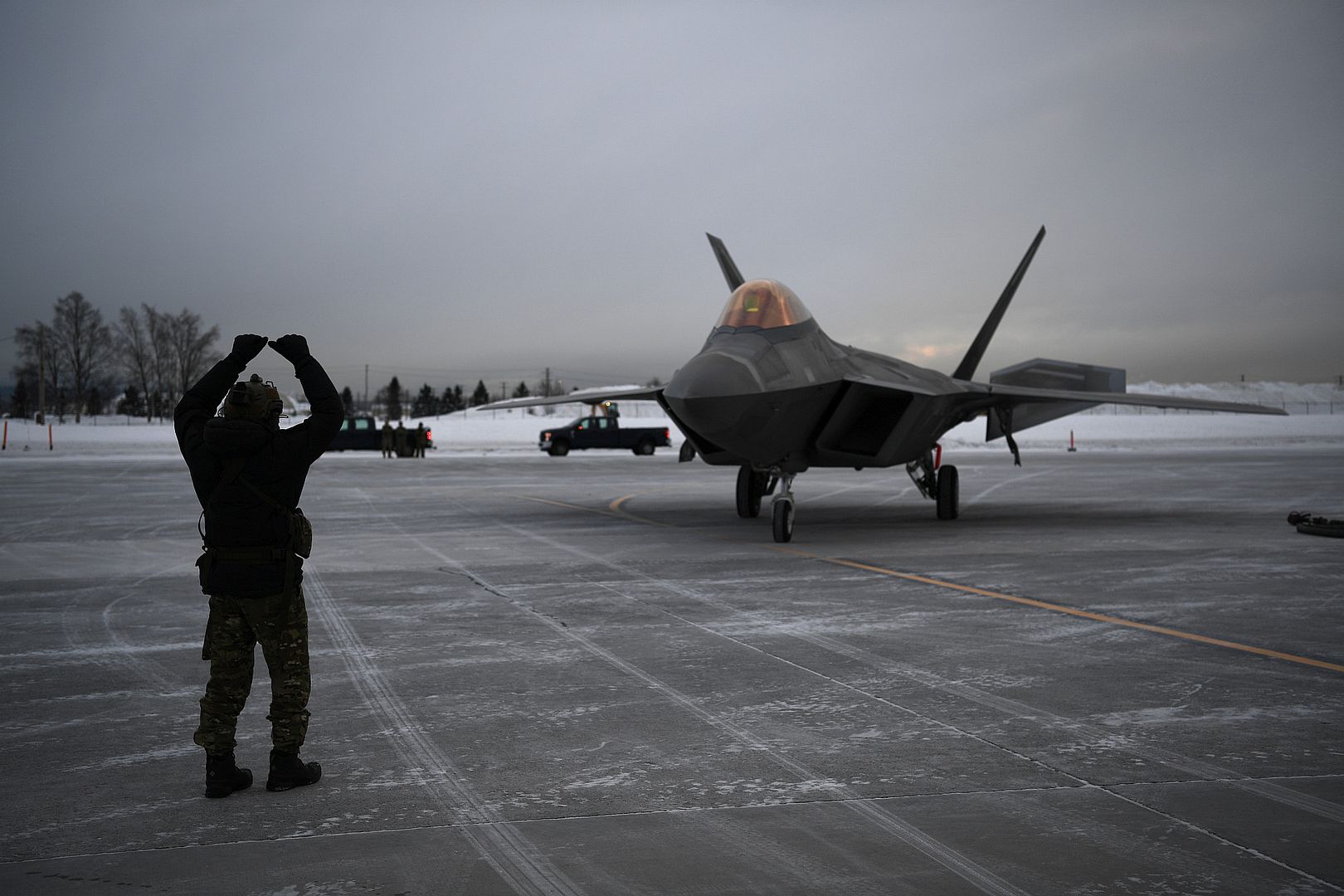
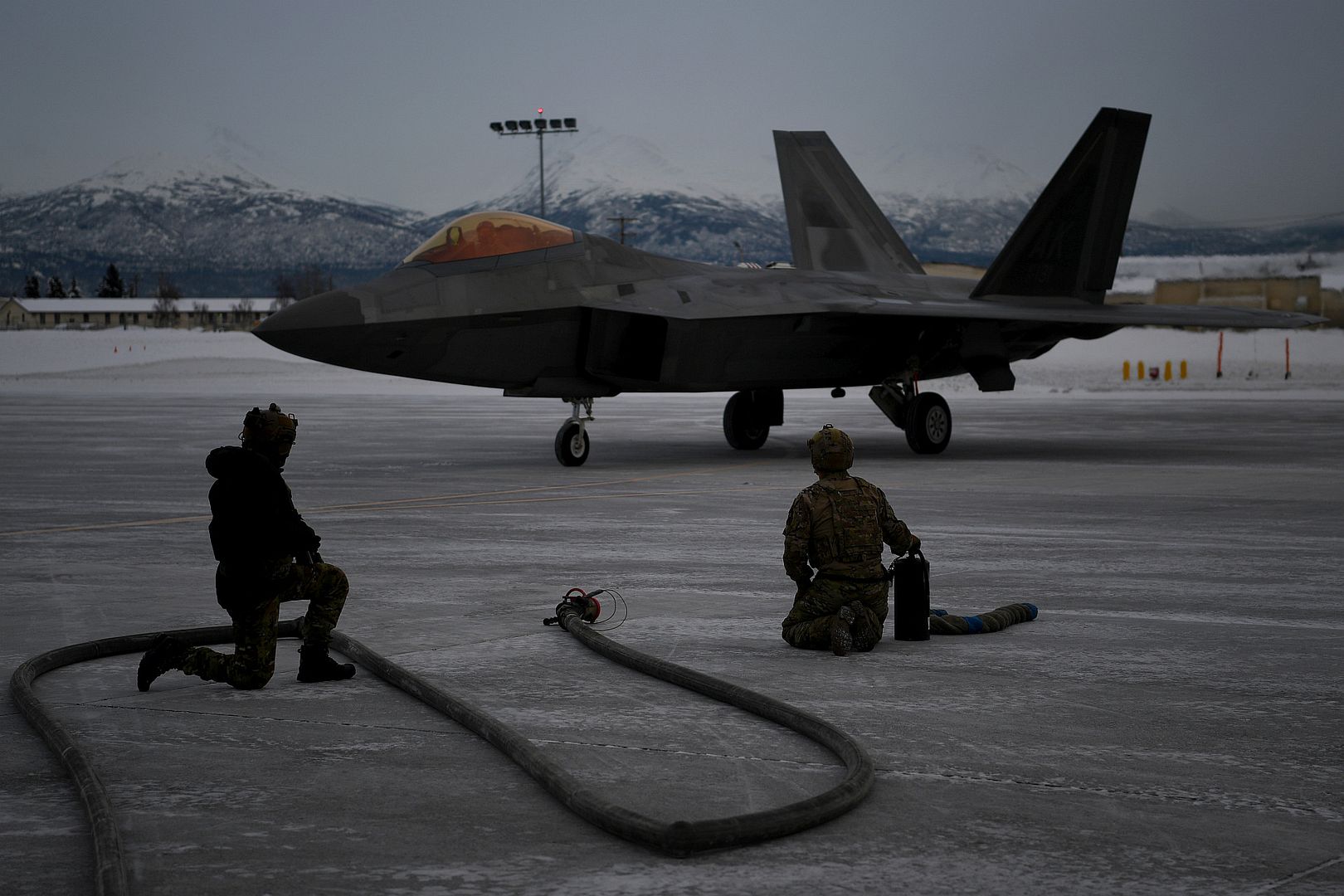
A Special Tactics operator taxis an F-22 Raptor with the 3rd Wing into a simulated extreme cold weather environment Forward Area Refueling Point during Emerald Warrior at Joint Base Elmendorf-Richardson, Alaska, Jan. 30, 2020. Emerald Warrior 20-1 provides annual, realistic pre-deployment training encompassing multiple joint operating areas to prepare special operations forces, conventional force enablers, partner nations, and interagency elements to integrate with and execute full spectrum special operations in an arctic climate, sharpening U.S. forces? abilities to operate around the globe. (U.S. Air Force photo's by Staff Sgt. Ridge Shan)
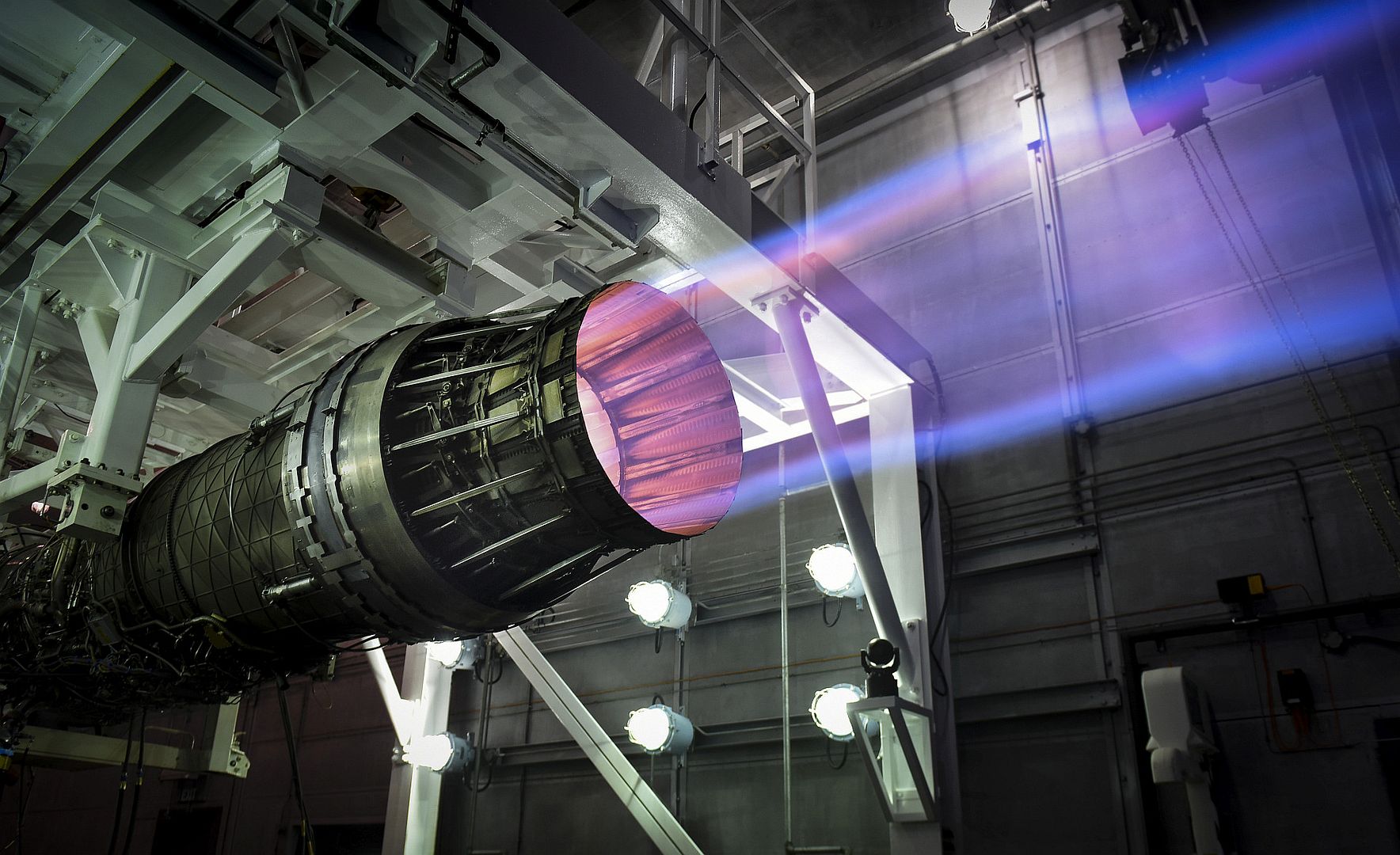
48th Maintenance Group aerospace propulsion technicians test an F-15 aircraft engine at Royal Air Force Lakenheath, England, Feb. 5, 2020. Engines are tested inside of ?hush houses? to minimize noise and provide a safe area for maintainers to inspect them. (U.S. Air Force photo's by Airman 1st Class Madeline Herzog)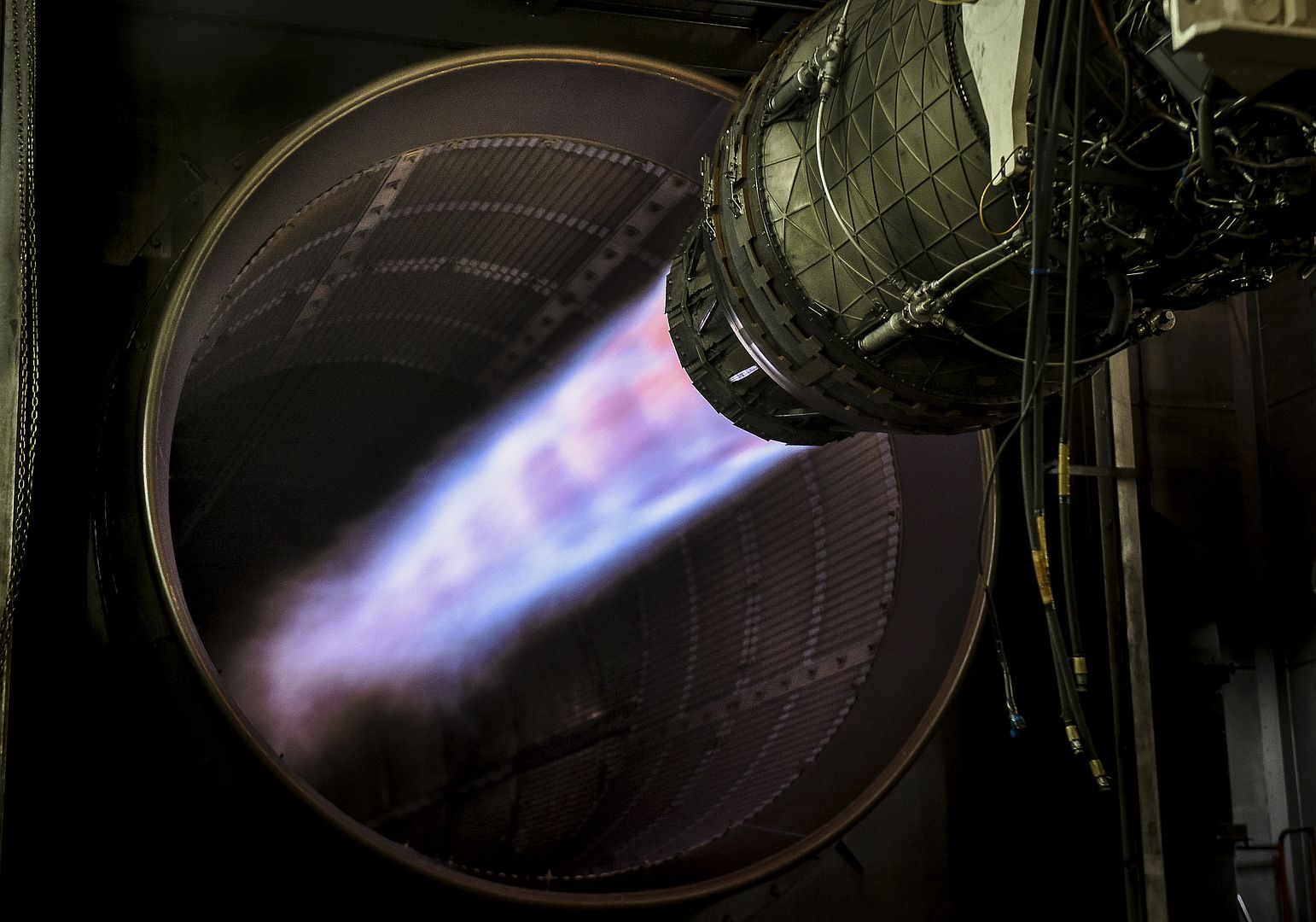
ARABIAN SEA (Feb. 6, 2020) An F/A-18F Super Hornet, attached to the "Fighting Checkmates" of Strike Fighter Squadron (VFA) 211, takes off on the flight deck of the aircraft carrier USS Harry S. Truman (CVN 75) in the Arabian Sea Feb. 6, 2020. The Harry S. Truman Carrier Strike Group is deployed to the U.S. 5th Fleet area of operations in support of naval operations to ensure maritime stability and security in the Central Region, connecting the Mediterranean Sea and the Pacific Ocean through the western Indian Ocean and three strategic choke points. (U.S. Navy photo by Mass Communication Specialist 2nd Class Jake Carrillo/Released)%20211,%20takes%20off%20on%20the%20flight%20deck%20of%20the%20aircraft%20carrier%20USS%20Harry%20S.%20Truman%20(CVN%2075)%20in%20the%20Arabian%20Sea%20Feb.%206,%202020..JPG)
MARIETTA, Ga., Feb. 7, 2020 ? Lockheed Martin (NYSE: LMT) delivered the second of two KC-130J Super Hercules aerial refuelers to representatives from France?s Arm?e de l'Air on Feb. 4, at the company?s Aeronautics facility in Marietta, Georgia.
France has received a total of four Super Hercules aircraft ? two C-130J-30 combat delivery airlifters and two KC-130J aerial refuelers ? through a Foreign Military Sale with the U.S. government. The two C-130J-30 airlifters were delivered in 2017 and 2018, and first KC-130J delivered in September 2019. All of these Super Hercules are operated in conjunction with France?s existing C-130H fleet.
?France?s C-130 crews have long demonstrated the unmatched and proven performance of the Hercules aircraft in support of critical missions,? said Rod McLean, vice president and general manager, Air Mobility & Maritime Missions at Lockheed Martin. ?This additional KC-130J expands the Arm?e de l?Air?s already robust airlift and refueling resources to not only serve as a national asset, but a global resource as well.?
France is the 17th country to choose the C-130J for its airlift and refueling needs. The C-130J Super Hercules is the most advanced tactical airlifter in operation today, offering superior performance and enhanced capabilities with the range and versatility for every theater of operations and evolving requirements.
As the preeminent tactical aerial refueling tanker, the KC-130J is a battle-tested solution that takes full advantage of the tremendous technological and performance improvements inherent in the C-130J Super Hercules aircraft. A true force multiplier, the KC-130J refuels both fixed wing and rotary wing aircraft as well as conducts rapid ground refueling.
With this delivery, France joins a global community of KC-130J operators. In 2018, Germany announced the acquisition of a C-130J-30/KC-130J fleet, to be operated in partnership with France ? making this the first operator relationship of this type in C-130J history.
The C-130J Super Hercules is the global standard in tactical airlift, providing a unique mix of versatility and performance to complete any mission ? anytime, anywhere. The Super Hercules worldwide fleet has more than 2 million flight hours and is the airlifter of choice for 20 nations.
Royal Air Force personnel are participating in Red Flag 20-1 at Nellis Air Force Base, Nevada in the United States.

Typhoon and Lightning multi-role fighters, supported by a Voyager tanker, are being flown daily alongside United States Air Force, U.S. Navy and Royal Australian Air Force counterparts in the most complex and demanding air combat training available anywhere in the world.
(photo's MOD)
-
NELLIS AIR FORCE BASE, Nev. (AFNS) --
Airmen from the 388th Fighter Wing, alongside reservists from the 419th Fighter Wing, are currently deployed for combat training with the F-35A Lightning II during exercise Red Flag 20-1.
They are also performing the ?core wing? function at what is known as the Air Force?s premier large force exercise.
From Jan. 27-Feb. 15 they, alongside air and ground units from across the U.S. Air Force, U.S. Navy, Royal Air Force and Royal Australian Air Force, are learning how to fight and win together in a realistic combat environment. As the core wing, the 388th FW is the hub for integration, support and resources for the deployed force.
?Red Flag gives us ? especially our young pilots and maintainers, many of whom have never been down range ? the opportunity to experience a joint, deployed environment,? said Col. Steven Behmer, 388th Fighter Wing commander. ?We don?t simply learn how to execute the mission, we also get to know each other better, how we work and succeed together.?
The 388th Fighter Wing isn?t the only unit at Red Flag with F-35s. The British Royal Air Force 617 Squadron from RAF Marham brought F-35Bs to the Red Flag exercise.
This will further the integration the 421st Fighter Squadron began during last year?s European Theater Support Package, where they began putting in place processes for ?cross-servicing? maintenance activities, as well as operational integration with European F-35 partner nations.
Organizers say integration on the ground and in the air is key to success at Red Flag, as it is in war.
During the exercise, a friendly ?blue force? fights against an enemy ?red force? in what is known as the Air Force?s premier large-force combat-training experience. Red Flag may be the only place in the world where it?s OK if the ?bad guys? win the day once in a while.
?Our aggressors here are very good, they know the capabilities and shortcomings of the good guys and they work to exploit those,? said Col. William Reese, 414th Combat Training Squadron commander. ?We want them to fail here, so they learn and do better in the future, which may be in real-world combat.?
The Nevada Test and Training Range hosts both integrated air defenses with early warning systems and advanced surface-to-air threats. Couple those with highly trained aggressor pilots flying aircraft that simulate real-world enemy aircraft, and participants are presented with challenging missions in a variety of different scenarios.
Red Flag was created 40 years ago to give young pilots a realistic combat experience before flying against a real enemy threat. The threats have evolved since Vietnam, but Red Flag has evolved with them.
?We?re not just doing fighter integrations here. We?re doing cyber integration, we?re doing space and intelligence operations,? Reese said. ?We have good guys and bad guys on each side. When we integrate, we win. When we operate as small, separate teams, we lose.?
This is the second time the 388th Fighter Wing has served as the core wing at Red Flag.
The active duty 388th FW and Air Force Reserve 419th FW are the Air Force's first combat-capable F-35A units. They fly and maintain the jet in a Total Force partnership, which capitalizes on the strength of both components.
(U.S. Air Force photo by R. Nial Bradshaw)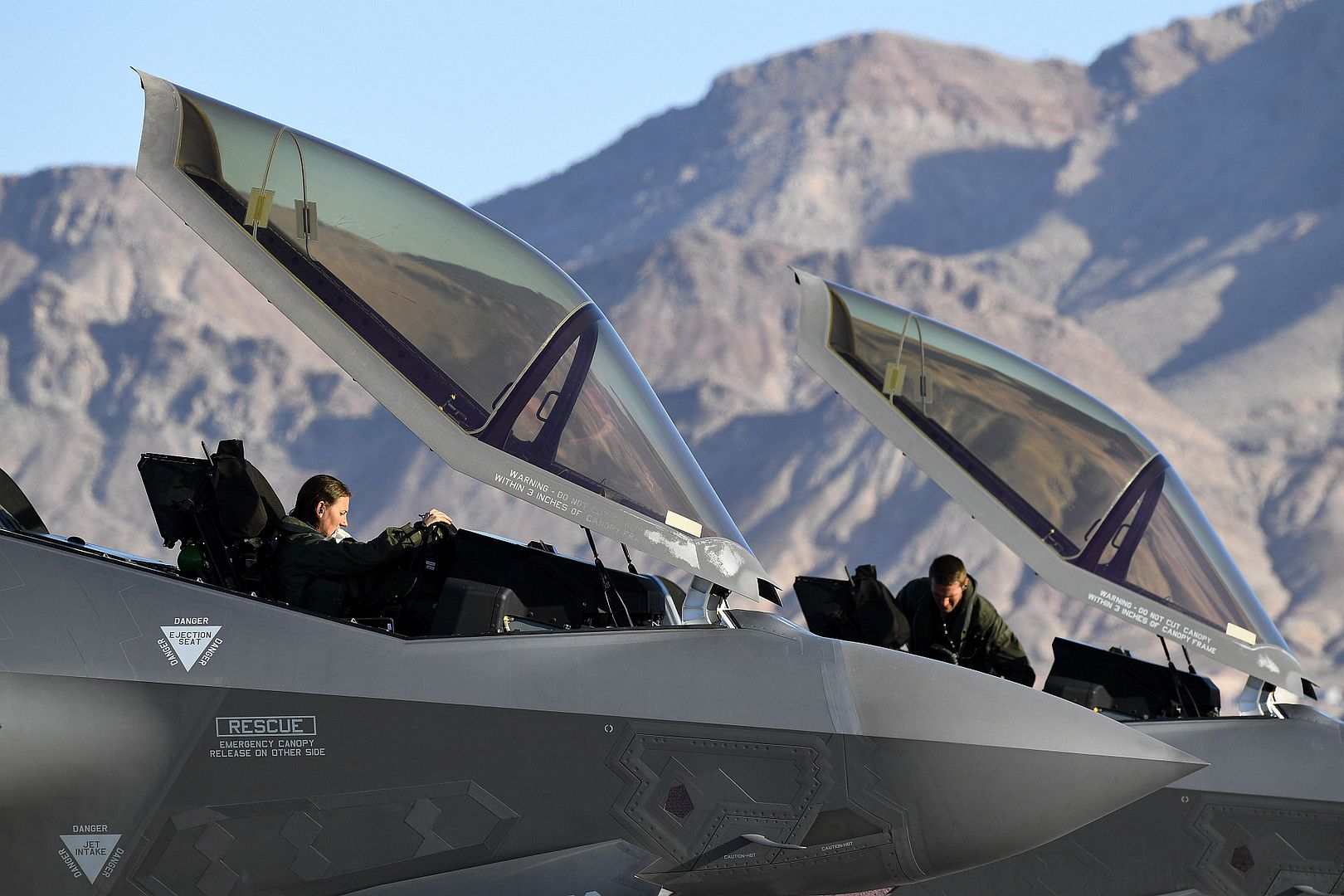
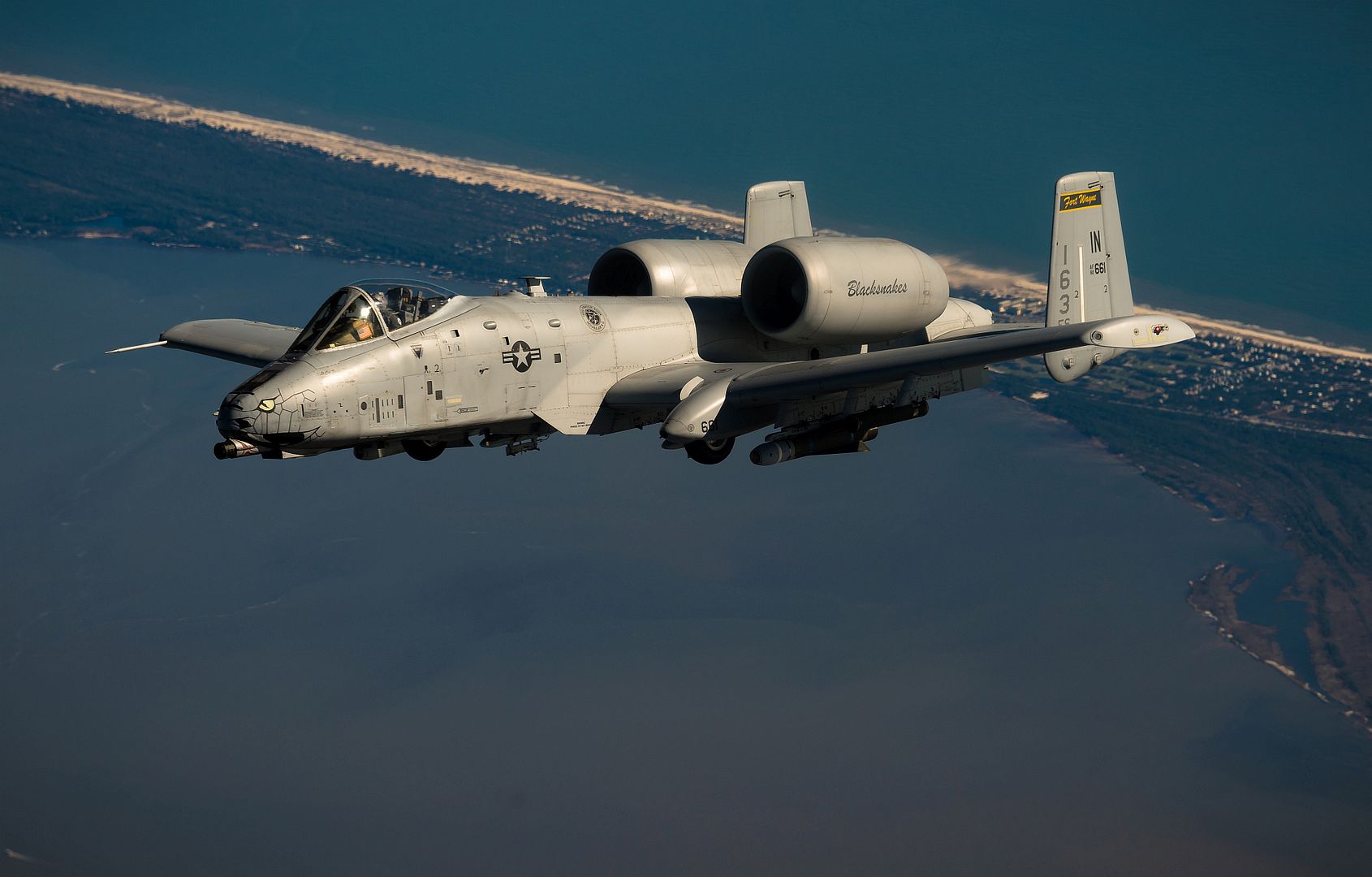
U.S. Air Force A-10 Thunderbolt II departs after receiving fuel from a Mississippi Air National Guard KC-135 Stratotanker assigned to the 186th Air Refueling Wing during a refueling mission as part of Southern Strike 2020 over the Gulfport Combat Readiness Training Center, Miss., Feb. 7, 2020. Southern Strike is a large-scale, joint and international combat exercise, which features counter insurgency, close air support, non-combatant evacuation, and maritime special operations. (U.S. Air Force photo's by Staff Sgt. Trevor T. McBride)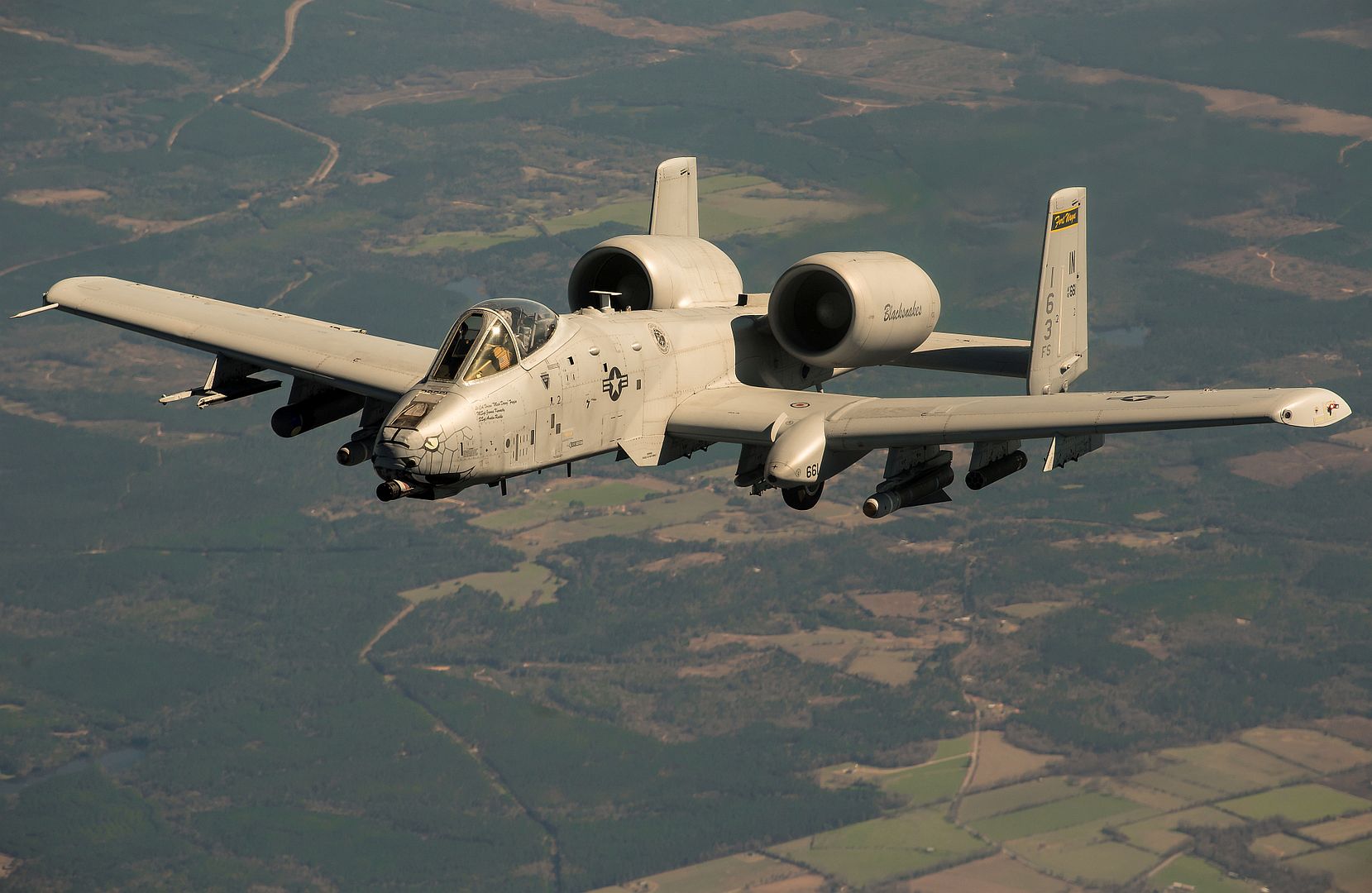
ARABIAN SEA (Feb. 7, 2020) An F/A-18F Super Hornet, attached to the ?Red Rippers? of Strike Fighter Squadron (VFA) 11, approaches the flight deck of the aircraft carrier USS Harry S. Truman (CVN 75) in the Arabian Sea Feb. 7, 2020. The Harry S. Truman Carrier Strike Group is deployed to the U.S. 5th Fleet area of operations in support of naval operations to ensure maritime stability and security in the Central Region, connecting the Mediterranean and the Pacific through the western Indian Ocean and three strategic choke points. (U.S. Navy photo's by Mass Communication Specialist 3rd Class Kaysee Lohmann)%2011,%20approaches%20the%20flight%20deck%20of%20the%20aircraft%20carrier%20USS%20Harry%20S.%20Truman%20(CVN%2075.jpg "2075")
%2011,%20approaches%20the%20flight%20deck%20of%20the%20aircraft%20carrier%20USS%20Harry%20S.%20Truman%20(CVN%2075-1.jpg "1")
AMARILLO, Texas, Feb. 10, 2020 ? Boeing [NYSE: BA] and Bell Textron Inc., a Textron Inc. (NYSE: TXT) company, delivered the first CMV-22B Osprey, which is the V-22 variant the U.S. Navy will use for transporting personnel and cargo to aircraft carriers at sea.
?The CMV-22B brings expanded capabilities not only to the carrier onboard delivery mission, but to the high-end fight,? said U.S. Navy Captain Dewon Chaney, Commodore, Fleet Logistics Multi-Mission Wing. ?We are anxious to get it to the fleet and show off its immense capabilities and agile flexibility.?
The Navy selected the Bell Boeing V-22 Osprey to replace the C-2A Greyhound fleet. Bell Boeing will deliver 48 of the tiltrotor aircraft.
The CMV-22B, which first flew in December, carries up to 6,000 pounds for more than 1,150 nautical miles. It?s the only aircraft that can transport major components of the F-35C engine directly to a carrier flight deck, a critical capability for Navy logistics and support.
?The Osprey will transform carrier fleet operations,? said Kristin Houston, vice president, Boeing Tiltrotor Programs and director, Bell Boeing V-22 Program. ?We?ve brought together the best teams for aircraft design, training, and sustainment to ensure the Navy is ready for any mission from day one.?
Navy aircrews and maintainers trained with the U.S. Marine Corps, which has employed the V-22 since 2007, to accelerate the transition. The CMV-22B will be based at Naval Air Station North Island in San Diego and Naval Air Station Norfolk.
BRISBANE, Australia, Feb. 10, 2020 ? The Boeing [NYSE:BA] Australia team recently completed major fuselage structural assembly for the first Loyal Wingman. The aircraft is one of three prototypes that will be developed as a part of the Loyal Wingman ? Advanced Development Program in partnership with the Royal Australian Air Force (RAAF).
?This is an exciting milestone for the development program, and the Australian aerospace industry, as we progress with production of the first military aircraft to be developed in Australia in more than 50 years,? said Dr. Shane Arnott, program director, Boeing Airpower Teaming System (ATS).
The Australian team has applied digital engineering and advanced composite materials to achieve cost and agility goals for the 38-foot (11.7-meter) aircraft, which is designed to use artificial intelligence in teaming with other manned and unmanned platforms.
?The partnership with Boeing is key to building our understanding of not just the operational implications for these sorts of vehicles, but also making us a smart customer as we consider options for manned-unmanned teaming in the coming decade,? said Air Commodore Darren Goldie, RAAF Director-General of Air Combat Capability. ?Boeing is progressing very well with its development and we look forward to seeing the final product in the coming months.?
Arnott said Australian Industry participation had been critical to the program?s rapid development, with a 16-strong Australian industry team making key deliveries to date including:
BAE Systems Australia, who have delivered hardware kits including flight control computers and navigation equipment;
RUAG Australia, who have delivered the landing gear system
Ferra Engineering, who have delivered precision machine components and sub-assemblies to support the program; and
AME Systems, who have delivered wiring looms to support the vehicle.
This first Loyal Wingman prototype will provide key lessons toward production of the ATS, which Boeing Australia is developing for the global defense market. Customers will be able to tailor ATS sensors and systems based on their own defense and industrial objectives.
The next major milestone will be weight on wheels, when the fuselage structure moves from the assembly jig to the aircraft?s own landing gear to continue systems installation and functional testing. The aircraft is expected to complete its first flight this year.
Marignane, 10 February 2020 ? The French Armament General Directorate (DGA) is to supply four H160s to the French Navy for search and rescue missions through a partnership between Airbus Helicopters, Babcock, and Safran Helicopter Engines. The French Navy will start operating these helicopters in 2022 for a period of ten years. This interim fleet of H160s will enable the French Navy to ensure the continuity of these critical missions as the Alouette III retires from service and pending Gu?pard deliveries. Airbus Helicopters, and its partners, will also be responsible for supporting the fleet with a high level of availability and performance commitments. In addition, French Navy operational feedback will be monitored to benefit the design of the military version of the H160 and its support system.
?We are proud that the French Navy will be operating the H160 for their search and rescue missions. We are sure that the improved situational awareness, increased pilot assistance, and visibility that the H160 provides will prove to be a valuable asset for their critical and demanding missions?, said Bruno Even, Airbus Helicopters CEO. ?Our industrial partnership with Babcock and Safran Helicopter Engines will allow us to ensure the highest level of availability for the French Navy and we are honoured to have been entrusted with this mission?.
The H160, as a next generation medium twin engine aircraft, powered by Arrano engines, was designed to be a modular helicopter in order to address missions ranging from offshore transportation, private and business aviation, emergency medical services, and public services. Its entry into service is planned for later in 2020. First deliveries of the equally modular military version, the H160M, or Gu?pard as it known in the French armed forces are planned in 2026. 169 H160Ms are foreseen in the frame of the Joint Light Helicopter programme (H?licopt?re Interarm?es L?ger: HIL) to replace five types of helicopters in service in the French armed forces.
10 Feb 2020
Four F-35 Lightning jets have completed night landings in HMS Queen Elizabeth flying over UK waters on operational training.
The Exercise Lightning Fury training over the North Sea is aimed at ensuring 207 Squadron achieves essential carrier flying and Landing Signals Officer (LSO) supervisory qualifications.
The exercise builds on successful trials completed on last year?s ?Westlant 19? Carrier Strike Group deployment off the East Coast of the USA.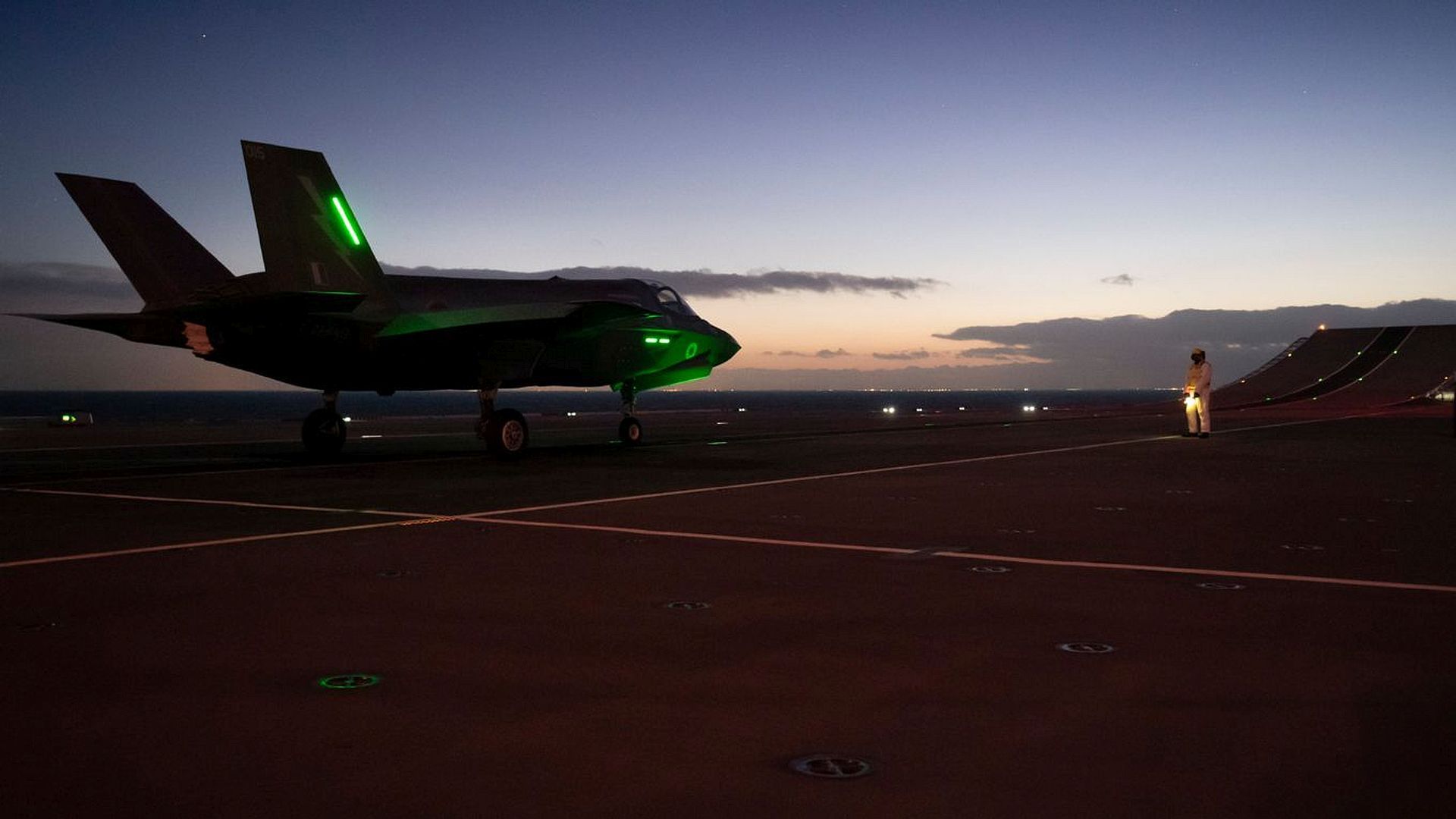
Defence Secretary Ben Wallace said, ?Few countries in the world have the capacity and technology to deploy fighter jets from an aircraft carrier in the North Sea. These trials put the UK at the helm of 5th generation warfighting and cement the UK as a Tier 1 military power.?
HMS Queen Elizabeth and HMS Prince of Wales will be the first aircraft carriers in the world to be designed specifically to operate the Lightning jet. The ?Short Take-Off and Vertical Landing? (STOVL) Lightning represents a step-change in capability. With its advanced sensors and stealth technology, the Lightning will provide the UK with a world-beating combat aircraft, which will be jointly manned by the Royal Air Force and the Royal Navy.
Commander UK Strike Force, Mike Utley said: ?Operating the UK?s Lightning Force from the deck of HMS Queen Elizabeth in UK waters is a significant milestone and one we are delighted to have shown the Secretary of State for Defence in person.
?This training with 207 Squadron will set the conditions for valuable warfighting exercises later this year between the operational Squadron and the ship. The future utility of these tremendous UK Defence assets is gaining clarity each day as we push the envelope of their combined ability, leading to the first combined operational deployment of the carrier strike capability next year.?
Once fully operational, the UK Carrier Strike Group will be a formidable force around the world, using a number of platforms to work alongside our allies and signalling the UK?s position as a global player on the world stage.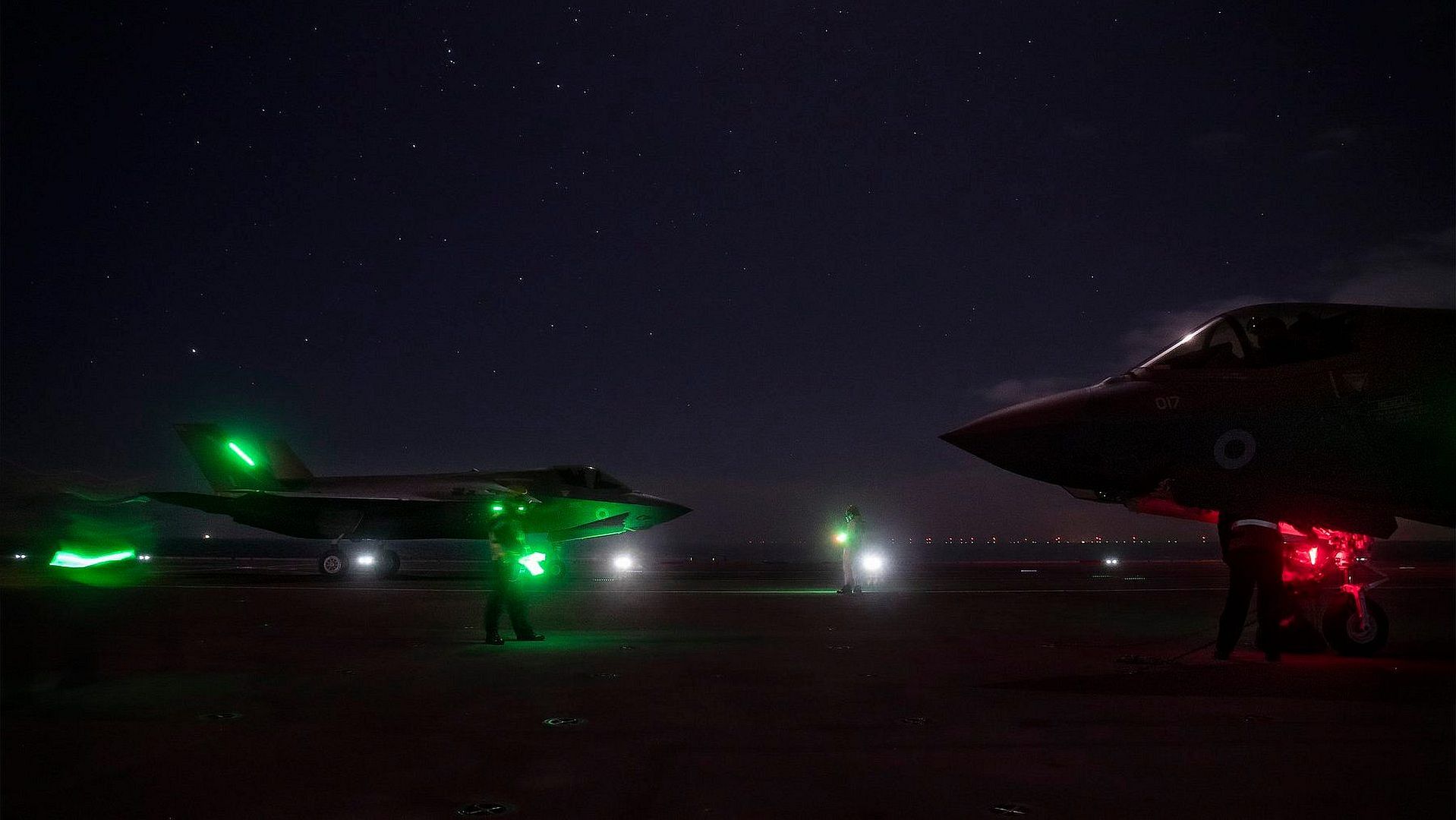
Station Commander, Group Captain James Beck said: ?It was great to welcome the Defence Secretary today. This was an opportunity for him to meet with personnel from the Lightning Force and to be briefed on the activity of the Squadrons currently taking part in Exercise RED FLAG in America and Carrier Qualifications on HMS Queen Elizabeth.?
The UK will declare Initial Operating Capability for Carrier Strike by the end of 2020. The UK currently owns 18 aircraft, with an additional order placed for 30 jets.
The first operational deployment for HMS Queen Elizabeth 617 Squadron and a squadron of US Marine Corps Lightning jets is due to take place in 2021.
(photos MOD)
-
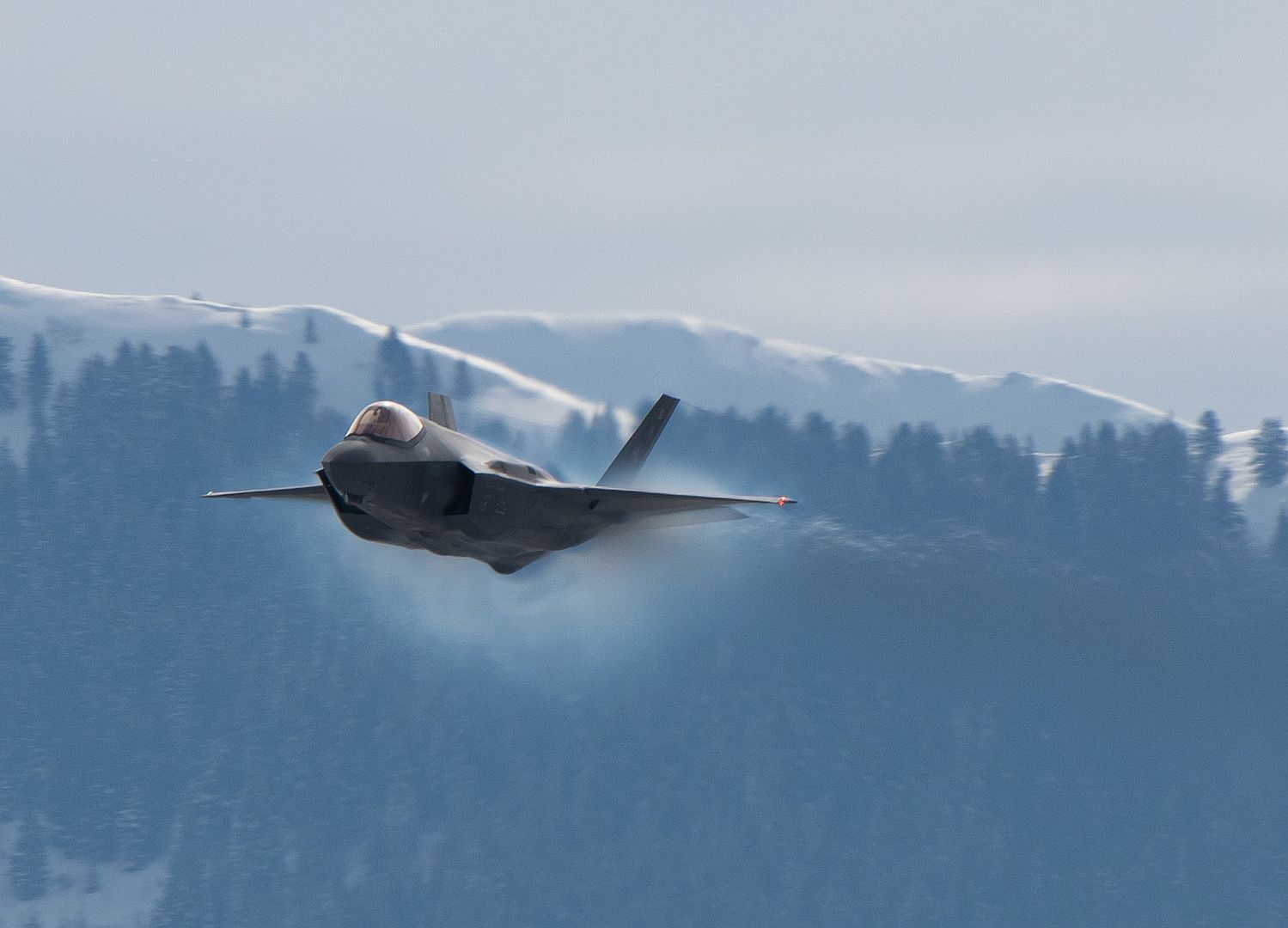
An F-35A Lightning II conducts a high-speed pass over Hill Air Force Base during a demonstration practice Feb. 10, 2020, at Hill AFB, Utah. The F-35 Demo Team is now assigned to Air Combat command at the 388th Fighter Wing. (U.S. Air Force photo by Capt. Kip Sumner)
An F-15E Strike Eagle assigned to the 492nd Fighter Squadron lands at Royal Air Force Lakenheath, England, during a ?Furious 48? exercise Feb.11, 2020. Exercises like this provide both aircrew and support personnel stationed at the Liberty Wing the experience needed to maintain a ready force capable of ensuring the collective defense of the NATO alliance.
(U.S. Air Force photo by Airman 1st Class Madeline Herzog)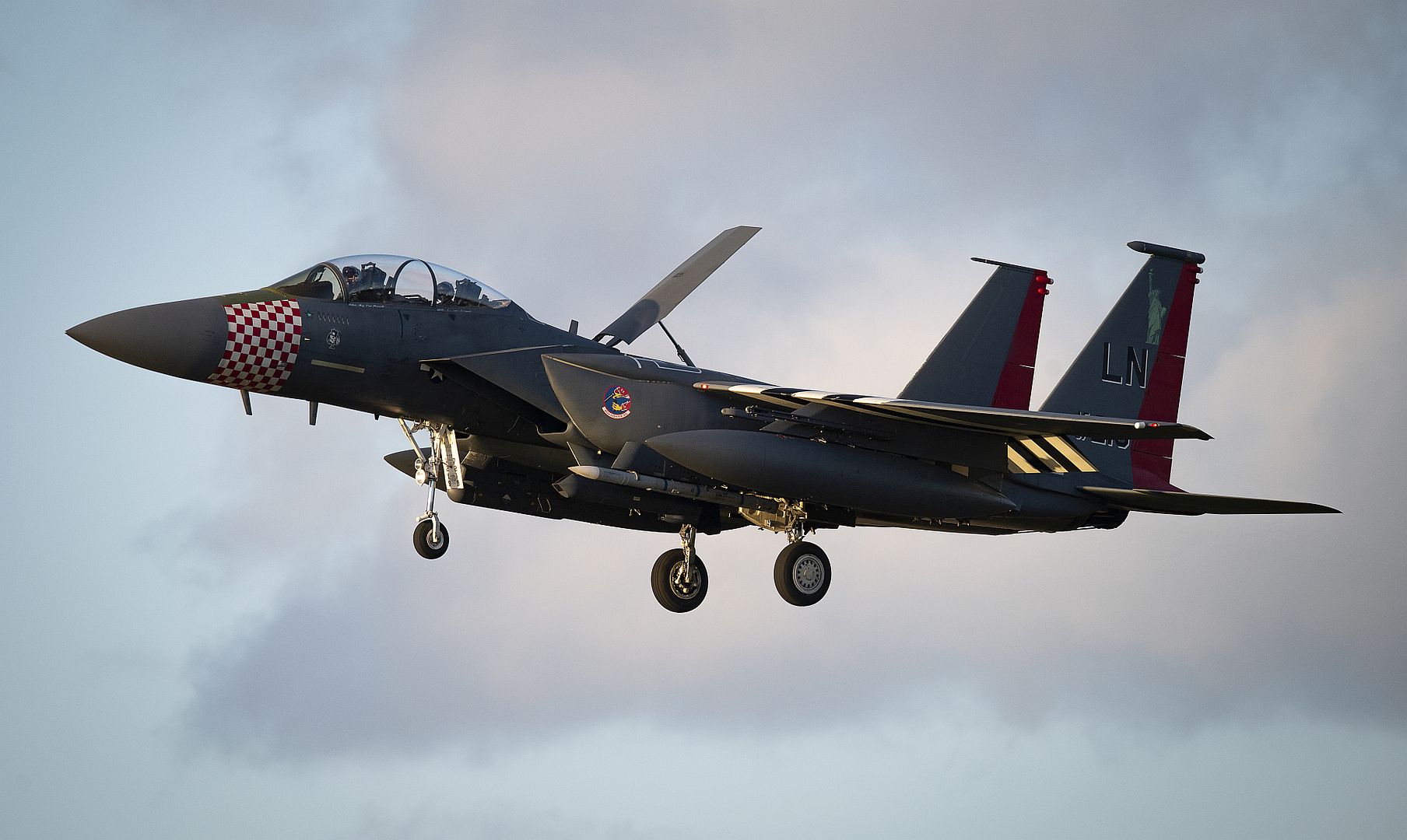
An F-15C Eagle assigned to the 493rd Fighter Squadron lands at Royal Air Force Lakenheath, England, during a ?Furious 48? exercise Feb. 11, 2020. The readiness exercise spans two days and is intended to prepare U.S. Air Force personnel for sustained combat operations during contested and degraded environments. (U.S. Air Force photo by Airman 1st Class Madeline Herzog)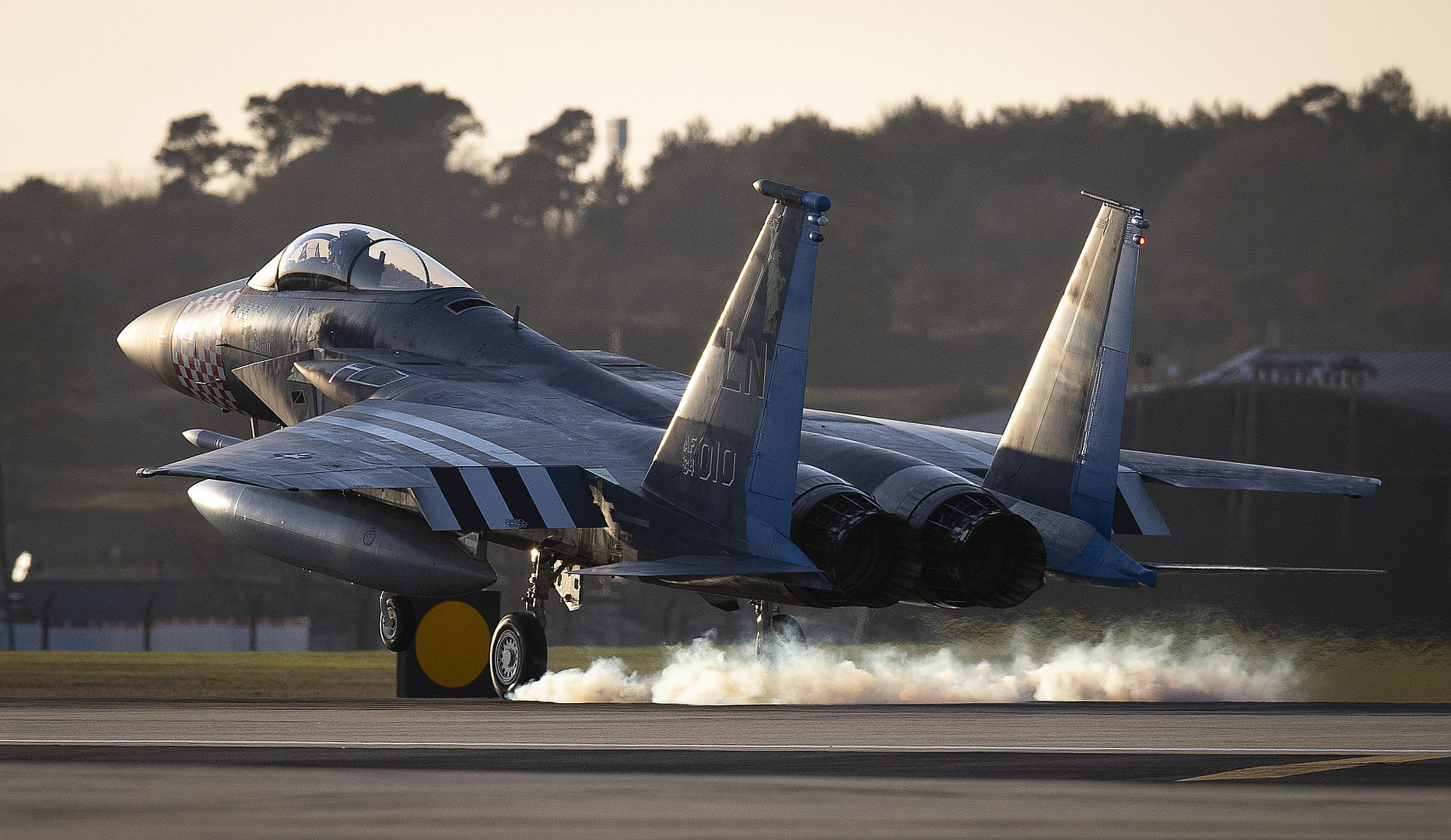
An F/A-18F Super Hornet assigned to the Red Rippers of Strike Fighter Squadron (VFA) 11 launches from the flight deck of the aircraft carrier USS Harry S. Truman (CVN 75) in the Arabian Sea, Feb. 10, 2020. The Harry S. Truman Carrier Strike Group is deployed to the U.S. 5th Fleet area of operations in support of naval operations to ensure maritime stability and security in the Central Region, connecting the Mediterranean and the Pacific through the western Indian Ocean and three strategic choke points. U.S. Navy photo by Mass Communication Specialist 3rd Class Kaysee Lohmann (Released)%2011%20launches%20from%20the%20flight%20deck%20of%20the%20aircraft%20carrier%20USS%20Harry%20S.%20Truman%20(CVN%2075)%20in%20the%20Arabian%20Sea,%20Feb.%2010,%202020..jpg)
SINGAPORE, February 11, 2020 ? BBAM and Boeing [NYSE: BA] announced the lessor has ordered three 737-800 Boeing Converted Freighters (BCF), underscoring the growing e-commerce and express sector of the air cargo market. BBAM has one of the world?s biggest Next-Generation 737 fleets and has chosen the BCF program to convert three airplanes in its existing fleet.
?Through the Boeing freighter conversion program, these 737-800s will continue to deliver value for our customers and investors for many years to come,? said Steve Zissis, president and CEO of BBAM. ?The 737-800 is an integral part of BBAM?s managed fleet of commercial passenger jet aircraft, and we see strong interest from our customers in the standard-body freighter. We chose Boeing?s conversion program because we believe it maximizes the platform?s capability and reliability.?
The 737-800BCF is built on the Next-Generation 737 platform, well known for its reliability and efficiency. The airplane carries up to 52,800 pounds (23.9 metric tons) of payload with excellent operating economics to maximize operators? profits. Since entering service in 2018, the 737-800BCF has won 130 orders and commitments.
?BBAM is one of the world?s leading leasing companies, known for their smart approach to investment. We are delighted that BBAM has selected the Boeing Converted Freighter program to extend the life of their Next-Generation 737s and capture a new market opportunity in the years ahead,? said Ihssane Mounir, Boeing?s senior vice president of Commercial Sales and Marketing. ?This agreement shows how we can serve our customers by delivering efficient and reliable airplanes and a portfolio of services that extracts value throughout the life of those jets.?
According to the Boeing Commercial Market Outlook, 2,820 freighters will enter the global fleet to meet market demand, including 1,220 standard-body passenger-to-freighter conversions. Responding to strong market demand, Boeing announced plans to add a 737-800BCF production line at Guangzhou Aircraft Maintenance Engineering Company Ltd. (GAMECO) this summer.
?Passenger-to-freighter conversions give us the opportunity to demonstrate our skill and expertise,? said GAMECO General Manager Norbert Marx. ?Boeing Converted Freighters are the market leader ? we are proud to partner with Boeing on this program.?
BBAM is the world's largest dedicated manager of investments in leased commercial jet aircraft providing over 200 airline customers in more than 50 countries with fleet and financing solutions over the last three decades. BBAM is the only manager in the aircraft leasing industry focused exclusively on generating investment returns for third-party investors. BBAM currently has more than US $27 billion of assets under management and employs over 150 professionals at its headquarters in San Francisco and in additional offices in Tokyo, Singapore, Zurich, Dublin, and Santiago.
Singapore, 11 February 2020 ? Airbus has revealed MAVERIC (Model Aircraft for Validation and Experimentation of Robust Innovative Controls) its ?blended wing body? scale model technological demonstrator.
At 2 metres long and 3.2 metres wide, with a surface area of about 2.25m?, MAVERIC features a disruptive aircraft design, that has the potential to reduce fuel consumption by up to 20% compared to current single-aisle aircraft. The ?blended wing body? configuration also opens up new possibilities for propulsion systems type and integration, as well as a versatile cabin for a totally new on-board passenger experience.
Launched in 2017, MAVERIC first took to the skies in June 2019. Since then the flight-test campaign has been on-going and will continue until the end of Q2 2020.
?Airbus is leveraging emerging technologies to pioneer the future of flight. By testing disruptive aircraft configurations, Airbus is able to evaluate their potential as viable future products,? said Jean-Brice Dumont, EVP Engineering Airbus. ?Although there is no specific time line for entry-into-service, this technological demonstrator could be instrumental in bringing about change in commercial aircraft architectures for an environmentally sustainable future for the aviation industry.?
Airbus is using its core strengths and capabilities of engineering and manufacturing, in close collaboration with an extended innovation ecosystem, to accelerate traditional research and development cycles. By doing this Airbus is able to achieve proof of concepts, at a convincing scale and speed, thereby driving forward maturity and increasing their value.
Through AirbusUpNext, a research programme, Airbus is currently working on a number of demonstrator projects in parallel; E-FAN X (hybrid-electric propulsion), fello?fly (v-shaped ?formation? flight) and ATTOL (Autonomous Taxi Take-Off & Landing).
-
COLUMBUS AIR FORCE BASE, Miss. (AFNS) -- A U.S. Air Force instructor pilot?s job is to nurture the transition of a casual officer into becoming a world-class aviator. Instructor pilots feed the fight directly and have a significant role, not only in the Air Force but the Department of Defense as a whole.
At Columbus Air Force Base, more than 300 instructor pilots are responsible for graduating close to 350 student pilots a year from programs such as Specialized Undergraduate Pilot Training, Introduction to Fighter Fundamentals and the Aviation Leadership Program.
After being selected for an instructor-pilot position, pilots train four to five months at Joint Base San Antonio-Randolph, Texas. At Pilot Instructor Training (PIT), instructor pilots are certified to teach specific tactics in the T-6 Texan II, T-38 Talon or T-1 Jayhawk.
Pilots who have been flying cargo or refueling aircraft operationally can either be an instructor for the T-1 or T-6 and pilots who have been flying fighter and bomber aircraft operationally, can be an instructor for the T-38 or T-6.
Maj. Joshua Elmshaeuser, 48th Flying Training Squadron T-1 instructor pilot, said pilot instructor training was a comfortable and familiar place to be. Before being an instructor, Elmshaeuser flew the KC-135 Stratotanker at Hill AFB, Utah, which is much similar to the T-1, he said.
?PIT was like coming home,? Elmshaeuser said. ?I flew the KC-135 and it has a lot of similarities to the T-1, but you don?t realize it until you go from the KC-135 back to the T-1. It was a good program for getting me ready to come here to teach and fly with students.?
Elmshaesuser has been an instructor pilot at Columbus AFB for 4 1/2 years. From his time in the Air Force, he said the training mission at Columbus AFB and seeing officers achieve their wings has been the most fulfilling aspect of his career.
?I wouldn?t choose another assignment because I find this one so rewarding,? Elmshaesuser said. ?There are things you can do operationally that are definitely all for the Air Force, and all for America, but I think the training aspect of it, for me, is the most rewarding job I?ve had.?
According to 1st Lt. Thomas Buckley, 37th FTS T-6 instructor pilot, a typical day includes giving their student pilots a formal brief, which includes the day?s weather, notifications from various airfields and the overall plan for the day.
?From there you brief about the upcoming flights, fly and then come back and debrief,? Buckley said. ?The whole process takes about 2 1/2 to 3 hours.?
Buckley said the debrief might be the most essential part of the instructor pilot and student?s day. During the debrief, instructor pilots, make clear what went well during the flight and identify the areas of improvement.
Instructor pilots not only consist of pilots who have been flying for several years, but the Air Force is so confident in their instructional process that they take pilots who have recently graduated SUPT and turn them into instructor pilots.
Buckley said upon graduating from pilot training, he was selected to become a First Assignment Instructor Pilot at Columbus AFB. Typically, one or two aviators from a training class will be assigned a FAIP position at Columbus AFB; Vance AFB, Oklahoma; or Laughlin AFB, Texas, he said.
?Generally FAIPs are in the top one-third of their class,? Buckley said, who is currently one of about 100 FAIPs assigned to Columbus AFB. ?Instructor pilots can come from anywhere in the Air Force. Instructor pilots also come from many different airframes and you have a lot with different experience levels.?
FAIPs have no prior mission-flying experience. While prior pilots, turned instructor pilots, have greater experience levels, flying in missions before becoming an instructor.
Buckley said this transition directly from a student to instructor pilot can be difficult.
?The transition is definitely interesting,? Buckley said. ?Some of my first flights back in the T-6, when I was a student, were with majors and lieutenant colonels, who were instructors. The dynamic is completely different because now I am treated as a peer with wings as opposed to a student.?
Buckley said on a regular day, he flies one to two sorties in the T-6 with different student pilots.
Fellow FAIP and T-6 instructor pilot 1st Lt. Alexandra Taylor from the 37th FTS said since she?s been here, watching a student pilot evolve during their year in SUPT can be very satisfying.
?For some, this is the first time they?ve flown an airplane,? Taylor said. ?We teach them from the very beginning how to fly a T-6 and military aircraft. Seeing them move on and get wings on their chest is really cool, just seeing them from start to finish is very rewarding.?
Although a very rewarding job most of the time, being an instructor pilot also presents its challenges. Taylor said one of the biggest adjustments is evolving her teaching style.
?Everyone learns differently,? she said. ?So learning how to teach in different ways is also a challenge.?
(U.S. Air Force photo by Airman Davis Donaldson)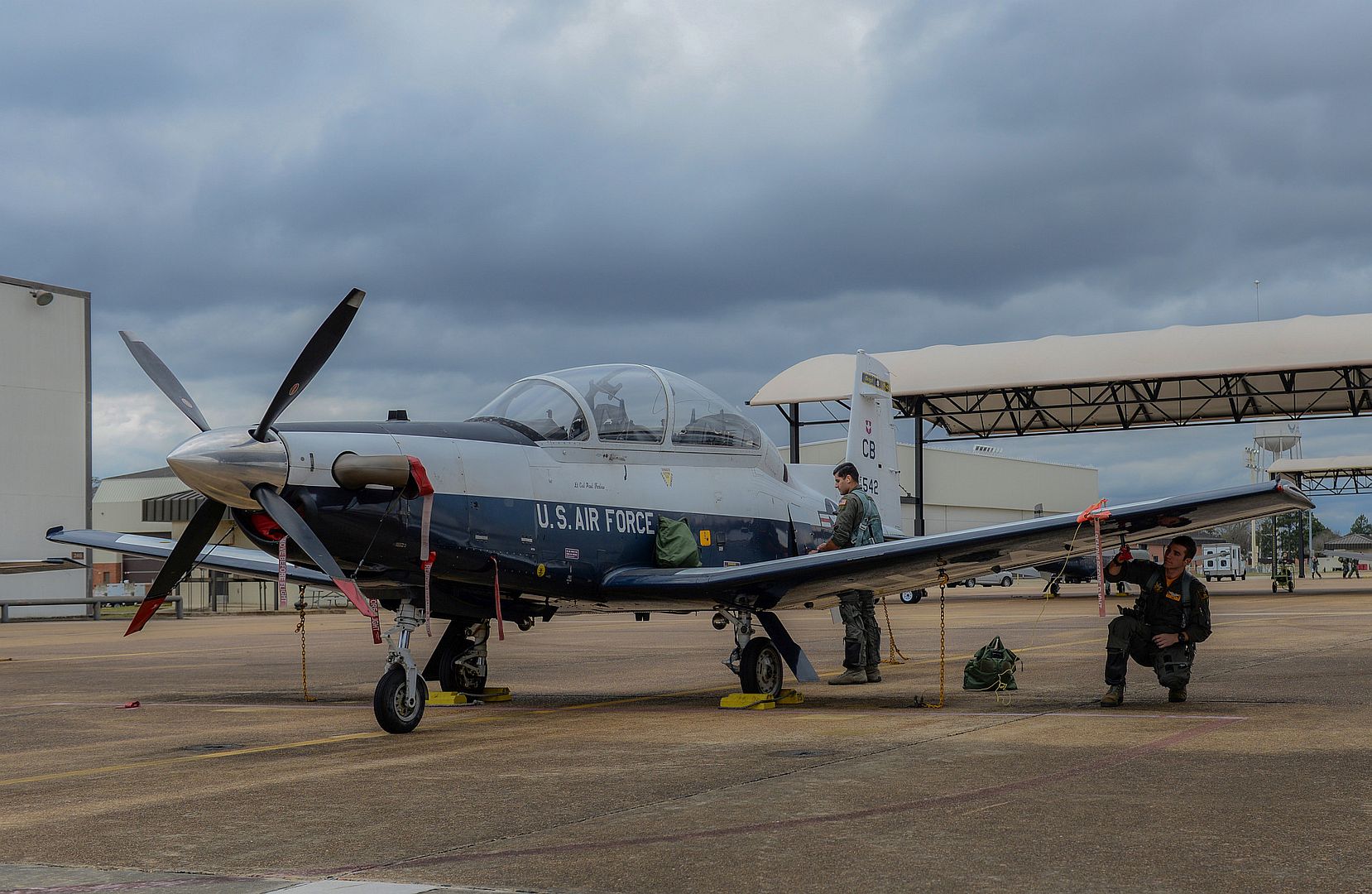
(Source: Global Times; issued Feb 11, 2020)
The Chinese People's Liberation Army (PLA) on Monday launched joint drills featuring naval and air forces near the island of Taiwan, one day after it conducted a combat readiness drill which saw its warplanes encircle the island.
For two consecutive days, concentrated military operations surrounding Taiwan have demonstrated PLA's capabilities to solve the Taiwan question by force amid Taiwan secessionist plans, experts said.
Naval and air forces with the PLA Eastern Theater Command on Monday conducted joint drills in the southeastern waters of the island of Taiwan, said Senior Colonel Zhang Chunhui, a PLA Eastern Theater Command spokesperson, in a statement released by the Ministry of National Defense on Monday.
Citing Taiwan's defense authority, Taiwan news website udn.com reported on Monday that PLA aircraft including H-6 bombers and fighter jets crossed the Bashi Channel on Monday morning flying into the western Pacific, and returned on the same course.
The joint drills on Monday came only one day after PLA forces conducted a combat readiness drill on Sunday with warships, bombers, jet fighters, and early warning aircraft. The combat planes cruised through the Bashi Channel and Miyako Strait and conducted real combat-oriented training.
Unlike Sunday's operation, PLA fighter jets crossed the "middle line" of the Taiwan Straits on Monday, udn.com said.
Song Zhongping, a mainland military expert and TV commentator, told the Global Times on Monday the concentrated PLA drills are not only warnings to Taiwan secessionists, but also demonstrations of PLA capabilities to solve the Taiwan question by force.
The recent drills on Monday mainly focused on real-combat scenarios including air-to-land assault and fire support, which trained and tested troop capabilities in joint operations, said Zhang.
Song said these trainings are real-combat oriented and will be useful in potential battles against Taiwan's military force.
Taiwan secessionist forces are disregarding the greater national interests, intensifying its scheme pursuing "independence," going against the trend and the will of the people, Zhang said, noting that the PLA Eastern Theater Command troops are always on high alert, closely following the situation and are ready to resolutely fulfill its missions.
An authoritative source who declined to be named told the Global Times after the first operation on Sunday that Taiwan's Democratic Progressive Party has been increasingly colluding with the US, attempting with the US to confront the Chinese mainland, planning Lai Ching-te's US visit, seeking "independence."
A U.S. Marine Corps F-35B Lightning II with Marine Fighter Attack Squadron (VMFA) 121 conducts an aerial demonstration during the Singapore Airshow near Changi Exhibition Center, Republic of Singapore, 2020 Feb. 11, 2020. The U.S. and Singapore have maintained a mutual partnership for more than 50 years that allows both countries to benefit off of each other?s resources and defense technologies. (U.S. Marine Corps photo by Lance Cpl. Tyler Harmon)%20121%20conducts%20an%20aerial%20demonstration%20during%20the%20Singapore%20Airshow%20near%20Changi%20Exhibition%20Center,%20Republic%20of%20Singapore,%202020%20Feb.%2011.jpg "2011")
An F-16 fighter jet assigned to the Ohio National Guard?s 180th Fighter Wing sits on the flightline at Nellis Air Force Base, Nevada after flight during exercise Green Flag-West, Feb. 11, 2020. Green flag is a realistic, Air-to-Surface, joint training exercise designed to improve interoperability between aircraft while supporting ground troops by allowing U.S. military branches, as well as other NATO and allied nations, an opportunity to work together, as they would in military operations around the world.
(U.S. Air National Guard photo by Senior Airman Kregg York)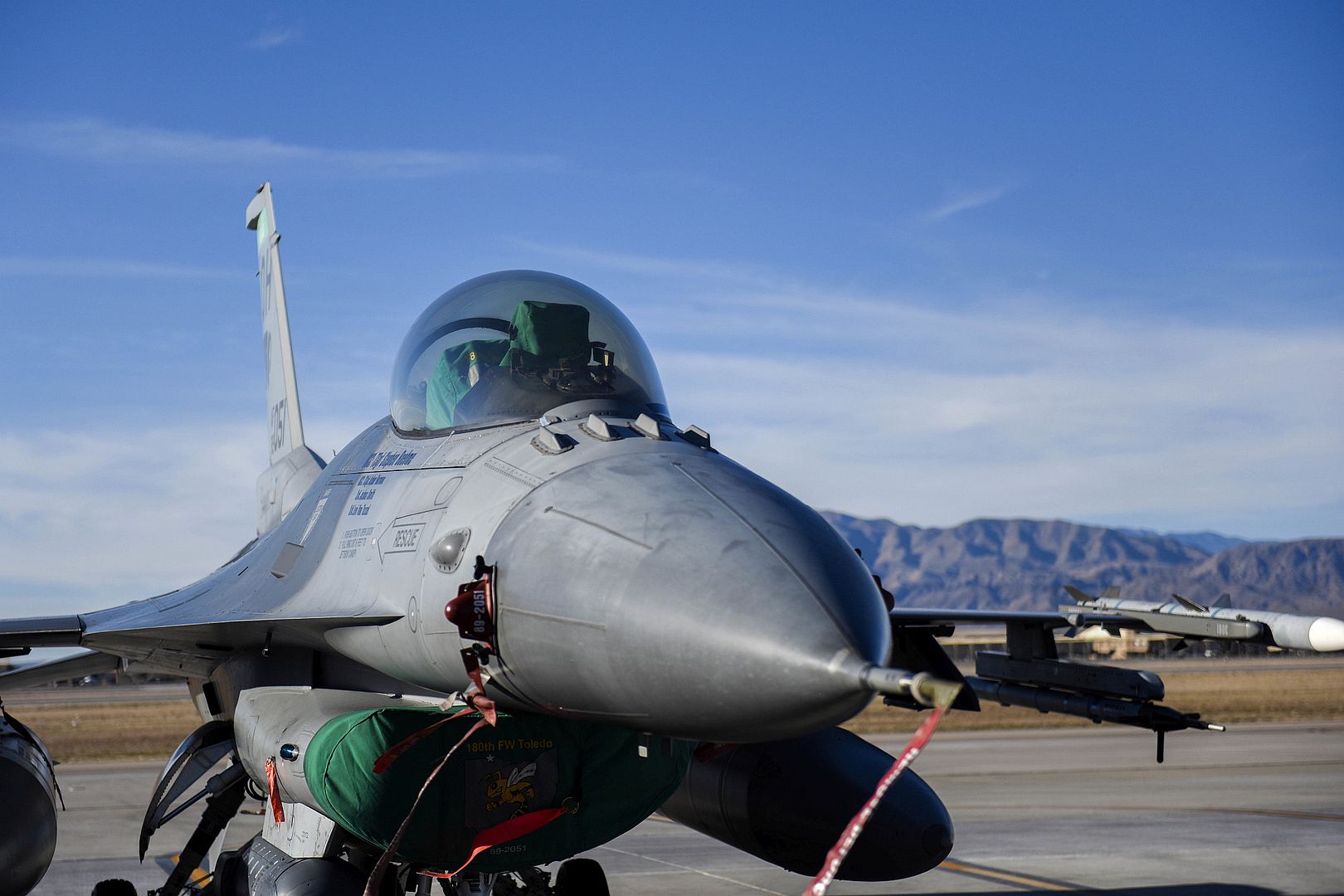
SELFRIDGE AIR NATIONAL GUARD BASE, Mich. - Pilots of the 107th Fighter
Squadron, taxi their A-10 Thunderbolt II jets back home from a Snowbird
Exercise at MacDill AFB. Fla. Feb. 12, 2020. The Snowbird exercise allows
pilots, maintainers, and other supporting elements of the 127th Wing to
practice the major movement of their aircraft and personnel from home
station to engage in a combat environment. (U.S. Air National Guard photo
by Terry L. Atwell)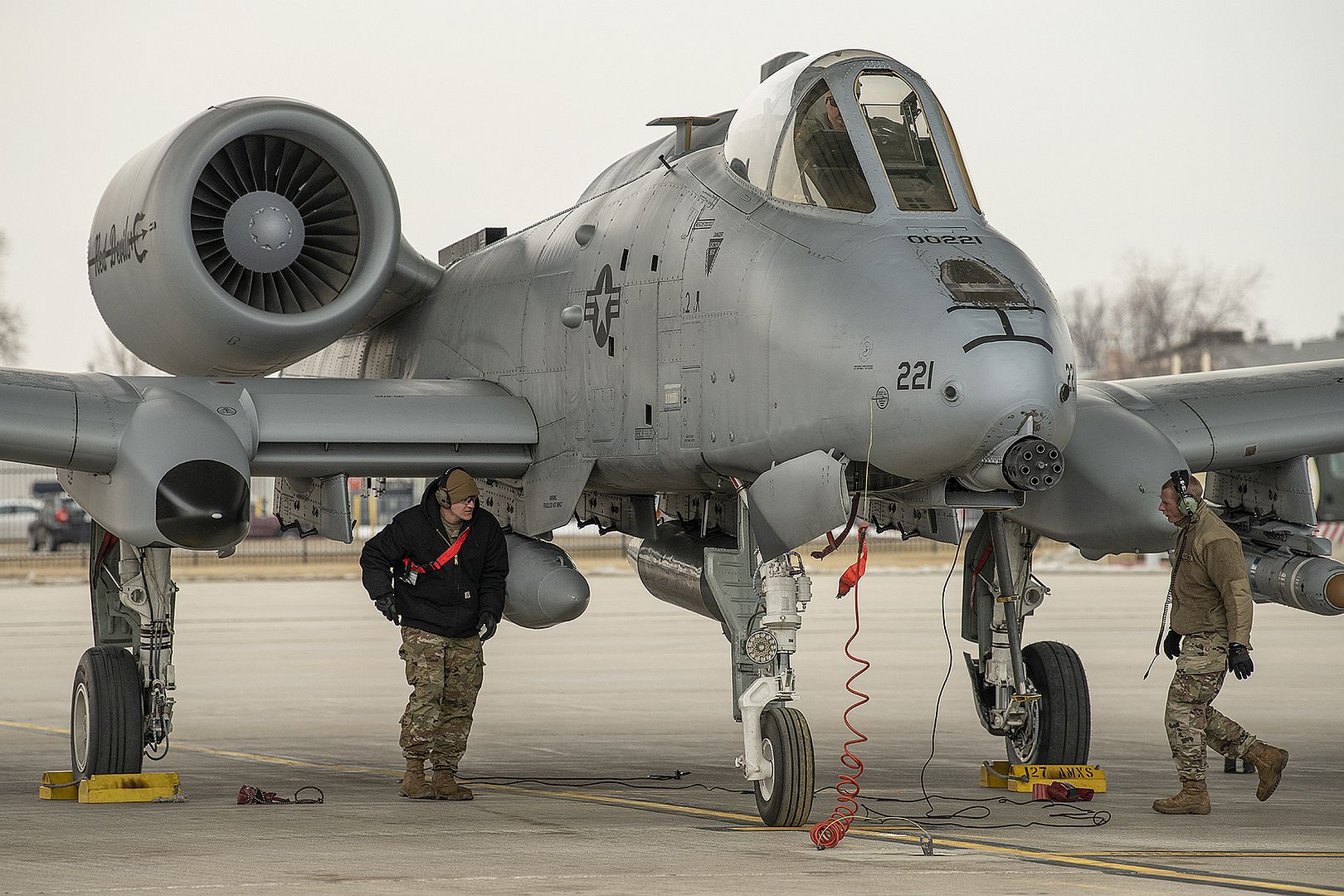
DAVIS-MONTHAN AIR FORCE BASE, Ariz. --
On March 19, 1982, the first specially modified EC-130H ?Compass Call? aircraft, tail number 1587, arrived at Davis-Monthan Air Force Base, Arizona. On Jan. 15, 2020, the aircraft made its final flight over the skies of Arizona.
The Compass Call aircraft is an airborne tactical weapon system used to disrupt enemy command and control communications and limit adversary coordination essential for enemy force management.
The aircraft, assigned to the 55th Electronic Group, supported various missions over its 37 years including, but not limited to, Operations Inherent Resolve, Iraqi Freedom and Desert Storm.
?The retirement of aircraft 73-01587 is a historic event for the U.S. Air Force and a proud moment for the EC-130H COMPASS CALL program,? said U.S. Air Force Col. Phil Acquaro, 55th ECG commander. ?In March 1982, ?Kermit? entered USAF?s ranks as the first aircraft modified into an airborne electronic attack platform to answer the nation?s call to enhance defense of American and allied interests in Europe. Its service culminated in close to 29,000 flight hours, almost 11,000 of which have been in direct support of combat operations.?
The 55th ECG, a geographically separated unit from Offutt AFB, Nebraska, is the only Compass Call unit in the Air Force and the services longest continuously deployed unit since 2001.
?We have been supporting Operations Enduring Freedom and Freedom Sentinel since they began and the unit as a whole had a rotation out since, minus September through December 2002; that was the last time the 55 ECG has been able to celebrate the holidays as a whole,? said Master Sgt. Michael Meredith, 755th Aircraft Maintenance Squadron production superintendent.
This may be the end of A1587s flying career, but the aircraft will continue to represent the 55th ECG as it is scheduled to be modified into a static aircraft, placed in front of the ECG campus.
?Aircraft 1587?s legacy was derived from the blood, sweat and tears of the thousands of Americans that designed, built, maintained and flew this aircraft for the last 37 years,? said Acquaro. ?Over the years, the nickname has changed from Kermit to Reaper. This respected aircraft has been through numerous modifications to keep pace with evolving technology and satiate new mission requirements by combatant commanders. Reaper has delivered precise electronic fires to disrupt our adversary?s command and control networks and save lives of American and coalition forces around the world. It has served with distinction and it is a proud day as we salute its last flight.?
While the EC-130H fleet reaches the end of its lifespan, the EC-37B Compass Call is slated to start replacing the fleet to keep the mission alive and jamming our adversary?s communications.
(U.S. Air Force photo by Senior Airman Christina Rios)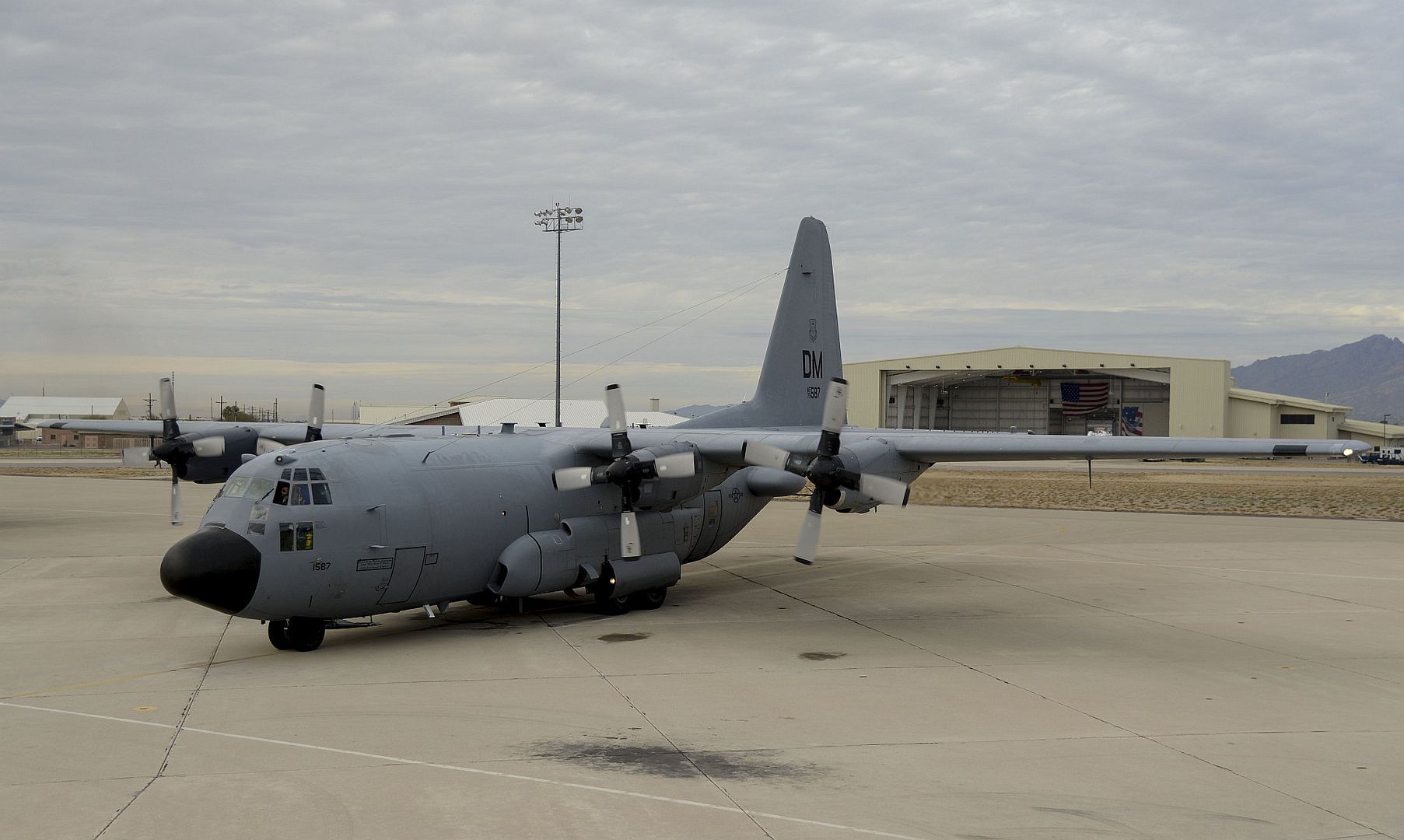
Singapore, 12 February 2020 ? Airbus and Singapore have agreed to collaborate on the development of the A330 SMART Multi Role Tanker Transport (MRTT) for the Republic of Singapore Air Force (RSAF). The SMART MRTT programme will develop, certify and implement Automatic Air-to-Air refuelling (A3R) capability as well as enhanced maintenance solutions for the A330 MRTT.
With this collaboration Singapore becomes a key partner for the new automated aerial refueling capabilities. Under the agreement, a RSAF A330 MRTT will take part in the ongoing development, flight test campaign and final certification programme. The flight test campaign, which has already started, is aiming for certification in 2021.
While development of SMART MRTT capabilities further strengthens Airbus? leading position and technological edge in the tanker market, the enhanced maintenance solution is designed to improve A330 MRTT?s availability and overall mission success rate.
Airbus Head of Military Aircraft, Alberto Guti?rrez said: ?With this agreement, the Singapore Air Force leads the evolution of the A330 MRTT, helping us to bring new hands-off capabilities to the benchmark of next-gen tanker operations?.
Airbus A321s that have completed their operational service carrying passengers for airlines can soon have a second life as highly efficient freighters, converted through a programme involving ST Engineering and Airbus with their joint venture, Elbe Flugzeugwerke (EFW).
The prototype A321P2F (?Passenger-to-Freighter? conversion) aircraft recently performed its first flight after undergoing rework at ST Engineering?s facility in Singapore, with the modified configuration expected to receive its airworthiness authority supplemental type certificate (STC) in the first quarter of 2020 from the European Union Aviation Safety Agency (EASA).
A large cargo door for main-deck loading
Modifying an A321 from passenger to the P2F version involves integrating a large main deck cargo door in the forward fuselage, plugging the passenger windows and deactivating most passenger doors. The forwardmost left passenger door is replaced by a smaller one to optimise the number of cargo positions on the main deck. The cabin is refurbished, including the installation of a rigid barrier wall, and the floor is reinforced.
The A321P2F is a perfect replacement for the older generation of narrow-body freighters. With space for 14 large containers/pallets on the main deck and 10 LD3-type containers on the lower deck, it is the most cost-efficient freighter in its category available today. It also is more environmentally friendly through a much lower fuel burn and reduced emissions.
Within the joint venture, ST Engineering is responsible for the engineering development up to the STC issuance and the conversion kit supply. Airbus, as the OEM (Original Equipment Manufacturer) provides technical data and certification support, development of on-board computers, airframe engineering, flight physics and flight test expertise. EFW will be the STC holder and leads the overall programme and commercialisation.
Service entry in the second half of 2020
Launch customer Vallair, a Luxembourg-based aircraft trading and leasing business, has ordered 10 conversions from EFW. Entry into service of the first A321P2F is targeted for the third quarter of this year with the Australian airline, Qantas Freight. A second customer is BBAM, an aircraft lease management company based in San Francisco, which has placed an order for two A321P2F conversions.
?We are very pleased to participate in the A321P2F programme, which is now taking off in the market,? said Airbus Chief Commercial Officer Christian Scherer. ?The aircraft will be the most capable freighter in its class and also the most environmentally friendly. Our Global Market Forecast predicts that around 1,000 small freighter conversions will be required over the next 20 years to replace ageing fleets and cater for growth. This makes for a solid market potential for the A321P2F.?
The A321 is the largest version of the most popular aircraft family ever: the Airbus A320 Family. More than 2,000 A321s have been delivered to airlines around the world.
-
ANDERSEN AIR FORCE BASE, Guam (AFNS) -- More than 100 aircraft will soar over the Commonwealth of the Northern Mariana Islands and the Federated States of Micronesia as U.S. forces, Koku Jieitai (Japan Air Self-Defense Force) and the Royal Australian Air Force (RAAF) collaborates during exercise Cope North, Feb. 12-28.
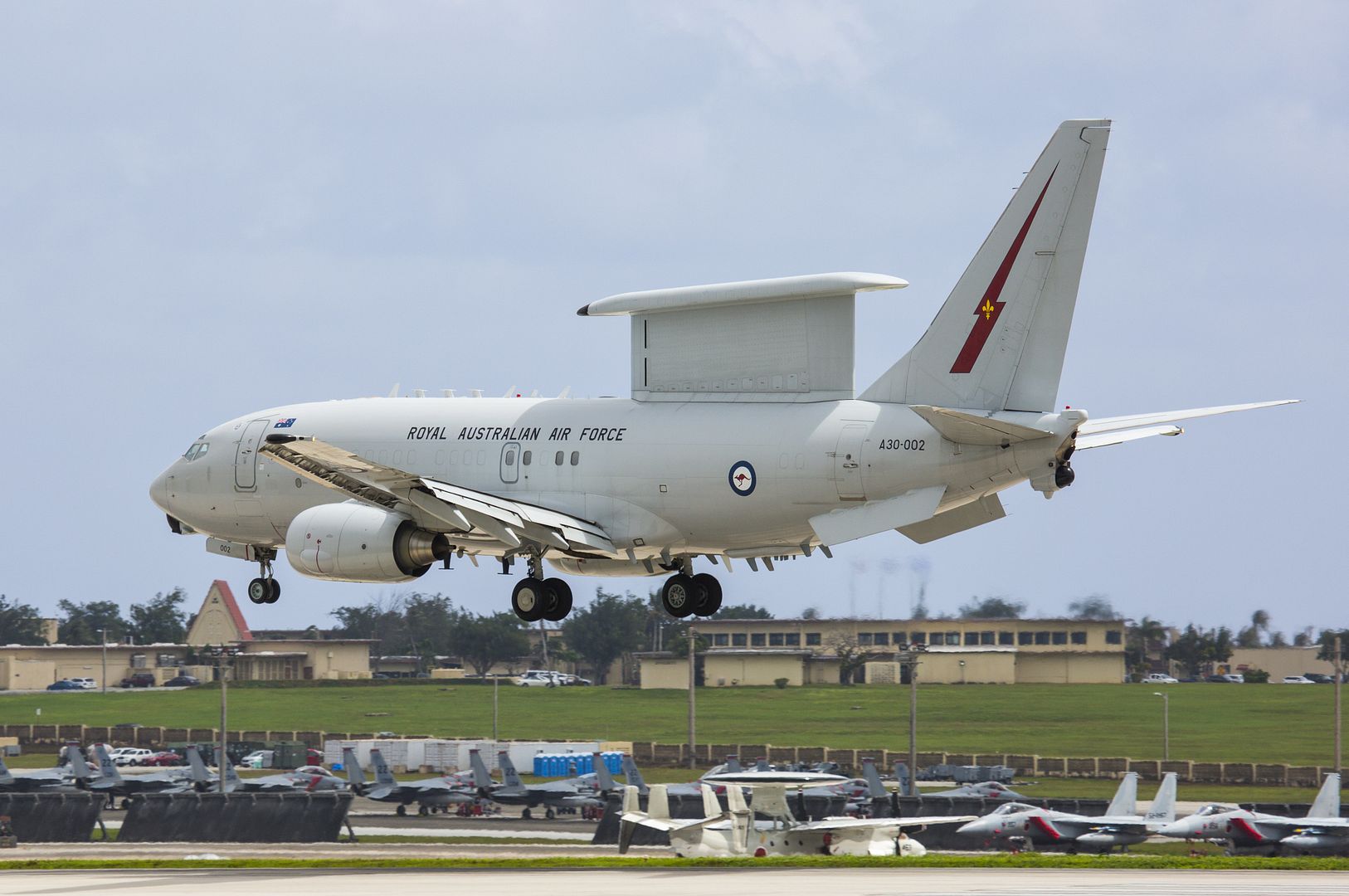
Approximately 2,000 military personnel will hone their skills to increase combat readiness and interoperability during the annual trilateral field training exercise. Humanitarian assistance and disaster relief (HADR) exercises and strike mission training will be conducted during the first week, while air combat tactics and a large-force employment training takes place the second week.
?This exercise is a model opportunity for our countries to participate in world-class training and expand engagements to strengthen our interoperability,? said U.S. Air Force Col. Scott Rowe, Cope North exercise director. ?It validates new ways to deploy and maneuver people and assets, which ultimately enhances our capacity and capability to foster a free and open Indo-Pacific.?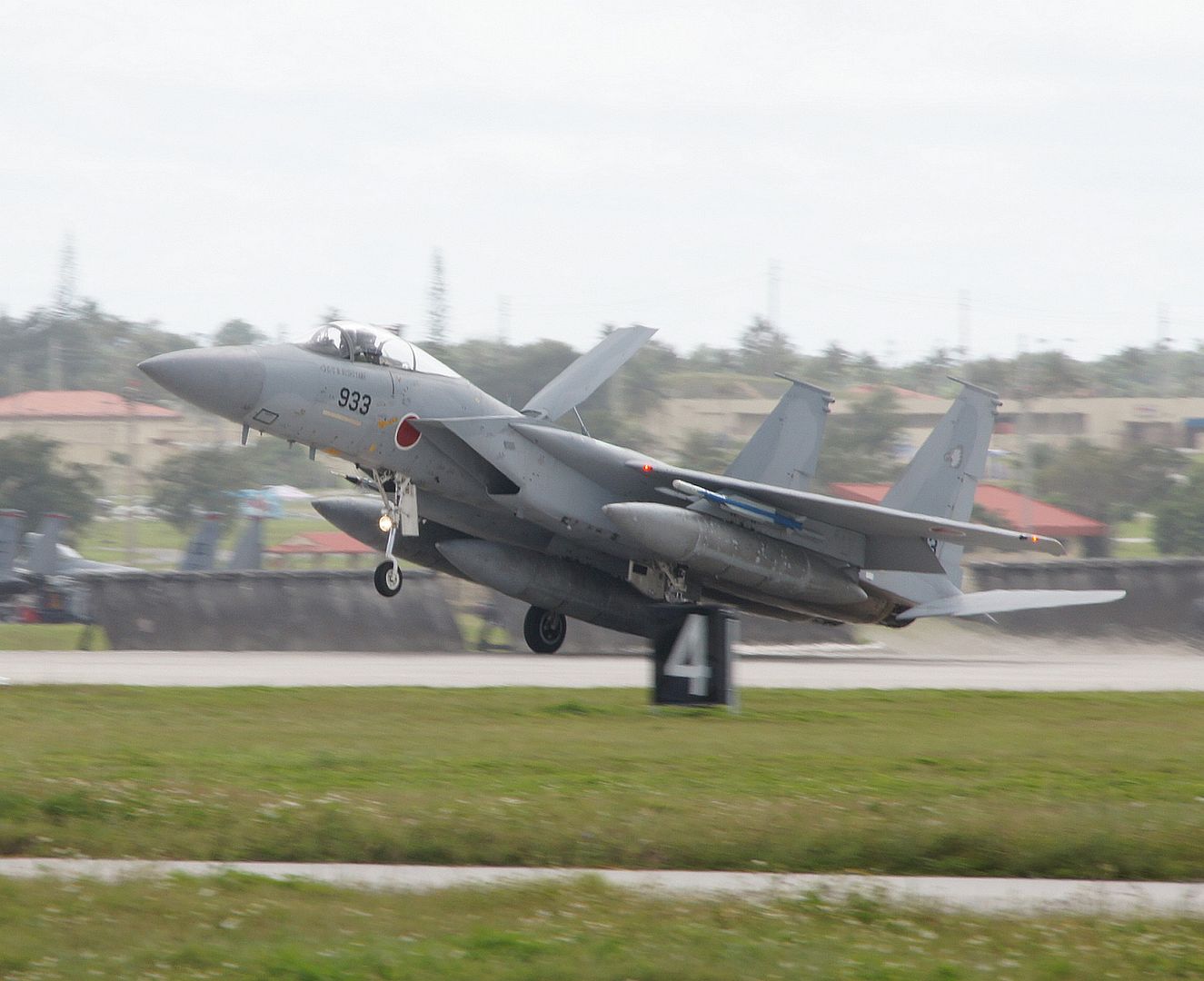
Teams will face various challenges during the 17-day event by focusing on integrating and refining best practices for coordinating combined air tactics, techniques and procedures.
Part of the HADR training scenario is a medical evacuation from Rota, Spain to Guam featuring aeromedical evacuation doctors and crews. All three nations will work together during the crisis response scenario to provide airborne command and control, combat jumps, joint terminal attack controllers, and bilateral training with the military working dogs and security forces.
?Training programs such as exercise Cope North provides invaluable opportunities to test operational air and ground crews to the highest level,? said RAAF Group Captain Mark Larter, Multinational Task Force commander. ?For the first time, U.S. Pacific Air Forces has invited the Royal Australian Air Force to lead the HADR mission to demonstrate combat readiness, humanitarian assistance procedures and interoperability between the forces of the United States, Australia and Japan.?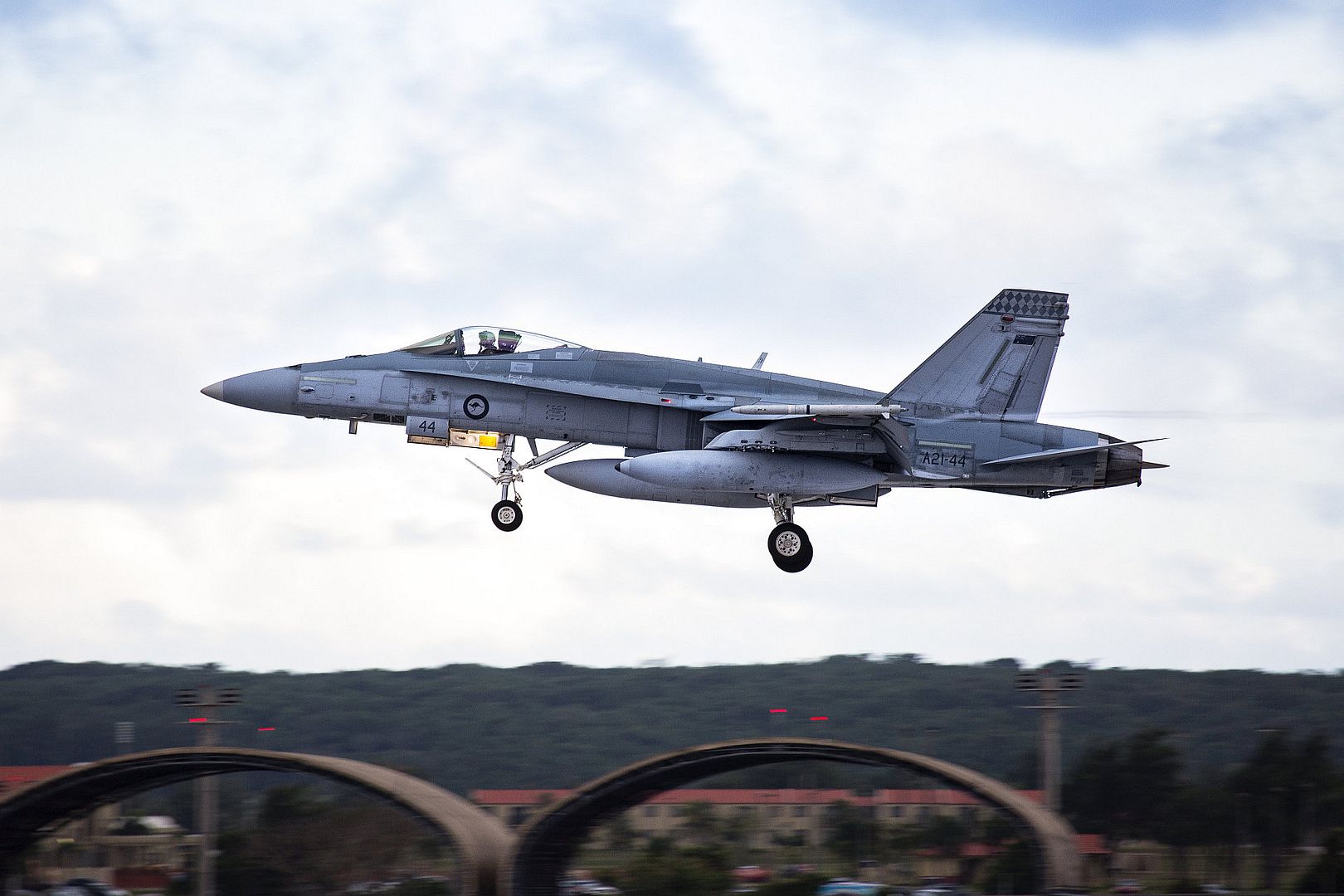
Cope North ? originally a quarterly exercise between the U.S. and Japanese air forces in Misawa, Japan ? was moved to Guam in 1999. RAAF joined in 2011 to strengthen the trilateral relationships and further integrate HADR operations and a large-force employment exercise. The now-annual exercise is designed to promote stability and security throughout the Indo-Pacific and continues to evolve throughout the years.
?I had participated in Cope North as a young pilot about 17 years ago,? said Koku Jieitai Col. Katsushi Hashimoto. ?I am pleasantly surprised to see how much this exercise has evolved over time. It literally shows the evolution of our already strong relationship among U.S., Australia and Japan.?
This year marks the first time the Japan Maritime Defense Force is bringing a US-2 ShinMaywa amphibious aircraft to incorporate personnel recovery missions.
?I am very confident this exercise will further enhance our combat capability and strengthen our alliance more than ever before,? Hashimoto said.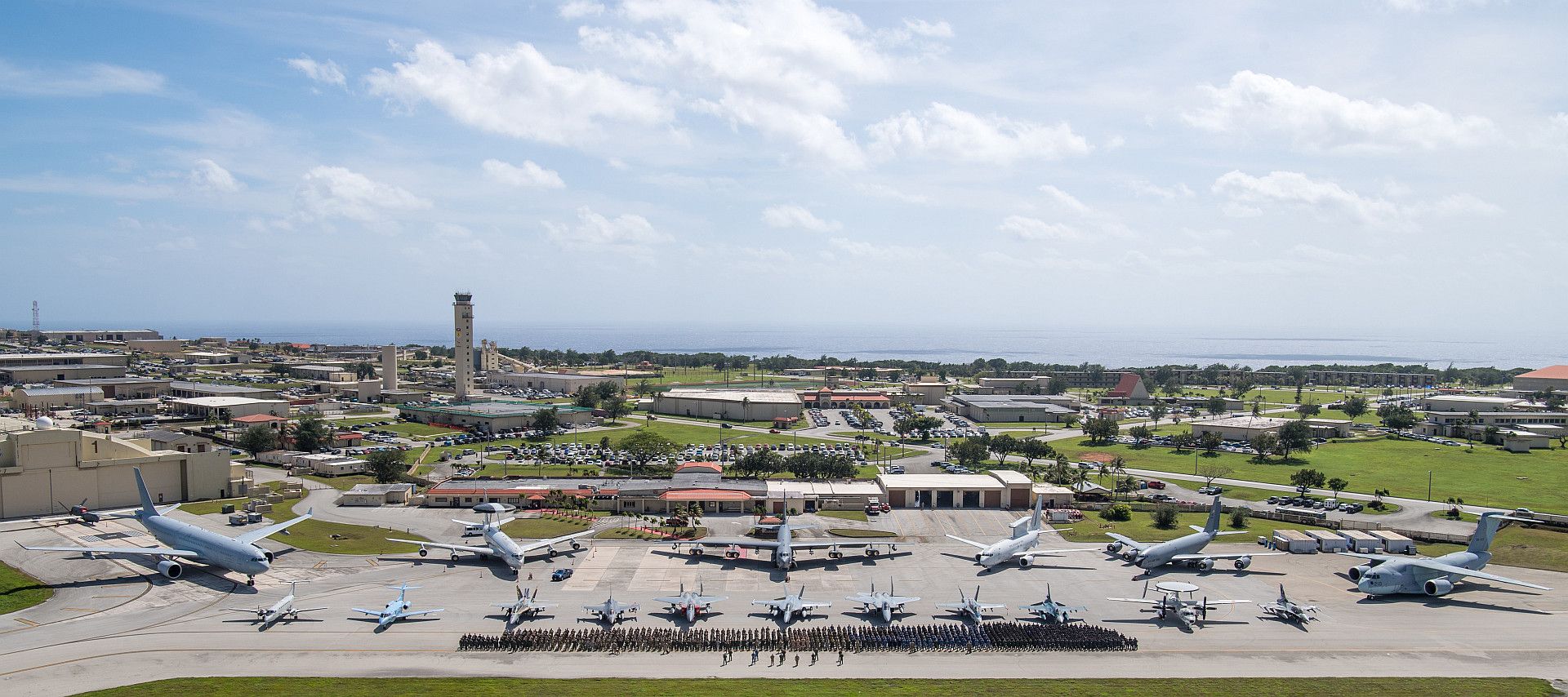
Feb 10
Various aircraft taking off during Red Flag 20-1. Aircraft include: B-1B Lancers,Typhoon II
E-3 Sentry AWACS, F/A-18F Super Hornet, EA-18G Growlers, F-16s, F-35A Lightning IIs and F-35B Lightning IIs.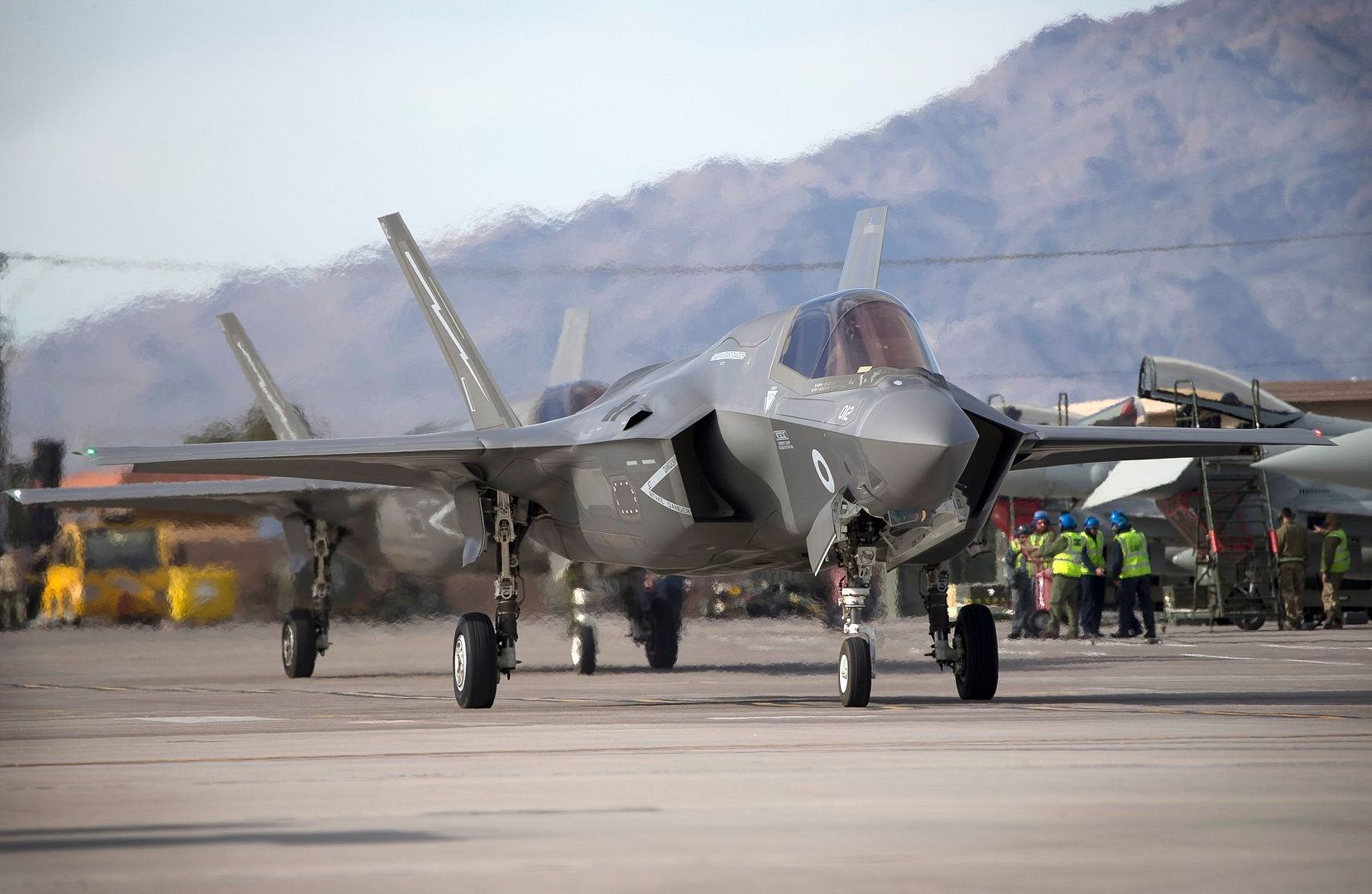

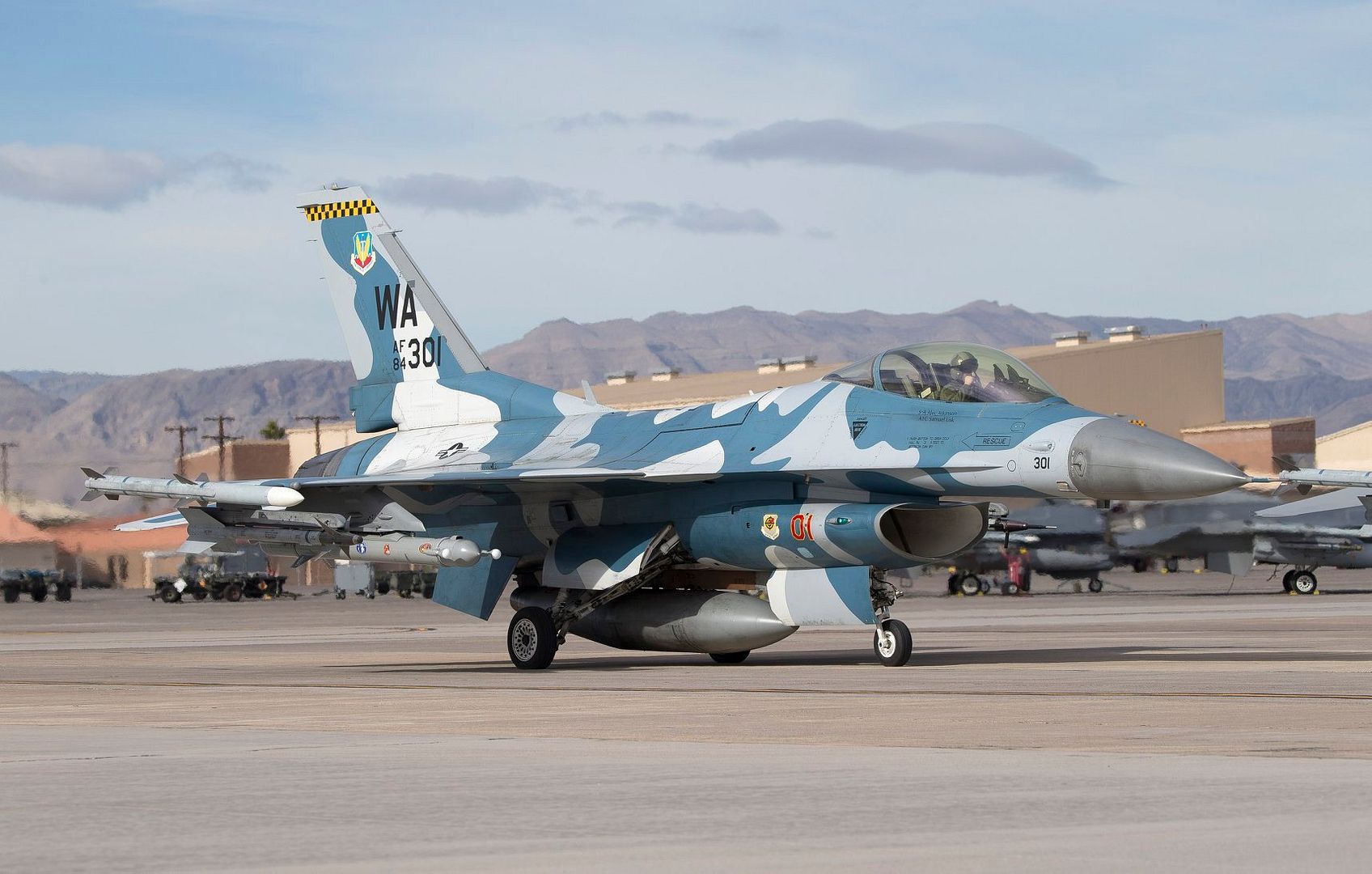

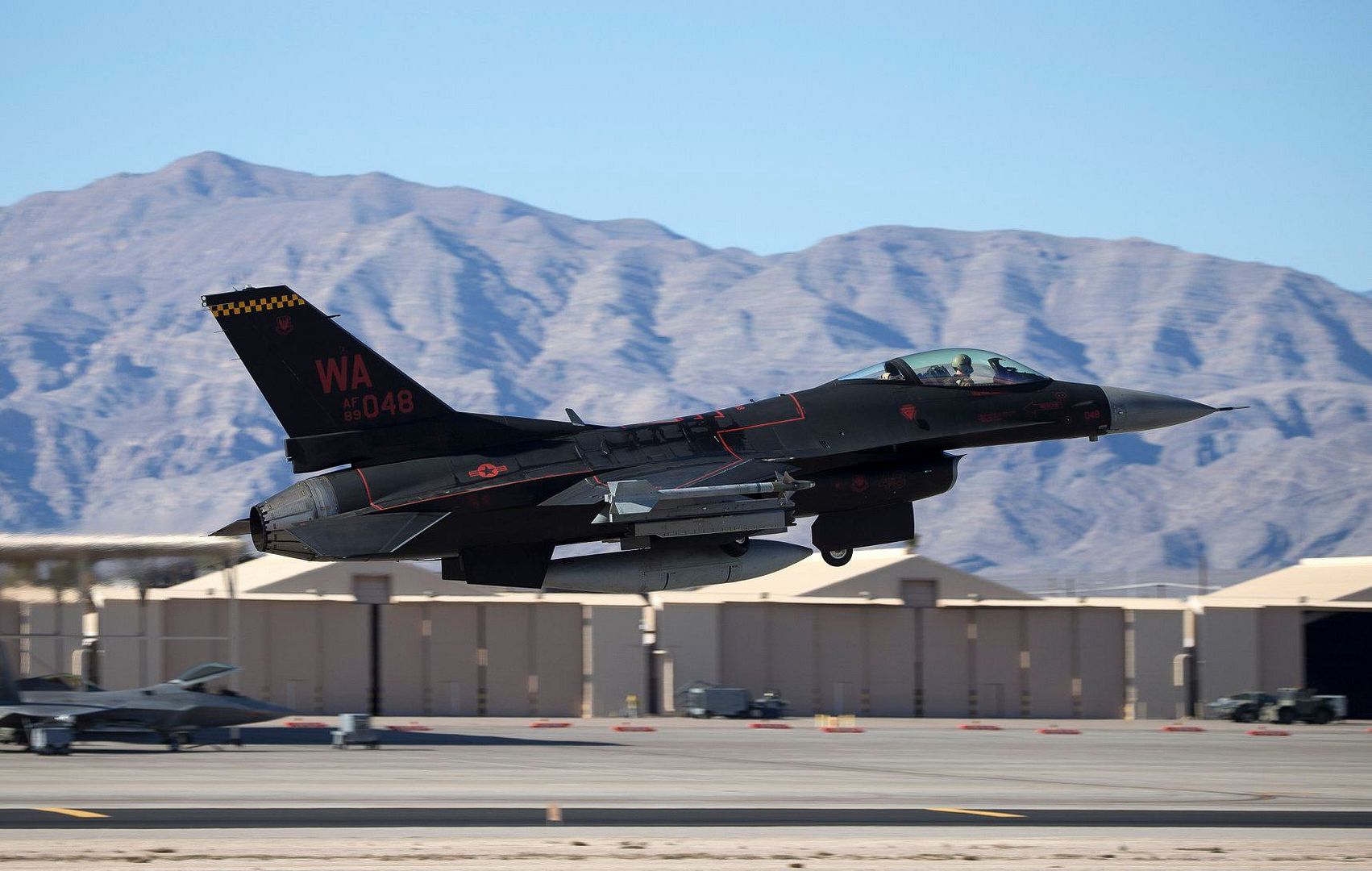
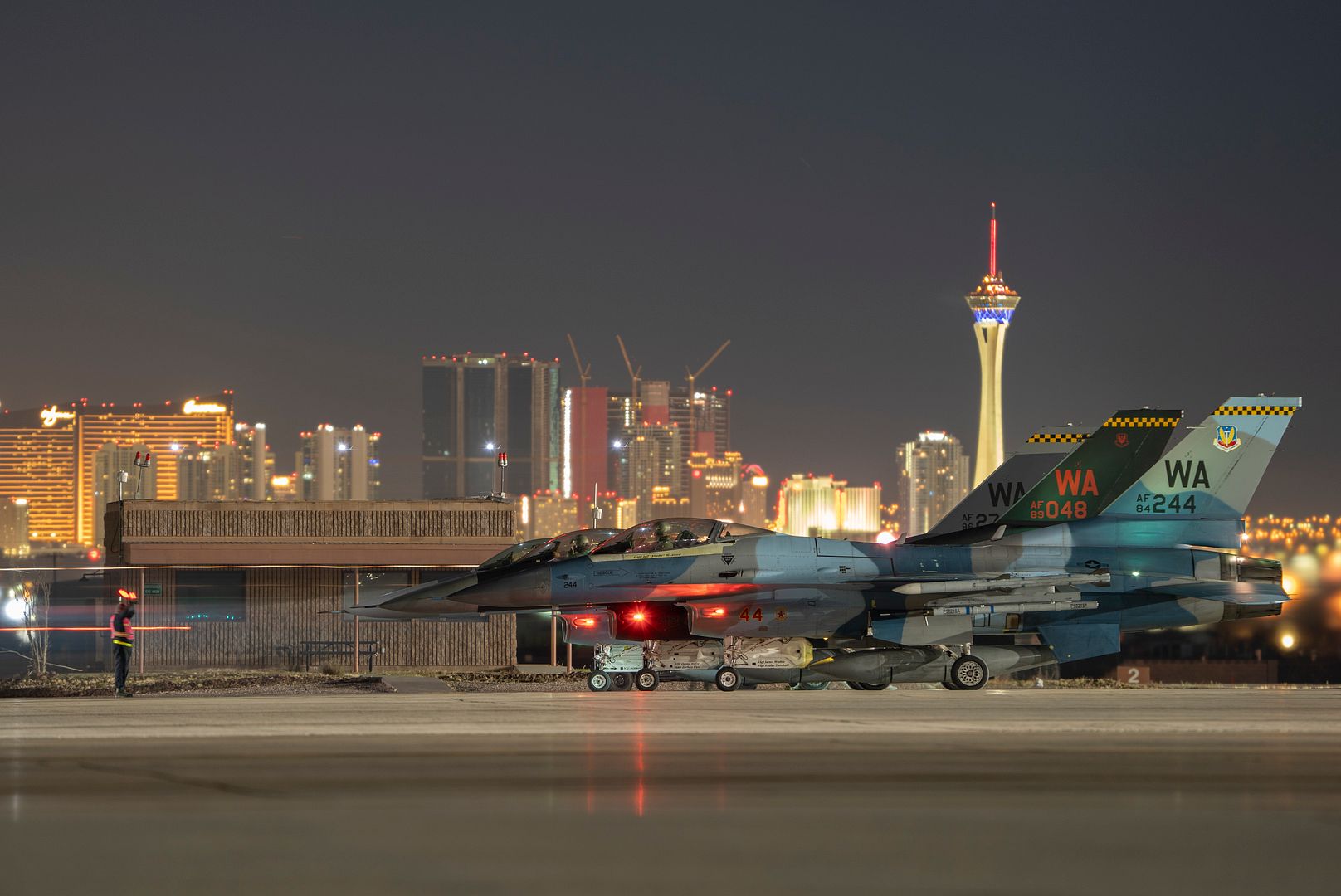
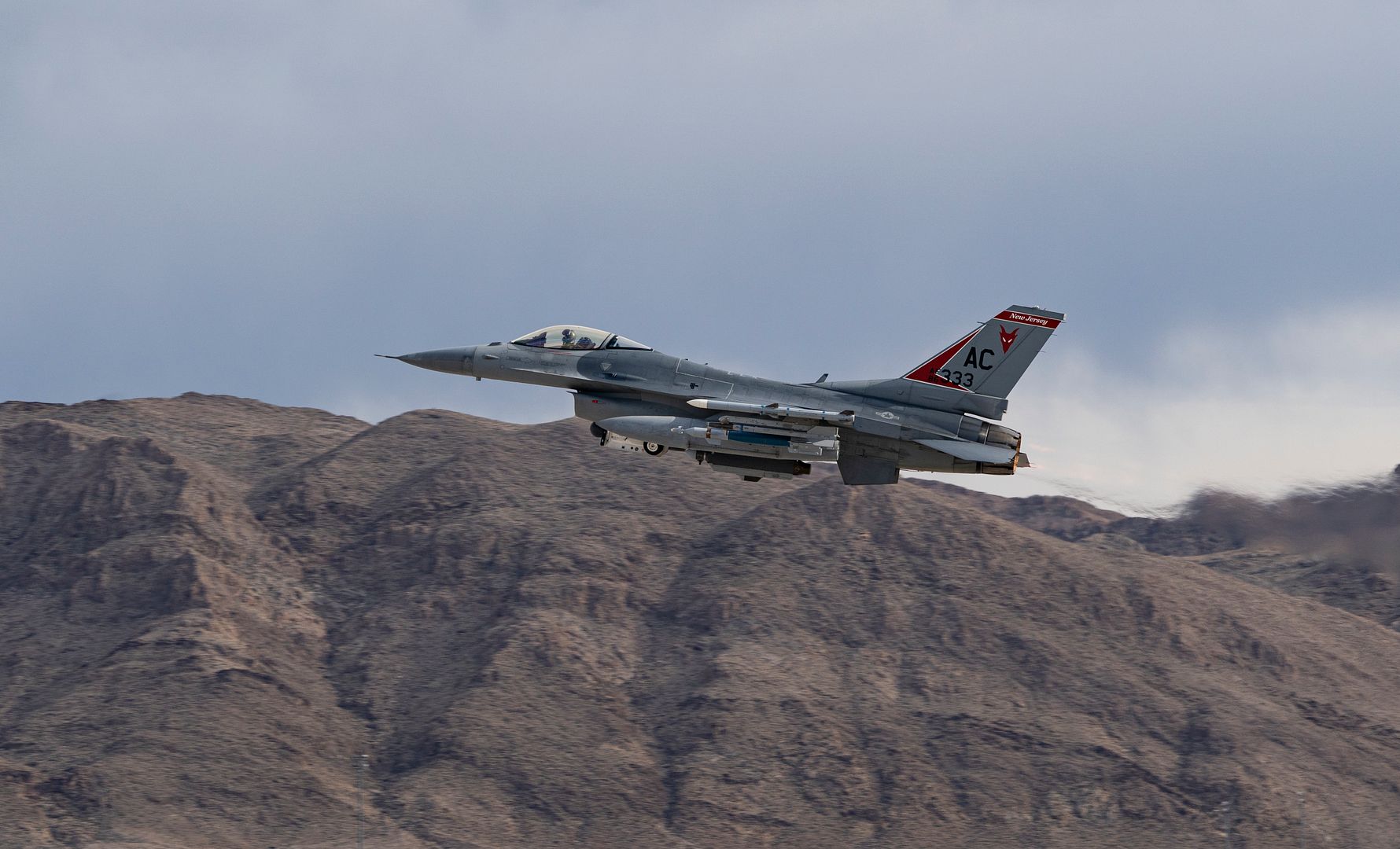

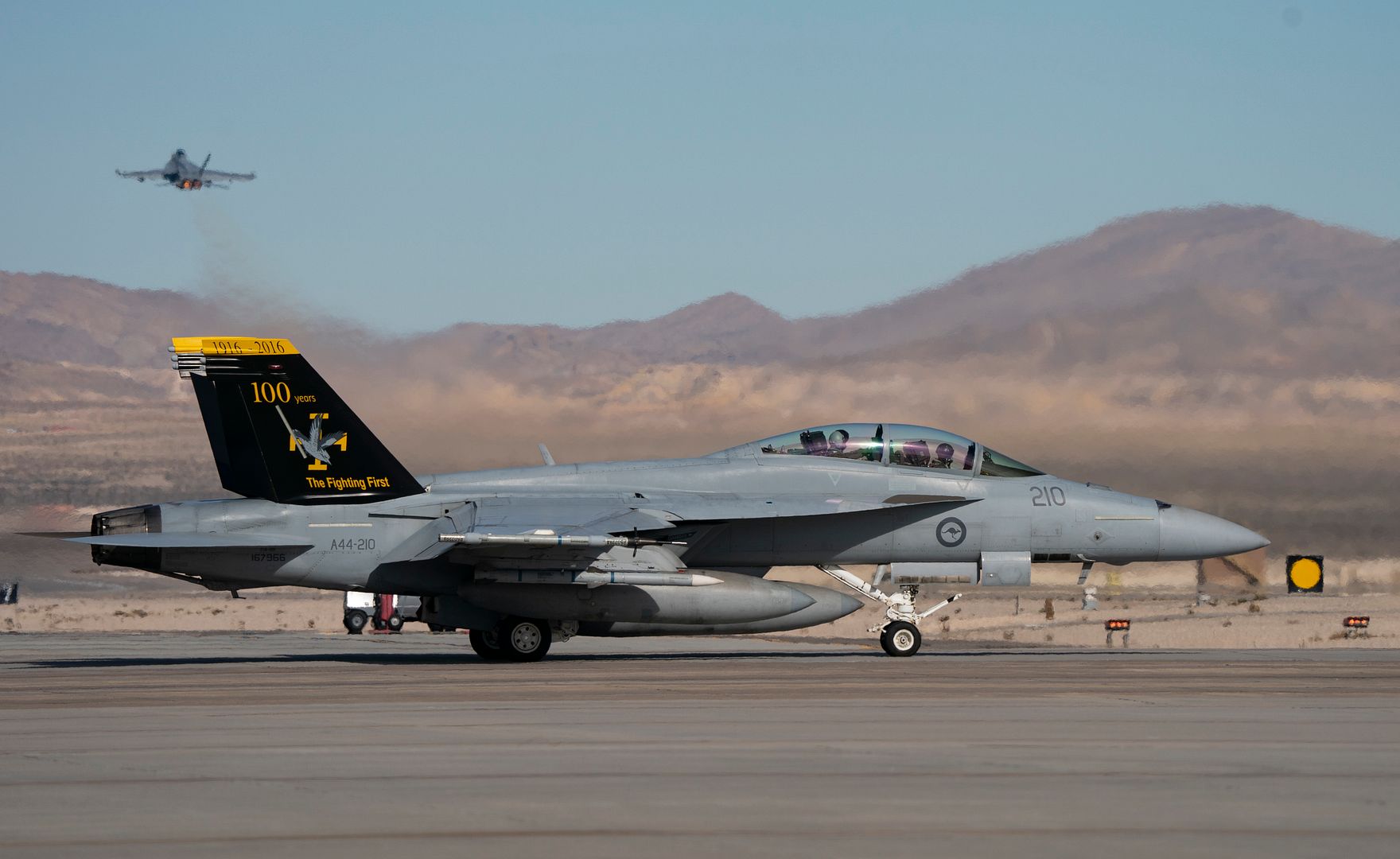
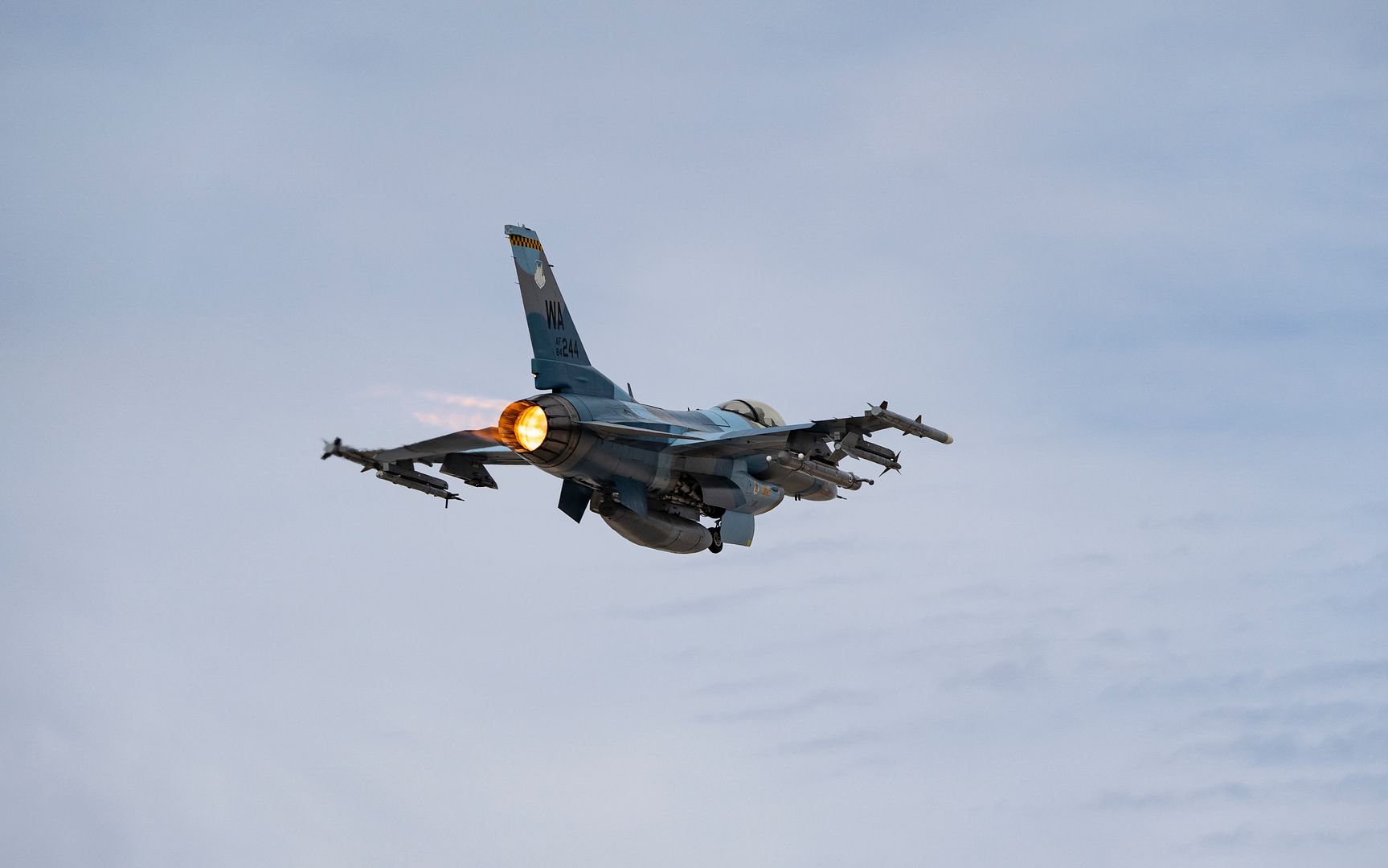
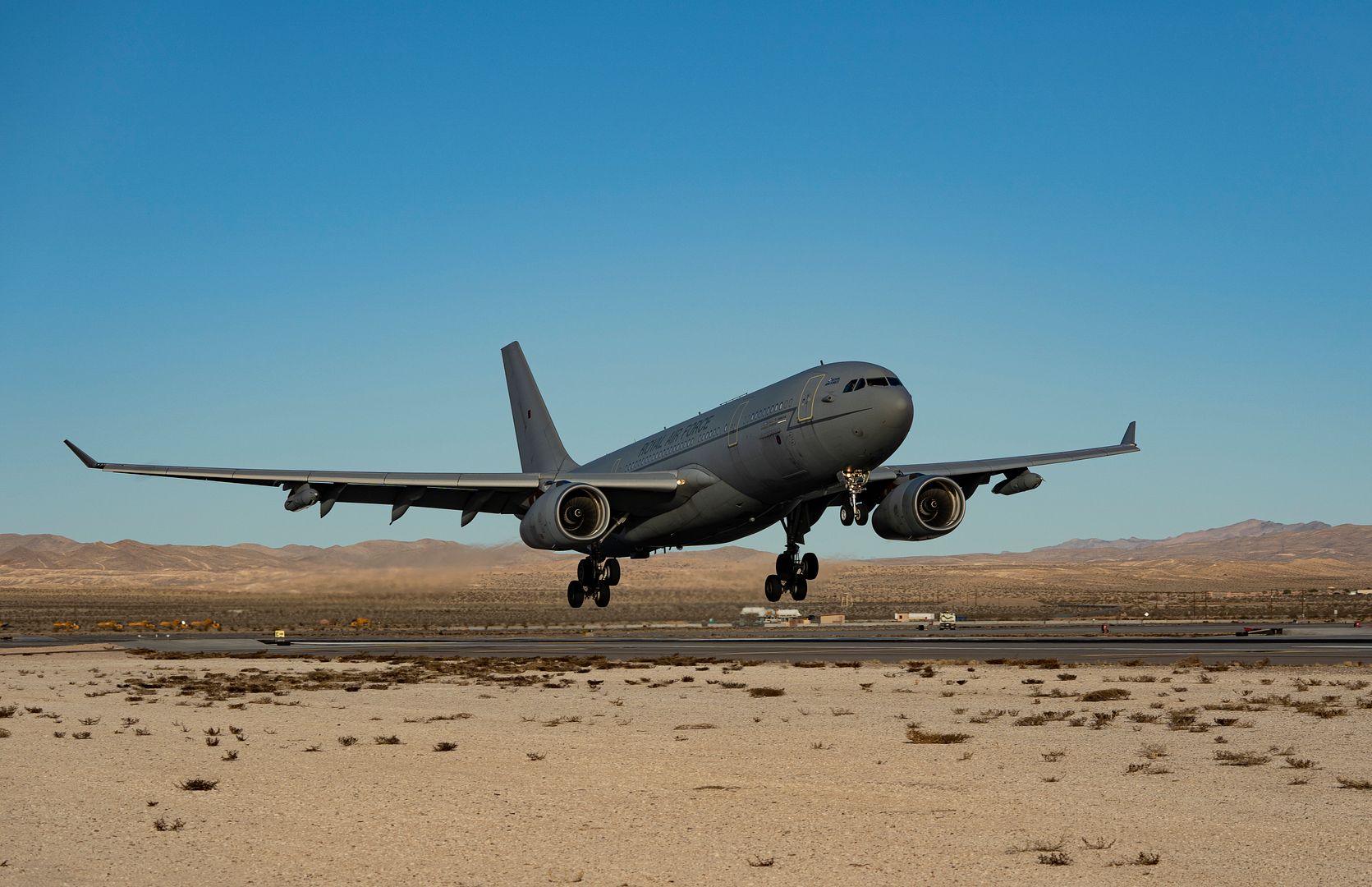
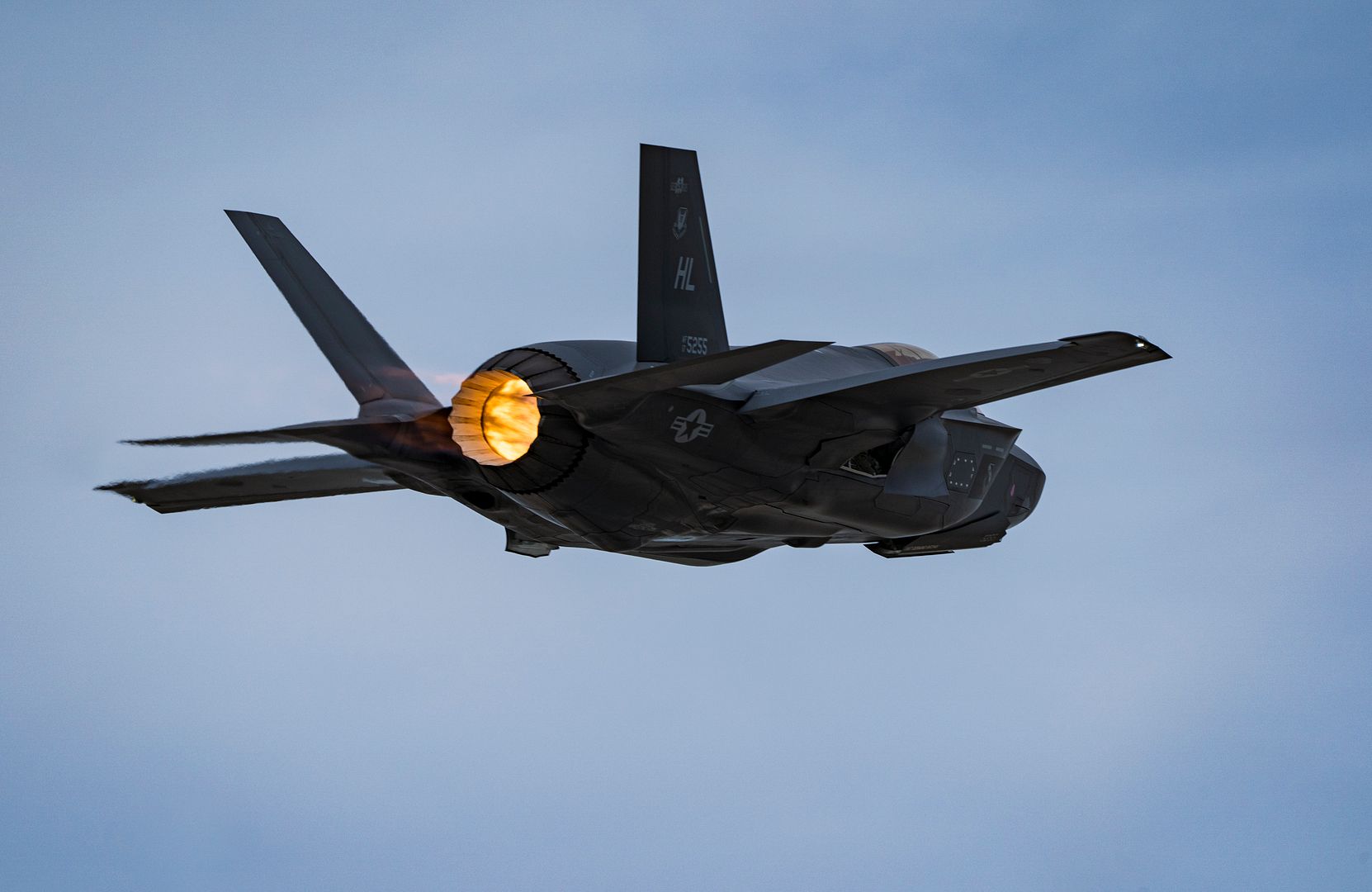

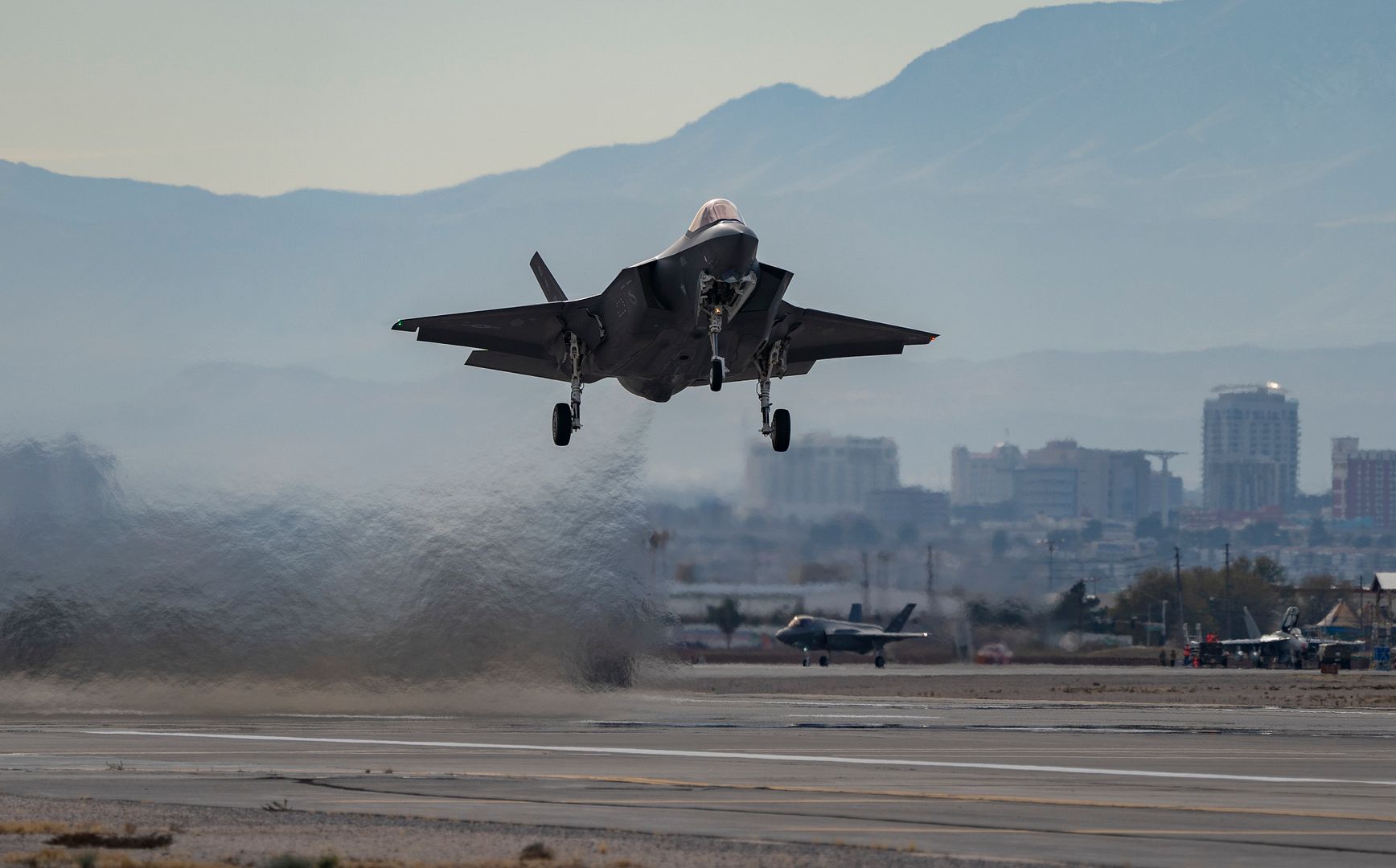
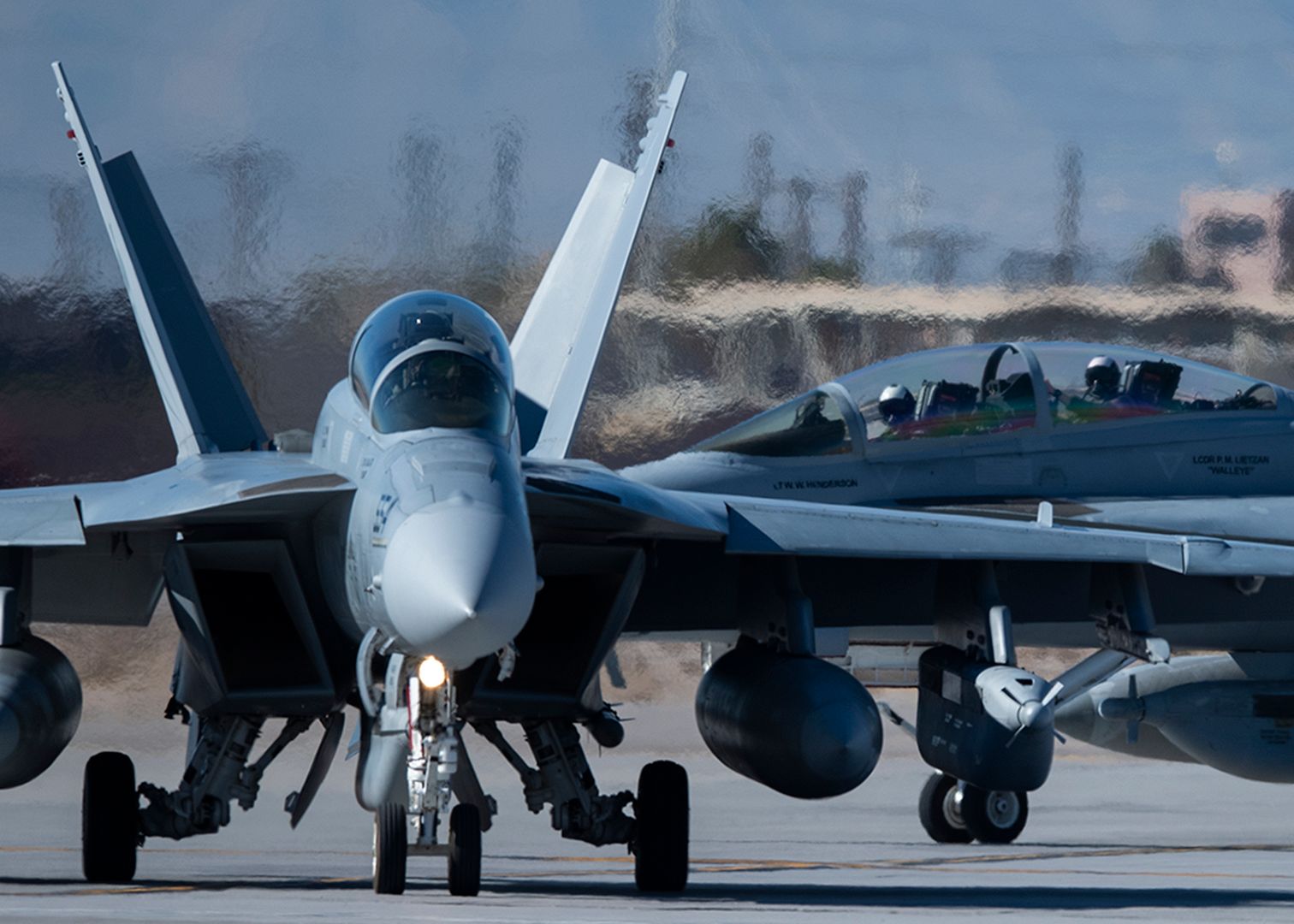
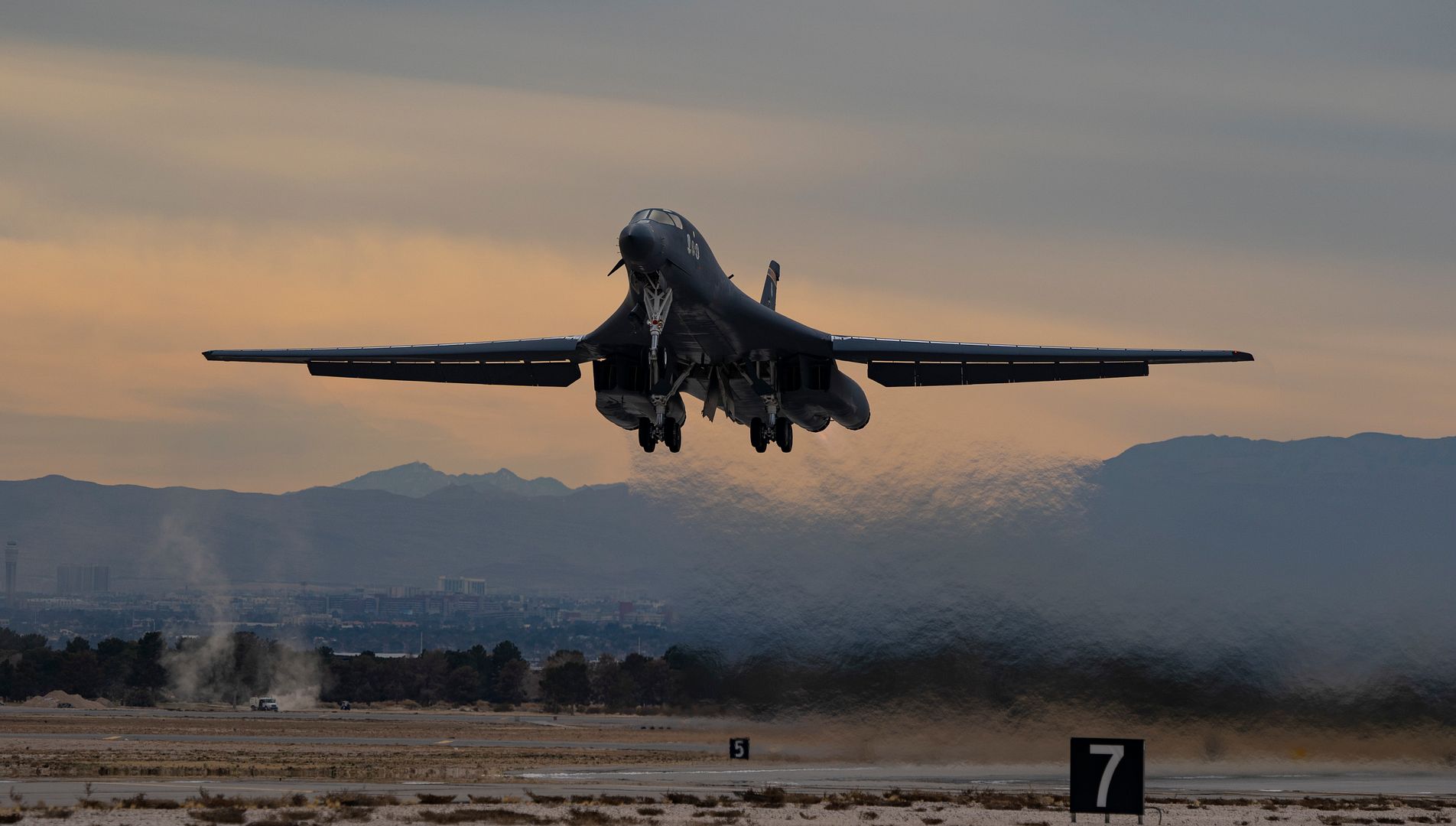
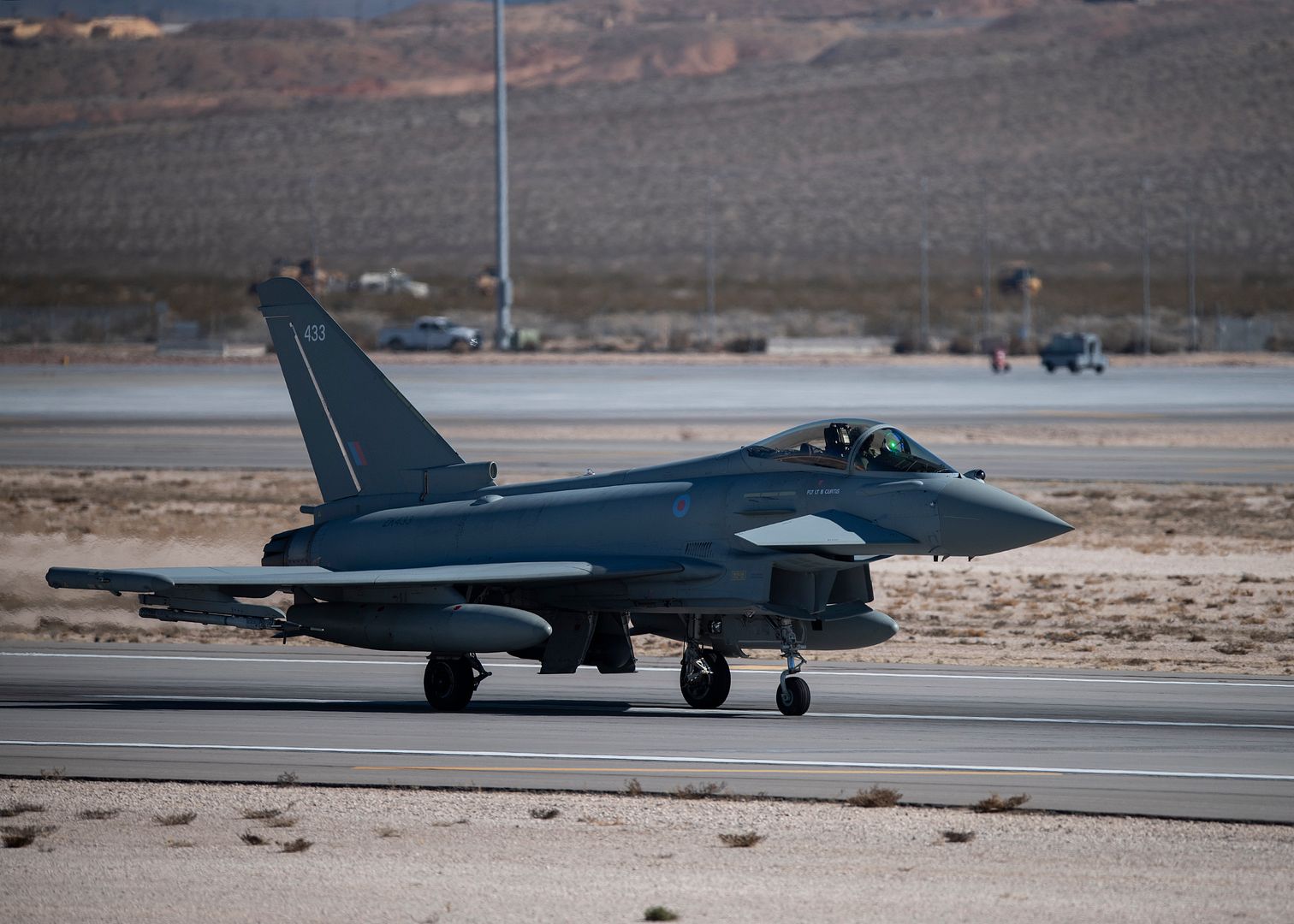
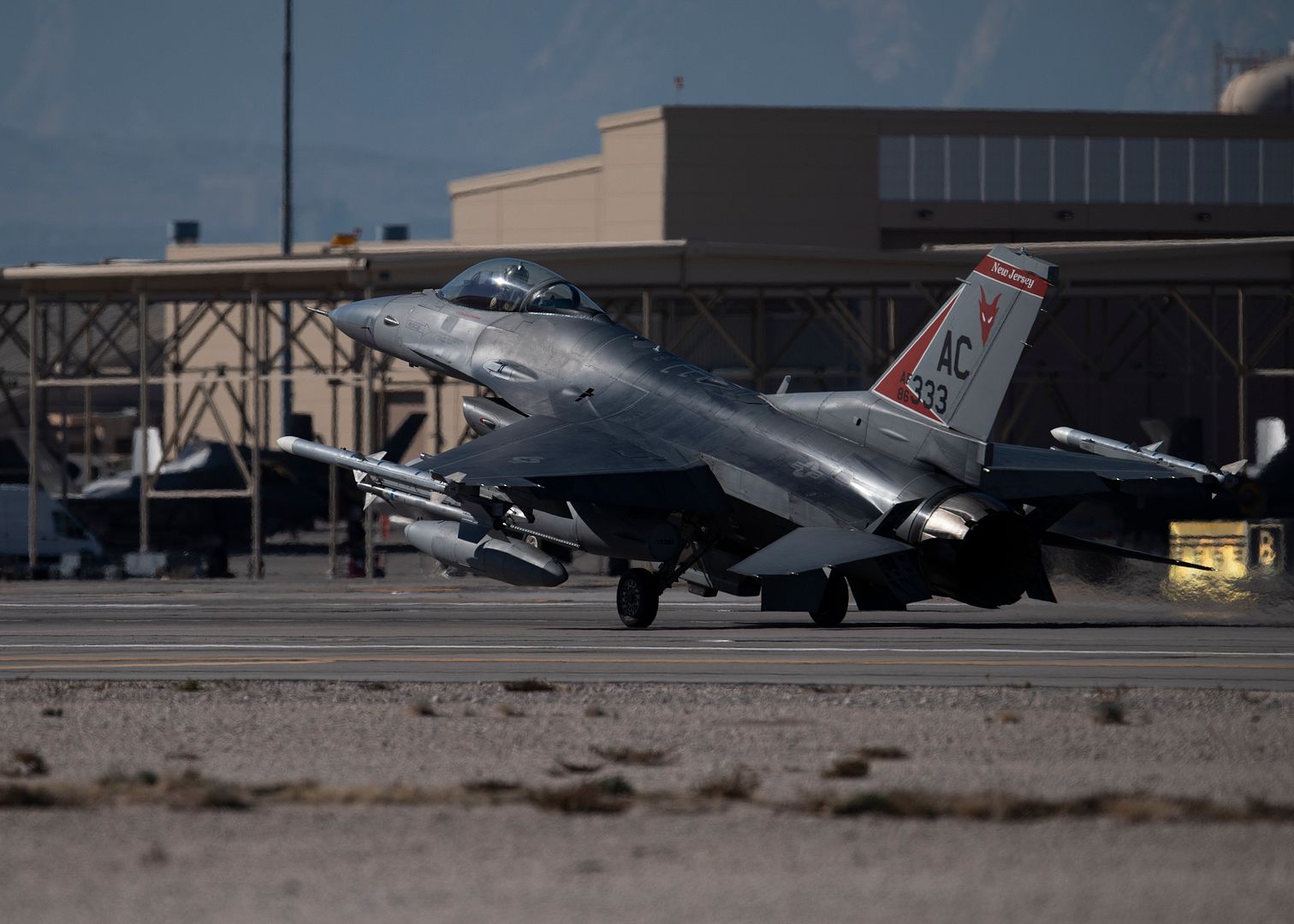
The 908th Expeditionary Air Refueling Wing conducts an aerial refuel with a French Rafale from the Arm?e de l'Air over Southwest Asia. The 908th is a KC-10 tanker squadron assigned to the 380th Air Expeditionary Wing, Al Dhafra Air Base, United Arab Emirates and enables coalition partners to execute their mission further developing relationships throughout the region. (U.S. Air Force photo by Tech. Sgt. Joshua Williams)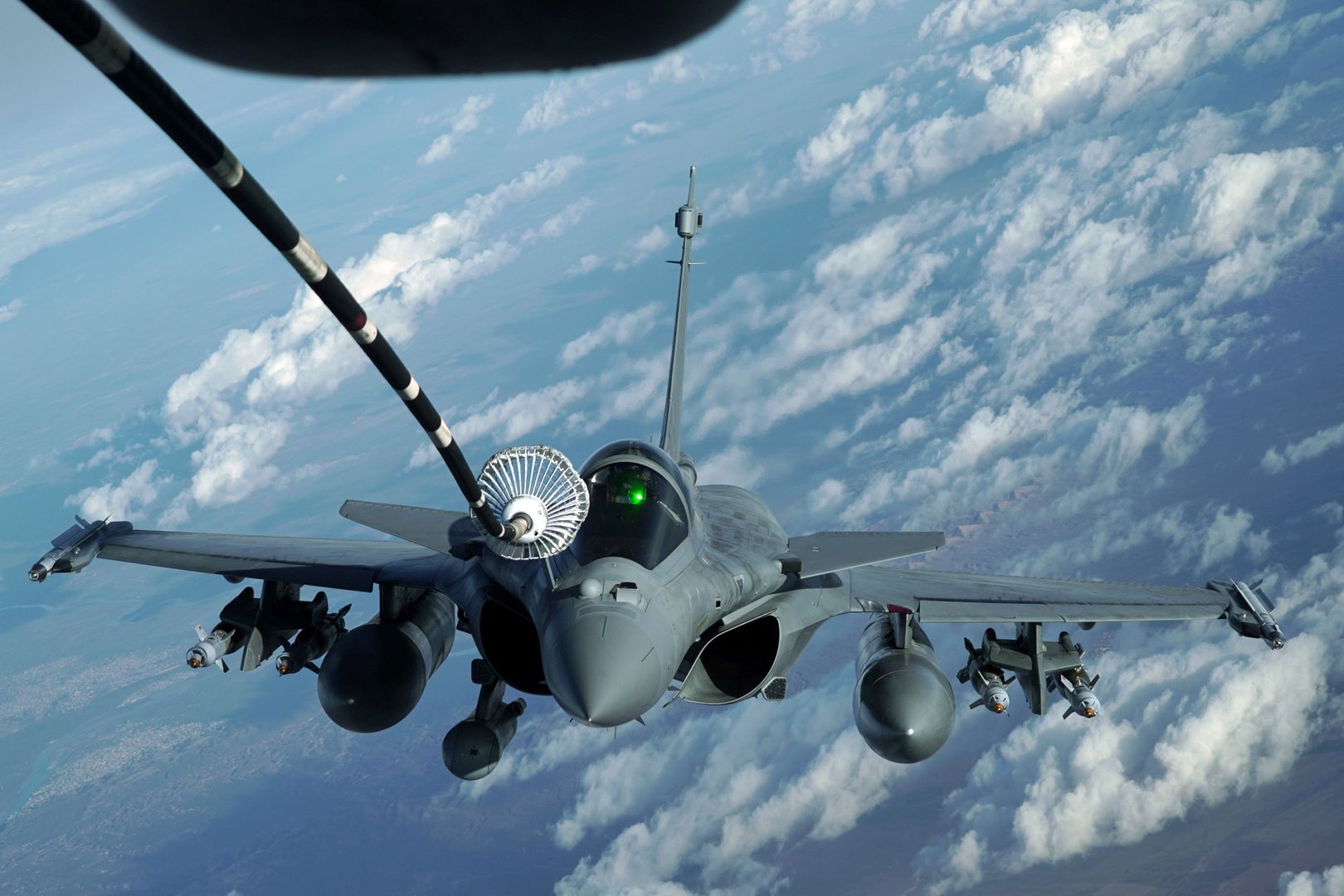
ATLANTIC OCEAN (Feb. 12, 2020) Sailors tow an E/A-18G Growler, assigned to the "Zappers" of Electronic Attack Squadron (VAQ) 130, on the flight deck aboard the aircraft carrier USS Dwight D. Eisenhower (CVN 69). Ike is conducting operations in the Atlantic Ocean as part of the Dwight D. Eisenhower Carrier Strike Group. (U.S. Navy photo by Mass Communication Specialist 3rd Class Ashley M.C. Estrella/Released)%20130.JPG "20130")
Toulouse, 13 February 2020 ? The A330-800 has received joint Type Certification from the European Aviation Safety Agency (EASA) and the Federal Aviation Administration (FAA). The aircraft?s certification flight-test campaign was successfully performed by aircraft MSN1888, which completed the programme in 370 flight test hours and 132 flights since its first flight in November 2018.
The A330-800, part of a true new-generation A330neo family, is the most efficient, longest-range entry-level widebody and incorporates new Rolls-Royce Trent 7000 engines, a new 3D-optimised wing and new Sharklets using lighter composite materials. Together, these advances bring a significant reduction in fuel consumption of 25% compared with older-generation competitor aircraft of similar size.
Certified initially with a maximum take-off weight (MTOW) of 242 tonnes for a range capability of up to 7,500 nautical miles, the A330-800 will typically seat 220 to 260 passengers in three classes, or up to 406 travellers in a single-class high-density configuration. To date the A330neo Family has won 337 firm orders from 22 operators.
In the A330-800, passengers can expect the highest levels of comfort, with the aircraft featuring the award-winning Airspace cabin with larger overhead storage, advanced cabin mood lighting and the latest in-flight entertainment and connectivity. Operationally, the A330neo shares a common pilot type-rating with the larger A350 XWB, which facilitates minimum flight training cost and maximum pilot productivity. Maintenance personnel will also benefit from the aircraft?s new Skywise data connectivity features which will help them to predict potential issues before they arise, thus ensuring maximum productivity of the aircraft in revenue service.
The A330 is the most popular widebody family ever, operating over one million flights every year. It has received over 1,800 orders from 120 customers with 1,400 A330s currently in operation today. The A330neo is the latest addition to the leading Airbus widebody Family, which also includes the A350 XWB, featuring unmatched space and comfort combined with unprecedented efficiency levels and unrivalled range capability.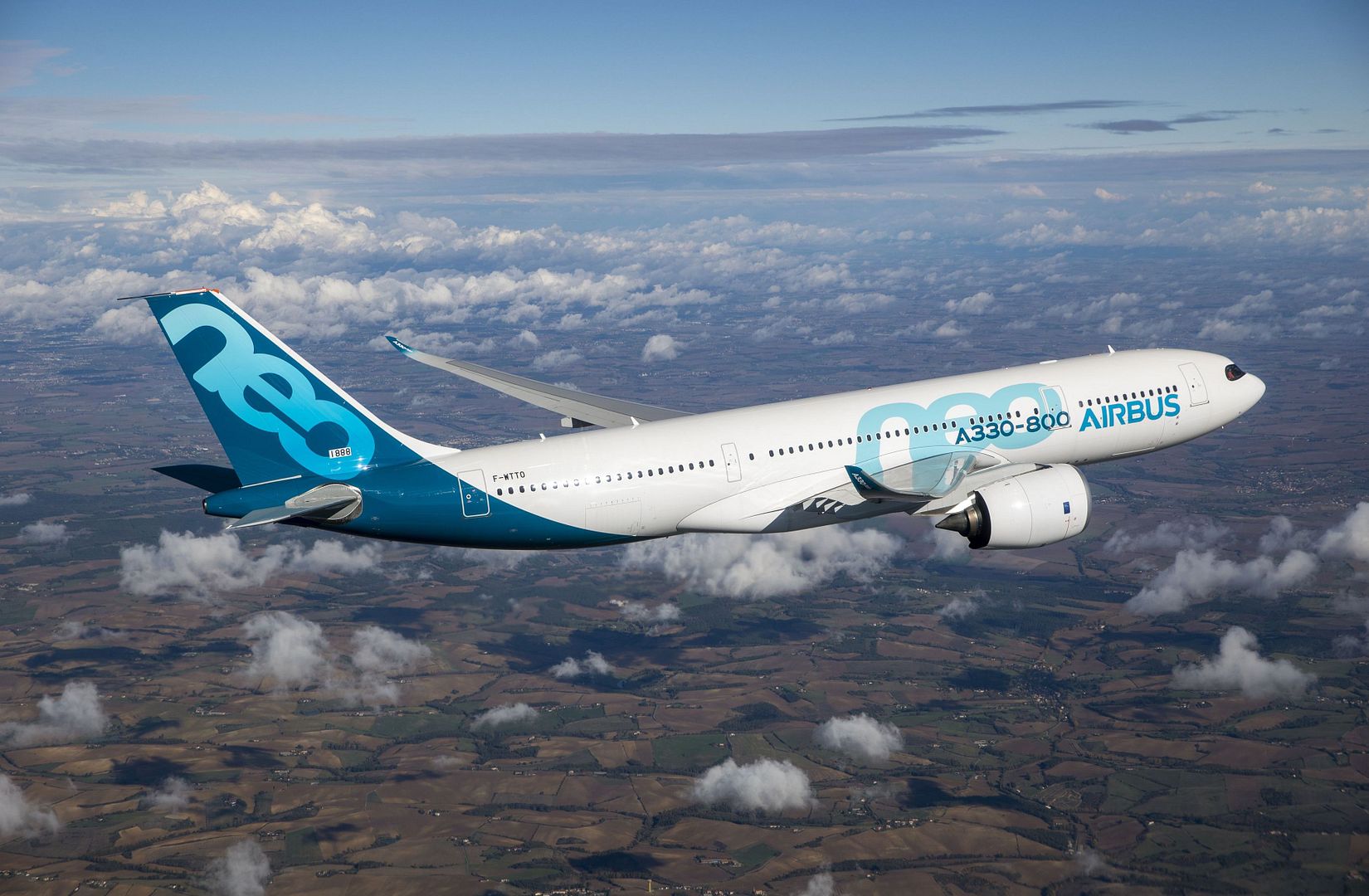
-
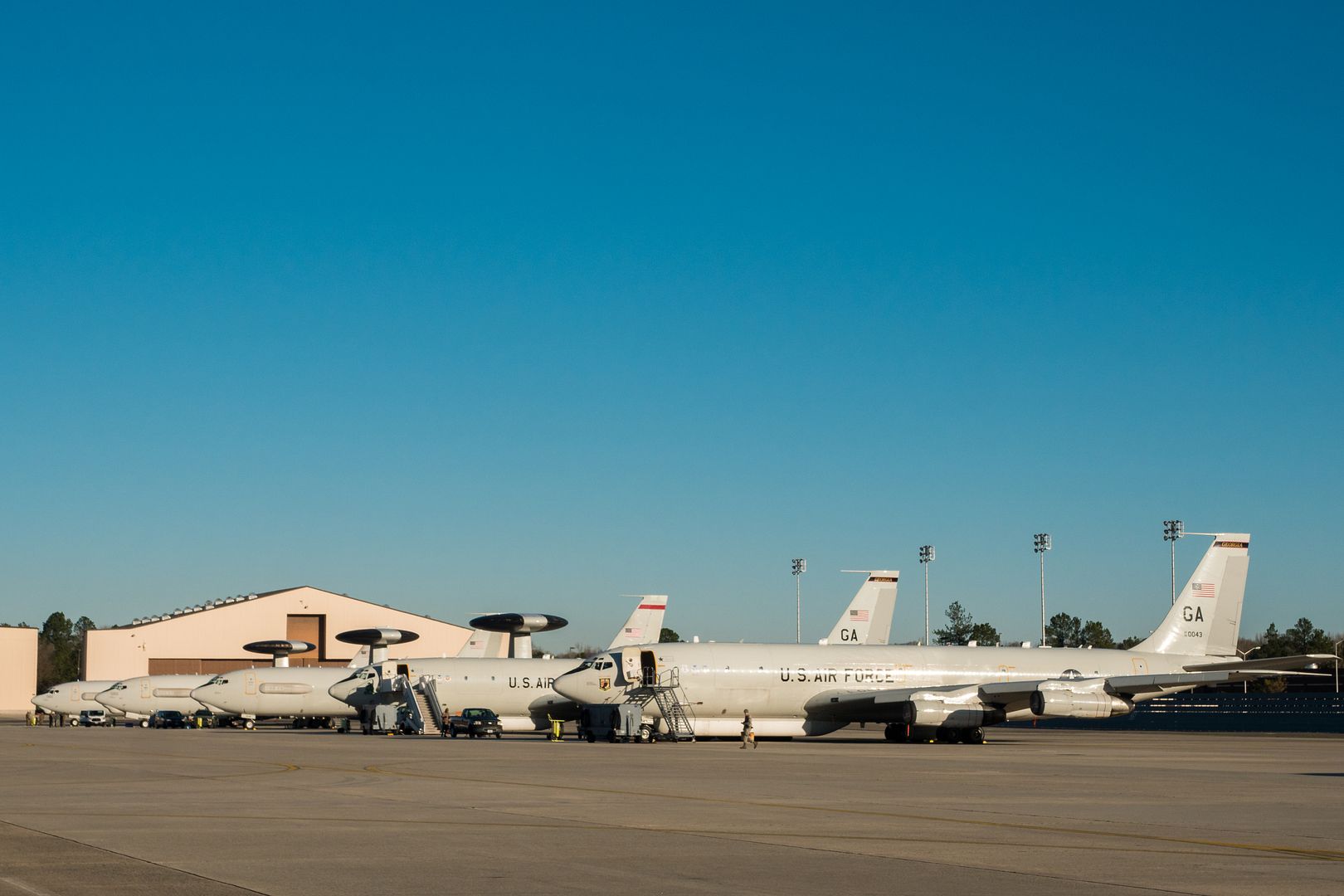
U.S. Air Force E-3 Sentry aircraft from the 552nd Air Control Wing (ACW), Tinker Air Force Base, Oklahoma, sit next to E-8C Joint STARS aircraft from Team JSTARS on the flightline at Robins Air Force Base, Georgia, Feb. 7, 2020. Airmen from the 552nd ACW have been mission planning and training alongside Airmen from the Georgia Air National Guard?s 116th ACW and active duty 461st ACW while the Oklahoma unit is on temporary duty at Robins Air Force Base. (U.S. Air National Guard photo by Senior Master Sgt. Roger Parsons)
A MV-22B Osprey with Medium Tiltrotor Squadron VMM-263 receives fuel from a KC-130J Super Hercules from Marine Aerial Refueler Transportation Squadron 252 over the Atlantic Feb. 12, 2020. The Osprey refueled mid-flight during a tactical recovery of air-craft and personnel exercise. (U.S. Marine Corps photo by Cpl. Antonio Garcia/Released)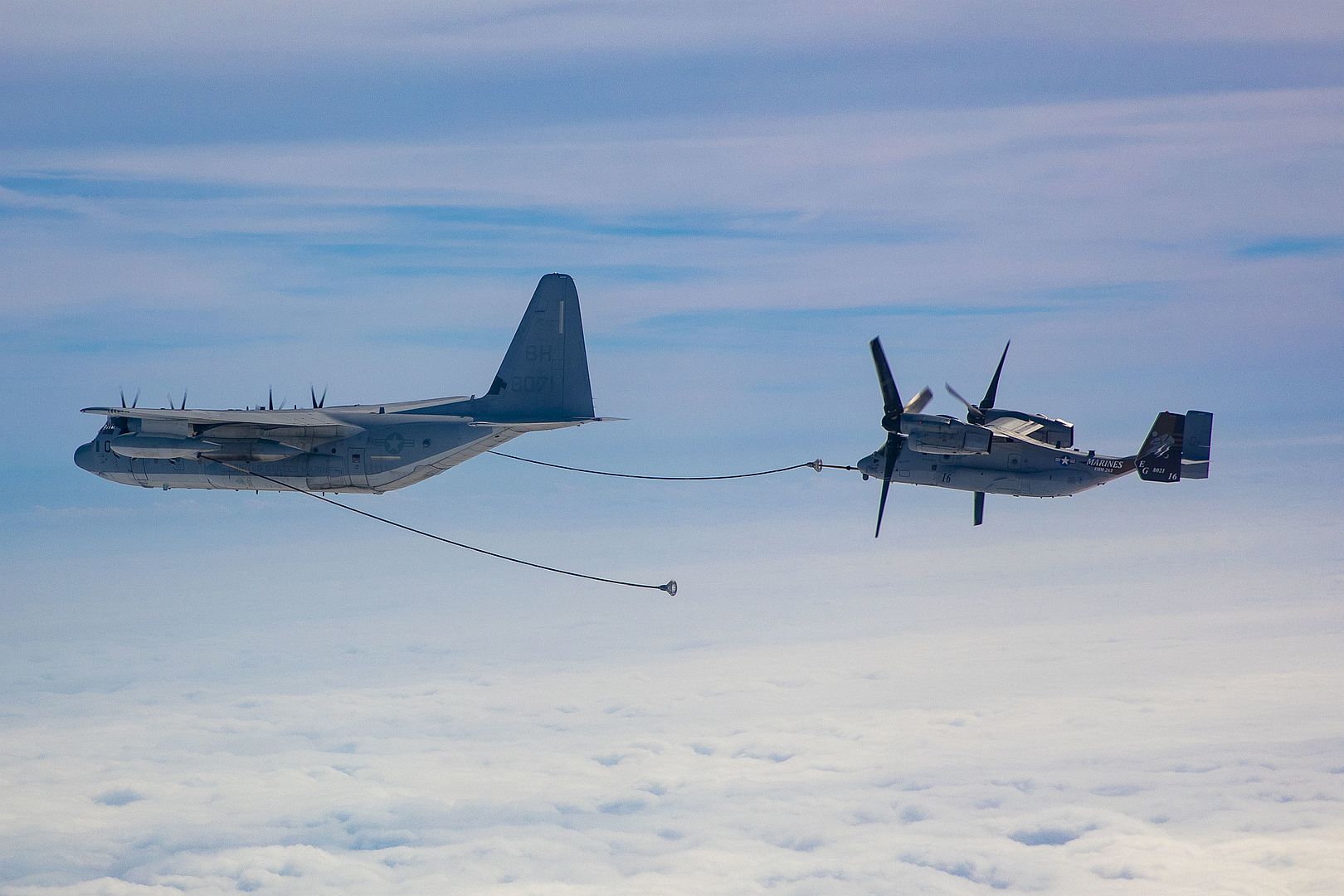
A U.S. Navy EA-18G Growler, assigned to the Electronic Attack Squadron (VAQ) 138 breaks away from a U.S. Air Force KC-135 Stratotanker after being refueled during Exercise Cope North 20 at Andersen Air Force Base, Guam, Feb. 13, 2020. Cope North 20 is an annual trilateral field training exercise conducted at Andersen Air Force Base, Guam, and around the Commonwealth of the Northern Mariana Islands (CNMI), Palau and Yap in the Federated States of Micronesia. (U.S. Air Force photo by Senior Airman Gracie Lee)
Crew chiefs assigned to the 911th Aircraft Maintenance Squadron brave freezing temperatures to perform a pre/post flight inspection on a C-17 Globemaster III at the Pittsburgh International Airport Air Reserve Station, Pennsylvania, Feb. 15, 2020. Crew chiefs work in all kinds of weather, including freezing temperatures, to maintain operational readiness. (U.S. Air Force photo by Joshua J. Seybert)
F-16 fighter jets assigned to the Ohio National Guard?s 180th Fighter Wing taxi from the runway at Nellis Air Force Base, Nevada, during exercise Green Flag-West, Feb. 13, 2020 Green Flag is a realistic, air-to-surface, joint training exercise designed to improve interoperability between aircraft while supporting ground troops by allowing U.S. military branches, as well as other NATO and allied nations, an opportunity to work together, as they would in military operations around the world.
(U.S. Air National Guard photo by Senior Airman Kregg York)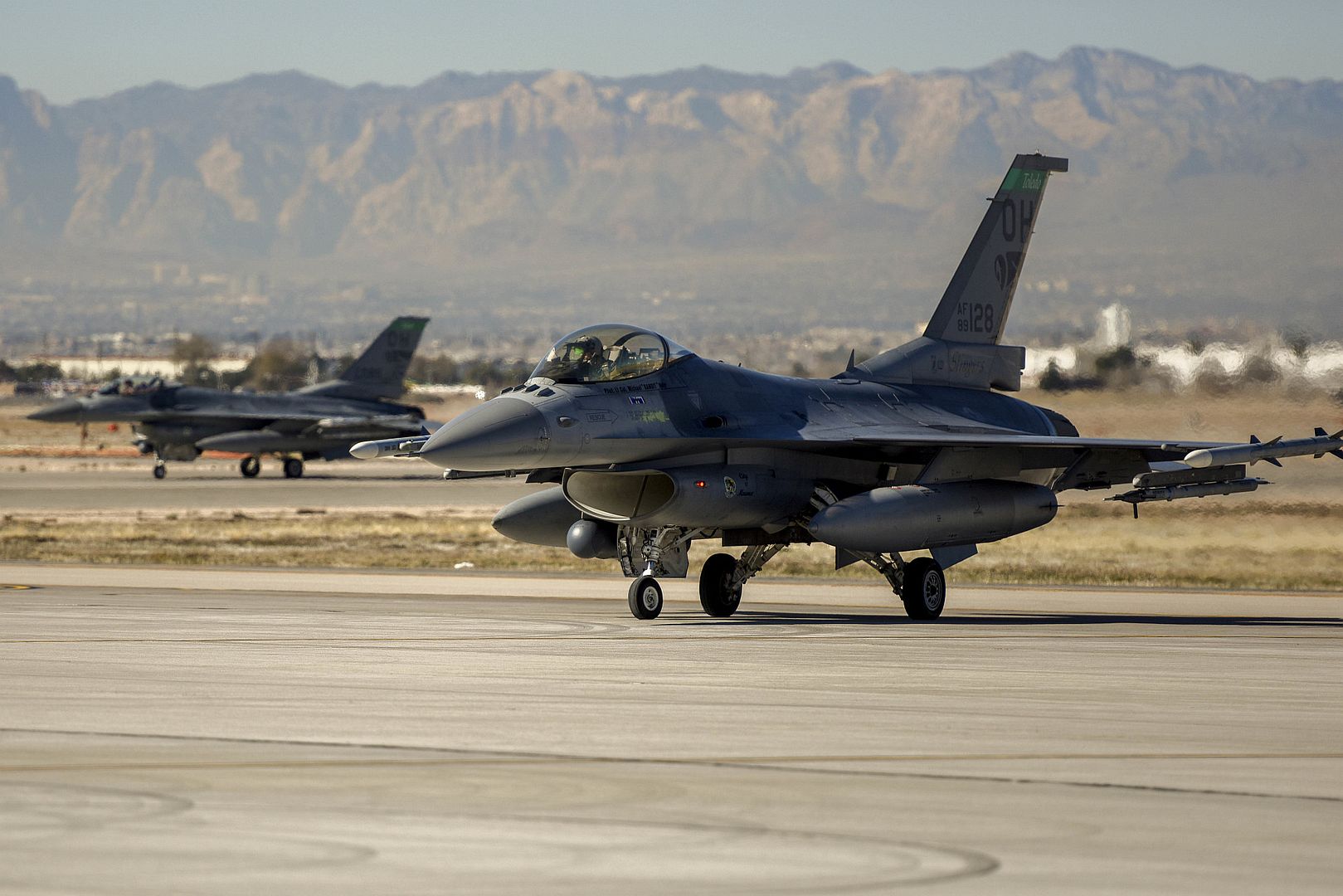
Since its inception in 1975 Red Flag, the giant air combat exercise held annually in the United States, has tested participants to the limits. This year has been no exception; Typhoon, Voyager, Air Operations staff and, for the first time, Lightning have spent three weeks in Nevada honing their skills with American and Australian counterparts.
The training exercise was born from US Air Force (USAF) experiences in the Vietnam War where statistics showed the survival rate for fast jet aircrew improved significantly once they had flown 10 operational missions. Through Red Flag the USAF sought to replicate real combat conditions as closely as possible in order to improve survivability.
The breadth and scale of the exercise is breath-taking, it takes more than an hour simply to launch the aircraft taking part in each of the two daily training missions. But whilst this is no different to the original exercises, the pace of progress is such that once airborne the realism and complexity is unrecognisable even to those who participated five years ago.
For the exercise the RAF deployed Lightnings from 617 Squadron, Typhoon FGR4s from 41 Test & Evaluation Squadron (TES), a Voyager jointly operated by 10 and 101 Squadrons, and an Air Operations Centre together with all the support required to operate 5,000 miles from home.
RAF Coningsby based 41 TES are no strangers to the US, arriving at Nellis from California where they conduct trials and development work on Typhoon. Squadron Leader Andy Milikin said: ?The training you get here is really peerless. To be able to operate with the Voyager, with F35 and the deployed support unit brings us together in a way that you cannot do when you?re at your own base in the UK. Coming to Nellis to take part in Red Flag gives you the best real-world training without actually going to war.?
He added, ?We?ve got a huge expanse of airspace in which we can fly. The threats which the Americans provide are highly realistic and you really can?t go anywhere else in the world other than to come out to Las Vegas to get this sort of training.?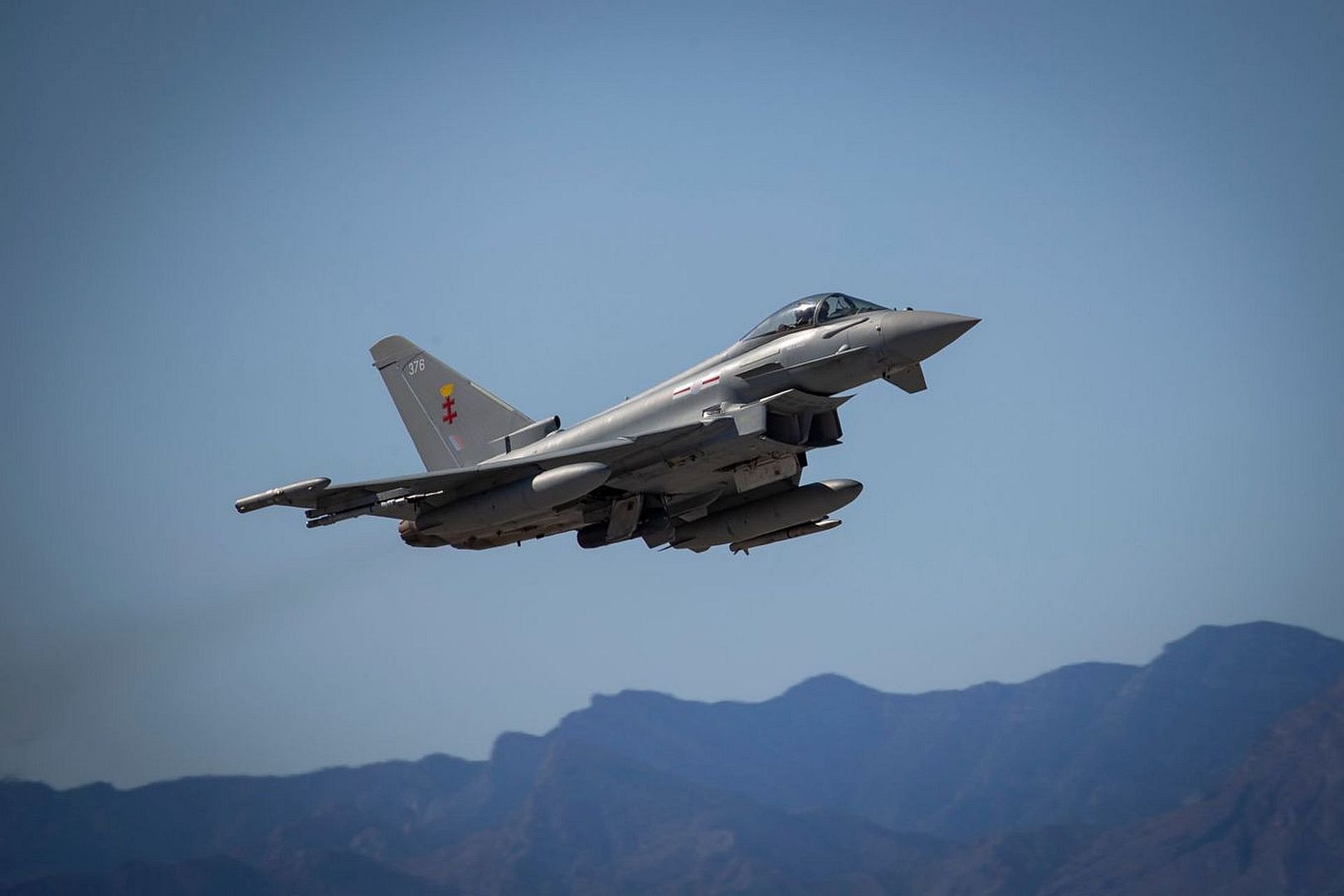
The sole air-to-air refuelling aircraft on the exercise was a Voyager KC3 operated by a crew drawn from both 10 and 101 Squadrons at RAF Brize Norton. With a dozen Royal Australian Air Force Super Hornets and Growlers in addition to the RAF Typhoons and Lightnings the RAF tanker was a popular port of call throughout the exercise. The RAF also contributed personnel to the Air operations Centre who provided mission planning in support of the live fly exercise.
The conclusion of flying activity at Nellis heralds the next crucial phase of the exercise as AVM Duguid explained: ?The first thing we do when we return from an exercise or a deployment on operations is to write a report. That covers everything from how we learn lessons on how we looked after ourselves in terms of food and accommodation and whether we had deployed at the right times to the tactical and operational lessons we learned from the exercise.?
?The key lessons in particular are the ones that we really need to close out and address before we then do subsequent deployments with the same capabilities. Before Lightning deploys on HMS Queen Elizabeth all of the hard and really important lessons that we learn from this exercise will have been taken forward.?
-
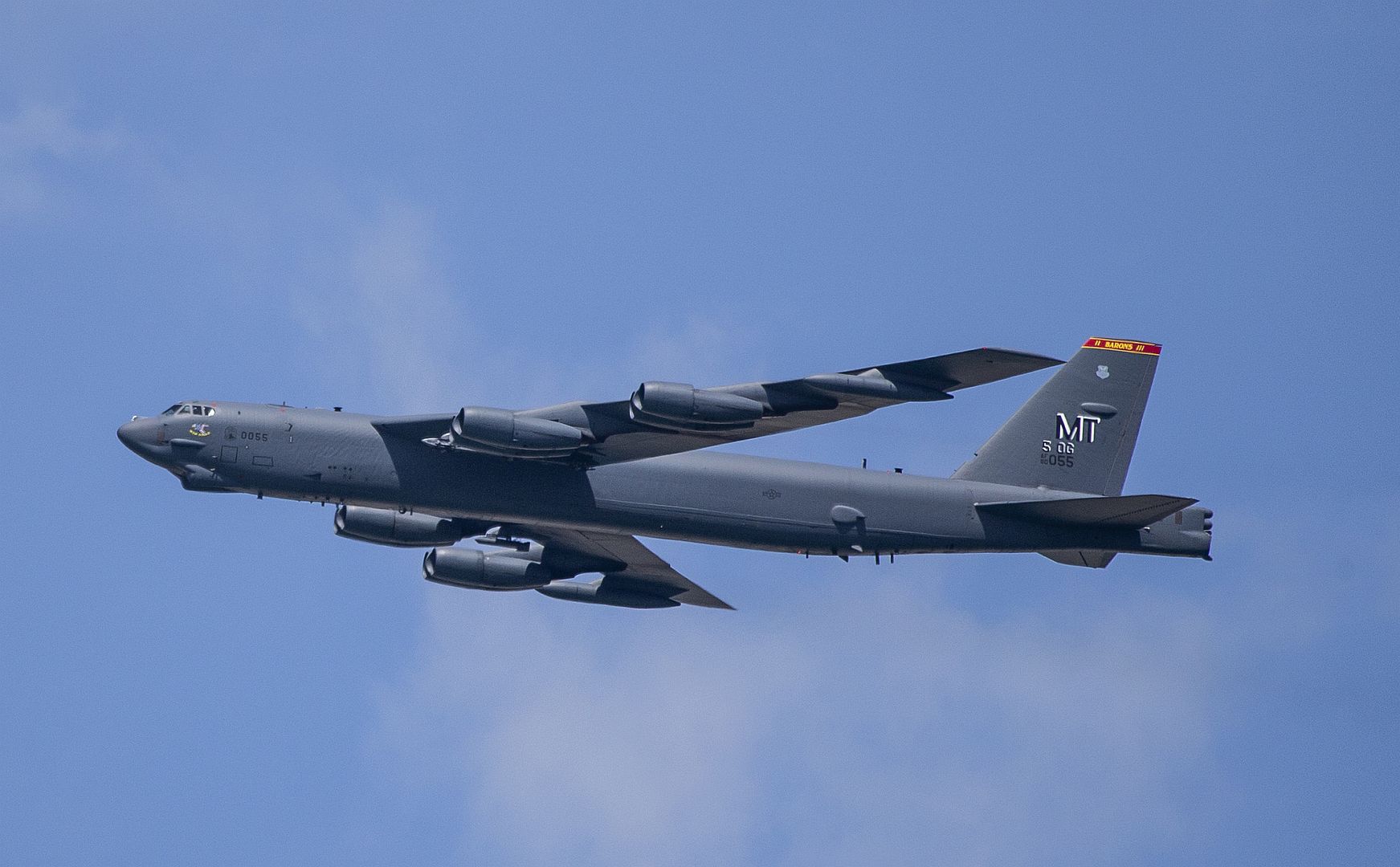
A U.S. Air Force B-52 Stratofortress with the 36th Operations Group conducts a flyover during the Singapore Airshow 2020 near Changi Exhibition Center, Republic of Singapore, Feb. 15, 2020. Singapore Airshow 2020 showcased various U.S. military aircraft and featured the F-22 Raptor and the F-35B Lightning II aerial demo teams. This was the first time both stealth fighter attack jets participated in the aerial demonstration, giving spectators an unprecedented look at the advanced fifth generation fighters. (U.S. Marine Corps photo by Staff Sgt. Vitaliy Rusavskiy)
A U.S. Marine Corps F-35B Lightning II with Marine Fighter Attack Squadron (VMFA) 121 hovers in the air during an aerial demonstration at the Singapore Airshow 2020 near Changi Exhibition Center, Republic of Singapore, 2020 Feb. 15, 2020. Singapore Airshow 2020 showcased various U.S. military aircraft and featured the F-22 Raptor and the F-35B Lightning II aerial demo teams. This was the first time both stealth fighter attack jets participated in the aerial demonstration, giving spectators an unprecedented look at the advanced fifth generation fighters. (U.S. Marine Corps photo by Staff Sgt. Vitaliy Rusavskiy)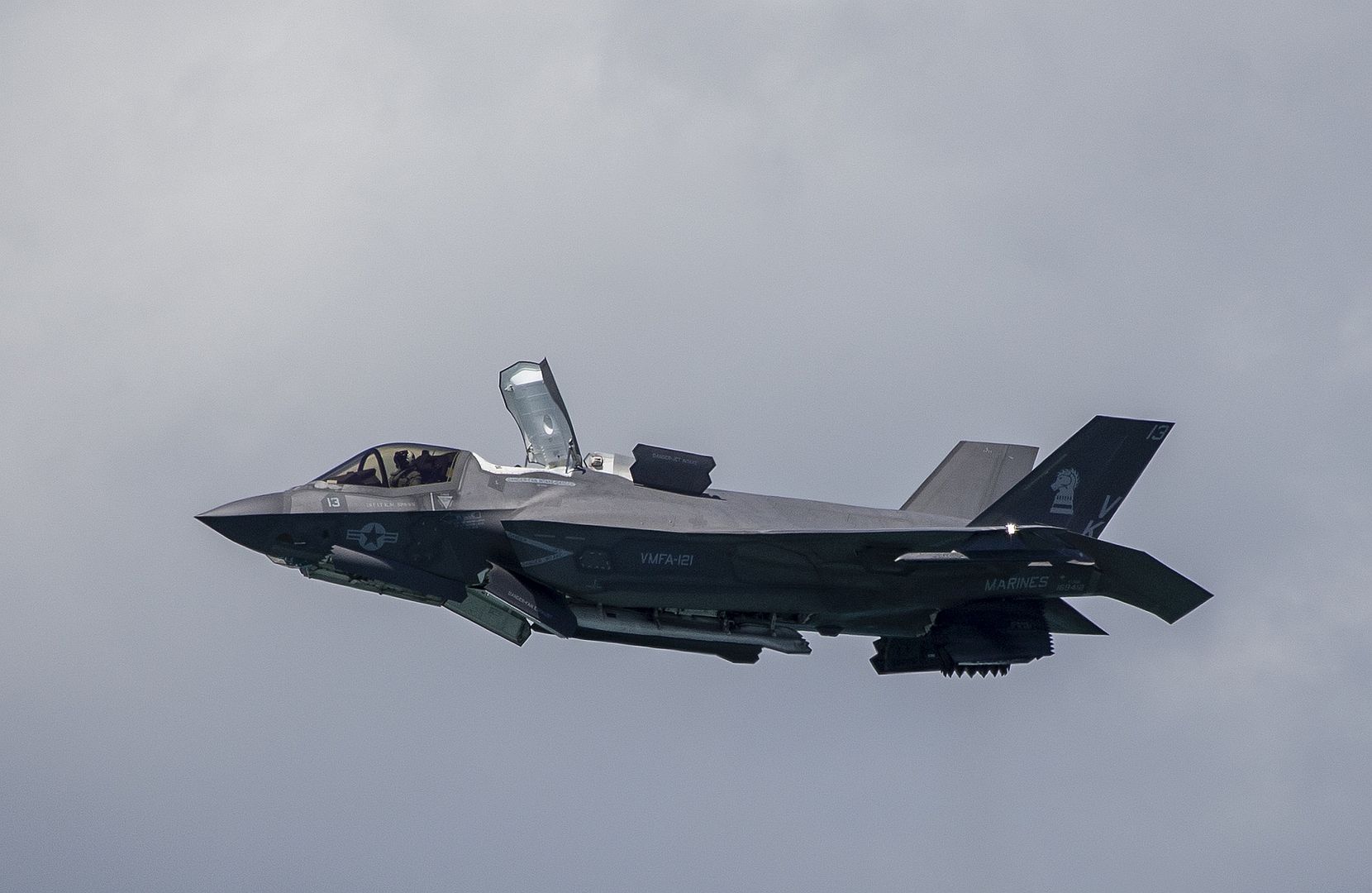
PACIFIC OCEAN (Feb. 15, 2020) An MV-22 Osprey assigned to the ?Dragons? of Marine Medium-Tiltrotor Squadron (VMM) 265, 31st Marine Expeditionary Unit, approaches the flight deck of the aircraft carrier USS Theodore Roosevelt (CVN 71) Feb. 15, 2020. Operating as an Expeditionary Strike Force, the Navy-Marine Corps team integrates carrier strike group combat power with the flexible capability of an expeditionary strike group to provide the fleet commander with a capable, credible combat force that can be deployed anywhere in the world. (U.S. Navy photo by Mass Communication Specialist 3rd Class Brandon Richardson)
17 Feb 2020
PHASA-35, a 35m wingspan solar-electric aircraft, has successfully completed its maiden flight. The landmark flight paves the way to this new aircraft becoming a game changer in the air and space market, plugging the gap between aircraft and satellite technology.
PHASA-35 has been designed, built and now flown in less than two years as part of a collaboration between ourselves and Prismatic Ltd, which we agreed to acquire last year. Designed to operate unmanned in the stratosphere, above the weather and conventional air traffic, PHASA-35 offers a persistent and affordable alternative to satellites combined with the flexibility of an aircraft, which could be used for a range of valuable applications including forest fire detection and maritime surveillance.
Sponsored by the UK?s Defence Science and Technology Laboratory (DSTL) and Australian Defence Science and Technology Group (DSTG), the successful flight trials took place at the Royal Australian Air Force (RAAF) Woomera Test Range in South Australia.
The trials marked the first fully integrated flight test of the PHASA-35 system, delivering rapid proof of capability from design to flight in just 20 months. They are the culmination of efforts from a collaborative team of British experts from Prismatic in Hampshire - where two full-sized concept aircraft were built last year - working alongside our engineers in Lancashire, where the aircraft underwent further integration testing prior to flight trials.
Going the distance
As a High Altitude Long Endurance (HALE) vehicle, PHASA-35 is powered by the Sun during the day and by batteries overnight. The long-life battery and highly efficient solar technology could allow the aircraft to maintain flight for up to a year operating in the stratosphere, the upper regions of the Earth?s atmosphere.
PHASA-35 is designed to provide a persistent, stable platform for monitoring, surveillance, communications and security applications. When connected to other technologies and assets, it will provide both military and commercial customers with capabilities that are not currently available from existing air and space platforms. The Unmanned Air Vehicle also has the potential to be used in the delivery of communications networks including 5G, as well as provide other services, such as disaster relief and border protection, at a fraction of the cost of satellites.
Ian Muldowney, Engineering Director here at BAE Systems, said: ?This is an outstanding early result that demonstrates the pace that can be achieved when we bring the best of British capability together. To go from design to flight in less than two years shows that we can rise to the challenge the UK Government has set industry to deliver a Future Combat Air System within the next decade.?
Our acquisition of Prismatic forms part of the Company?s strategy to develop breakthrough technologies, making bolt-on acquisitions where they complement existing capabilities and provide an opportunity to accelerate technology development in key areas.
Further flight trials are scheduled for later this year, with the possibility that the aircraft could enter initial operations with customers within 12 months of the flight trials programme completion.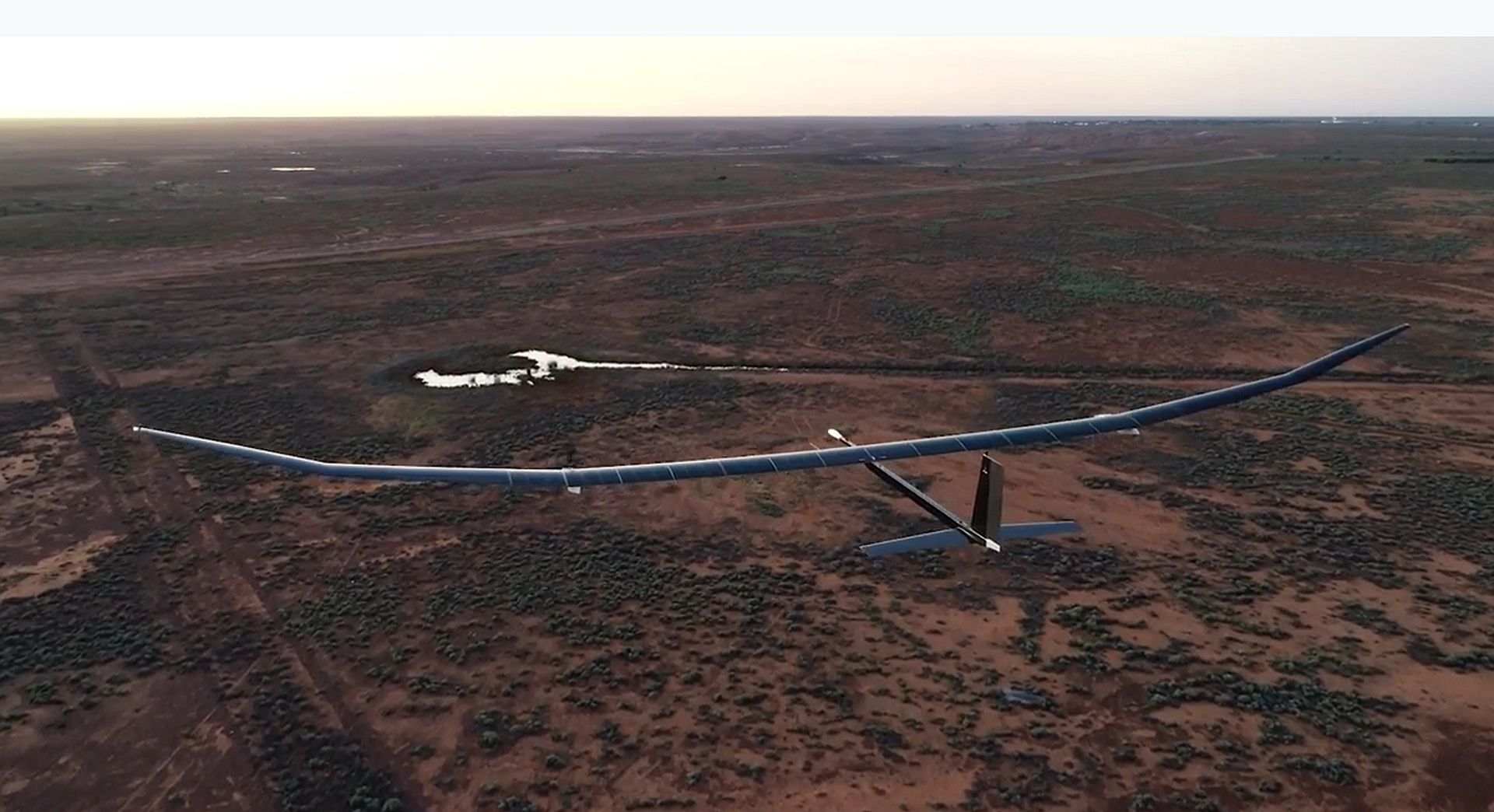
-
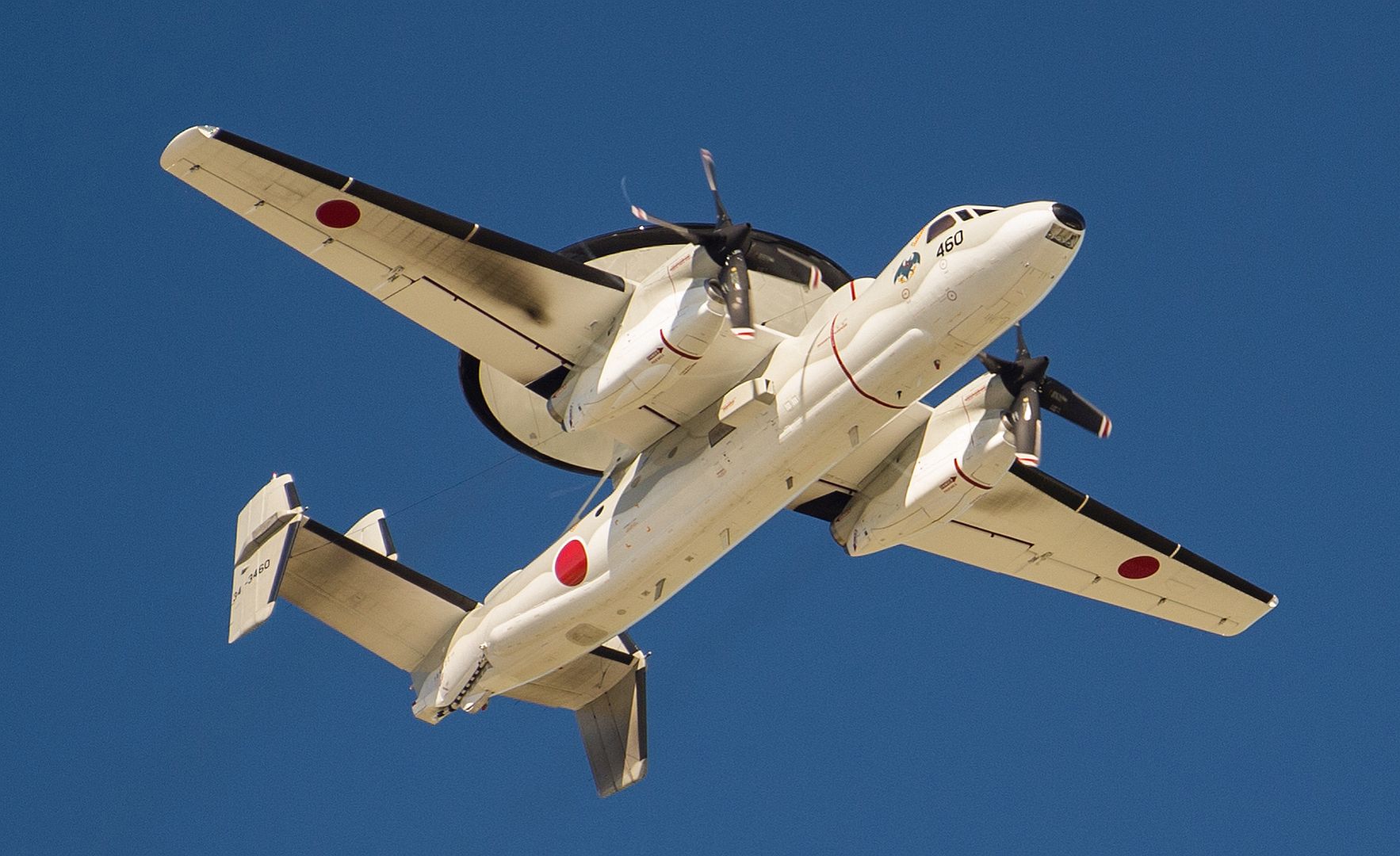
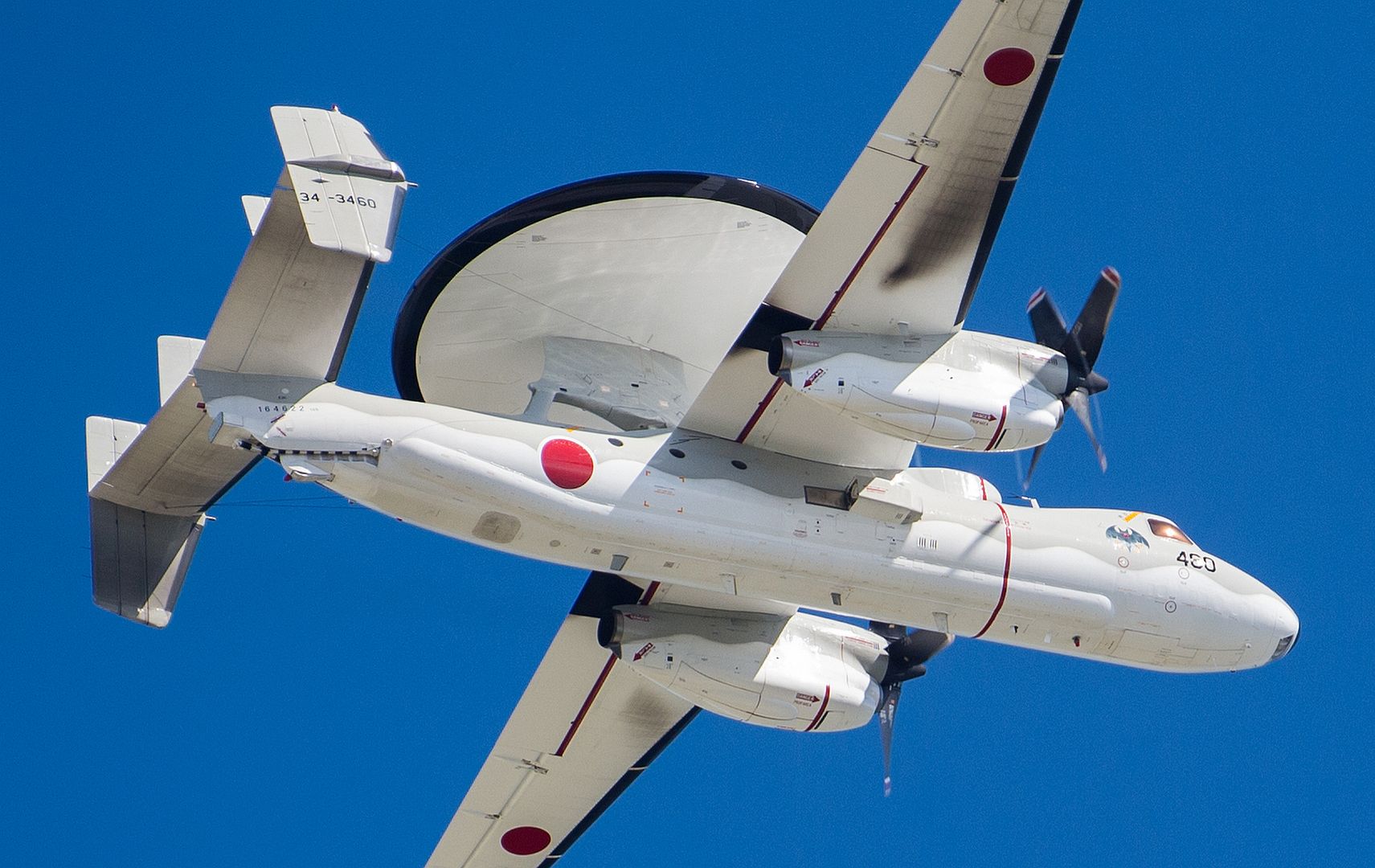
A Koku Jieitai (Japan Air Self-Defense Force) E-2C assigned to 601 Squadron, Misawa Air Base, Japan, takes flight during Exercise Cope North 20 at Andersen Air Force Base, Guam, Feb. 14, 2020. Exercise Cope North is an annual U.S. Pacific Air Forces tri-lateral field training exercise with participants from the U.S. Air Force, U.S. Navy, U.S. Marine Corps, Japan Air Self-Defense Force and the Royal Australian Air Force. The primary intent of Cope North is to enhance coordination of combined air tactics, hone techniques and procedures while strengthening security and stability in the Indo-Pacific region. (U.S. Air Force photo's by Staff Sgt. Curt Beach)
ARABIAN SEA (Feb. 15, 2020) An F/A-18E Super Hornet assigned to the Sunliners of Strike Fighter Squadron (VFA) 81 launches from the flight deck of the aircraft carrier USS Harry S. Truman (CVN 75) in the Arabian Sea, Feb. 15, 2020. The Harry S. Truman Carrier Strike Group is deployed to the U.S. 5th Fleet area of operations in support of naval operations to ensure maritime stability and security in the Central Region, connecting the Mediterranean and the Pacific through the western Indian Ocean and three strategic choke points. (U.S. Navy photo by Mass Communication Specialist 3rd Class Megan Wollam/Released)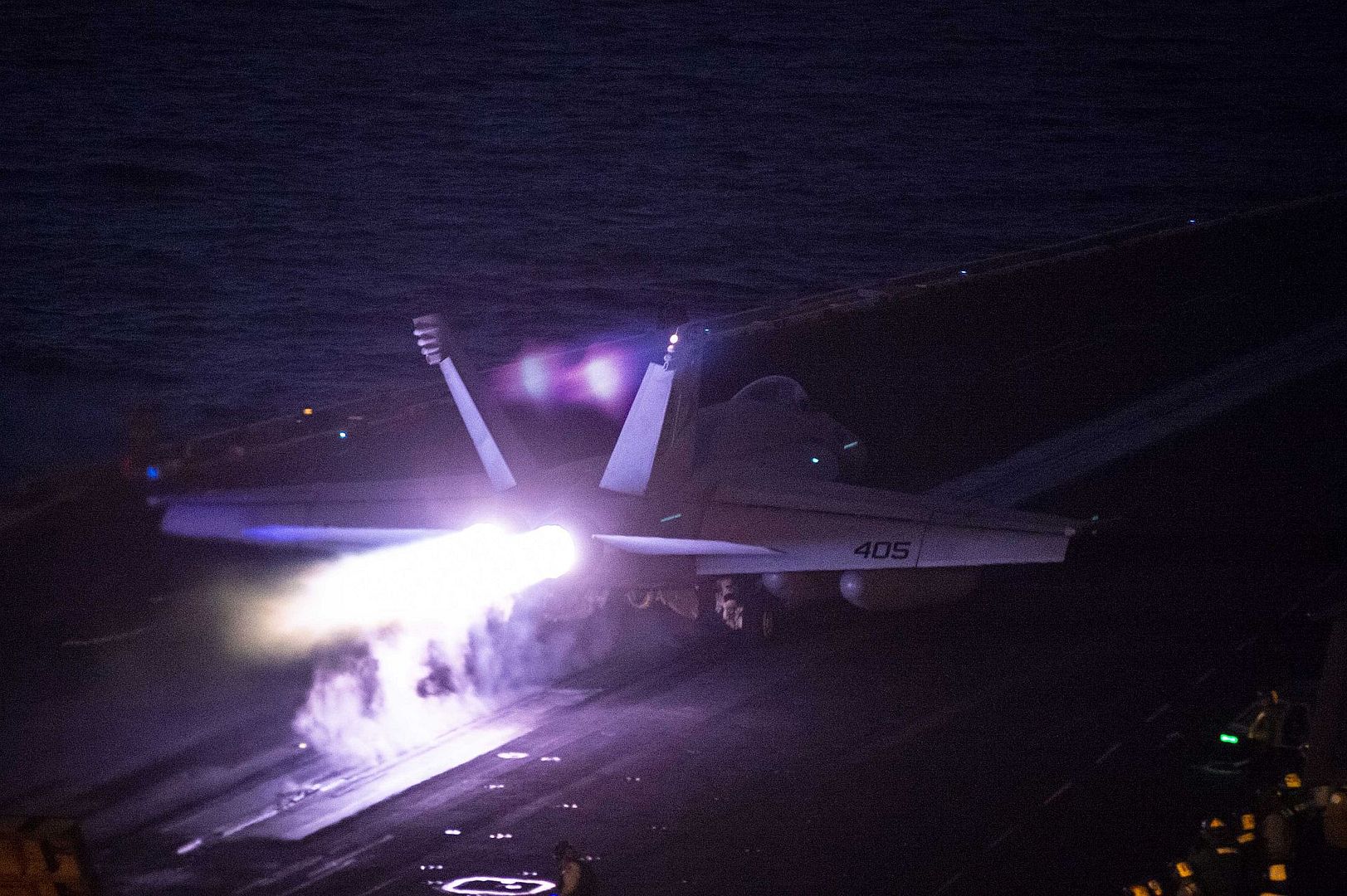
PALMDALE, Calif., Feb. 18, 2020 /PRNewswire/ -- The U.S. Air Force, Collins Aerospace Systems, a unit of United Technologies (NYSE: UTX), and Lockheed Martin Skunk Works? (NYSE: LMT) recently completed flight testing and deployment of the latest variant of the Collins Aerospace Senior Year Electro-Optical Reconnaissance System (SYERS) sensor, SYERS-2C, on the U-2. With this milestone, the entire U-2 fleet has been upgraded to the premier electro-optical/infrared sensor capability which provides increased optical performance and highly accurate long-range tracking for superior threat detection in a wider range of weather conditions.
"SYERS-2C represents an evolutionary step forward for the Air Force, capitalizing on a high performing, mature system to insert substantial new capabilities into the battlespace of the future," said Kevin Raftery, vice president and general manager, ISR and Space Solutions for Collins Aerospace. "The U-2 has been the cornerstone of the Air Force's ISR inventory and with upgrades like SYERS-2C, the system can continue to provide increasingly valuable multi-intelligence information to the warfighter for years to come."
The 10-band, high spatial resolution SYERS-2C sensor provides unmatched ability to find, track and assess moving and stationary targets. Developed with open mission systems standards to enable command, control and data exchange with 5th generation platforms, the sensor has become a critical asset to theater commanders bringing unique advantages to joint operations across the battlespace.
"The SYERS-2C sensor is the premier intelligence, surveillance and reconnaissance imaging sensor and its integration into the U-2 Dragon Lady further enhances the aircraft's ability to provide unparalleled strategic intelligence to our warfighters," said Irene Helley, U-2 program director, Lockheed Martin Skunk Works. "This milestone continues our commitment to increase the flexibility of the aircraft using open mission systems to support the multi-domain battlespace."
Flying 24/7 around the world at record-high operational rates, the U-2 Dragon Lady provides unparalleled intelligence, surveillance and reconnaissance capability to meet the needs of combatant commanders every day. More than an ISR aircraft, the U-2's unique ability to rapidly reconfigure, collect, analyze and share data with disparate systems across the battlespace is transforming warfighting operations to ensure mission success far into the future.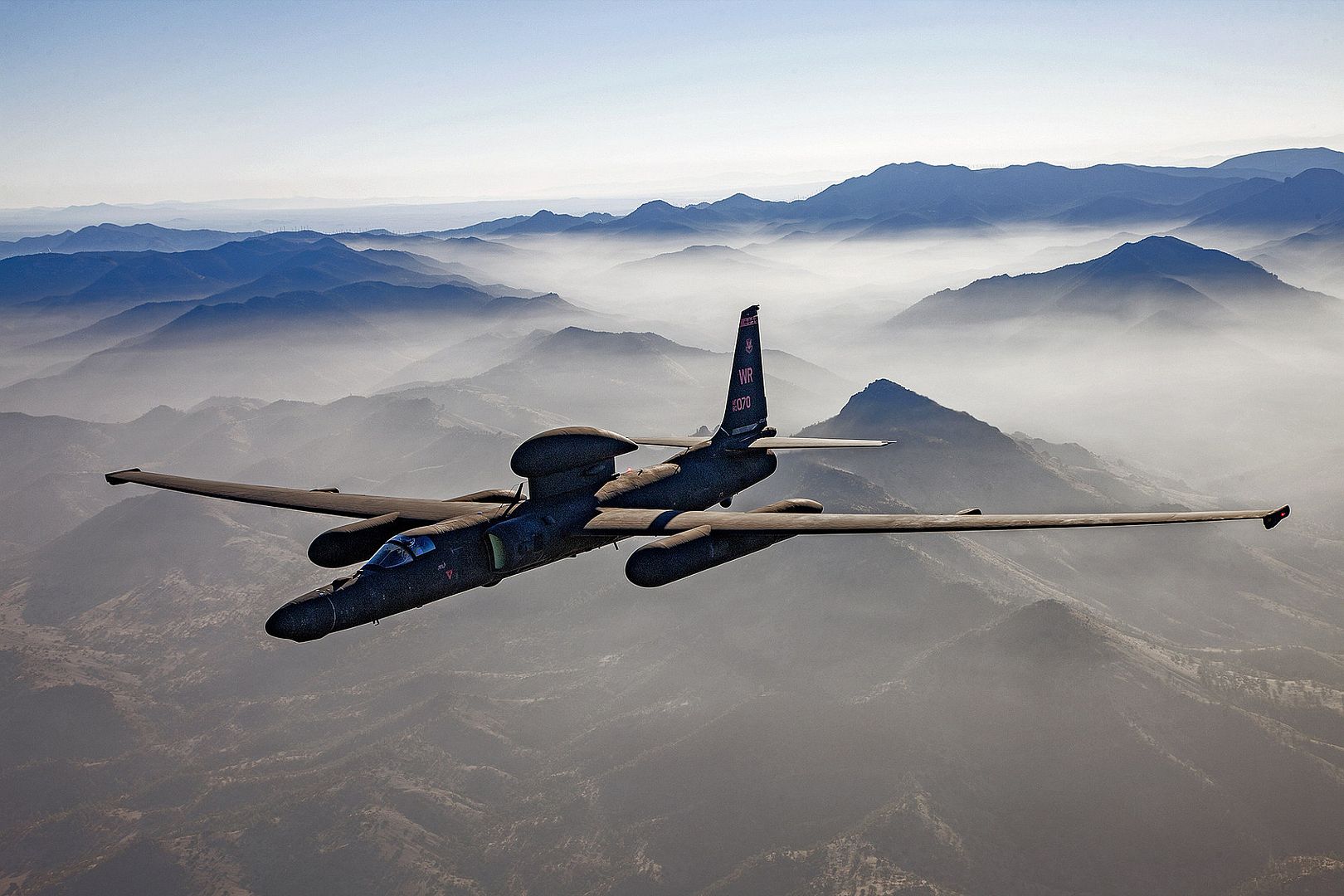
-
EGLIN AIR FORCE BASE, Fla. (AFNS) -- The Air Force?s newest helicopter, the MH-139A Grey Wolf, completed its first combined test flight, Feb. 11.
With a Boeing pilot in command, this test flight allowed the Air Force its first in-flight look at the capabilities of the aircraft. The flight also made Maj. Zach Roycroft, 413th Flight Test Squadron lead test pilot for the program, the first Air Force pilot to fly Grey Wolf.
?This first flight with Boeing was a critical step for the MH-139A program and allows us to establish a foundation for government testing,? Roycroft said.
Boeing completed extensive flight-testing on Grey Wolf to satisfy Federal Aviation Administration requirements before the introduction of mixed contractor and Air Force crews. The MH-139A program should complete initial military ground testing later this month.
?This flight represents a tremendous amount of work and we are all very excited to see it happen,? said Andrew Whitten, MH-139A flight chief, who was also on the flight.
The MH-139A is set to replace the Air Force?s UH-1N Huey fleet. The new helicopter closes the capability gaps of the UH-1N in the areas of speed, range, endurance, payload and survivability in support of the command?s intercontinental ballistic missile missions. Other mission capabilities include civil search and rescue, airlift support, National Capital Region missions, as well as survival school and test support.
(U.S. Air Force photo by Samuel King Jr.)
The U.S. Air Force A-10C Thunderbolt II Demonstration Team aircraft taxis on the flight line at Davis-Monthan Air Force Base, Arizona, Feb. 18, 2020. The A-10 was repainted to resemble a World War II era P-51 Mustang in a tribute to heritage. (U.S. Air Force photo by Airman 1st Class Jacob T. Stephens)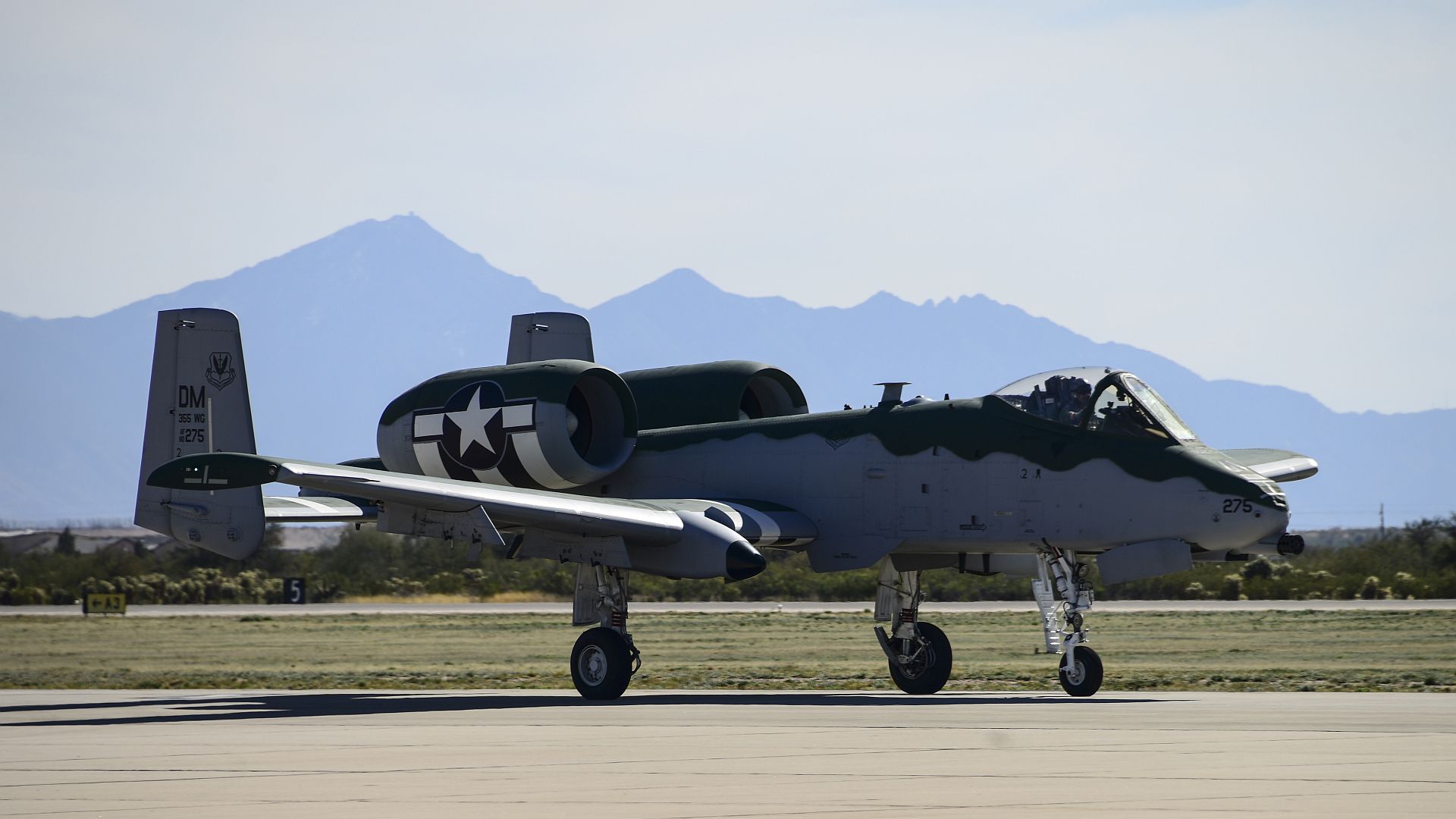
A U.S. Navy EA-18G Growler, assigned to the Electronic Attack Squadron (VAQ) 138 takes off during Exercise Cope North 20 at Andersen Air Force Base, Guam, Feb. 19, 2020. Cope North 20 is an annual trilateral field training exercise conducted at Andersen Air Force Base, Guam, and around the Commonwealth of the Northern Mariana Islands (CNMI), Palau and Yap in the Federated States of Micronesia. (U.S. Air Force photo by Airman 1st Class Michael S. Murphy)
ATLANTIC OCEAN (Feb. 16, 2020) An E-2C Hawkeye, assigned to the "Screwtops" of Carrier Airborne Early Warning Squadron (VAW) 123, takes off from the flight deck aboard the aircraft carrier USS Dwight D. Eisenhower (CVN 69). Ike is conducting operations in the Atlantic Ocean as part of the USS Dwight D. Eisenhower Carrier Strike Group. (U.S. Navy photo by Mass Communication Specialist 3rd Class Isaac Champlain/Released)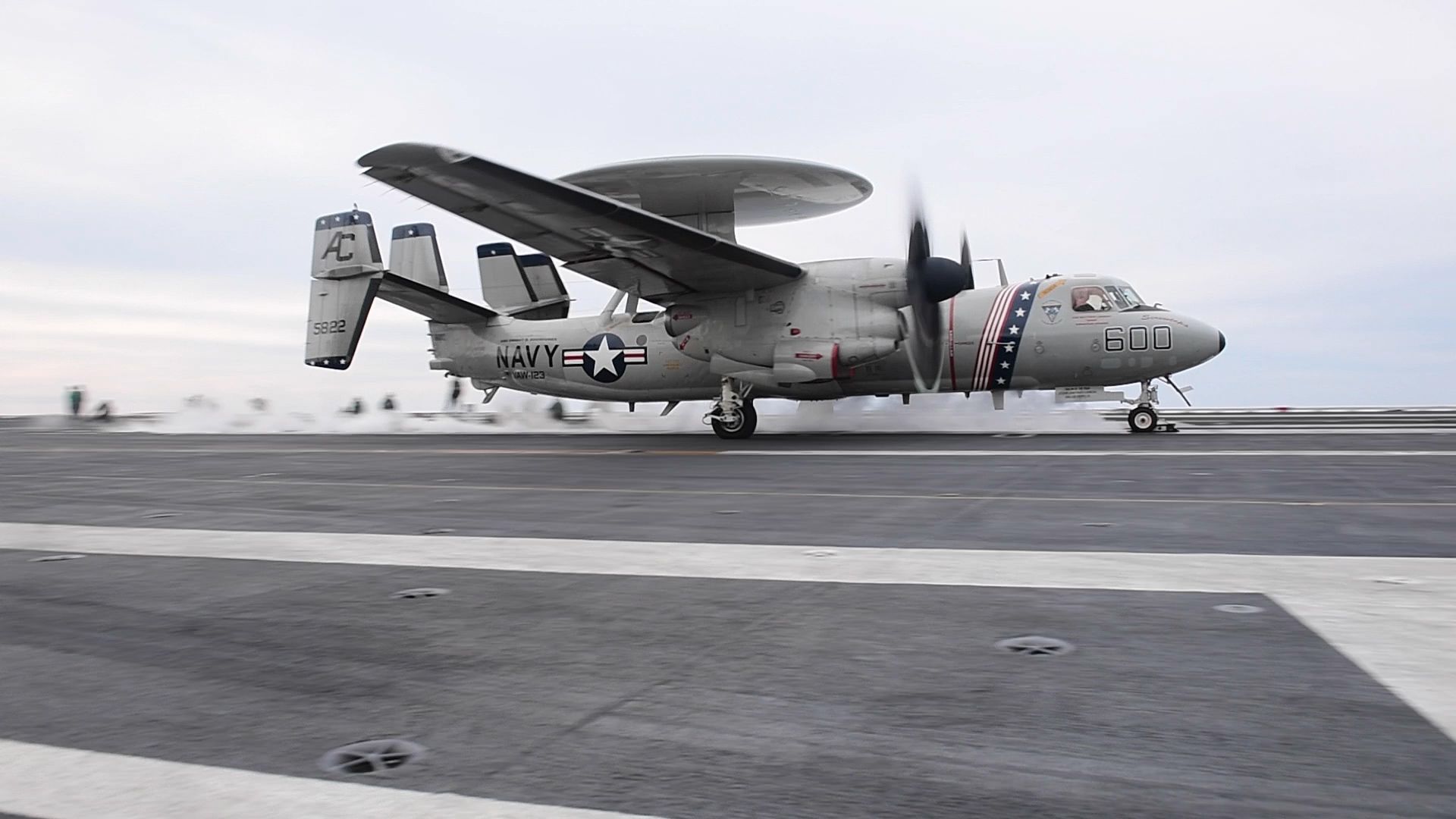
PHILIPPINE SEA (Feb. 15, 2020) An F-35B Lightning II and a CH-53E Super Stallion assigned to Marine Medium Tiltrotor Squadron (VMM) 265 (Reinforced) are secured to the flight deck of the amphibious assault ship USS America (LHA 6) as the ship conducts an exercise with the amphibious transport dock ship USS Germantown (LSD 42). Operating as an expeditionary strike force, the Navy-Marine Corps team integrates the combat power of the Theodore Roosevelt Carrier Strike Group with the flexible capability of the America Expeditionary Strike Group to provide the fleet commander with a capable, credible combat force that can be deployed anywhere in the world. (U.S. Navy photo by Mass Communication Specialist Seaman Jonathan Berlier/Released)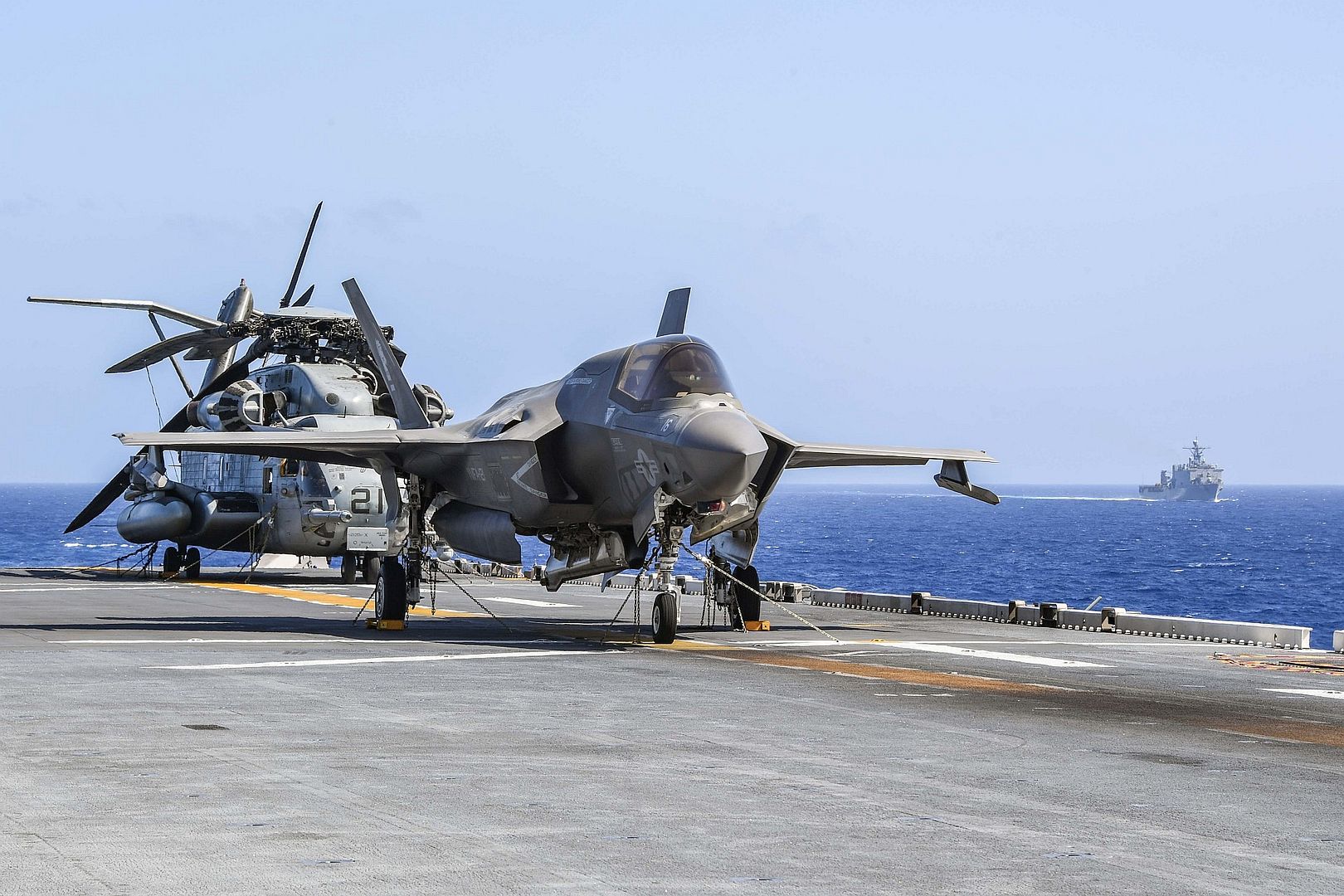
KOUROU, French Guiana, Feb. 18, 2020 /PRNewswire/ -- Lockheed Martin's (NYSE: LMT) third satellite based on the modernized LM 2100? bus launched from the Guiana Space Center in French Guiana aboard an Ariane 5 rocket and is traveling to its transfer orbit for a series of in-orbit tests before operations are handed over to Sky Perfect JSAT Corporation (TYO: 9412). JCSAT-17 will provide flexible mobile communications services to users in Japan and the surrounding region.
JCSAT-17 is the first Mobile Satellite Service (MSS) communications satellite built on the modernized LM 2100?, which includes 26 innovations that make the satellite more powerful, flexible and versatile in orbit. A reprogrammable mission processor adds flexibility as mission needs change. Lockheed Martin is currently manufacturing five modernized LM 2100?-based satellites for commercial and government customers.
"Advanced mobile satellite communications are necessary as the world consumes more and more data in the transition to 5G," said Guy Beutelschies, Lockheed Martin's Vice President for Communication Satellite Solutions. "This satellite will diversify and harden Japan's communications infrastructure, by adding new options for mobility, bandwidth where it's needed, and reliable connections."
The satellite's payload incorporates S-band and C-band transponders with a flexible processor along with 18m mesh reflector, enabling assured communications continuity during high-volume events. The satellite also features robust Ku-band connectivity. JCSAT-17 is the eighth satellite built by Lockheed Martin for SJC, beginning with NSAT-110, JCSAT-9 through JCSAT-13 and JCSAT-110R.
2/18/2020
An NH-90 crew and the crew of the Koninklijke Marine have arrived in the Strait of Hormuz.
Until June they are committed to security in this region. The Street of Hormuz is the only route to transport oil worldwide from the Gulf region. Last year serious incidents took place, with this mission, European countries want to prevent future incidents.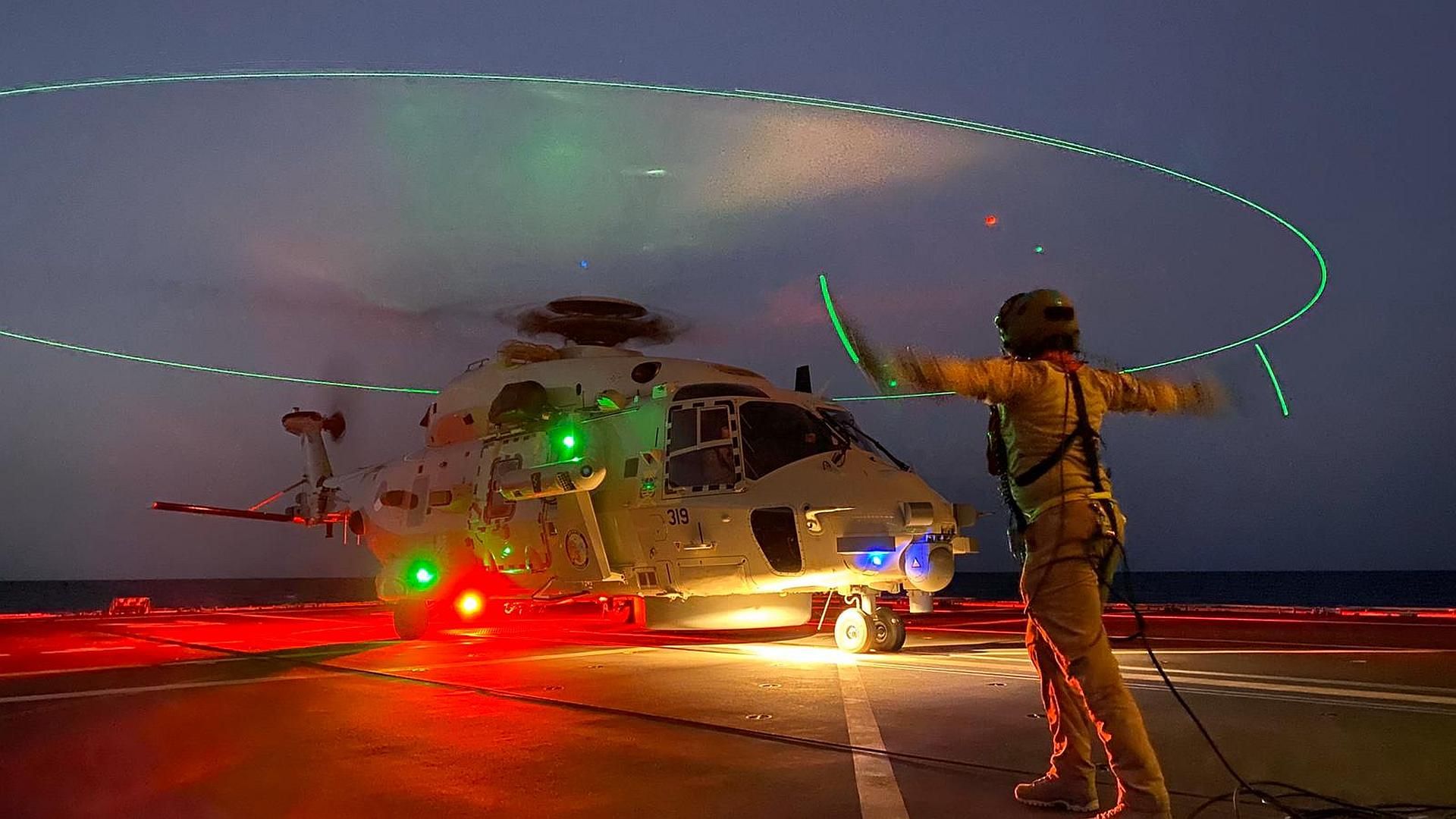
-
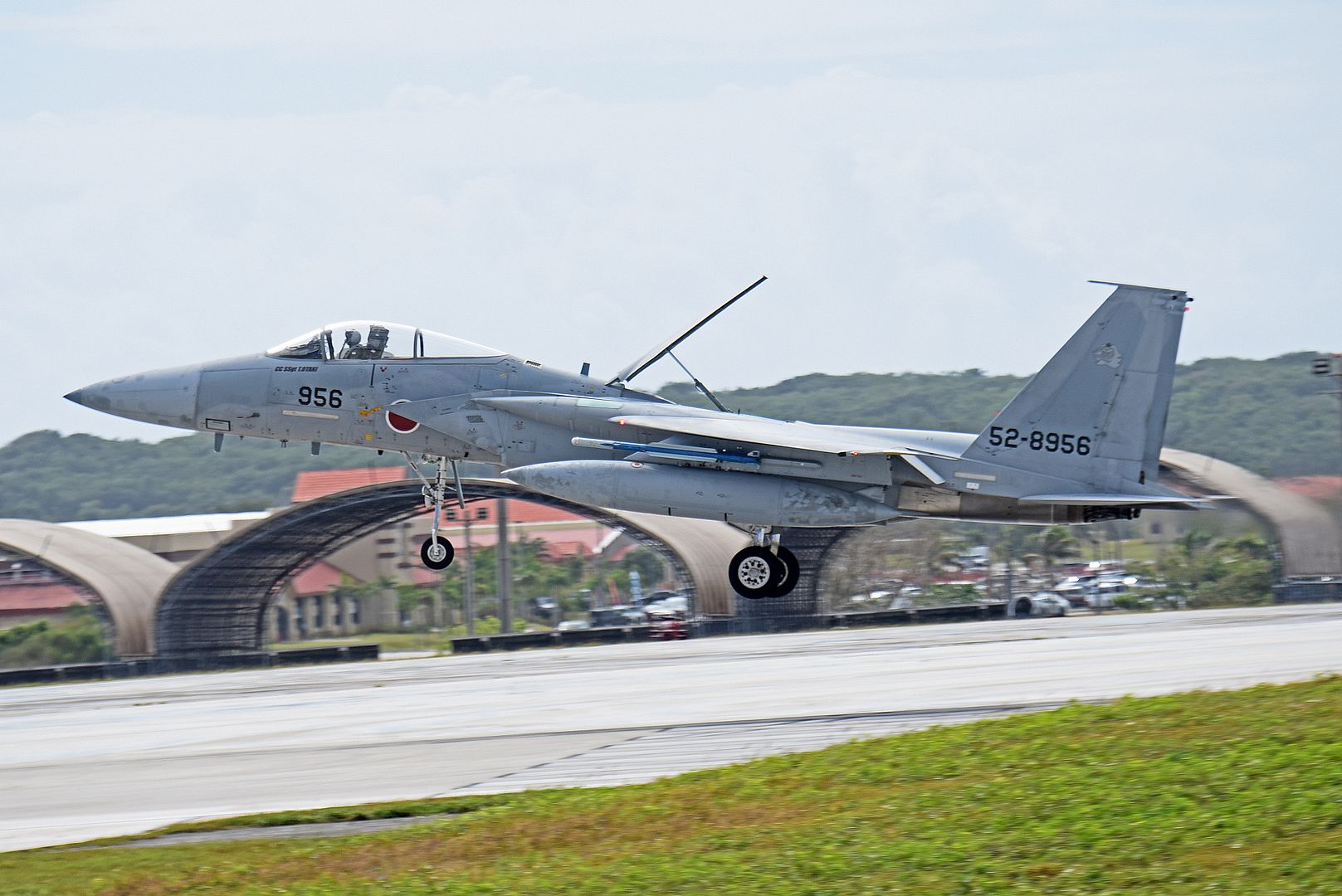
A Koku Jieitai (Japan Air Self-Defense Force) F-15MJ Eagle assigned to 304 Squadron, Naha Air Base, Japan, lands during exercise COPE North 20 at Andersen Air Force Base, Guam, Feb. 19, 2020. Exercise CN20 is an annual U.S. Pacific Air Forces tri-lateral field training exercise with participants from the U.S. Air Force, U.S. Navy, U.S. Marine Corps, Japan Air Self-Defense Force and the Royal Australian Air Force. The primary intent of COPE North is to enhance coordination of combined air tactics, hone techniques and procedures while strengthening security and stability in the Indo-Pacific region. (U.S. Air Force photo by Staff Sgt. Divine Cox)
A U.S. Navy EA-18G Growler, assigned to the Electronic Attack Squadron (VAQ) 138 prepares to takeoff during exercise COPE North 20 at Andersen Air Force Base, Guam, Feb. 19, 2020. COPE North 20 is an annual trilateral field training exercise conducted at Andersen Air Force Base, Guam, and around the Commonwealth of the Northern Mariana Islands (CNMI), Palau, and Yap in the Federated States of Micronesia. (U.S. Air Force photo by Staff Sgt. Divine Cox)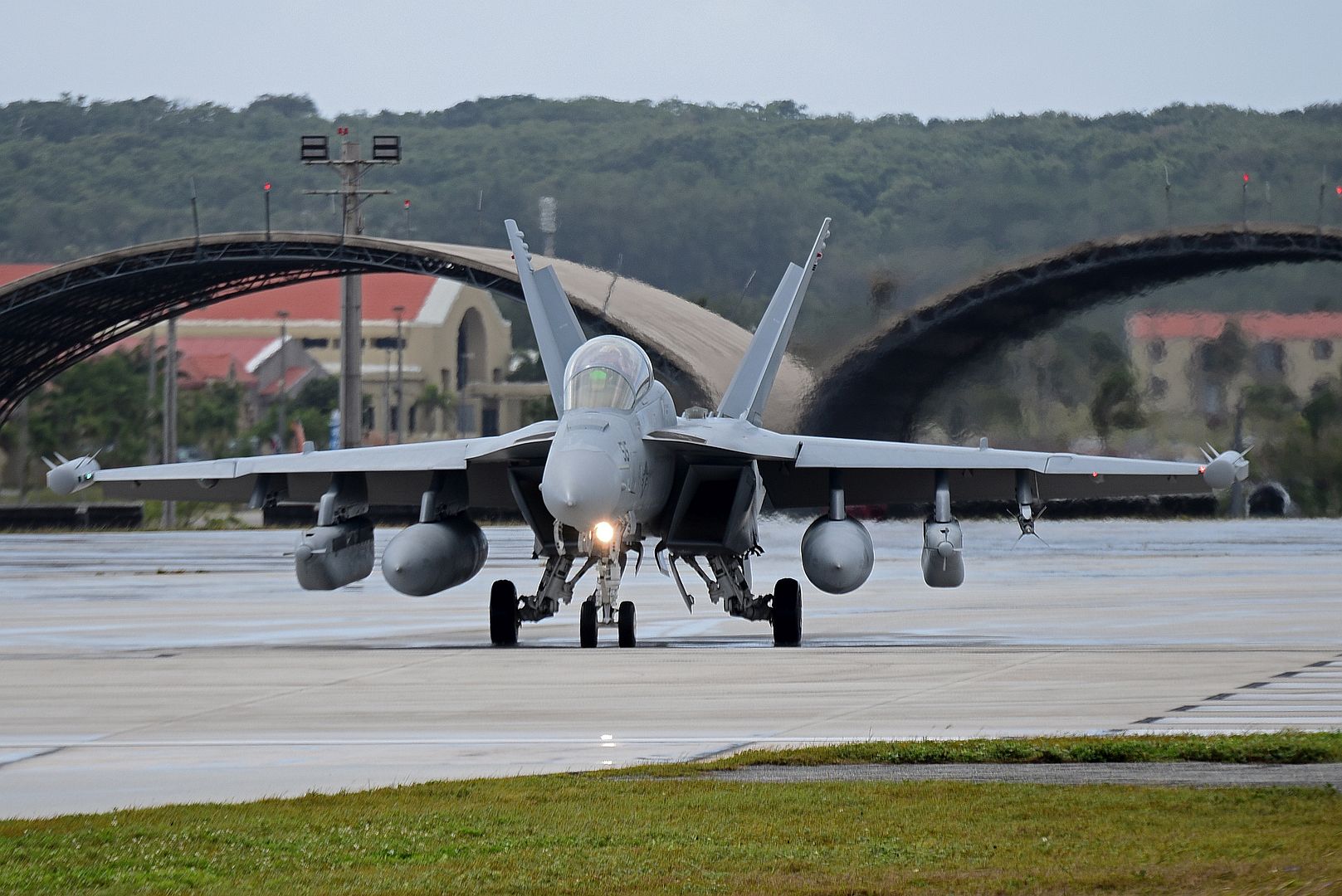
A U.S. Air Force F-16 Fighting Falcon assigned to the 18th Aggressor Squadron, Eielson Air Force Base, Alaska, lands during exercise COPE North 20 at Andersen Air Force Base, Guam, Feb. 19, 2020. Exercise COPE North is an annual U.S. Pacific Air Forces tri-lateral field training exercise with participants from the U.S. Air Force, U.S. Navy, U.S. Marine Corps, Japan Air Self-Defense Force and the Royal Australian Air Force. The primary intent of COPE North is to enhance coordination of combined air tactics, hone techniques and procedures while strengthening security and stability in the Indo-Pacific region. (U.S. Air Force photo by Staff Sgt. Divine Cox)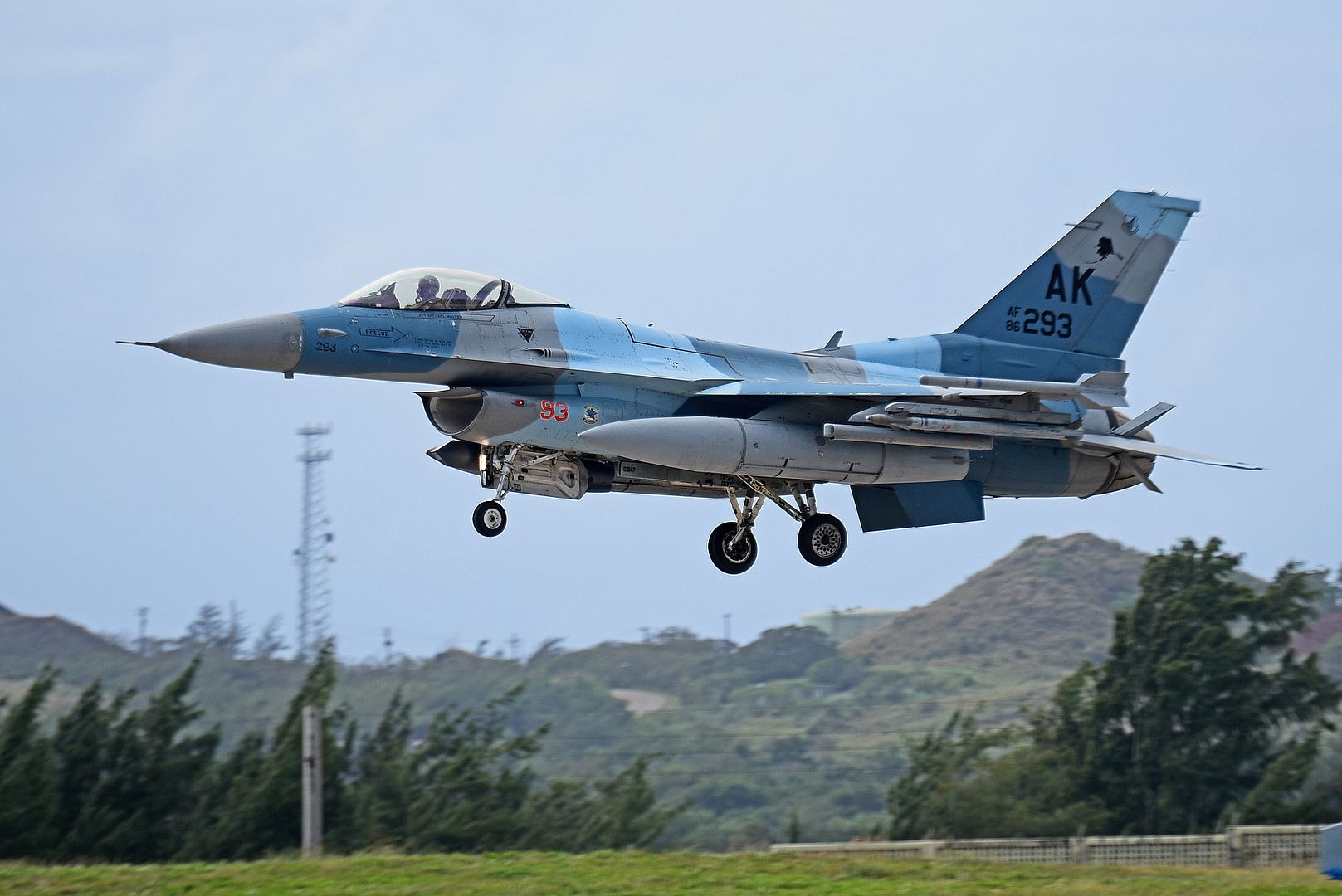
A U.S. Air Force F-16 Fighting Falcon assigned to the 14th Fighter Squadron, Misawa Air Base, Japan, takes flight during exercise COPE North 20 at Andersen Air Force Base, Guam, Feb. 19, 2020. Exercise COPE North is an annual U.S. Pacific Air Forces tri-lateral field training exercise with participants from the U.S. Air Force, U.S. Navy, U.S. Marine Corps, Japan Air Self-Defense Force and the Royal Australian Air Force. The primary intent of COPE North is to enhance coordination of combined air tactics, hone techniques and procedures while strengthening security and stability in the Indo-Pacific region. (U.S. Air Force photo by Staff Sgt. Divine Cox)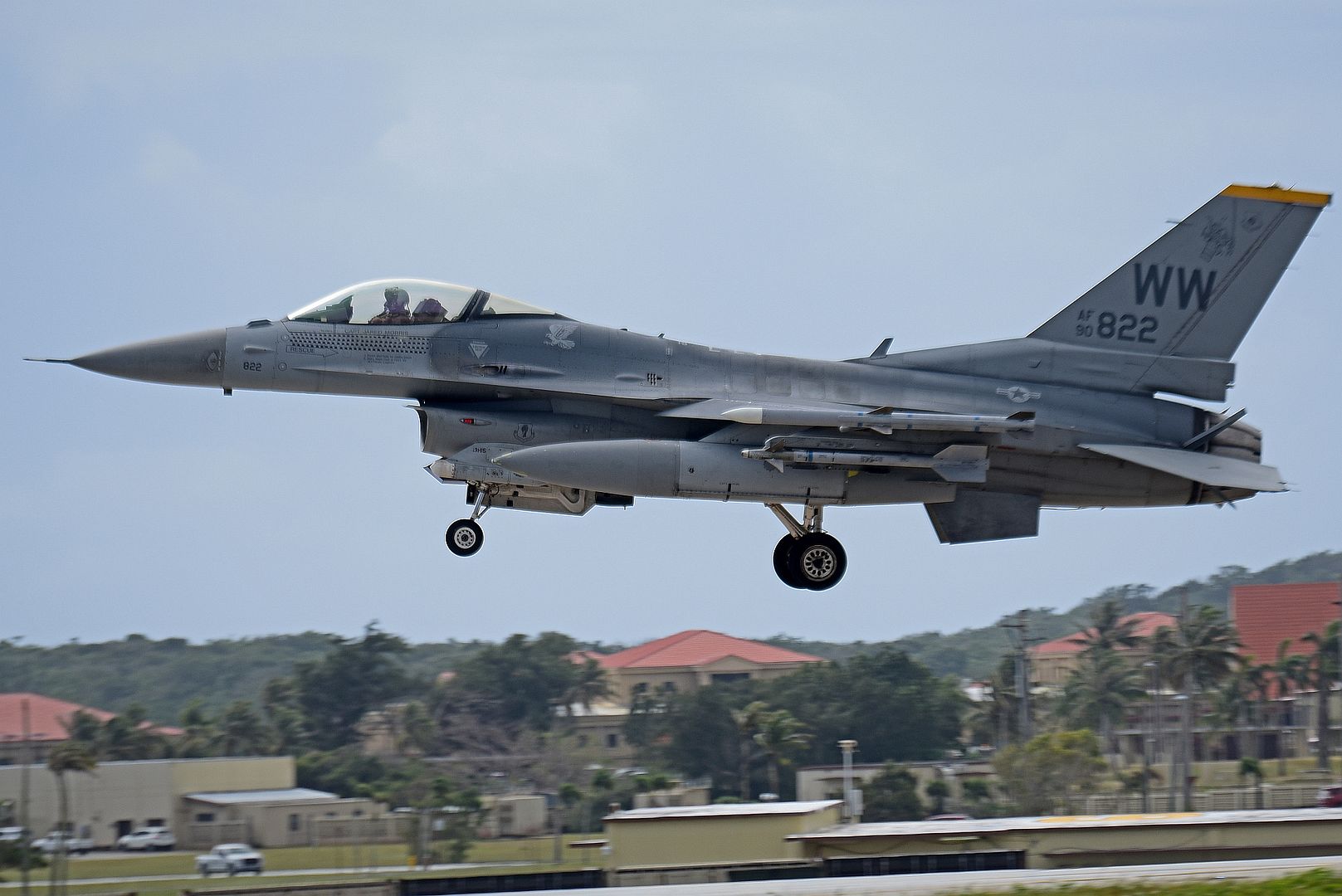
A B-52H Stratofortress fly over Andersen Air Force Base, Guam during exercise COPE North 20, Feb. 19, 2020. Exercise COPE North is an annual U.S. Pacific Air Forces tri-lateral field training exercise with participants from the U.S. Air Force, U.S. Navy, U.S. Marine Corps, Japan Air Self-Defense Force and the Royal Australian Air Force. The primary intent of COPE North is to enhance coordination of combined air tactics, hone techniques and procedures while strengthening security and stability in the Indo-Pacific region. (U.S. Air Force photo by Staff Sgt. Divine Cox)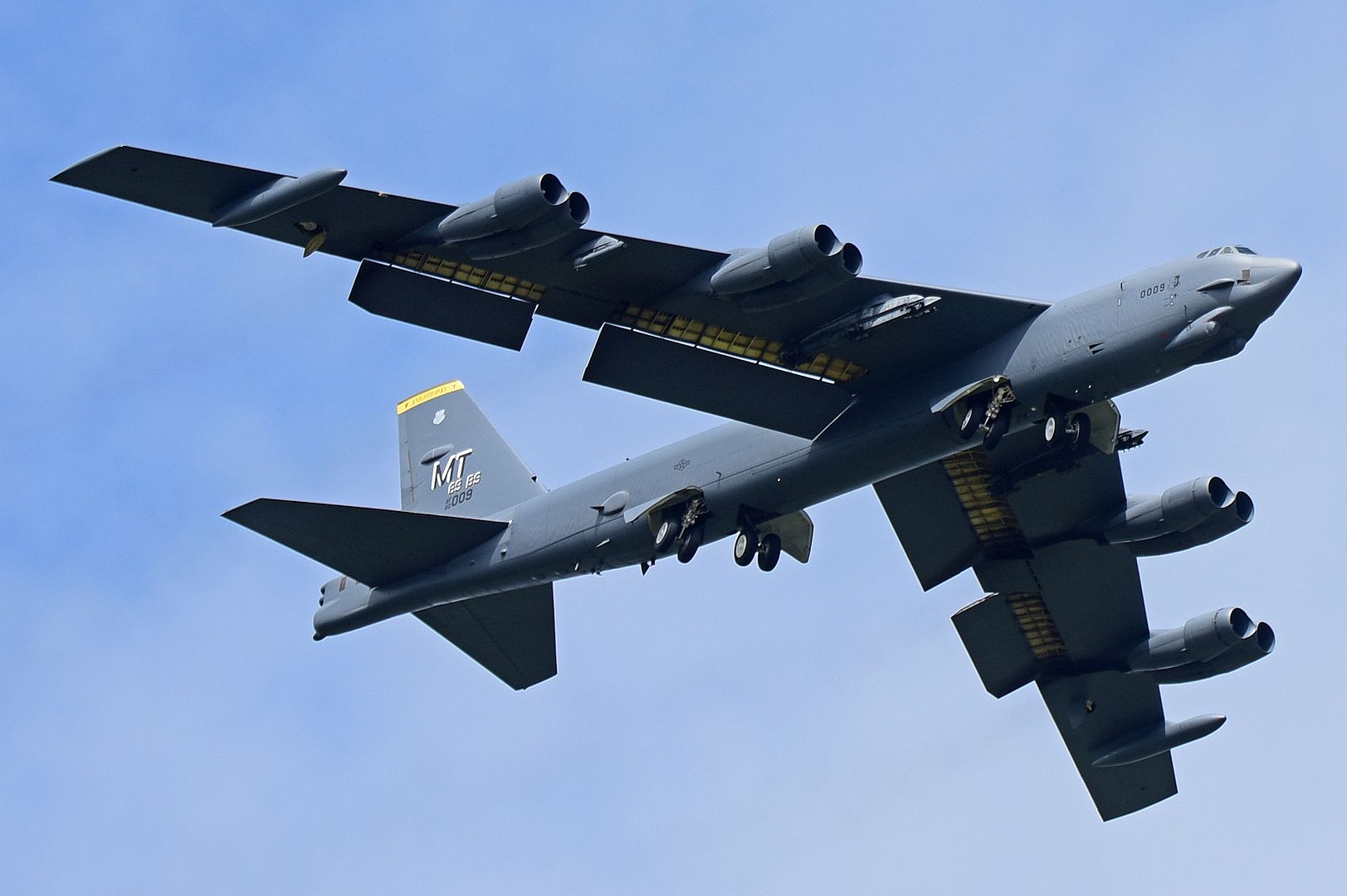
A U.S. Air Force F-16C Fighting Falcon, foreground, assigned to the 18th Aggressor Squadron, Eielson Air Force Base, Alaska, and a F-16CJ, assigned to the 14th Fighter Squadron, Misawa Air Base, Japan, approach to land during exercise COPE North 20, at Andersen Air Force Base, Guam, Feb. 19, 2020. COPE North is an annual trilateral field training exercise conducted at Andersen Air Force Base, Guam, and around the Commonwealth of the Northern Mariana Islands (CNMI), Palau, and Yap in the Federated States of Micronesia.
(U.S. Air Force photo by Master Sgt. Larry E. Reid Jr.)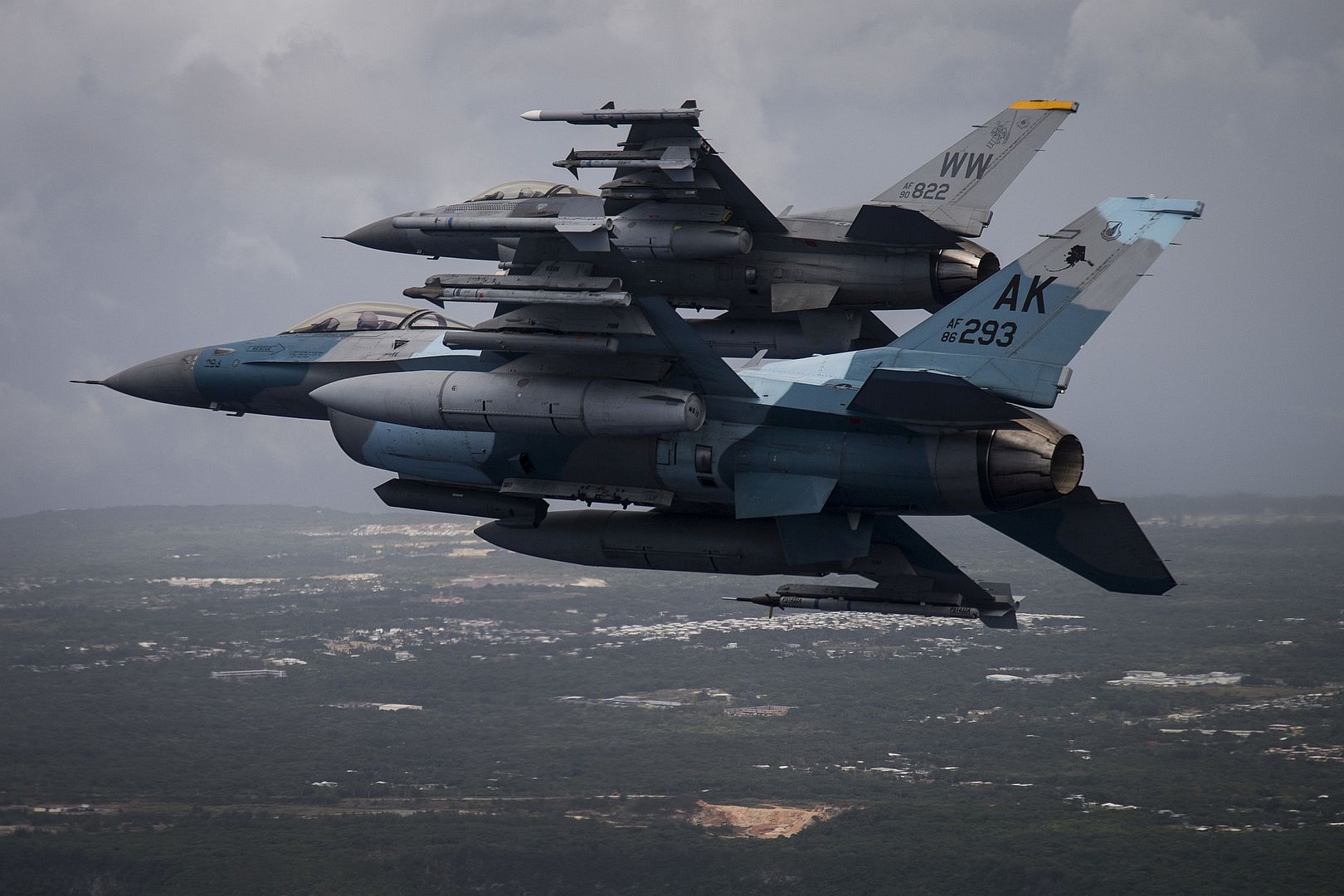
A Koku Jieitai (Japan Air Self-Defense Force or JASDF) U-125 assigned to Air Rescue Wing, flies next to an MH-60S Knighthawk assigned to the Helicopter Sea Combat Squadron 25, near the Northern Mariana Islands, during Exercise Cope North 20, Feb. 20, 2020. Cope North 20 is an annual trilateral field training exercise conducted at Andersen Air Force Base, Guam, and around the Commonwealth of the Northern Mariana Islands (CNMI), Palau and Yap in the Federated States of Micronesia.
(U.S. Air Force photo by Senior Airman Gracie Lee)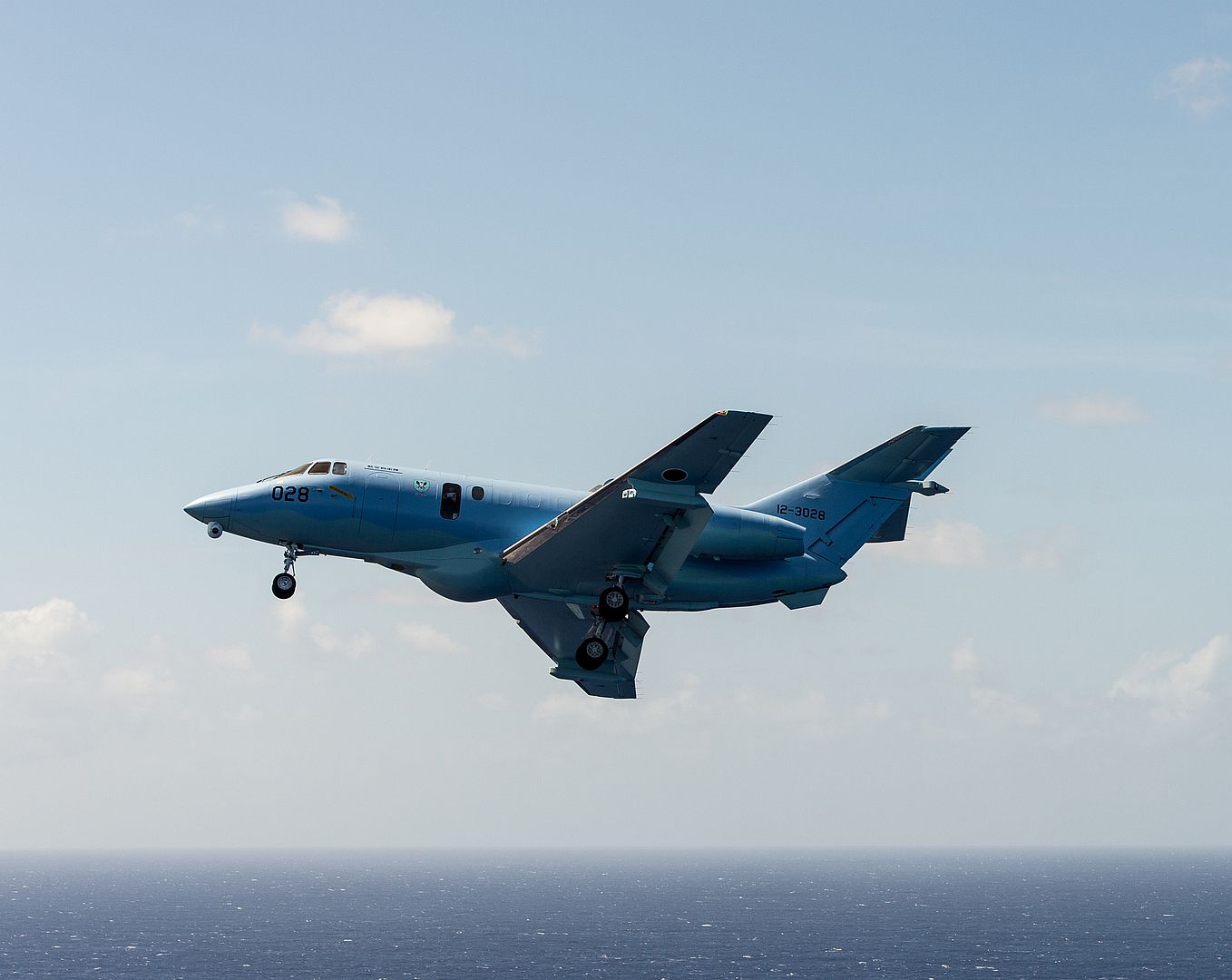
STRATFORD, Conn., Feb. 20, 2020 /PRNewswire/ -- Sikorsky, a Lockheed Martin company (NYSE: LMT), will build six production VH-92A? Presidential Helicopters under a contract from the U.S Navy. These helicopters are part of the 23 aircraft program of record for the U.S. Marine Corps.
Under the terms of the contract, known as Low Rate Initial Production (LRIP) Lot II, Sikorsky will begin deliveries of six VH-92A helicopters in 2022. The remaining production aircraft will be delivered in 2022 and 2023.
"The program continues to progress on budget and within our planned acquisition timeline," said Col. Eric Ropella, PMA-274 presidential helicopter program manager. "The award of LRIP Lot II reinforces the importance of this Marine Corps no-fail mission especially as we move into the next phase of government testing this year."
The VH-92A test aircraft at Patuxent River, Maryland, have proven their production readiness by undergoing rigorous U.S. government testing and operational assessments, including more than 1,000 flight test hours establishing the aircraft's technical maturity and readiness of its mission systems.
Sikorsky has transferred five VH-92A helicopters into government test with the sixth completing modification and entering into government test this spring. The VH-92A program is on track to enter Initial Operational Test and Evaluation (IOT&E) later this year.
"Now that we are ramping up production, the VH-92A program is gaining momentum," said Dave Banquer, Sikorsky VH-92A program director. "This second contract award demonstrates the confidence the U.S. Marine Corps has in Sikorsky's proven ability to deliver and support the next generation Presidential helicopter."
All six of the production aircraft from the first Low Rate Initial Production contract are undergoing modifications at Sikorsky's Stratford, Connecticut plant and are on schedule to begin deliveries in 2021.
Sikorsky and the U.S. Navy integrate mature mission and communication systems into the aircraft. This aircraft provides communication capability to perform the duties of Commander in Chief, Head of State and Chief Executive.
The VH-92A aircraft will provide safe, reliable and capable transportation for the President and Vice President.
This program ensures long term affordability and maintainability by utilizing the FAA certified S-92 aircraft which has industry leading reliability and availability. The S-92 fleet surpassed 1.5 million flight hours in 2019 and averages 14,400 hours of safe flight per month.
"The men and women of Sikorsky treasure our legacy of building and providing helicopter transportation for every President and Commander in Chief since Dwight D. Eisenhower," said Banquer. "We are proud to continue that legacy with the VH-92A helicopter."
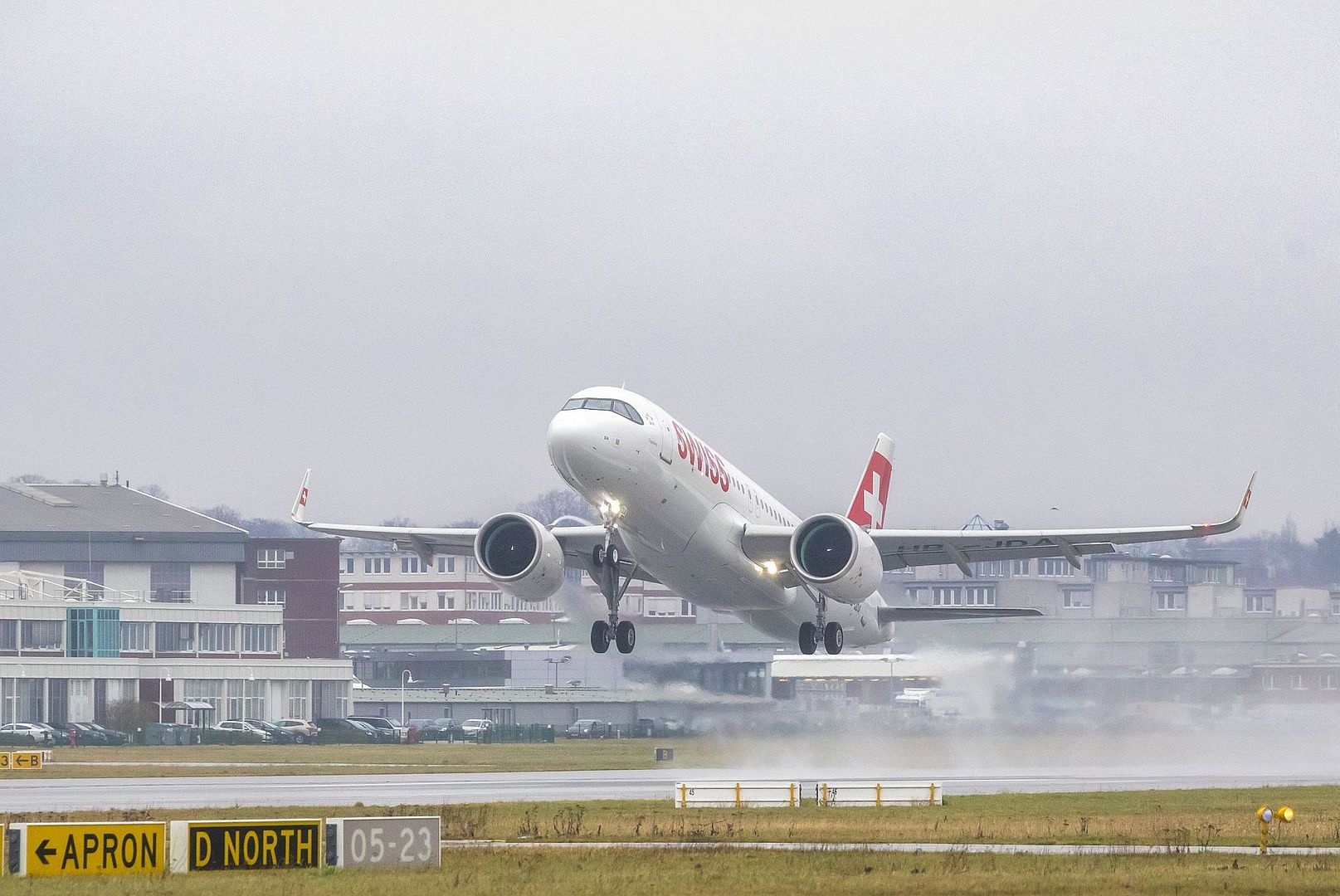
Hamburg ? Swiss International Air Lines (SWISS) has taken delivery of its first A320neo aircraft at a delivery ceremony in Hamburg, Germany. It is the first of 25 A320neo Family aircraft ordered by Swiss International Air Lines.
The A320neo Family incorporates the very latest technologies including new-generation engines, Sharklets and cabin efficiency enablers, which together deliver 20% fuel savings. With more than 7,300 orders received from over 110 customers since its launch in 2010, the A320neo Family has captured some 60% share of the market.