Aviation News
-
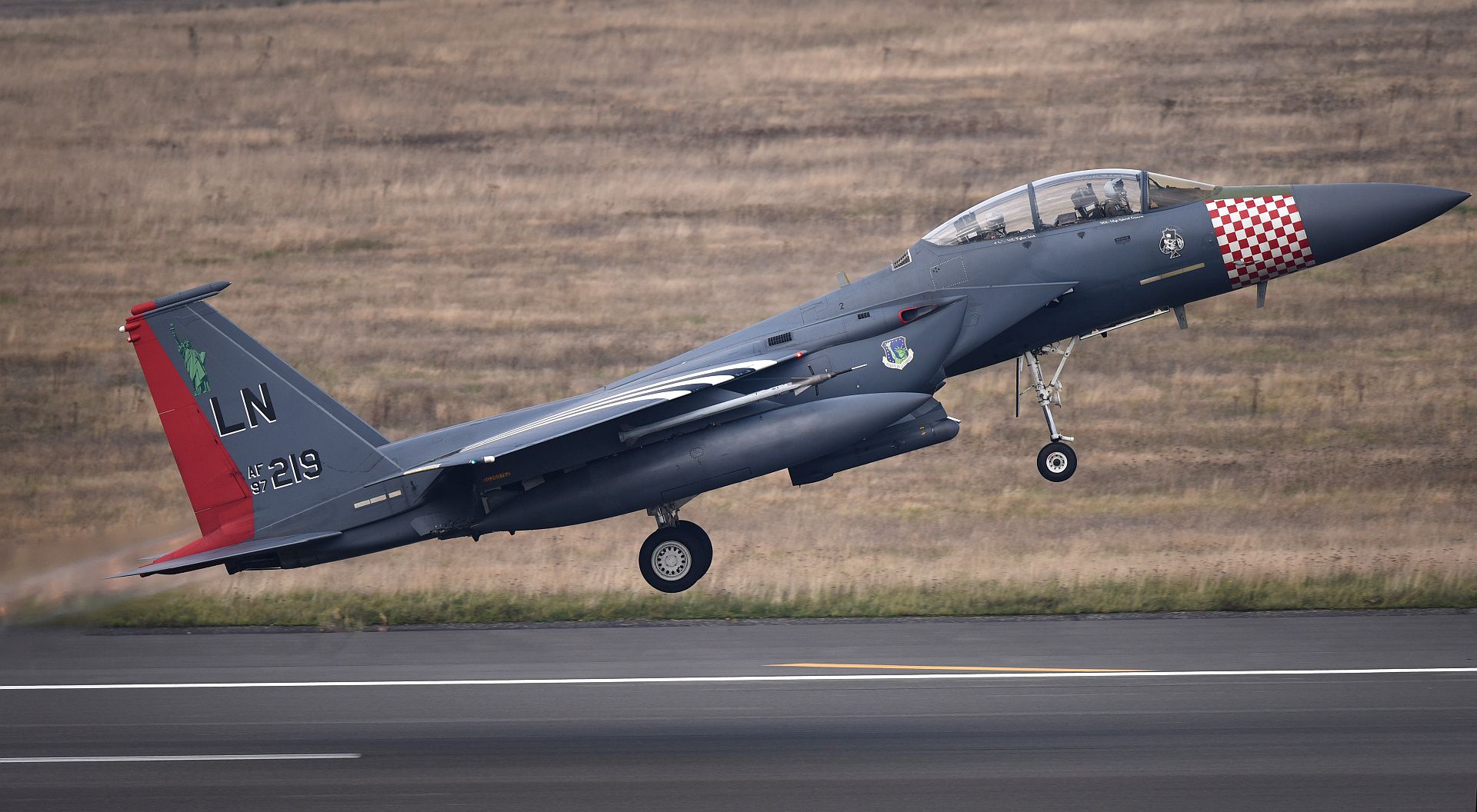
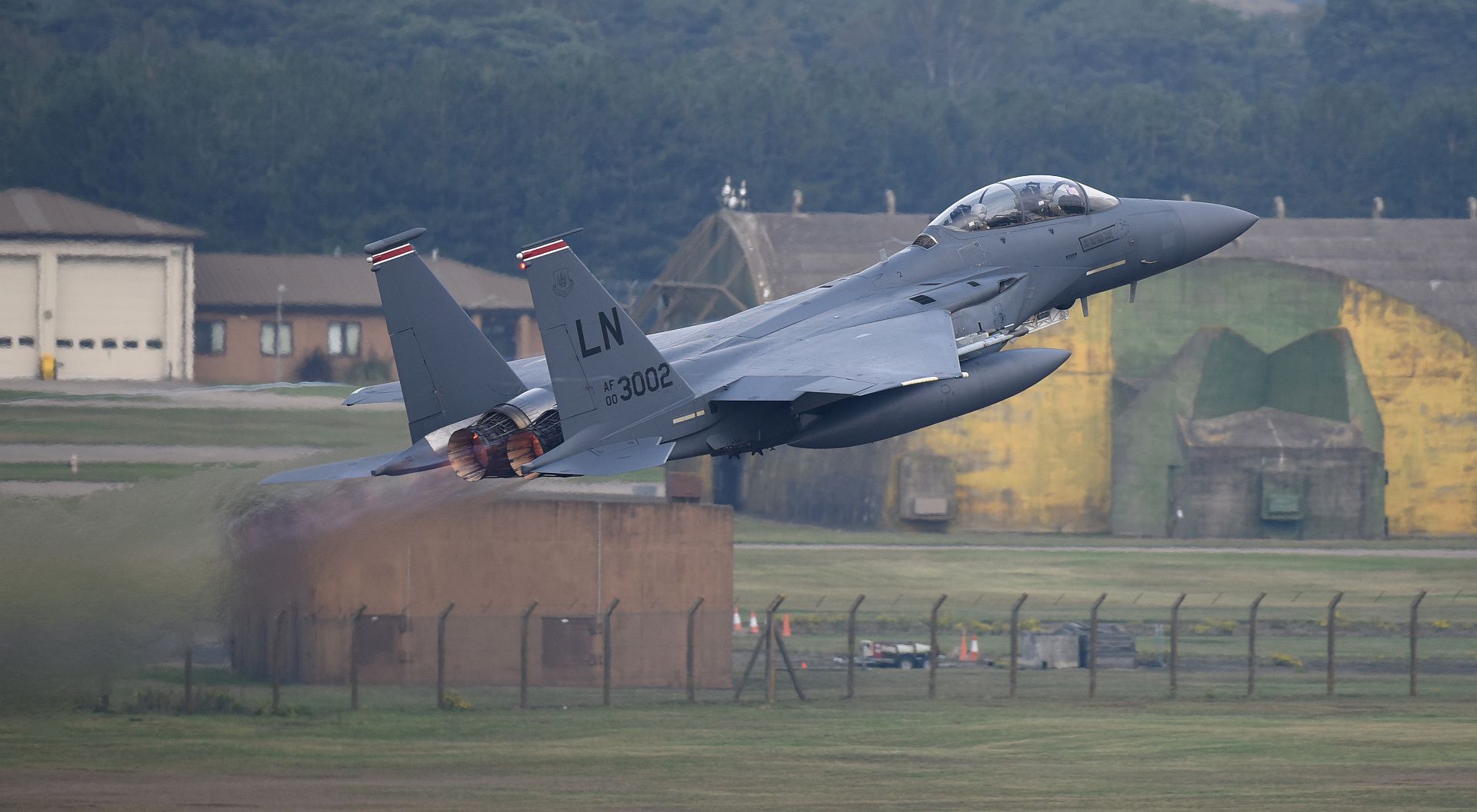
An F-15E Strike Eagle assigned to the 492nd Fighter Squadron takes off at Royal Air Force Lakenheath, England, Oct. 23, 2019. The Strike Eagle is a dual-role fighter designed to perform air-to-air and air-to-ground missions. An array of avionics and electronics systems gives the F-15E the capability to fight at low altitude, day or night and in all weather. (U.S. Air Force photo's by Airman 1st Class Madeline Herzog)
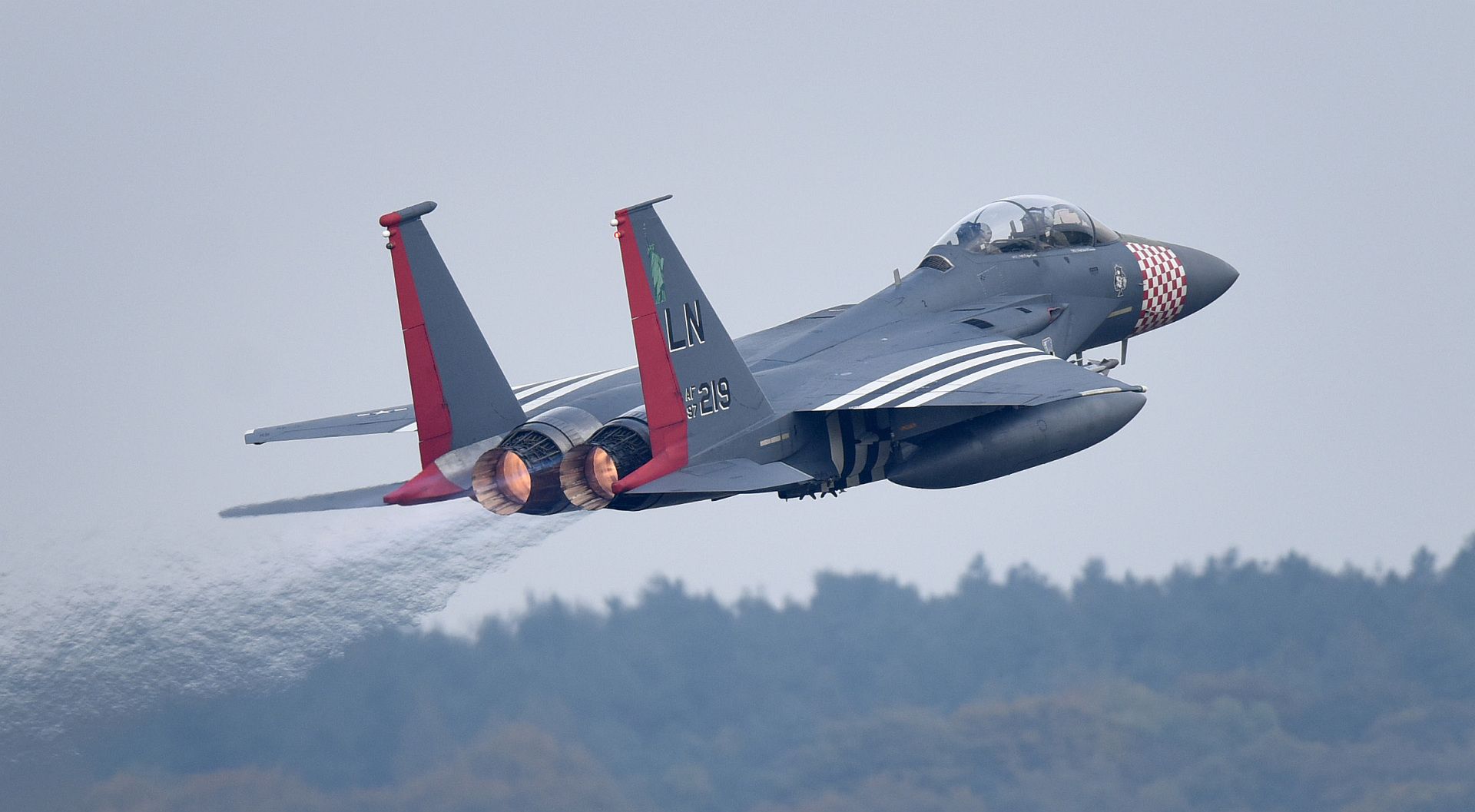
An F-15E Strike Eagle assigned to the 494th Fighter Squadron takes off at Royal Air Force Lakenheath, England, Oct. 23, 2019. The Strike Eagle is a dual-role fighter designed to perform air-to-air and air-to-ground missions. An array of avionics and electronics systems gives the F-15E the capability to fight at low altitude, day or night, and in all weather. (U.S. Air Force photo's by Airman 1st Class Madeline Herzog)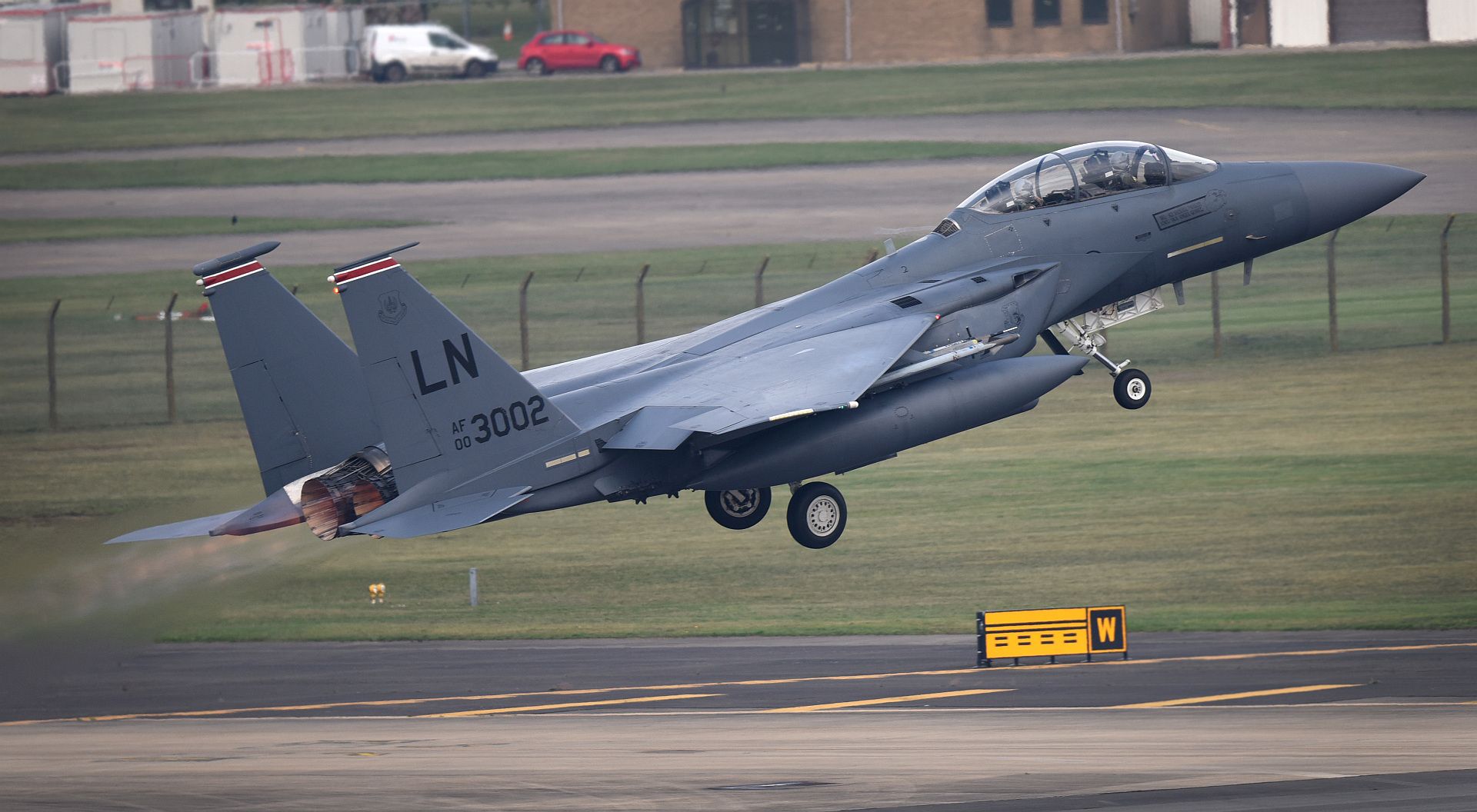
A U.S. Air Force B-52H Stratofortress assigned to the 96th Bomb Squadron flies in formation during Bomber Task Force Europe 20-1, Oct. 23, 2019, over the Baltic Sea. Strategic bombers contribute to stability in the European theater, as they are intended to deter conflict rather than instigate it, demonstrating the credibility of U.S. forces to address the current global security environment. (U.S. Air Force photo's by Airman 1st Class Duncan C. Bevan)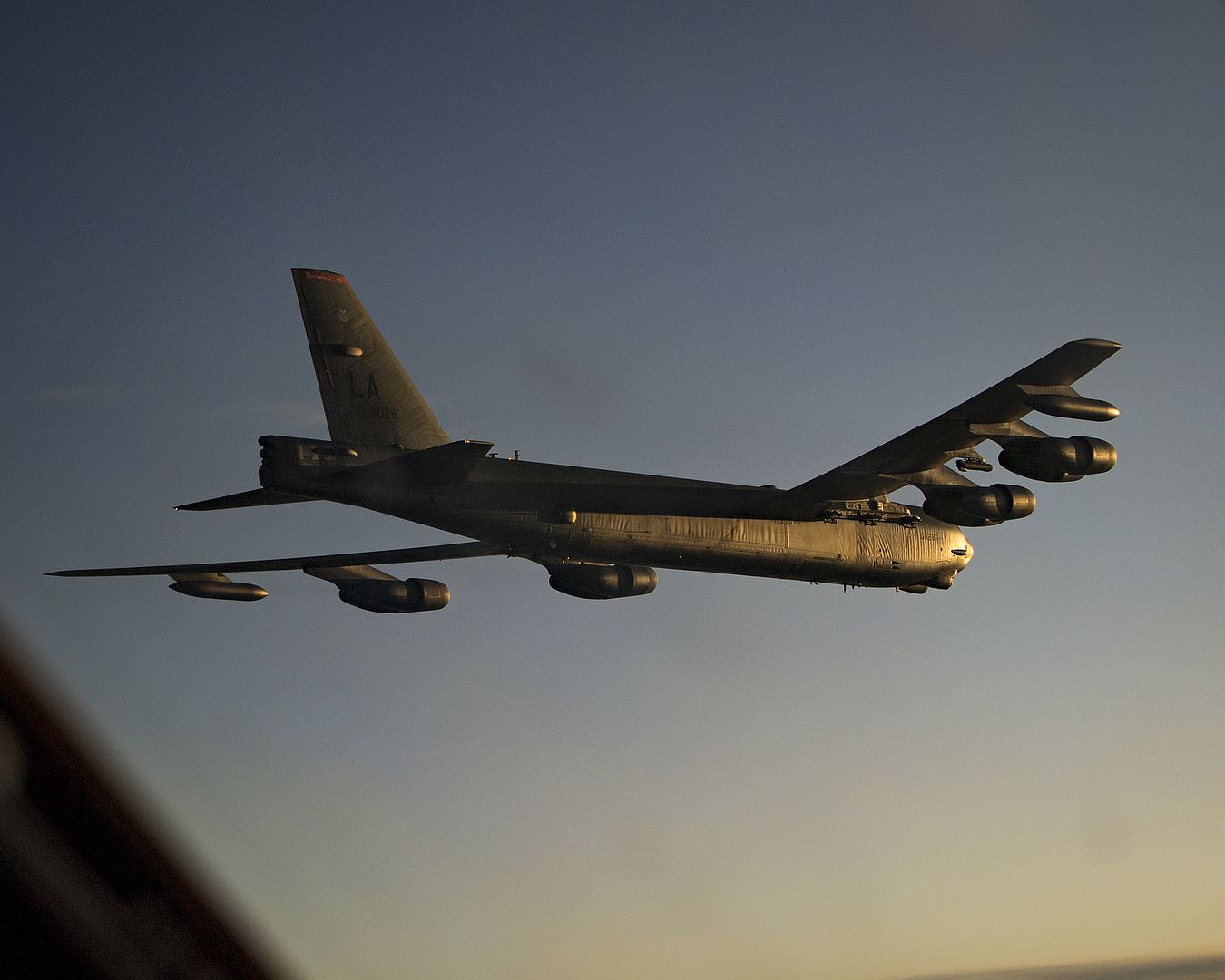
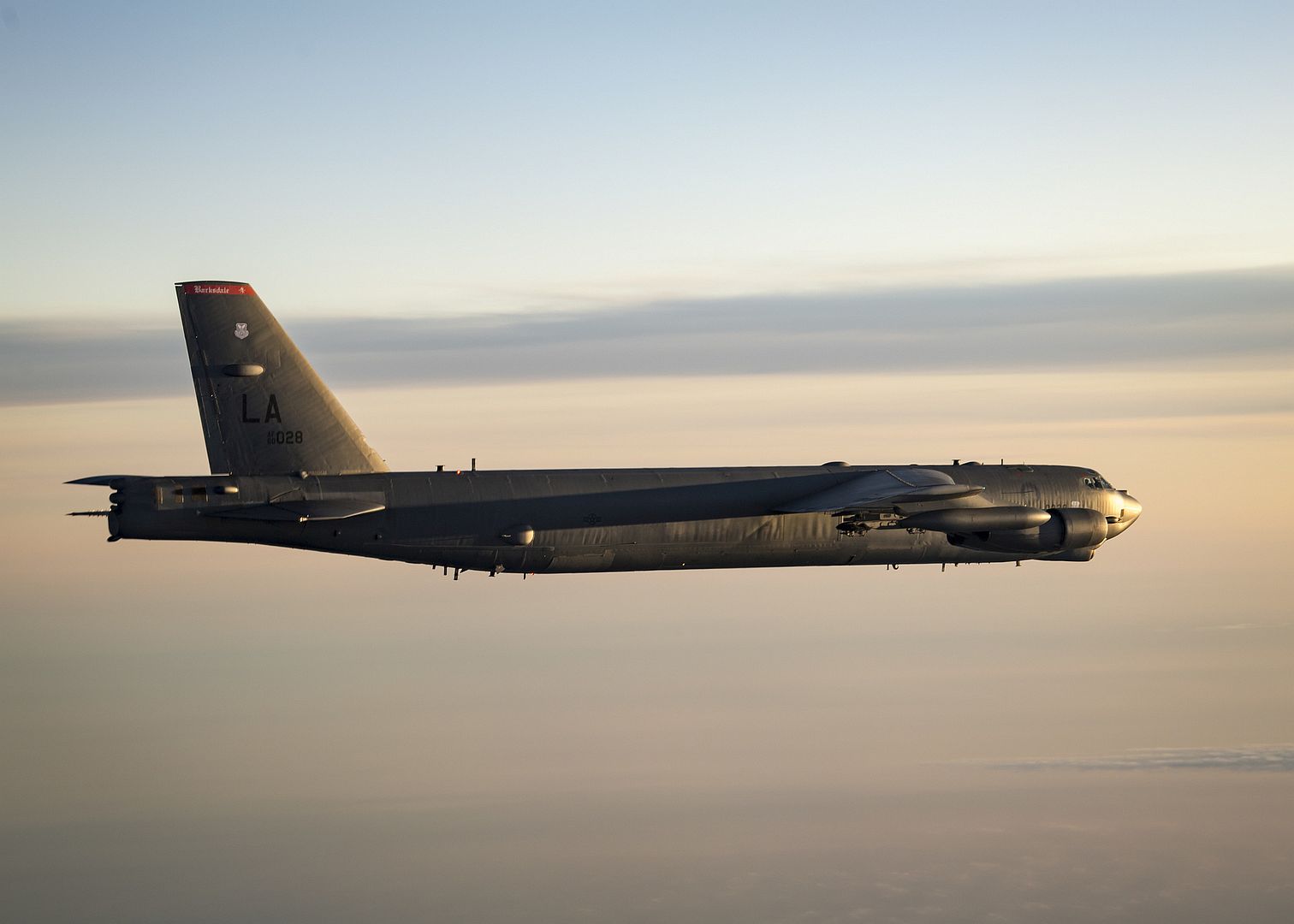
Two U.S. Air Force B-52H Stratofortresses assigned to the 96th Bomb Squadron fly in formation during Bomber Task Force Europe 20-1, Oct. 23, 2019, over the Baltic Sea. Strategic bombers contribute to stability in the European theater, as they are intended to deter conflict rather than instigate it, demonstrating the credibility of U.S. forces to address the current global security environment. (U.S. Air Force photo by Airman 1st Class Duncan C. Bevan)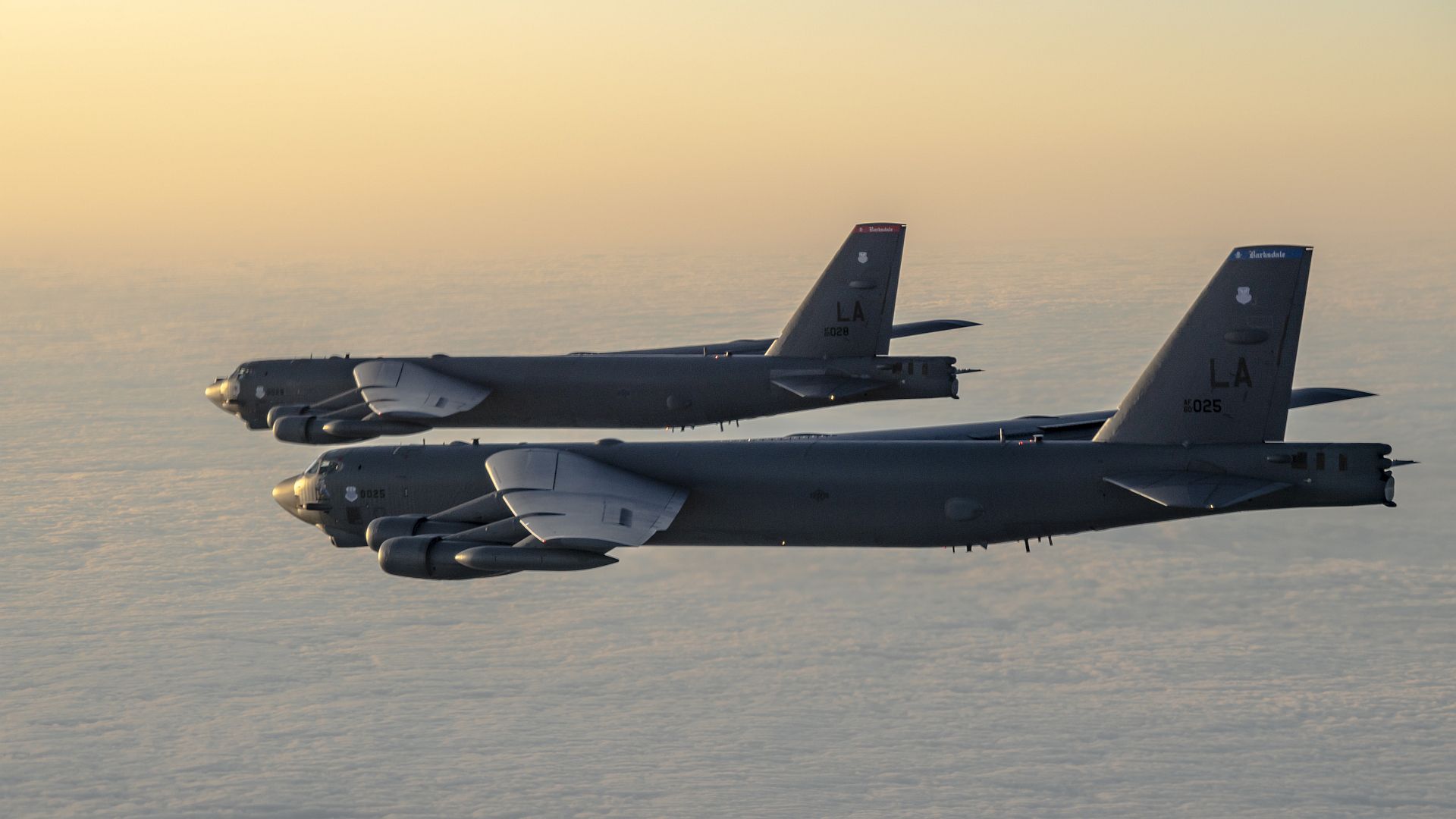
A Czech Air Force JAS-39 Gripen flies in for a planned intercept of a U.S. Air Force B-52 Stratofortress during Bomber Task Force Europe 20-1, Oct. 23, 2019, over the Baltic Sea. This deployment allows Aircrews and support personnel to conduct theater integration and to improve bomber interoperability with joint partners and allied nations. (U.S. Air Force photo by Airman 1st Class Duncan C. Bevan)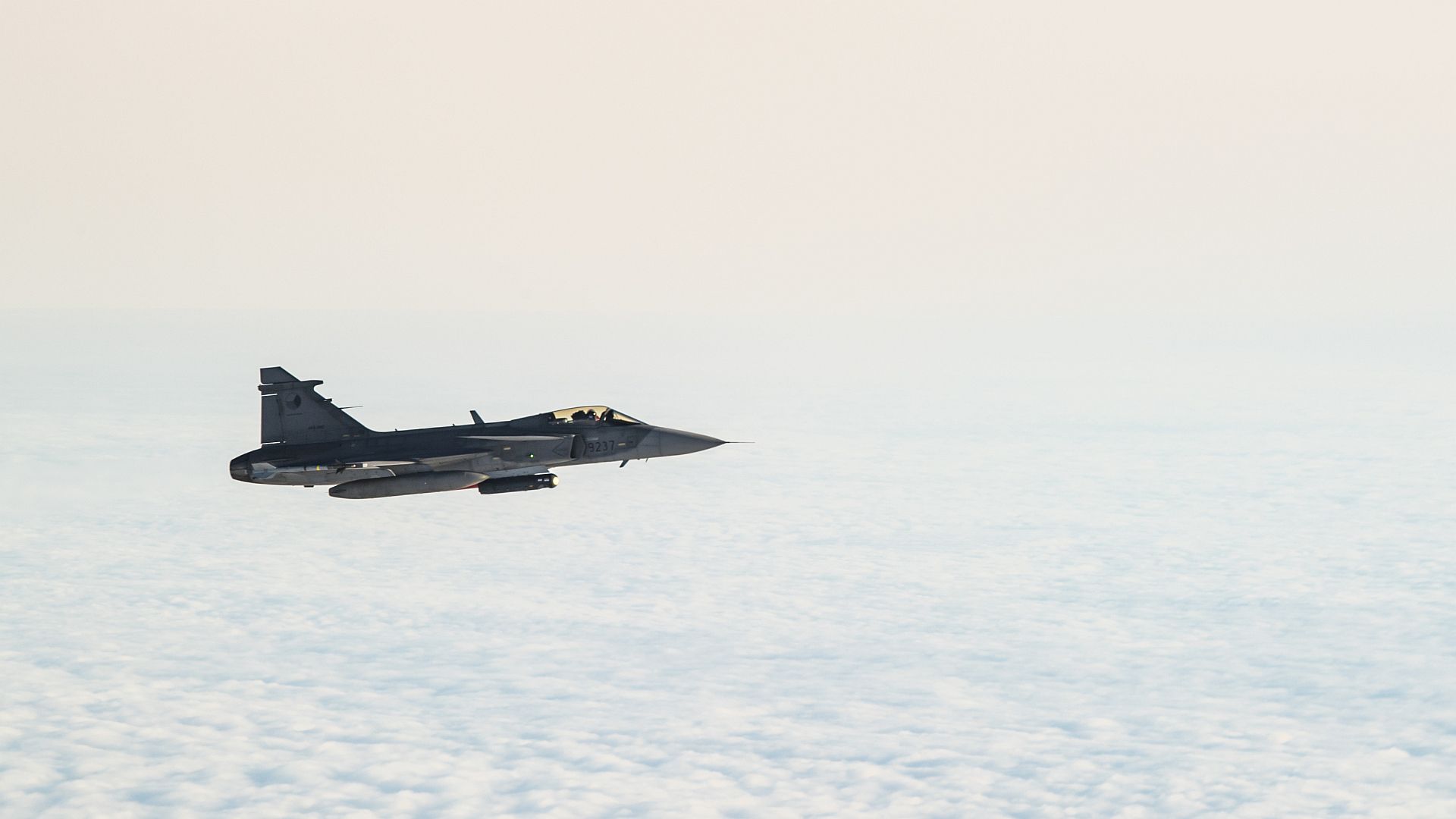
A Czech Air Force JAS-39 Gripen flies next to the wing of a U.S. Air Force B-52 Stratofortress during Bomber Task Force Europe 20-1, Oct. 23, 2019, over the Baltic Sea. This deployment allows Aircrews and support personnel to conduct theater integration and to improve bomber interoperability with joint partners and allied nations. (U.S. Air Force photo by Airman 1st Class Duncan C. Bevan)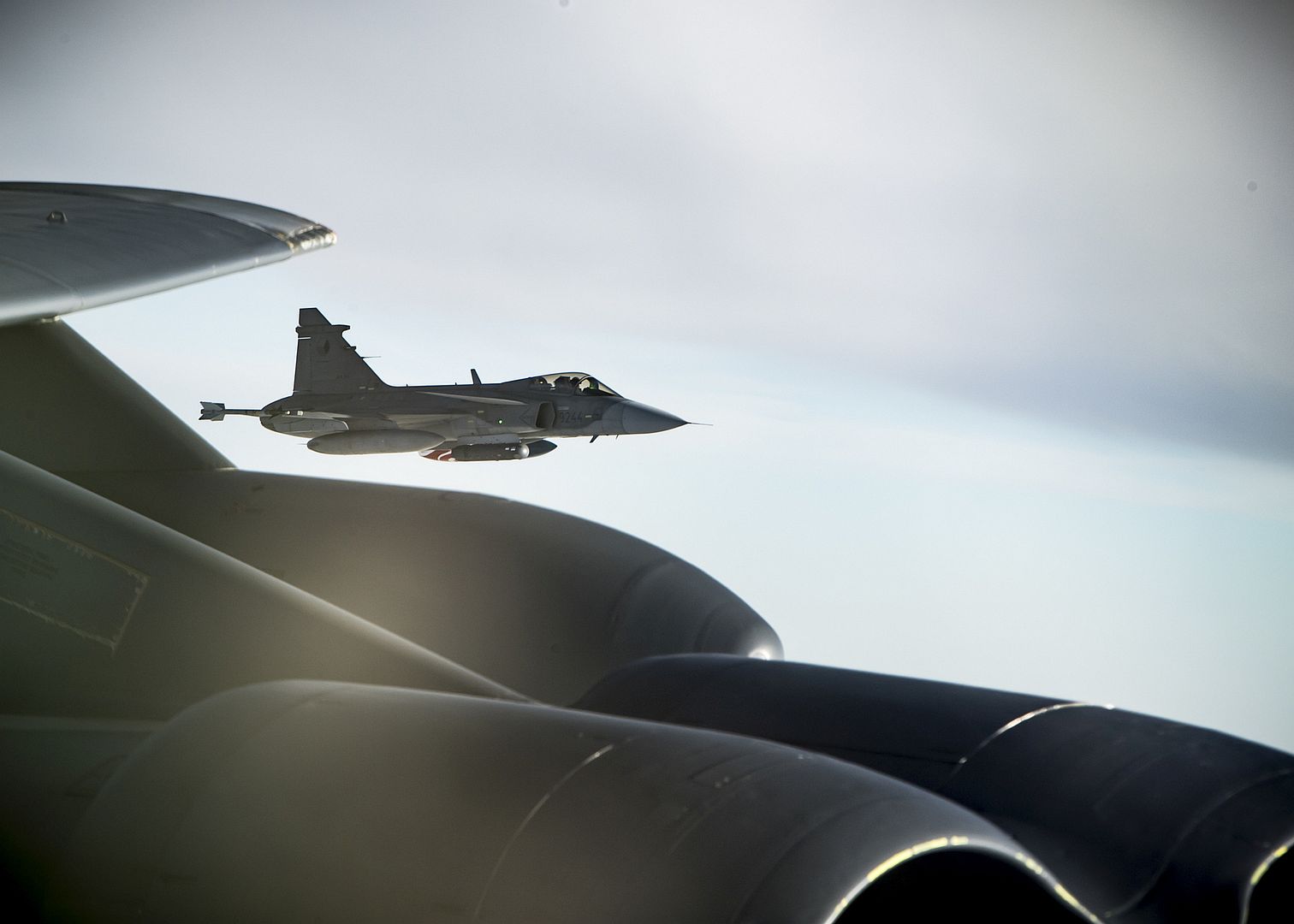
OAK HARBOR, Wash. (Oct. 23, 2019) Three P-8A Poseidons recently assigned to the Grey Knights of Patrol Squadron (VP) 46 sit on the flight line. VP-46 has recently returned from deployment in the U.S. 5th Fleet and U.S. 7th Fleet areas of operations and is making preparations to transition from the P-3C platform to the P-8A Poseidon. (U.S. Navy photo by Mass Communication Specialist 2nd Class Austin Ingram/Released)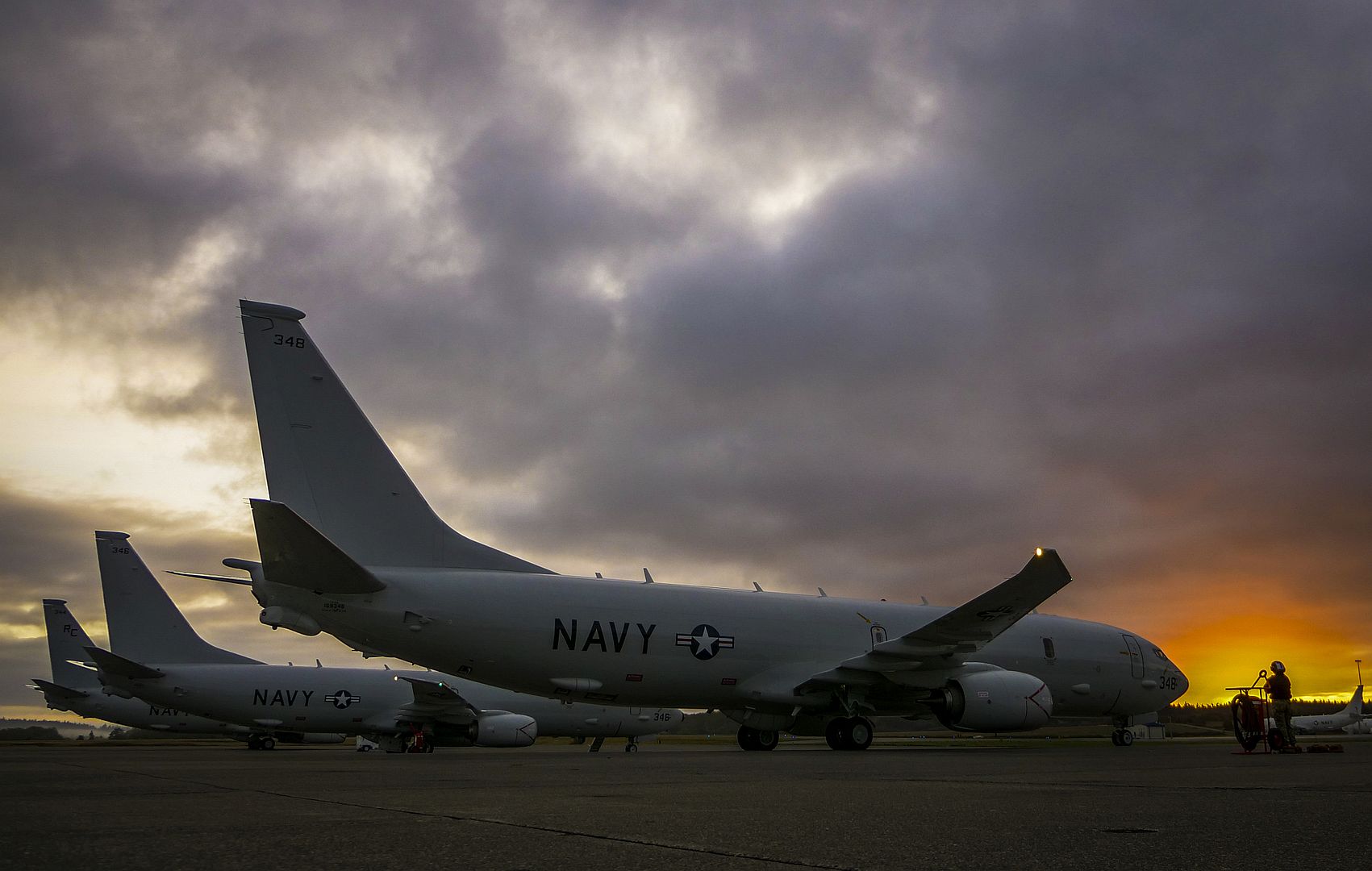
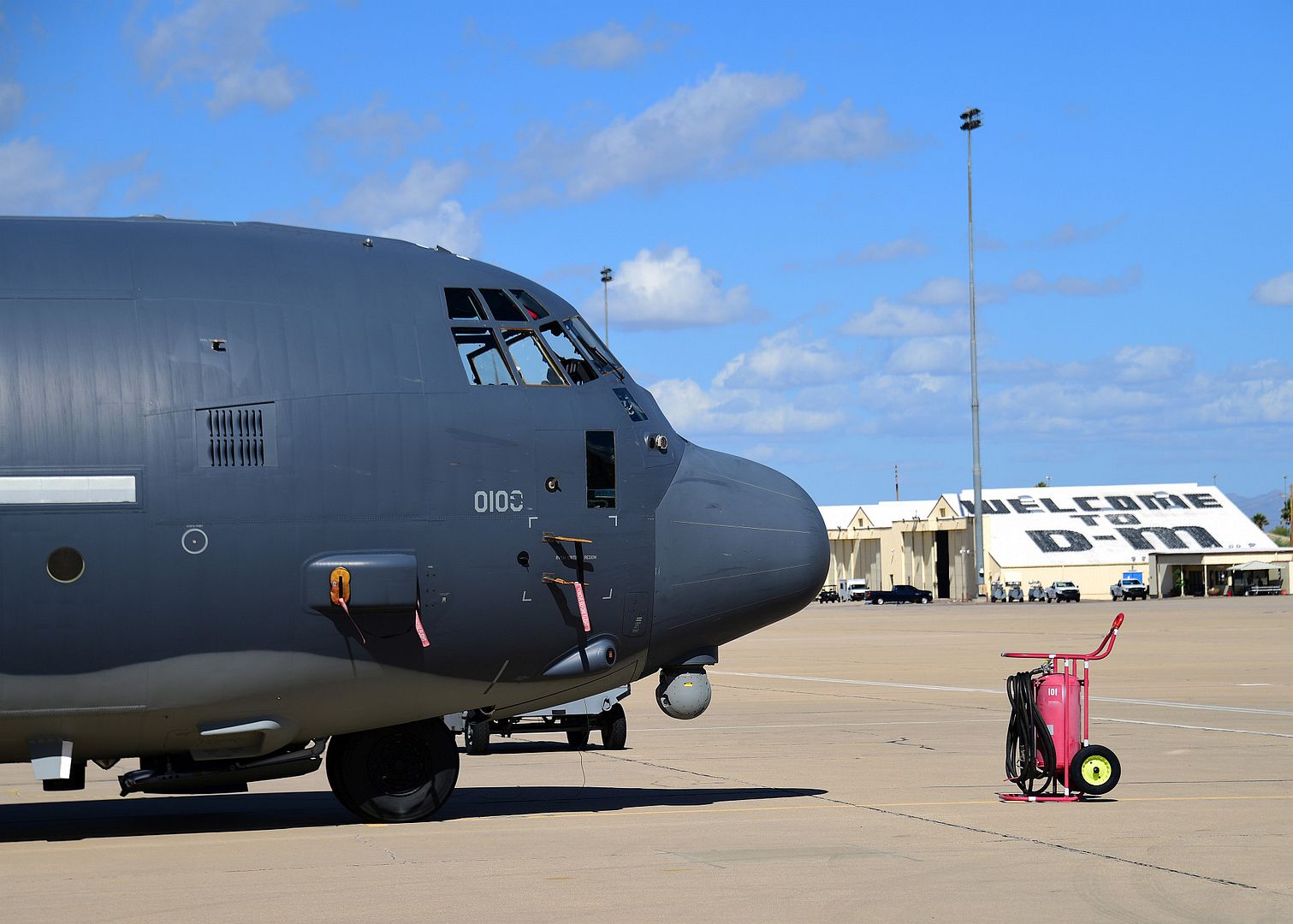
A U.S. Air Force HC-130J Combat King II sits on the flight line at Davis-Monthan Air Force Base, Arizona, Oct. 18, 2019. The HC-130J is the Air Force's only fixed-wing personnel recovery platform. (U.S. Air Force photo's by Airman 1st Class Jacob T. Stephens)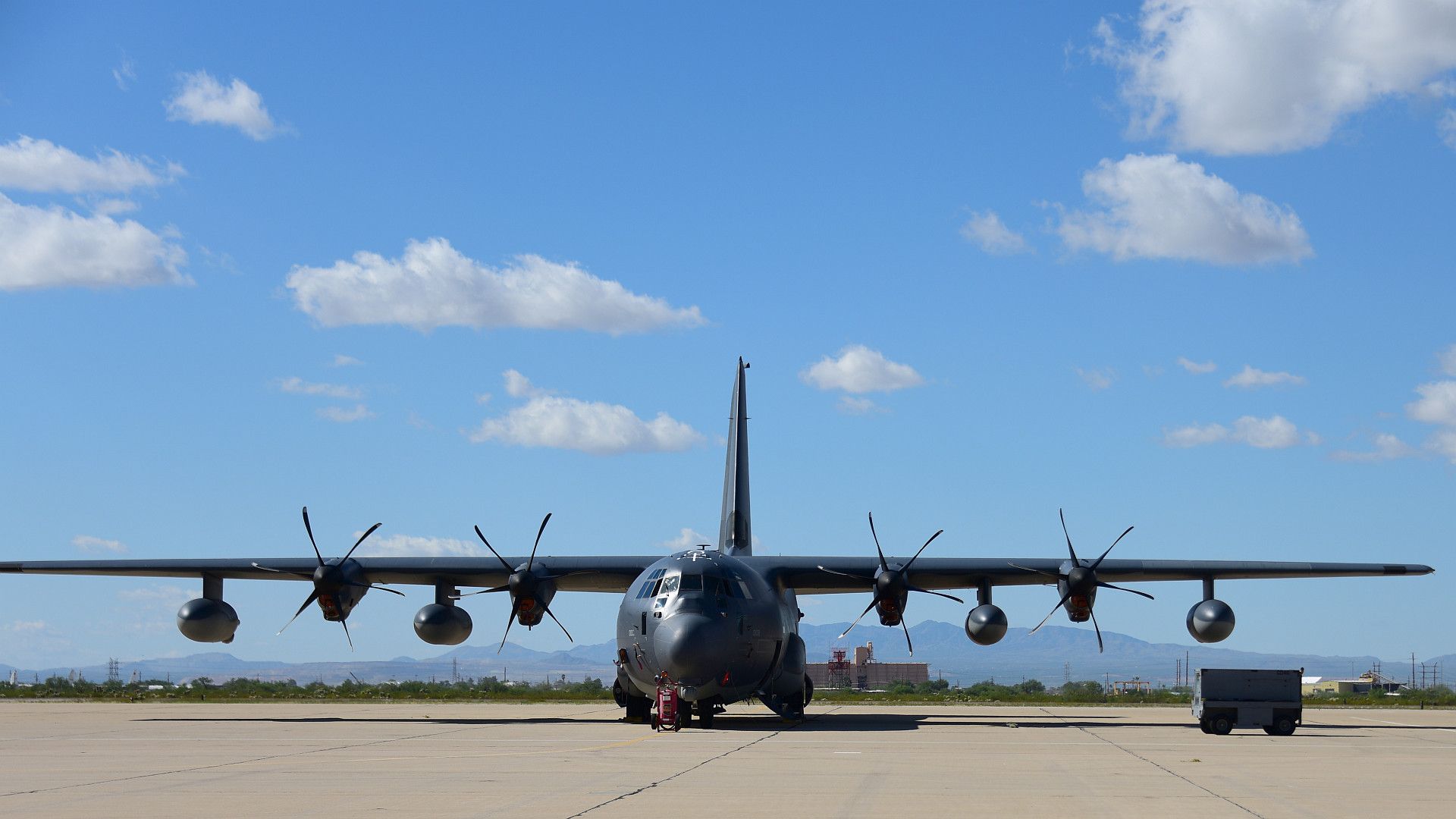
Donauw?rth ? Airbus Helicopters has delivered the first NH90 Sea Lion naval multi-role helicopter to the Federal Office of Bundeswehr Equipment, Information Technology and In-Service Support (BAAINBw), with a further two to be delivered by the end of the year.
In total, 18 Sea Lions have been ordered for the German Navy, with deliveries expected to be completed in 2022. The selection of the Sea Lion as the successor to the Sea King was made in March 2013 and the corresponding contract was signed in June 2015.
?I am proud of our teams who worked hard to meet the ambitious delivery schedule of our customer, whose continuous support has also been key in making it happen,? said Wolfgang Schoder, CEO of Airbus Helicopters Deutschland. ?During the summer, we successfully completed demonstration flights involving the German Navy and BAAINBw to verify the Sea Lion capabilities for search and rescue as well as special forces missions. I am confident that these helicopters will bring next-generation capabilities to the German Navy, and I?m committed to ensure the best level of support for the Sea Lion fleet.?
When deployed, NH90 Sea Lions will take on a wide range of roles including search and rescue (SAR), maritime reconnaissance, special forces as well as personnel and material transportation missions. In addition to its land-based use, the Sea Lion will also operate on Type 702 (Berlin class) combat support ships.
Thanks to its multi-role capability and growth capability, the Sea Lion will not only replace the German Navy?s Sea King Mk41 fleet but significantly enhance its operational capabilities. The fly-by-wire flight controls of the NH90 Sea Lion reduce the crew?s workload thanks to its high precision and ease of use, which particularly come to the fore in over-water hovering, even in poor weather conditions.
The German Navy has also recently opted for the naval version of the NH90 to succeed its 22 Sea Lynx Mk 88A on-board helicopters that have been in service since 1981.
Five nations are already using the NH90 in its naval NFH (NATO Frigate Helicopter) version and have completed more than 50,000 flying hours in SAR, humanitarian and military missions, with the 90 helicopters that have been delivered so far. The 399 helicopters that make up the worldwide NH90 fleet have already completed over 230,000 flying hours. This first Sea Lion is also the 400th NH90 helicopter to be delivered.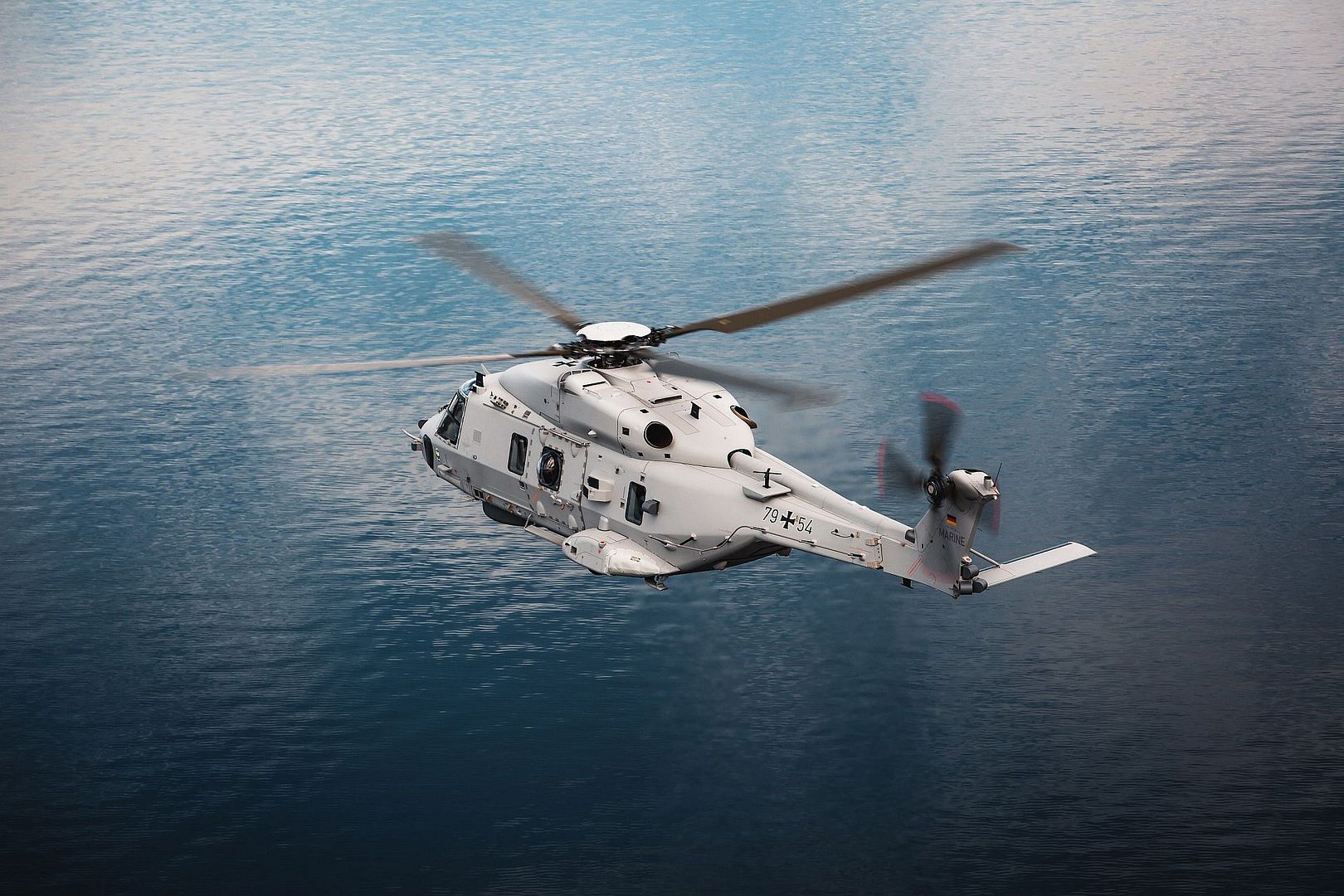
Airbus and Spirit Airlines have agreed to a Memorandum of Understanding for the U.S.-based airline to acquire up to 100 A320neo Family aircraft. Spirit announced its intention to place firm orders for a mix of A319neo, A320neo, and A321neo to meet its future fleet requirements.
?This new order represents another milestone for Spirit,? said Spirit Airlines? President and CEO Ted Christie. ?The additional aircraft will be used to support Spirit?s growth as we add new destinations and expand our network across the U.S., Latin America, and the Caribbean. We look forward to working with our valued partners at Airbus to finalise our agreement.?
?The Airbus A320 Family has been a strong platform for the remarkable success of Spirit over the past several years,? said Airbus Chief Commercial Officer Christian Scherer. ?The ongoing, enthusiastic spirit the airline demonstrates in our A320neo Family is most rewarding, and we look forward to playing a part in the Spirit team?s continued growth for many, many years to come.?
Spirit is a fast growing ultra-low-cost carrier in the Americas, based in South Florida.
Featuring the widest single-aisle cabin in the sky, the best-selling A320neo Family, comprising the A319neo, A320neo, and A321neo, deliver at least 20% reduced fuel burn as well as 50% less noise compared to previous-generation aircraft, thanks to incorporating the very latest technologies including new-generation engines and Sharklets. At the end of September 2019, the A320neo Family had received more than 6,650 firm orders from nearly 110 customers worldwide.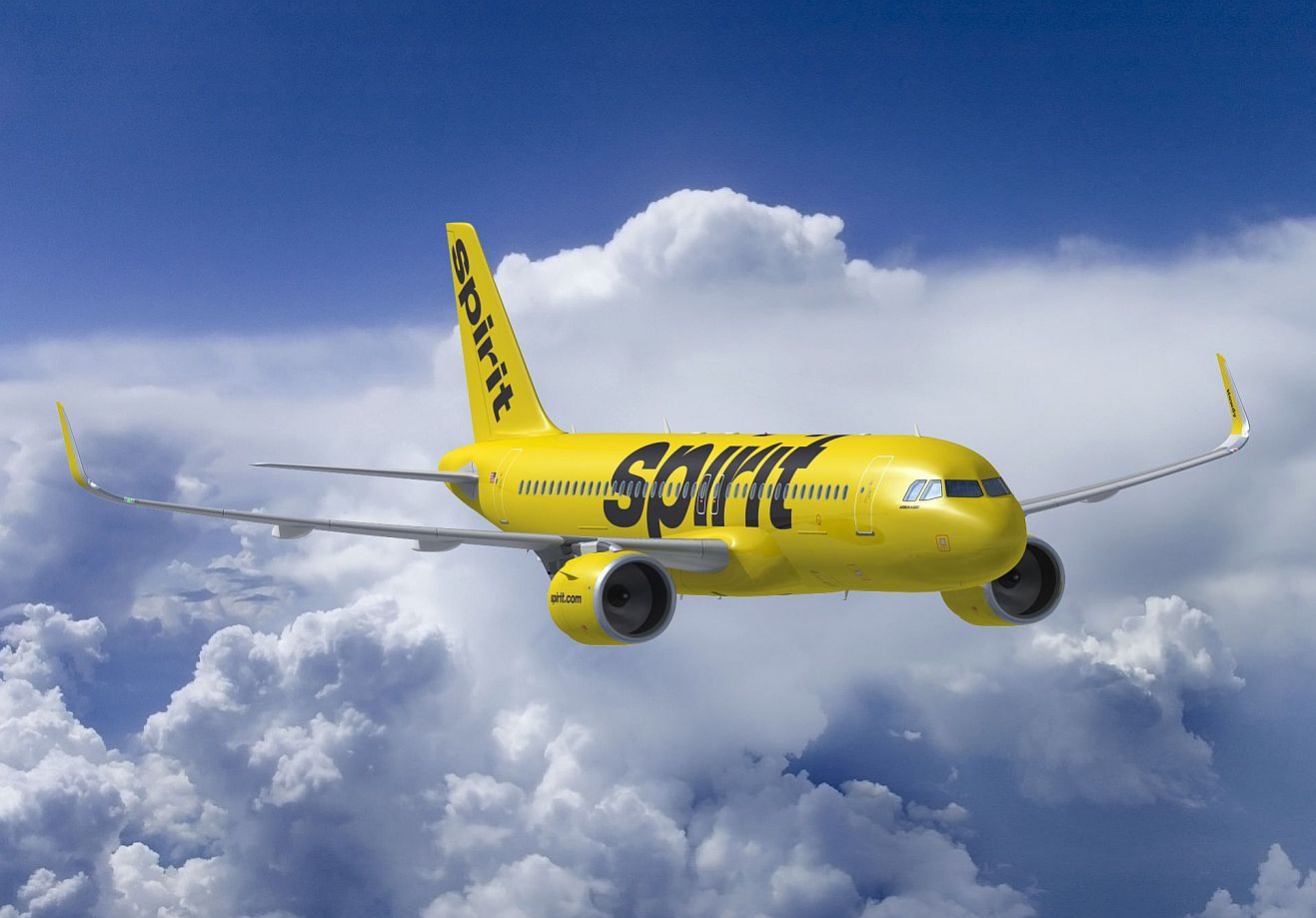
S?o Paulo, Brazil, October 24, 2019 ? Embraer announced today that it has signed a multiyear Flight Hour Repair Management Program contract with Azul Linhas A?reas Brasileiras to provide materials support for the carrier?s fleet of first generation E-Jets of commercial aircraft E190 and E195.
Through Embraer?s TechCare portfolio of solutions, the multi-year agreement covers more than 300 repairable part numbers and includes both materials and engineering services supported from Embraer's spare parts facility in Ft. Lauderdale, Florida, USA.
With this agreement, Azul now secures the OEM state-of-the-art support for its entire Embraer fleet, including the airline?s new E2 fleet, the new generation of the E-Jets family, which is already covered by Embraer Pool Program. Azul has relied on Embraer for its materials requirements since 2008, when it began operating their first generation of E-Jets, supported by Embraer materials solutions.
?We are very proud that Azul has placed further trust in Embraer to keep serving them and securing their fleet availability with effective, efficient and competitive solutions, what strengthens our long-standing strategic partnership?, said Johann Bordais, President and CEO, Embraer Services & Support.
Embraer currently provides support for more than 50 airlines worldwide, with its technical expertise and its vast component service provider network. The results are significant savings in repair and inventory carrying costs and a reduction in required warehousing space and resources required for repair management, while ultimately providing guaranteed performance levels.
TechCare, Embraer?s portfolio of products, offers a wide range of competitive solutions designed to every customer to support the growing fleet of Embraer aircraft worldwide and deliver the best after-sales experience in the global aerospace industry.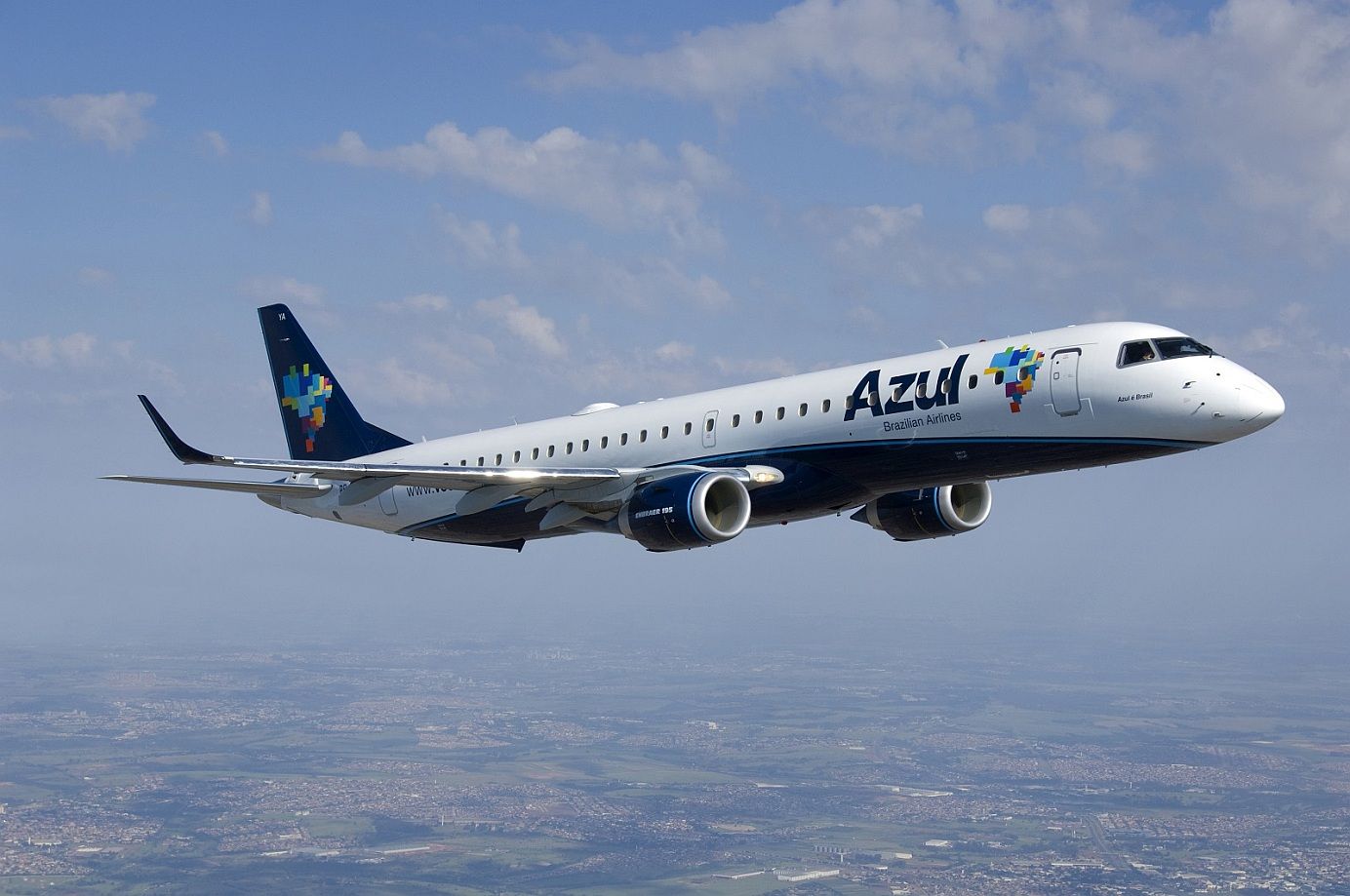
-
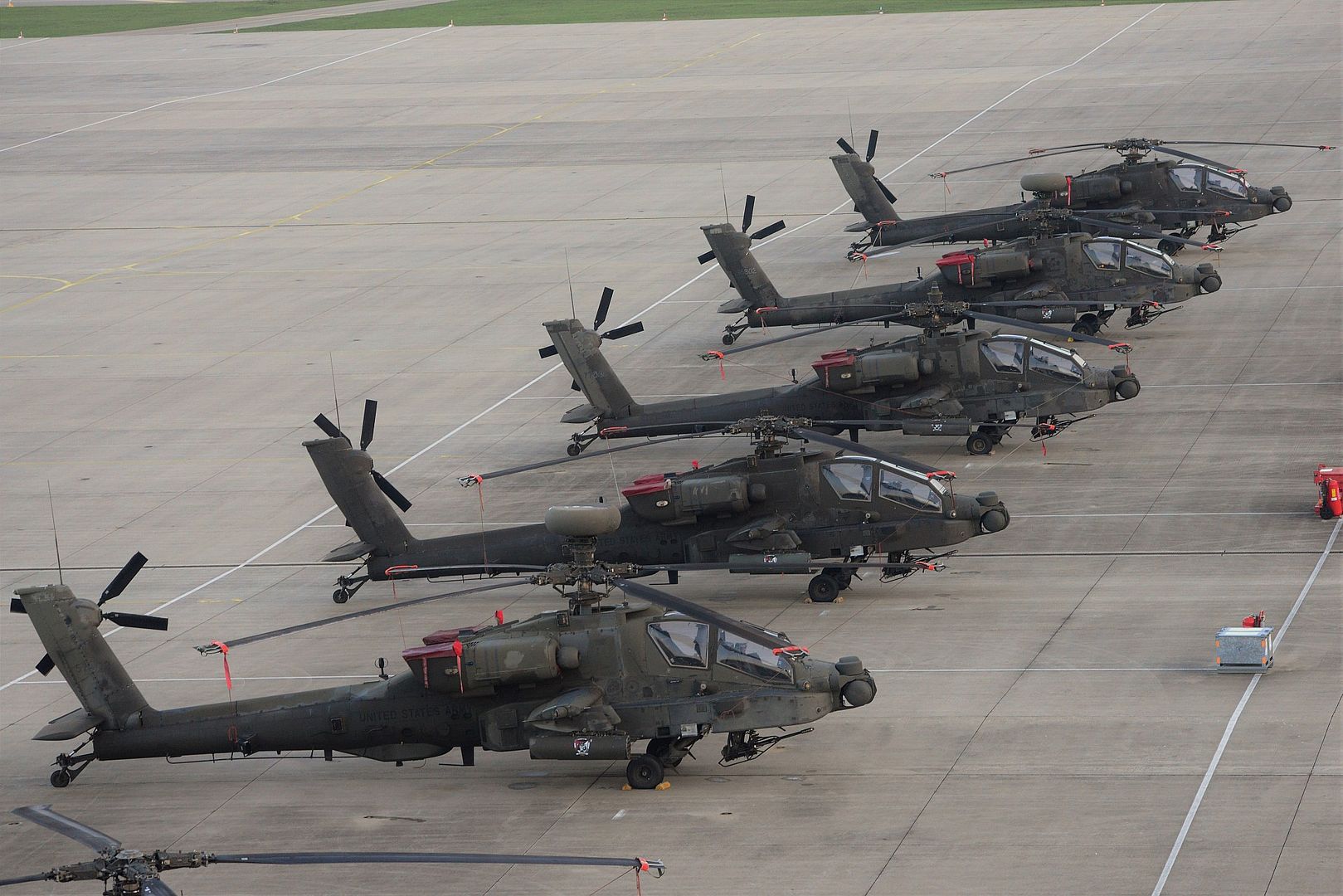
Apache helicopters from the 3rd Combat Aviation Brigade out of Hunter Army Airfield, Ga., arrive at Illesheim Army Airfield, Germany, Oct. 24, 2019. The 3rd CAB is on a nine-month rotation in support of Atlantic Resolve. Atlantic Resolve is a demonstration of continued U.S. commitment to collective European security through a series of actions designed to reassure NATO allies and other European partners of America's dedication to enduring peace and stability throughout Europe. (U.S. Army photo by Charles Rosemond)
U.S. Marine aircraft with Marine Aircraft Group 39, 3rd Marine Aircraft Wing, conduct flight operations at Marine Corps Air Station Camp Pendleton, California, Oct. 24, 2019. MCAS Camp Pendleton houses numerous squadrons from 3rd MAW, offering the capabilities to conduct various day and nighttime flight operations in support of the various units aboard Camp Pendleton. (U.S. Marine Corps photo by Cpl. Dylan Chagnon)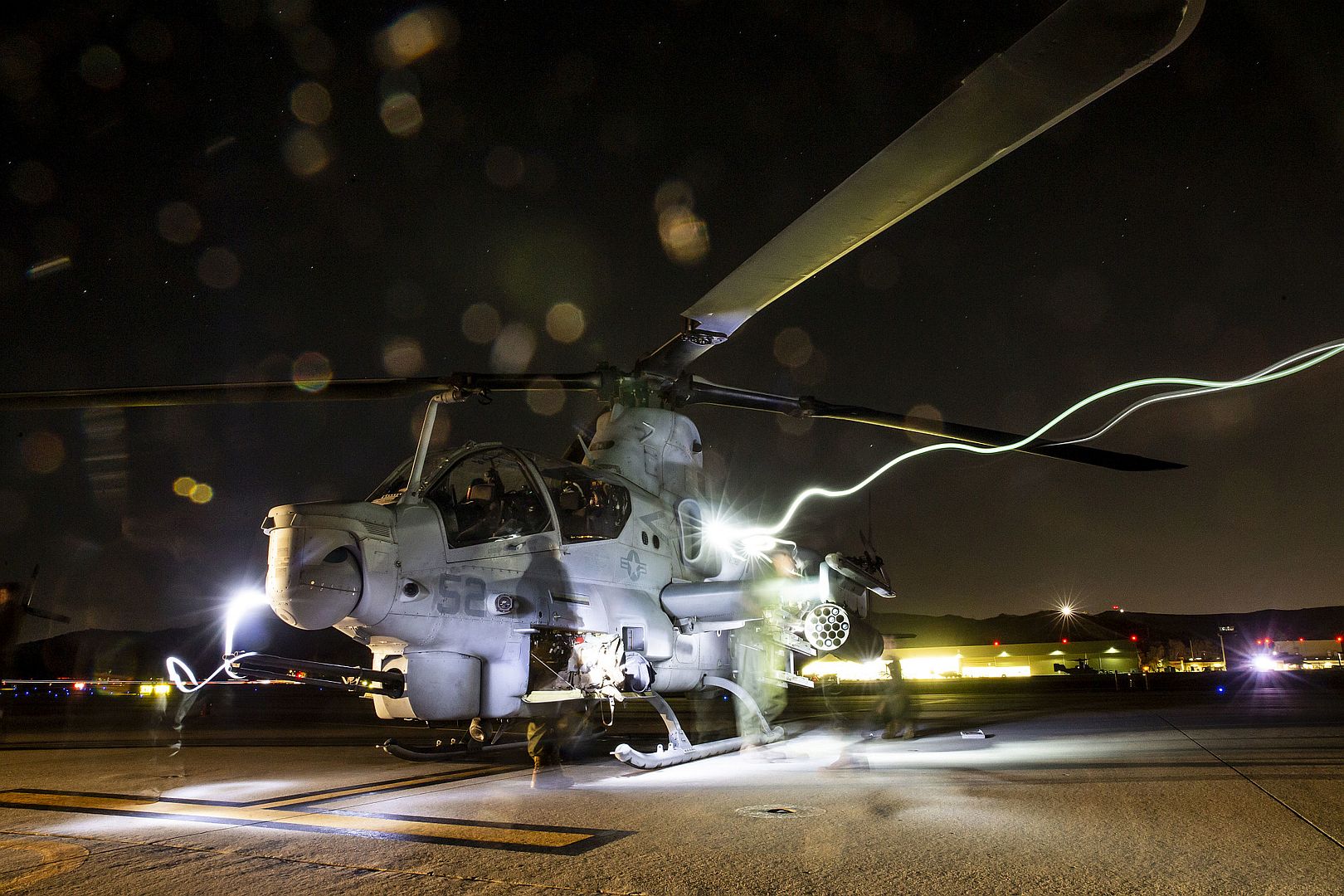
A U.S. Air Force F-16 Fighting Falcon from the 79th Fighter Squadron at Shaw Air Force Base, S.C., arrives at Bagram Airfield, Afghanistan, Oct. 25, 2019. While assigned to the 455th Air Expeditionary Wing at Bagram, the F-16s will help provide decisive airpower through the U.S. Central Command area of responsibility. The airpower the wing provides ensures NATO forces can focus on their mission to train, advise and assist. (U.S. Air Force photo by Staff Sgt. Matthew Lotz)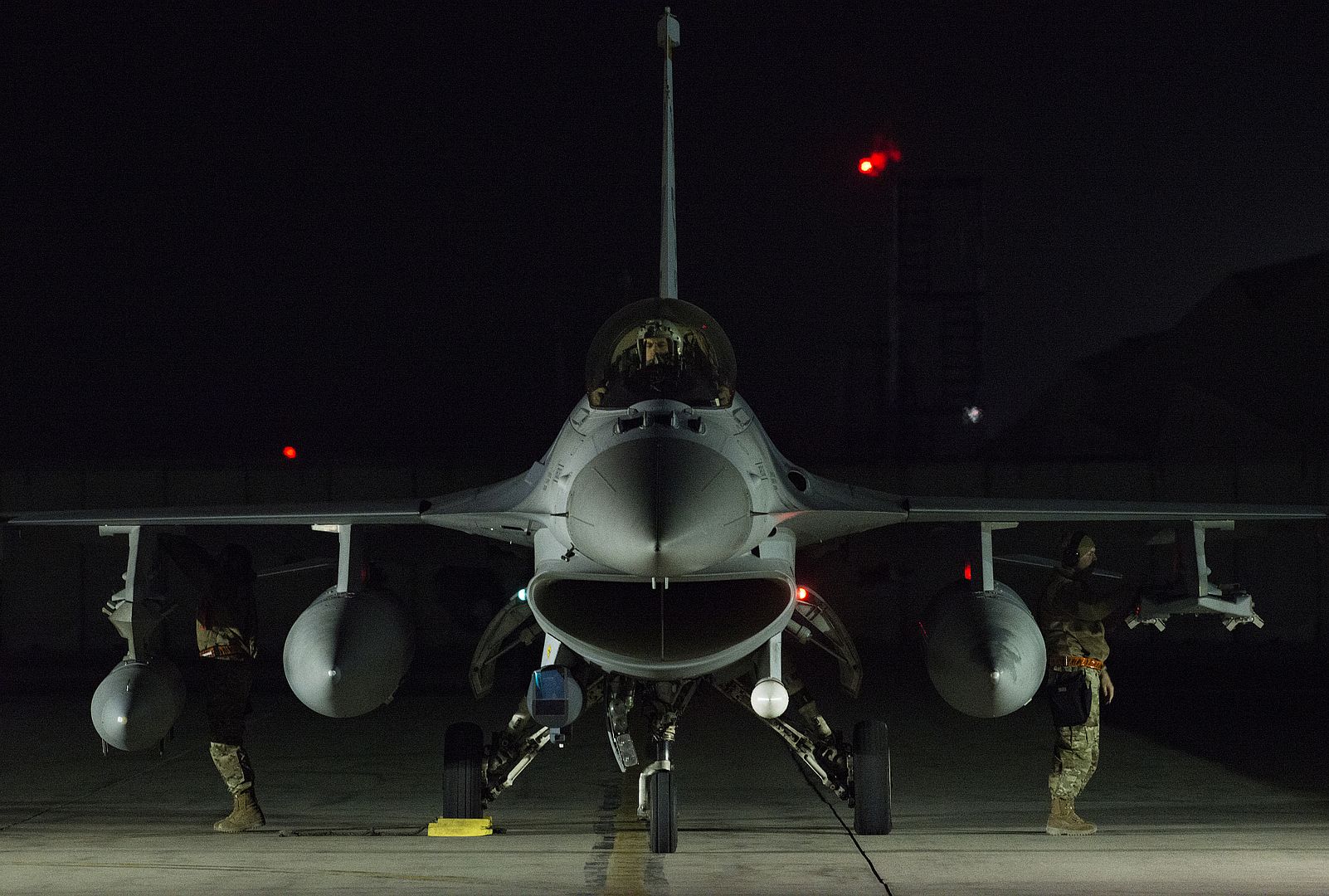
F-16 Fighting Falcons from the 79th Fighter Squadron at Shaw Air Force Base, S.C., arrive at Bagram Airfield, Afghanistan, Oct. 25, 2019. While assigned to the 455th Air Expeditionary Wing at Bagram, the F-16s will help provide decisive airpower through the U.S. Central Command area of responsibility. The airpower the wing provides ensures NATO forces can focus on their mission to train, advise and assist.(U.S. Air Force photo by 2nd Lt. Brigitte N. Brantley)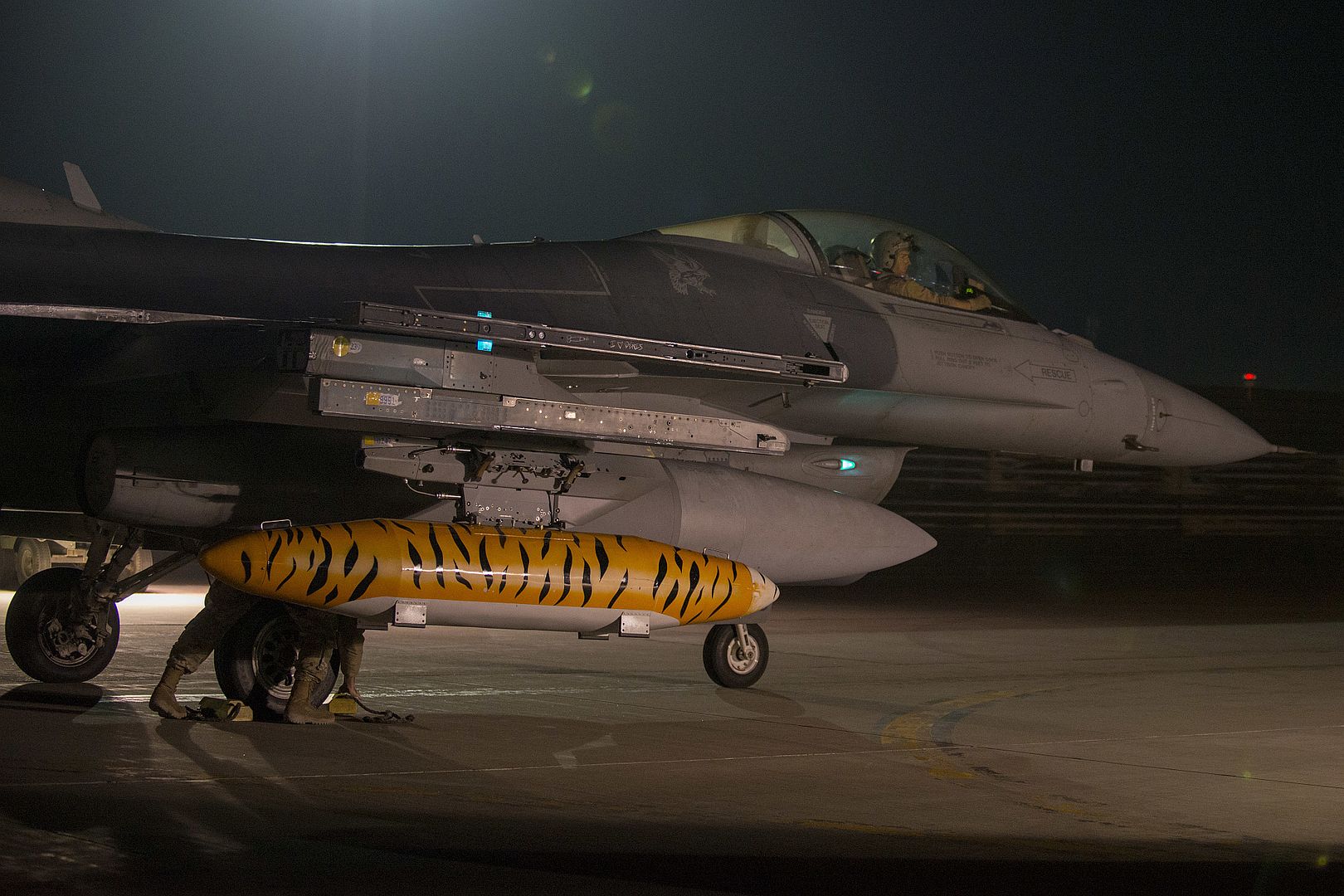
Airmen ?cart start? a B-52H Stratofortress aircraft during Global Thunder 20 at
Barksdale Air Force Base, La., Oct. 23, 2019. Global Thunder is a worldwide
exercise based on a notional scenario developed to drive execution of U.S. Strategic Command and component forces ability to support the geographic
combatant commands, deter adversaries and, if necessary, employ forces as directed by the President of the United States. (U.S. Air Force photo by Airman 1st Class Jacob B. Wrightsman)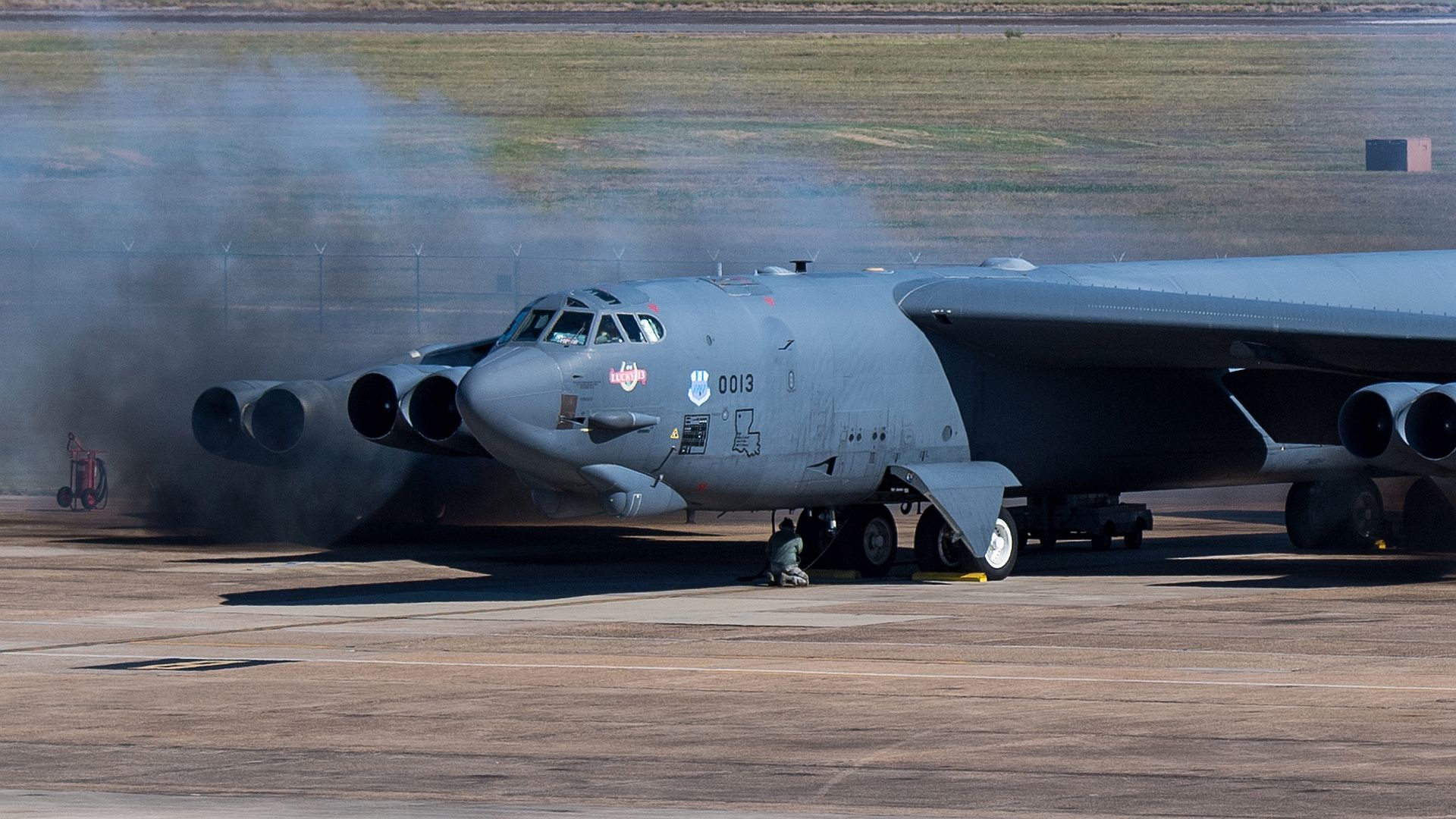
Airmen ?cart start? a B-52H Stratofortress aircraft during Global Thunder 20 at Barksdale Air Force Base, La., Oct. 23, 2019. Global Thunder is a U.S. Strategic Command exercise designed to ensure an efficient mission response by testing Airmen's ability to execute command, control and operational procedures during simulated combat scenarios. (U.S. Air Force photo by Airman 1st Class Lillian Miller)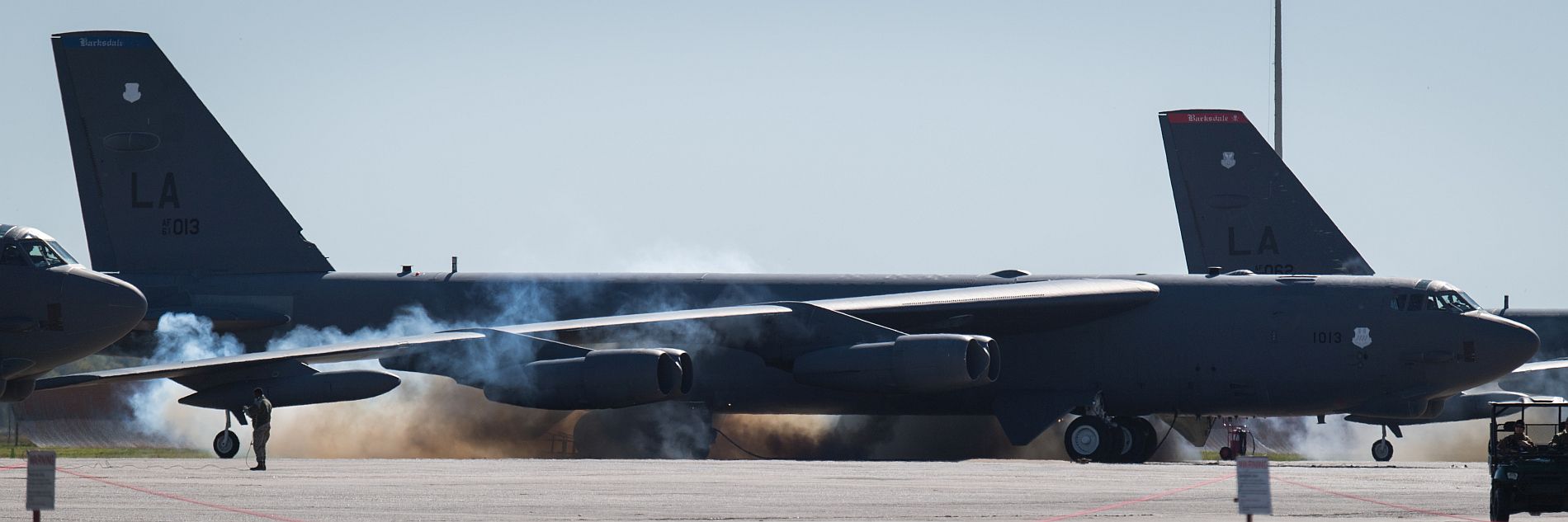
A Spanish air force Eurofighter Typhoon returns from a training sortie in support of the air-to-air combat training exercise, OCEAN SKY 19, at Gando Air Base, Gran Canaria Island, Spain, Oct. 24, 2019. Exercises like OCEAN SKY remain a symbol of the shared commitment between Spain, the U.S. and NATO to maintaining the continued security of Europe. (U.S. Air Force photo/ Tech. Sgt. Matthew Plew)
A Spanish air force F/A-18 Hornet returns from a training sortie in support of the air-to-air combat training exercise, OCEAN SKY 19, at Gando Air Base, Gran Canaria Island, Spain, Oct. 24, 2019. Exercises like OCEAN SKY remain a symbol of the shared commitment between Spain, the U.S. and NATO to maintaining the continued security of Europe. (U.S. Air Force photo/ Tech. Sgt. Matthew Plew)
U.S. Air Force Maj. Pol-Enrico Gonzalez 39th Flying Training Squadron pilot, leads a 4-ship of T-38C Talons assigned to the 560 Flying Training Squadron over a military operations area in Southern Texas, Oct. 23, 2019. The flight focused on 4-ship maneuvers and proficiency for instructor pilots completing syllabus training. The 560 FTS qualifies pilots from various airframes as instructor pilots in the T-38 aircraft. (U.S. Air Force photo by MSgt Christopher Boitz)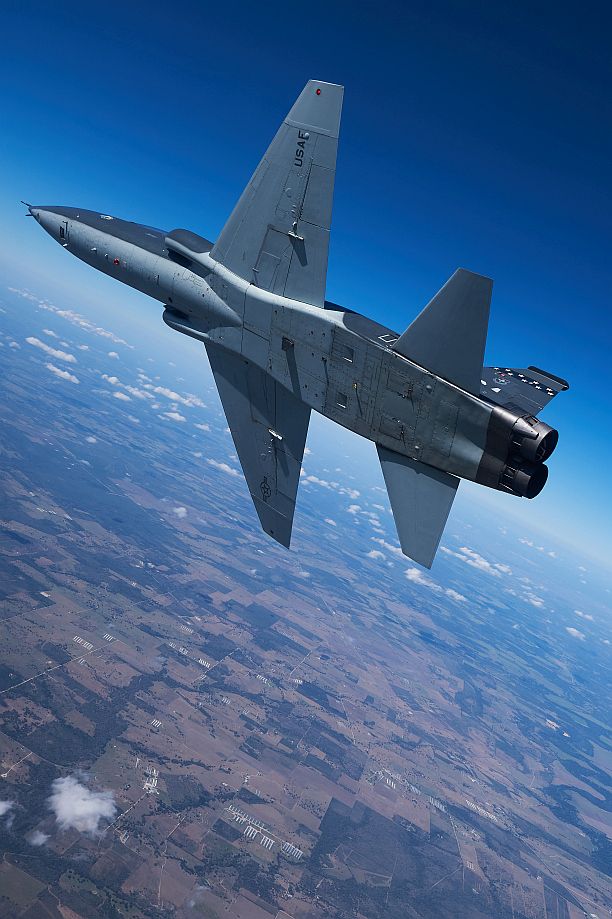
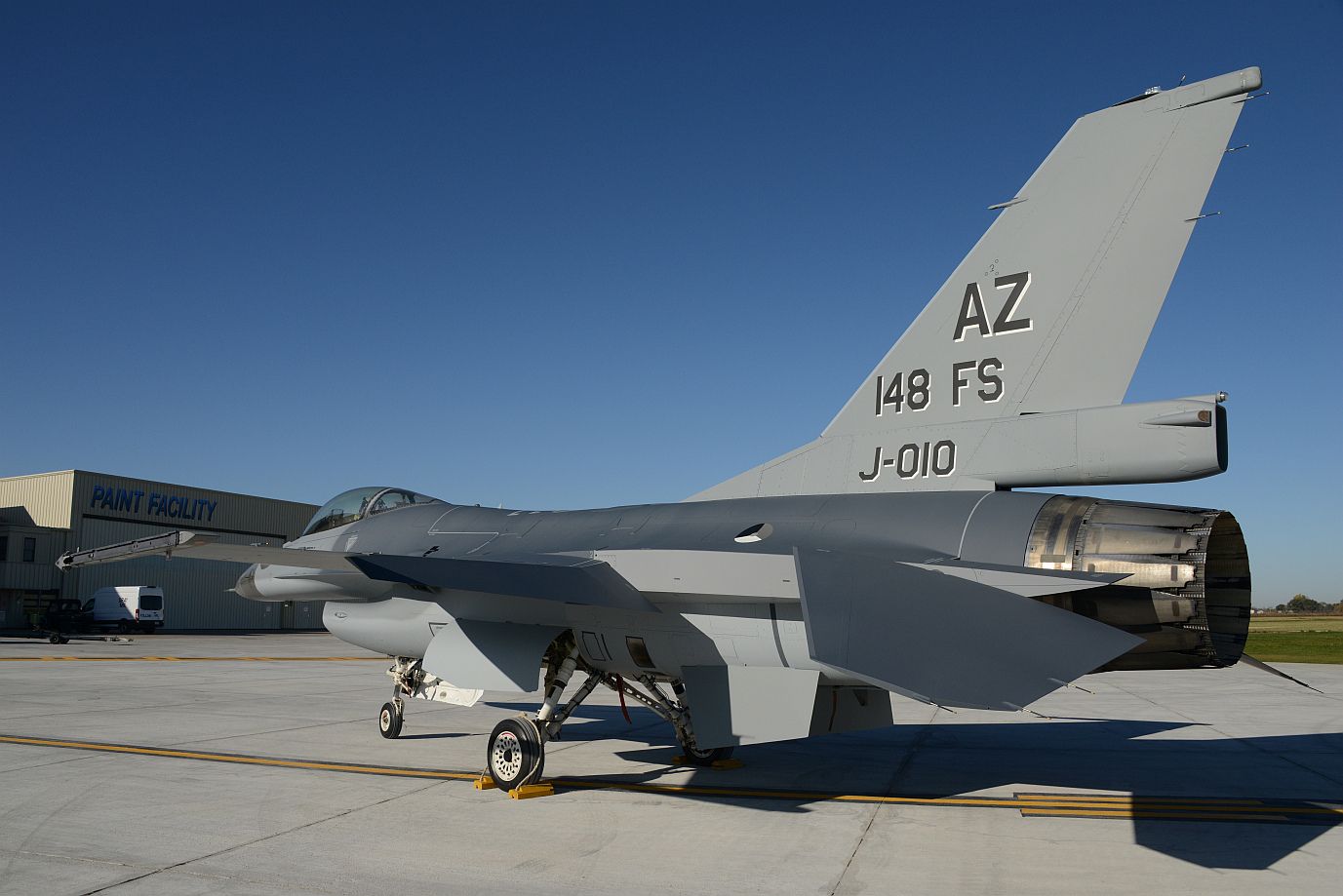
A Royal Netherlands Air Force F-16 attached to the 162nd Fighter Wing of the Arizona Air National Guard with a fresh coat of paint on the ramp at the Air National Guard paint facility in Sioux City, Iowa on October 25, 2019. The paint scheme has some subtle differences from the American version of the F-16, like the gradient to a lighter color on bottom of the fuselage and air intake. The new scheme also includes a subdued version of the RNAF roundel on the back part of the fuselage and raised lettering on the tail.
U.S. Air National Guard photo's by Senior Master Sgt. Vincent De Groot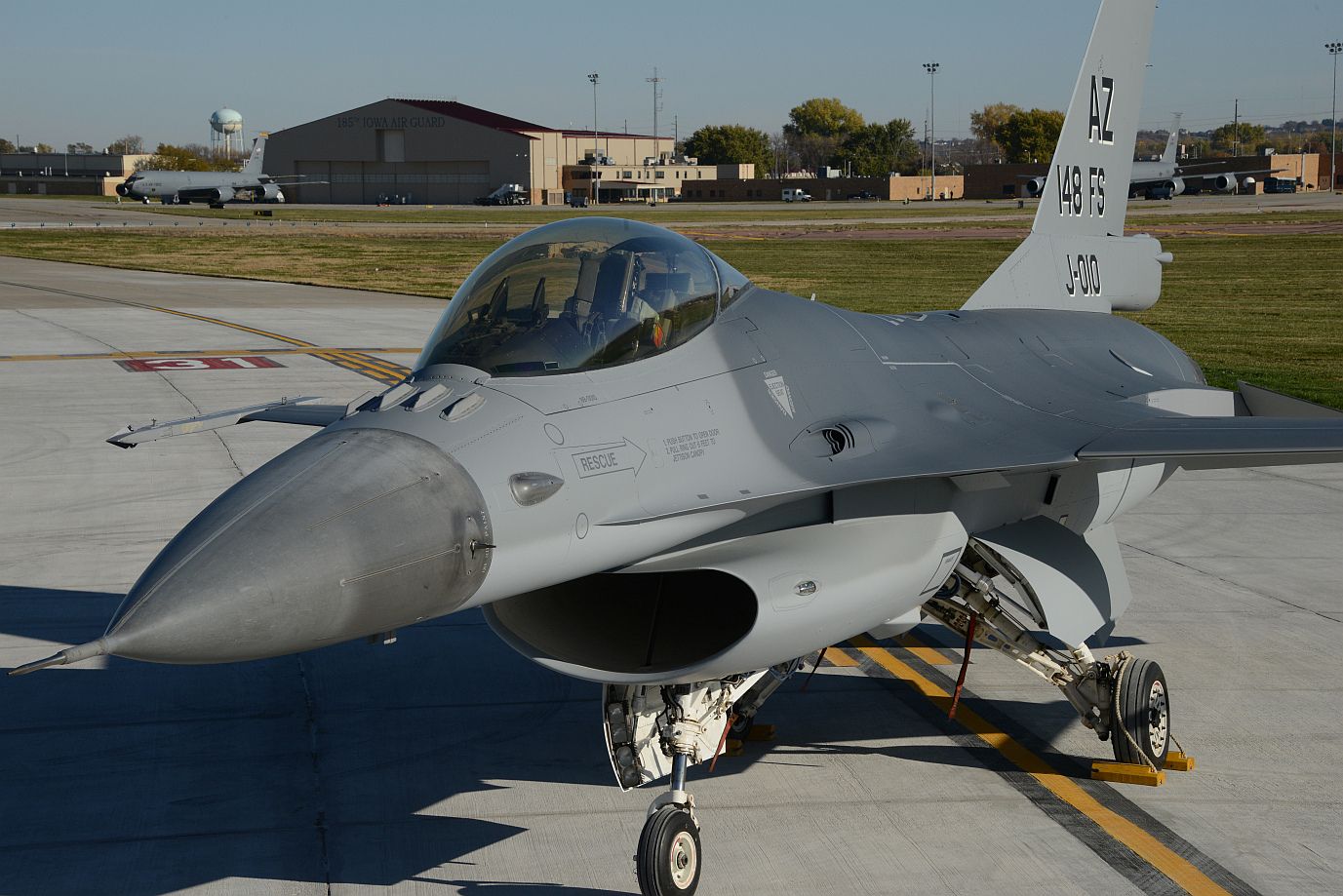
Three B-52 Stratofortresses assigned to the 2nd Bomb Wing from Barksdale Air Force Base, Louisiana fly in a formation after completing missions over the Baltic Sea for Bomber Task Force Europe 20-1, Oct. 23, 2019. This deployment allows aircrews and support personnel to conduct theater integration and improve bomber interoperability with joint partners and allied nations. (U.S. Air Force photo's by SSgt. Trevor T. McBride)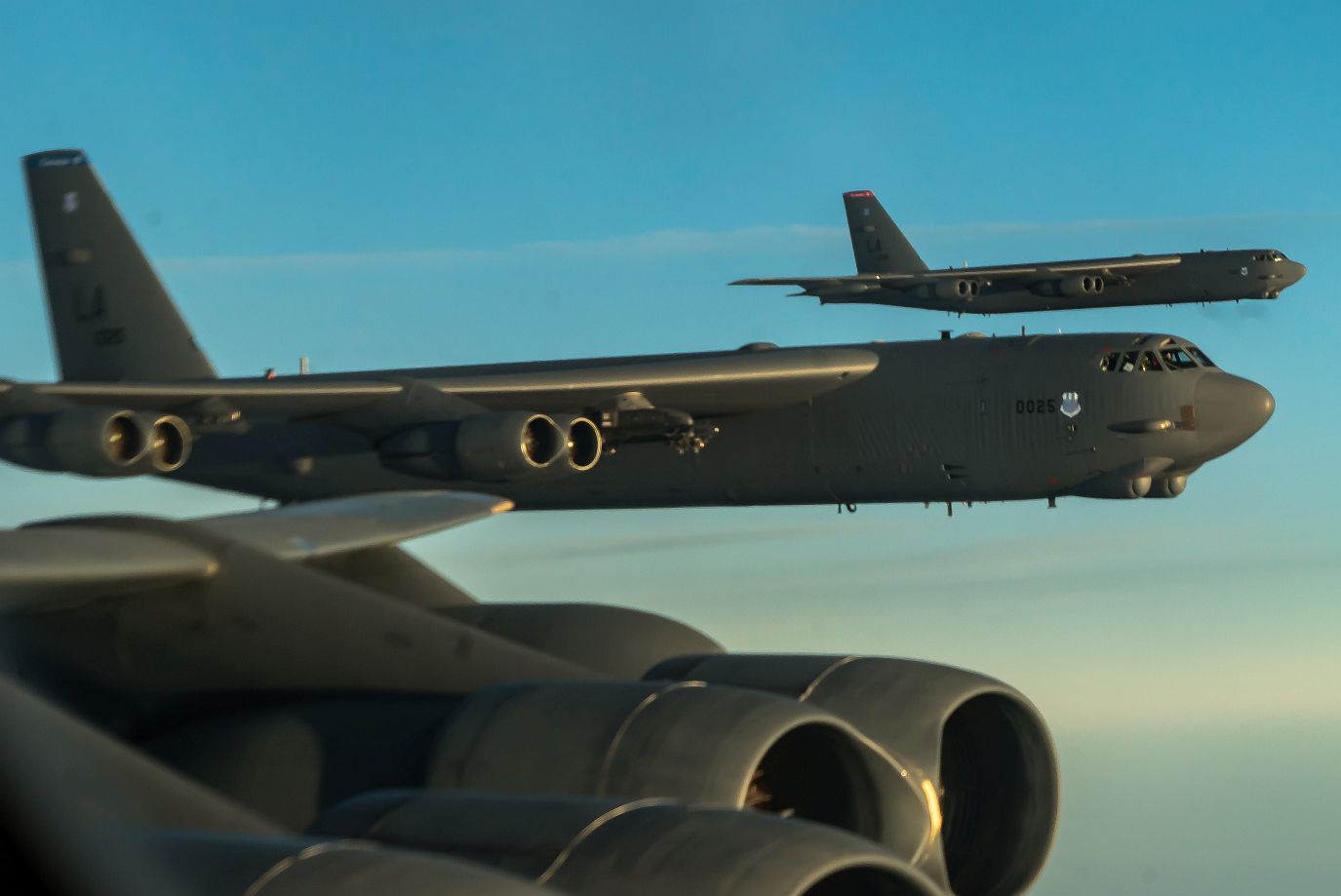
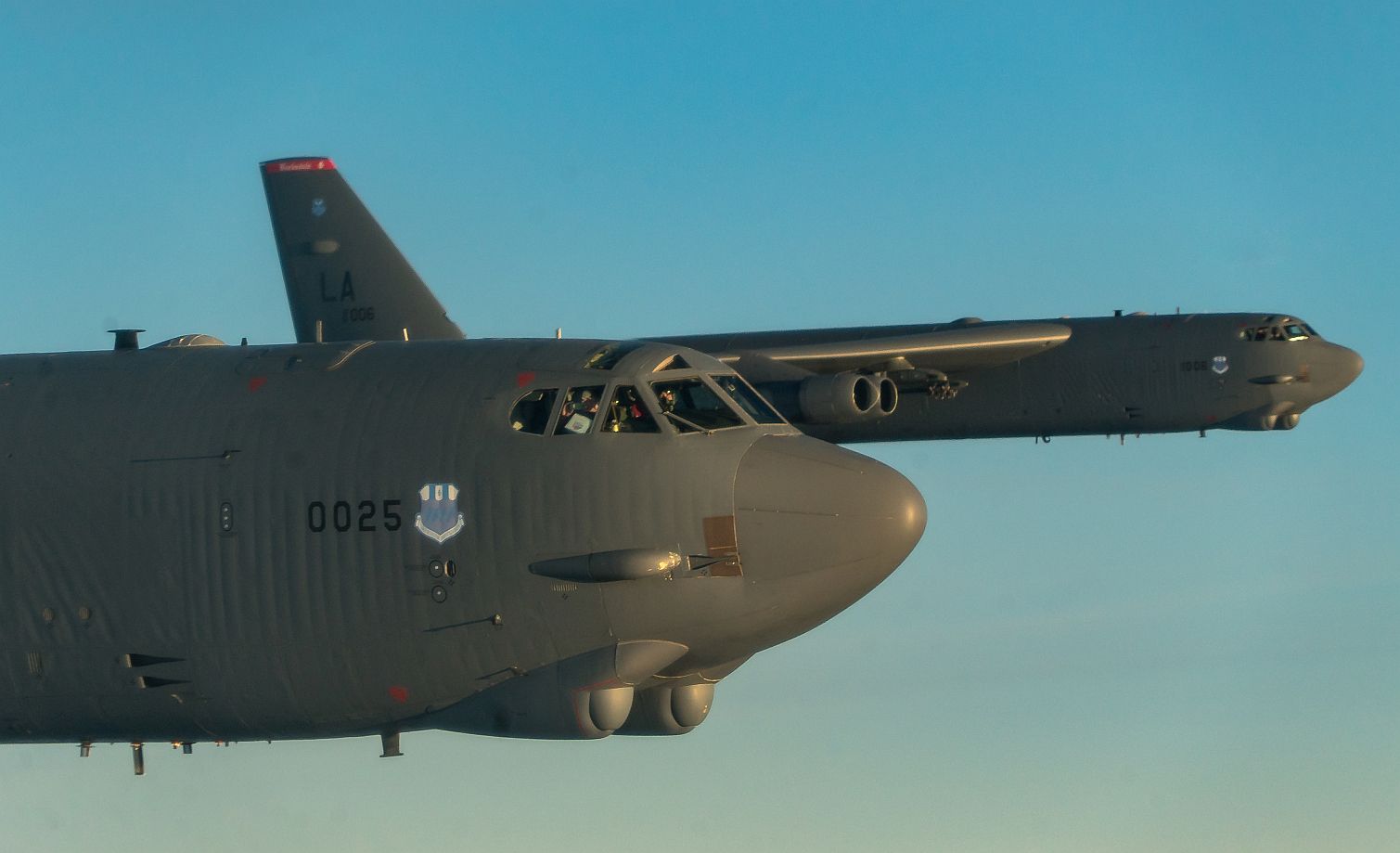
Spanish air force F/A-18 Hornets launch for a sortie in support of the Spanish-led air-to-air combat training exercise, OCEAN SKY 19 at Gando Air Base Oct. 25, 2019. Exercises like OCEAN SKY remain a symbol of the shared commitment between Spain, the U.S. and NATO to maintaining the continued security of Europe. (U.S. Air Force photo/ Tech. Sgt. Matthew Plew)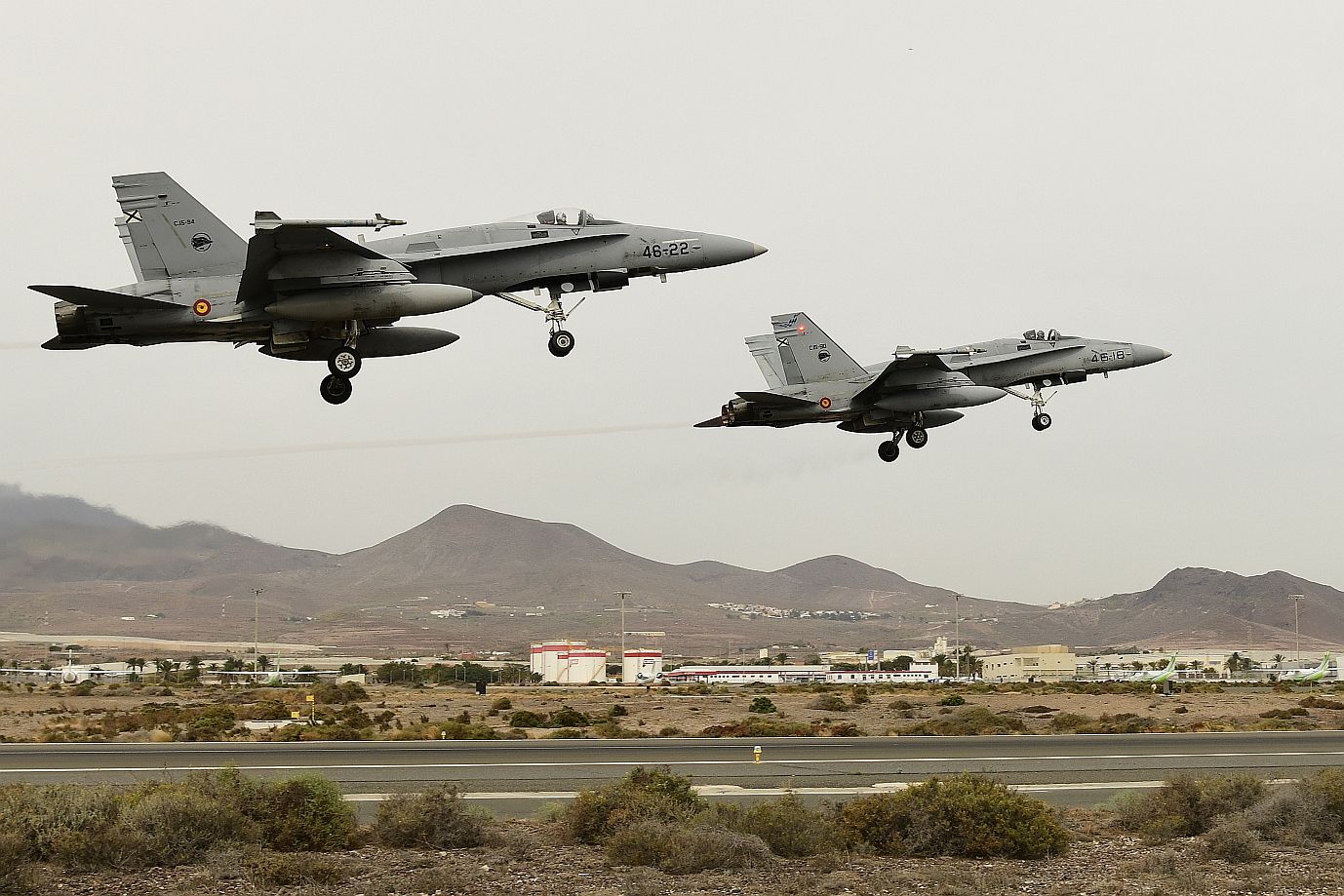
A U.S. F-15C Eagle assigned to the 493rd Fighter Squadron launches for a training sortie in support of the Spanish-led air-to-air combat training exercise, OCEAN SKY 19 at Gando Air Base, Gran Canaria Island, Spain, Oct. 25, 2019. Exercises like OCEAN SKY remain a symbol of the shared commitment between Spain, the U.S. and NATO to maintaining the continued security of Europe. (U.S. Air Force photo/ Tech. Sgt. Matthew Plew)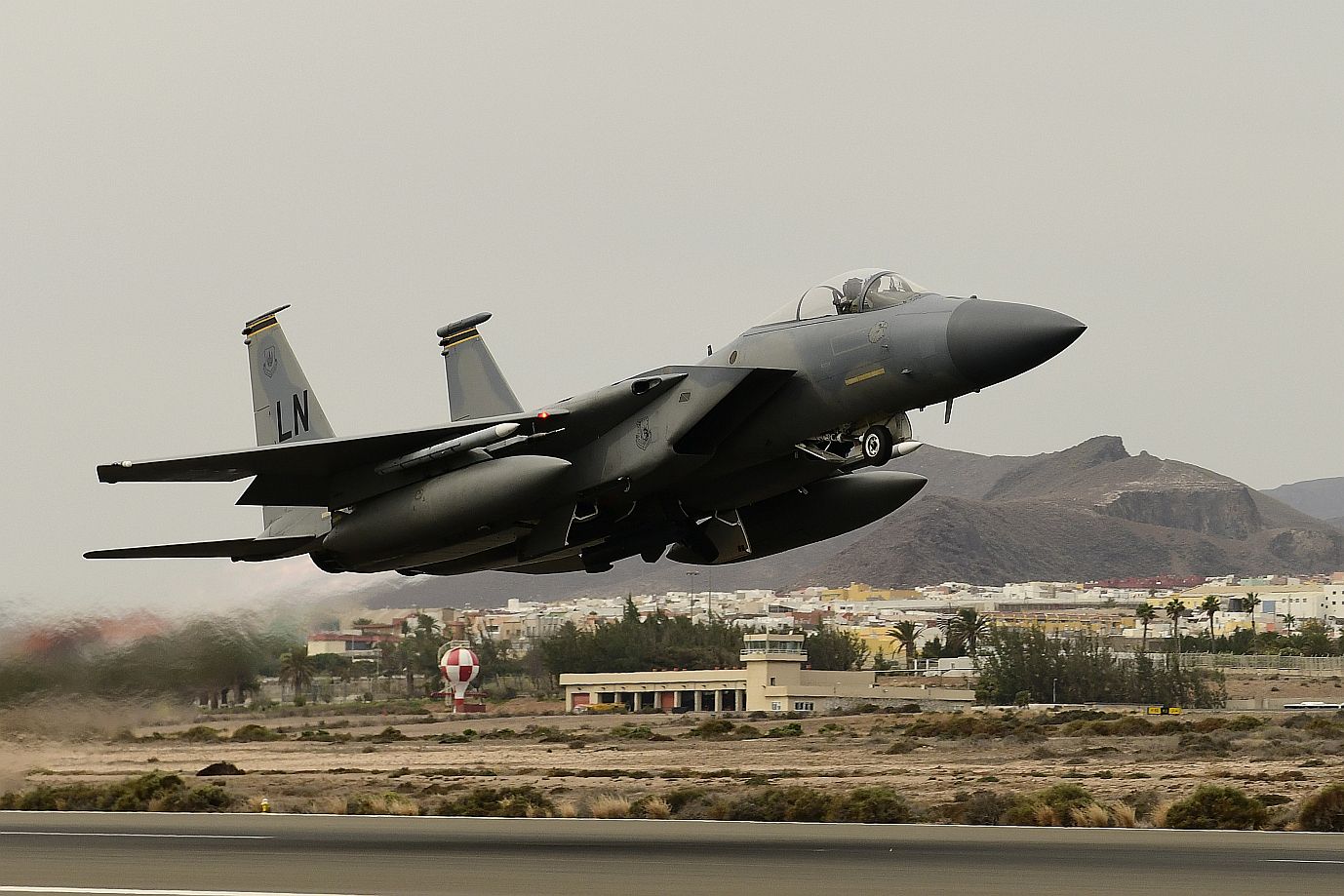
A U.S. Air Force F-16 Fighting Falcon from the 79th Fighter Squadron at Shaw Air Force Base, S.C., arrives at Bagram Airfield, Afghanistan, Oct. 26, 2019. While assigned to the 455th Air Expeditionary Wing at Bagram, the F-16s will help provide decisive airpower through the U.S. Central Command area of responsibility. The airpower the wing provides ensures NATO forces can focus on their mission to train, advise and assist. (U.S. Air Force photo by Staff Sgt. Matthew Lotz)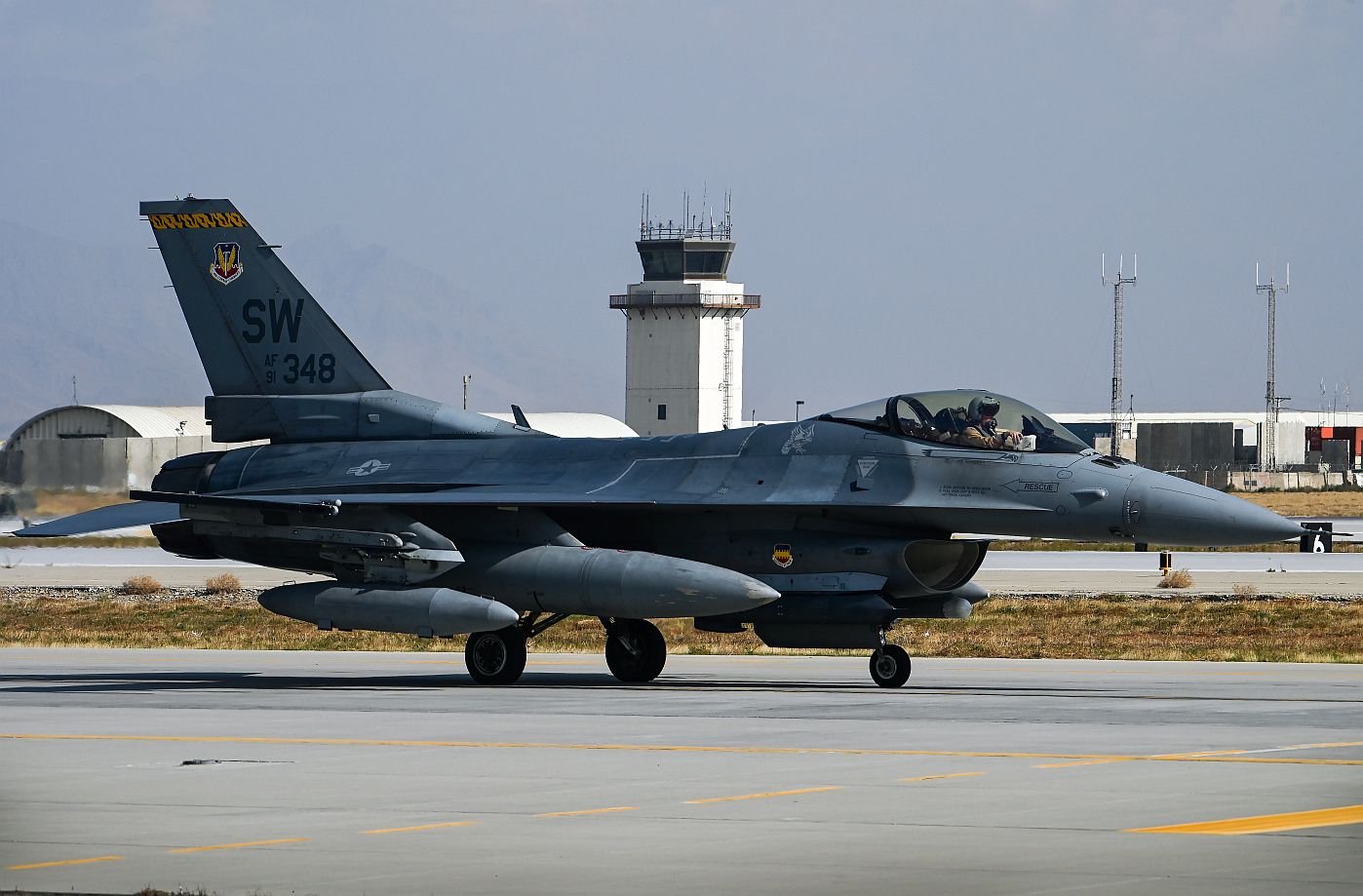
CORPUS CHRISTI, Texas (Oct. 25, 2019) A T-44C Pegasus aircraft assigned to Training Air Wing (TW) 4 sits on the flight line at Naval Air Station Corpus Christi. TW-4 conducts primary, intermediate, and advanced flight training for Navy, Marine Corps, and Coast Guard pilots. (U.S. Navy photo by Lt. Michelle Tucker/Released)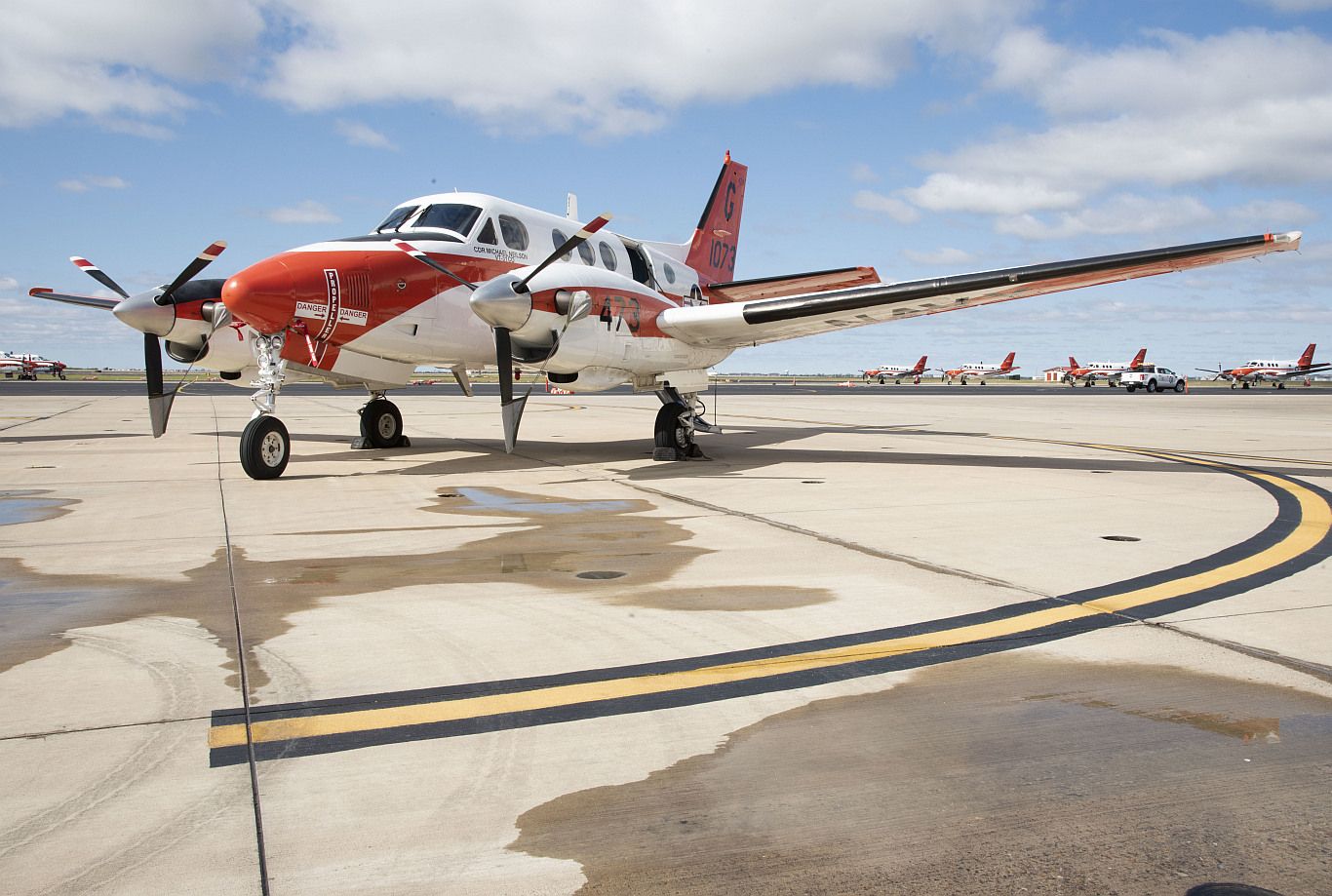
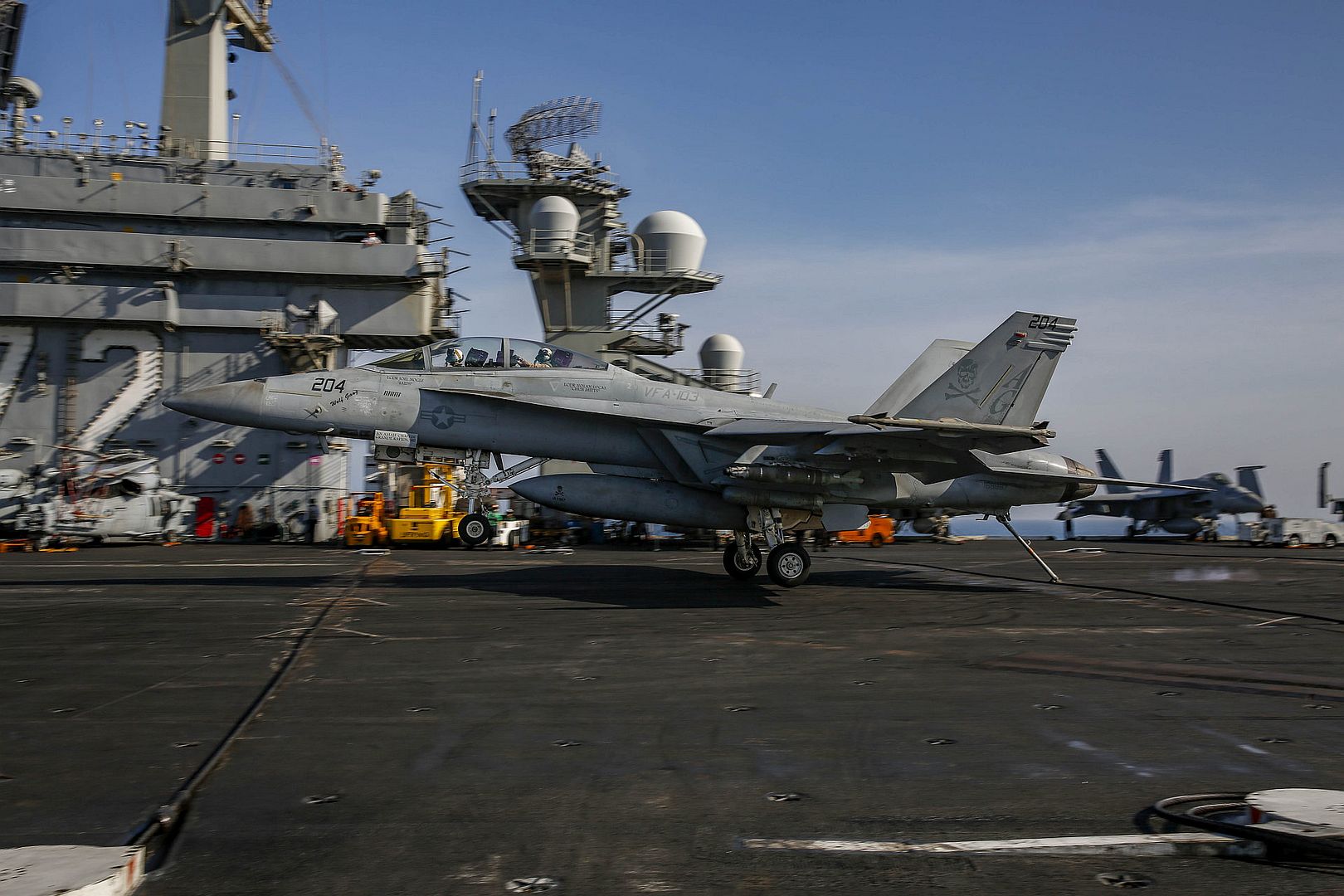
ARABIAN SEA (Oct. 21, 2019) An F/A-18F Super Hornet attached to the "Jolly Rogers" of Strike Fighter Squadron (VFA) 103 approaches the flight deck to make an arrested landing aboard the aircraft carrier USS Abraham Lincoln (CVN 72). The Abraham Lincoln Carrier Strike Group is deployed to the U.S. 5th Fleet area of operations in support of naval operations to ensure maritime stability and security in the Central Region, connecting the Mediterranean and the Pacific through the western Indian Ocean and three strategic choke points. With Abraham Lincoln as the flagship, deployed strike group assets include staffs, ships and aircraft of Carrier Strike Group (CSG) 12, Destroyer Squadron (DESRON) 2, the guided-missile cruiser USS Leyte Gulf (CG 55) and Carrier Air Wing (CVW) 7. (U.S. Navy photo by Mass Communication Specialist 3rd Class Jeremiah Bartelt/Released)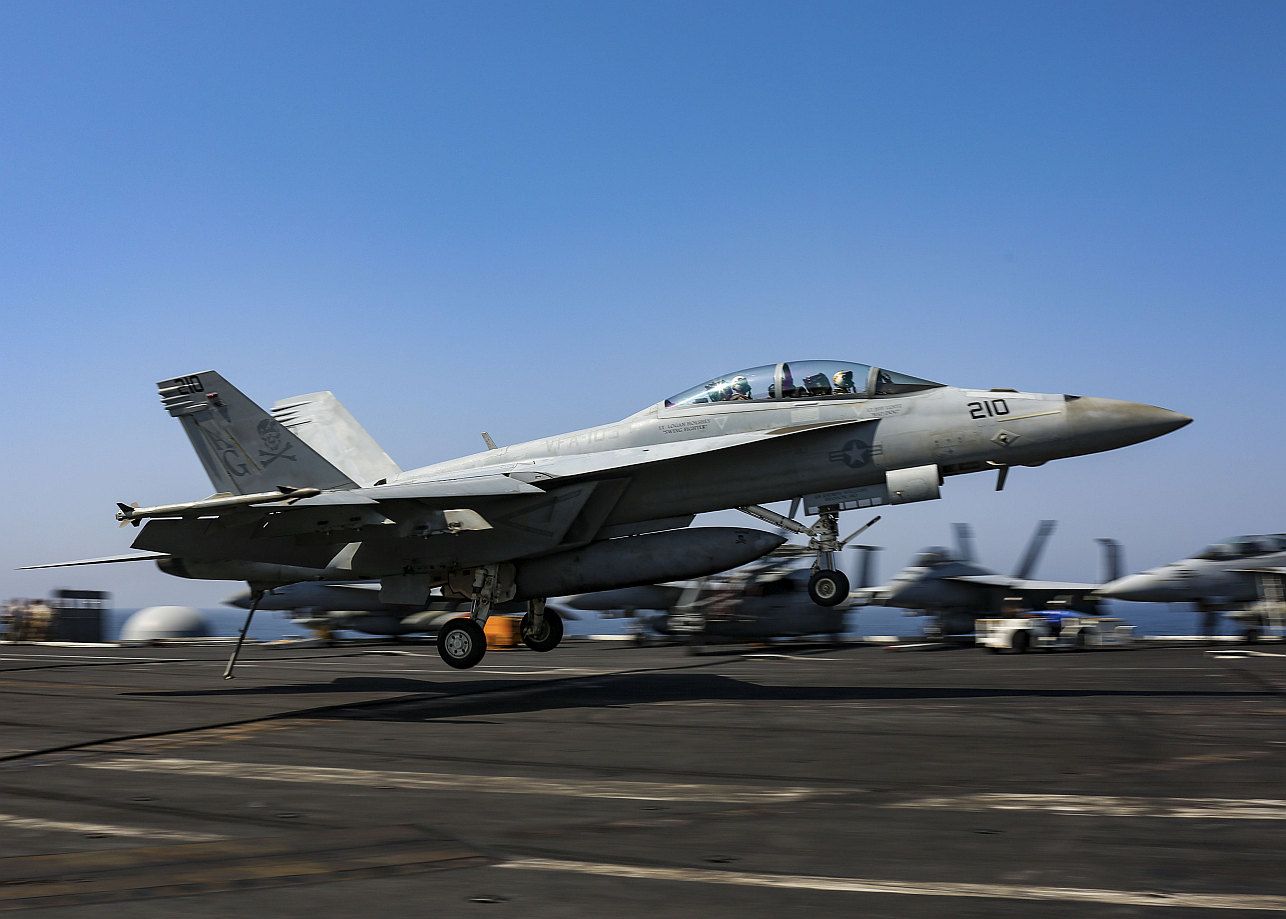
NEWPORT NEWS, Va. (Oct. 25, 2019) The aircraft carrier USS Gerald R. Ford (CVN 78) turns out to sea, Oct. 25, 2019. Gerald R. Ford departed Huntington Ingalls Industries-Newport News Shipbuilding and returned to sea for the first time since beginning its post-shakedown availability in July 2018 to conduct sea trials. (U.S. Navy photo by Mass Communication Specialist Seaman Cory J. Daut/Released)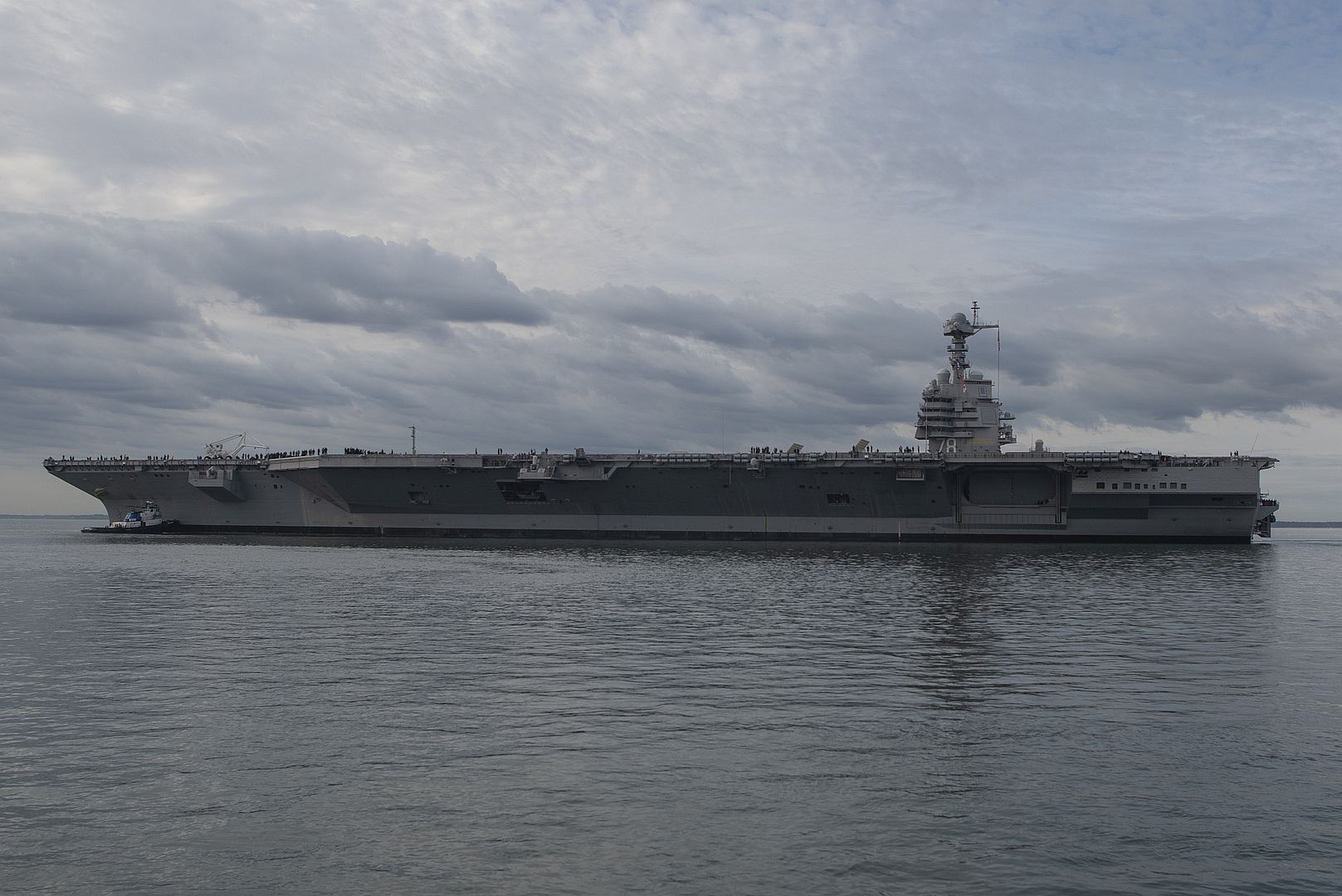
-
WASHINGTON (AFNS) --
The Air Force?s X-37B Orbital Test Vehicle Mission 5 successfully landed at NASA?s Kennedy Space Center Shuttle Landing Facility Oct. 27, 2019, at 3:51 a.m.
The spaceplane conducted on-orbit experiments for 780 days during its mission, recently breaking its own record by being in orbit for more than two years. As of today, the total number of days spent on-orbit for the entire test vehicle program is 2,865 days.
?The X-37B continues to demonstrate the importance of a reusable spaceplane,? said Secretary of the Air Force Barbara Barrett. ?Each successive mission advances our nation?s space capabilities.?
This is the Air Force?s premier reusable and unmanned spacecraft, providing the performance and flexibility to improve technologies in a way that allows scientists and engineers to recover experiments tested in a long-duration space environment.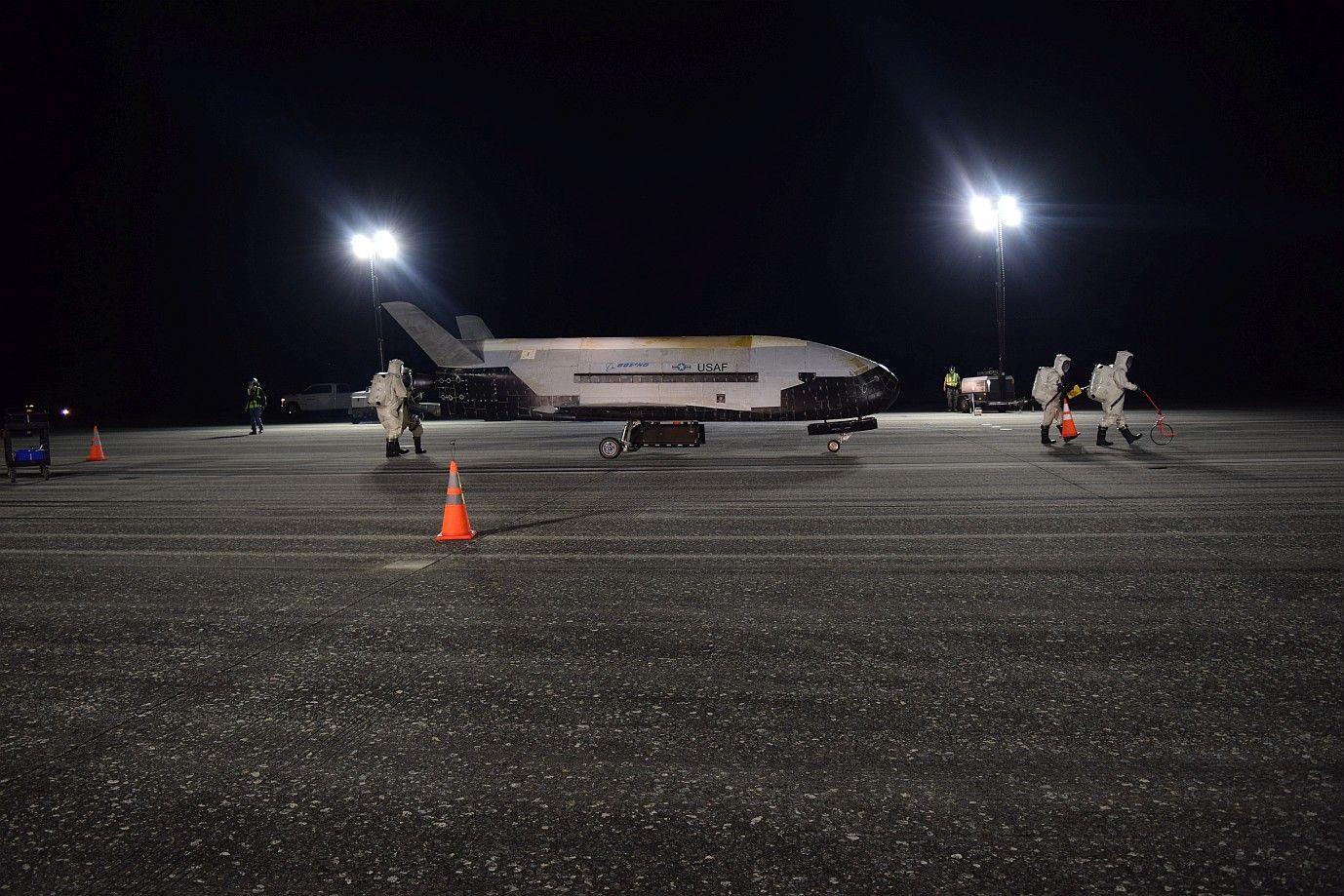
?The safe return of this spacecraft, after breaking its own endurance record, is the result of the innovative partnership between government and industry,? said Air Force Chief of Staff Gen. David L. Goldfein. ?The sky is no longer the limit for the Air Force and, if Congress approves, the U.S. Space Force.?
Managed by the Air Force Rapid Capabilities Office, the X-37B program performs risk reduction, experimentation and concept of operations development for reusable space vehicle technologies.
?This program continues to push the envelope as the world?s only reusable space vehicle. With a successful landing today, the X-37B completed its longest flight to date and successfully completed all mission objectives,? said Randy Walden, Air Force Rapid Capabilities Office director. ?This mission successfully hosted Air Force Research Laboratory experiments, among others, as well as providing a ride for small satellites.?
The distinctive ability to test new systems in space and return them to Earth is unique to the X-37B program and enables the U.S. to more efficiently and effectively develop space capabilities necessary to maintain superiority in the space domain.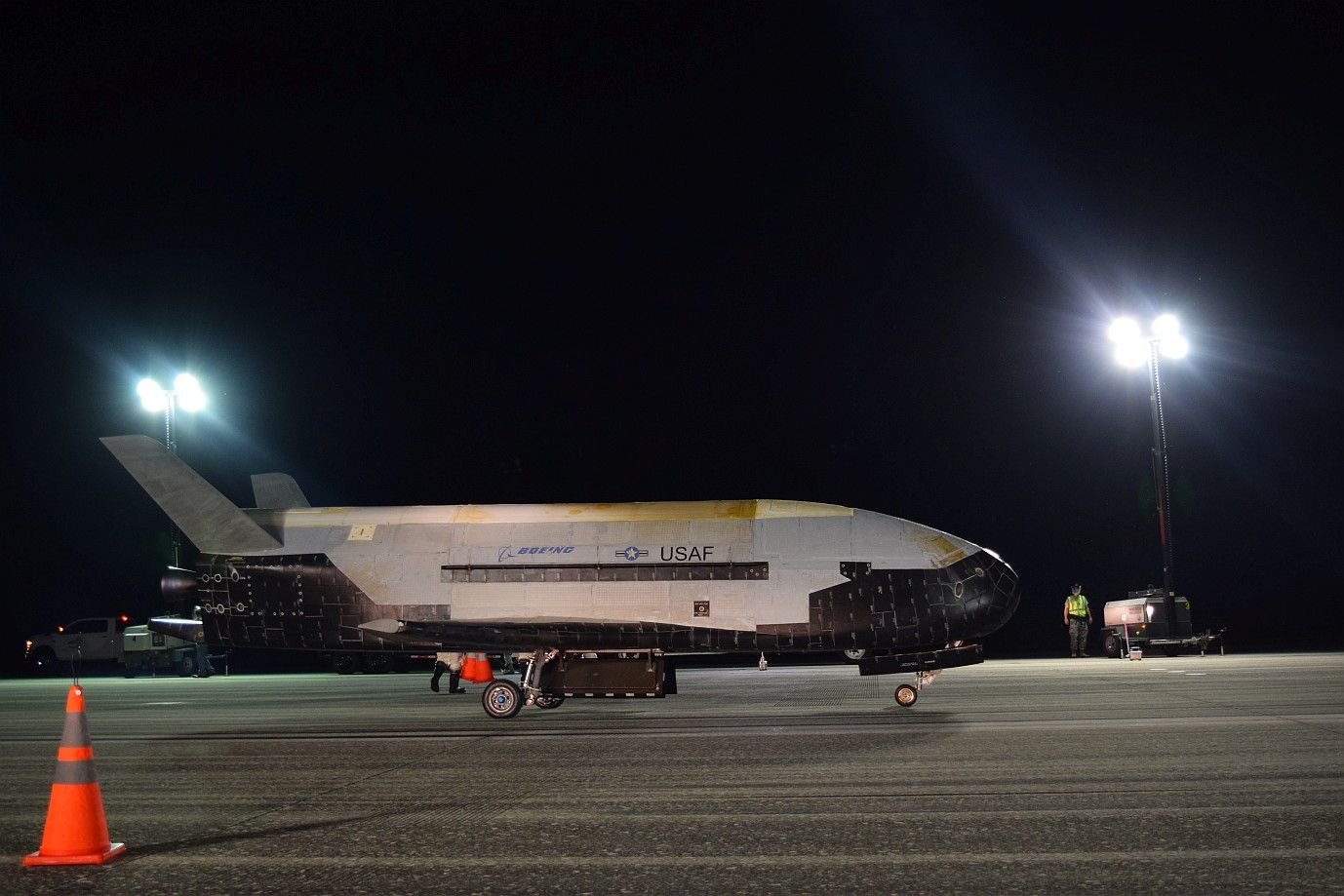
?This spacecraft is a key component of the space community. This milestone demonstrates our commitment to conducting experiments for America?s future space exploration,? said Lt. Col. Jonathan Keen, X-37B program manager. ?Congratulations to the X-37B team for a job well done.?
This will be the second time the X-37B landed at the Kennedy Space Center Shuttle Landing Facility ? Mission 4 landed after 718 days in orbit. The spaceplane was designed for an on-orbit duration of 270 days.
?Today marks an incredibly exciting day for the 45th Space Wing,? said Brig. Gen. Doug Schiess, 45th Space Wing commander. ?Our team has been preparing for this event, and I am extremely proud to see their hard work and dedication culminate in today?s safe and successful landing of the X-37B.?
The fifth mission launched on Sept. 7, 2017, from Cape Canaveral Air Force Station, Florida, on-board a Space X Falcon 9 booster, and the Air Force is preparing to launch the sixth X-37B mission from CCAFS in 2020.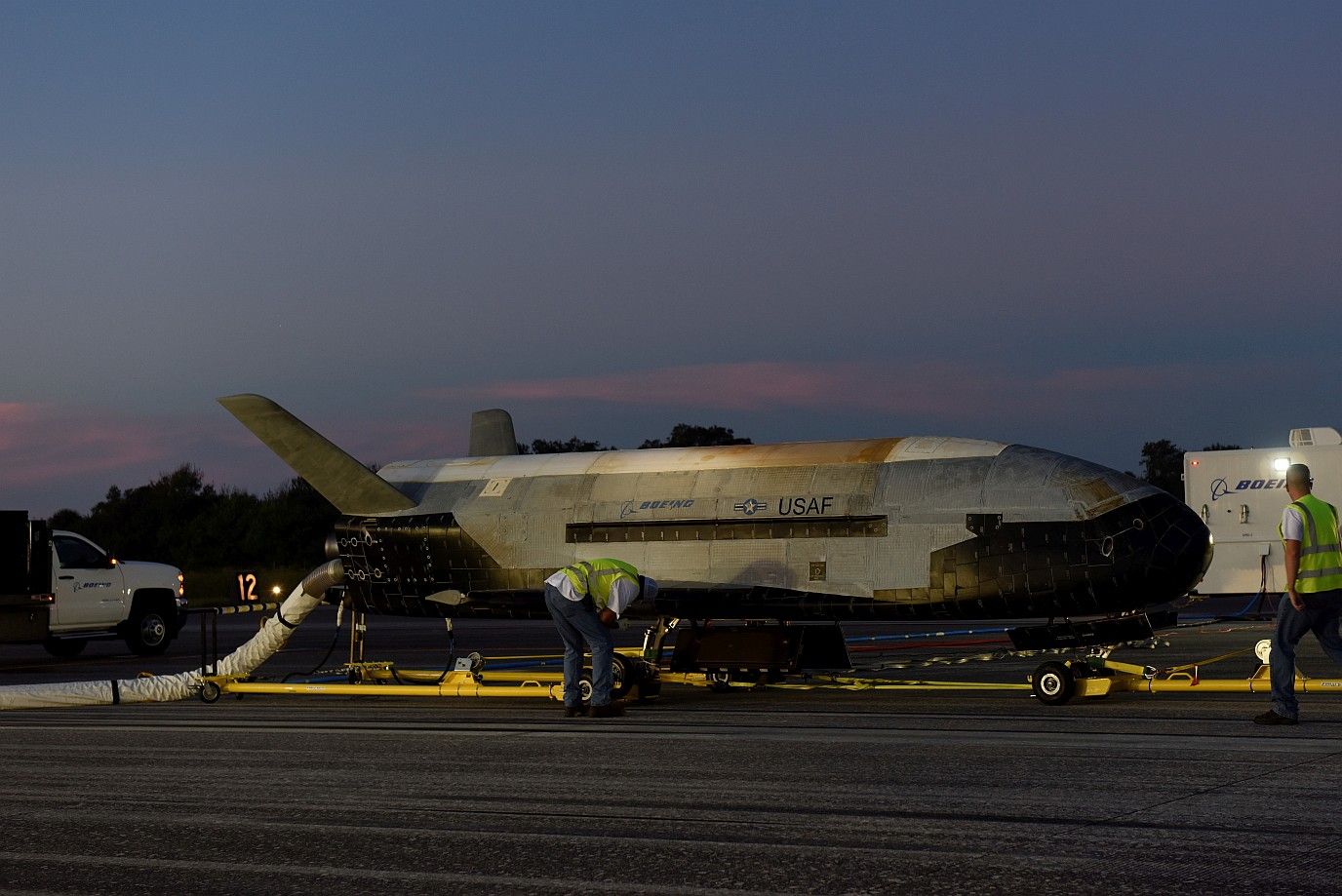
A U.S. F-15C Eagle assigned to the 493rd Fighter Squadron conducts aerial operations in support of the Spanish-led air-to-air combat training exercise, OCEAN SKY 19 at Gando Air Base, Gran Canaria Island, Spain, Oct. 28, 2019. Exercises like OCEAN SKY remain a symbol of the shared commitment between Spain, the U.S. and NATO to maintaining the continued security of Europe. (U.S. Air Force photo/ Tech. Sgt. Matthew Plew)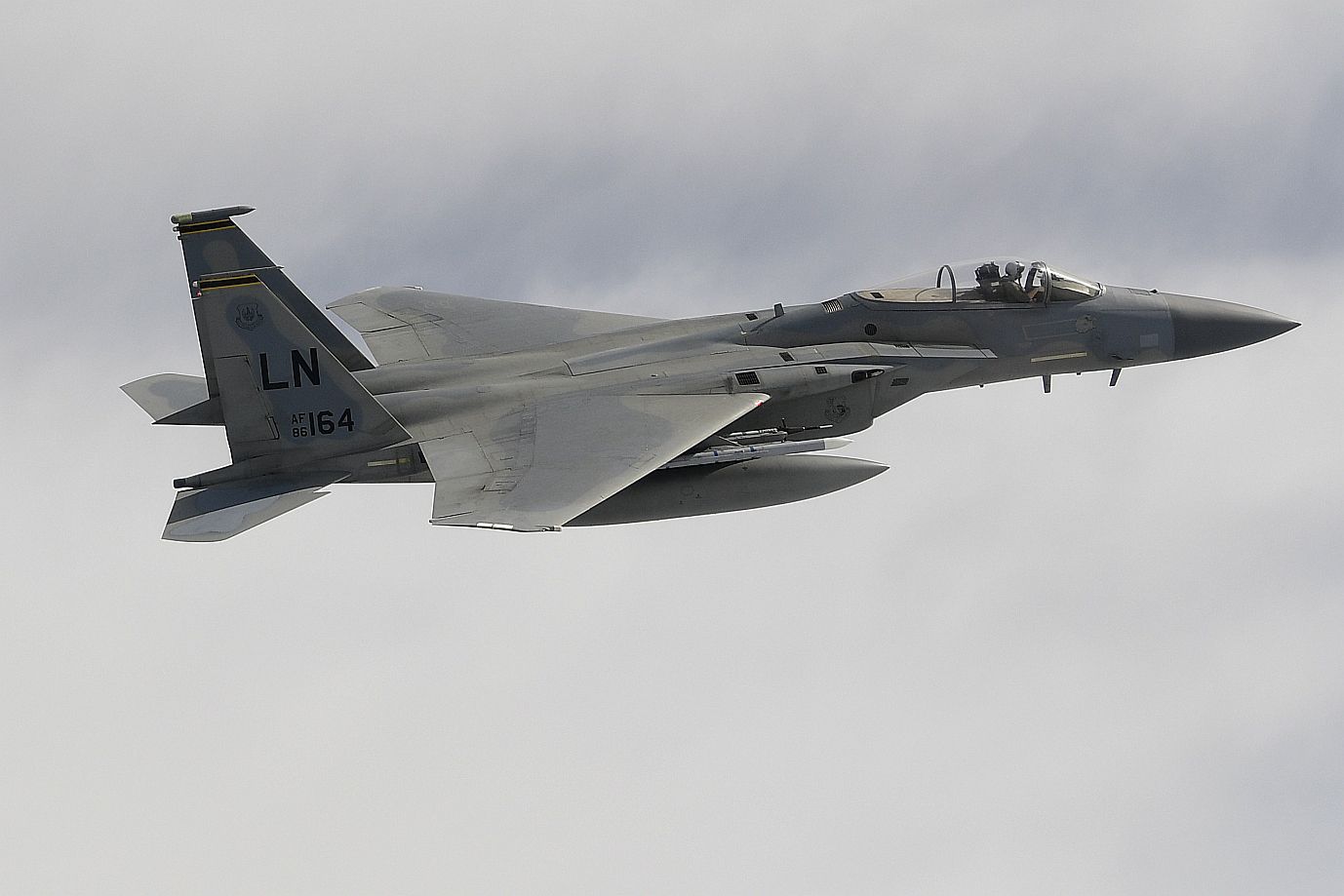
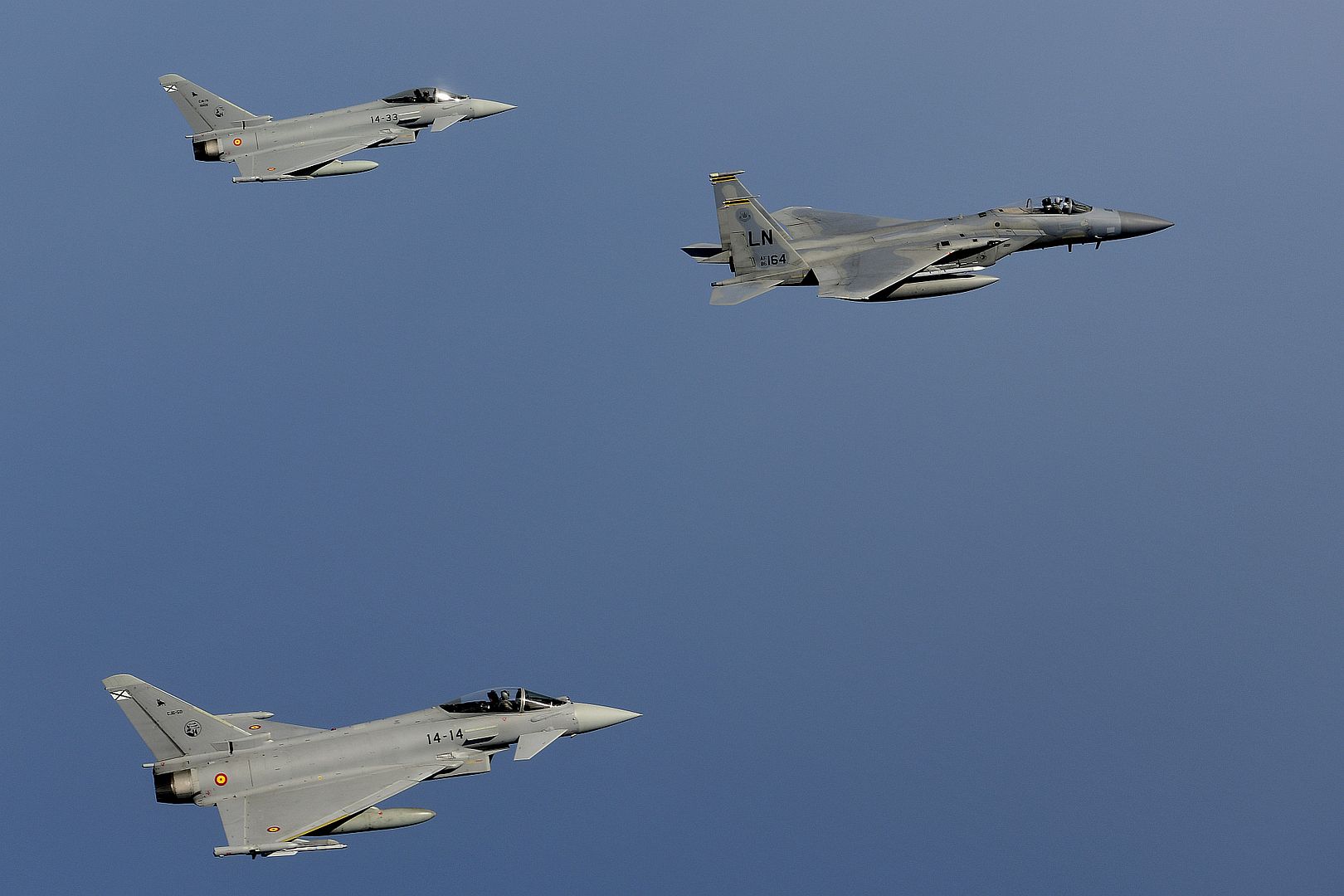
A U.S. F-15C Eagle assigned to the 493rd Fighter Squadron and Spanish air force Eurofighter Typhoons conduct aerial operations in support of the Spanish-led air-to-air combat training exercise, OCEAN SKY 19 at Gando Air Base, Gran Canaria Island, Spain, Oct. 28, 2019. Exercises like OCEAN SKY remain a symbol of the shared commitment between Spain, the U.S. and NATO to maintaining the continued security of Europe. (U.S. Air Force photo's/ Tech. Sgt. Matthew Plew)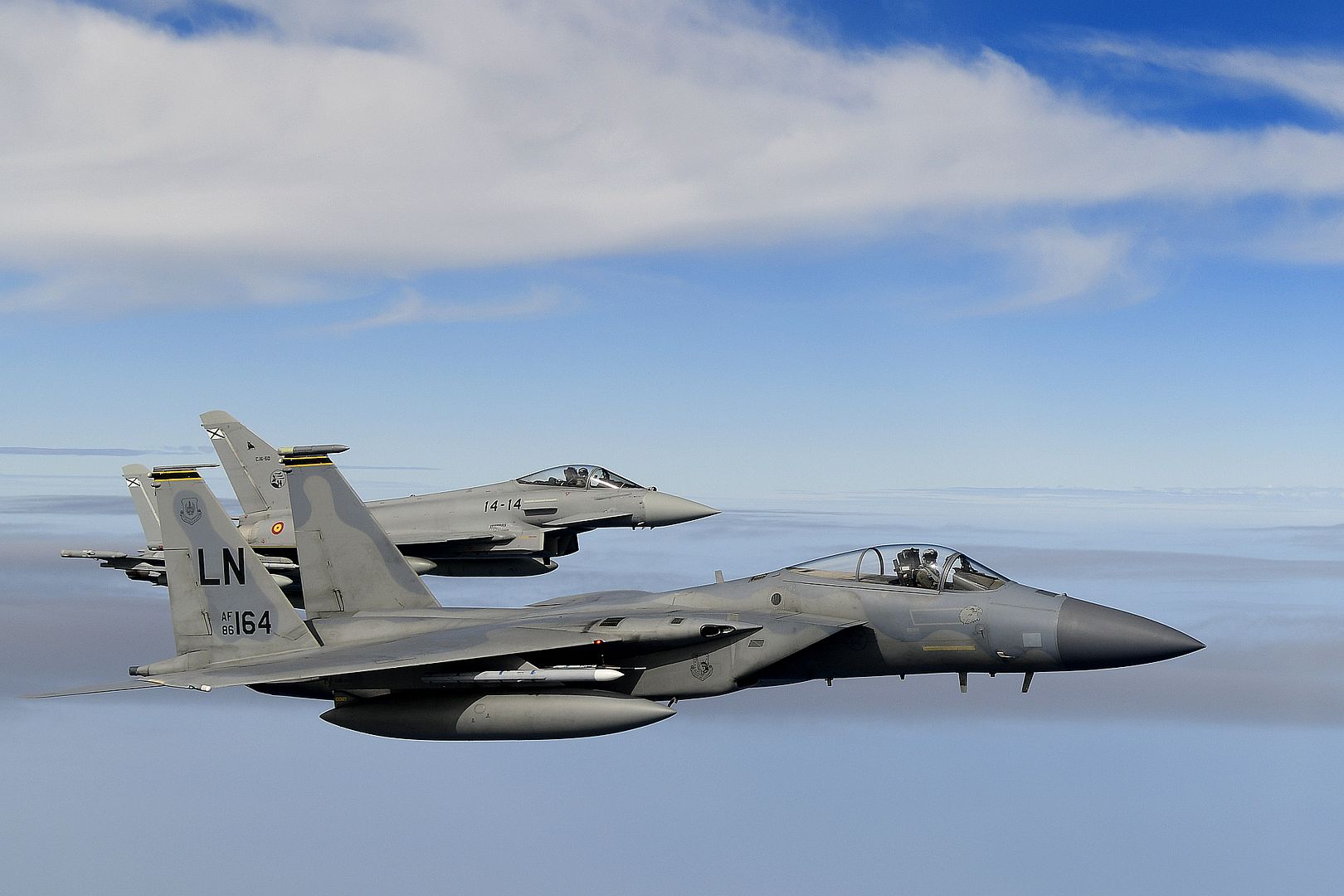
ATLANTIC OCEAN (Oct. 27, 2019) The aircraft carrier USS Gerald R. Ford (CVN 78) steams in the Atlantic Ocean, Oct. 27, 2019, for the first time since July 2018. Gerald R. Ford is conducting sea trials following its 15 month post-shakedown availability. (U.S. Navy photo by Mass Communication Specialist 3rd Class Connor Loessin/Released)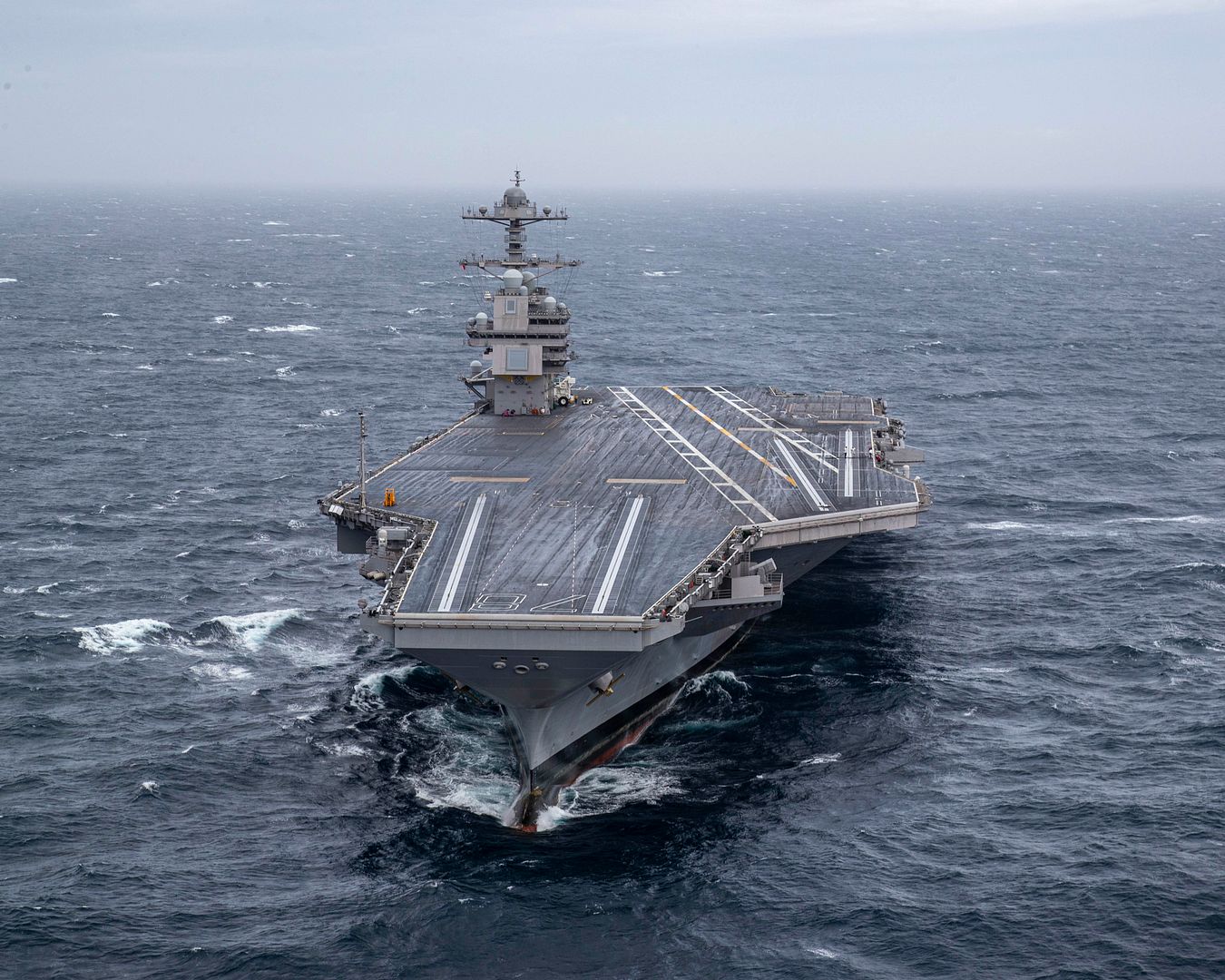
RAF Typhoon fighter jets based at RAF Coningsby have exercised with visiting US B-52 bombers for the second time this year.
The RAF aircraft carried out a practice intercept, giving both the RAF and USAF aircrew the opportunity to exercise with each other.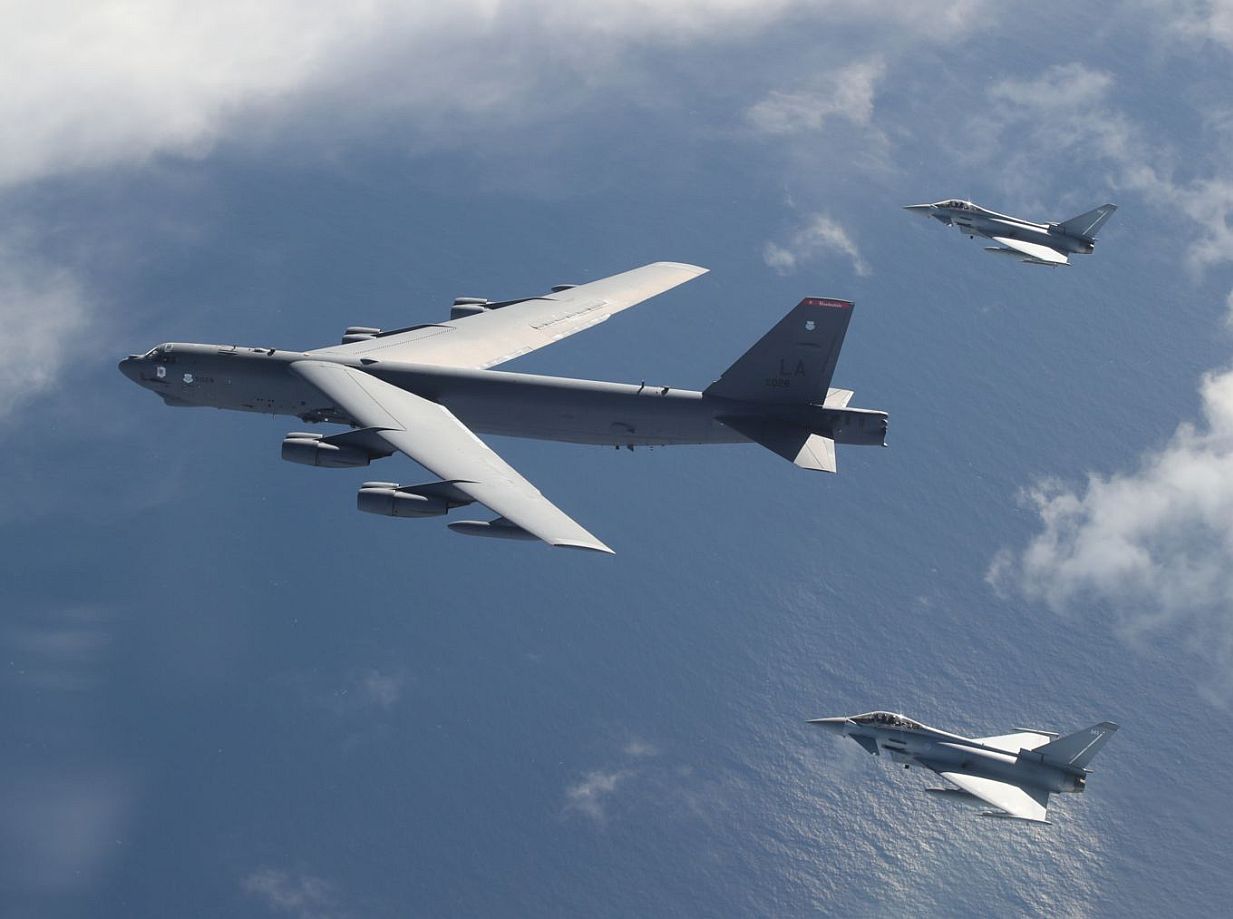
Air Officer Commanding 11 Group, Air Vice-Marshal Ian Duguid, said: ?We have a longstanding and rewarding partnership with the United States Air Force having worked successfully together on operations and exercises and as part of NATO. That success is built on mutual respect and cooperation?.
He added: ?The RAF is involved in operations with partners around the world and our commitment to the NATO alliance remains as steadfast as ever.?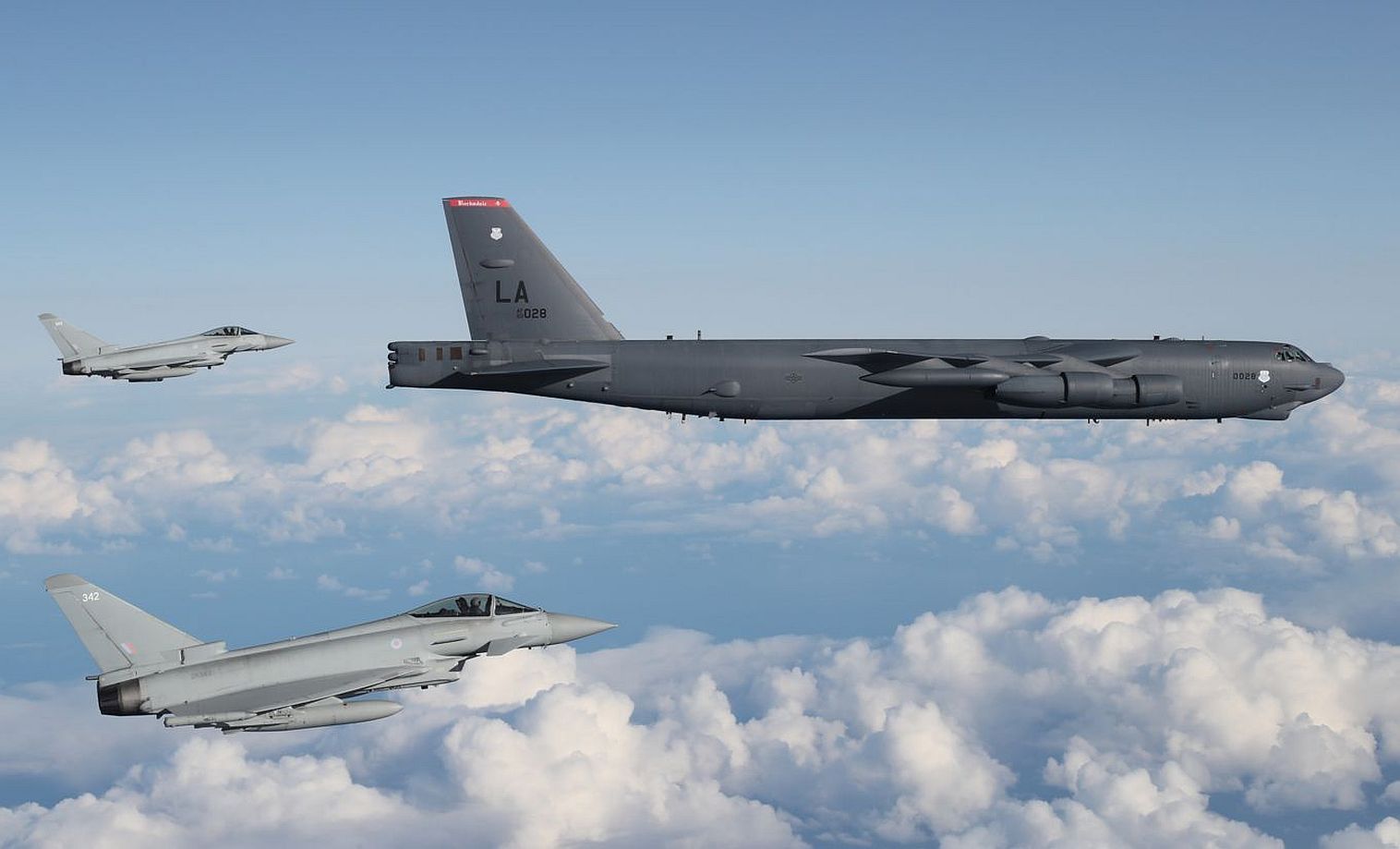
This training exercise with the B-52 is the latest in a series of air integration training opportunities that have seen RAF and USAF aircraft operating together training to fly missions in a hostile air environment and marks a shift away from the counter-insurgency operations that have been conducted in recent years.
The Typhoons from RAF Coningsby carry out a range of duties including Quick Reaction Alert interceptions of foreign or suspicious aircraft entering UK airspace. The aircraft have also recently returned from Estonia where they conducted the NATO Baltic Air Policing mission.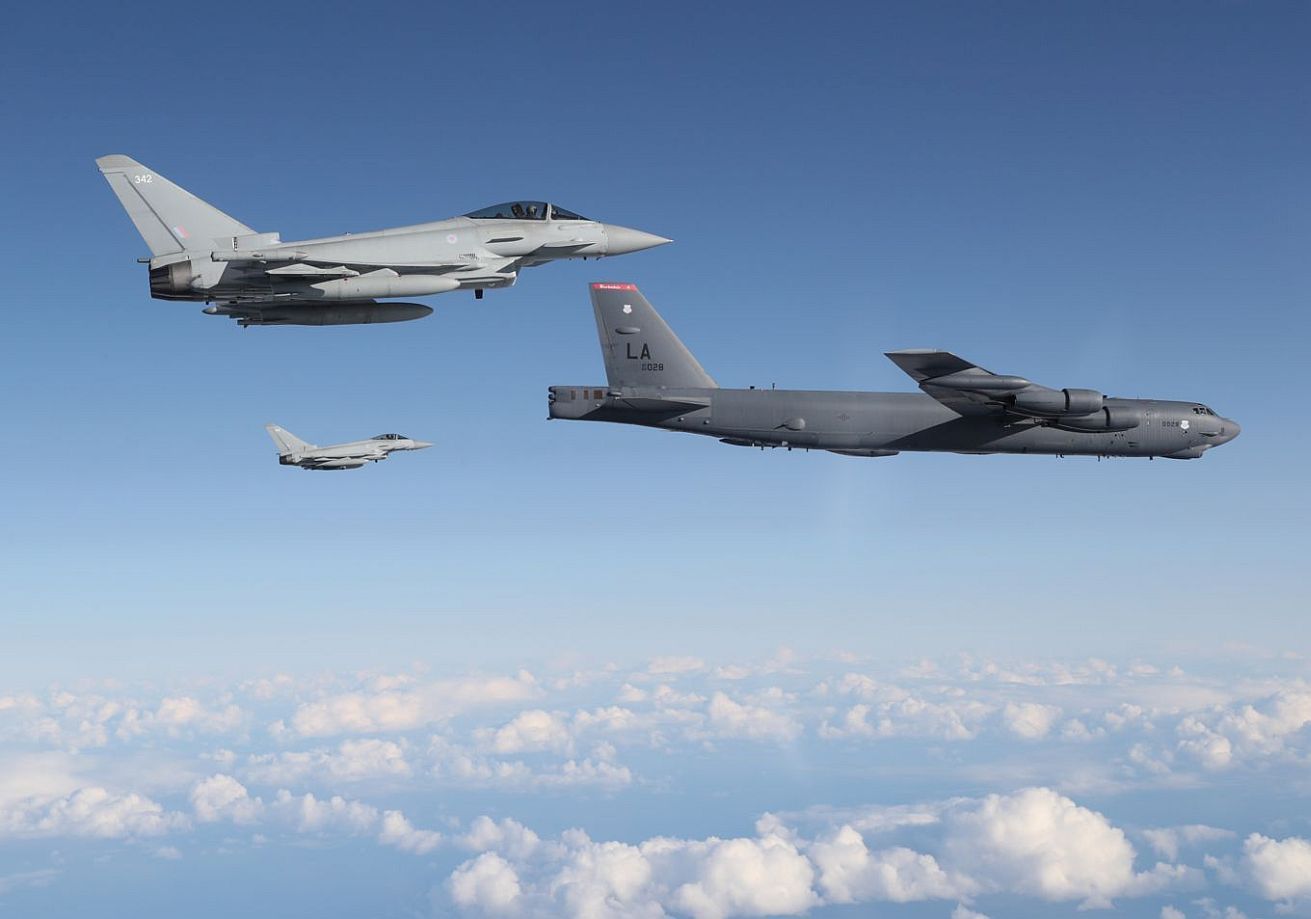
Baltic Air Policing is a peacetime collective defence mission that safeguards the integrity of NATO Alliance members? airspace. It is the visible augmentation of our Eastern allies? airpower capability and highlights the UK?s commitment to NATO?s capability, vigilance and interoperability.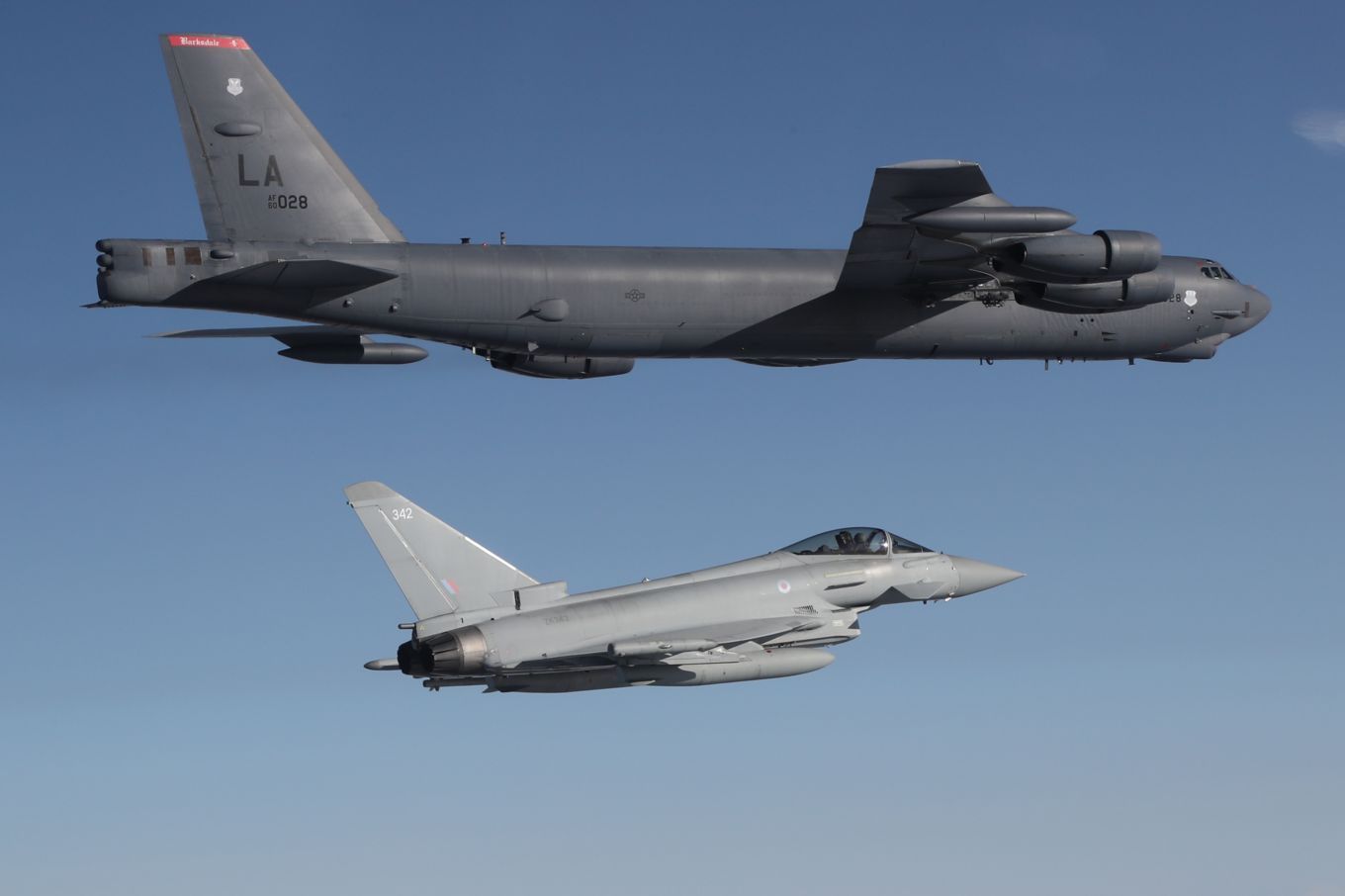
The Typhoon Force is also committed to operations in the Middle East, deployed to the Falklands and will soon be conducting Air Policing tasks from Iceland; the RAF?s first operational deployment to Iceland since the Second World War.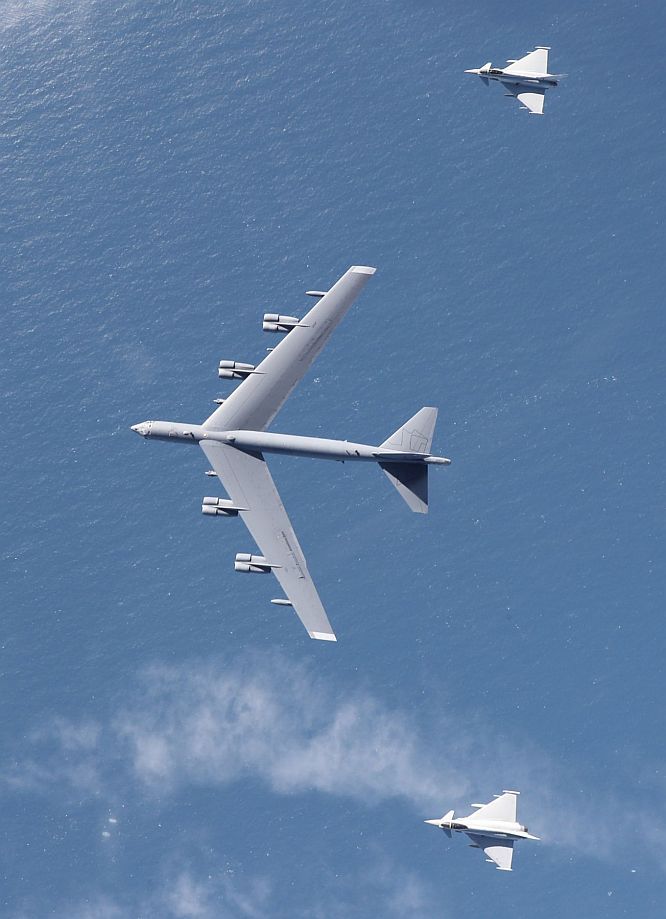
-
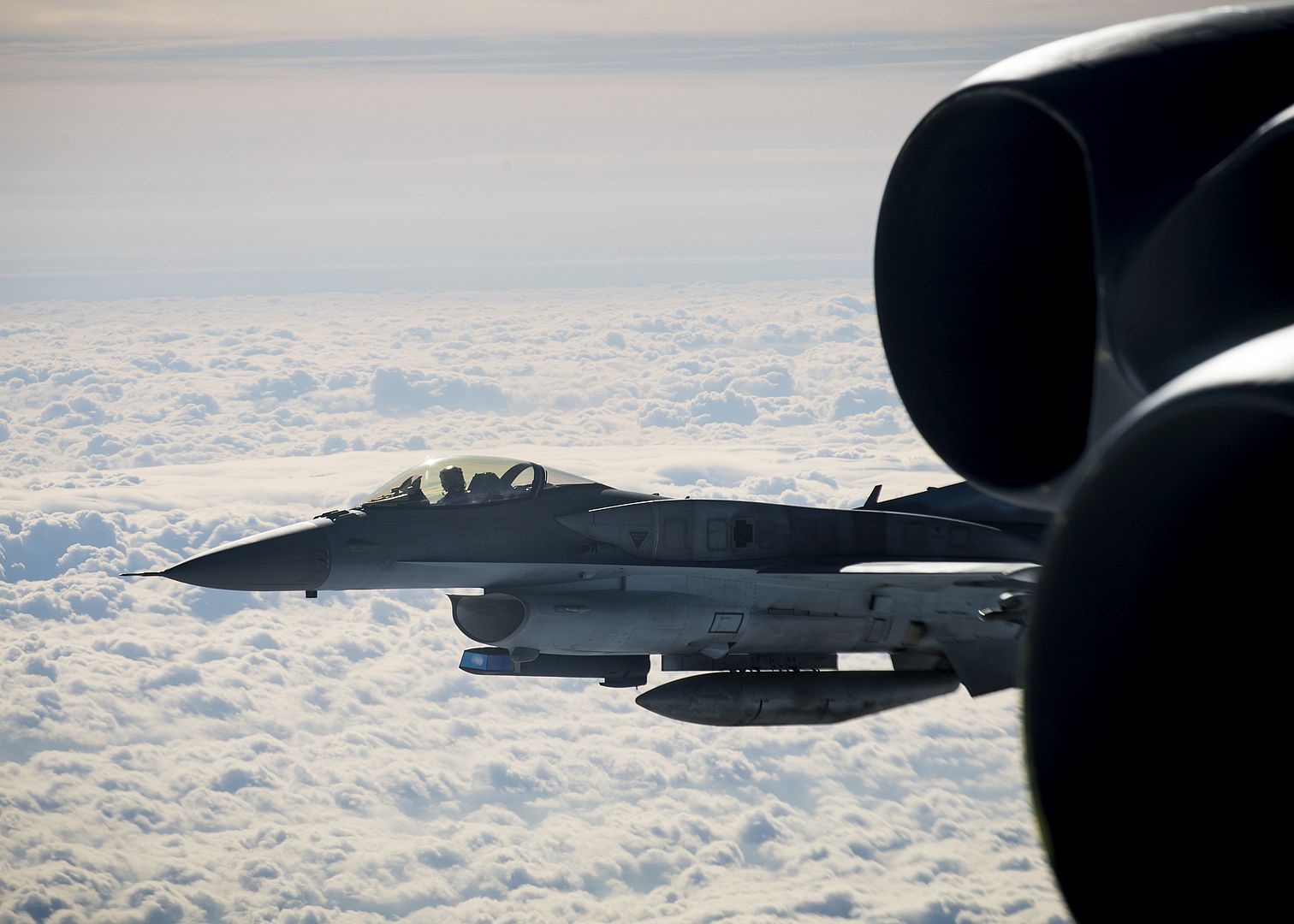
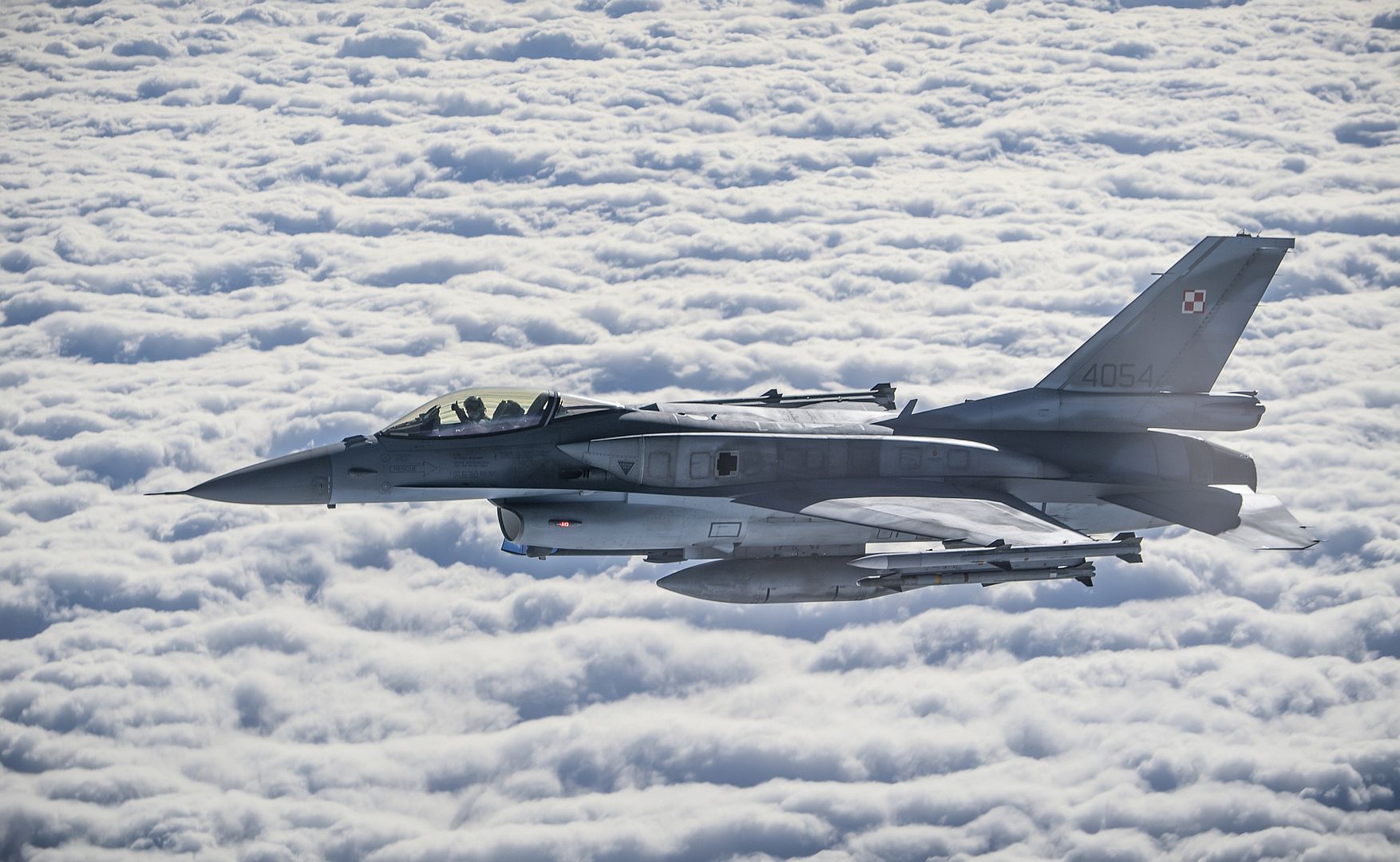
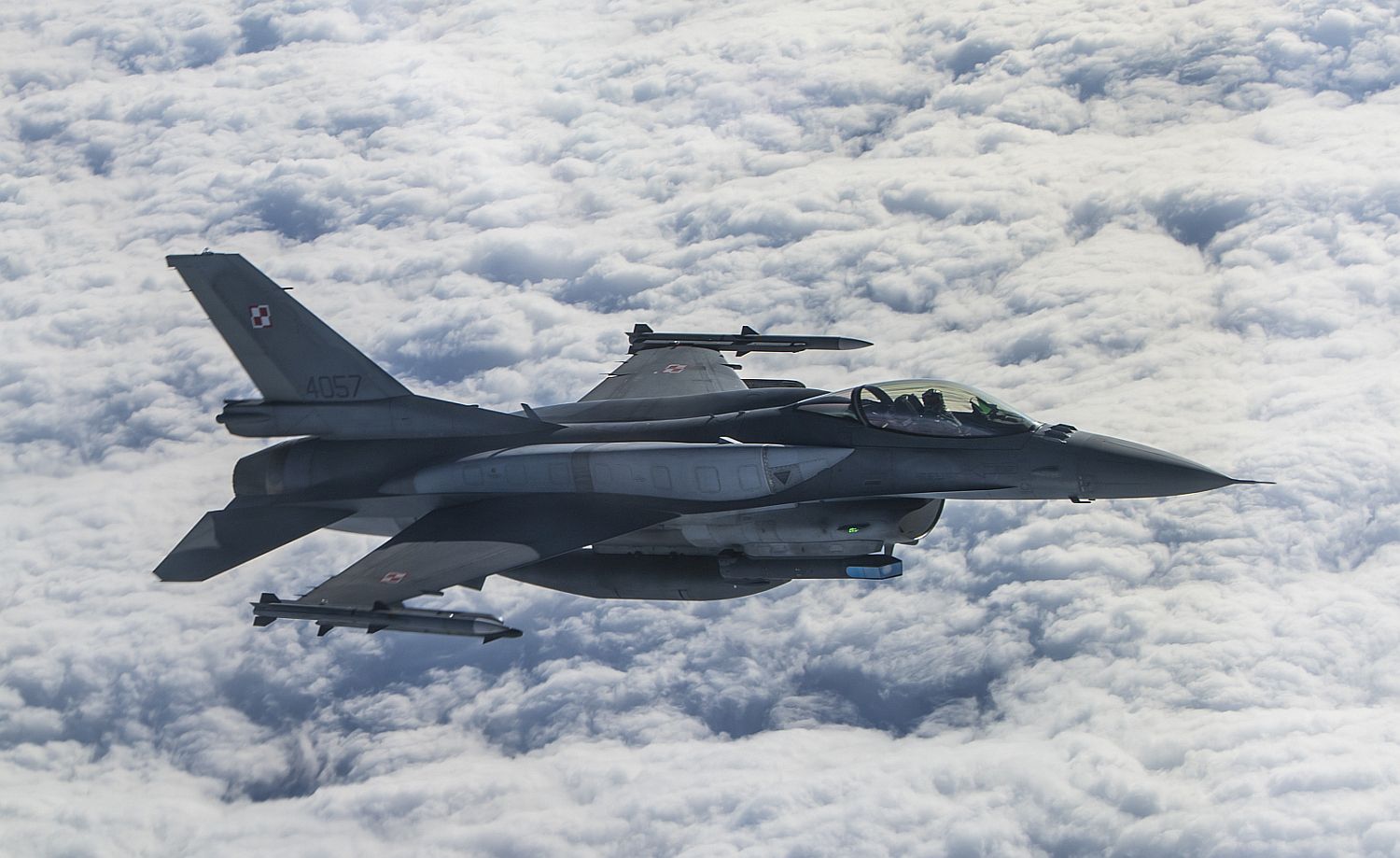
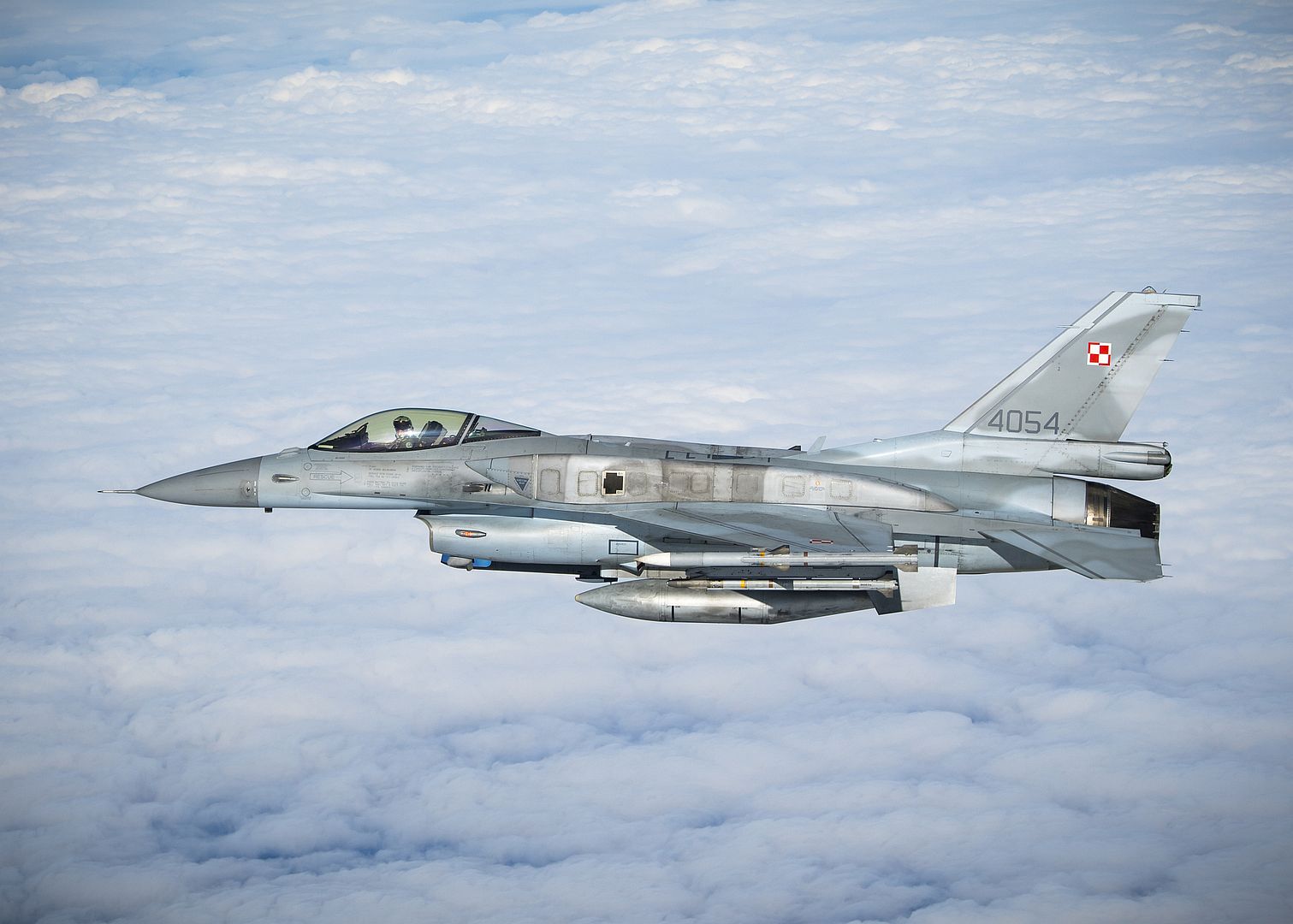
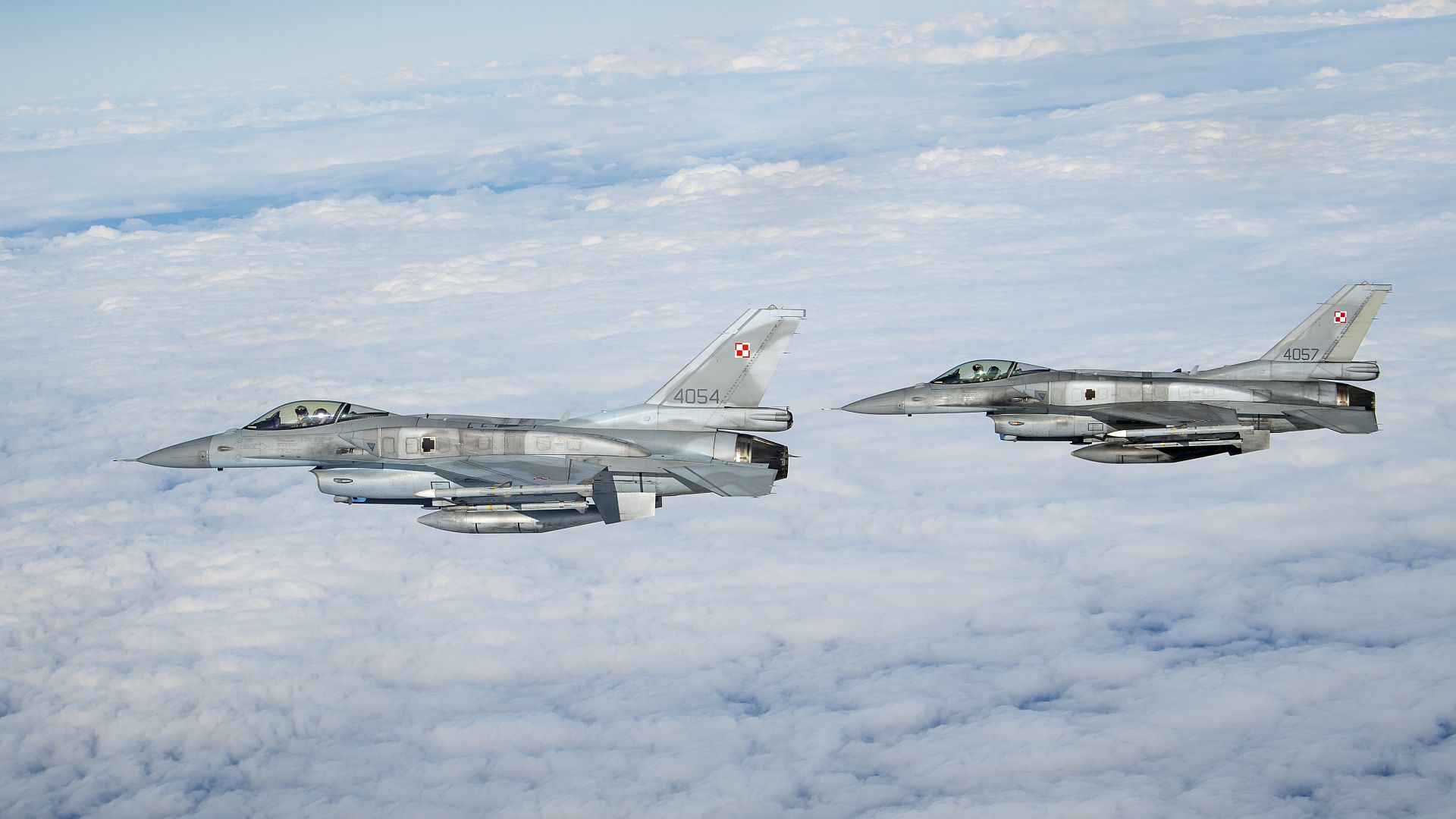
Two Polish Air Force F-16C Fighting Falcons engage in a planned intercept of a U.S. Air Force B-52H Stratofortress during Bomber Task Force Europe 20-1, Oct. 28, 2019, over the Poland. This deployment allows aircrews and support personnel to conduct theater integration and to improve bomber interoperability with joint partners and allied nations. (U.S. Air Force photo's by Airman 1st Class Duncan C. Bevan)
A U.S. Air Force B-2 Spirit assigned to the 509th Bomb Wing from Whiteman Air Force Base, Missouri, receives fuel from a 100th Air Refueling Wing KC-135 Stratotanker during Global Thunder 20, Oct. 28, 2019. Global Thunder is an annual command and control exercise that provides training opportunities for all of U.S. Strategic Command?s mission areas, tests joint and field training operations, and has a specific focus on nuclear readiness. (U.S. Air Force photo by Staff Sgt. Trevor T. McBride)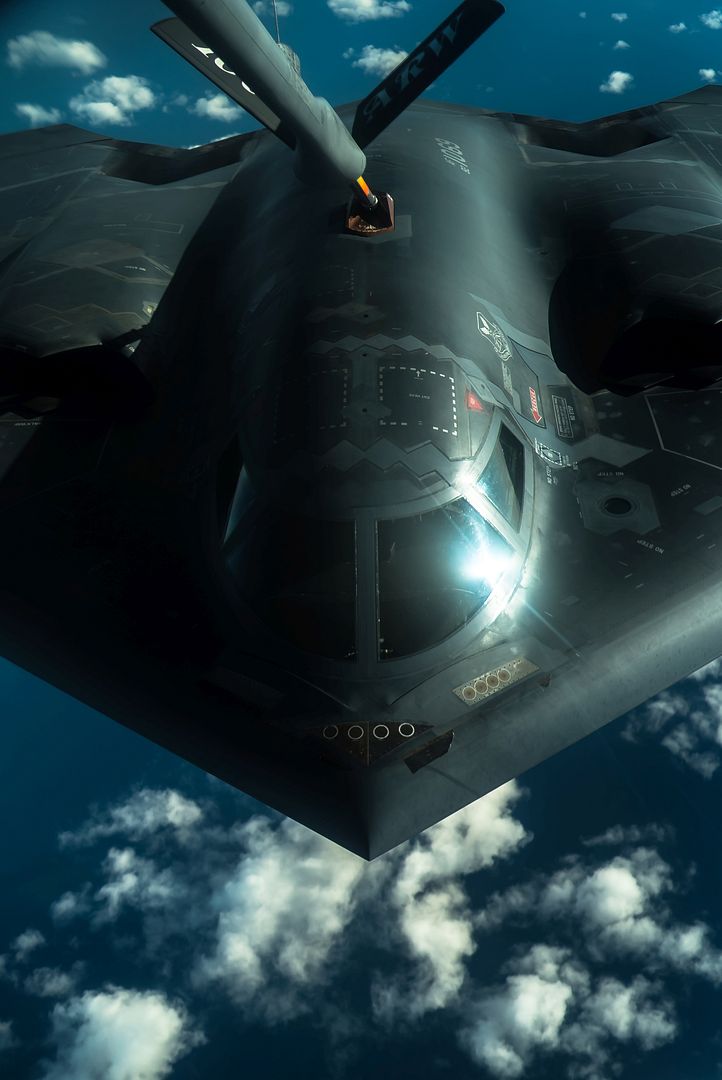
A F-22 Raptor flies alongside a P-51 Mustang during the Sheppard Air Force Base Open House and Air Show at Sheppard AFB, Texas, Oct. 28, 2019. The Air Force Heritage Flight Foundation celebrates U.S. air power history and serves as a living memorial to those who have served in the U.S. Air Force by providing 40-60 annual Heritage Flight demonstrations around the world. (U.S. Air Force photo by Airman 1st Class Pedro Tenorio)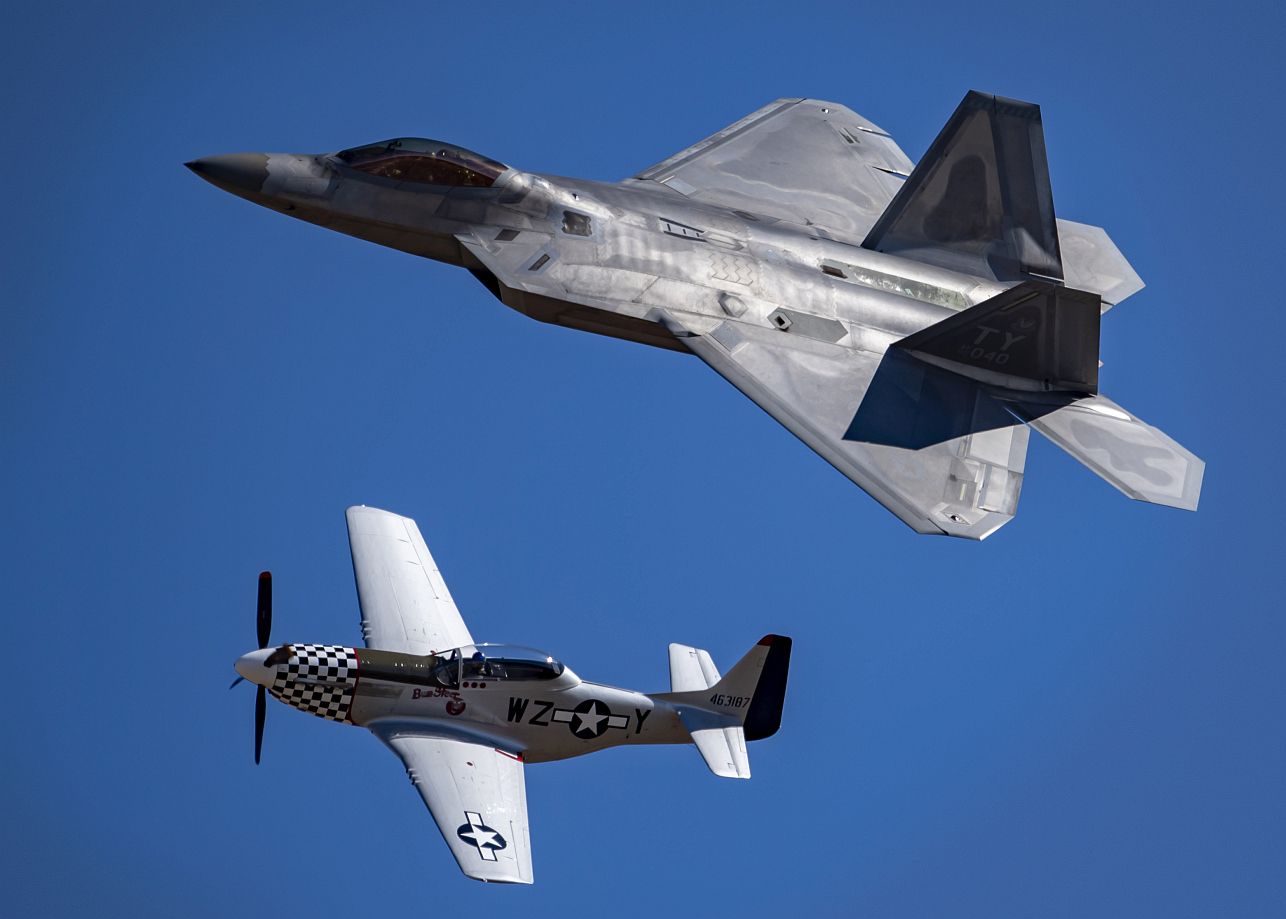
Doc's B-29 Superfortress performs at the Sheppard Air Force Base Guardians of Freedom Open House and Air Show at Sheppard AFB, Texas, Oct. 26, 2019. Doc is one of the 1,644 B-29s manufactured in Wichita during World War II. Over the past 15-plus years, hundreds of volunteers have worked on Doc and the restoration project. (U.S. Air Force photo by Airman 1st Class Pedro Tenorio)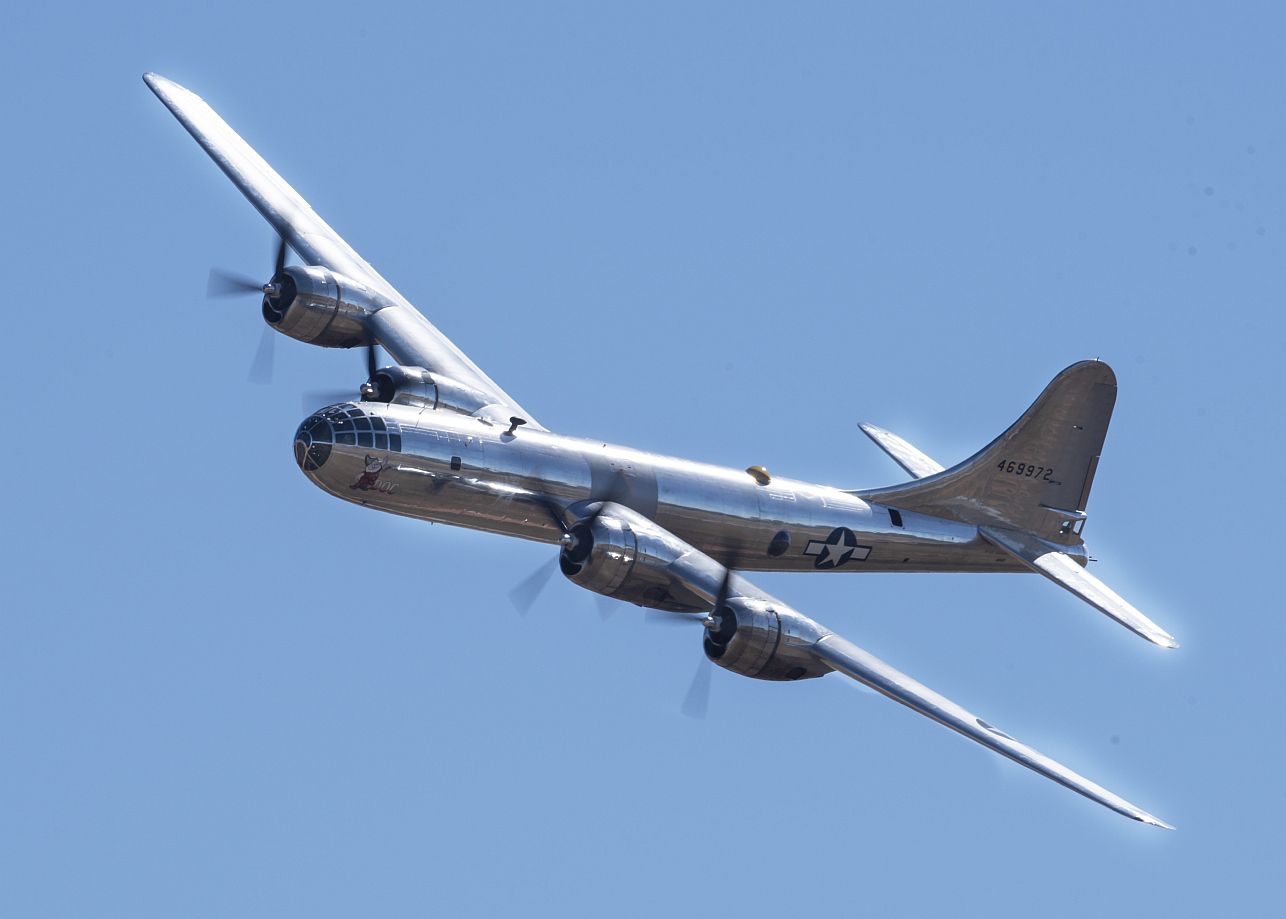
A B-2 Spirit Stealth Bomber, assigned to the 509th Bomb Wing, Whiteman Air Force Base, Missouri, sits on the flight line, Oct 24, 2019. Routine training prepares Airmen to execute global strike missions anytime, anywhere. (U.S. Air Force photo by Senior Airman Thomas Barley)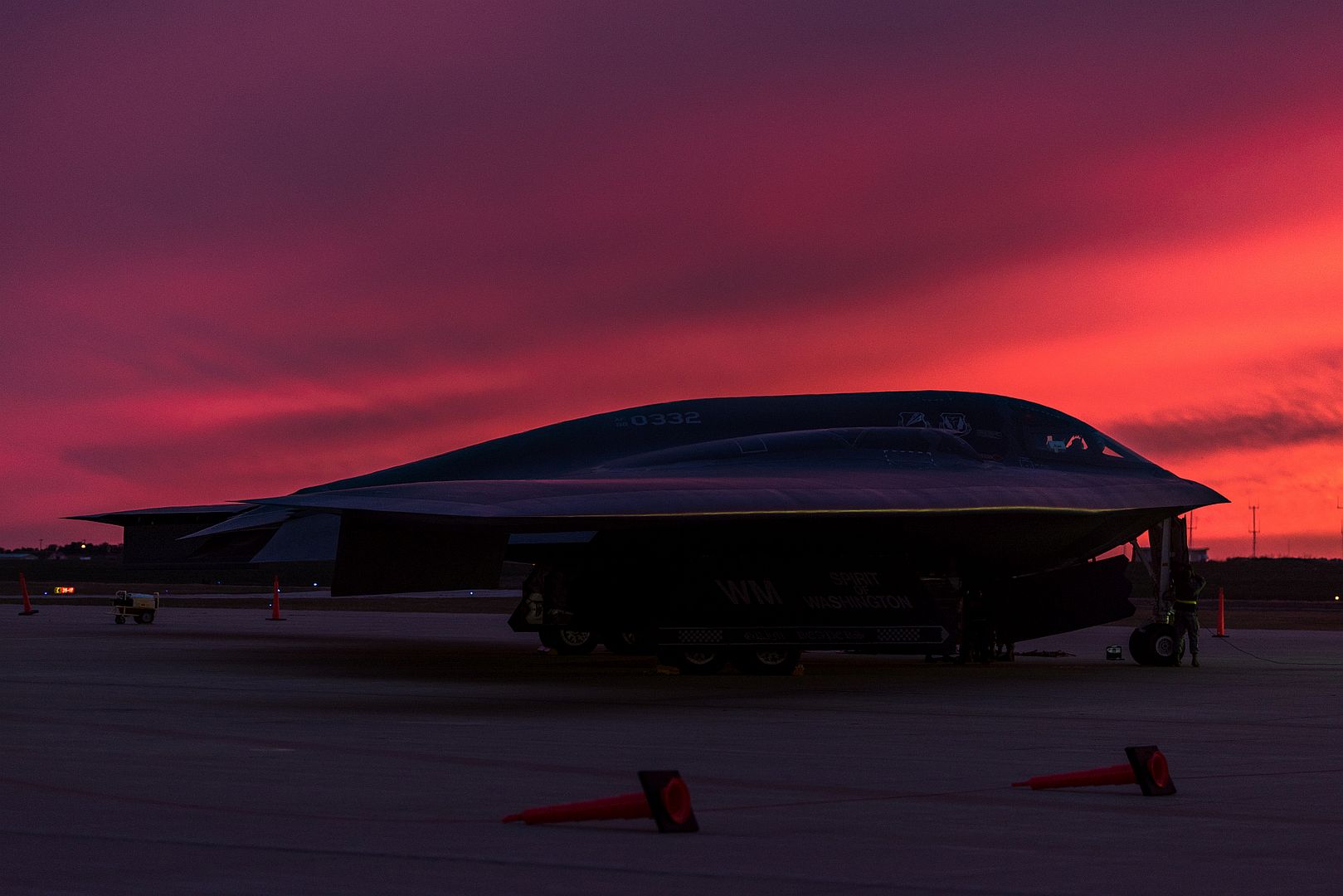
A Republic of Korea Air Force F-16D Falcon flies during a training exercise Oct. 8, 2019. The Fighting Falcon's key features include a frameless bubble canopy for better visibility, side-mounted control stick to ease control while maneuvering, an ejection seat reclined 30 degrees from vertical to reduce the effect of g-forces on the pilot, and the first use of a relaxed static stability/fly-by-wire flight control system which helps to make it an agile aircraft. The ROKAF has flown the F-16D since 1989. (U.S. Air Force photo by Senior Airman Matthew Seefeldt)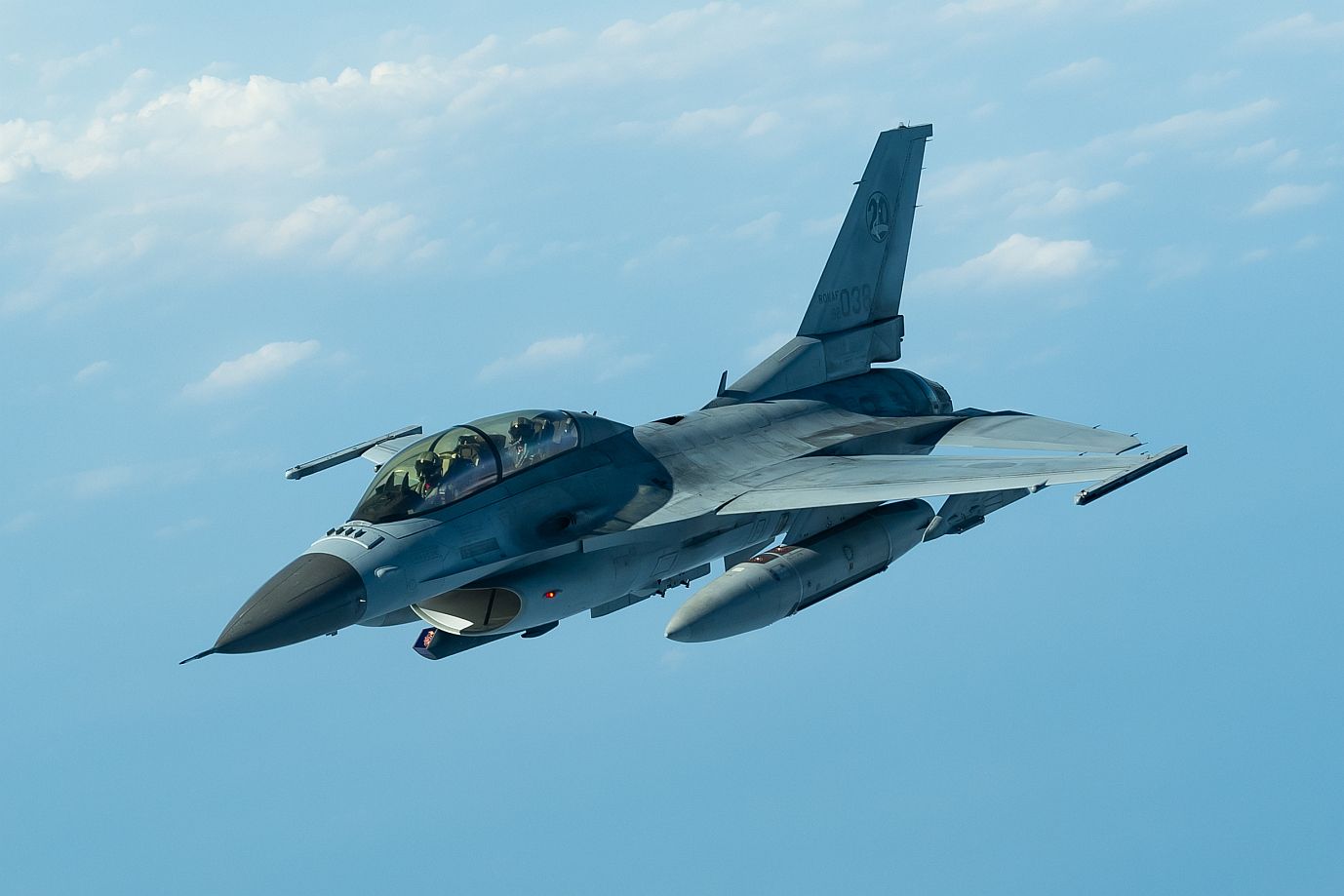
ARABIAN SEA (Oct. 24, 2019)
F/A-18F Super Hornet's attached to the Jolly Rogers of Strike Fighter Squadron (VFA) 103 make an arrested landing on the flight deck aboard the aircraft carrier USS Abraham Lincoln (CVN 72). The Abraham Lincoln Carrier Strike Group is deployed to the U.S. 5th Fleet area of operations in support of naval operations to ensure maritime stability and security in the Central Region, connecting the Mediterranean and the Pacific through the western Indian Ocean and three strategic choke points. With Abraham Lincoln as the flagship, deployed strike group assets include staffs, ships and aircraft of Carrier Strike Group (CSG) 12, Destroyer Squadron (DESRON) 2, the guided-missile cruiser USS Leyte Gulf (CG 55) and Carrier Air Wing (CVW) 7. U.S. Navy photo's by Mass Communication Specialist 3rd Class Michael Singley (Released)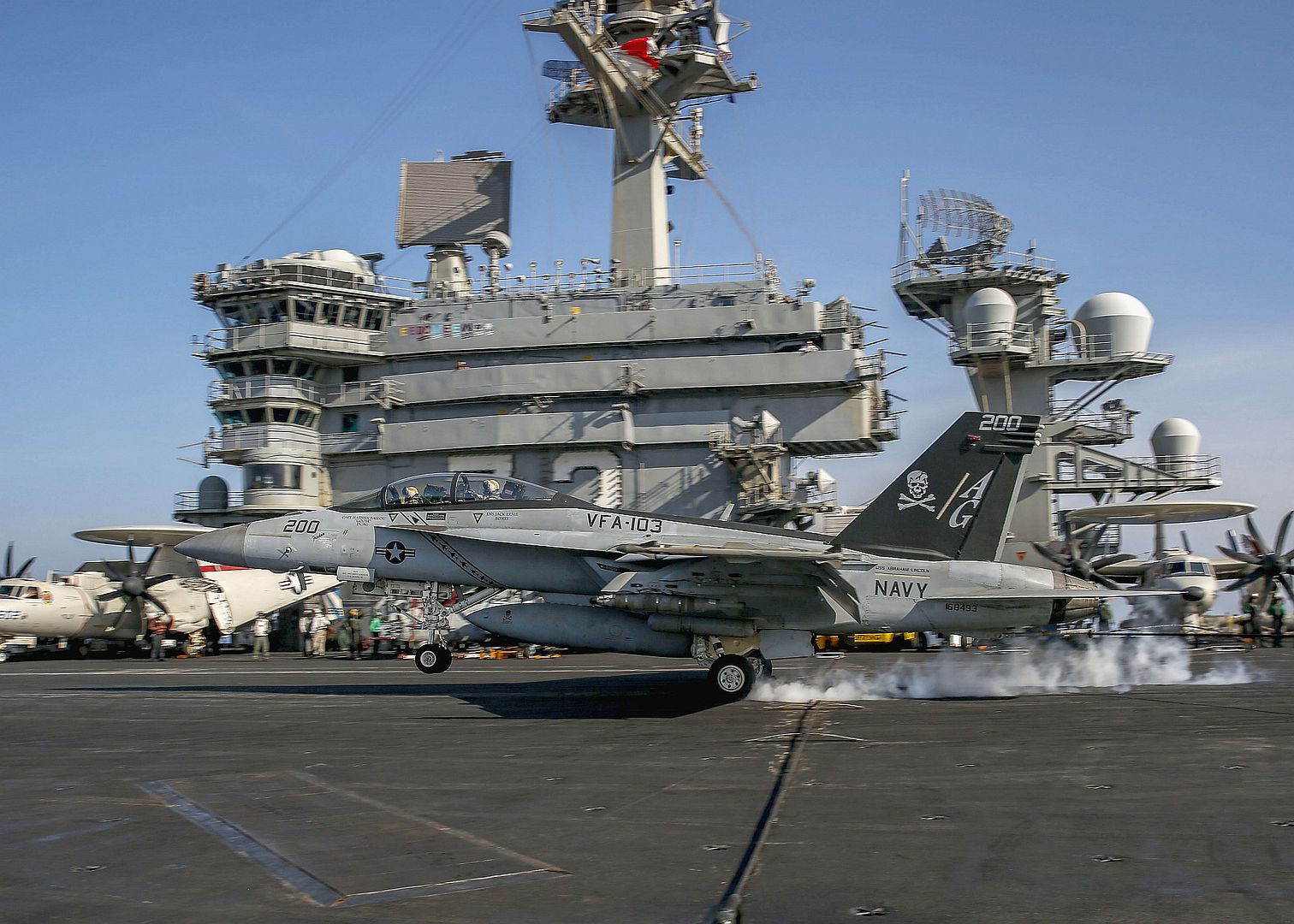
Volotea, the Barcelona-based airline, has chosen Airbus to train all its pilots following the signature of an exclusive five-year contract. The training, which will commence in January 2020, includes Type-Rating* as well as long-term Recurrent** training linked to Volotea's growing fleet of Airbus A319s ? which will exceed 50 aircraft in 2023. The organisation of the training plan is currently on-going, paving the way for the ?go-live? next year.
Volotea?s trainees will benefit from long-term use of Airbus? full-flight simulators ? located throughout Airbus? Training Centre Network ? and will be taught by a pool of expert pilot instructors, drawn from both Airbus and Volotea. The flexible training scheme will benefit from the cross-fertilisation of both Volotea?s and Airbus? respective expertise and standards. To this end, the airline is initially inducting four of its pilot instructors into Airbus? training regime, while in parallel, Airbus is aligning around 20 of its own instructors in collaboration with Volotea?s operational requirements. As the airline progressively expands its A319 fleet, the size of the joint instructor pool is expected to commensurably increase. Volotea has selected the Airbus A319 as the model for its planned fleet expansion.
Airbus Services provides state-of-the-art training solutions to ensure safe, reliable and economically-efficient operations on all Airbus aircraft throughout their lifecycle. Airbus is on-hand to offer support every step of the way. A comprehensive and tailored training portfolio is designed and developed by Airbus for airline pilots, cadets, cabin crews, performance & operations engineers, maintenance personnel and structure & repair specialists.
*Type-Rating is the certification of an airline pilot to fly a certain aircraft ?type? (in this case the Airbus A319) which requires additional training beyond the scope of the initial license and aircraft class training.
**Recurrent Training ? which is often performed within an airline ? is a long-term / ongoing activity for professional pilots. Such periodic training is required to enhance their aviation knowledge and skills, train on new equipment or avionics and to learn new and revised regulations and procedures. These periodic checks are also a regulatory requirement to keep a pilot?s license valid.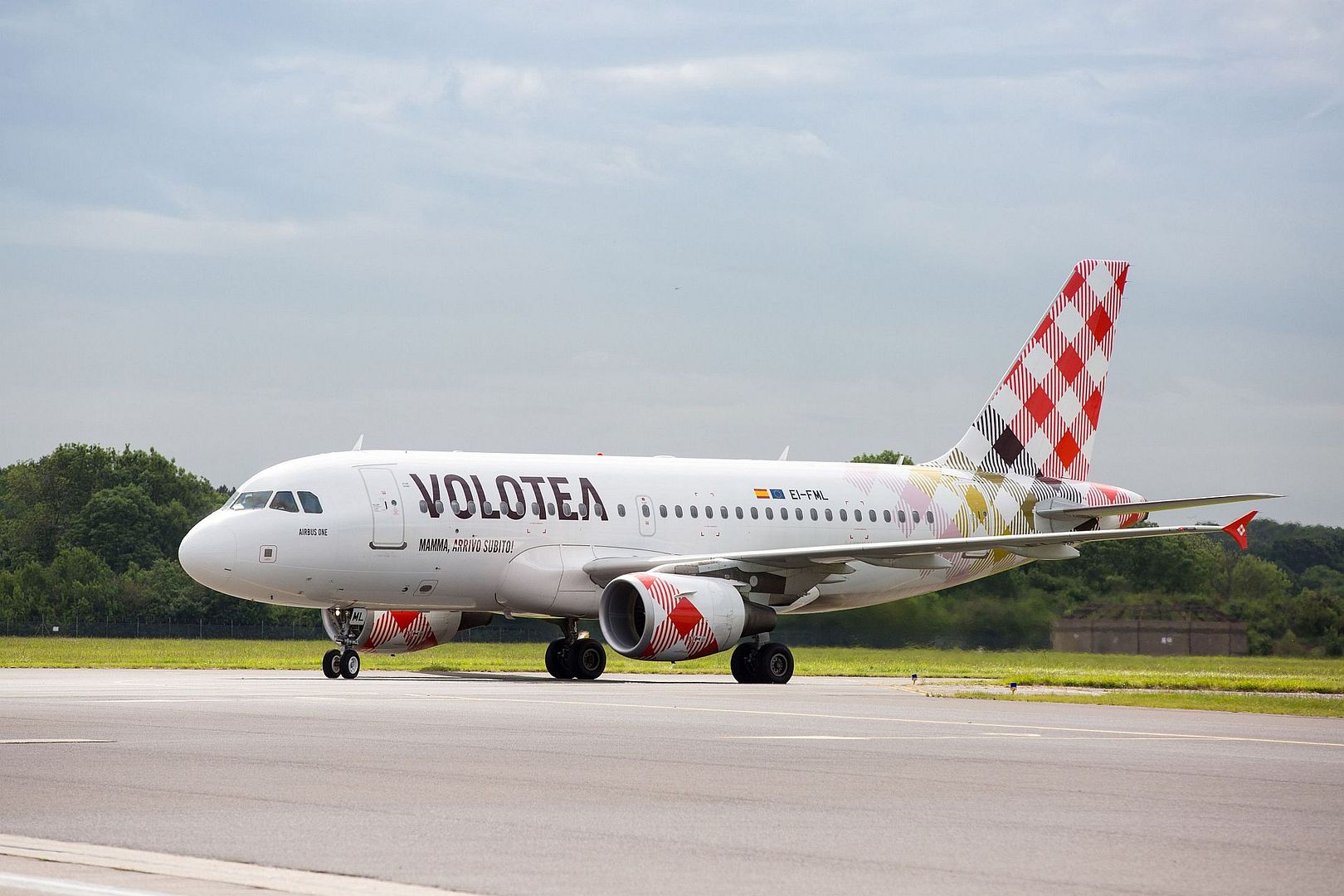
India?s IndiGo has placed a firm order for 300 A320neo Family aircraft. This marks one of Airbus? largest aircraft orders ever with a single airline operator.
This latest IndiGo order comprises a mix of A320neo, A321neo and A321XLR aircraft. This will take IndiGo?s total number of A320neo Family aircraft orders to 730.
?This order is an important milestone, as it reiterates our mission of strengthening air connectivity in India, which will in turn boost economic growth and mobility. India is expected to continue with its strong aviation growth and we are well on our way to build the world?s best air transportation system, to serve more customers and deliver on our promise of providing low fares and a courteous, hassle free experience to them," said Ronojoy Dutta, Chief Executive Officer of IndiGo.
?We are delighted that IndiGo, one of our early launch customers for the A320neo, continues to build its future with Airbus, making IndiGo the world?s biggest customer for the A320neo Family,? said Guillaume Faury, Airbus Chief Executive Officer. ?We are grateful for this strong vote of confidence as this order confirms the A320neo Family as the aircraft of choice in the most dynamic aviation growth markets.? He added: ?We are pleased to see our aircraft allowing IndiGo to take full advantage of the predicted growth in Indian air travel.?
"We were believers in IndiGo from day one and are thrilled to be able to perpetuate this most fruitful partnership,? said Christian Scherer, Airbus Chief Commercial Officer. ?IndiGo has brilliantly demonstrated the relevance of the A320neo for leading low cost operators, and the A321neo ? and now the A321XLR ? provide our operators with the logical next step in cost efficiency, passenger comfort and market coverage.?
?We are pleased to partner yet again with Airbus for our next batch of Airbus A320neo Family aircraft. The fuel-efficient A320neo family aircraft will allow IndiGo to maintain its strong focus on lowering operating costs and delivering fuel efficiency with high standards of reliability. The choice of engine manufacturer for this order will be made at a later date,? said Riyaz Peermohamed, Chief Aircraft Acquisition and Financing Officer of IndiGo.
IndiGo is among the fastest growing carriers in the world. Since its first A320neo aircraft was delivered in March 2016, its fleet of A320neo Family aircraft has grown into the world?s largest with 97 A320neo aircraft, operating alongside 128 A320ceos.
The A321XLR is the next evolutionary step from the A321LR which responds to market needs for even more range and payload, creating more value for the airlines. The aircraft will deliver an unprecedented Xtra Long Range of up to 4,700nm ? with 30% lower fuel burn per seat compared with previous generation competitor jets.
At the end of September 2019, the A320neo Family had received more than 6,650 firm orders from nearly 110 customers worldwide.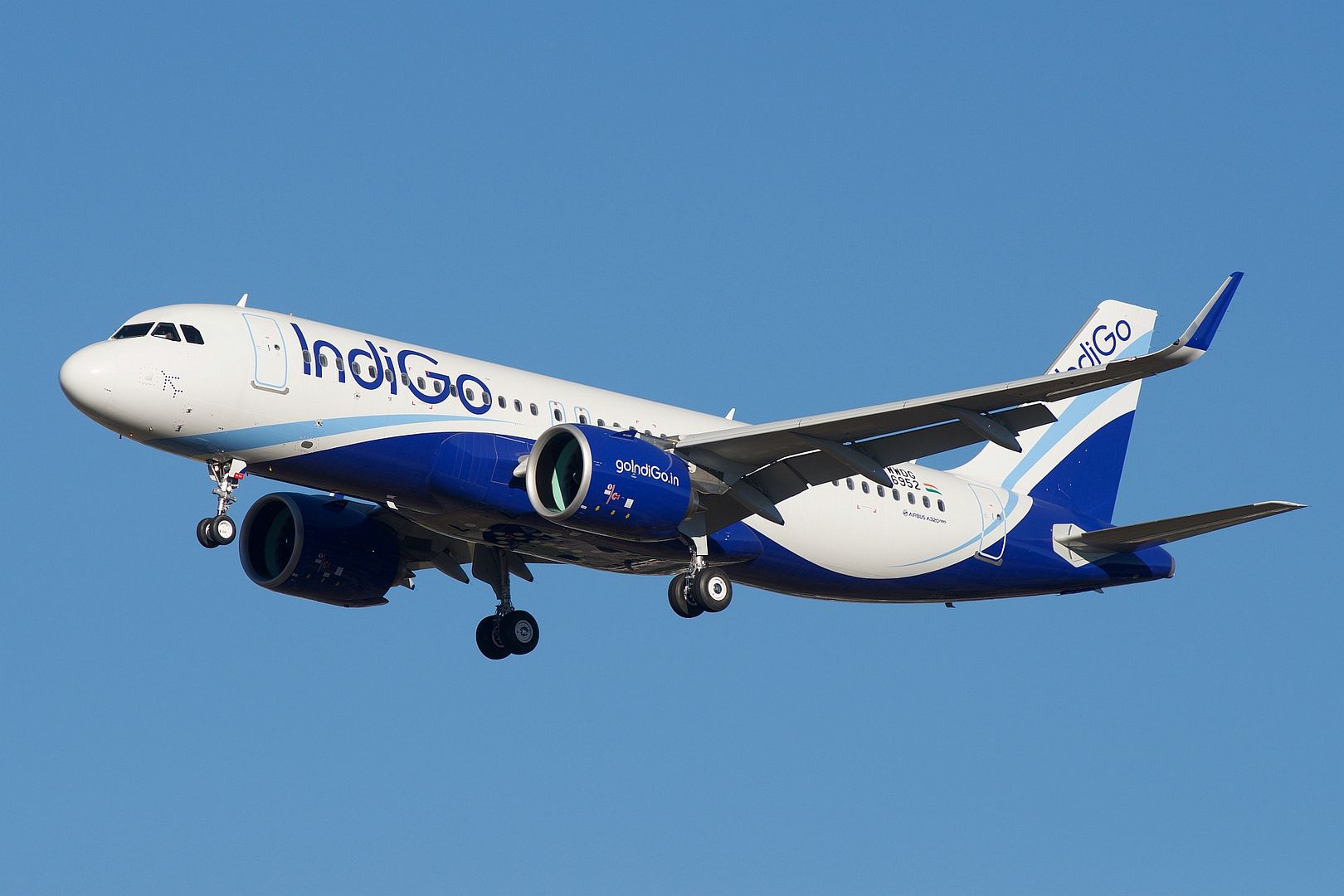
(Saint-Cloud, October 29, 2019) ? This summer, Lann-Bihou? French naval air station received the first two ATL2 maritime patrol aircraft upgraded by Dassault Aviation.
Last week, Florence Parly, Minister of the Armed Forces, flew on one of these aircraft.
These two events demonstrate the progress made on the upgrade program which is designed to modernize the ATL2 combat system to standard 6.
Standard 6 includes:
new radar: Thales Search Master with active antenna,
new Thales acoustic subsystem to gather and process signals from the latest-generation air-dropped sonobuoys for submarine detection,
new navigation console designed by Dassault Aviation,
new consoles for the tactical display subsystem, developed by SIA?.
The upgrade work is performed by Dassault Aviation and Thales (co-contractors), in association with Naval Group and in cooperation with SIA?. Architect of the combat system, Dassault Aviation is as well responsible for development of the core system including LOTI software designed by Naval Group. Dassault Aviation is also in charge of overall integration of all subsystems.
All the specifications for this program were established using the PLM Syst?mes tool as part of a Dassault Aviation-Thales-Naval Group-SIA? collaborative work platform installed at St-Cloud in the Dassault Aviation design office.
The standard 6 upgrade will improve the ATL2s? capability to support the Strategic Ocean Force, to deal with modern threats (future nuclear or conventional submarines, naval forces at sea, etc.) and to support air-land missions, until 2030.
France is one of the very few countries producing high-technology maritime patrol aircraft combining detection (optronics, radar, acoustics) with a variety of weapons (anti-ship missiles, torpedoes, laser-guided weapons).
The contract for the upgraded (standard 6) ATL2 combat system was awarded by the defense procurement agency DGA on October 4, 2013. The program covers a fleet of 18 aircraft. Dassault Aviation will deliver a further five upgraded ATL2s in the period 2020-2023. In parallel, the SIA? aeronautical maintenance center will upgrade 11 aircraft.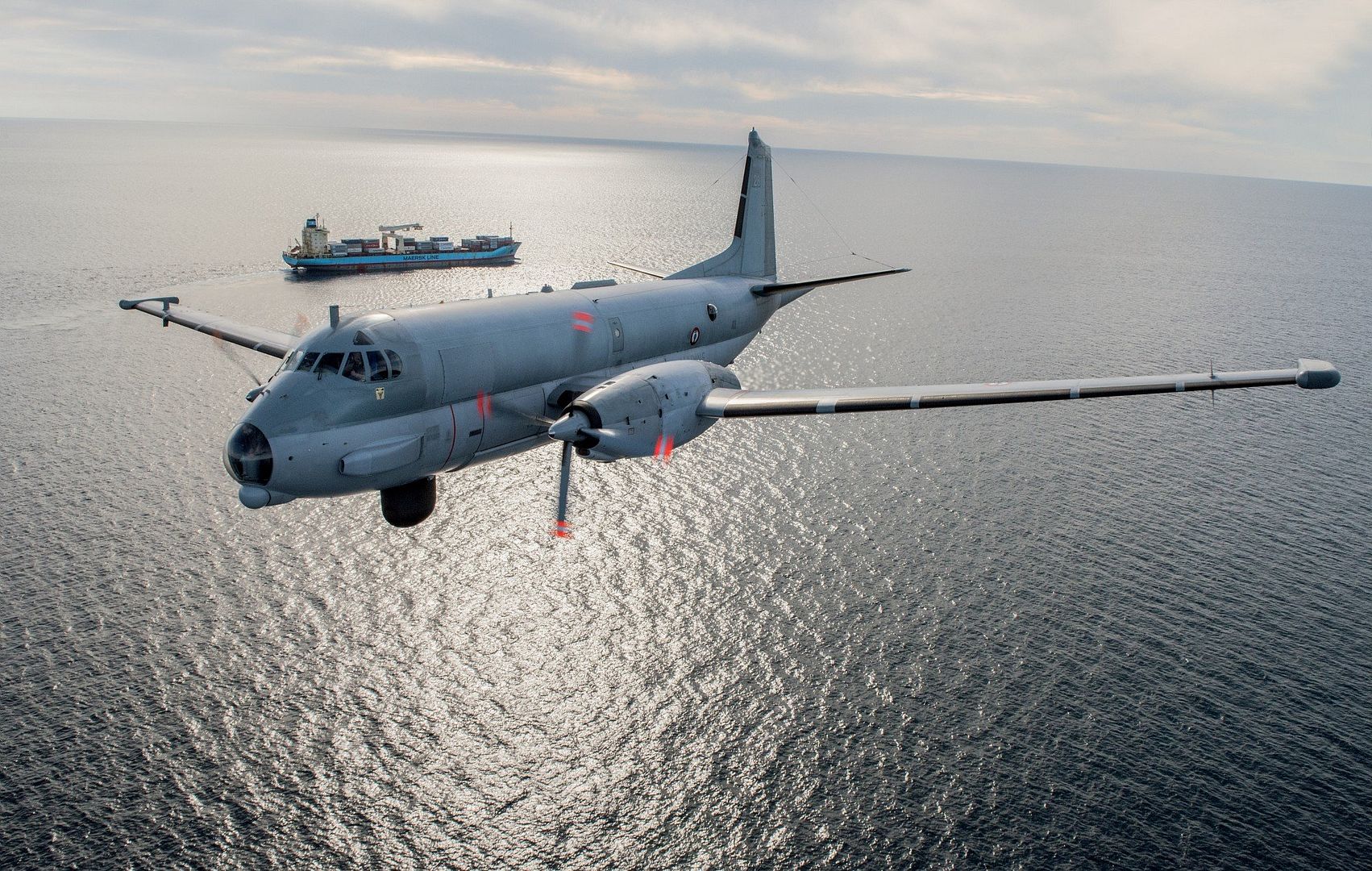
-
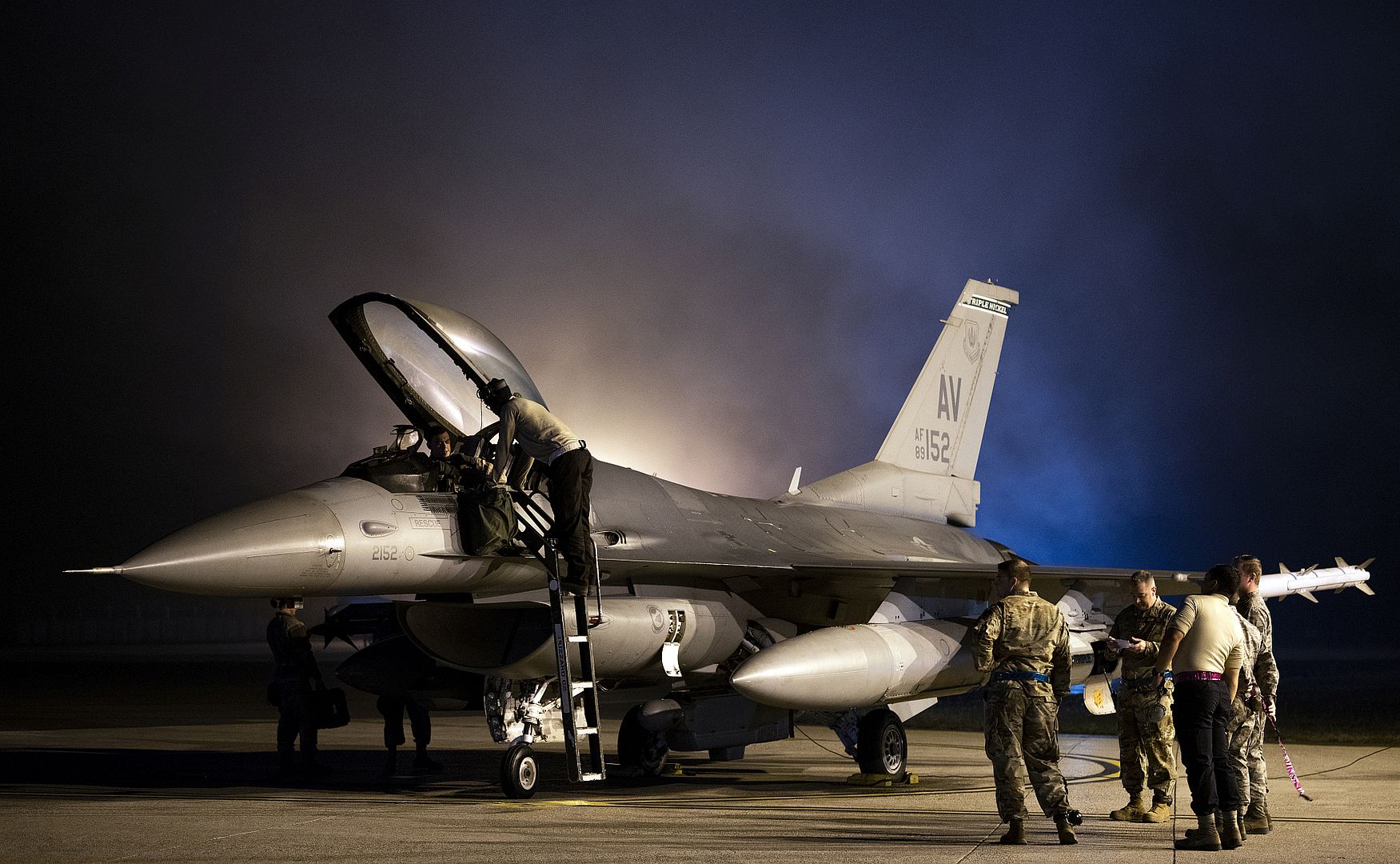
Airmen prepare an F-16 Fighting Falcon from the 555th Fighter Squadron at the 31st Fighter Wing, for takeoff from Aviano Air Base, Italy on Oct. 28, 2019. The Triple Nickel deployed in support of Central Command. (U.S. Air Force photo by Airman 1st Class Caleb House)
A CH-53E Super Stallion helicopter with Special Purpose Marine Air-Ground Task Force ? Southern Command flies over Ladyville, Belize, Oct. 28, 2019. The task force will be conducting aerial refueling operations with KC-130J Hercules tanker aircraft with Marine Aerial Refueler Transport Squadron 234. The task force is conducting training and engineering projects hand-in-hand with partner nation military members in Latin America and the Caribbean during their deployment to the region, which coincides with hurricane season. (U.S. Marine Corps photo by Sgt. Stanley Moy)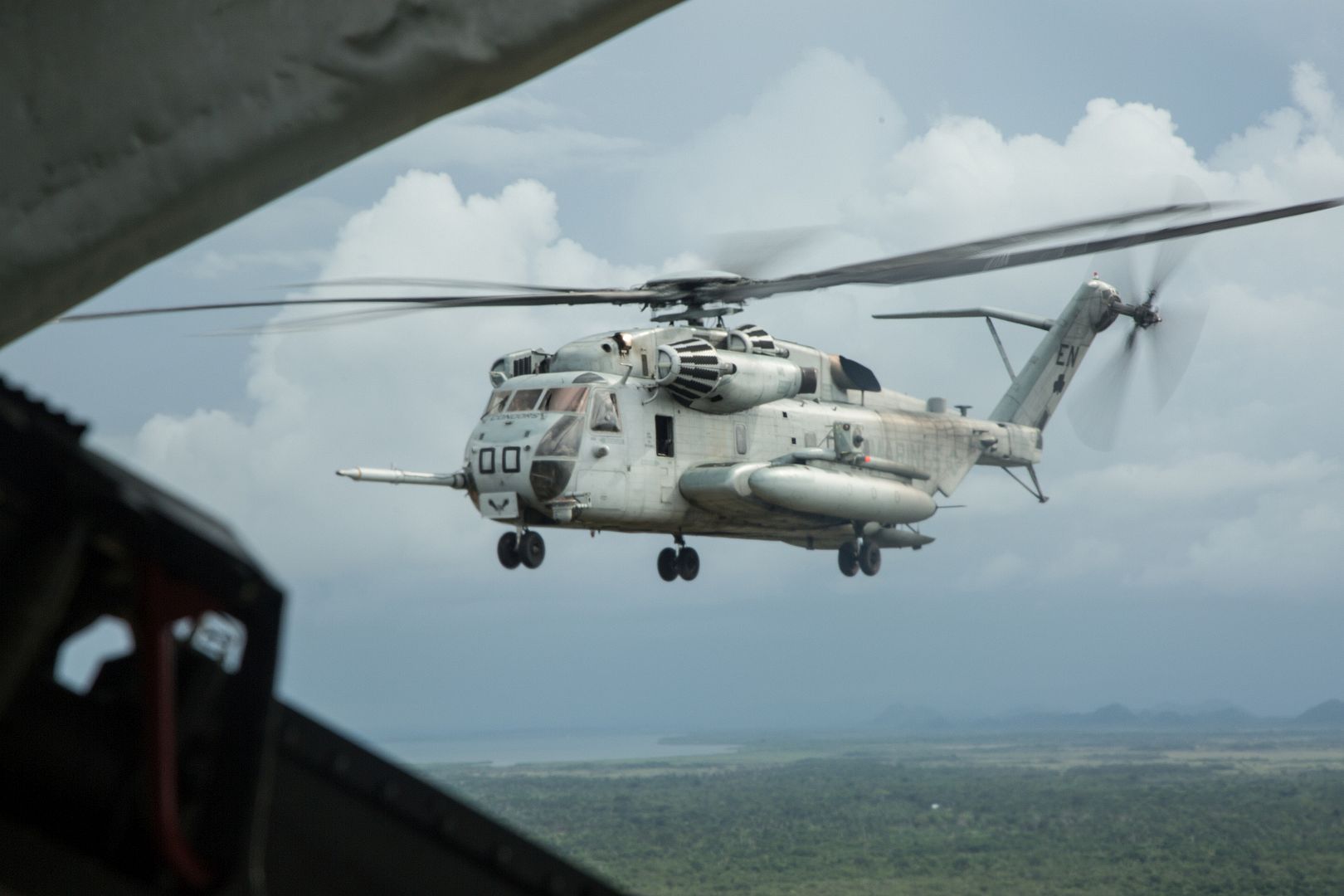
An F-35 Lightning II is parked prior to its final flight out of Edwards Air Force Base, California, Oct. 7. Six F-35s recently left Edwards and were reassigned to the 422nd Test and Evaluation Squadron at Nellis Air Force Base, Nevada. (U.S. Air Force photo by Giancarlo Casem)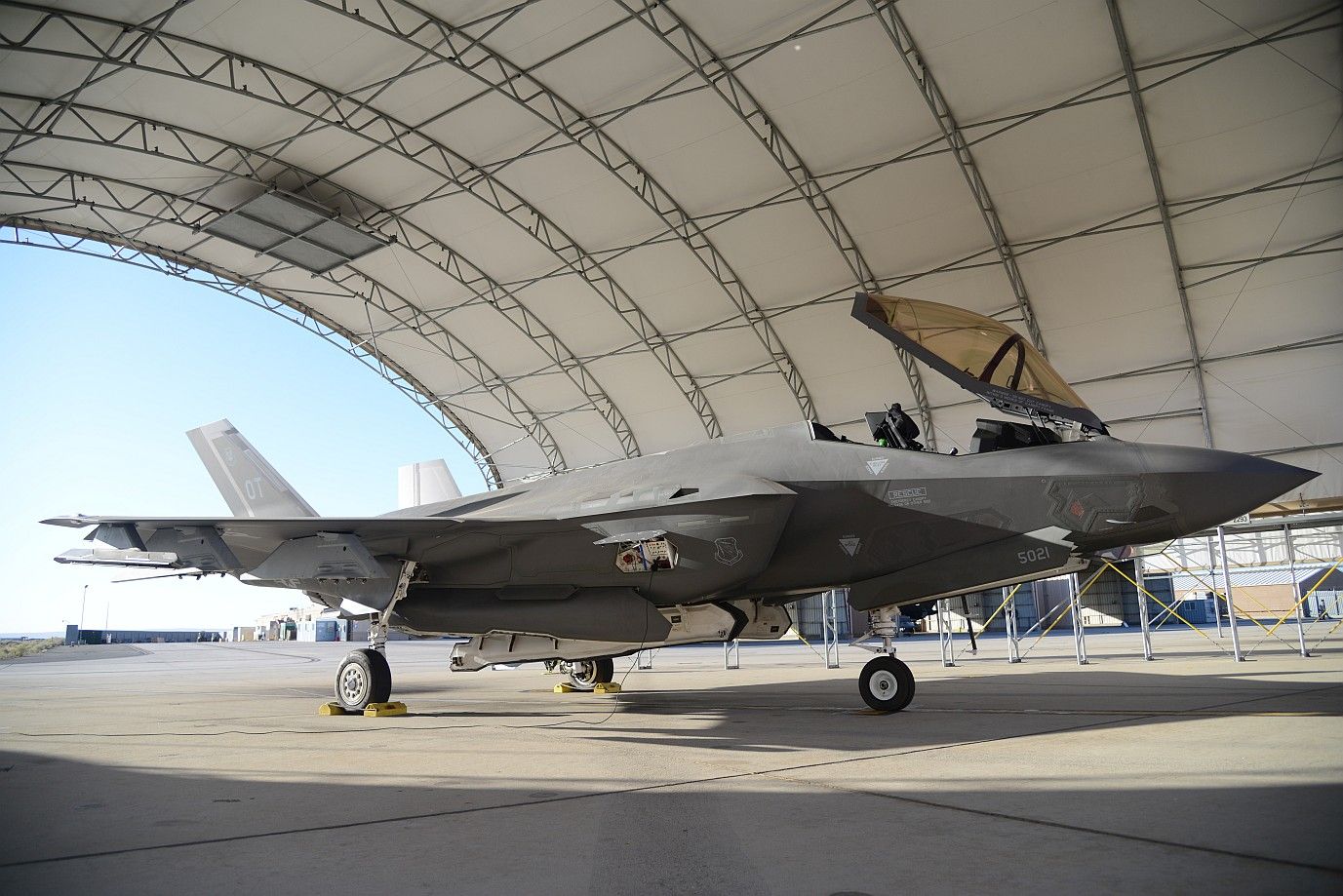
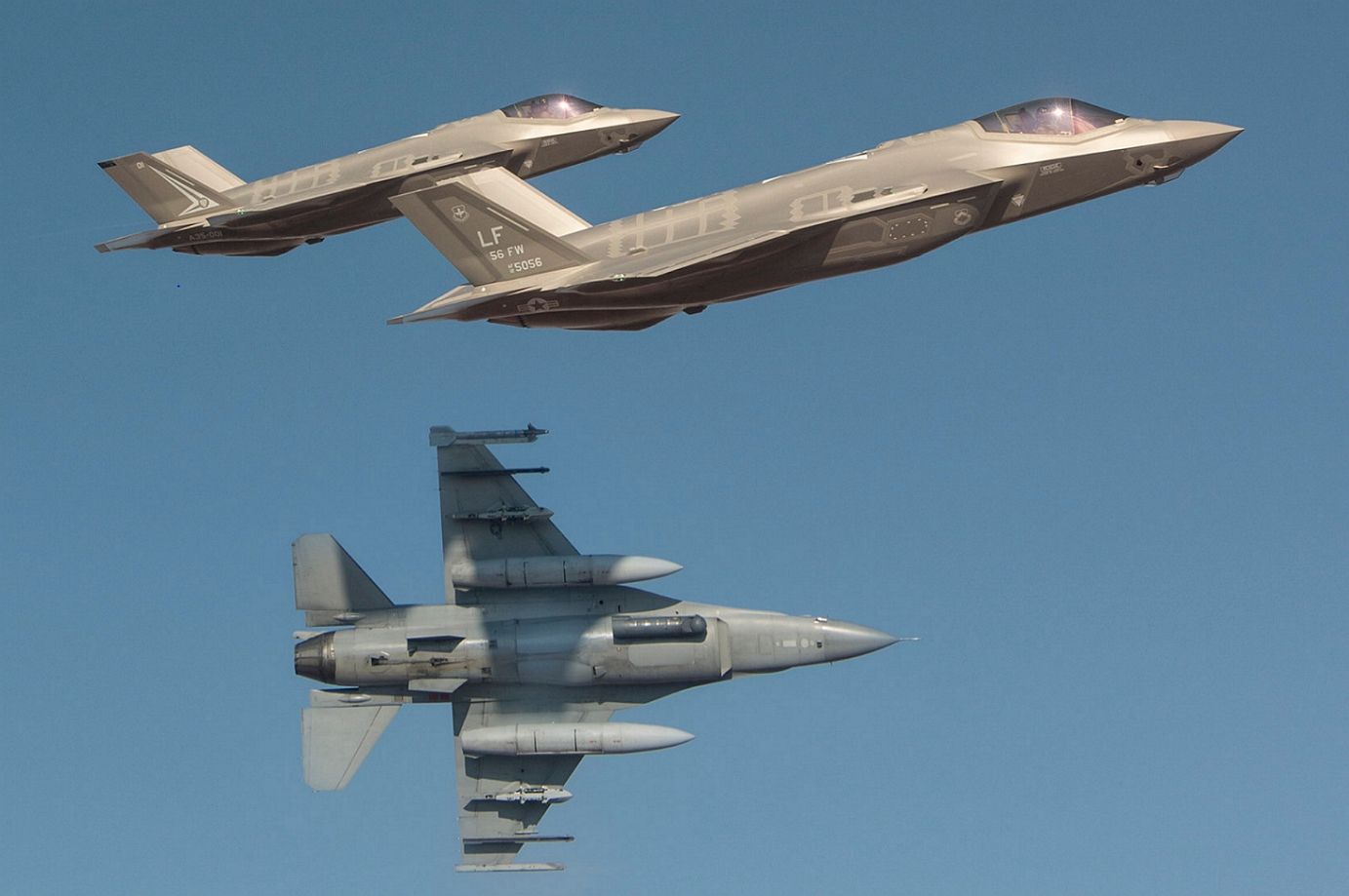
A formation flight of F-35 Lightning IIs over Edwards Air Force Base, California. The 31st Test and Evaluation Squadron recently completed its initial operational test and evaluation mission and six F-35s were reassigned to the 422nd Test and Evaluation Squadron at Nellis Air Force Base, California. Included in the formation are two F-35As, two F-35Bs, and one F-35C. (Photo courtesy of Darin Russell, Lockheed Martin)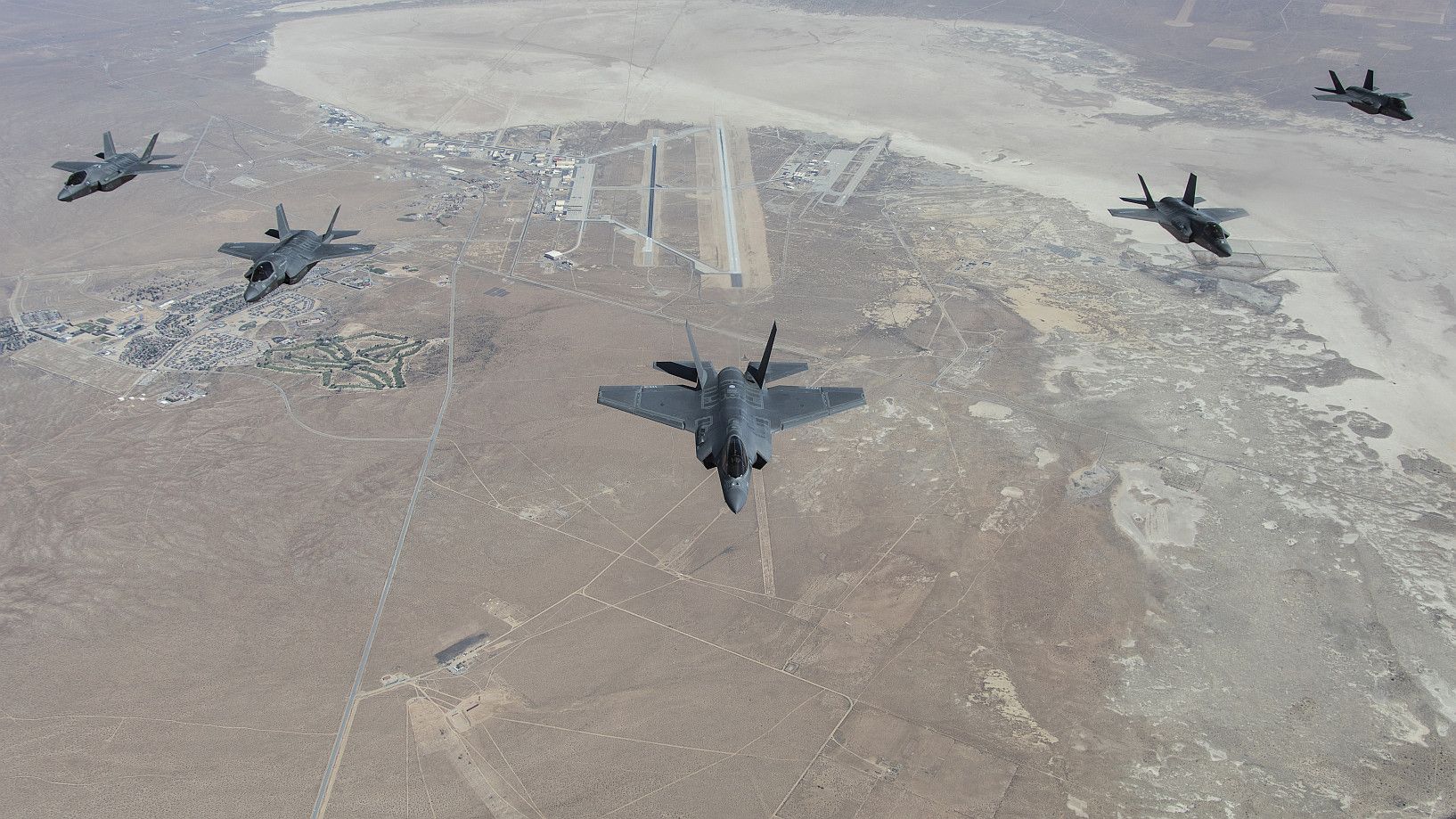
ARABIAN SEA (Oct. 26, 2019) An EA-18G Growler attached to the Patriots of Electronic Attack Squadron (VAQ) 140 launches from the flight deck aboard the aircraft carrier USS Abraham Lincoln (CVN 72). The Abraham Lincoln Carrier Strike Group is deployed to the U.S. 5th Fleet area of operations in support of naval operations to ensure maritime stability and security in the Central Region, connecting the Mediterranean and the Pacific through the western Indian Ocean and three strategic choke points. With Abraham Lincoln as the flagship, deployed strike group assets include staffs, ships and aircraft of Carrier Strike Group (CSG) 12, Destroyer Squadron (DESRON) 2, the guided-missile cruiser USS Leyte Gulf (CG 55) and Carrier Air Wing (CVW) 7. (U.S. Navy photo by Mass Communication Specialist 3rd Class Michael Singley/Released)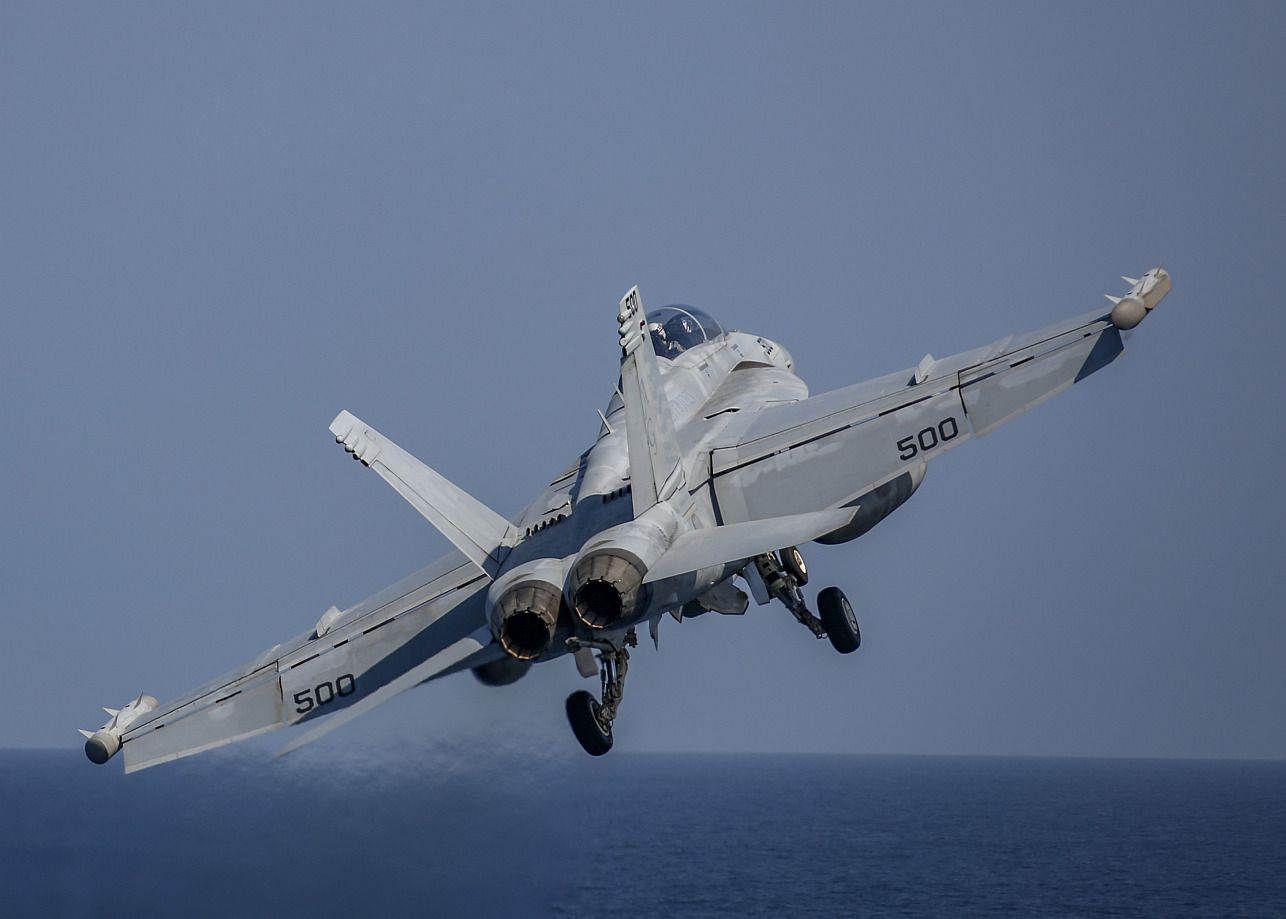
HONG KONG, Oct. 29, 2019 ? Boeing [NYSE:BA] and Air Premia today announced the Korean startup airline plans to buy five 787-9 Dreamliner airplanes, following an agreement to lease three 787-9 jets from Air Lease Corporation earlier this year. Air Premia, which plans to launch operations in 2020 is poised to become South Korea?s second Dreamliner operator.
The commitment, valued at $1.4 billion at list prices, will be reflected on Boeing?s Orders & Deliveries website when it is finalized.
?This is an exciting decision for Air Premia as we look to deliver a world-class experience to our customers, while also operating the most fuel efficient fleet,? said Peter Sim, CEO of Air Premia. ?With the 787-9?s superior fuel efficiency and range capabilities, this investment fits perfectly with our unique business model and will position Air Premia for sustainable long-term growth.?
The 787-9 is a super-efficient widebody airplane that can fly 296 passengers in a standard configuration with a published range of 7,530 nautical miles (13,950 km). The Dreamliner model, powered by a revolutionary design and advanced engines, enables airlines to reduce fuel use and emissions by 20 to 25 percent compared to previous airplanes. The combination of unrivaled fuel efficiency and long range capabilities of the 787-9 has helped airlines save more than 40 billion pounds of fuel and open more than 235 non-stop routes.
?We are honored to welcome Air Premia as Boeing?s newest customer. As new entrants in Asia continue to launch innovative business models and strategies for growth, we are excited that Air Premia have selected the 787-9 Dreamliner to power their future fleet,? said Ihssane Mounir, senior vice president of Commercial Sales and Marketing, The Boeing Company. ?The super-efficient 787-9 is a perfect fit for this new hybrid airline. The market-leading economics and capabilities of the Dreamliner will enable Air Premia to offer the best-in-class service to its customers at competitive fares.?
With its base at Seoul Incheon International Airport, Air Premia announced its plan to launch operations in September 2020. The carrier will initially operate regionally in Asia before expanding its network to Los Angeles and San Jose by 2021.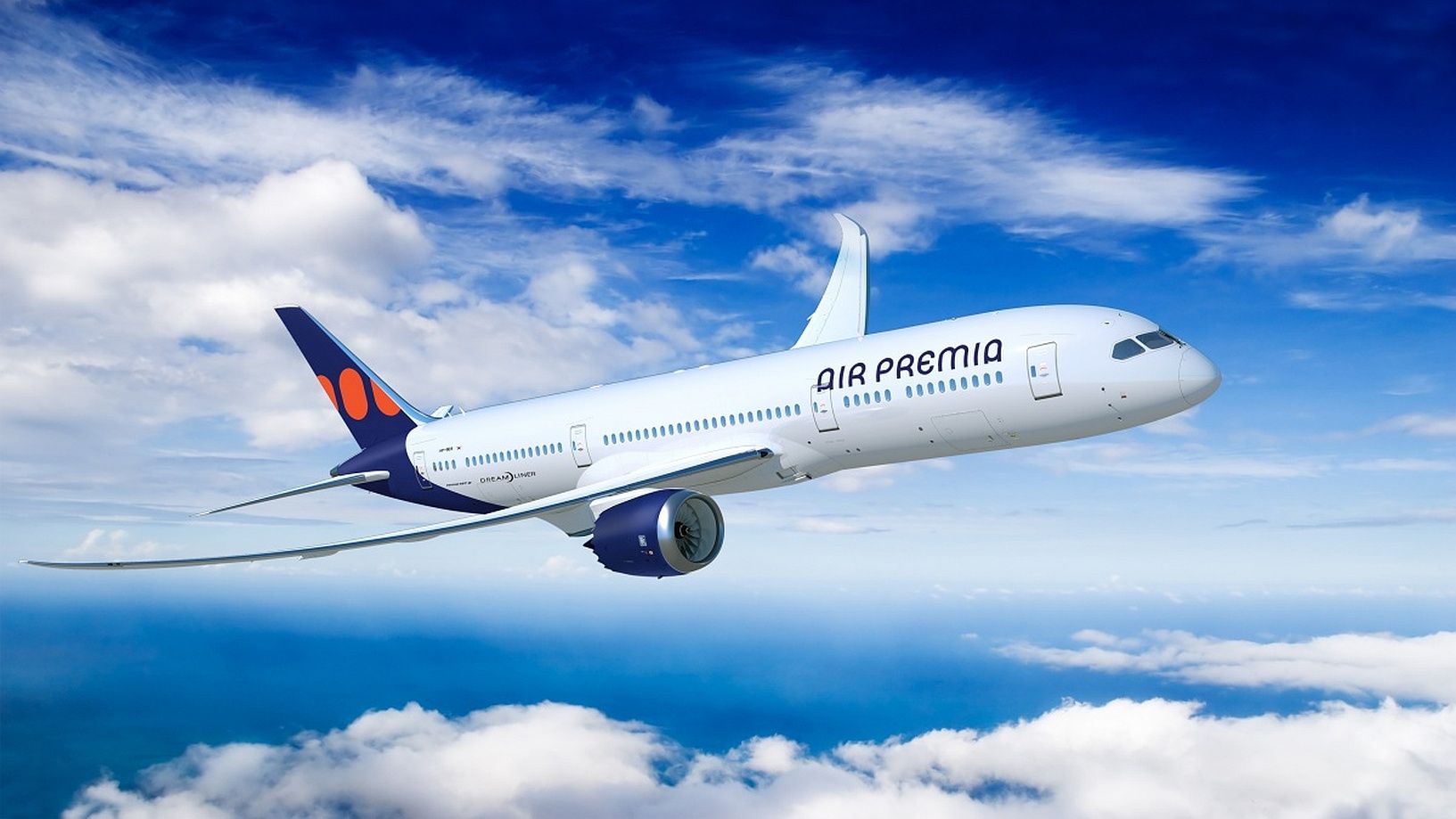
-
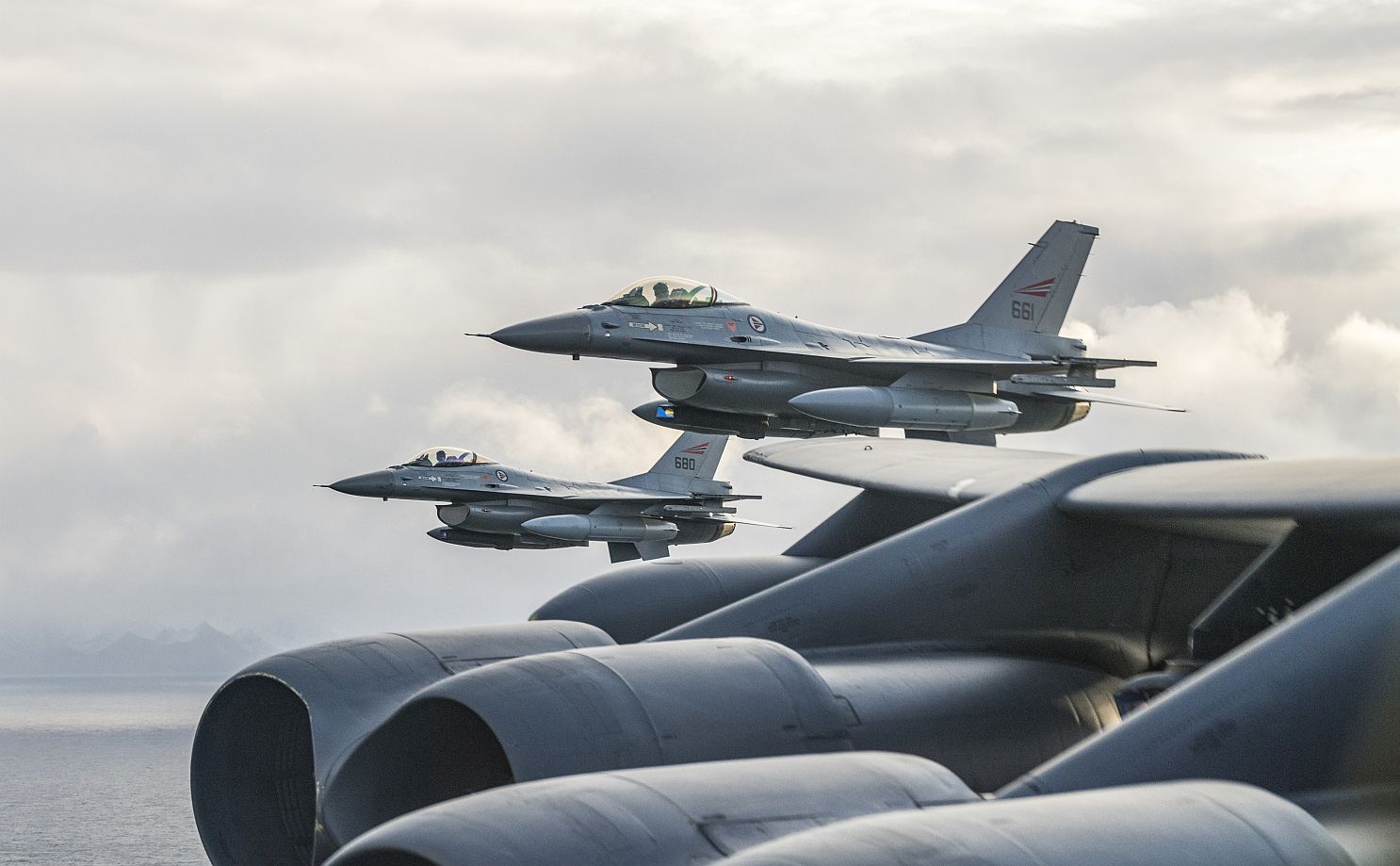
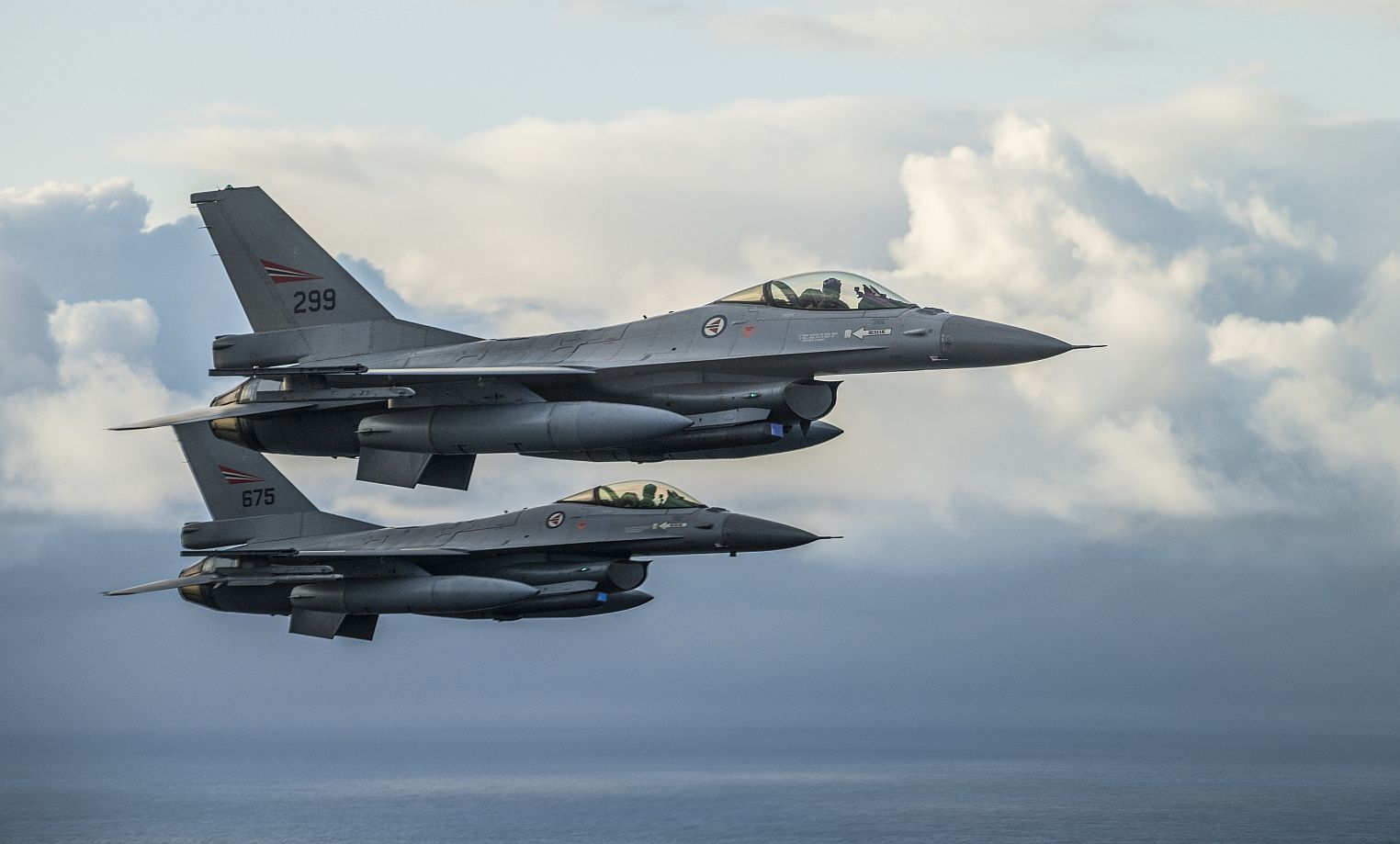
Royal Norwegian Air Force F-16 Fighting Falcons assigned to the 331st Squadron, Bod? Air Force Base, Norway, fly next to the wing of a U.S. Air Force 2nd Bomb Wing B-52H Stratofortress during training and integration with the Norwegian Air Force in support of Bomber Task Force Europe 20-1, Oct. 30, 2019, in Norwegian airspace. This deployment allows aircrews and support personnel to conduct theater integration and to improve bomber interoperability with joint partners and allied nations. (U.S. Air Force photo's by Tech. Sgt. Christopher Ruano)
UH-60 Black Hawks take off from an undisclosed location in Syria, Oct. 31, 2019. The SPMAGTF-CR-CC is designed to move with speed and precision to support operations throughout the Middle East. (U.S. Marine Corps photo by Sgt. Branden J. Bourque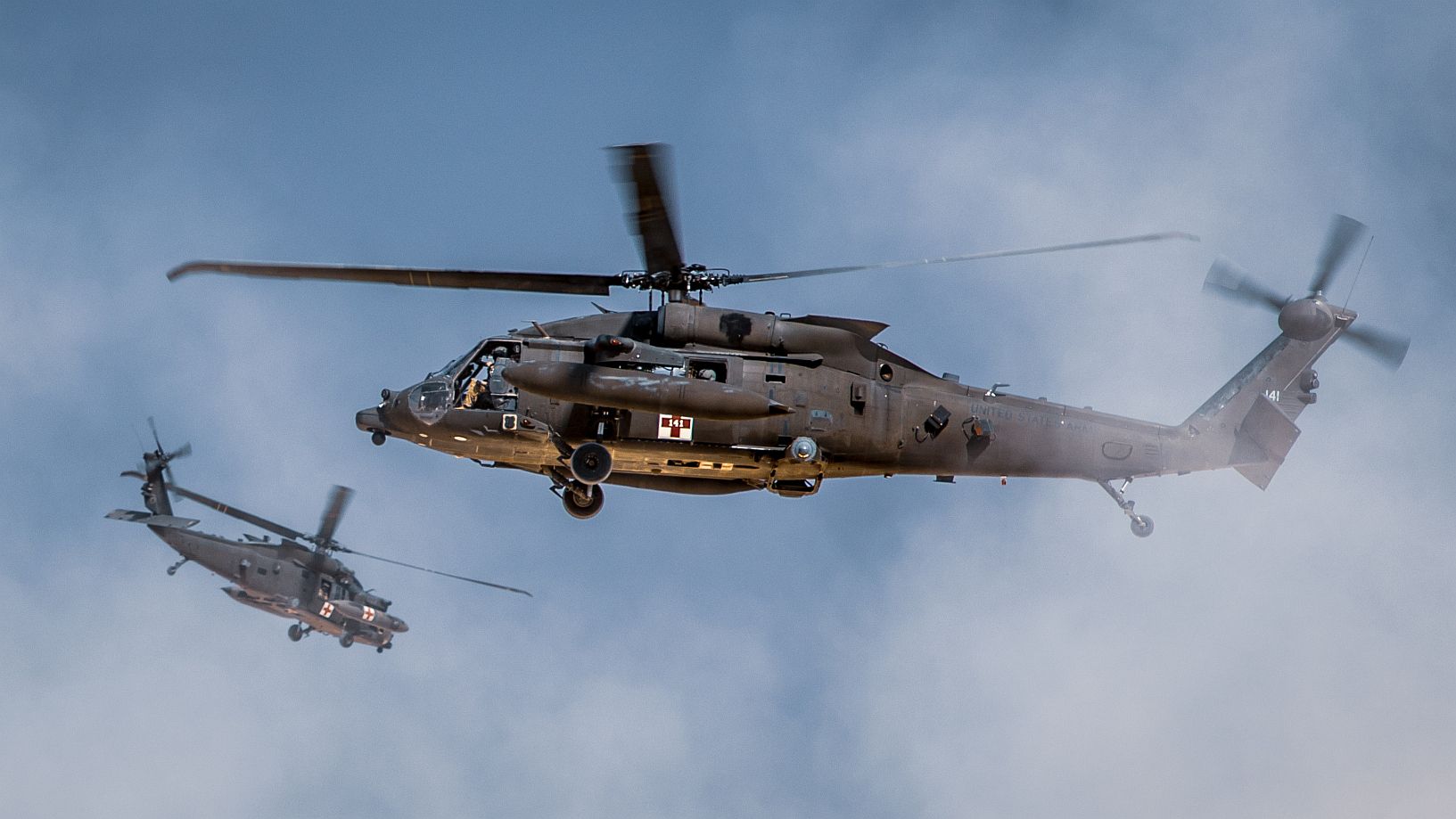
JACKSONVILLE, Fla. (Oct. 30, 2019) An MH-60R Sea Hawk helicopter, assigned to the ?Grandmasters? of Helicopter Maritime Strike Squadron (HSM) 46, flies over the TIAA Bank Field, home to the Jacksonville Jaguars football team, in Jacksonville, Fla. The Grandmasters are currently stationed at Naval Station Mayport. (U.S. Navy photo by Mass Communication Specialist 3rd Class Nathan T. Beard/Released)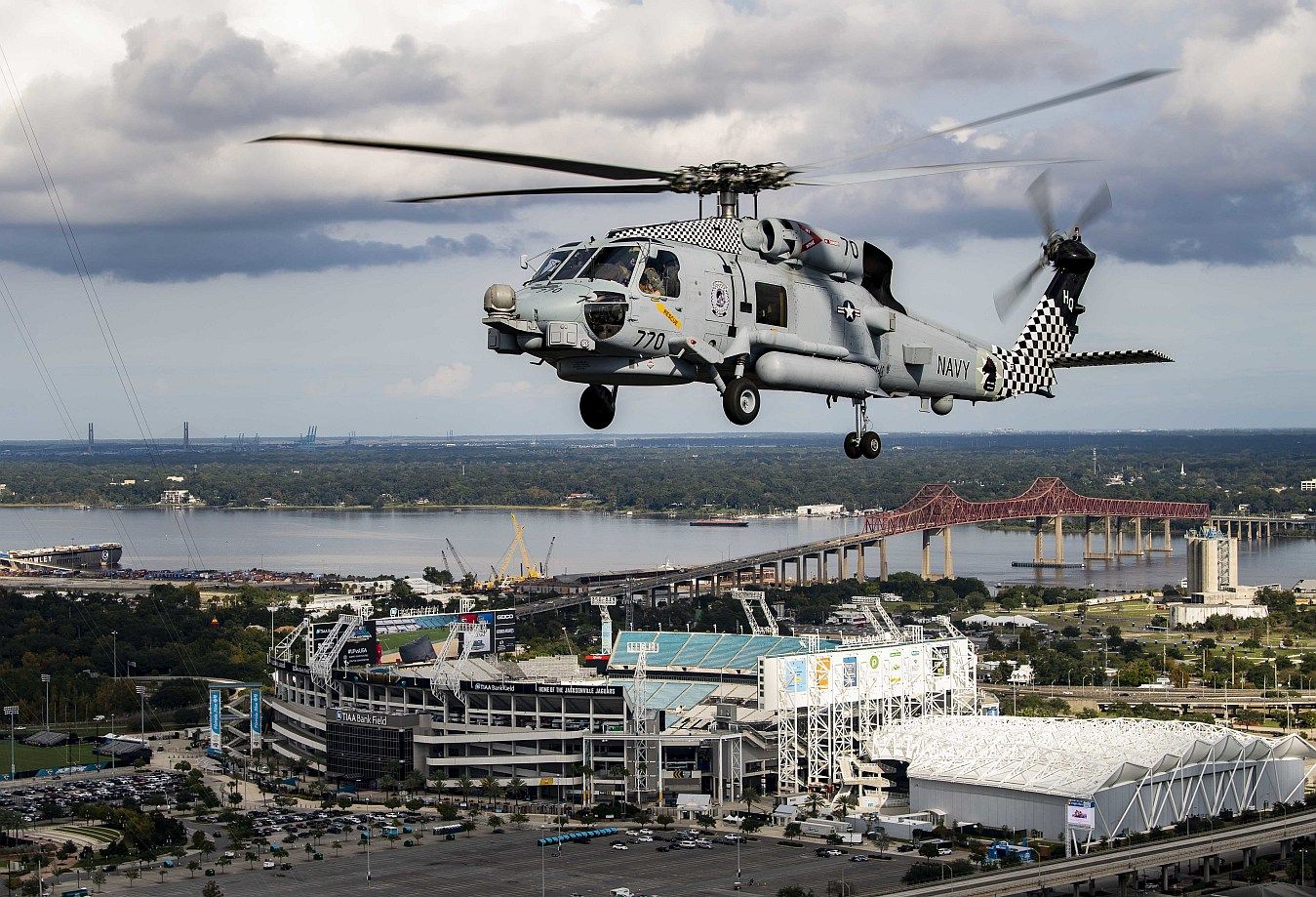
JACKSONVILLE, Fla. (Oct. 30, 2019) An MH-60R Sea Hawk helicopter, assigned to the ?Grandmasters? of Helicopter Maritime Strike Squadron (HSM) 46, rests on the flight line at Naval Station Mayport, Fla. The Grandmasters are currently stationed at Naval Station Mayport. (U.S. Navy photo by Mass Communication Specialist 3rd Class Nathan T. Beard/Released)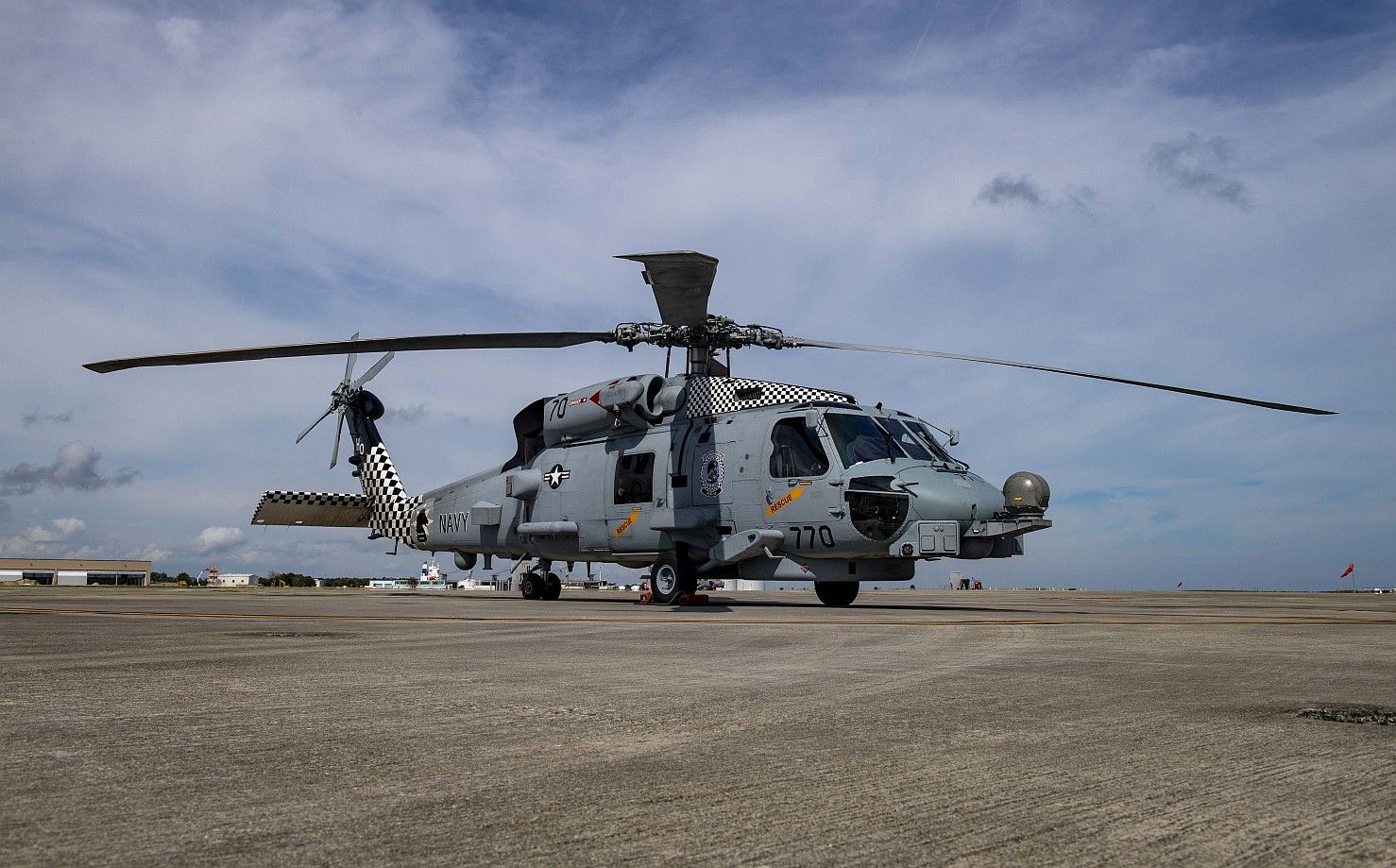
Vietnamese carrier Vietjet has announced that it will add the A321XLR to its fleet, with a firm order for 15 aircraft and the conversion of five A321neo aircraft from its existing backlog. The announcement was made during a visit to Airbus headquarters in Toulouse by Vietjet President & CEO Nguyen Thi Phuong Thao, hosted by Airbus CEO Guillaume Faury.
During the visit, the airline also signed a new training agreement with Airbus Services. This will see Airbus position two new A320 Family full flight simulators at the carrier?s training centre in Ho Chi Minh City. Airbus will also provide a range of training services to the airline and its instructors.
Vietjet will be among the first airlines to receive the A321XLR. The addition of the aircraft to its fleet will allow Vietjet to further expand its network, flying longer routes across Asia, as well as to destinations as far afield as Australia and Russia.
Vietjet President & CEO Nguyen Thi Phuong Thao said: ?Vietjet has always been a pioneer in operating new, modern, advanced and fuel-efficient aircraft. We are proud of operating one of the world?s youngest Airbus fleets with an average age of only 2.7 years and this has contributed greatly to Vietjet?s success over the past years. Following the signing of this contract, the new A321XLR will be the perfect upgrade to Vietjet?s fleet as we look to grow our international flight network.?
?Vietjet is one of the fastest growing carriers in the Asian region and we feel proud to have the A321XLR joining its fleet,? said Airbus CEO Guillaume Faury. ?This order is another strong endorsement of our decision to bring true long range capability to the singe-aisle market with the A321XLR, enabling airlines to extend their networks at the lowest possible cost. Furthermore, we are also pleased to develop further our collaboration with Vietjet in the area of training.?
Including today?s announcement, Vietjet has now ordered a total of 186 A320 Family aircraft, of which 60 have been delivered. The airline?s outstanding Airbus backlog is entirely composed of A321neo aircraft.
The A321XLR is the next evolutionary step from the A321LR which responds to market needs for even more range and payload, creating more value for the airlines. The aircraft will deliver an unprecedented Xtra Long Range of up to 4,700nm ? with 30% lower fuel consumption per seat, compared with previous-generation competitor jets. At the end of September 2019, the A320neo Family had received more than 6,650 firm orders from nearly 110 customers worldwide.
Airbus Services provides state-of-the-art training solutions to ensure safe, reliable and economically-efficient operations on all Airbus aircraft throughout their lifecycle. Airbus is on-hand to offer support every step of the way. A comprehensive and tailored training portfolio is designed and developed by Airbus for airline pilots, cadets, cabin crews, performance & operations engineers, maintenance personnel and structure & repair specialists.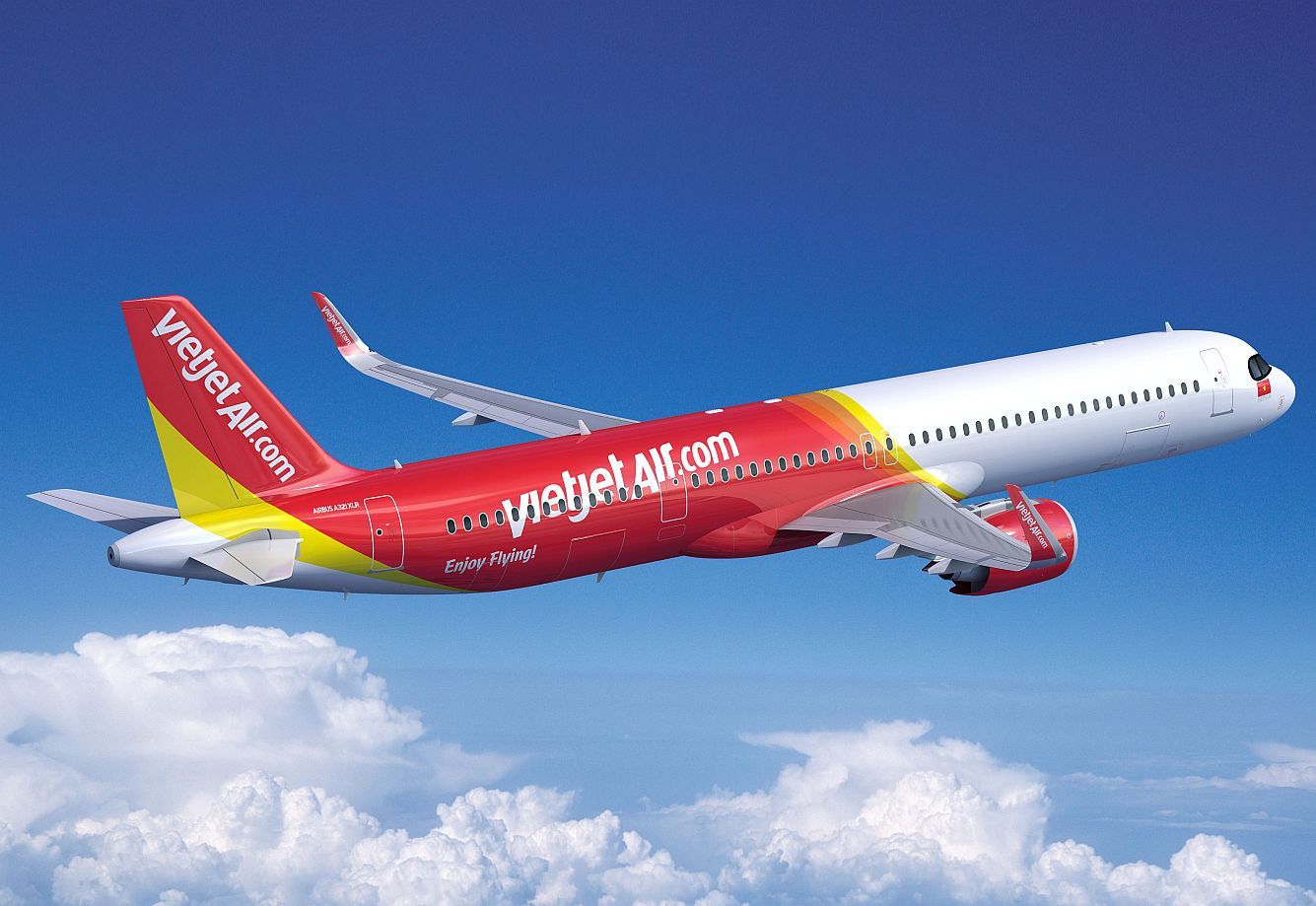
Zurich, Switzerland, October 31st, 2019 ? In ceremony held at its headquarters in Zurich, Switzerland, Helvetic Airways officially received its first E190-E2 jet from Embraer. The airline has a contract for a firm order of 12 jets of this model, and purchase rights for a further 12 E190-E2, with conversion rights to the E195-E2, bringing the total potential order up to 24 E-Jets E2s.
?As the only Swiss airline to operate Embraer aircraft, Helvetic Airways already stands out from the competition,? said Martyn Holmes, Vice President Europe, Russia & Central Asia, Embraer Commercial Aviation. ?And, with our state-of-the-art E190-E2, it now has the perfect aircraft, in terms of environmental sustainability and to maximize the profitability of its flight operations.?
Helvetic Airways CEO Tobias Pogorevc is pleased to have achieved this milestone. ?After more than eighteen intensive months,? he commented, ?it?s a sense of accomplishment that we feel most today. With the E190-E2, Helvetic Airways is entering a truly new era. Our state-of-the-art twinjet will make us one of Embraer?s leading European operators. And it gives us just the modern and environmentally friendly aircraft we need to continue our development.?
This E190-E2 aircraft marks the start of Helvetic?s fleet renewal program. The purchase rights for a further 12 aircraft (E190-E2 or E195-E2) will enable Helvetic Airways to grow according to market opportunities. Helvetic Airways is configuring the E190-E2 in a single class layout with 110 seats and will deploy the aircraft on several domestic and international routes.
The E190-E2 is the first of three new aircraft types that make up the Embraer E2 family of aircraft, developed to succeed the first-generation E-Jets. Compared to the first-generation E190, the E190-E2 burns 17.3% less fuel and nearly 10% less than its direct competitor. This makes it the most efficient single-aisle aircraft on the market. The E190-E2 brings more flexibility with maximum range of up to 3,293 miles (5,300 km), about 621 miles (1,000 km) more than the first-generation E190.
The E190-E2 also generates significant savings for airlines in terms of maintenance costs. It has the longest maintenance intervals with 10,000 flight hours for basic checks and no calendar limit in typical E-Jets utilization. This means an additional 15 days of aircraft utilization over a period of ten years.
Pilots of the first-generation E-Jets require only two-and-a-half days of training without the need for a full flight simulator in order to fly the E2, which decreases the training burden and saves both time and money for the airlines. The E2 cockpit features advanced Honeywell Primus Epic 2 integrated avionics. Combined with the closed-loop fly-by-wire controls, the systems work together to improve aircraft performance, decrease pilot workload and enhance flight safety.
From the passenger?s perspective, the E2 cabin features a comfortable two-by-two layout. The absence of a middle seat enables passengers to have an enjoyable flight experience with more legroom and additional luggage storage space.
Embraer is the world?s leading manufacturer of commercial aircraft up to 150 seats with more than 100 customers across the world. For the E-Jets program alone, Embraer has logged more than 1,800 orders and 1,500 aircraft have been delivered. Today, E-Jets are flying in the fleets of 80 customers in 50 countries. The versatile 70 to 150-seat family is flying with low-cost airlines as well as with regional and mainline network carriers.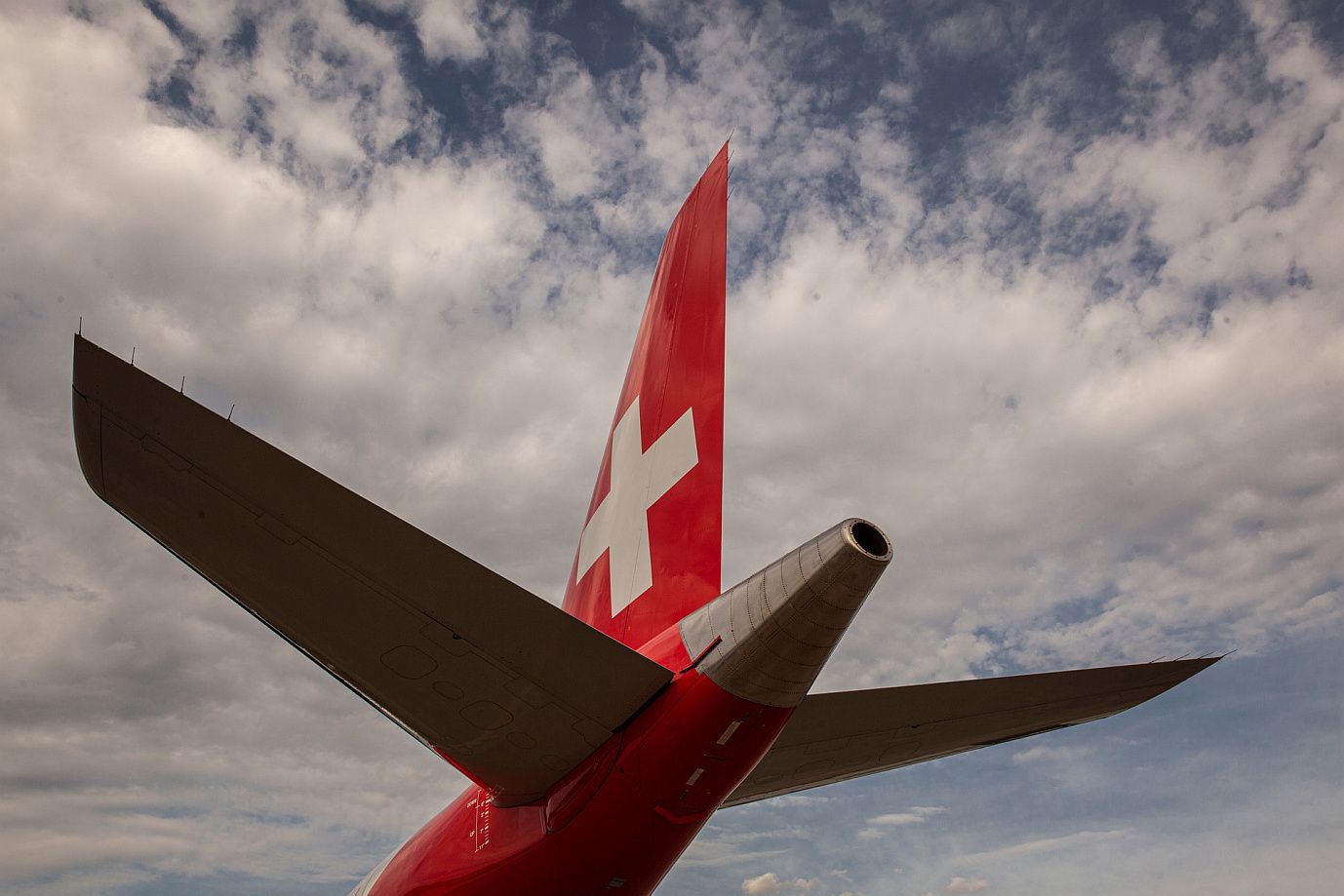
First Poseidon Aircraft Delivered to the RAF
(Source: UK Ministry of Defence; issued Oct. 31, 2019)
The MOD is investing ?3 billion in nine state-of-the-art jets which will enhance the UK?s tracking of hostile maritime targets, protect the British continuous at-sea nuclear deterrent and play a central role in NATO missions across the North Atlantic.
Defence Secretary Ben Wallace said: ?The arrival of the world-class Poseidon aircraft marks a step-change in the UK?s maritime patrol capability.
?Using the world?s most advanced sensors and operating for long periods, these aircraft will transform the quality of intelligence available to our armed forces and protect our vital nuclear deterrent.?
Following an unveiling ceremony in Seattle, the aircraft was flown to Naval Air Station Jacksonville in Florida where RAF personnel are being trained to operate the aircraft.
On arrival Michelle Sanders, DE&S Delivery Team Leader, signed the paperwork to formally transfer the aircraft, named Pride of Moray, to UK ownership.
Air Chief Marshal Mike Wigston, Chief of the Air Staff, said: ?Poseidon is a game-changing maritime patrol aircraft, able to detect, track and if necessary destroy the most advanced submarines in the world today.
?With Poseidon MRA1, I am delighted and very proud that the Royal Air Force will once again have a maritime patrol force working alongside the Royal Navy, securing our seas to protect our nation.?
First Sea Lord, Admiral Tony Radakin, said: ?Poseidon marks a superb upgrade in the UK?s ability to conduct anti-submarine operations. This will give the UK the ability to conduct long range patrols and integrate seamlessly with our NATO allies to provide a world-leading capability.
?This will maintain operational freedom for our own submarines, and apply pressure to those of our potential foes. I look forward to working with the RAF and our international partners on this superb capability.?
The Poseidon MRA1 is designed to carry out extended surveillance missions at both high and low altitudes. The aircraft is equipped with cutting-edge sensors which use high-resolution area mapping to find both surface and sub-surface threats.
The aircraft can carry up to 129 sonobuoys, small detection devices which are dropped from the aircraft into the sea to search for enemy submarines. The systems survey the battlespace under the surface of the sea and relay acoustic information via radio transmitter back to the aircraft.
The aircraft will also be armed with Harpoon anti-surface ship missiles and Mk 54 torpedoes capable of attacking both surface and sub-surface targets.
Michelle Sanders, DE&S Delivery Team Leader, said: ?Seeing the first Poseidon MRA1 handed over to the Royal Air Force is an incredibly proud moment for all of the team at DE&S.
?Close, collaborative working with colleagues in Air Capability, the US Navy and industry has helped us deliver this very capable aircraft.?
As leading members of NATO, the UK has signed agreements with both the US and Norwegian militaries to cooperate closely on operating their Poseidon fleets across the North Atlantic.
In August this year, Defence Minister Anne Marie-Trevelyan hosted Norwegian State Secretary Tone Skogen at RAF Lossiemouth to deepen the two country?s partnership on the Poseidon programme.
To maintain the skills required to deliver this vital capability, the RAF has embedded aircrew within MPA squadrons in Australia, Canada, New Zealand and the USA.
The first aircraft will arrive in Scotland in early 2020, with the fleet to be based at RAF Lossiemouth in Moray. All nine aircraft will be delivered by November 2021.
The aircraft will be flown initially by 120 Squadron which was originally stood up on 1 January 1918 and was the leading anti-submarine warfare squadron in WWII. 201 Squadron will also join the programme in due course.
The Poseidon MRA1 programme is bringing significant economic benefits to the communities near RAF Lossiemouth. A total of ?460 million is being invested in the station to prepare for the arrival of the new aircraft, including the construction of a ?132 million strategic facility for the fleet to be completed next year.
The programme will also bring around 700 additional personnel to Moray, taking the total number of employees there to approximately 2,500.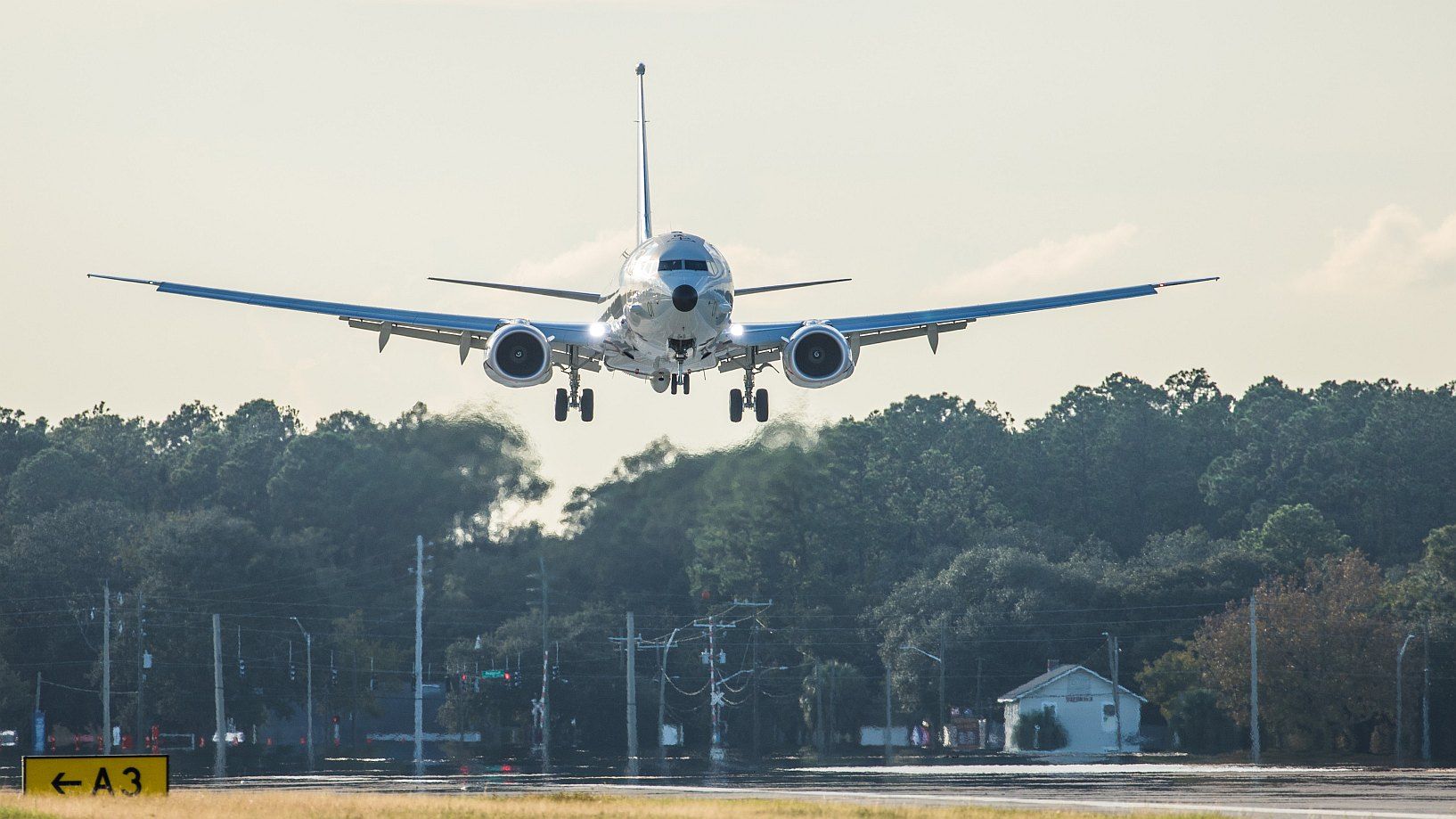
-
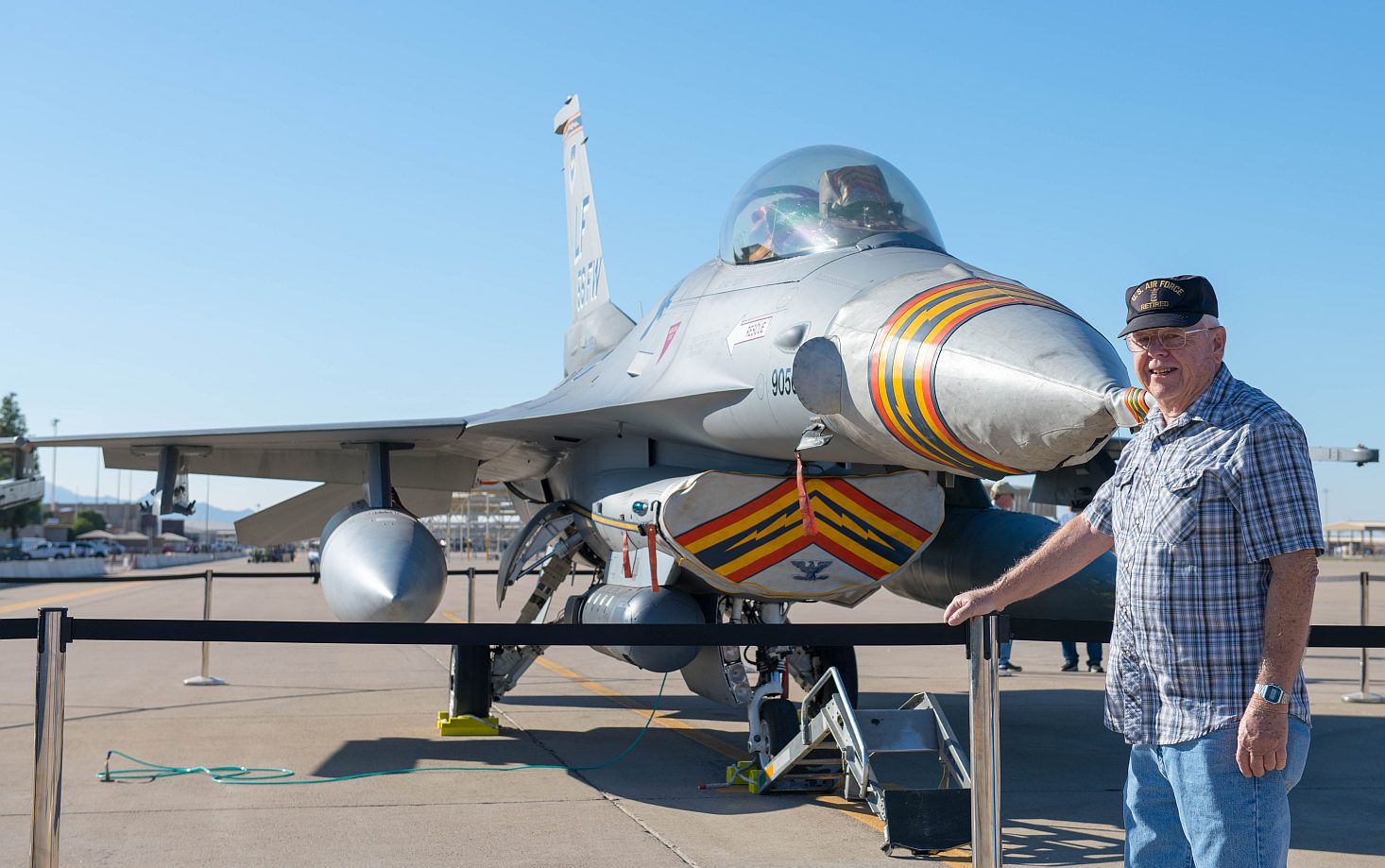
Jim Ritenour, retired Air Force member, poses in front of an F-16C Fighting Falcon during Retiree Appreciation Day (RAD), Oct. 26, 2019, at Luke Air Force Base, Ariz. Airmen at Luke host RAD to honor retirees and their families by thanking them for their service and sacrifices. Airmen at Luke host RAD annually to show their appreciation to retirees, showcase military new equipment, and offer the retirees a streamlined opportunity to capitalize on services offered at the base such as legal and medical support. (U.S. Air Force photo by Airman Brooke Moeder)
T-45C Goshawk training aircraft assigned to Training Air Wing (TW) 1 land on the flight deck of the aircraft carrier USS John C. Stennis (CVN 74) in the Atlantic Ocean, Oct. 31, 2019. John C. Stennis is underway conducting routine operations in support of Commander, Naval Air Force Atlantic. (U.S. Navy photo's by Mass Communication Specialist 3rd Class Joshua L. Leonard/Released)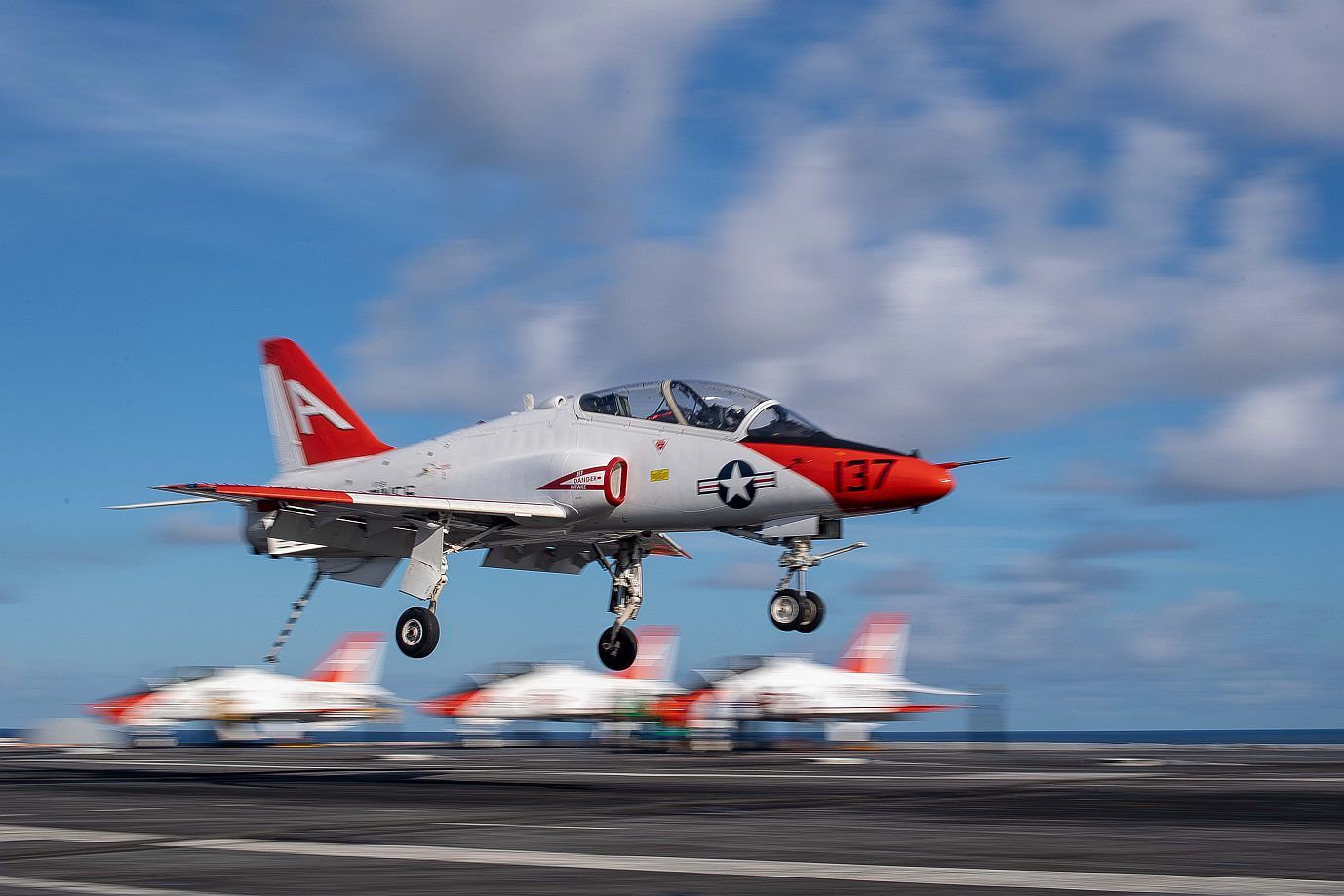
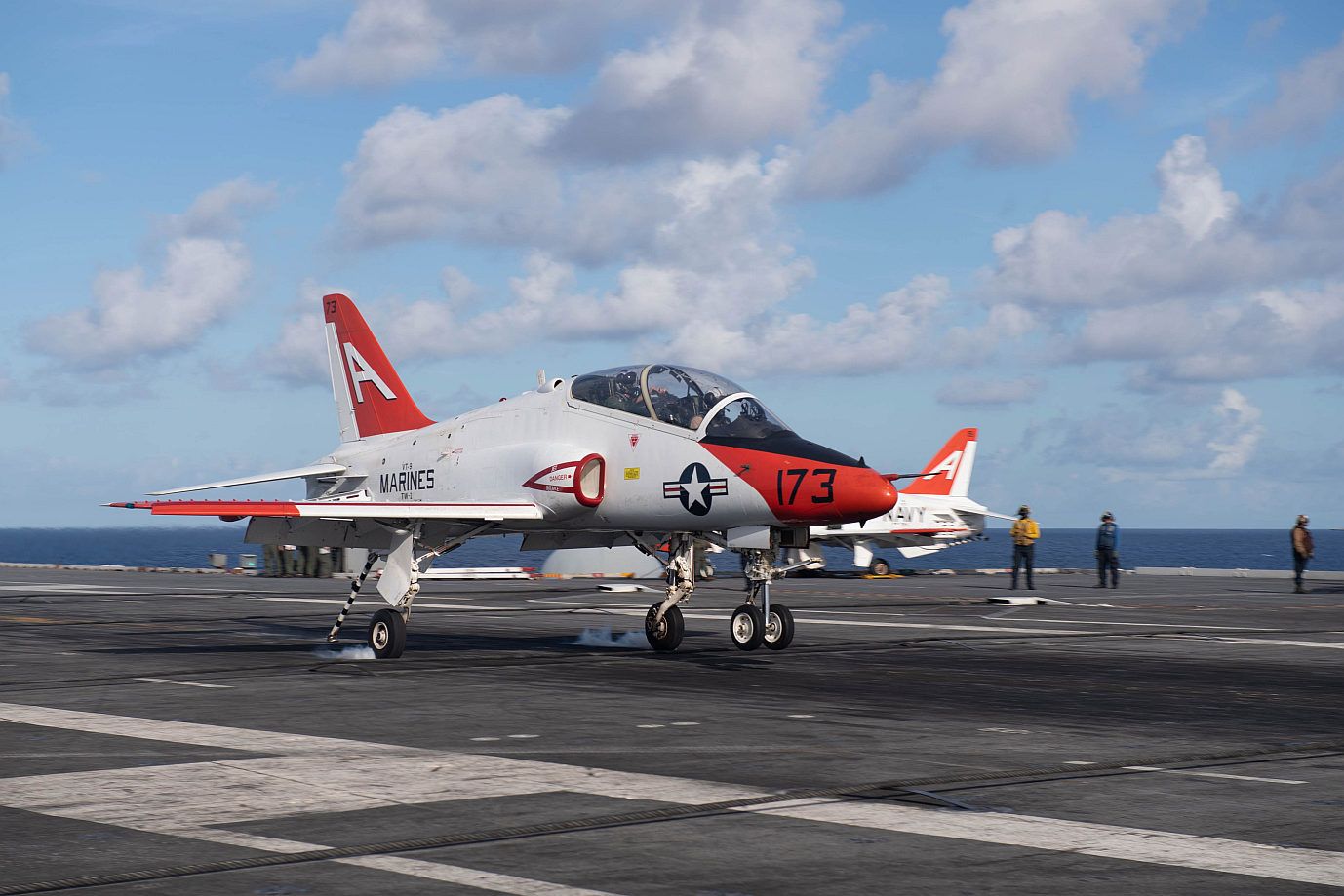
DULLES, Va. ? Nov. 1, 2019 ? Northrop Grumman Corporation (NYSE: NOC) is set to launch the company?s AntaresTM rocket carrying its CygnusTM cargo spacecraft to the International Space Station for NASA. Pending completion of cargo late load and acceptable local weather conditions, the launch will take place Nov. 2, with lift-off scheduled for 9:59 a.m. EDT from the Mid-Atlantic Regional Spaceport Pad 0A on Wallops Island, Virginia, at NASA?s Wallops Flight Facility.
Scheduled to rendezvous and berth with the station on Nov. 4, 2019, NG-12 marks the 12th Cygnus mission to deliver cargo to the ISS and the first launch under the company?s Commercial Resupply Services-2 (CRS-2) contract. NG-12 will be the heaviest load carried by both Cygnus and Antares with approximately 8,200 pounds (3,729 kilograms) of cargo for the station. The rocket?s 230+ version will be used for this mission which includes upgrades to the Stage 1 core, lighter composite structures and an optimized second stage motor. The upgraded Stage 1 core allows the Antares engines to perform at full thrust throughout most of the first stage flight profile.
?With these upgrades, we are able to offer NASA more cargo capacity for their CRS-2 missions by increasing the performance of Antares. We are also providing more flexibility for the final cargo load,? said Scott Lehr, vice president and general manager, flight systems, Northrop Grumman. ?As a commercial partner to NASA, we are dedicated to providing the best value to our customer in support of their critical missions.?
On this mission, Cygnus will undergo a late load of critical cargo 24 hours before the scheduled launch. This capability allows time-sensitive payloads, such as the live rodents flying on Cygnus, to be safely transported to the space station. Earlier this year, Northrop Grumman began providing science facilities for NASA to support rodent research at the Eastern Virginia Medical School in Norfolk, Virginia. A key flexibility feature added for CRS-2 is the ability for NASA to significantly alter the final cargo load by up to 20 percent as late as 24 hours before liftoff.
Another new capability that will be demonstrated during this mission is the simultaneous operation of two Cygnus spacecraft in orbit. The NG-12 mission will be in orbit at the same time as the NG-11 Cygnus spacecraft, which launched in April 2019 on an extended duration flight. The ability to fly two vehicles at once further demonstrates the robustness of Cygnus to support the goals of NASA?s ambitious missions.
?Northrop Grumman is honored to continue providing cargo logistics services to the space station under NASA?s second commercial resupply services contract as a trusted partner,? said Frank DeMauro, vice president and general manager, space systems, Northrop Grumman. ?The Cygnus spacecraft continues to provide critical services to the orbiting laboratory while demonstrating a number of innovative capabilities, and our recent partnership with the Eastern Virginia Medical School is just one of the ways we?re expanding our program.?
Northrop Grumman names each Cygnus spacecraft in honor of astronauts and individuals who contributed to the U.S. commercial space program. For the NG-12 mission, the company commemorates astronaut Alan Bean who was selected by NASA to fly on Apollo 12, the second landing of humans on the moon. The mission, launched in 1969, recently marked its 50th anniversary. Bean also flew as the commander of Skylab 3, the second crewed mission to Skylab where he spent 59 days aboard the orbiting station, setting a new world record at that time. After retiring from NASA, Bean dedicated his life to painting scenes inspired by his time on the lunar surface. The S.S Alan Bean?s trip to the space station honors Bean?s dedication to advance capabilities that allowed humans to explore space in greater length and detail, as well as his desire to share his experiences with the rest of the world.
The S.S. Alan Bean will be captured by the space station at approximately 4:10 a.m. EST on Nov. 4, 2019. The spacecraft will remain attached to the space station for approximately two months before departing with up to 8,200 pounds (approximately 3,720 kilograms) of disposal cargo. The removal of these objects is a crucial step in keeping the station operational.
Once Cygnus is unberthed from the station, it will reposition to deploy CubeSats using a Nanoracks deployer. The Slingshot CubeSat Deployer System is also scheduled to be installed by astronauts while Cygnus is docked to the station for another round of CubeSat deployments. This reinforces how the Cygnus spacecraft continues to serve commercial business in low-earth orbit through the second phase of its resupply missions to the space station.
Live coverage of the Antares launch and Cygnus berthing with the station will be available on NASA Television at http://www.nasa.gov/ntv.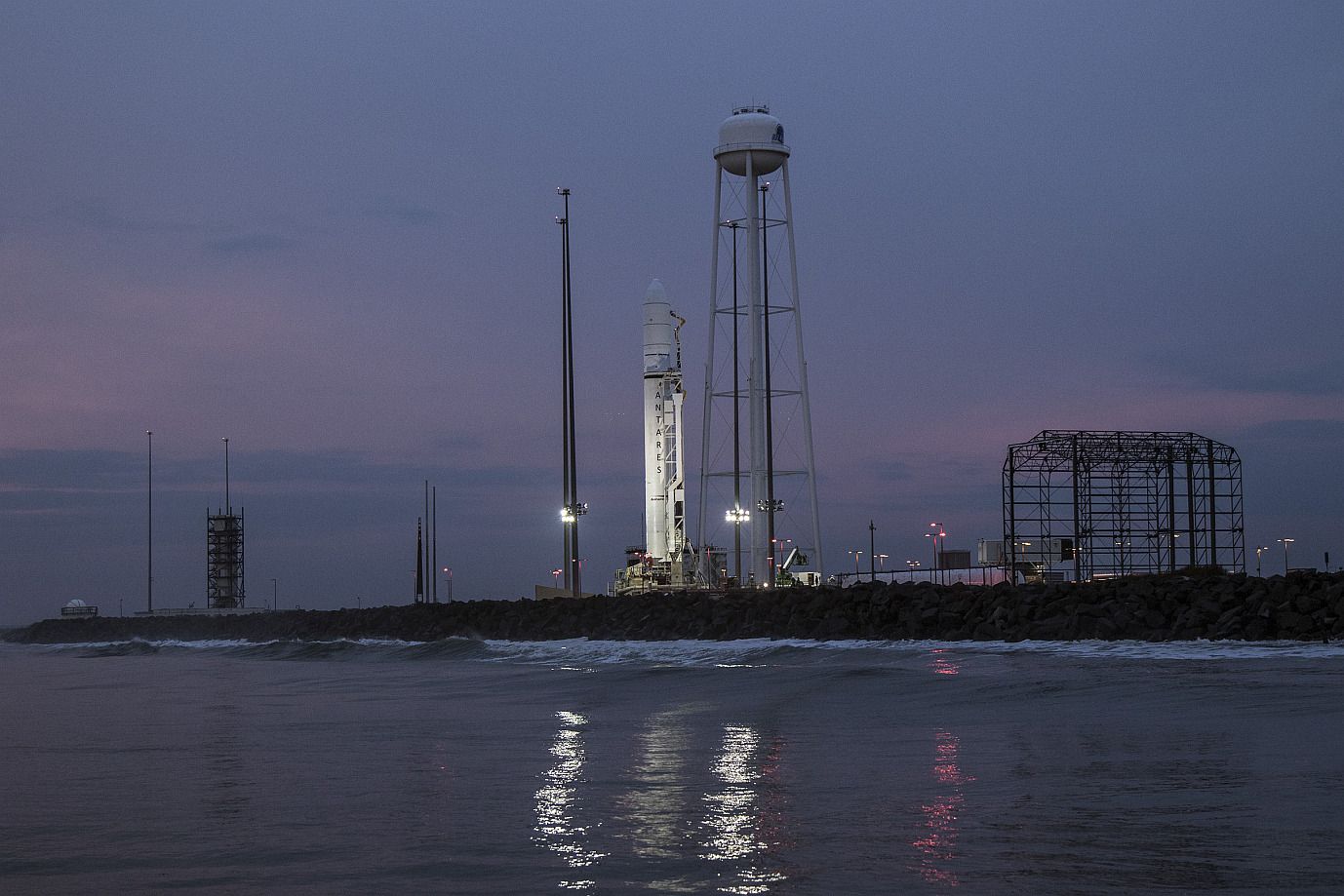
We Got It: The F-35
(Source: Dutch Ministry of Defence; issued Oct. 31, 2019)
(Unofficial translation by Defense-Aerospace.com)
In the excitement generated by the arrival of the country?s first operational F-35 on Oct. 31, firemen at Leeuwarden air base greeted the aircraft with a shower of fire-retardant foam instead of the traditional water salute. (RNLAF photo)
The time has come: the F-35 has arrived. The first operational F-35 stationed in the Netherlands landed at Leeuwarden Air Base today around 3:30 PM. The fighter arrived from Italy, where it was built. With the successor to the F-16, the Royal Netherlands Air Force finally has the so-called 5th-generation aircraft.
The Ministry of Defense already has 8 F-35s, but they are based in the United States and are used to train pilots. In total, the Netherlands are buying 46 F-35s. At around ? 5 billion, it is the largest weapon purchase in Dutch history. The airplanes will be stationed at the Leeuwarden and Volkel air bases.
It?s not the first time the new aircraft has landed on Dutch soil. On May 23, 2016, 2 F-35s landed at Leeuwarden Air Base. In the following three weeks, the Netherlands was introduced to the aircraft with experience flights. And also in May this year two other aircraft visited the Netherlands, to drop the first practice bomb and to be take part in the Air Force Days.
Although not really the first, today?s arrival is nevertheless historic. The aircraft has been controversial for a long time. The House of Representatives debated over a decade on the purchase. The development of the F-35 aircraft was faced with enormous cost overruns and major delays.
State Secretary Barbara Visser said ?A little over 40 years ago, the first Dutch F-16 was welcomed here. It was called "the aircraft of the future". While the F-16 used a computer-controlled operating system for the first time, computers and software play such a major role with the F-35 that it is sometimes called a flying laptop. That means a huge change in our work. "
This was followed by testimonials: personal stories from people who for various reasons have to deal with "the game changer" who is the F-35. Like aviator Lieutenant Colonel Laurens-Jan "Sjoak" Vijge about his unforgettable "first flight": "Holy cr*p! For a moment I feel that teenager on a very cool skateboard in Florida. This device goes like a rocket. "
Or Air Force Commander Lieutenant General Dennis Luyt: ?Together we are stronger. A formation of F-35s at work with a frigate on the high seas. Or with a command or MARSOF person somewhere far away in a desert. The quarterback and playwright who enables the team to win with airpower. Our opponents beat on the basis of unparalleled overview. "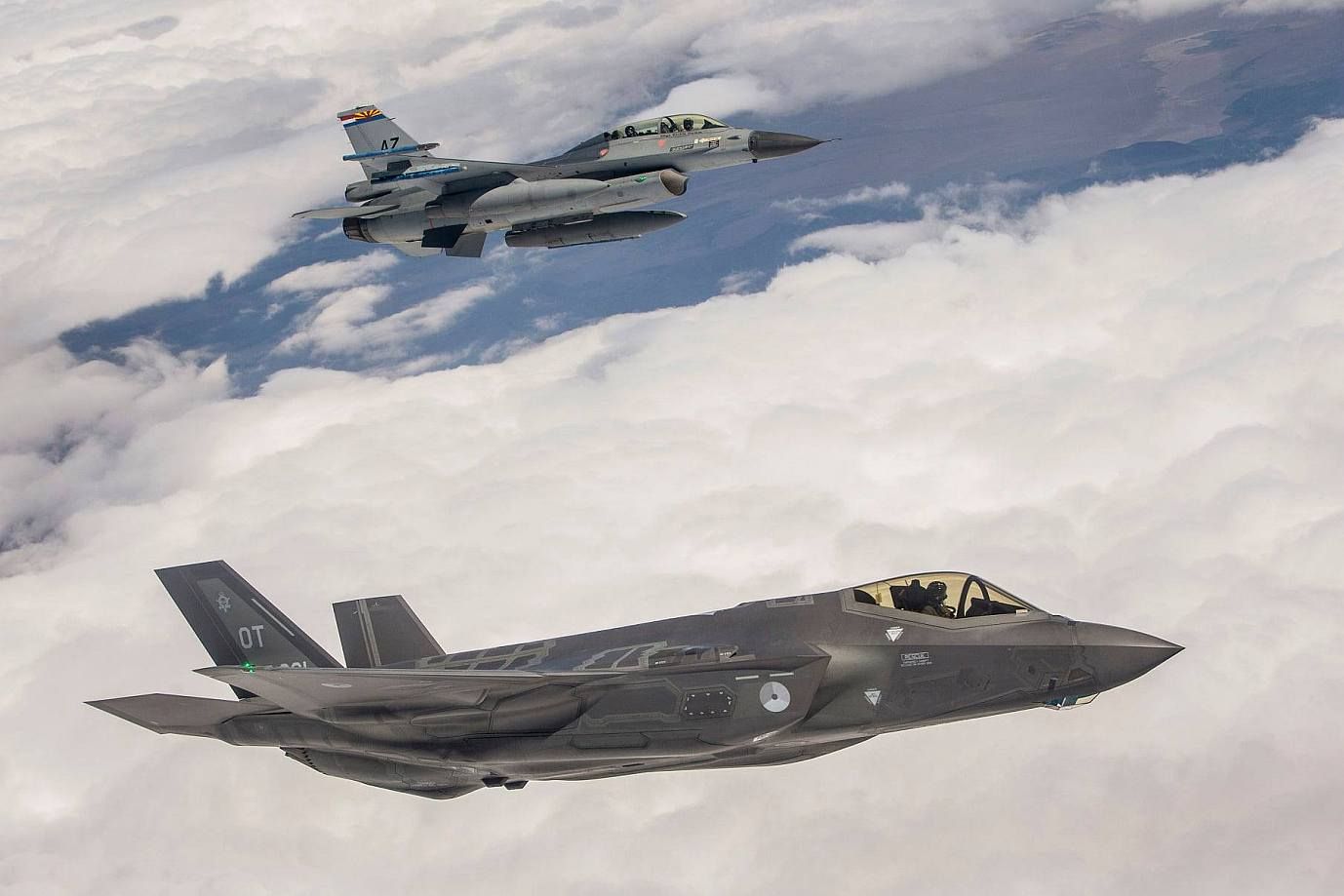
-
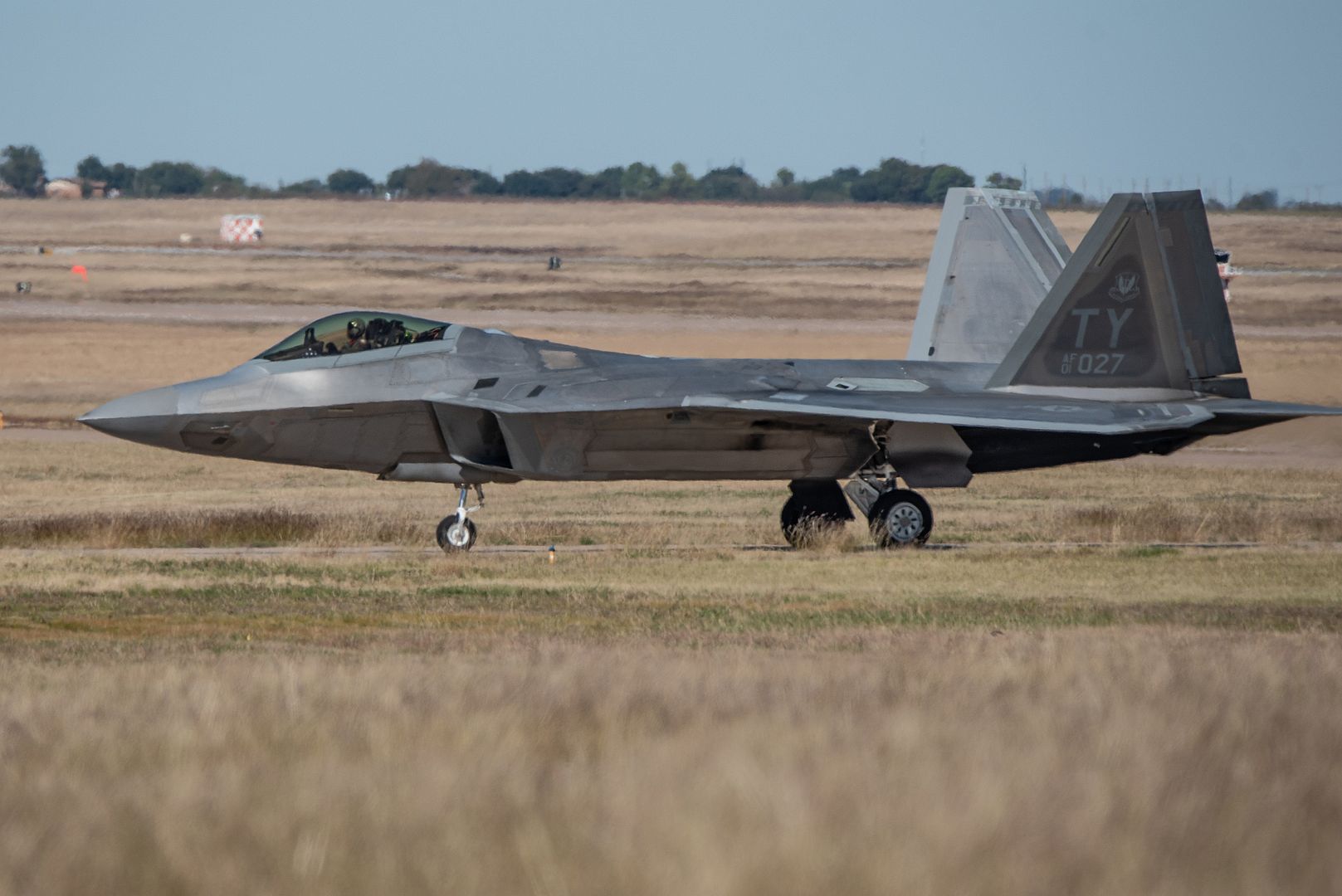
A U.S. Air Force F-22 Raptor taxis on the flight line during the Guardians of Freedom Air Show at Sheppard Air Force Base, Texas, Oct. 28, 2019. Founded in 2007, the F-22 Raptor Demonstration Team showcases the unique capabilities of the world's premier 5th-generation fighter aircraft. (U.S. Air Force photo by 2nd Lt. Sam Eckholm)
A U.S. Air Force B-52H Stratofortress is escorted by Hellenic Air Force F-16 Fighting Falcons over the Mediterranean Sea in support of Bomber Task Force Europe 20-1, Nov. 1, 2019. This deployment allows aircrews and support personnel to conduct theater integration and to improve bomber interoperability with joint partners and allied nations. (U.S. Air Force photo's by Tech. Sgt. Christopher Ruano)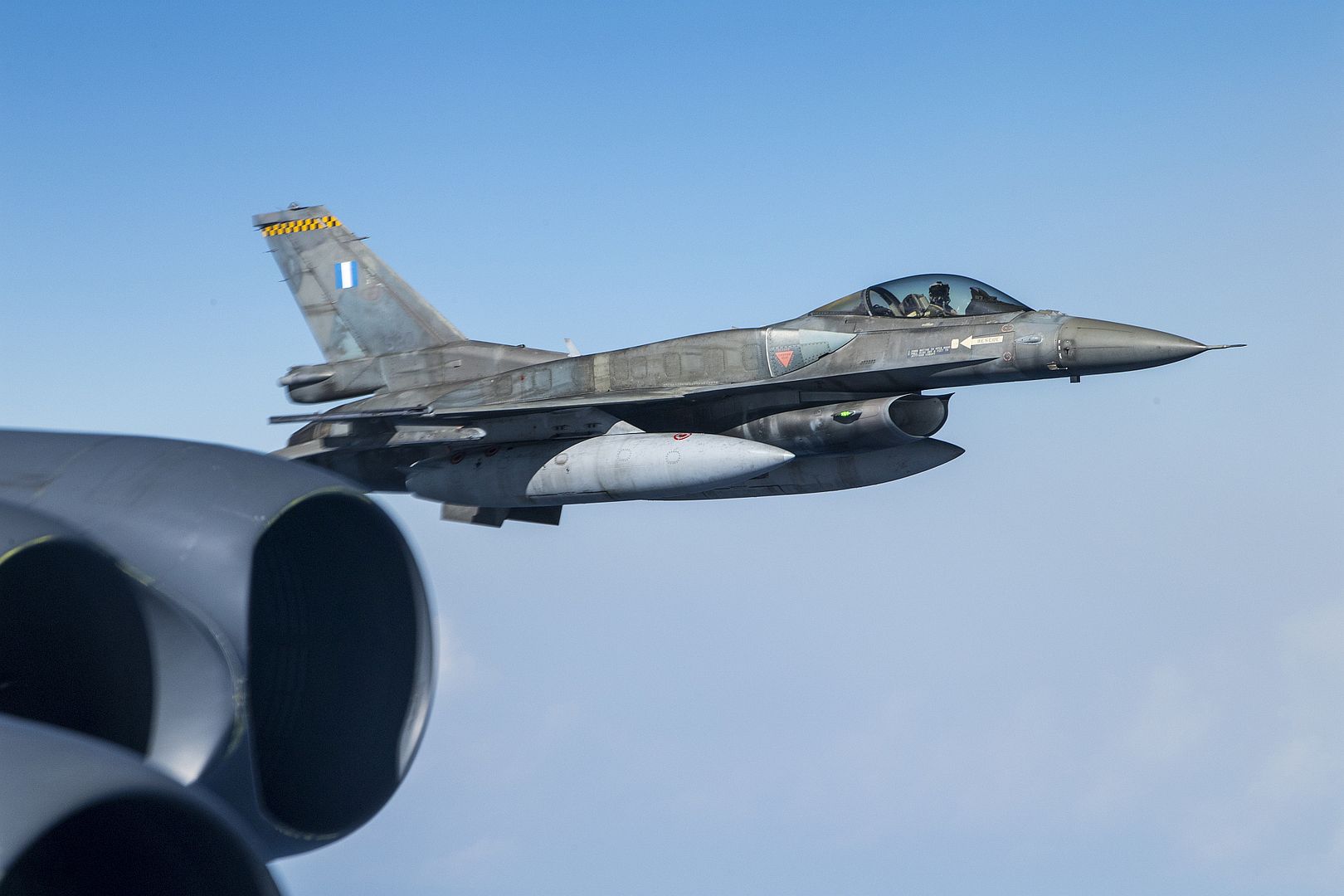
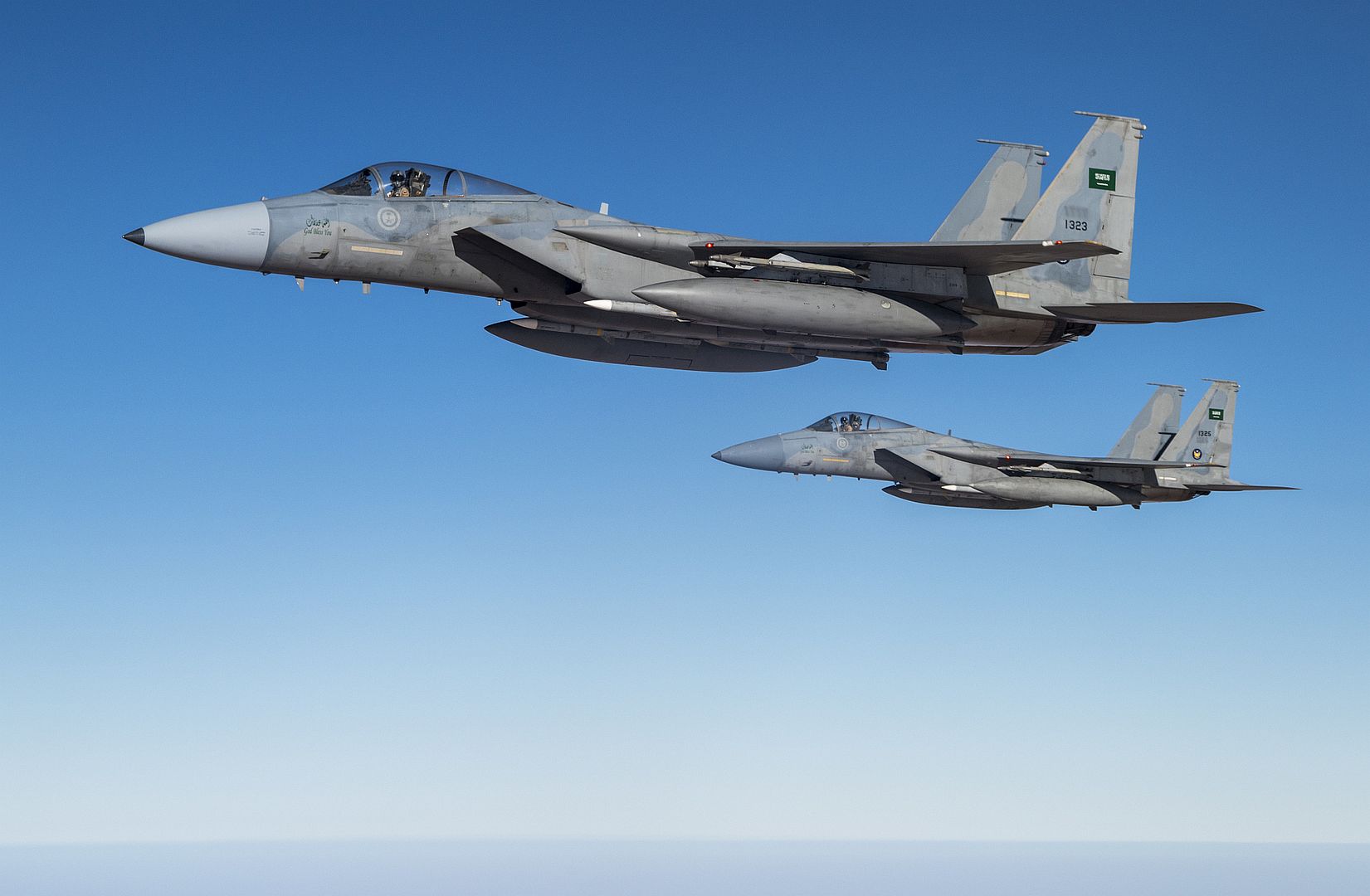
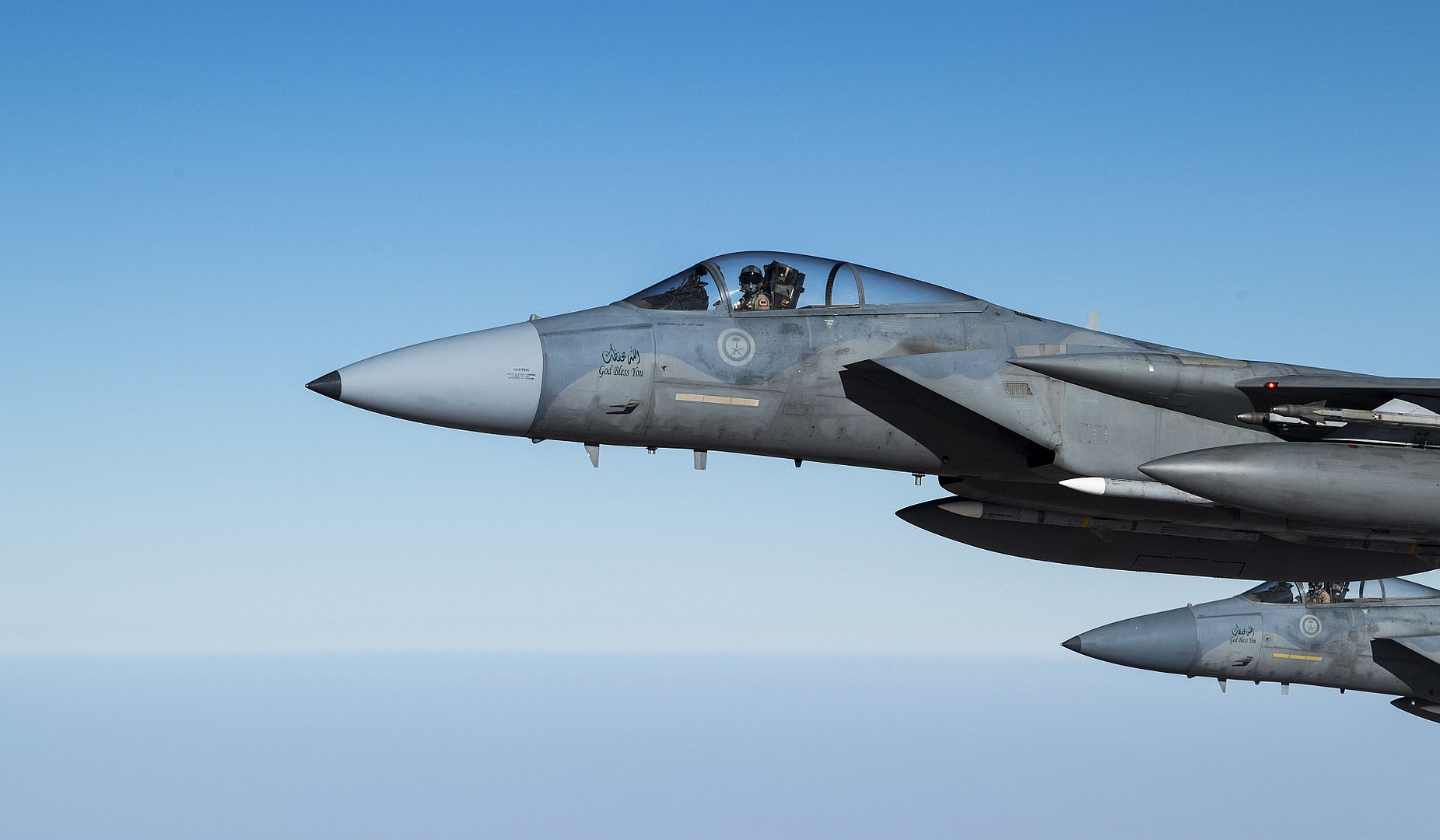
A U.S. Air Force B-52H Stratofortress is escorted by Saudi Arabian F-15C Eagles in support of Bomber Task Force Europe 20-1, Nov. 1, 2019, above Saudi Arabia. The Stratofortress conducted a sortie to the U.S. Central Command area of operations in order to conduct interoperability training with Saudi partners in support of shared regional security interests. (U.S. Air Force photo's by Tech. Sgt. Christopher Ruano)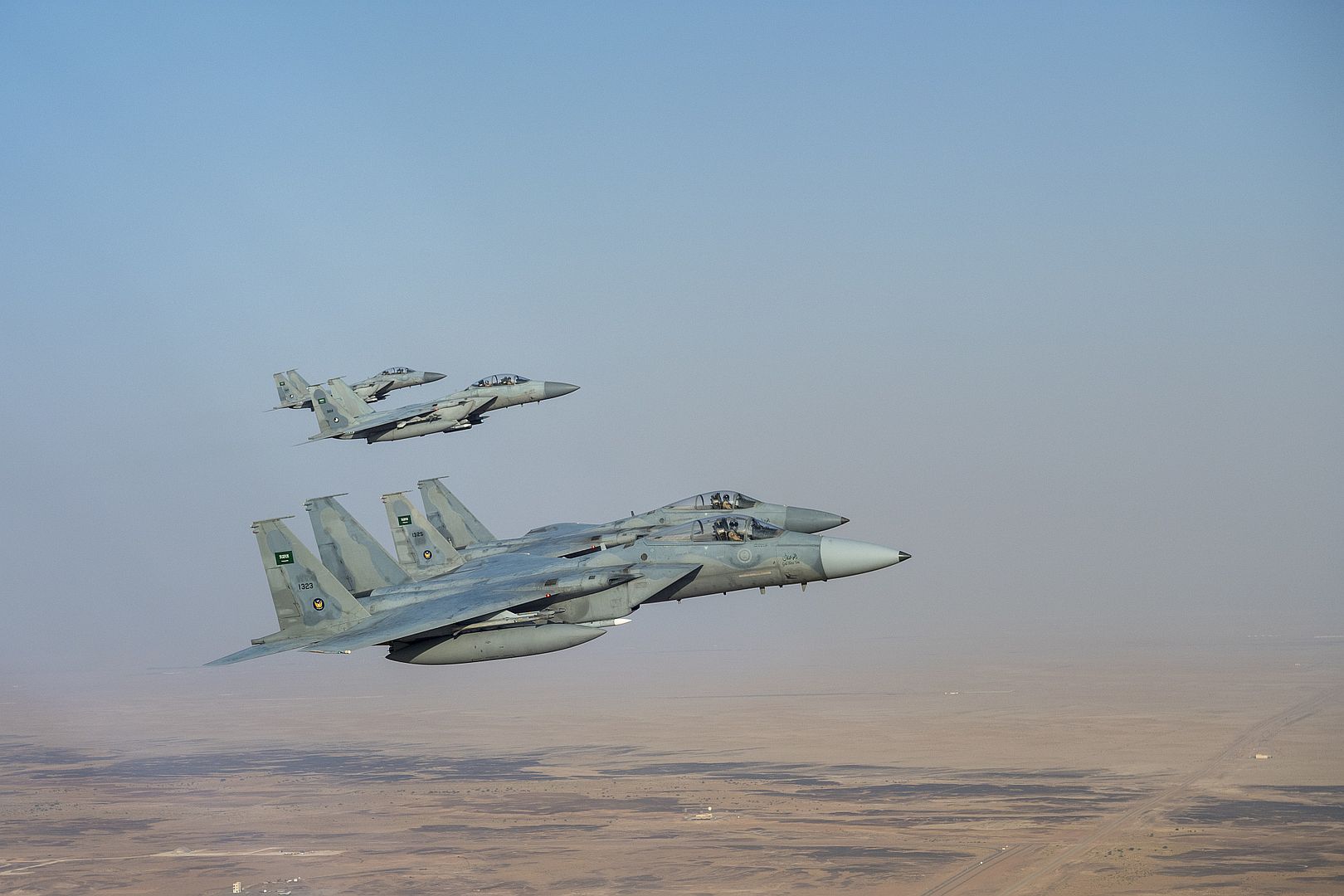
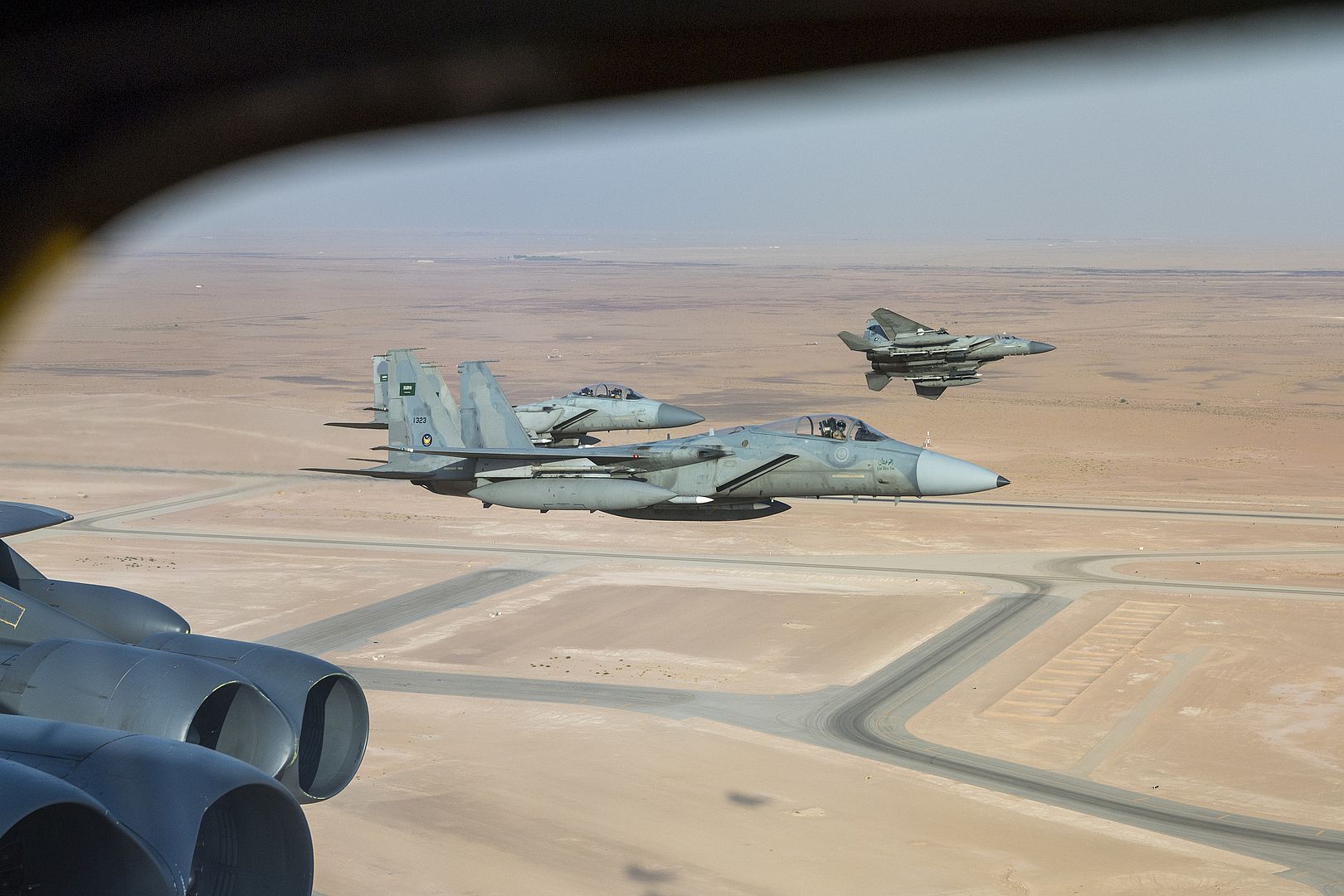
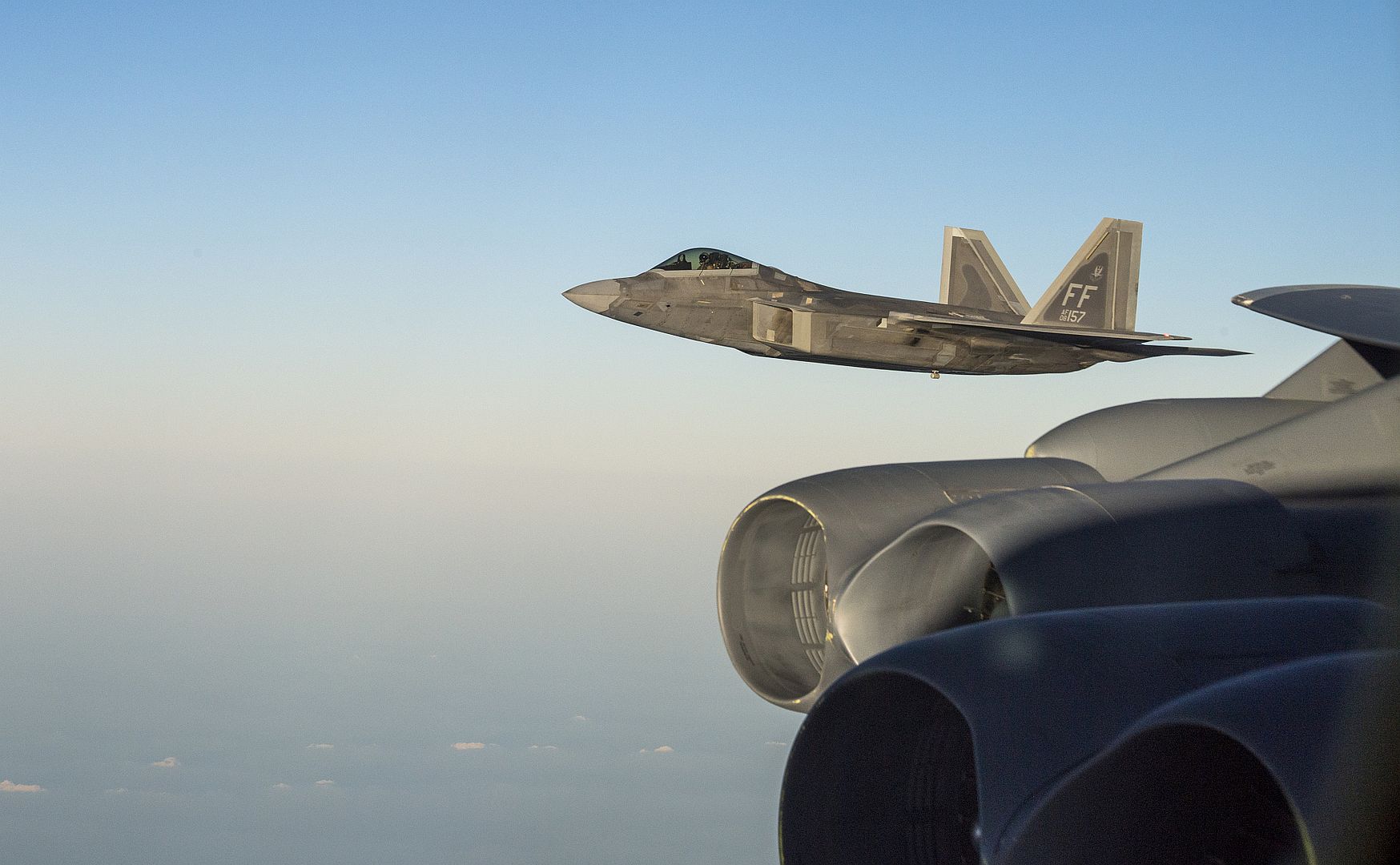
A U.S. Air Force B-52H Stratofortress soars with U.S. Air Force 27th Expeditionary Fighter Squadron F-22 Raptors in the skies of Saudi Arabia in support of Bomber Task Force Europe 20-1, Nov. 1, 2019. The Stratofortress conducted a sortie to the U.S. Central Command area of operations in order to conduct interoperability training with Saudi partners in support of shared regional security interests. (U.S. Air Force photo's by Tech. Sgt. Christopher Ruano)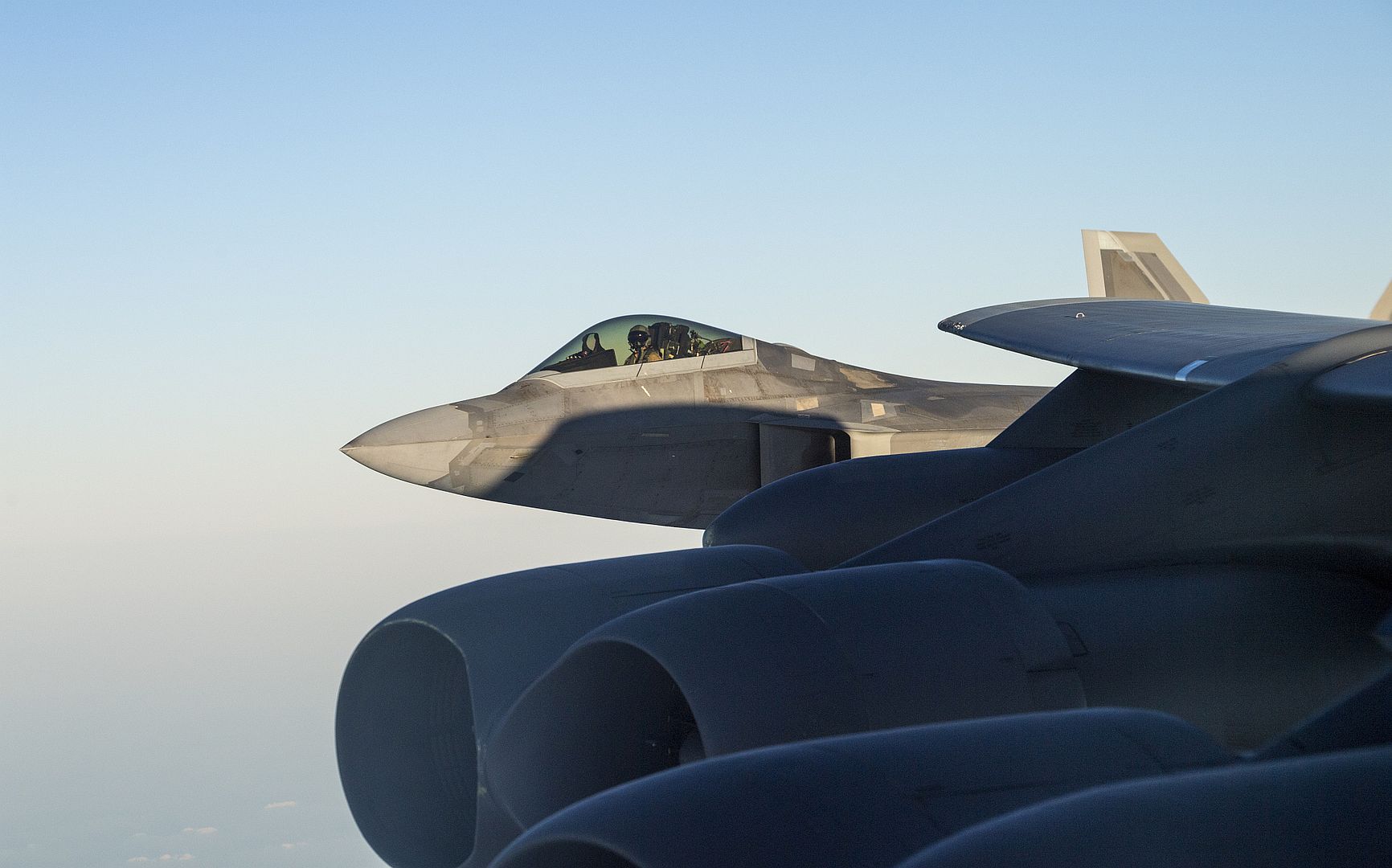
A 1st Helicopter Squadron UH-1N Iroquois sits on the flight on Joint Base Andrews Md., Nov. 1, 2019. The 1st HS provides support to the D.C. area and JBA. The 1st HS conducts high-priority airlift missions and provides contingency response in the NCR. (U.S. Air Force photo by Airman 1st Class Noah Sudolcan)
A U.S. Air Force HC-130J Combat King II sits on the flight line at Davis-Monthan Air Force Base, Arizona, Oct. 31, 2019. The HC-130J is the only dedicated fixed-wing Personnel Recovery platform in the Air Force inventory. Its mission is to rapidly deploy to execute combatant commander directed recovery operations to austere airfields and denied territory for expeditionary, all weather personnel recovery operations to include airdrop, airland, helicopter air-to-air refueling, and forward area ground refueling missions. (U.S. Air Force photo by Senior Airman Cheyenne A. Powers)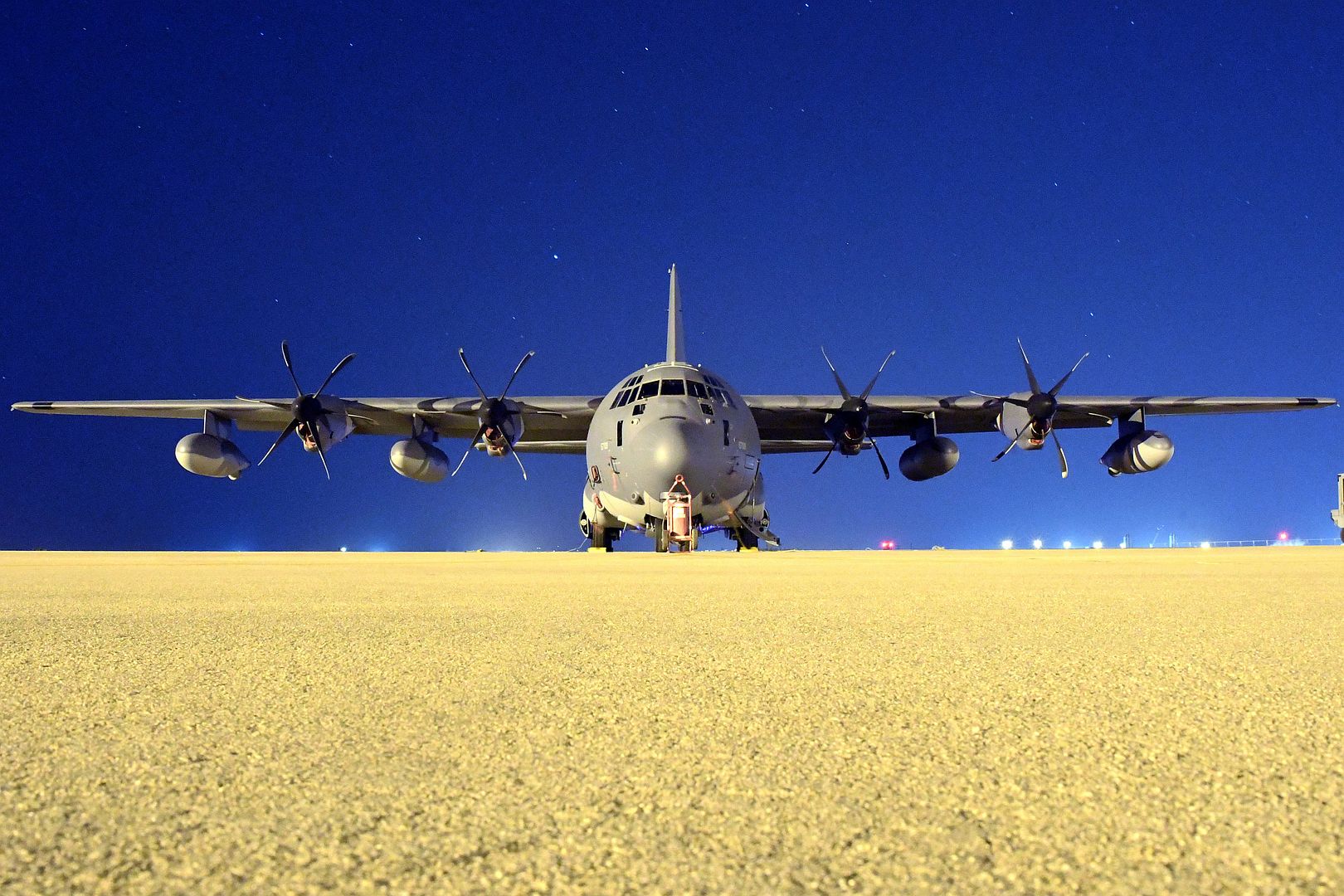
Six 104th Fighter Wing F-15 Eagles take off during a four day readiness exercise Nov. 2, 2019, at Barnes Air National Guard Base, Massachusetts. Airmen spent the four days doing their jobs wearing Mission Oriented Protective Posture gear while Wing Inspection Teams verified that everyone knew how to properly put on and take off their MOPP gear. (U.S. Air National Guard photo by Airman 1st Class Sara Kolinski)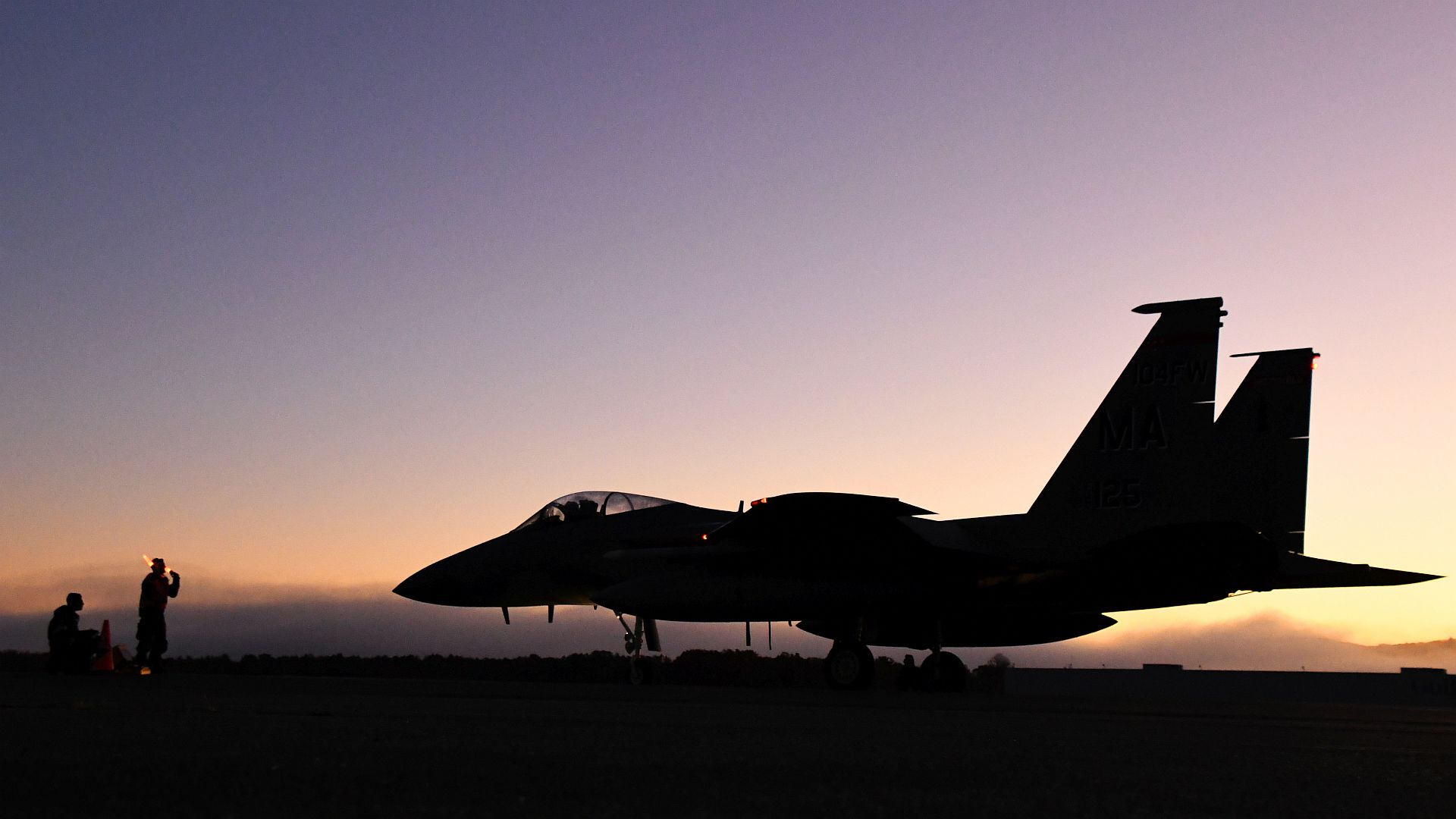
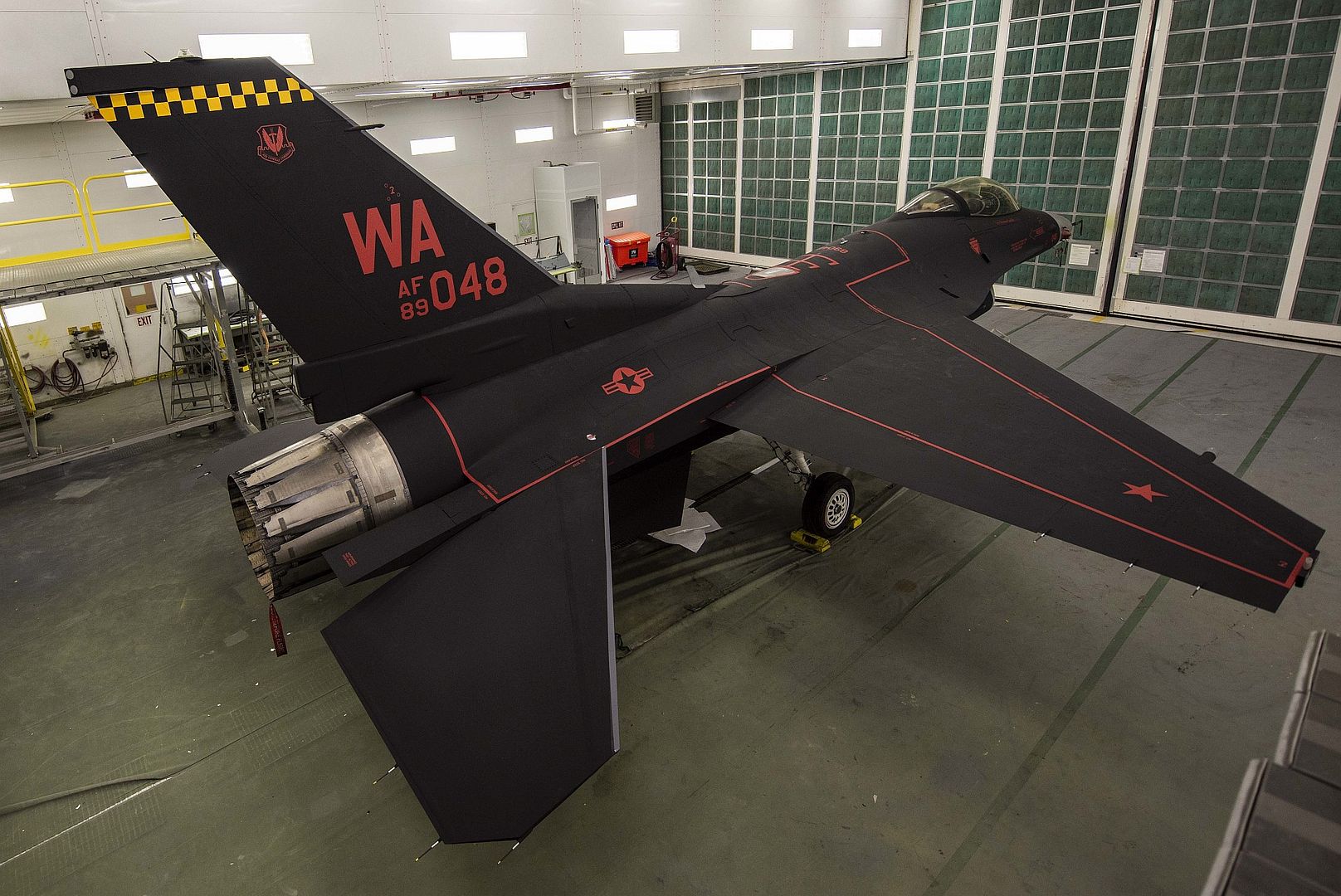
An F-16 Fighting Falcon fighter jet assigned to the 64th Aggressor Squadron is given a new paint scheme in the paint barn at Nellis Air Force Base, Nevada, Oct. 28, 2019. The new design was named the Wraith and replicates an adversary paint scheme. (U.S. Air Force photo's by Senior Airman Miranda A. Loera)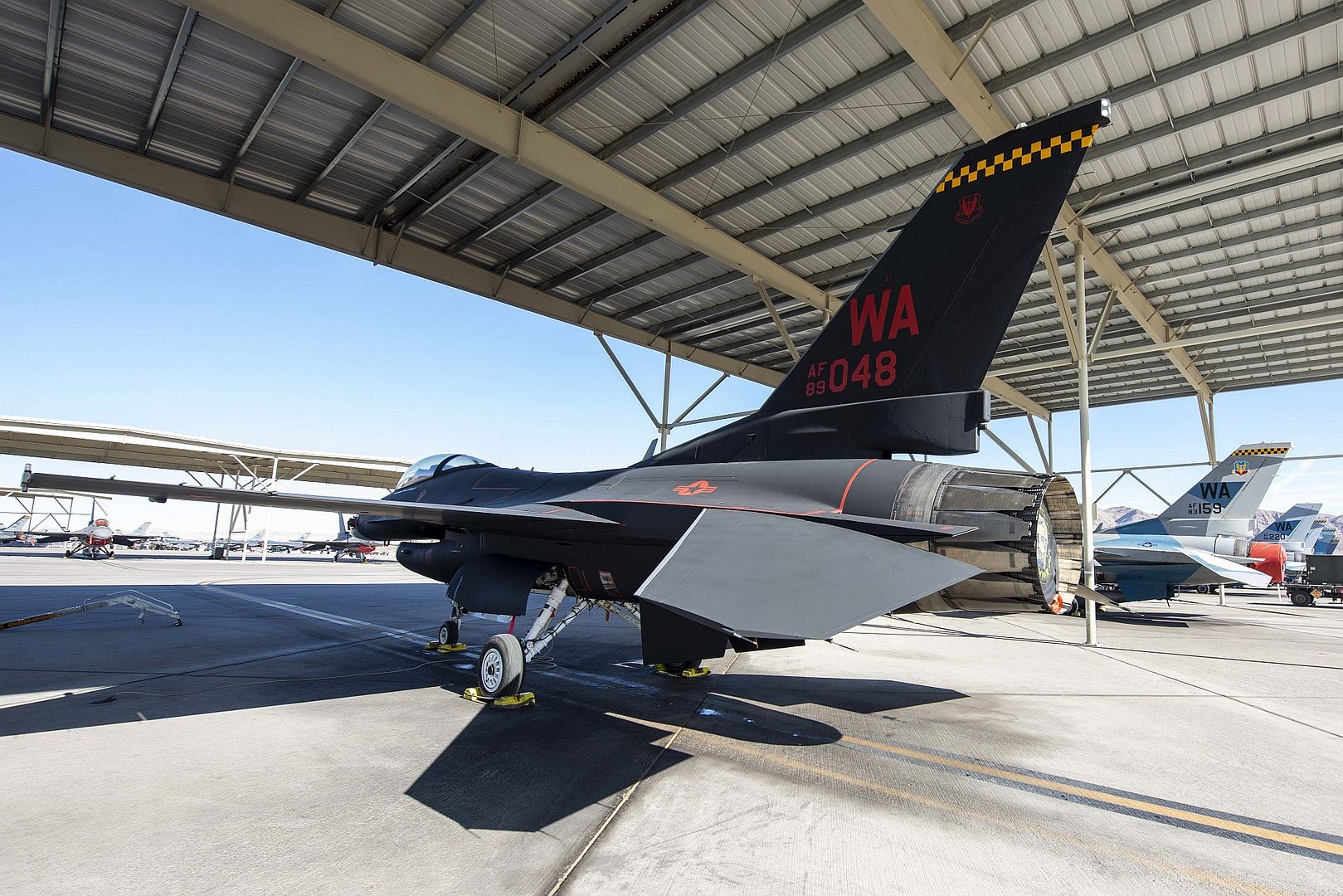
Cebu Pacific (CEB), a carrier based in the Philippines, has signed a firm order with Airbus for 16 long-range A330neo aircraft. The order firms up the wide-body portion of a previously announced Memorandum of Understanding (MoU), which also includes commitments for 10 A321XLR and five A320neo single-aisle aircraft.
The A330neo ordered by Cebu Pacific is a higher-capacity version of the A330-900, with up to 460 seats in a single-class configuration. Cebu Pacific plans to operate the aircraft on trunk routes within the Philippines and the rest of Asia, as well as on longer range services to Australia and the Middle East.
Lance Gokongwei, Cebu Pacific President and CEO said: ?The A330neo is integral to our fleet modernisation programme. With this purchase, we aim to reduce our fuel emission and build a more sustainable operation. This will also give us the lowest cost per seat, at the same time enabling CEB to increase seat capacity and maximise valuable airport slots in Manila and other Asian megacities.?
Christian Scherer, Airbus Chief Commercial Officer commented: ?Cebu Pacific is a pace-setter and surely one of the most respected and well managed airlines in the low-cost sector. This new order is another important endorsement for the value-based proposition that the A330neo brings to highly competitive markets. The increased capacity version of the aircraft developed for Cebu Pacific will help achieve even greater efficiencies for high density regional and long range routes.?
The A330neo Family builds on the proven economics, versatility and reliability of the existing A330 Family. Incorporating the latest-generation Trent 7000 engines from Rolls-Royce and a new wing, the aircraft offers a reduction in fuel consumption of 25% compared with older generation competing products as well as an extended range capability of up to 8,000 nautical miles / 15,000 kilometres.
The A330neo cabin provides the comfort of Airspace by Airbus amenities, including state-of-the-art passenger in-flight entertainment and Wi-Fi connectivity systems.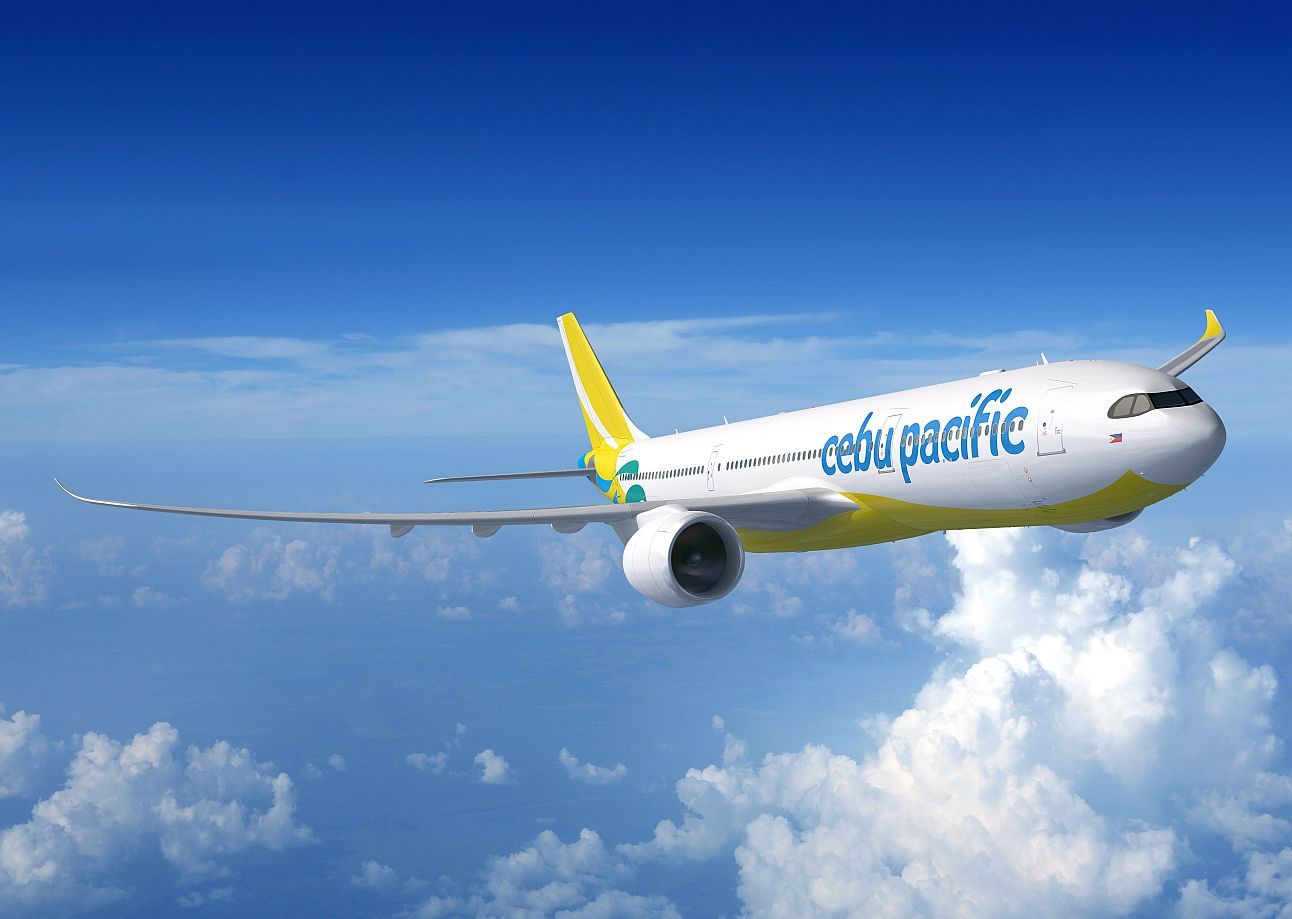
-
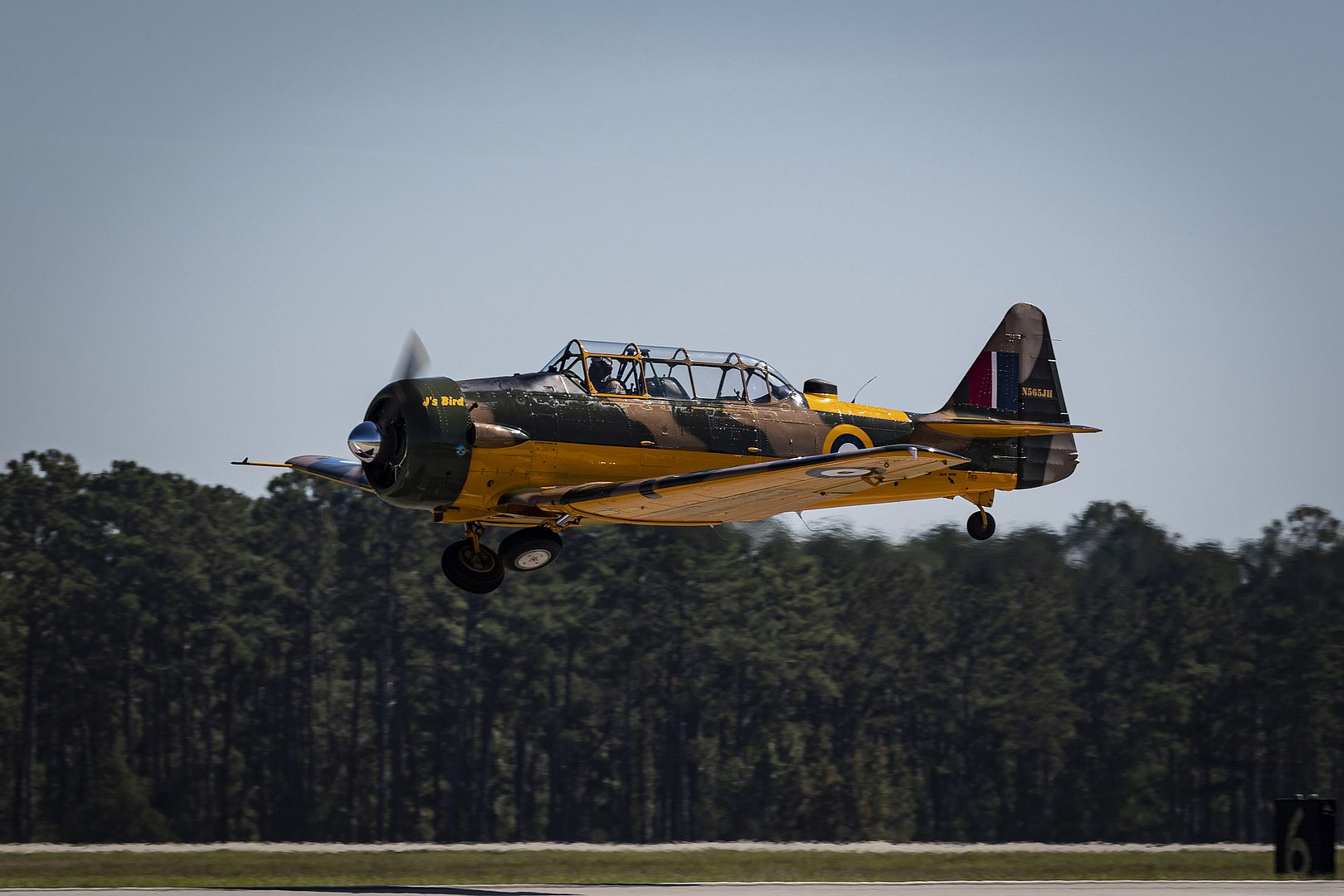
John "Skipper" Hyle takes off for an aerial demonstration in his T-6 Texan during the 2019 Thunder Over South Georgia Open House Nov. 3, 2019, at Moody Air Force Base, Ga. Approximately 50,000 people attended the two-day Thunder Over South Georgia open house, which was headlined by the U.S. Navy Blue Angels demonstration team. (U.S. Air Force photo by Airman 1st Class Hayden Legg)
WHITEMAN AIR FORCE BASE, Mo. --
Capt. Lauren Kram graduated from Initial Qualification Training, making her the tenth woman to become a B-2 Spirit pilot, Oct. 4.
In the B-2?s 30-year history, only 498 pilots have qualified to fly the long-range stealth bomber aircraft. The first female pilot to fly the B-2 was retired Lt. Col. Jennifer ?Wonder? Avery. She was the 278th pilot to qualify and is the only female who has flown the stealth bomber in combat.
Out of the 10 female B-2 pilots, three currently fly with the 393rd Bomb Squadron and one is the commander of Detachment 5, 29th Training Systems Squadron, at Whiteman AFB. This is the highest number of female B-2 pilots that have been assigned to Whiteman AFB at one time.
Every B-2 pilot is a graduate of a rigorous six-month training program. The Initial Qualification Training program includes 266 hours of academics, 30 exams, 46 simulator missions and 10 flights in the B-2 Spirit. After graduation, the newly minted stealth pilots continue with Mission Qualification Training, a program designed to train aviators in tactically employing the aircraft.
The culture in the 13th and 393rd Bomb Squadrons at Whiteman AFB is ever-evolving and seeing women in the squadrons is not as unusual as it once was.
?I feel like the culture has changed dramatically from when women were first allowed to become pilots to when I went through pilot training,? Kram said. ?I?m lucky because I am a female pilot at a time when it has become normalized.?
She says it is more surprising to see the public?s reaction when she is in her flight suit, because many people are not accustomed to seeing a female pilot.
?Seeing more female pilots in places such as the airport and grocery store helps the public realize being a pilot isn?t only a male profession,? Kram said.
This ?normalization? has come a long way, and most recent female pilots are grateful for those who have come before them.
?You need to see someone who looks like you to know you can do it,? said Capt. Lauren ?Switch? Kolod, assigned to the 393rd Bomb Squadron. ?I never had, but that?s changing. When I put that helmet on, I become just another pilot, which is the best thing in the world. I so appreciate these women for paving the way and making it just a little easier for me.?
Paving the way was not easy for the early female B-2 pilots, but that did not stop them from excelling in their careers, from pilot training to holding leadership positions in the Air Force.
?We stuck out like sore thumbs,? Lt. Col. Jennie ?Dixie? Swiechowicz recalled.
She said it was hard for her to find her place because she wasn?t exactly one of the guys, but did not quite fit in with their wives either.
?It didn?t deter me,? Swiechowicz said. ?If anything, it made me want it more.?
In the bomb squadrons at Whiteman AFB, these women no longer stick out like sore thumbs. They are not characterized as ?female pilots,? but are seen as the same as their male counterparts. They are all aviators who bring their talents and strengths to the most lethal aircraft in the Air Force?s arsenal.
?The airplane doesn?t care who?s flying it,? Swiechowicz says. ?Flying is the great equalizer.?
GULF OF OMAN (Nov. 1, 2019)
Sailors assigned to the guided-missile destroyer USS Lassen (DDG 82) hook cargo to an MH-60R Sea Hawk helicopter attached to the Proud Warriors of Helicopter Maritime Strike Squadron (HSM) 72 during a replenishment-at-sea with the dry cargo and ammunition ship USNS Alan Shepard (T-AKE 3), not pictured. Lassen is part of the East Coast Surface Action Group and is operating in the U.S. 5th Fleet area of operations in support of naval operations to ensure maritime stability and security in the Central Region, connecting the Mediterranean and the Paci?c through the western Indian Ocean and three strategic choke points. U.S. Navy Photo by Mass Communication Specialist 2nd Class Tamara Vaughn (Released)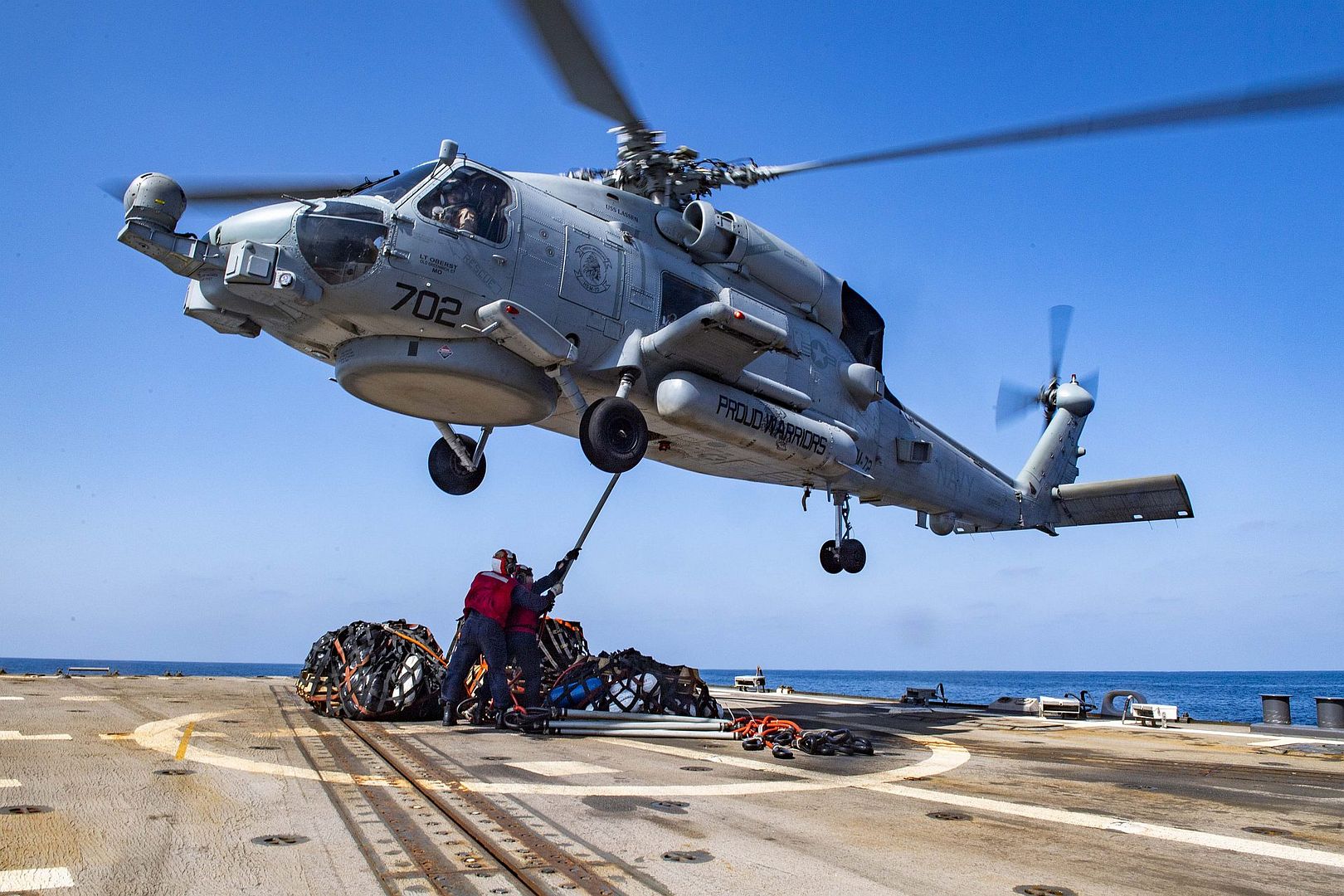
Fort Worth, Texas - Air Center Helicopters, Inc (ACHI) has signed a set of HCare Smart parts-by-the-hour contracts for 10 of its Airbus H225 helicopters. These aircraft are currently in operation with the U.S. Armed Forces for passenger transport, Special Operations Forces training, vertical replenishment and casualty evacuation missions.
The HCare Smart contracts cover a three-year period and have been customized to meet the material support and spare parts requirements of helicopters flying in demanding theaters of operation, including a dedicated spare parts consignment stock. With this contract, 10 of the 17 H225s in ACHI?s fleet are now covered by HCare.
?Our in-service H225 fleet was repurposed from the offshore oil & gas market and retrofitted for new missions in just under one year,? said Rod Tinney, CEO of ACHI. ?Today these 10 civilian helicopters are on contract performing military missions for the U.S. Navy, U.S. Air Force and U.S. Army in three countries and two oceans. In a short amount of time, they have already accumulated more than 3,000 flight hours. Having in-service support we can rely on through HCare is indispensable and will help us continue this momentum, flying an expected 400 to 1000 flight hours per year per aircraft.?
?Thanks to ACHI?s innovative approach, these civil aircraft have been swiftly put back in service for new missions with military customers, making their H225 fleet among the world?s largest,? said Christoph Zammert, Executive Vice President of Customer Support & Services at Airbus Helicopters. ?Ensuring aircraft availability through support packages tailored to the unique needs of military operators is an essential requirement, and one that we?re honoured to provide ACHI.?
ACHI?s remaining seven H225s are currently undergoing retrofit for their new missions and are expected to all enter operation by March 2020. As of today, around 55 former oil & gas H225s have been reconfigured for aerial work, utility, firefighting and search and rescue.
Airbus Helicopters? range of HCare material management services starts out with Easy (on-request catalogue services) and Smart (four by-the-hour options), before progressively building up to Infinite (full availability commitments).
HCare is Airbus Helicopters? comprehensive services offer, providing superior customer service support in five domains: Material Management; Helicopter Maintenance, Repair and Overhaul (MRO) and upgrades; Technical Support; Training & Flight Operations and Connected Services.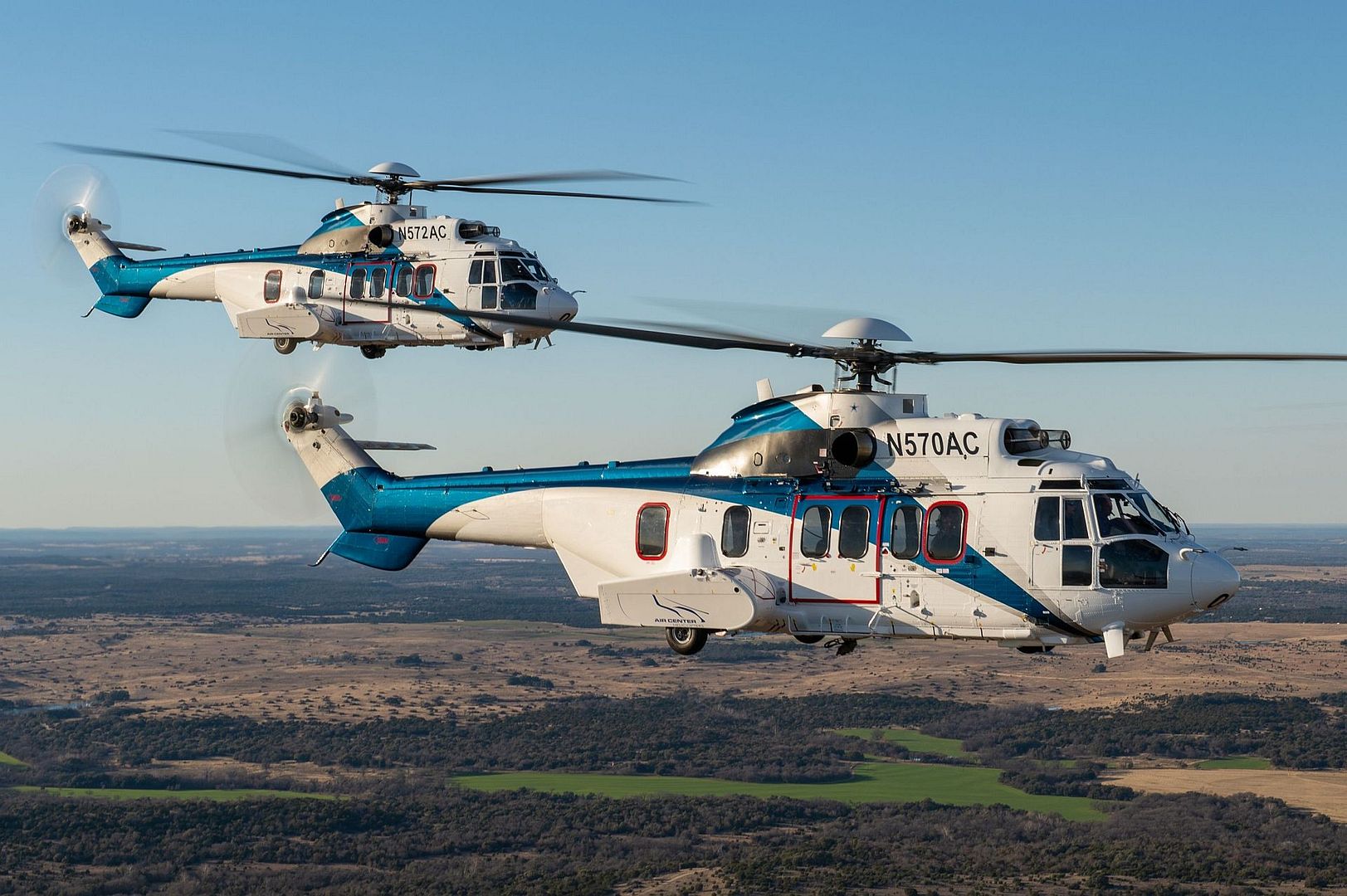
-
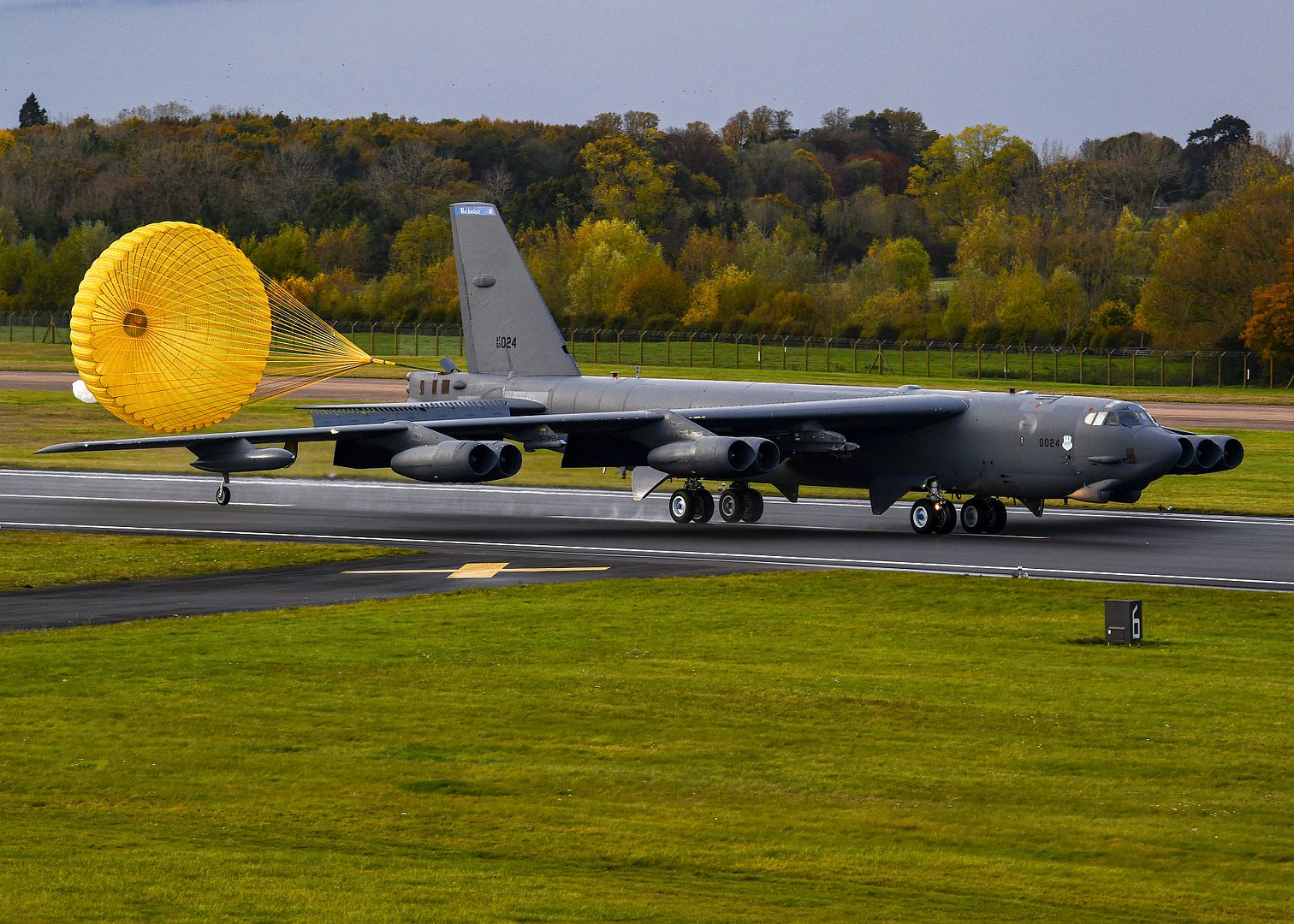
A B-52H Stratofortress bomber, assigned to the 2nd Bomb Wing from Barksdale Air Force Base, Louisiana, deploys a parachute to aid in slowing down the aircraft during Bomber Task Force Europe 20-1 while deployed to RAF Fairford, United Kingdom, Nov. 4, 2019. This BTF is the global employment of U.S. strategic bombers, nuclear and conventional, providing strategic military advantage to achieve national and combatant commander objectives. (U.S. Navy photo by Mass Communication Specialist 2nd Class Eric Coffer)
The U.S. Air Force Air Demonstration Squadron ?Thunderbirds? make their final cross country journey home of the 2019 show season, November 4th, 2019, backed by a KC-135 Stratotanker assigned to the 22nd Air Refueling Wing at McConnell Air Force Base, Kansas. Like all U.S. Air Force fighter squadrons, the Thunderbirds rely on the support of Air Mobility Command?s tanker aircraft to successfully perform their mission. (U.S Air Force Photo by Maj. Ray Geoffroy)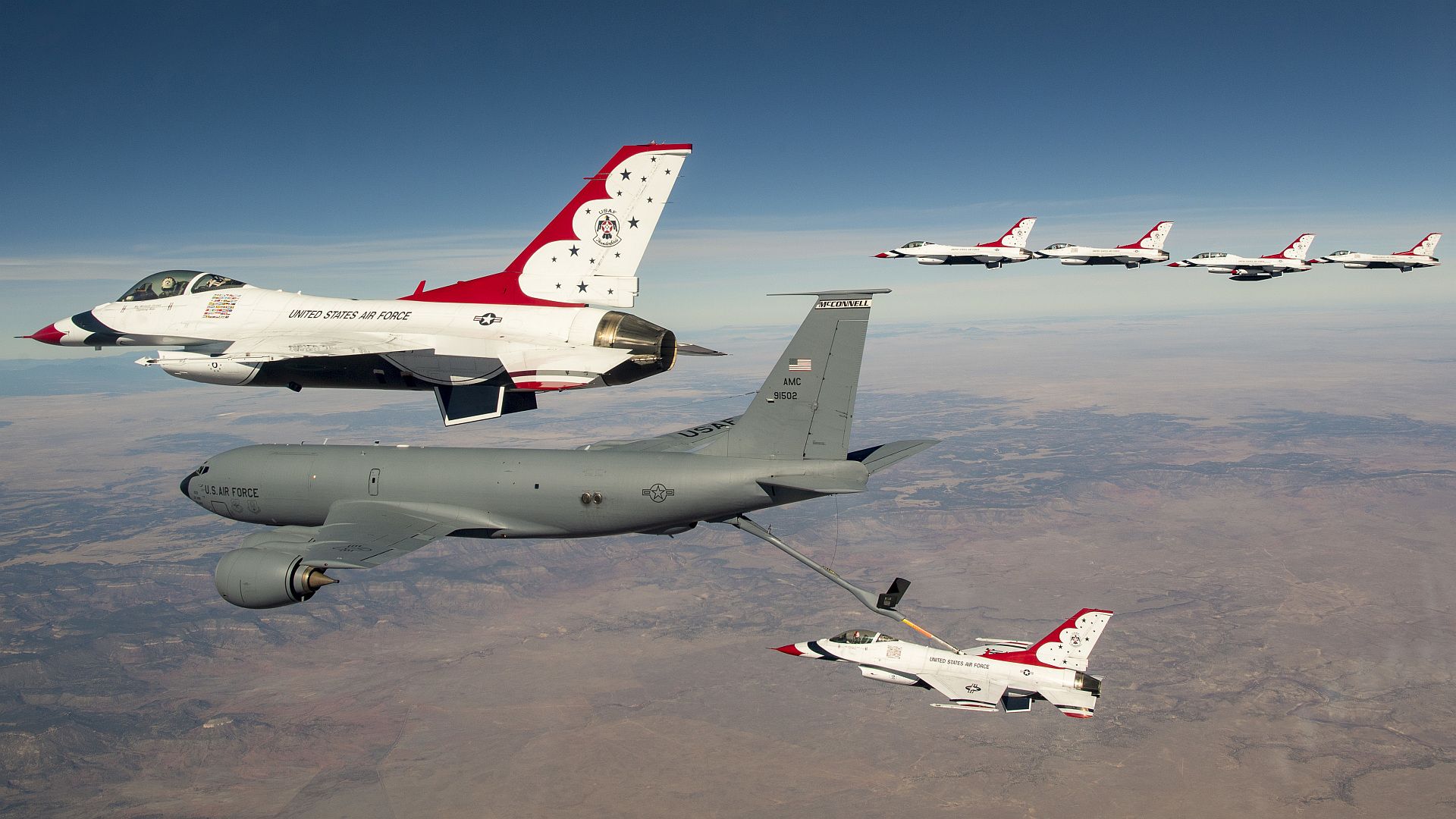
PENSACOLA, Fla. (Nov. 5, 2019) Secretary of the Navy Richard V. Spencer visits Sailors and Marines assigned to The U.S. Navy Flight Demonstration Squadron, the Blue Angels, at the team?s hangar in Naval Air Station Pensacola. The Blue Angels are scheduled to conduct 61 flight demonstrations at 32 locations across the country to showcase the pride and professionalism of the U.S. Navy and Marine Corps to the American and Canadian public in 2019. (U.S. Navy photo by Mass Communication Specialist 2nd Class Timothy Schumaker/Released)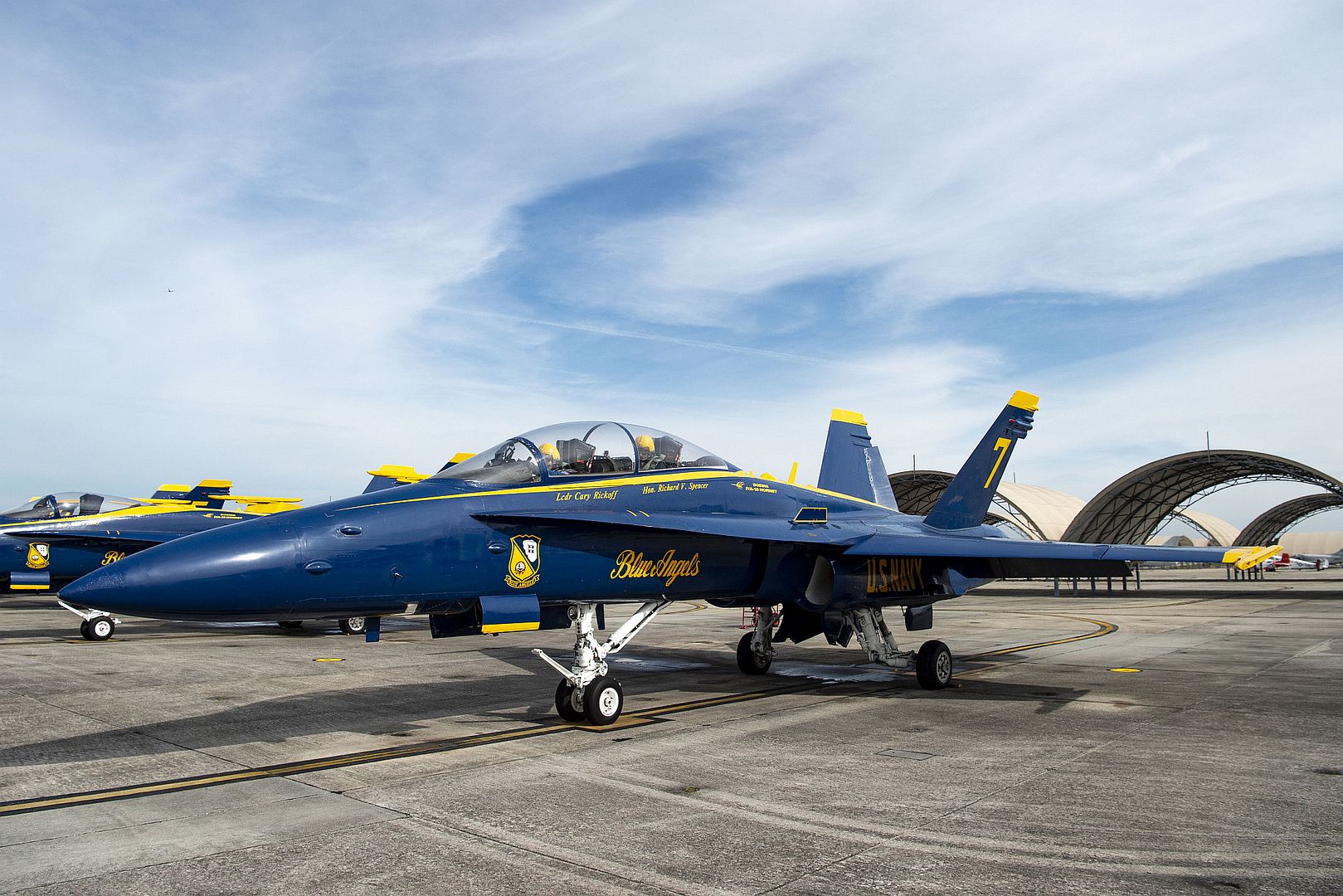
An MH-60R Sea Hawk helicopter from the Magicians of Helicopter Maritime Strike Squadron (HSM) 35 conducts a hoist exercise with the Peruvian navy submarine BAP Angamos (SS-31) off the coast of San Clemente Island. HSM-35 is conducting antisubmarine warfare training to maintain readiness by utilizing a live submarine. U.S. Navy photo by Mass Communication Specialist 1st Class Patrick W. Menah Jr. (Released)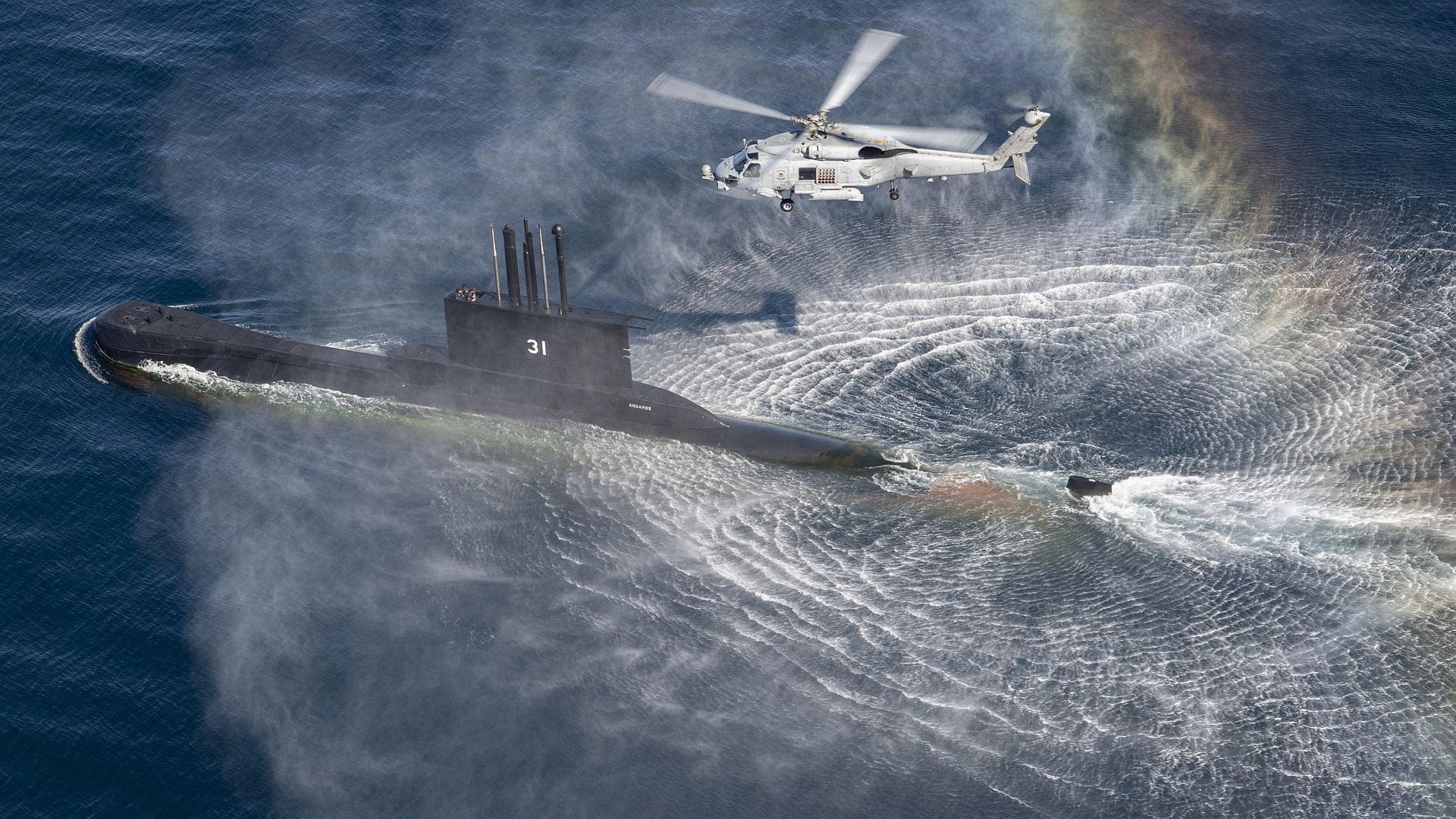
ATLANTIC OCEAN (Nov. 4, 2019) An F/A-18F Super Hornet, assigned to Strike Fighter Squadron (VFA) 106, approaches to land on the flight deck of the aircraft carrier USS John C. Stennis (CVN 74) in the Atlantic Ocean, Nov. 4, 2019. John C. Stennis is underway conducting routine operations in support of Commander, Naval Air Force Atlantic. (U.S. Navy photo by Mass Communication Specialist 3rd Class Joshua L. Leonard/Released)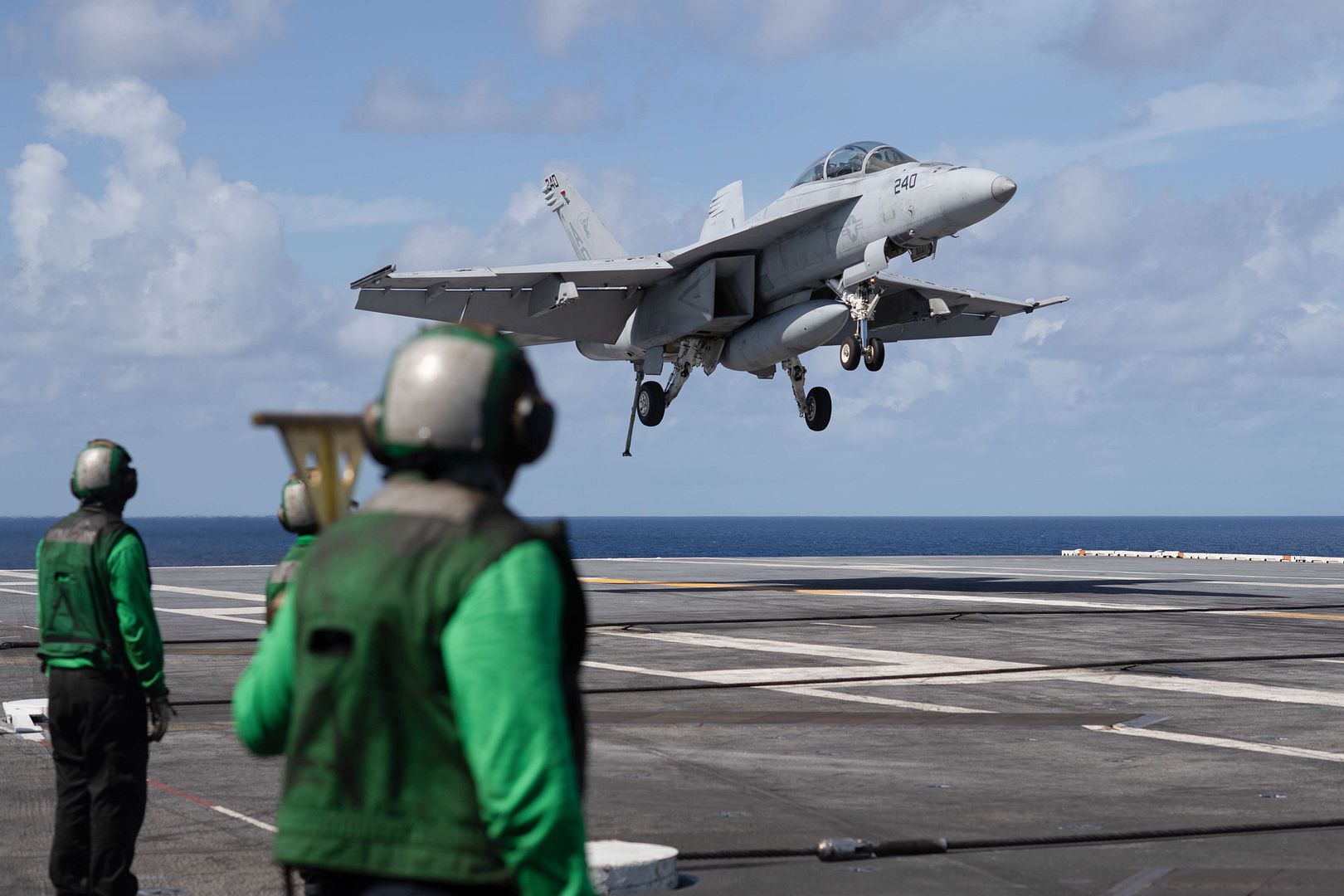
CANBERRA, Australia ? Nov. 6, 2019 ? Northrop Grumman Corporation (NYSE: NOC) has been awarded a contract by the Australian Defence Force Tactical Data Link Authority (ADFTA) to deliver tactical data link (TDL) systems and training as part of the development of the Australian Defence Force?s (ADF) Joint Data Network. ADFTA ensures TDL-functionality to achieve single, joint and combined TDL interoperability for the ADF.
?Northrop Grumman has extensive experience in networking and tactical data links across multi-domain forces, and a robust capability roadmap that will deliver increasingly enhanced data link technology in the years ahead,? said Chris Deeble, chief executive, Northrop Grumman Australia. ?The Northrop Grumman engineers that delivered the F-35 Multifunction Advanced Data Link and communications, navigation and identification technologies will now be developing the ADF?s future TDL technology.?
The technology at the core of Northrop Grumman?s advanced multi-TDL system provides vital connectivity between legacy 4th generation platforms and advanced 5th generation platforms, as well as future data links and networks. This is critical as forces seek to maximize the long term value of existing platforms and systems by making certain that they can interoperate with emergent 5th generation capabilities.
As a leading global systems integrator and data link provider, Northrop Grumman?s experience includes the software and hardware of individual communication systems; and the architectures, implementation and scalability of TDL systems and services.
Awarded earlier this year, the three-year contract advances the long-term relationship between Northrop Grumman and ADFTA.