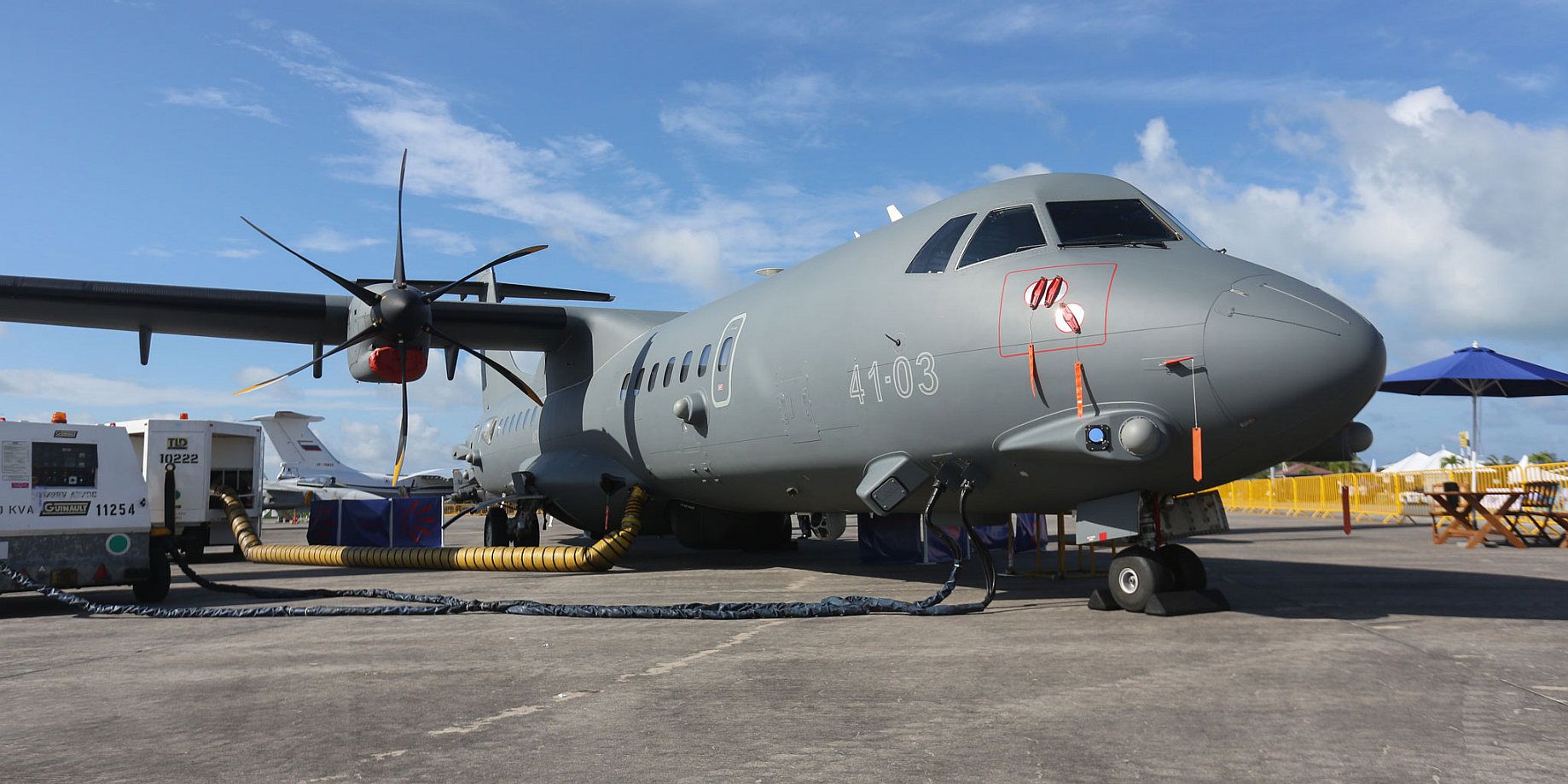
Aviation News
-
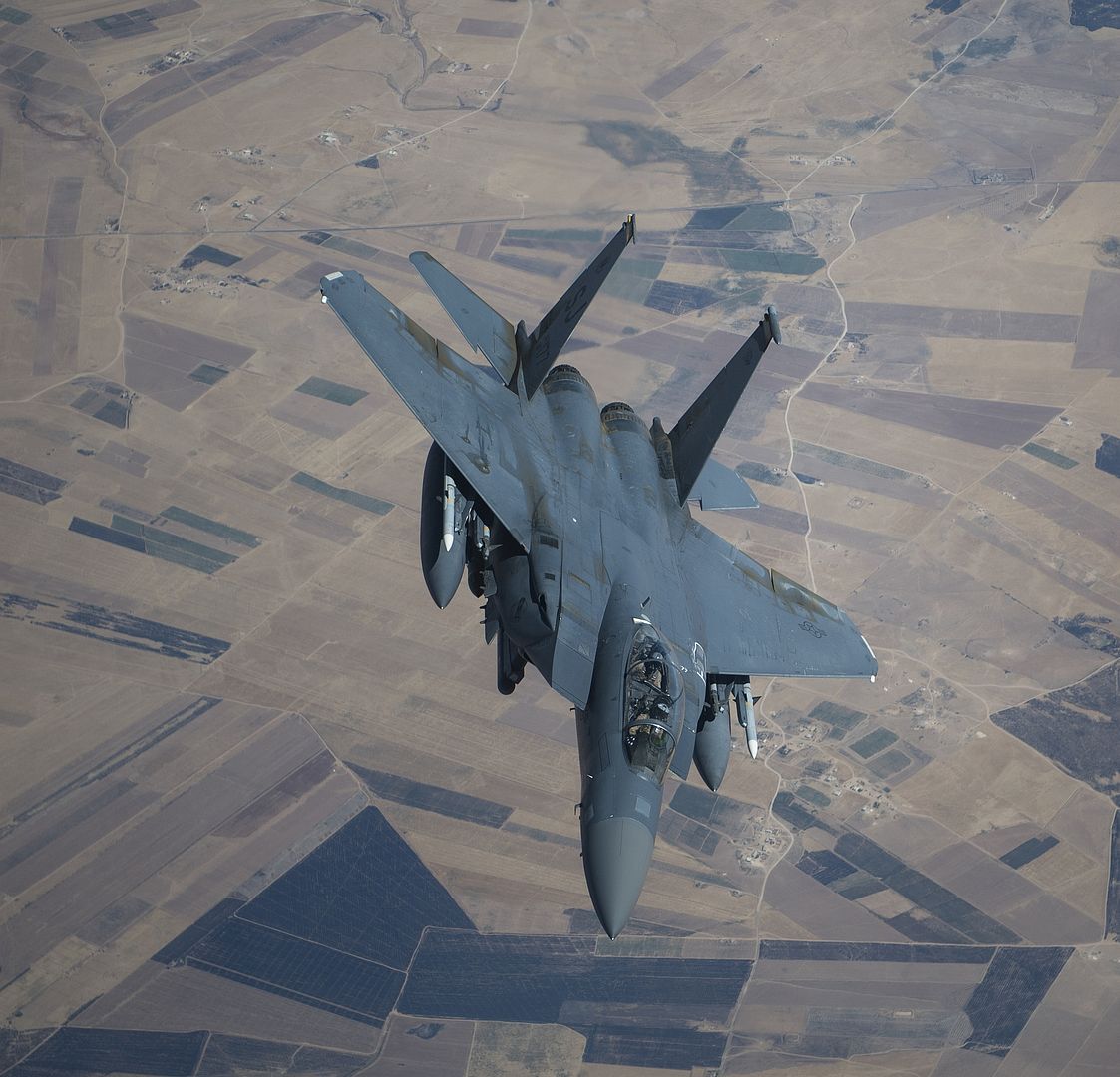
A U.S. F-15E Strike Eagle conducts a combat air patrol mission over an undisclosed location in Southwest Asia, Sept. 24, 2019.The Strike Eagle plays a key role in Air Force Central Command operations by maintaining constant readiness in support of air operations, providing deterrence and stability, and bolstering the mission efforts of coalition partners. (U.S. Air Force photo's by Master Sgt. Russ Scalf)

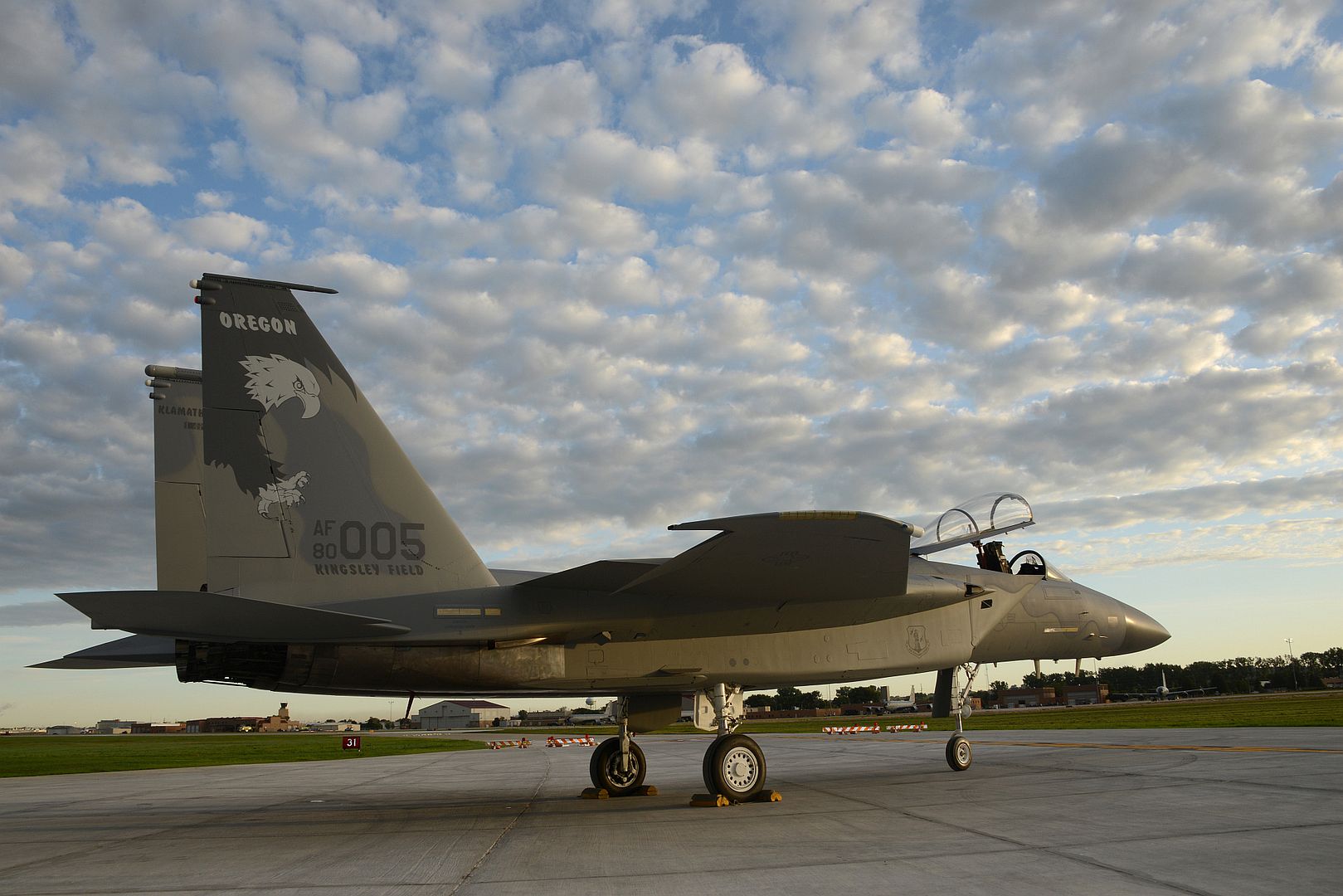
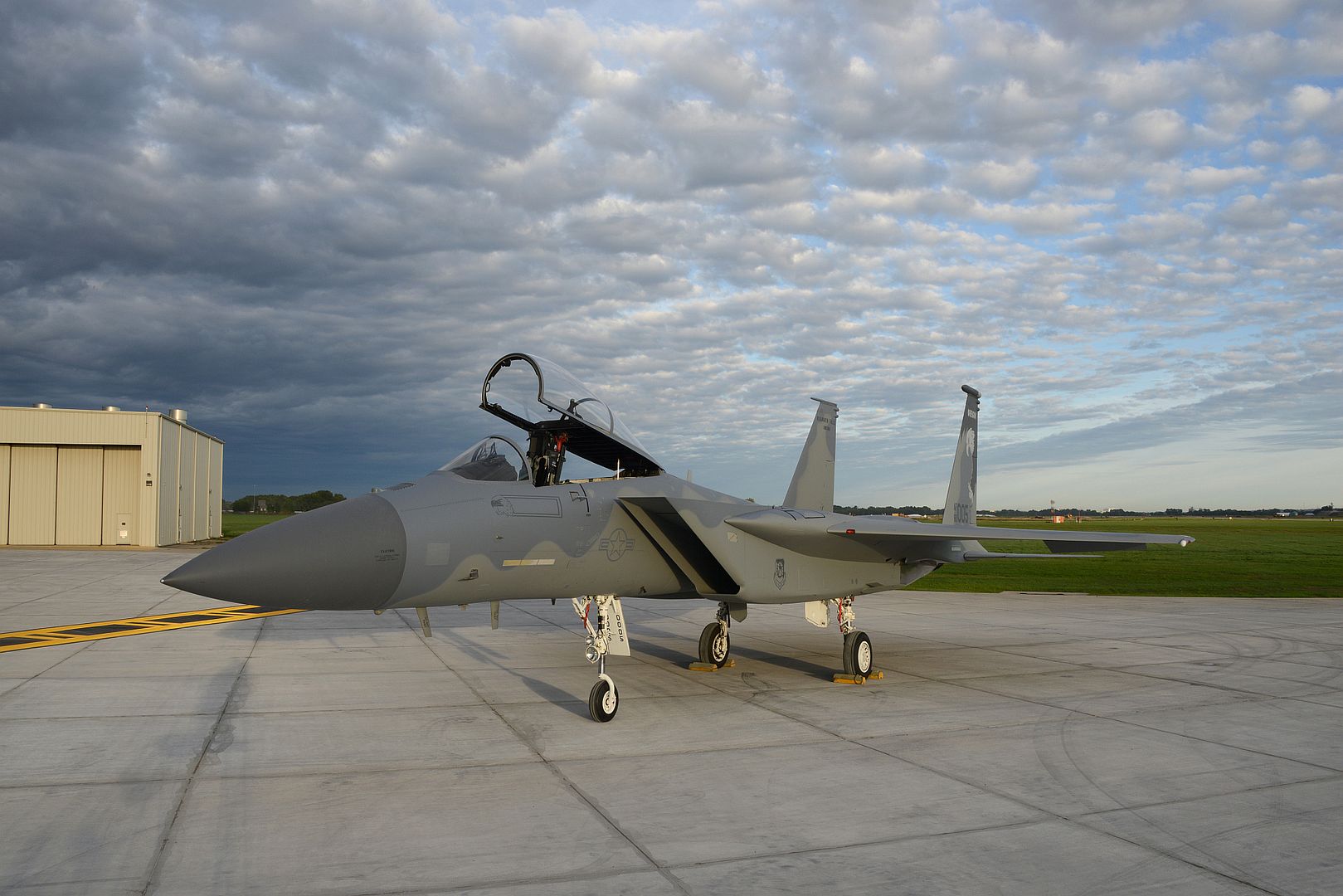
A U.S. Air Force F-15C Eagle from the Oregon Air National Guard?s 173rd Fighter Wing, based in Klamath Falls, Oregon is parked outside the Air National Guard paint facility in Sioux City, Iowa on September 26, 2019. The aircraft was recently painted at the Iowa based ANG paint facility. The facility is a part of the Iowa Air Guard?s 185th Air Refueling Wing maintenance group.
U.S. Air National Guard photo's by Senior Master Sgt. Vincent De Groot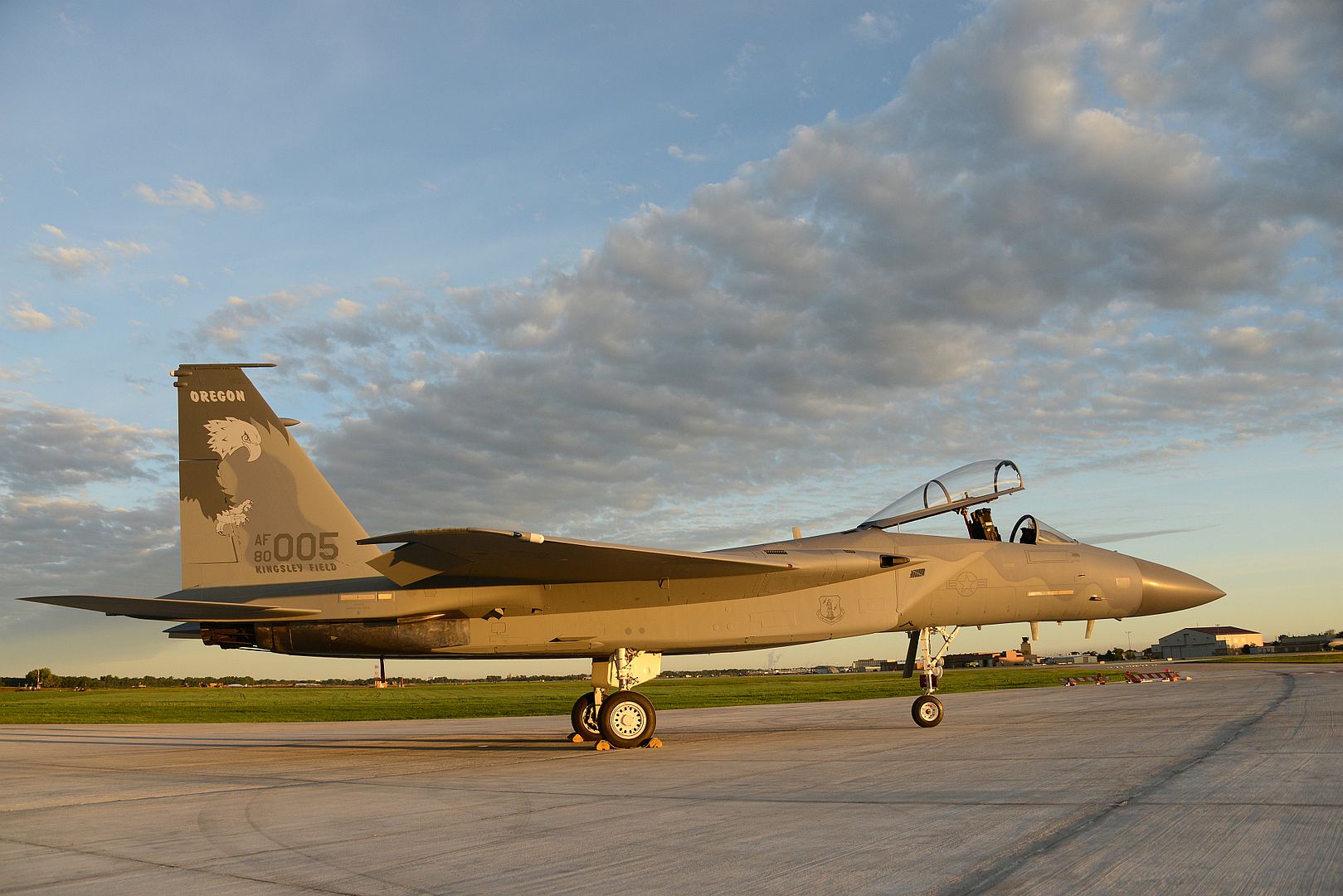
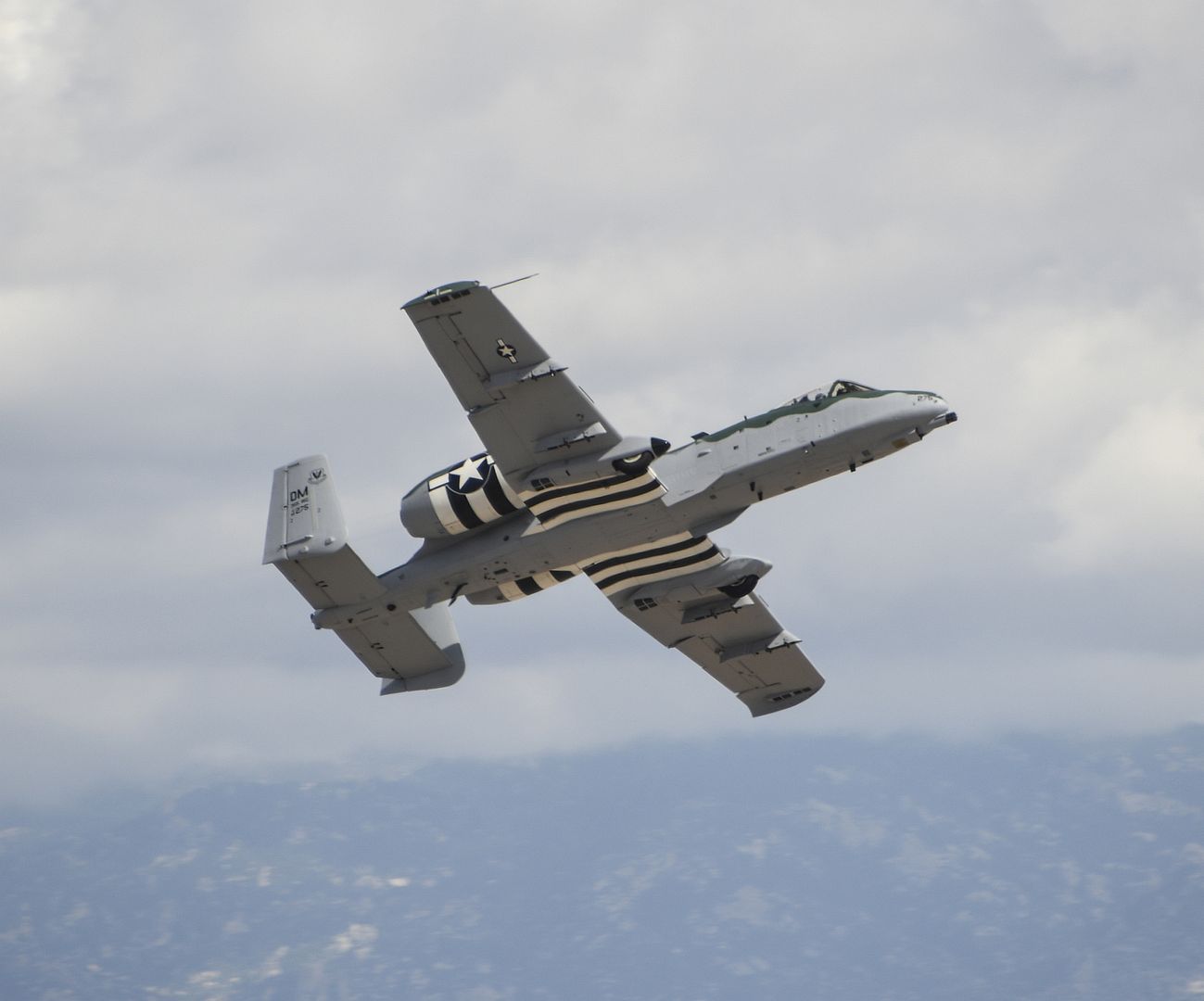
A recently painted A-10 Thunderbolt II assigned to the A-10 Demonstration Team flies over Davis-Monthan Air Force Base, Arizona, Sept. 23, 2019. 355th Equipment Maintenance Squadron Airmen repainted the A-10 to resemble the P-51 Mustang from the World War II era. (U.S. Air Force photo's by Senior Airman Cheyenne A. Powers)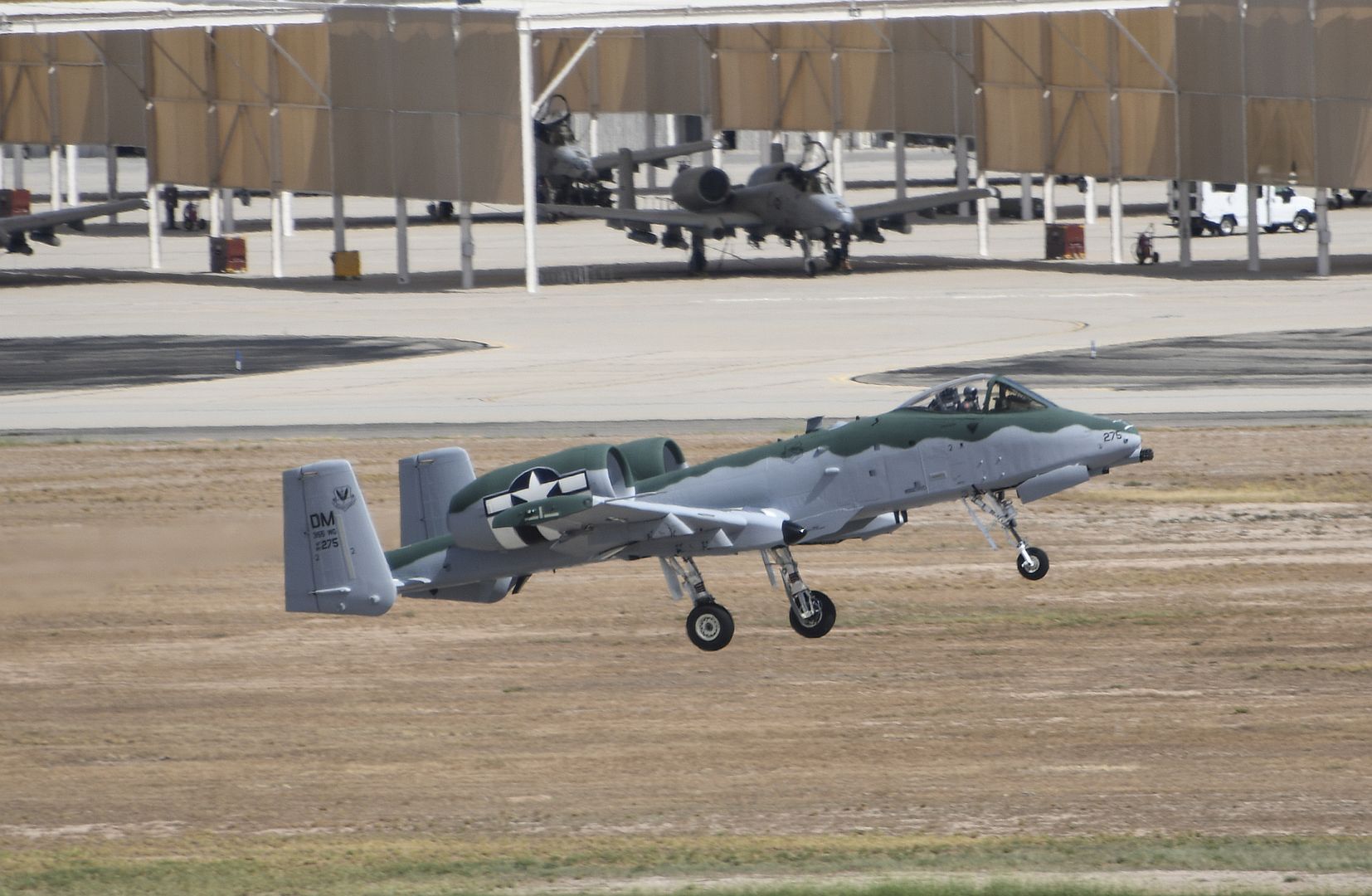
Vistara, India?s full-service carrier and a joint venture of Tata Sons and Singapore Airlines, has signed a long-term contract to partner with Airbus for their Flight Hour Services - Tailored Support Package (FHS-TSP). The contract will cover engineering and maintenance for 62 aircraft, including 23 existing ones.
The FHS-TSP contract provides integrated and guaranteed services ranging from the supply and repair of components to the manufacturer?s unique Fleet Technical Management service. An on-site Airbus team will support the daily maintenance activities, including spares, warehousing and engineering to ensure the highest standards of aircraft technical dispatch and operations.
Under the agreement, Airbus will offer its expertise in the areas of maintenance, engineering, reliability and supply chain management. Airbus will ensure a) timely availability of spare parts b) maintenance planning c) compliance with airworthiness advisories as well as technical records on all aircraft.
?We are delighted to announce the partnership with Airbus to avail the advantages of their TSP programme. Vistara is committed to the highest standards of operational efficiency and innovation and the adoption of this service is part of our continual efforts to maximise customer satisfaction,? said Sisira Kanta Dash, Senior Vice President - Engineering, Vistara.
?Airbus Services? combined aircraft engineering capabilities, expertise in maintenance operations and data analytics know-how will help Vistara to increase its competitiveness and secure its operations. This contract also reaffirms our commitment to expanding and deepening our Airbus Services footprint in India,? said R?mi Maillard, Head of Airbus Services.
Airbus provides a host of material and maintenance services, which go from initial provisioning and on-request solutions by Satair, Airbus? 100% subsidiary, to ?all-in-one? solutions with material management, maintenance operations and engineering solutions through FHS-TSP. Leveraging Skywise?s digital platform capabilities, the latest applications optimizing aircraft availability include real- time health monitoring and predictive maintenance.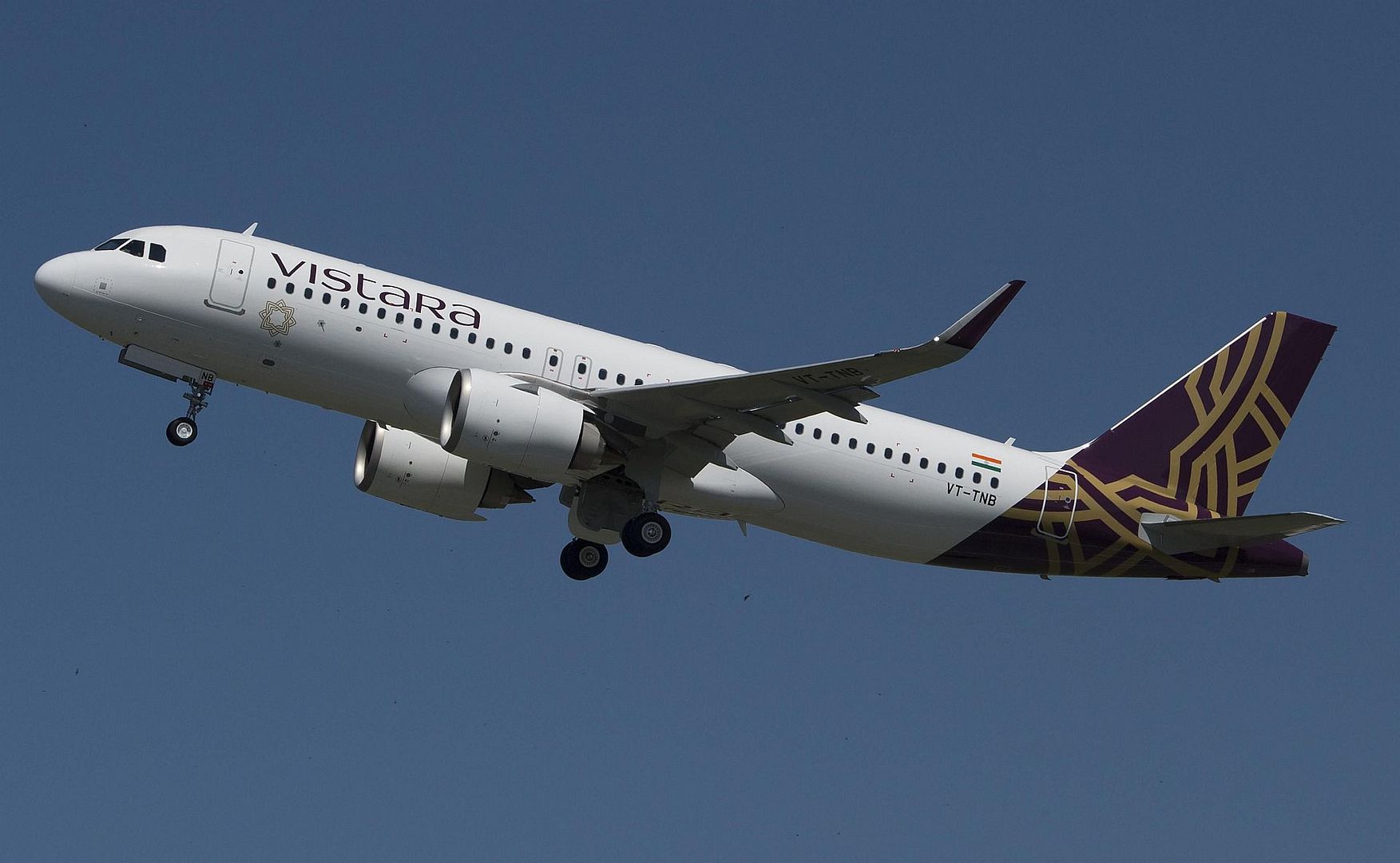
Argentina ? Airbus Helicopters has reached new heights: the latest version of the H145 has set its skids down on the Aconcagua, the highest mountain in the Southern Hemisphere, culminating at 6,962 metres (22,840 feet). This is the first time a twin-engine helicopter has landed at this altitude, confirming the performance and the extensive flight envelope of the new H145.
The conditions for this mission were extreme, due to the atmospheric conditions in the area and the winter season. The aircraft took off from Mendoza, Argentina, flew 30 minutes to the foot of the Aconcagua where it began its ascension. After 15 minutes of climbing, the helicopter landed at 1.45 pm on the summit, at a temperature of -22?C. The crew onboard the helicopter consisted of Alexander Neuhaus, experimental test pilot and Antoine van Gent, experimental flight test engineer.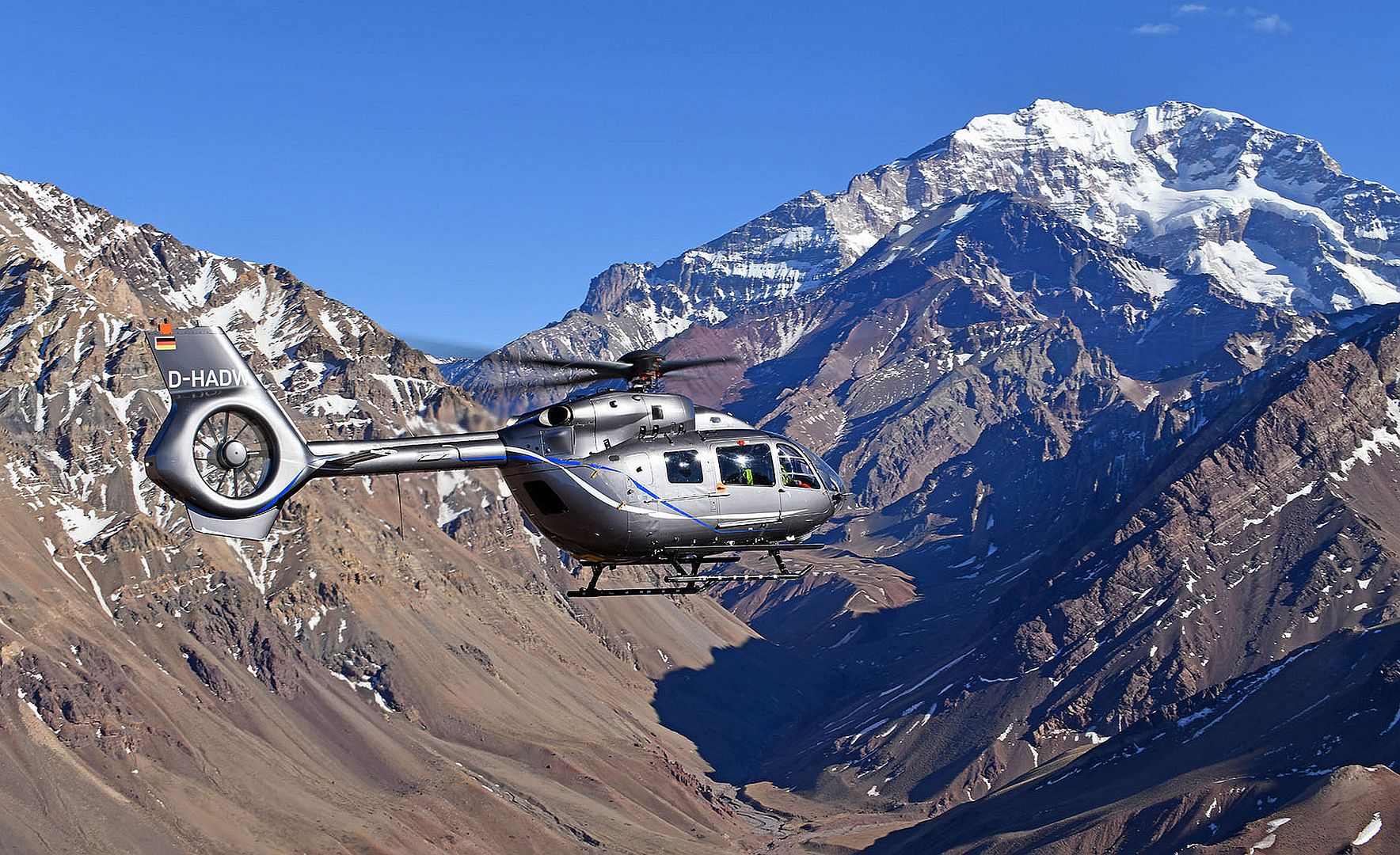
?We had to stay focused on the mission due to severe winds with gusts up to 30 knots and the low air density. The handling qualities of the new H145 are excellent and combined with Helionix and its 4 axis-autopilot, we reached the summit safely,? said Alexander Neuhaus, experimental test pilot at Airbus Helicopters. ?The aircraft performed outstandingly. We flew over the summit of the Aconcagua and still had power reserves that would have allowed us take two people on-board.?
The flight test was supported by the Fuerza Aerea Argentina, who provided aerial support with their Lama helicopters; Patrulla de Rescate de Alta Monta?a de Policia de Mendoza, who assisted with a contingency plan; Parque Provincial Aconcagua, facilitating operations and logistics, and Helicopters AR, a local operator with over 15 years of experience flying in the Aconcagua area with their Airbus H125 helicopter.
This is not the first mountain Airbus Helicopters has mastered. On 14 May 2005, the flight test pilot Didier Delsalle landed a single-engine H125 on Mount Everest, the highest mountain in the world.
Prior to the successful high altitude test campaign in South America, the new H145 performed several test campaigns including in Spain at medium altitudes and Finland for cold weather. In total, more than 400 flight hours have already been clocked on the two five-bladed H145 prototypes to ensure EASA certification by early 2020, followed by FAA certification and first deliveries later that year.
The new version of its best-selling H145 light twin-engine helicopter was unveiled at Heli-Expo 2019 in Atlanta in March. This latest upgrade adds a new, innovative five-bladed rotor to the multi-mission H145, increasing the useful load of the helicopter by 150 kg. The simplicity of the new bearingless main rotor design will also ease maintenance operations, further improving the benchmark serviceability and reliability of the H145, while improving ride comfort for both passengers and crew.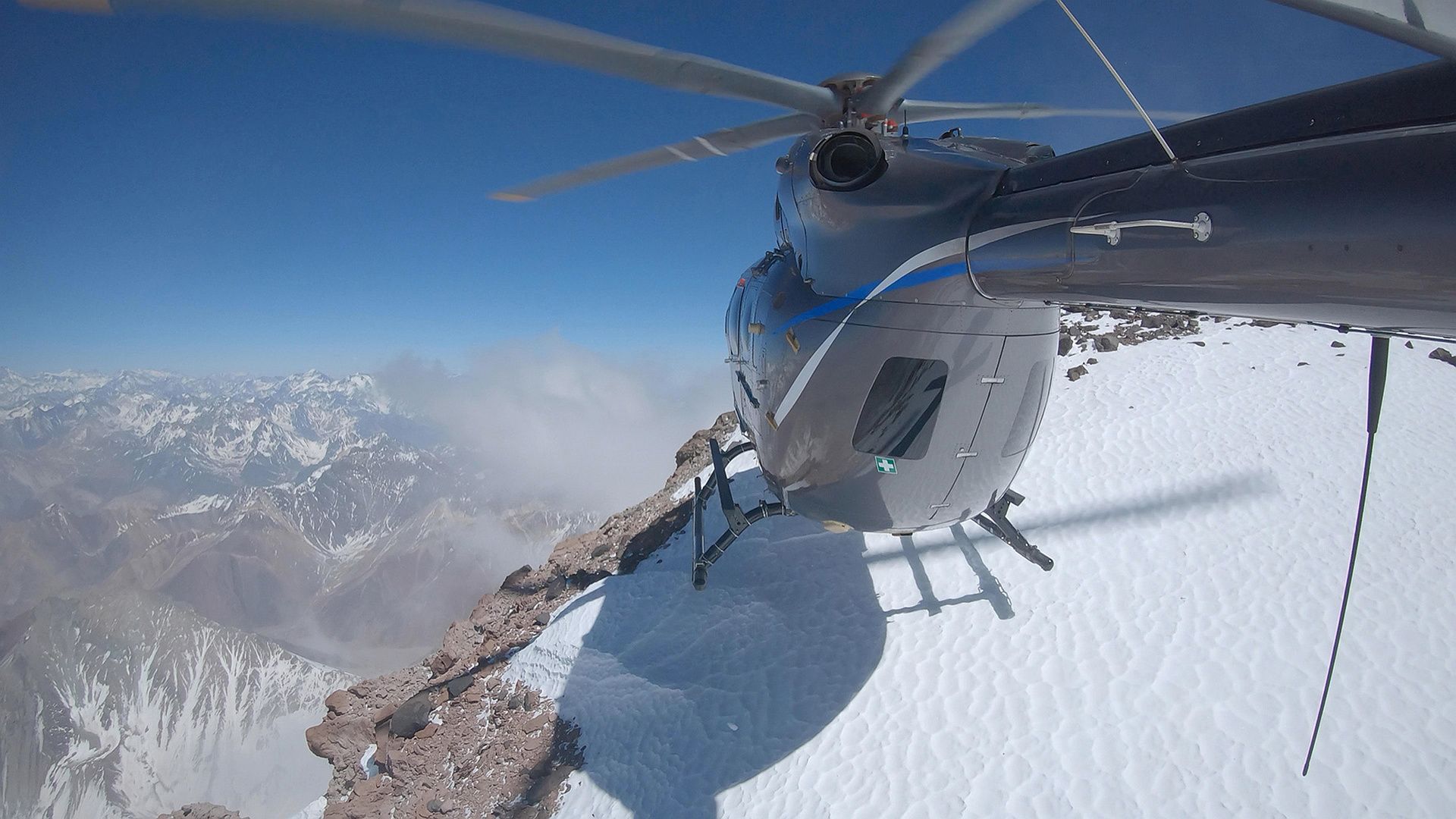
-
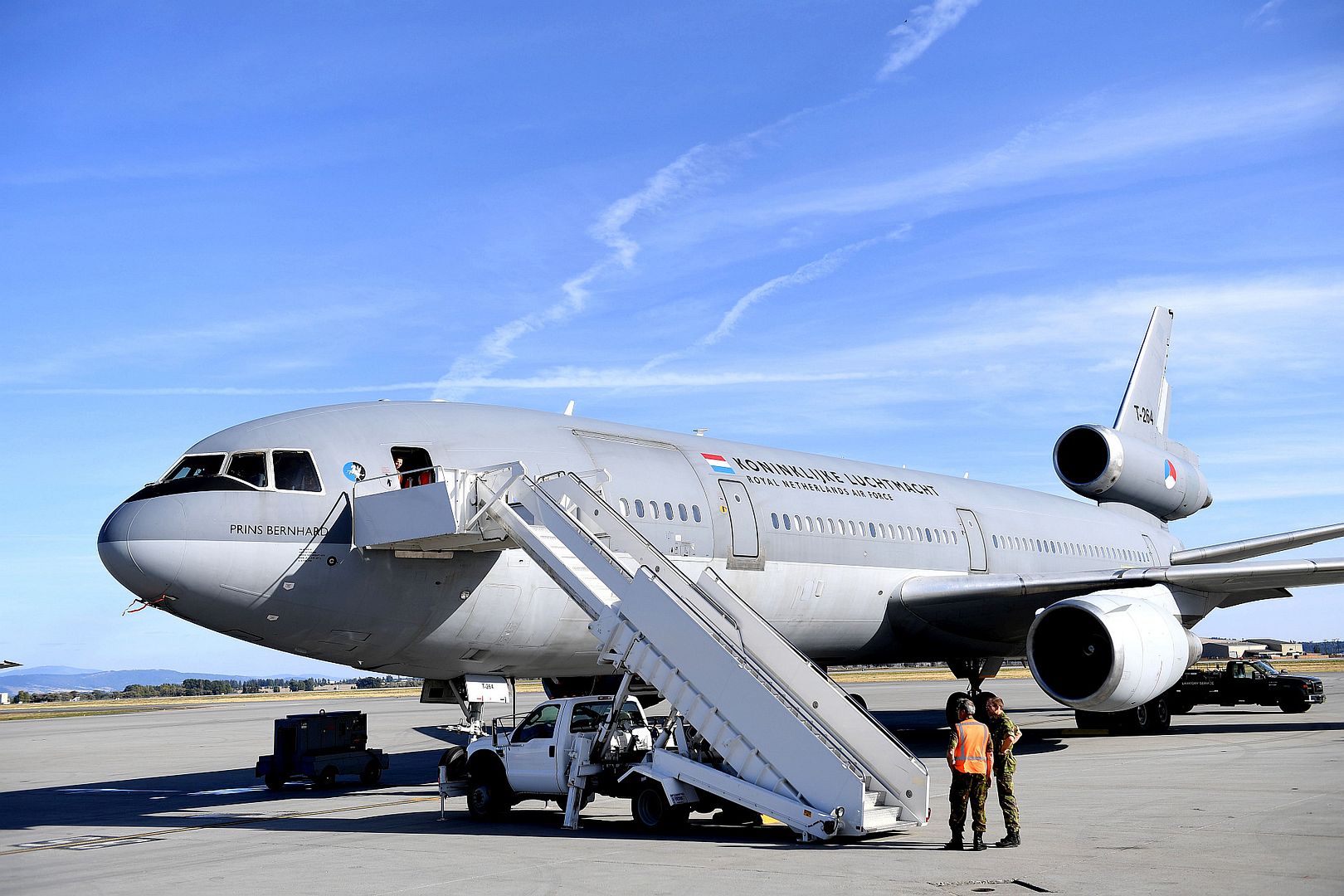
A KDC-10 from the Royal Netherlands air force is parked on the flight line at Fairchild Air Force Base, Washington, Sept. 25, 2019. The Royal Netherlands air force was one of the many international participants in Mobility Guardian 2019. (U.S. Air Force photo by Senior Airman Kristine M. Gruwell)
An F-15E Strike Eagle, assigned to the 492nd Fighter Squadron launches in support of an inter-fighter squadron ?Turkey Shoot? competition at Royal Air Force Lakenheath, England, Sept. 26, 2019. The Turkey Shoot is an operational competition that tests the preparation and performance of fighter pilots, intelligence professionals, aircraft maintainers and air battle managers. (U.S. Air Force photo by Airman 1st Class Rhonda Smith)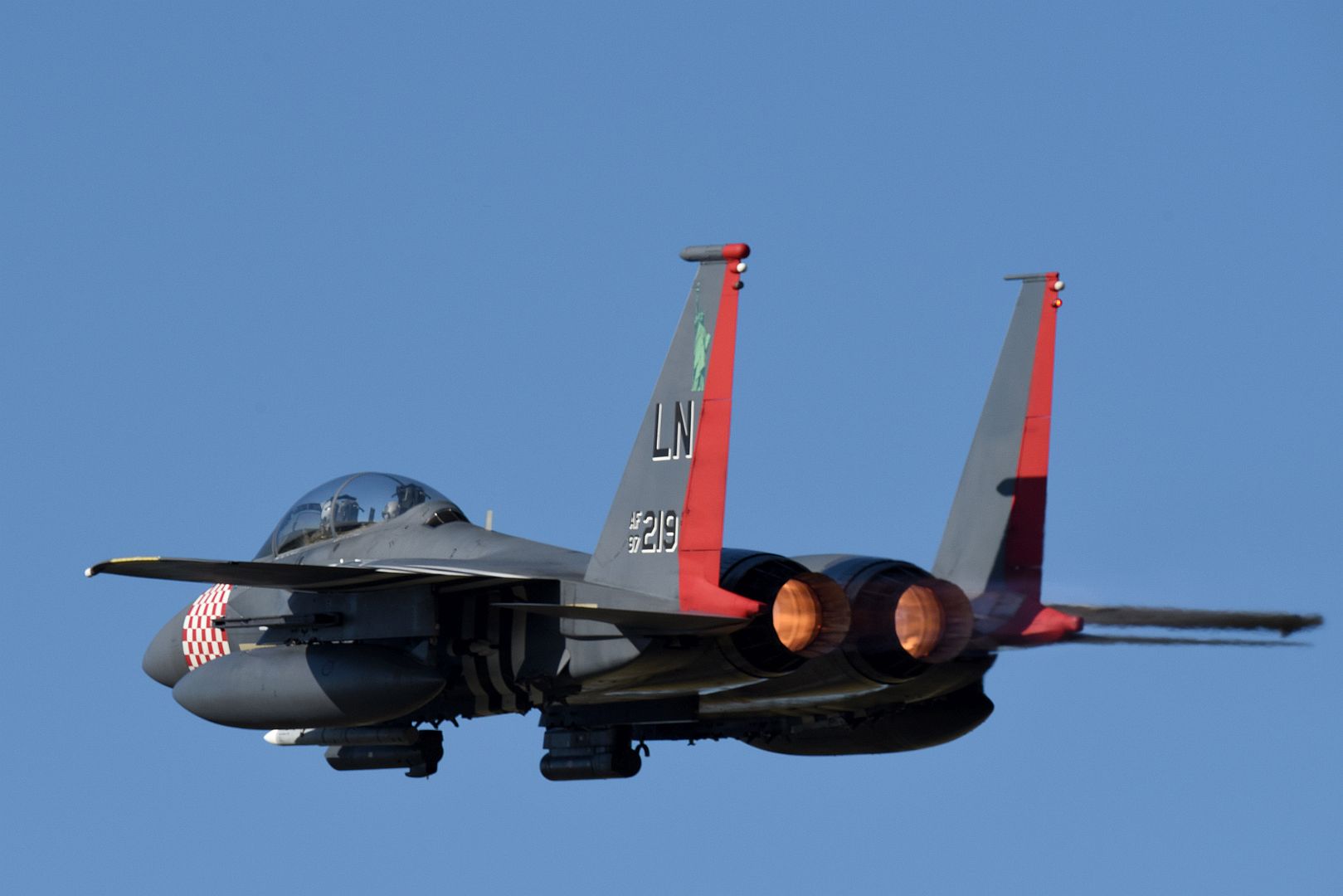
A Bulgarian Air Force MiG-29 takes off during exercise Rapid Buzzard Sept. 25, 2019, at Graf Ignatievo Air Base, Bulgaria. The 510th Fighter Squadron conducted air-to-air training with Bulgarian MiG-29s and air-to-surface training with Bulgarian Air Defense assets. (U.S. Air Force photo by Senior Airman Savannah L. Waters)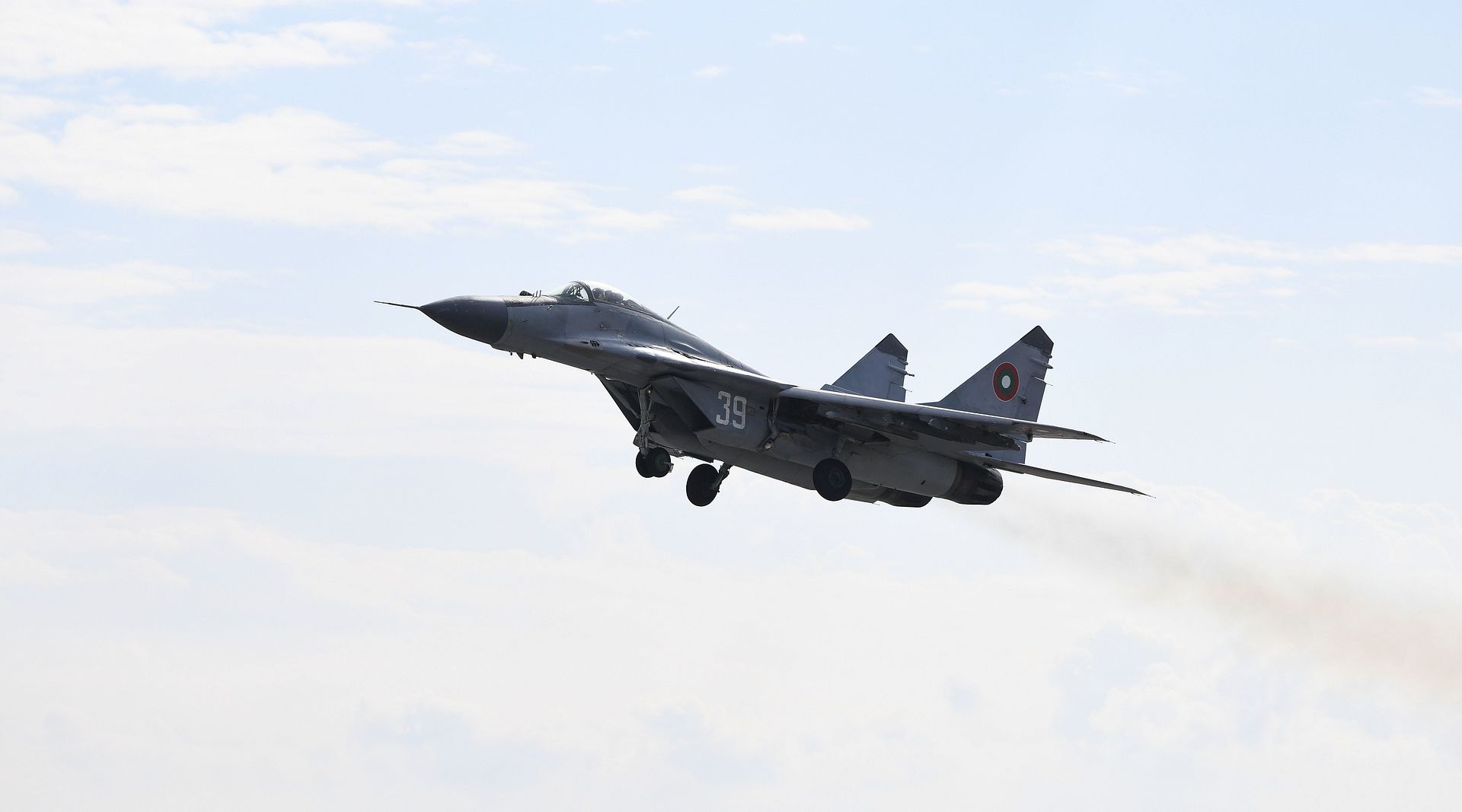
A Royal Netherlands Air Force KDC-10 takes off during Exercise Mobility Guardian 2019 at Fairchild Air Force Base, Washington, Sept. 27, 2019. Exercise Mobility Guardian is Air Mobility Command?s premier, large scale mobility exercise. Through robust and relevant training, Mobility Guardian improves the readiness and capabilities of Mobility Airmen to deliver rapid global mobility and builds a more lethal and ready Air Force. (U.S. Air Force photo by 1st Lt Jessica Cicchetto)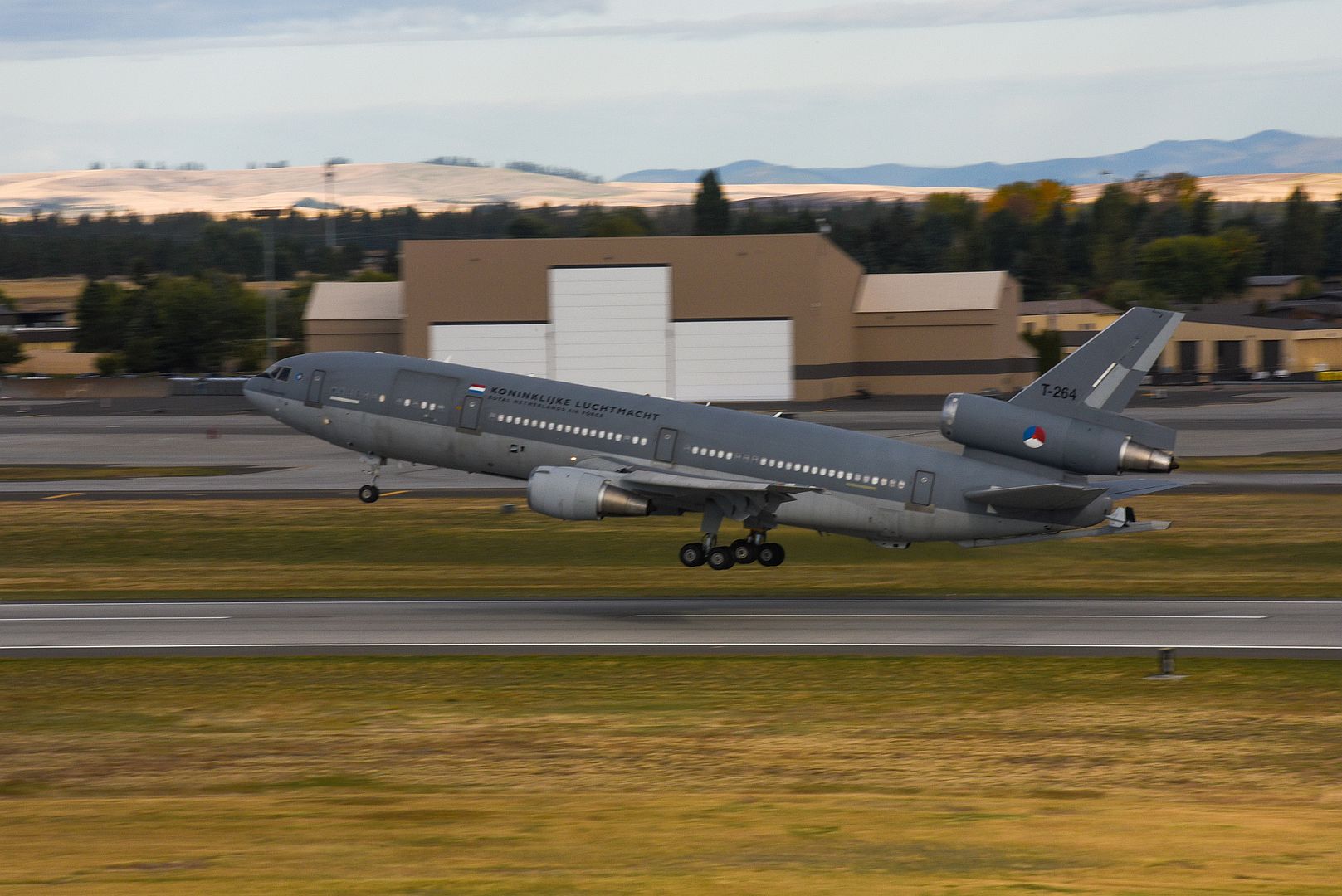
A C-17 Globemaster III from Dover Air Force Base, Delaware takes off during Exercise Mobility Guardian 2019 at Fairchild Air Force Base, Washington, Sept. 27, 2019. Exercise Mobility Guardian is Air Mobility Command?s premier, large scale mobility exercise. Through robust and relevant training, Mobility Guardian improves the readiness and capabilities of Mobility Airmen to deliver rapid global mobility and builds a more lethal and ready Air Force. (U.S. Air Force photo by 1st Lt Jessica Cicchetto)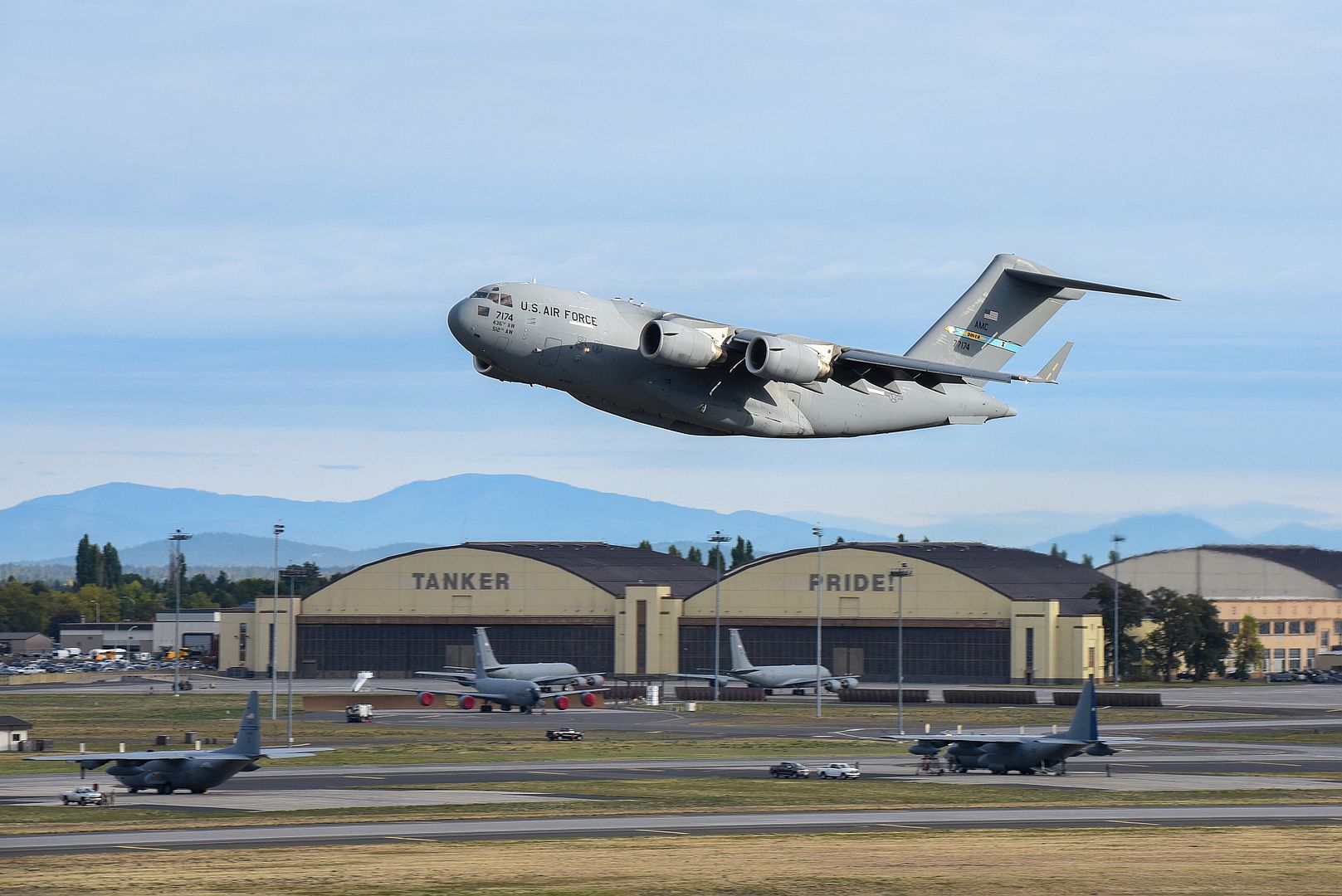
A C-130J from Little Rock Air Force Base, Arkansas takes off during Exercise Mobility Guardian 2019 at Fairchild Air Force Base, Washington, Sept. 27, 2019. Exercise Mobility Guardian is Air Mobility Command?s premier, large scale mobility exercise. Through robust and relevant training, Mobility Guardian improves the readiness and capabilities of Mobility Airmen to deliver rapid global mobility and builds a more lethal and ready Air Force. (U.S. Air Force photo by 1st Lt Jessica Cicchetto)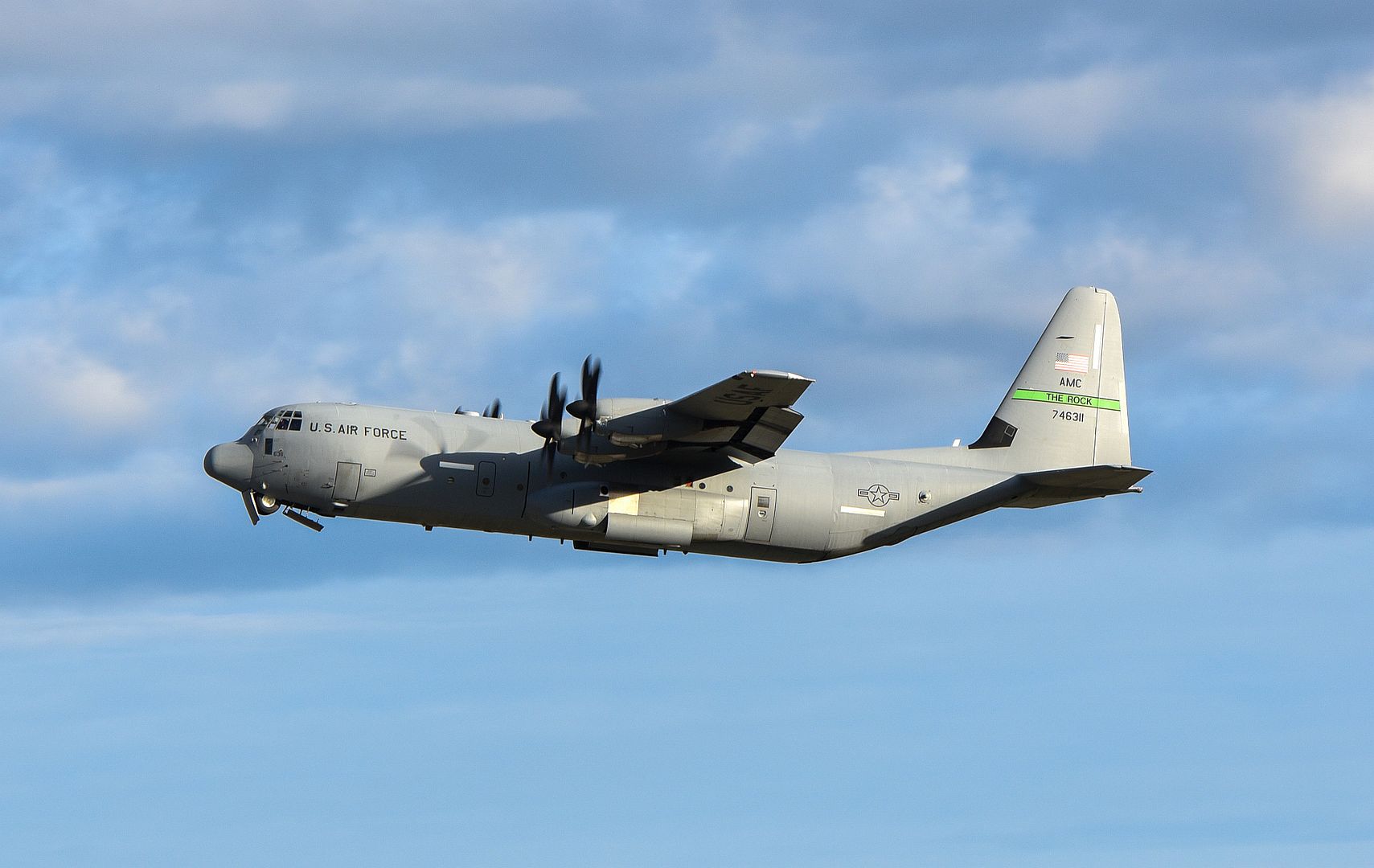
ATLANTIC OCEAN (Sept. 27, 2019) A Merlin HM Mk 2, attached to the Royal Navy aircraft carrier HMS Queen Elizabeth (R08), lands on the flight deck aboard the aircraft carrier USS Dwight D. Eisenhower (CVN 69). Commodore Mike Utley, OBE Royal Navy, Queen Elizabeth Carrier Strike Group, and Capt. Steve Moorhouse, OBE Royal Navy, HMS Queen Elizabeth, visited Ike Sept. 27. Ike, with embarked Carrier Air Wing 3, is underway conducting the Tailored Ship's Training Availability (TSTA) and Final Evaluation Problem (FEP) as part of the basic phase of the Optimized Fleet Response Plan. (U.S. Navy photo by Mass Communication Specialist 3rd Class Kaleb J. Sarten)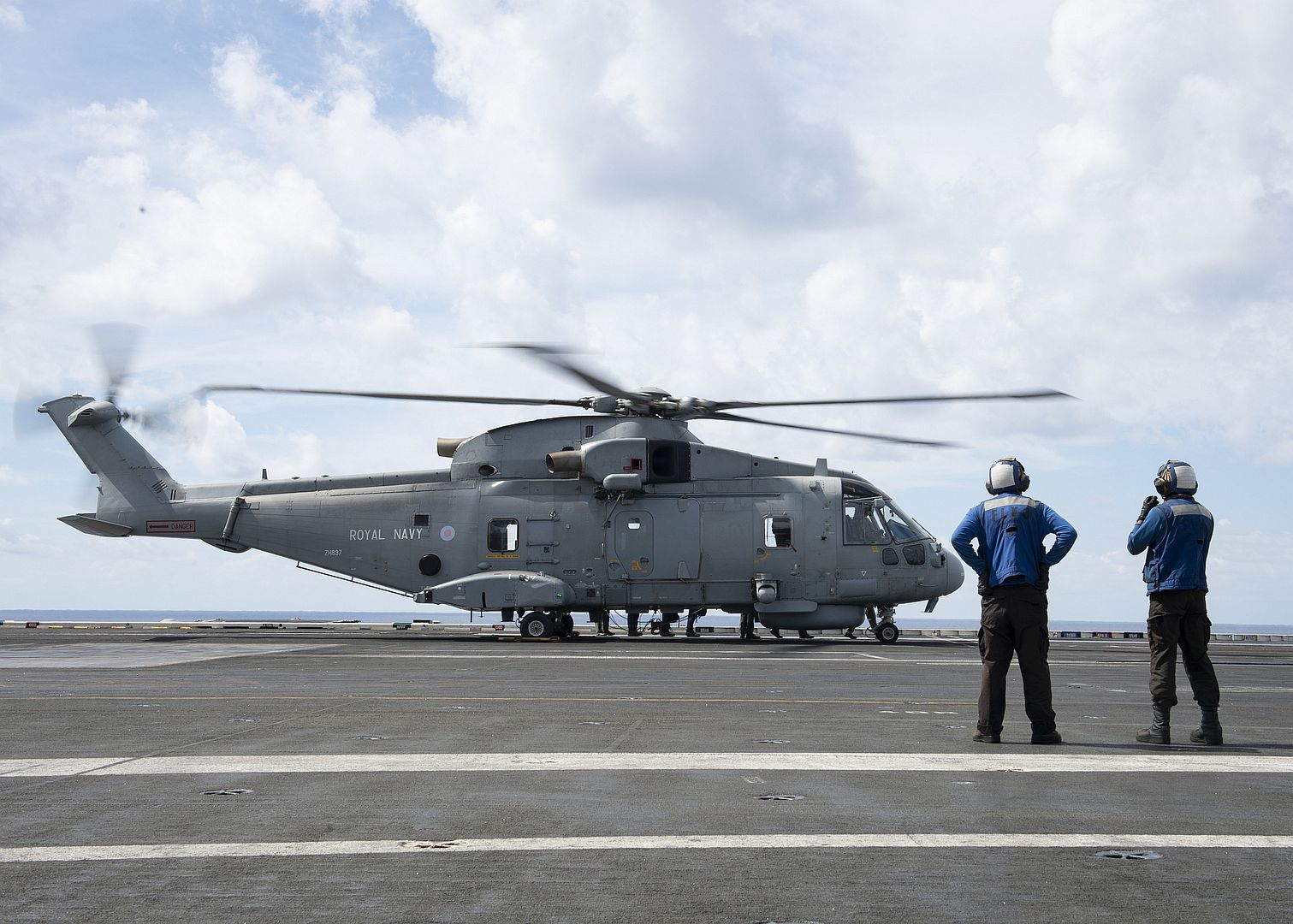
Air France has taken delivery of its first A350-900, the world?s most efficient all new design wide-body aircraft. The first jet out of a total order of 28 was handed over to Anne Rigail, Air France Chief Executive Officer and Benjamin Smith, Air France-KLM Group Chief Executive Officer, by Airbus Chief Commercial Officer Christian Scherer during a ceremony held in Toulouse, France.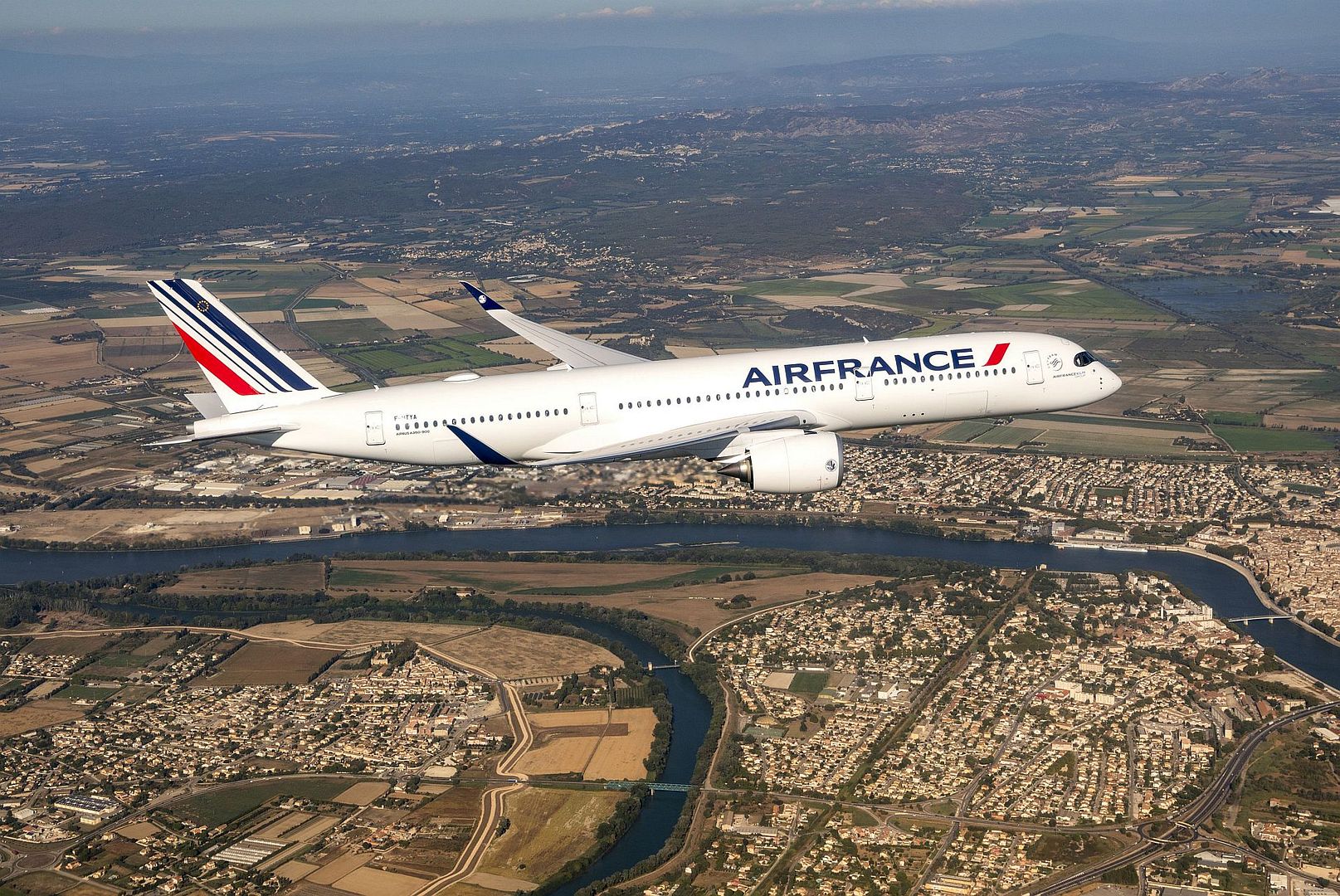
Air France will deploy the A350-900 fleet on its transatlantic and Asia routes. The Xtra WideBody aircraft features a comfortable three-class layout with 324 seats including 34 full-flat business, 24 premium economy and 266 economy class seats. Fully in line with Air France?s commitment to the environment, the all-new A350-900 will provide a 25% reduction in fuel burn and CO2 emissions. Additionally, the aircraft?s delivery flight from Toulouse to Paris will be powered with a blend of conventional and synthetic biofuel.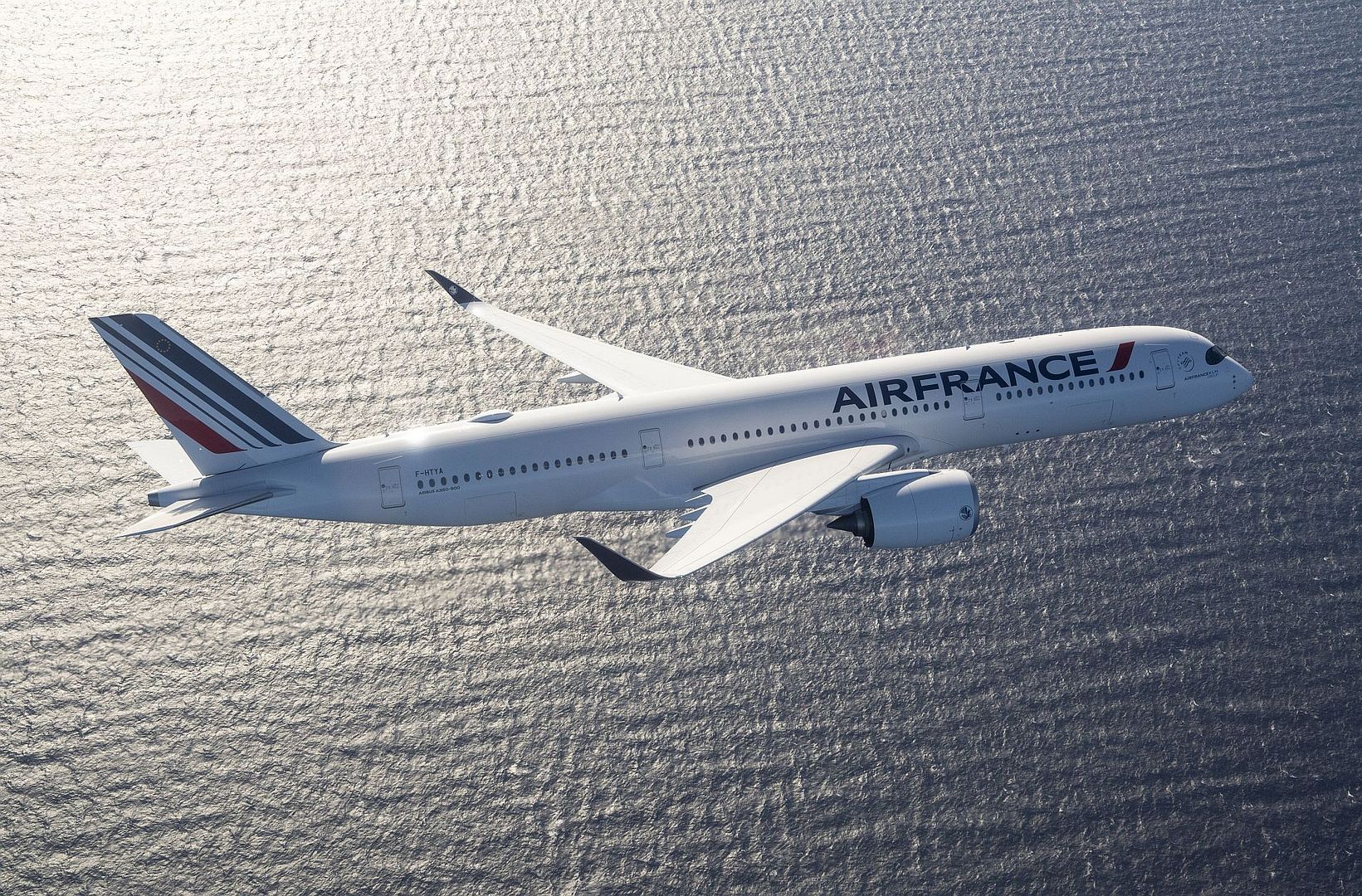
Air France operates an Airbus fleet of 143 aircraft. It includes 114 single-aisle and 29 wide-body planes. The airline recently opted to purchase Airbus? newest aircraft family member, the A220, which will join the fleet over the next years.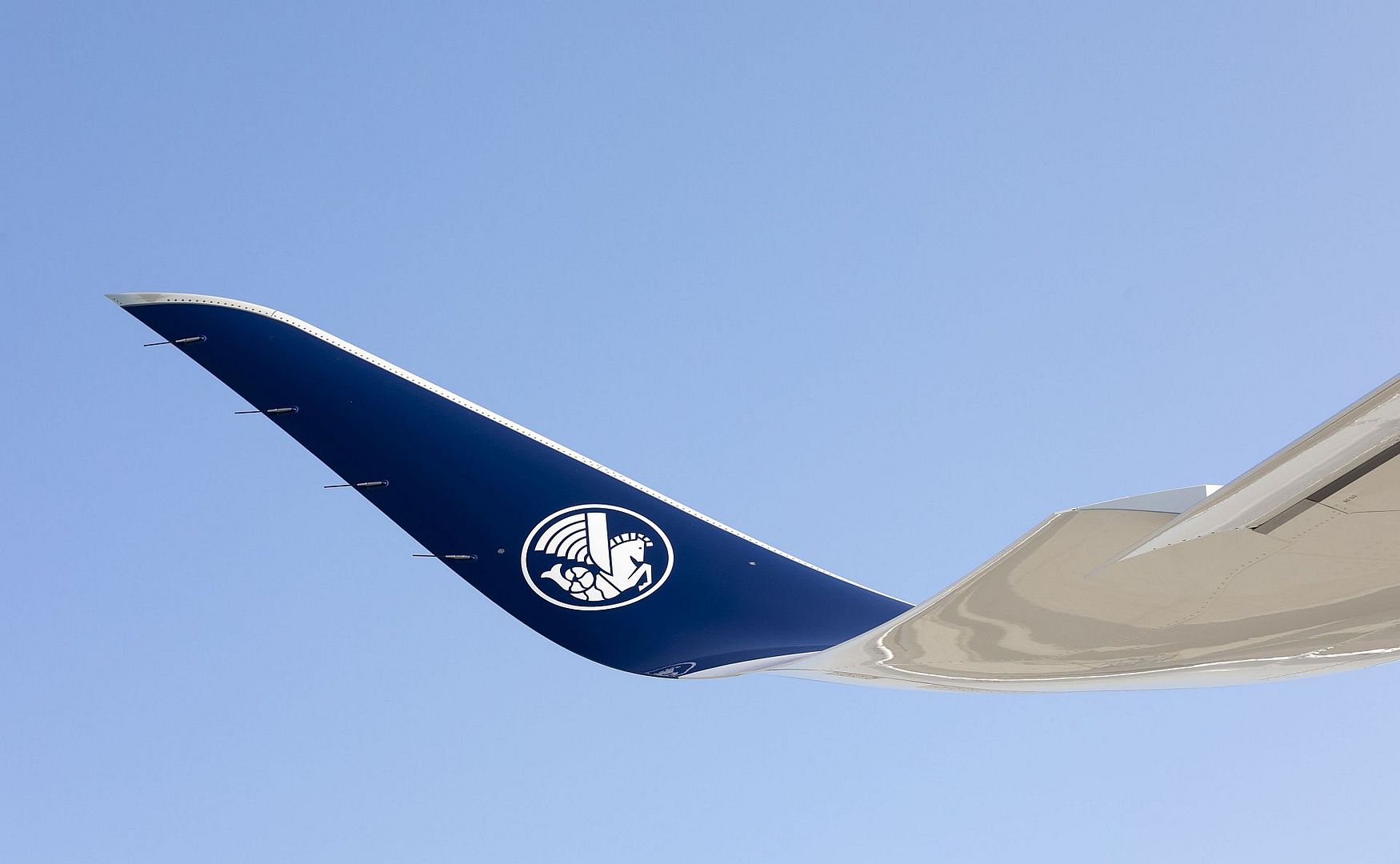
The A350 XWB offers by design unrivalled operational flexibility and efficiency for all market segments - up to ultra-long haul (17,900km). Its Airspace by Airbus cabin is the quietest of any twin-aisle aircraft and offers passengers and crews the most modern in-flight flying experience. The aircraft features the latest aerodynamic design, a carbon fibre fuselage and wings, plus new fuel-efficient Rolls-Royce Trent XWB engines. Together, these latest technologies result in 25% lower operating costs, as well as 25% reduction in fuel burn and CO2 emissions compared with previous-generation competing aircraft ? demonstrating Airbus? commitment to minimise its environmental impact while remaining at the cutting edge of air travel.
At the end of August 2019, the A350 XWB Family had received 913 firm orders from 51 customers worldwide, making it one of the most successful wide-body aircraft ever.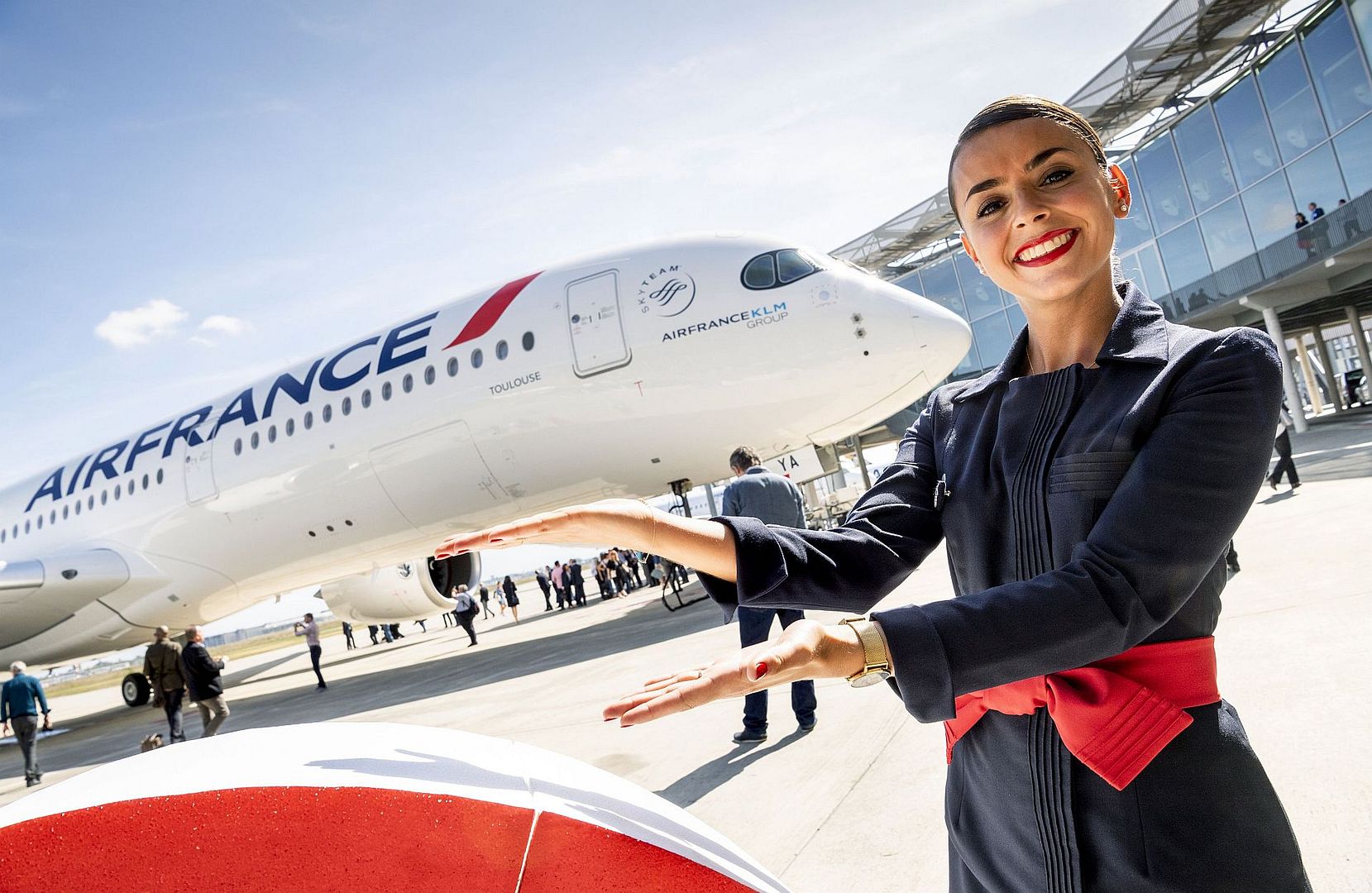
Royal Air Force Typhoon fighters have arrived in Malaysia to begin preparations for Exercise Bersama Lima, the annual Five Powers Defence Arrangement exercise.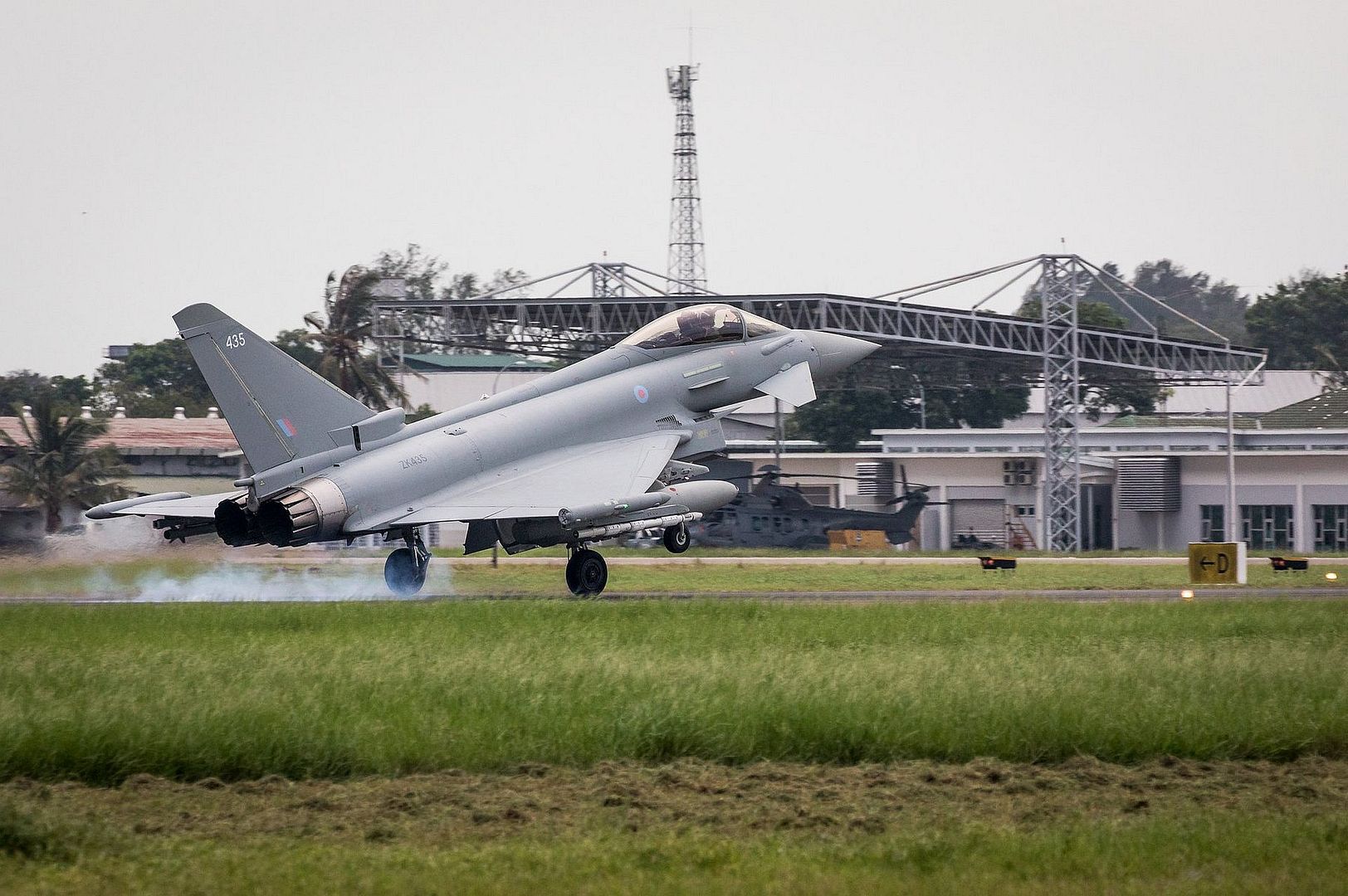
Pilots and ground crew from the RAF Lossiemouth based II (Army Cooperation) Squadron, plus supporting personnel from across the Royal Air Force have deployed to the Malaysian Air Force base at Butterworth, Penang, Malaysia to take part in the exercise.
The jets have flown in after a stopover in Sri Lanka. Previously the jets had been flown as part of the recently completed Exercise Magic Carpet in the Middle East.
The move from Scotland has been facilitated by the support of Voyager aircraft that have conducted Air to Air Refuelling over the Indian Ocean and C17 aircraft conducting freight runs from the UK.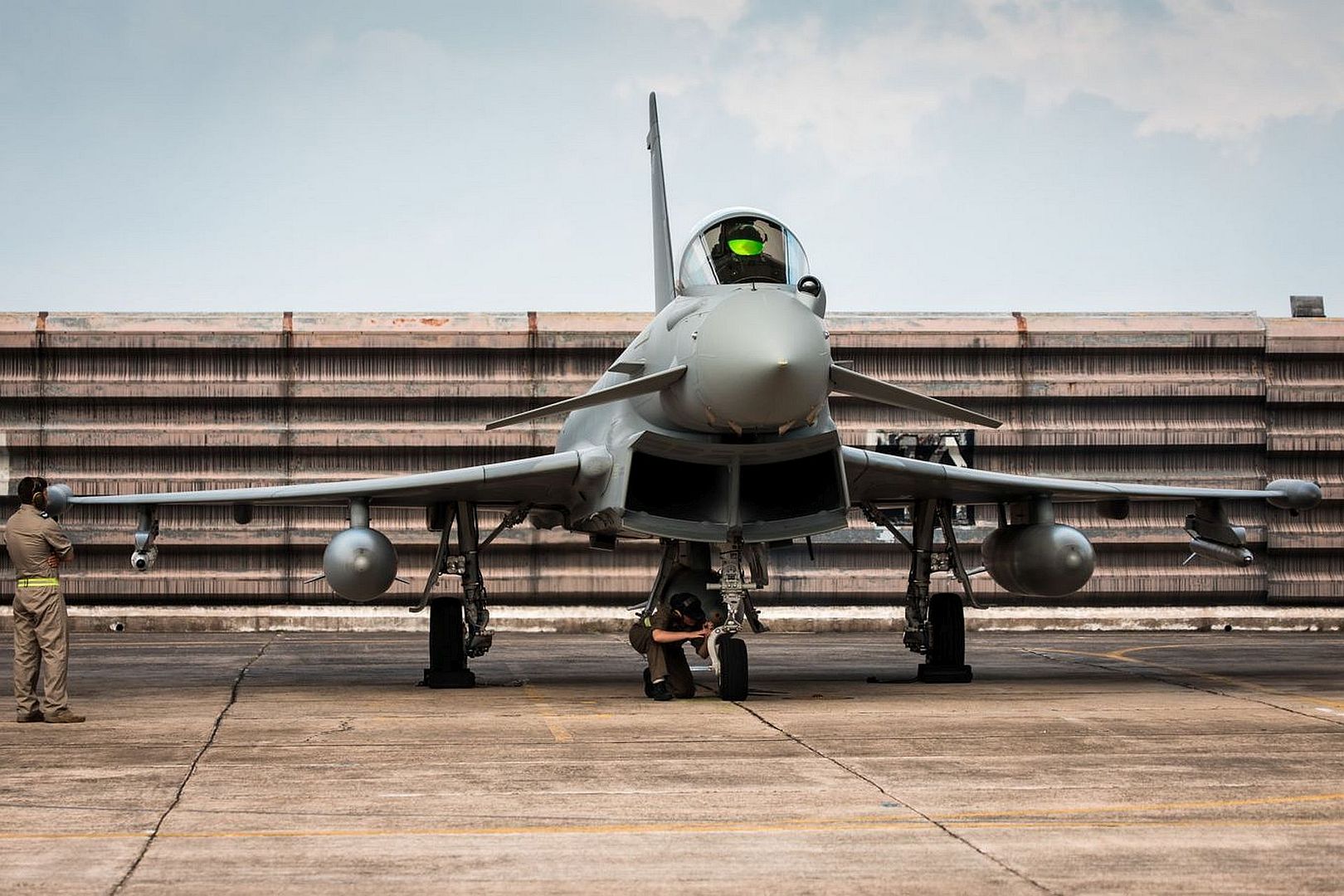
The Five Powers Defence Arrangement is the cornerstone of British defence policy in the region and brings the militaries of Australia, Malaysia, New Zealand, Singapore and the United Kingdom together in a defensive arrangement in the region.
This year the RAF has deployed Typhoons to Malaysia and will be joined by a 10 Squadron Voyager usually based at RAF Brize Norton but for the exercise it will based in Singapore to support II (AC) Squadron sorties. This means over 200 RAF personnel will be deployed plus small detachments from the Army and the Royal Marines.
(photo's MOD)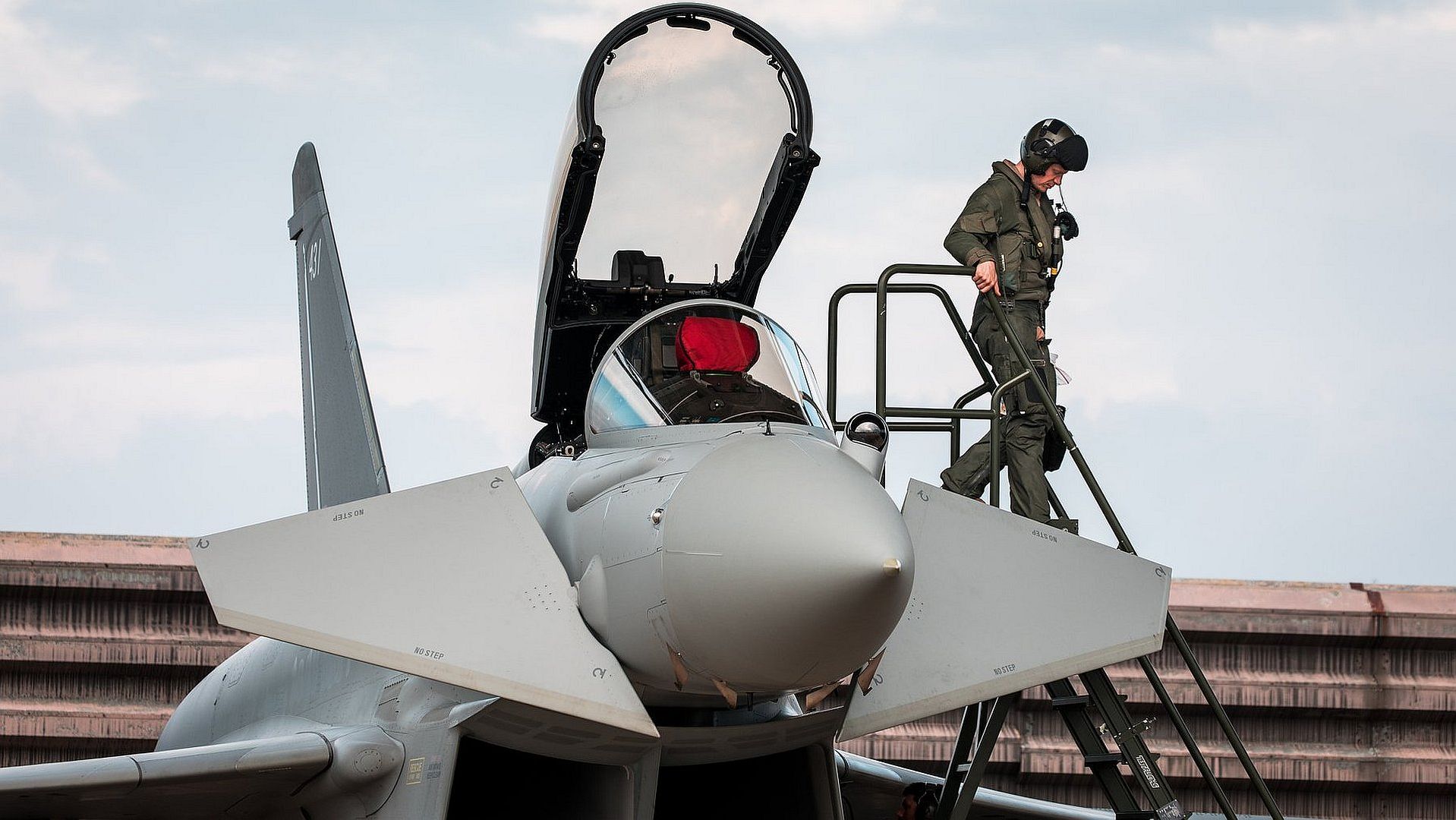
-
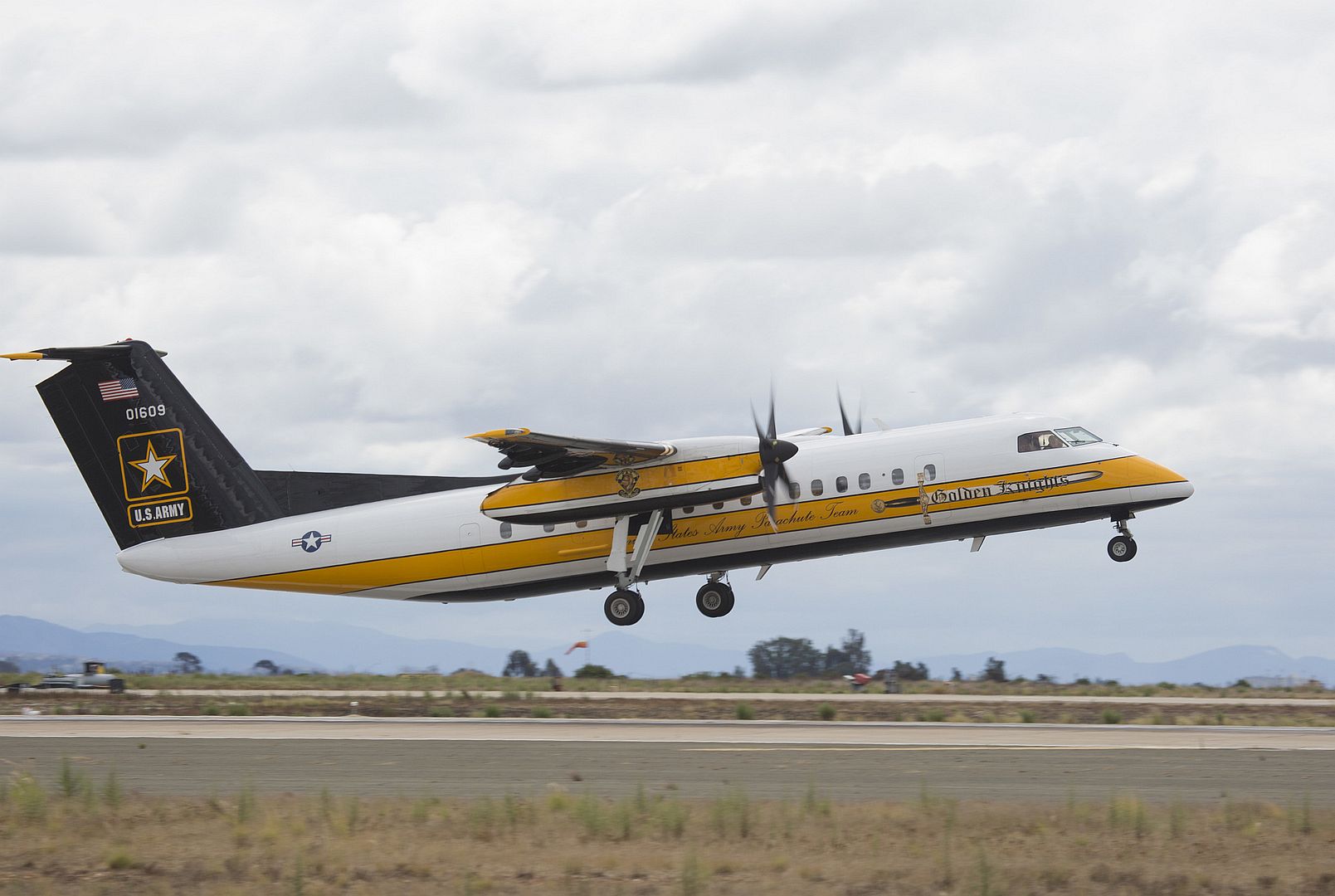
The Golden Knights conduct a demonstration at the 2019 Marine Corps Air Station Miramar Air Show on MCAS Miramar, Calif., Sept 28. This year's air show honors first responders by featuring several performances and displays that highlight first responders and their accomplishments. (U.S. Marine Corps photo by Lance Cpl. Jose GuerreroDeLeon)
Southern California fire departments demonstrate their capabilities at the 2019 Marine Corps Air Station Miramar Air Show on MCAS Miramar, Calif., Sept. 27. This year?s air show honors first responders by featuring several performances and displays that highlight first responders and their accomplishments. (U.S. Marine Corps photo by Lance Corporal Robert Alejandre)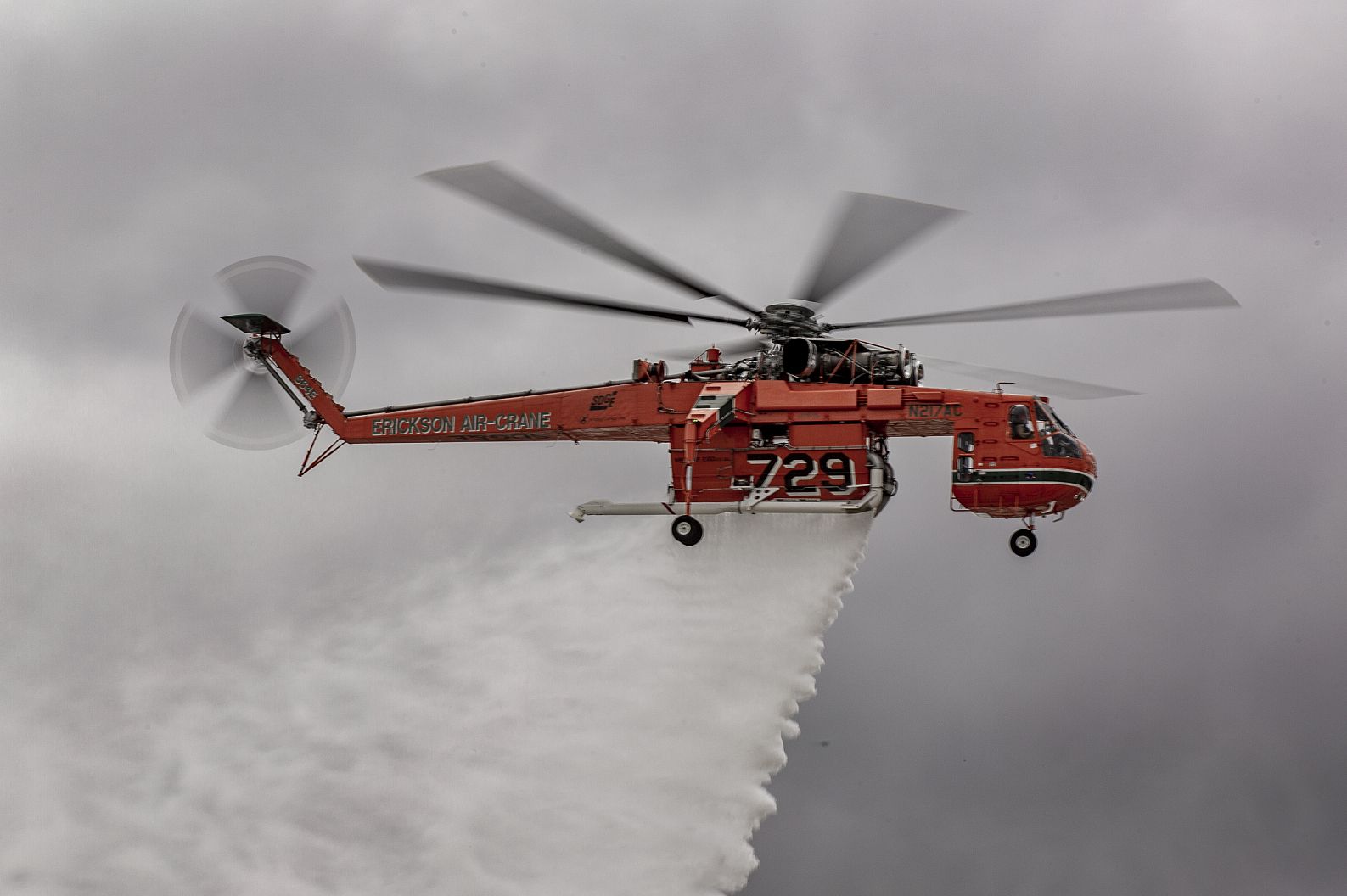
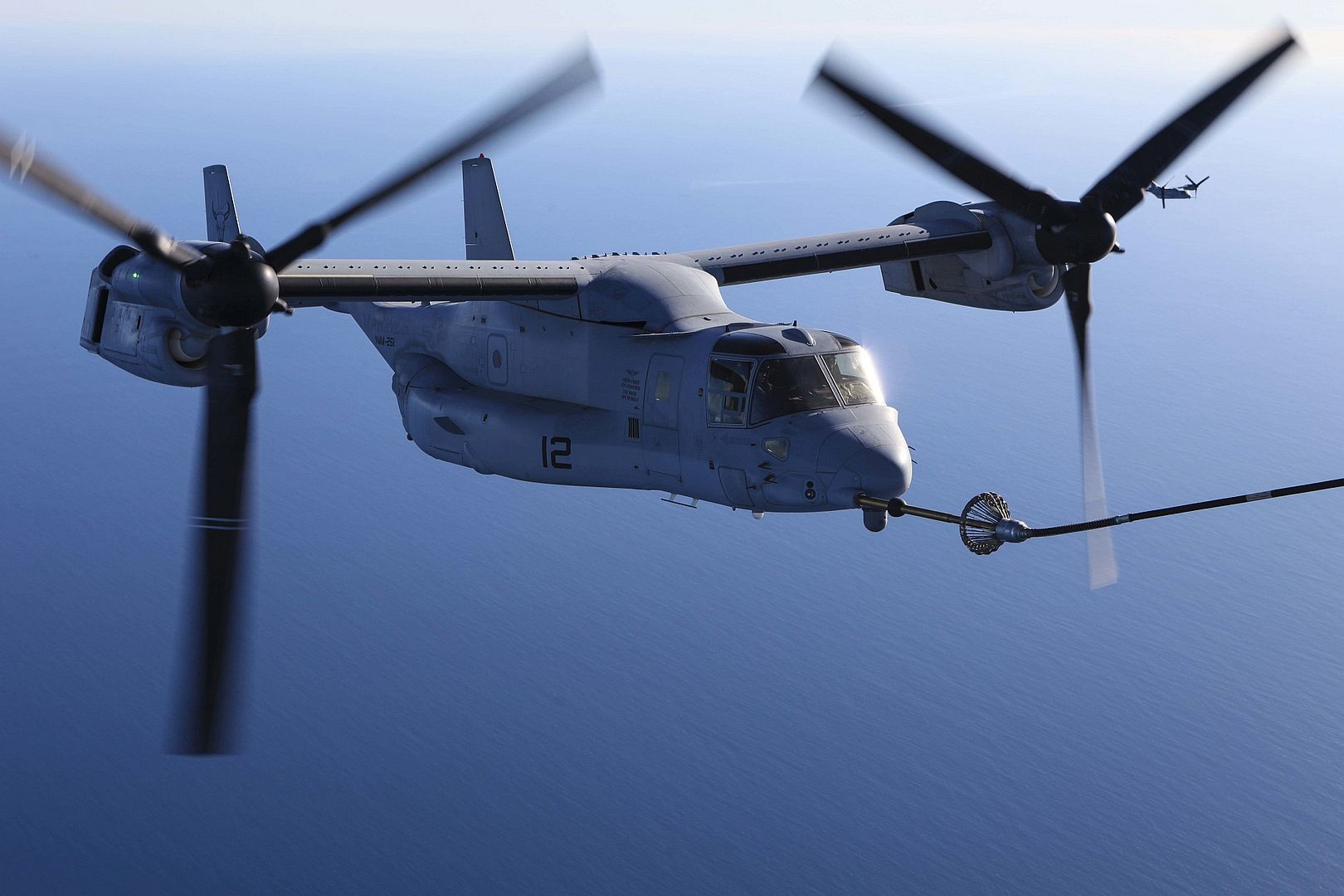
MORON AIR BASE, Spain (Sept. 24, 2019) A U.S. Marine Corps MV-22B Osprey receives fuel from a U.S. Marine Corps KC-130J Super Hercules with Special Purpose Marine Air-Ground Task Force-Crisis Response-Africa 19.2, Marine Forces Europe and Africa, during air-to-air refueling rehearsals off the coast of Spain, Sept. 24, 2019. The aviation combat element rehearses aerial refueling to maintain proficiency and increase the operational reach of the MV-22. SPMAGTF-CR-AF is deployed to conduct crisis-response and theater-security operations in Africa and promote regional stability by conducting military-to-military training exercises throughout Europe and Africa. (U.S. Marine Corps photo by Capt. Clay Groover/Released)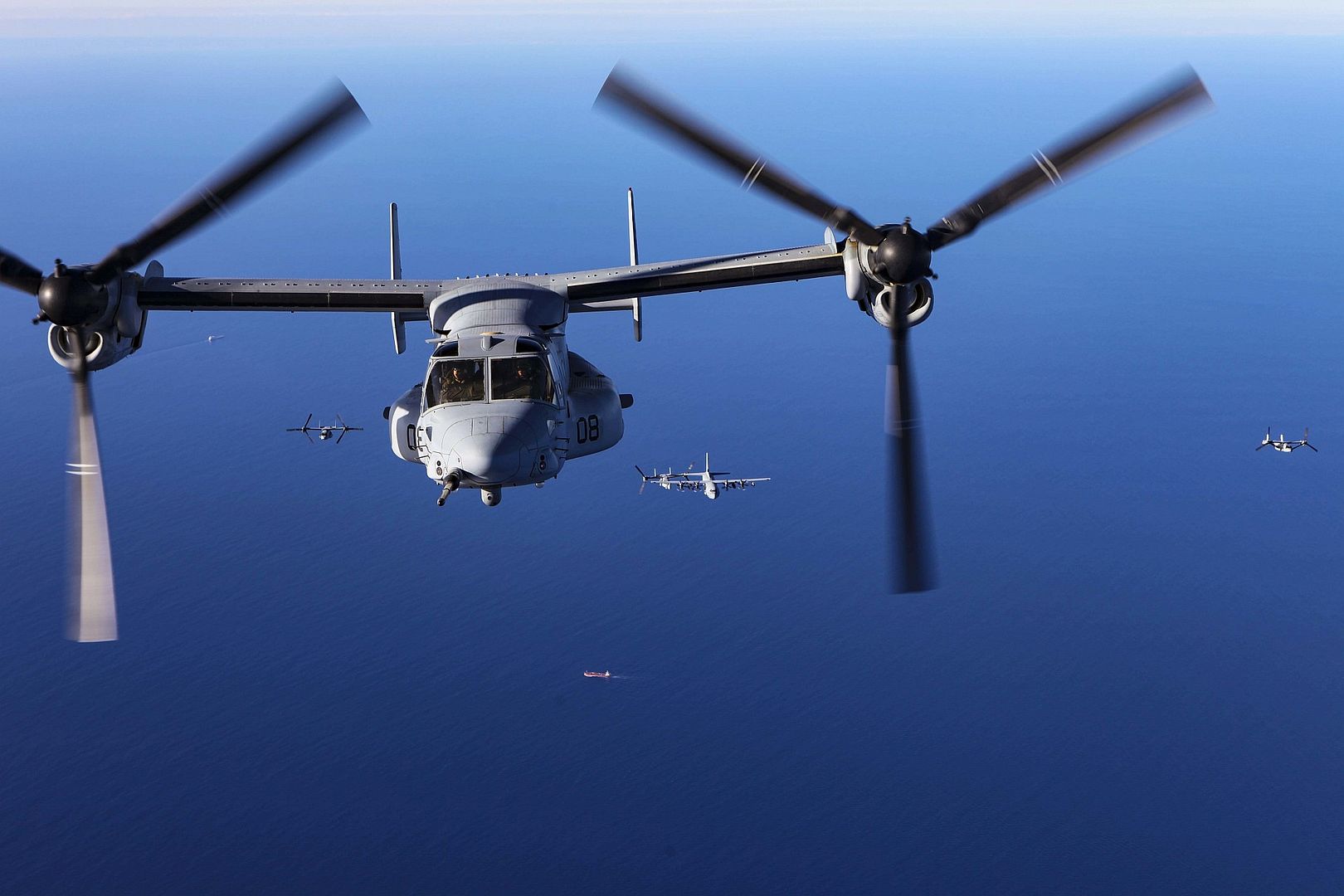
Melbourne, Florida, September 30, 2019 ? Embraer announces that the company?s new Praetor 500 midsize business jet was granted its Type Certificate by EASA (European Union Aviation Safety Agency) and by the FAA (Federal Aviation Administration). The Praetor 500 received regulatory approval from Brazil?s Civil Aviation Authority (ANAC?Ag?ncia Nacional de Avia??o Civil) in August, less than a year after having been announced in October 2018 at NBAA-BACE.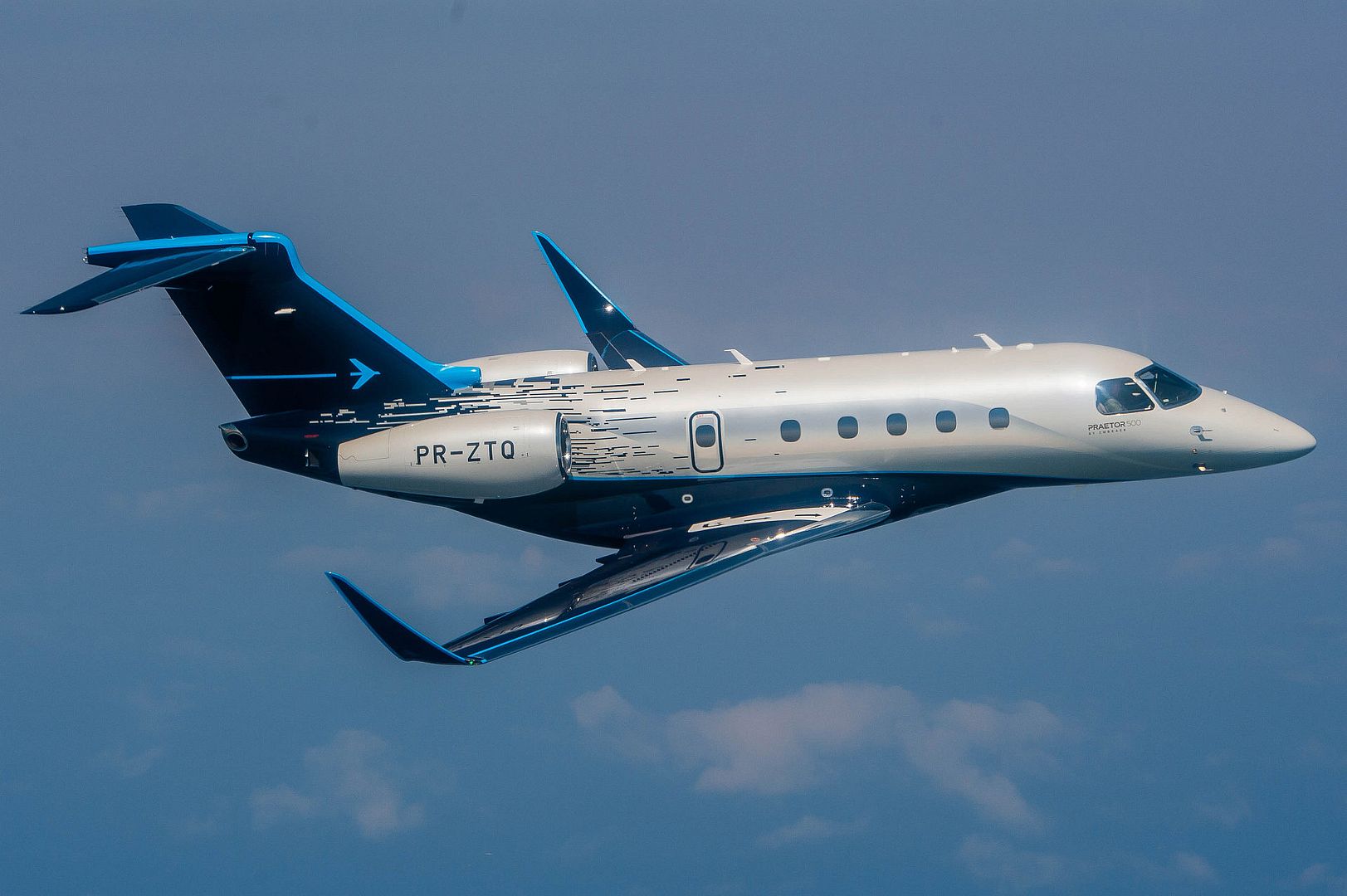
-
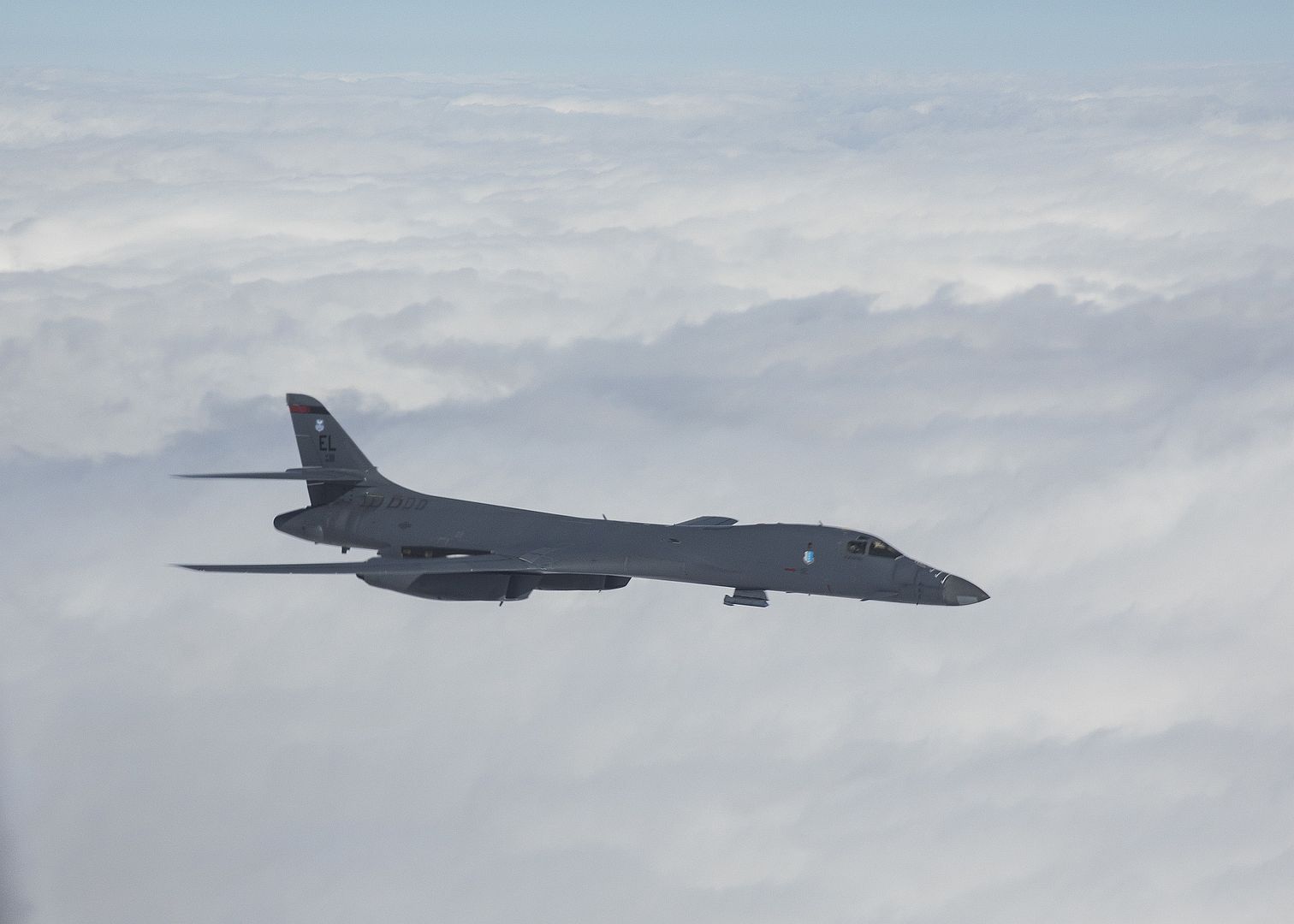
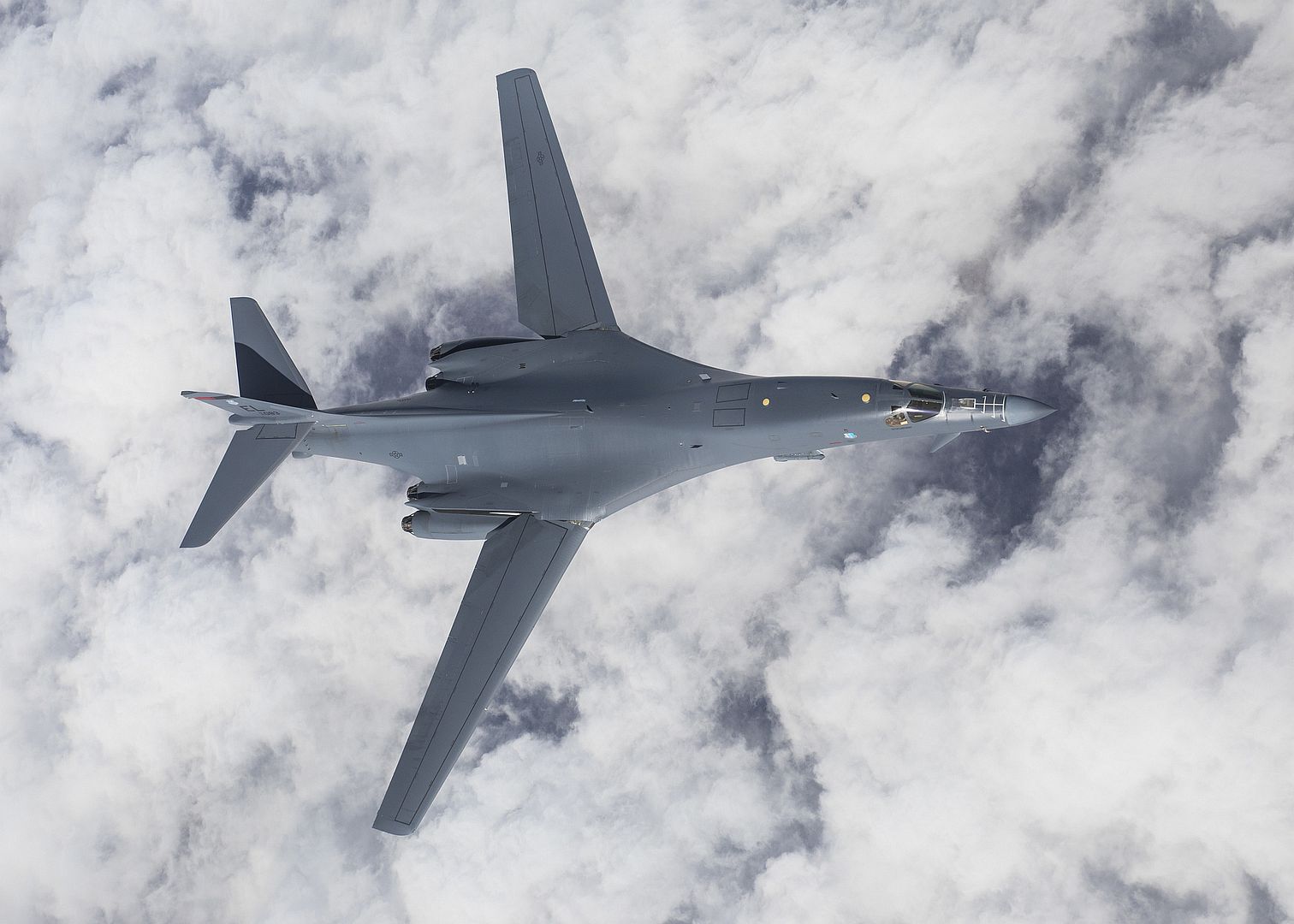
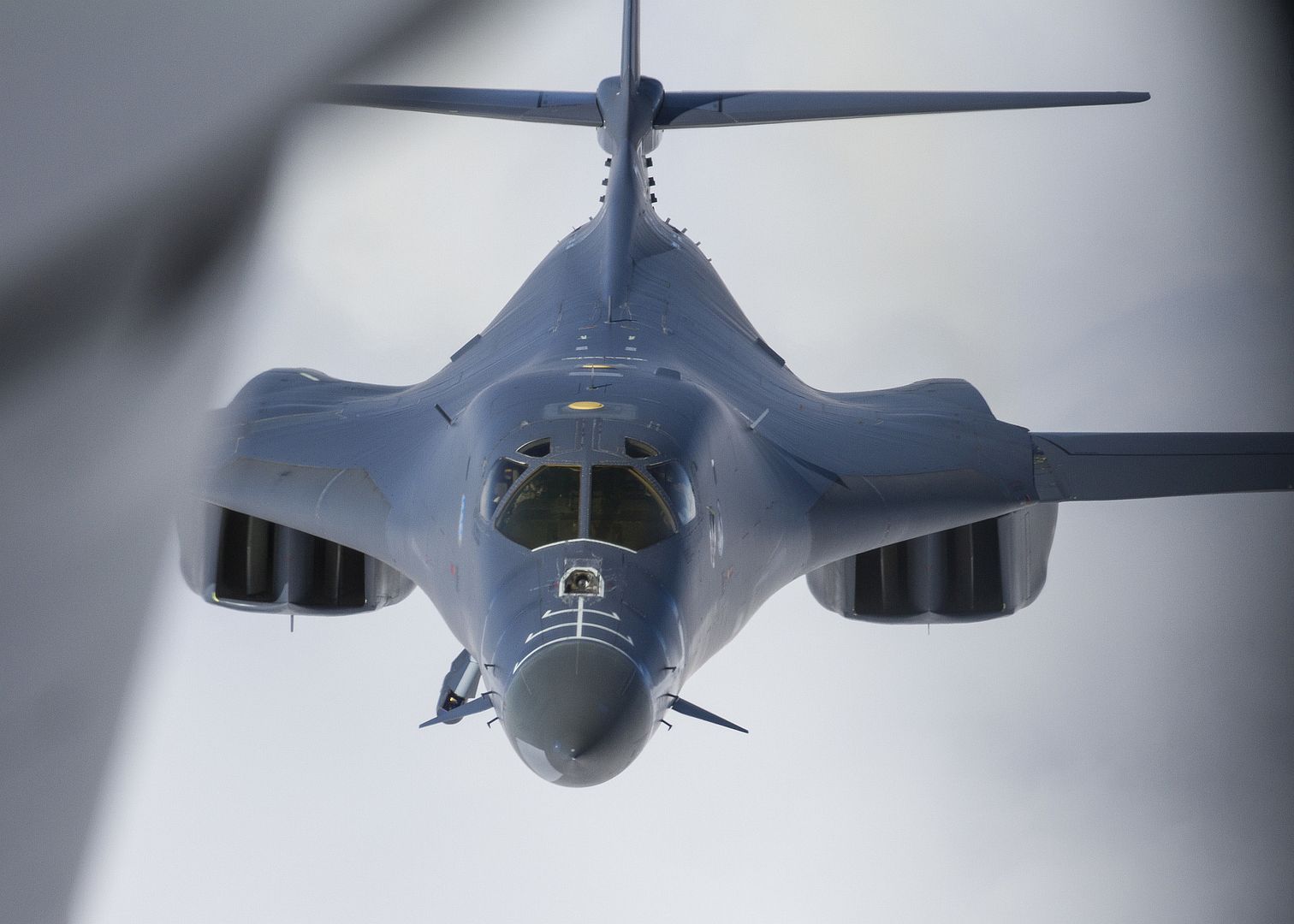
A B-1B Lancer assigned to the 28th Bomb Wing, Ellsworth Air Force Base, South Dakota conducts air refueling operations with a KC-135R assigned to the Utah Air National Guard?s 151st Air Refueling Wing, September 30, 2019 over central Utah. The Utah Air National Guard?s KC-135R fleet is capable of refueling a variety of fighters, bombers and heavy cargo aircraft in the Air Force, Navy and Marine Corp inventory. (U.S. Air National Guard photo's by Tech. Sgt. John Winn)
A U.S. Air Force F-16 Fighting Falcon exits the runway after a Show of Forces display at Spangdahlem Air Base, Germany, Oct. 1, 2019. The Show of Forces was a training event to test the response capabilities of the 52nd Fighter Wing. (U.S. Air Force photo by Staff Sgt. Joshua R. M. Dewberry)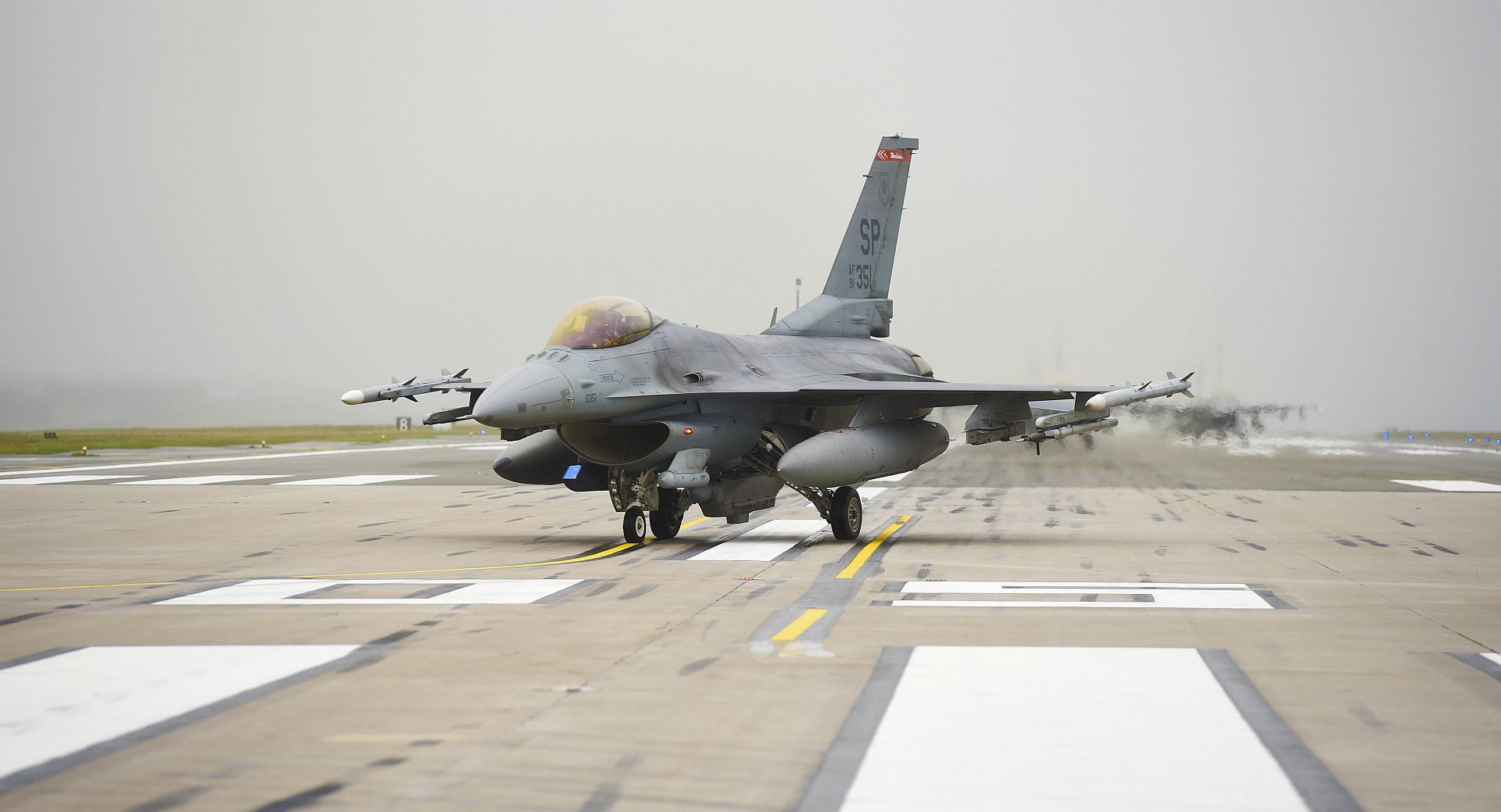
The Royal Air Force (RAF) Red Arrows Jet Team performs at MCAS Miramar, Calif., Sept. 29. This year?s air show honors first responders by featuring several performances and displays that highlight first responders and their accomplishments. (U.S. Marine Corps photo by Lance Cpl. Cheng Chang)
U.S. Marine Corps MV-22 Ospreys with Special Purpose Marine Air-Ground Task Force-Crisis Response-Africa 20.1, Marine Forces Europe and Africa, prepare to extract Marines from a landing zone during quick-reaction force training at Naval Station Rota, Spain, Sept. 30, 2019. The rehearsal increased the Marines? ability to conduct link-up procedures, on scene and in-route trauma stabilization, and offensive and defensive operations. SPMAGTF-CR-AF is deployed to conduct crisis-response and theater-security operations in Africa and promote regional stability by conducting military-to-military training exercises throughout Europe and Africa. (U.S. Marine Corps photo by Cpl. Kenny Gomez)
NORTH CHARLESTON, SOUTH CAROLINA, Sept 30, 2019 ? Boeing [NYSE:BA] delivered to Saudi Arabian Airlines (SAUDIA) its first 787-10 Dreamliner, which will play a key role in the airline?s fleet and network expansion. The largest member of the Dreamliner family sets the benchmark for fuel efficiency and operating economics and will complement SAUDIA?s fleet of 787-9.
?SAUDIA operates a state-of-the-art fleet equipped with the latest technology, and in addition to the airline?s existing Boeing 787-9 Dreamliners, is now adding the 787-10 variant which will further support future network growth plans,? said His Excellency Eng. Saleh bin Nasser Al-Jasser, Director General, SAUDIA. ?The airplane?s onboard cabin features, long range capability and the latest in technological advancements are among the many aspects of what makes the Boeing 787 highly popular with our guests.?
In addition to the 787-10, SAUDIA operates 13 787-9 Dreamliner airplanes, and 33 777-300ER (Extended Range) jets.
?SAUDIA has been a valued partner with Boeing for nearly 75 years and this delivery marks another major milestone in our partnership. Our team takes great pride in building and delivering quality aircraft to SAUDIA and we are honored by the continuing confidence in the 787 Dreamliner and 777 families,? said Ihssane Mounir, senior vice president of Commercial Sales and Marketing, The Boeing Company. ?The addition of the 787-10 to SAUDIA?s fleet will continue the superior inflight experience that passengers have come to expect of the Dreamliner. Moreover, the unmatched fuel efficiency of the 787 will help SAUDIA open new routes and achieve significant fuel savings and emission reduction.?
With the delivery to SAUDIA, the 787-10 continues to expand its global presence. More than 30 of this Dreamliner model have been delivered to seven operators since the airplane entered commercial service last year. As a stretch of the 787-9, the 787-10 adds about 40 more seats in a 2-class configuration and cargo capacity, offering 25 percent better fuel per seat and fewer emissions than the airplanes it replaces. With a range 6,345 nautical miles (11,750 kms), the 787-10 can fly more than 95 percent of the world?s twin-aisle routes.
Since entering service in 2011, the 787 family has enabled the opening of more than 235 new point-to-point routes and saved more than 40 billion pounds of fuel. Designed with the passenger in mind, the 787 family delivers an unparalleled experience with the largest windows of any commercial jet, large overhead bins with room for everyone's bag, comfortable cabin air that is cleaner and more humid, and includes soothing LED lighting.
To optimize the performance of its 787 fleet, SAUDIA uses Boeing Global Services digital solutions powered by Boeing AnalytX such as Airplane Health Management (AHM), Maintenance Performance Toolbox and Crew Rostering and Pairing to optimize performance, manage global crew schedules and maintain their fleet. Boeing AnalytX is a suite of software and consulting services that transform raw data into efficiency, resource and cost savings in every phase of flight.
###
About Boeing:
Boeing is the world?s largest aerospace company and leading provider of commercial airplanes, defense, space and security systems, and global services. The company supports commercial and government customers in more than 150 countries. Boeing employs more than 150,000 people worldwide and leverages the talents of a global supplier base. Building on a legacy of aerospace leadership, Boeing continues to lead in technology and innovation, deliver for its customers and invest in its people and future growth.
About SAUDIA
SAUDIA is the national flag carrier of the Kingdom of Saudi Arabia. Currently in its 74th year of operations, the airline is a member of the International Air Transport Association (IATA) and the Arab Air Carriers Organization (AACO).
At the 2017 Skytrax Awards held at the Paris Air Show, SAUDIA was awarded ?World?s Most Improved Airline? of the year. The award recognizes an airline?s growth and improvement across a number of categories, in a single year.
SAUDIA joined the SkyTeam alliance in 2012 and is one of 19 member airlines. The airline has 13 codeshare partners including: Czech Airlines, Etihad Airways, Garuda Indonesia, China Southern Airlines, Air France, Royal Air Maroc, Alitalia, Korean Airlines, KLM, Middle East Airlines, Aeroflot, Air Europa and Oman Air.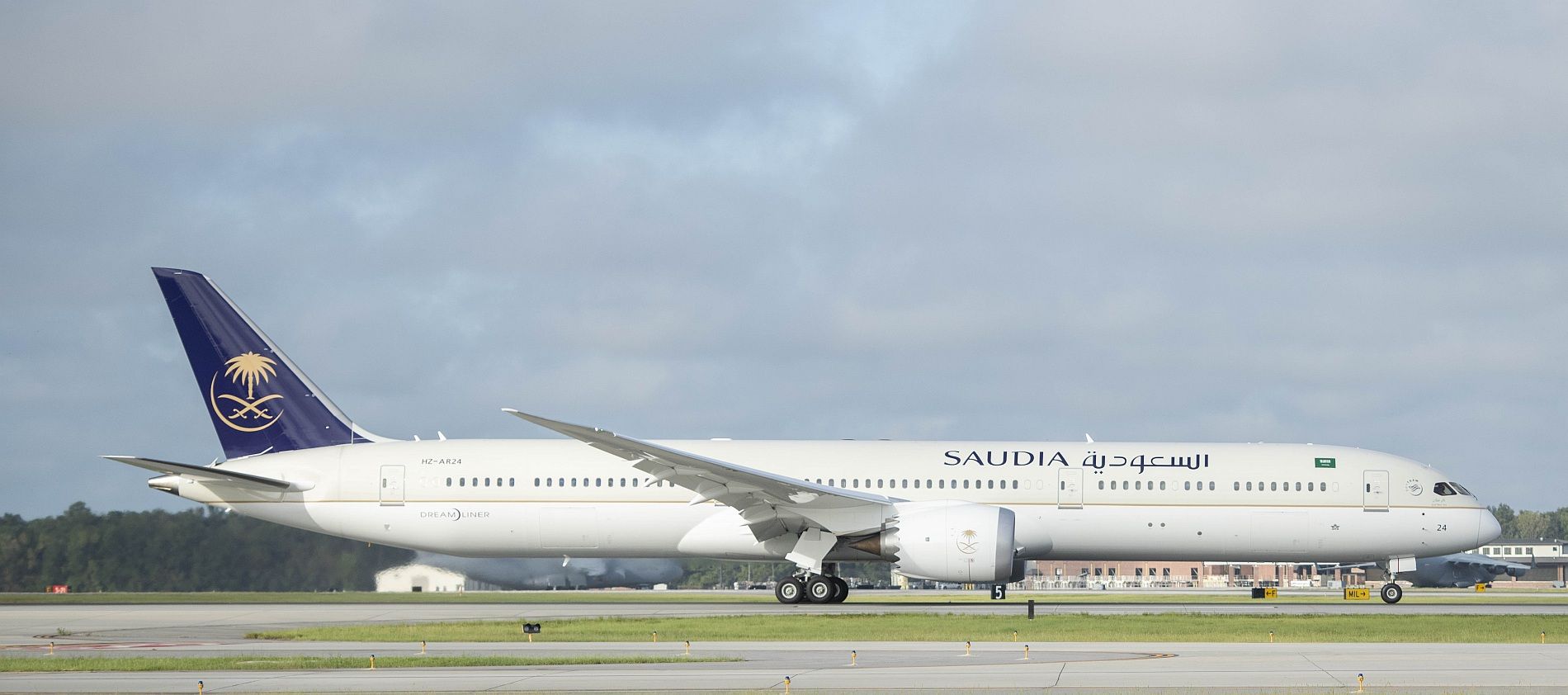
EVERETT, Wash., Oct. 1, 2019 ? The U.S. Air Force awarded Boeing [NYSE: BA] a $2.6 billion contract for 15 KC-46A tanker aircraft, spares, support equipment, spare engines and wing air refueling pod kits. With this fifth production lot, Boeing now is on contract for 67 KC-46 tankers.
Boeing received its first two production lots, for 7 and 12 aircraft, in August 2016. The third lot, for 15 aircraft, was awarded in January 2017; the fourth lot for 18 aircraft in September 2018.
?We?re honored to build the Air Force?s next-generation tanker and appreciate the importance of this program for our nation,? said Jamie Burgess, Boeing KC-46A tanker vice president and program manager. ?This has been a milestone year for KC-46 and a big reason for that is our great partnership with the Air Force. We expect to accomplish great things together in the years to come.?
Boeing plans to build 179 of the 767-based refueling aircraft for the Air Force to replace its legacy tanker fleet. The company delivered the first tankers to the Air Force in January 2019.
Boeing received its initial contract in 2011 to design and develop the Air Force?s newest tanker aircraft. The KC-46A is a multirole tanker that can refuel allied and coalition military aircraft compatible with international aerial refueling procedures and can carry passengers, cargo and patients.
Boeing is assembling KC-46 aircraft at its Everett, Wash., facility and recently started production of the first KC-46 for Japan.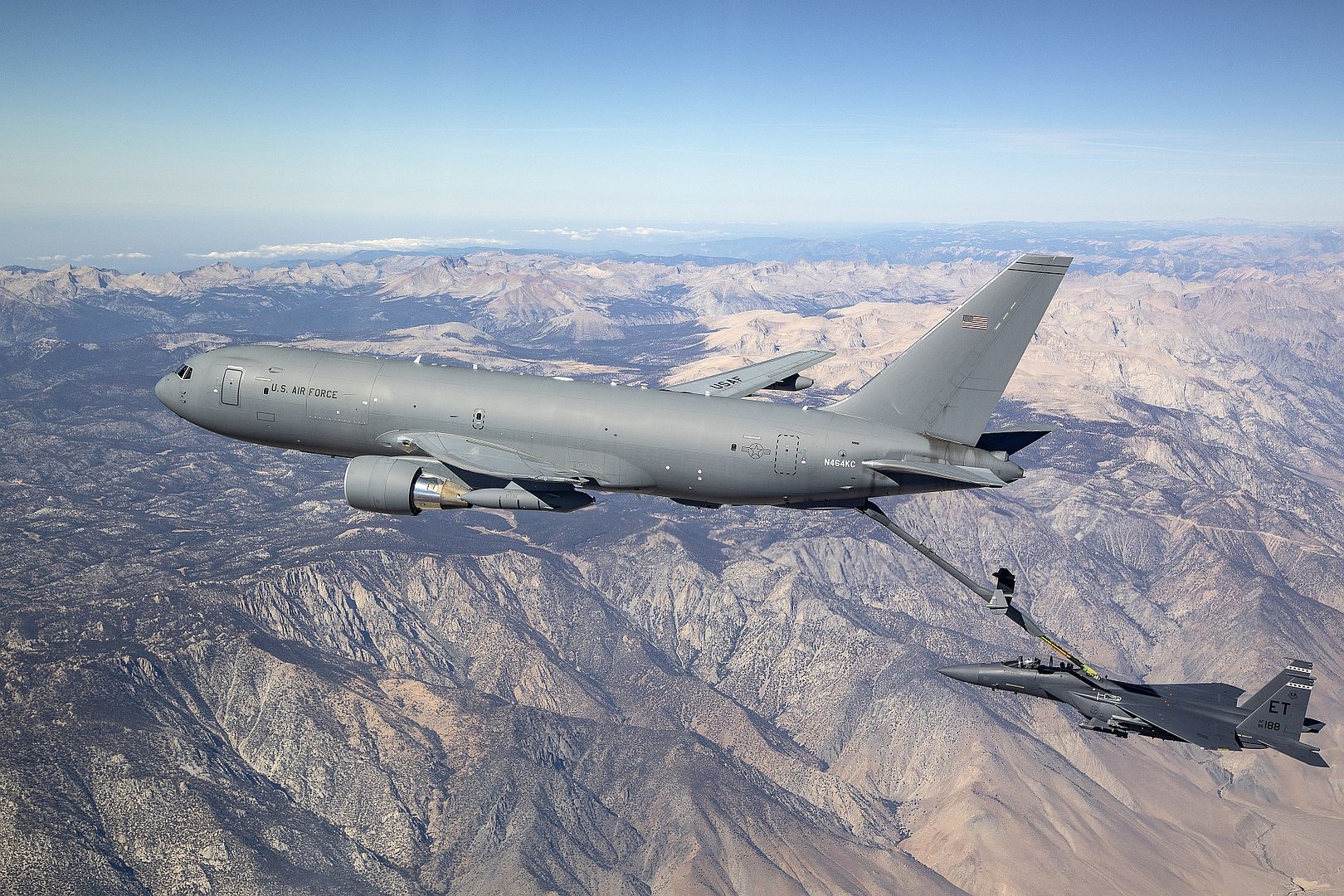
October 1, 2019 Montr?al Business Aircraft, Aviation, Press Release
Bombardier celebrates the entry-into-service of the latest addition to its Global family, the Global 6500 jet. This achievement comes on the heels of Transport Canada certification of both the Global 5500 and Global 6500 awarded on September 24. The aircraft will make its public debut at the National Business Aviation Convention & Exhibition (NBAA-BACE) in Las Vegas on October 22.
?We are celebrating a significant milestone today with the entry-into-service of this exceptional aircraft,? said David Coleal, President, Bombardier Aviation. ?We?re proud of the work our team and our suppliers have done to deliver a technologically advanced aircraft that exceeds our customers? expectations in terms of unparalleled comfort, superior performance and an incomparable smooth ride. The Global 6500 business jet continues to maintain the longstanding winning DNA of our Global family of aircraft, the most successful long-range business jet platform.?
The aircraft went through the rigorous flight testing program, which was completed at Bombardier?s world-class test centre in Wichita, Kansas. The Pearl 15 engine, the latest addition to Rolls-Royce?s exceptional business aviation engine portfolio, received EASA certification in 2018 and Transport Canada certification recently. The engine, developed at the Rolls-Royce Centre of Excellence for Business Aviation engines in Dahlewitz, Germany, was custom-designed with the most innovative technology ? including enhanced aerodynamics, blade cooling and advanced engine health monitoring systems ? to power the Global 5500 and Global 6500 aircraft.
With the purpose-built engines, advanced wing design and built-in systems redundancy and robustness for which Bombardier Global aircraft are renowned, the aircraft offer superior safety and a smooth ride to its passengers. The new Rolls-Royce Pearl engines also make the Global 6500 aircraft a cleaner and more efficient business jet.
Equipped with the revolutionary Bombardier Vision Flight Deck and the industry?s leading cockpit, the aircraft offers a comprehensive avionics suite with ergonomics and aesthetics that provide pilots with outstanding comfort and control.
The Global 6500 aircraft has a class-leading range of 6,600 nautical miles, with a top speed of Mach 0.90 and Bombardier?s smooth ride technology. It can connect New York to Dubai, and Hong Kong to London. The Global 6500 aircraft also boasts superior agility, with the ability to access airports that others can?t, such as London City.
The Global 6500 aircraft offers a stunning redesigned cabin with exclusive features that are as innovative as they are luxurious. The Global 6500 business jet also debuts the Nuage chaise, a unique seating innovation, which adds new dimensions to the conference suite as a lounge chair that converts into a flat surface for sleeping or banquet-style dining around the table. Bombardier's patented Nuage seat is also exclusive to the new Global aircraft family. With its distinctive technology, the Nuage seat is ideally suited for long-range flights.
To celebrate this momentous occasion, media are invited to join Bombardier at an event at the company?s static display (SD 701) co-hosted with Rolls-Royce, on Tuesday, October 22, 2019 at
2:00 pm at NBAA-BACE, in Las Vegas, NV.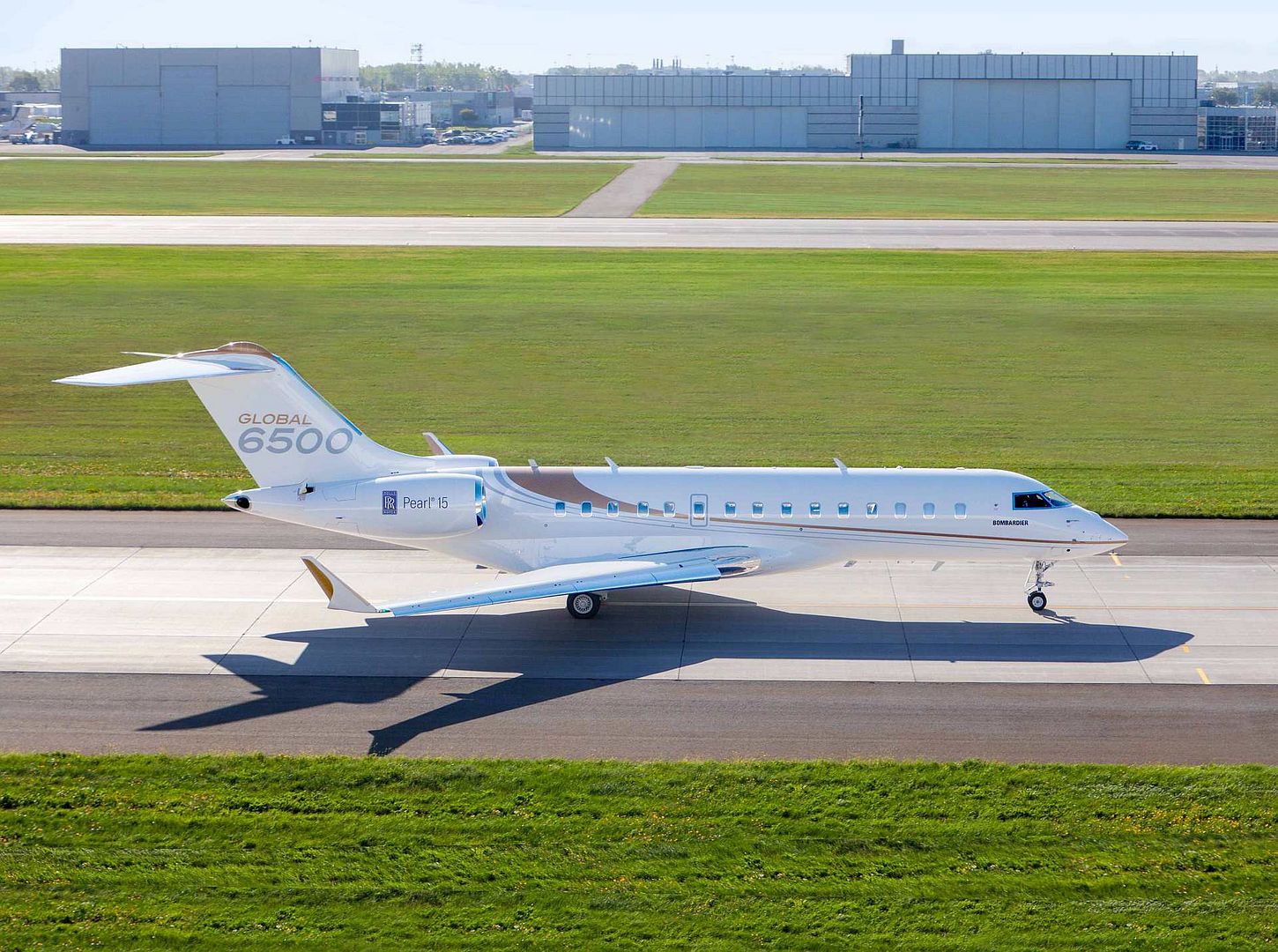
-
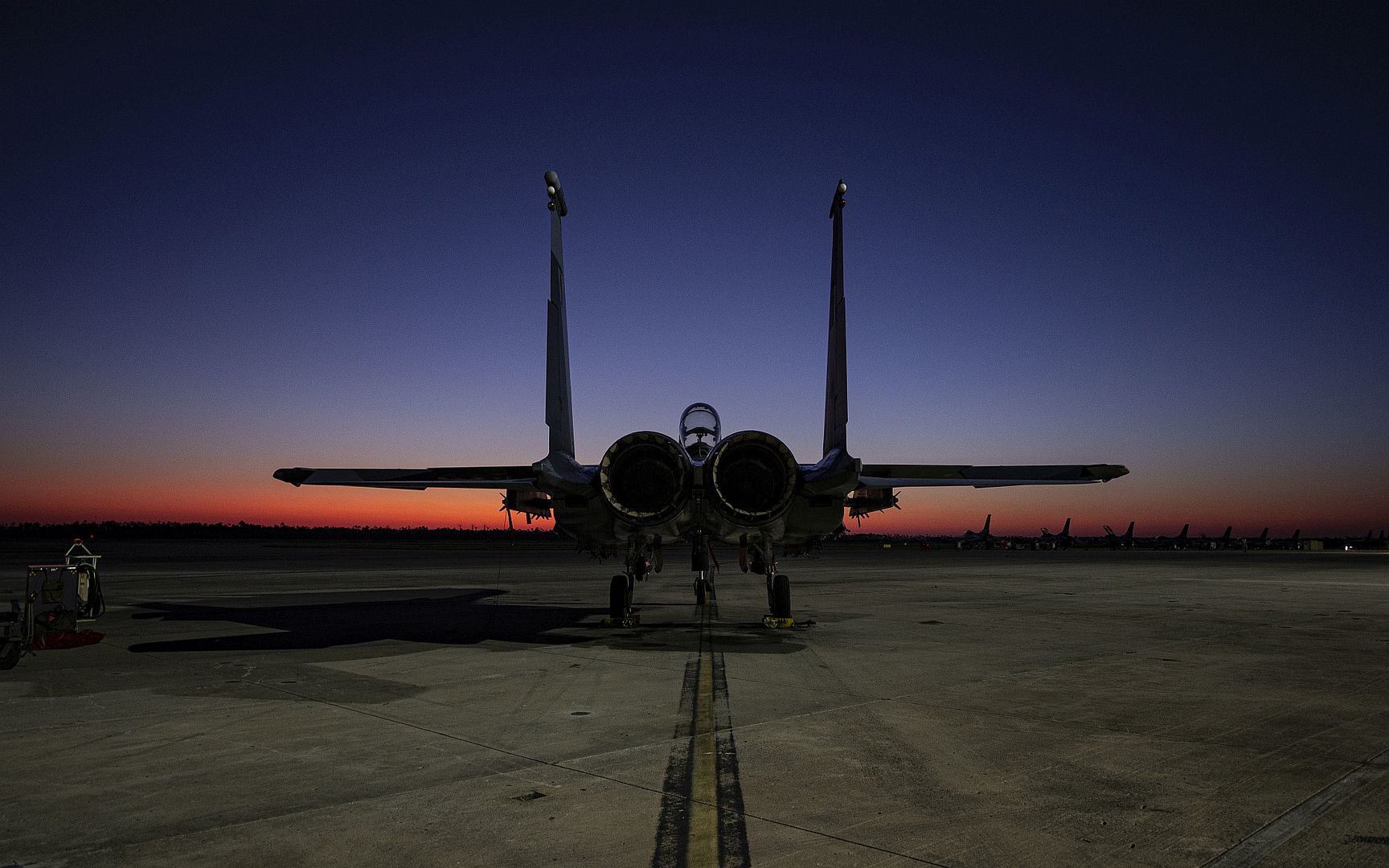
An F-15E Strike Eagle fighter jet assigned to the 422nd Test and Evaluation Squadron, Nellis Air Force Base, Nev., remains parked on the flightline during Combat Archer 19-12 on Tyndall AFB, Fla., Sept. 24, 2019. Combat Archer is part of the 53rd Wing?s Weapons System Evaluation Program. (U.S. Air Force photo by Airman 1st Class Bailee A. Darbasie)
PACIFIC OCEAN (Sept. 30, 2019) Aviation Boatswain's Mate (Handling) 2nd Class Sabrina Bales, assigned to the amphibious assault ship USS America (LHA 6, signals an F-35B Lightning II assigned to the Flying Leathernecks of Marine Fighter Squadron (VMFA) 122 to take off from the ship's flight deck. America is currently underway conducting routine operations. (U.S. Navy photo by Mass Communication Specialist 3rd Class Vance Hand/Released)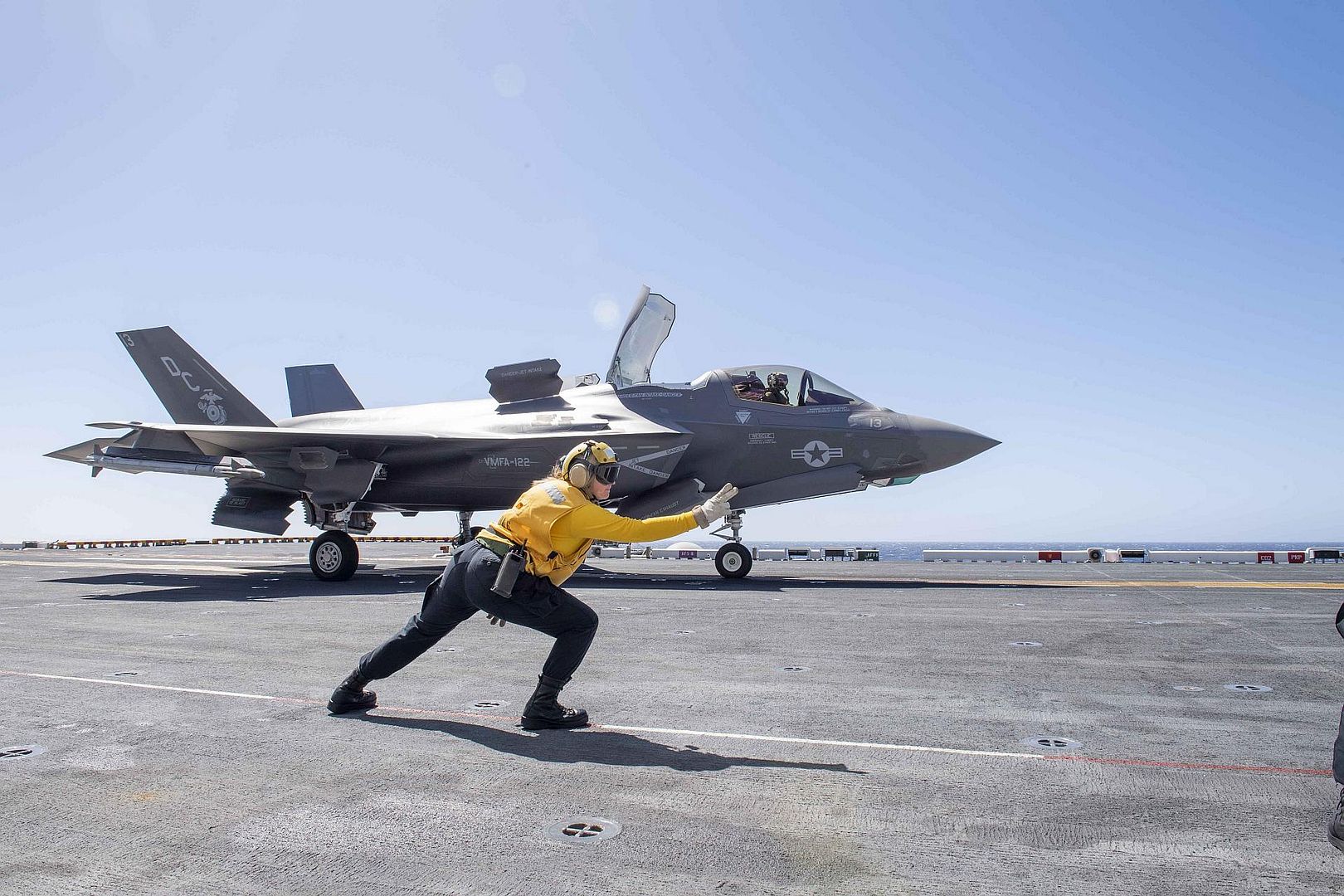
A U.S. Marine Corps UH-1Y Venom aircraft assigned to Marine Aviation Weapons and Tactics Squadron One (MAWTS-1) conducts an offensive air support exercise during Weapons and Tactics Instructor (WTI) course 1-20 at Chocolate Mountain Aerial Gunnery Range, California, Sept. 30, 2019. WTI is a seven-week training event hosted by MAWTS-1, which emphasizes operational integration of the six functions of Marine Corps aviation in support of a Marine Air Ground Task Force. WTI also provides standardized advanced tactical training and certification of unit instructor qualifications to support Marine aviation training and readiness, and assists in developing and employing aviation weapons and tactics. (U.S. Marine Corps photo by Cpl. Lauren Brune)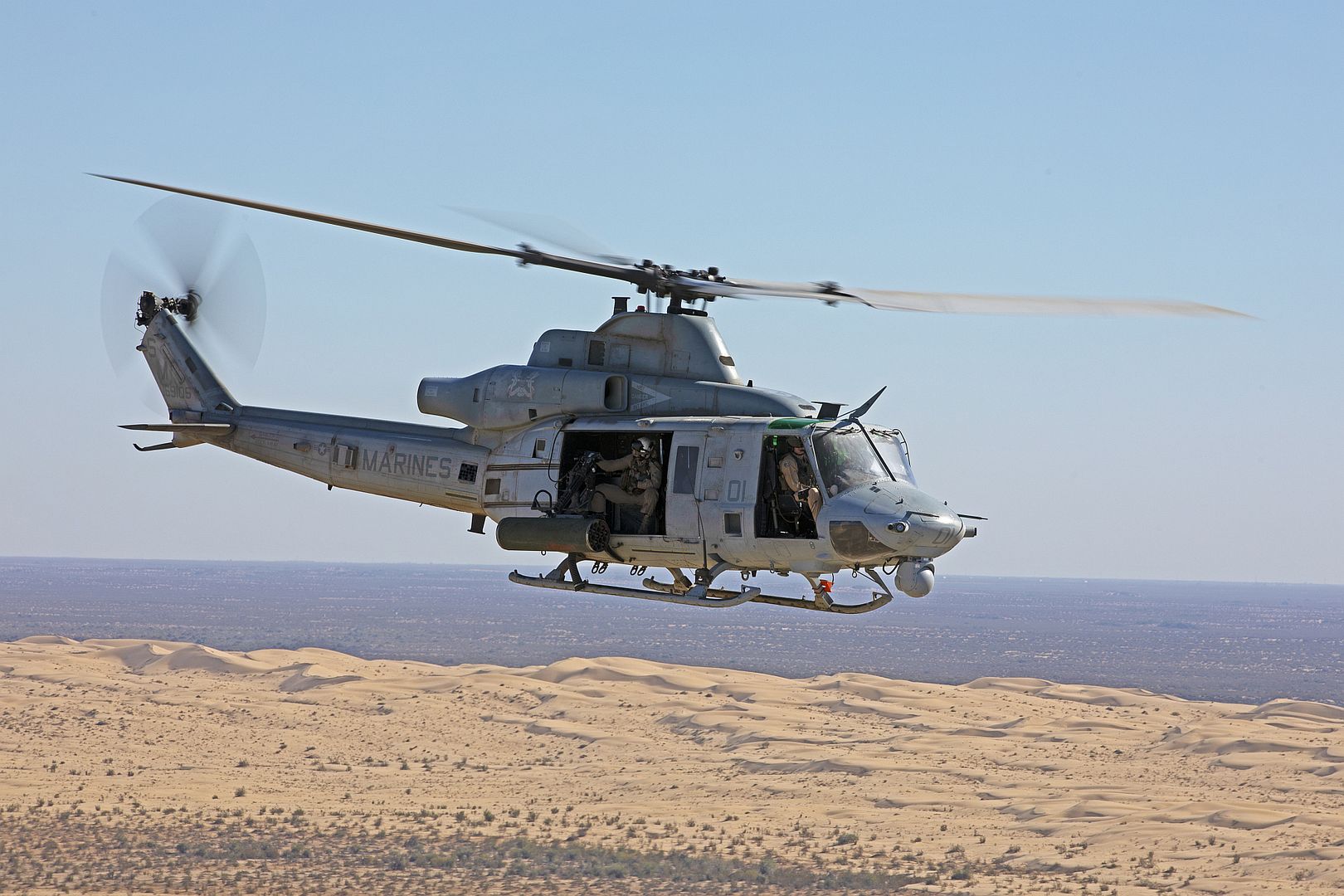
A CV-22 Osprey tiltrotor aircraft assigned to the 8th Special Operations Squadron lands at Hurlburt Field, Florida, Sept. 26, 2019. The CV-22 is used to conduct long-range infiltration, exfiltration and resupply for special operations forces around the globe. (U.S. Air Force photo by Airman 1st Class Joseph P. Leveille)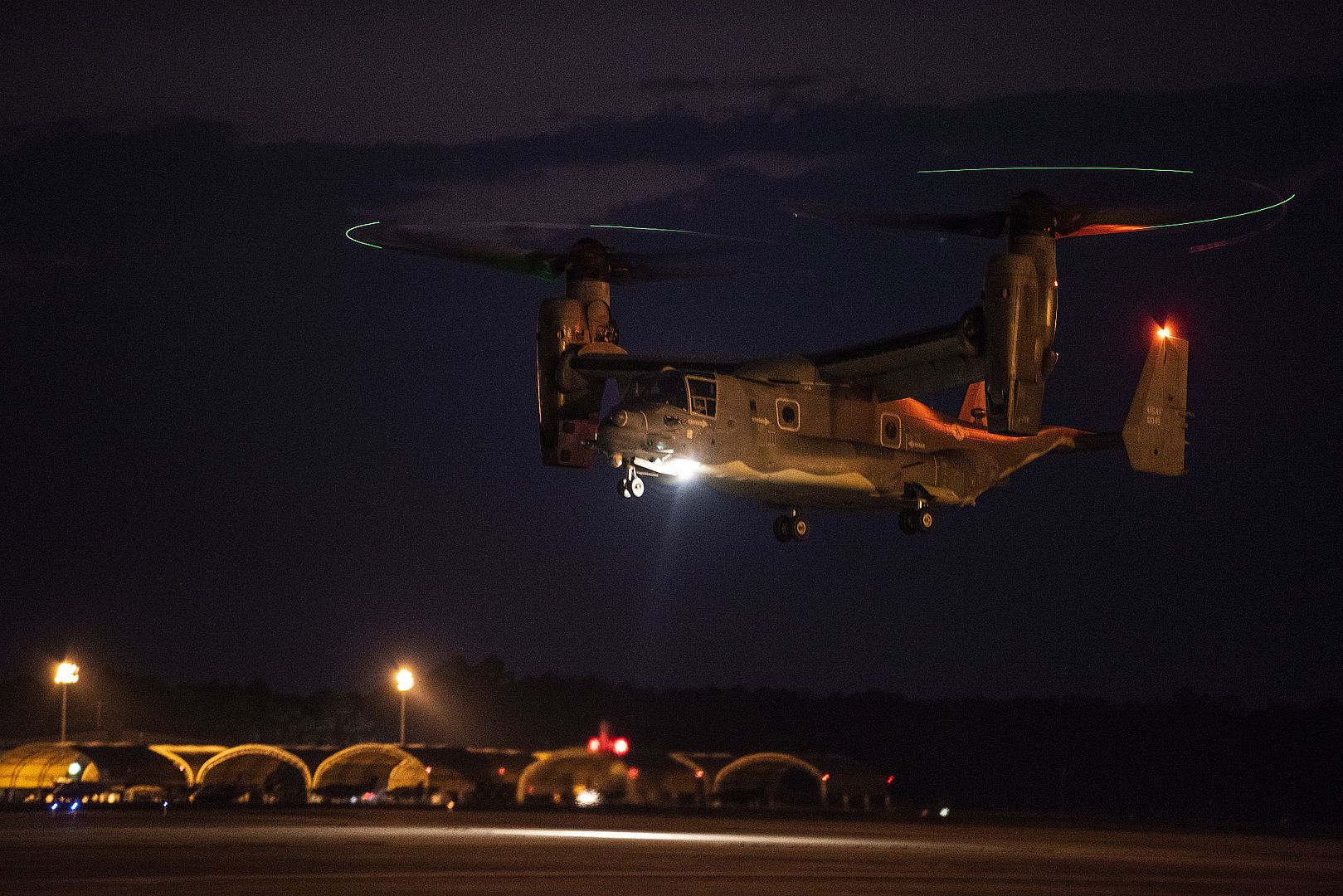
Fort Worth, Texas (October 2, 2019) ? Bell Textron Inc., a Textron Inc. (NYSE: TXT) company, has announced a new rotorcraft, Bell 360 Invictus, as the company?s entrant for the U.S. Army?s Future Attack Reconnaissance Aircraft (FARA) Competitive Prototype program. Bell?s innovative approach to designing the Bell 360 Invictus combines proven low-risk technologies with advanced processes to deliver soldiers an affordable, agile and lethal solution to win on the modern battlefield. The Bell 360 Invictus meets or exceeds all requirements as laid out under the FARA contract.
?The Bell 360 will deliver advanced battlefield situational awareness, as well as lethal options, in support of the maneuver force at an affordable cost? said Vince Tobin, executive vice president of Military Business at Bell. ?The multi-domain fight will be complex, and our team is delivering a highly capable, low-risk solution to confidently meet operational requirements with a sustainable fleet.?
The Bell 360 Invictus? design emphasizes exceptional performance using proven technologies to fulfill the Army?s FARA requirements at an affordable cost and on schedule. One example is the Invictus? rotor system. This design is based on Bell?s 525 Relentless rotor system which has been tested and proven at speeds in excess of 200 Knots True Air Speed (KTAS). By incorporating proven designs and the best available technologies from commercial and military programs, Bell delivers a low-risk path to a FARA program of record.
This advanced aircraft will have a transformative impact through next-generation flight performance, increased safety and greater operational readiness?all to deliver decisive capabilities.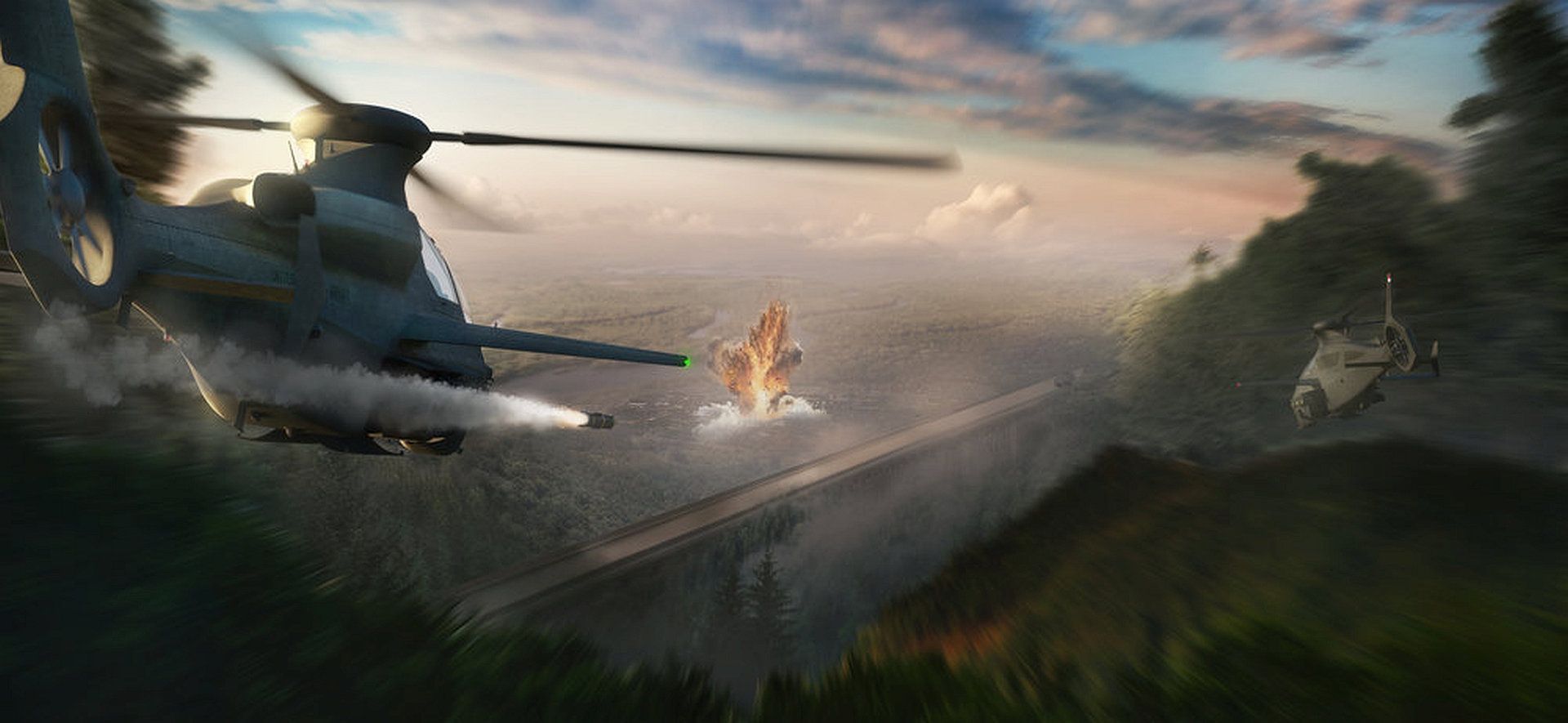
Some of the key 360 Invictus features include:
Lift-sharing wing to reduce rotor lift demand in forward flight, enabling high-speed maneuverability
Supplemental Power Unit increases performance during high power demands
Robust articulated main rotor with high flapping capability enabling high speed flight
Fly-by-wire flight control system?synthesizes technologies, reduces pilot workload and provides a path to autonomous flight
Speed: >185 KTAS
Combat radius: 135nm with >90 minutes of time on station
Achieves 4k/95F Hover Out of Ground Effect (HOGE)
Armed with a 20 mm cannon, integrated munitions launcher with ability to integrate air-launched effects, and future weapons, as
well as current inventory of munitions
Provisioned for enhanced situational awareness and sensor technologies
Modular Open Systems Approach (MOSA) enabled by a Digital Backbone from Collins Aerospace
Robust design integrating lifecycle supportability processes early to ensure high OPTEMPO availability in multi-domain operations
Design-as-built manufacturing model and digital thread enabled tools to enhance affordability, reliability, and training throughout
the lifecycle of the aircraft
"Bell is committed to providing the U.S. Army with the most affordable, most sustainable, least complex, and lowest risk solution among the potential FARA configurations, while meeting all requirements," said Keith Flail, vice president of Advanced Vertical Lift Systems at Bell. ?360 Invictus is an exciting opportunity for us to continue our support of Army modernization. This is the next solution to ensure soldiers have the best equipment available for the multi-domain fight.?
Bell has decades of experience providing attack and reconnaissance aircraft to the warfighter, such as the Kiowa Warrior which delivered high reliability and availability through more than 850,000 flight hours. The Bell 360 Invictus design builds from that legacy, Bell?s commercial innovations, and from the success in the development and manufacturing capabilities required for Future Vertical Lift (FVL) as part of the Joint Multi-Role Technology Demonstration (JMR TD) over the past six years.
To learn more about Bell 360 Invictus and FVL, please visit our booth at the AUSA Annual meeting (#2124) or bellflight.com/.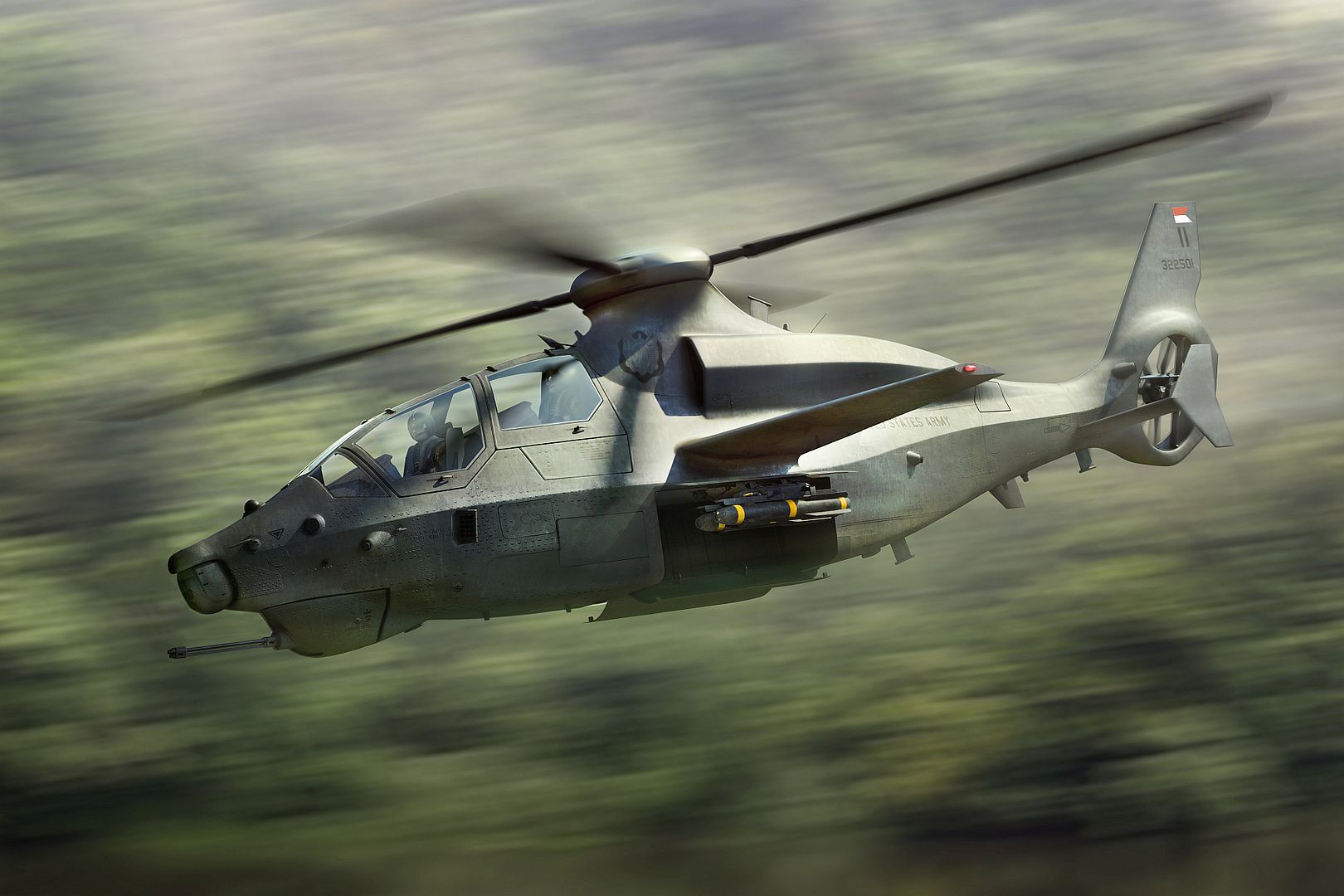
-
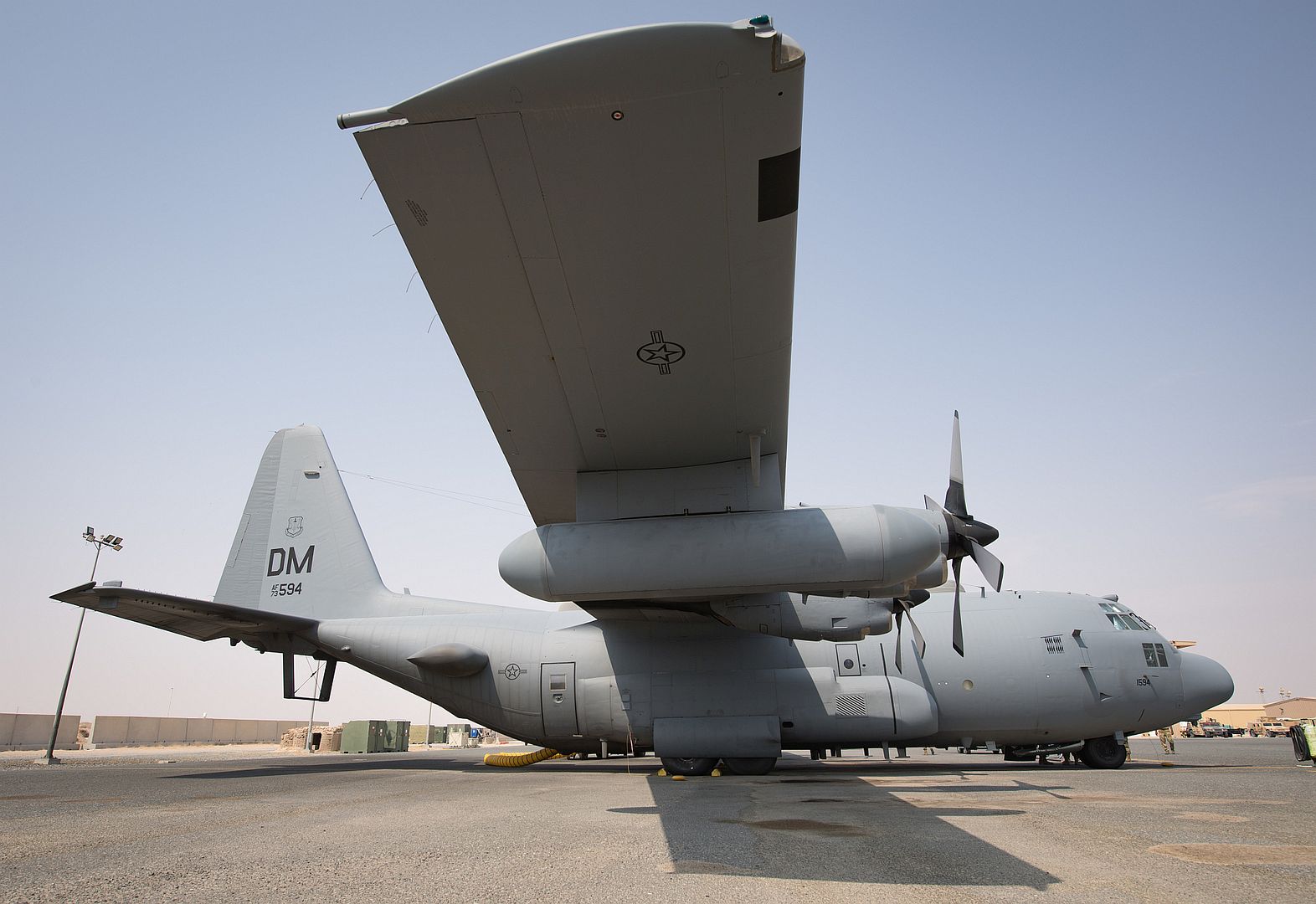
A U.S. Air Force EC-130H Compass Call aircraft awaits departure at Ali Al Salem Air Base, Kuwait, Oct. 2, 2019. The aircraft's departure coincides with the inactivation of the 43rd Expeditionary Electronic Combat Squadron on Sept. 30, 2019. (U.S. Air Force photo by Tech. Sgt. Daniel Martinez)
Colonel Richard Tanner, 22nd Air Refueling Wing commander, and Randy White, Mayor of Derby and 931st Operations Group honorary commander, view the KC-135 Stratotanker nose art dedicated to the city of Derby?s 150th anniversary Oct. 2, 2019, at McConnell Air Force Base, Kan. The event was the culmination of a yearlong celebration honoring the long history between Derby and the Airmen of McConnell. (U.S. Air Force photo by Senior Airman Skyler Combs)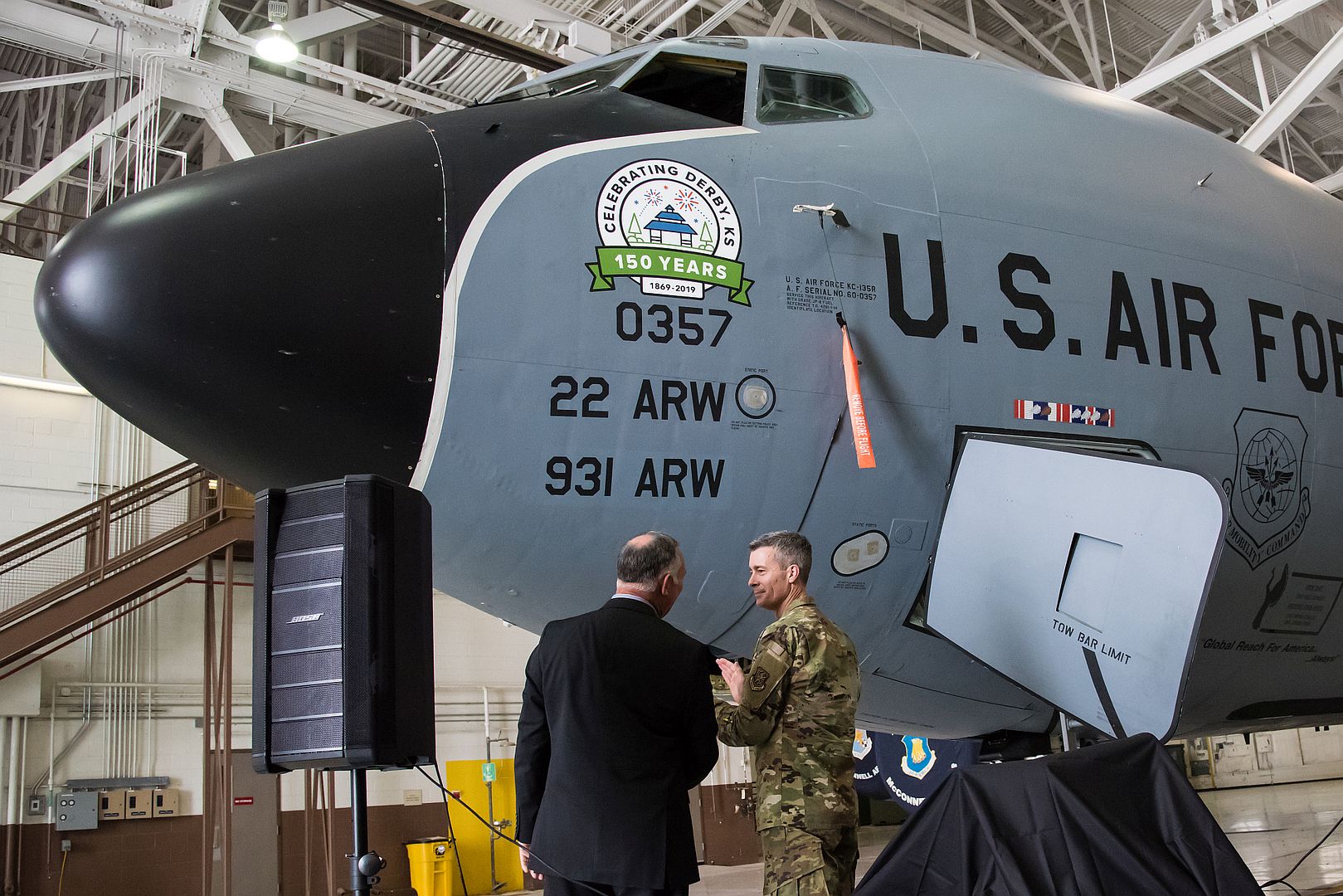
SOUTH CHINA SEA (Oct. 3, 2019) An AV-8B Harrier II, attached to Marine Medium Tiltrotor Squadron (VMM) 163 (Reinforced), prepares to land on the flight deck of the amphibious assault ship USS Boxer (LHD 4) during Tiger Strike 2019. Malaysian Armed Forces were joined by U.S. Marines and Sailors for exercise Tiger Strike 2019 where both forces participated in jungle survival, amphibious assault, aerial raids, and combat service support training and cultural exchanges. The Boxer Amphibious Ready Group (ARG) and 11th Marine Expeditionary Unit (MEU) are deployed to the U.S. 7th Fleet area of operations to support regional stability, reassure partners and allies, and maintain a presence to respond to any crisis ranging from humanitarian assistance to contingency operations. (U.S. Navy photo by Mass Communication Specialist 2nd Class Justin Daniel Rankin)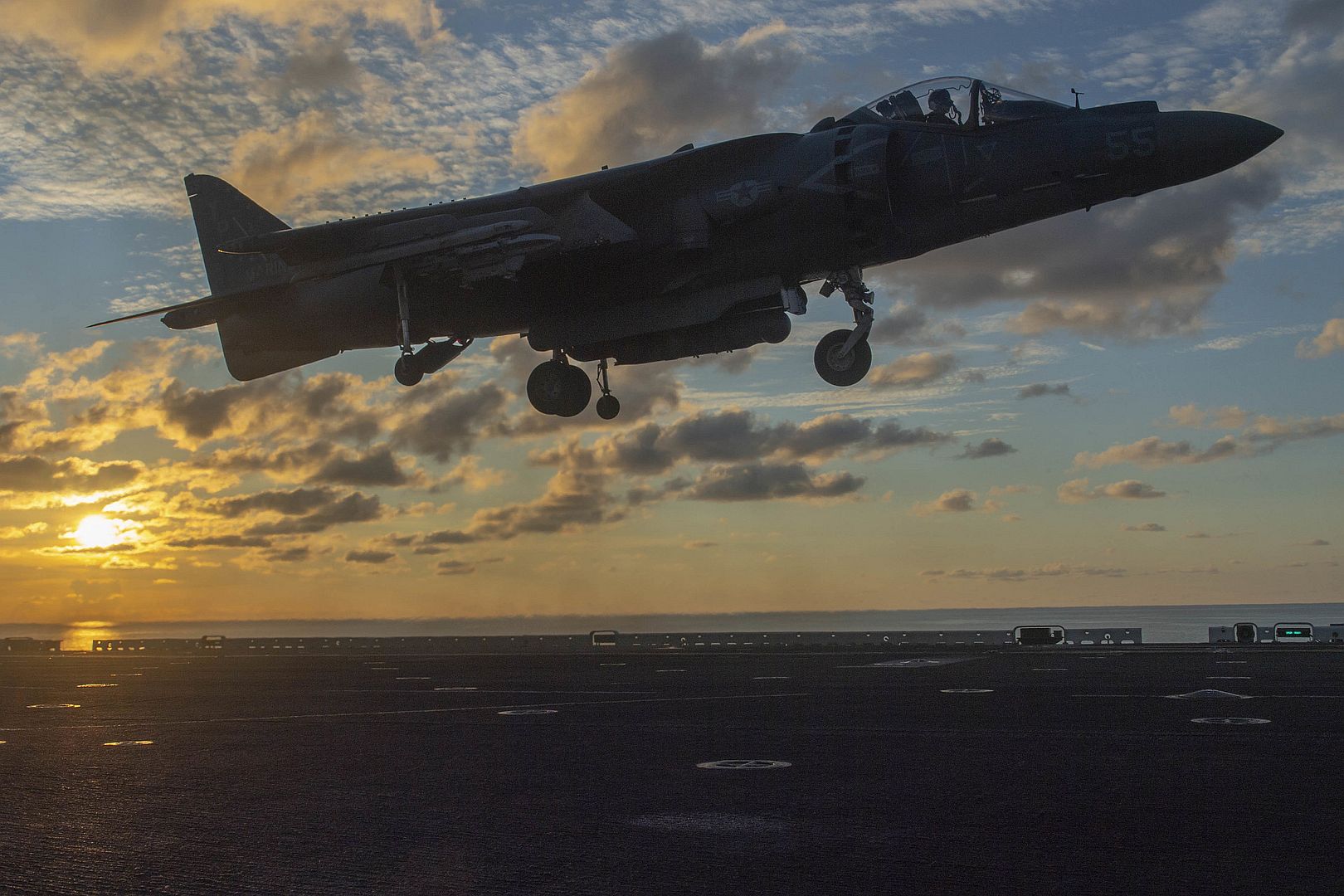
ARABIAN SEA (Oct. 1, 2019) Aviation Boatswain's Mate (Equipment) Airman Joseph Roloff readies an E-2D Hawkeye attached to the "Bluetails" of Carrier Airborne Early Warning Squadron (VAW) 121 to be launched from the flight deck aboard the aircraft carrier USS Abraham Lincoln (CVN 72). The Abraham Lincoln Carrier Strike Group is deployed to the U.S. 5th Fleet area of operations in support of naval operations to ensure maritime stability and security in the Central Region, connecting the Mediterranean Sea and the Pacific Ocean through the western Indian Ocean and three strategic choke points. With Abraham Lincoln as the flagship, deployed strike group assets include staffs, ships and aircraft of Carrier Strike Group (CSG) 12, Destroyer Squadron (DESRON) 2, the guided-missile cruiser USS Leyte Gulf (CG 55) and Carrier Air Wing (CVW) 7. (U.S. Navy photo by Mass Communication Specialist 3rd Class Michael Singley/Released)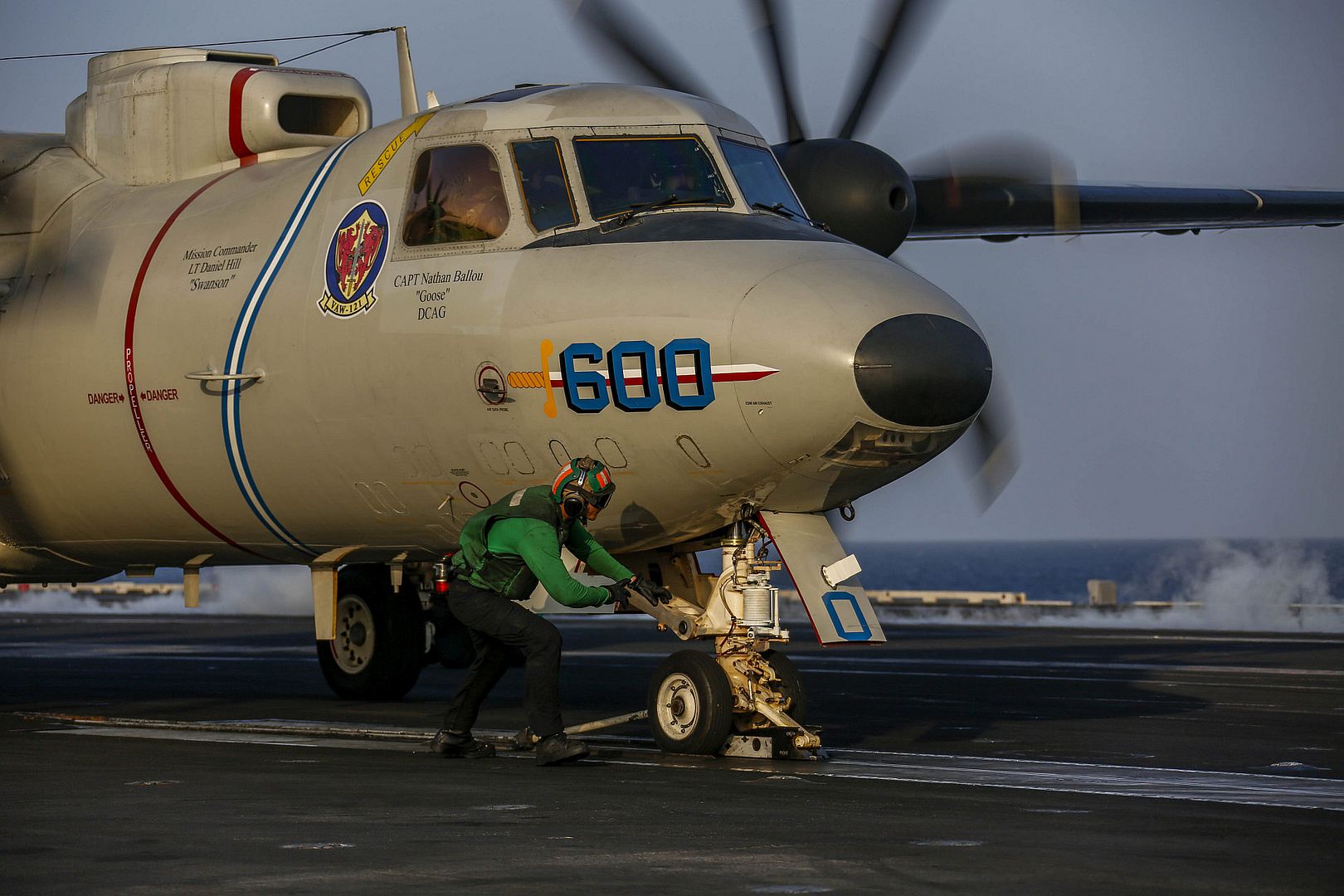
Greenland ? Air Greenland has ordered two Airbus H225 heavy helicopters to support its bid to win its home country?s search and rescue (SAR) contract.
Under the terms of a firm contract assisted by Airbus Helicopters, two H225s repurposed from the oil and gas industry will be delivered over the coming months to replace the ageing S-61 helicopter currently used for the service.
Airbus will provide a comprehensive maintenance and support package as well as pilot and crew training.
Airbus Helicopters Head of Europe Region Olivier Michalon said: ?At Airbus, we are proud that the deployment of the H225 will help ensure the safety of global maritime traffic transiting the Greenland-Iceland gap to and from the Arctic region?.
The 11-tonne category, twin-engine H225 is the latest member of Airbus Helicopters? Super Puma family with more powerful engines providing a smoother ride and enhanced performance compared to earlier models.
It is the largest model in Airbus Helicopters? portfolio and has accumulated more than 600,000 flight hours out of more than 5.5 million flight hours recorded by the Super Puma family.
Equipped with state-of-the-art electronic instruments and a 4-axis autopilot system, the H225 offers outstanding endurance and fast cruise speed, and can be fitted with a wide range of SAR equipment. Operated by two pilots, it can be configured with up to 18 seats or six stretchers and has all-weather capability including full anti-icing.
The H225 and military H225M are benchmarks in SAR and combat SAR and are operated by 20 nations worldwide.
Air Greenland CEO Jacob Nitter S?rensen said: ?These two specific aircraft have low numbers of flight hours and their remarkable capability on SAR operations ensures that they will be able to provide a highly effective service in that role for many years to come.?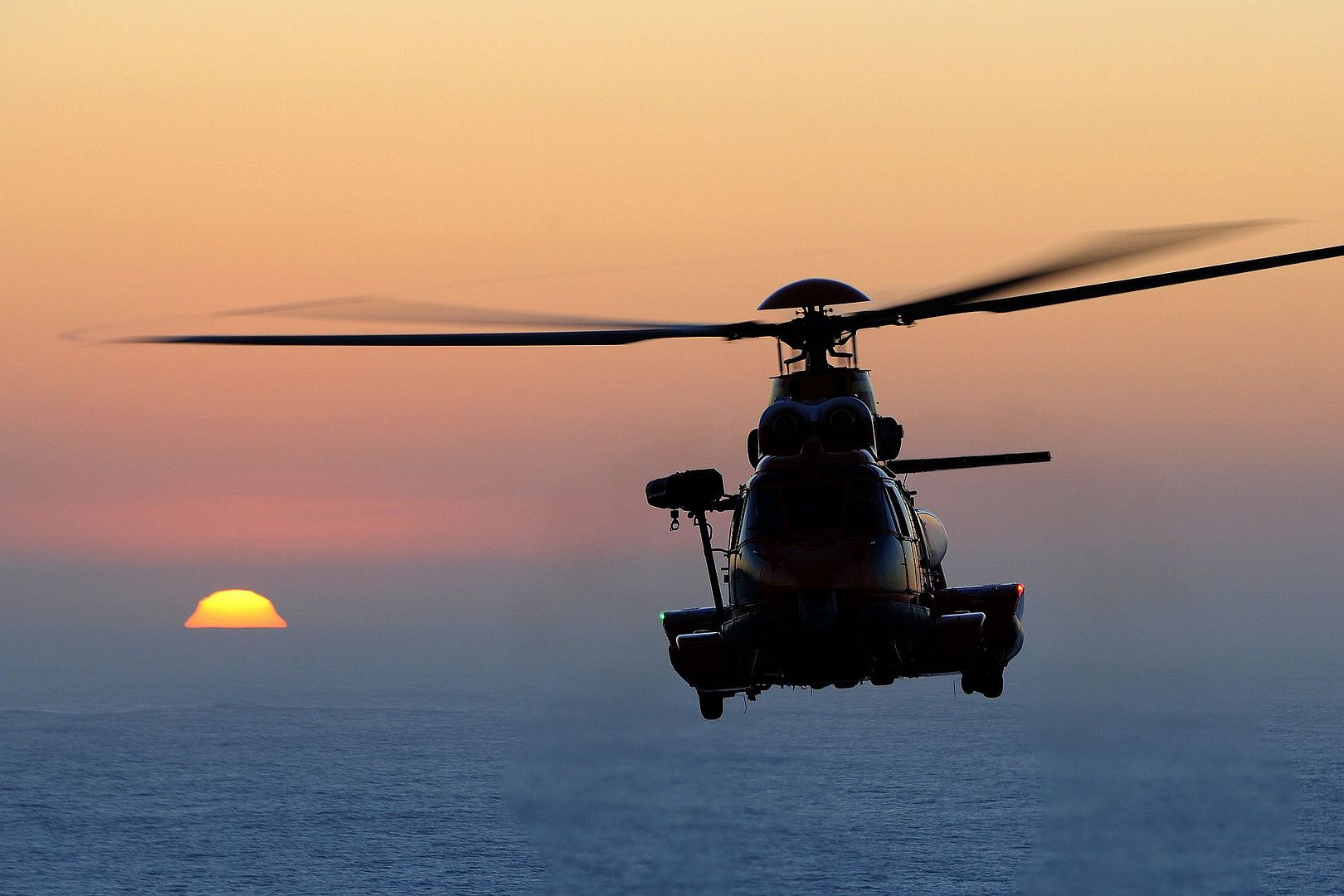
03 Oct 2019
The Royal Air Force and Virgin Orbit have selected the RAF pilot to be seconded to the company?s ground-breaking small satellite launch programme.
The partnership between the RAF and Virgin Orbit was unveiled at the Air and Space Power conference in July. Following a tough selection process, Air Vice-Marshal Simon ?Rocky? Rochelle and Virgin Orbit CEO Dan Hart have announced that Flight Lieutenant Mathew ?Stanny? Stannard had been selected.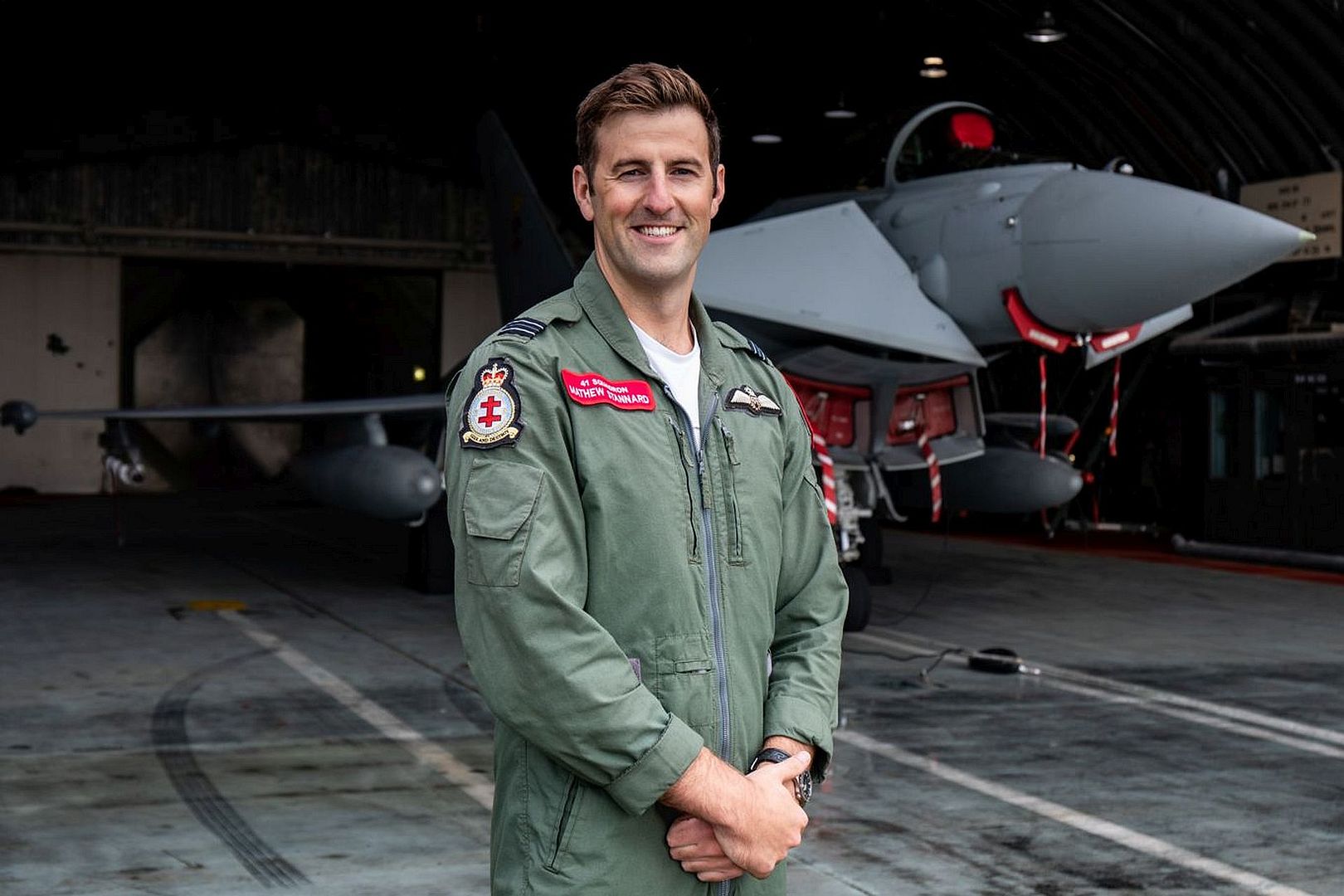
Flight Lieutenant Stannard is currently a Typhoon pilot with one of the RAF?s test and evaluation squadrons and is scheduled to join the pioneering Virgin Orbit programme next year, pending final US and UK regulatory approvals.
The secondment is expected to last three years and will see Flight Lieutenant Stannard join the fleet of expert ?test pilots? trialling Boeing 747-400 aircraft from which cutting-edge satellites will be launched.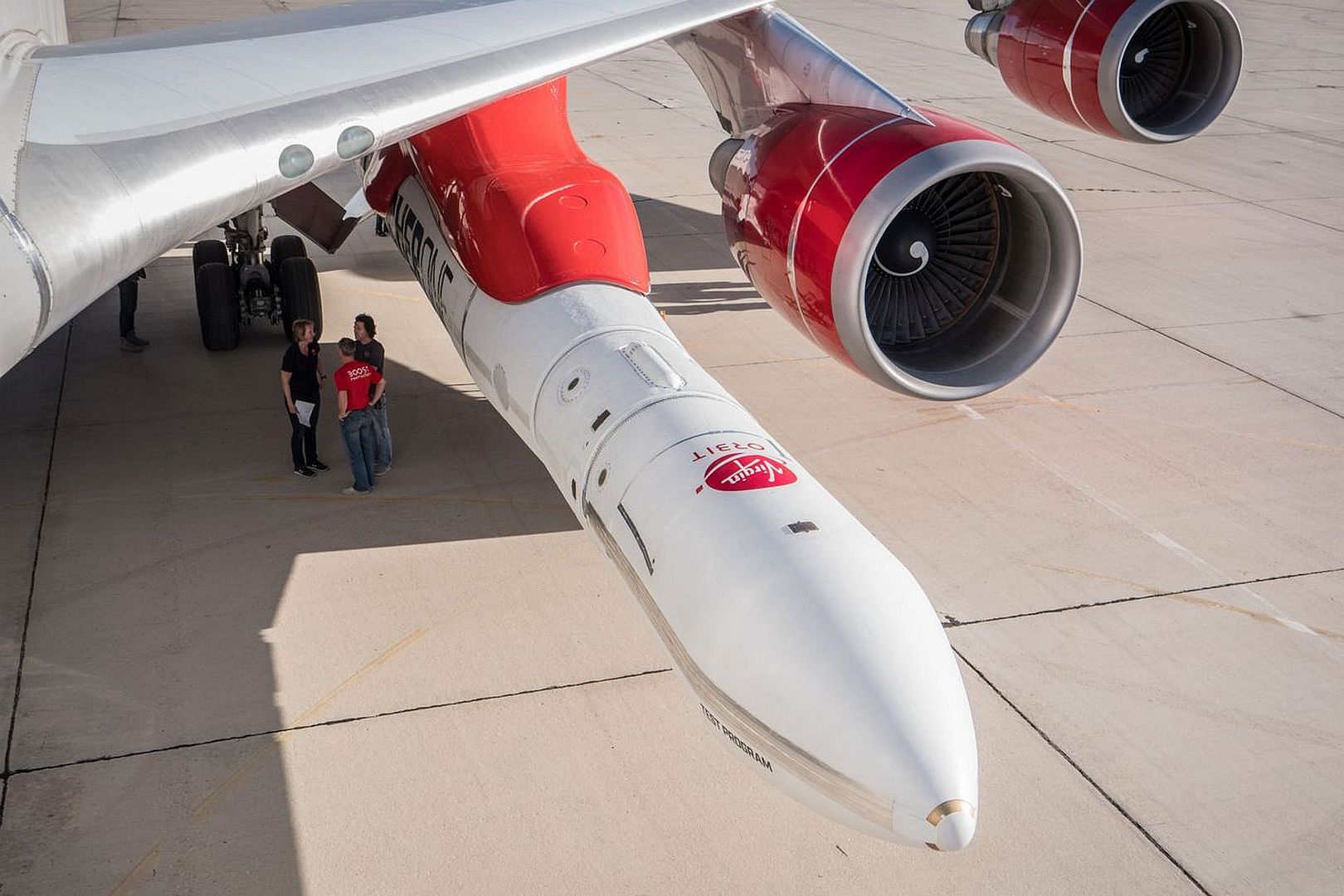
Flight Lieutenant Stannard will return to the RAF with considerable skills and expertise gained from the secondment which will improve the UK?s understanding of the military uses of small satellites.
Virgin Orbit have recently commenced their first launch campaign, developing a new small satellite launch vehicle called LauncherOne which is to be released from a modified Boeing 747-400 named Cosmic Girl.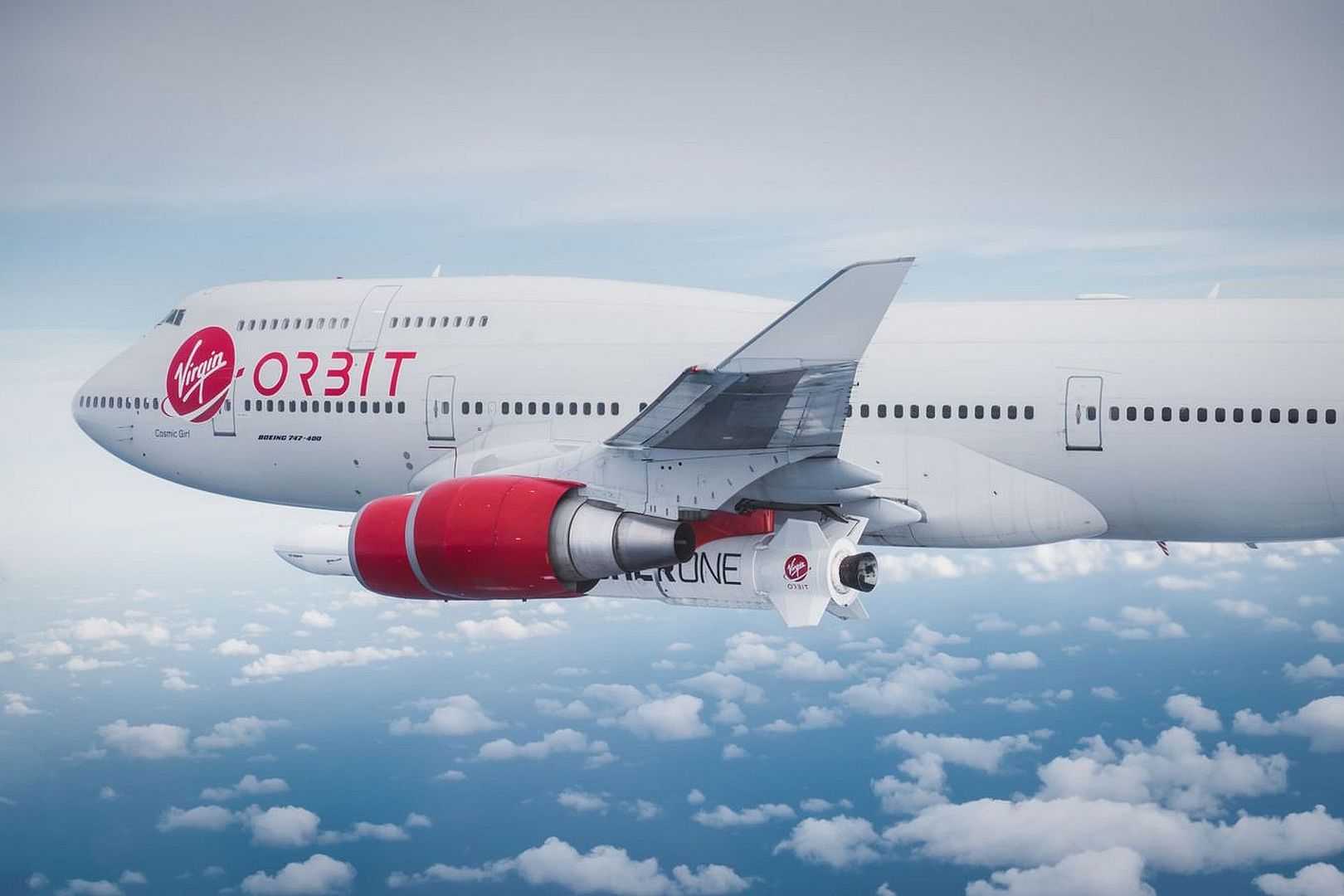
The announcement was made in California aboard the iconic RMS Queen Mary ship?a fitting venue given the ship?s history as Winston Churchill?s floating headquarters in World War 2 and a symbol of the US/UK special relationship.
The Royal Air Force?s Red Arrows display team flew over the ship as part of the event, which is one of the last on their North American tour over the last three months.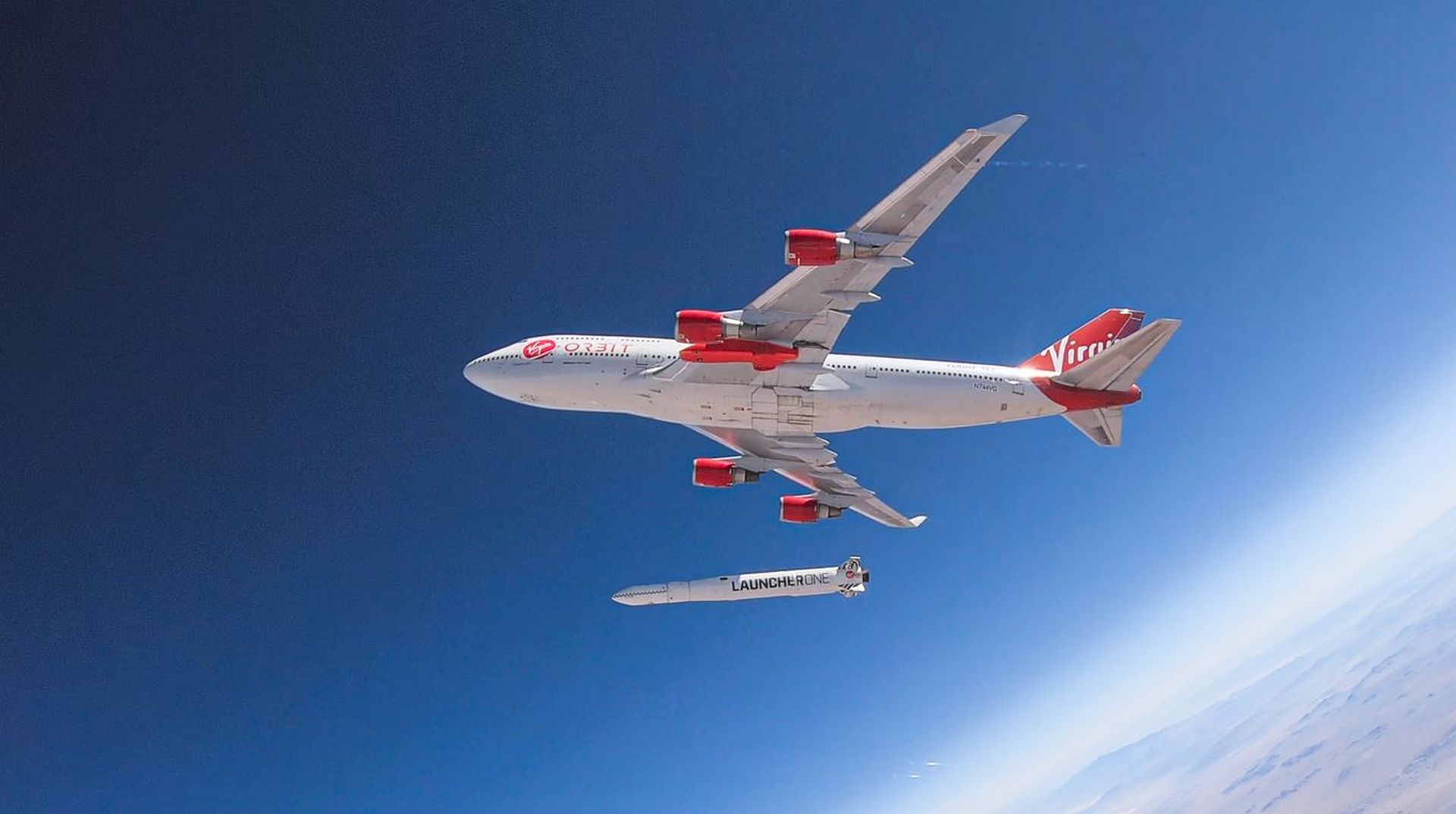
In July, the MOD outlined an ambitious space programme, committing ?30m to fast-track the launch of a small satellite demonstrator within a year. The small satellite demonstrator, also known as Programme ARTEMIS, is being delivered by a new transatlantic team of UK and US defence personnel and industry partners including Virgin Orbit.
The MOD also announced the UK as the first formal partner in the US-led Operation Olympic Defender - a multinational military effort formed to strengthen deterrence against hostile actors in space, enhance resilience and preserve the safety of spaceflight.
(Photo's MOD)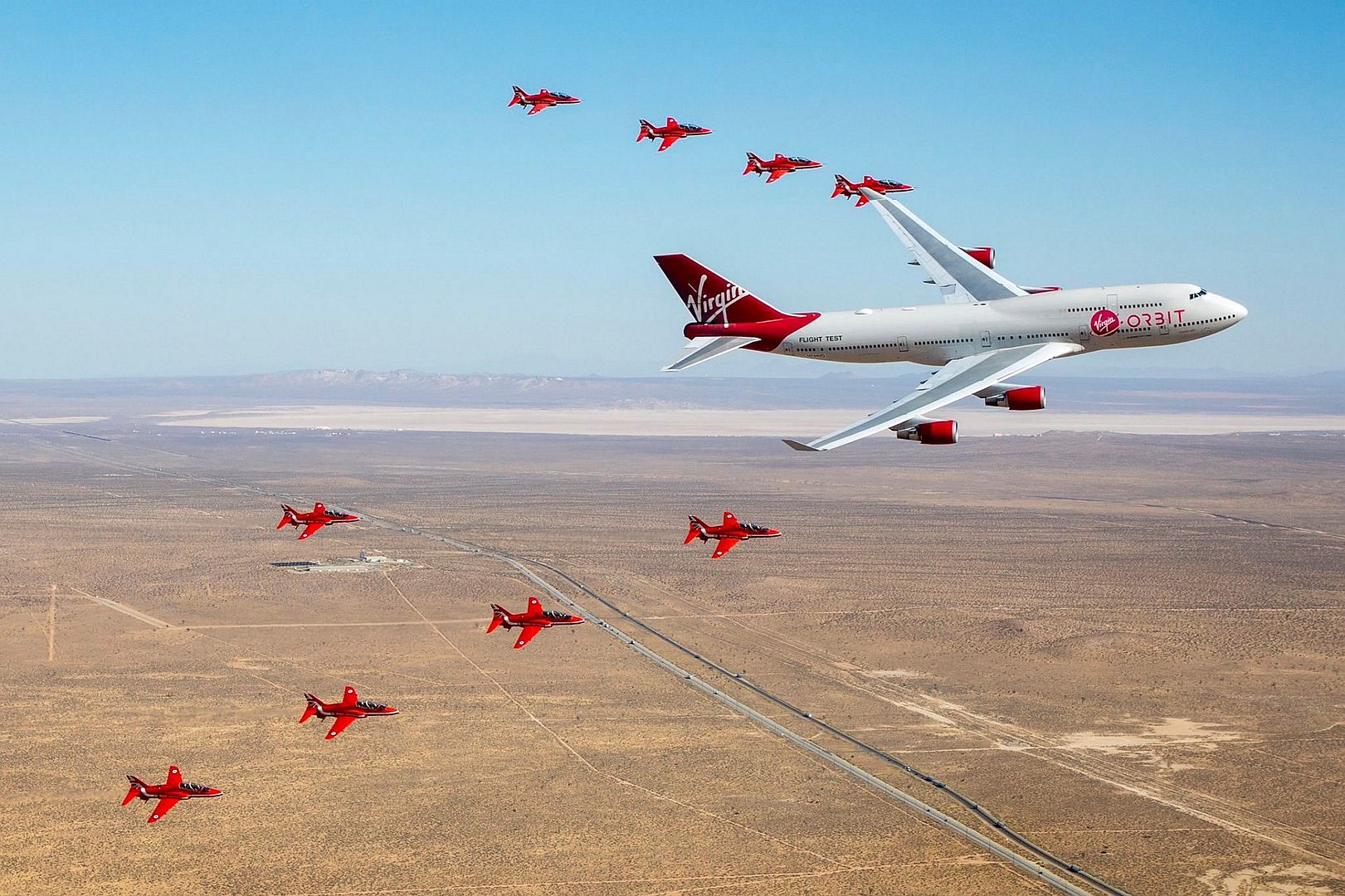
-
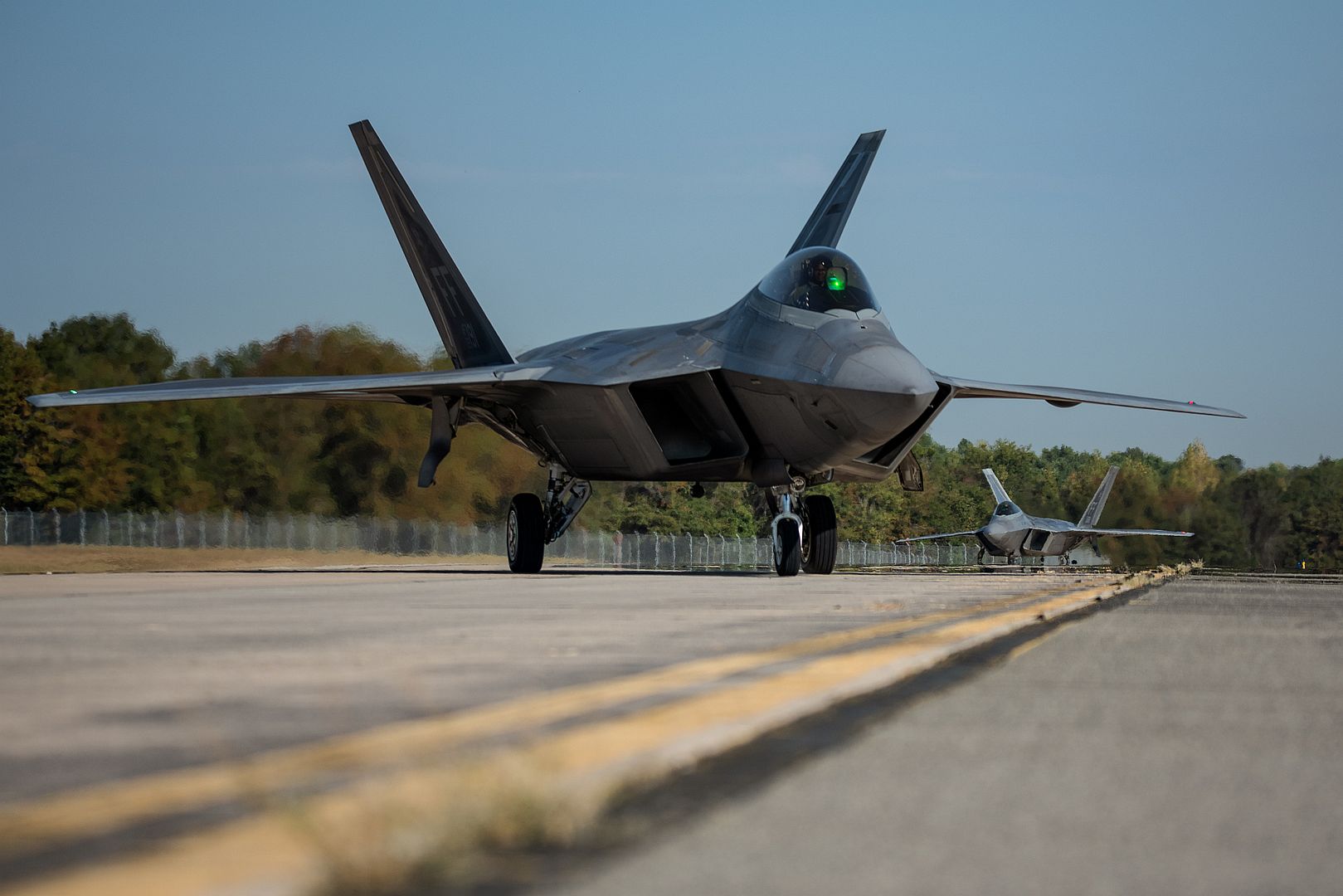
Two U.S. Air Force F-22 Raptors land at Robins Air Force Base, Ga. for the Thunder over Georgia Air Show, Sep 26, 2019. Performing on behalf of Air Combat Command, the 13-member team travels to 25 air shows a season to showcase the performance and capabilities of the world's premier 5th-generation fighter. (U.S. Air Force photo by 2nd Lt. Sam Eckholm)
U.S. Air Force Maj. Paul Lopez, F-22 Demo Team commander, arrives during the Thunder over Georgia Air Show at Robins Air Force Base, Sept. 28, 2019. Maj. Lopez has over 1,600 hours flying both the F-15 Eagle and the F-22 Raptor and is in his second year as the commander of the F-22 Raptor Demonstration Team. (U.S. Air Force photo by 2nd Lt. Sam Eckholm)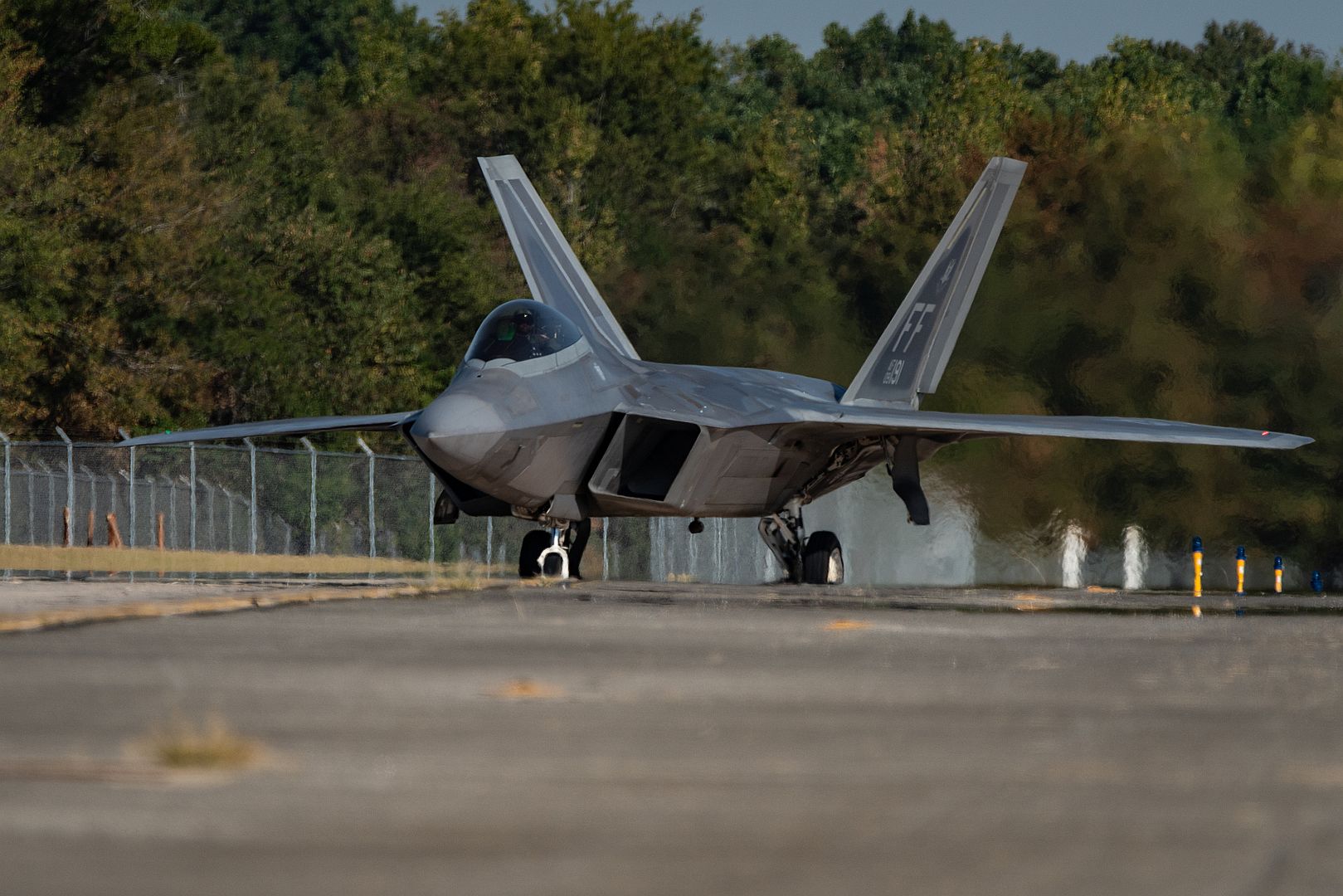
Col. Charles Dockery, commanding officer of Marine Corps Air Station Miramar, and family join the B-29 Superfortress ?Doc? crew for an exclusive tour at MCAS Miramar Calif, Oct. 2. The ?Doc? is one of the two B-29?s that are still capable of flying today and it departed MCAS Miramar on Oct. 3 after being used as a static display during the 2019 MCAS Miramar Air Show. (U.S. Marine Corps photo's by Cpl. Raynaldo Ramos)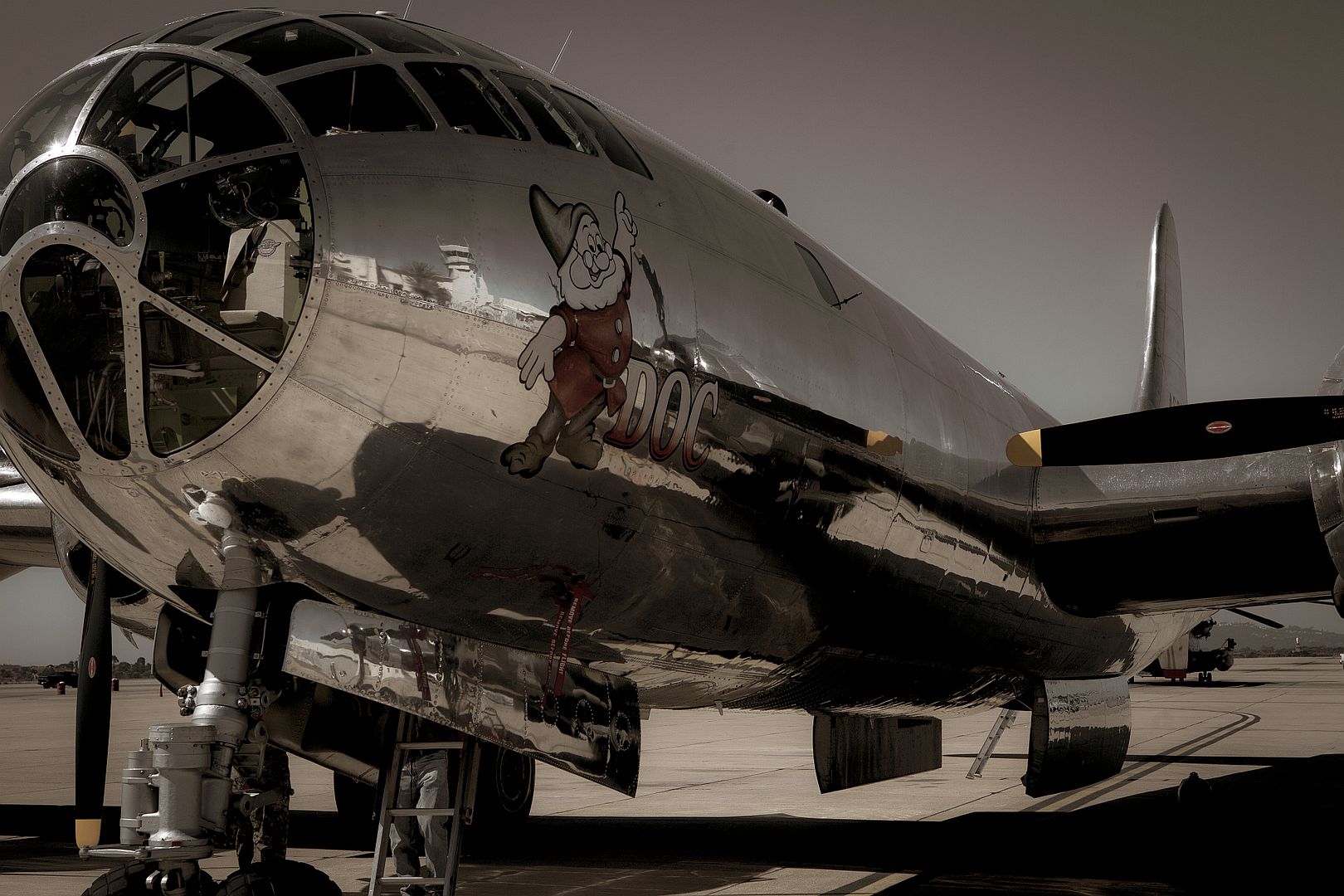


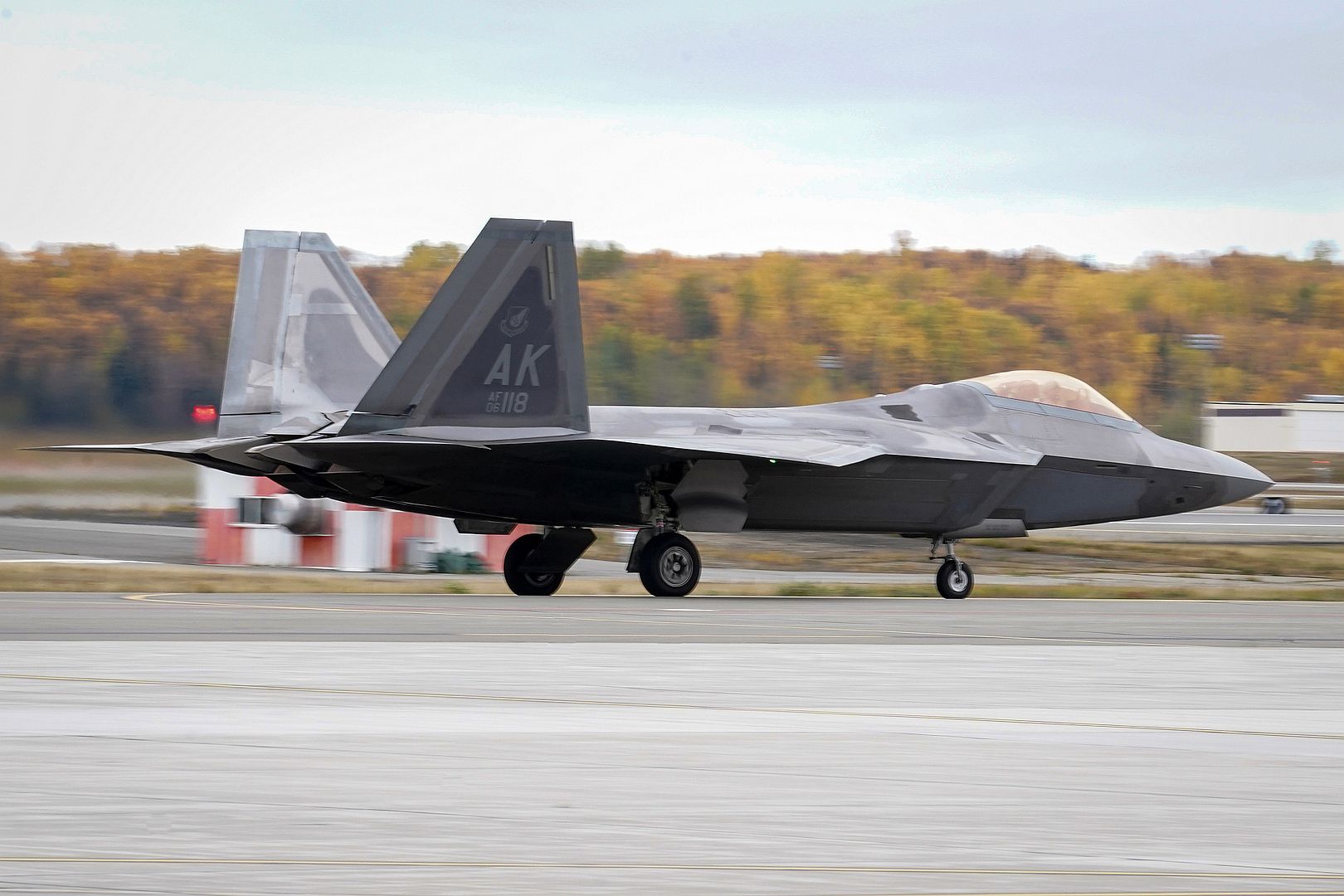
An F-22 Raptor of the 3rd Wing taxis on Joint Base Elmendorf-Richardson, Alaska, Oct. 2, 2019, while participating in the Polar Force 20-1 exercise. Polar Force 20-1 is designed to exercise multiple elements of the Agile Combat Employment (ACE) concept of operations, which include generating 5th Generation combat power from austere locations, command and control using non-traditional methods, and rapid airlift capabilities to sustain a forward operating location. The ACE concept enables 3rd Wing to deliver lethal Airpower for America, even in a contested environment. (U.S. Air Force photo's/Justin Connaher)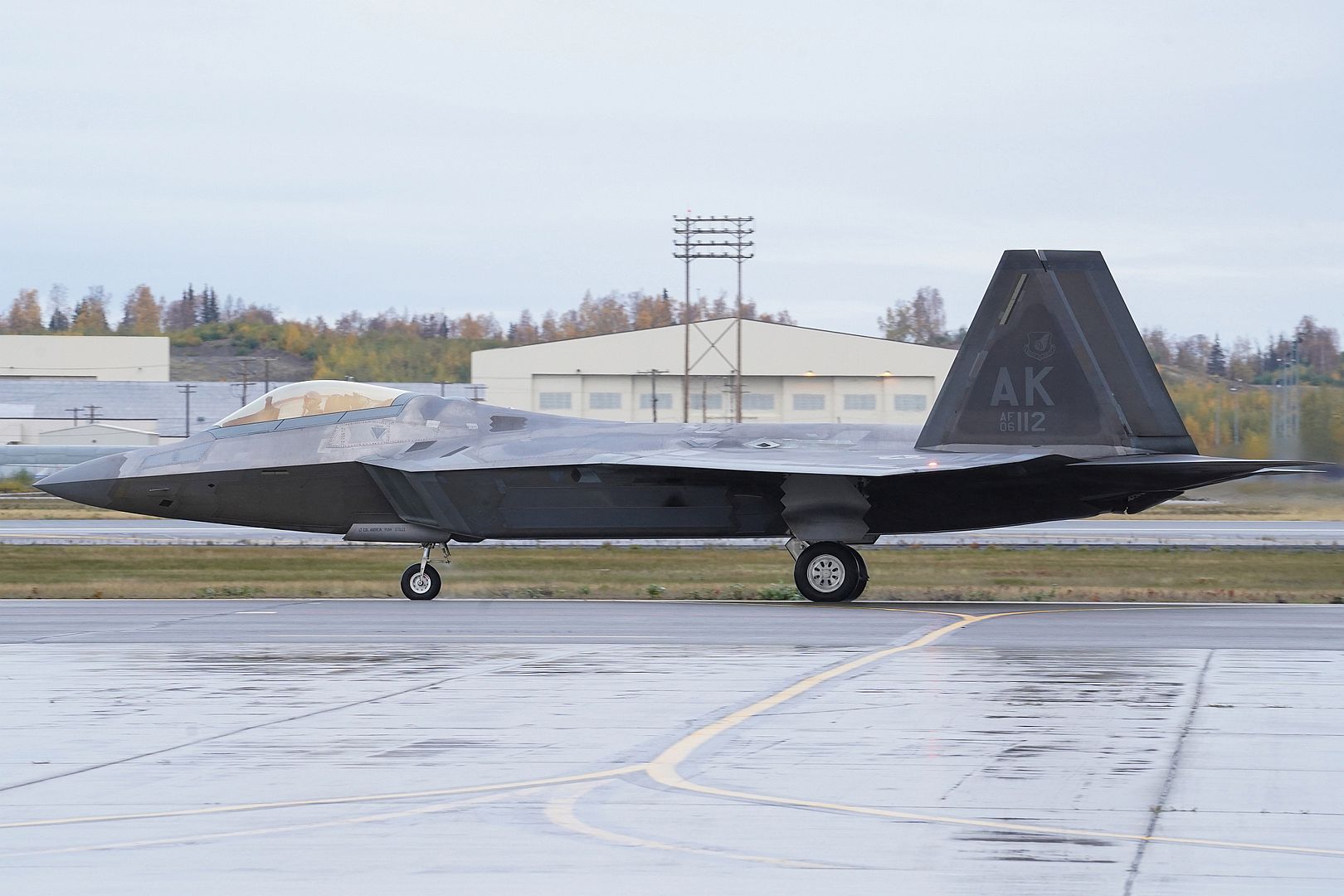
SOUTH CHINA SEA (Oct. 3, 2019) An AH-1Z Viper, attached to Marine Medium Tiltrotor Squadron (VMM) 163 (Reinforced), prepares to land on the amphibious transport dock ship USS John P. Murtha (LPD 26). John P. Murtha is currently on its first deployment and part of the Boxer Amphibious Ready Group (ARG) and 11th Marine Expeditionary Unit (MEU) team and is deployed to the U.S. 7th Fleet area of operations to support regional stability, reassure partners and allies, and maintain a presence postured to respond to any crisis ranging from humanitarian assistance to contingency operations. (U.S. Navy photo by Mass Communication Specialist 2nd Class Kyle Carlstrom)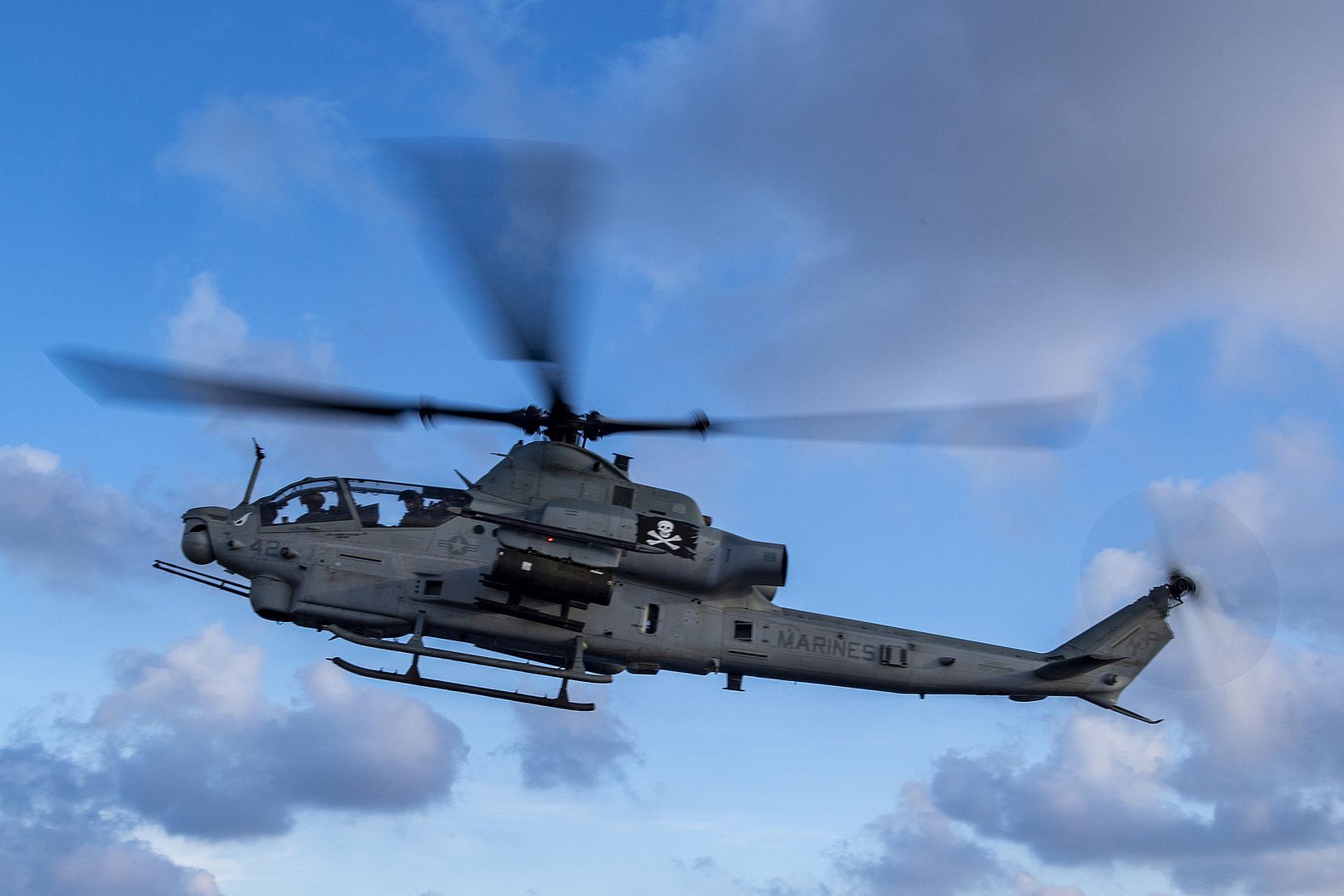
PHILIPPINE SEA (Oct. 1, 2019)
Lt. Levi Ellis, left and Lt. Bradley Woods pilot a P-8A Poseidon assigned to Patrol Squadron (VP) 47 as part of a sinking exercise (SINKEX) during Exercise Pacific Griffin 2019. Pacific Griffin is a biennial exercise conducted in the waters near Guam aimed at enhancing combined proficiency at sea while strengthening relationships between the U.S. and Republic of Singapore navies. U.S. Navy photo by Mass Communication Specialist 1st Class Nathan Carpenter (Released)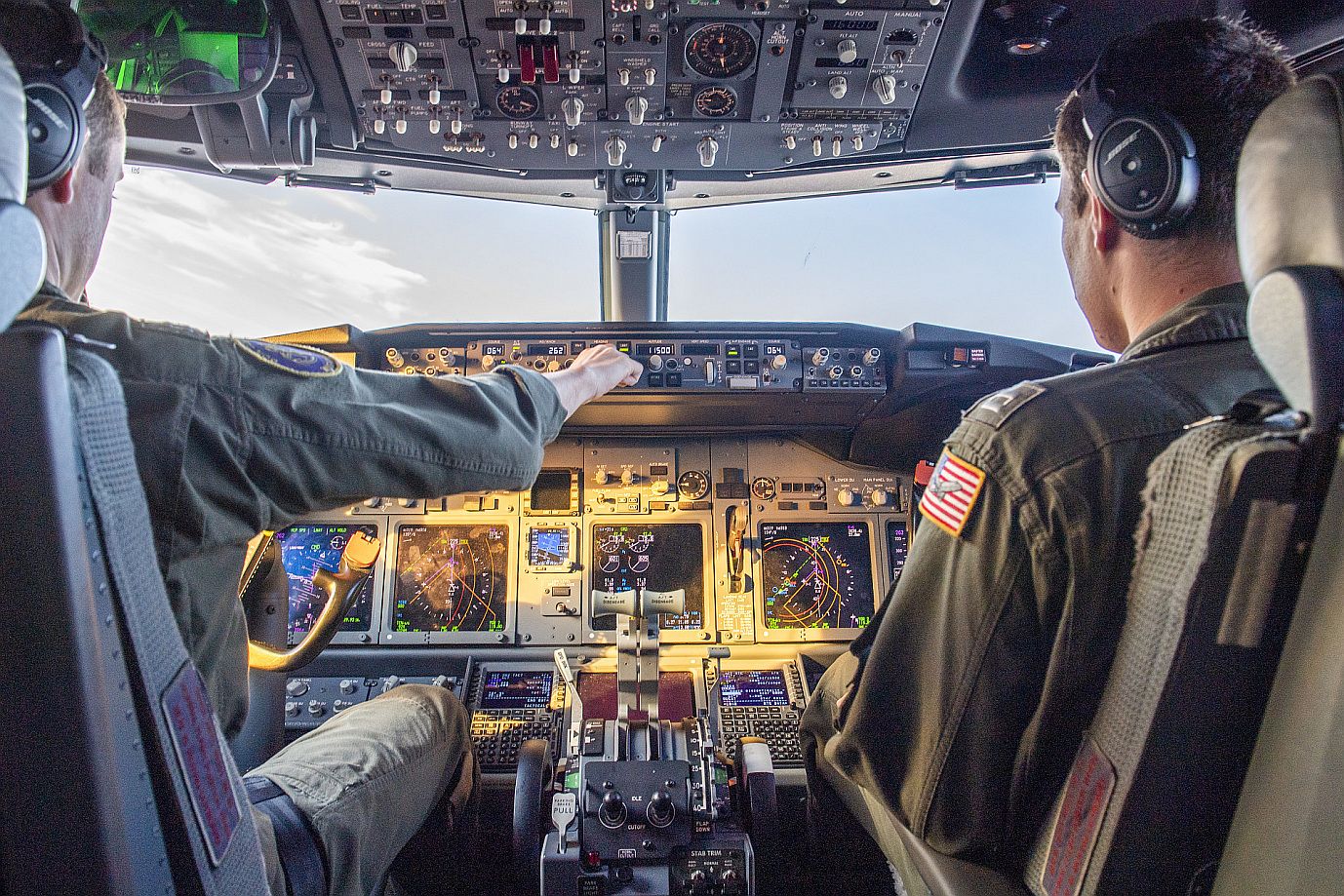
-
A U.S. Air Force F-22 Raptor pilot assigned to the 3rd Wing taxis their aircraft to the recovery area for an Agile Combat Employment (ACE) missile download during a Polar Force (PF) 20-1 exercise at Joint Base Elmendorf-Richardson, Alaska, Oct. 1, 2019. PF 20-1 is designed to exercise multiple elements of the ACE concept of operations. These elements include generating fifth-generation combat power from austere locations, command and control using non-traditional methods, and rapid airlift capabilities to sustain a forward operating location. The ACE concept enables 3rd Wing to deliver lethal airpower for the United States, even in a contested environment.
Photo's by: Airman 1st Class Samuel R. Colvin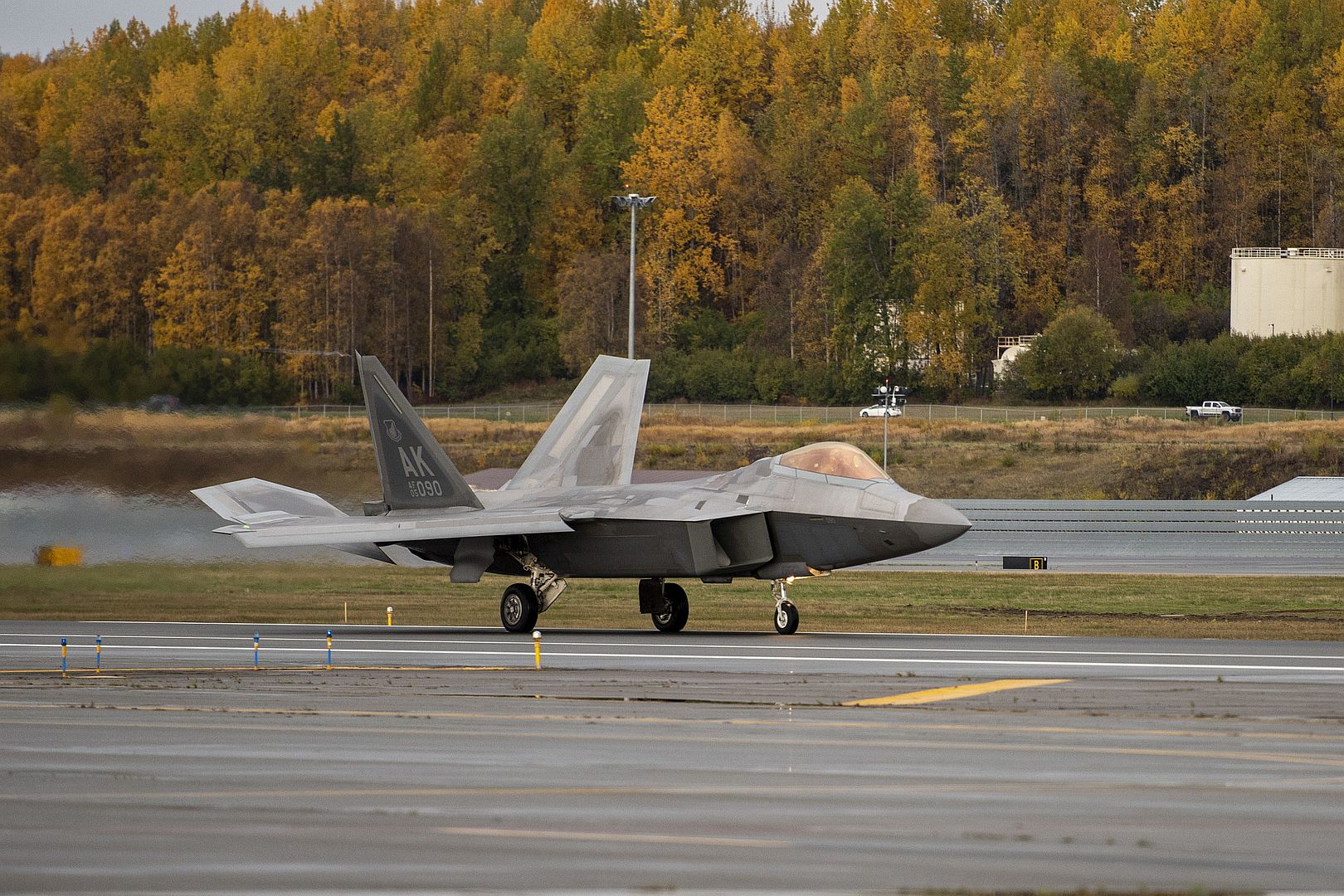
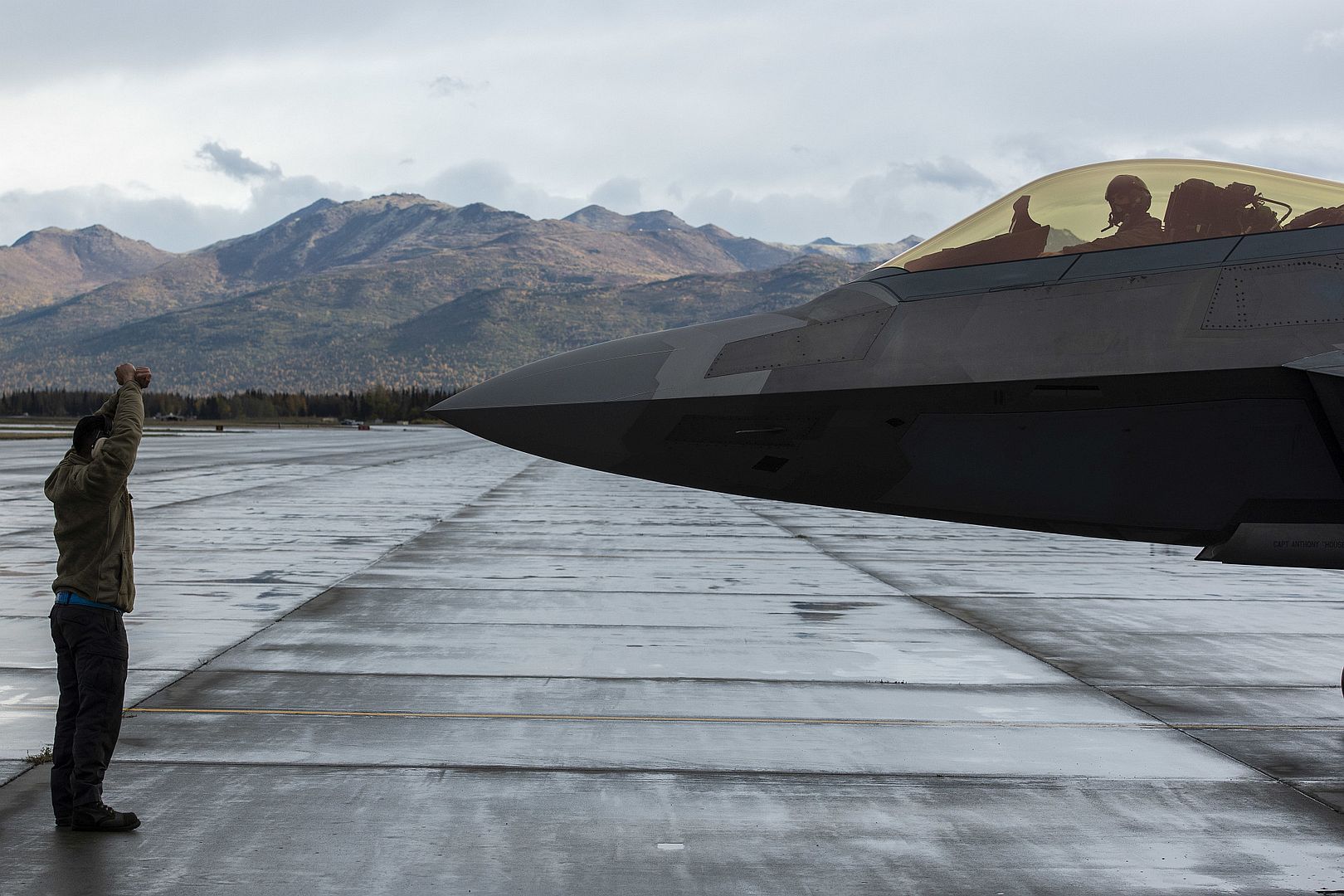
PACIFIC OCEAN (Oct. 2, 2019) Marines assigned to the "Flying Leathernecks" of Marine Fighter Squadron (VMFA) 122 perform maintenance on an F-35B Lightning II on the flight deck of the amphibious assault ship USS America (LHA 6). America is underway conducting routine operations. (U.S. Navy photo by Mass Communication Specialist 3rd Class Walter Estrada/Released)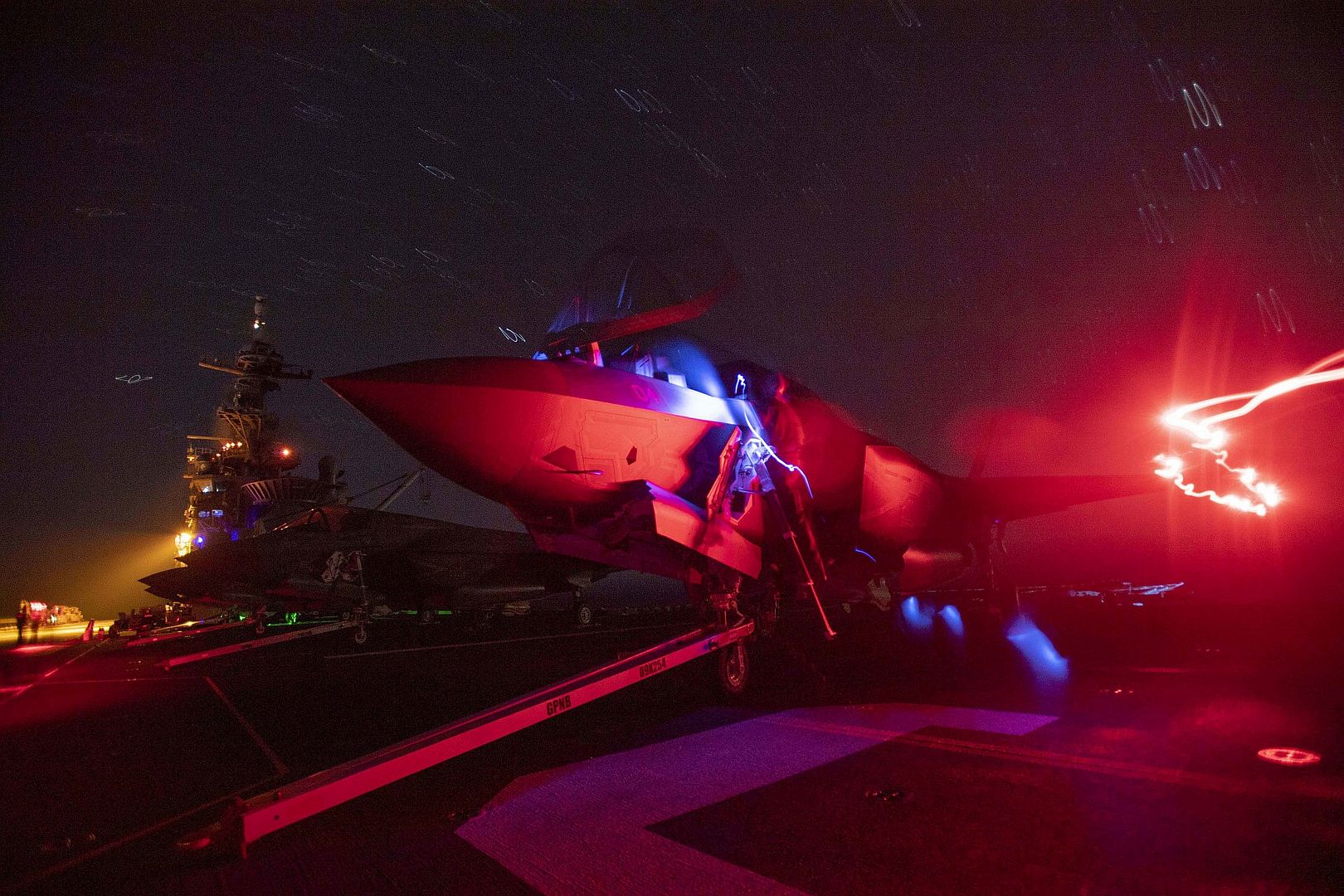
SOUTH CHINA SEA (Oct. 4, 2019) An AV-8B Harrier II, attached to Marine Medium Tiltrotor Squadron (VMM) 163 (Reinforced), takes off from the flight deck of the amphibious assault ship USS Boxer (LHD 4) during Tiger Strike 2019. Malaysian Armed Forces were joined by U.S. Marines and Sailors for exercise Tiger Strike 2019 where both forces participated in jungle survival, amphibious assault, aerial raids, combat service support training and cultural exchanges. The Boxer Amphibious Ready Group (ARG) and 11th Marine Expeditionary Unit (MEU) are deployed to the U.S. 7th Fleet area of operations to support regional stability, reassure partners and allies and maintain a presence to respond to any crisis ranging from humanitarian assistance to contingency operations. (U.S. Navy photo by Mass Communication Specialist 3rd Class Alexander C. Kubitza/Released)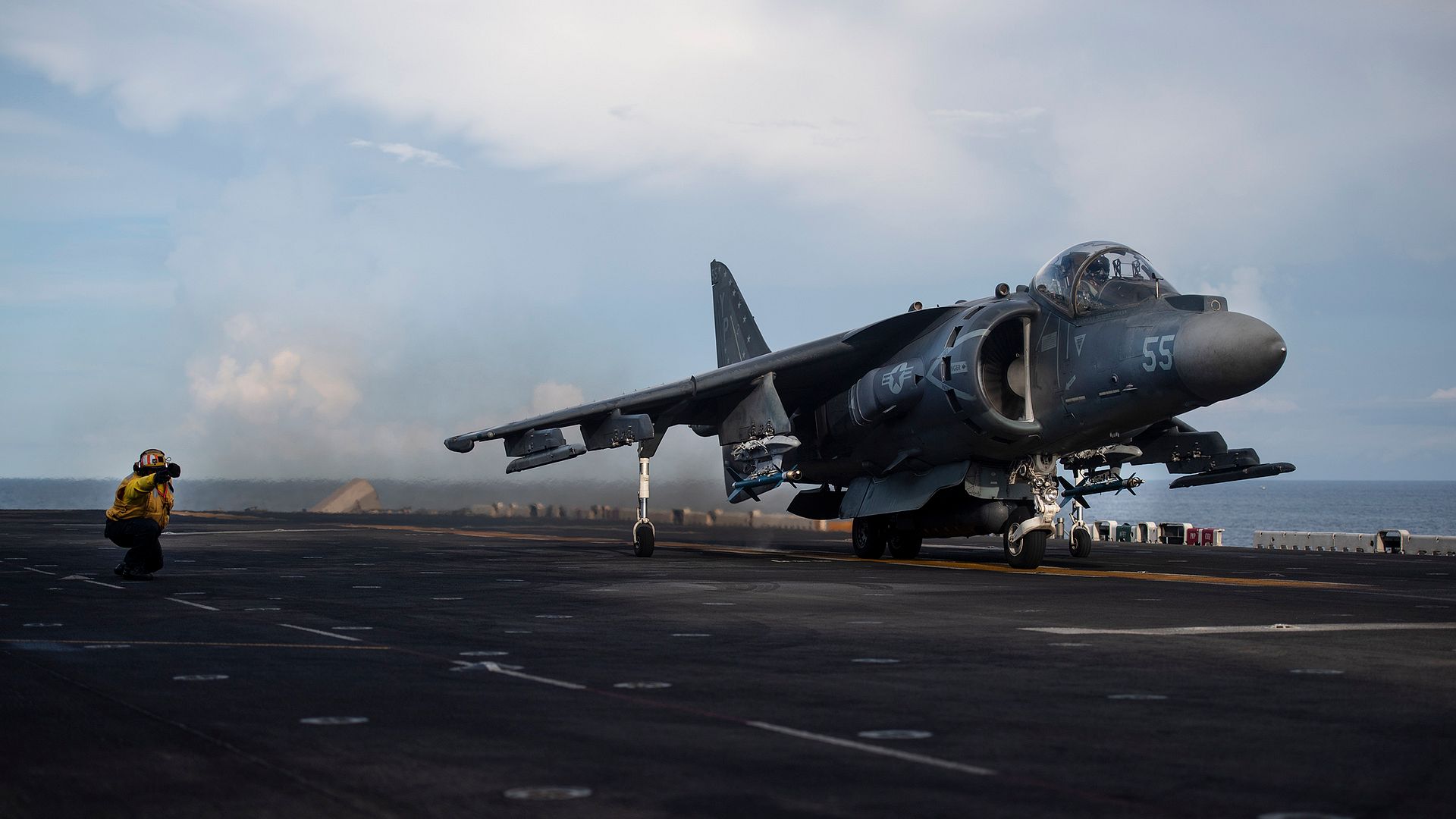
PHILADELPHIA, Oct. 7, 2019 ? The V-22 fleet of tiltrotor aircraft built by Bell Textron Inc., a Textron Inc. [NYSE: TXT] company, and Boeing [NYSE: BA] has topped the 500,000 flight hour milestone. More than 375 Ospreys logged the hours, including the U.S. Air Force CV-22 and the U.S. Marine Corps MV-22.
?The V-22 provides unmatched capability for the U.S. Marines and U.S. Air Force Special Operations Command,? said U.S. Marine Corps Col. Matthew Kelly, V-22 Joint Program Manager. ?The platform?s influence on our nation?s defense is seen through its extensive operational and humanitarian impact across the globe.?
The V-22 Osprey is the world?s only production tiltrotor aircraft, enabling servicemen and women to conduct diverse missions throughout the most difficult operating environments. Most recently, the aircraft deployed to assist relief efforts in the Bahamas following Hurricane Dorian.
?Since delivery of the first V-22 aircraft, Bell Boeing has ensured that our men and women in uniform have this indispensable asset available to protect heroes and save lives,? said Kristin Houston, vice president, Boeing Tiltrotor Programs and director, Bell Boeing V-22 Program.
Bell Boeing supports V-22 readiness through a comprehensive sustainment effort that includes maintenance, training, on-site field representatives and data analytics. Bell Boeing is also working with the V-22 program office on several efforts to improve V-22 readiness. The Marines? Common Configuration Readiness and Modernization program (CC-RAM), the Air Force?s configuration reducing modification plan, and nacelle wiring and structure improvements are expected to increase readiness of the V-22 fleet.
?V-22 is one of the highest demand platforms in the Department of Defense. This achievement is a great testament to the Marines and Air Commandos operating this platform in all environments,? said Chris Gehler, Bell V-22 vice president and Bell Boeing deputy program director. ?We are committed to providing unparalleled support to our partners by steadily improving Osprey readiness and capabilities now and in the future.?
Since 2007, the V-22 has continuously served the Marines and Navy, as well as Air Force Special Operations. A third variant, the CMV-22, is scheduled to join the U.S. Navy fleet in 2020.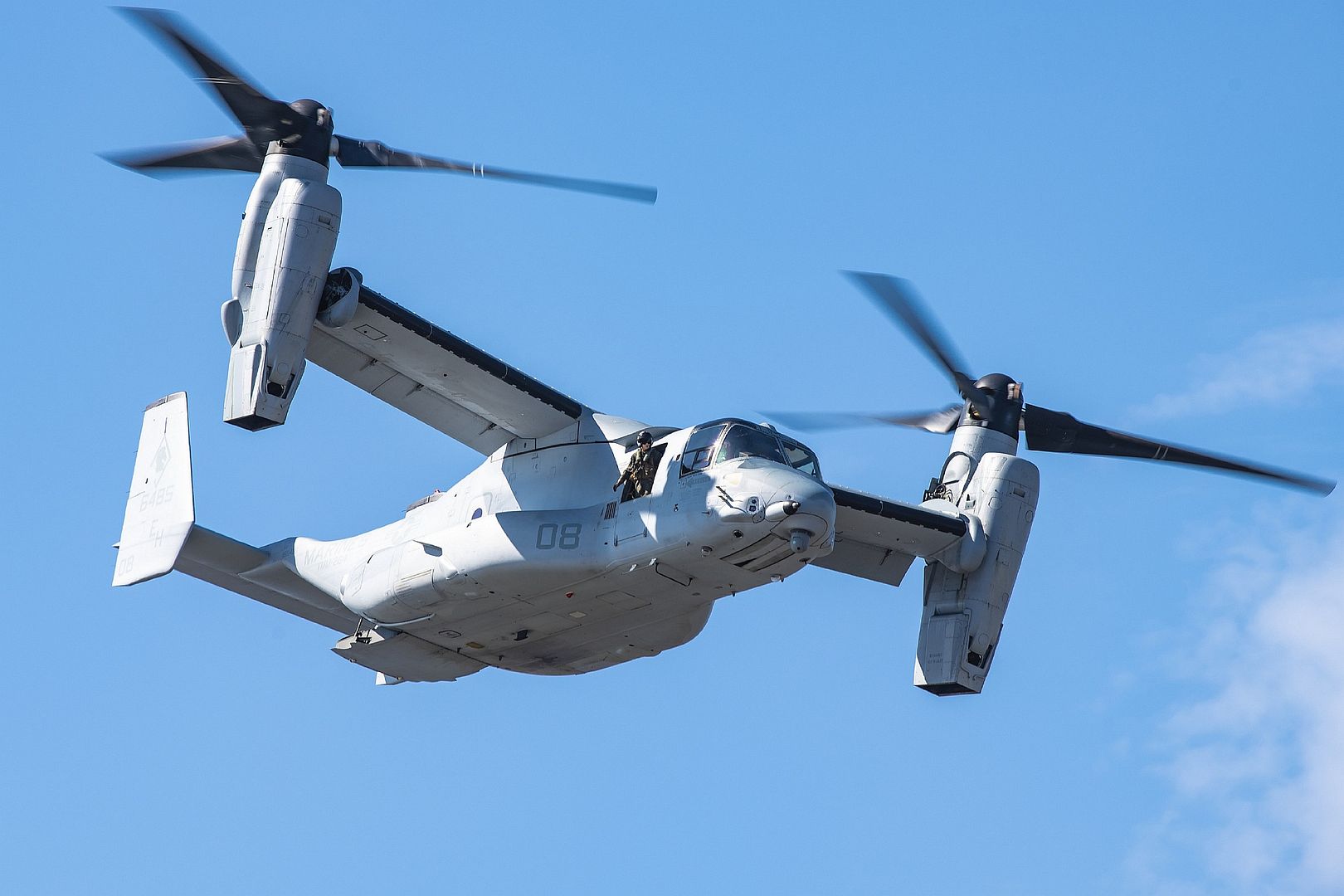
Getafe, 07 October 2019 ? The Airbus A400M new generation airlifter has completed the certification flight test for the simultaneous dispatch of 80 (40+40) equipped paratroopers from both side doors on a single pass. Tests were performed in coordination with the French Armament General Directorate (DGA) together with French and Belgian Armed Forces.
The flight test campaign, performed in the Ger Azet drop zone in southern France during daylight, also successfully completed the certification flight test to support the deployment of 58 paratroopers from one side door, the A400M?s maximum dispatch capacity from a single door.
These major milestones conclude the certification test phase of the paratroop dispatch capability of the A400M, pending on the completion of certification activities in the first half of 2020, and paving the way for the simultaneous deployment of up to 116 paratroopers and the certification for mixed operations.
After 9 flights and 564 jumps, the completion of the test campaign concludes a very complex exercise built together with the A400M Customer Nations around the confidence in the aircraft and the highest safety requirements.
The picture below highlights the successful dispatch of 80 paratroopers, to date the largest simultaneous deployment from an A400M on a single pass.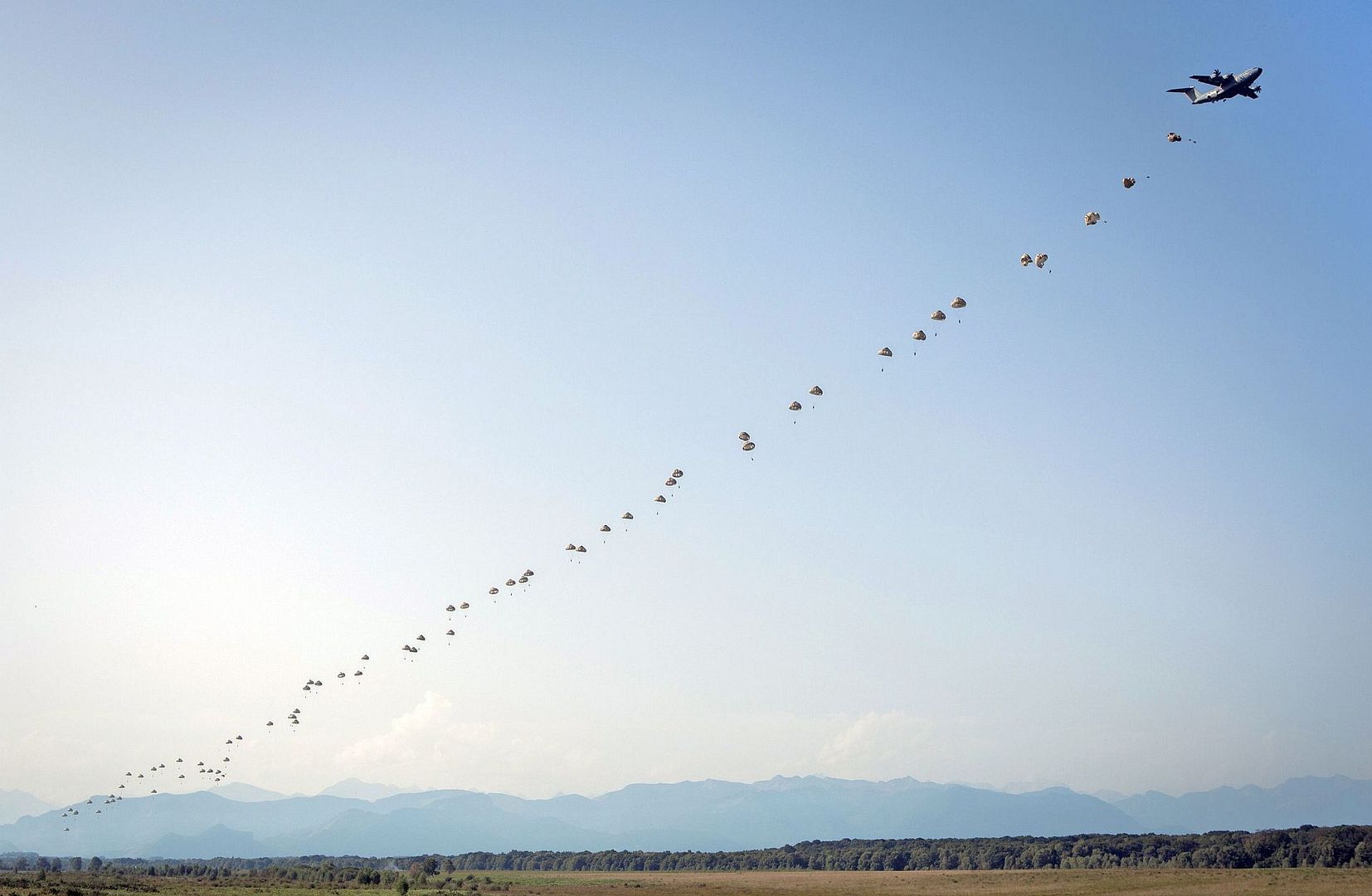
October 7, 2019 Montr?al Aviation, Business Aircraft, Press Release
Bombardier is proud to announce that its unrivalled Global 7500 business jet has once again flown another mission in excess of 8,000 nautical miles, successfully connecting Sydney and Detroit in one non-stop flight, the longest city-pair in business aviation in history flown by a purpose-built aircraft.
With low tailwinds averaging approximately 20 knots, the multi-award winning Global 7500 aircraft smoothly and effortlessly completed the journey from Sydney, Australia to Detroit, Michigan on October 6, 2019. Point-to-point distance between the two cities is 8,225 nautical miles, eclipsing the 7,990 nautical mile distance between Singapore and Tucson, which the plane previously flew.
?Since entry-into-service, the Global 7500 aircraft continues to go above and beyond expectations, flying farther and farther, setting new benchmarks for exceptional performance and comfort,? said Peter Likoray, Senior Vice President, Worldwide Sales and Marketing, Bombardier Business Aircraft. ?It?s an incomparable advantage for our customers to know that they can travel great distances in style and ultimate comfort thanks to Bombardier?s signature smooth ride.?
The aircraft?s unbeatable combination of performance, size and comfort has been widely applauded with a string of prestigious awards, among them Robb Report?s Business Jet of the Year for 2019, the 2019 Aviation Week Grand Laureate Award and a Red Dot Award for design.
The Global 7500 aircraft provides the industry?s largest and best cabin experience offering a spaciousness that is unique among business jets and features an award-winning interior that includes a full-size multi-functional kitchen space and a stateroom with a permanent bed. Other industry-leading amenities on the Global 7500 aircraft include Bombardier?s patented Nuage seat, designed for maximum comfort and relaxation on long-haul flights thanks to an all-new deep recline position, and the innovative Soleil lighting system, aviation?s first circadian rhythm-based cabin lighting technology featuring the revolutionary Dynamic Daylight Simulation, which can help combat jet lag.
With its sophisticated slats and flap system, the Global 7500 aircraft?s most advanced wing in business aviation generates unprecedented amounts of lift on takeoff and approach, maximizing aerodynamic efficiency and boosting performance while improving safety and offering a smoother, more restful ride.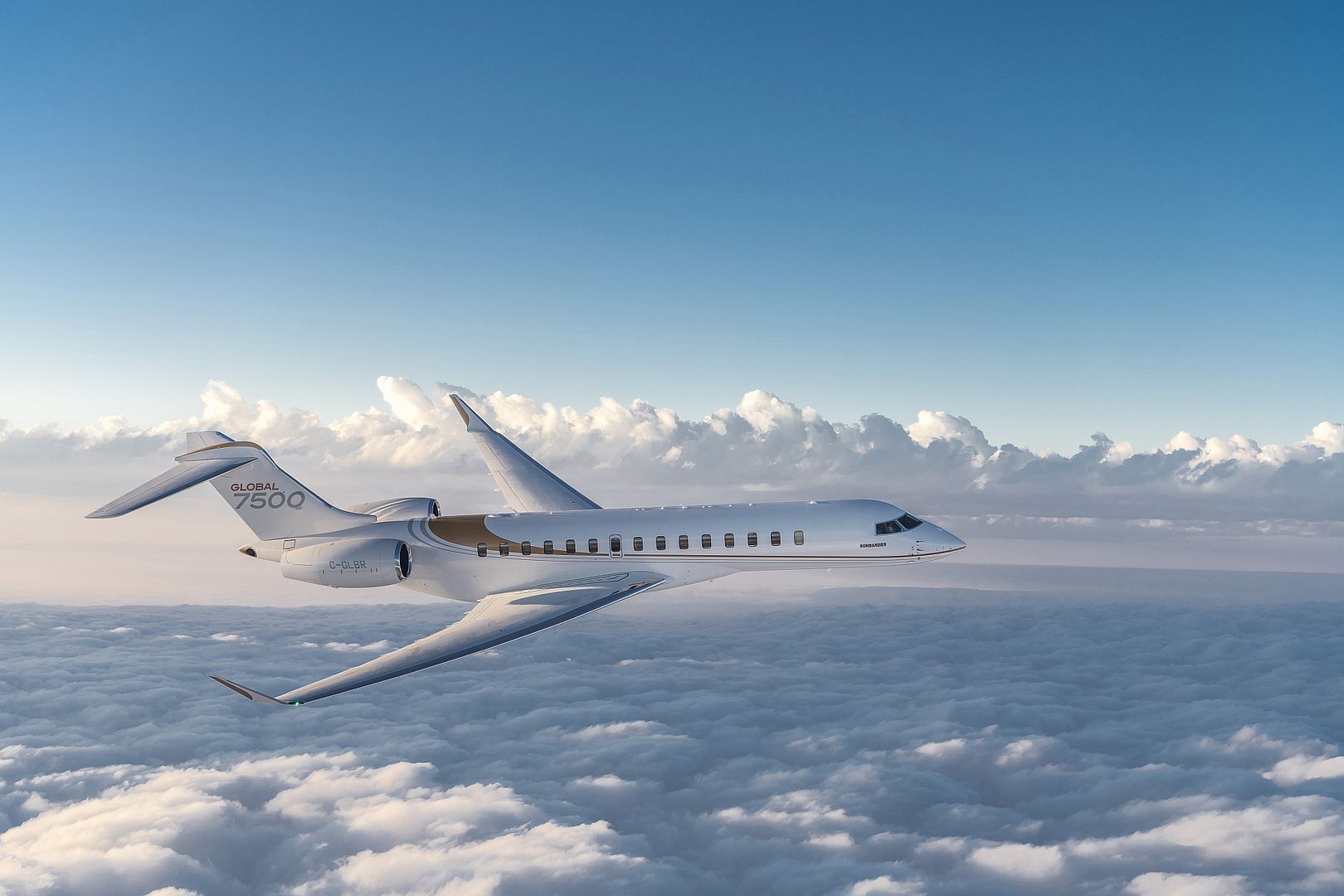
Royal Air Force Typhoon fighters have been conducting training sorties with the Royal Malaysian Air Force as part of the preparations for Exercise Bersama Lima, the annual Five Powers Defence Arrangements exercise.
Deployed to the Malaysian Air Force base at Butterworth in Penang, Malaysia, the Typhoon pilots from the RAF Lossiemouth based II (Army Cooperation) Squadron are conducting high energy training with the Royal Malaysian Air Force Su30 Flankers and F18 Hornets.
A II(AC) Squadron pilot said:
"This is a rare opportunity to fly against uniquely capable aircraft under high-G whilst deployed in Asia. This has enabled us to demonstrate Typhoon?s awesome capability against agile fighters whilst learning and sharing tactics that will enable enhanced future cooperation.?
?As fighter pilots, this type of flying gives us the chance to test our skills against the pilot as well as the aircraft following years of tough training. It requires intense concentration for the short duration flight but is a very rewarding experience.?
The bilateral training has allowed the squadron to work in new conditions and with aircraft unfamiliar to RAF fast jet pilots. The squadron will now begin flying sorties as part of Exercise BERSAMA LIMA 19. During the exercise the jets will join with aircraft from Singapore, New Zealand and Malaysia to work together in complex air situations and also to conduct Air Land and Air Maritime integration exercises.
The Five Powers Defence Arrangements is the corner stone of British defence policy in the region and brings the militaries of Australia, Malaysia, New Zealand, Singapore and the United Kingdom together in a defensive arrangement in the region.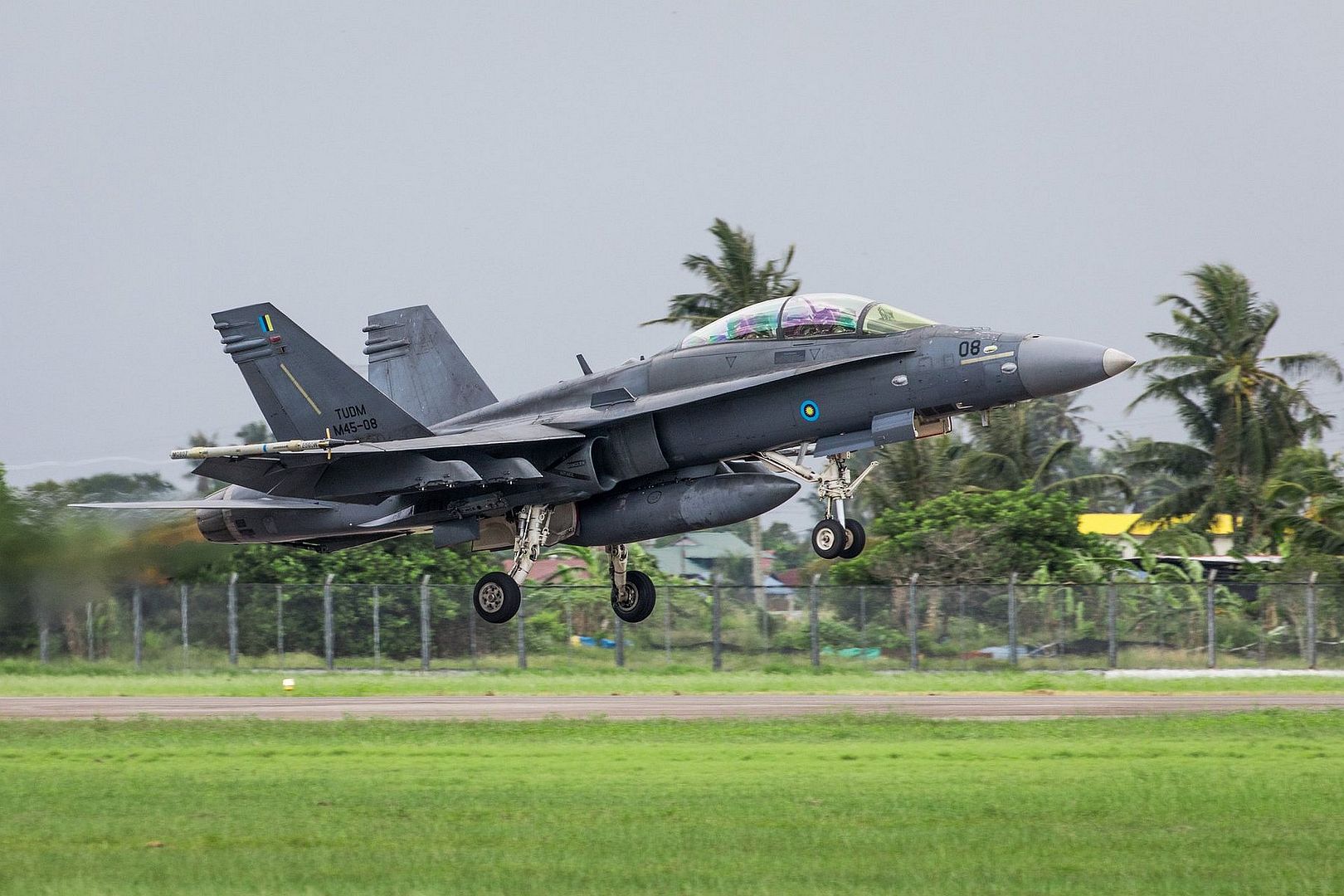
(Source: Italian Ministry of Defence; issued Oct. 04, 2019)
After an initial acclimatization period, and two days in advance compared to the plan, the 32nd Wing?s Task Force Air has reached Full Operational Capability (FOC) for the mission, thus obtaining from NATO the certification required to ensure the safety of skies in Iceland in the context of Air Policing operations.
Lieutenant Colonel Wilhelm May, head of the NATO team of evaluators from the CAED of Uedem, handed over the FOC certification to the Commander of the Task Force Air, Colonel Stefano Spreafico, thus officially launching operation "Northern Lightning."
"I am very proud of the result achieved," said the TFA commander. "We have been able to reach this important goal two days in advance of the scheduled timetable thanks to a fantastic team work of everyone on the staff of the Task Force and thanks to the great support of the CAOC team of Uedem and our Icelandic hosts."
The important milestone achieved was formalized by a ceremony that ended with a solemn flag-raising ceremony, where the NATO flag was raised and handed over to the TFA Commander by the Deputy Commander of the Allied Air Command (AIRCOM), Lieutenant General Pascal Delerce.
"For the first time, a fifth-generation fighter, the F-35, will be used by NATO to safeguard the Alliance's airspace in an Air Policing operation,? AIRCOM's Deputy Commander in his speech. ?It represents a big step towards the integration of modern combat aircraft into allied missions, demonstrating the Alliance's ability to look to the future, integrating new technologies."
To seal this important event, which saw Italy become the first NATO country to use an F-35 on a NATO operation, the Chief of Defense Staff General Enzo Vecciarelli and the Chief of Staff of the Italian Air Force, General Alberto Rosso, attended the ceremony.
"Today, with the achievement of Full Operational Capability by the 32nd Wing Task Force air,? said Gen. Vecciarelli, ?we renew our commitment to actively contribute to collective defense. We have decided to contribute to the activities of Air Policing with our most advanced resources. In the coming weeks the F-35A of the Italian Air Force, for the first time under the command and control of the Allied Air Command, will guarantee the security of Icelandic airspace and of the Alliance in an important strategic portion of the Euro-Atlantic region.?
The mission of the TFA 32nd Wing aims to preserve the integrity of NATO's airspace, strengthening the surveillance activity of the skies over Iceland which has no air defense capability of its own.
The Italian Air Force participates in the Air Policing operation in Iceland with six F-35A aircraft. Pilots, air defense controllers, technical, logistic and Force Protection personnel will ensure the Icelandic airspace surveillance missions for three weeks while at the same conducting joint training activity with the Icelandic Coast Guard.
The Air Policing activity is carried out in peacetime and consists in the continuous surveillance of the integrity of NATO airspace as well as in the identification of possible violations, in which case appropriate action is taken, such as, for example, the rapid take-off of interceptor fighter aircraft, which in technical terms is called a ?scramble.?
Air Policing is carried out within the area of responsibility of NATO?s Allied Command Operation (ACO) based in Brussels, and is coordinated by the Air Command (AIRCOM) of Ramstein (GER).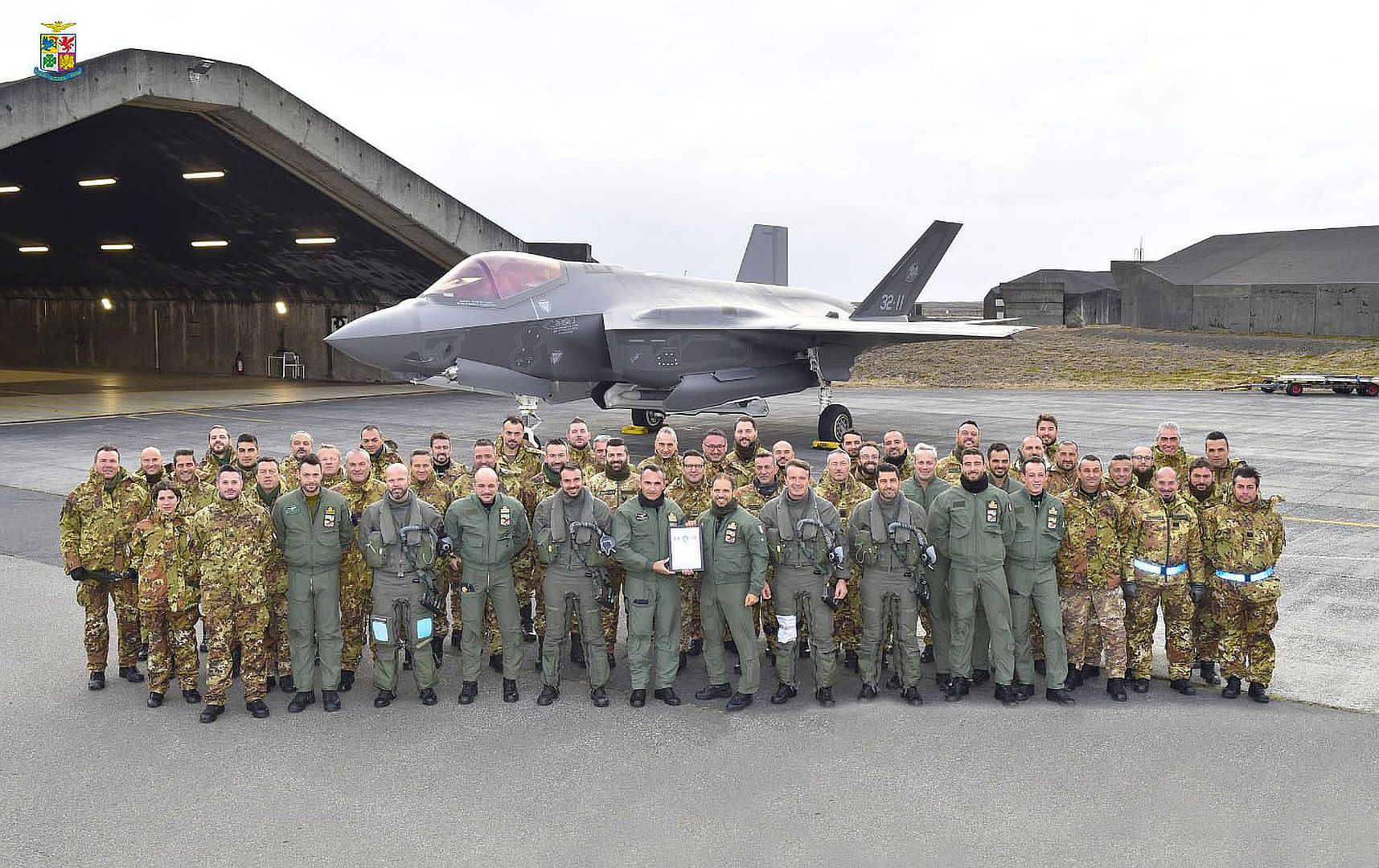
-
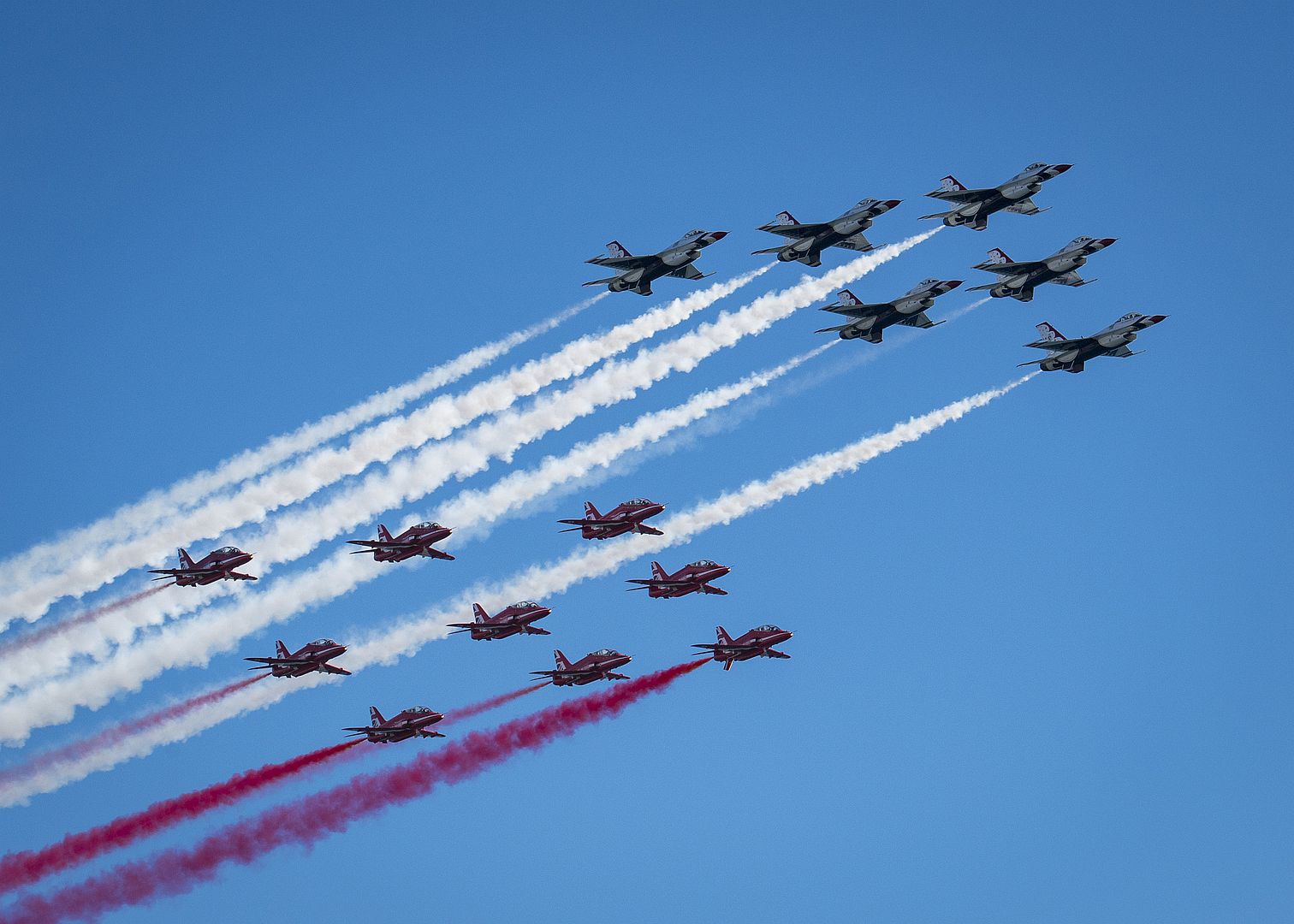
The U.S. Air Force Thunderbirds and the Royal Air Force Red Arrows fly a 15-ship parade-style flat pass to close out the Great Pacific Airshow over Huntington Beach, Calif. Oct. 6, 2019. The photo pass symbolically closed out the Red Arrows North American tour, which spanned the U.S. and Canada over more than 10 weeks with other jet demonstration teams like the U.S. Navy Blue Angels and the Canadian Forces Snowbirds. (U.S. Air Force photo's by Tech. Sgt. Ned T. Johnston and Maj. Ray Geoffroy)

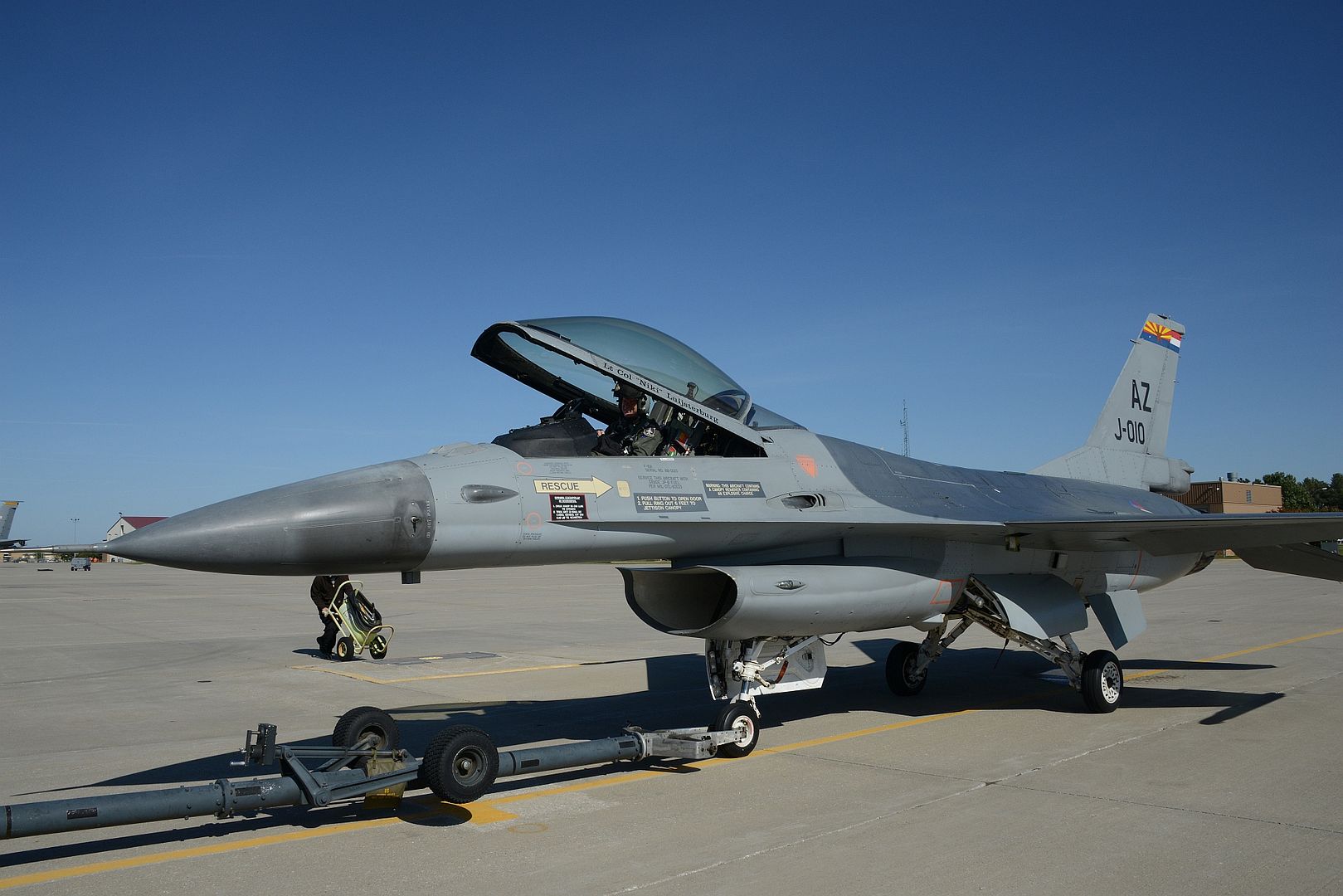
Lt. Colonel Niki Luijsterburg of the Royal Netherlands Air Force brings his F-16 to the185th Air Refueling Wing in Sioux City, Iowa on October 8, 2019. Over the course of the next few weeks the aircraft will receive a new coat of paint at the Air National Guard paint facility in Sioux City as part of ongoing corrosion control protocols. The Dutch F-16 is attached to the 162nd Fighter Wing of the Arizona Air National Guard as part of the fighter training program in Tucson.
U.S. Air National Guard photo's by Senior Master Sgt. Vincent De Groot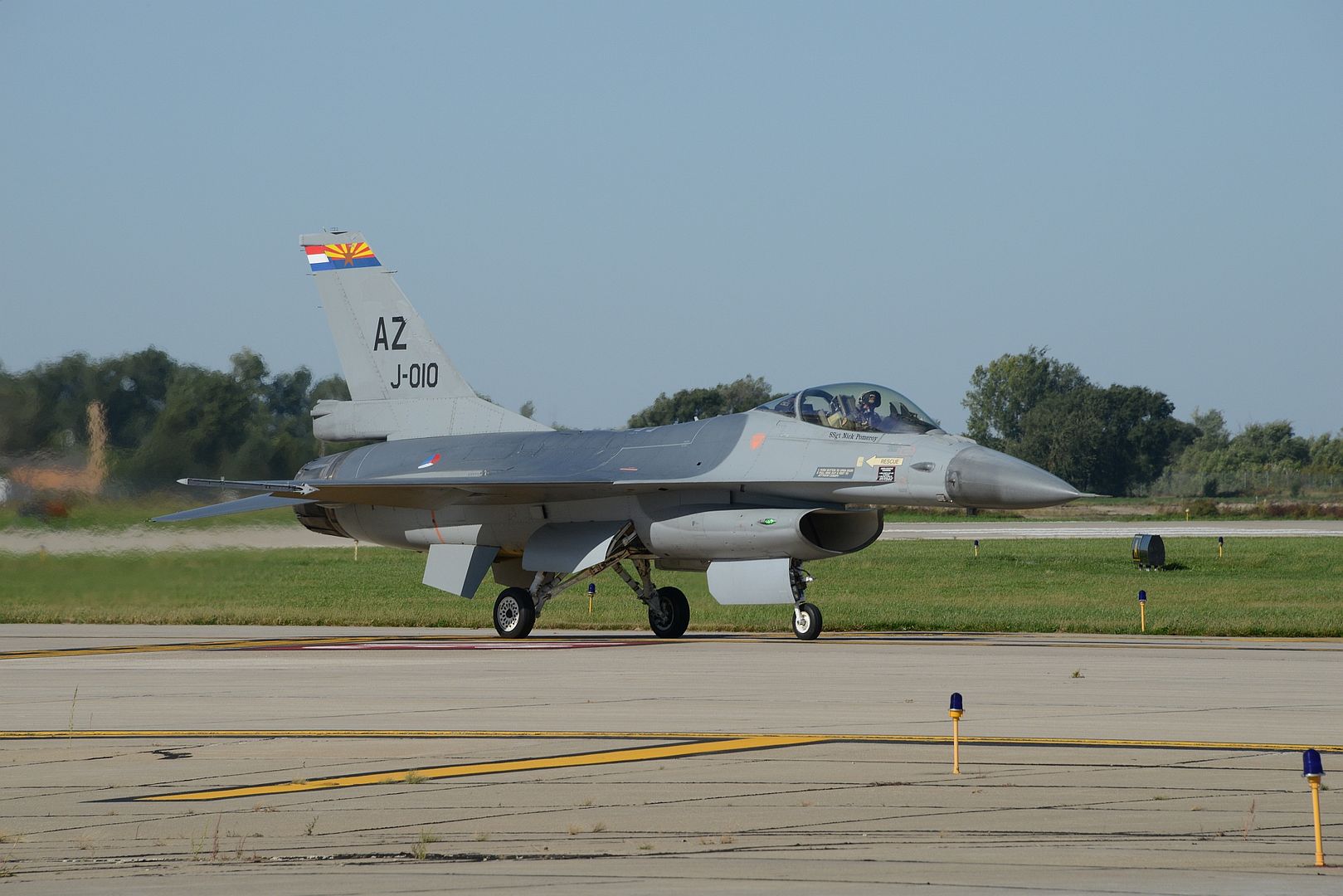
ARABIAN SEA (Oct. 3, 2019) An F/A-18F Super Hornet attached to the "Jolly Rogers" of Strike Fighter Squadron (VFA) 103 makes an arrested landing on the flight deck of the aircraft carrier USS Abraham Lincoln (CVN 72). Abraham Lincoln Carrier Strike Group is deployed to the U.S. 5th Fleet area of operations in support of naval operations to ensure maritime stability and security in the Central Region, connecting the Mediterranean Sea and the Pacific Ocean through the western Indian Ocean and three strategic choke points. With Abraham Lincoln as the flagship, deployed strike group assets include staffs, ships and aircraft of Carrier Strike Group (CSG) 12, Destroyer Squadron (DESRON) 2, the guided-missile cruiser USS Leyte Gulf (CG 55) and Carrier Air Wing (CVW) 7. (U.S. Navy photo by Mass Communication Specialist Seaman Mohamed Labanieh/Released)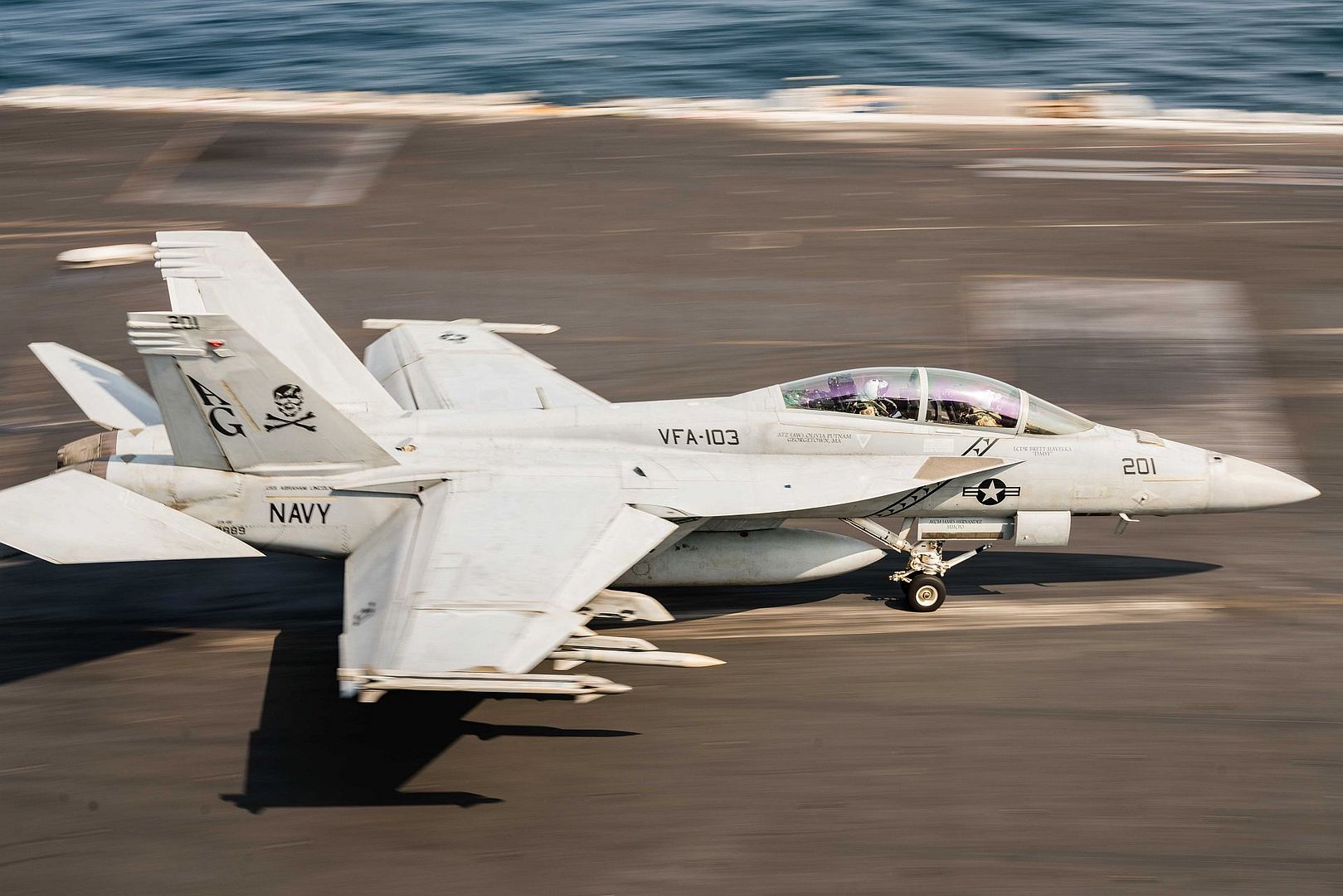
NEW YORK, Oct. 8, 2019 /PRNewswire/ -- Boeing [NYSE: BA] is investing $20 million in Virgin Galactic, a vertically integrated human spaceflight company. The companies will work together to broaden commercial space access and transform global travel technologies.
Virgin Galactic's First Spaceflight on December 13th 2018
"Boeing's strategic investment facilitates our effort to drive the commercialization of space and broaden consumer access to safe, efficient, and environmentally responsible new forms of transportation," said Brian Schettler, senior managing director of Boeing HorizonX Ventures. "Our work with Virgin Galactic, and others, will help unlock the future of space travel and high-speed mobility."
To date, Virgin Galactic has invested $1 billion of capital to build reusable human spaceflight systems designed to enable significantly more people to experience and utilize space. In July, the company announced its intent to become a publicly-listed entity via a business combination with Social Capital Hedosophia Holdings Corp. The Boeing investment will be in return for new shares in Virgin Galactic and is therefore contingent on the closing of that transaction, which is expected to close in the fourth quarter of 2019, and any such investment will be in the post-business combination company.
This investment brings together two companies with extensive experience in the space industry. Virgin Galactic is a pioneer of commercial human space flight and is the first and only company to have put humans into space in a vehicle built for commercial service, having built and flown a Mach 3 passenger vehicle. Through its manufacturing and development capabilities, Virgin Galactic can design, build, test, and operate a fleet of advanced aerospace vehicles. Boeing has unsurpassed experience transporting people to orbit and building and operating large structures in that challenging environment. A part of every U.S. manned space program, Boeing serves as NASA's prime contractor for the International Space Station (ISS) and is preparing the new, reusable, Starliner space capsule for launch to the ISS.
"This is the beginning of an important collaboration for the future of air and space travel, which are the natural next steps for our human spaceflight program," said Sir Richard Branson, founder of Virgin Galactic. "Virgin Galactic and Boeing share a vision of opening access to the world and space, to more people, in safe and environmentally responsible ways."
Boeing Defense, Space & Security President and CEO Leanne Caret, said "the unique expertise of our companies stretches from points all around the world to the deepest reaches of space. Together we will change how people travel on Earth, and among the stars, for generations to come."
George Whitesides, CEO of Virgin Galactic, noted: "we are excited to partner with Boeing to develop something that can truly change how people move around the planet and connect with one another. As a Virgin company, our focus will be on a safe and unparalleled customer experience, with environmental responsibility to the fore."
Seville, 8 October 2019 - The first Airbus C295, purchased by the Government of Canada for the Royal Canadian Air Force?s (RCAF) Fixed Wing Search and Rescue Aircraft Replacement (FWSAR) programme, rolled out of the paint shop showing off its final livery at Airbus facility in Seville, Spain. The aircraft will now go through the final preparation phase before its delivery to the customer, planned to take place in Spain before the end of the year.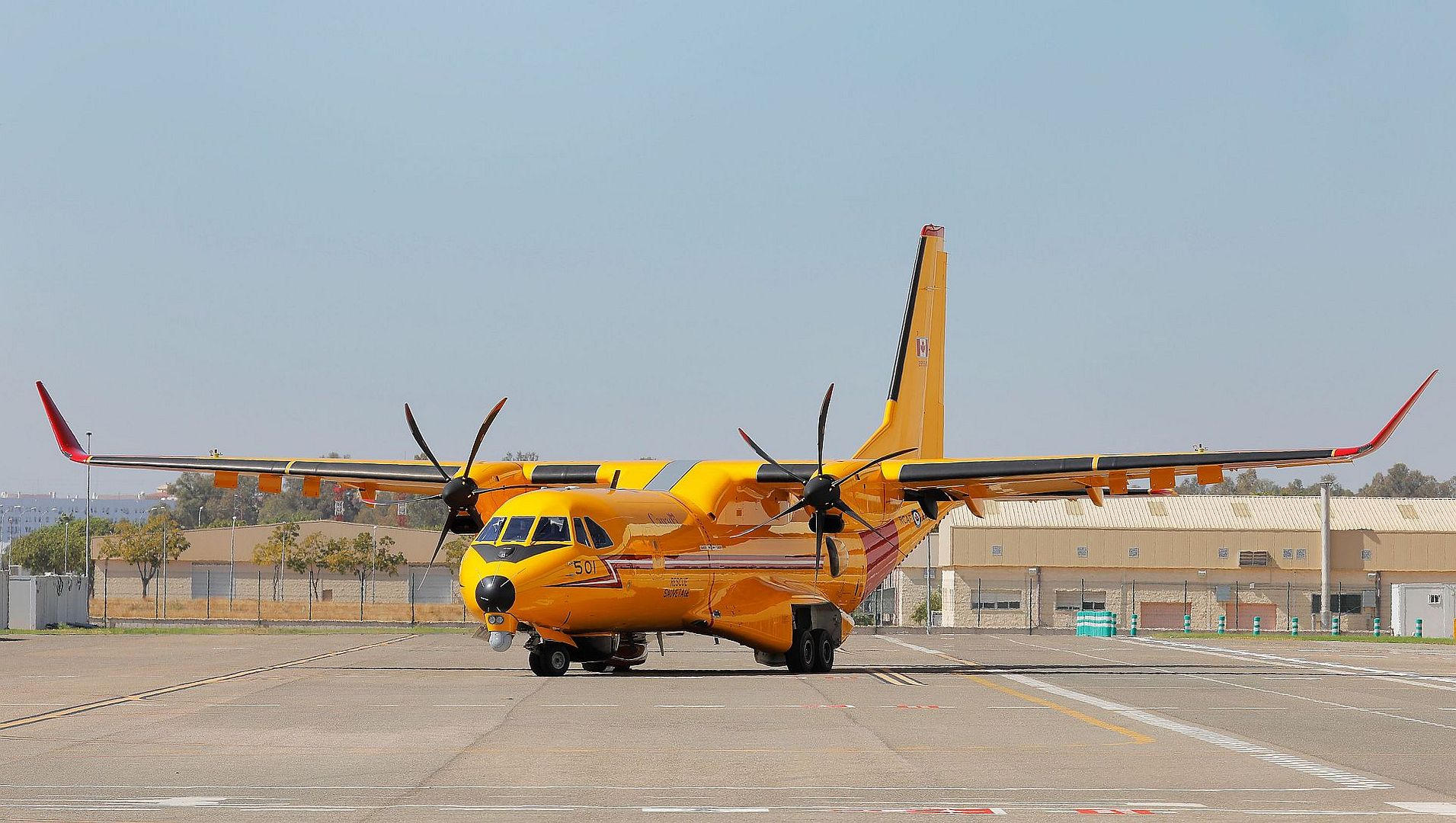
The contract, awarded in December 2016, includes 16 C295 aircraft and all In-Service Support elements including, training and engineering services, the construction of a new Training Centre in Comox, British Columbia, and maintenance and support services.
The aircraft will be based where search and rescue squadrons are currently located: Comox, British Columbia; Winnipeg, Manitoba; Trenton, Ontario; and Greenwood, Nova Scotia.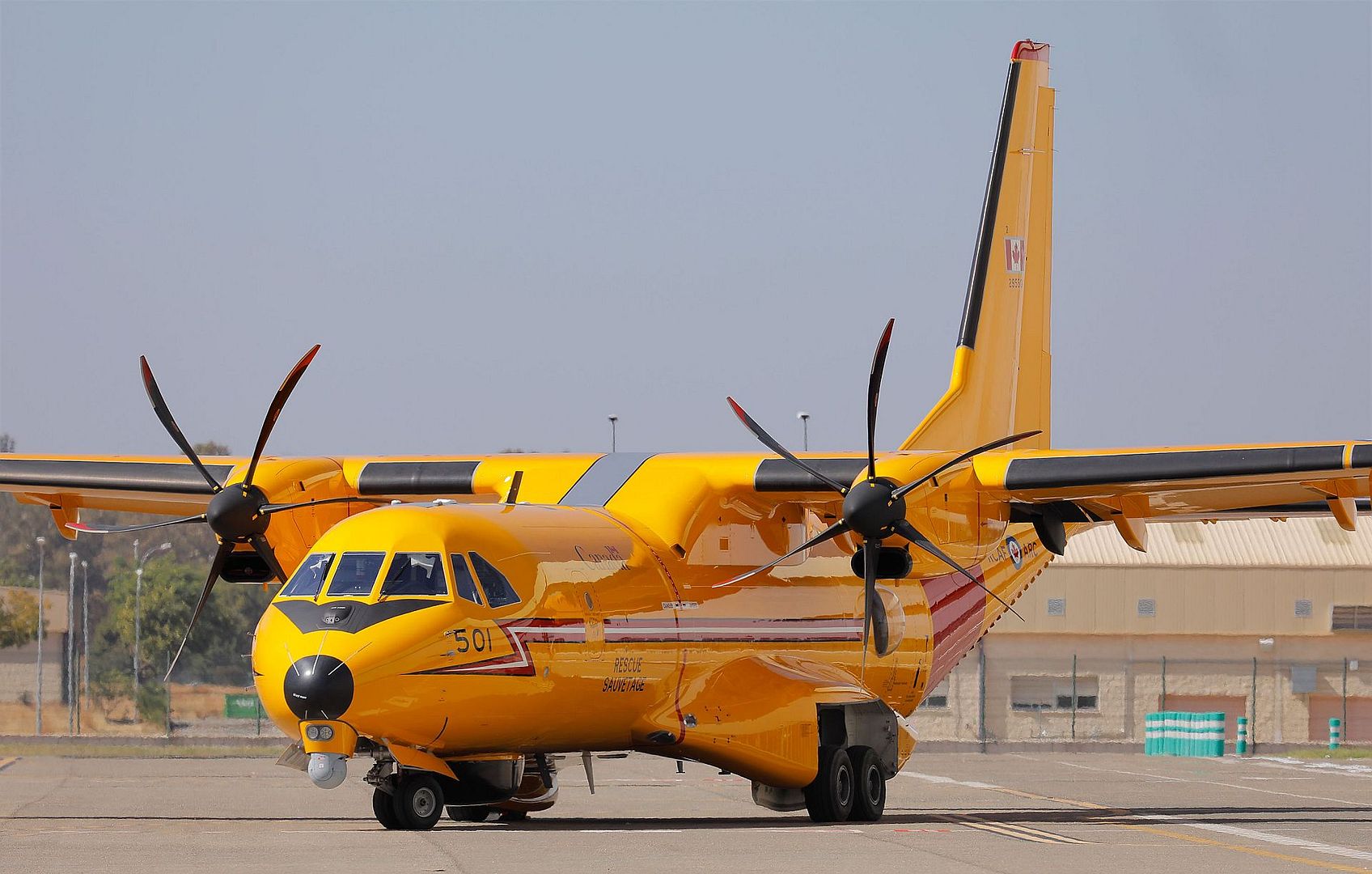
Considerable progress has been made since the FWSAR programme was announced two and a half years ago: the first aircraft is due to be delivered in Spain in the coming months; another six aircraft are either completing flight tests or in various stages of final assembly; and seven simulators and training devices are starting up preliminary acceptance tests.
The first RCAF crews started training in late summer 2019 at Airbus? International Training Centre in Seville, Spain.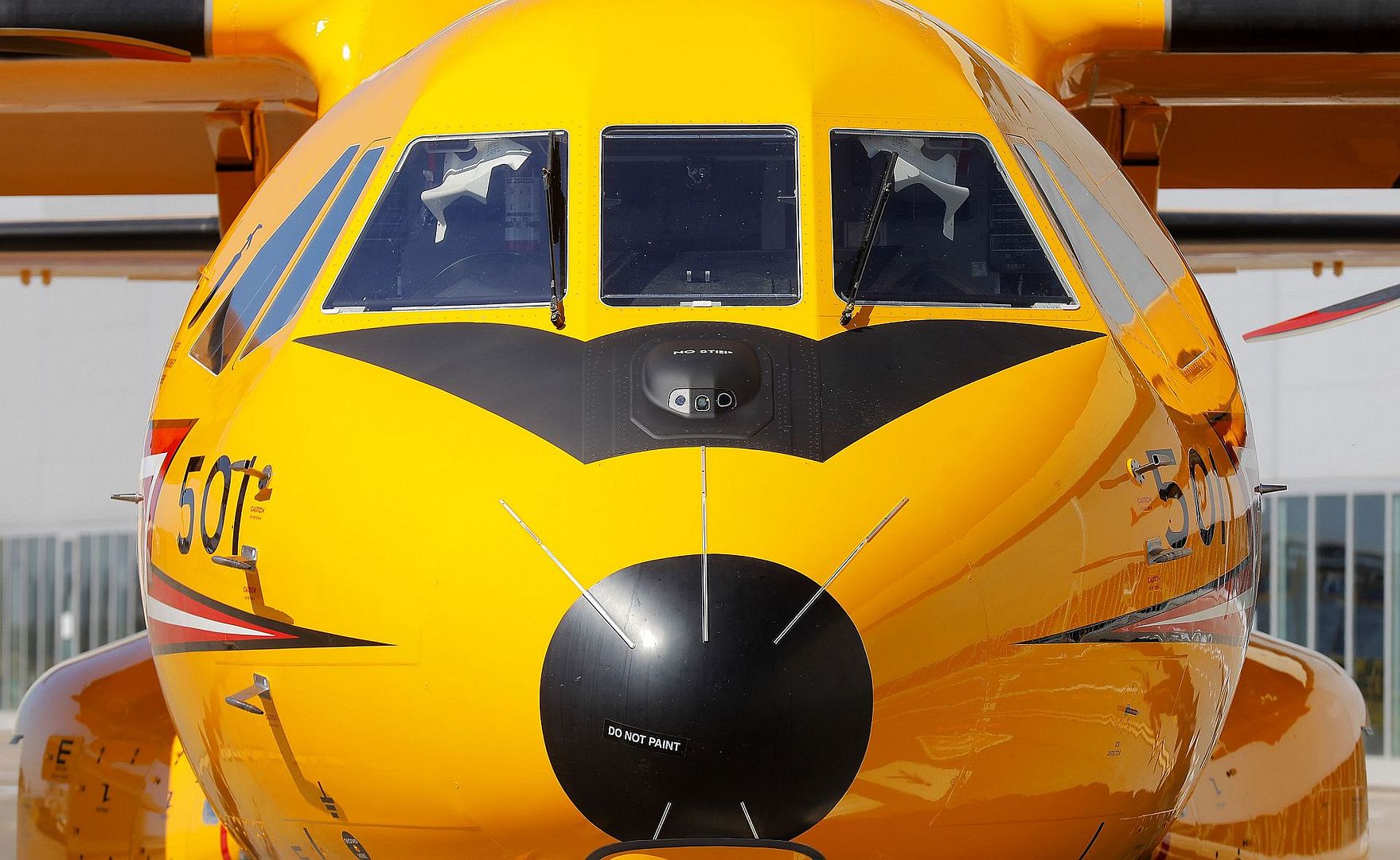
(Saint-Cloud, October 8th 2019) ? Today, Eric Trappier, Dassault Aviation Chairman and Chief Executive Officer, hosted the handover ceremony of the first Indian Air Force Rafale in M?rignac, Dassault Aviation?s Rafale final assembly facility. The event was placed under the high patronage of the Honourable Shri Rajnath Singh, Minister of Defence of India and the Honourable Ms. Florence Parly, Minister of the Armed Forces of France.
The ceremony, 3 years after the signature of the contract in 2016 for the acquisition of 36 Rafale to equip the Indian Air Force, marks the concretization of the strategic relationship between India and France and the celebration of the history of mutual trust between India and Dassault Aviation for more than 65 years.
The handover of the first IAF Rafale, materializes the determination of the French Authorities to fulfill the expectations and needs of the Government of India to comfort India?s protection and sovereignty and illustrates the exemplary cooperation between Dassault Aviation and the Indian Air Force, one of the most remarkable partner Dassault Aviation?s has ever worked with.
The setup of the Dassault Reliance JV (DRAL) production facility in Nagpur as well as the significant support of the educational and scientific policy of the Indian Government through the establishing of an engineering center in Pune, the creation of the ?Dassault Skill Academy? and the implementation of a vocational training programme ?Aeronautical Structure and Equipment Fitter?, demonstrate Dassault Aviation full commitment to the ?Make in India? and ?Skill India? initiatives in building the foundations for a national aerospace and defence ecosystem to become a worldwide reference of the sector.
Supported by Dassault Aviation partners, Thales already present in Nagpur, Safran to inaugurate its facility in Hyderabad as well as the French aeronautics and defence community among which twenty companies are already settled in India, this approach will mutually benefit both Indian and French industries and will contribute to guaranty both countries to meet tomorrow?s aeronautical challenges.
?I am particularly honored to host this ceremony today as India is part of Dassault Aviation?s DNA. The long and trustful relationship we share is an undeniable success and underpins my determination of establishing for the long term Dassault Aviation in India. We stand alongside the Indian Air Force since 1953, we are totally committed to fulfill its requirements for the decades to come and to be part of India?s ambitious vision for the future?, has declared Eric Trappier, Chairman and CEO of Dassault Aviation.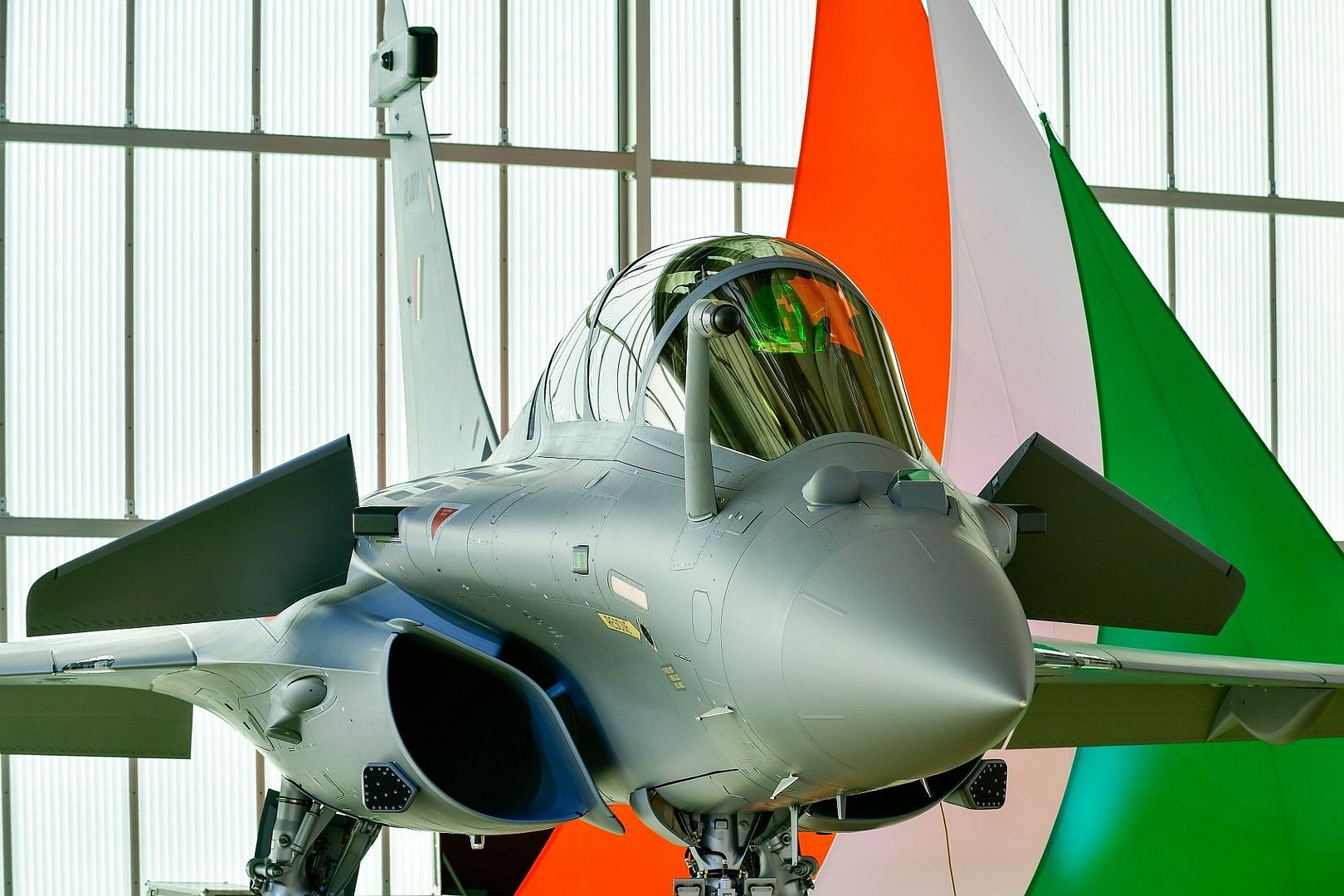
-
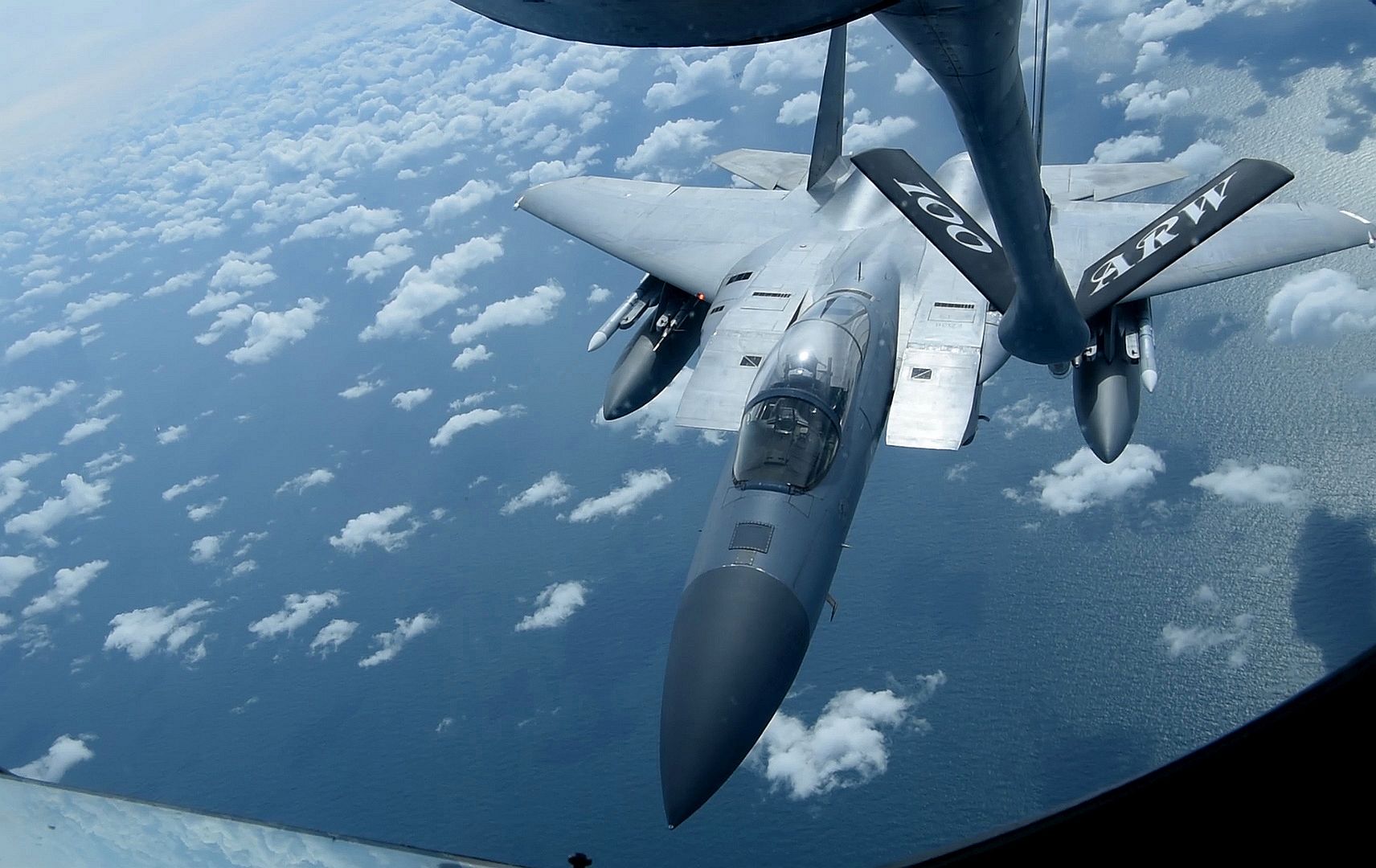
An F-15E Strike Eagle assigned to the 48th Fighter Wing at RAF Lakenheath, England, prepares to receive fuel from a KC-135 Stratotanker assigned to the 100th Air Refueling Wing during a readiness exercise over England, Oct. 3, 2019. Exercise scenarios were designed to ensure 100th ARW Airmen were fully prepared for potential contingencies in the wing?s area of responsibility. (U.S. Air Force photo by Airman 1st Class David Busby)
Boeing EC-135E 'Looking Glass' aircraft, serial # 61-0329, shown after being painted by the 569th Aircraft Maintenance Squadron, 76th Aircraft Maintenance Group, Oklahoma City Air Logistics Complex on Oct. 4, 2019, Tinker Air Force Base, Oklahoma. The patriotic paint scheme includes 'Team Tinker' and 'Never Forget 343' titles on each side with the right side also featuring a huge, waving American flag. When operational the highly modified jet served with the 4950th Test Wing, Aeronautical Systems Division at Wright-Patterson AFB, Ohio. Upon retirement to Tinker AFB it served until 2019 as a Battle-Damage Repair (ground) training aircraft and will now continue serving as a (ground) fire training aircraft with the 72nd Civil Engineer Directorate, Tinker Emergency Services. (U.S. Air Force photo's/Greg L. Davis)

S?o Jos? dos Campos, Brazil, October 9, 2019 ? Embraer?s E190-E2 has received the prestigious 2019 PMI Project of the Year Award in a ceremony held in Philadelphia, PA, USA. According to the Project Management Institute, the world?s leading association for the project management profession, the E190-E2 was an extremely complex program, with a virtually new airplane, a new production system, a new and more connected airplane and customer support, and a new global supply chain spread throughout the US, Brazil, Europe and Asia.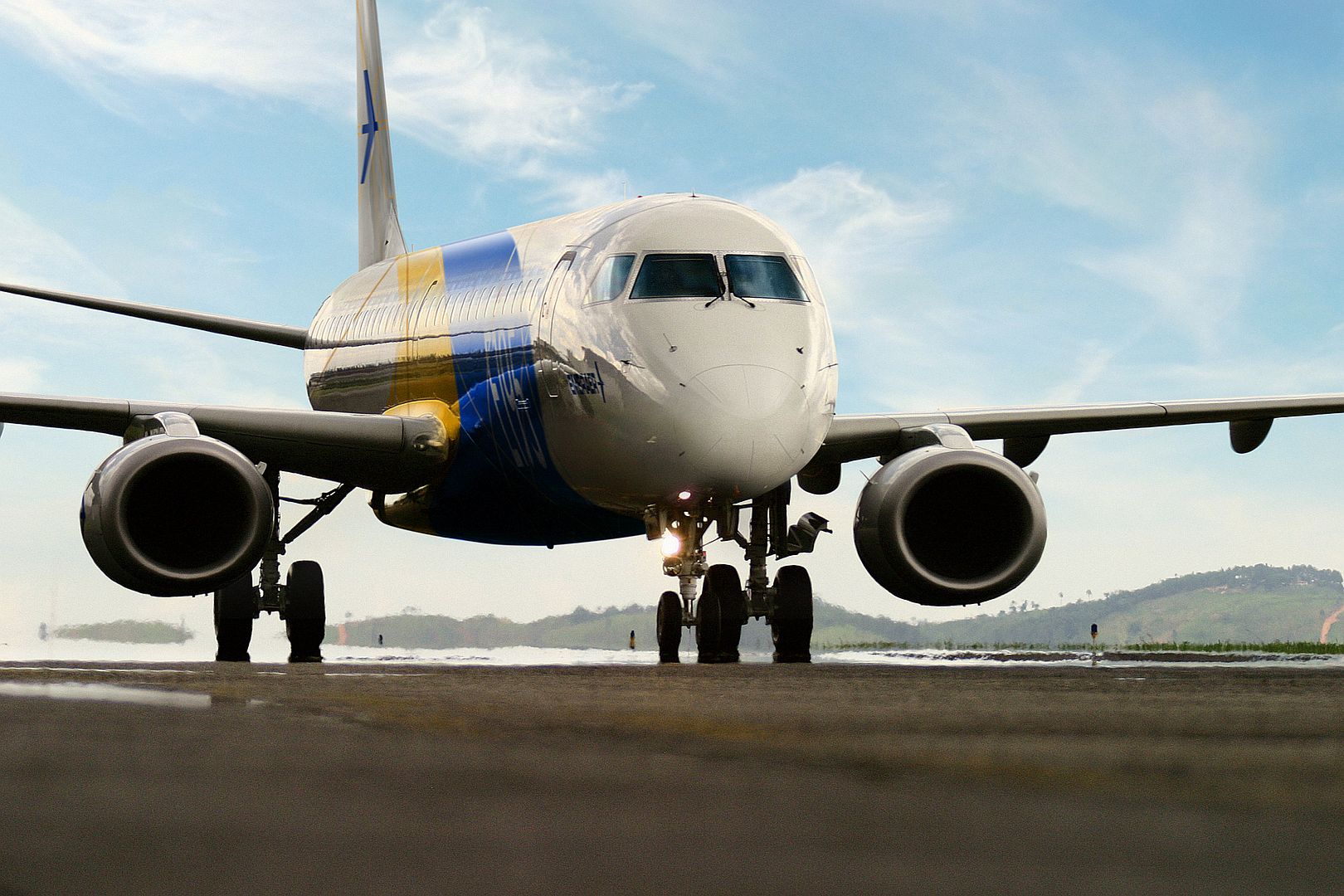
The PMI Project of the Year Award recognizes a large and complex project that best delivers superior performance in terms of project management practices, superior organizational results, and positive impacts on society. The Institute also highlighted Embraer?s challenge to bring a family of commercial aircraft to market on schedule and on budget, as well as exceeding several performance targets.
?Embraer built a heritage out of challenging the impossible, starting with the dream of producing airplanes in a country that did not even manufacture bicycles. This passion was passed from generation to generation and 50 years later, the E2 team has proven that it is possible to dream big and develop a new and high-tech commercial jet, outperforming even the highest expectations with a short schedule, a limited budget and a benchmark spec,? said Fernando Antonio Oliveira, E2 Program Director.
?The E2 represents a new benchmark for crossover jets, and we are honored to receive this prestigious award, recognizing the excellence of all Embraer?s teams involved in the program,? said Lu?s Carlos Affonso, Embraer?s Vice President of Strategy, Innovation and former COO of Embraer Commercial Aviation. ?I would also like to recognize the importance of the PMI in our journey towards excellence in program management, as it has provided invaluable guidance to Embraer since the 1990?s, when we decided to better structure this function within our Company.?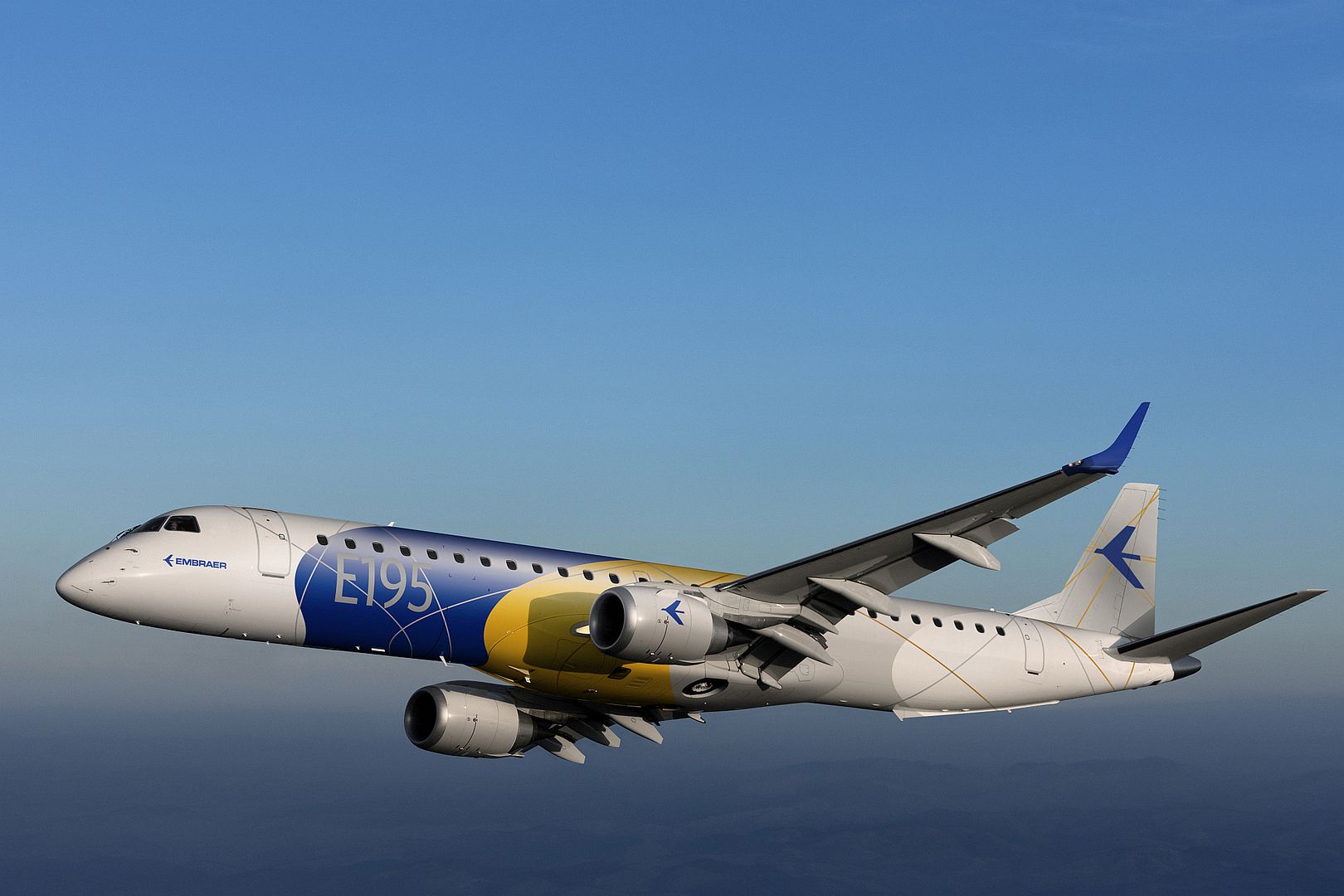
Embraer launched its E-Jets E2 program in 2013. The new-generation E-Jets family of commercial aircraft is comprised of three new airplanes ? E175-E2, E190-E2, E195-E2 ? with seating capacity for 70 to 146 passengers. The E-Jets E2s represent the best combination of new technologies in a proven platform. The application of advanced technologies for engines, wings, and avionics sets the E2 apart, by providing airlines with the most efficient aircraft in the category, while maintaining commonality with the first-generation E-Jets.
Enhancements include new aerodynamically-advanced high-aspect ratio distinctively-shaped wings, improved systems and avionics, 4th generation full fly-by-wire flight controls, and Pratt &Whitney?s GTFTM high by-pass ratio engines (PW1700G on the E175-E2 and PW1900G on the E190-E2 and E195-E2). These combine to generate the most efficient single-aisle commercial aircraft family, with double-digit reductions in fuel consumption, emissions, noise, and maintenance costs, as well greater productivity through less scheduled maintenance downtime. The E-Jets E2 achieves similar costs-per-seat as compared to larger re-engined narrow-body aircraft, but with significantly lower costs-per-trip. In April 2018, Embraer delivered its first E190-E2 to Norway?s Wider?e, Scandinavia?s largest regional airline. Recently, Embraer also delivered its first E195-E2 to Brazil?s Azul Airline.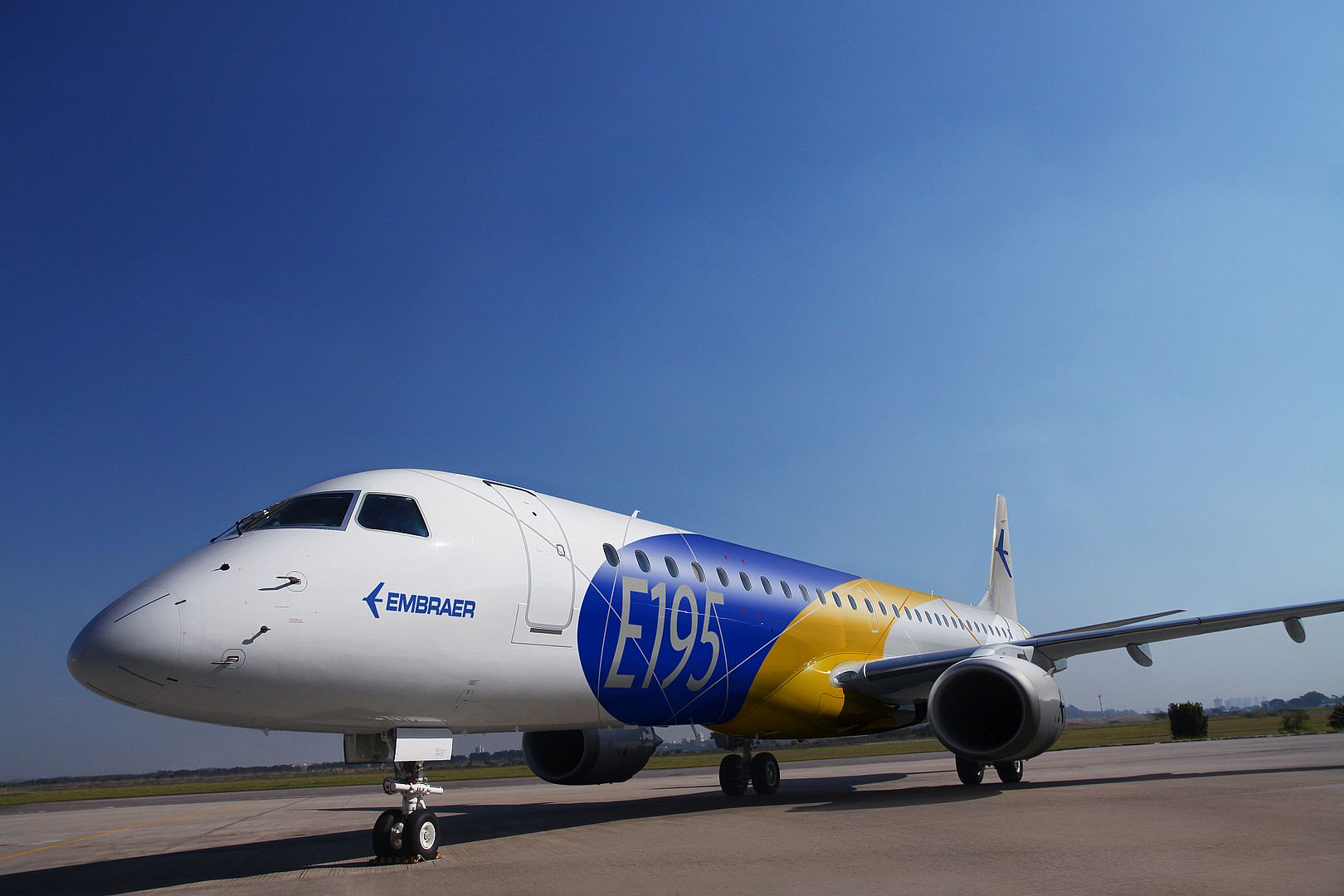
Rome, 9 October 2019 ? Leonardo has signed a contract with Guardia di Finanza valued at over 150 million euros for the supply of three ATR 72MPs and related technical-logistic support services. This contract completes the acquisition of four aircraft, the first order was placed in July 2018, awarded under a European tender. The first aircraft will be delivered by the end of 2019, with the remaining three units expected to be supplied by 2022.
Alessandro Profumo, CEO of Leonardo, said: ?We are proud that Guardia di Finanza has chosen to rely once again on our ATR 72MP, an aircraft which fully represents Leonardo?s technological capabilities in terms of design and integration of platforms and systems at the highest levels.?
Lucio Valerio Cioffi, Aircraft Division MD at Leonardo, said: ?The ATR 72MP combines reliability, low operating costs, all the advantages of the ATR 72-600 regional passenger transport aircraft together with a state-of-the-art mission system.?
The ATR 72MP will be integrated into the aeronautical capabilities of Guardia di Finanza, in the context of the multiple roles assigned to the Corps by the current regulatory framework. The Guardia di Finanza is the only law enforcement agency with general jurisdiction capable of exercising incisive and constant supervisory activities along the entire national coastal development and in international waters, carried out also due to the advanced technological equipment installed on its own aircraft.
Specific latest generation capabilities embedded for the first time into the ATR 72MP will be useful to support dedicated surveillance activities entrusted to the Guardia di Finanza. The ATR 72MP will operate in air-sea patrol and research missions, using on-board sensors to identify, even discreetly, sensitive objects, monitor their behavior, acquire evidence, and lead the intervention of naval units and land patrols.
The ATR 72MP ? already in service with the Italian Armed Forces in a military version called P-72A ? is equipped with the modular Leonardo ATOS (Airborne Tactical Observation and Surveillance) mission system. The ATOS manages the wide range of sensors of the aircraft, combining the information received in an overall tactical situation and presenting the results to the operators of the mission system in the most suitable format, providing an excellent and constantly updated scenario.
Thanks to its commercial derivation, the ATR 72MP delivers its crew levels of ergonomics that increase its efficiency and effectiveness during maritime patrol, search and identification missions, SAR (search and rescue) missions, counter drug trafficking, piracy, smuggling and preventing any illegal action across the territorial waters, which can typically last more than 8 hours.