Aviation News
-
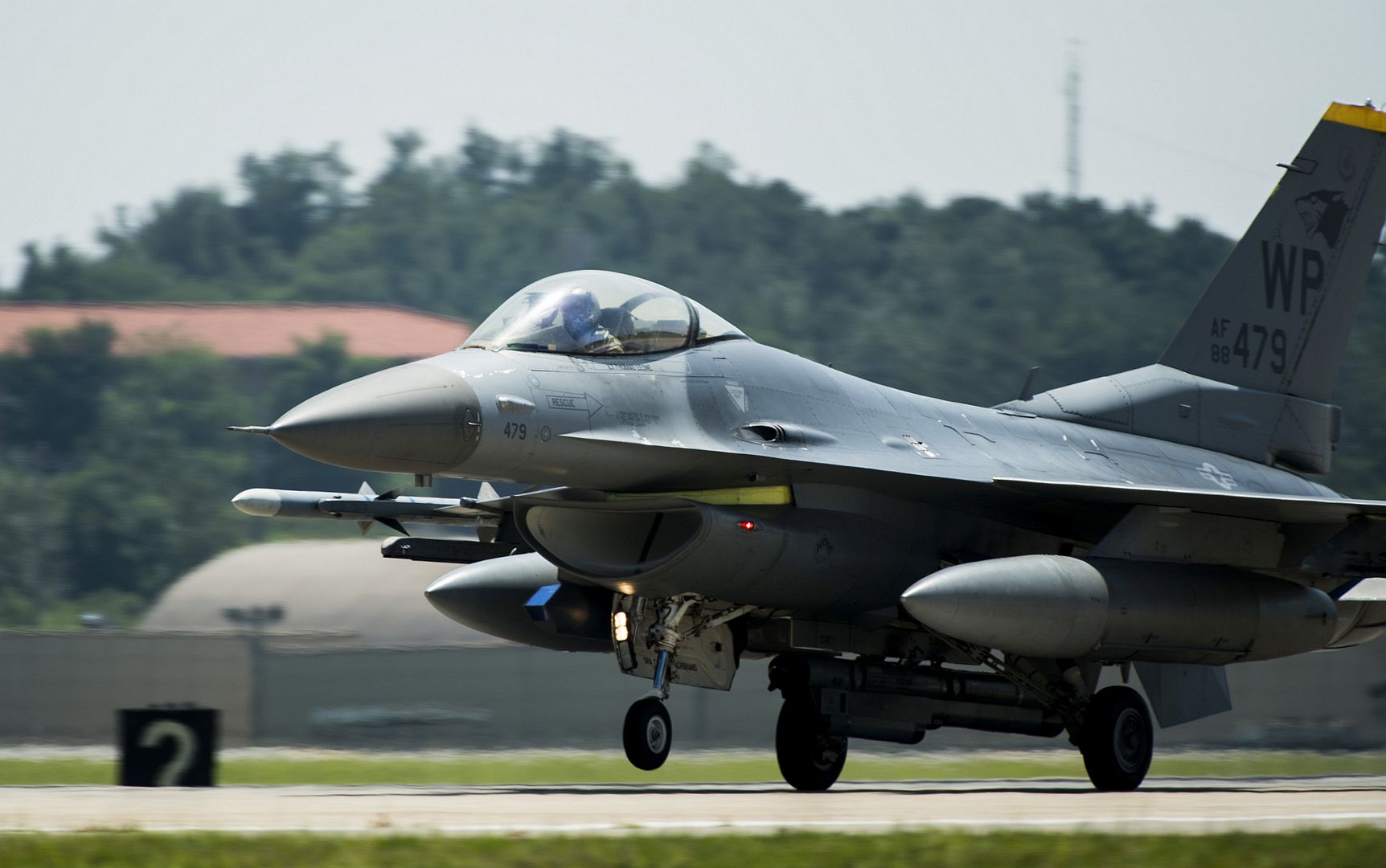
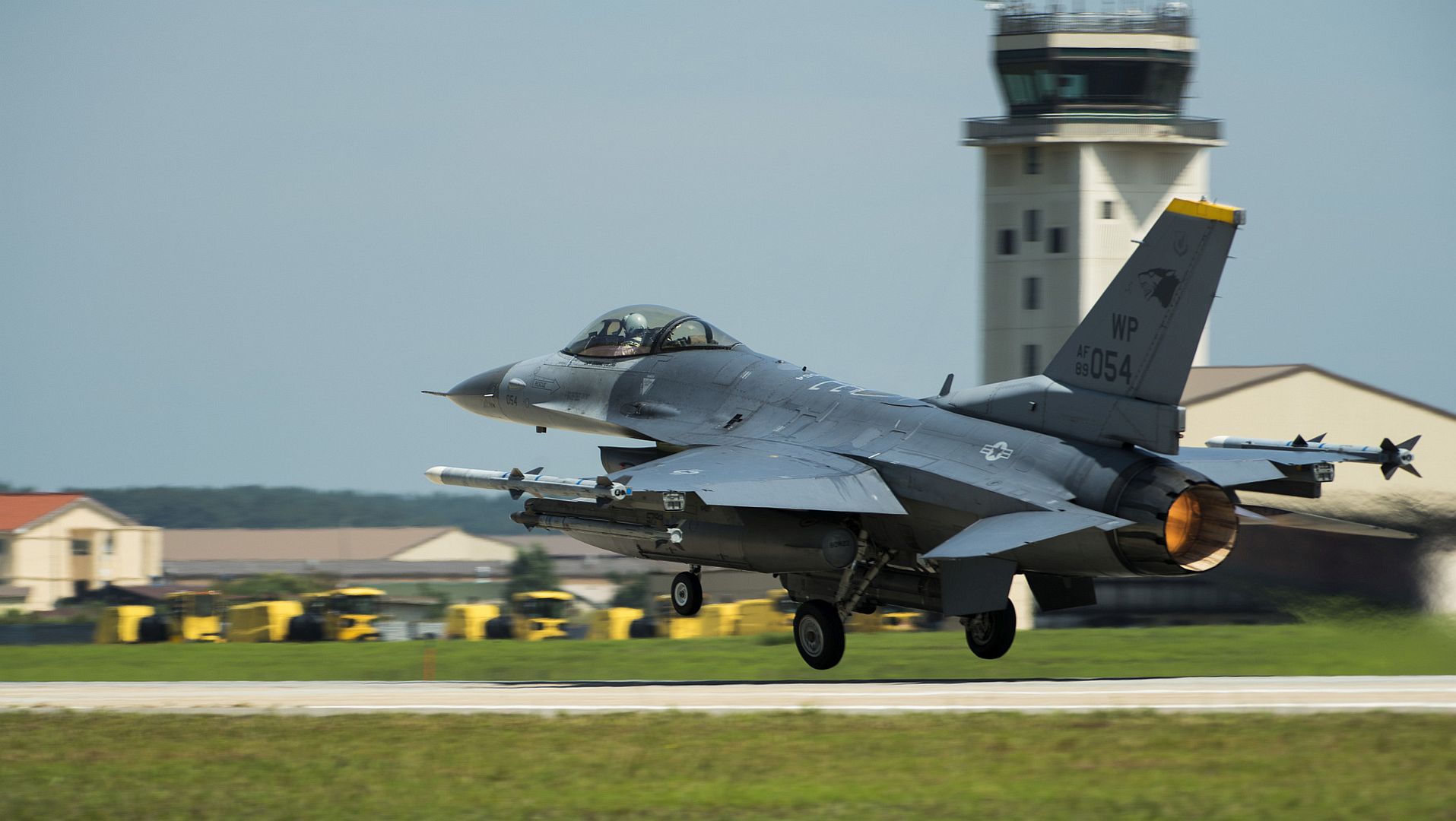
U.S. Air Force F-16 Fighting Falcons from the 80th Fighter Squadron "Juvats", Kunsan Air Base, Republic of Korea, take off for a routine training flight Aug. 26, 2019. The 8th Fighter Wing regularly flies it's F-16s for various training opportunities, to include flying alongside units from the Republic of Korea Air Force's 38th fighter Group. (U.S. Air Force photo's by Senior Airman Stefan Alvarez)
U.S. Air Force Maj. Paul Lopez, F-22 Demo Team commander, flies a a demonstration during the Chicago Air and Water Show Aug. 17, 2019. Founded in 2007, the F-22 Raptor Demo Team showcases the unique capabilities of the world's premier 5th-generation fighter aircraft. (U.S. Air Force photo's by 2nd Lt. Samuel Eckholm)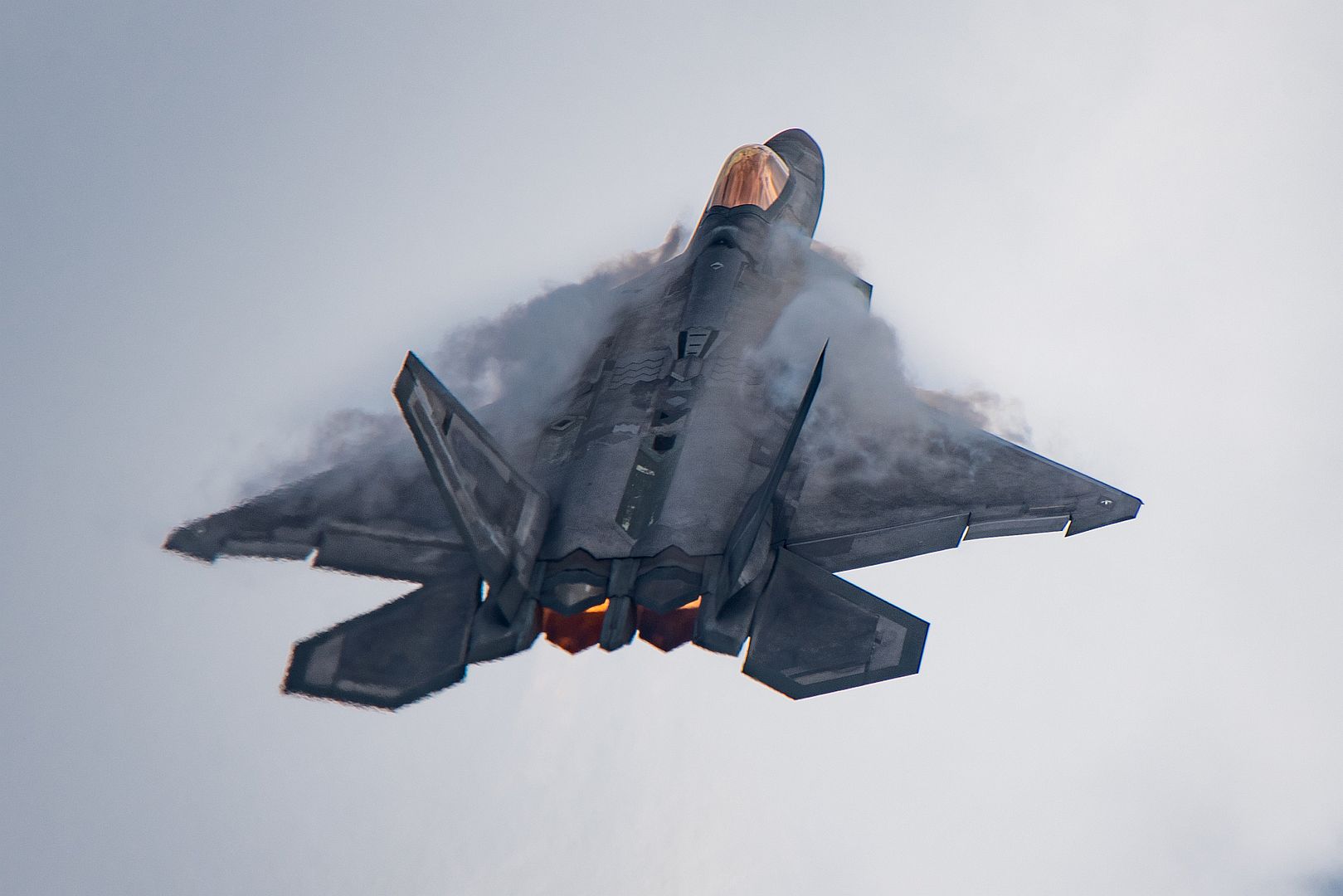
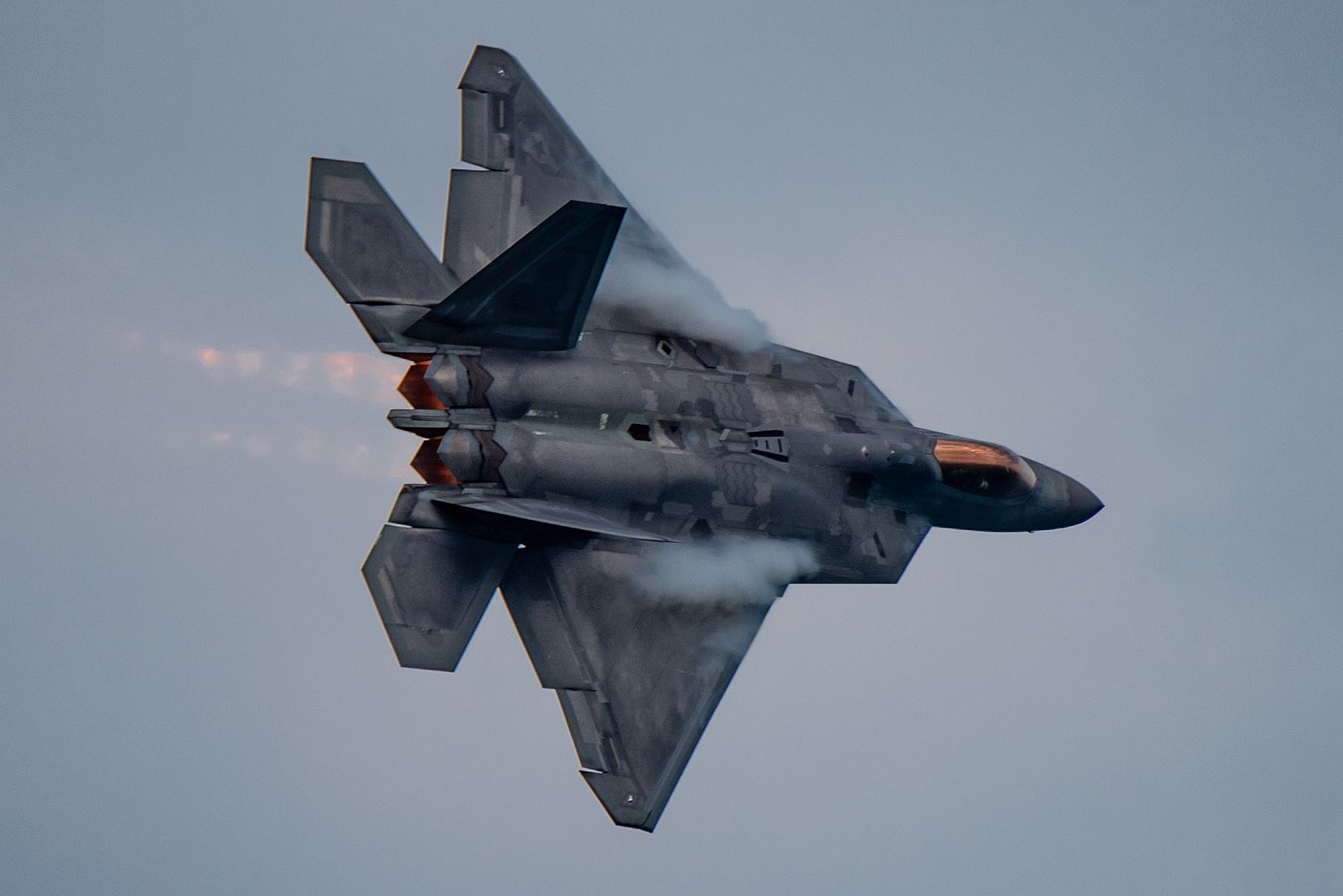
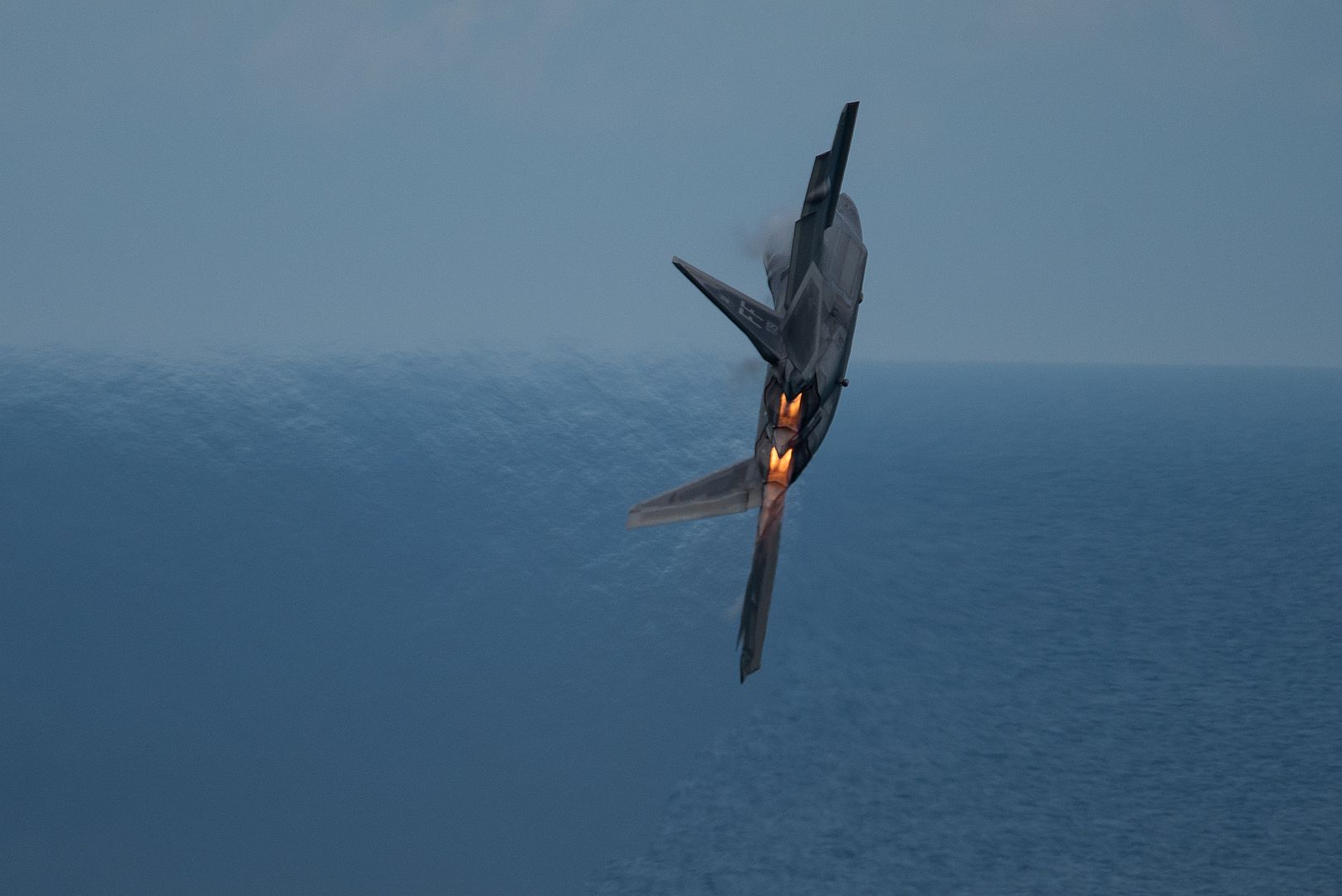
GREENVILLE, S.C., Aug. 28, 2019 /PRNewswire/ -- Lockheed Martin [NYSE: LMT] celebrates 35 years of operation in Greenville, S.C. this week. The Greenville facility provides nose-to-tail aircraft sustainment services, such as maintenance, modification, repair and overhaul, and is the new home of the F-16 Fighting Falcon production line.
In August 1984, the company signed a lease with the Donaldson Development Commission to begin operations as the Lockheed Aeromod Center, Inc. Major players who worked to attract the company to South Carolina included Sen. Strom Thurmond, Rep. Carroll Campbell and Lt. Gov. Mike Daniel. The new Lockheed facility was the largest new industry to locate in Greenville County that year and among the largest in the last decade.
The inaugural team occupied only two hangars and one office building at the start of the operations and quickly welcomed a P-3 Orion maritime patrol aircraft to the facility as the first aircraft in work.
Over the past 35 years, the Lockheed Martin Greenville team delivered nearly 3,000 aircraft, volunteered thousands of hours with local organizations, provided millions of dollars in philanthropic donations and contributes an annual economic impact of $100 million to the surrounding area.
"This is an exciting time for Lockheed Martin in Greenville," said Mike Fox, Lockheed Martin's site director. "We are proud to call South Carolina home for 35 years and look forward to an event brighter future ahead as we continue to grow and add more jobs to support the war fighter."
The site currently spans 276 acres and 16 hangars at the South Carolina Technology and Aviation Center, employs a highly-skilled workforce of 500 people and will be hiring hundreds more to support its aircraft sustainment and F-16 production contracts.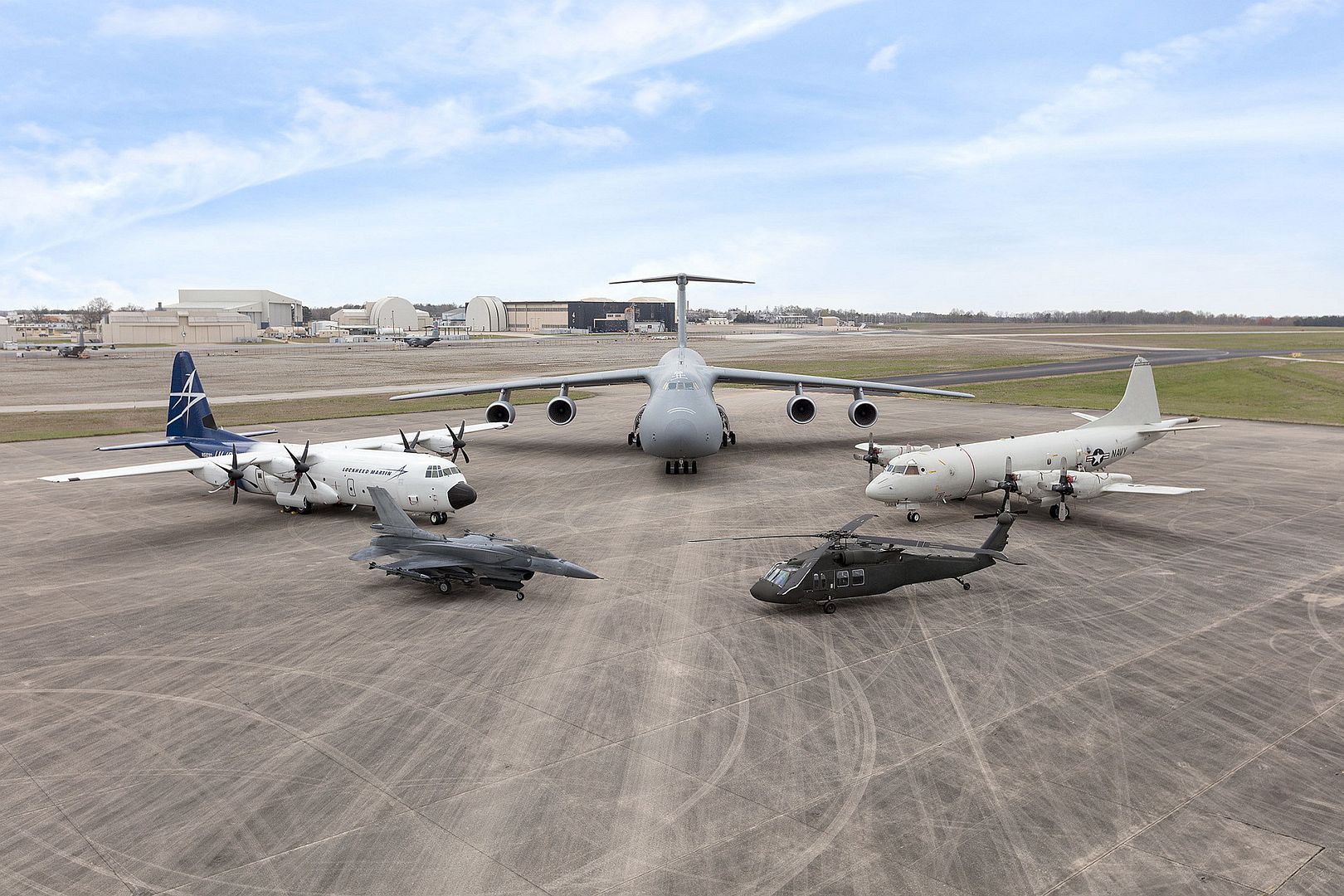
REDONDO BEACH, Calif. ? Aug. 28, 2019 ? At Northrop Grumman Corporation (NYSE: NOC) in Redondo Beach, NASA?s James Webb Space Telescope Spacecraft Element (SCE) and Optical Telescope Element/Integrated Science Instrument Module (OTIS) are now one. Both halves of the telescope (SCE and OTIS) have been successfully assembled.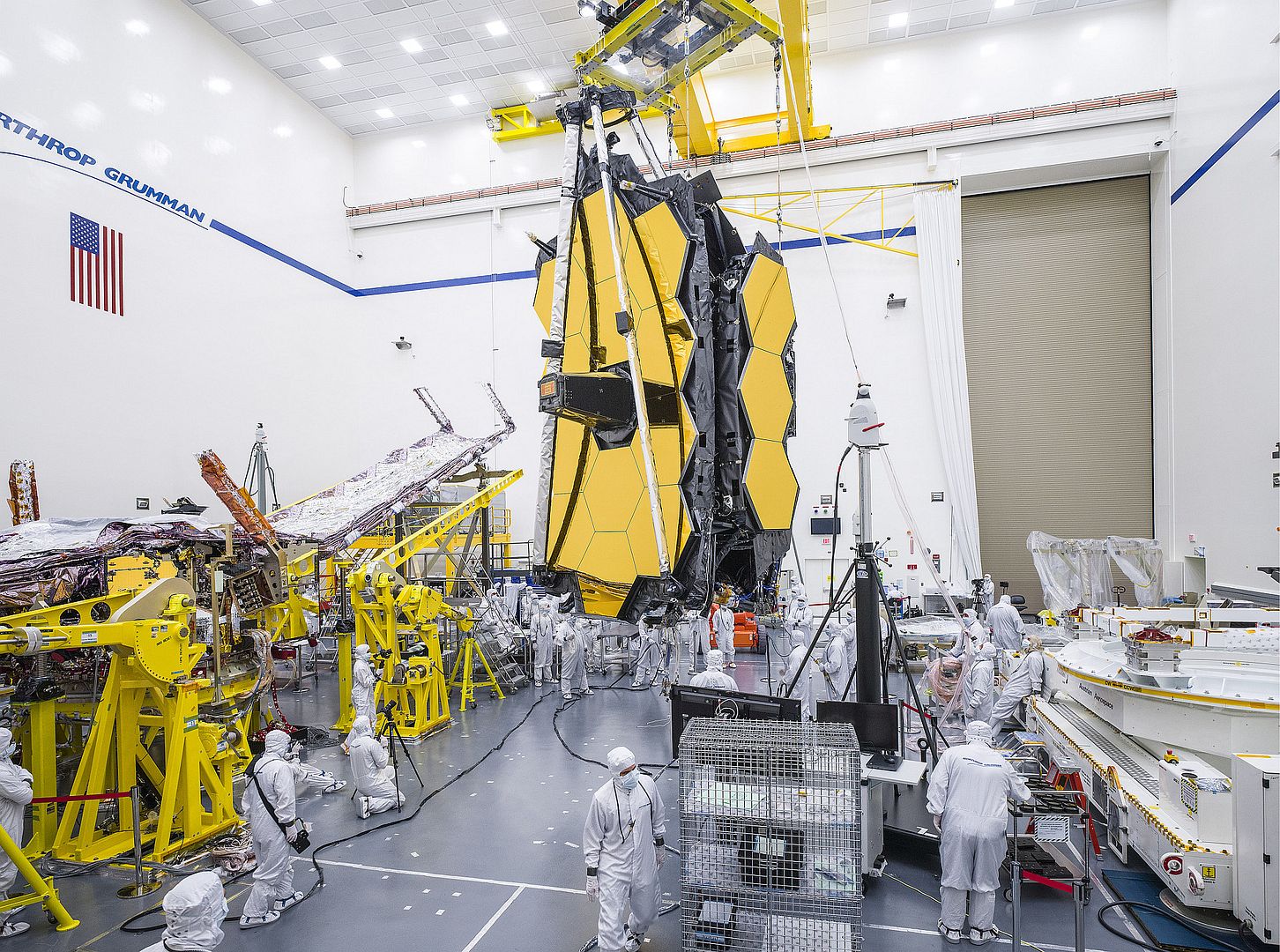
The Northrop Grumman and NASA team started preparations for the milestone seven years ago, when engineers began the design and build of the flight hardware and tools needed to join the two halves. With the base composite structures for the SCE and OTIS, engineers used an interface transfer tool to physically match the connection interfaces, preparing them for this very moment. At roughly 8,000 pounds, spanning 131 inches, OTIS had to align with six launch load interfaces. This resulted in stringent alignment requirements to within .004 inches, about the width of a human hair, and meant engineers had to be meticulous. Over the two phase operation, OTIS was lifted and suspended in the air, then lowered to connect in tight quarters (up to approximately 0.2 inches) between in-place hardware and parts of the OTIS.
?This milestone marks a major achievement for all of us at Northrop Grumman and NASA,? said Scott Willoughby, vice president and program manager, James Webb Space Telescope, Northrop Grumman. ?Seeing the full observatory for the first time further reinforces our commitment to mission success. There is still more work to be done, but it is a great feeling seeing something that was once a concept, become reality.?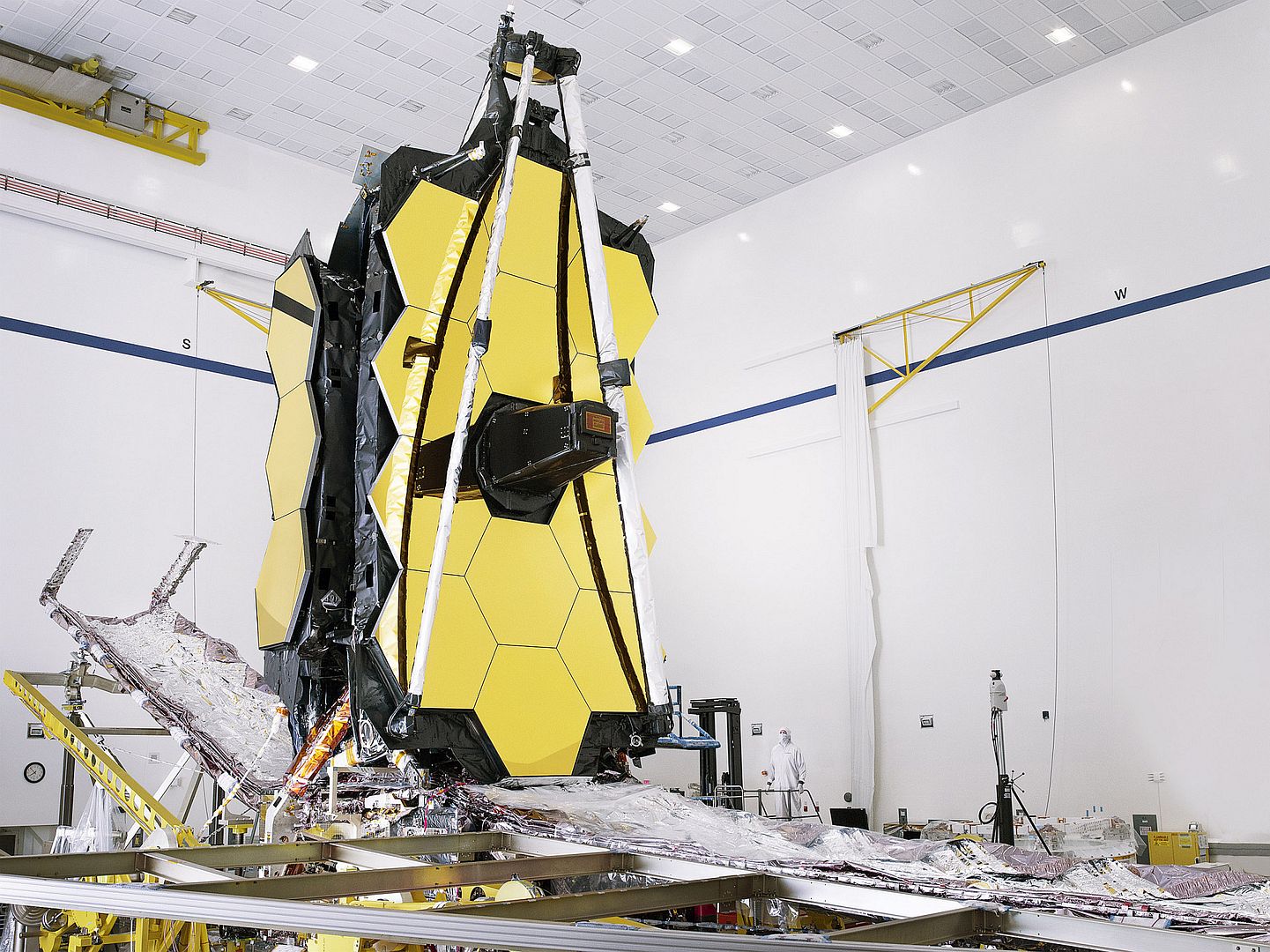
Earlier this year, Webb?s SCE completed its final environmental tests in preparation for the milestone. To date, both halves have undergone environmental testing separately. The fully assembled observatory will complete the next steps of the integration process in the coming months in preparation for acoustic and vibration environmental testing next year.
The James Webb Space Telescope will be the world?s premier space science observatory when it launches in 2021. Webb will solve mysteries in our solar system, look beyond to distant worlds around other stars, and probe the mysterious structures and origins of our universe and our place in it. Webb is an international program led by NASA with its partners, ESA (European Space Agency) and the Canadian Space Agency.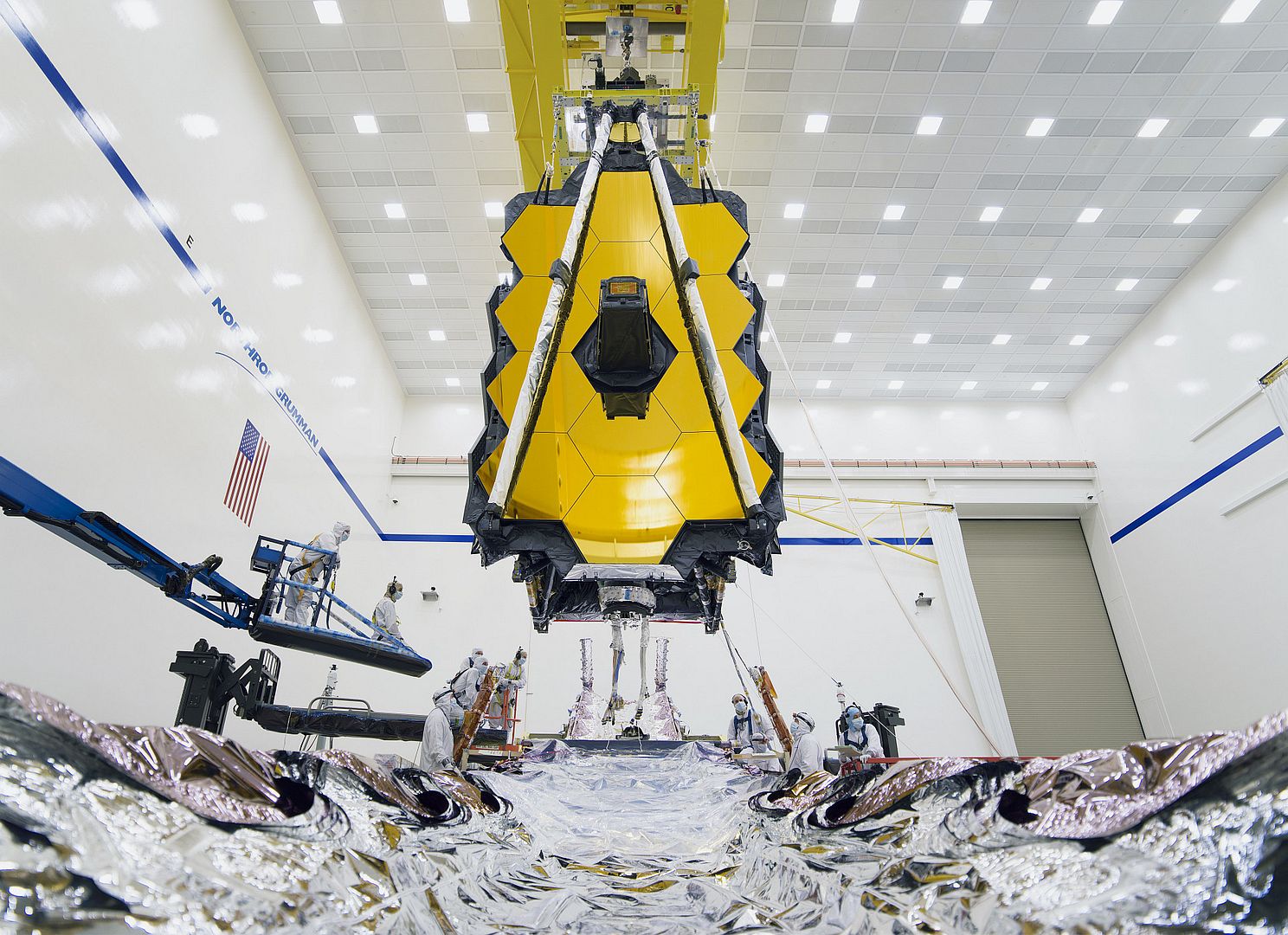
Donauw?rth ? Early August, the second prototype of the new five-bladed H145 took off for its maiden flight at the Airbus Helicopters site in Donauw?rth. The helicopter will be used for additional flight tests to achieve EASA certification of the new five-bladed H145 in early 2020. The first prototype is currently performing a high altitude test campaign in South America. The second prototype will be mainly used for autopilot testing, performance and airframe structural validation.
The new H145, that was unveiled at Heli-Expo this year in Atlanta, offers 150 kg of additional useful load, while also raising the bar for in-flight comfort, simplicity, and connectivity.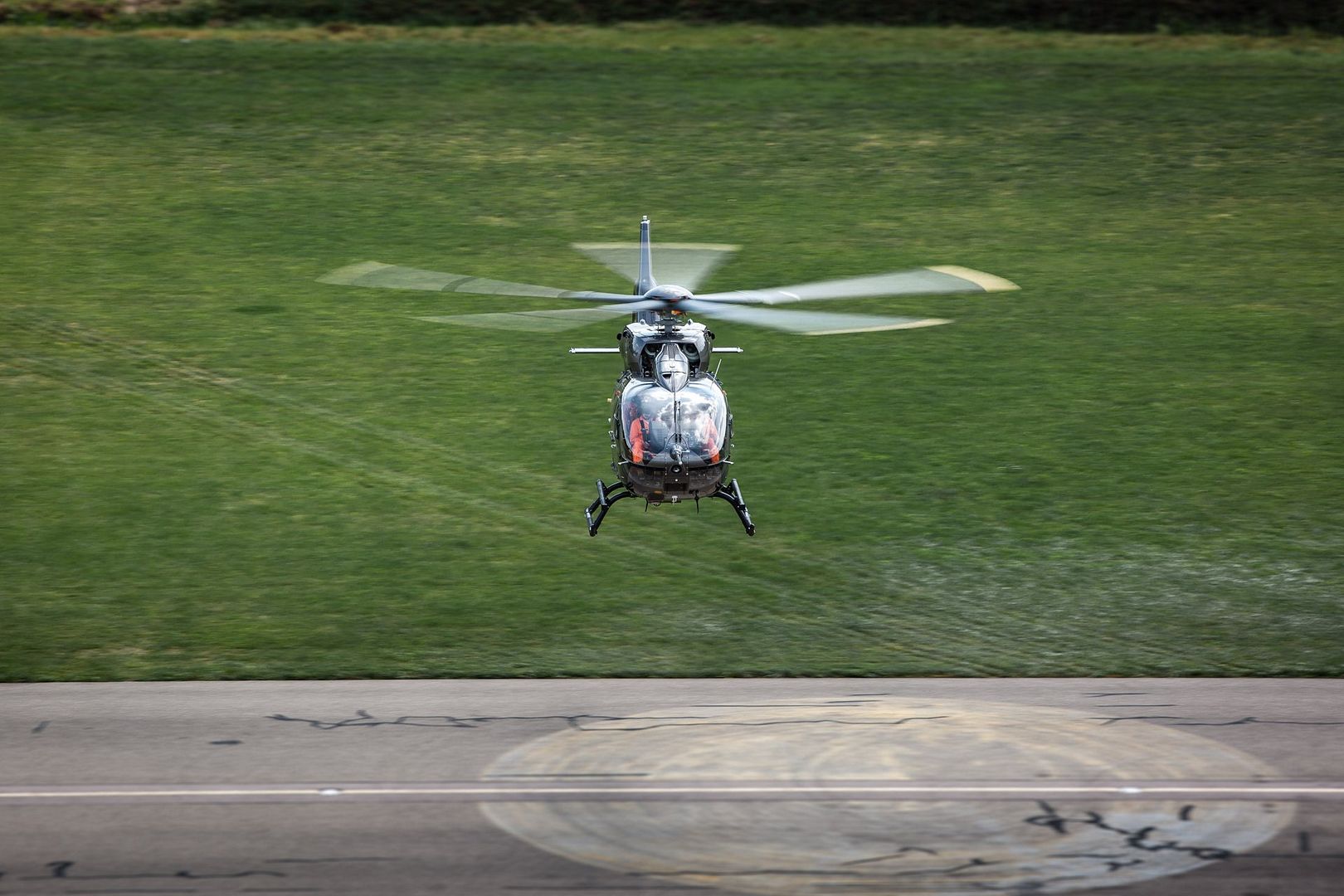
Donauw?rth ? Airbus Helicopters as prime contractor will work together with Dresden-based Elbe Flugzeugwerke to maintain the German Armed Forces? (Bundeswehr?s) NH90 fleet. Airbus and the Federal Office of Bundeswehr Equipment, Information Technology and In-Service Support (BAAINBw) signed the corresponding 10-year support contract on Wednesday.
The services to be rendered at a package price under this contract comprise scheduled maintenance, 1,200 flight-hour inspections as well as on-demand repairs. Work will begin at Airbus Helicopters in Donauw?rth during the first quarter of 2020 and at Elbe Flugzeugwerke in Dresden in early 2021.
Dresden as the subcontractor will be the Bundeswehr?s second major industrial centre alongside Donauw?rth; the addition of this facility will greatly expand the Bundeswehr?s capacities for maintaining its helicopters. The German Army currently has 74 NH90 TTH helicopters; all 82 will have been delivered by 2021. The German Navy will start to receive its 18 helicopters in October 2019 ? the maintenance of these is also covered by the contract. The German Army?s NH90s will be used as tactical transport helicopters (TTH), while the German Navy?s NH90s will be used as naval transport helicopters (NTH) ? this helicopter type will also be known as the Sea Lion.
?Together, Airbus Helicopters and Elbe Flugzeugwerke are excellently poised to handle the growing influx of NH90 helicopters,? said Wolfgang Schoder, Executive Vice-President Light Helicopters and Governmental Programs at Airbus Helicopters. ?Elbe Flugzeugwerke is an experienced and internationally renowned maintenance and conversion specialist that we will be incorporating into the NH90 programme for the long term.?
Andreas Sperl, President & CEO of Elbe Flugzeugwerke, said: ?Based on our many years of experience in aircraft maintenance, and with the support of Airbus Helicopters we will be a reliable partner when it comes to maintaining the Bundeswehr?s NH90 helicopters. This will open up a new, very challenging and promising market for us.?
The service package offered by the two partners is based on a new concept that has already been successfully implemented with other NH90 user nations and has led to a significant reduction in turnaround times.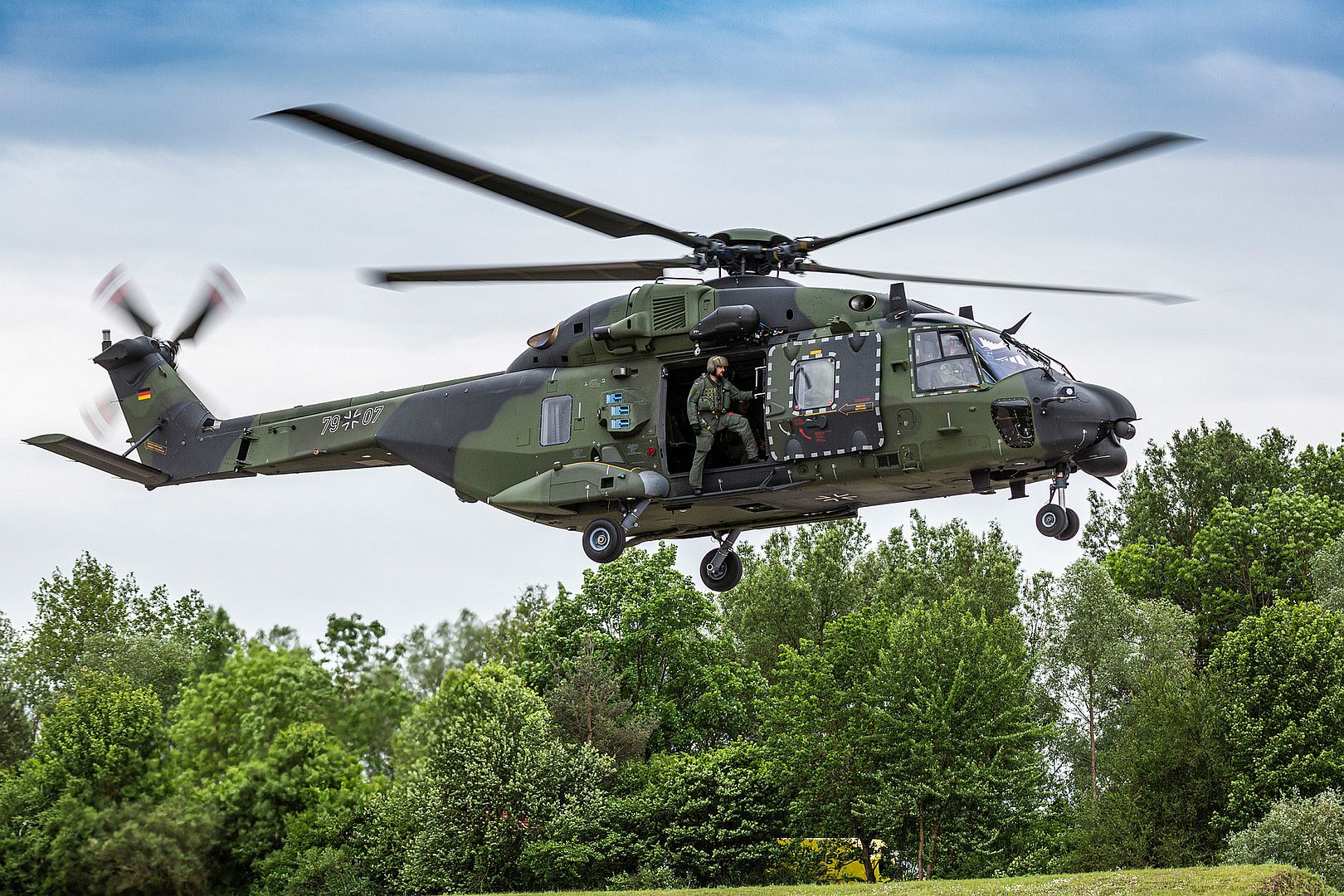
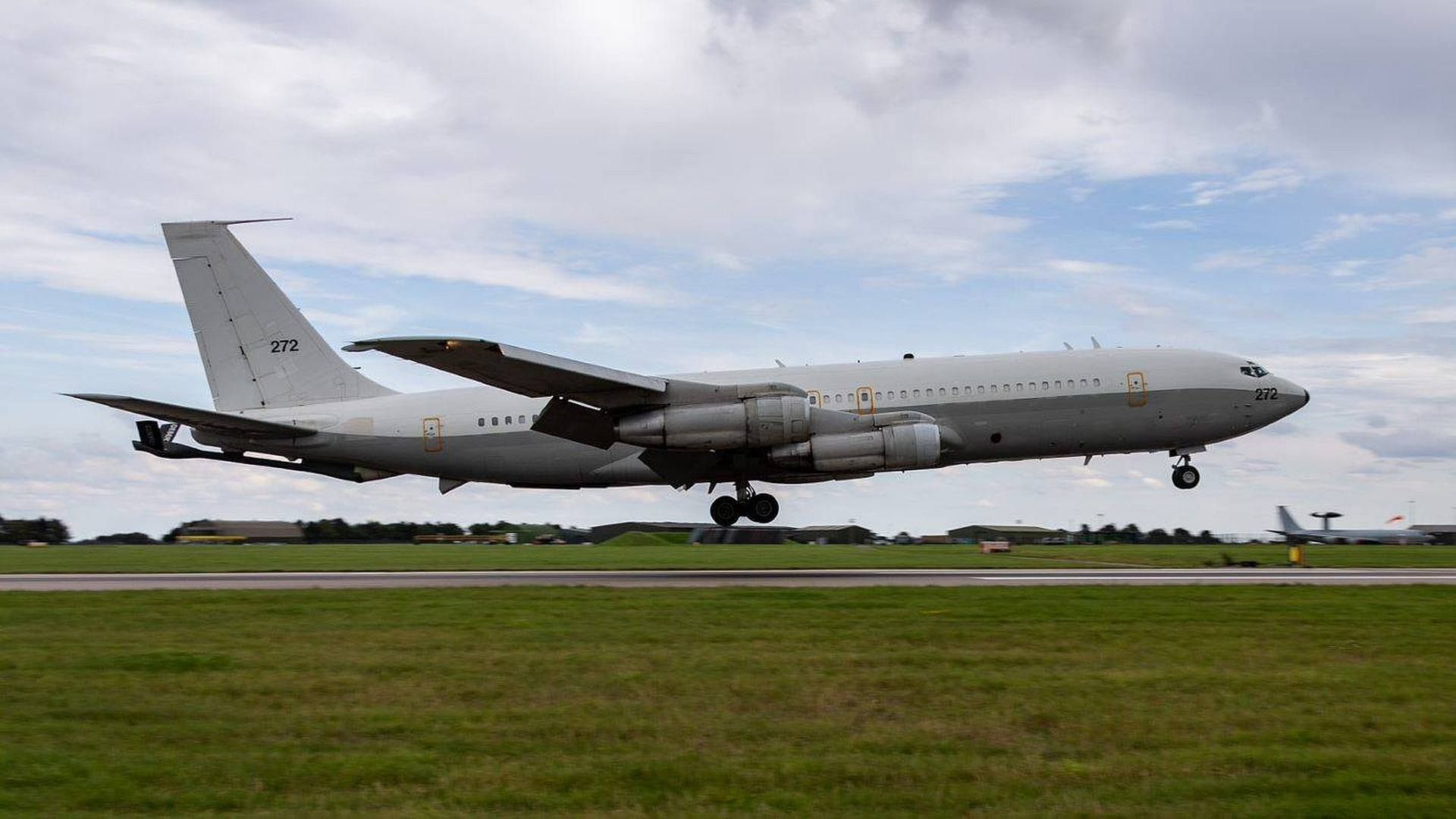
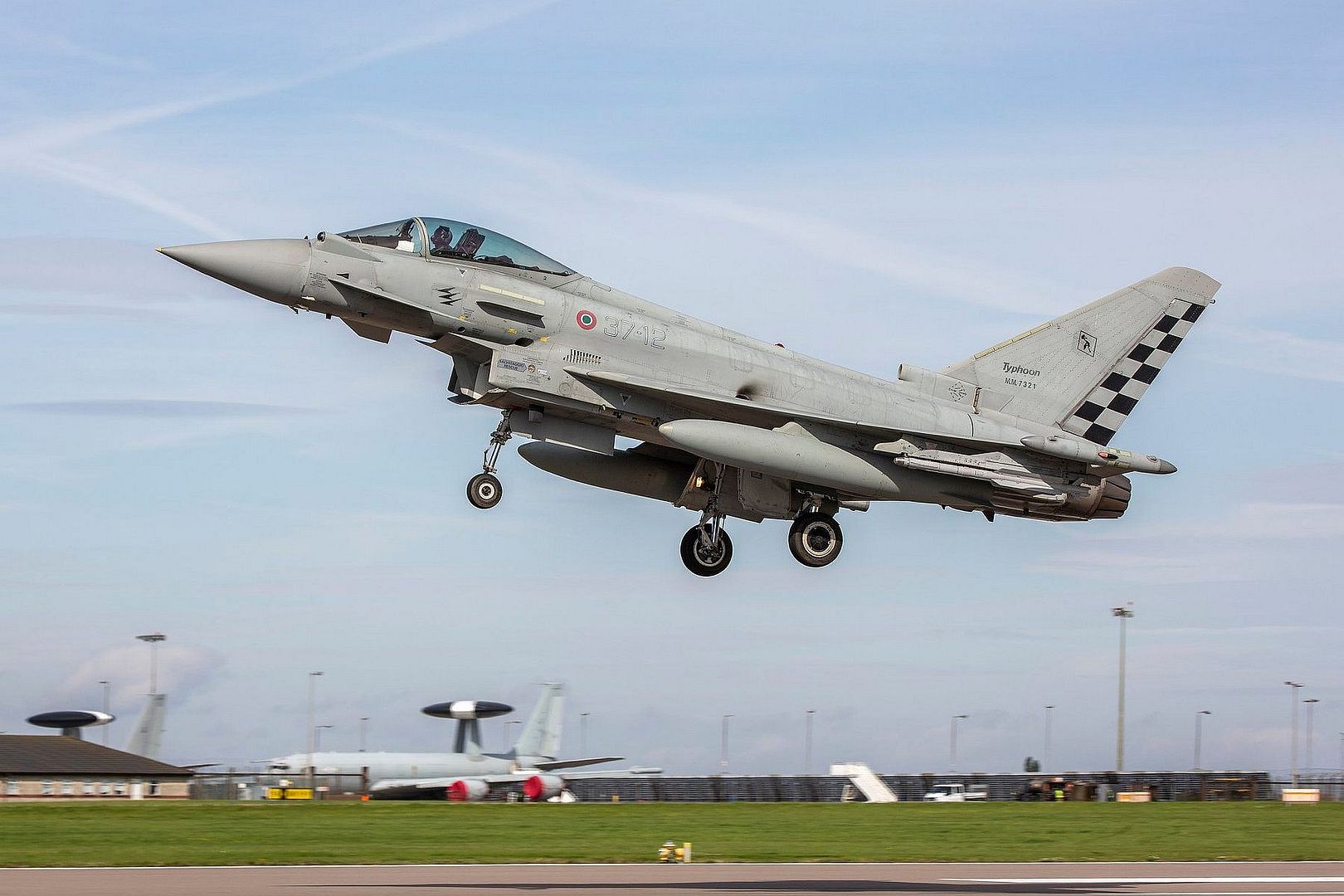
Aircraft from the German, Italian and Israeli Air Forces have arrived at RAF Waddington to participate in Exercise Cobra Warrior. They will join aircraft from the Royal Air Force and United States Air Force in high intensity large force tactical training over the coming weeks.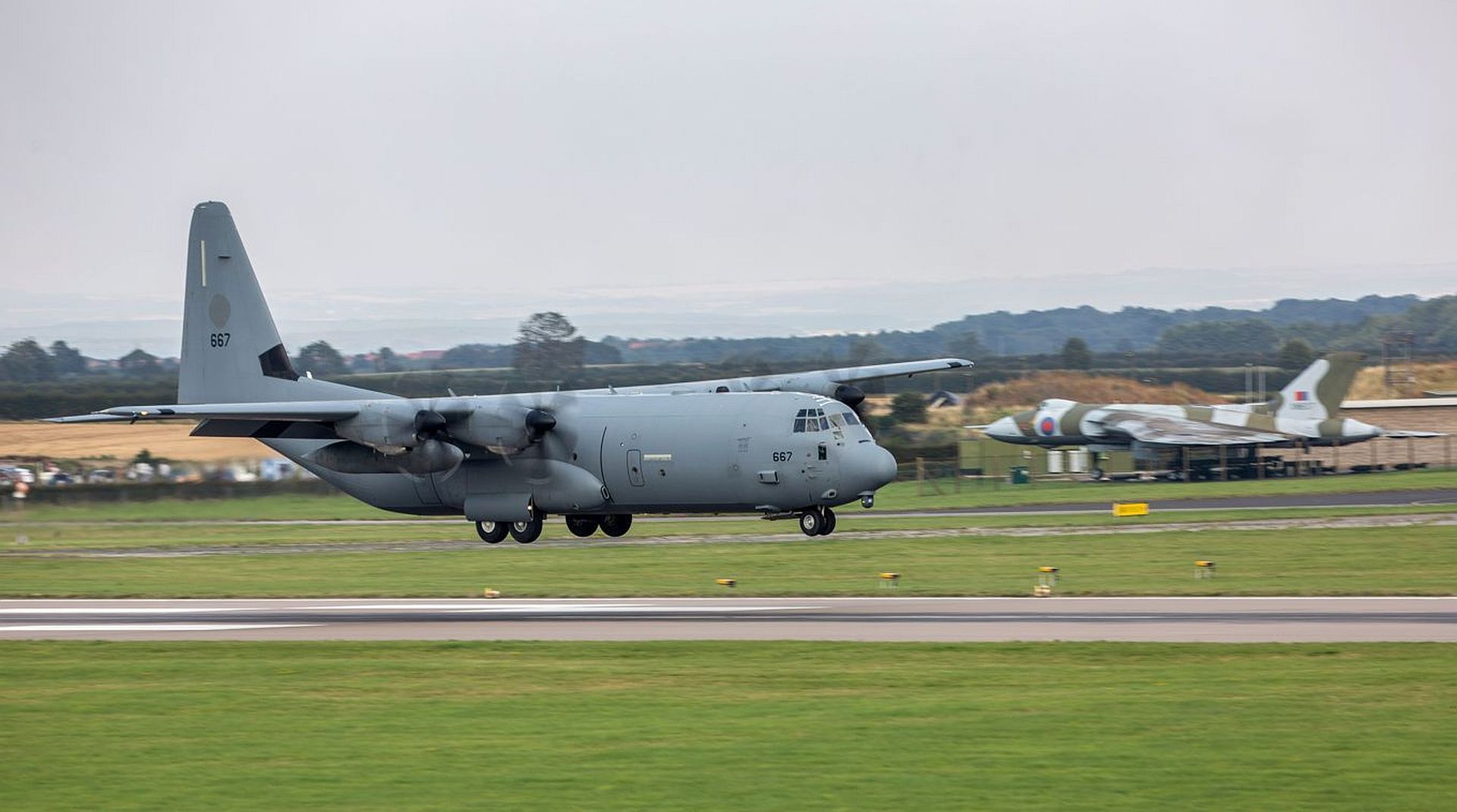
Around 50 aircraft of various types will be participating in the exercise. The exercise will take place from the 1-20 September and will be controlled by directing staff at RAF Waddington.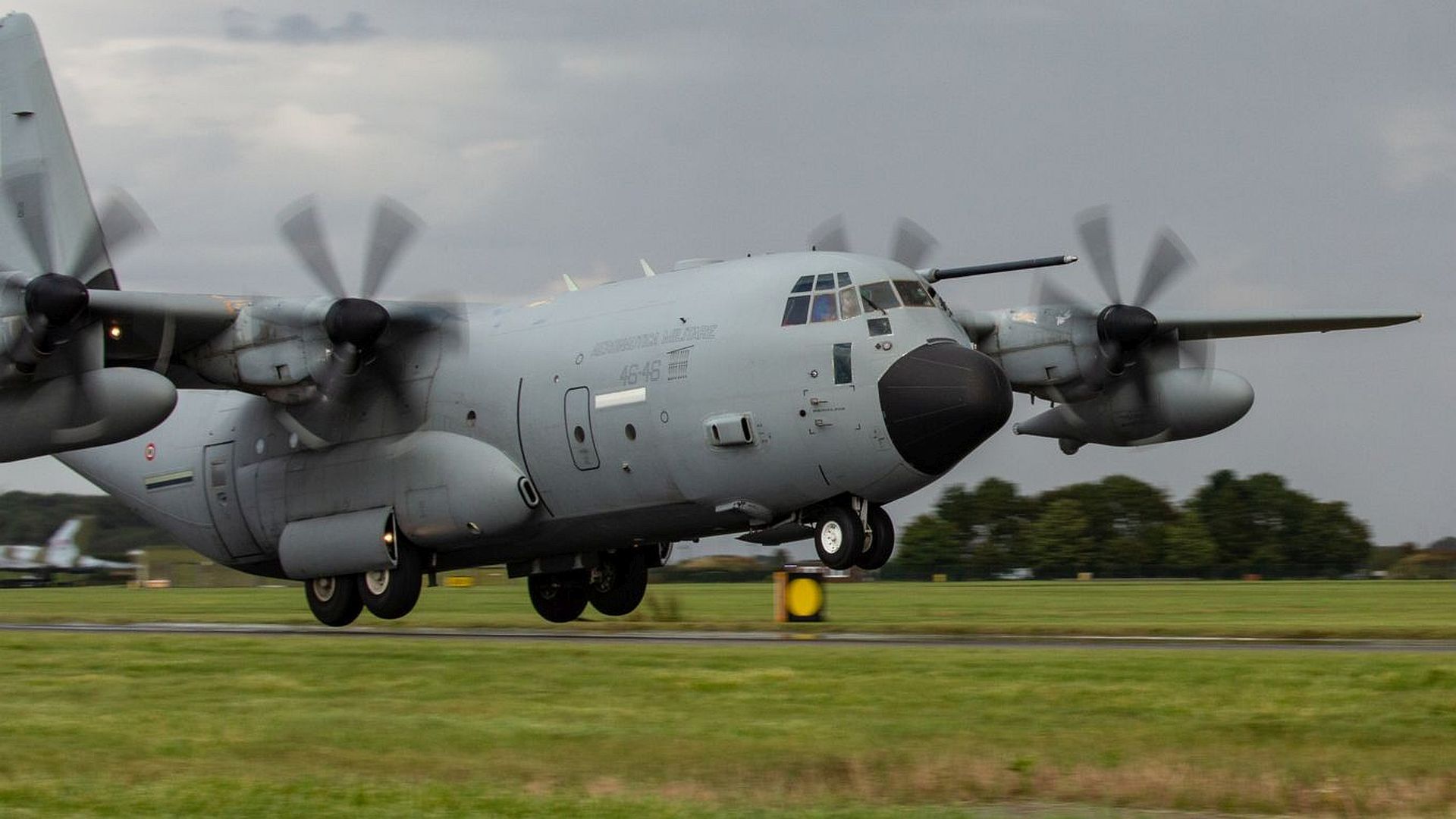
The Exercise Director, Group Captain Robert Barrett said: ?The RAF welcomes the participation of our Air Force colleagues from other nations and we welcome the opportunity to train alongside all of the participating nations? forces on this challenging exercise.?
"Cobra Warrior offers us the opportunity to complete training within the Mission Employment Phase for our future Weapons Instructors. The level of training combined with the variety of training partners help achieve the required standards within the Weapons School Criteria."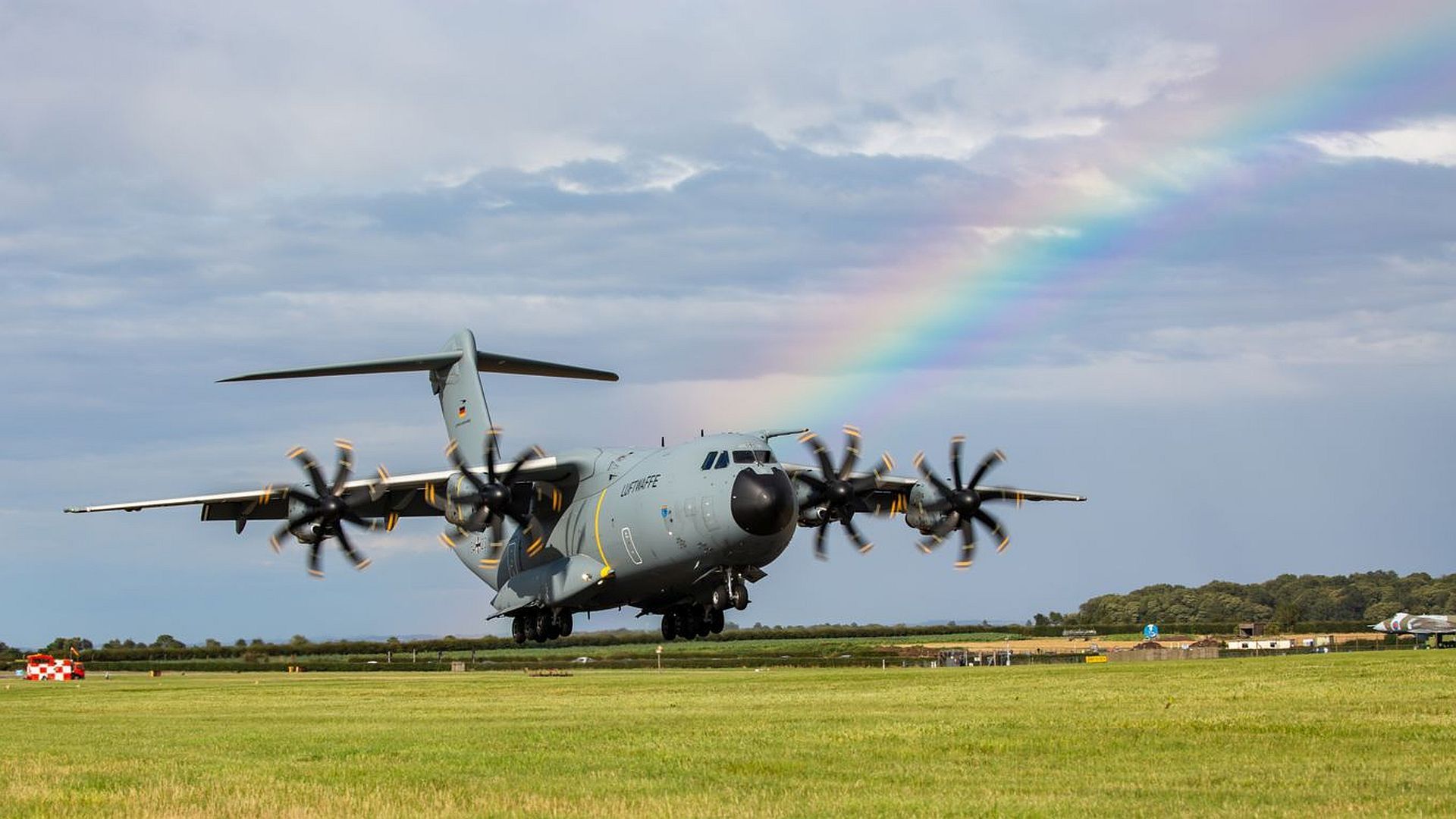
Lieutenant Colonel Dirk Pingel
The head of Weapons Instructor Training for the German Air Force
"We are honoured to participate again in this very demanding and well organised international exercise. It will be a chance to fly with a selection of the best Weapon Instructors of the participating countries. Sharing our experiences will mutually increase our capabilities."
Colonel Urbano Floreani
The 4th Wing Commander, from the Italian Air Force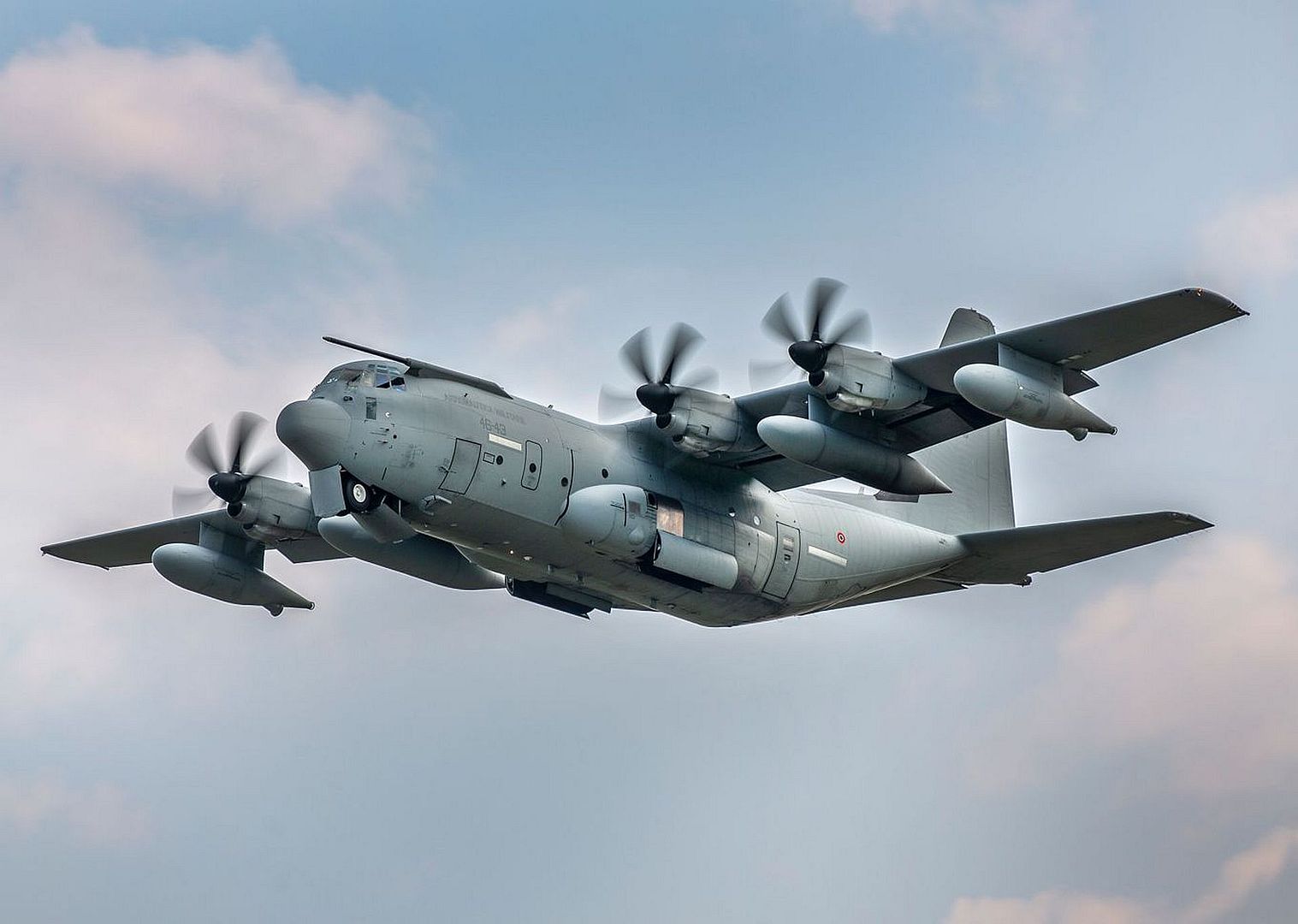
-
KEESLER AIR FORCE BASE, Miss. (AFNS) --
Three WC-130Js and one C-130J Super Hercules aircraft from the 403rd Wing departed Keesler Air Force Base Aug. 26 for the Dutch Caribbean island Cura?ao to provide weather reconnaissance support for Hurricane Dorian.
?The three weather crews, assigned to the 53rd Weather Reconnaissance Squadron, have been flying missions as of last night,? said Maj. Kendall Dunn, 53rd WRS pilot. ?The tactical airlift crew, assigned to the 815th Airlift Squadron, is carrying extra cargo and aircraft parts to support the weather aircraft.?
According to the National Hurricane Center website, hurricane conditions are likely over parts of the Bahamas and the southeastern U.S. over the Labor Day weekend.
The Hurricane Hunters have been flying "fixed" missions. During a fixed mission, the aircraft collects weather data such as temperature, wind speed, wind direction, humidity and surface pressure. Aircrews fly through the eye of a storm four to six times to locate the low-pressure center and circulation of the storm. During each pass through the eye, they release a dropsonde, which collects weather data on its descent to the ocean surface, specifically gathering data on the surface winds and pressure.
Due to a lack of radar and weather balloons availability over the Atlantic Ocean, the 53rd WRS flies into the storms, gathers the data and provides this data to the NHC to assist with their forecasts and storm warnings by transmitting the information gathered via satellite communication approximately every 10 minutes.
The 53rd WRS's operations area ranges from the meridian 55 degrees longitude line in the Atlantic Ocean to the International Dateline in the Pacific Ocean. They also support 24-hour continuous operations with the ability to fly up to three storms simultaneously and with a response time of 16 hours.
?As of now we?re flying missions out of Cura?ao, but will be repositioning to fly out of Homestead (Air Reserve Base, Florida) as the storm gets closer to the U.S.,? Dunn said. ?It?s like chess, this is the time where experience is crucial for planning and staging our mission. This is why reservists are invaluable to our mission.?
(U.S. Air Force photo by Jessica L. Kendziorek)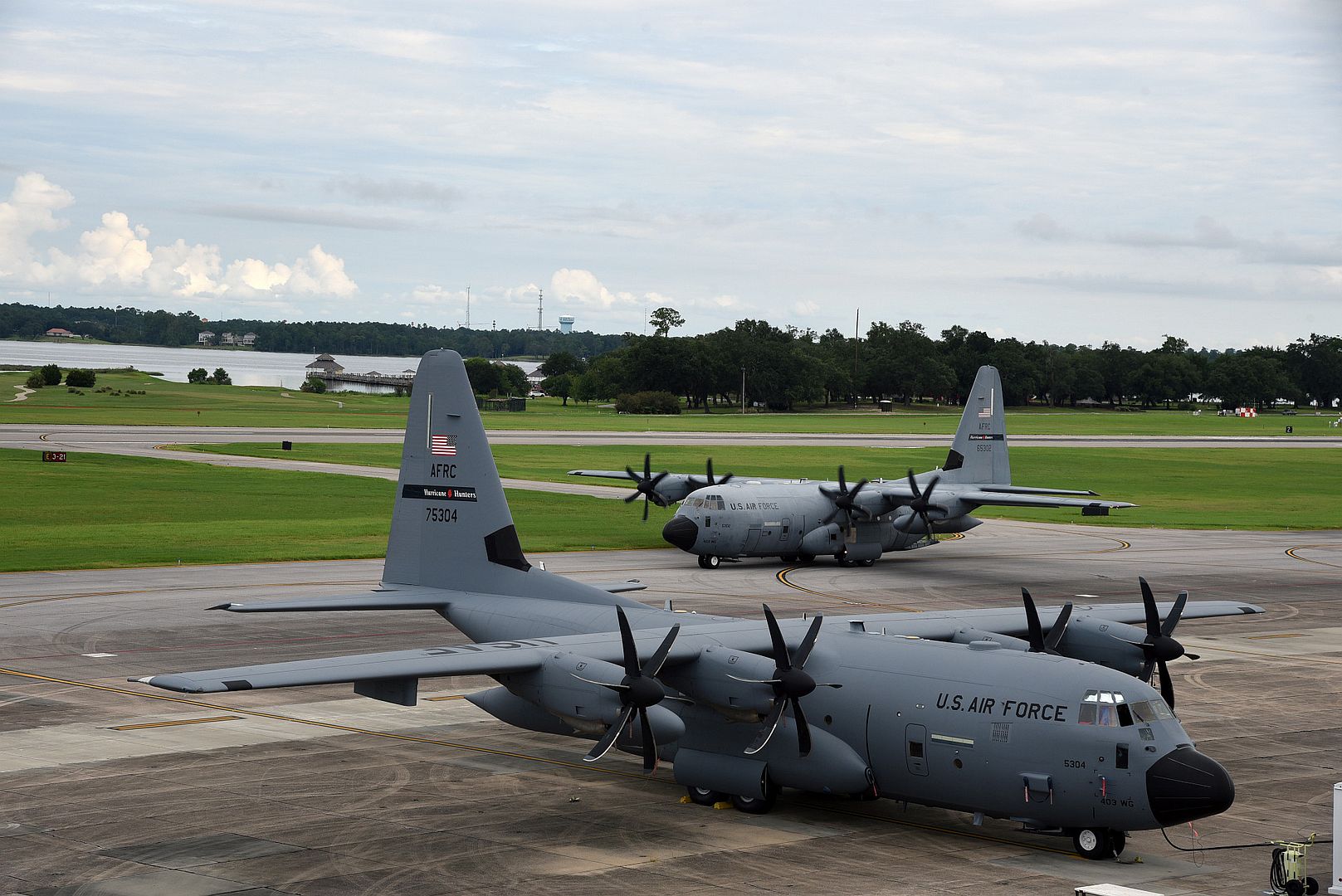
A U.S. Air Force F-16 Fighting Falcon from the 80th Fighter Squadron ?Juvats?, lands following a routine training flight at Kunsan Air Base, Republic of Korea, Aug. 28, 2019. The 8th Fighter Wing is responsible for conducting air-to-ground and air-to-air missions in the 45 F-16s assigned to the wing. Its mission includes air interdiction, close air support, counter air, air superiority and suppression of enemy air defenses. (U.S. Air Force photo by Staff Sgt. Mackenzie Mendez)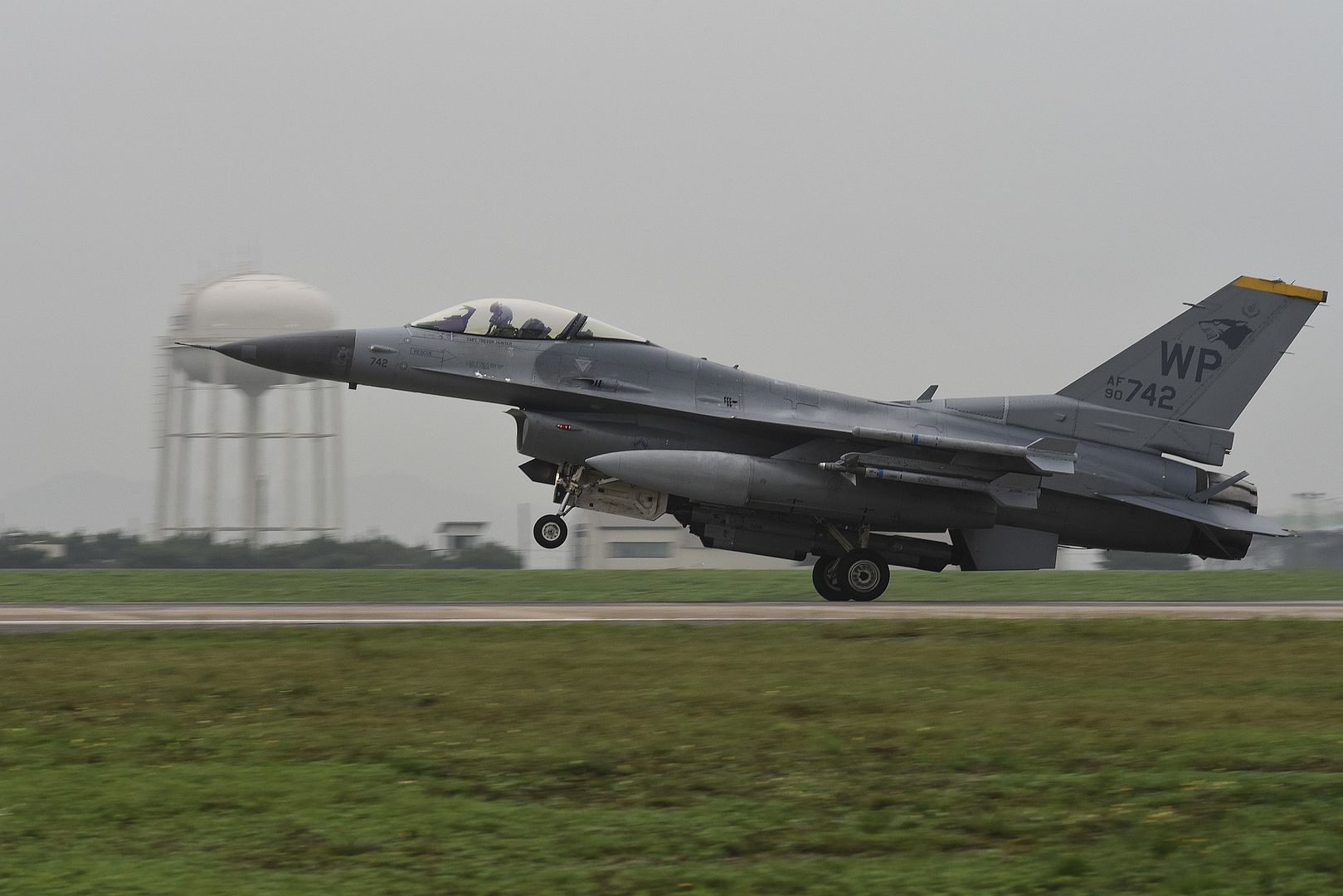
A U.S. Air Force F-16 Fighting Falcon from the 35th Fighter Squadron ?Pantons?, lands following a routine training flight at Kunsan Air Base, Republic of Korea, Aug. 28, 2019. The 35th FS performs air and space control and force application roles including counter air, strategic attack, interdiction, and close-air support missions. It employs a full range of the latest state-of?the-art precision ordnance, day or night, in all weather conditions. (U.S. Air Force photo by Staff Sgt. Mackenzie Mendez)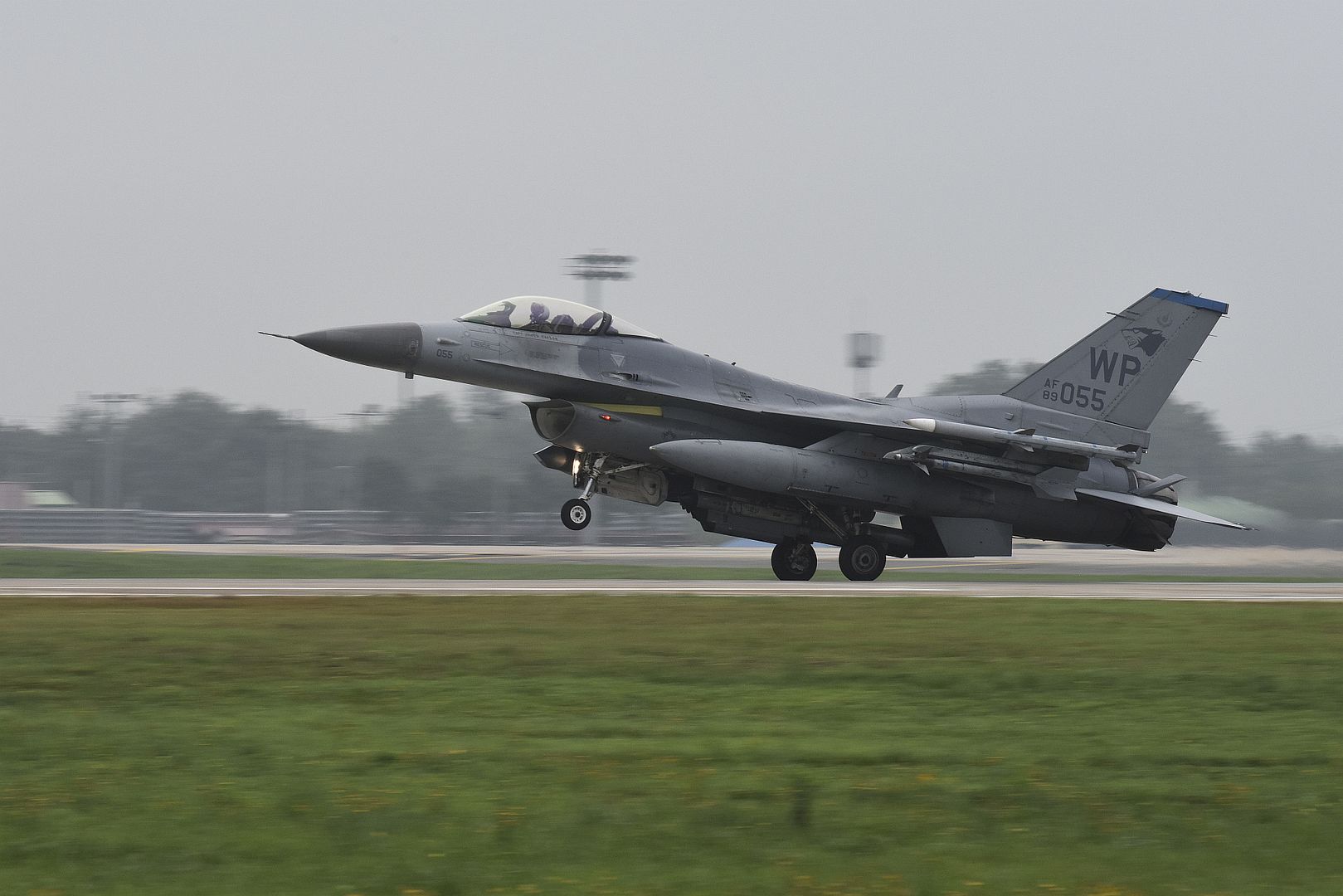
An F-16 Tulsa Viper taxies for flight during a Sentry Aloha exercise Aug. 27, 2019, at Joint Base Pearl Harbor-Hickam, Hawaii. The Hawaii Air National Guard exercise is held several times a year to provide aircraft with dissimilar combat training among participating flying and support units. (U.S. Air National Guard photo by Master Sgt. C.T. Michael)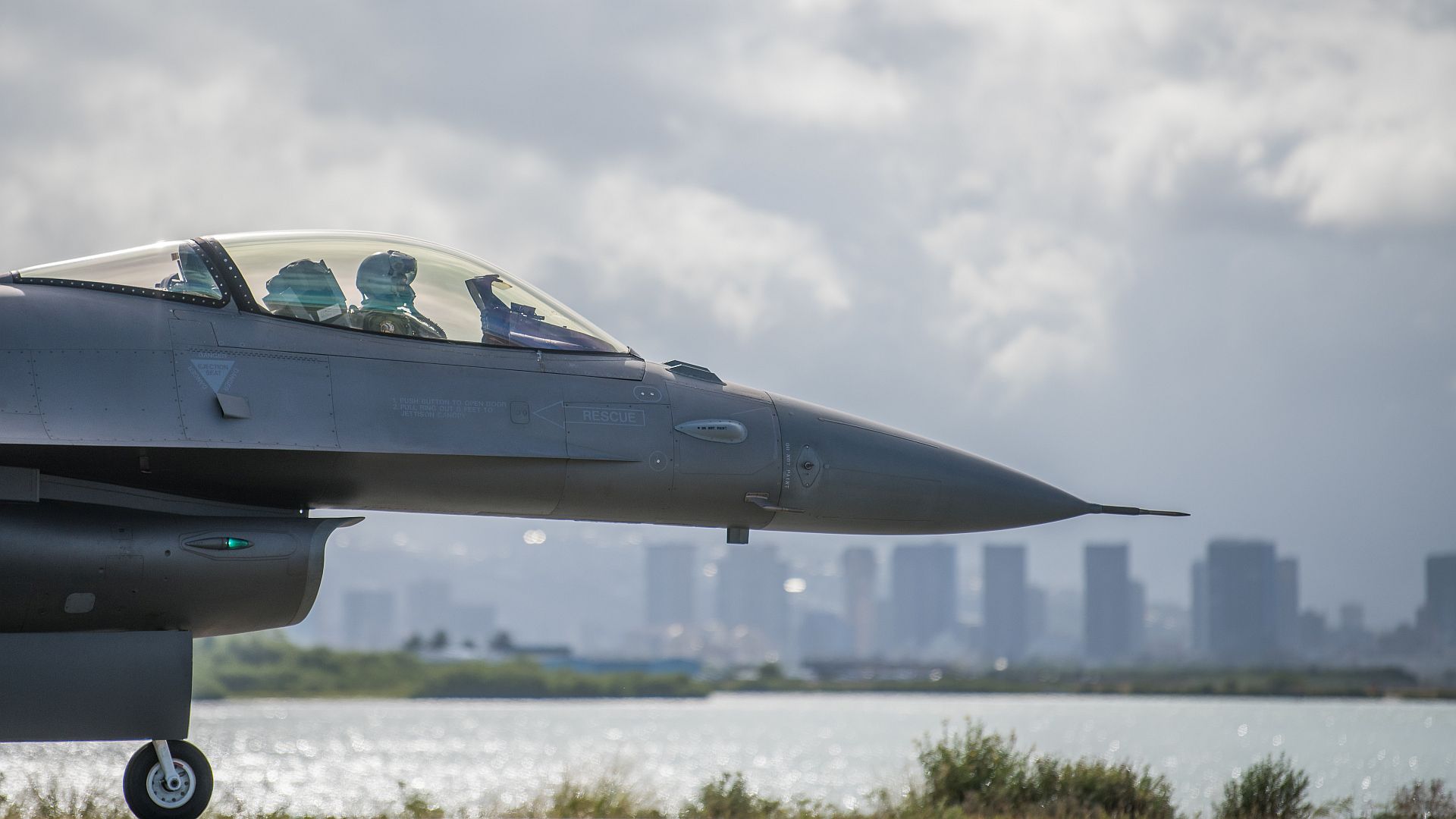
A B-2 Spirit Stealth Bomber from Whiteman Air Force Base, Missouri taxis down a runway at Keflavik Air Base, Iceland, August 28, 2019. This is the B-2s first time landing in Iceland. While in Iceland Airmen from Whiteman conducted hot-pit refueling, which is a method of refueling an aircraft without shutting down the engines. Forward locations like Iceland enhance the collective defense capabilities of both the U.S. it?s NATO allies. (U.S. Air Force photo by Senior Airman Thomas Barley)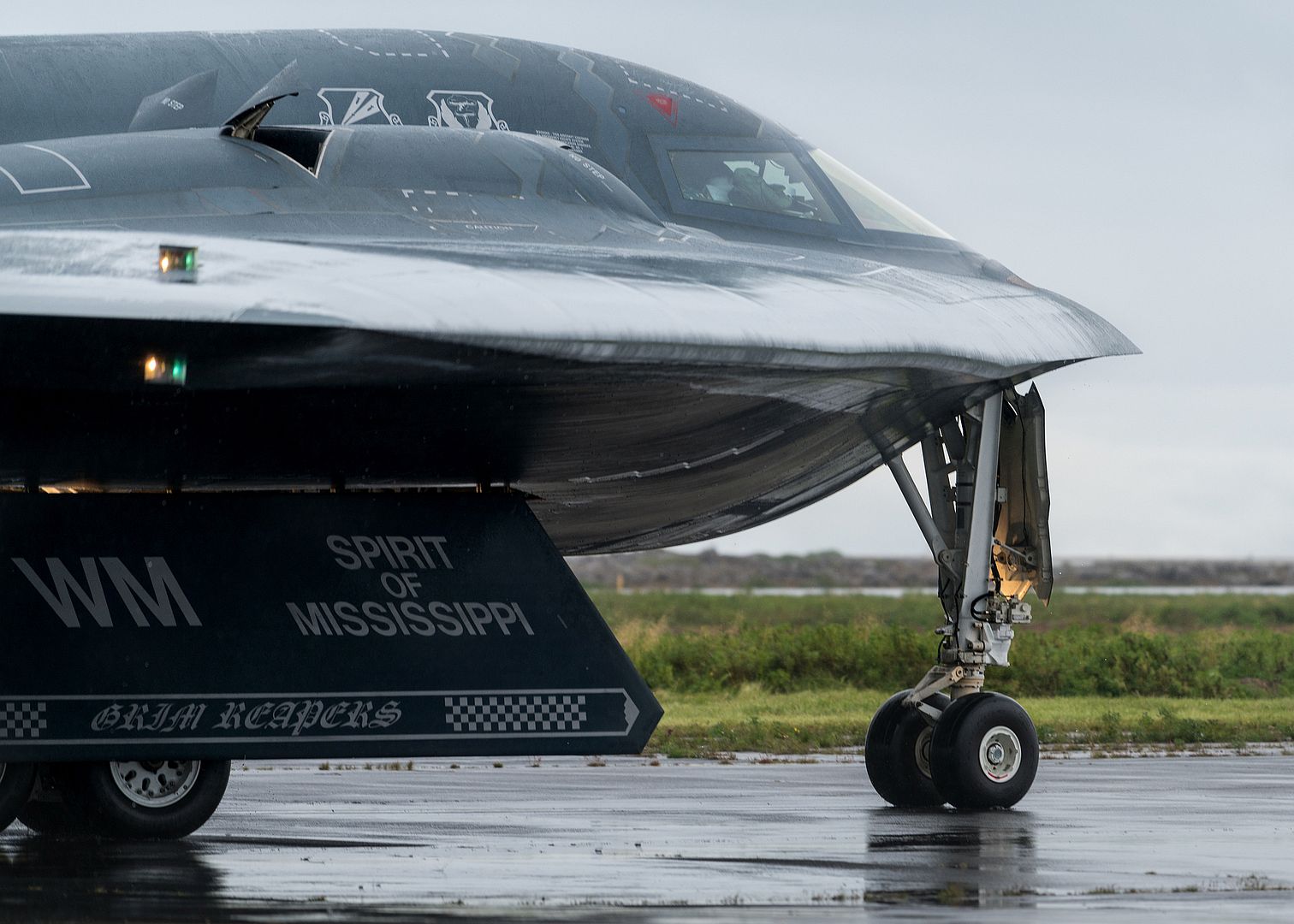
Senior Airman Taymon Creger, 151st Aircraft Maintenance Squadron crew chief, prepares a KC-135 Stratotanker for flight Aug. 29, 2019, at Joint Base Pearl Harbor-Hickam, Hawaii. Two Utah Air National Guard Statotankers relocated to Hawaii to participate in exercise Sentry Aloha 19-2 and provide air-refueling support to fighter aircraft. Sentry Aloha provides participants a multi-faceted, joint venue with supporting infrastructure and personnel. (U.S. Air National Guard photo by Senior Airman John Linzmeier)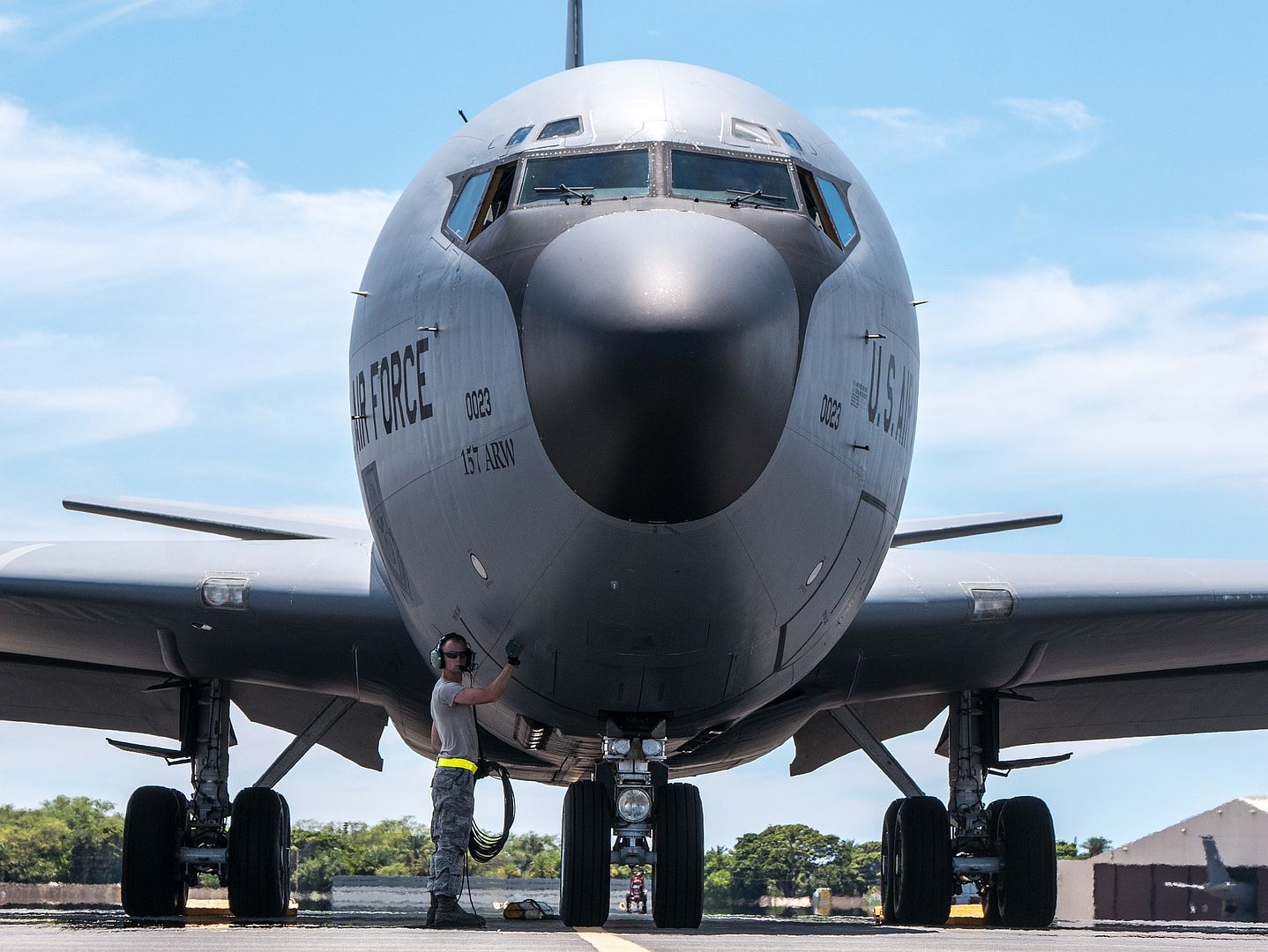
An F-16 Fighting Falcon from the 138th Fighter Wing flies above Joint Base Pearl Harbor-Hickam, Hawaii, Aug. 27, 2019. Combat training flights have been practiced for exercise Sentry Aloha 19-2, which is held on a routine basis to provide Airmen with current, realistic and cost-effective training. This iteration of Sentry Aloha includes Air National Guard members from 15 states and a unit from the Royal Australian Air Force. (U.S. Air National Guard photo by Senior Airman John Linzmeier)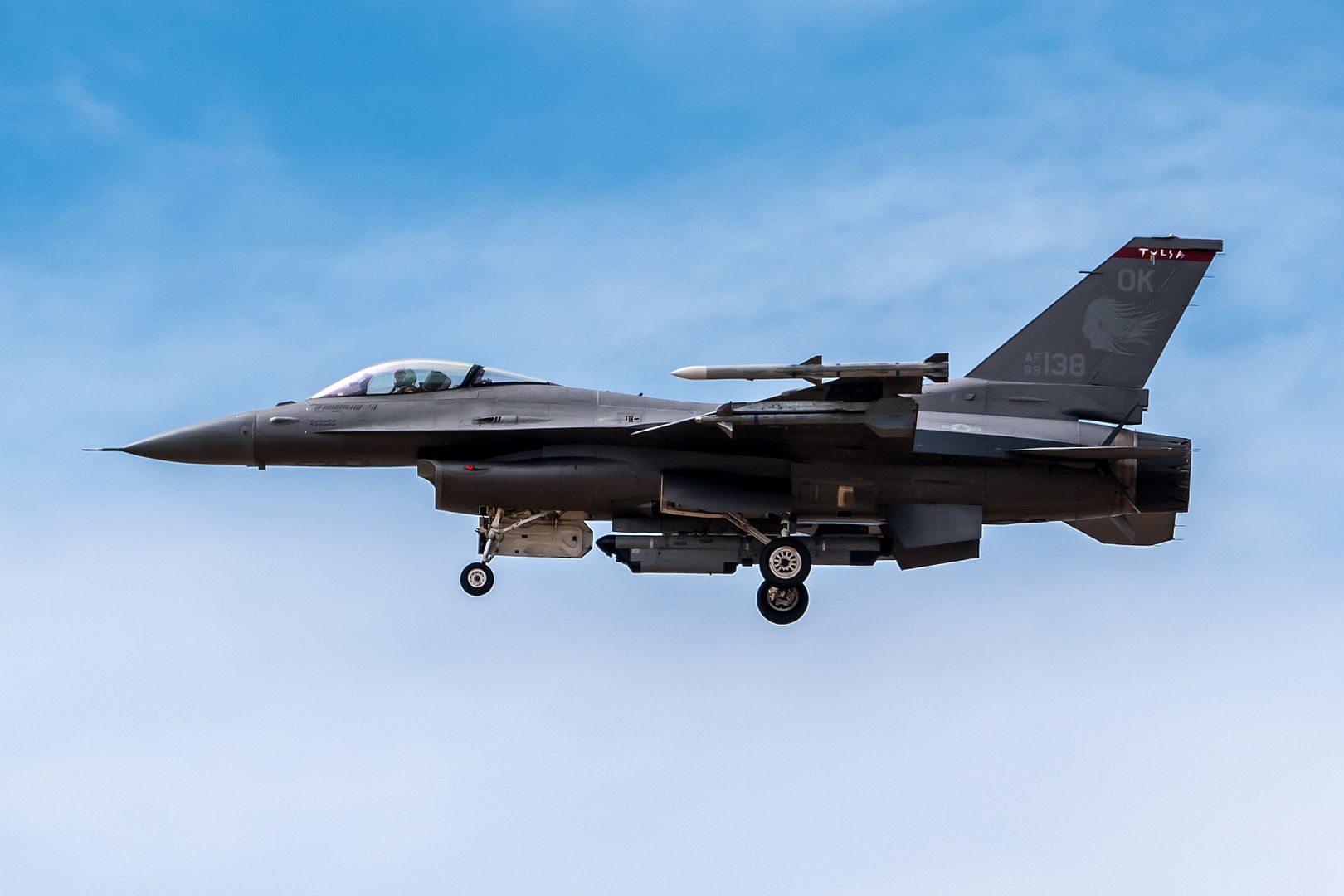
ARABIAN SEA (Aug. 29, 2019) An F/A-18E attached to the "Sidewinders" of Strike Fighter Squadron (VFA) 86 makes an arrested landing on the flight deck of the aircraft carrier USS Abraham Lincoln (CVN 72). Abraham Lincoln Carrier Strike Group is deployed to the U.S. 5th Fleet area of operations in support of naval operations to ensure maritime stability and security in the Central Region, connecting the Mediterranean and the Pacific through the western Indian Ocean and three strategic choke points. With Abraham Lincoln as the flagship, deployed strike group assets include staffs, ships and aircraft of Carrier Strike Group 12 (CSG 12), Destroyer Squadron 2 (DESRON 2), USS Leyte Gulf (CG 55) and Carrier Air Wing 7 (CVW 7). (U.S. Navy photo by Mass Communication Specialist 3rd Class Michael Singley/Released)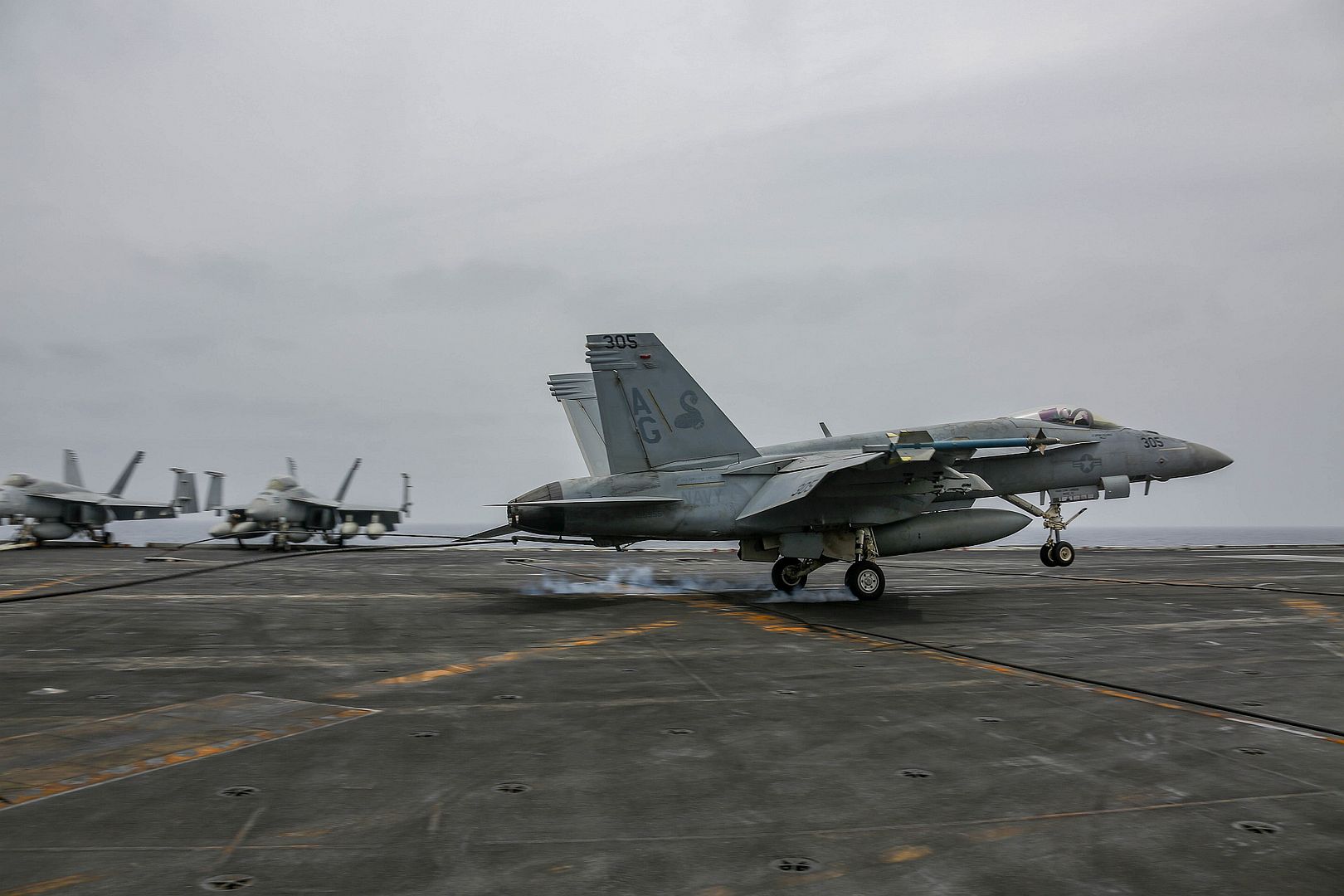
Three F-35A Lighting IIs, assigned to the 63rd Fighter Squadron at Luke Air Force Base, Ariz., fly in formation during a refueling mission Aug. 27, 2019, near Phoenix. A KC-135 Stratotanker, assigned to the Arizona Air National Guard, 161st Fueling Wing, refueled six F-35s. During a refueling mission, the boom operator extends the boom to make contact with the aircraft and once in contact, fuel is pumped through the boom to the aircraft. (U.S. Air Force photo by Airman Brooke Moeder)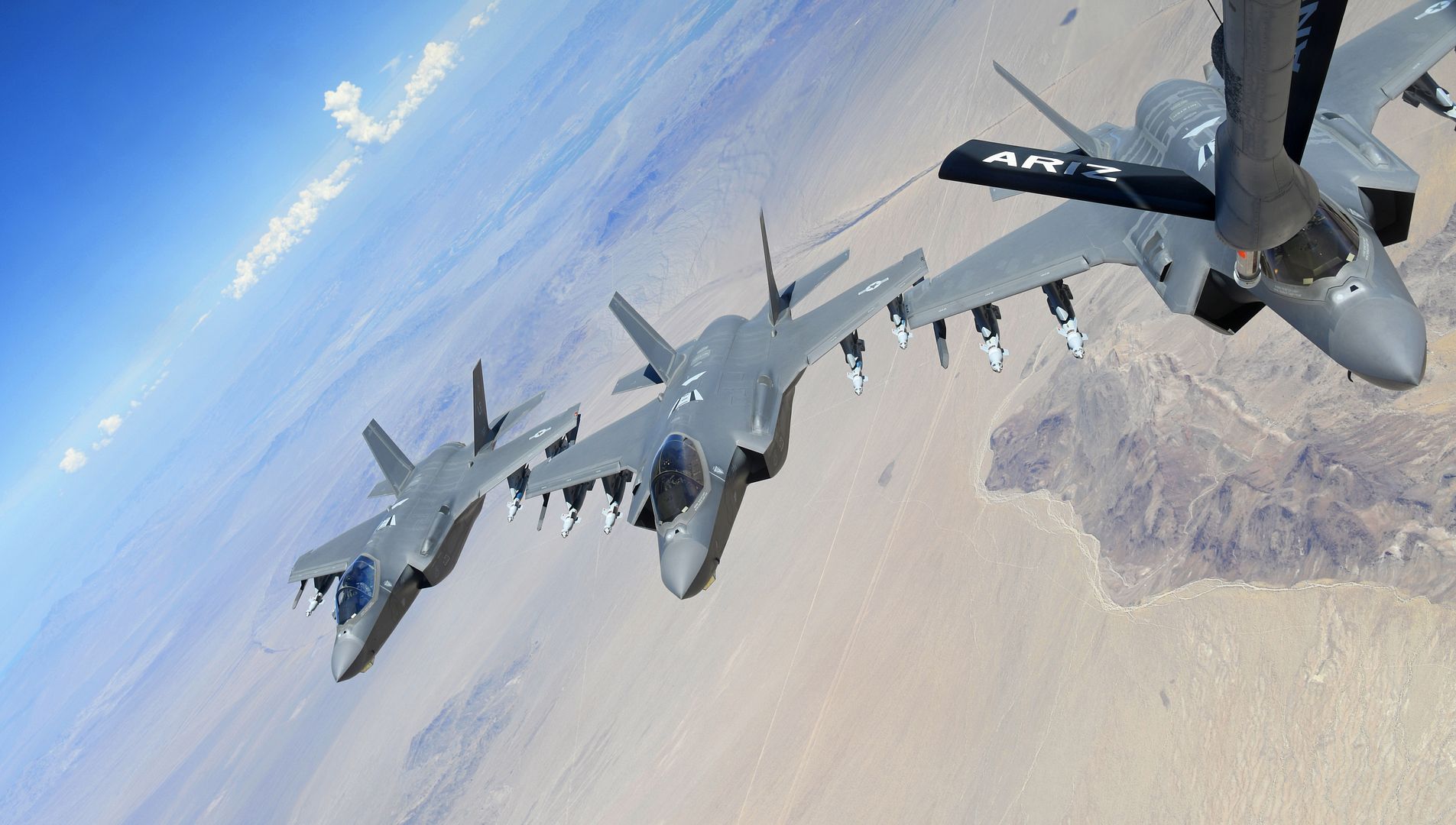
A B-29 Stratofortress on display at the Hill Aerospace Museum Aug. 27, 2019, at Hill Air Force Base, Utah. Museum staff, volunteers and contractors completed a three-year exterior restoration of the aircraft this summer to preserve the airframe, as well as display markings and insignia to accurately represent the famed B-29 nicknamed ?Straight Flush? that trained for top secret operations from Wendover Field during World War II. (U.S Air Force photo by Todd Cromar)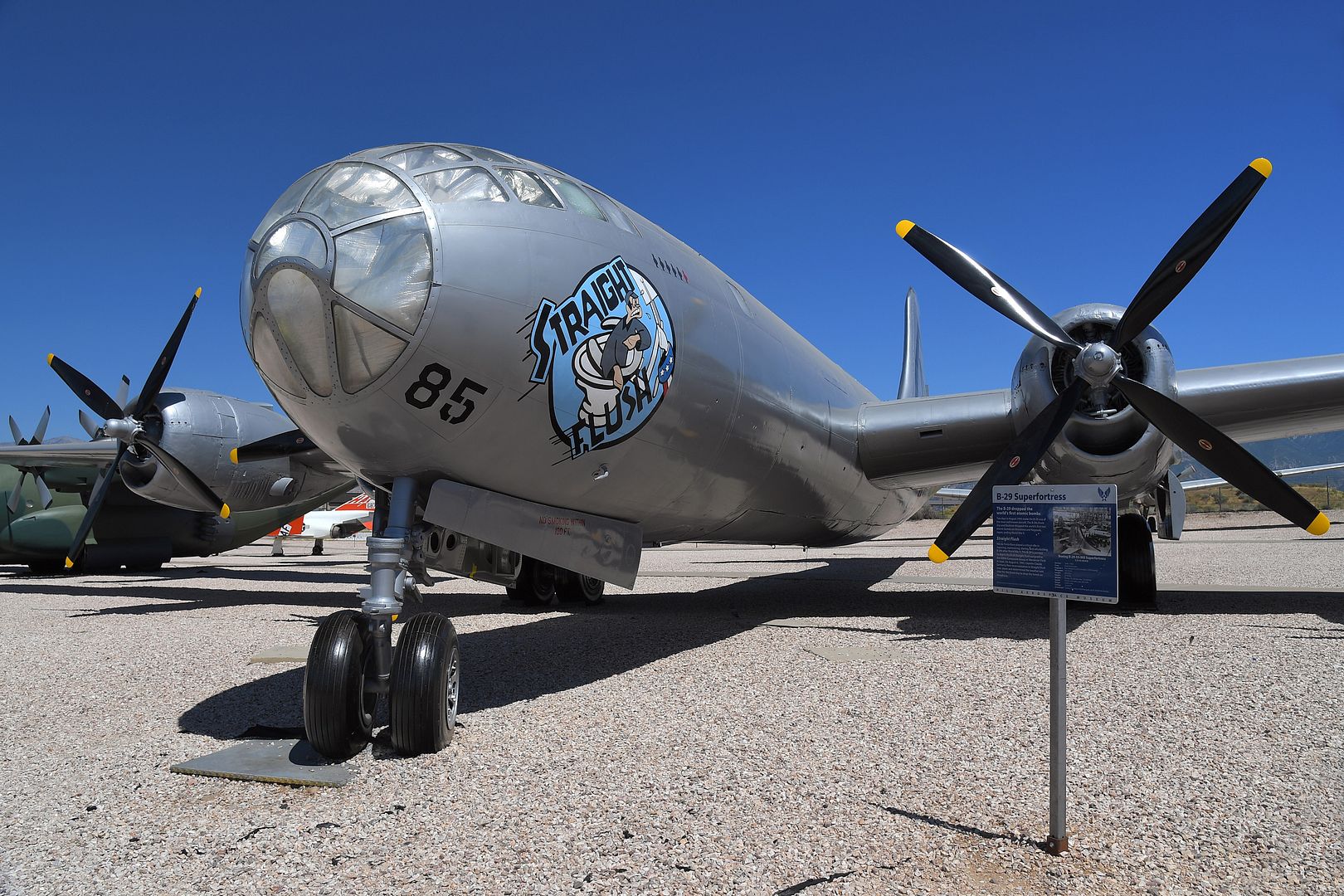
JACKSONVILLE, Fla. (NNS) -- Commander, Patrol and Reconnaissance Wing Eleven (CPRW-11) and Patrol Squadron (VP) 30 have ordered aircraft at Naval Air Station (NAS) Jacksonville to set Sortie Condition Alpha and evacuate as Hurricane Dorian heads toward Florida?s Atlantic Coast.
A total of six squadrons assigned to Commander, Naval Air Force Atlantic (CNAL) will began to evacuate Aug. 30 to locations throughout Navy Regions Southeast and Mid-Atlantic for safe haven. Additionally, squadrons will move aircraft unable to evacuate inside hangars for the duration of the storm.
Sortie Condition Alpha indicates destructive weather conditions are expected within 24 hours, and initiates the execution for all ships and squadrons able to get underway.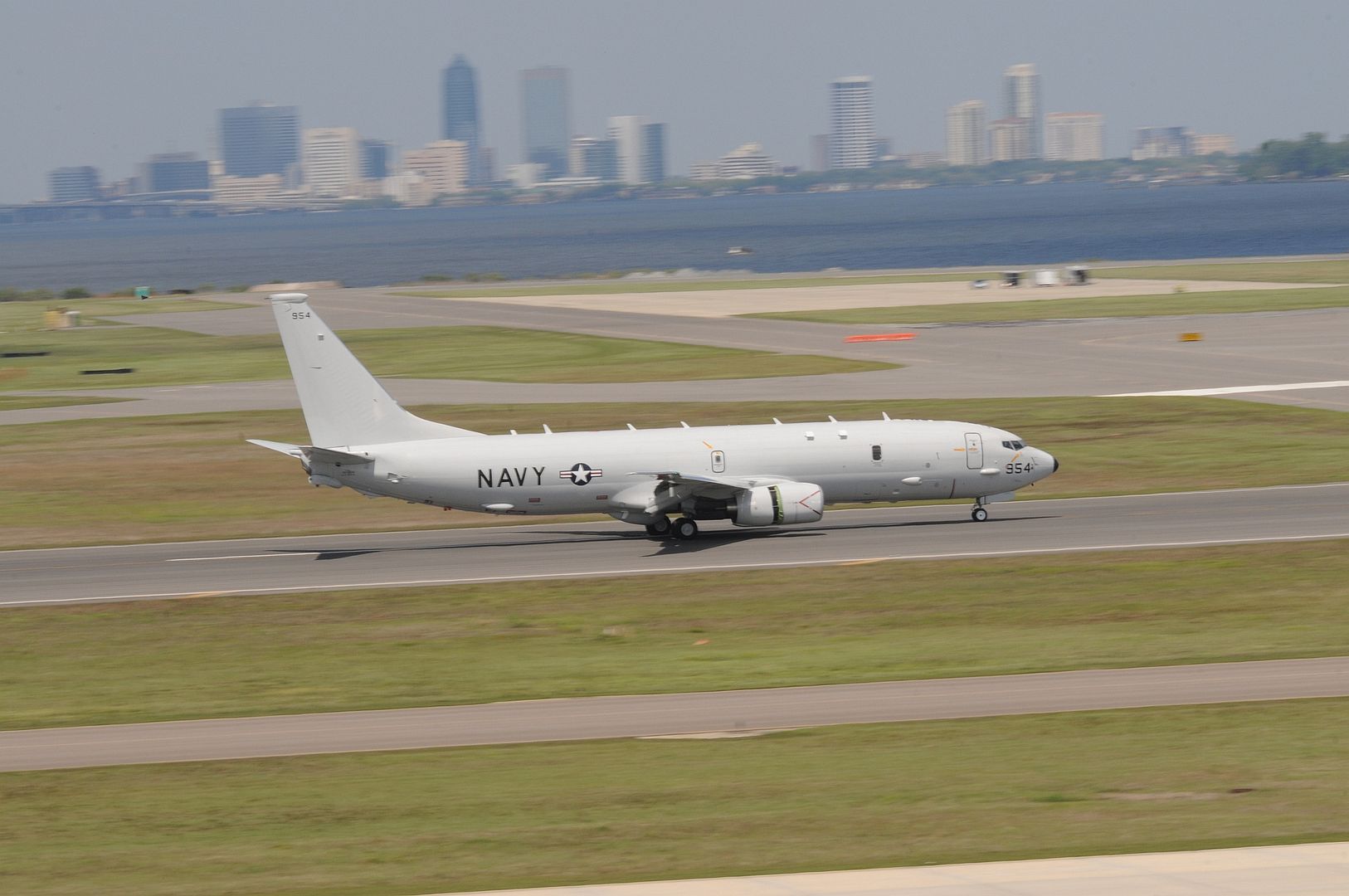
The ?Red Lancers? of VP-10, the ?War Eagles? of VP-16, the ?Tridents? of VP-26, the ?Pro?s Nest? of VP-30, the ?Pelicans? of VP-45, and the ?Broad Arrows? of VP-62 will depart NAS Jacksonville.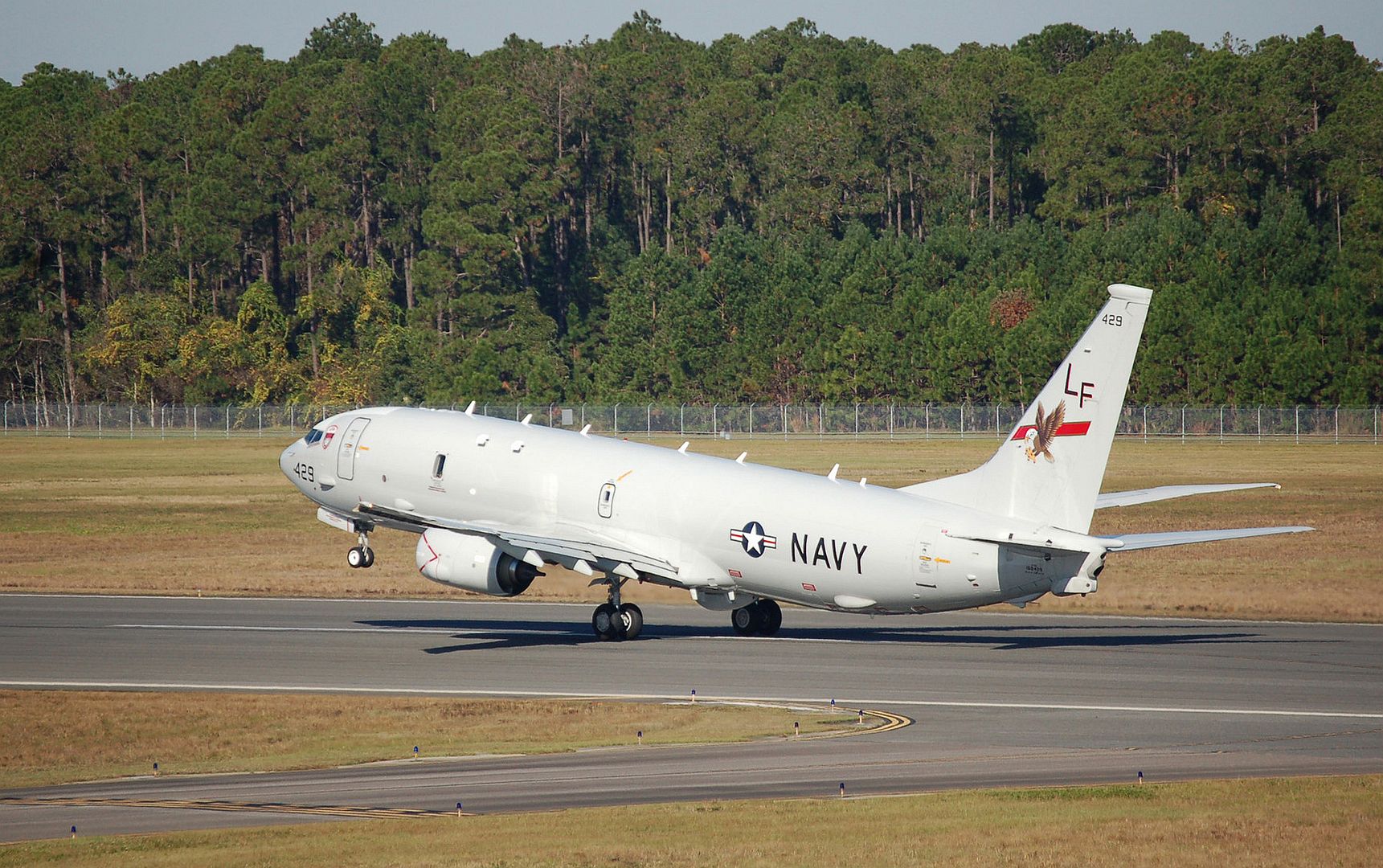
August 29.
Here are some more images of aircraft arriving at RAF Waddington as personnel and equipment continue to assemble prior to the commencement of Exercise COBRA WARRIOR.
Photo's courtesy RAF.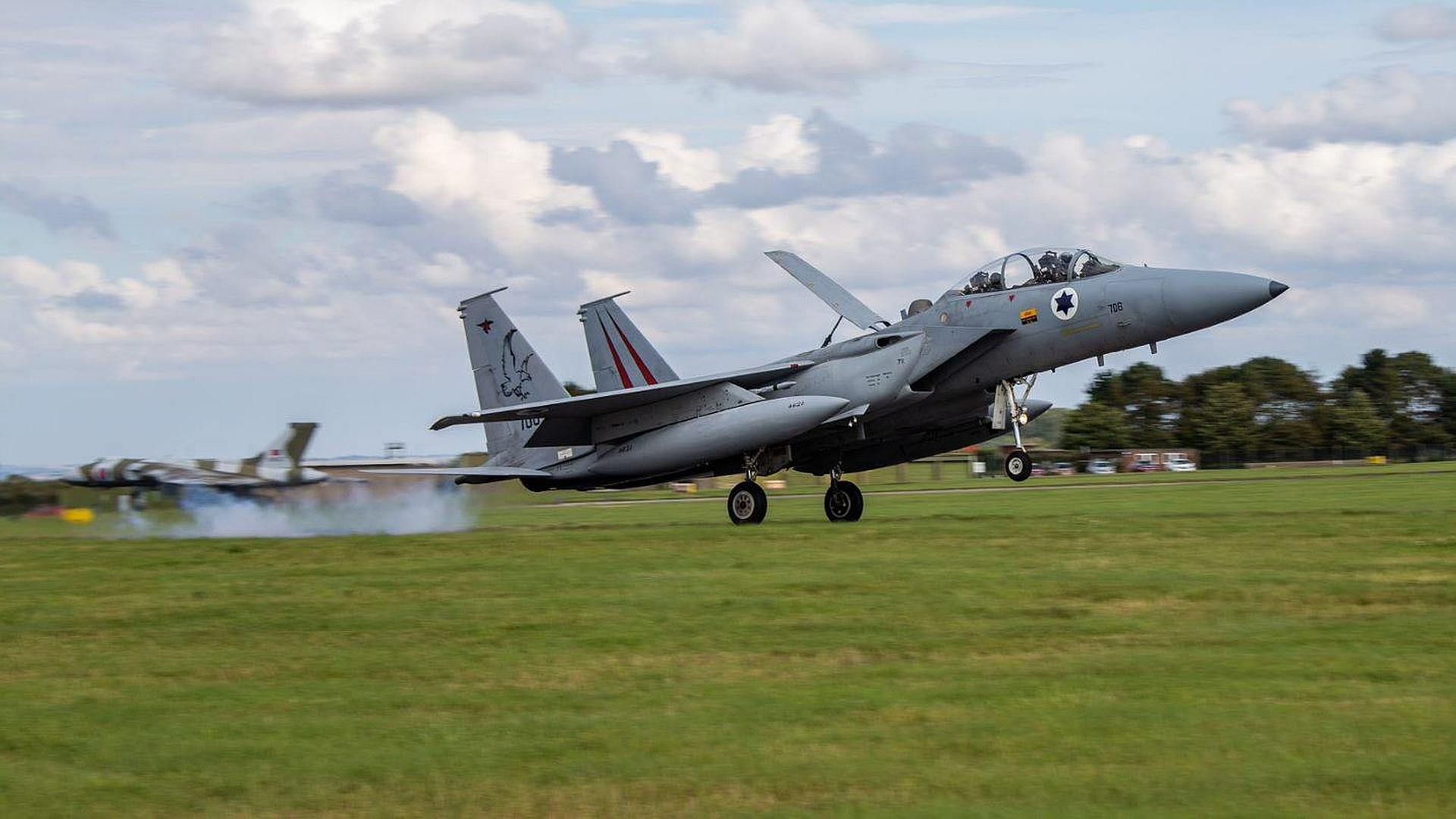
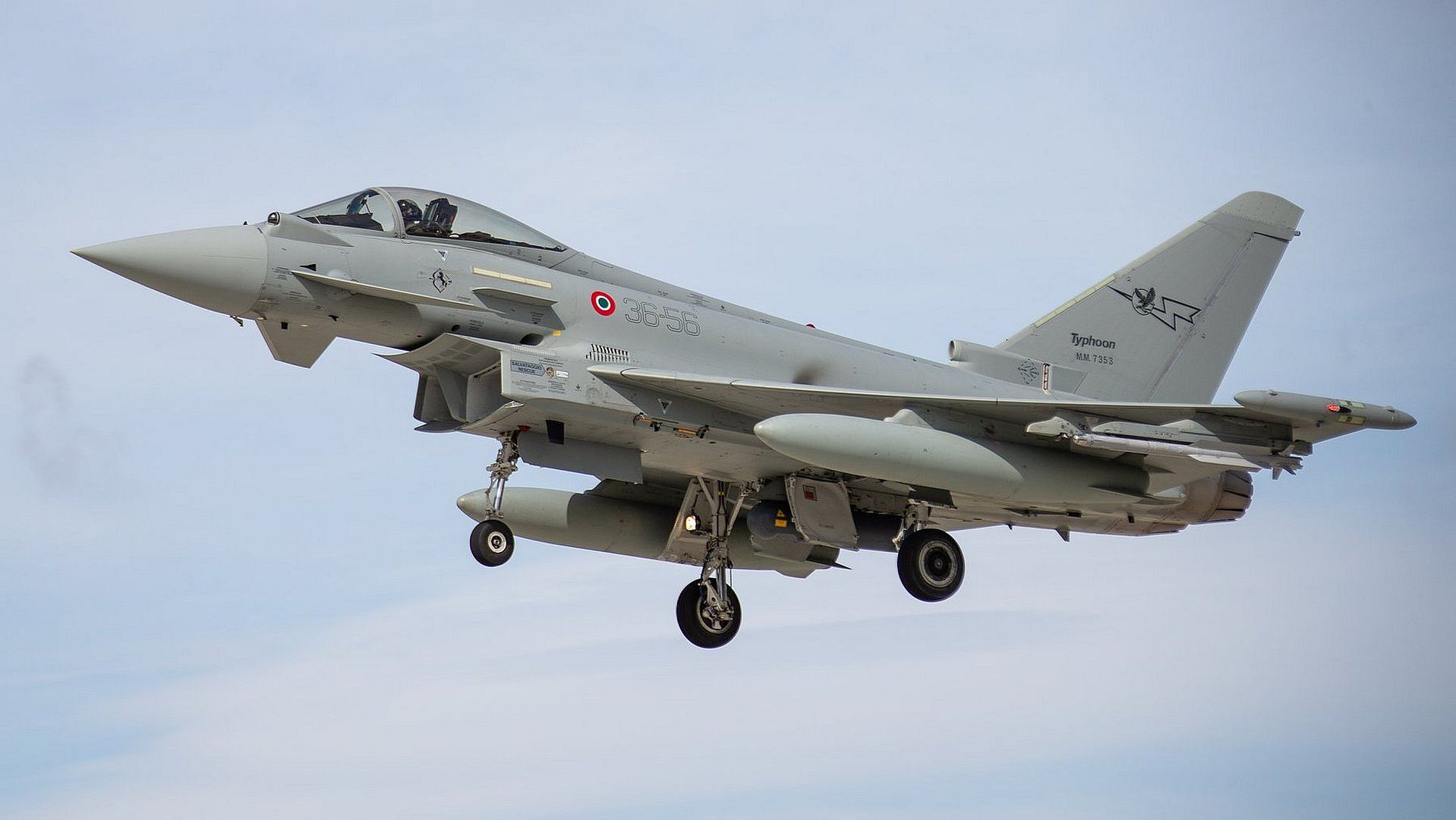
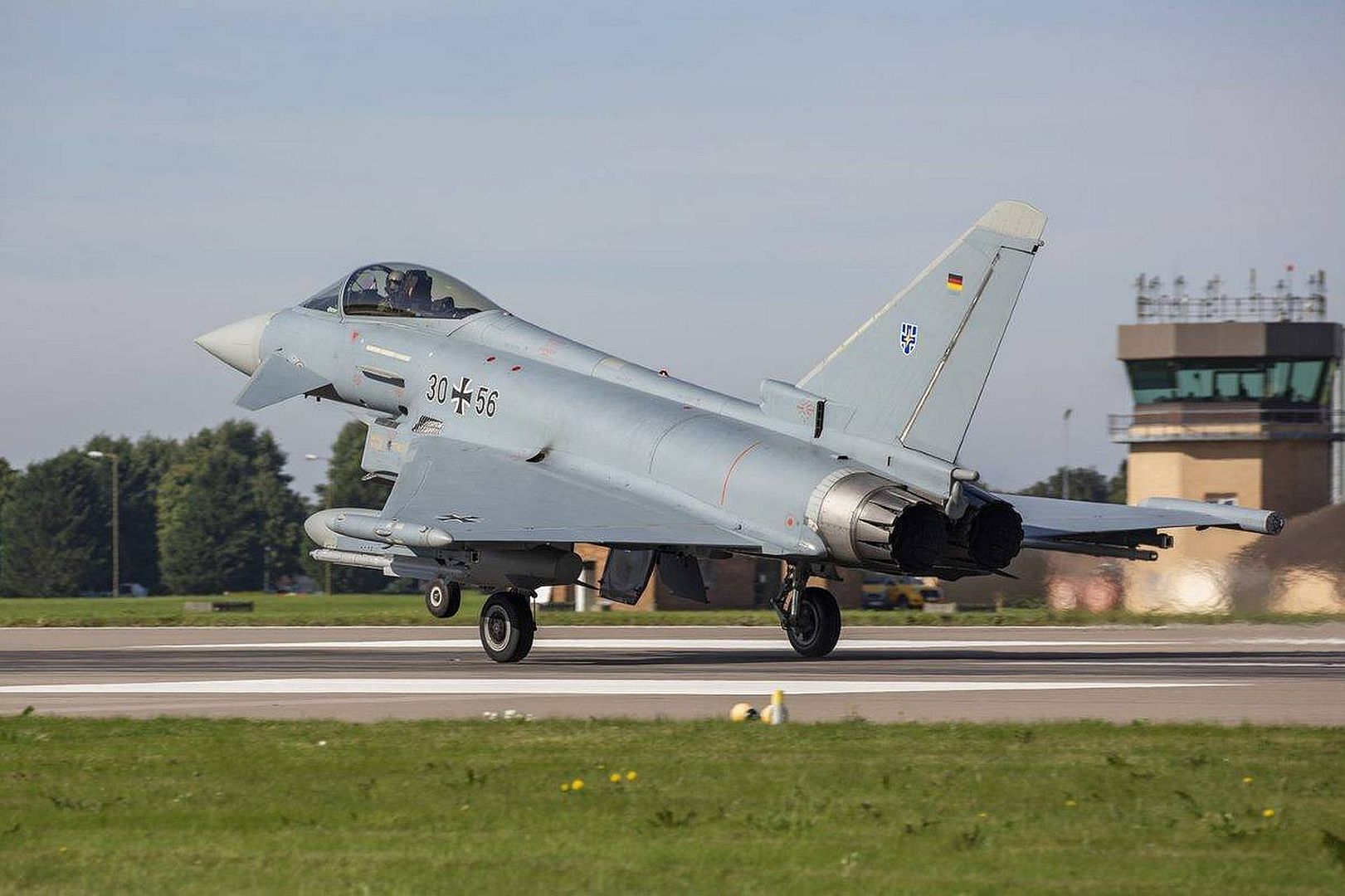
-
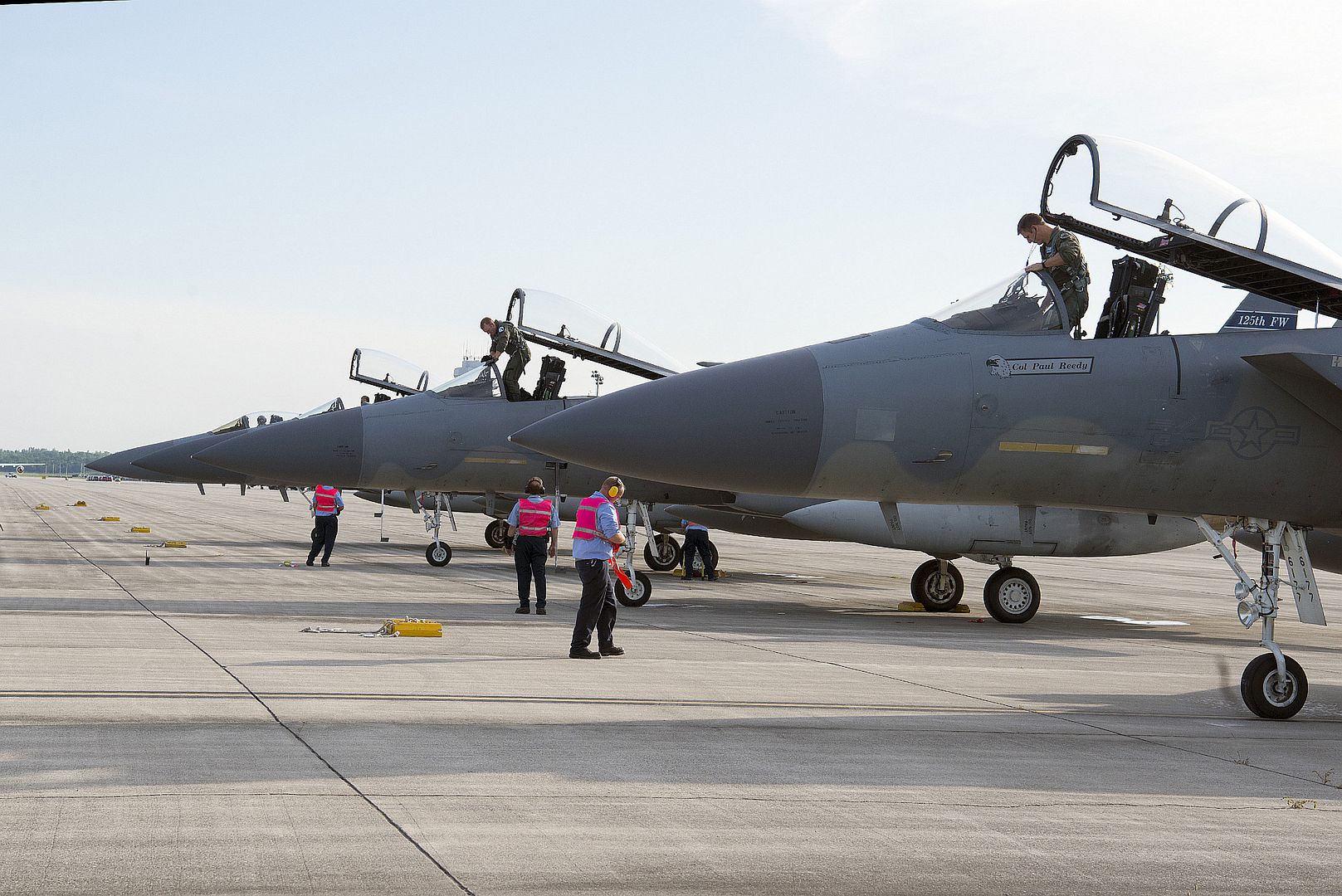
Pilots with the 159th Fighter Squadron and technicians with the 88th Logistics Readiness Squadron secure Florida Air National Guard F-15 Eagles after they landed at Wright-Patterson Air Force Base, Ohio, Aug. 30, 2019. The F-15s were some of several Air Force and Navy aircraft taking safe haven at Wright-Patterson AFB as Hurricane Dorian threatened their home stations. (U.S. Air Force photo by R.J. Oriez)
A sailor directs a U.S. Navy MH-60R Sea Hawk helicopter after arriving at Maxwell Air Force Base, Alabama, from Naval Air Station Jacksonville and Naval Station Mayport, Florida, Sept. 1, 2019. The helicopters evacuated from the Jacksonville area in advance of Hurricane Dorian. In addition to the helicopters, Maxwell AFB is serving as an Incident Support Base for Federal Emergency Management Agency and Defense Logistics Agency personnel and equipment. (U.S. Air Force photo by Billy Birchfield)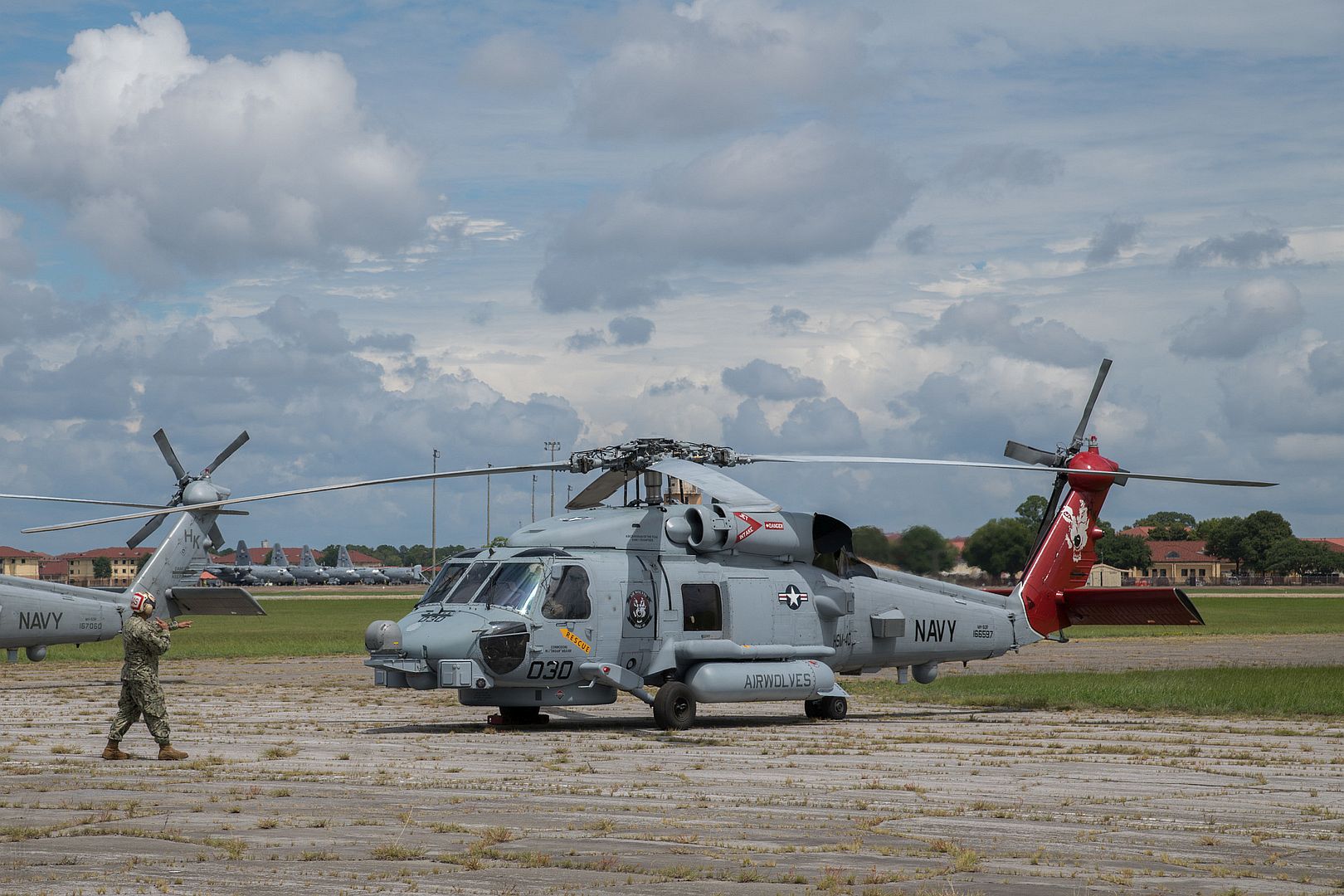
A U.S. Air Force C-130H3 Hercules stationed at Dobbins Air Reserve Base, Georgia, prepares to takeoff after conducting a global access resupply and military free fall mission with U.S. Air Force Special Tactics Operators and coalition partners during Eager Lion 2019 at King Abdullah II Air Base, Hashemite Kingdom of Jordan, Aug. 31, 2019. Special Tactics is a U.S. Special Operation Command's tactical air and ground integration force, and the Air Force's special operations ground force, leading Global Access, Precision Strike, Personnel Recovery and Battlefield Surgery operations on the battlefield. Eager Lion, U.S. Central Command's largest and most complex exercise, is an opportunity to integrate forces in a multilateral environment, operate in realistic terrain and strengthen military-to-military relationships. (U.S. Air Force photo by Staff Sgt. Rose Gudex)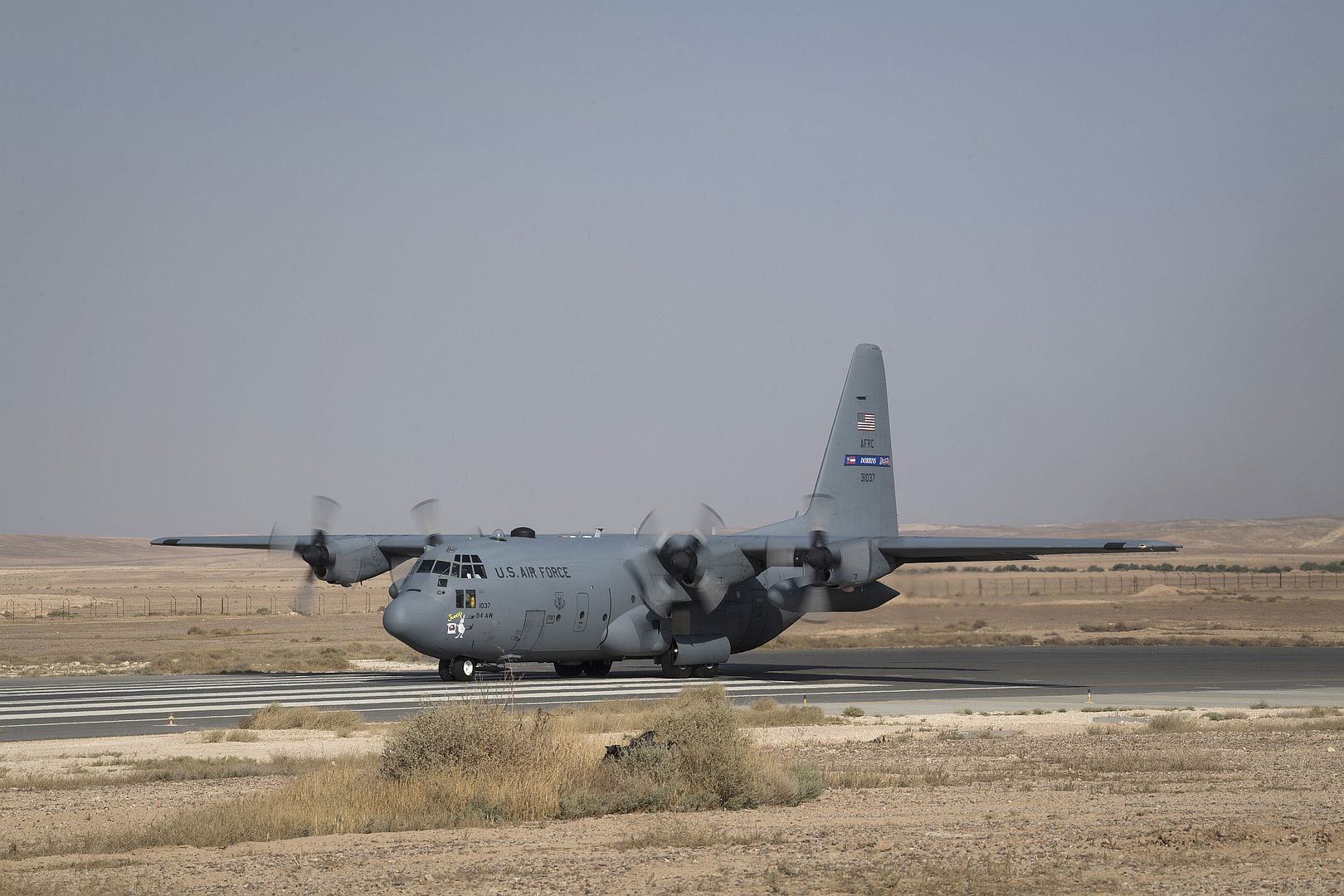
A United States Air Force F-15 Eagle from the 173rd Fighter Wing out of Kingsley Field in Klamath Falls, Oregon, flies over the Pacific Ocean during the Sentry Aloha exercise at Joint Base Pearl Harbor-Hickam, August 27, 2019. Aircraft from around the world took part in Joint Exercise Sentry Aloha, a three week coalition exercise at Joint Base Pearl Harbor-Hickam in Honolulu, Hawaii. (U.S. Air National Guard Photo by Airman First Class Adam Smith)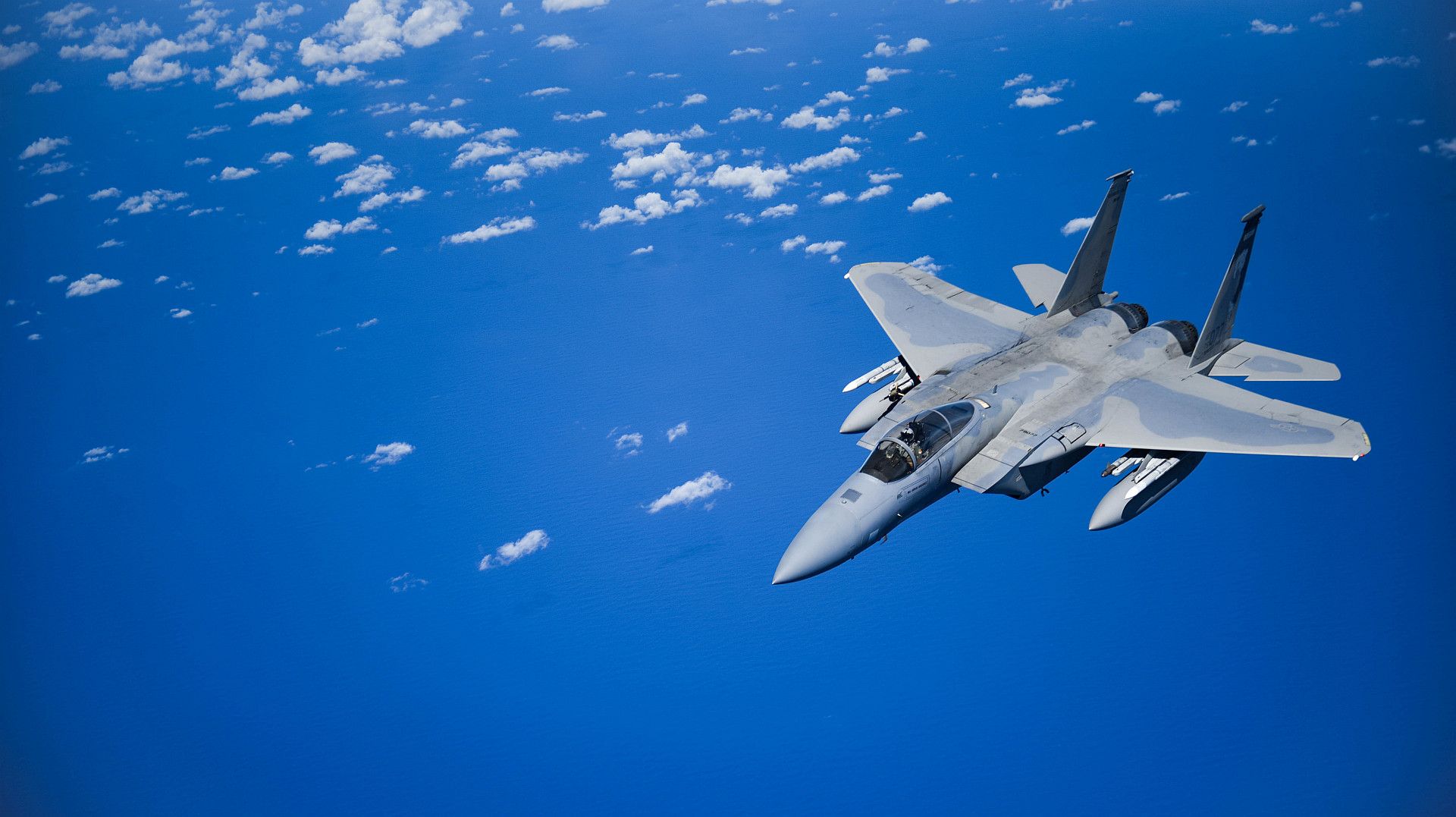
A U.S. Air Force 509th Bomb Wing B-2 Spirit refuels from a 351st Aerial Refueling Squadron KC-135 Stratotanker during the Bomber Task Force training exercise over England, Aug. 29, 2019. The B-2 aircraft will operate out of RAF Fairford, England, and will exercise there at U.S. Air Forces in Europe's forward operating location for bombers. (U.S. Air Force photo by Staff Sgt. Jordan Castelan)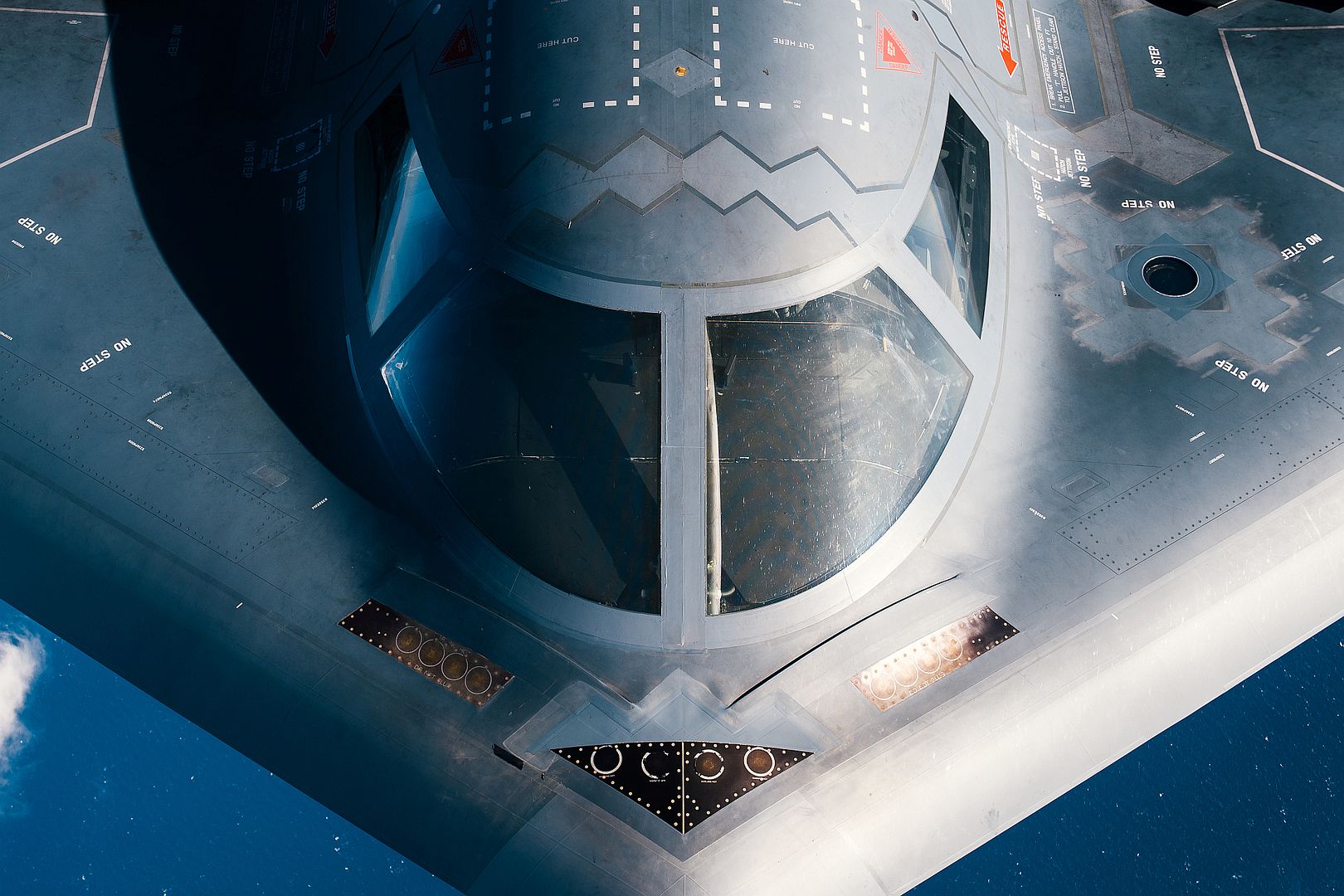
AMSTERDAM, Sept. 2, 2019 /PRNewswire/ -- Boeing [NYSE: BA] and KLM Royal Dutch Airlines today announced that the carrier has ordered two more 777-300ER (Extended Range) airplanes as it continues to operate one of Europe's most modern and efficient fleet.
The order, valued at $751 million at current list prices, was previously attributed to an unidentified customer on Boeing's Orders & Deliveries website.
"KLM is one of the world's leading network carriers and an aviation pioneer and we are delighted the airline has once again selected the Boeing 777-300ER to strengthen its long-haul fleet for the future," said Ihssane Mounir, senior vice president of Commercial Sales & Marketing for The Boeing Company. "KLM's continuing interest in the 777-300ERs shows the enduring appeal and value of the 777, thanks to its outstanding operating economics, superior performance and popularity among passengers."
The 777-300ER can seat up to 396 passengers in a two-class configuration and has a maximum range of 7,370 nautical miles (13,650 km). The airplane is the world's most reliable twin aisle with a schedule reliability of 99.5 percent.
Operating out of its home base in Amsterdam, the KLM Group serves a global network of 92 European cities and 70 intercontinental destinations with a fleet of 209 aircraft. The carrier operates 29 777s, including 14 777-300ERs. It also flies 747s and the 787 Dreamliner family.
KLM, the world's oldest airline still operating under its original name, is celebrating its centenary this year. In 2004 it merged with Air France to create Europe's largest airline group. The Air France-KLM Group is also one of the largest operators of the 777 family with nearly 100 between the combined fleets.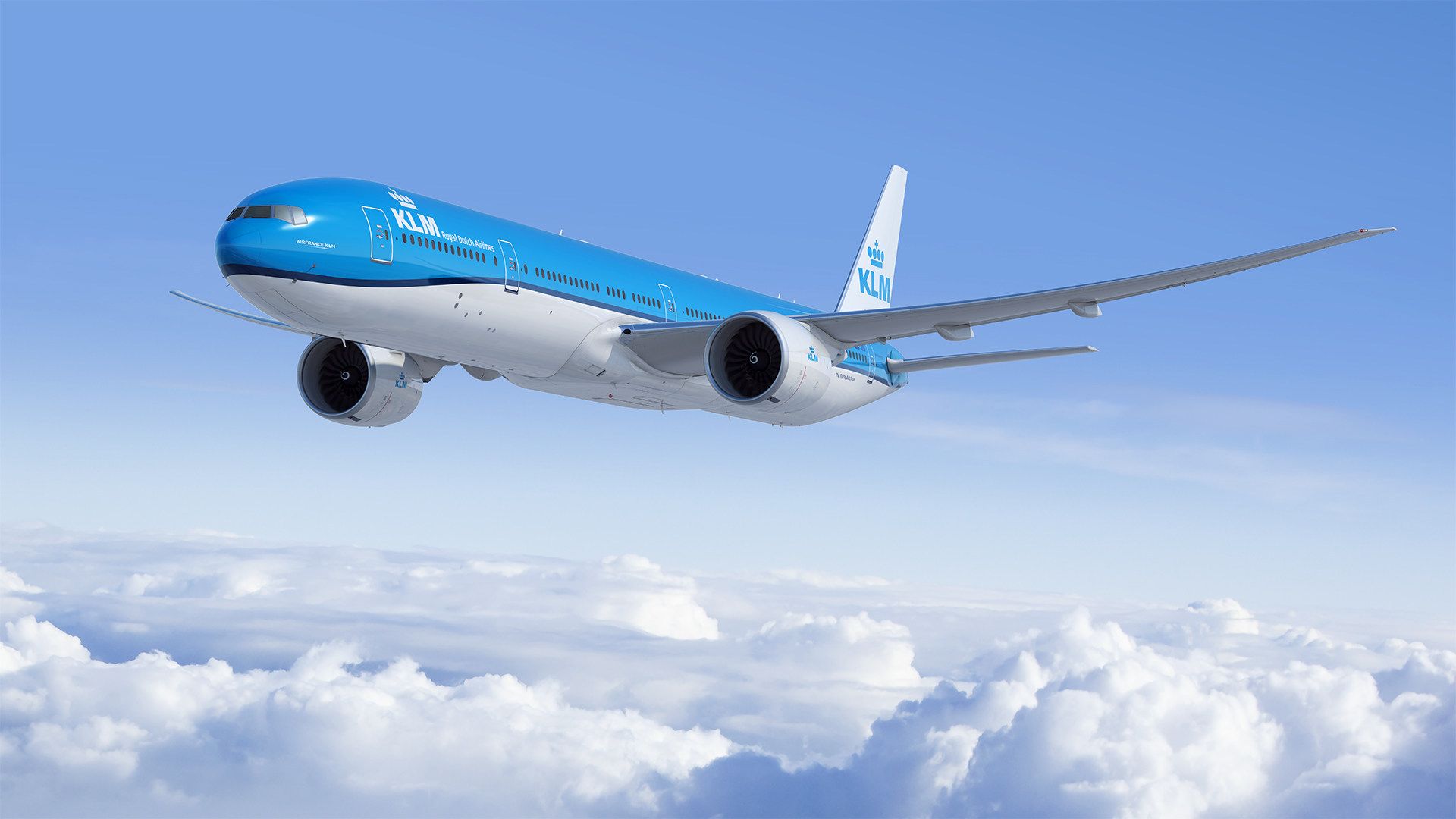
AirAsia X, the long-haul unit of the AirAsia Group, has finalised a firm order with Airbus for an additional 12 A330-900 and 30 A321XLR aircraft. The contract was signed by Tan Sri Rafidah Aziz, Chairman, AirAsia X Berhad and Guillaume Faury, Chief Executive Officer, Airbus in Kuala Lumpur today, in the presence of Tun Dr Mahathir Mohamad, the Prime Minister of Malaysia.
Tan Sri Tony Fernandes, Chief Executive Officer, AirAsia Group, who was present at the signing, said: ?This order reaffirms our selection of the A330neo as the most efficient choice for our future wide-body fleet. In addition, the A321XLR offers the longest flying range of any single-aisle aircraft and will enable us to introduce services to new destinations. Together, these aircraft are perfect partners for long-haul low-cost operations and will allow us to build further on our market leading position in this fast-growing sector.?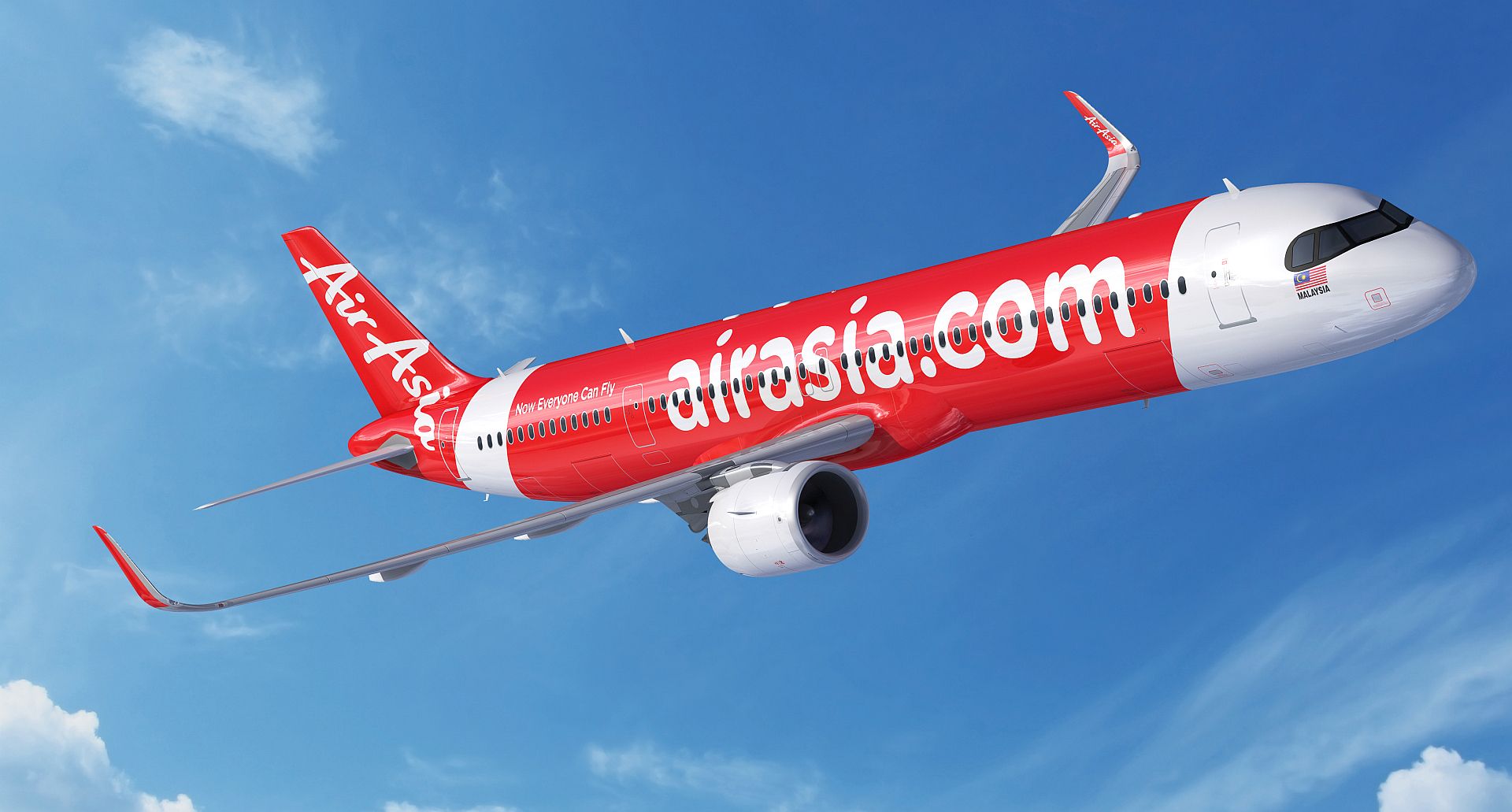
Tan Sri Rafidah Aziz, Chairman of AirAsia X Berhad, said: ?Today?s announcement is testament to our confidence and commitment to longer haul air travel. This is the future of our long-haul operations. The A330neo?s revolutionary new features and modifications will move our long-haul service sectors up to a higher level and allow AirAsia X to look at expanding beyond the eight-hour flight radius, such as to Europe, for example.?
Guillaume Faury, Chief Executive Officer, Airbus commented: ?AirAsia X has been the pioneer of the long-haul low-cost model in the Asia-Pacific region. This new order for the A330neo and A321XLR is a true endorsement of the Airbus solution to meet mid-market demand with a combination of single-aisle and wide-body products. This powerful solution will provide AirAsia X with the lowest possible operating costs to expand its network and enable even more people to fly further than ever before.?
The new contract increases the number of A330neo aircraft ordered by AirAsia X to 78, reaffirming the carrier?s status as the largest airline customer for the type. Meanwhile, the A321XLR order sees the wider AirAsia Group strengthen its position as the world?s largest airline customer for the A320 Family, having now ordered a total of 622 aircraft.
AirAsia X currently operates a fleet of 36 A330-300s on services to points within the Asia-Pacific region and the Middle East. In addition, in August, the first A330neo joined the fleet of AirAsia?s Bangkok-based long haul affiliate, AirAsia X Thailand. The aircraft is the first of two leased A330neos joining the airline?s Thai affiliate by the end of the year.
The A321XLR is the next evolutionary step from the A321LR which responds to market needs for even more range and payload, creating more value for the airlines. From 2023, it will deliver an unprecedented Xtra Long Range of up to 4,700 nm ? 15% more than the A321LR and with 30% lower fuel burn per seat compared with previous generation competitor aircraft.
The A330neo is a true new generation aircraft building on the A330?s success and leveraging on A350 XWB technology. It incorporates the highly efficient new generation Rolls-Royce Trent 7000 engines, and a new higher span 3D optimised wing with new Sharklets. Together these advances bring a significant reduction in fuel consumption of 25% compared with older generation competitor aircraft of a similar size. The A330 is one of the most popular wide-body families ever, having received over 1,700 orders from more than 120 customers.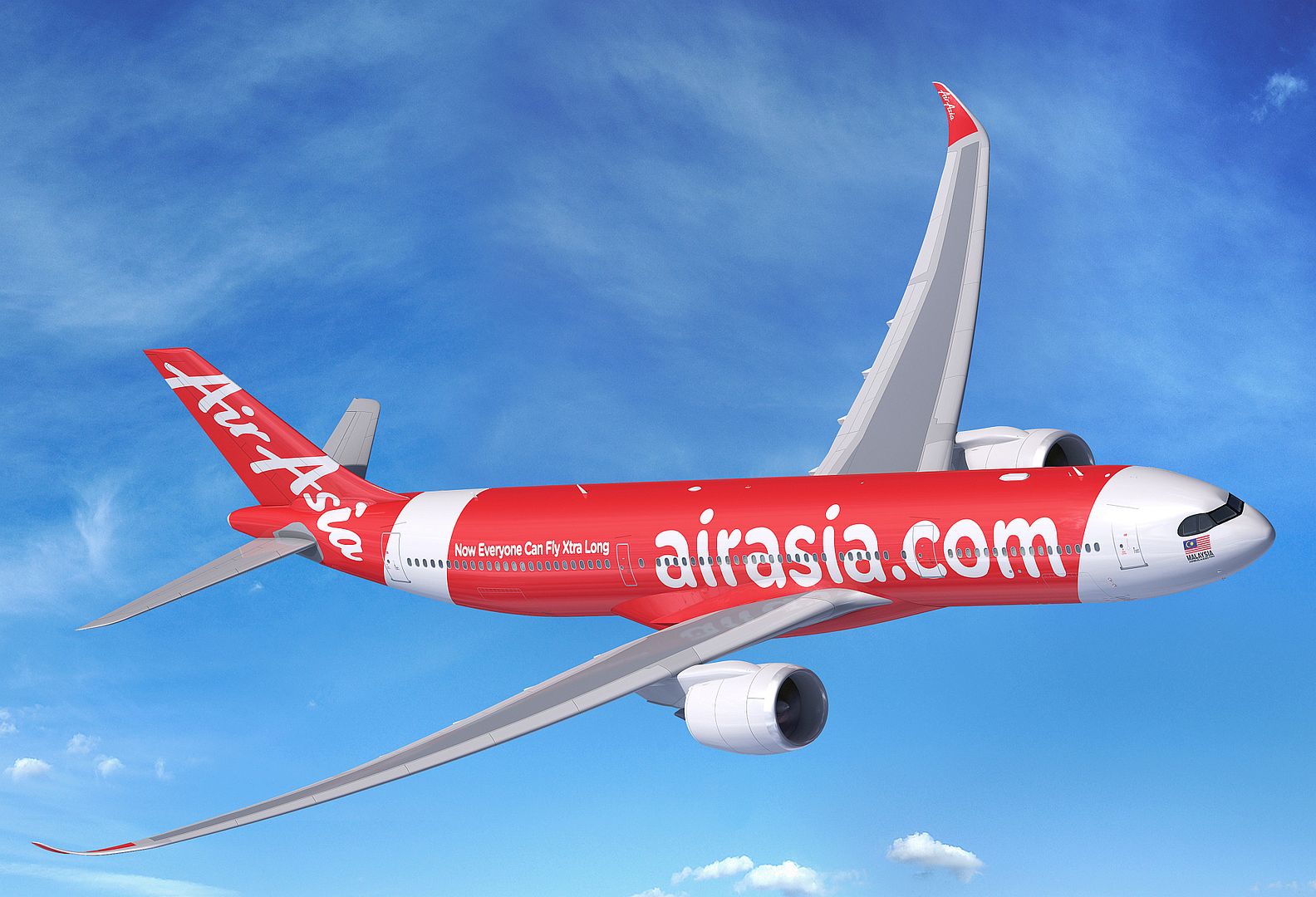
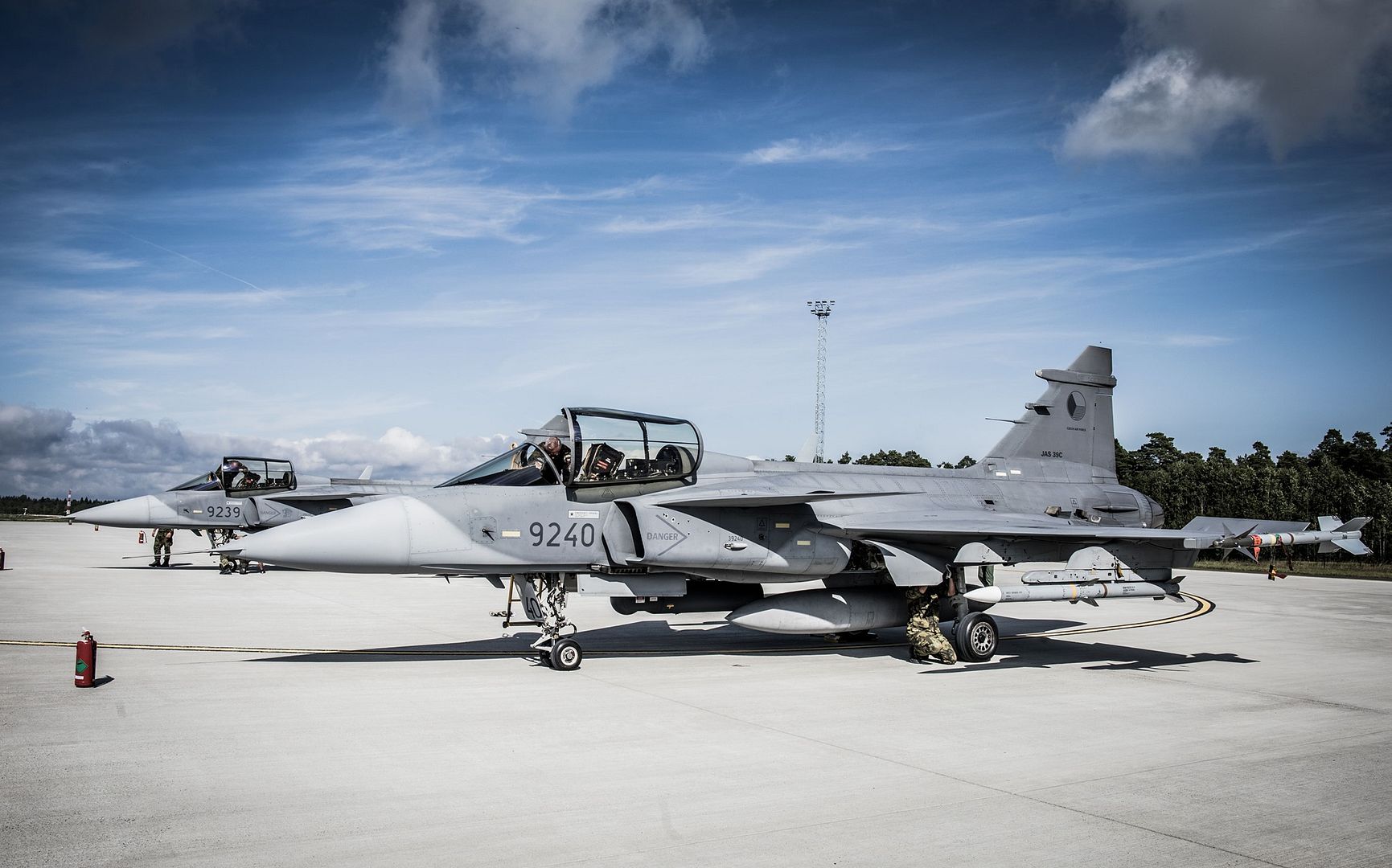
Shoulder to shoulder. RAF Typhoon pilots from 121Expeditionary Air Wing based in Estonia welcome their Czech allies and their Gripen aircraft that will replace them on their enhanced air policing mission.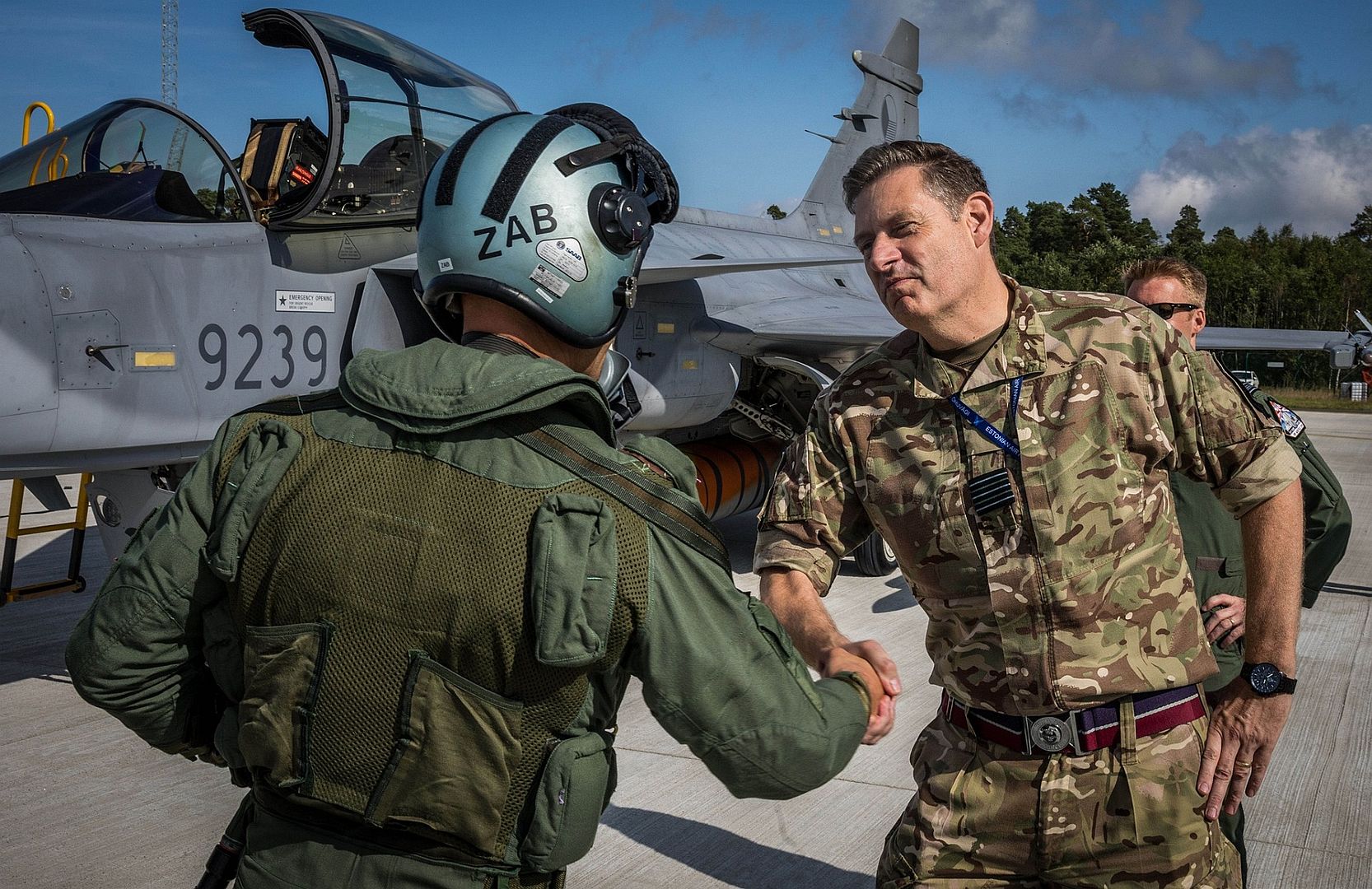
Flying from Amari airbase, the RAF?s successful 4-month NATO mission will soon end and the Typhoons will return to Royal Air Force Coningsby in Lincolnshire.
Photo's MOD.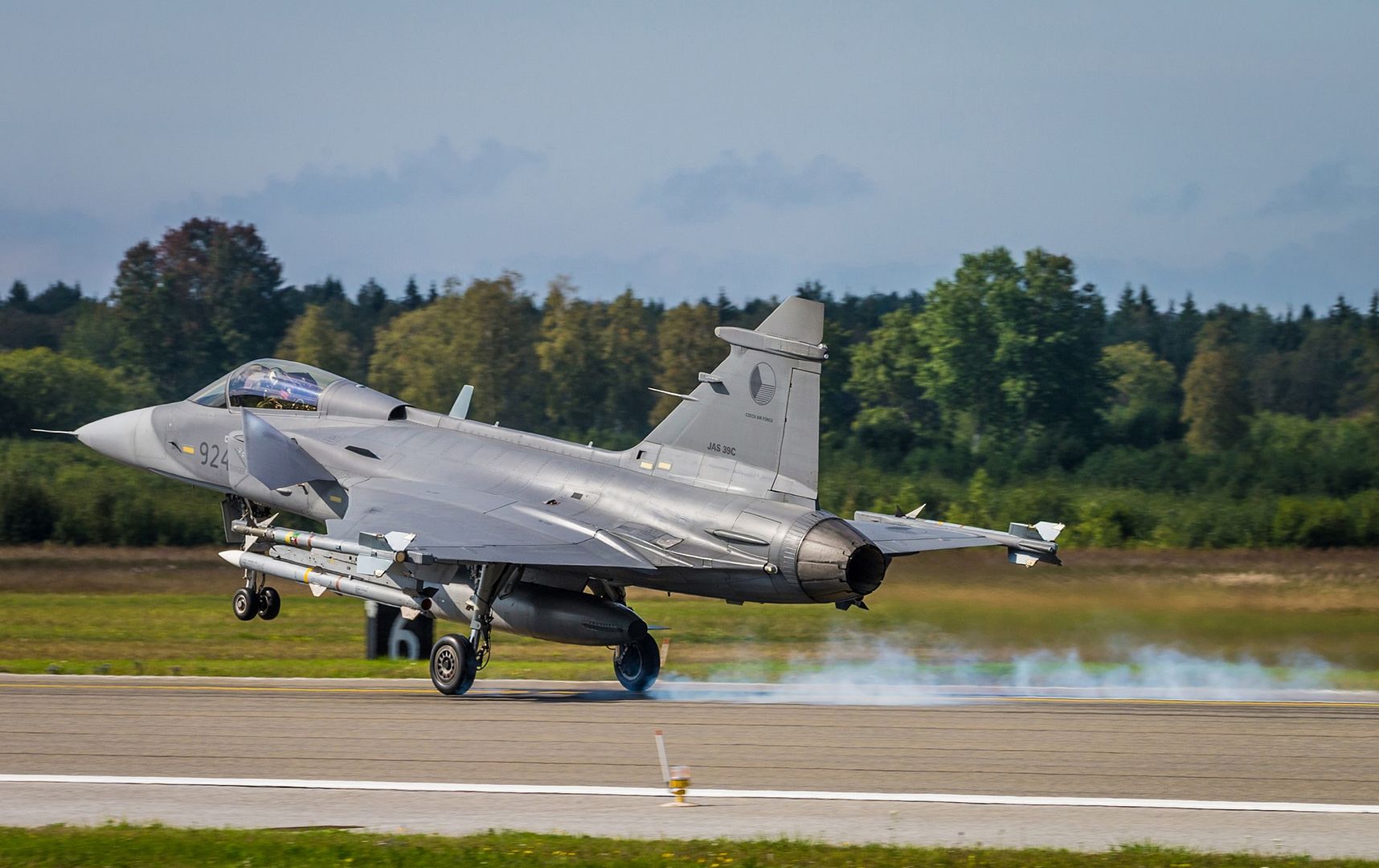
-
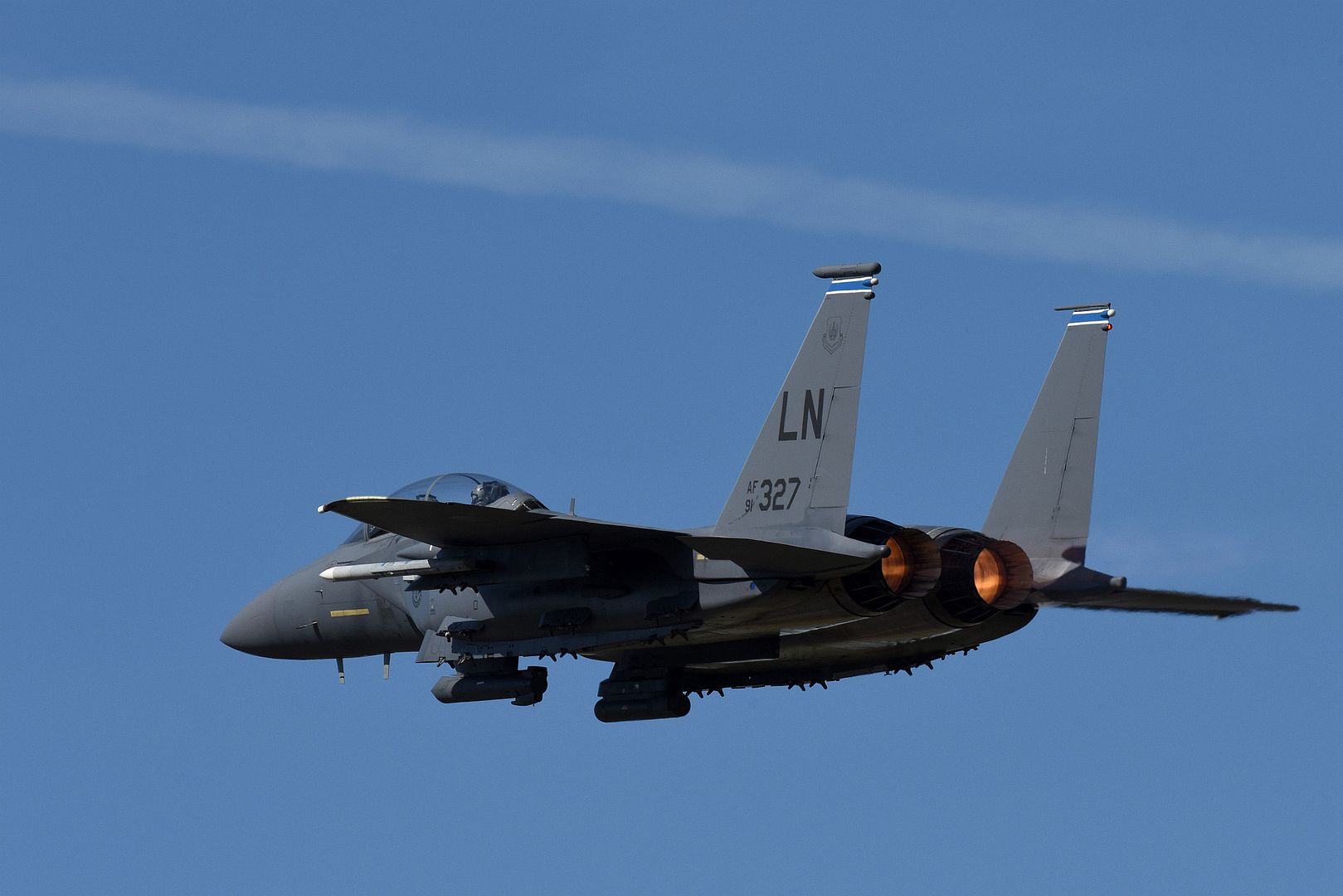
An F-15E Strike Eagle assigned to the 494th Fighter Squadron, takes off for a flight in support of exercise Point Blank 19-4 at Royal Air Force Lakenheath, England, Aug. 29, 2019. Point Blank is an exercise conducted to improve joint interoperability, sharpen readiness, and enhance regional security between the 48th Fighter Wing and RAF. (U.S. Air Force photo by Airman 1st Class Rhonda Smith)
An F-15E Strike Eagle assigned to the 494th Fighter Squadron, taxis on the flightline during exercise Point Blank 19-4 at Royal Air Force Lakenheath, England, Aug. 29, 2019. Point Blank is an exercise conducted to improve interoperability, sharpen readiness, and enhance regional security between the 48th Fighter Wing and RA. U.S. F-15E Strike Eagles and RC-135 Rivet Joints, along with RAF Typhoons and Airborne Warning and Control System E-D3 Delta are among the participating aircraft for the exercise. (U.S. Air Force photo by Airman 1st Class Rhonda Smith)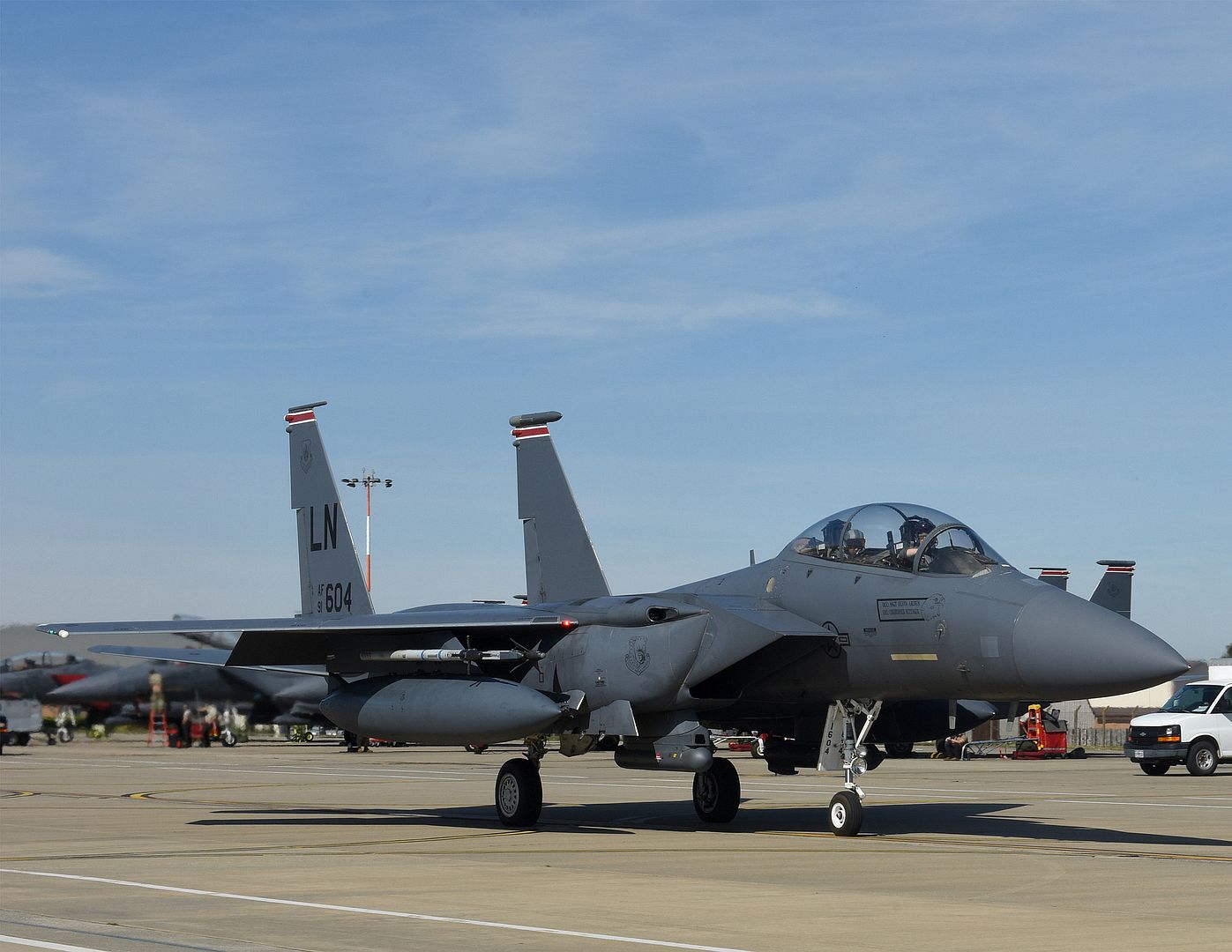
MAYPORT, Fla. (Sept. 1, 2019) MH-60R Sea Hawk helicopters assigned to the Grandmasters of Helicopter Maritime Strike Squadron (HSM) 46 prepare to depart Naval Station Mayport. Commander, Naval Air Force Atlantic ordered aircraft at Naval Station Mayport to sortie ahead of Hurricane Dorian. Dorian is expected to bring high winds and heavy rain to the East Coast. (U.S. Navy photo by Mass Communication Specialist 1st Class Jon Dasbach/Released)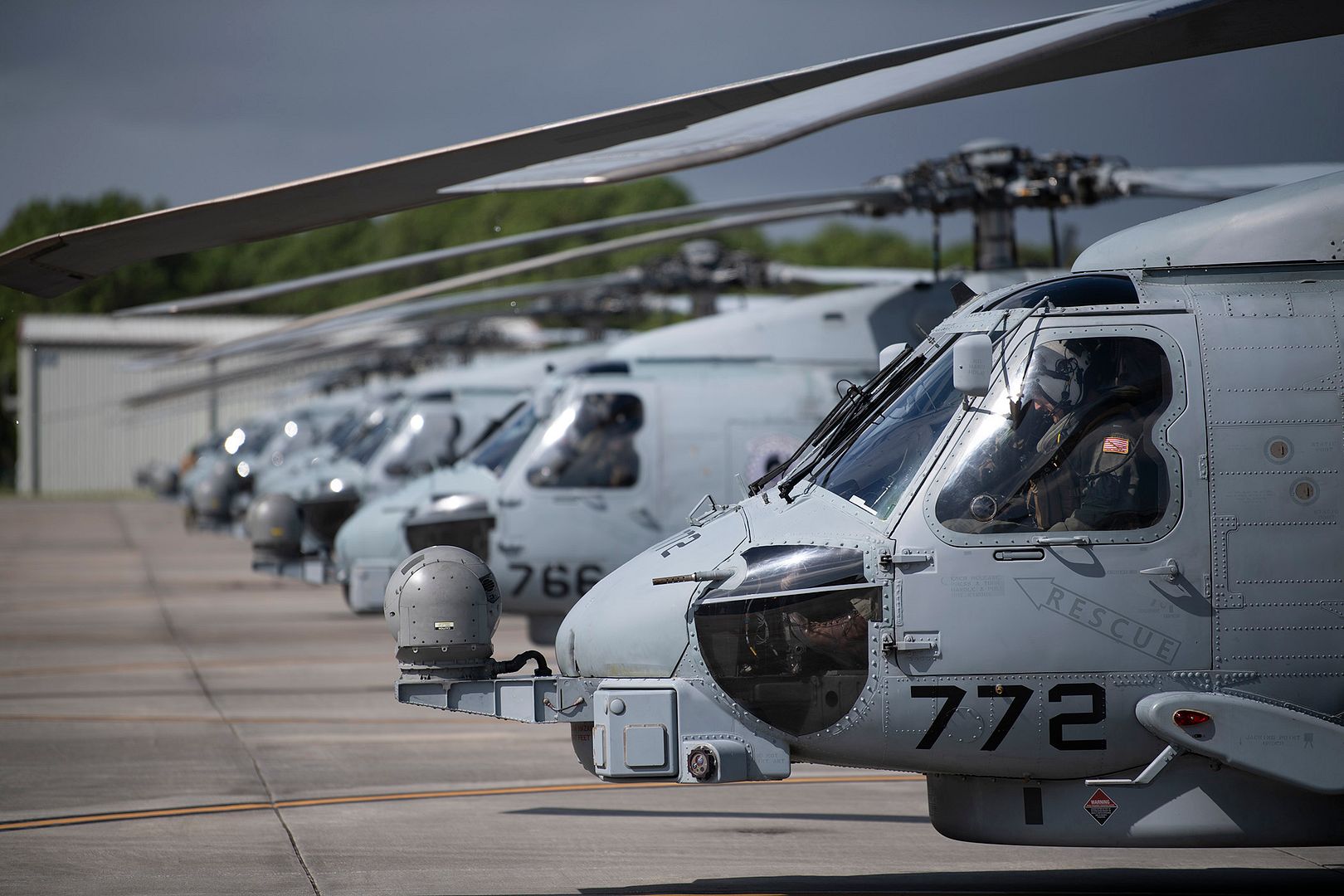
Kuwait Airways, the national carrier of Kuwait, has taken delivery of its first A320neo aircraft.
The delivery is a milestone in Kuwait Airways? 65th anniversary celebrations, marking an important step in the airline?s ambitious fleet renewal and growth plans, which will phase-in 15 A320neo aircraft to its fleet in the coming years, following a purchase agreement signed in 2014.
The A320neo will be a pillar of Kuwait Airways? single-aisle fleet, bringing continuity to the success delivered by its current seven A320ceos, and ensuring a smooth transition for pilots, crews, and technical teams.
The A320neo will boost the airline?s profitability with the world?s most advanced and fuel-efficient single-aisle aircraft. Kuwait Airways? new A320neo is powered by CFM International LEAP-1A engines and is configured in a spacious two-class layout, including 12 business class and 122 economy class seats. The aircraft offers the widest single-aisle cabin in the market with unmatched comfort in all classes. It also provides the latest in-flight entertainment technology.
The A320neo and its derivatives are the world?s best-selling single-aisle aircraft family with over 6,600 orders from more than 100 customers all over the world. It has pioneered and incorporated the latest technologies, including an industry reference cabin and latest generation engines, delivering 20% fuel savings per seat. Further to lower emissions, the A320neo also offers additional environmental benefits with nearly a 50% reduction in noise footprint compared to previous-generation aircraft.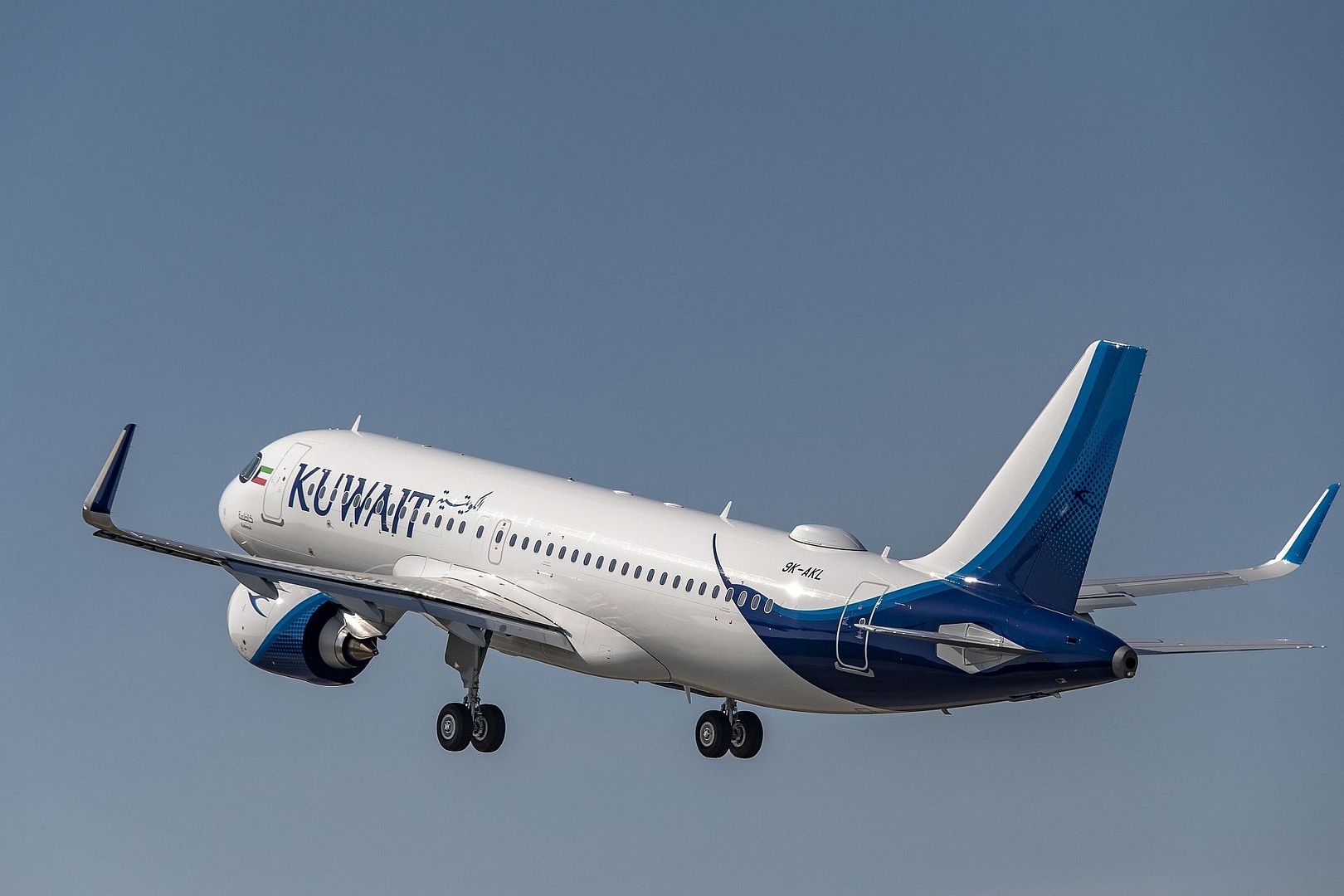
Hi Fly, the privately-owned Portuguese wet lease specialist operating an exclusive all-Airbus fleet, has taken delivery of a new A330neo on lease from Air Lease Corporation (NYSE: AL). The aircraft is configured with 371 seats in a two-class layout, with 18 high-comfort lie-flat business class seats and 353 economy seats. All seats are equipped with the latest-generation in-flight entertainment system, and mood lighting is available throughout the aircraft.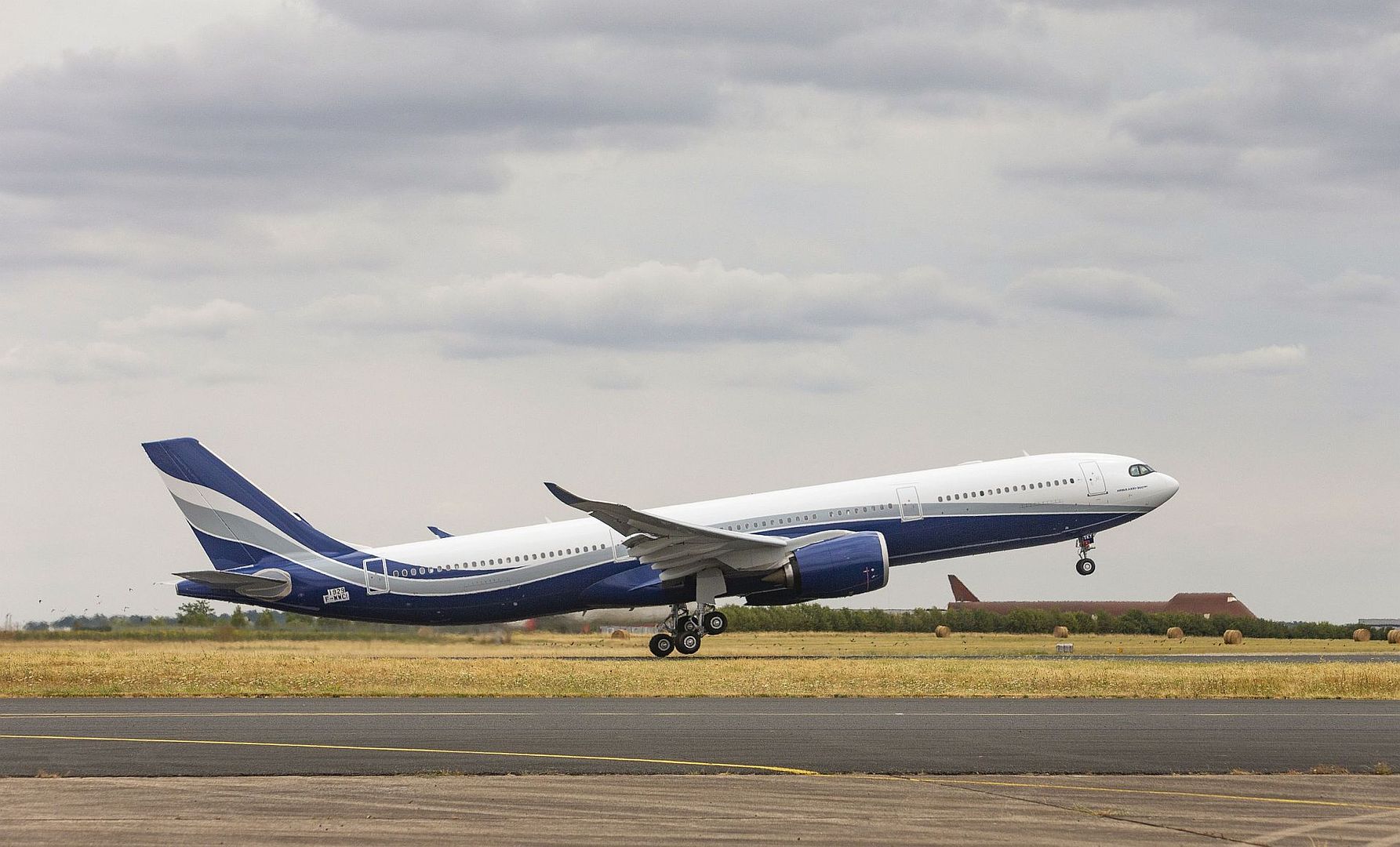
The A330 will be deployed to further expand Hi Fly?s long-haul wet lease and charter operations worldwide. Hi Fly operates an all-Airbus fleet of 20 aircraft including four A320 Family aircraft, 15 A330/A340 Family aircraft and one A380.
As a wet lease specialist, Hi Fly provides aircraft on lease for short notice airline operations, with crew, maintenance and third-party insurance provided in a service-ready package.
The A330neo Family is the new-generation A330, comprising two versions: the A330-800 and A330-900. The A330neo Family aircraft shares 95% commonality with the previous A330.
It builds on the proven economics, versatility and reliability of the A330 Family, while reducing fuel consumption by 25% per seat versus previous generation competitors and increasing range by up to 1,500nm compared to the majority of A330s in operation.
The A330neo is powered by Rolls-Royce?s latest-generation Trent 7000 engines and features a new wing with increased span and new A350 XWB-inspired Sharklets. The cabin provides the comfort of the new Airspace amenities including state-of-the-art passenger inflight entertainment and Wi-Fi connectivity systems.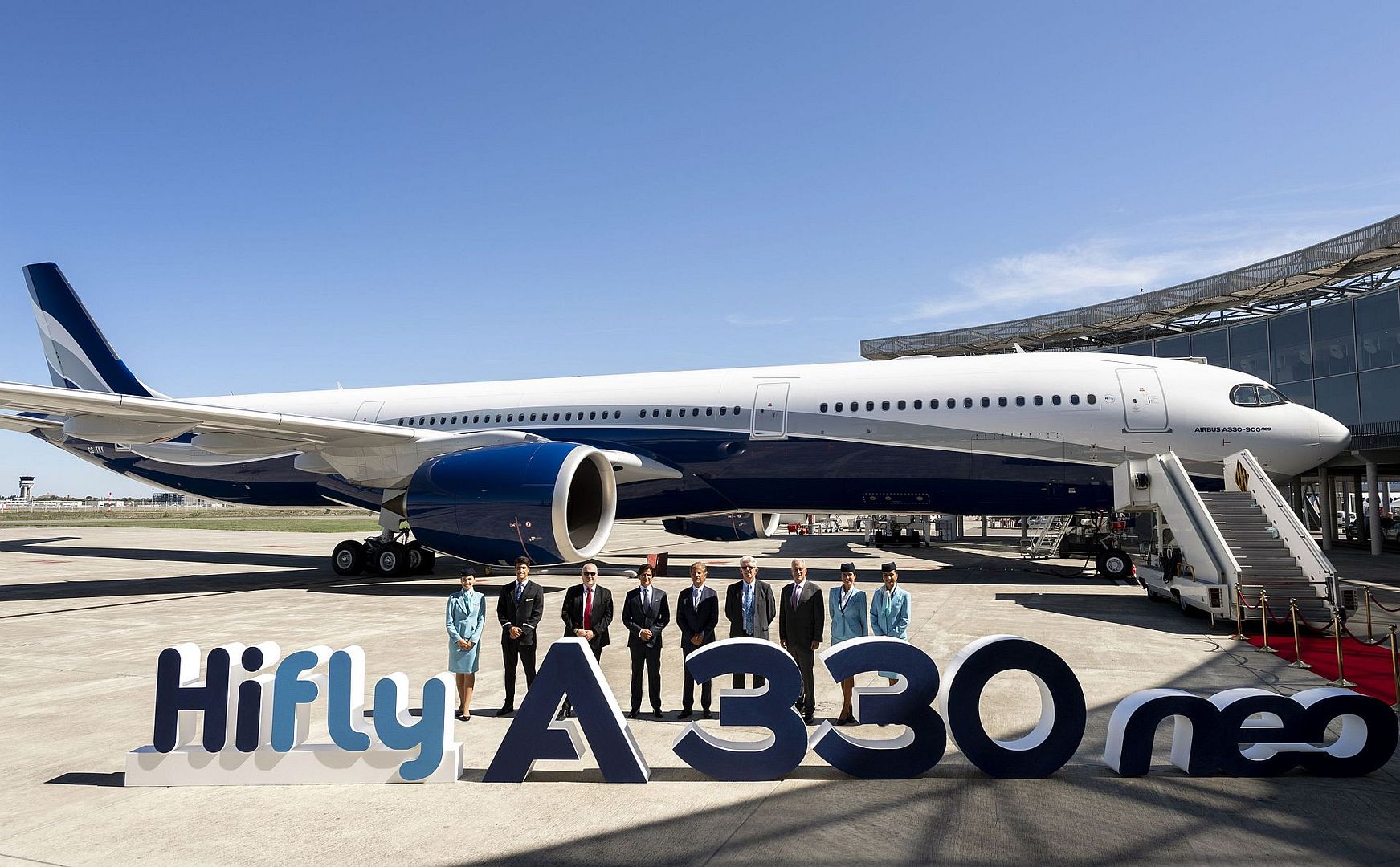
British F-35 Lightning jets have been conducting integration flying training with the B-2 Spirit stealth bombers of the United States Air Force.
?The USAF deployment of the B-2?s from the Bomber Task Force Europe is long-planned. Whilst deployed to the UK the aircraft will conduct a series of training activities in Europe. During this deployment, RAF F-35B Lightning fighters are conducting sorties with the USAF B-2 bombers. Both are 5th generation aircraft and this is the first time that USAF B-2?s have trained with non-US F-35?s.?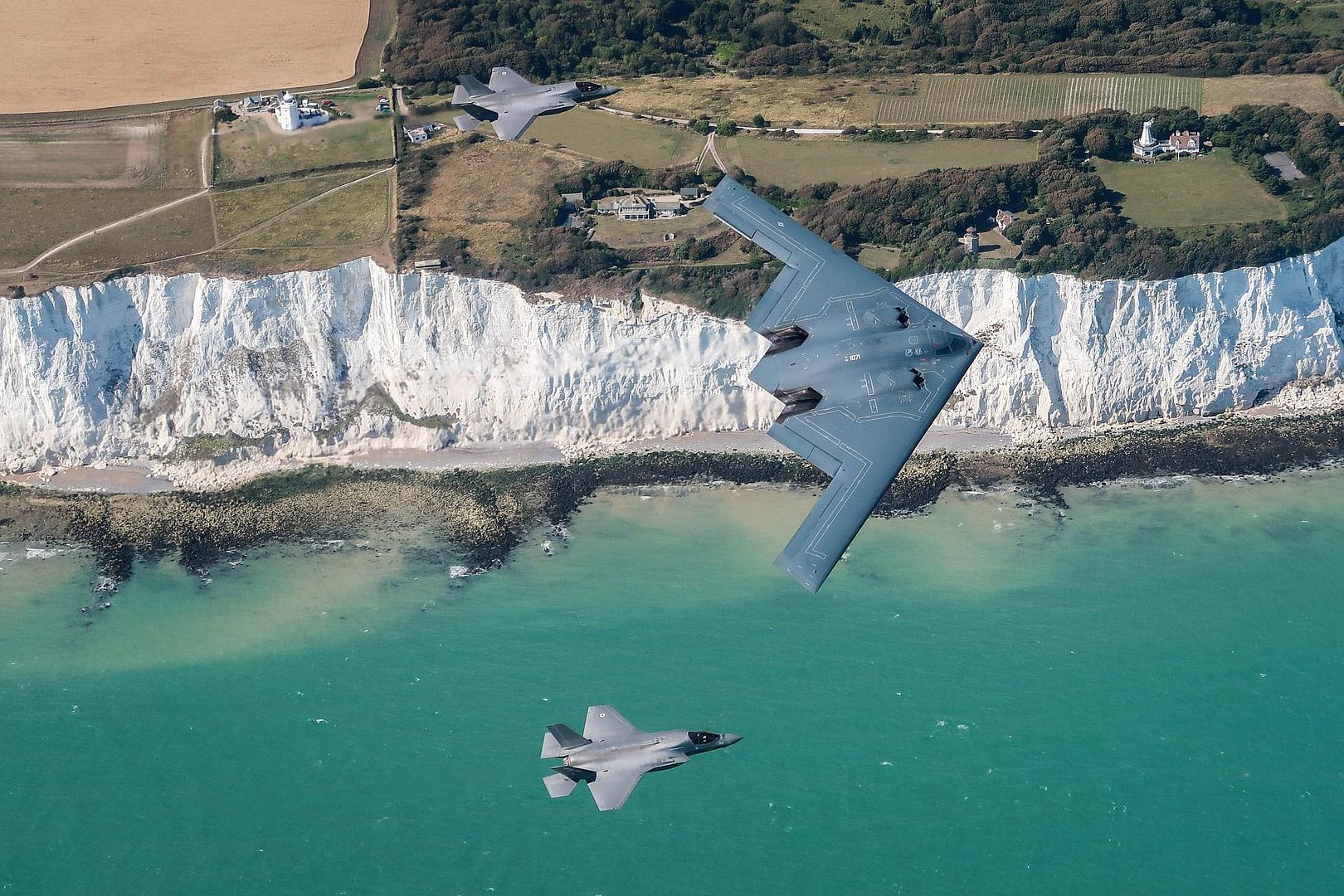
?NATO is the bedrock of Euro-Atlantic defence, and those secure foundations continue to be reinforced by the training exercises being completed between the Royal Air Force and our special friends in the US Air Force.?
Group Captain Richard Yates, Chief of Staff at the UK Air Battle Staff said:
?We?re delighted that the USAF and 501st Wing Bomber Task Force are here in the UK and that our F-35 Lightning pilots have the chance to fly alongside and train with the B-2 bomber crews. This is the first time that any other country has done this. This flying integration builds on the work of Exercise Lightning Dawn in Cyprus and the visit of RAF F-35 Lightning to Italy in June, where in both cases it had the opportunity to prove itself among other NATO allies who also operate the aircraft.?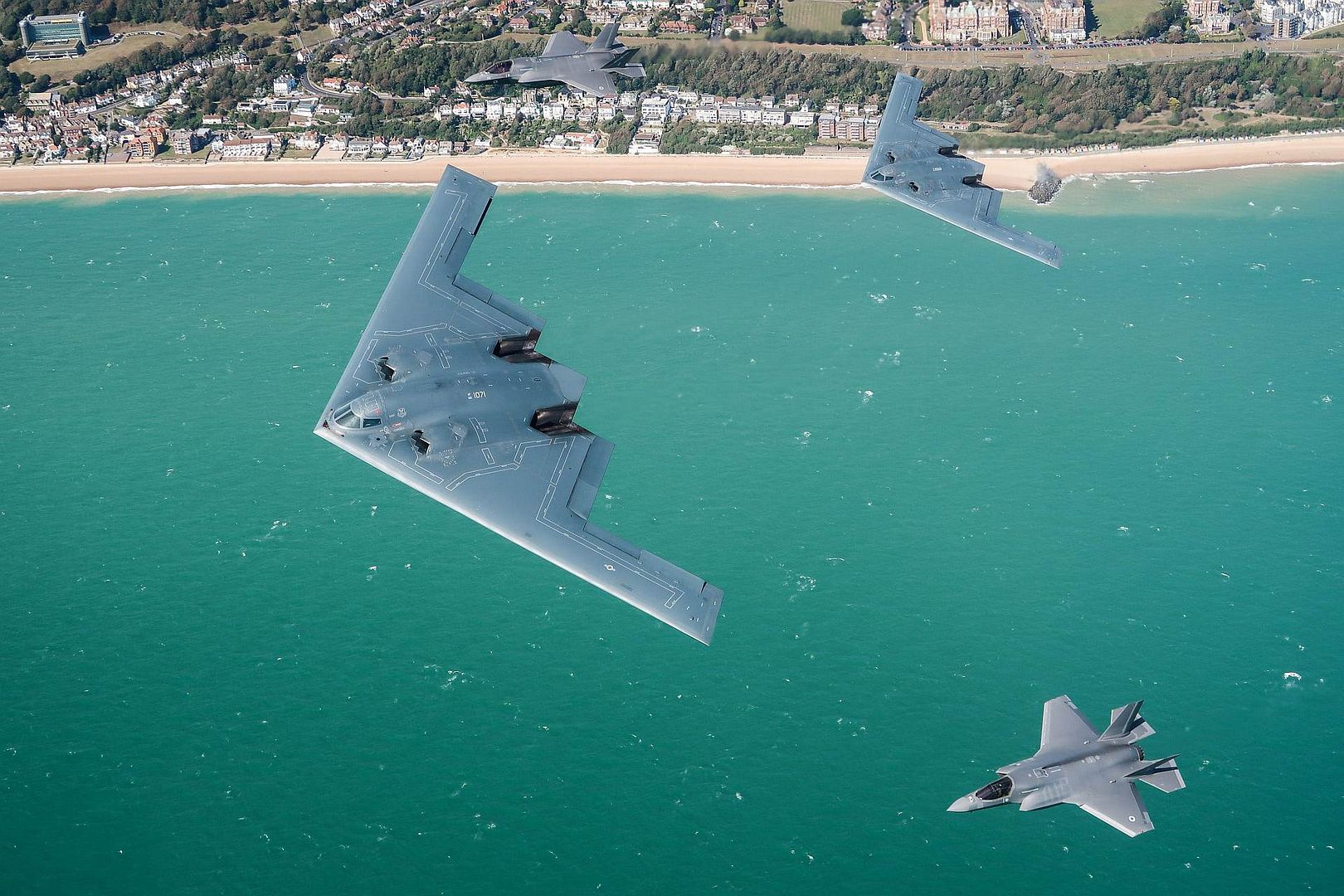
?Our Royal Air Force friends are integral to the 509th Bomb Wing mission,? said Lieutenant Colonel Rob Schoeneberg, Bomber Task Force Commander.
?The beauty of our partnerships is that we get to understand how they see the world. Working alongside international fifth generation aircraft provides unique training opportunities for us, bolsters our integration capabilities, and showcases the commitment we have to our NATO alliance.?
(Photo's MOD)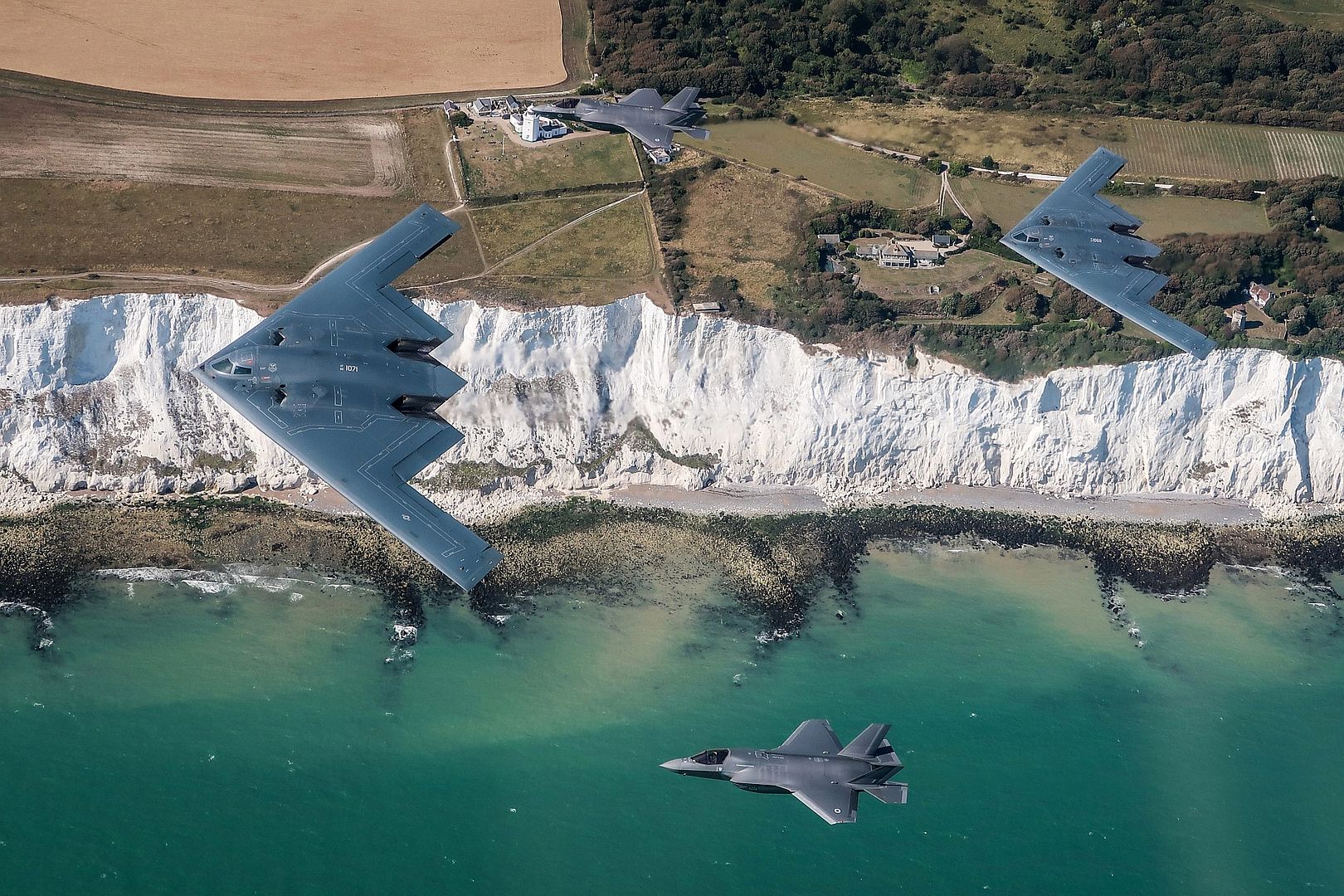
-
FAIRCHILD AIR FORCE BASE, Washington (AFNS) --
A KC-135 Stratotanker and Airmen from the 384th Air Refueling Squadron at Fairchild Air Force Base, performed aerial refueling with two F/A-18C Hornets from the Marine Aircraft Group 31 while flying over Georgia, Aug. 27.
The refueling showcased the importance of partnerships, as the Air Force and the Marine Corps further trained their capability to work as a team.
?(Air refueling) allows us to leverage each other?s capabilities to get us to the fight and to stay in the fight,? said Marine Corps Capt. Matthew Hamtak, Marine Fighter Attack Squadron 251 assistant operations officer.
Joint partnerships are especially important to the military because it allows each branch to lean on one another for support in accomplishing the mission.
?Joint partnerships are what makes mission accomplishments possible,? said Air Force Capt. Jonathon O?Neill, 384th ARS aircraft commander. ?No one service can act on [their] own.?
Joint service experiences are developed through missions such as this. Those experiences in turn allow them to efficiently and quickly perform air refueling from either the KC-135, or the KC-10 Extender in the future with more time to focus on their mission.
?The Air Force has pretty valuable and important resources, especially in regards to air refueling,? Hamtak said. ?I mean you have KC-135?s and KC-10?s; you have the ability to [refuel] at higher altitudes and faster speeds.?
Air refueling is an essential tool in war operations; with the fuel that KC-135?s bring, each branch of the U.S. military are prepared to respond to an incident at any time in any location. Joint partnerships between Airmen and Marines allows each branch to train in a joint environment and adapt to the different ways each branch performs.
?To be able to reach out jointly and fairly quickly, having the ability to coordinate with each other and get each other to the same place, at the same time and location, across the country is pretty awesome,? Hamtak said. ?I know air refueling is needed globally, and to be able to reach that benefit locally in order to go global is pretty awesome.?
The air refueling between the two branches shows the versatility of the KC-135.
?We provide the air refueling component to train Marine aviators to be competent and qualified in air refueling procedures,? O?Neill said. ?It also gives us an opportunity to go to a different field, allowing us to gain a different level of proficiency and familiarity with going to different locations across the country.?
Fairchild AFB is home to the largest fleet of tanker aircraft in the world and provides aircraft with crucial and provides the U.S. military and its allies with support to reach all corners of the globe and efficiently fight their mission.
(U.S. Air Force photo by Airman Kiaundra Miller)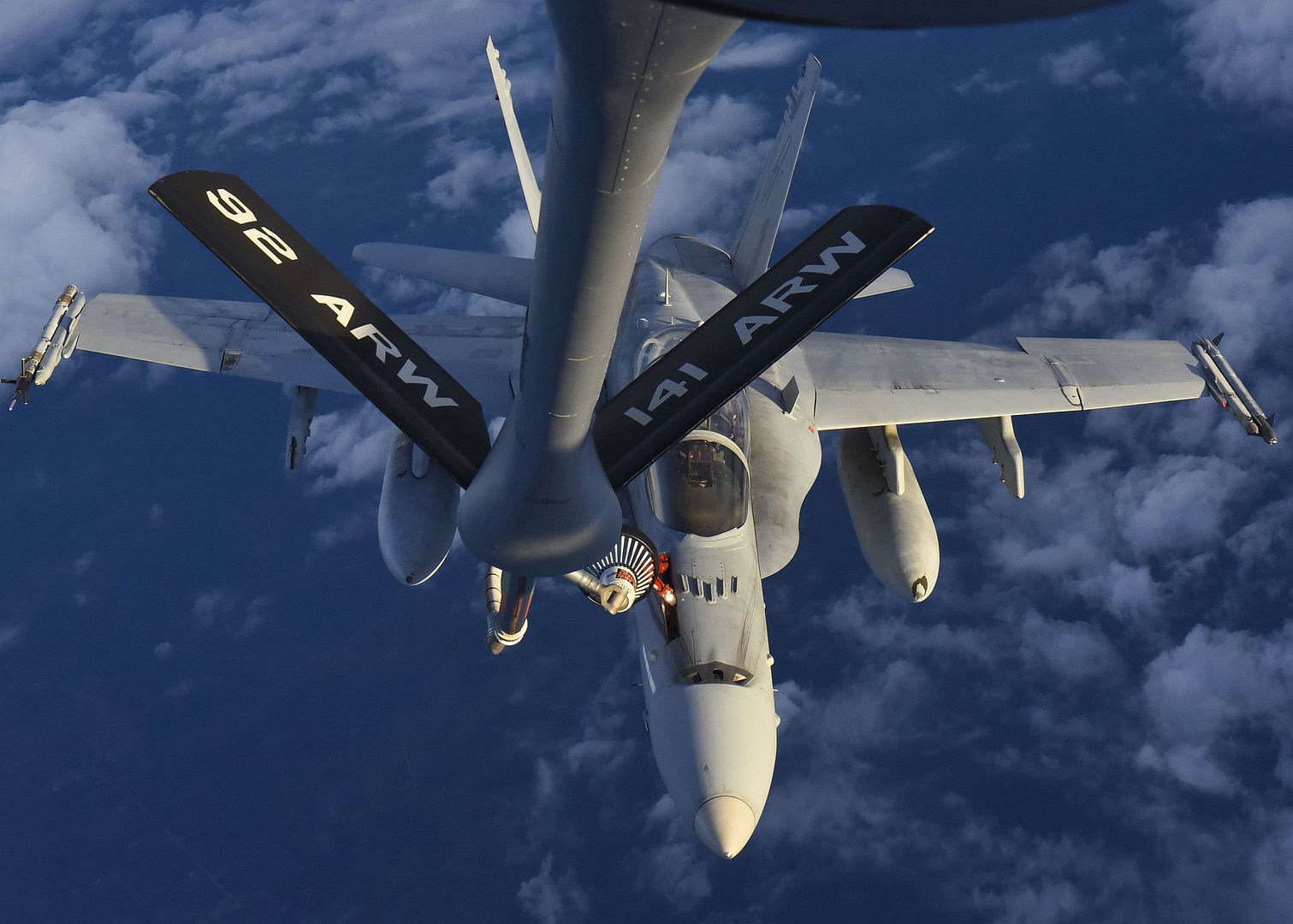
U.S. Air Force Airmen prepare a T-38 Talon for takeoff at Joint Base Langley-Eustis, Virginia, September 3, 2019. The T-38 was being moved to Rickenbacker Air National Guard Base, Ohio during evacuations for Hurricane Dorian. (U.S. Air Force photo by Airman 1st Class Sarah Dowe)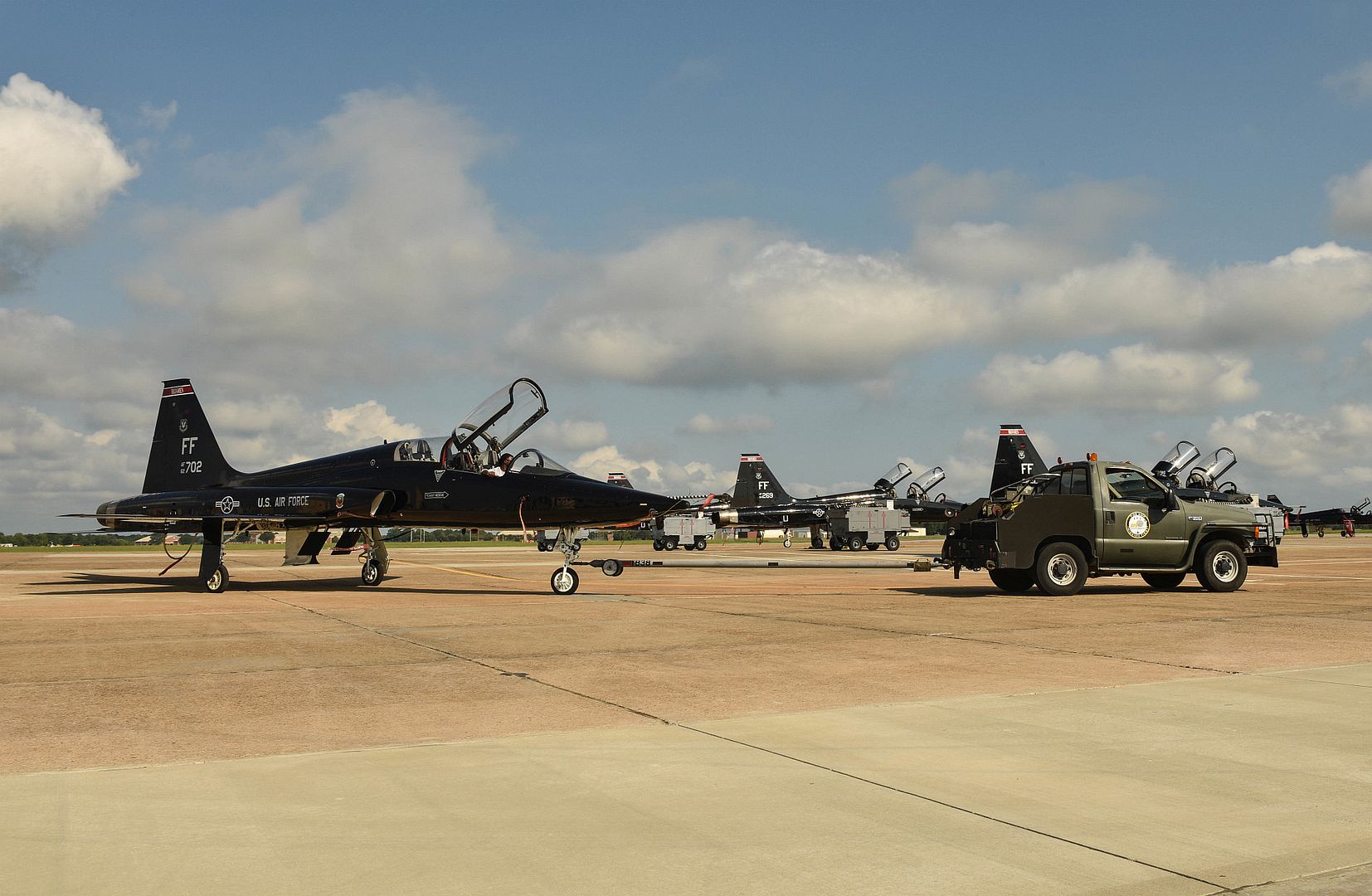
U.S. Air Force Airmen prepare an F-22 Raptor for takeoff at Joint Base Langley-Eustis, Virginia, September 4, 2019. The F-22 was being moved to Rickenbacker Air National Guard Base, Ohio, in preparation for Hurricane Dorian. (U.S. Air Force photo by Airman 1st Class Sarah Dowe)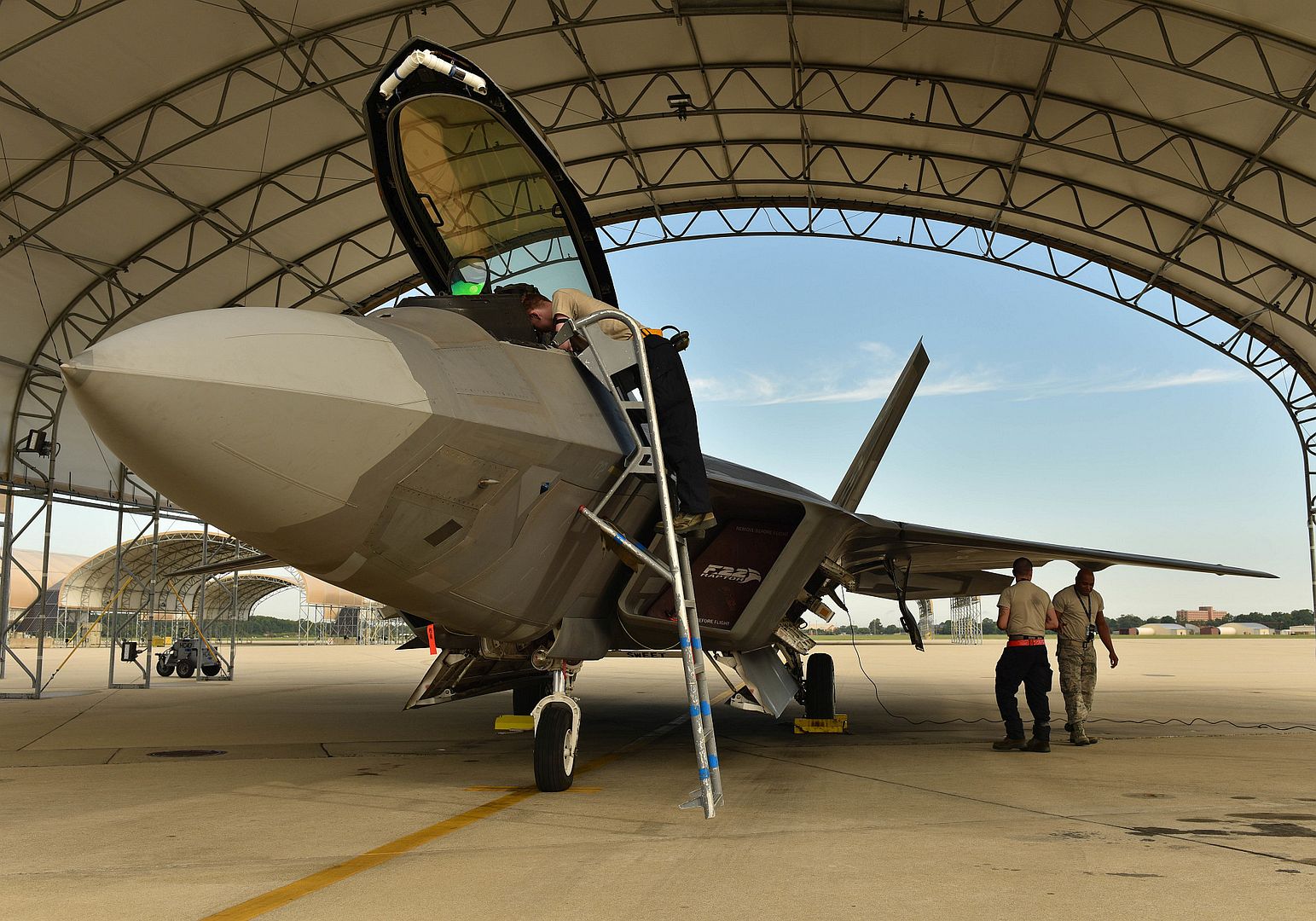
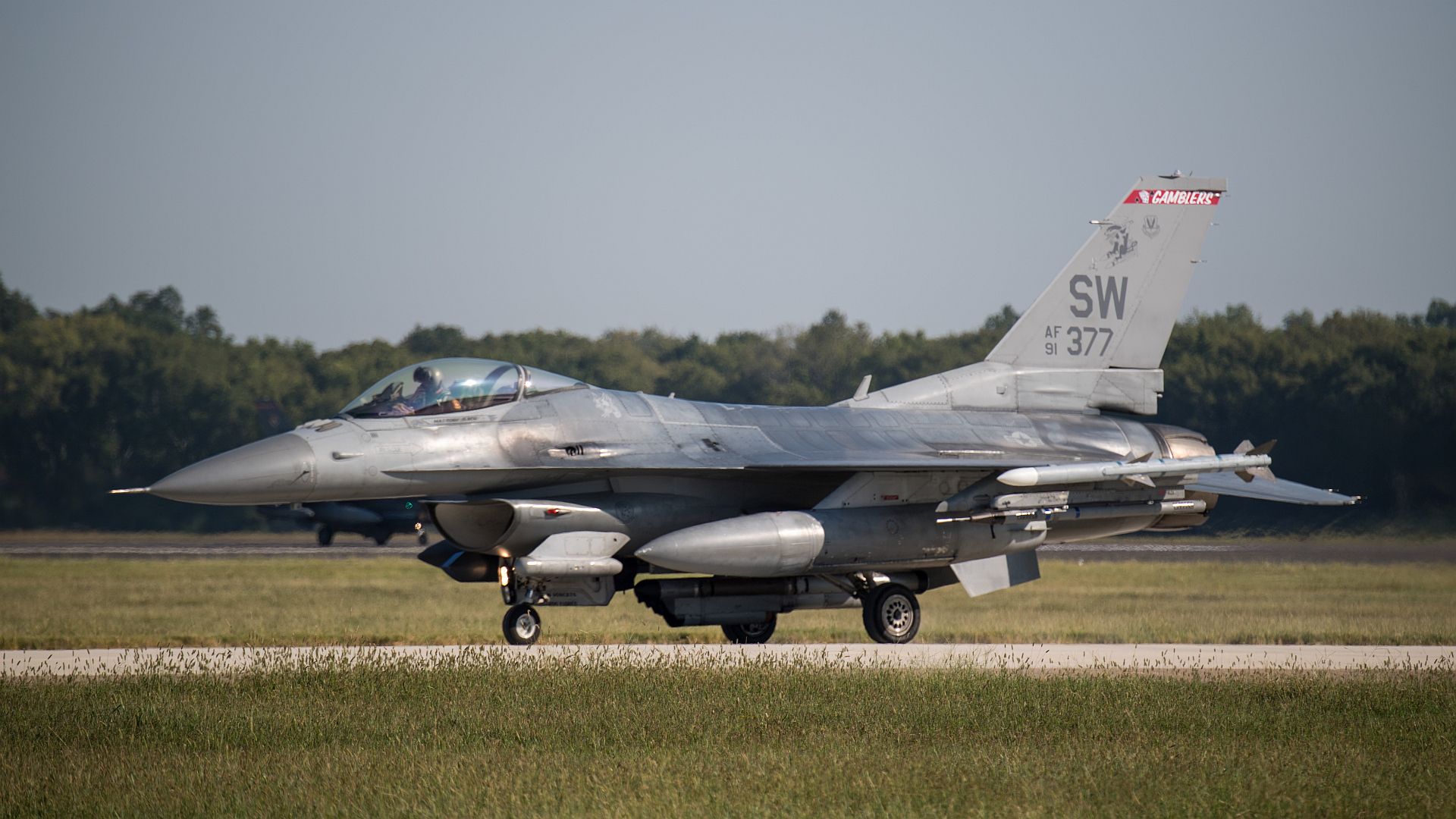
F-16 Viper's from Shaw Air Force Base, South Carolina, arrive at Barksdale Air Force Base, Louisiana, before Hurricane Dorian?s arrival Sept. 4, 2019. (U.S. Air Force photo's by Airman 1st Class Lillian Miller)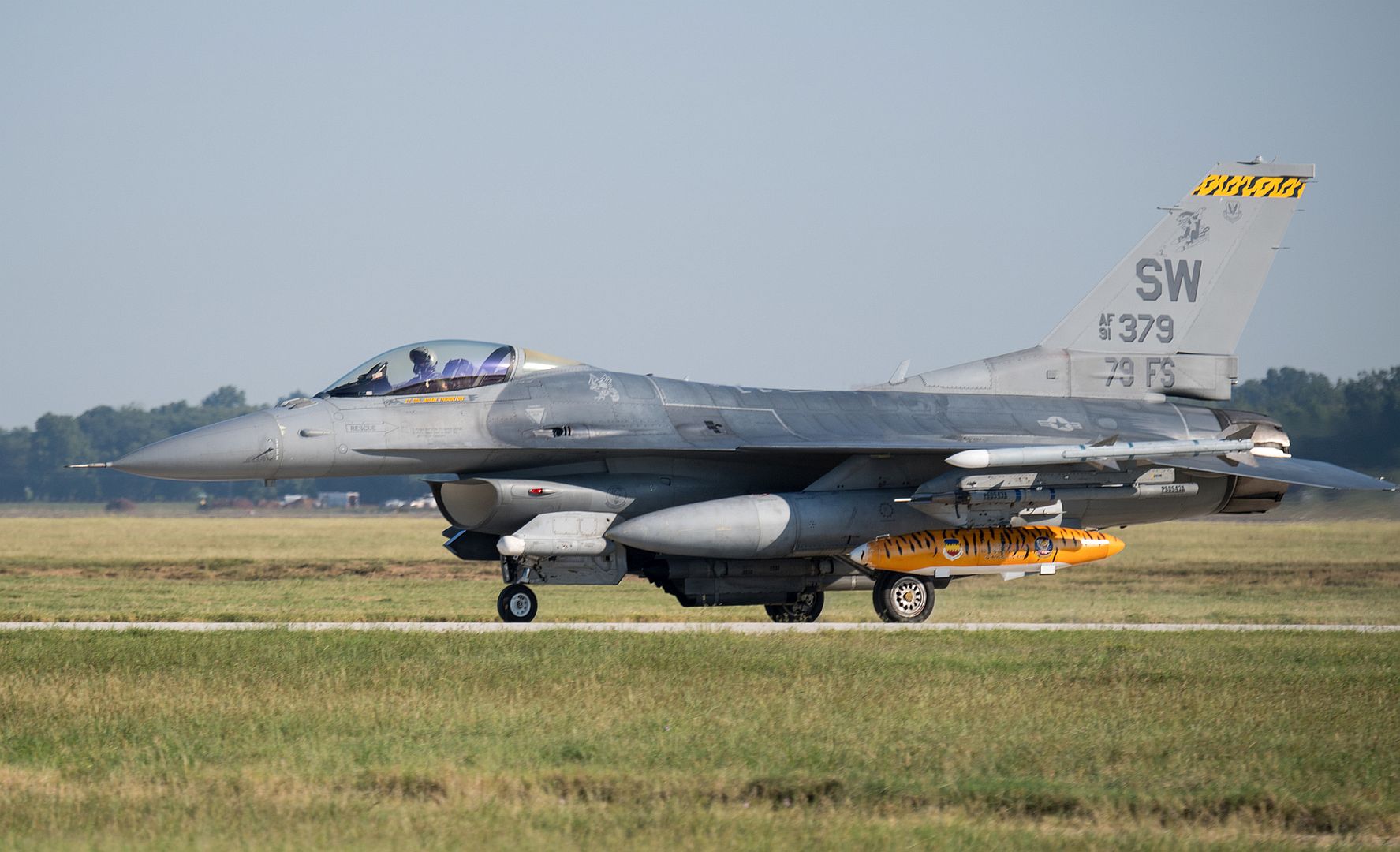
A U.S. F-15C Eagle receives fuel from a 28th Expeditionary Air Refueling Squadron KC-135 Stratotanker during a combat air patrol mission over an undisclosed location in Southwest Asia, Aug. 28, 2019. During the mission, the KC-135 aircrew provided aerial refueling for two F-15C Eagles at an undisclosed location. (U.S. Air Force photo by Master Sgt. Russ Scalf)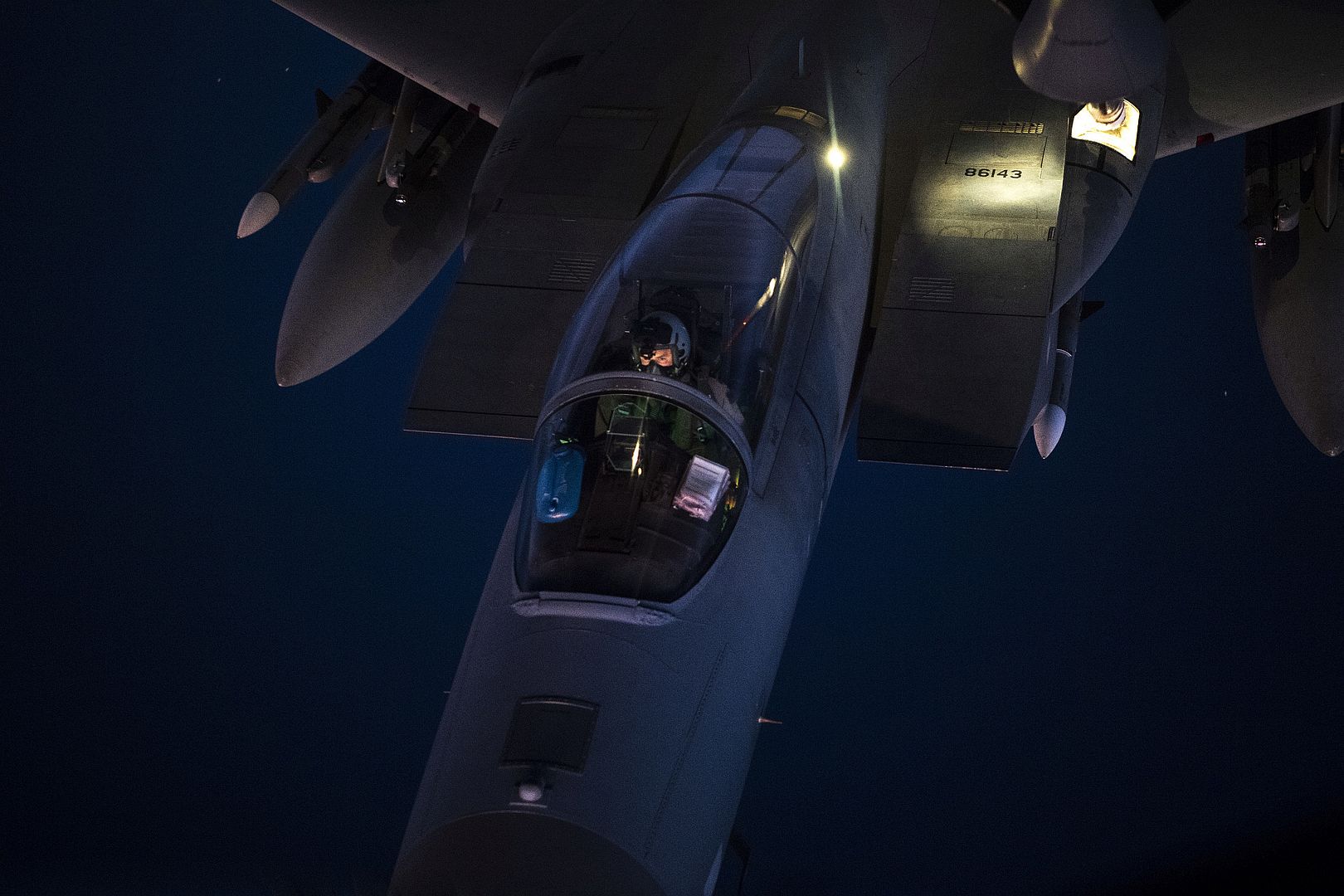
KIELCE, Poland, Sept. 4, 2019 /PRNewswire/ -- During the MSPO International Defence Industry Exhibition, PZL Mielec, a Lockheed Martin company (NYSE: LMT) displayed an S-70i? Armed Black Hawk? helicopter fitted with a single-station external stores pylon. Designed at PZL Mielec as a lighter weight, lower cost alternative to currently fielded dual-station external wings, a single-station pylon attached to one or both sides of the aircraft will be compatible with the advanced weapon system that allows Black Hawk pilot gunners to support battlefield operations using forward firing guns, rockets and air-to-ground missiles.
"We're developing the single-station pylon in response to requests by militaries across Europe, Latin America and Asia for a battlefield support helicopter that can be armed for different types of missions that may not always need four weapons stations," said Janusz Zakr?cki, president, general director of PZL Mielec. "Operators can arm the aircraft for suppressive fire, surveillance, armed reconnaissance, armed escort and air assault missions, and still carry out other utility roles whenever pylons and stores must remain on the aircraft."
At a quarter the cost and weight of a dual-station wing, a pylon can be removed or attached by two people in 15 minutes, produces less drag during flight, offers a wider field of fire to window or door gunners, and opens more space to hoist a litter into the aircraft while in a hover.
For large targets, a pylon will be able to carry HELLFIRE? or Spike air-to-ground missile launchers. A pylon also can extend aircraft range with an 80-gallon external fuel tank.
As a complementary option for the S-70i / S-70M Armed Black Hawk with dual-station wings, the single station pylon will integrate with the aircraft's weapons management system that calculates the range and complex ballistics required for pilot gunners to engage targets with high accuracy and reliability from stand-off distances during day and night operations.
PZL Mielec expects to begin airworthiness flight testing of the prototype pylon design in 2020.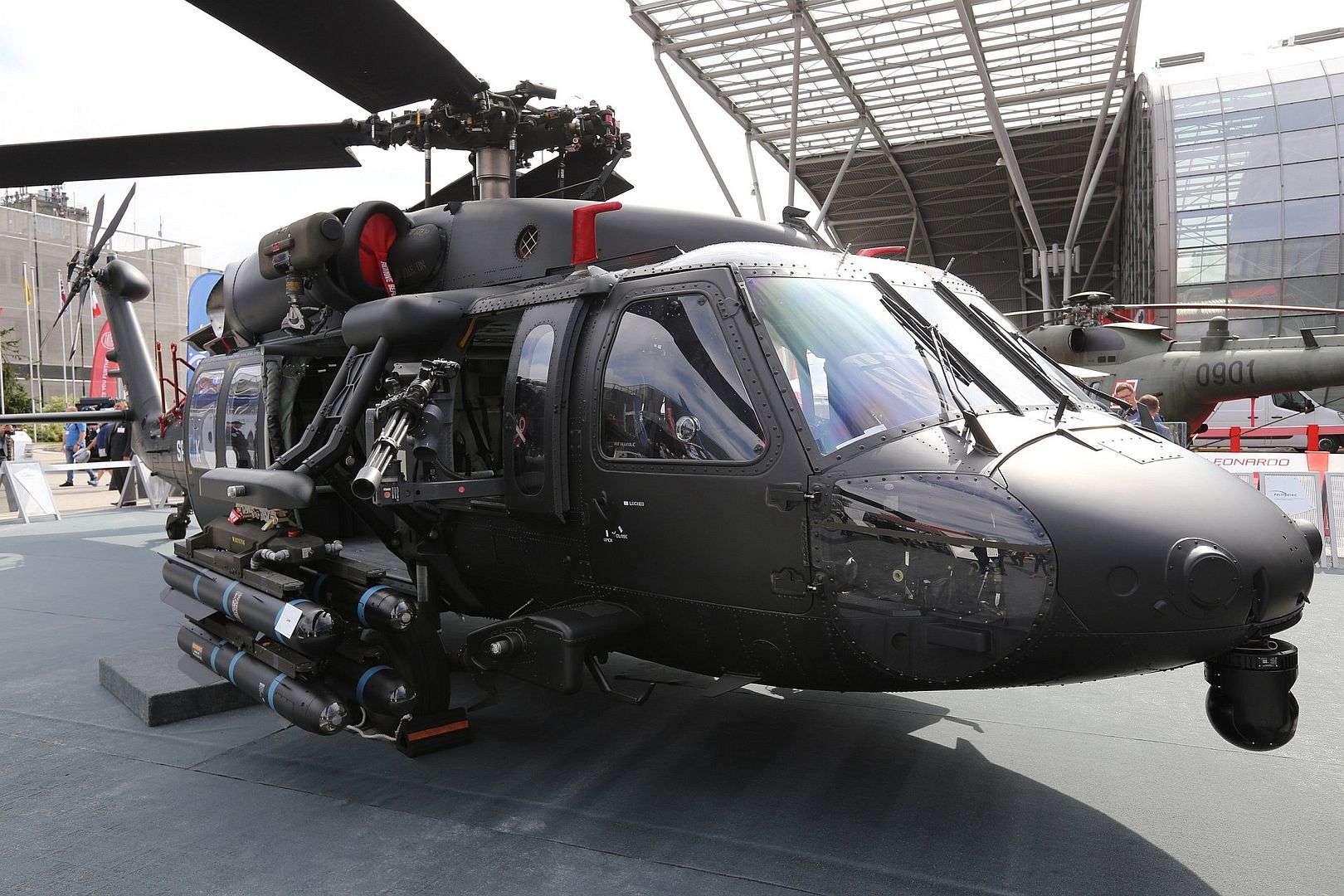
SEATTLE, Sept. 4, 2019 /PRNewswire/ -- China Airlines finalized its agreement with Boeing [NYSE: BA] to order six 777 Freighters to modernize its cargo fleet. The carrier, which currently operates one of the world's largest 747 Freighter fleets, plans to transition to the largest and longest range twin-engine freighters in the industry as it launches operations from Taipei to North America, a key market that provides higher yields for the carrier.
Valued at $2.1 billion according to list prices, China Airlines had previously announced its intent to order up to six 777 Freighters at the Paris Air Show in June. Three of the six 777 Freighter orders were confirmed in July and posted to Boeing's Orders and Deliveries website as an unidentified customer. The remaining three will post during the next update.
The versatile 777 Freighter can fly long-range trans-Pacific missions in excess of 6,000 nautical miles with 20 percent more payload than other large freighters like the 747-400F. The airplane, which is capable of carrying a maximum payload of 102 tons, will allow China Airlines to make fewer stops and reduce associated landing fees on these long-haul routes. As a result, it will provide China Airlines and other operators with the lowest trip cost of any large freighter and deliver superior ton-per-mile economics. In addition, the 777 Freighter features market-leading capacity for a twin-engine freighter, accommodating 27 standard pallets, measuring 96 inches by 125 inches (2.5 m x 3 m) on the main deck. This allows for lower cargo handling costs and shorter cargo delivery times.
"Air cargo is an important part of our overall business and the introduction of these new 777 Freighters will play an integral role in our long-term growth strategy," said China Airlines Chairman Hsieh Su-Chien. "As we transition our freighter fleet to the 777Fs, this will enable us to deliver world-class services to our customers more efficiently and reliably."
China Airlines, which marks its 60th anniversary this year, currently operates 51 Boeing airplanes, including 10 777-300ERs (Extended Range), 19 Next-Generation 737s, four 747-400s and 18 747 Freighters.
"As China Airlines celebrates more than half a century of success, Boeing is honored to continue playing an integral role in its growth and expansion. With this order China Airlines will join an elite group of global air cargo operators operating new 777 Freighters," said Ihssane Mounir, senior vice president of Commercial Sales and Marketing for The Boeing Company. "With the global air freight market forecasted to double over the next 20 years, the 777 Freighter's market-leading capabilities and economics will help China Airlines extend their network and grow their future cargo business."
The addition of 777 Freighters will enable the carrier to streamline maintenance and parts for its 777 fleet. The carrier uses a number of Boeing Global Services solutions to support its Boeing fleet operations, including Airplane Health Maintenance and Maintenance Performance Toolbox. These data-driven platforms track real-time airplane information, providing maintenance data and decision support tools that allow technicians to quickly and correctly resolve issues. On the ground and in the air, China Airline's entire fleet uses Jeppesen FliteDeck Pro and access to digital navigation charts to optimize performance and enhance situational awareness.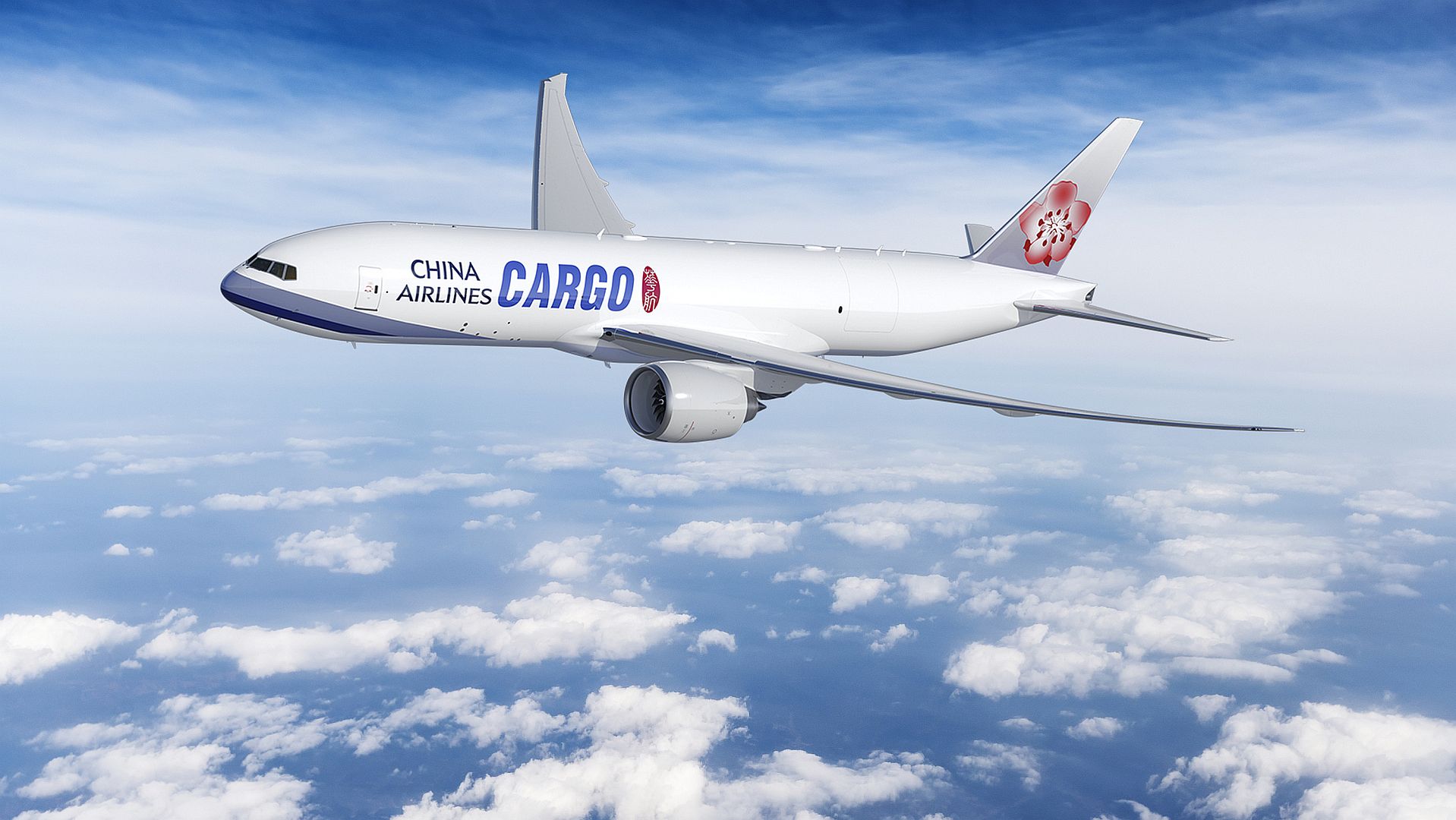
An?polis, Brazil, September 4th, 2019 - Embraer delivered today to the Brazilian Air Force (FAB) the first multi-mission airlift KC-390 at a ceremony held at An?polis Air Base, in the mid-western state of Goi?s, starting preparations for the aircraft?s entry into service by FAB?s First Troop Transport Group (1st GTT). Embraer has been conducting theoretical and practical training with the Air Force teams to start operations.
The KC-390 was developed as a joint project between the Brazilian Air Force and Embraer to set new standards for efficiency and productivity in its class, while presenting the lowest life-cycle cost in the market. The program represents a significant advance in terms of technology and innovation for the Brazilian aeronautics industry and an operational improvement for FAB's transport aviation. In 2014, FAB signed a firm order for 28 units of the KC-390 aircraft and initial logistical support. The aircraft are produced at the Gavi?o Peixoto factory, in S?o Paulo state.
The KC-390 was granted the Type Certificate by the Brazilian civil aviation authority ANAC (Ag?ncia Nacional de Avia??o Civil) in 2018, when it achieved Initial Operational Capability (IOC), which ensures that the necessary conditions have been met for the aircraft to start operations.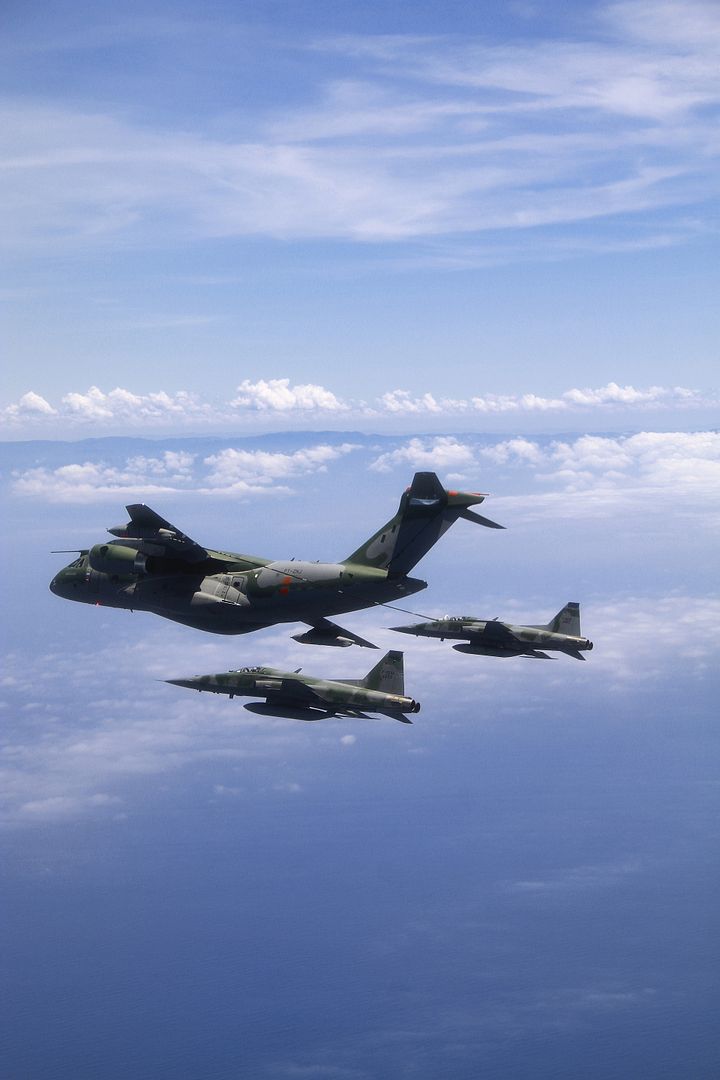
?The incorporation of the KC-390 into the Brazilian Air Force is a milestone in military aviation. Its modernity will bring an implementation and improvement in the doctrine of use of this multi-mission vector, greatly contributing to the fulfillment of the mission to control, defend and integrate the 22 million square kilometers under our responsibility?, said the Brazilian Air Force Commander, Lieutenant-Brigadier Antonio Carlos Moretti Bermudez.
?The entry into service of the KC-390 by FAB represents an important milestone for the program and it will certainly increase the growing international interest for this aircraft, consolidating the path to new sales?, said Jackson Schneider, President and CEO of Embraer Defense & Security. ?We are confident that the KC-390, in addition to successfully fulfilling the missions required by our Air Force, will have a positive economic impact on job creation and new investments in Brazil, as well as high value-added exports.?
In order to maximize the operational availability of the KC-390 fleet in the fulfillment of the respective missions, FAB and Embraer Services & Support signed a comprehensive five-year services and support contract. Under the agreement, Embraer?s portfolio of solutions TechCare will be responsible for logistical and engineering support, maintenance control, component repair, support staff for the aircraft entry into service, materials supply and an additional package that includes structural analysis, maintenance bulletin development, and aircraft painting, among other services.
The KC-390, which was recently ordered by the Portuguese Government, can carry out various missions including humanitarian support, medical evacuation, search and rescue, forest fire fighting and superior cargo and troop transport and launch capabilities, as well as aerial refueling.
Equipped with two International Aero Engines V2500 turbofan engines, the latest avionics, a rear ramp, and an advanced cargo handling system, the KC-390 is capable of carrying up to 26 metric tons of cargo at a maximum speed of 470 knots (870 km/h), with ability to operate in austere environments, including unpaved or damaged runways. The aircraft can carry troops, pallets, armored wheeled vehicles and helicopters.
The performance of the KC-390 benefits from a modern fly-by-wire control system with integrated technology that lowers the workload of the crew and increases the safety of its operation. Furthermore, the KC-390 can refuel other aircraft in flight, with the installation of removable internal fuel tanks. The aircraft can also be refueled in flight, thus providing greater flexibility for longer missions. An advanced self-defense system increases the aircraft?s survival capability in hostile environments.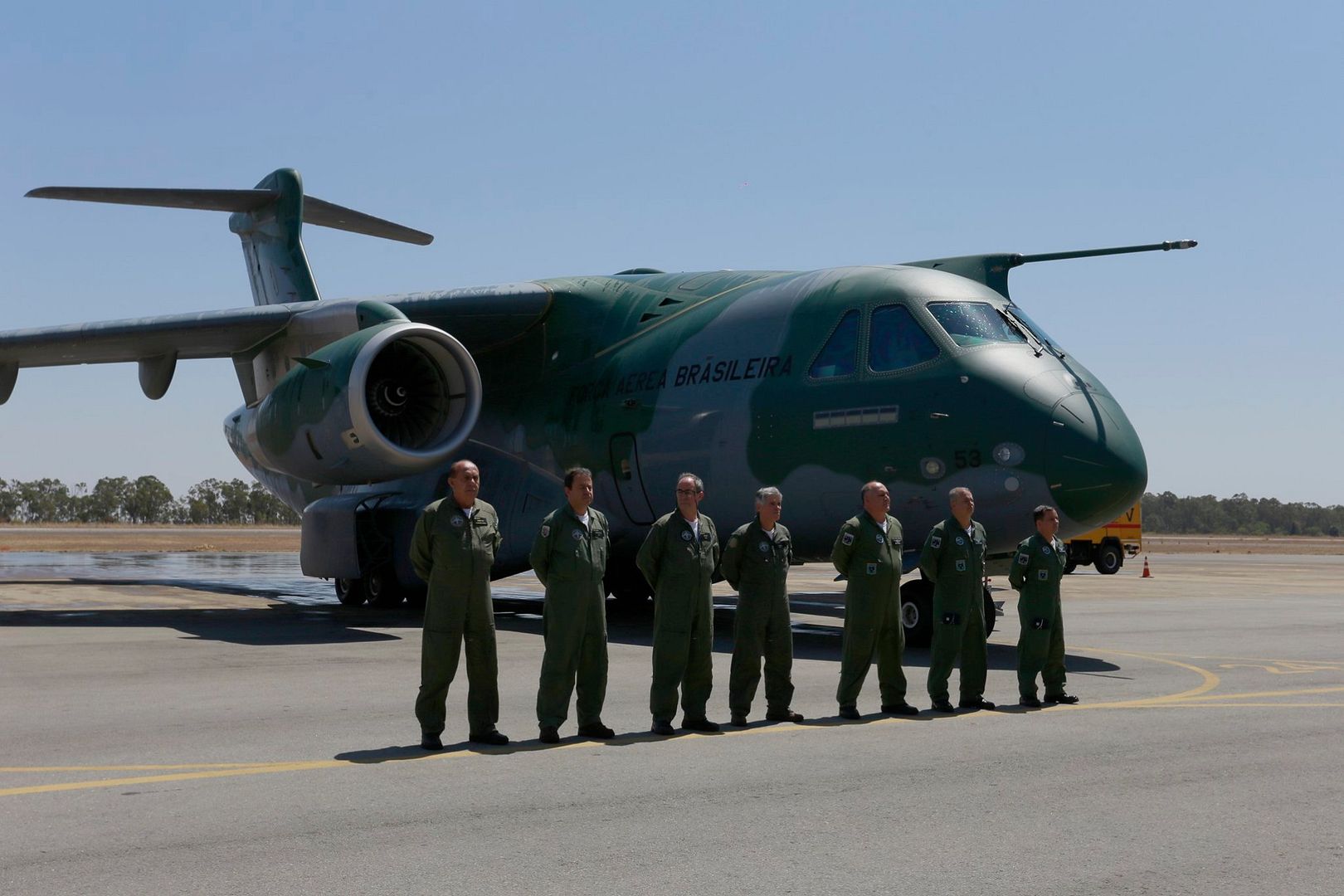
Arm?e de l'air from 23 to 30 August 2019, 15 pilots of the Groupe de Chasse 1/2 Cigognes took part in the exercise "Sparrowhawk" from the air base of payerne in Switzerland.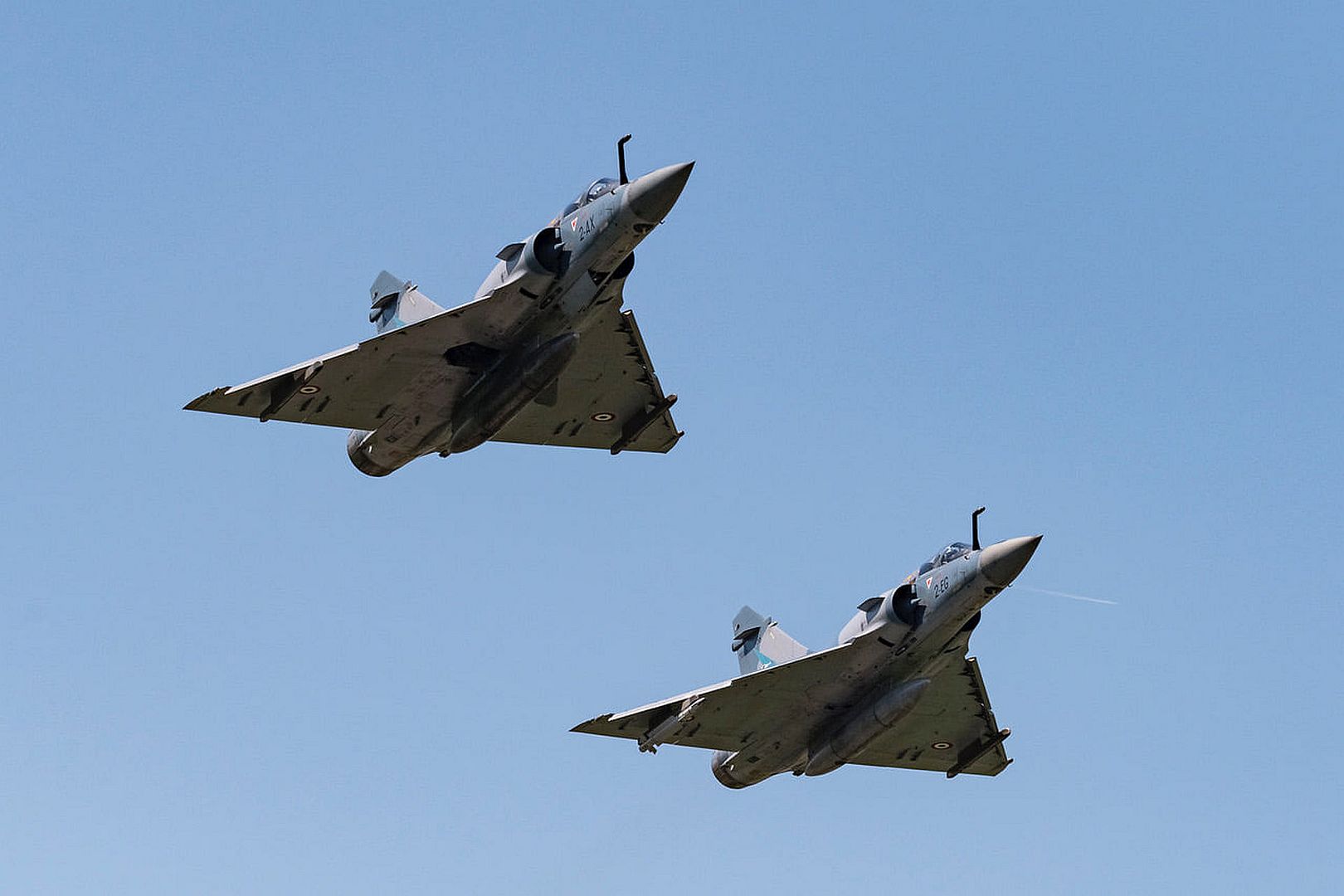
This week allowed a two-way training of the French Pilots Aboard Mirage 2000-5 and the organizers of the exercise, the Swiss on f-18 Hornet of the aviation training 11.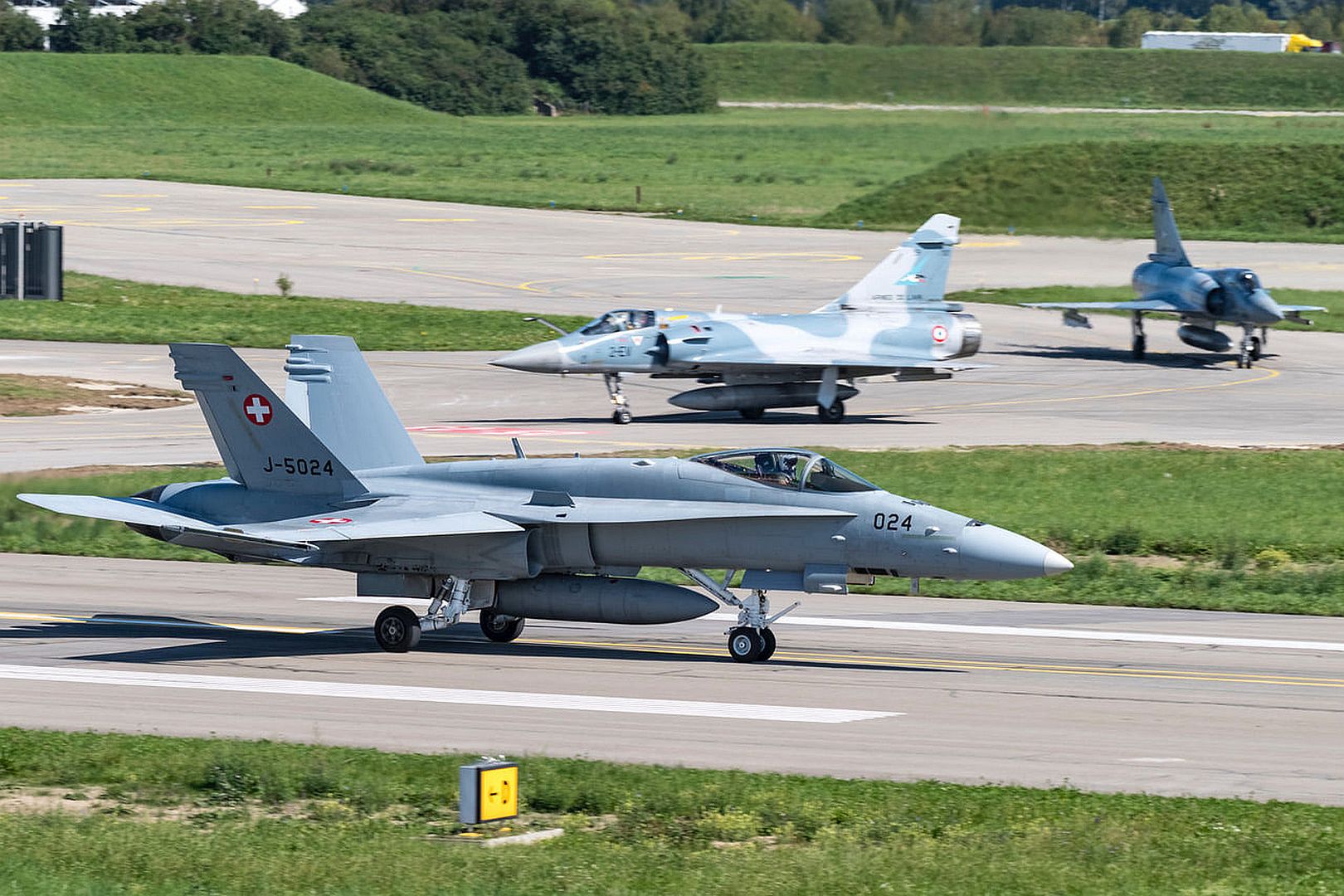
During this session 2019, the two nations reinforced their defence ties during complex air missions.
Photo's courtesy Arm?e de l'air.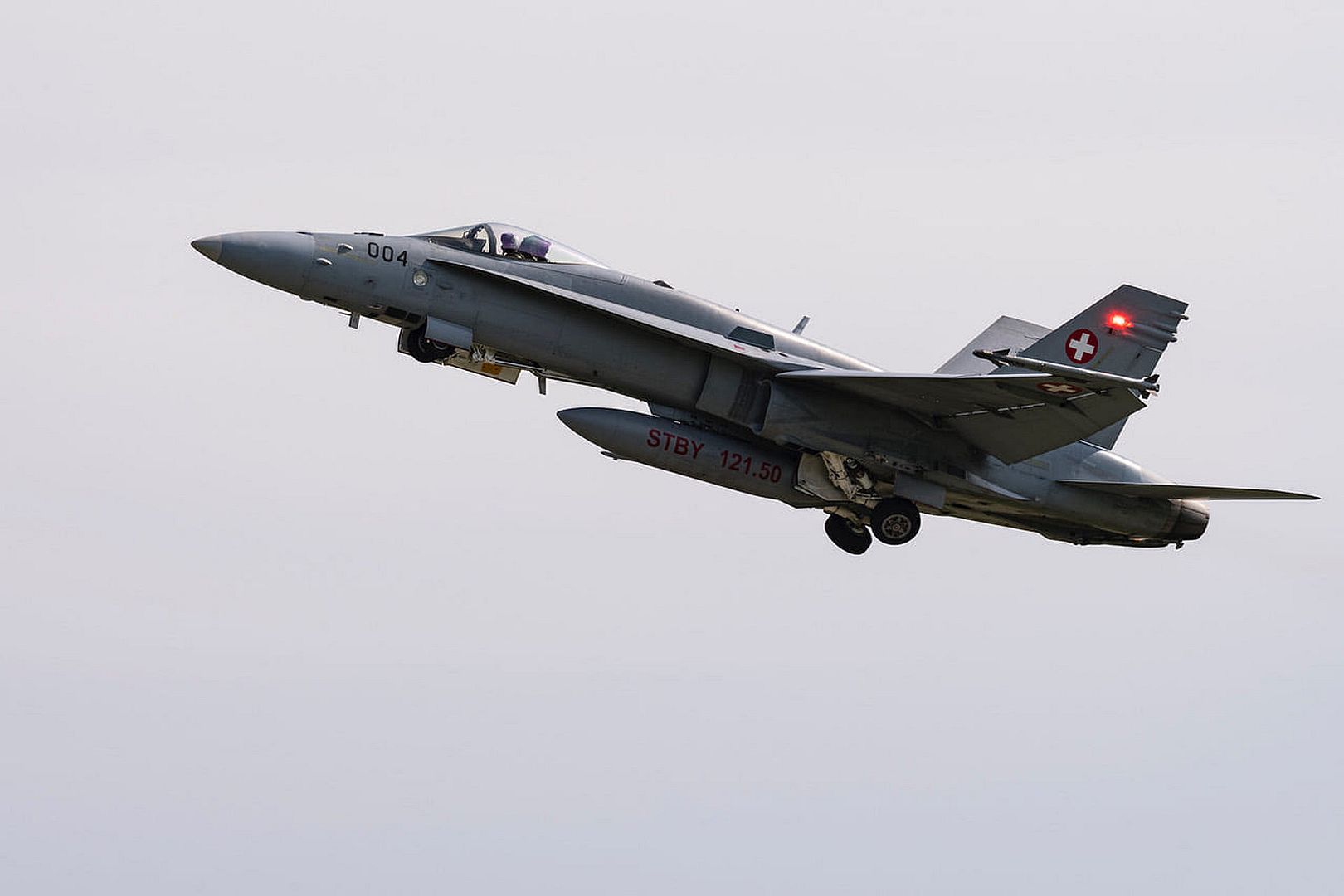
-
A U.S. Coast Guard MH-60 Jayhawk helicopter sits at Air Station Elizabeth City in preparation for Hurricane Dorian Response, Sept. 5, 2019. The aircraft must be thoroughly checked and maintained before enduring the harsh conditions of a hurricane.
(U.S. Coast Guard photo by Petty Officer 3rd Class Ronald Hodges)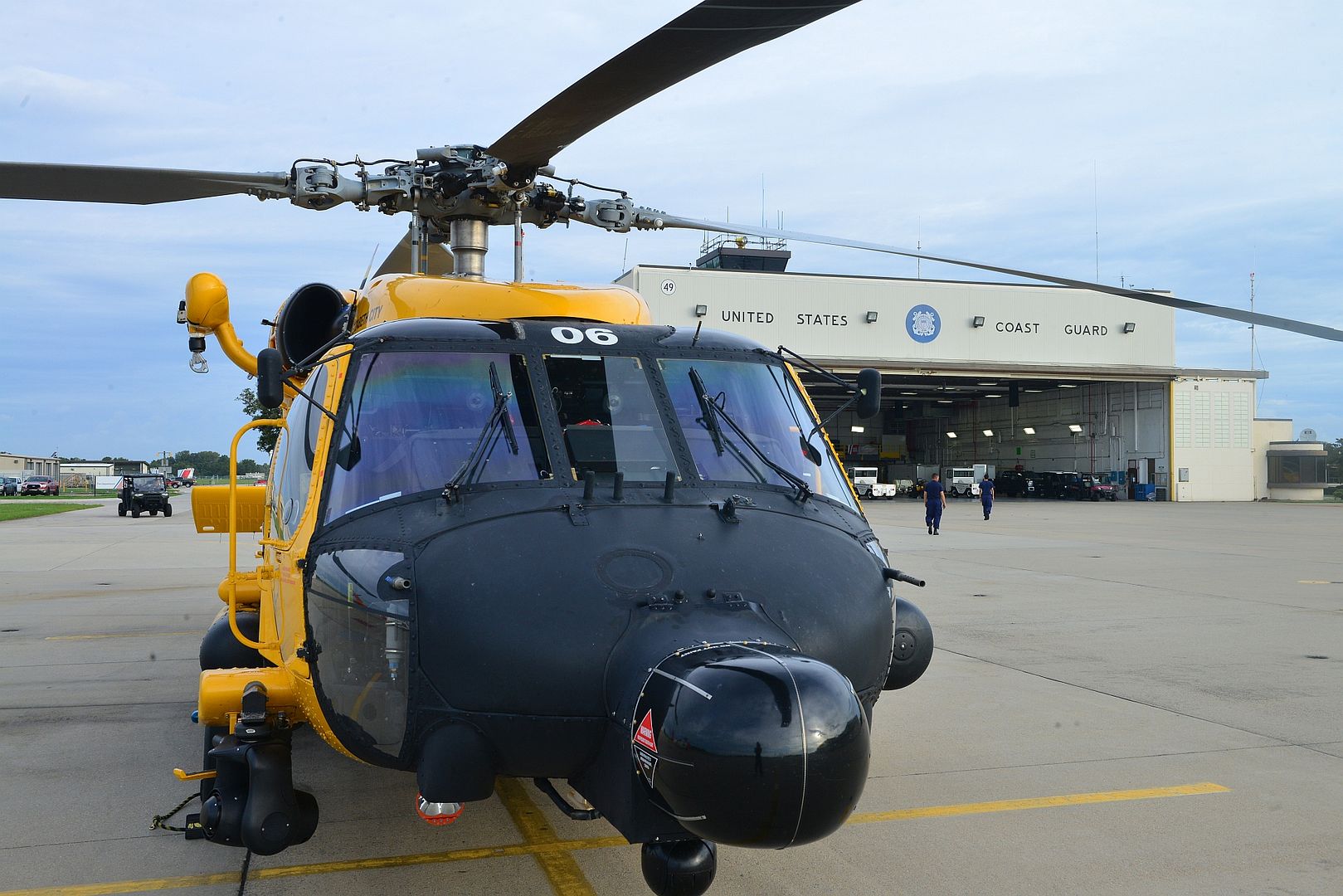
In support of Foreign Disaster Relief efforts in The Bahamas, a Marine Corps MV-22 Osprey from the Navy?s USS Bataan land at Homestead Air Reserve Base, Florida, to transport a U.S. Air Force Airfield Assessment Team, Sept 4, 2019. U.S. Northern Command, its component and subordinate commands, and the military services are actively supporting the U.S. Agency for International Development (USAID) by providing humanitarian assistance to the population of The Bahamas as a result of damage caused by Hurricane Dorian. (U.S. Air Force photo by Technical Sgt. Lionel Castellano)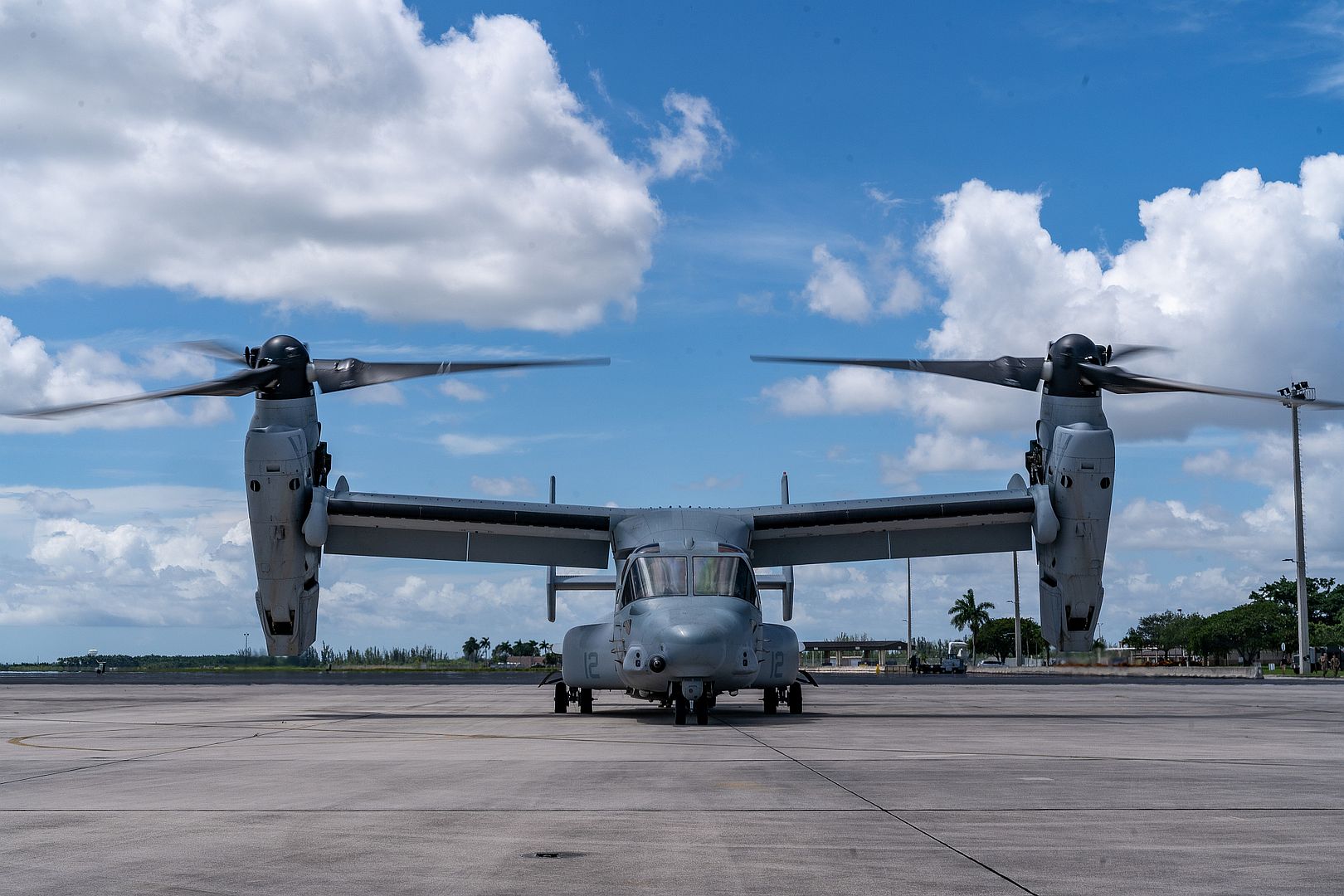
U.S. Air Force fighter pilots with the 157th Fighter Squadron at McEntire Joint National Guard Base, launch F-16 Fighting Falcon jets in preparation for potential damage caused by Hurricane Dorian, September 4, 2019. The South Carolina Air National Guard is evacuating most of its F-16 fighter jet fleet to Naval Air Station Fort Worth, Texas. (U.S. Air National Guard photo by Master Sgt. Caycee Watson, 169th Fighter Wing Public Affairs)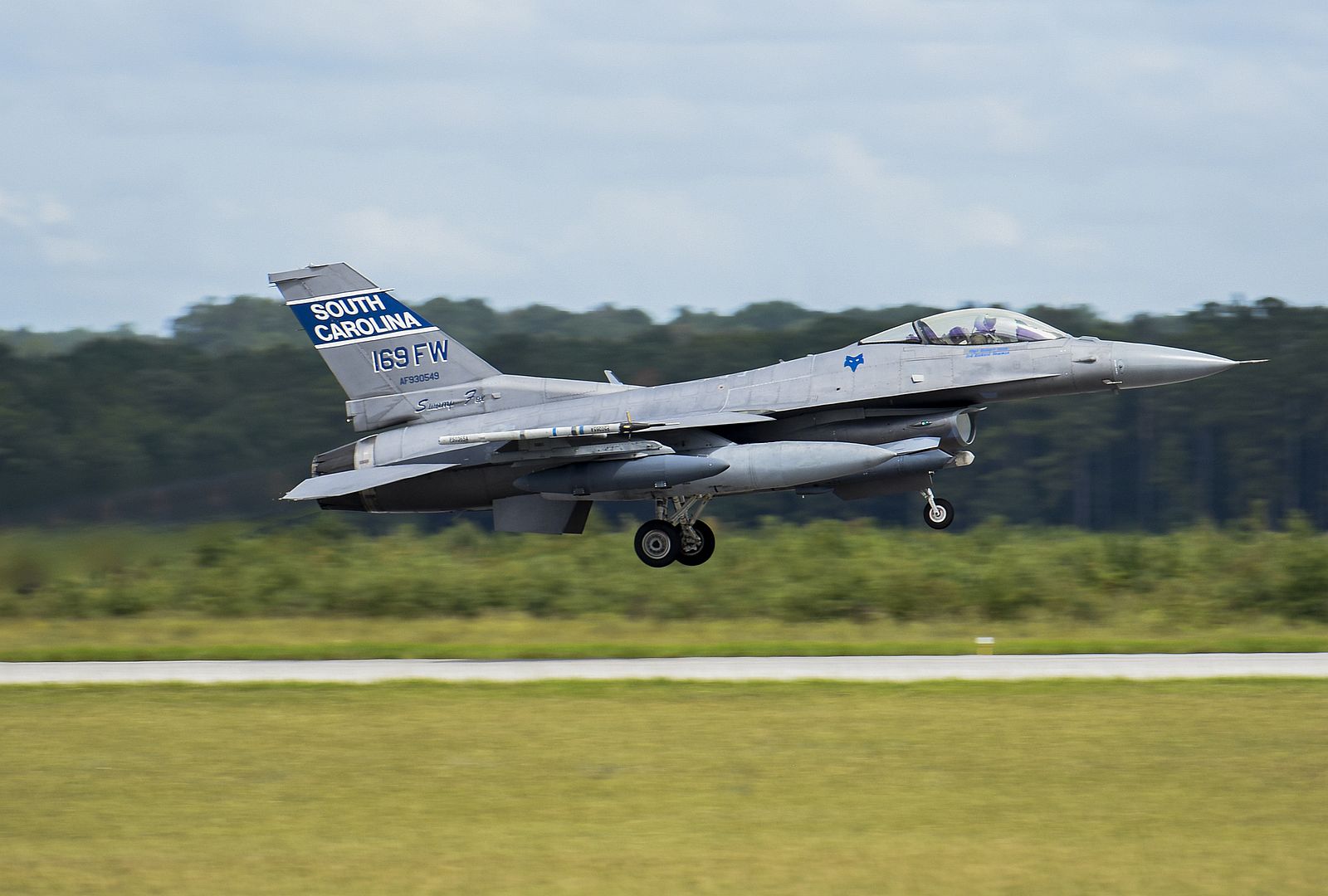
A B-2 Spirit Stealth Bomber, assigned to the 509th Bomb Wing at Whiteman Air Force Base, Missouri, takes off from Royal Air Base Fairford, England, on September 03, 2019. Bomber Task Force Europe is a routine deployment that consist of three B-2 Spirit aircraft, Airmen and support equipment from Whiteman AFB Missouri, to RAF Fairford to conduct theater integration and flying training. Participation in multinational exercises enhances our professional relationships and improves overall coordination with allies and partner militaries during times of crisis. (U.S. Air Force photo by Senior Airman Thomas Barley)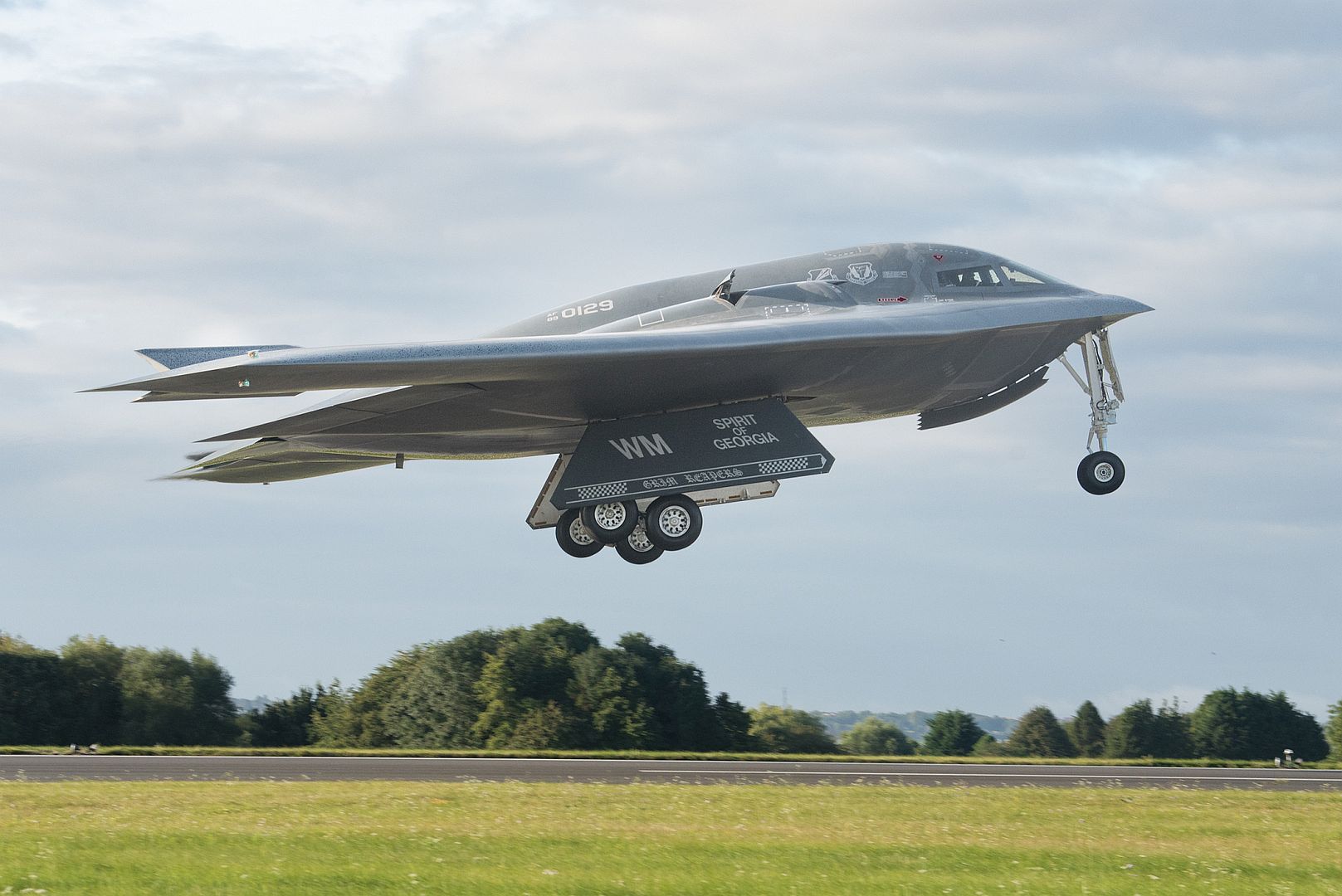
An F-16 from the 40th Flight Test Squadron located at Eglin Air Force Base, Fla., returns to base after completing testing Aug. 23. Flutter testing evaluates the vibration characteristics of the airplane at certain speeds to asses the impact of plane lifetime and safe mission accomplishment. (U.S. Air Force photo by Tech. Sgt. John Raven)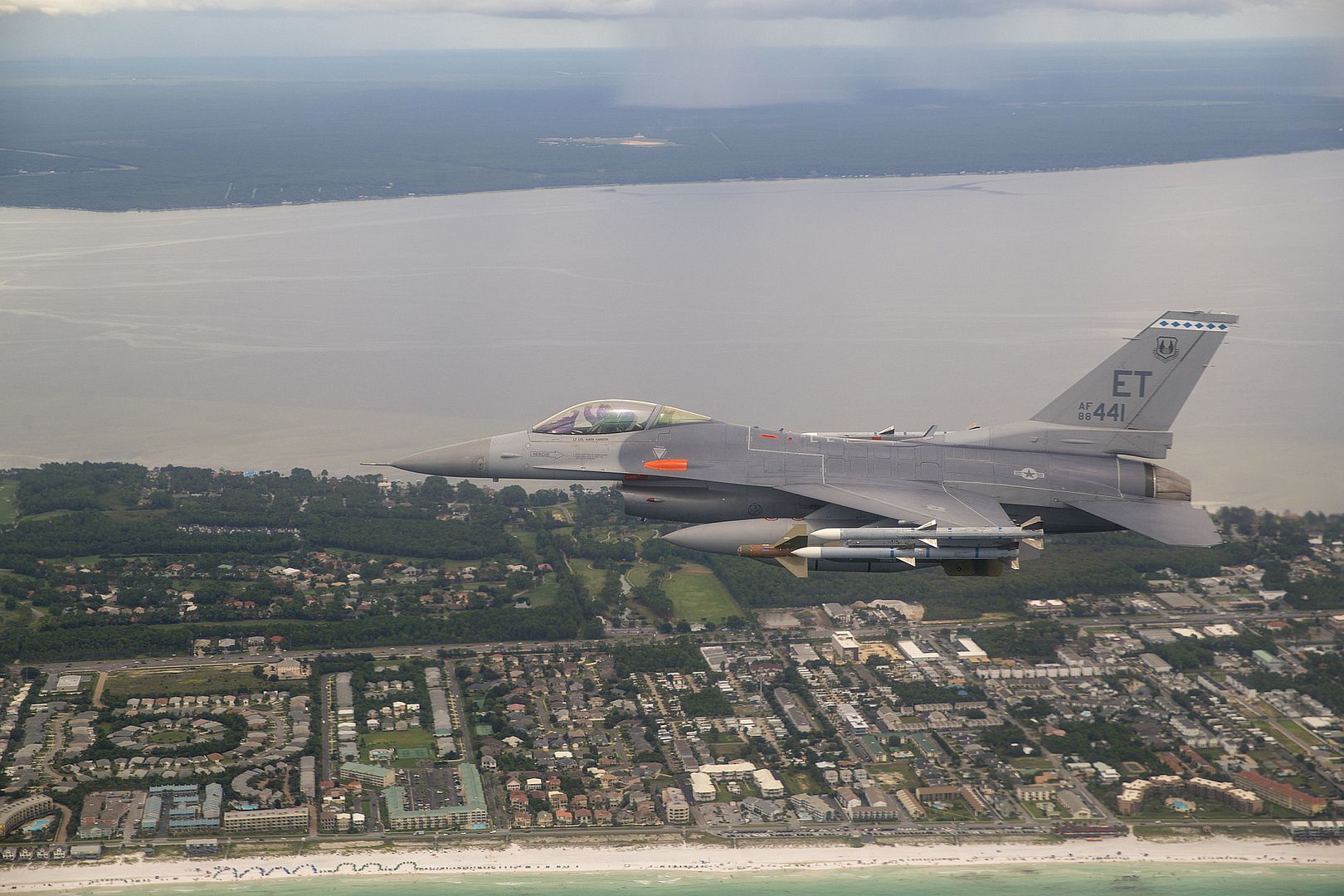
September 3rd.
Four RAF Typhoons from 121 Expeditionary Air Wing landed at Royal Air Force Coningsby from ?mari Airbase in Estonia following completion of their four-month NATO enhanced air policing mission to protect Baltic airspace.
Enhanced air policing, known by the RAF as Operation AZOTIZE, involved the Typhoons being on Quick Reaction Alert (QRA); permanent readiness to respond to any potential threat and they could be scrambled on a 24/7 basis in order to intercept any aircraft straying into #NATO airspace.
Over the four-month deployment, known as Operation Azotize, RAF Typhoons conducted a total of 21 interceptions of 56 Russian aircraft in the skies above Estonia.
Photo MOD.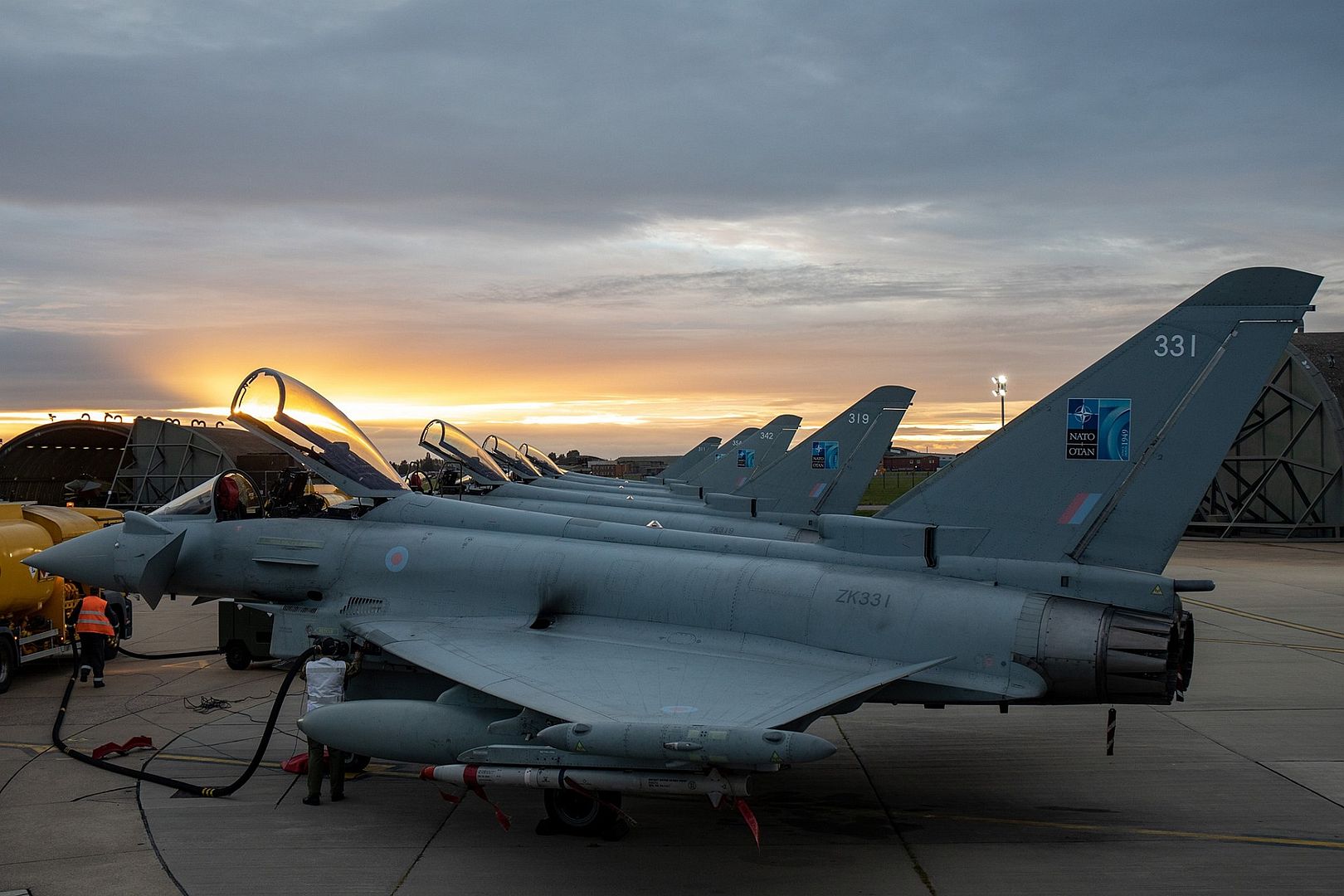
-
A CBP Air and Marine Operations Multi-Role Enforcement Aircraft lands in Jacksonville, Florida Sept. 5 2019. Aircraft are being repositioned to North Carolina for response efforts in the aftermath of Hurricane Dorian.
CBP photo by Ozzy Trevino.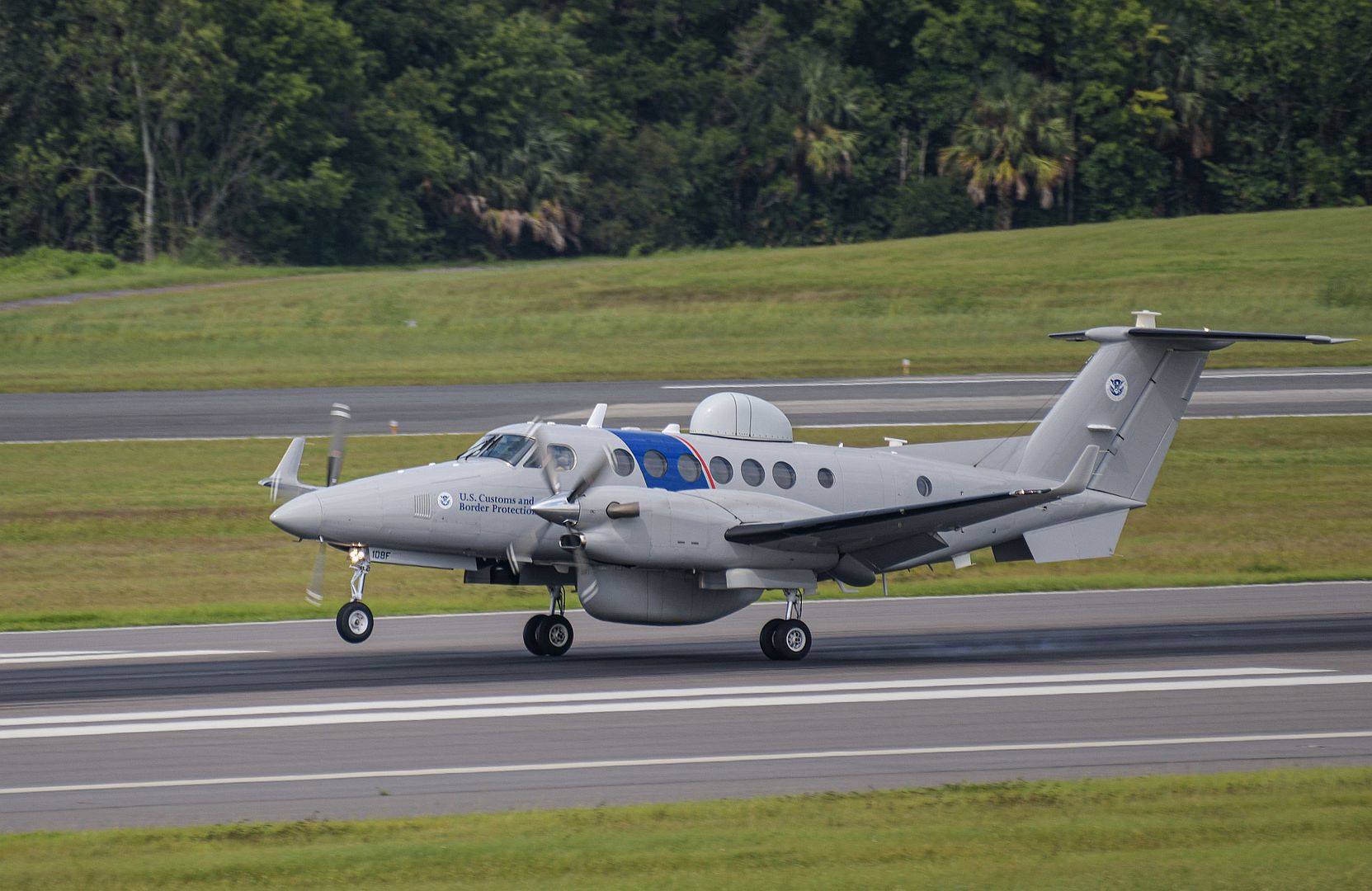
An AH-1Z Viper takes off from the Marine Corps Air Station Camp Pendleton flight line on Marine Corps Base Camp Pendleton, California, Sept. 5, 2019. The air station and the squadrons housed there provide aviation support that enables I Marine Expeditionary Force, Marine Corps Base Camp Pendleton tenant commands and visiting units to maintain and enhance their mission capabilities and combat readiness. (U.S. Marine Corps photo by Lance Cpl. Andrew Cortez)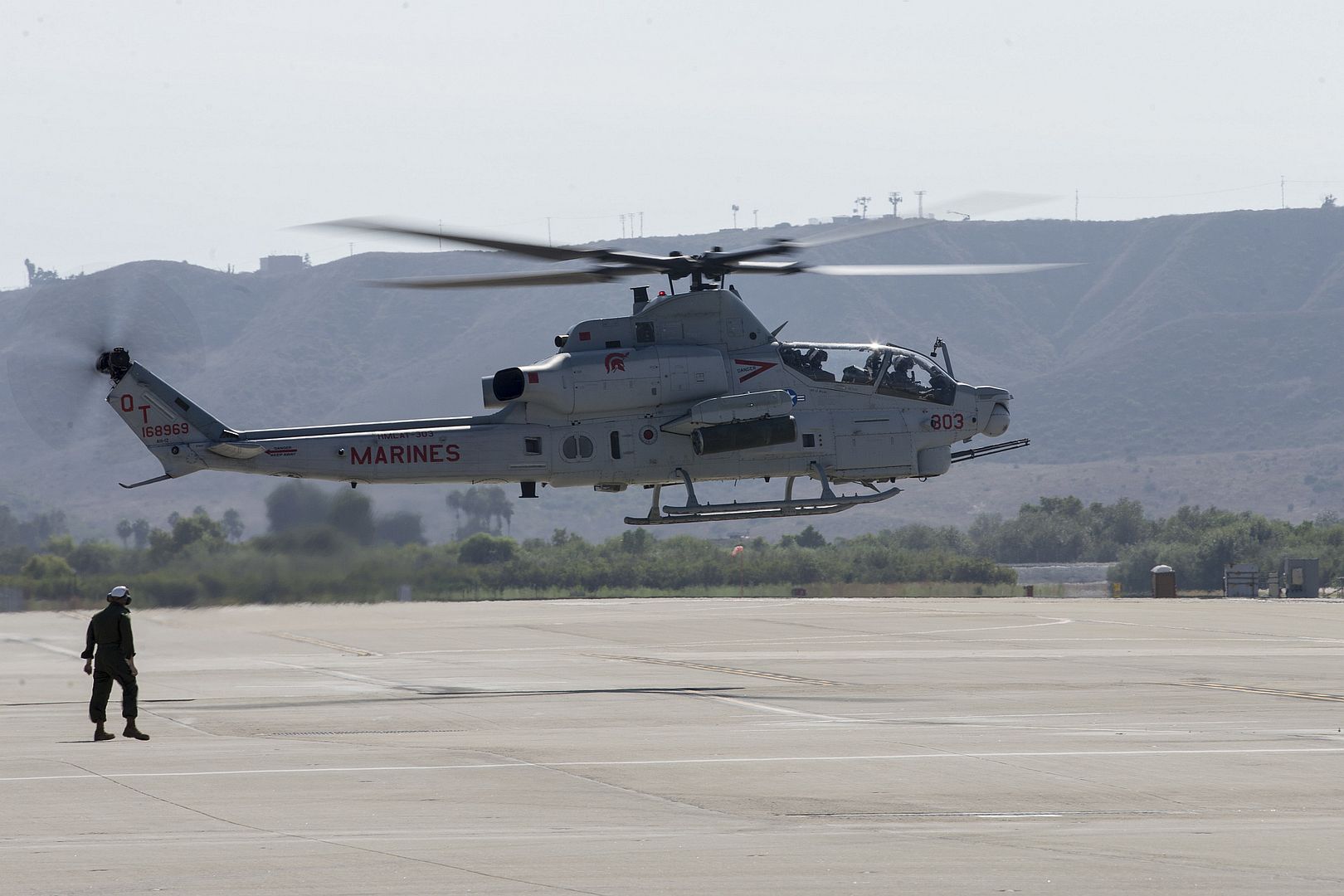
An F-15E Strike Eagle basks in the late evening light after escaping Hurricane Dorian's path and relocating to Tinker Air Force Base, Oklahoma, Sept. 4, 2019. The F-15E is assigned to the 4th Fighter Wing, Seymour-Johnson AFB, North Carolina, as part of Air Combat Command. Team Tinker executed an existing agreement with Seymour-Johnson AFB, North Carolina and Warner-Robins AFB, Georgia to host fighters, tankers and reconnaissance aircraft far away from the devastating hurricane impacting the East Coast of the United States. (U.S. Air Force photo/Greg L. Davis)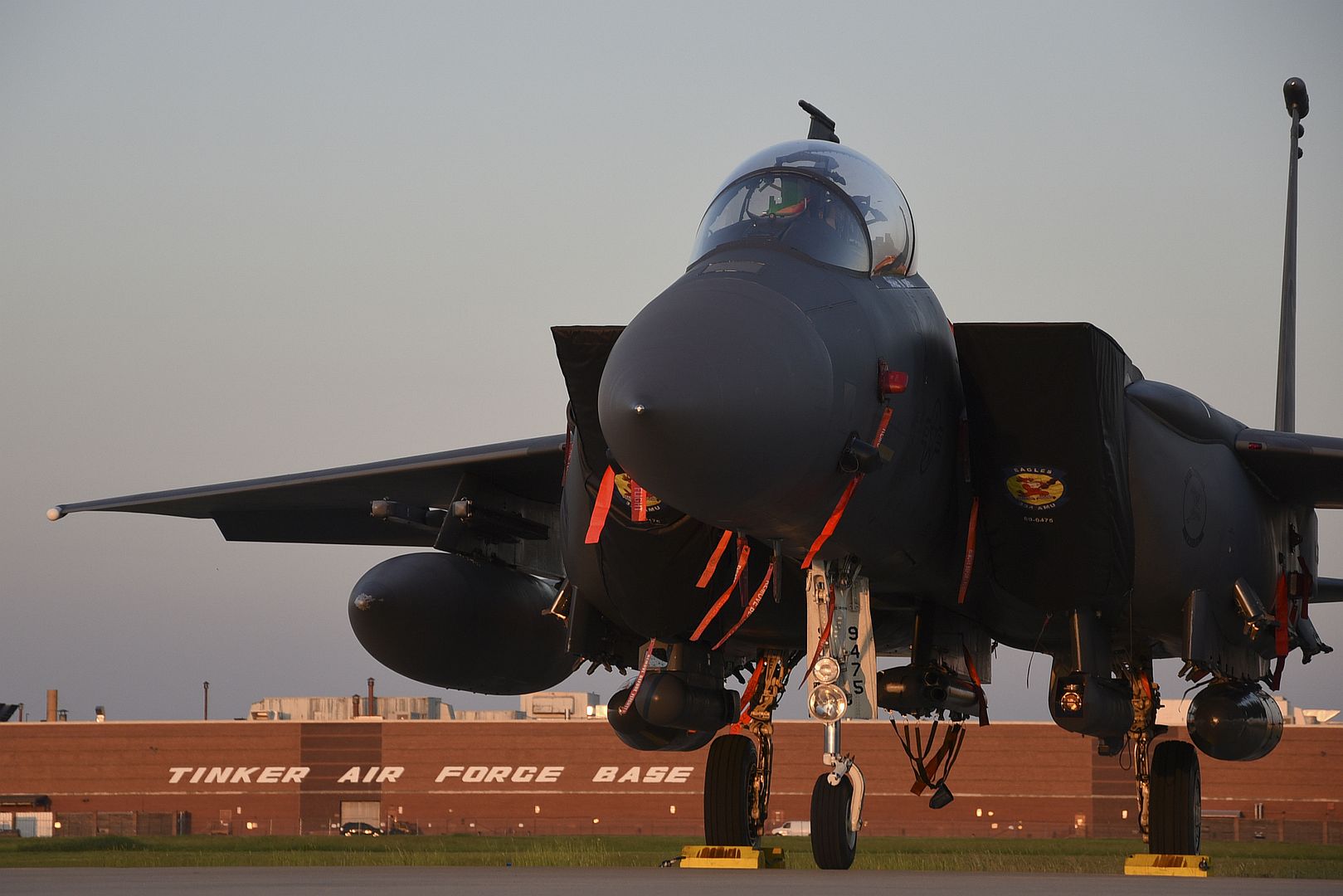
Two E-8C Joint Stand-Off Aerial Reconnaissance System aircraft from the 116th Air Control Wing, Georgia Air National Guard, taxi toward the runway at Tinker AFB, Oklahoma for departure to home station Sept. 4, 2019, Tinker AFB, Oklahoma. Team Tinker executed an existing agreement with Seymour-Johnson AFB, North Carolina and Warner-Robins AFB, Georgia to host fighters, tankers and reconnaissance aircraft far away from the devastating hurricane currently impacting the East Coast of the United States. (U.S. Air Force photo/Greg L. Davis)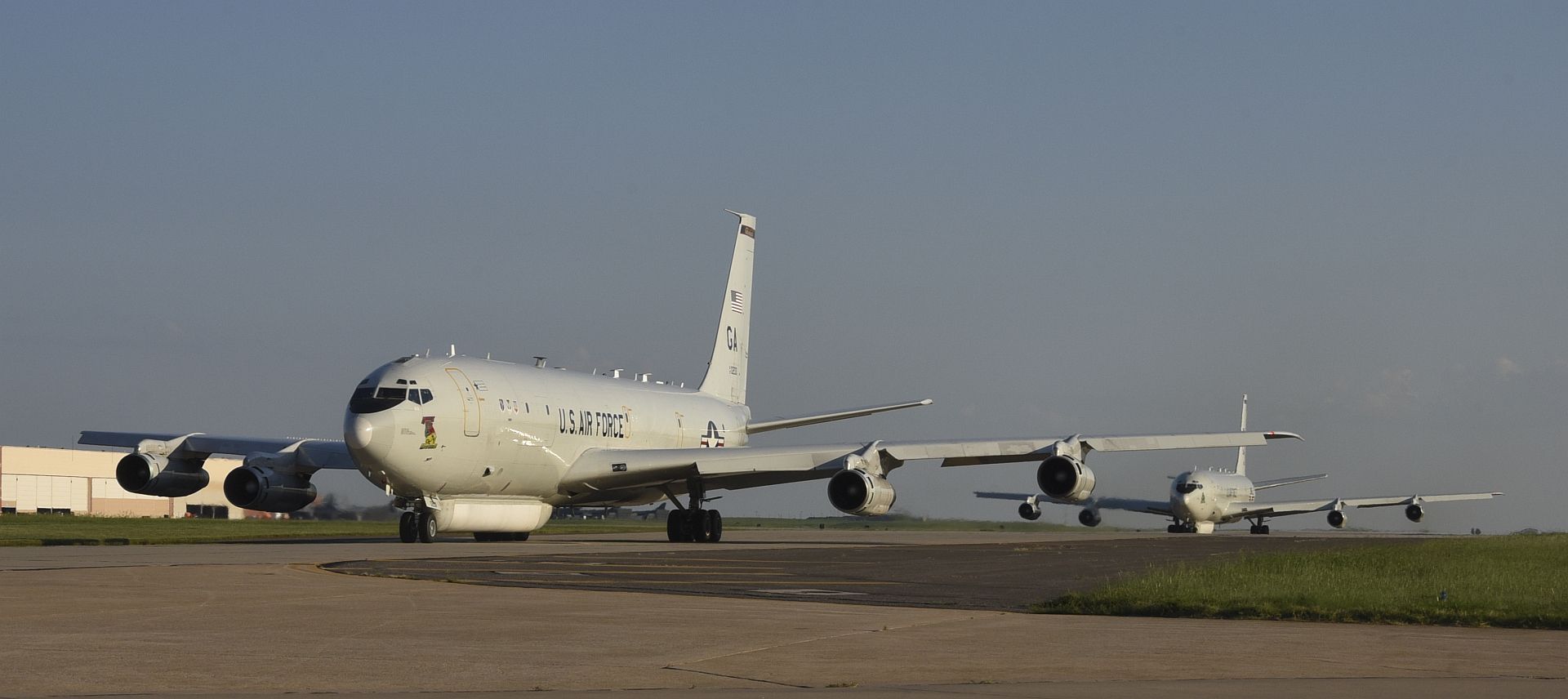
A U.S Air Force F-16 Fighting Falcon from the 510th Fighter Squadron gains altitude at Aviano Air Base, Italy, Sep. 4, 2019. The 510th Fighter Squadron provides combat airpower on demand to U.S. and NATO combatant commanders as well as the National Command Authority in order to meet National Security objectives. (U.S. Air Force photo by Airman 1st Class Ericka A. Woolever).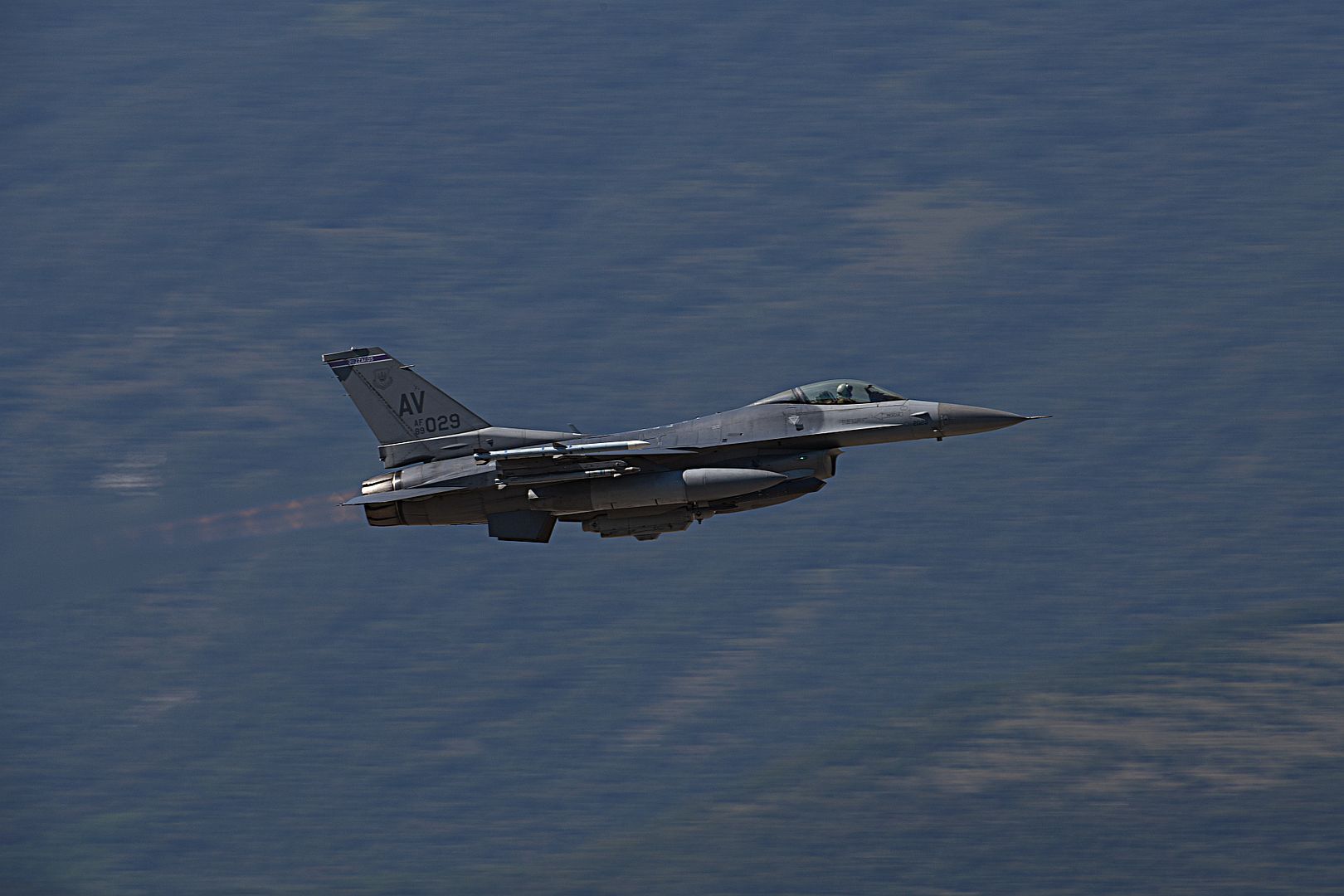
Marignane - Airbus Helicopters has delivered its 1,000th Super Puma helicopter: a twin-engine multi-role H215 assembled in Marignane, France, and handed over to the German Federal Police (Bundespolizei) to support the German Havarie Command, which manages maritime emergencies off of Germany?s coast.
This delivery completes the German Federal Police?s order for four H215s, the first three of which were delivered in December 2018, and increases the German Federal Police?s Super Puma fleet to 23, including 19 AS332 L1s, making the police force one of the largest operators of Super Pumas in the world today.
?The Super Puma family of civil and military helicopters has consistently performed well thanks to its ability to appeal to many different mission segments, whether you?re fighting fires, building power lines, transporting troops, or saving lives in extreme environments,? said Bruno Even, CEO of Airbus Helicopters. ?Thanks to our close partnerships with long-standing customers like the German Federal Police, who we are honoured will operate our 1000th Super Puma, we are able to continuously improve so that this important product continues to meet the evolving market needs for decades to come.?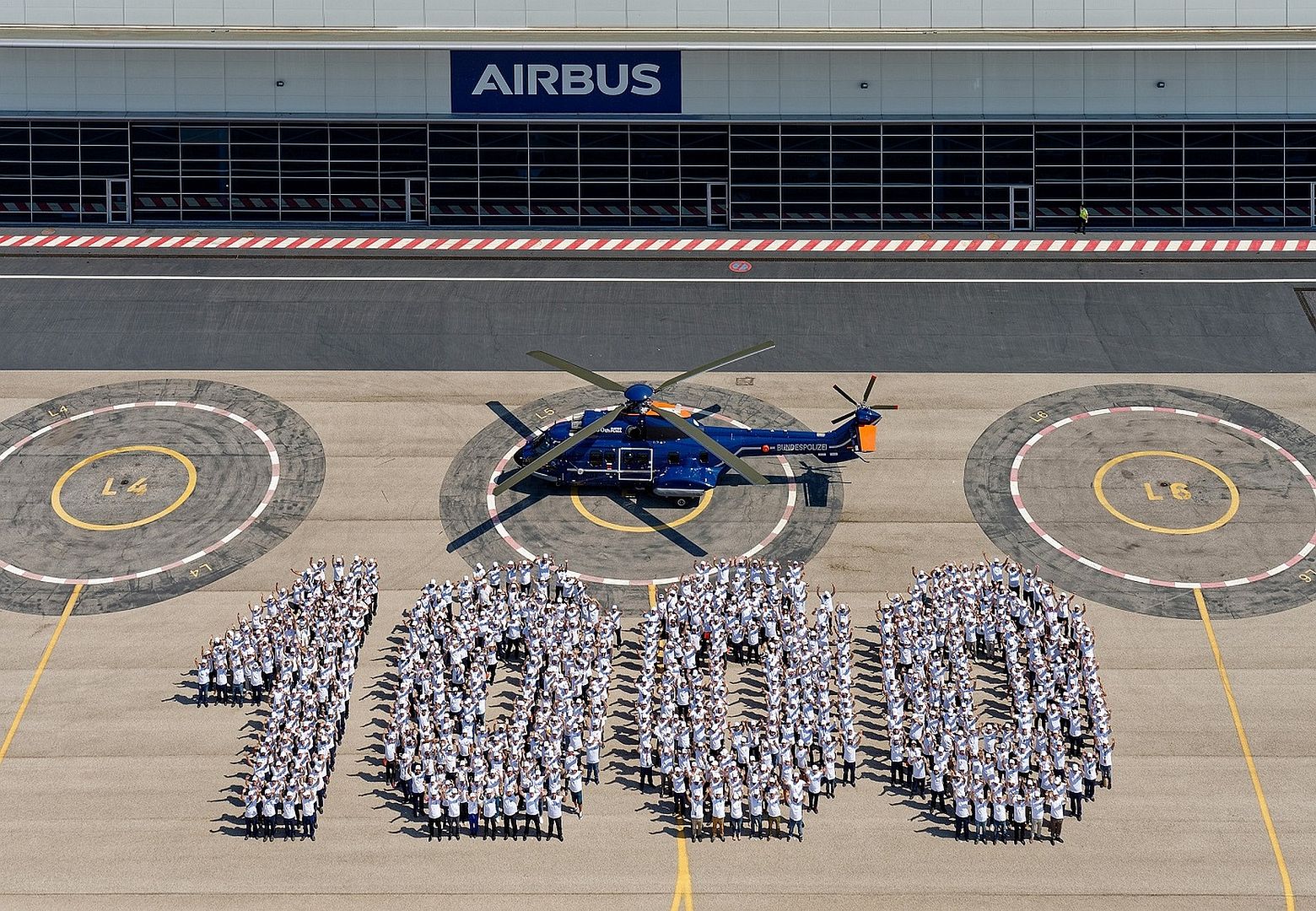
Today, the Super Puma is operated by nearly 100 customers in 59 countries representing all regions of the world. The Super Puma family is composed of the H215 and H225 for the civil market, produced by Airbus Helicopters for law enforcement, aerial work, search and rescue, offshore transport and governmental missions, and appreciated for their versatility and ability to operate in extreme environmental conditions. In the military sector, Airbus Helicopters offers the H215M and H225M for search and rescue, troop transport, special ops and utility missions, among others.
Airbus is a global leader in aeronautics, space and related services. In 2018, it generated revenues of ?64 billion and employed a workforce of around 134,000. Airbus offers the most comprehensive range of passenger airliners. Airbus is also a European leader providing tanker, combat, transport and mission aircraft, as well as one of the world?s leading space companies. In helicopters, Airbus provides the most efficient civil and military rotorcraft solutions worldwide.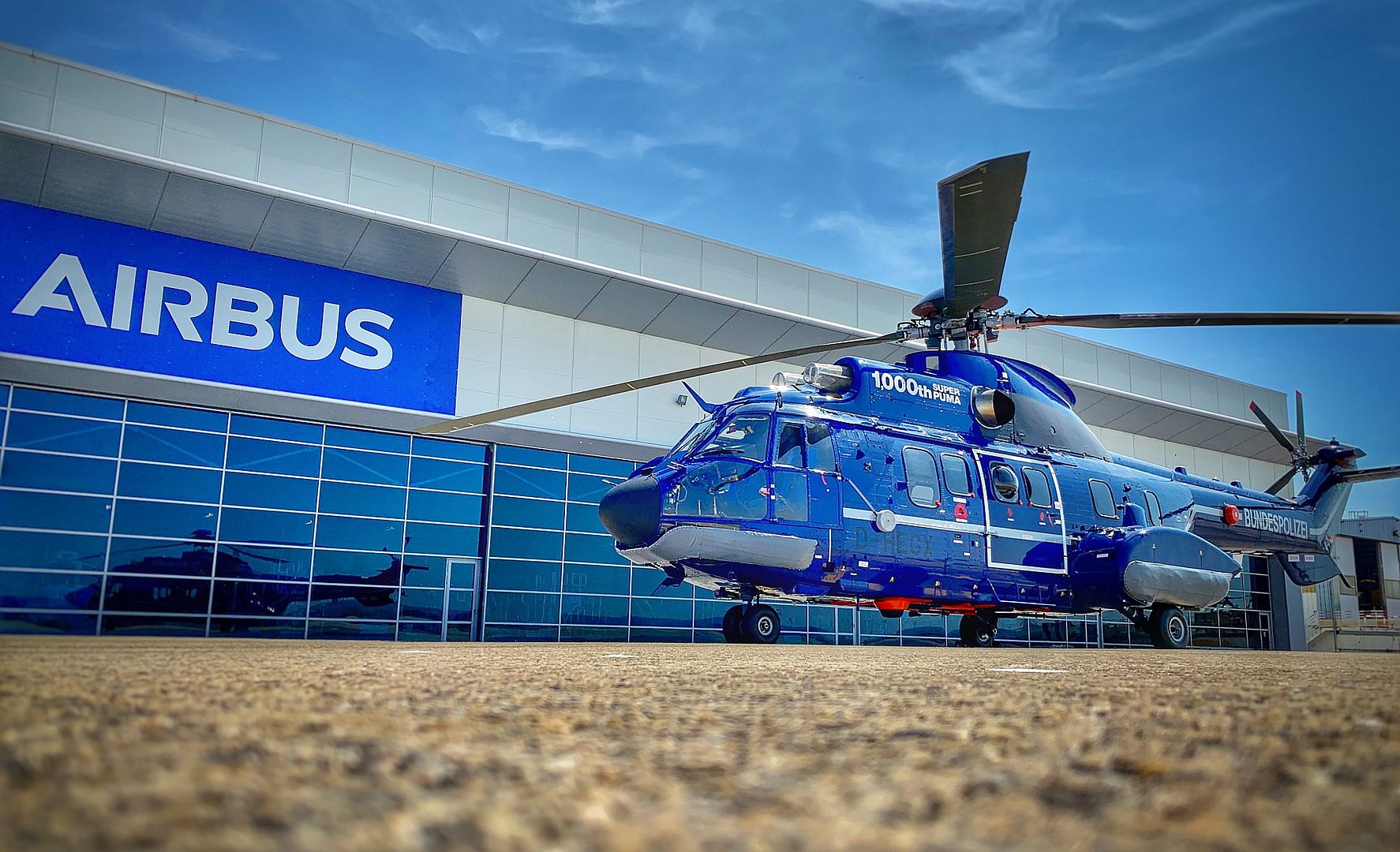
EGYPTAIR has taken delivery of its first of 12 A220-300 aircraft on order, becoming the first A220 operator based in the Middle East and North African region, and the sixth operator worldwide. The Cairo-based airline intends to fly the aircraft on routes to and from its main Egyptian Hub in Cairo in the coming days.
Representatives from the airline, alongside executives from Airbus Canada Limited Partnership, celebrated the aircraft handover at the A220 Mirabel final assembly line.
?We are proud to welcome our very first A220 aircraft and to be the first airline in the Middle East and North African region to take delivery and launch commercial operations of the A220 ? the most innovative and technologically advanced aircraft in the world,? said Capt. Ahmed Adel, Chairman and CEO, EGYPTAIR HOLDING Company. ?Airbus' A220 airliners are integral to the execution of EGYPTAIR business development strategy Horizon 2025 and fleet optimization plan.?
?We are delighted to welcome EGYPTAIR to the growing family of A220 operators and look forward to seeing their passengers enjoy the experience of travelling on board the A220?s bright, spacious and modern cabin,? said Philippe Balducchi, CEO, Airbus Canada Limited Partnership and Airbus Head of Country Canada.
EGYPTAIR?s brand-new A220-300 is configured in a two-class cabin with 140-seats including 15 premium economy and 125 economy class seats, offering every passenger a greater level of comfort and space.
The A220 is the only aircraft purpose-built for the 100-150 seat market; it delivers unbeatable fuel efficiency and widebody passenger comfort in a single-aisle aircraft. The A220 brings together state-of-the-art aerodynamics, advanced materials and Pratt & Whitney?s latest-generation PW1500G geared turbofan engines to offer at least 20% lower fuel burn per seat compared to previous-generation aircraft. The A220 offers the performance of larger single-aisle aircraft.
EGYPTAIR currently operates a fleet of 15 Airbus aircraft and still has 15 A320neo aircraft as well as 11 A220 aircraft to be delivered in the coming years.
With an order book of over 500 aircraft at the end of August 2019, the A220 has all the credentials to win the lion?s share of the 100- to 150-seat aircraft market estimated to represent at least 7,000 aircraft over the next 20 years.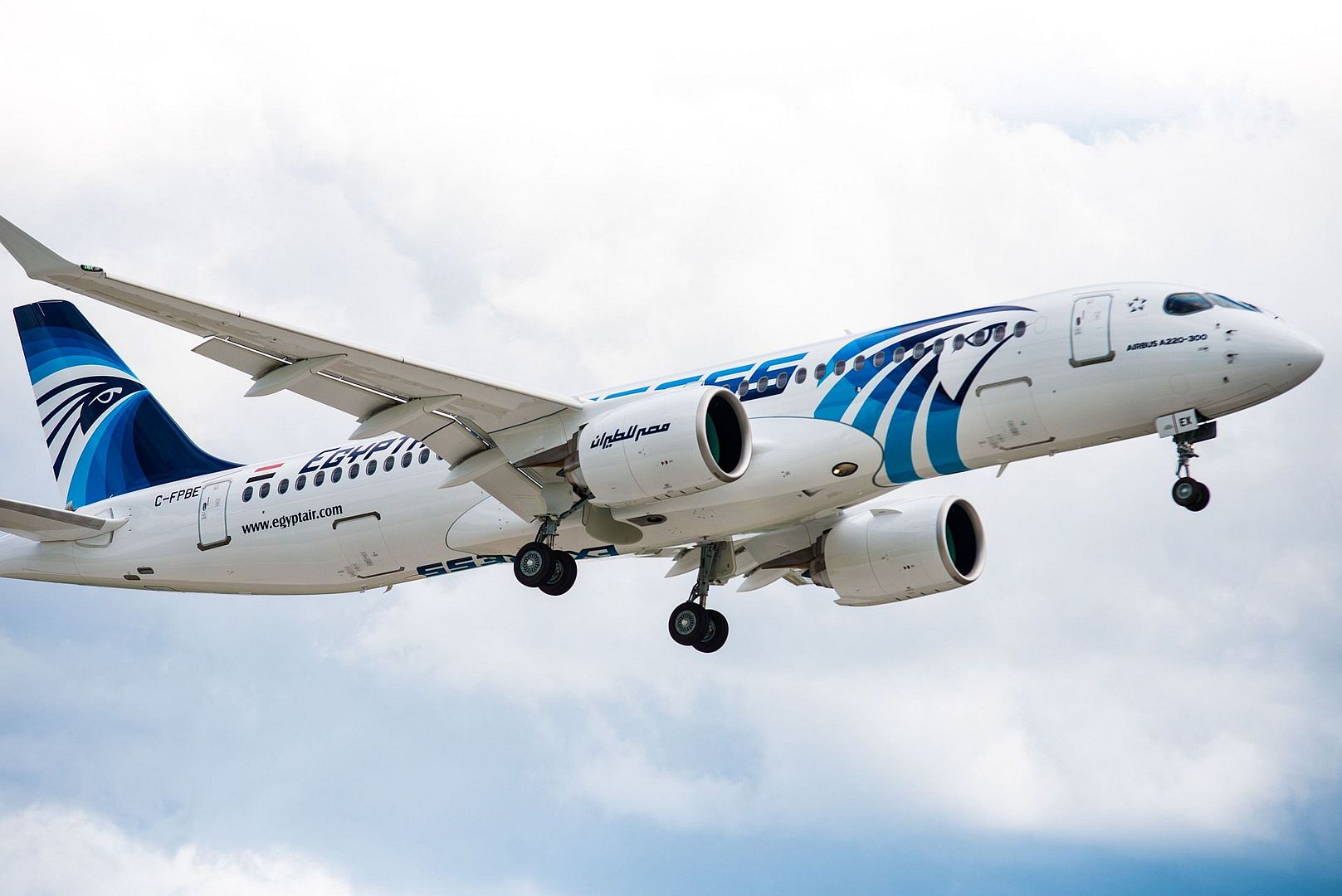
-
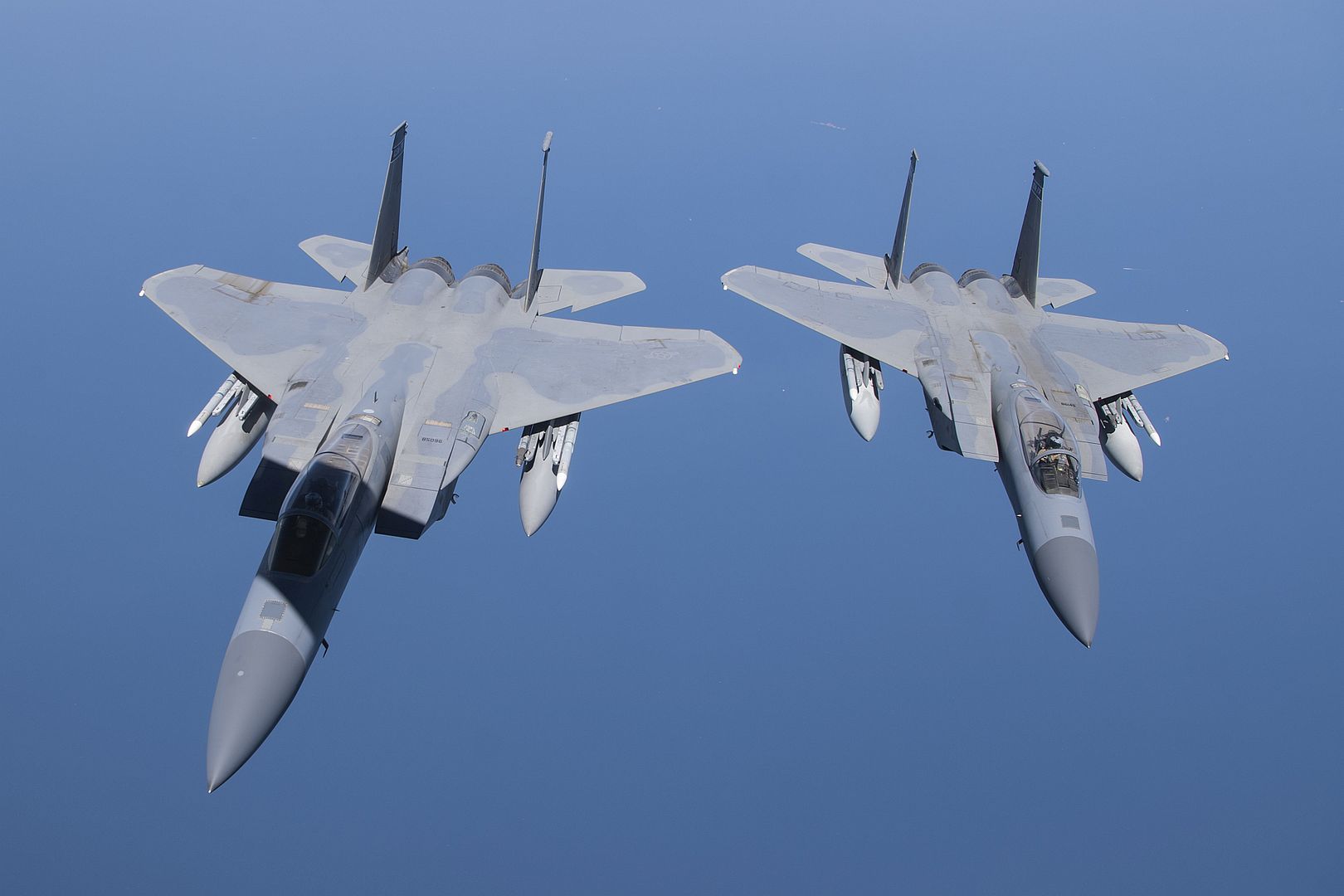
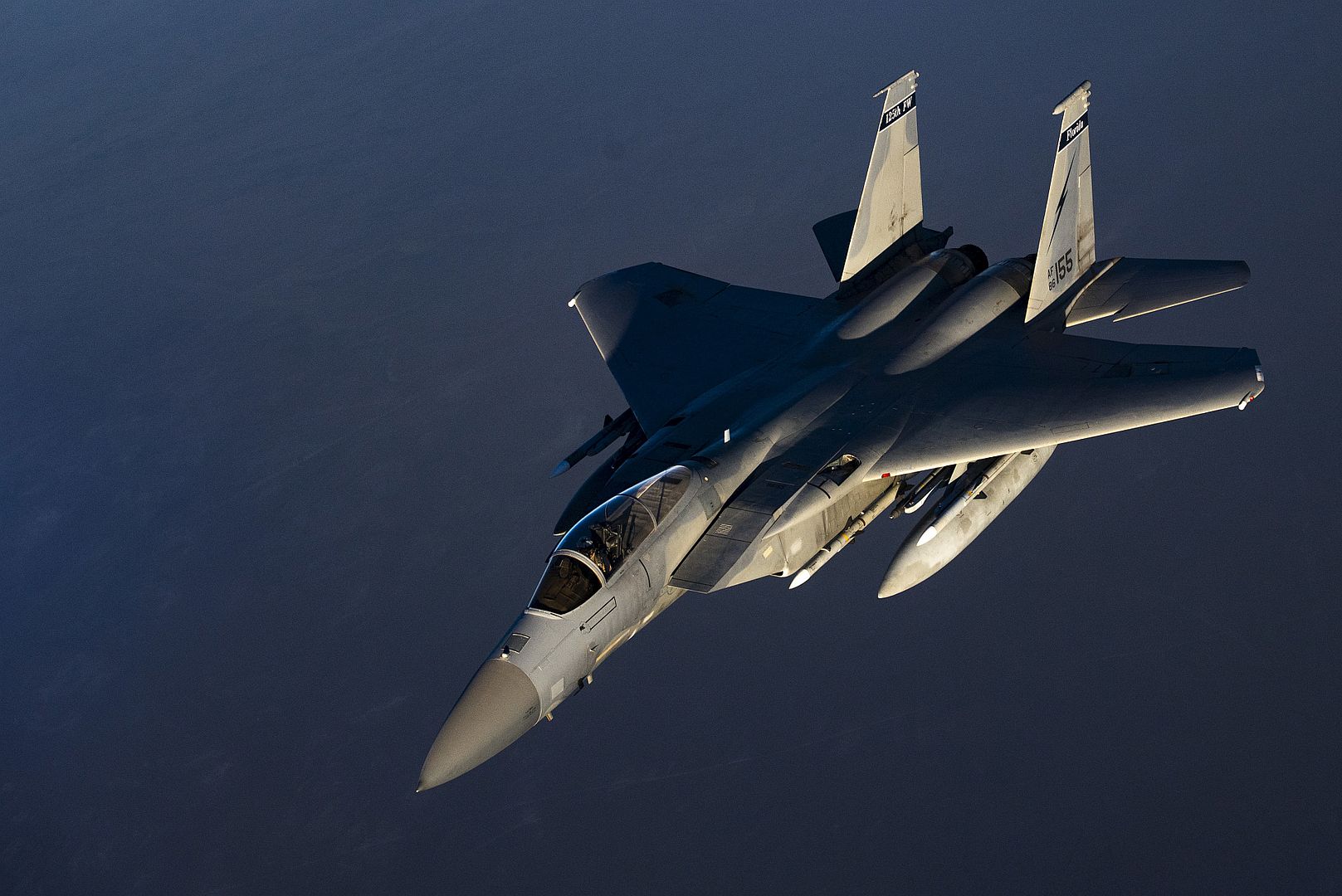
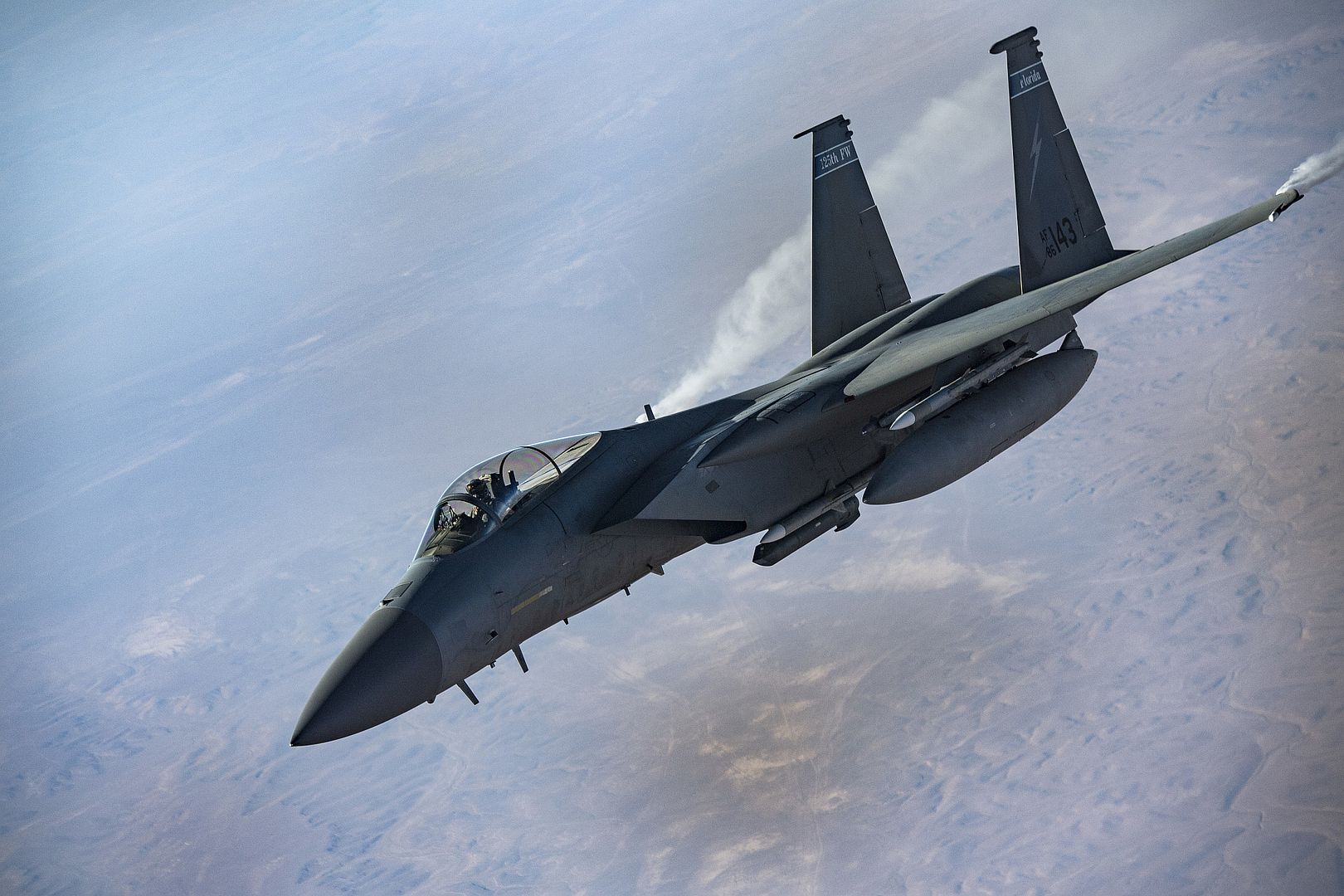
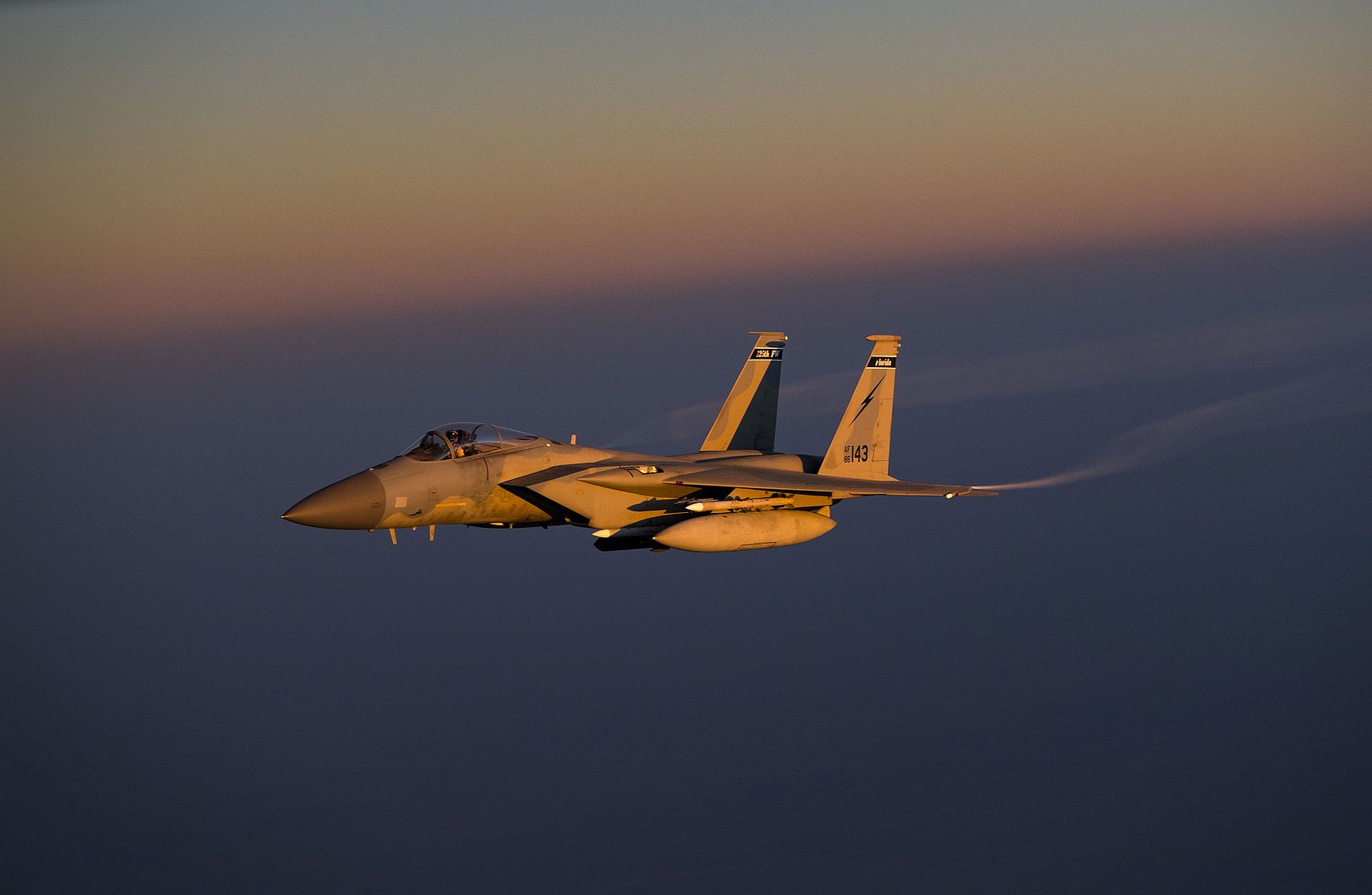
A pair of U.S. Air Force F-15C Eagles conduct a combat air patrol mission over an undisclosed location in Southwest Asia, Sept. 6, 2019. The Eagle?s air superiority is achieved through a mixture of unprecedented maneuverability and acceleration, range, weapons and avionics. It can penetrate enemy defense and outperform and outfight any current enemy aircraft. (U.S. Air Force photo by Master Sgt. Russ Scalf)
A U.S. F-15C Eagle departs after being refueled by a 28th Expeditionary Air Refueling Squadron KC-135 Stratotanker during a combat air patrol mission over an undisclosed location in Southwest Asia, Sept. 6, 2019. During the mission, the KC-135 aircrew provided aerial refueling for F-15E Eagles and F-15C Eagles at an undisclosed location. (U.S. Air Force photo by Master Sgt. Russ Scalf)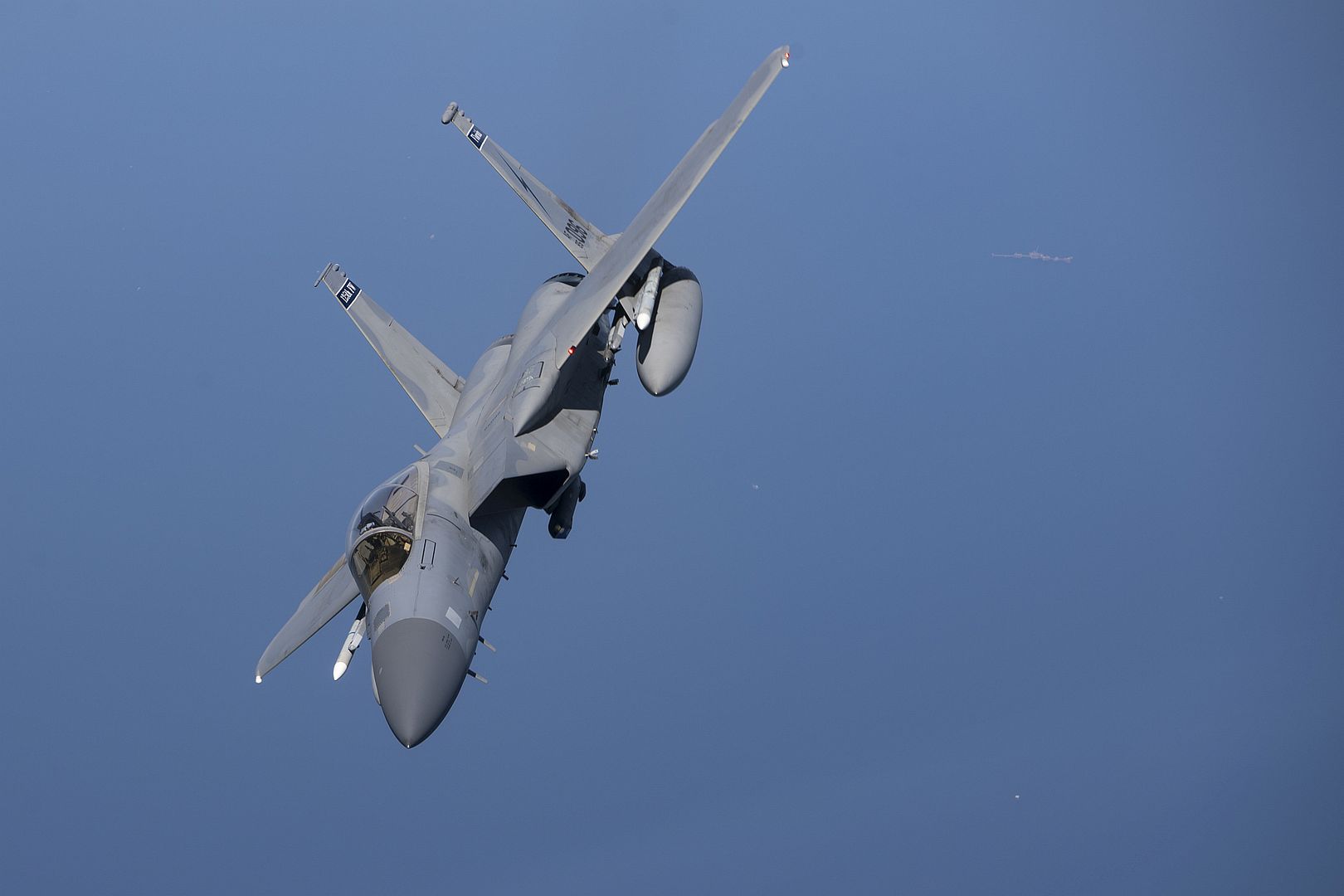
U.S. F-15C Eagles conduct a combat air patrol mission over an undisclosed location in Southwest Asia, Sept. 3, 2019. The Eagle?s air superiority is achieved through a mixture of unprecedented maneuverability and acceleration, range, weapons and avionics. It can penetrate enemy defense and outperform and outfight any current enemy aircraft. (U.S. Air Force photo's by Master Sgt. Russ Scalf)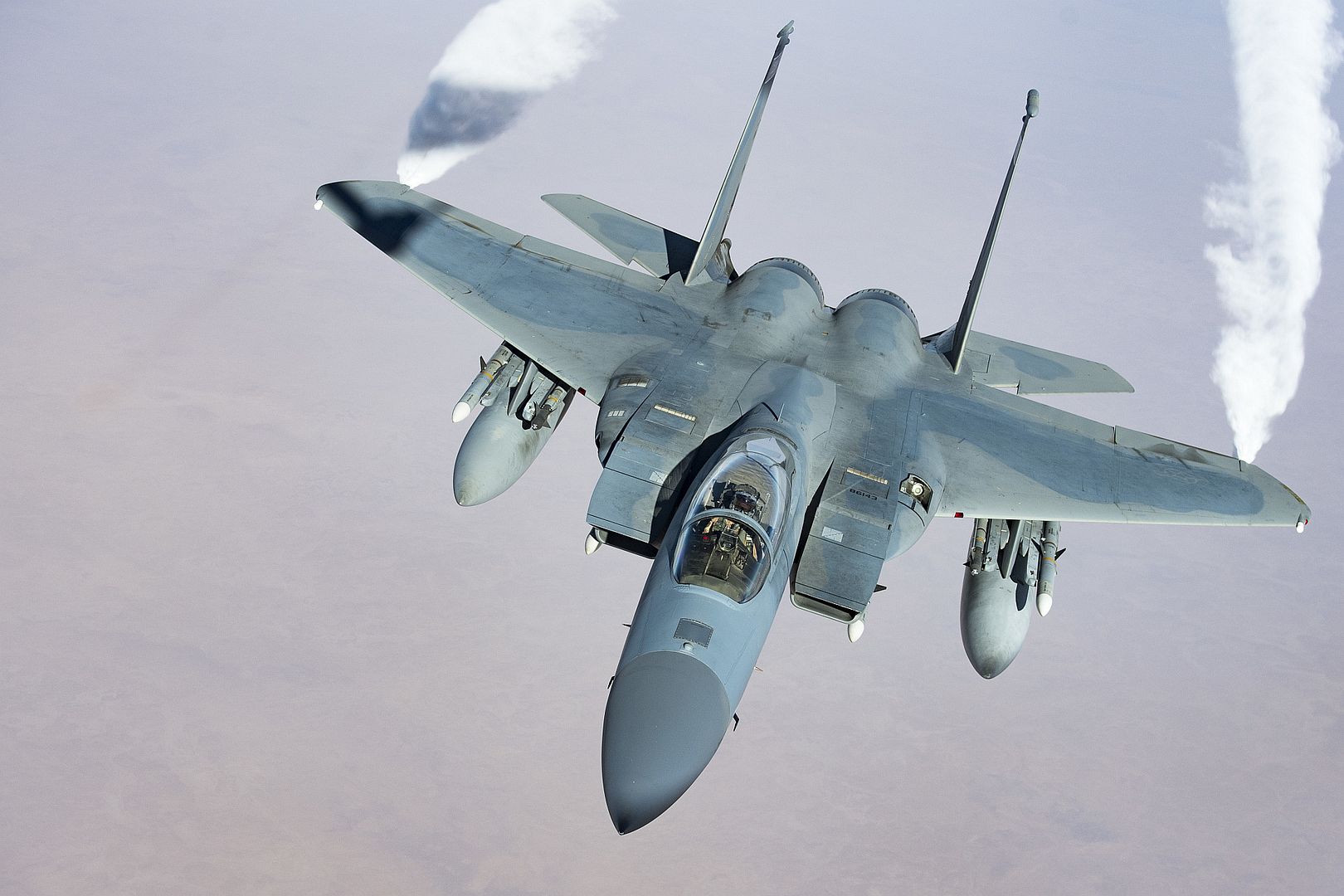
Capt. Andrew ?Dojo? Olson, F-35 Demo Team pilot and commander performs aerial maneuvers during the Aero Gatineau-Ottawa Airshow in Quebec, Canada, Sept. 7, 2019. The team consists of 10 Airmen who help showcase the world?s most technologically advanced fifth-generation fighter jet. (U.S. Air Force photo by Senior Airman Alexander Cook)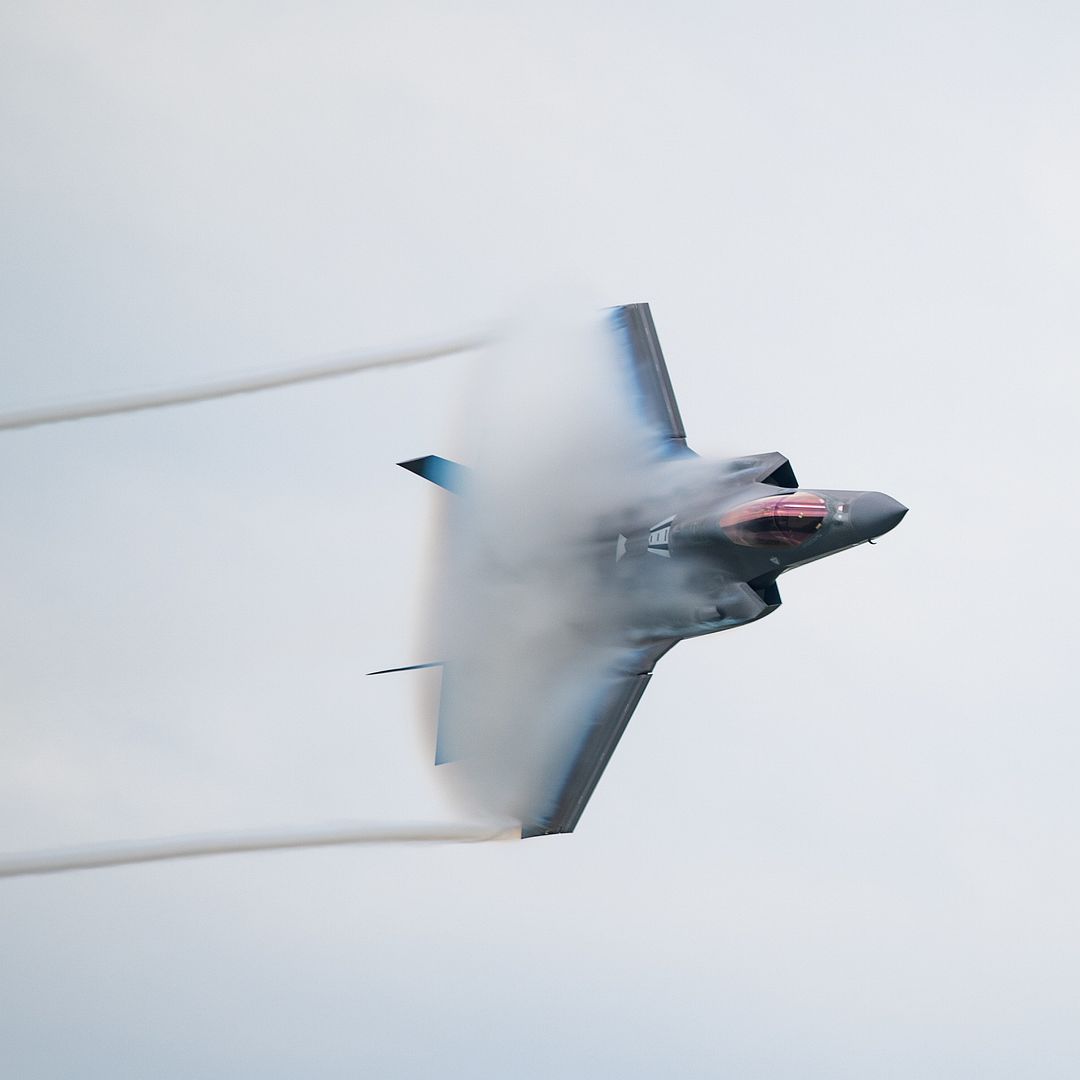
-
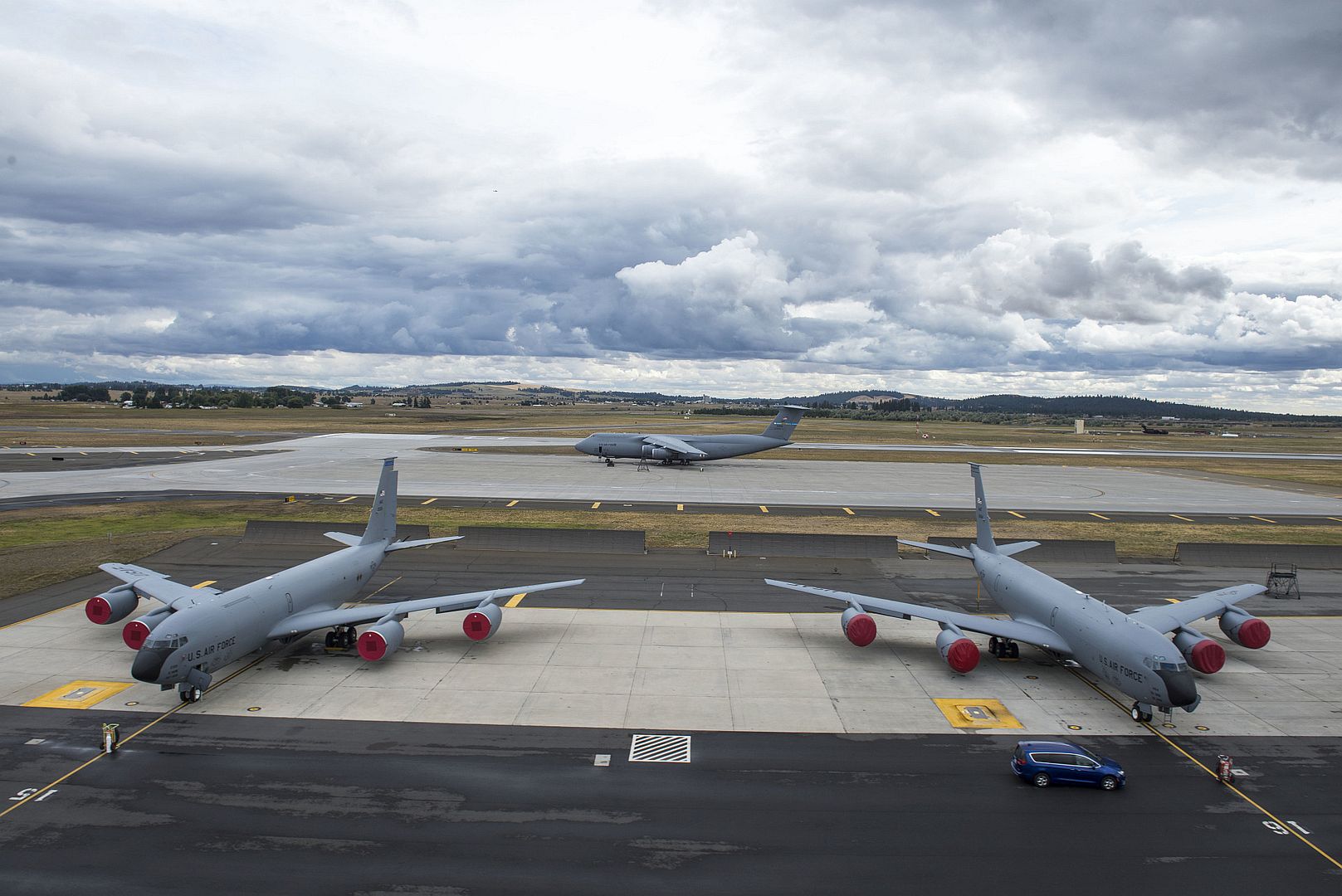
Two U.S. Air Force KC-135 Stratotankers from MacDill Air Force Base, Florida and Fairchild Air Force Base, Washington, and a C-5 Galaxy from Dover Air Force Base, Deleware, rest on the flightline during exercise Mobility Guardian 2019 at Fairchild Air Force Base, Washington, Sept. 9, 2019. Planning for exercise Mobility Guardian 2019 involved the entire military planning cycle lasting more than a year and included multiple planning conferences, site visits, and required involvement from multiple organizations and staffs. (U.S. Air Force photo by Airman 1st Class Lawrence Sena)
Step trucks sit parked at the forward and aft sections of an Air Transport International Boeing 757-200 Sept. 8, 2019, at Dover Air Force Base, Del. The aircraft, part of the Civil Reserve Air Fleet program, can accommodate up to 10 cargo pallets and has 42 passenger seats. The ATI aircraft was contracted to transport cargo and 30 Team Dover members to Fairchild AFB, Wash., participating in Mobility Guardian 2019. ?Air Mobility Command?s commercial airlift partners are a vital part of our daily airlift missions around the world as well as our wartime effort,? said Maj. Adam Crane, AMC Headquarters CRAF Branch Chief, Scott AFB, Ill. (U.S. Air Force photo by Roland Balik)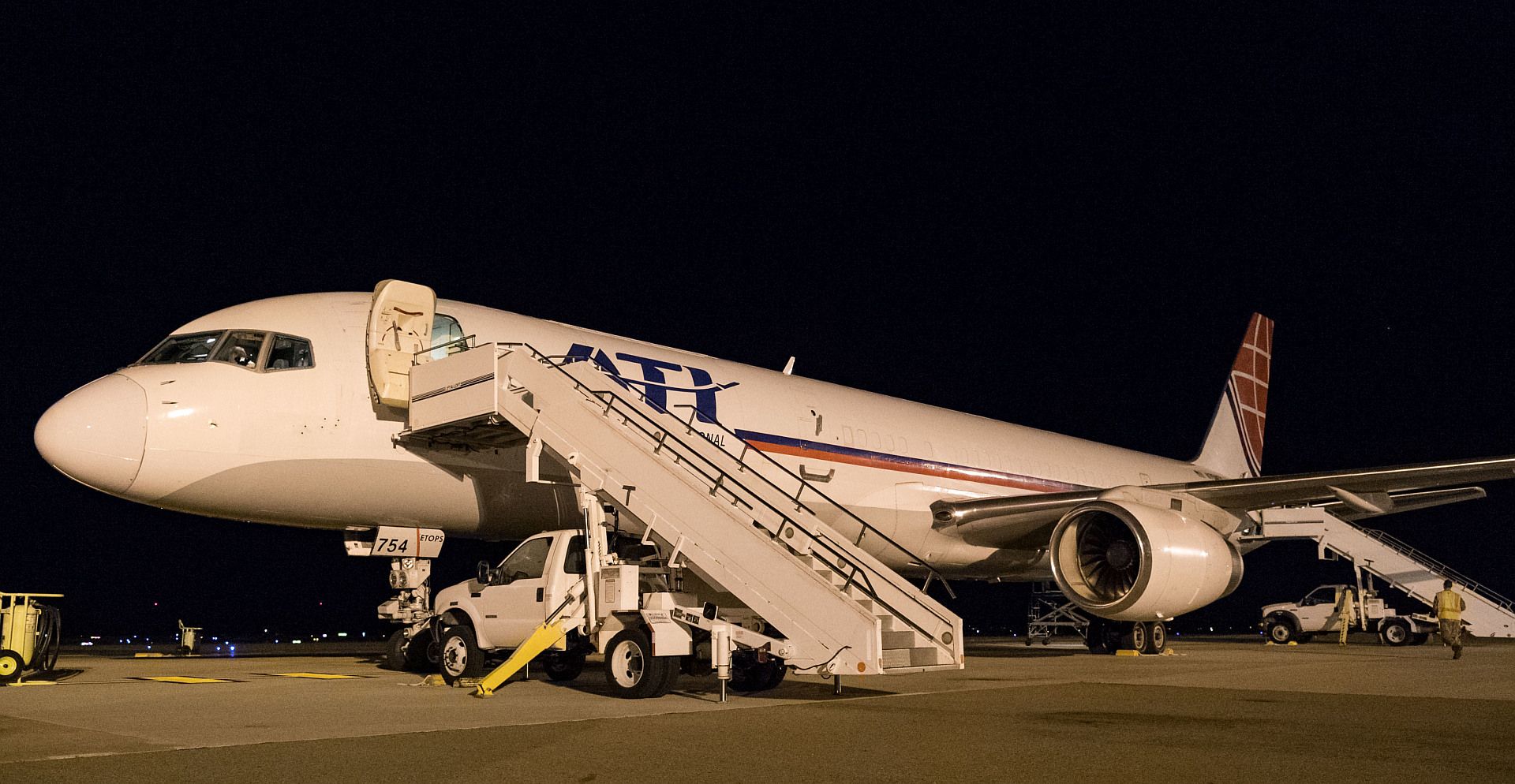
A U.S. Air Force C-5 Galaxy from Dover Air Force Base, Deleware, rests on the flightline during exercise Mobility Guardian 2019 at Fairchild Air Force Base, Washington, Sept. 10, 2019. Exercise training is based on realistic mobility operations including air base opening, executing joint forcible entry, conducting aeromedical evacuation operations and support to Global Strike operations. (U.S. Air Force photo by Airman 1st Class Lawrence Sena)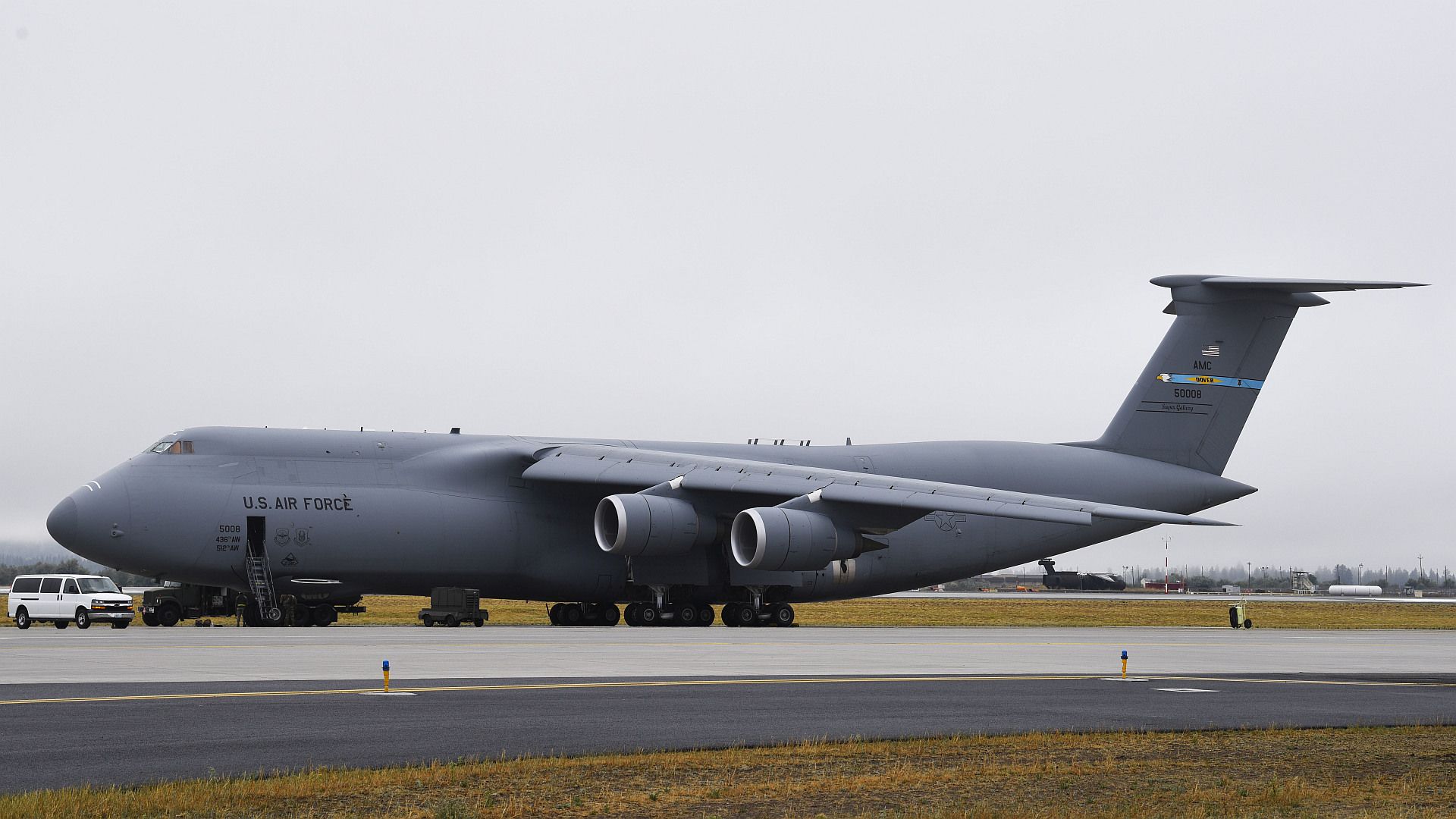
FORT WORTH, Texas (Sept. 9, 2019) An aircraft assigned to the Royal Air Force Red Arrow taxi on the airfield at Naval Air Station Fort Worth Joint Reserve Base, Texas, after landing Sept. 9. The Red Arrows will stay in Fort Worth for a few days as they participate in a series of different ceremonies and special events in the Dallas-Fort Worth area and Houston. U.S. Navy photo by Jacquelyn D. Childs/Released.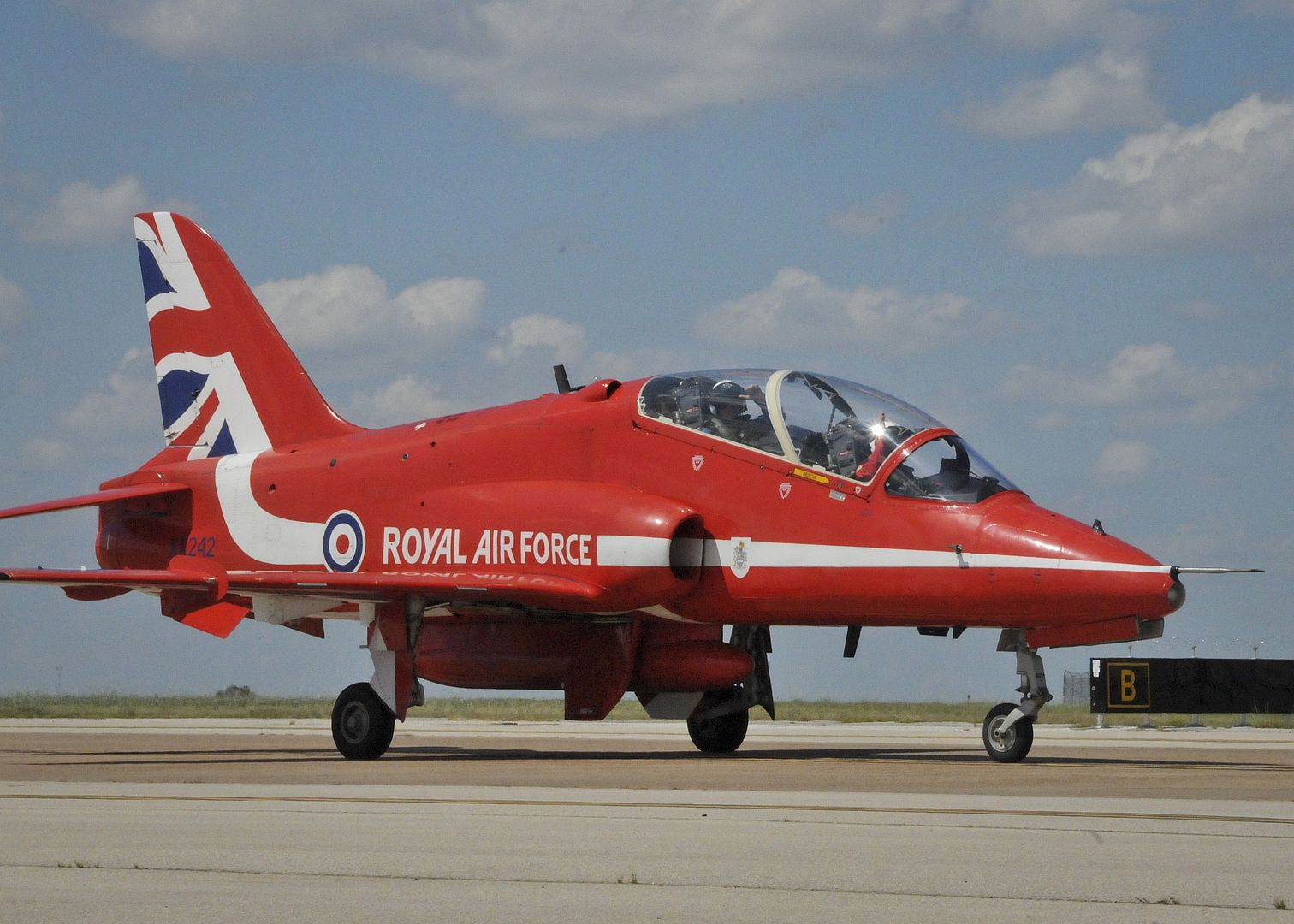
ATLANTIC OCEAN (Sept. 9, 2019) An F/A-18E Super Hornet, assigned to the "Wildcats" of Strike Fighter Squadron (VFA) 131, prepares to take off from the flight deck aboard the aircraft carrier USS Dwight D. Eisenhower (CVN 69). Ike, with embarked Carrier Air Wing 3, is underway conducting the Tailored Ship's Training Availability (TSTA) and Final Evaluation Problem (FEP) as part of the basic phase of the Optimized Fleet Response Plan. (U.S. Navy photo by Mass Communication Specialist Seaman Apprentice Trent P. Hawkins)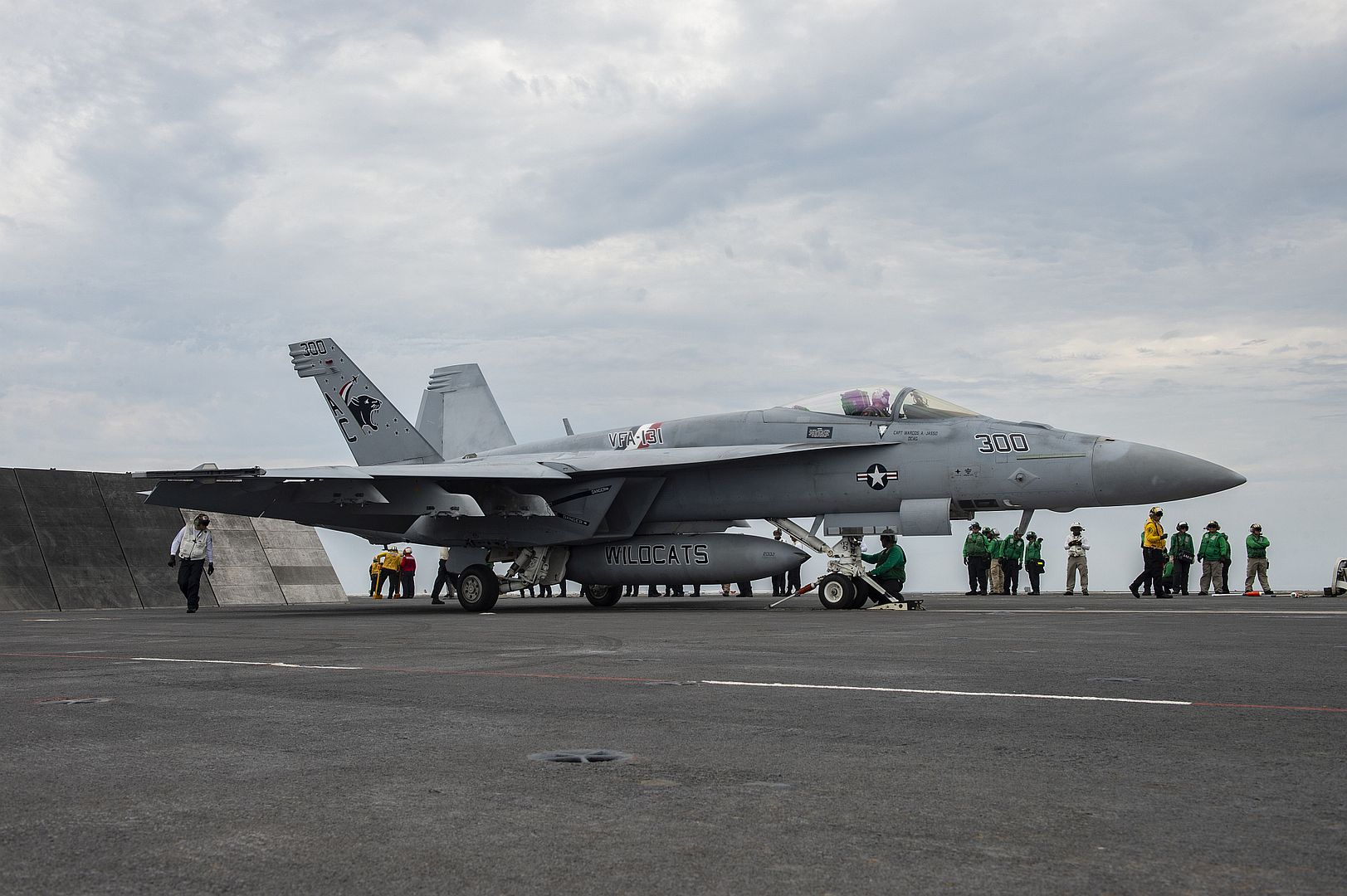
ATLANTIC OCEAN (Sept. 9, 2019) An F/A-18F Super Hornet, assigned to the "Fighting Swordsman" of Strike Fighter Squadron (VFA) 32, lands on the flight deck of the aircraft carrier USS Dwight D. Eisenhower (CVN 69). Ike, with embarked Carrier Air Wing 3, is underway conducting the Tailored Ship's Training Availability (TSTA) and Final Evaluation Problem (FEP) as part of the basic phase of the Optimized Fleet Response Plan. (U.S. Navy photo by Mass Communication Specialist Seaman Apprentice Trent P. Hawkins)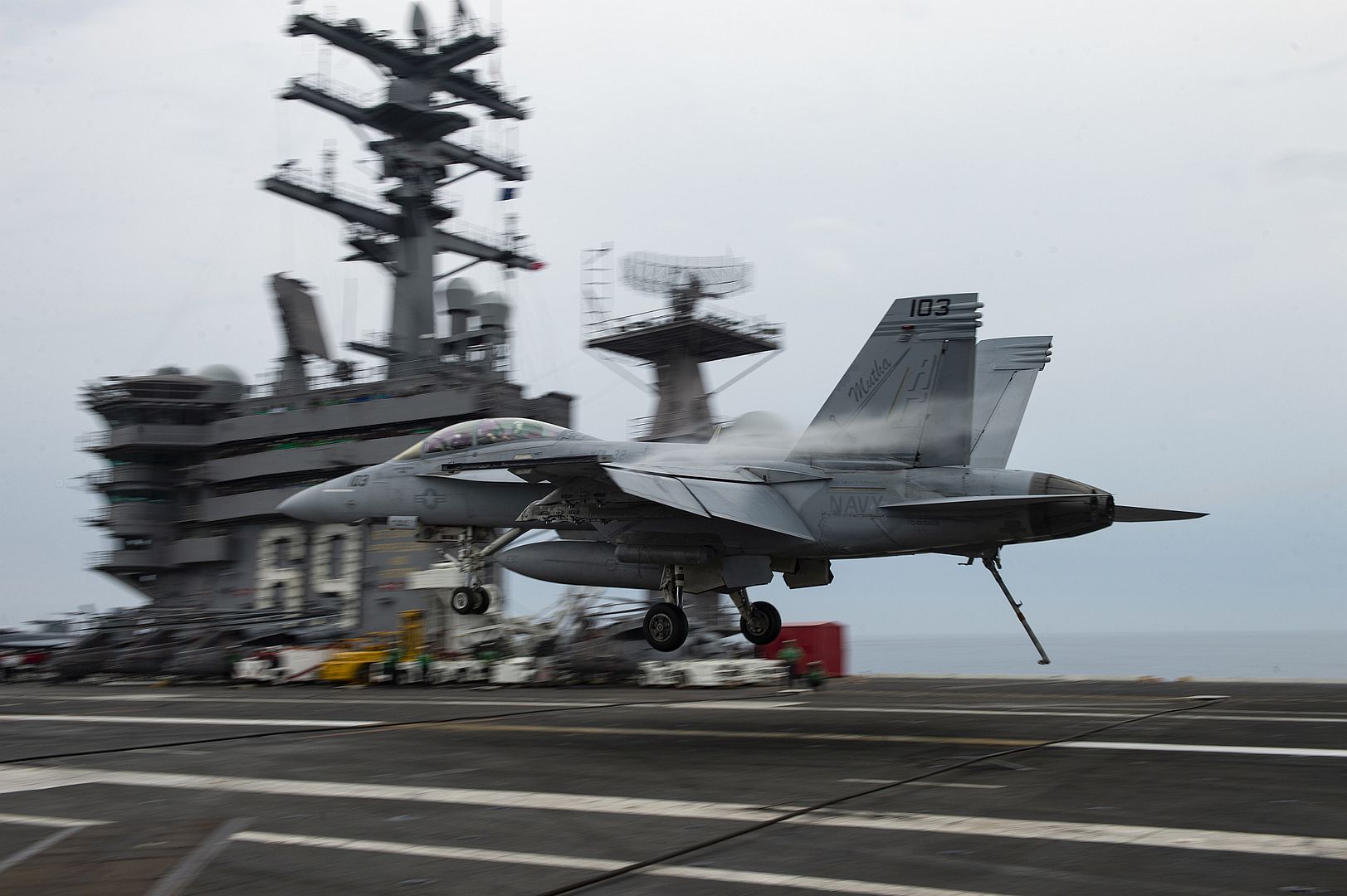
ARABIAN SEA (Sept. 8, 2019) An F/A-18E Super Hornet attached to the Sidewinders of Strike Fighter Squadron (VFA) 86 launches off the flight deck of the aircraft carrier USS Abraham Lincoln (CVN 72). The Abraham Lincoln Carrier Strike Group is deployed to the U.S. 5th Fleet area of operations in support of naval operations to ensure maritime stability and security in the Central Region, connecting the Mediterranean and the Pacific through the western Indian Ocean and three strategic choke points. With Abraham Lincoln as the flagship, deployed strike group assets include staffs, ships and aircraft of Carrier Strike Group (CSG) 12, Destroyer Squadron (DESRON) 2, the guided-missile cruiser USS Leyte Gulf (CG 55) and Carrier Air Wing (CVW) 7. (U.S. Navy photo by Mass Communication Specialist 3rd Class Michael Singley/Released)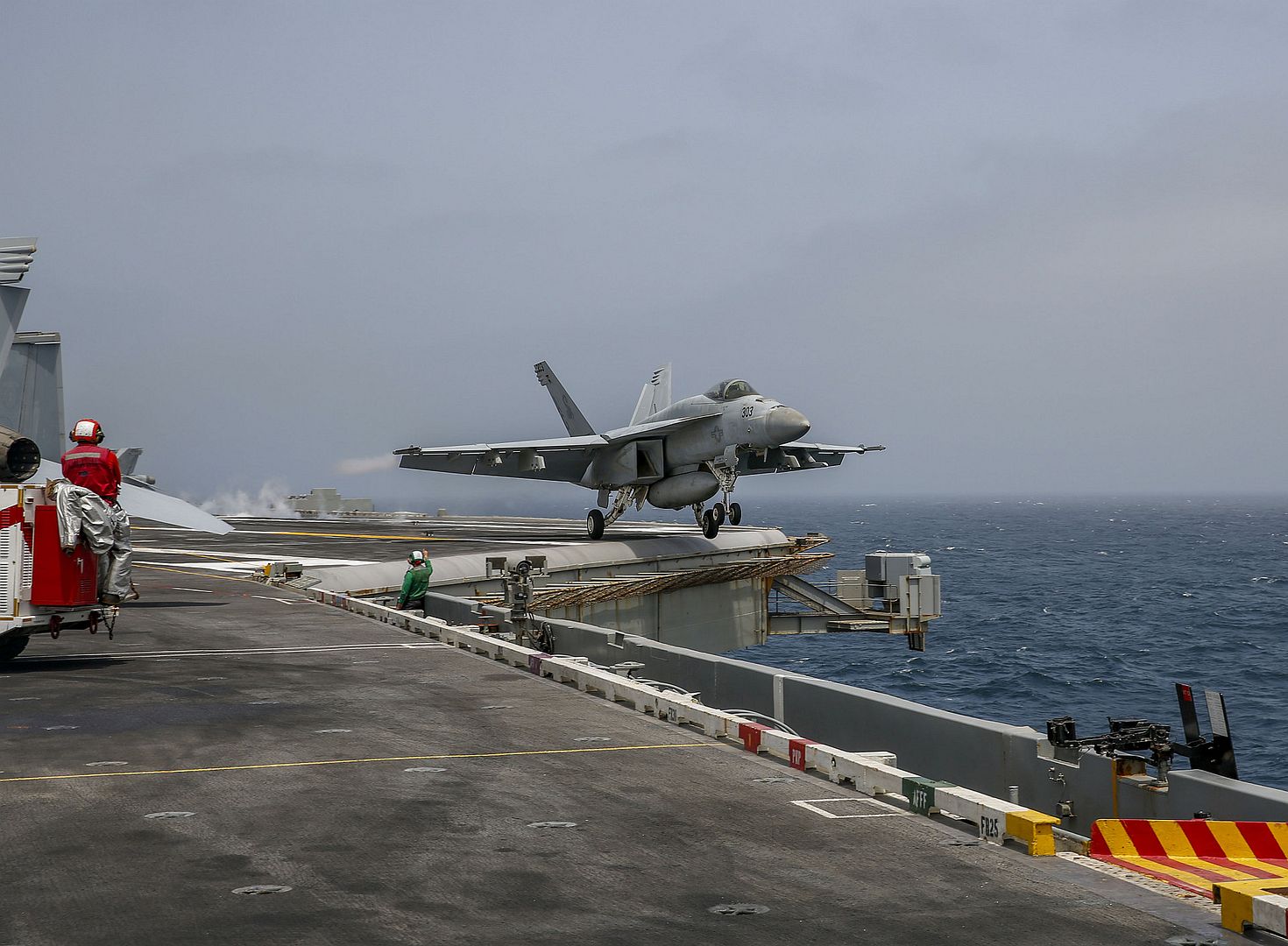
10 September 2019
Saab has taken another important step in the delivery of Gripen E to the Brazilian customer. Marked by a ceremony in Link?ping, Sweden, on 10 September, the first Brazilian Gripen E aircraft was delivered to start the flight test programme.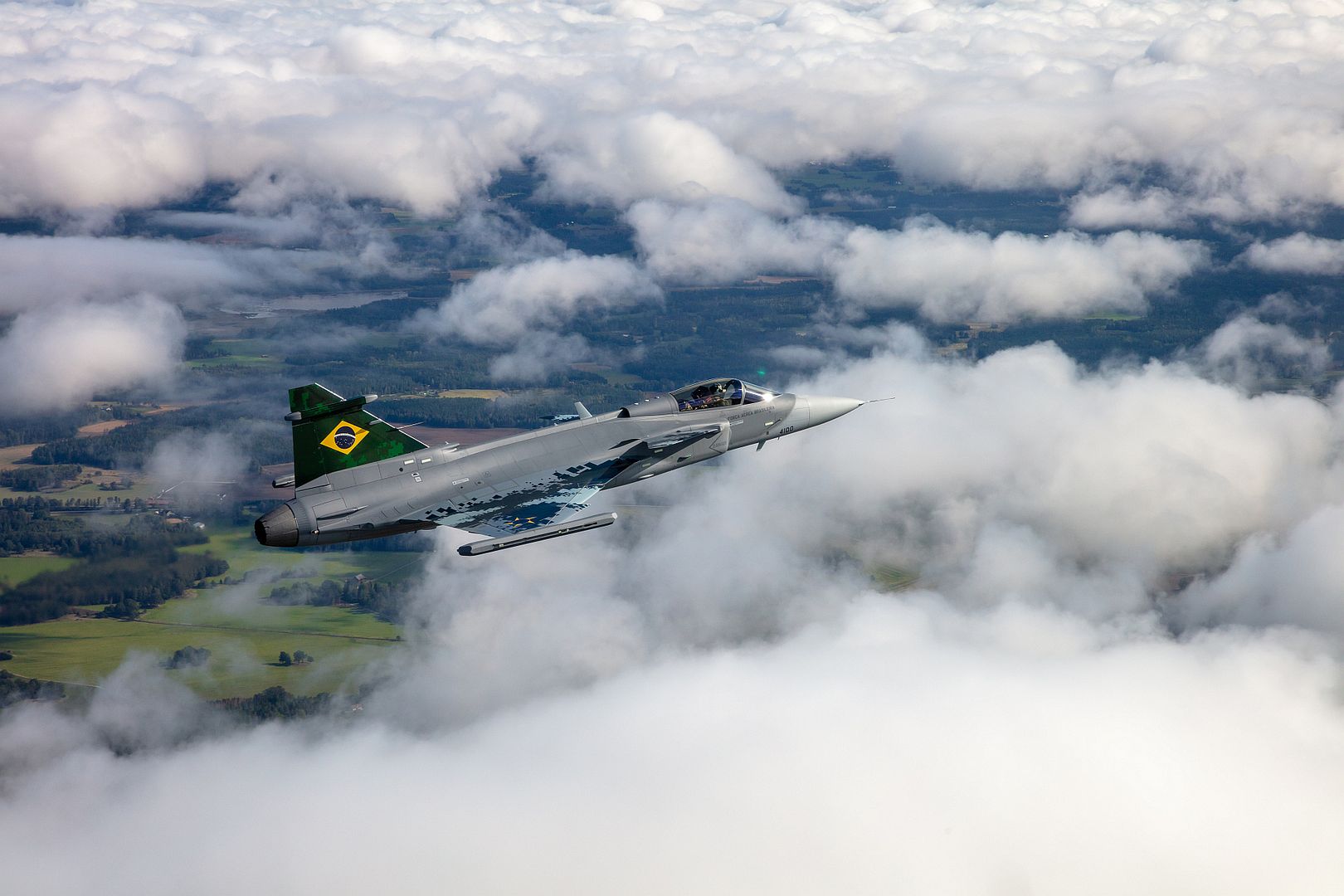
Initially flight tests will be performed in Sweden and by the end of 2020, the aircraft will move to Brazil to continue the flight test campaign in the country. In 2021, deliveries to the Brazilian Air force will begin.
A ceremony to mark this important milestone was held in Link?ping, Sweden on 10 September. The ceremony was attended by Fernando Azevedo e Silva, Brazilian Minister for Defence; Lieutenant Brigadier Antonio Carlos Moretti Bermudez, Chief of the Brazilian Air Force; Nelson Antonio Tabajara de Oliveira, Ambassador of Brazil to Sweden; Lieutenant Brigadier Carlos Augusto Amaral Oliveira, Chief of Staff of the Brazilian Air Force; Peter Hultqvist, Swedish Minister for Defence; Major General Mats Helgesson, Commander of the Swedish Air Force; and representing Saab H?kan Buskhe, President and CEO; and Jonas Hjelm, Senior Vice President and head of Saab business area Aeronautics.
?Together with the Brazilian industry, I am proud to be part of building a long-term strategic partnership with Brazil and the Brazilian Air Force. With Gripen Brazil will have one of the most advanced fighters in the world and the technology transfer programme will allow Brazil to develop, produce and maintain supersonic fighters,? says H?kan Buskhe, President and CEO of Saab.
?Gripen increases the operational capacity of the Brazilian Air Force and boosts a partnership that ensures transfer of technology to Brazil, fosters research and industrial development in both countries,? says Fernando Azevedo e Silva, Brazilian Minister for Defence.
?The F-39 Gripen represents a significant technological leap in fighter aviation for the Brazilian Air Force. It is also a great example of collaborative development based on the transfer of technology and on the promotion of the defence industry. Thus, the Brazilian Air Force now has a new multi-mission platform for the fulfilment of its actions to control, defend and integrate the national territory. Since its conception, the Gripen programme has benefitted the Brazilian society. I am very happy to be part of this historical moment for fighter aviation in Brazil,? says Lieutenant Brigadier Antonio Carlos Moretti Bermudez, Chief of the Brazilian Air Force.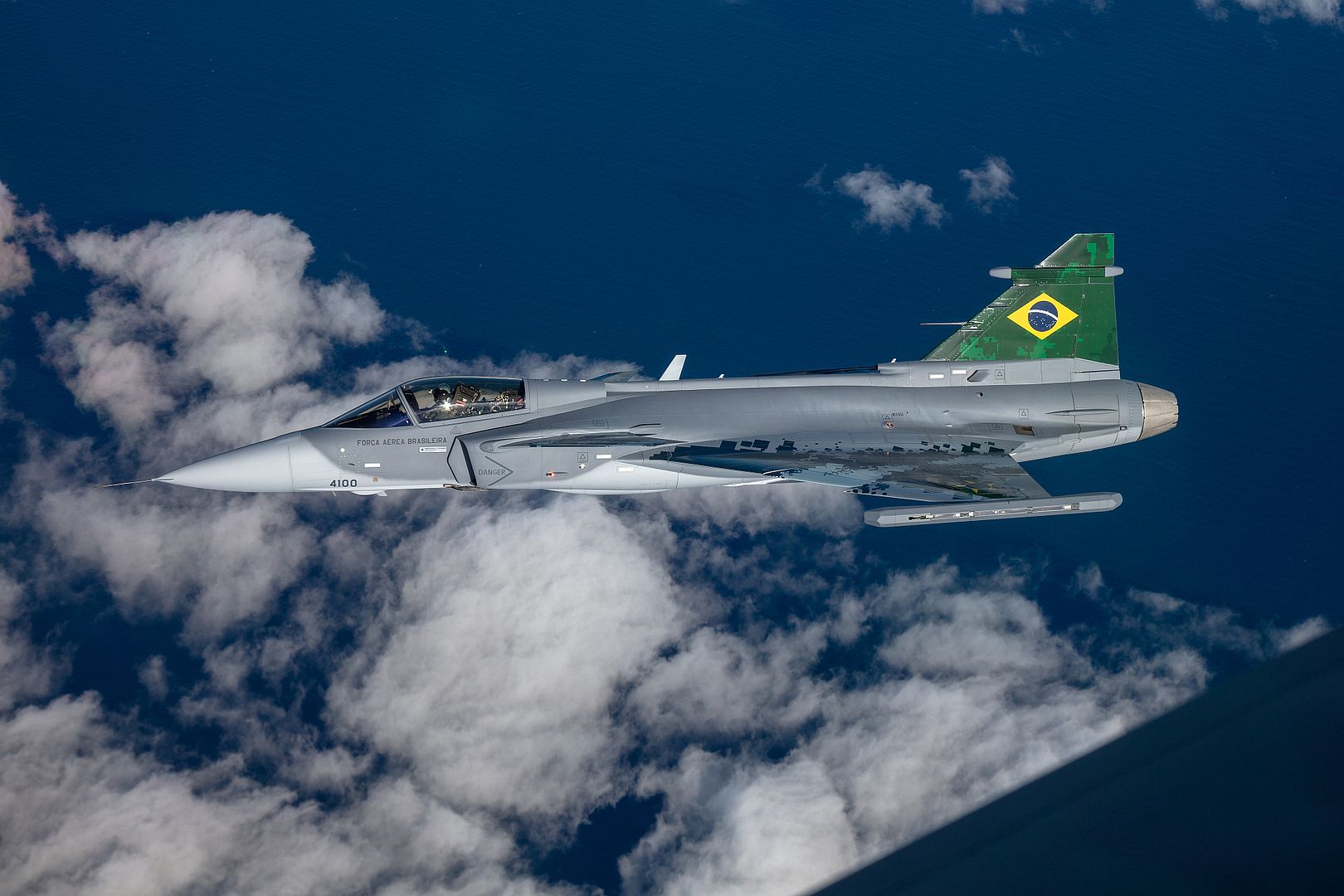
The partnership with Brazil started in 2014 with the contract (order value 39.3 BSEK) for the development and production of 36 Gripen E/F for the Brazilian Air Force, including related systems, support and equipment. Saab is driving the development of the local aeronautics industry through its national partners in the Brazilian Gripen programme, which includes a comprehensive transfer of technology programme to Brazil, to be delivered over approximately ten years.
The Brazilian Gripen E/F aircraft are developed and produced with the participation of Brazilian technicians and engineers. This integration is part of the transfer of technology and aims to provide practical knowledge necessary for the execution of these same activities in Brazil. Starting in 2021, the complete aircraft assembly of 15 aircraft will begin in Brazil. Development of the two-seat Gripen F is progressing with extensive activities at Gripen Design and Development Network in Gavi?o Peixoto, Brazil. Gripen F deliveries are expected to start in 2023.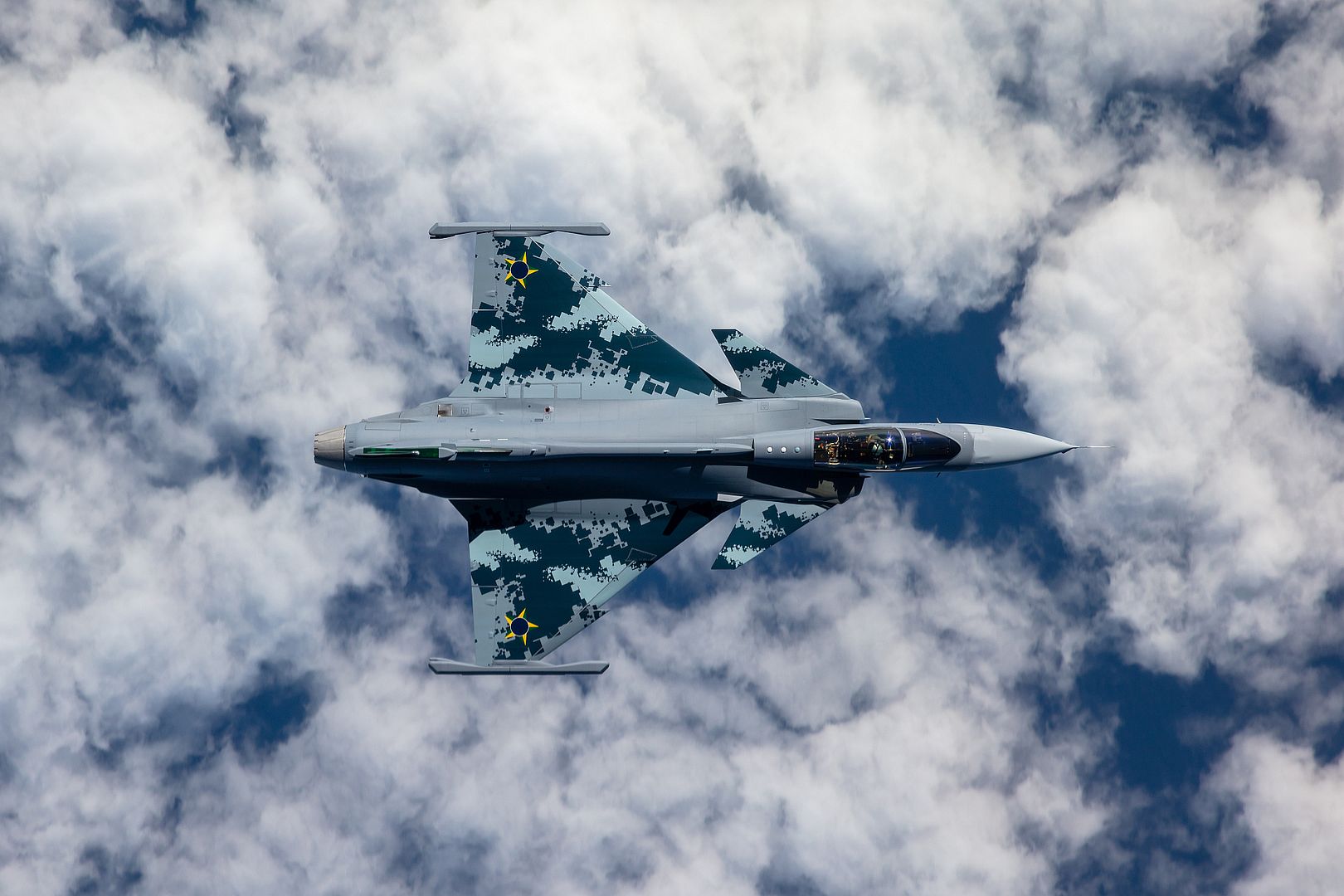
Gripen E builds on the successful design of earlier versions. Gripen is a modern fighter with a balanced design equipped with all you can ask for from a multirole fighter.
Five nations currently operate Gripen: Sweden, South Africa, Czech Republic, Hungary and Thailand, and is soon to be joined by Brazil. The UK Empire Test Pilots? School (ETPS) uses Gripen as platform for test pilot training.
F-39 is the Brazilian Air Force designation for Gripen.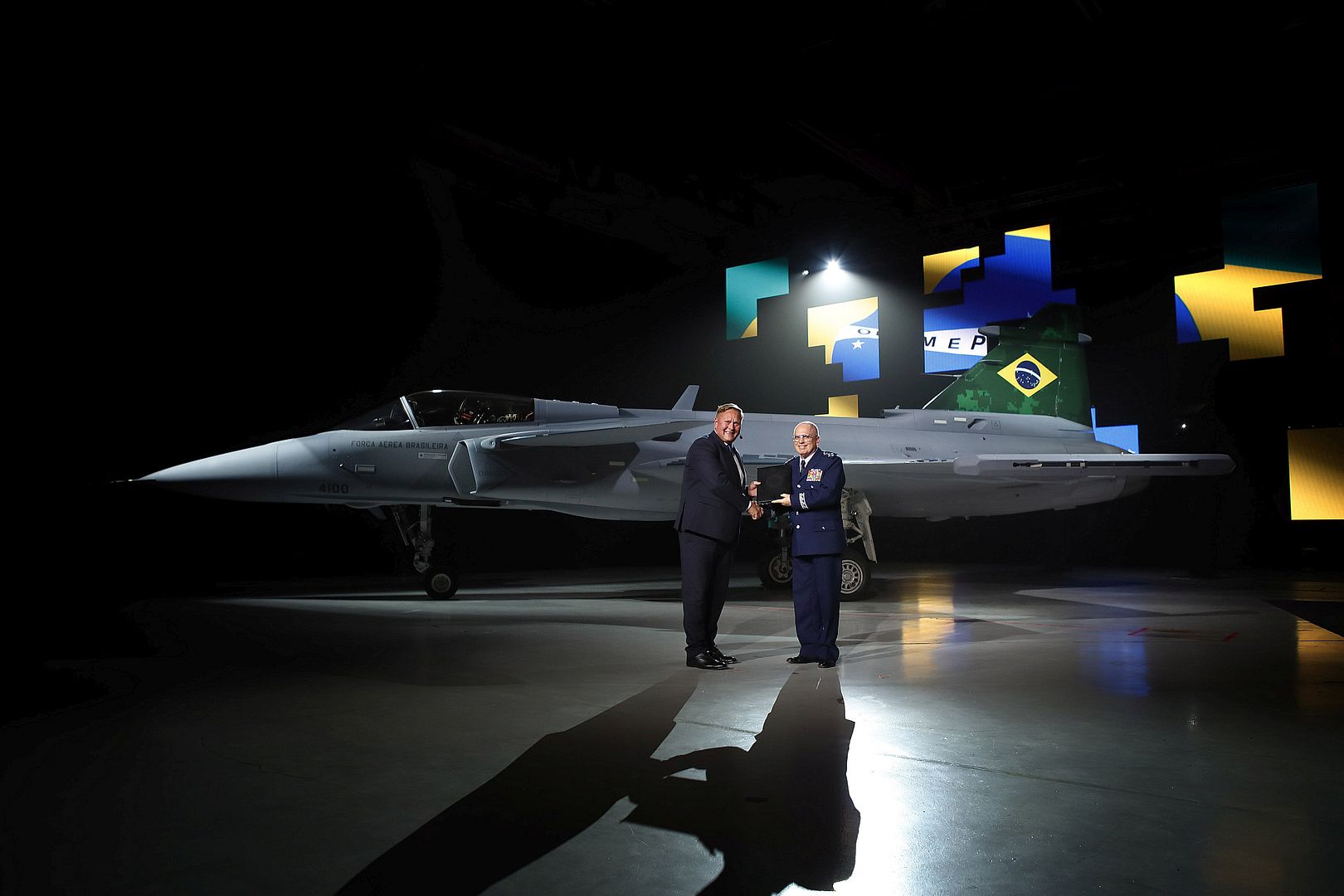
Nashville, Tennessee, USA, September 10, 2019 ? Embraer announced today that Horizon Air, a subsidiary of Alaska Air Group, has selected Embraer Aircraft Maintenance Services (EAMS) in Nashville, Tennessee, as the exclusive heavy maintenance provider for the company?s fleet of 30 Embraer E175 aircraft.
The multi-year agreement includes airframe maintenance, modifications and repair services provided by Embraer?s portfolio of solutions TechCare. Fittingly, the deal was signed at the Regional Airline Association?s 44th Annual Convention that took place in EAMS?s hometown of Nashville, Tennessee.
?We are delighted to further expand our relationship with Horizon Air, and we are honored that our valued customer has selected EAMS as their home for Embraer heavy maintenance,? said Phil Bathurst, Managing Director, Embraer Aircraft Maintenance Services.
?We introduced our first E175s in 2017. Now, with 30 E-Jets in operation, we are ready to expand our great partnership with Embraer, as they conveniently accommodate our heavy maintenance needs in Nashville, Tennessee,? said George Knobloch, Vice President of Maintenance and Engineering at Horizon Air.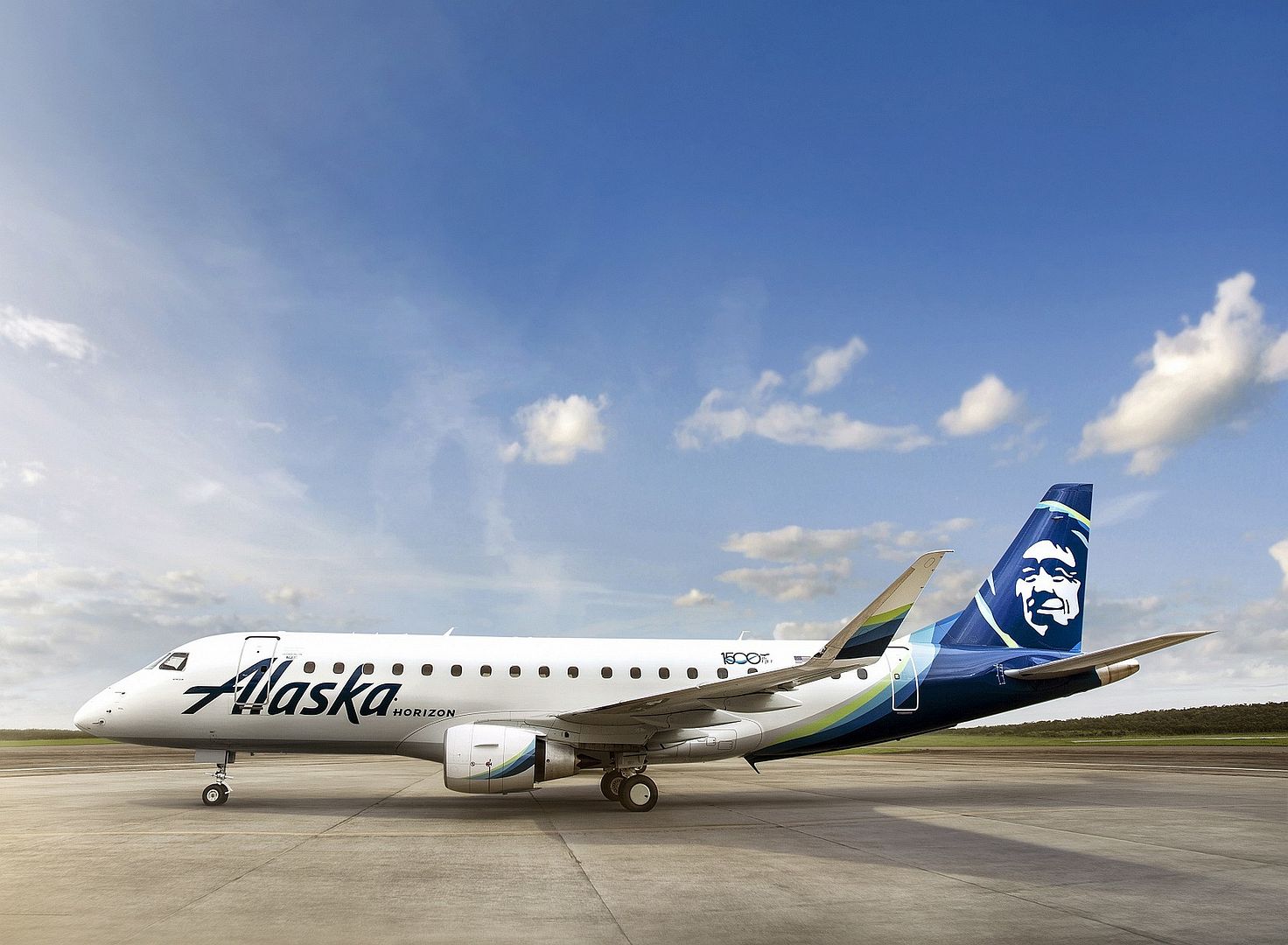
-
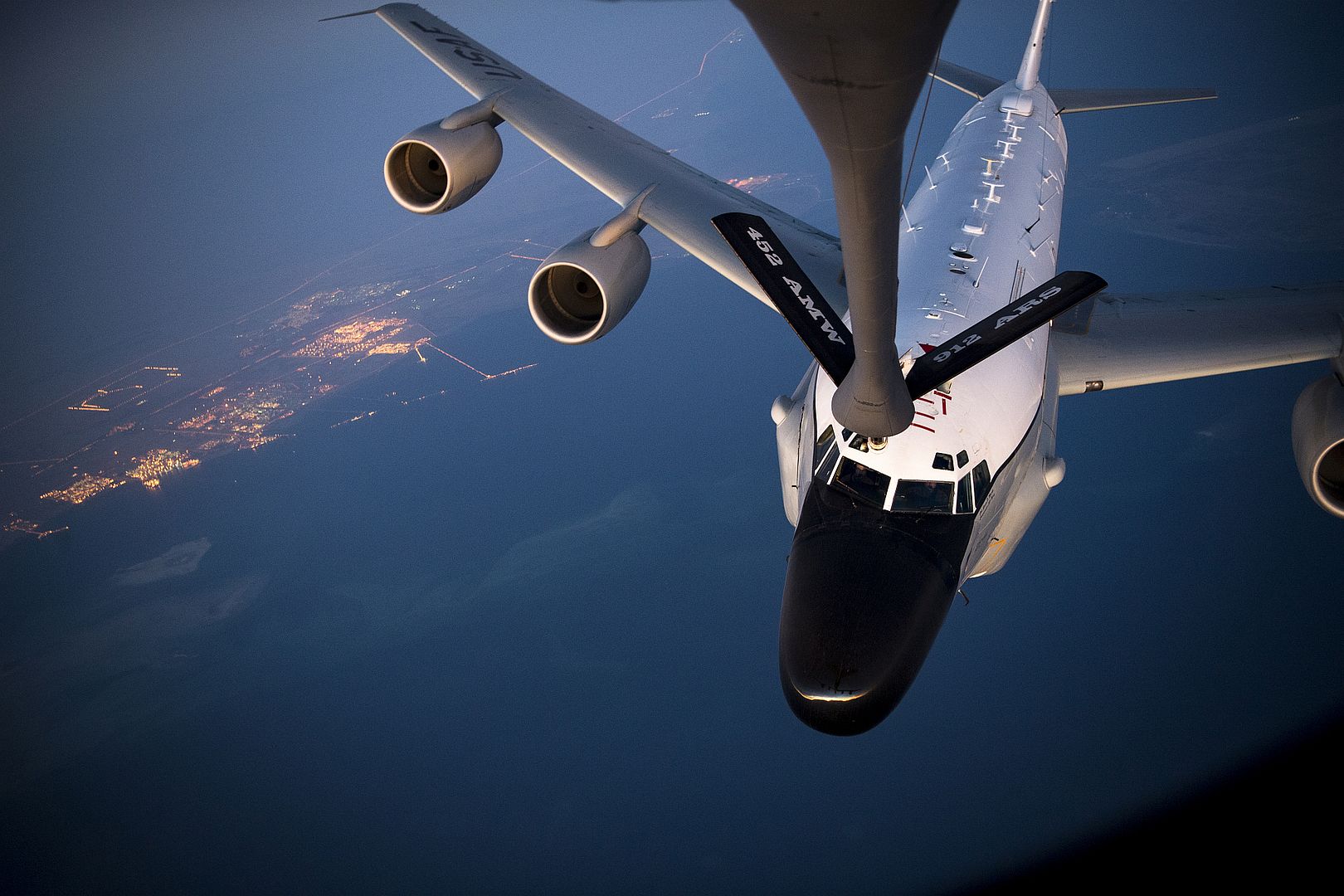
A U.S. Air Force RC-135 Rivet Joint approaches the boom of a 28th Expeditionary Air Refueling Squadron KC-135 Stratotanker during a mission over an undisclosed location in Southwest Asia, Sept. 10, 2019. The Rivet Joint supports theater and national level consumers with real time intelligence collection, analysis and dissemination capabilities. (U.S. Air Force photo by Master Sgt. Russ Scalf)
U.S. F-15E Strike Eagle conducts a mission Sept. 10, 2019. The F-15E conducted a Coalition and Iraqi Counter-Terrorism Service air strike in the Salah ad Din Province, Iraq, in support of Iraqi ground force clearing operations. (U.S. Air Force photo by Master Sgt. Russ Scalf)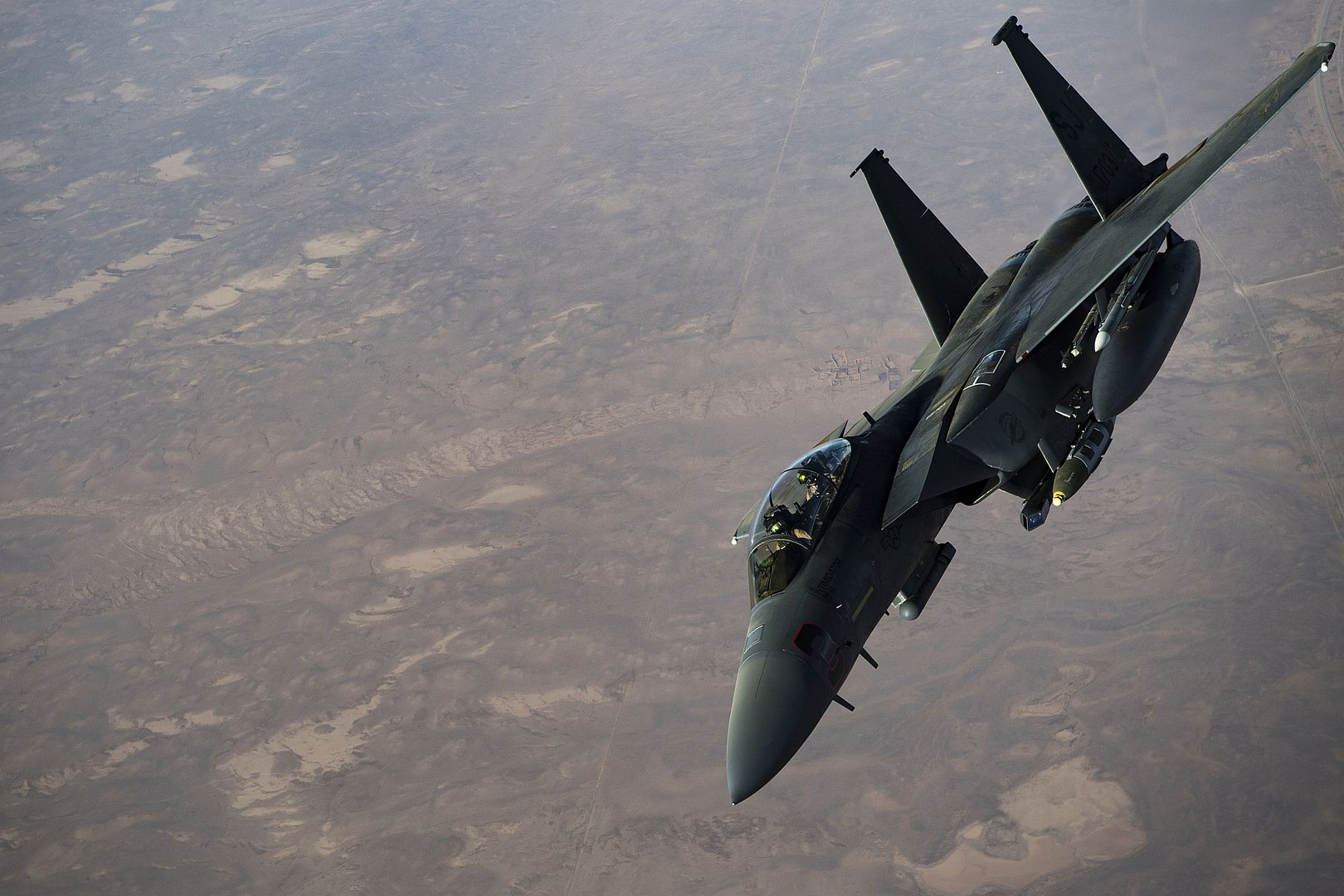
NORFOLK, Va. (September 9, 2019) - An E-2D Hawkeye prepares to land and be recieved by the ?Greyhawks? of Carrier Airborne Early Warning Squadron (VAW) 120 on Monday, September 9 at Naval Station Norfolk. This is the first E-2D Hawkeye with aerial refueling capability to join the fleet, increasing the Navy?s battlespace awareness and integrated fire control ? both from the air and the sea. (U.S. Navy Photo by Mass Communication Specialist 3rd Class Nikita Custer)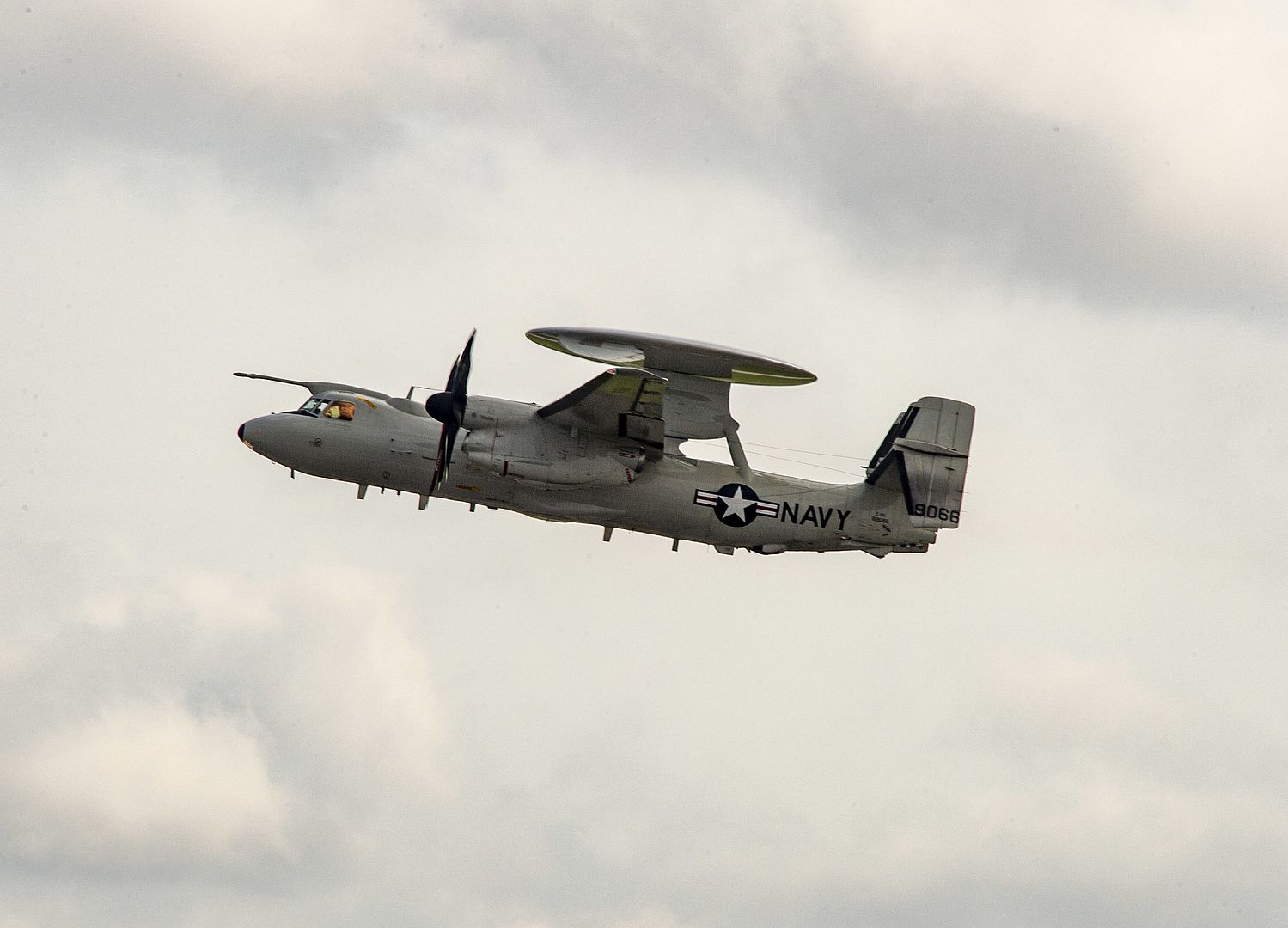
NORFOLK, Va. (September 9, 2019) - An E-2D Hawkeye being recieved by the ?Greyhawks? of Carrier Airborne Early Warning Squadron (VAW) 120 completes landing procedures at Naval Station Norfolk Monday, September 9. This is the first E-2D Hawkeye with aerial refueling capability to join the fleet, increasing the Navy?s battlespace awareness and integrated fire control ? both from the air and the sea. (U.S. Navy Photo by Mass Communication Specialist 3rd Class Nikita Custer)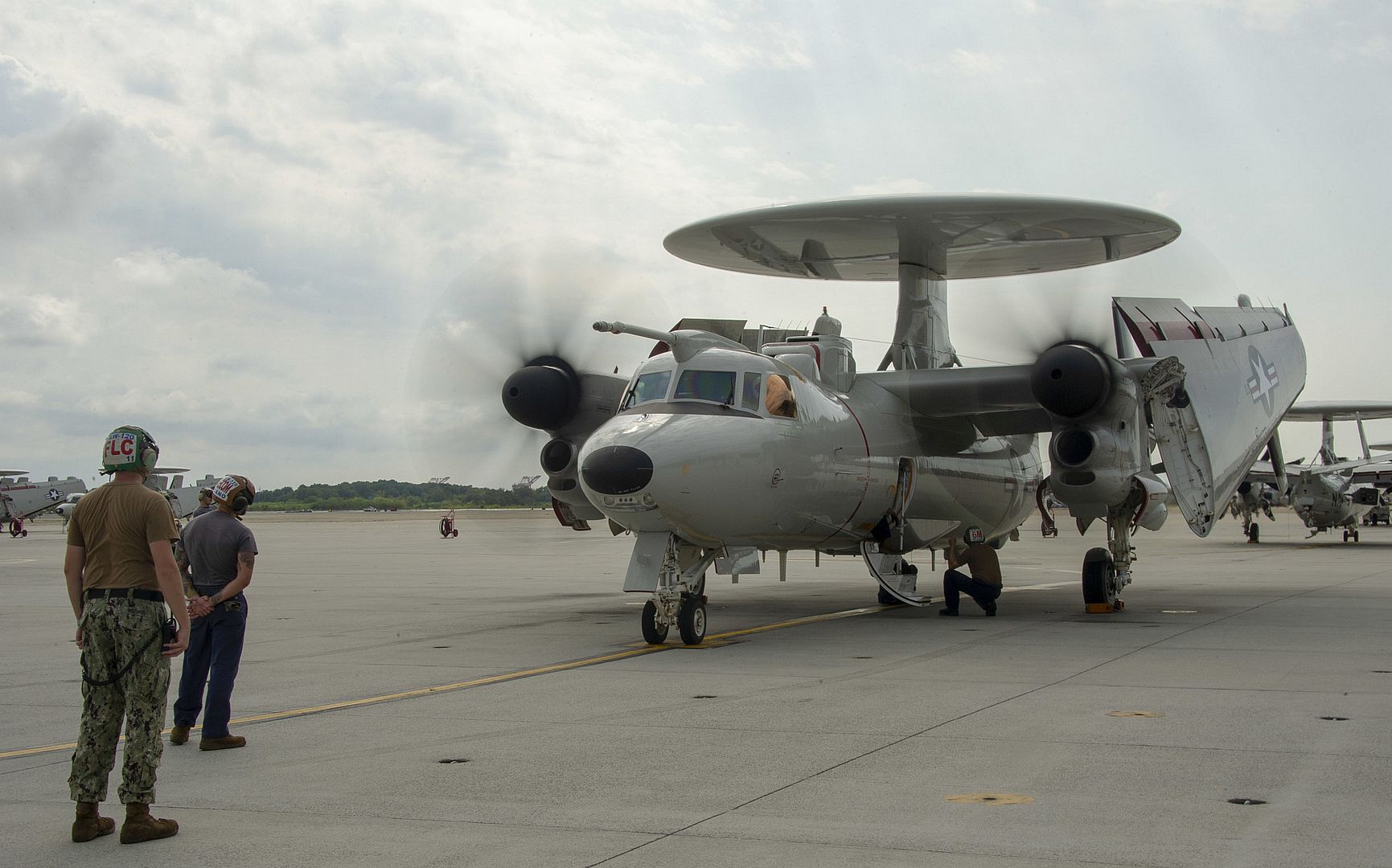
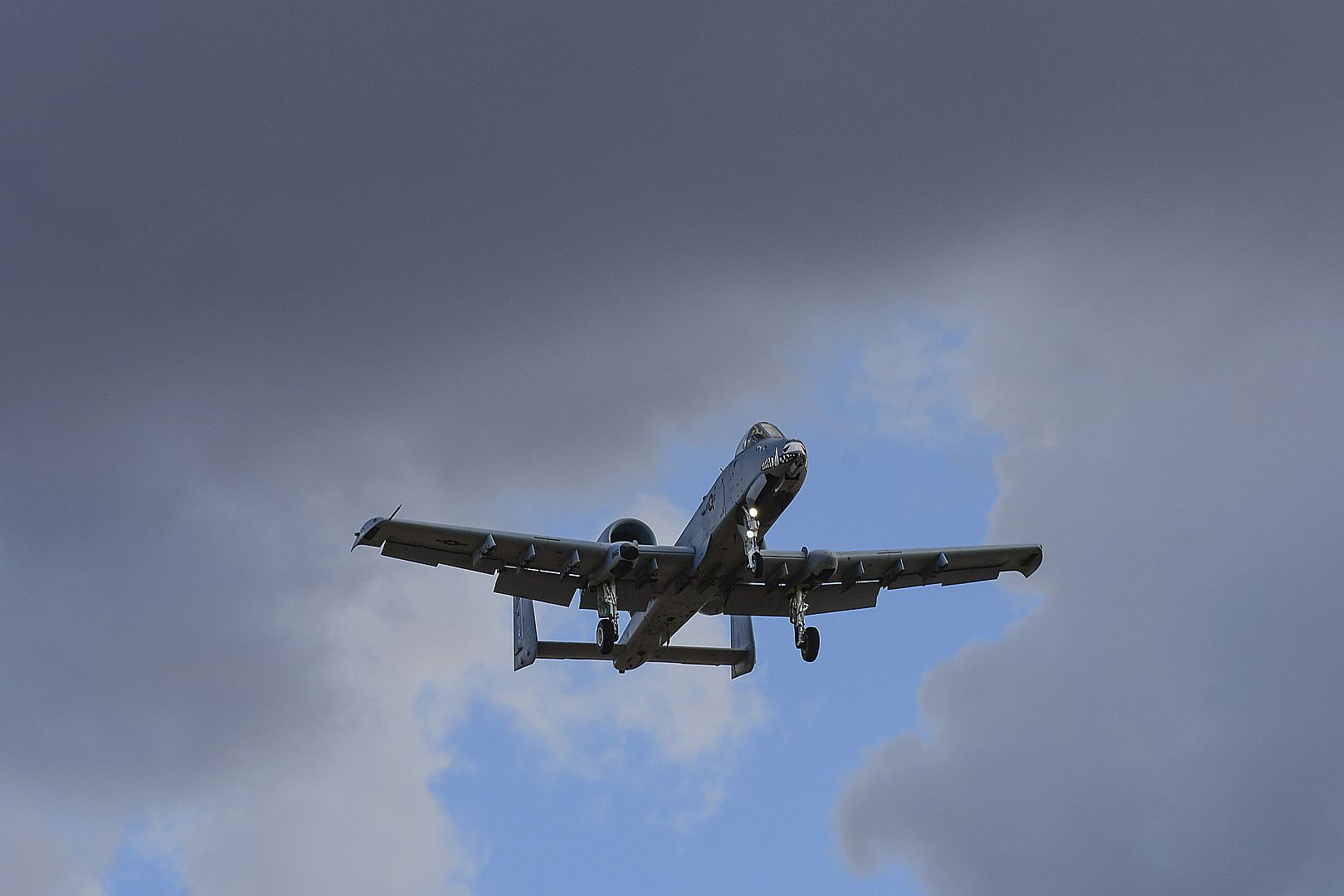
An A-10 Thunderbolt II practices approaches on the flightline during routine training at Davis-Monthan Air Force Base, Arizona, September 9, 2019. With 11 flying units and 152 aircraft, Davis-Monthan is the busiest single runway in the Air Force. (U.S. Air Force photo by Airman 1st Class Kristine Legate)