Aviation News
-
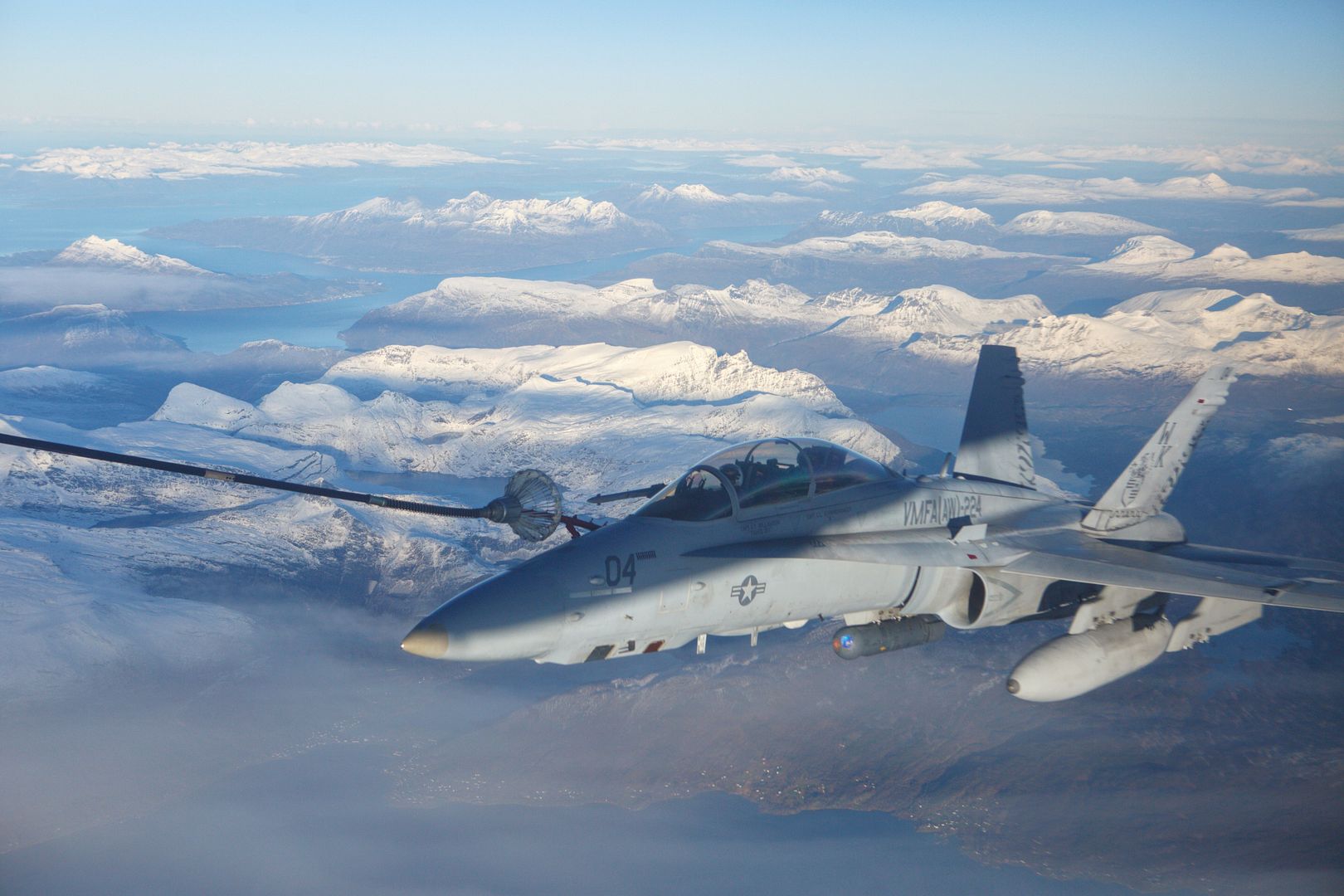
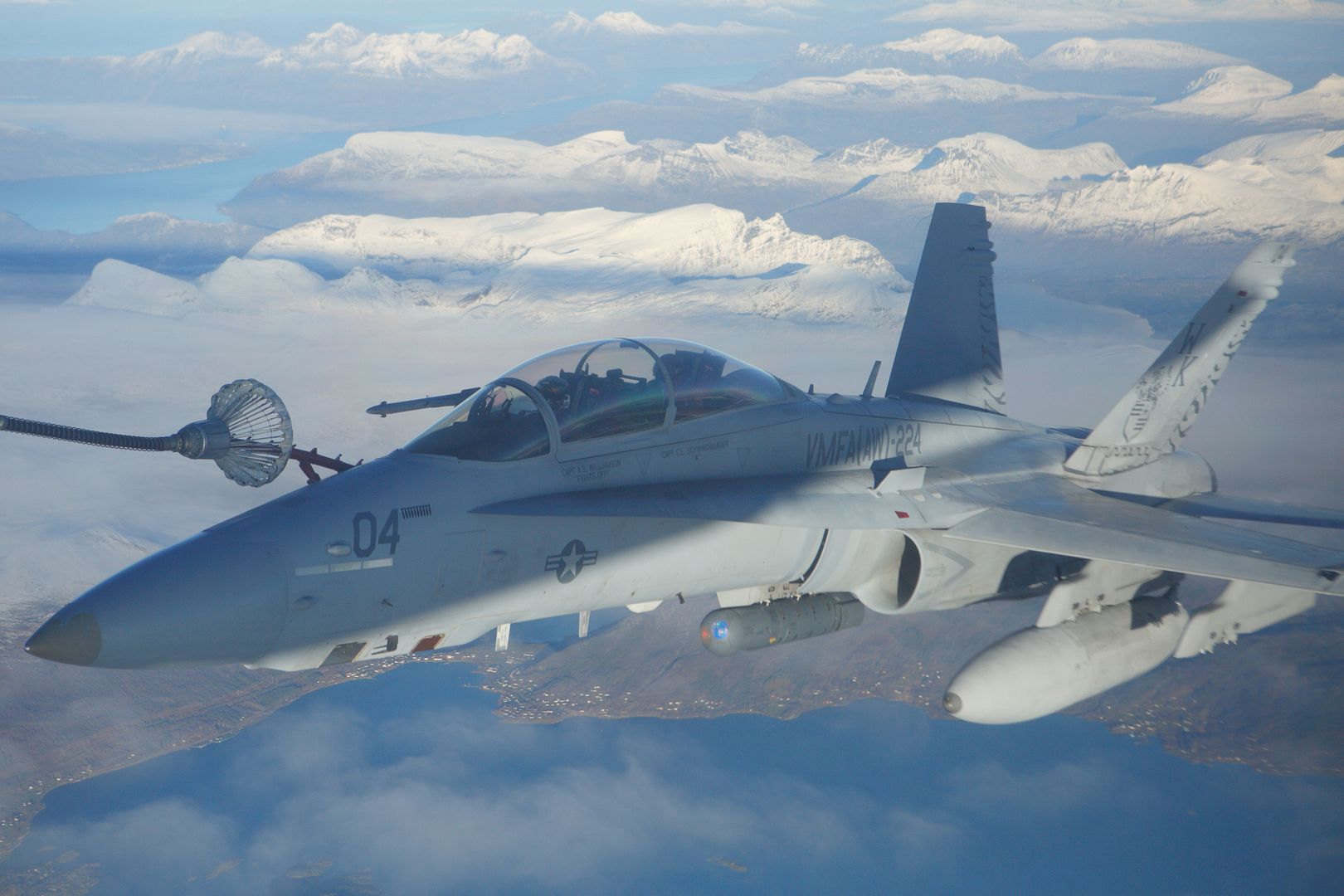
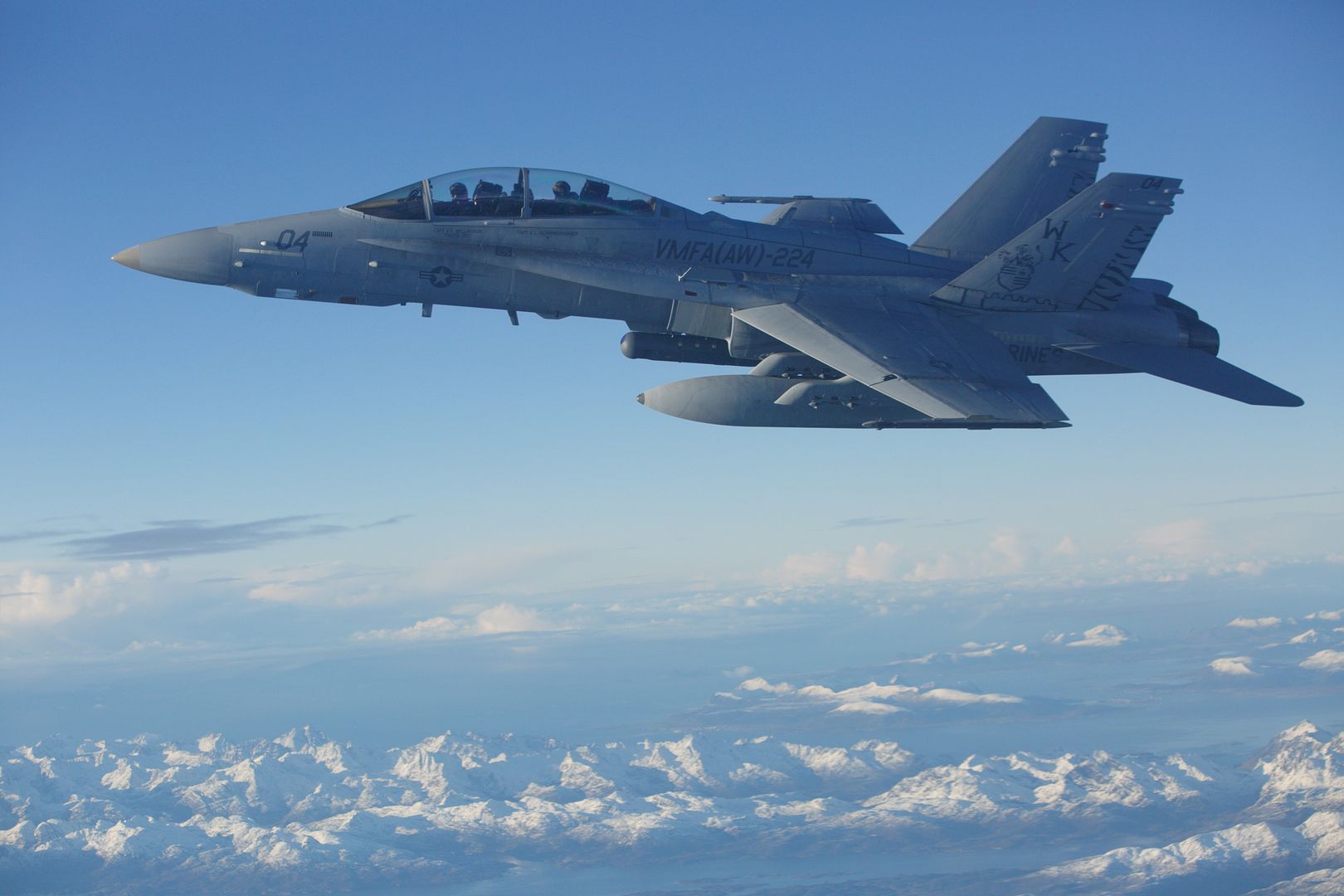
An F/A-18D Hornet, with Marine All-Weather Fighter Attack Squadron (VMFA) 224, conducts an aerial refuel in Norway, during Exercise Trident Juncture 18, Oct. 24, 2018. Trident Juncture 18 enhances the U.S. and NATO Allies' and partners' abilities to work together collectively to conduct military operations under challenging conditions. (U.S. Marine Corps photo's by Gunnery Sgt. Christopher Giannetti)
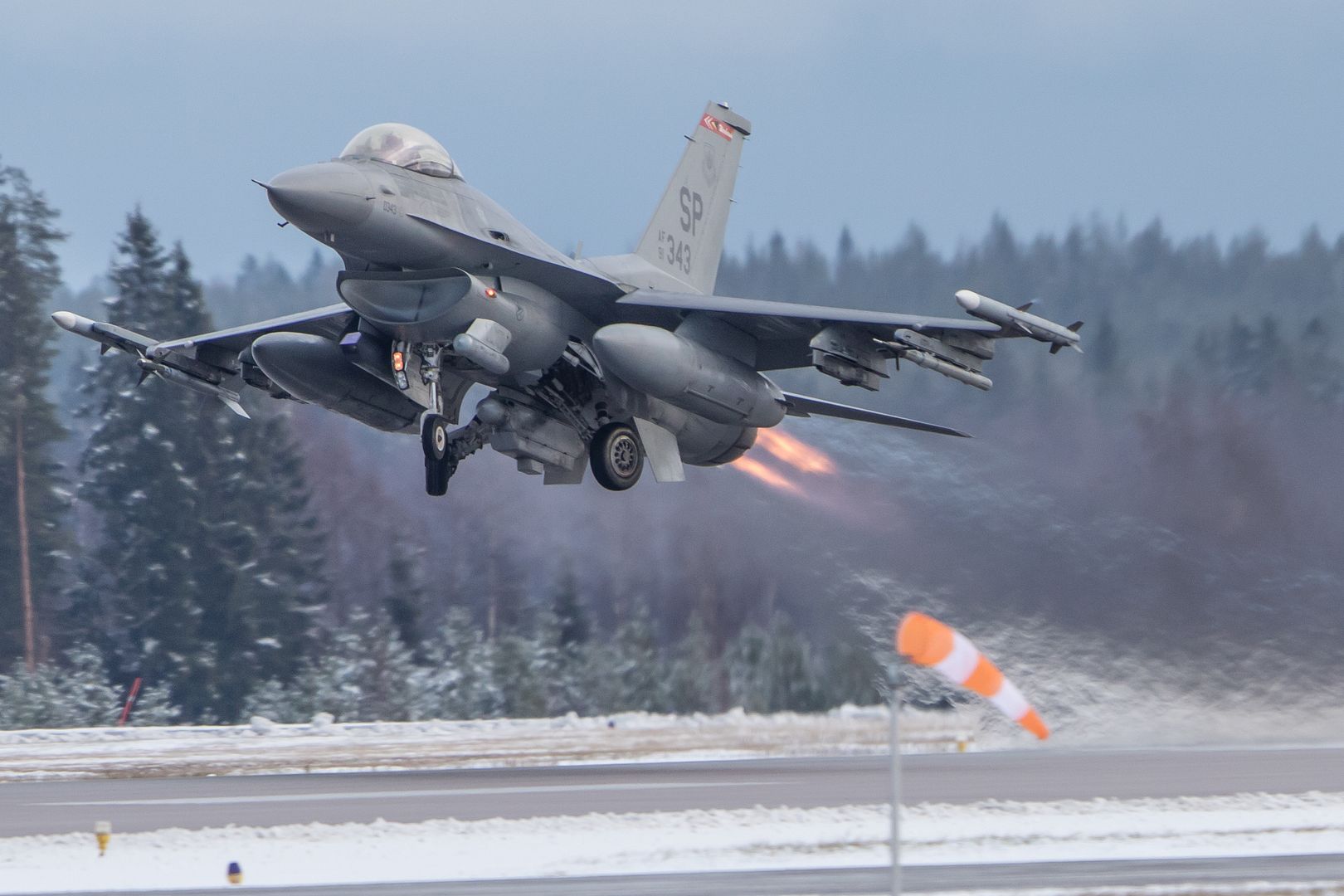
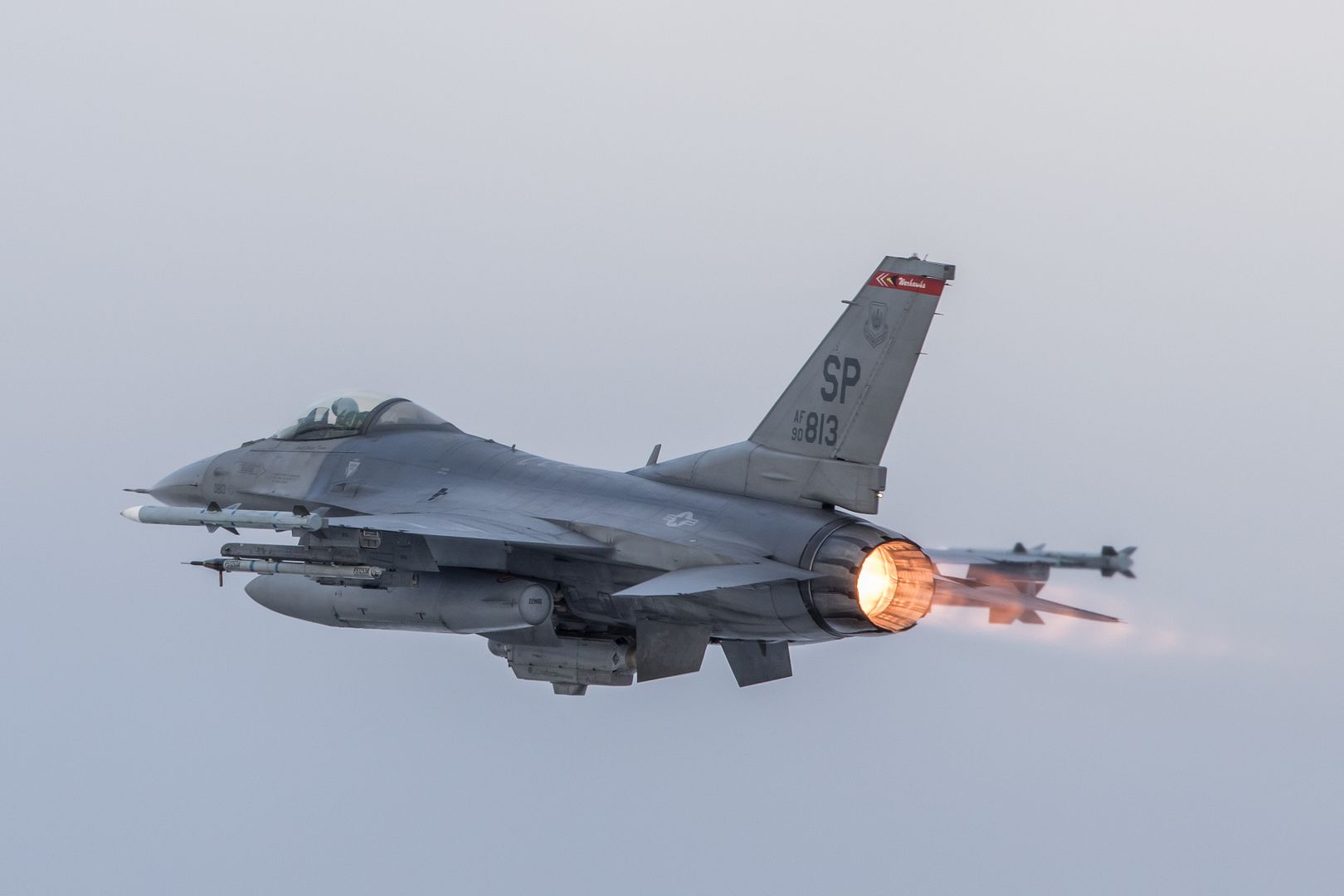
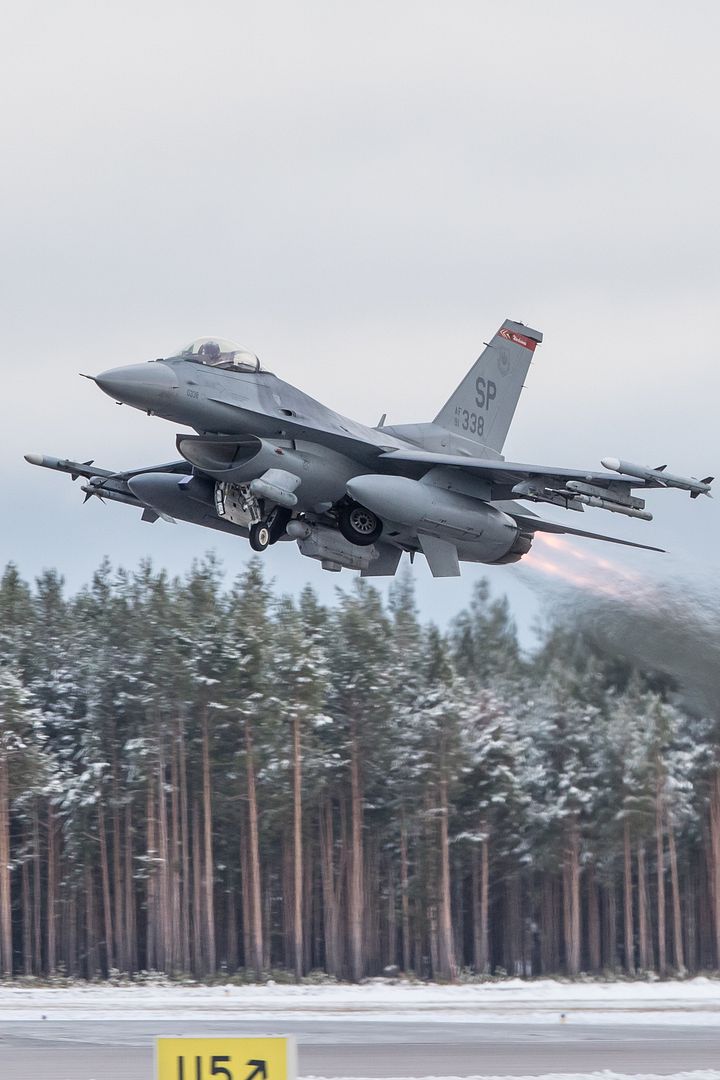
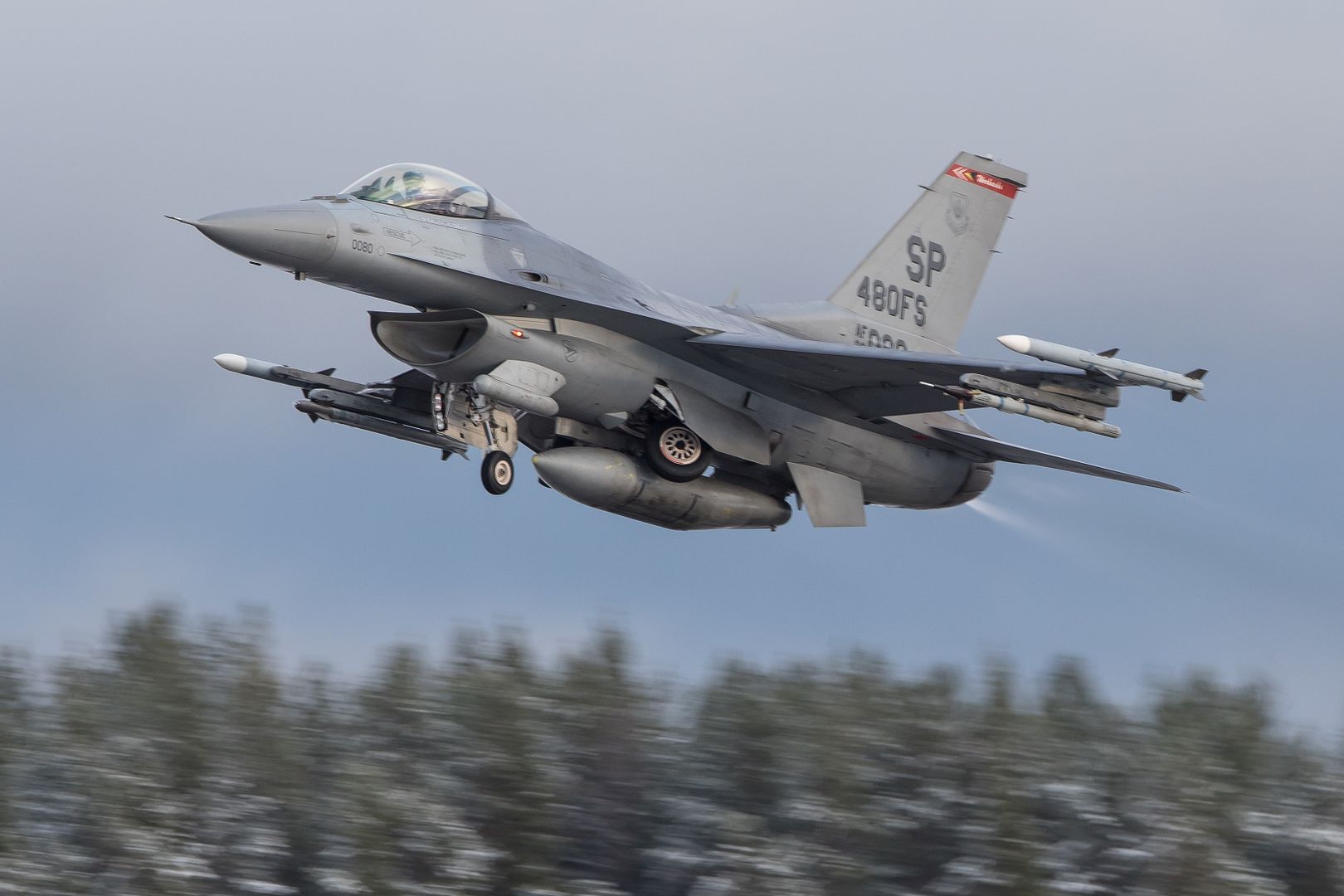
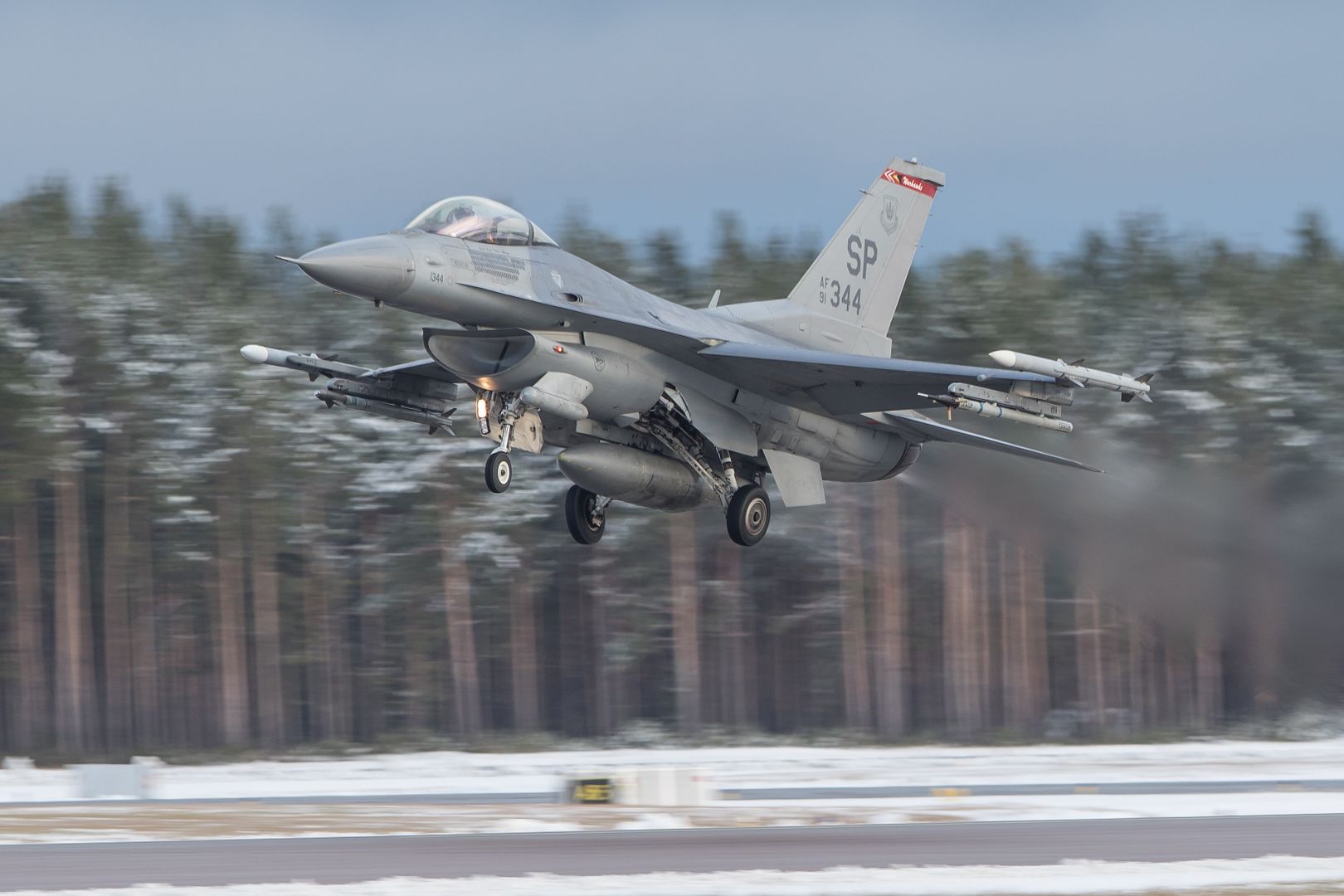
Lulea, Sweden, Kallax Air Base 25 October 2018 - US Air Force F-16 Fighter Jets taking off from Kallax Air Base for Exercise Trident Juncture 2018. Photo's: OR-7 Christian Timmig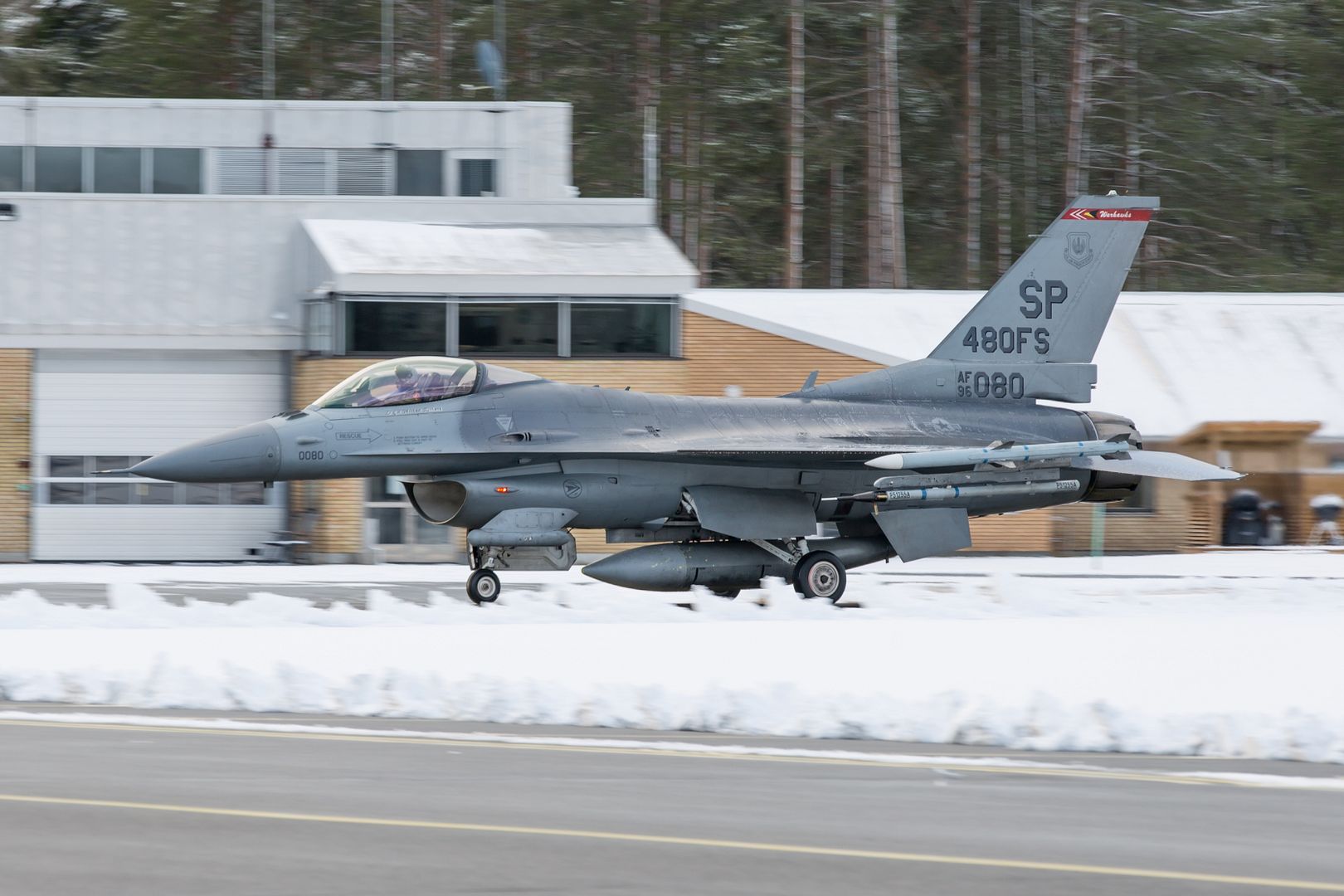
NORWAY
10.25.2018
A Turkish F-16 landing at Bod? Air Base, Norway, after a training flight in Norwegian airspace.
Photo by OR-8 Sebastien Raffin / French A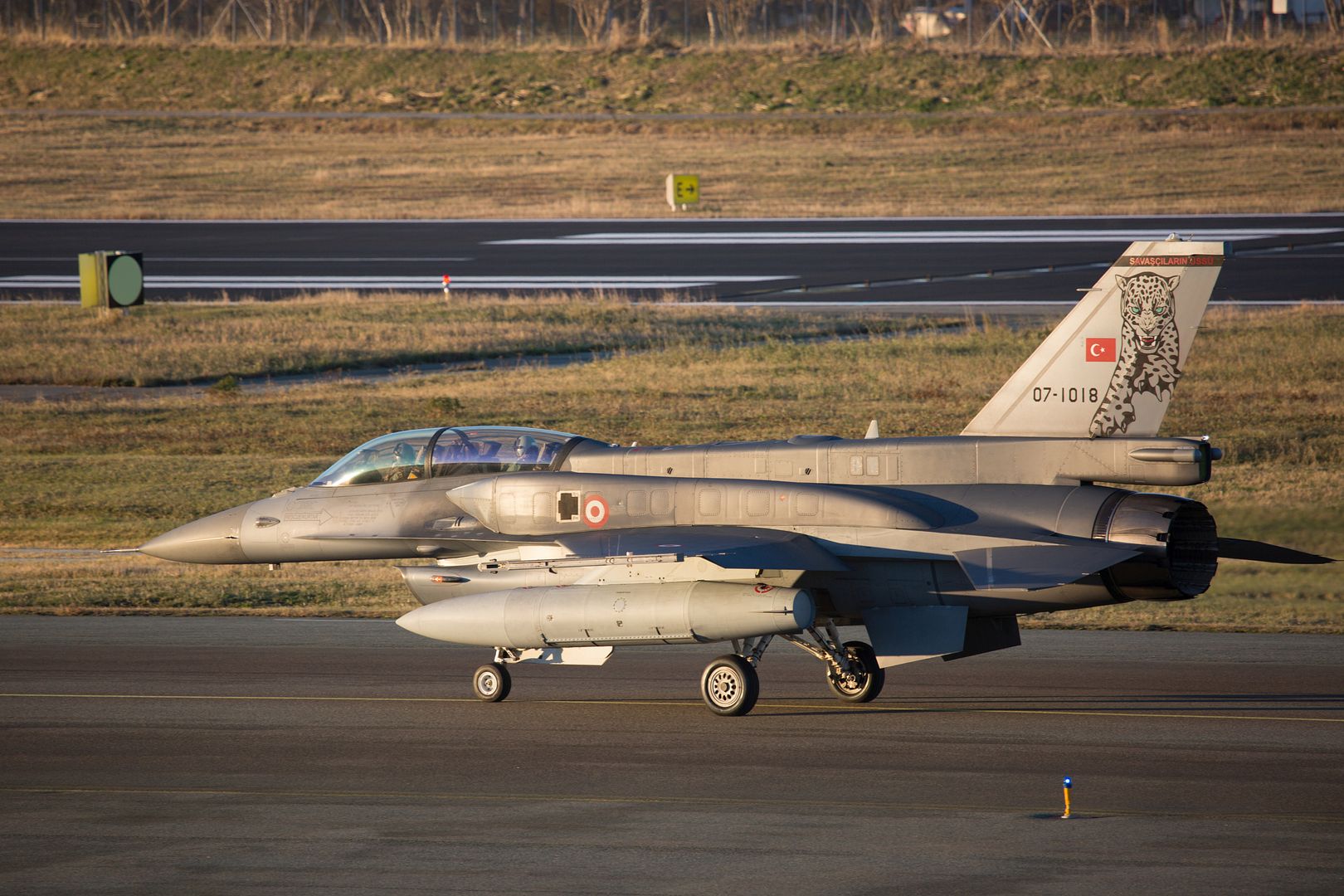
FINLAND
10.25.2018
Courtesy Photo
Allied Joint Force Command Naples.
A Finnish F/A-Hornet takes off from Rovaniemi Airbase during Exercise Trident Juncture 2018.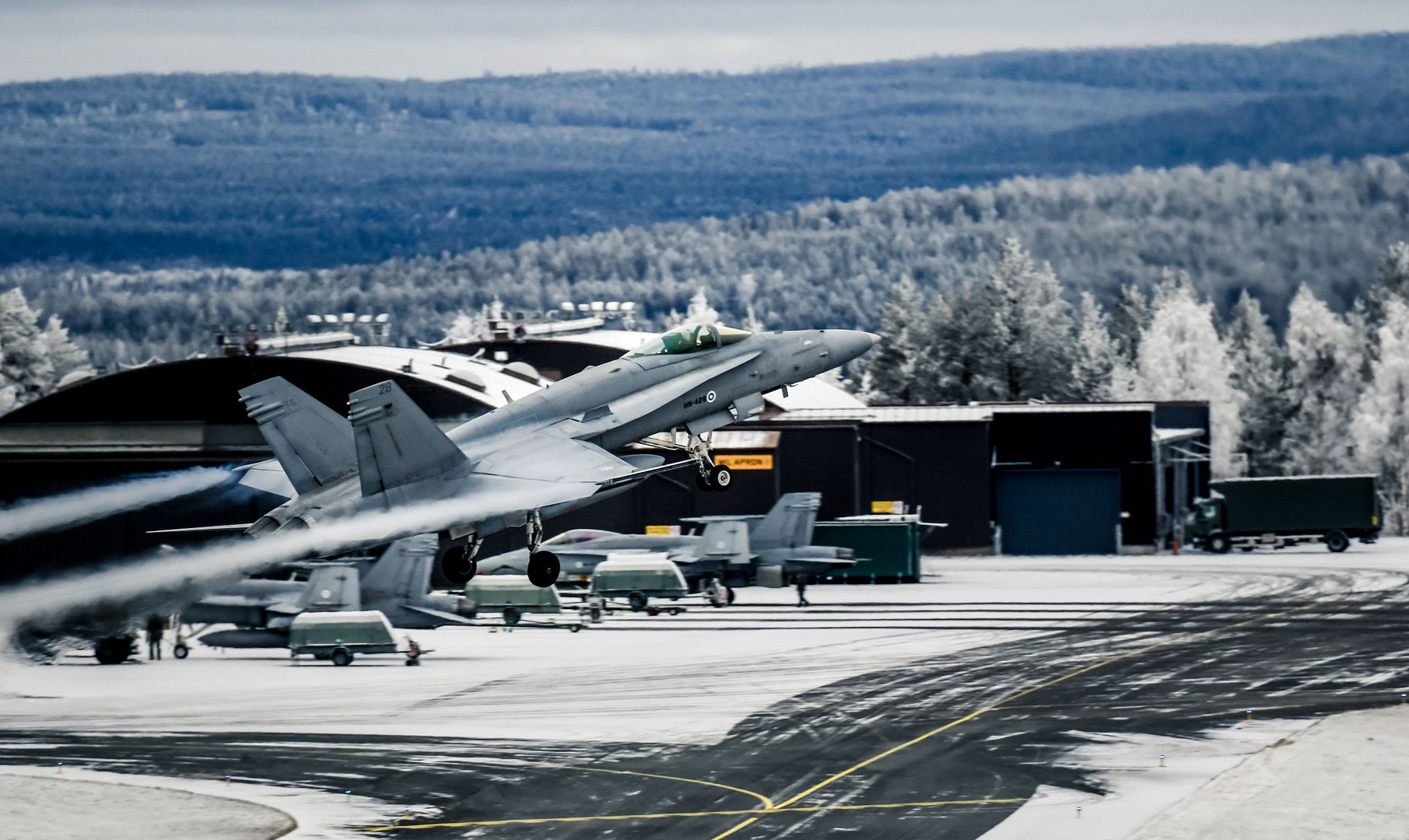
A U.S. Air Force KC-135 takes off from Rovaniemi Airbase, Finland on Oct 25 in support of NATO Exercise Trident Juncture 2018.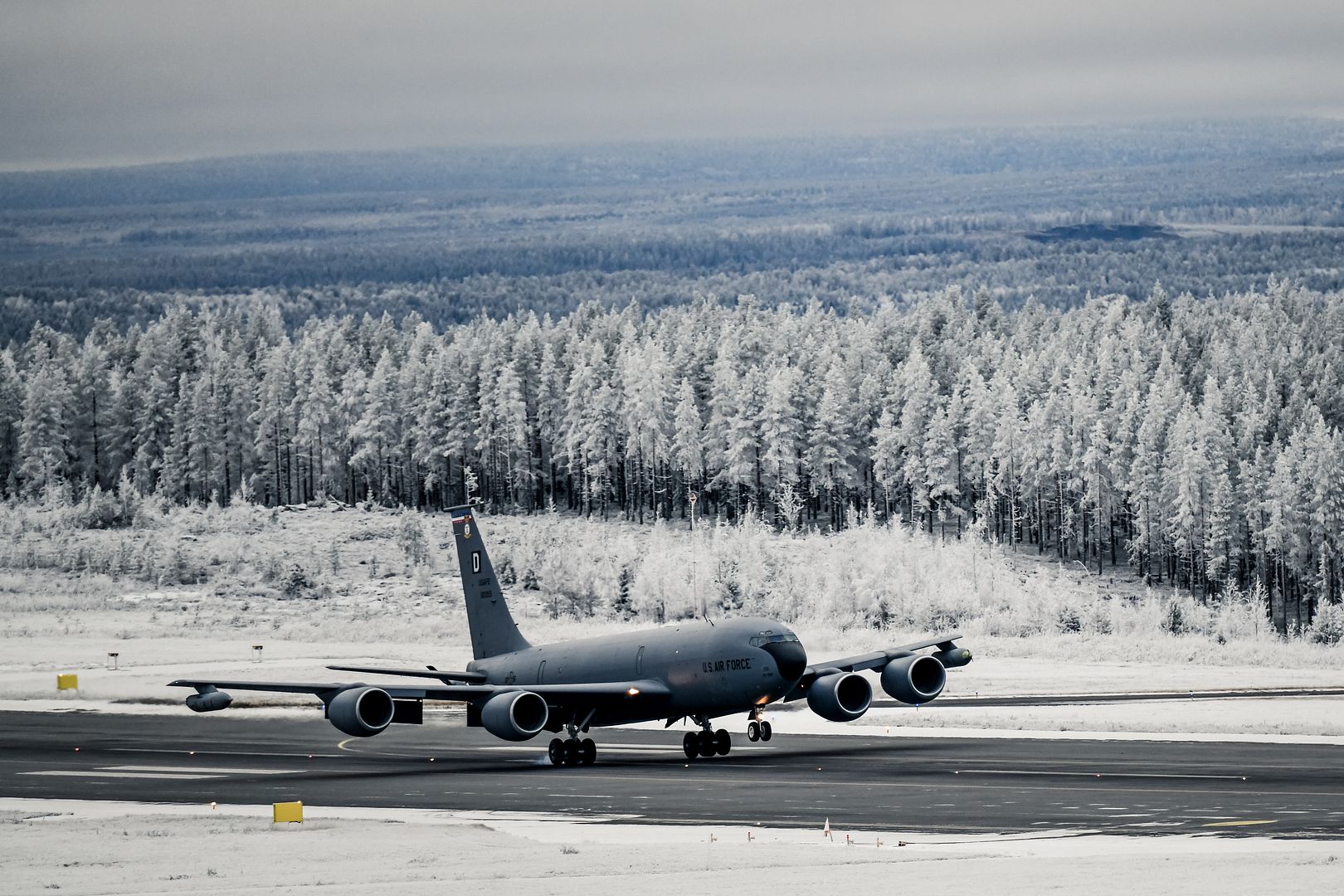
Two Finnish F/A Hornets sit on the flight line at Rovaniemi Airbase, Finland on Oct 25 for NATO Exercise Trident Juncture 2018.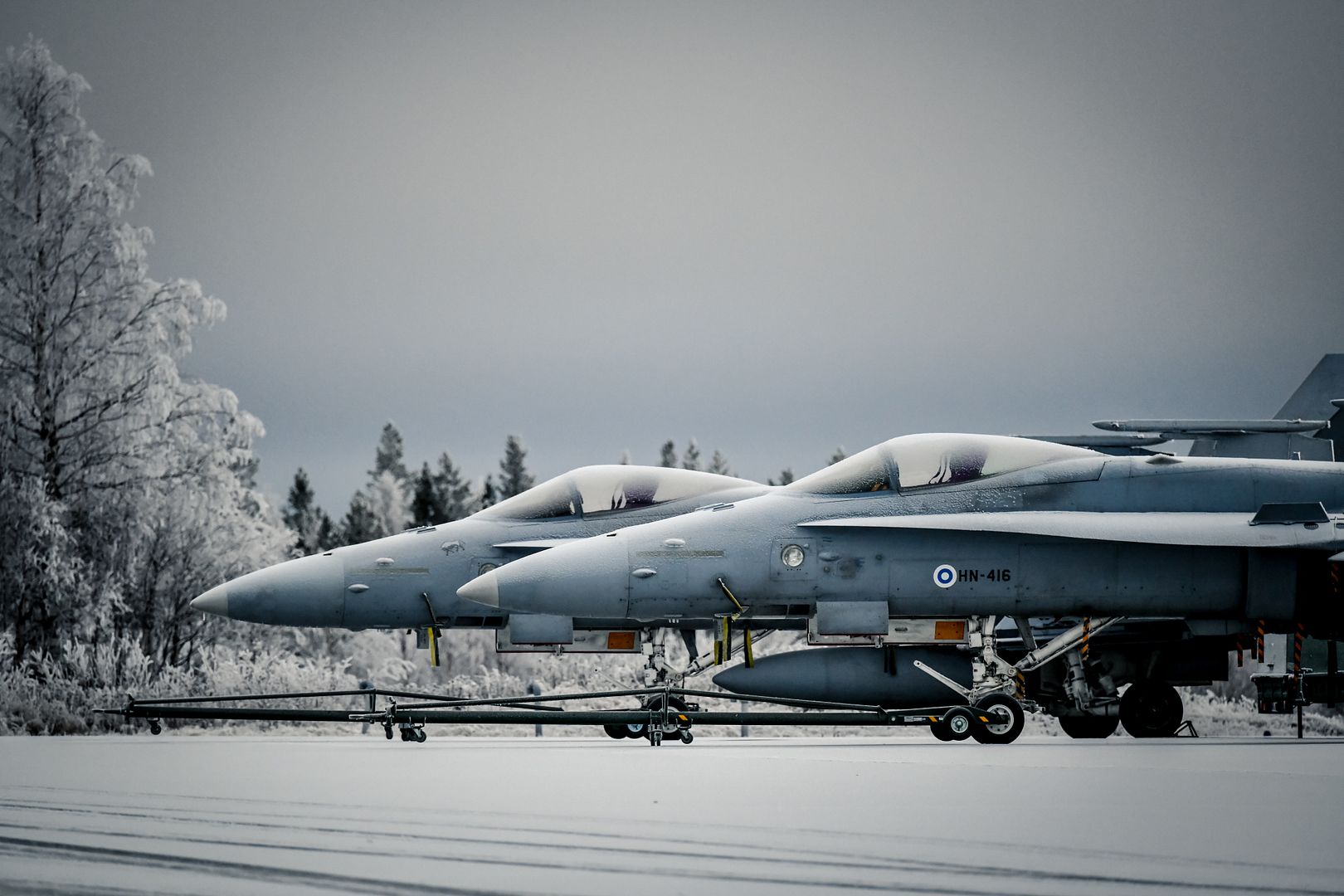
Photo's by Minna Pyyk?nen
Belgian F-16s taking off from Rovaniemi Airbase during Exercise Trident Juncture October 25 2018.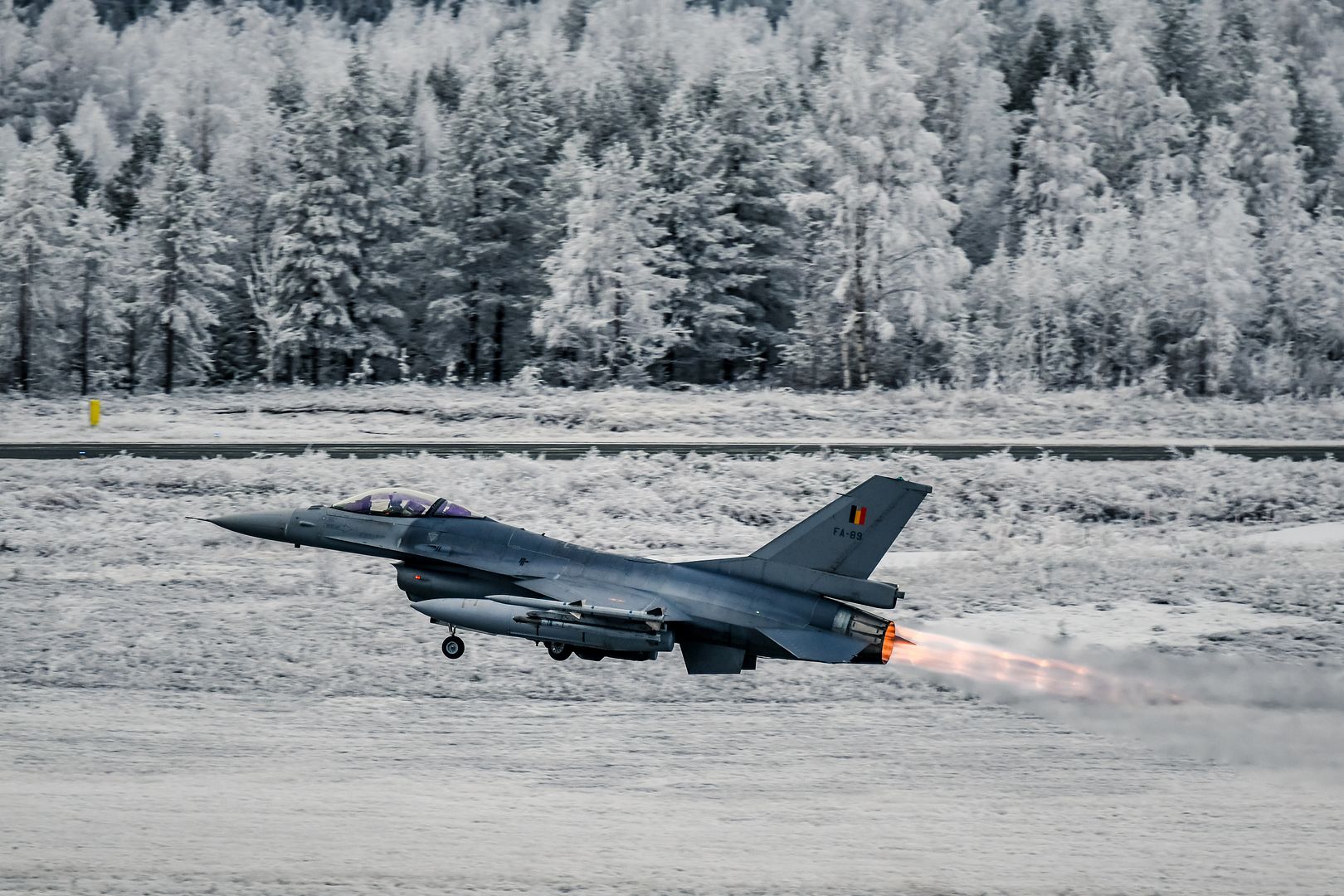
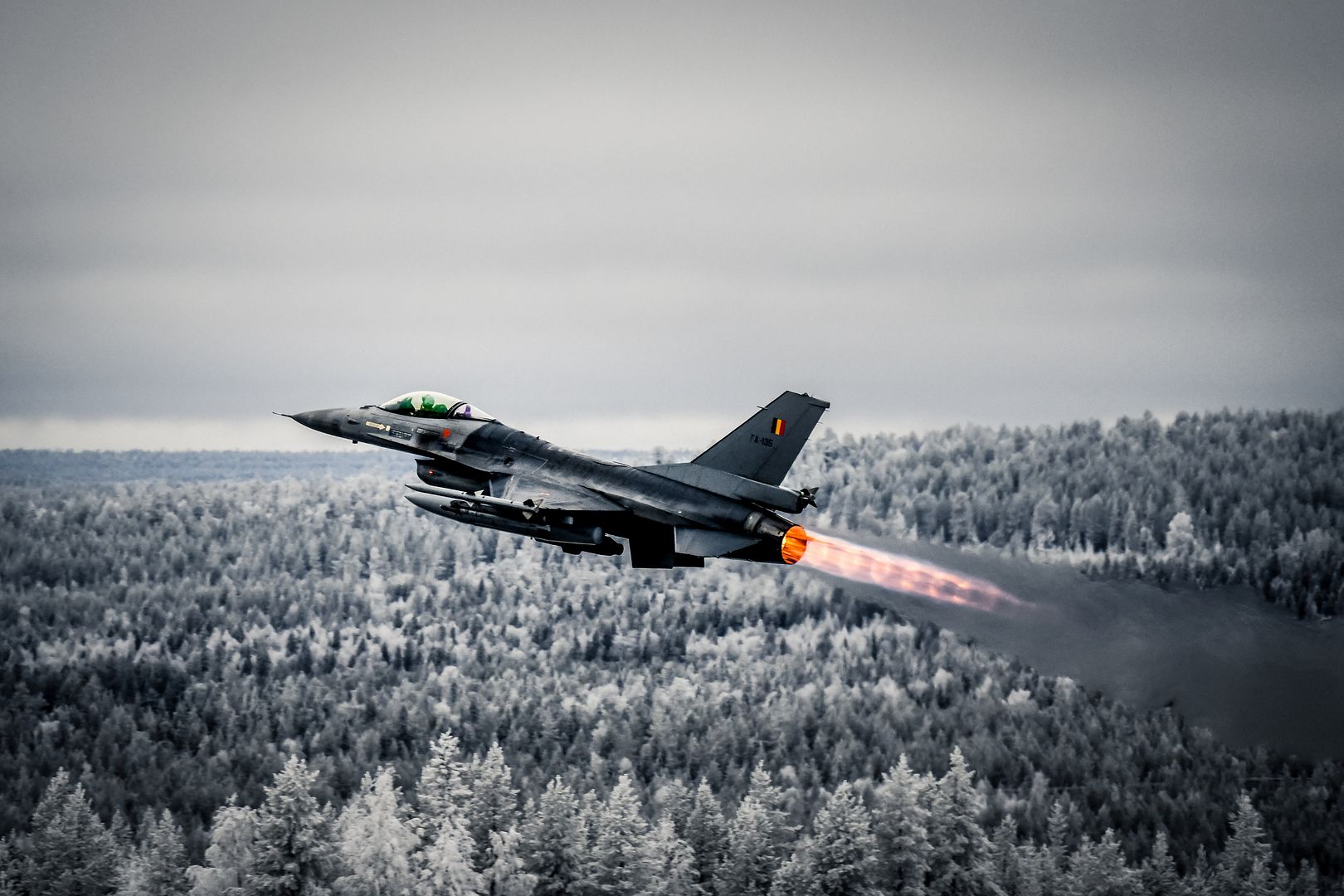
A U.S. Air Force KC-135 tanker takes off from Rovaniemi Airbase, Finland on Oct 25 for Exercise Trident Juncture 2018.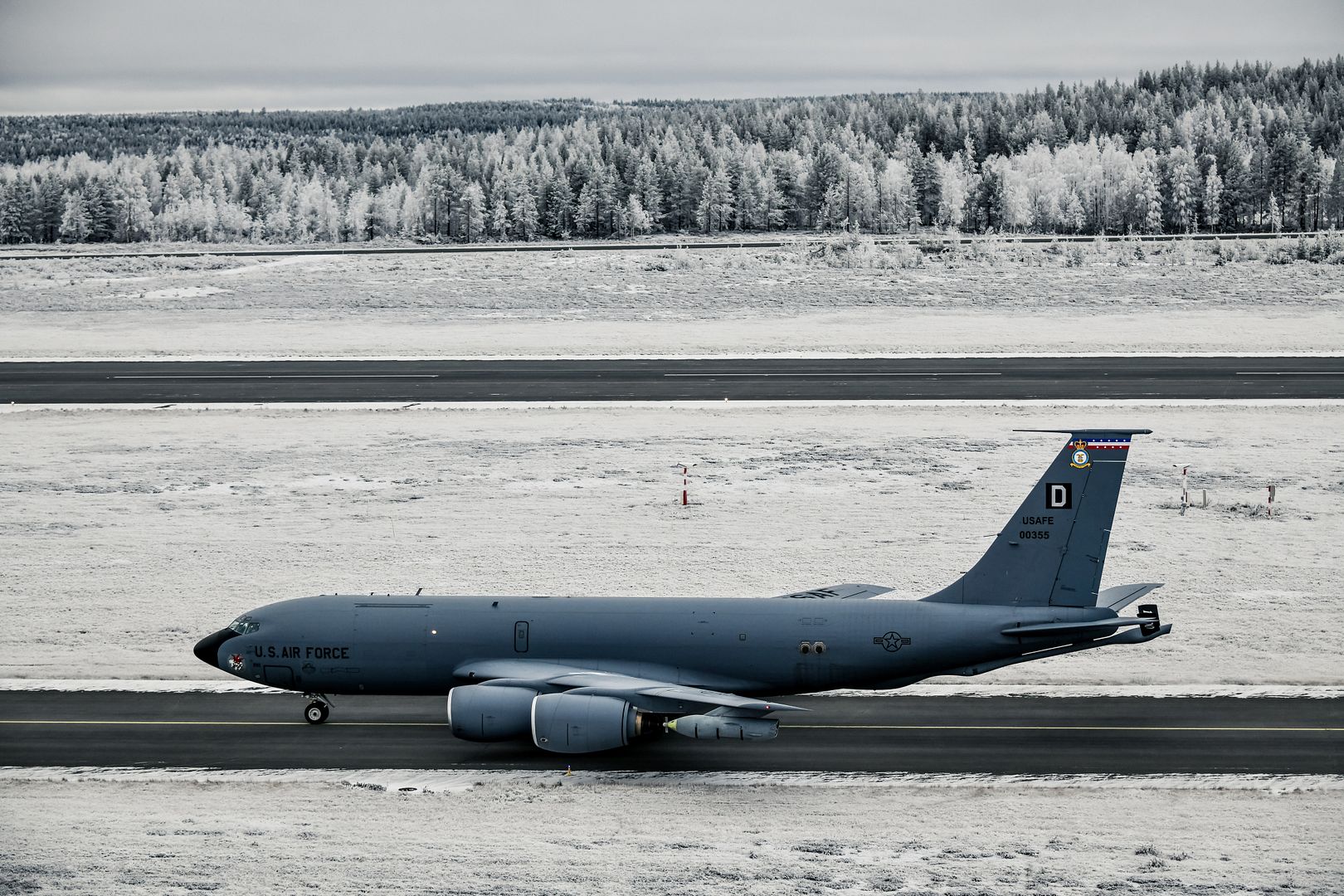
Photo's by Minna-Leena Piirainen
Airbus today welcomed Delta Air Lines as the first U.S. carrier to take delivery of the Airbus A220 aircraft. On hand for the delivery ceremony at the aircraft?s assembly line in Mirabel were members of the A220 team as well as government officials and executives from Delta, Airbus, Bombardier and Investissement Quebec.
?It is with great pride that we take delivery of our first, state-of-the-art A220-100,? said Delta Chief Executive Ed Bastian. ?We have big plans for our A220 fleet and are confident that Delta customers and Delta people alike will be delighted with the in-flight experience provided by this thoroughly modern and efficient aircraft. We value our longstanding partnerships with Airbus and Bombardier and are grateful for the great design and manufacturing work done by the team here in Mirabel.?
Delta?s A220 will enter service in early 2019, making Delta the fourth global airline to operate the aircraft previously known as the Bombardier C Series. The C Series Aircraft Limited Partnership (CSALP) welcomed Airbus as lead partner earlier this year, prompting the change of name to the Airbus A220. Delta is the largest A220-100 customer, with a firm order for 75 aircraft.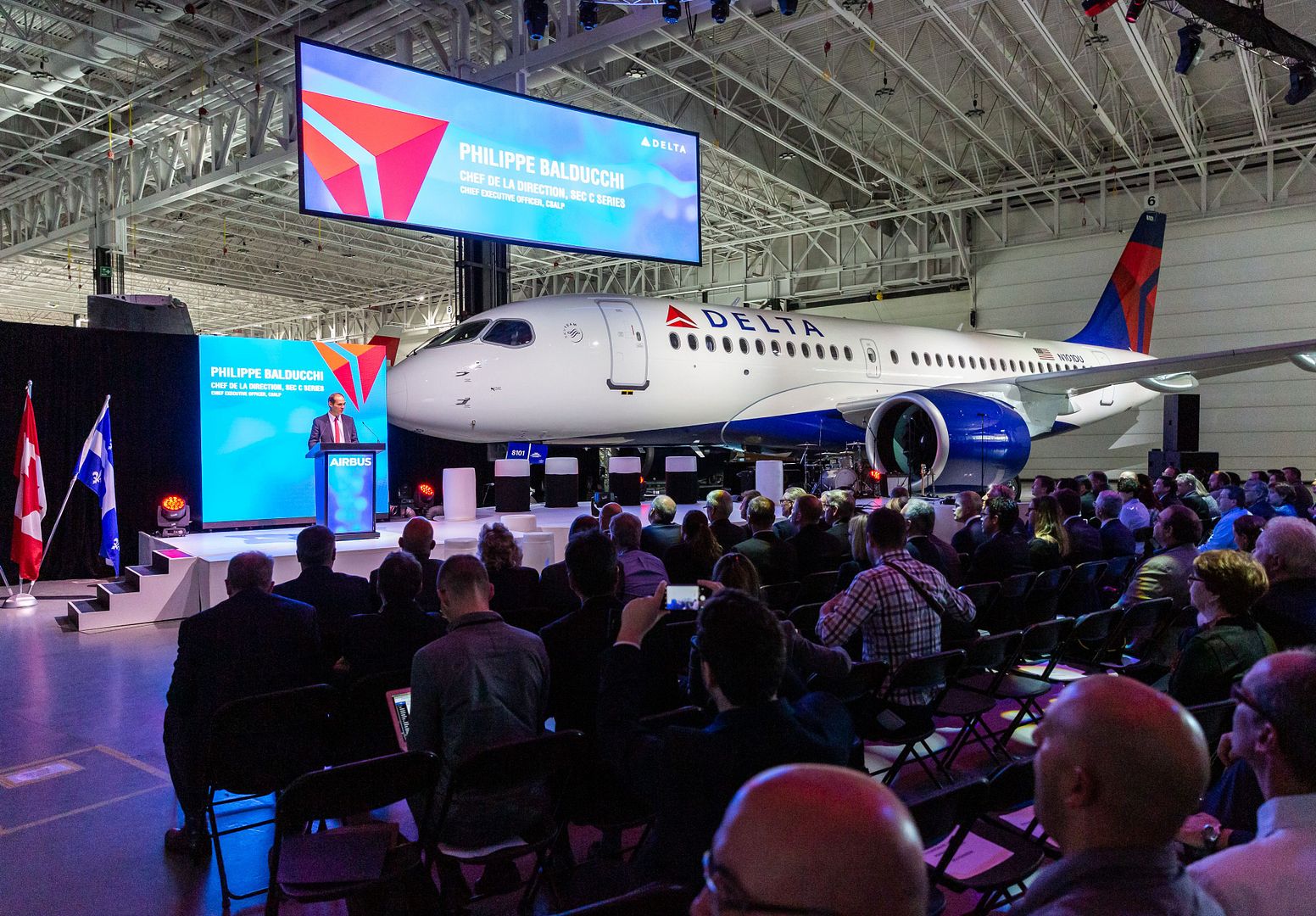
Guillaume Faury, President of Airbus? commercial aircraft business, said, ?We at Airbus are dedicated to providing our customers the right products for a marketplace that needs modern, efficient and passenger-friendly aircraft ? and the remarkable A220 certainly delivers. When a great airline like Delta puts a new aircraft into service as a platform for their outstanding passenger service, the entire industry takes note. The A220 team is gratified by the confidence that the Delta family has placed in this excellent, Canadian-born aircraft.?
The A220-100 delivers unbeatable fuel efficiency. It brings together state-of-the-art aerodynamics, advanced materials and Pratt & Whitney?s latest-generation PW1500G geared turbofan engines to offer at least 20 percent lower fuel burn per seat compared to previous generation aircraft.
With an order book of over 400 aircraft to date, the A220 has all the credentials to win the lion?s share of the 100- to 150-seat aircraft market, estimated to represent at least 7,000 aircraft over the next 20 years.
As of the end of September, Delta was operating a fleet of 235 Airbus aircraft, including 182 A320 Family members, as well as 42 A330s and 11 A350 XWB, or eXtra Wide Body aircraft. The airline has more than 275 additional Airbus aircraft on order. Next year, Delta will become the first U.S. airline to operate the new Airbus A330neo.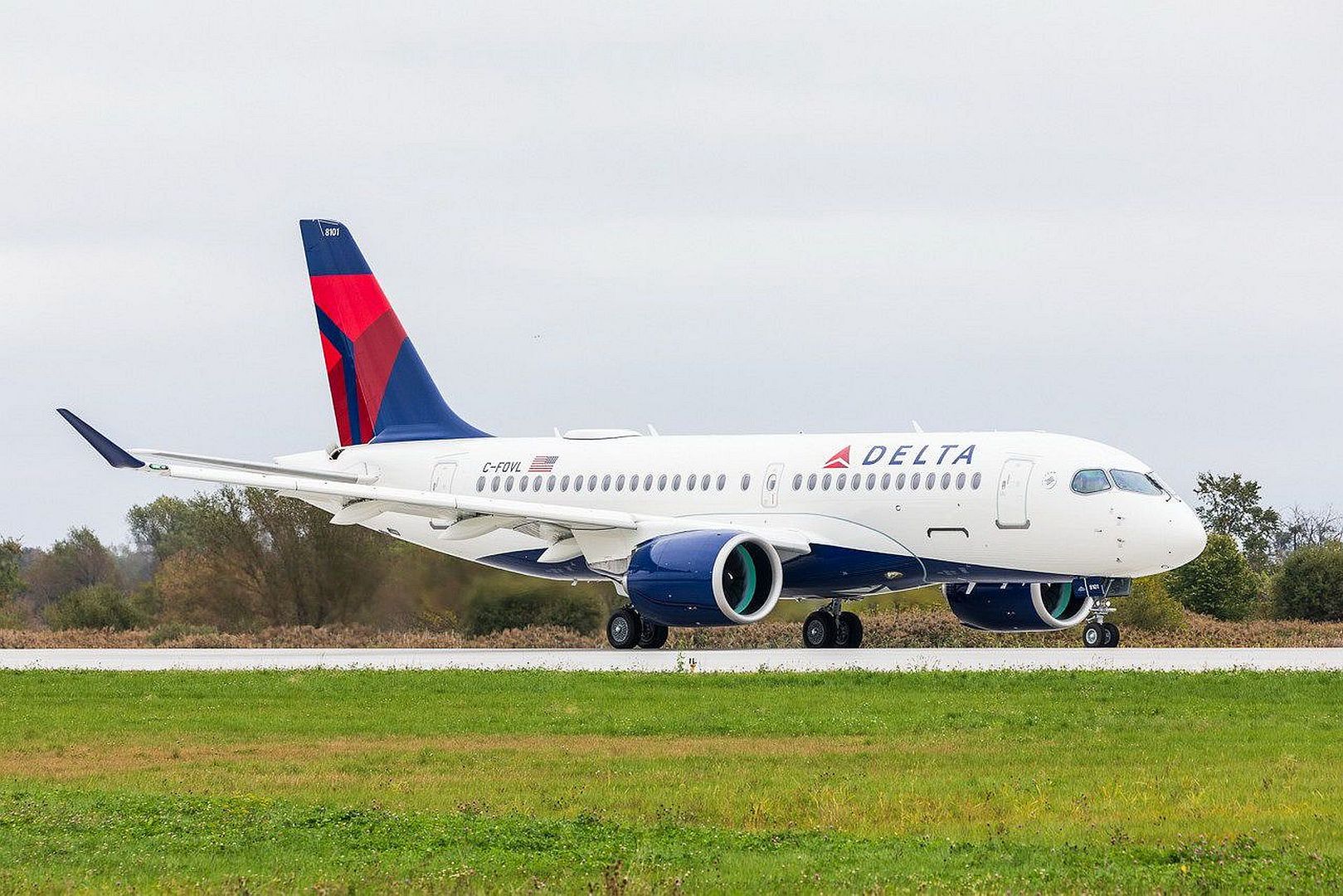
-
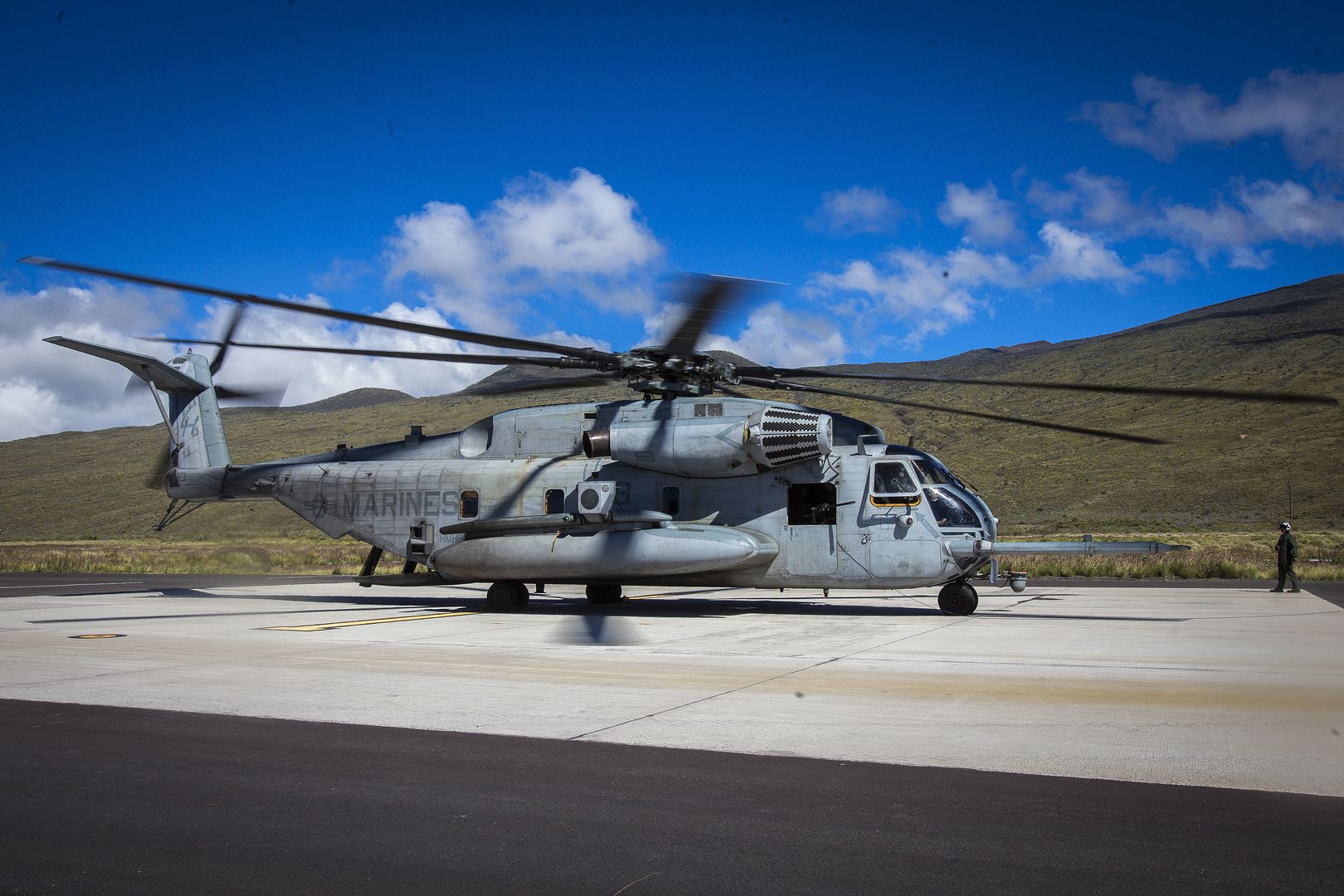
A CH-53E Super Stallion with Marine Heavy Helicopter Squadron (HMH) 463 starts it's engine prior to an aerial assault exercise, Pohakuloa Training Area, Oct. 26, 2018. The squadron assisted Marines with 3rd Battalion, 3d Marine Regiment, in support of Exercise Bougainville II. (U.S. Marine Corps photo by Cpl. Matthew Kirk)
NORWAY
10.26.2018
Courtesy Photo's
Allied Joint Force Command Naples
A French Mirage 2000 C taking off from Bod? air Base during exercise Trident juncture 18.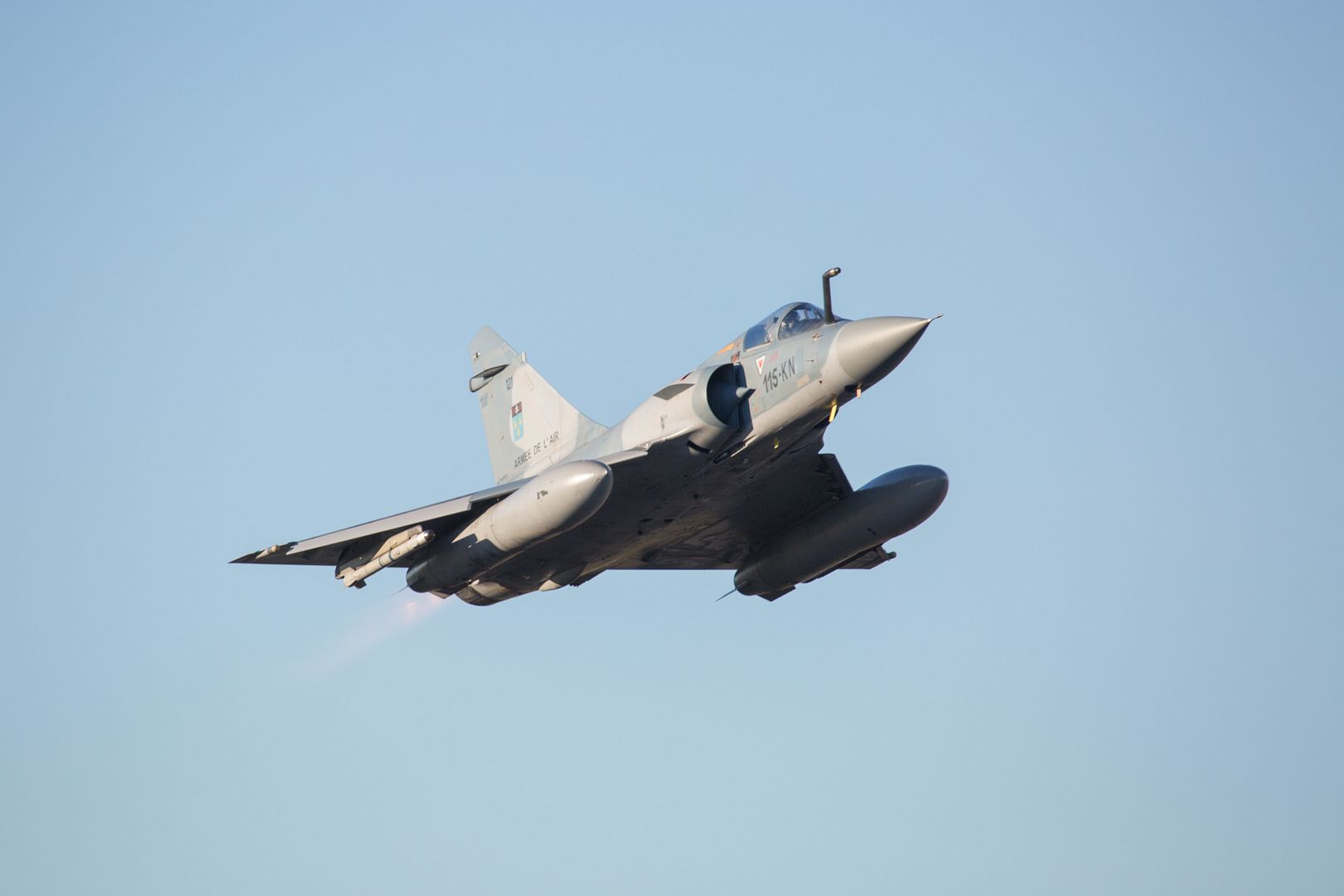
An Italian Tornado taking off from Bod? Air Base during exercise Trident Juncture 18.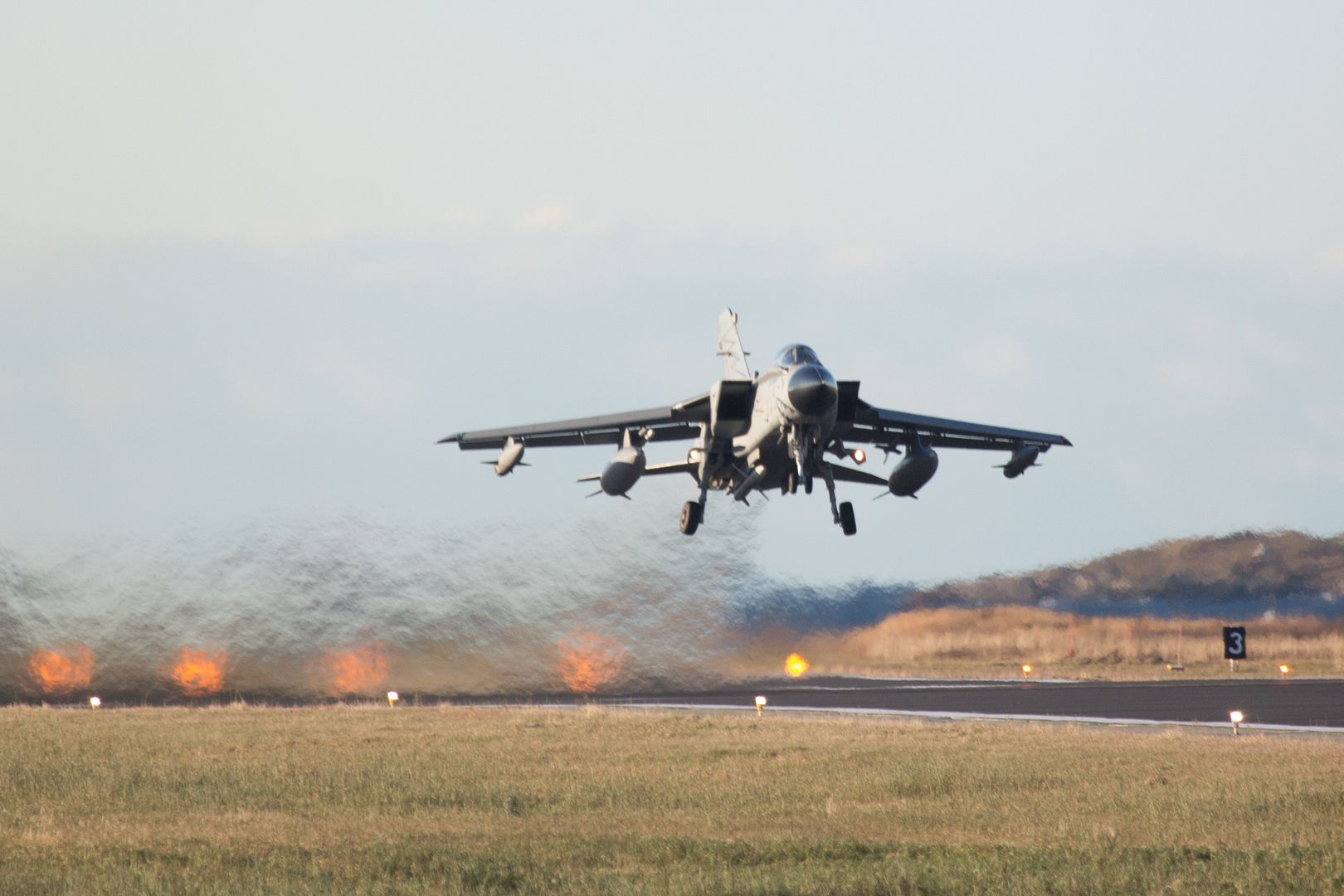
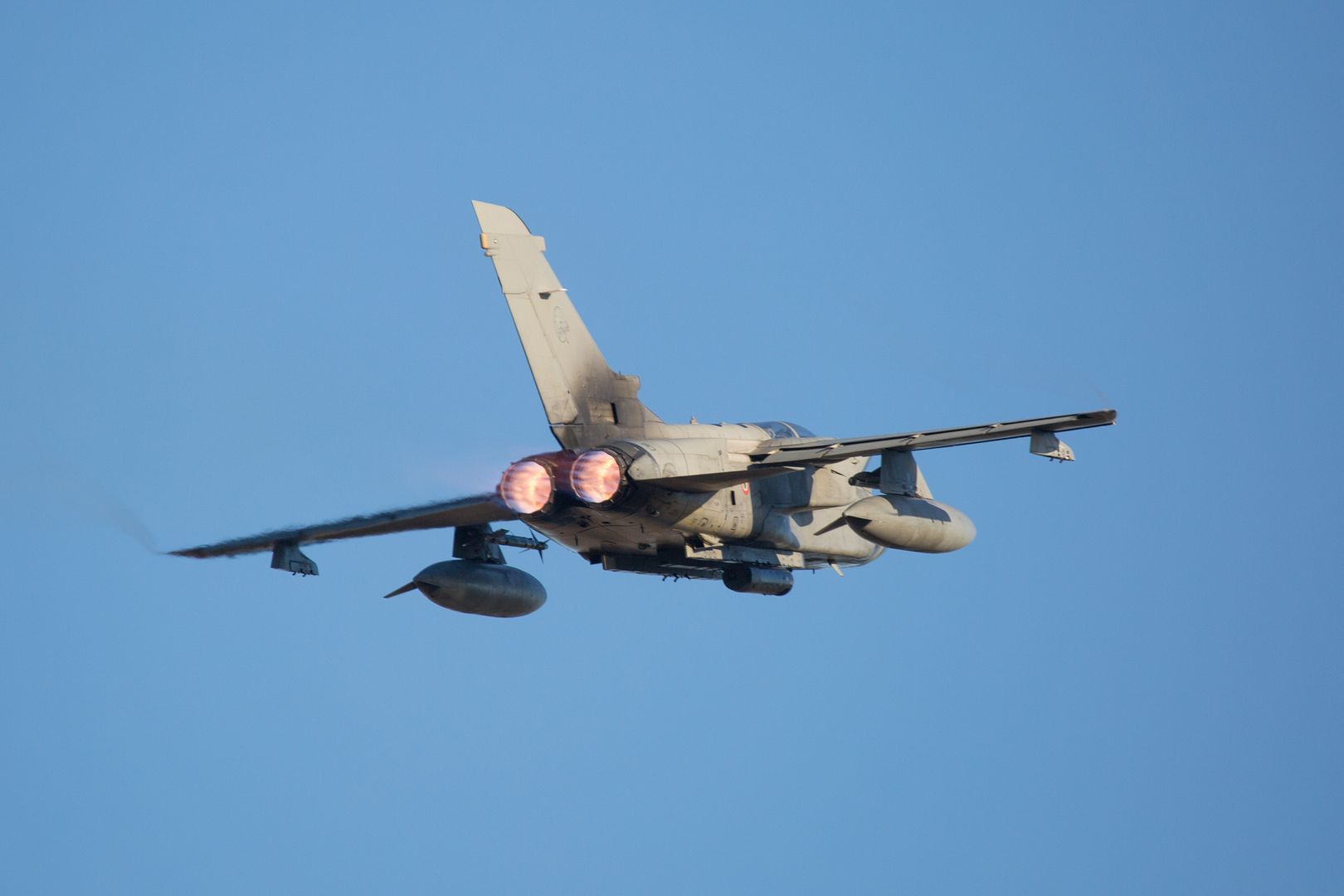
A Canadian CF-18 taking off from Bod? Air Base during exercise trident Juncture 18.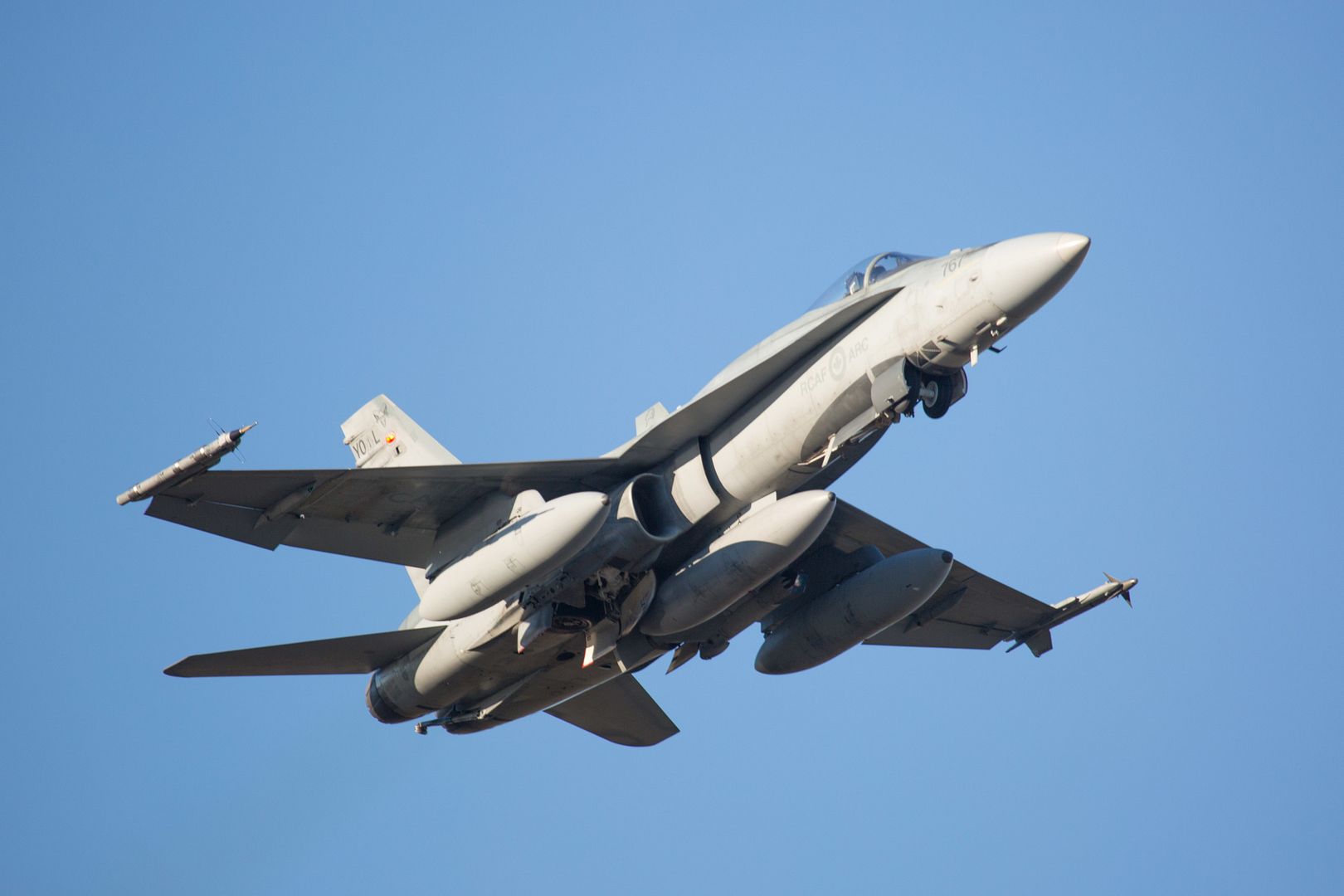
A French Mirage 2000 C taxiing on Bod? air Base during exercise Trident juncture 18.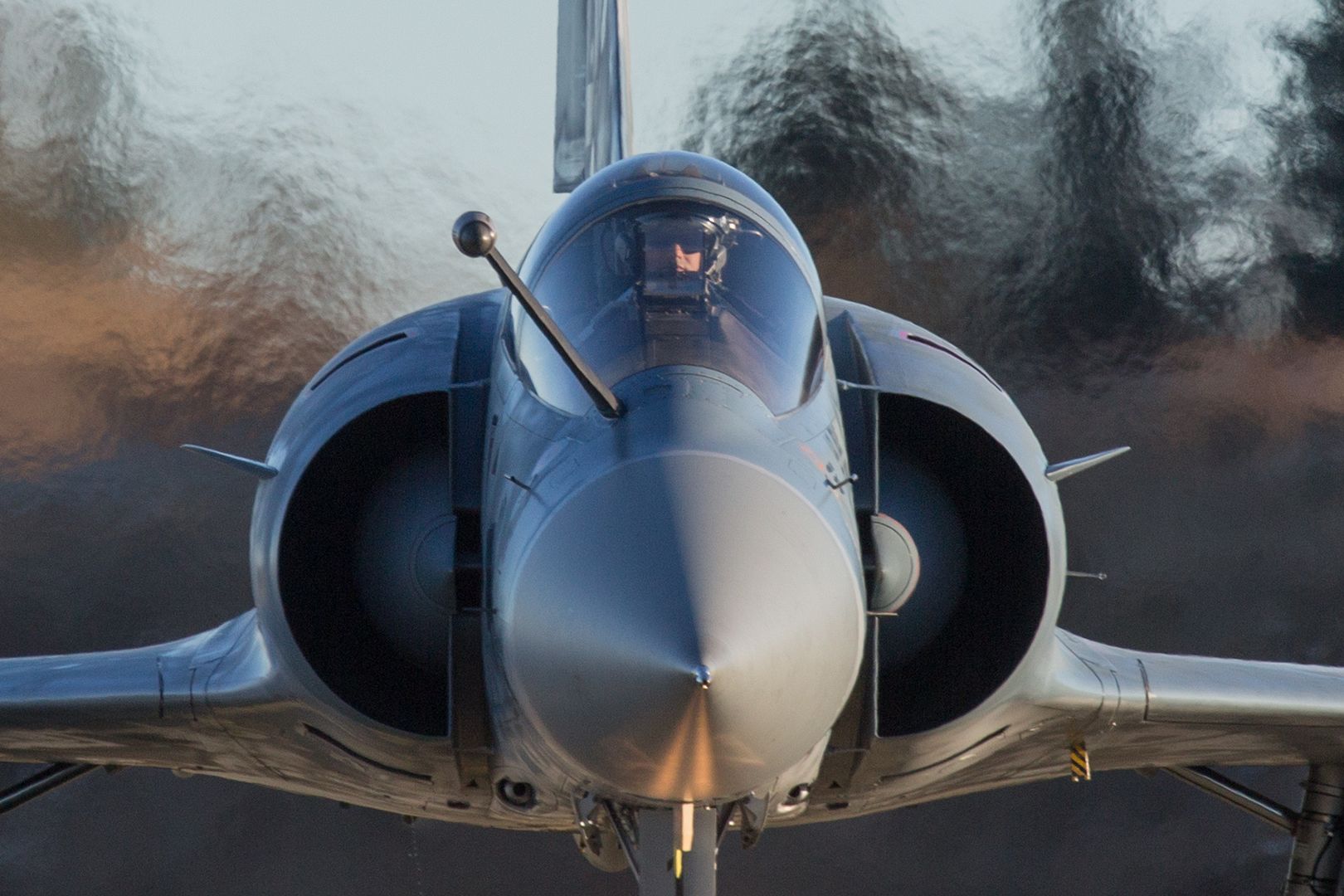
A Turkish F-16 taking off from Bod? Air Base during exercise Trident juncture 18.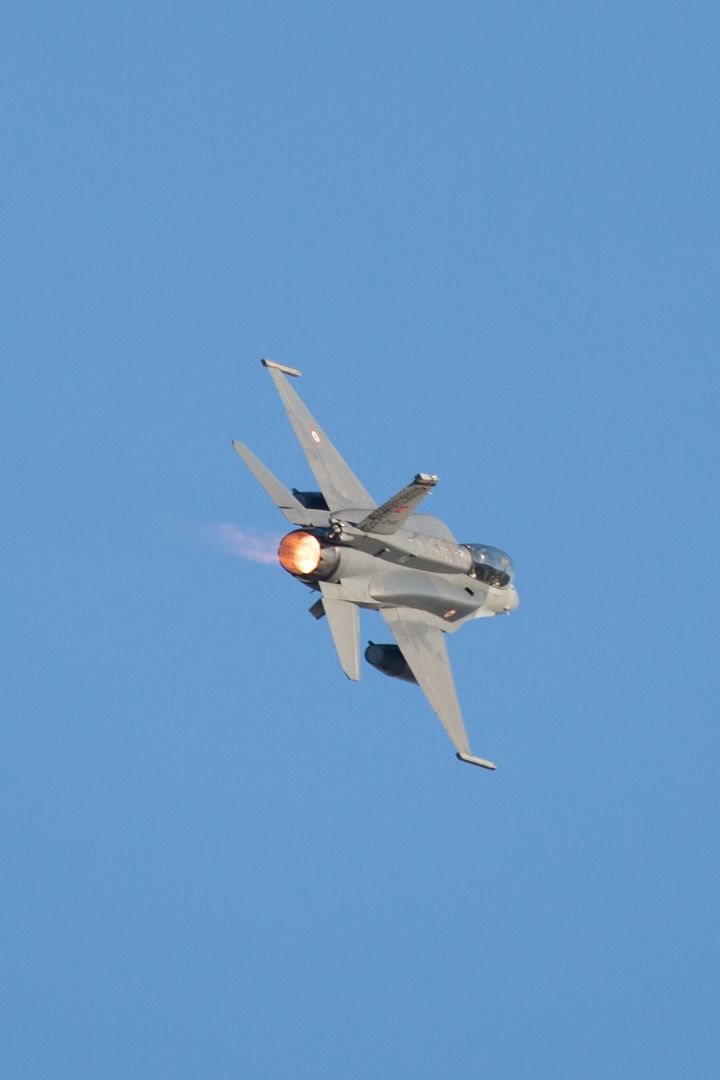
A Spanish F-18 taxiing on Bod? Air Base during exercise Trident juncture 18.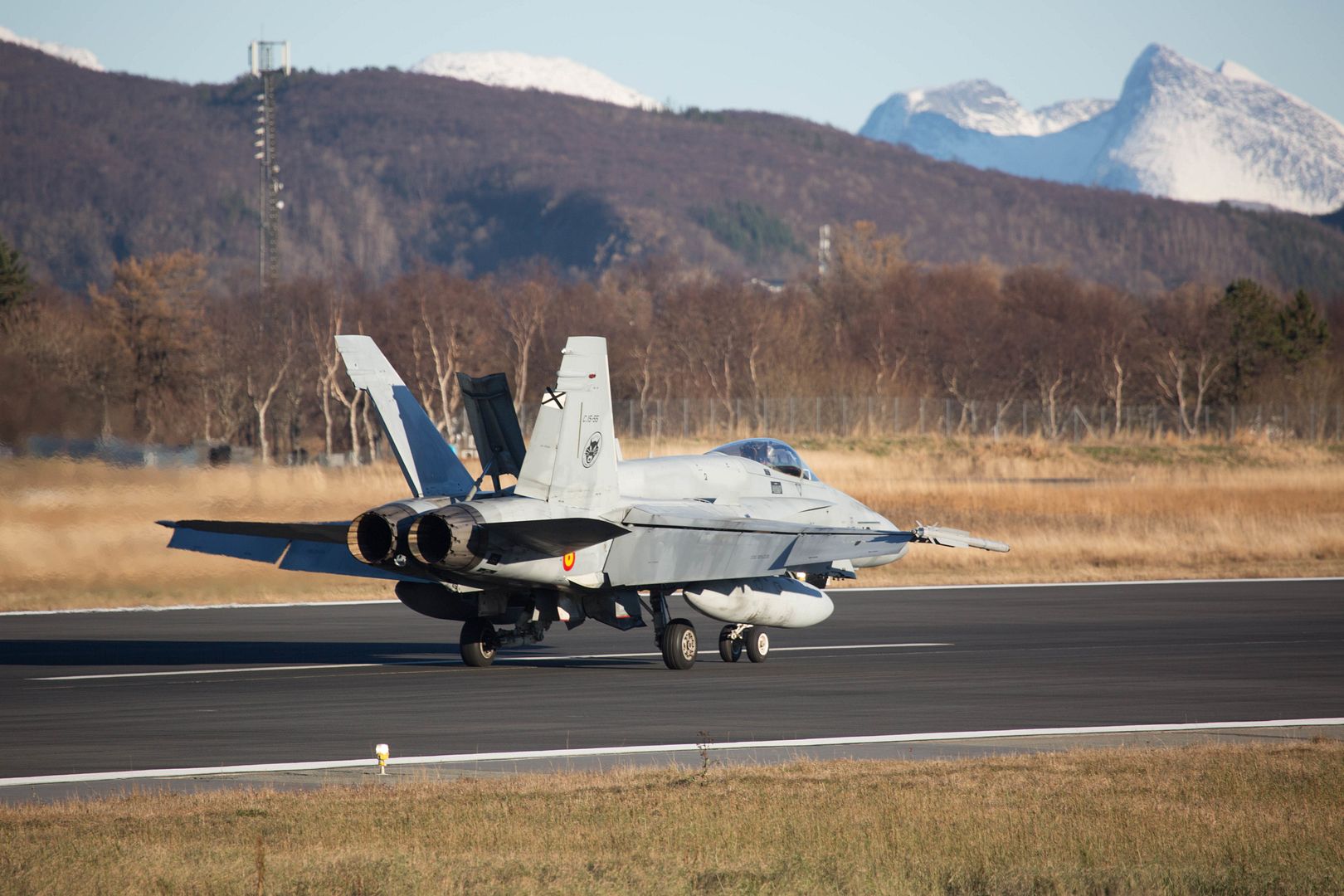
A Turkish F-16 taking off from Bod? Air Base during exercise Trident juncture 18.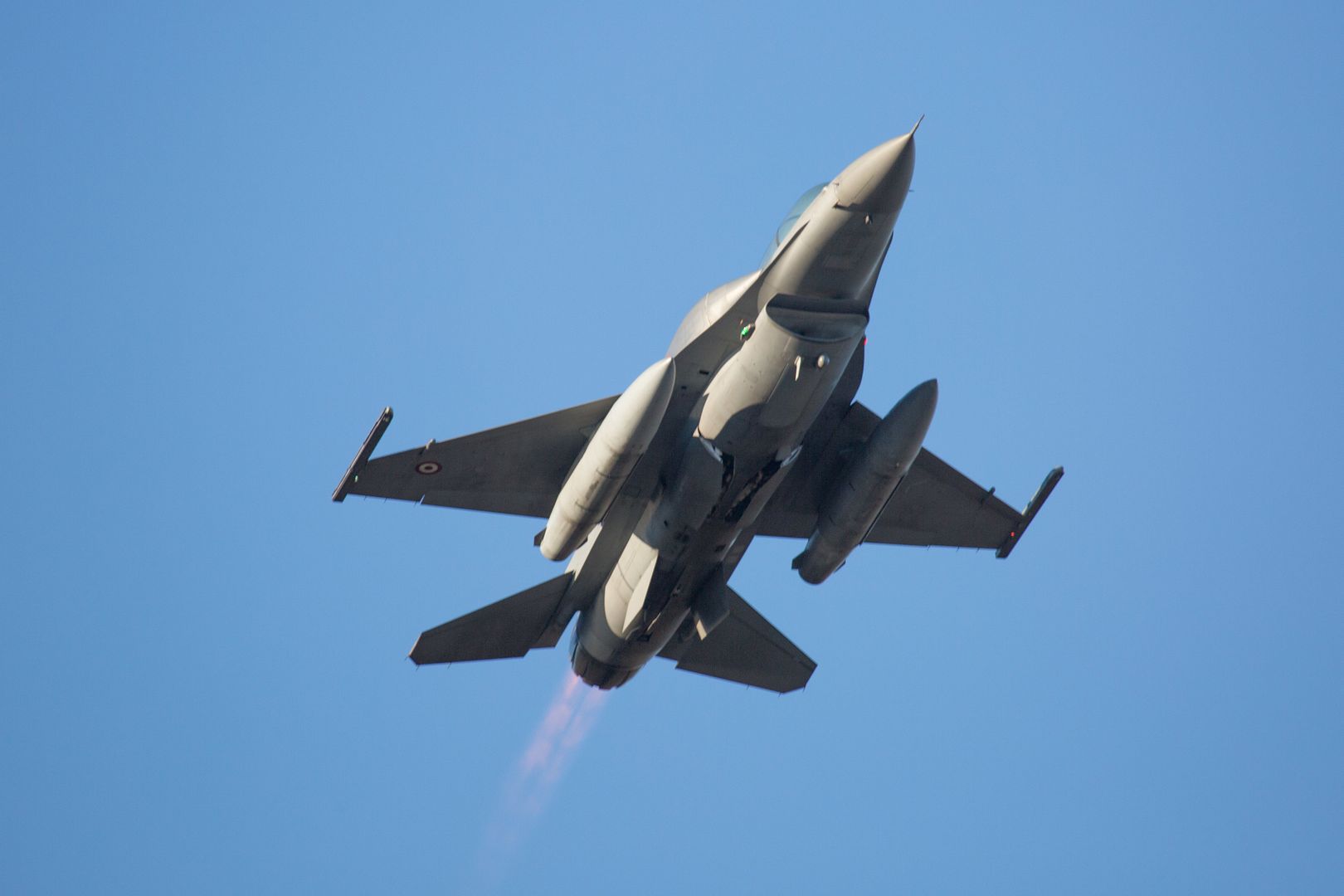
A Swedish JAS-39 Gripen taking off from Bod? Air Base during exercise Trident juncture 18.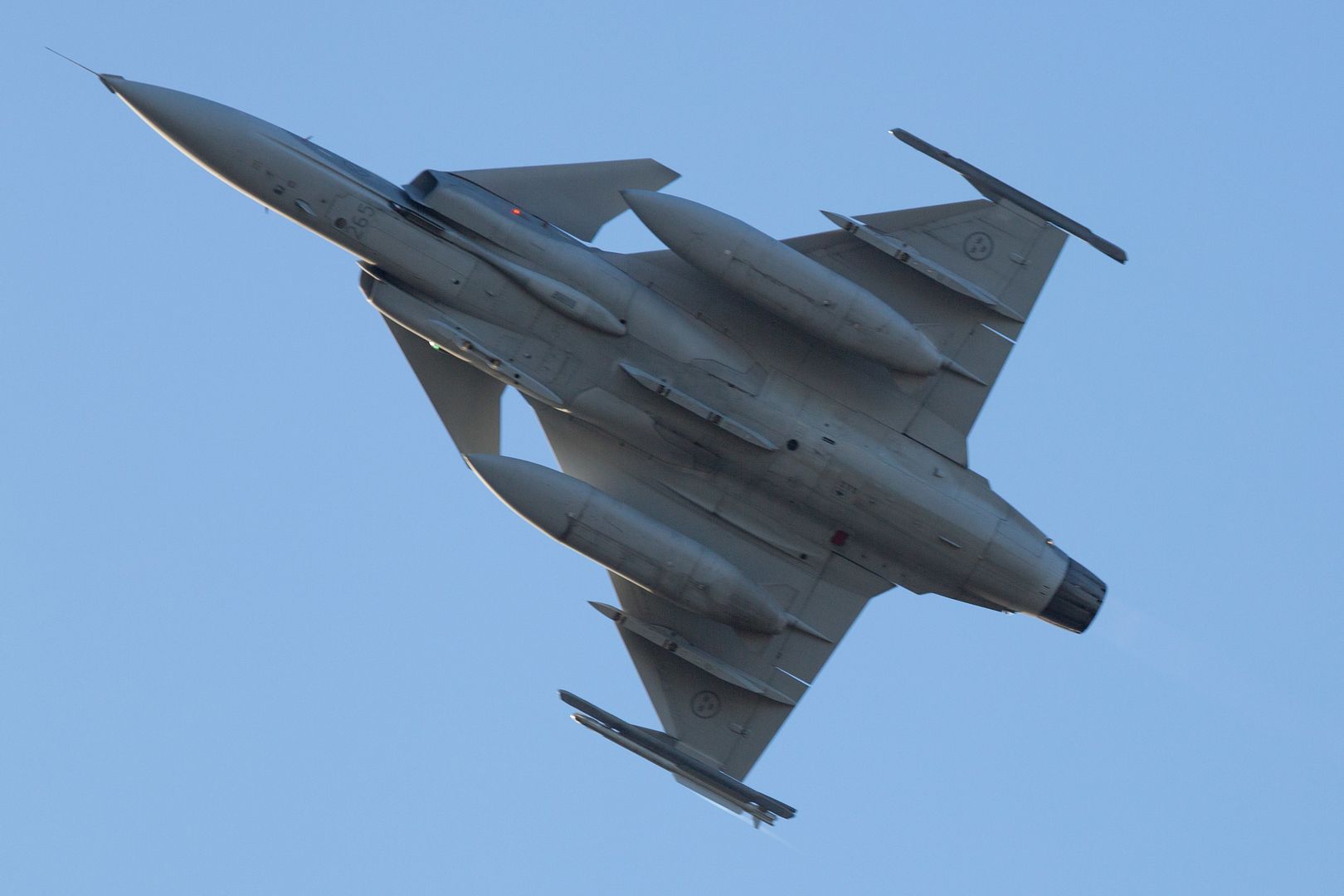
A Spanish F-18 taking off from Bod? Air Base.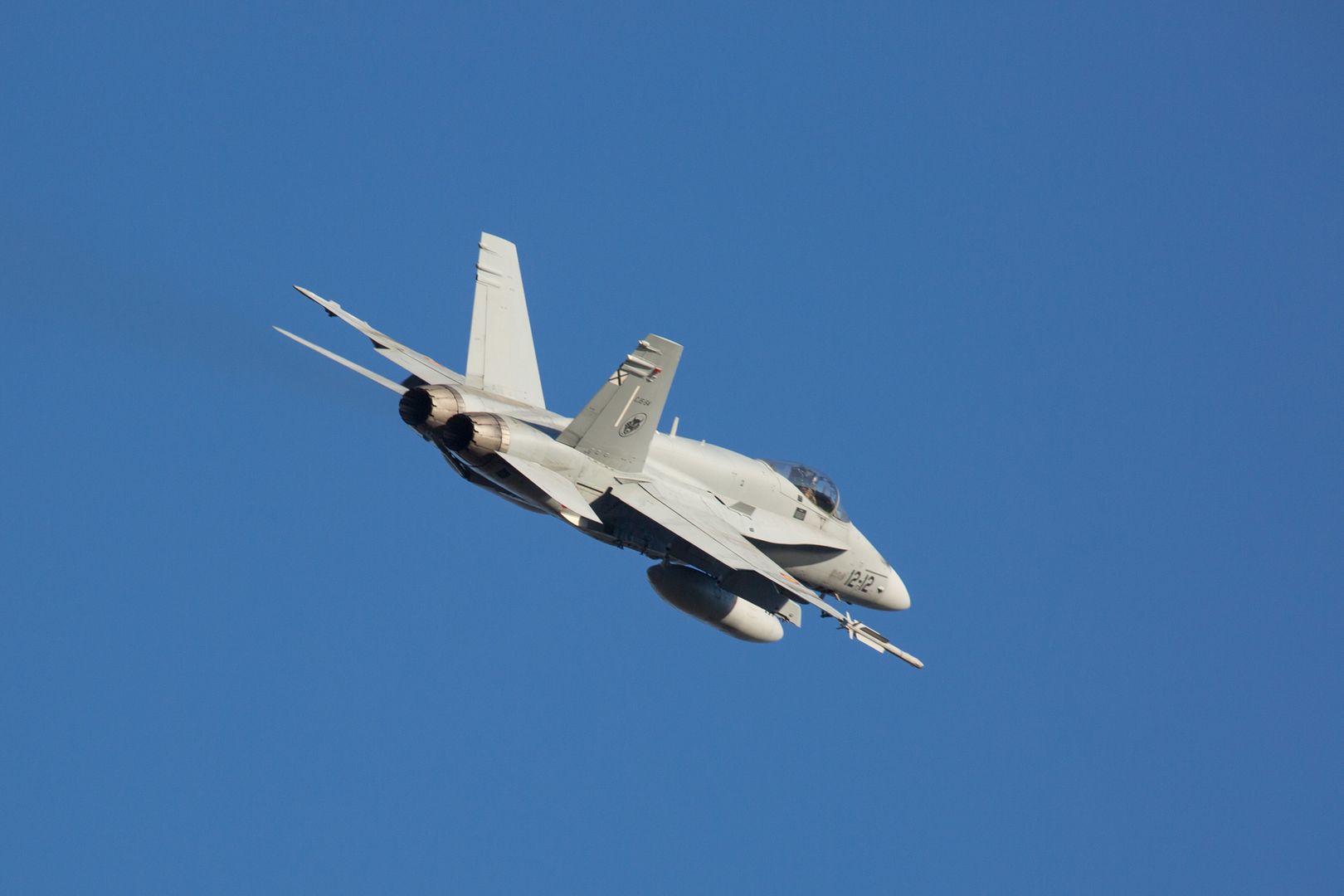
A DA-20 of the Cobham Company participating at exercise Trident juncture 18, taking off from Bod? Air Base.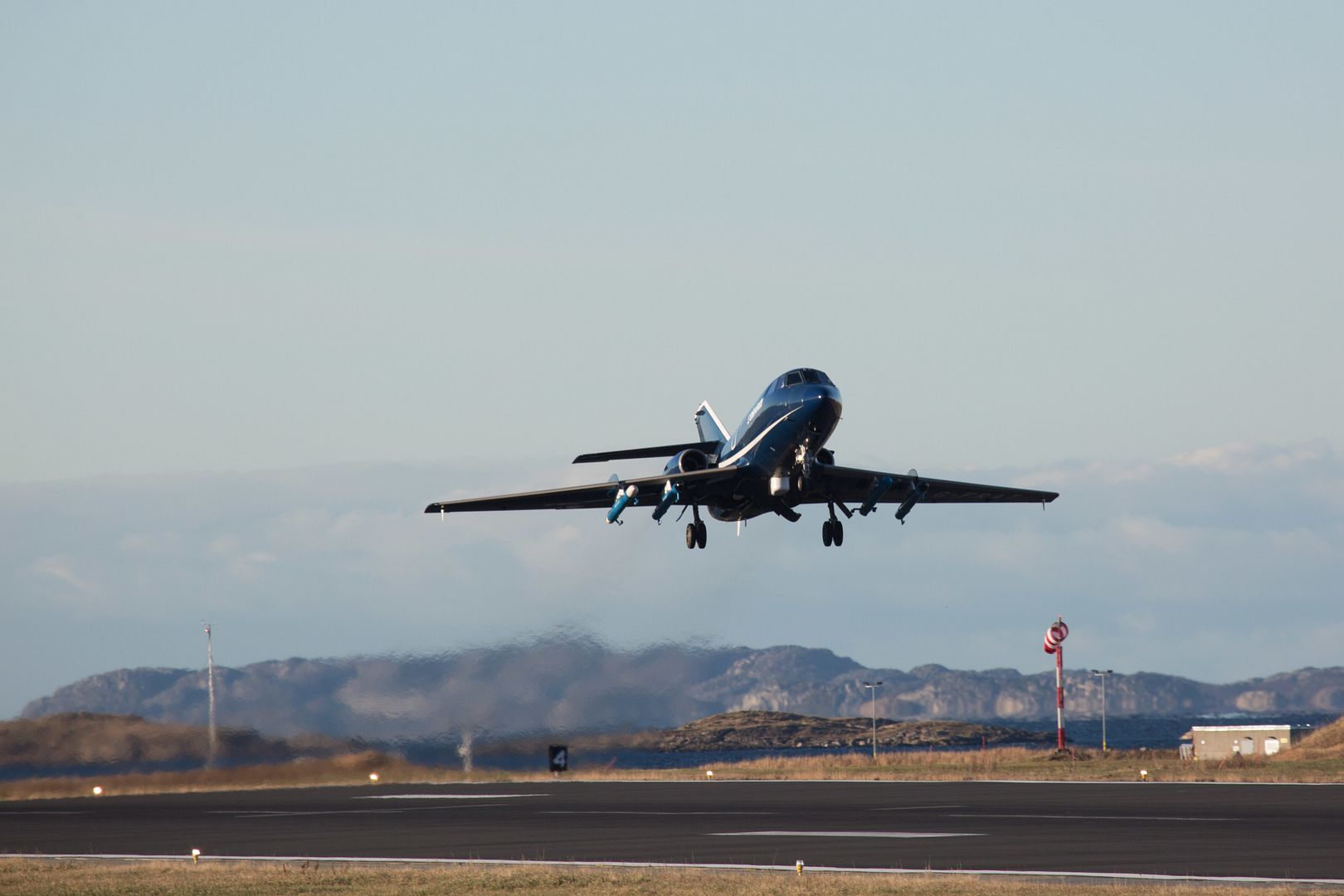
A Swedish JAS-39 Gripen taxiing on the taxiway before taking off at Bod? Air Base during exercise Trident juncture 18.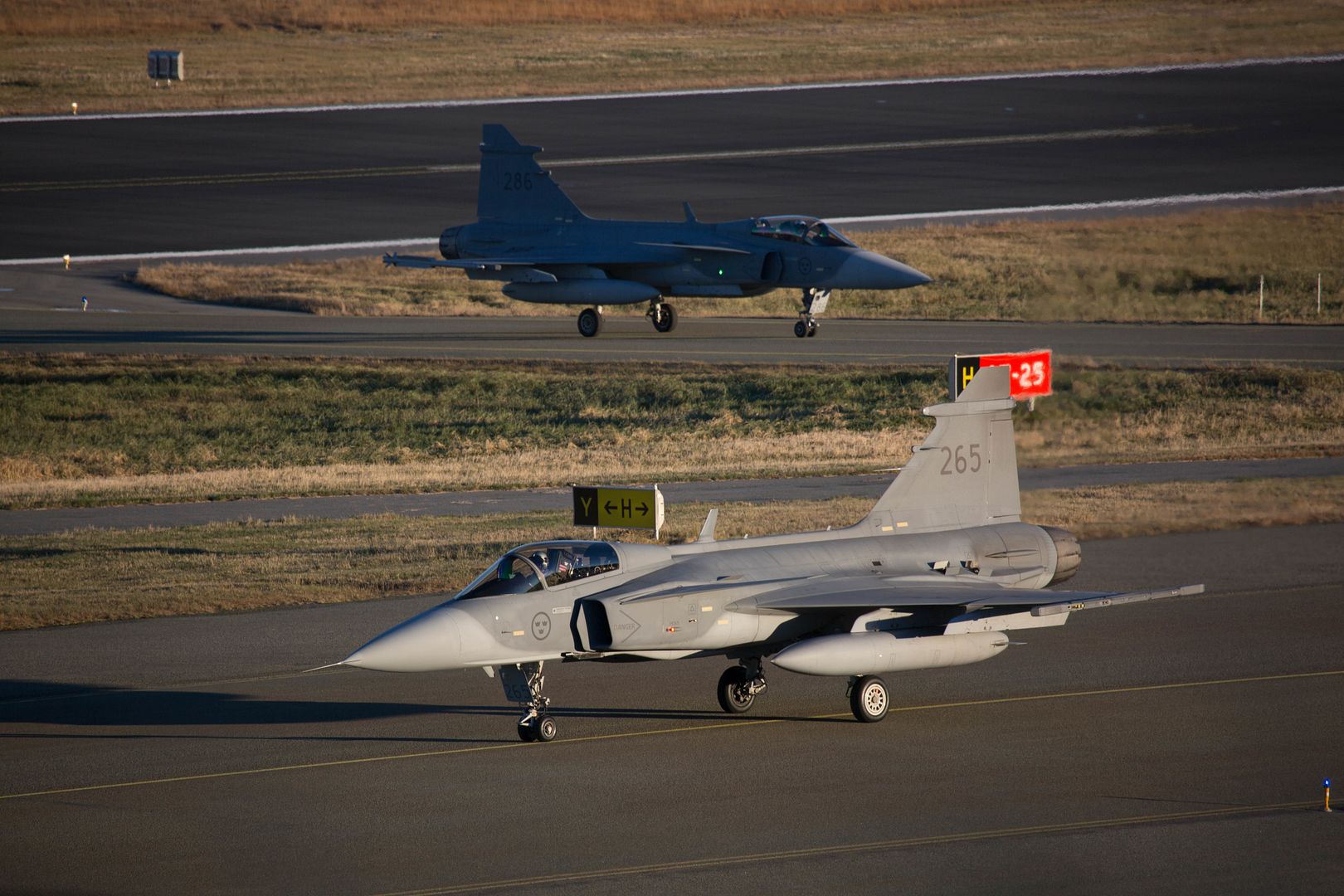
NORWEGIAN SEA (Oct. 26, 2018) A CH-53E Sea Stallion helicopter, attached to Marine Medium Tiltrotor Squadron (VMM) 365 (Reinforced), takes off from the flight deck aboard the Wasp-class amphibious assault ship USS Iwo Jima (LHD 7) Oct. 26, 2018. Iwo Jima is currently underway participating in Trident Juncture 2018, which is a NATO-led exercise designed to certify NATO response forces and develop interoperability among participating NATO Allied and partner nations. (U.S. Navy photo by Mass Communication Specialist 3rd Class Kevin Leitner/Released)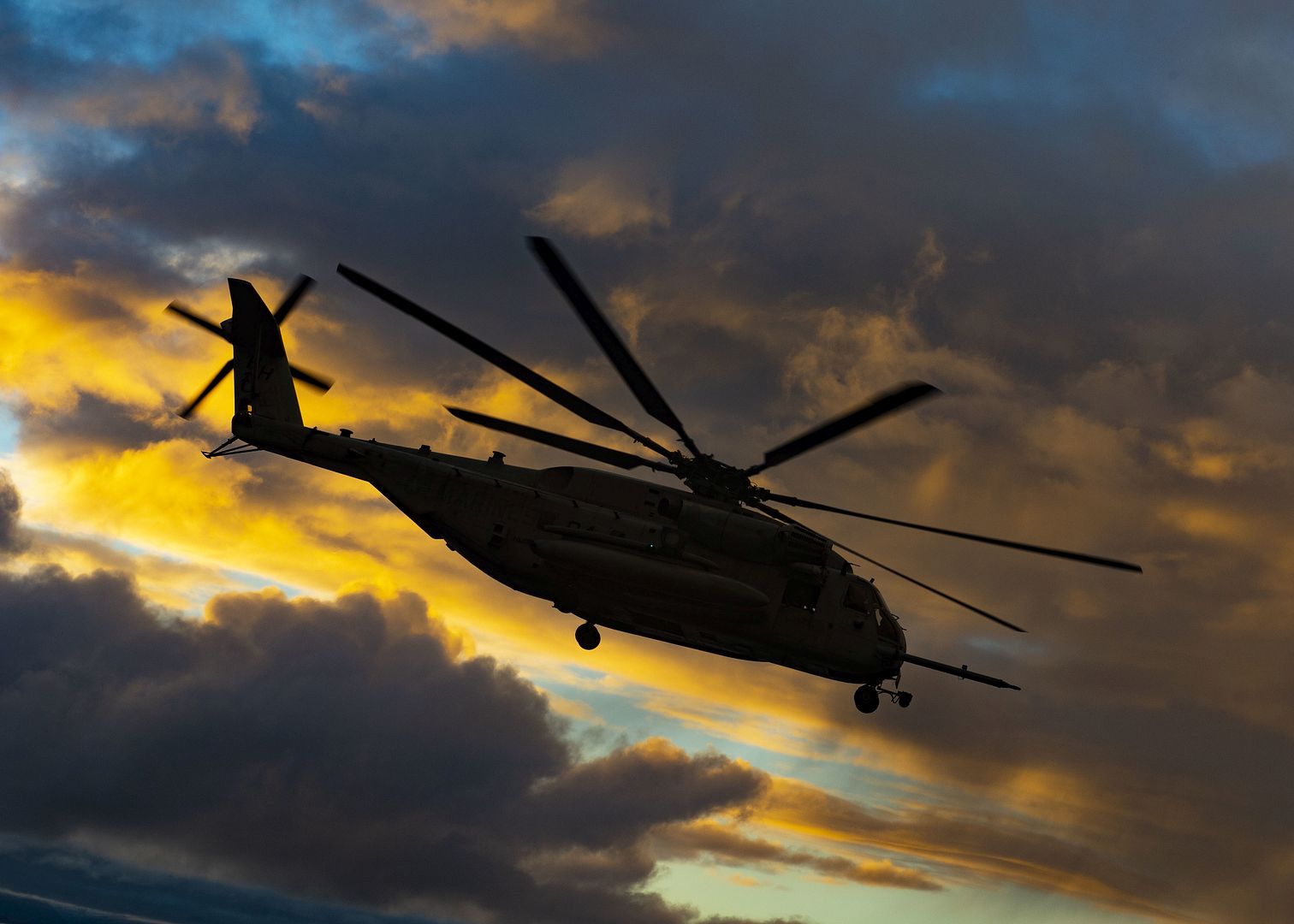
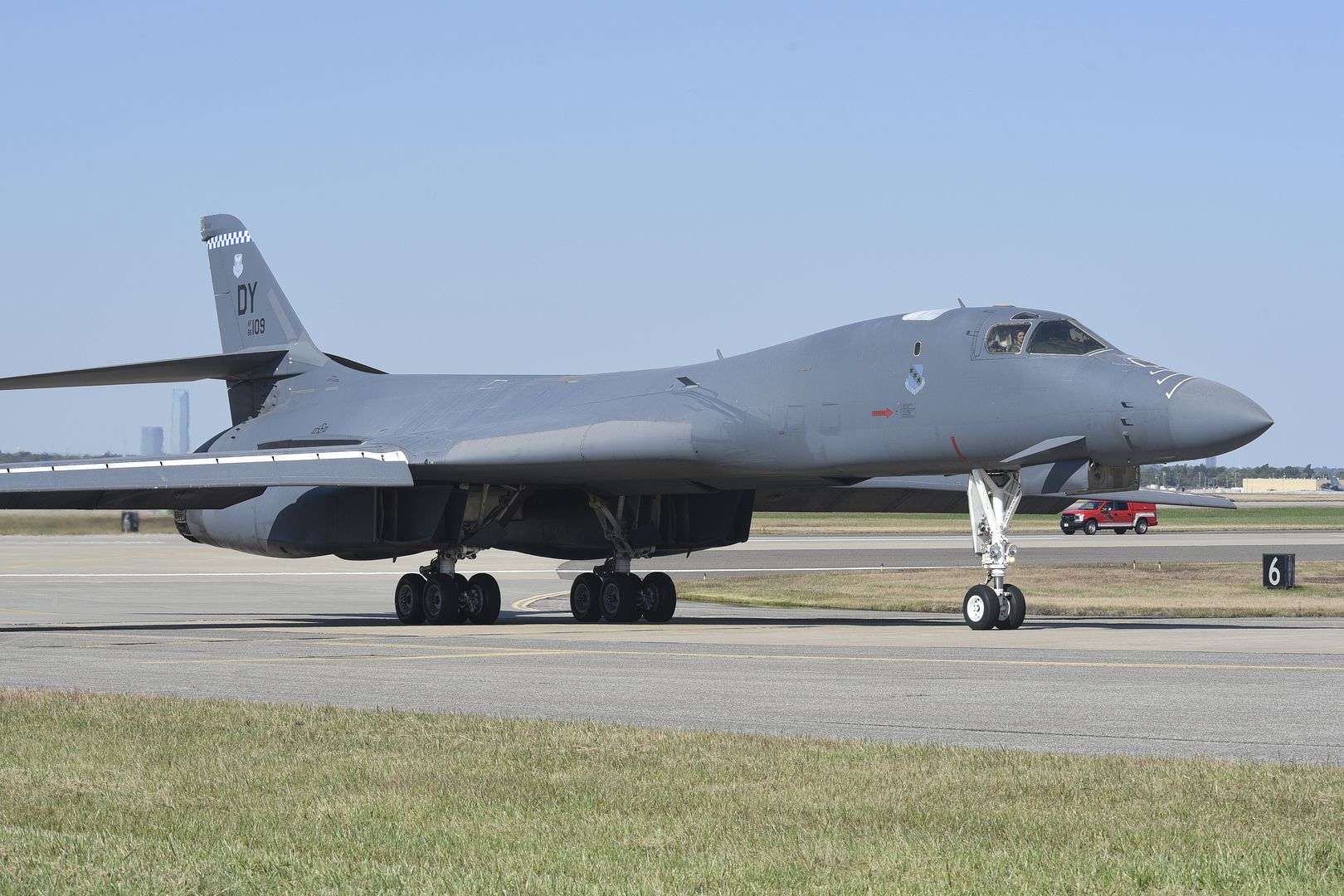
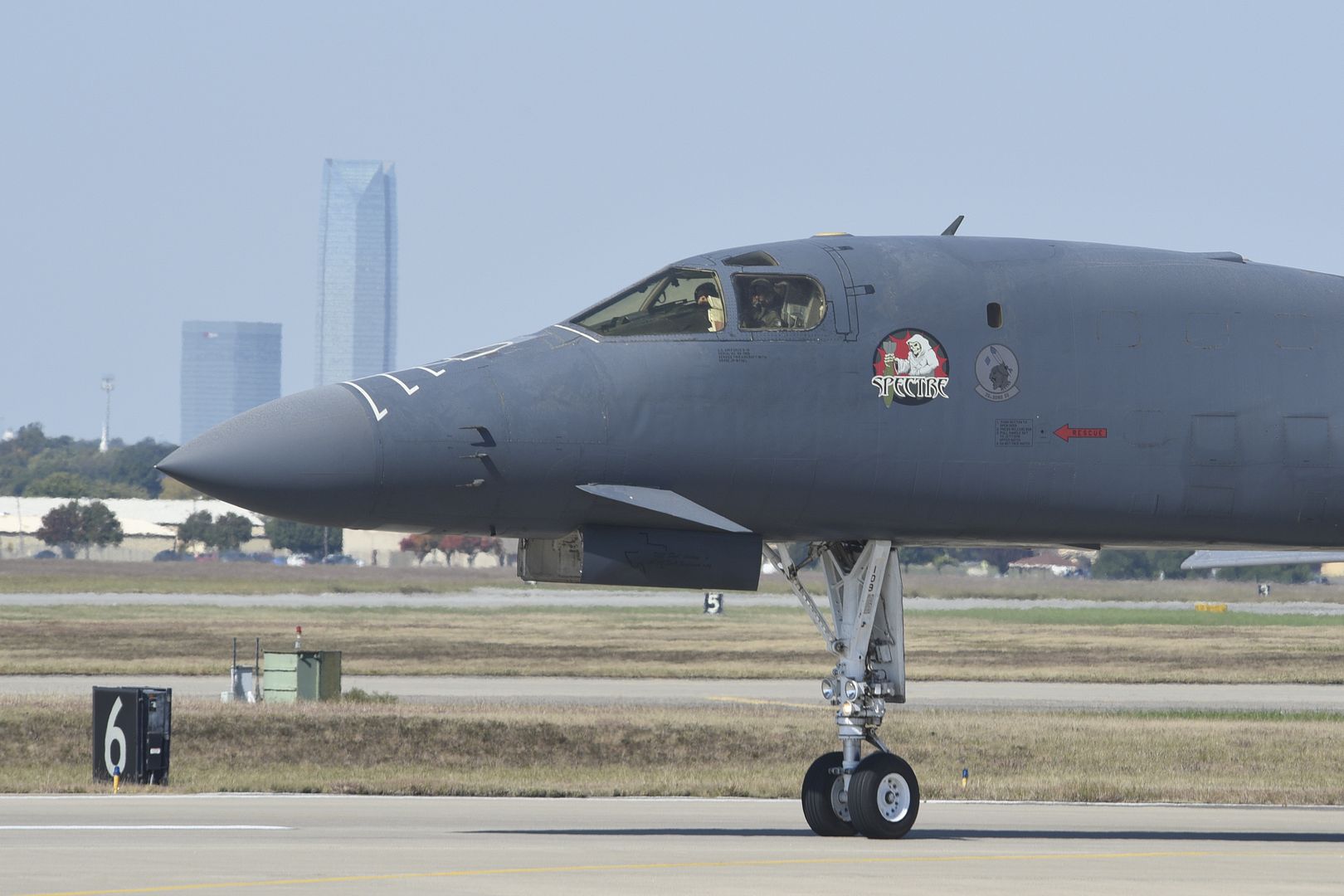
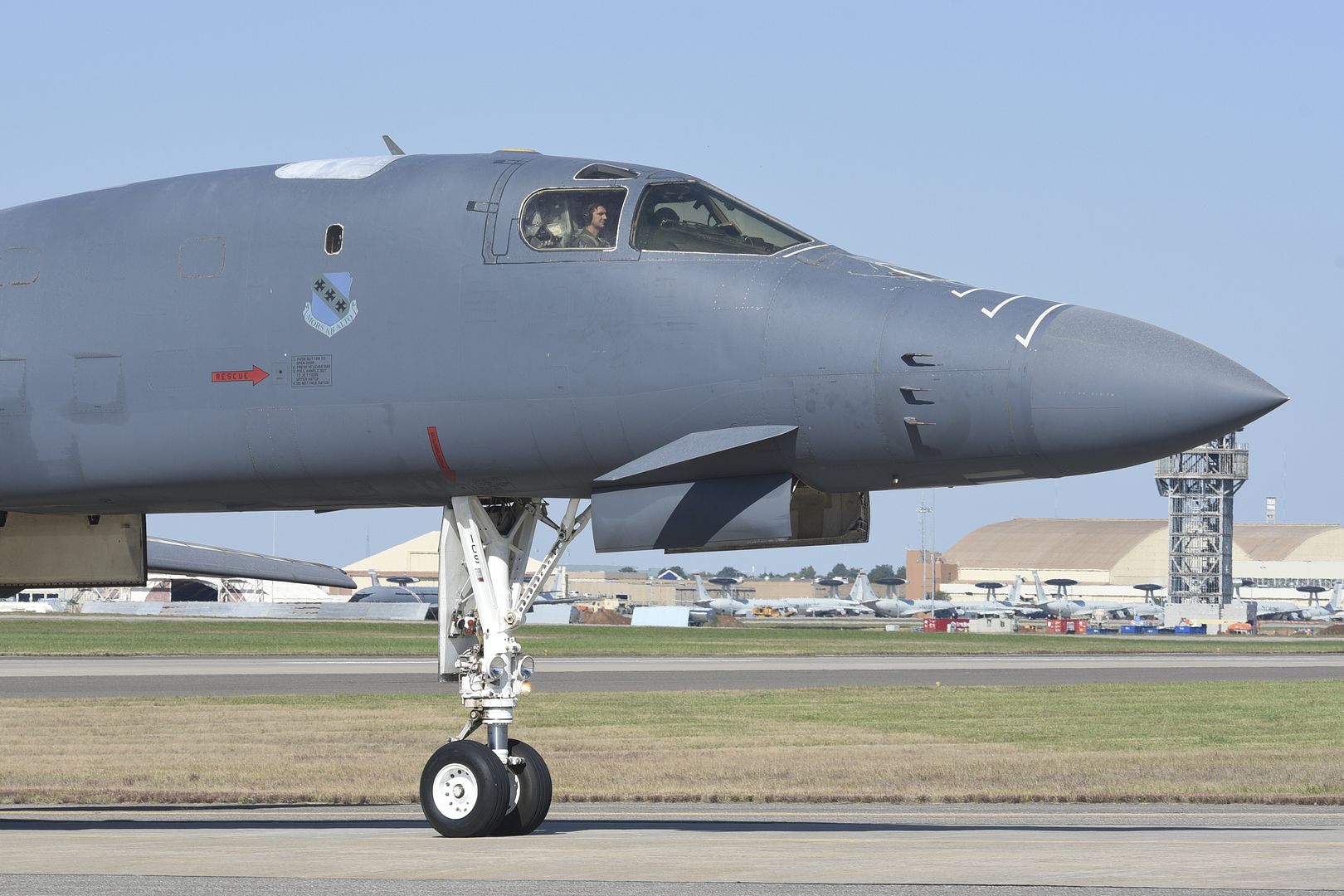
B-1B Lancer, 86-0109, taxis toward the parking ramp at Tinker Air Force Base, Oklahoma, Oct. 26, 2018, after a ferry flight from Midland International Air and Space Port before induction to depot-level maintenance and upgrades with the Oklahoma City Air Logistics Complex. During a routine training flight May 1, the Dyess AFB based B-1B had an in-flight emergency resulting in an attempted ejection. The first crewmembers seat failed to deploy and the aircraft commander halted the ejection sequence and heroically saved the aircraft and crew by landing at Midland International Air & Space Port. (U.S. Air Force photo's/Greg L. Davis)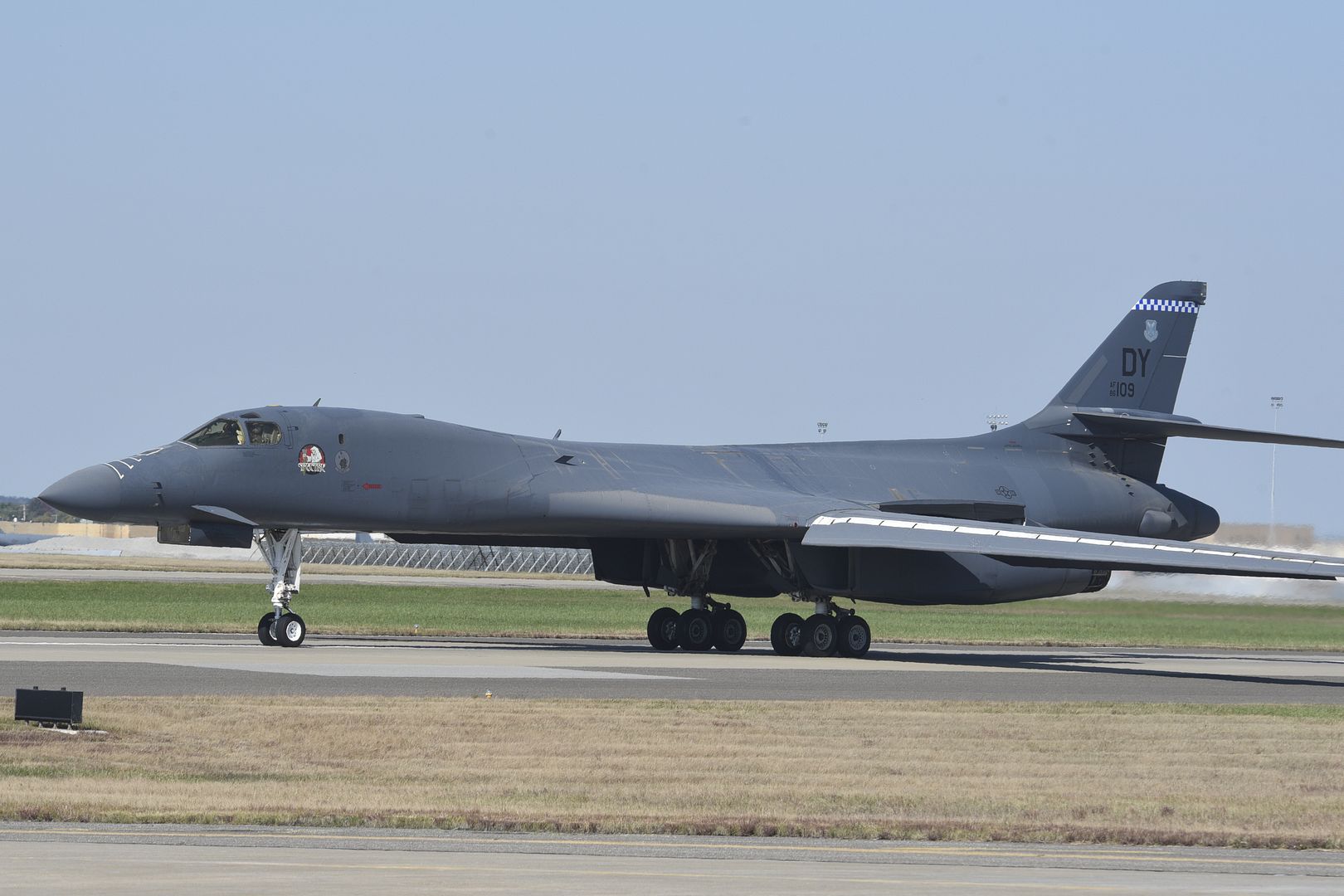
A Royal Canadian Air Force CF-188 Hornet flies alongside a U.S. Air Force KC-135 Stratotanker during Exercise Trident Juncture 18, off the coast of Norway, Oct. 27, 2018. Trident Juncture is the largest NATO exercise since 2015, with participation of more than 50,000 military members from 31 nations. The exercise provides U.S. forces with unique opportunities to train with NATO allies and partners. (U.S. Air Force photo by Senior Airman Luke Milano)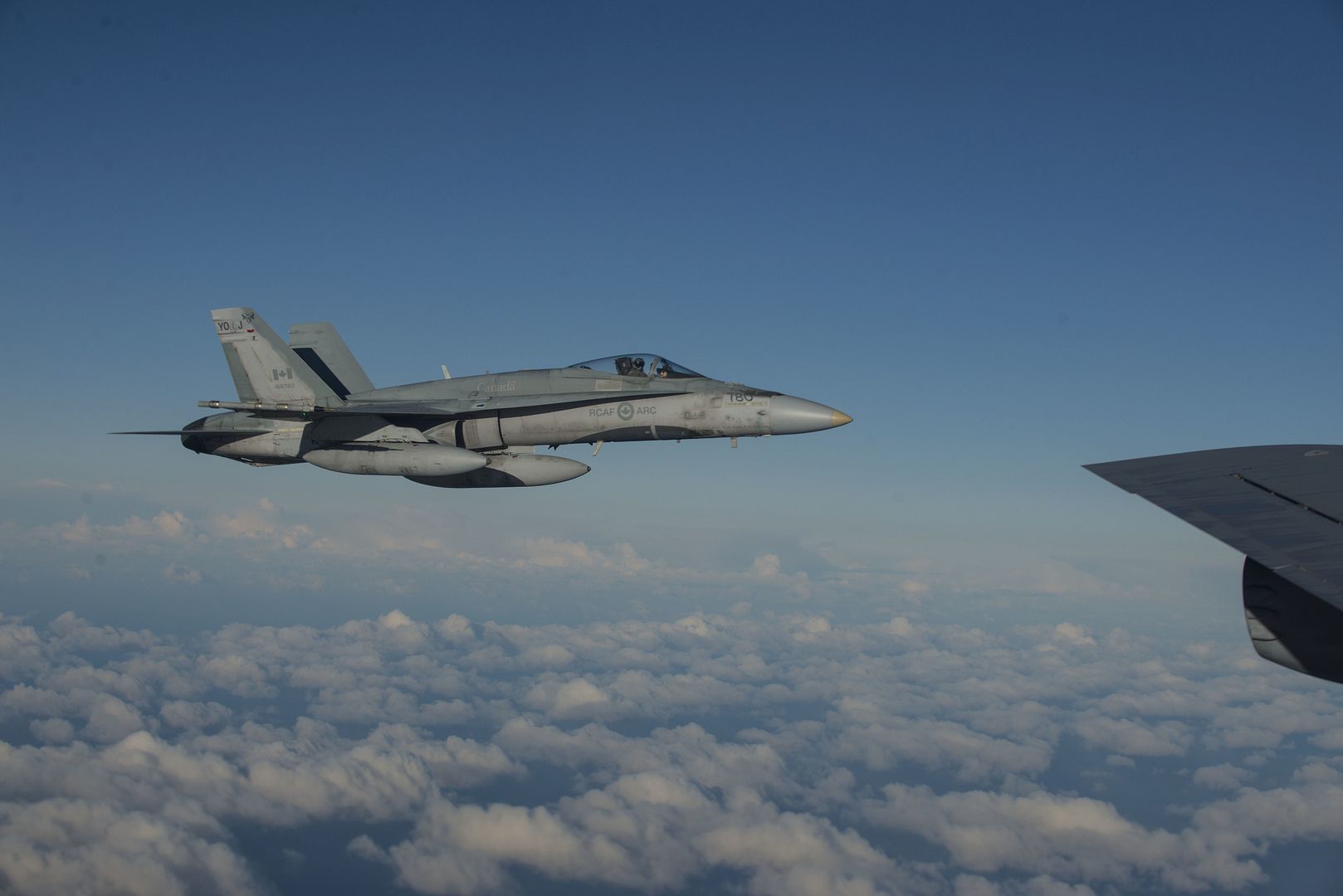
NORWEGIAN SEA (Oct. 25, 2018) An EA-18G Growler assigned to the "Rooks" of Electronic Attack Squadron (VAQ) 137 launches from the Nimitz-class aircraft carrier USS Harry S. Truman (CVN 75) in support of Trident Juncture 18. With more than 50,000 participants from 31 Ally and partner nations, Trident Juncture 18 is taking place in Norway and the surrounding areas of the North Atlantic and the Baltic Sea, including Iceland and the airspace of Finland and Sweden. (U.S. Navy photo by Mass Communication Specialist 3rd Class Adelola Tinubu/Released)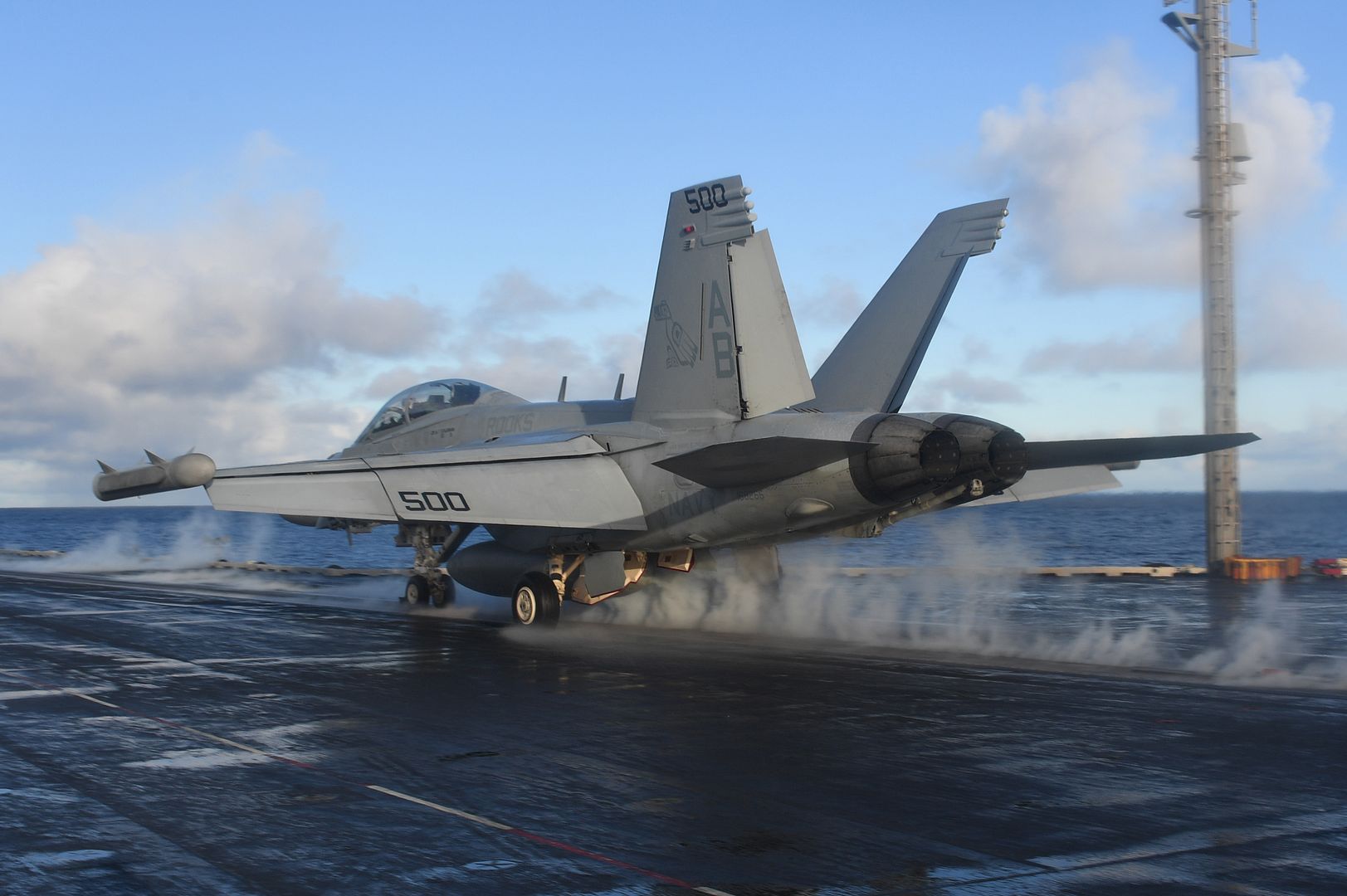
-
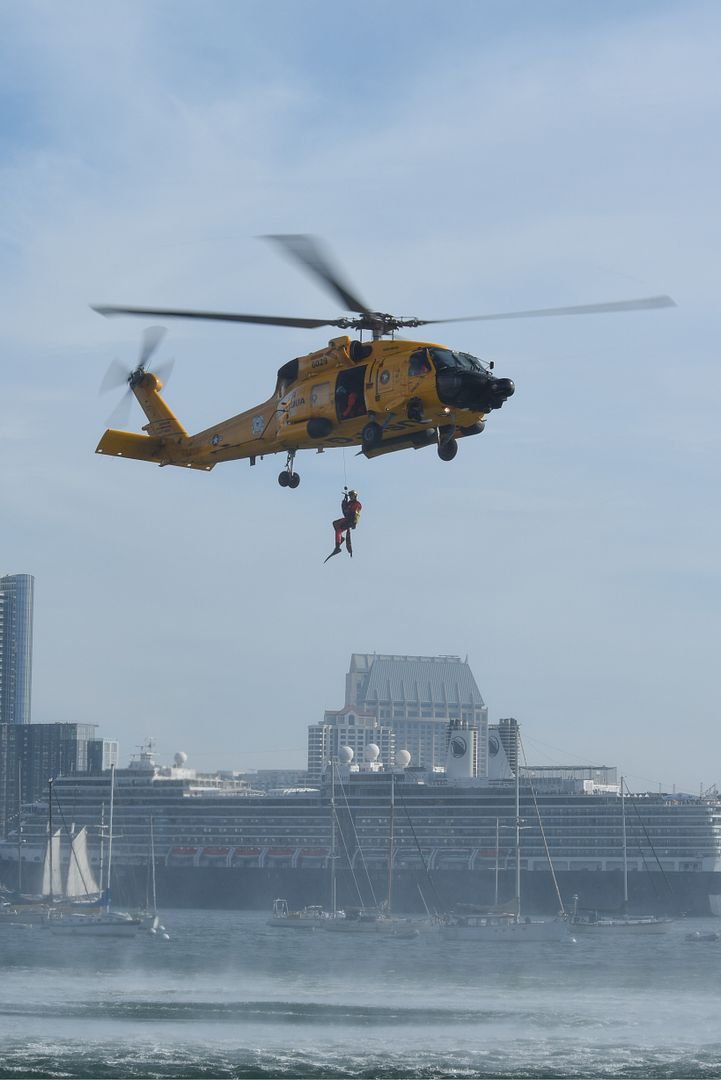
A Coast Guard MH-60T Jayhawk helicopter crew recovers Petty Officer 3rd Class William Ross, a rescue swimmer at Sector San Diego, during a search and rescue demonstration in the San Diego Bay, Oct. 28, 2018. The demonstration was part of Coast Guard Sector San Diego?s Fleet Week open house. (U.S. Coast Guard photo by Petty Officer 2nd Class Joel Guzman/released)
A Douglas C-47 Skytrain, a C-130H and a C-130J fly in formation during the Thunder Over the Rock Air and Space Show at Little Rock Air Force Base, Arkansas, Oct. 27, 2018. The heritage flight commemorated the evolution of the C-130. (U.S. Air Force photo by Staff Sgt. Jeremy McGuffin)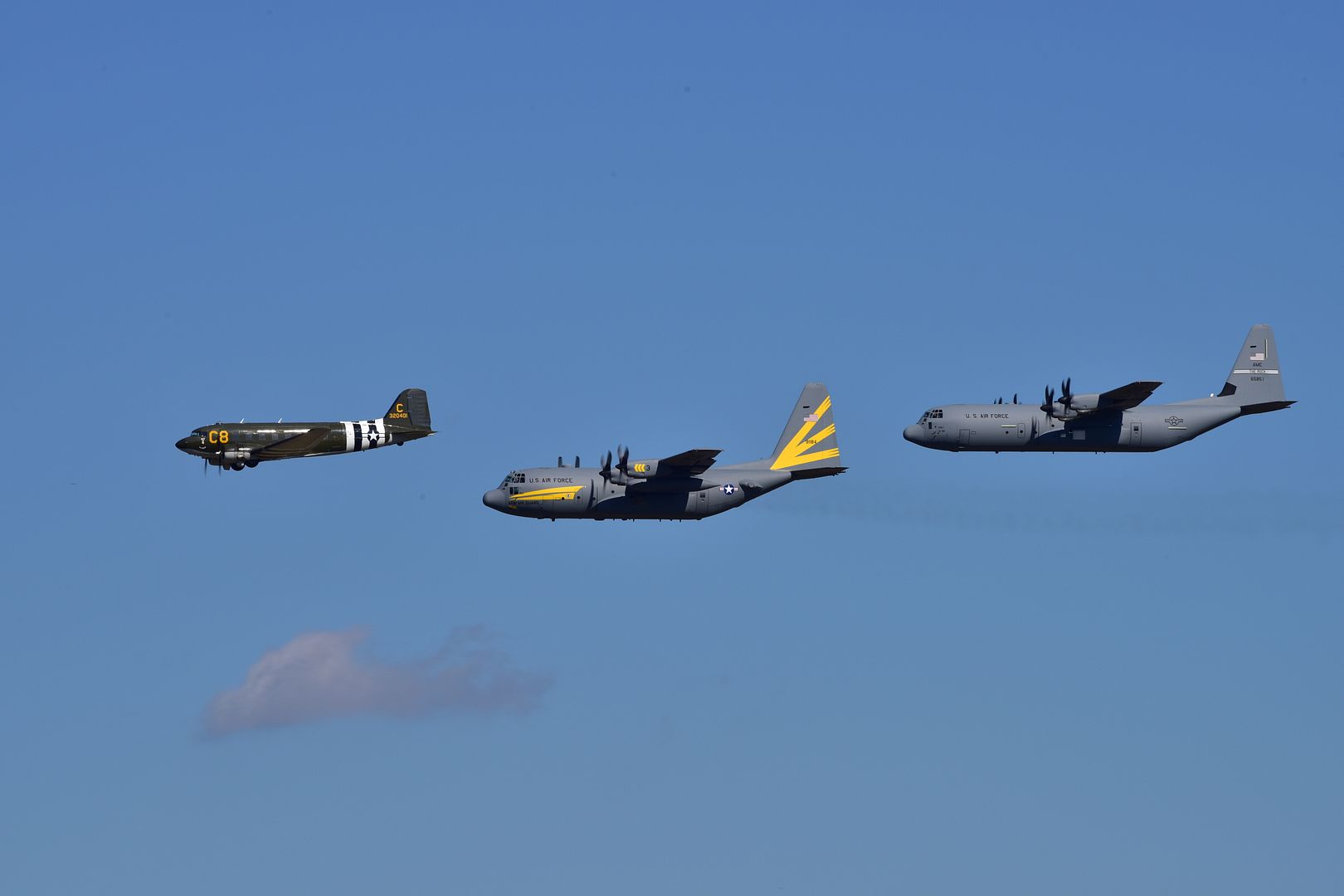
A Belgian Air Force Alouette III prepares to land aboard BNS Godetia after a tactical flight over Norwegian fjords in suppport of an amphibious live exercise in Trident Juncture. Trident Juncture 18 is designed to ensure that NATO forces are trained, able to operate together and ready to respond to any threat from any direction. Trident Juncture 18 takes place in Norway and the surrounding areas of the North Atlantic and the Baltic Sea, including Iceland and the airspace of Finland and Sweden. With around 50,000 participants from 31 nations Trident Juncture 2018 is one of NATO?s largest exercises in recent years. More than 250 aircraft, 65 ships and 10,000 vehicles are involved in the exercise to perform and conduct air, land, maritime, special operation and amphibious drills. NATO Photo By WO FRAN C.Valverde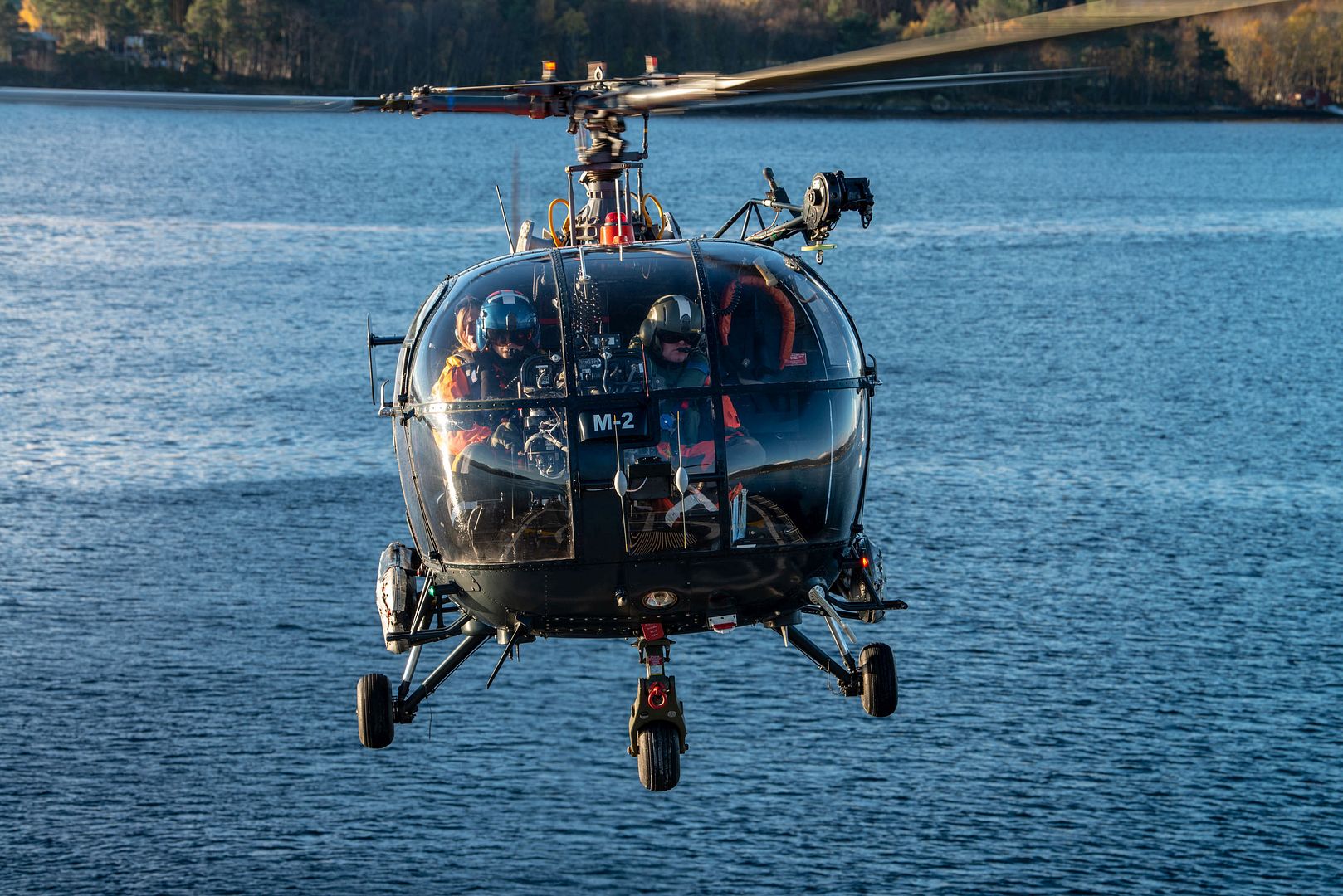
NORWEGIAN SEA (Oct. 27, 2018) An F/A-18E Super Hornet assigned to the Sunliners of Strike Fighter Squadron (VFA) 81 launches from the Nimitz-class aircraft carrier USS Harry S. Truman (CVN 75) in support of Exercise Trident Juncture 18. With more than 50,000 participants from 31 allied partners, Trident Juncture 18 is taking place in Norway and the surrounding areas of the North Atlantic and the Baltic Sea, including Iceland and the airspace of Finland and Sweden. (U.S. Navy photo by Mass Communication Specialist 2nd Class Thomas Gooley/Released)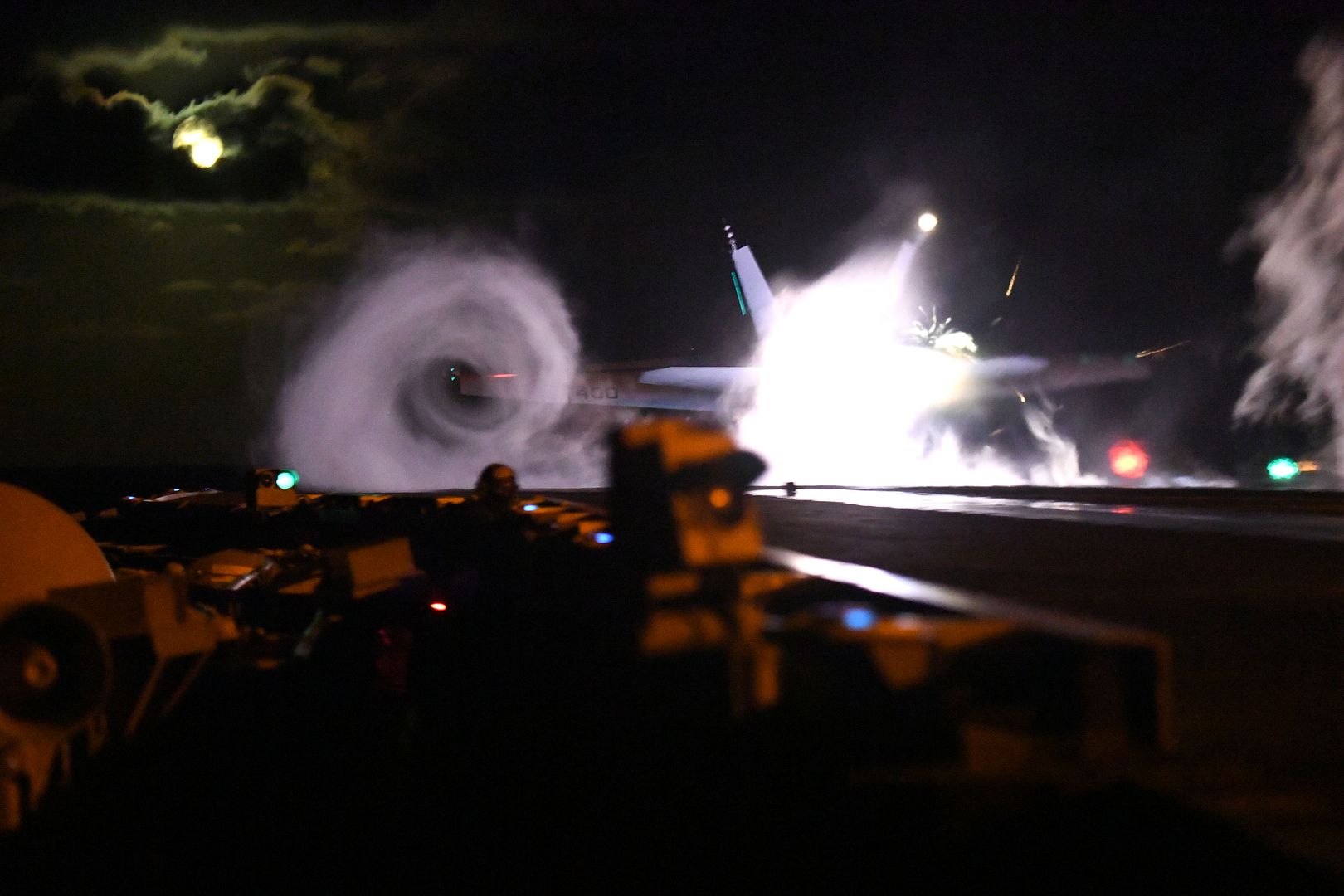
ARABIAN GULF (Oct. 26, 2018) An F-35B Lightning II, attached to the "Avengers" of Marine Fighter Attack Squadron (VMFA) 211, prepares to land on the flight deck aboard the Wasp-class amphibious assault ship USS Essex (LHD 2) during a scheduled deployment with the Essex Amphibious Ready Group (ARG) and 13th Marine Expeditionary Unit (MEU). The Essex ARG and 13th MEU is the first U.S. Navy/Marine Corps team to deploy to U.S. 5th Fleet area of operations with the transformational warfighting capabilities of the F-35B Lightning II, making it a more flexible and persistent force, leading to a more stable region for our partner nations. (U.S. Navy photo by Mass Communication Specialist 2nd Class Adam Brock/Released)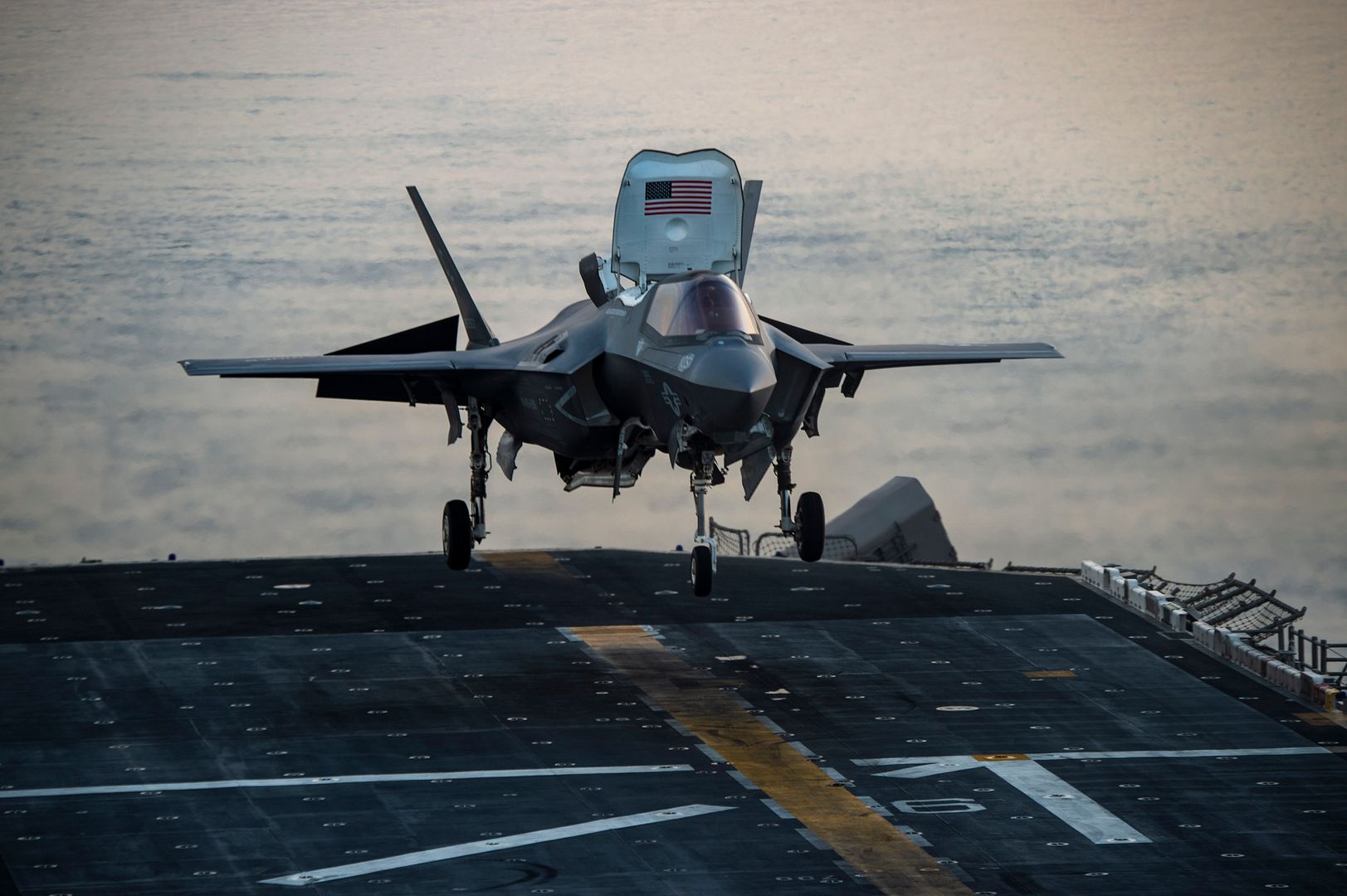
FORT EUSTIS, Va., Oct. 29, 2018 /PRNewswire/ -- U.S. Army pilots exercised supervised autonomy to direct an optionally-piloted helicopter (OPV) through a series of missions to demonstrate technology developed by Sikorsky, a Lockheed Martin company (NYSE: LMT) and the Defense Advanced Research Projects Agency (DARPA). The series of flights marked the first time that non-Sikorsky pilots operated the Sikorsky Autonomy Research Aircraft (SARA), a modified S-76B commercial helicopter, as an OPV aircraft.
"Future vertical lift aircraft will require robust autonomous and optimally-piloted systems to complete missions and improve safety," said Chris Van Buiten, vice president, Sikorsky Innovations. "We could not be more thrilled to welcome Army aviators to the cockpit to experience first-hand the reliability of optimally-piloted technology developed by the innovative engineers at Sikorsky and DARPA. These aviators experienced the same technology that we are installing and testing on a Black Hawk that will take its first flight over the next several months."
SARA, which has more than 300 hours of autonomous flight, successfully demonstrated the advanced capabilities developed as part of the third phase of DARPA's Aircrew Labor In-Cockpit Automation System (ALIAS) program. The aircraft was operated at different times by pilots on board and pilots on the ground. Sikorsky's MATRIX? Technology autonomous software and hardware, which is installed on SARA, executed various scenarios including:
Automated Take Off and Landing: The helicopter autonomously executed take-off, traveled to its destination, and autonomously landed
Obstacle Avoidance: The helicopter's LIDAR and cameras enabled it to detect and avoid unknown objects such as wires, towers and moving vehicles
Automatic Landing Zone Selection: The helicopter's LIDAR sensors determined a safe landing zone
Contour Flight: The helicopter flew low to the ground and behind trees
The recent Mission Software Flight Demonstration was a collaboration with the U.S. Army's Aviation Development Directorate, Sikorsky and DARPA. The Army and DARPA are working with Sikorsky to improve and expand ALIAS capabilities developed as a tailorable autonomy kit for installation in both fixed wing airplanes and helicopters.
Over the next few months, Sikorsky will for the first time fly a Black Hawk equipped with ALIAS. The company is working closely with the Federal Aviation Administration to certify ALIAS/MATRIX technology so that it will be available on current and future commercial and military aircraft.
"We're demonstrating a certifiable autonomy solution that is going to drastically change the way pilots fly," said Mark Ward, Sikorsky Chief Pilot, Stratford, Conn. Flight Test Center. "We're confident that MATRIX Technology will allow pilots to focus on their missions. This technology will ultimately decrease instances of the number one cause of helicopter crashes: Controlled Flight Into Terrain (CFIT)."
Through the DARPA ALIAS program, Sikorsky is developing an OPV approach it describes as pilot directed autonomy that will give operators the confidence to fly aircraft safely, reliably and affordably in optimally piloted modes enabling flight with two, one or zero crew. The program will improve operator decision aiding for manned operations while also enabling both unmanned and reduced crew operations.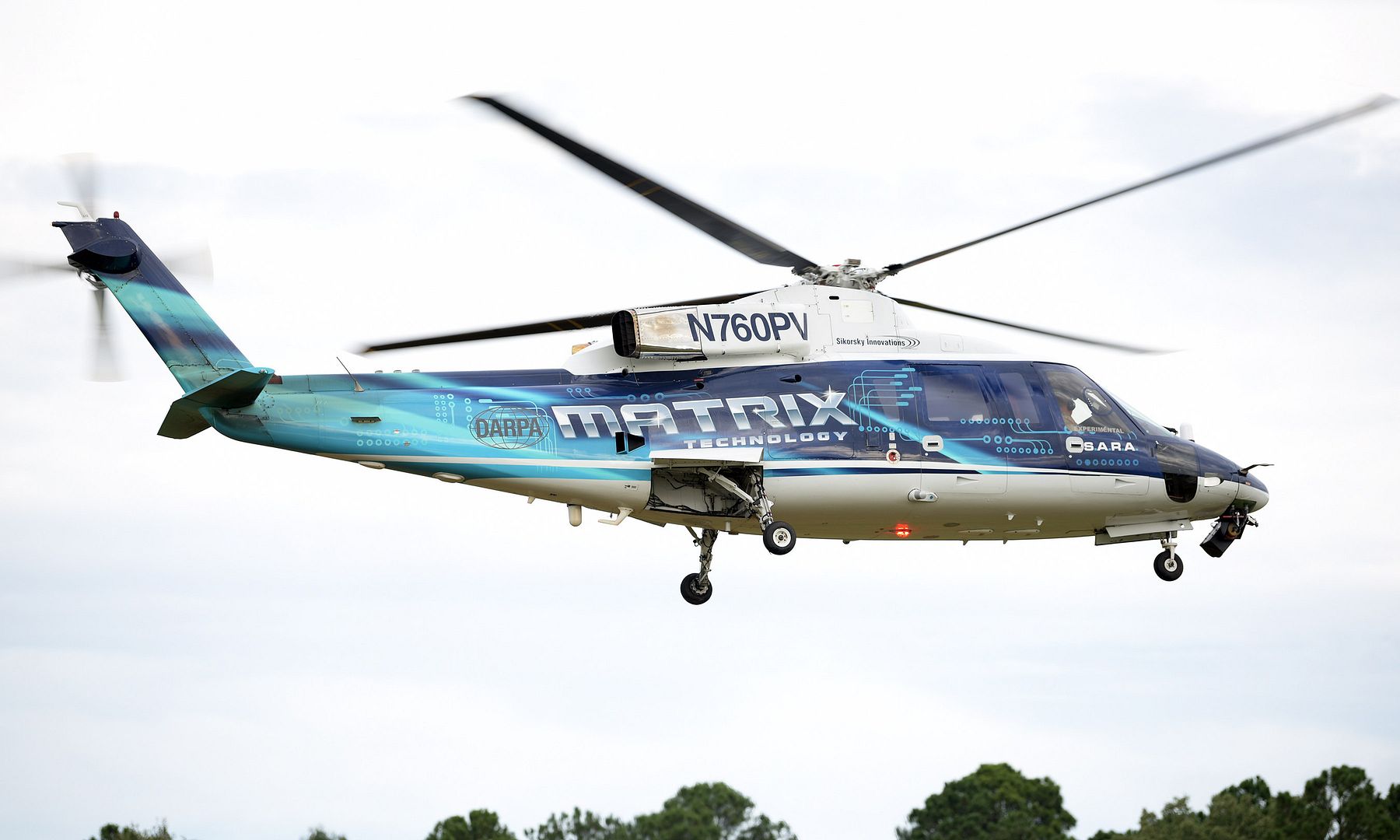
First Missile Firing by Gripen E
26 October 2018
Gripen E has successfully completed the first tests to verify the ability to release and launch external payloads. The tests took place in October 2018 at Vidsel Test Range in the north of Sweden.
The tests, conducted by the first Gripen E test aircraft (designated 39-8), comprised jettisoning one external fuel drop tank and one firing of an IRIS-T air-to-air missile.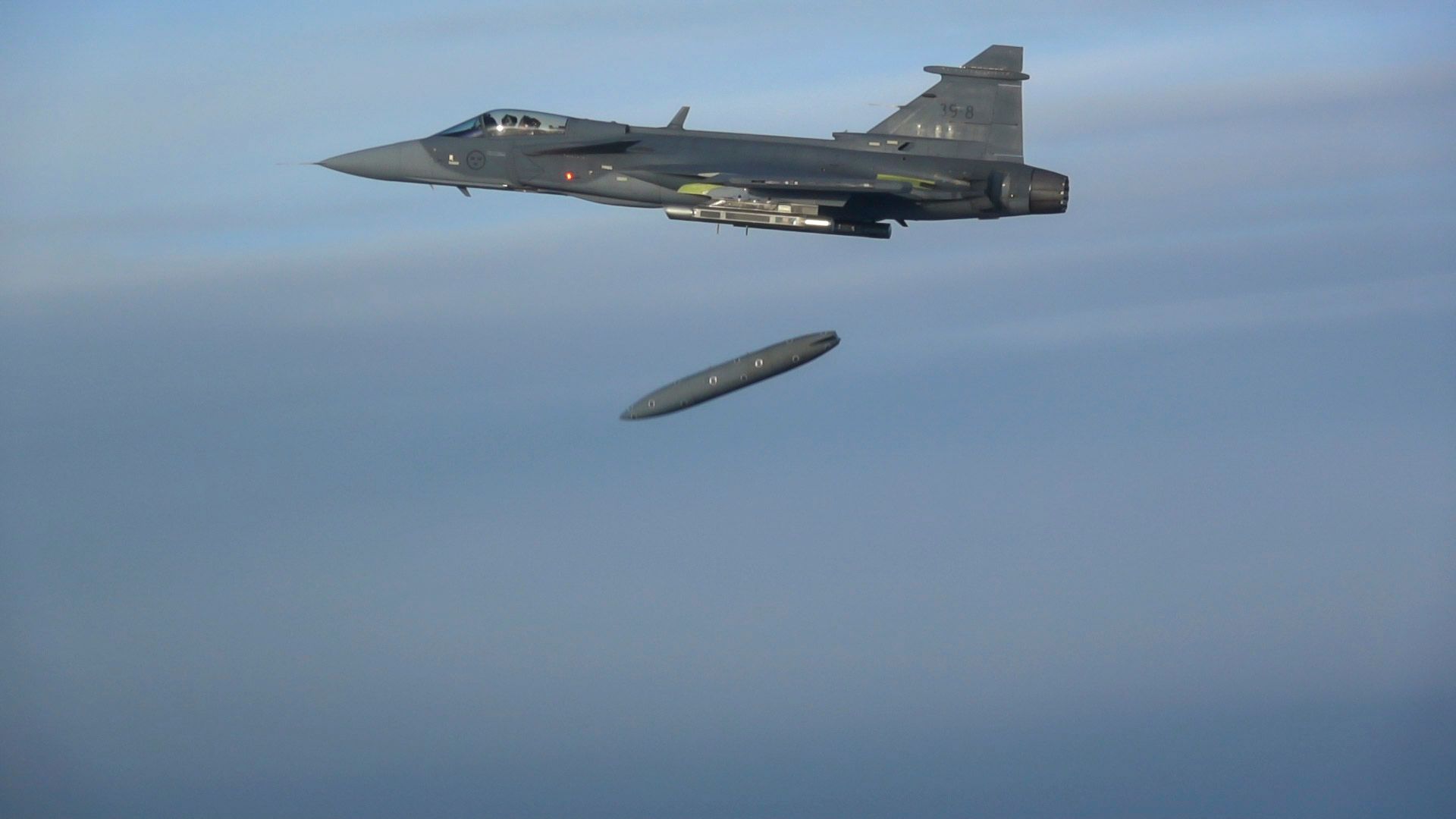
?As a pilot, flying with external stores such as drop tank and missiles is important to allow for evaluation of how the aircraft behaves with the stores attached. This test was also used to evaluate the effect on the aircraft when releasing and launching the stores. The highlight was of course to pull the trigger and watch the missile fire away. It also brings us closer to making the aircraft ready for its operational use?, says Marcus Wandt, Experimental Gripen Test Pilot at Saab.
?I am pleased to see the aircraft behaving and performing according to our expectations, which is proof of its smart design and world-class engineering by Saab. The programme is on track, and we are making good progress in the programme towards delivery to our Swedish and Brazilian customers?, says Jonas Hjelm, Senior Vice President and Head of Saab business area Aeronautics.
These tests are the latest steps in the Gripen E flight test programme preceded by the carriage trials in July and forms part of the weapon integration work.
Gripen E has weapons for all types of missions, such as stand-off precision strike using guided glide bombs, heavy anti-ship and deep strike missiles, to long-range and agile air-to-air missiles such as Meteor. Gripen E can also carry pods and sensors for reconnaissance and special missions. To give air forces a wide choice of operational capabilities, Gripen E is designed to enable quick integration of various weapons. This is partly made possible by Gripen E?s flexible avionic architecture.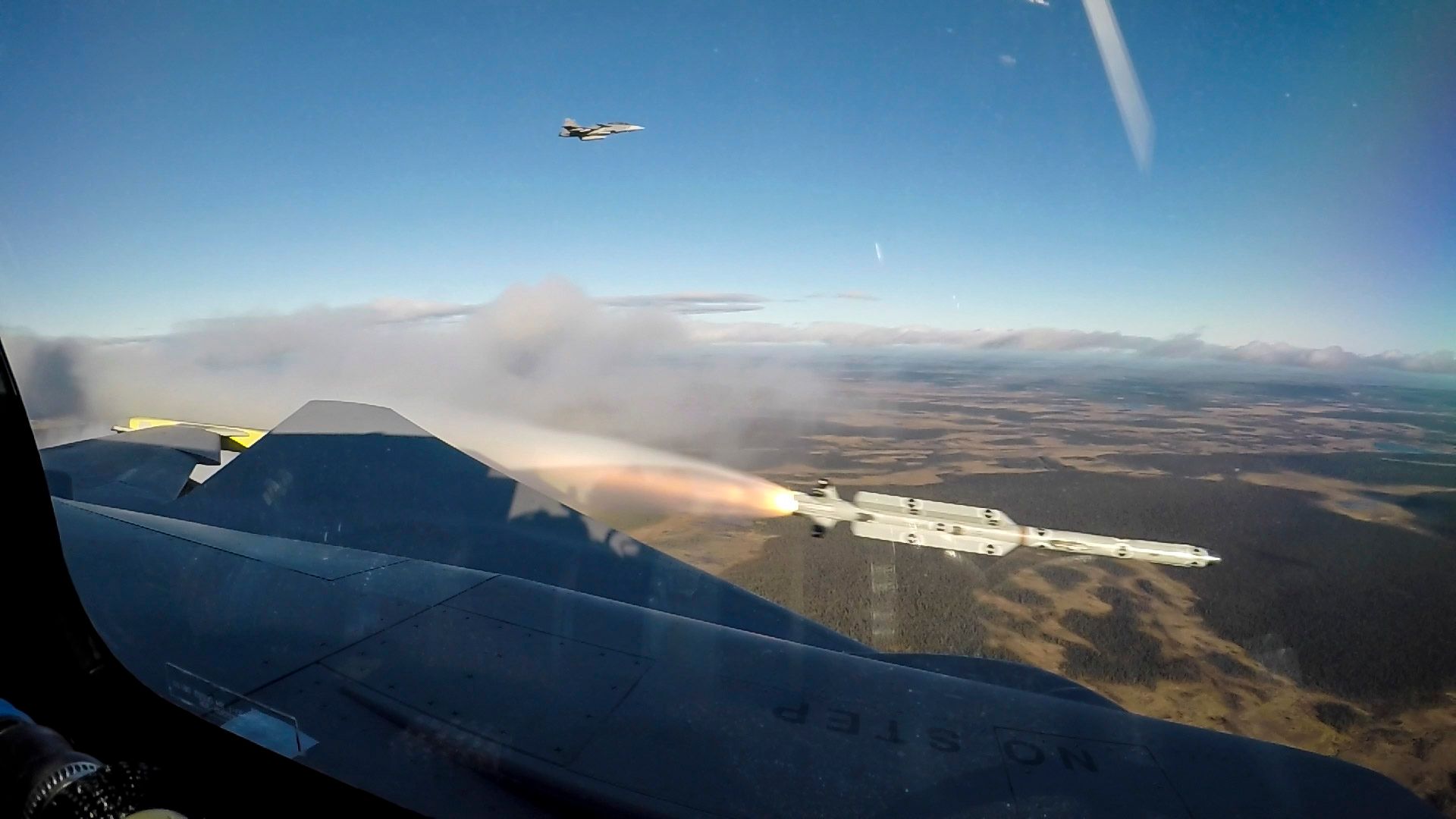
-
A Turkish F-16 Fighting Falcon flies into position to make contact with the boom from a U.S. Air Force KC-135 Stratotanker assigned to the 134th Air Refueling Wing during Exercise Trident Juncture 18 near Kallax Air Base, Sweden, Oct. 29, 2018. The guard and reserve tanker units are providing more than 75 percent of the aerial refueling support for the exercise. (U.S. Air Force photo by Staff Sgt. Jonathan Snyder)
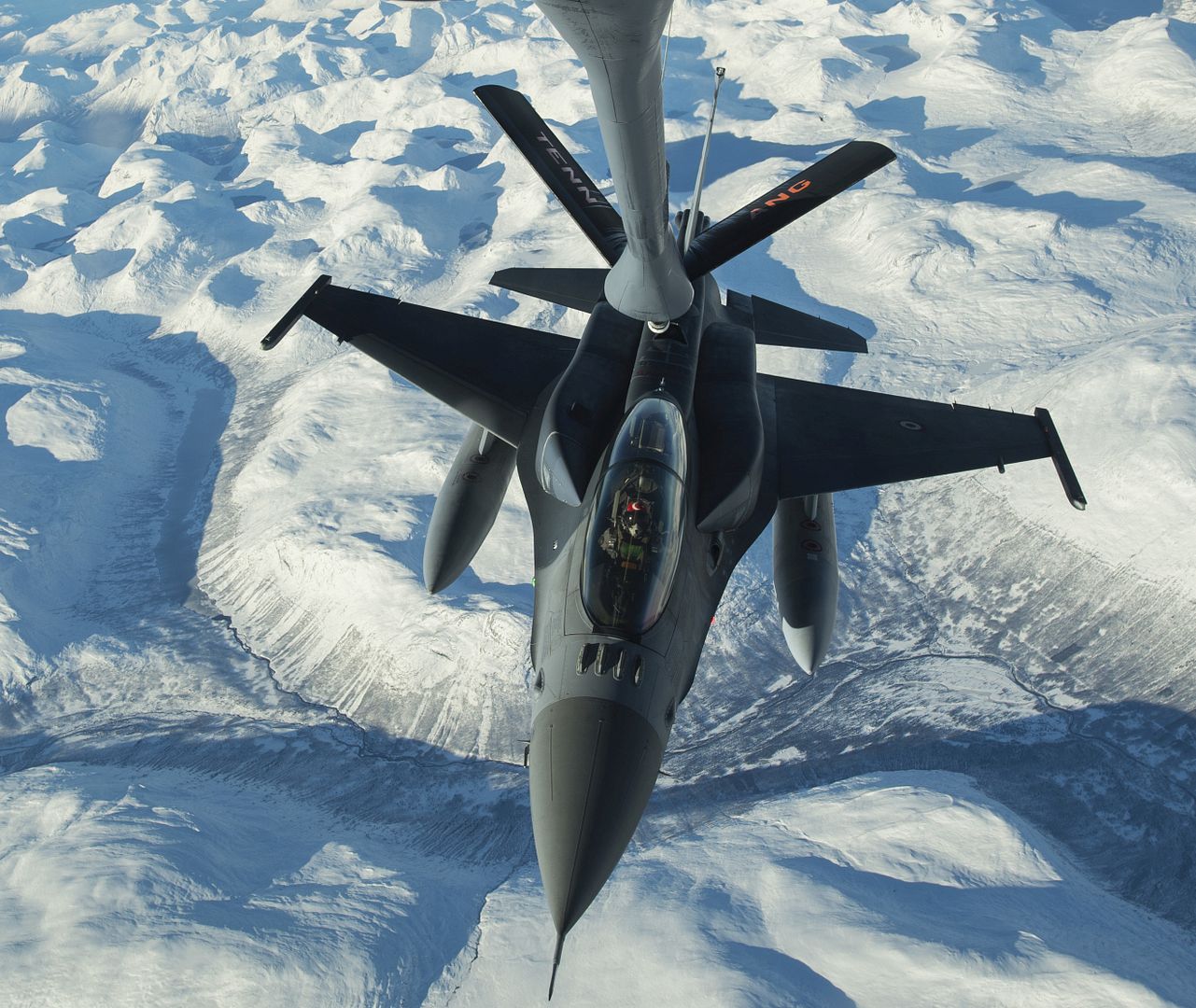
A Turkish F-16 Fighting Falcon disconnects from a U.S. Air Force KC-135 Stratotanker during Exercise Trident Juncture 18 near Kallax Air Base, Sweden, Oct. 29, 2018. With more than 50,000 participants from 31 nations, this is NATO?s largest exercise since 2002. (U.S. Air Force photo by Staff Sgt. Jonathan Snyder)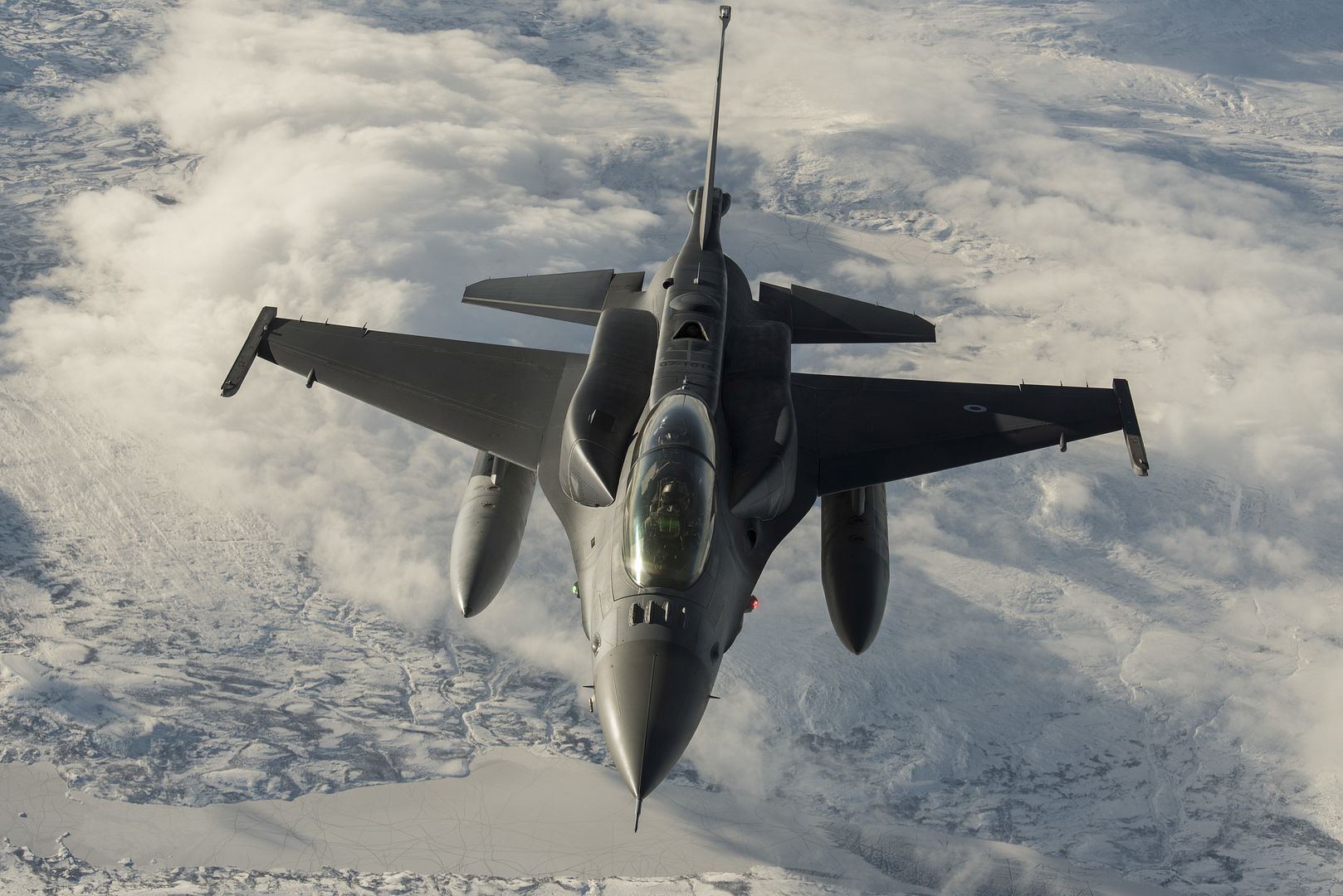
A Turkish F-16 Fighting Falcon breaks away after receiving fuel from a U.S. Air Force KC-135 Stratotanker assigned to the 134th Air Refueling Wing during Exercise Trident Juncture 18 near Kallax Air Base, Sweden, Oct. 29, 2018. This exercise ensures NATO forces are able to operate together and be ready to respond to any threat from any direction. (U.S. Air Force photo by Staff Sgt. Jonathan Snyder)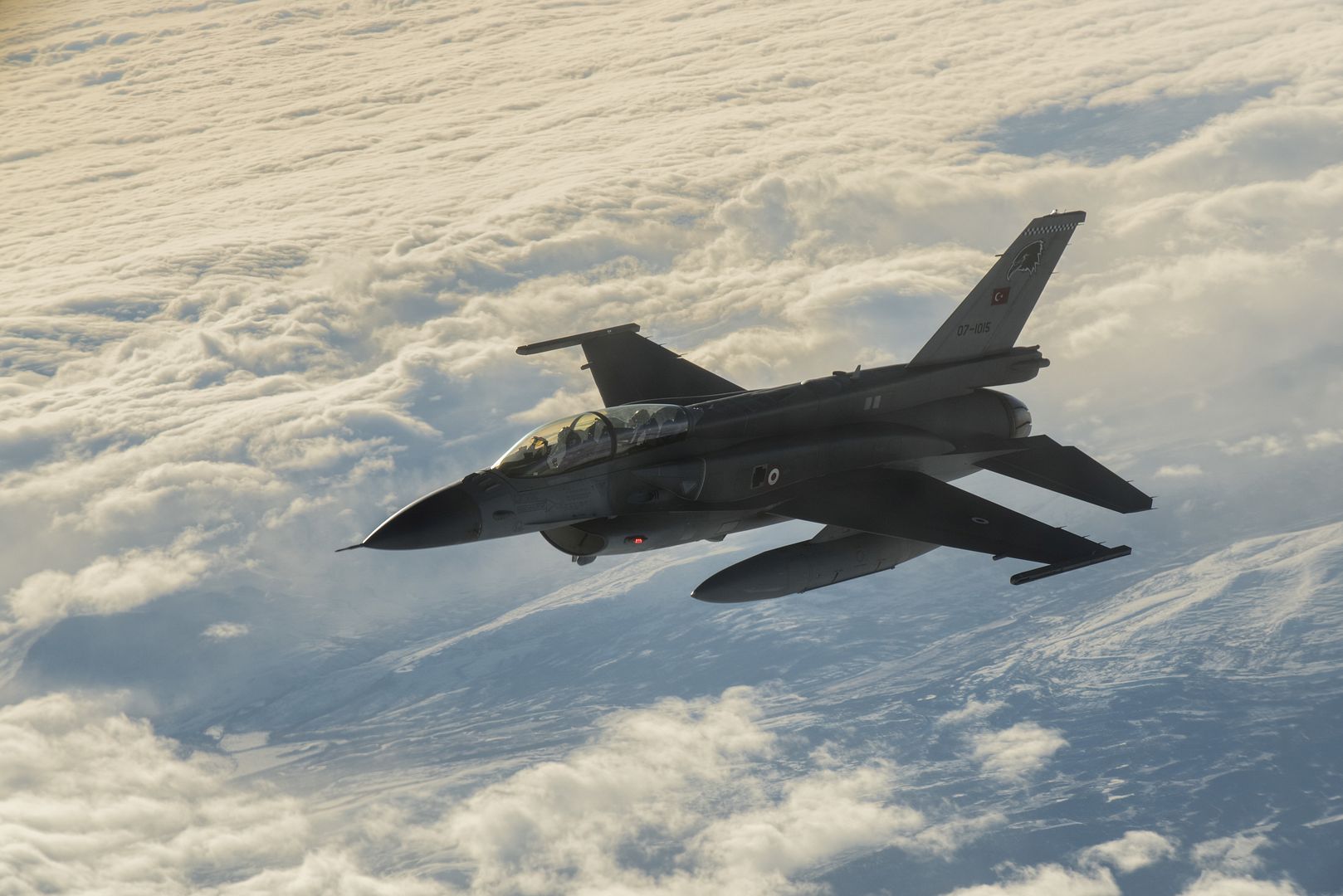
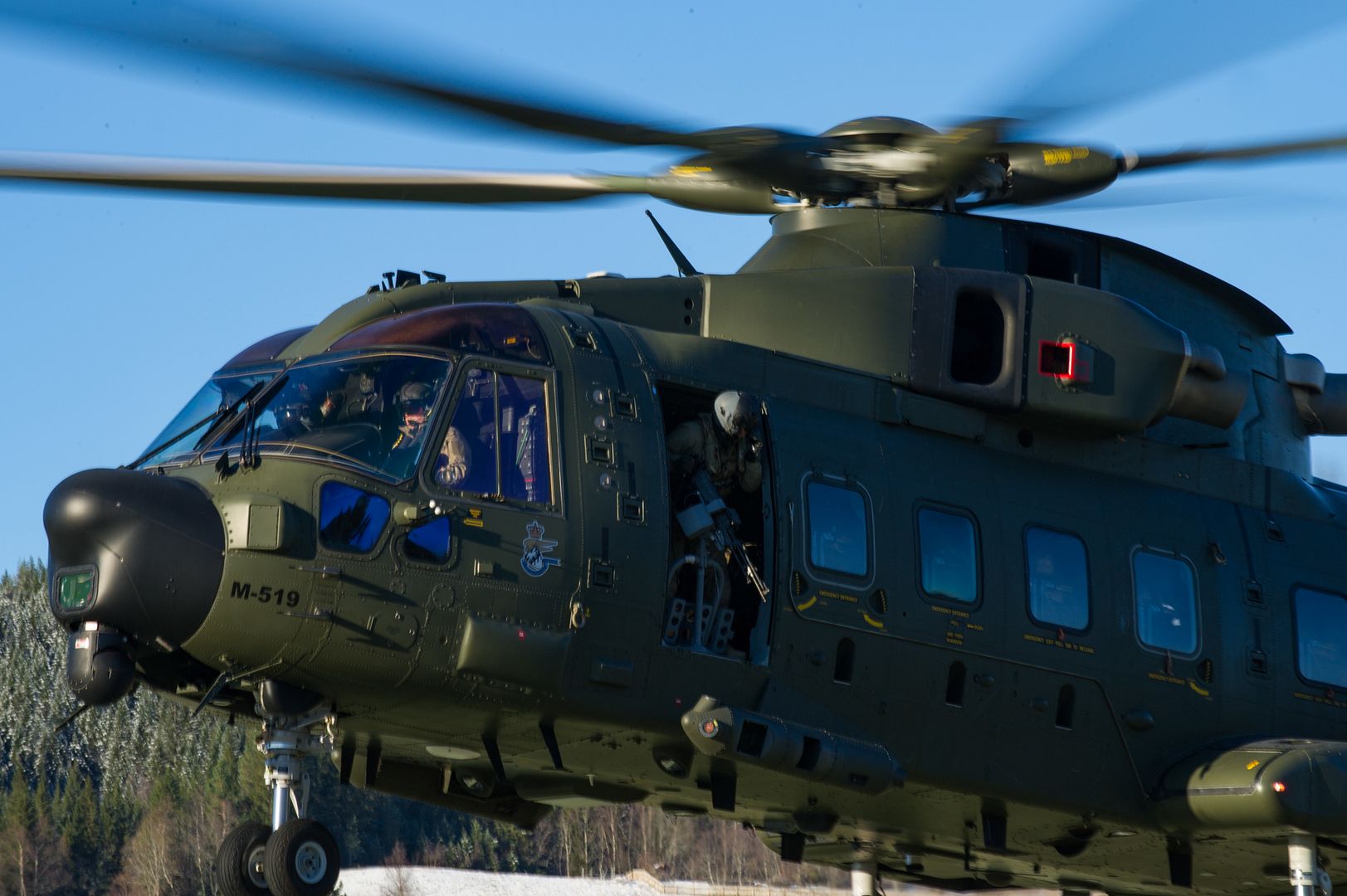
A Danish AW101-Merlin helicopter flies overt Camp Fremo during Exercise TRIDENT JUNCTURE, in Fremo, Norway, on October 28, 2018.
Photo's: MCpl Pat Blanchard Photographer, 2 Div CA det Saint-Jean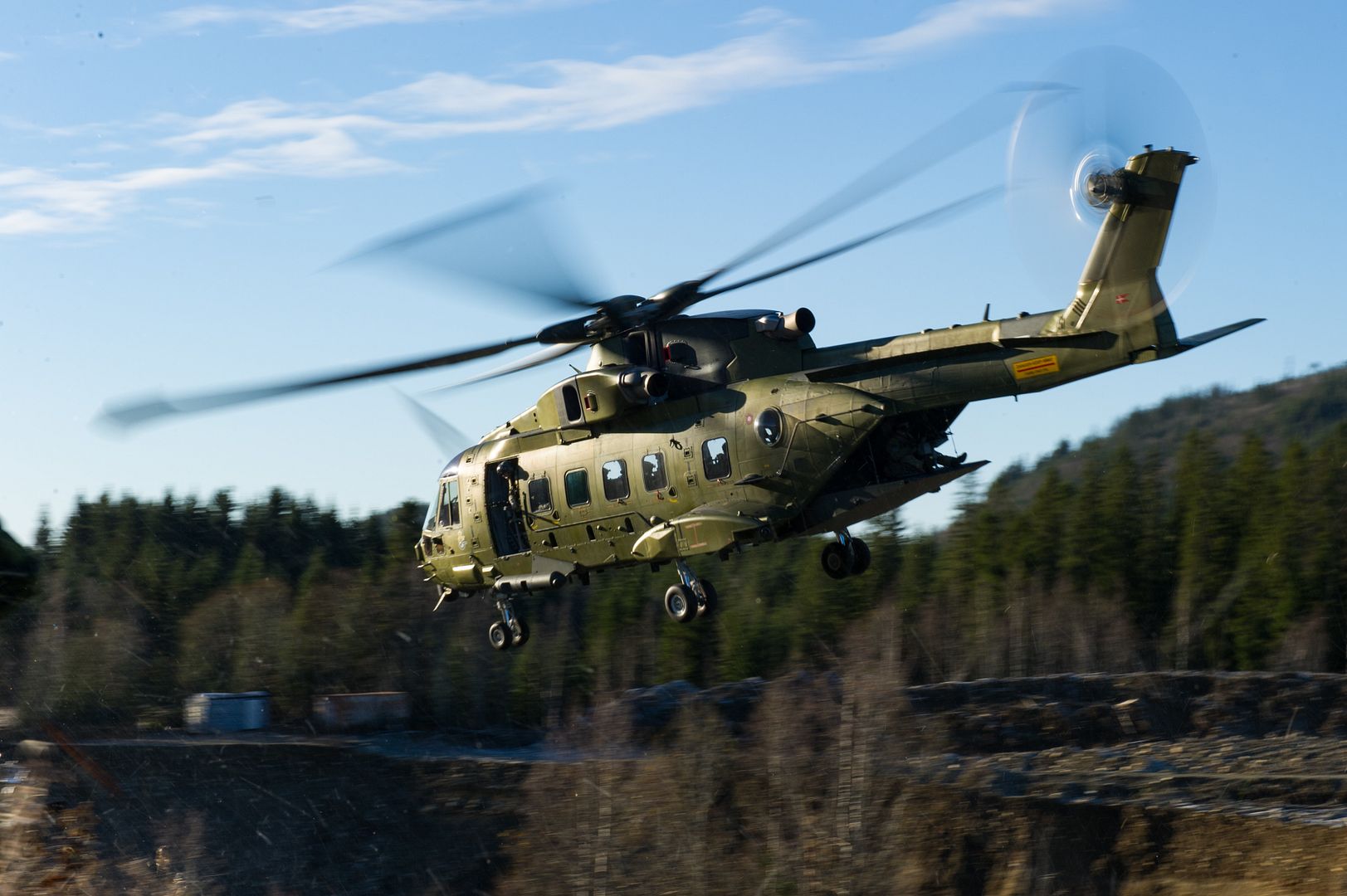
JACKSONVILLE, Fla. (Oct. 28, 2018) The U.S. Navy Flight Demonstration Squadron, the Blue Angels, Diamond pilots perform the Diamond 360 during a demonstration at the NAS JAX Air Show at Naval Air Station Jacksonville. The Blue Angels are scheduled to perform more than 60 demonstrations at more than 30 locations across the U.S. and Canada in 2018. (U.S. Navy photo by Mass Communication Specialist 2nd Class Timothy Schumaker/Released)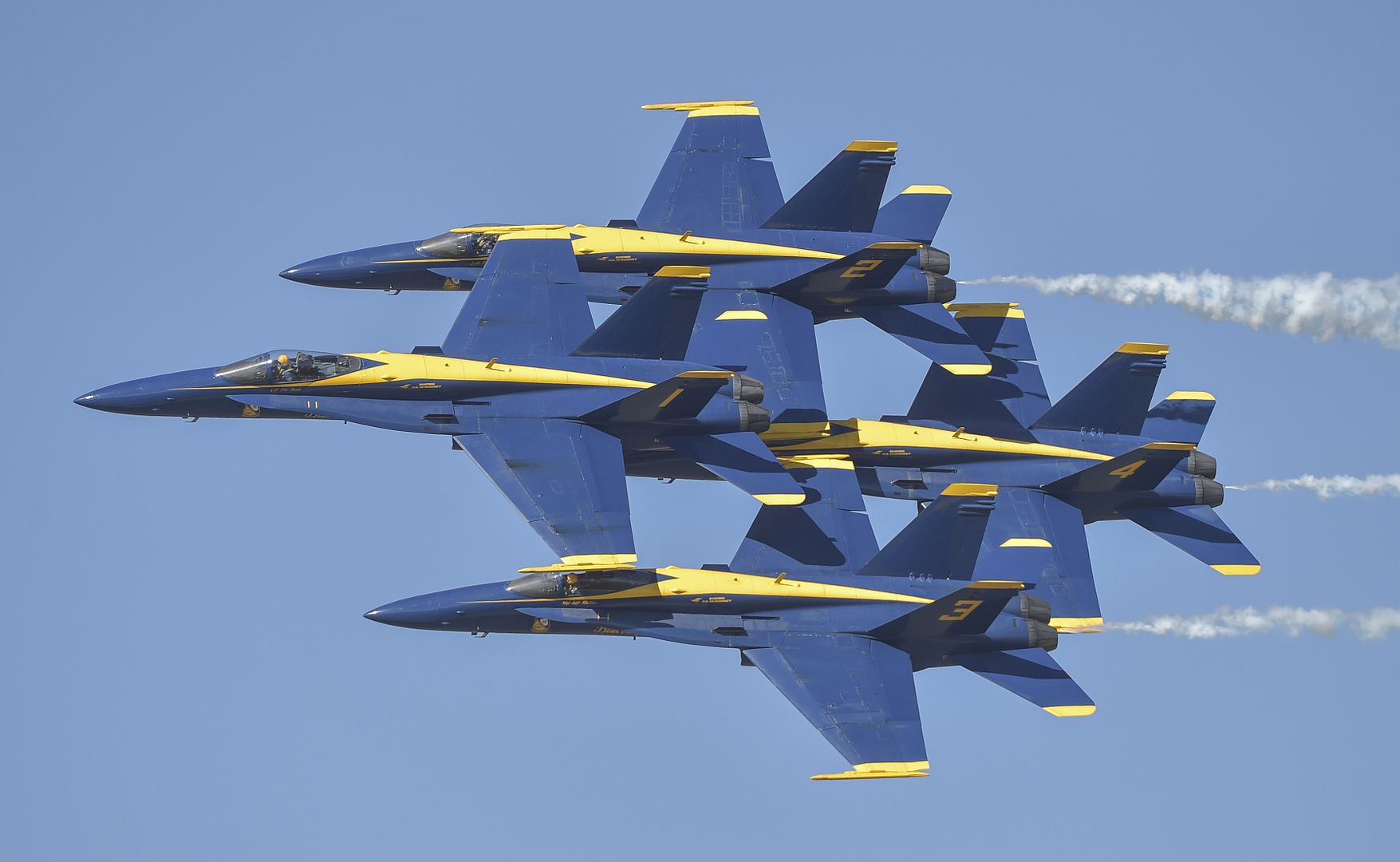
BALTIMORE ? Oct. 30, 2018 ? For the first time, U.S. Air Force crew members from Misawa Air Force Base, Japan, participated in two live RED FLAG Alaska missions from virtual cockpits at the Misawa Mission Training Center. These training events demonstrate how Northrop Grumman Corporation (NYSE: NOC) is leading the advancement of Live, Virtual and Constructive (LVC) technologies with its LVC Experimentation, Integration, and Operations Suite (LEXIOS).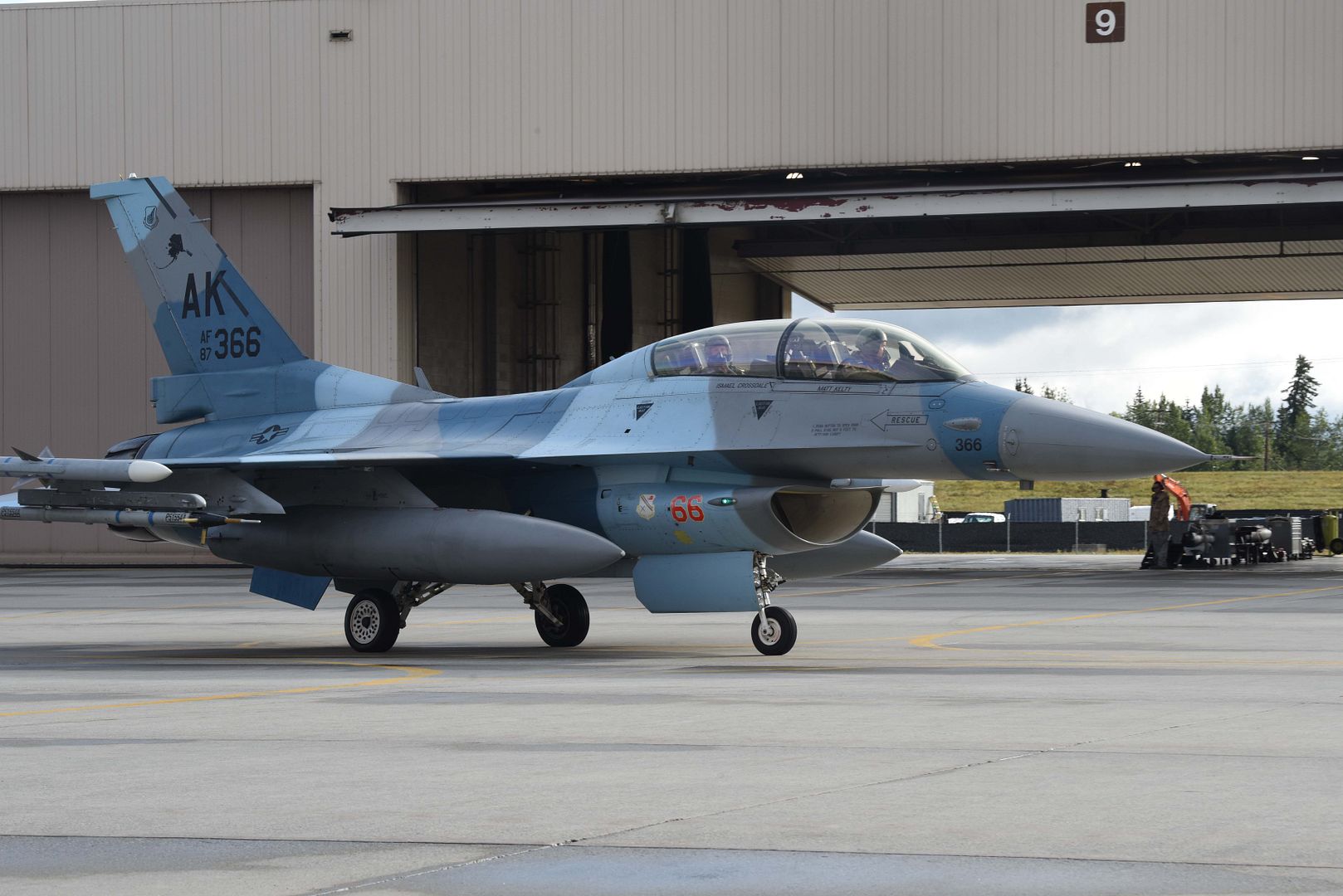
?Our LVC solution highlights the value of Northrop Grumman to our U.S. and international customers and is tremendous for military training transformation,? said Martin Amen, director, secure network operations, Northrop Grumman. ?We are at the leading edge of combining tactical simulator training with a live tactical event. When we started, LVC was seen as an adjunct capability. However, today LVC is an integrated depended-upon training element.?
The Misawa pilots took part in the Aug. 11-24 and Oct. 8-19 RED FLAG Alaska exercises. Northrop Grumman provided its LVC expertise in all four RED FLAG Alaska military training exercises. This represented the most comprehensive LVC offering to date and the team has now delivered advanced LVC content in more than 15 different large-scale exercises.
In this published article, Eielson Air Force Base described Northrop Grumman LVC training that took place at the most recent Northern Edge military training exercise.
Since 2015, the Pacific Air Forces LVC program has been implementing on-demand, LVC training capability for aircrews. Using LEXIOS and additional Northrop Grumman solutions, virtual cockpits, constructive (computer-generated) aircraft and weapons and live training exercises are integrated on the Joint Pacific Alaska Range Complex (JPARC) range.
?It?s an amazing feat to fuse JPARC with the virtual world via our engineering systems integration expertise. It showcases the broad capabilities of Northrop Grumman and enables our customers to expand and improve the training experience,? said David Royal, operations program manager, LVC operations, Northrop Grumman. ?Our LVC expertise enhances the end-to-end operational training experience for the warfighter.?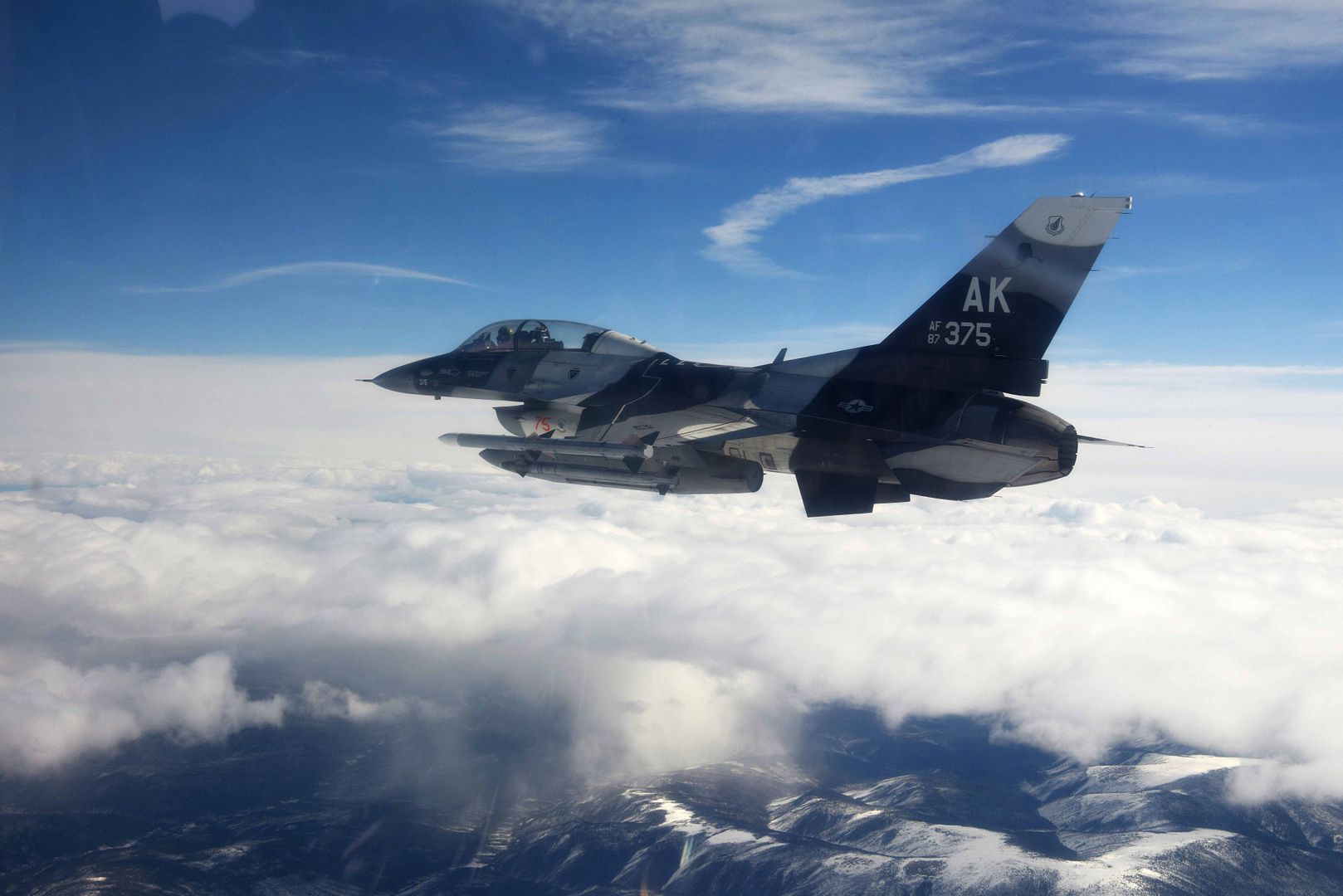
As the integration and operations lead, Northrop Grumman has defined, developed and implemented an on-demand training architecture which integrates the existing global virtual and constructive training solutions such as the Combat Air Forces Distributed Mission Operations Network (DMON) and Mobile Air Forces Distributed Training Center Network to enhance live and synthetic aircrew training. This integrated solution provides a battle space where LVC platforms can seamlessly communicate, interact and train with one another.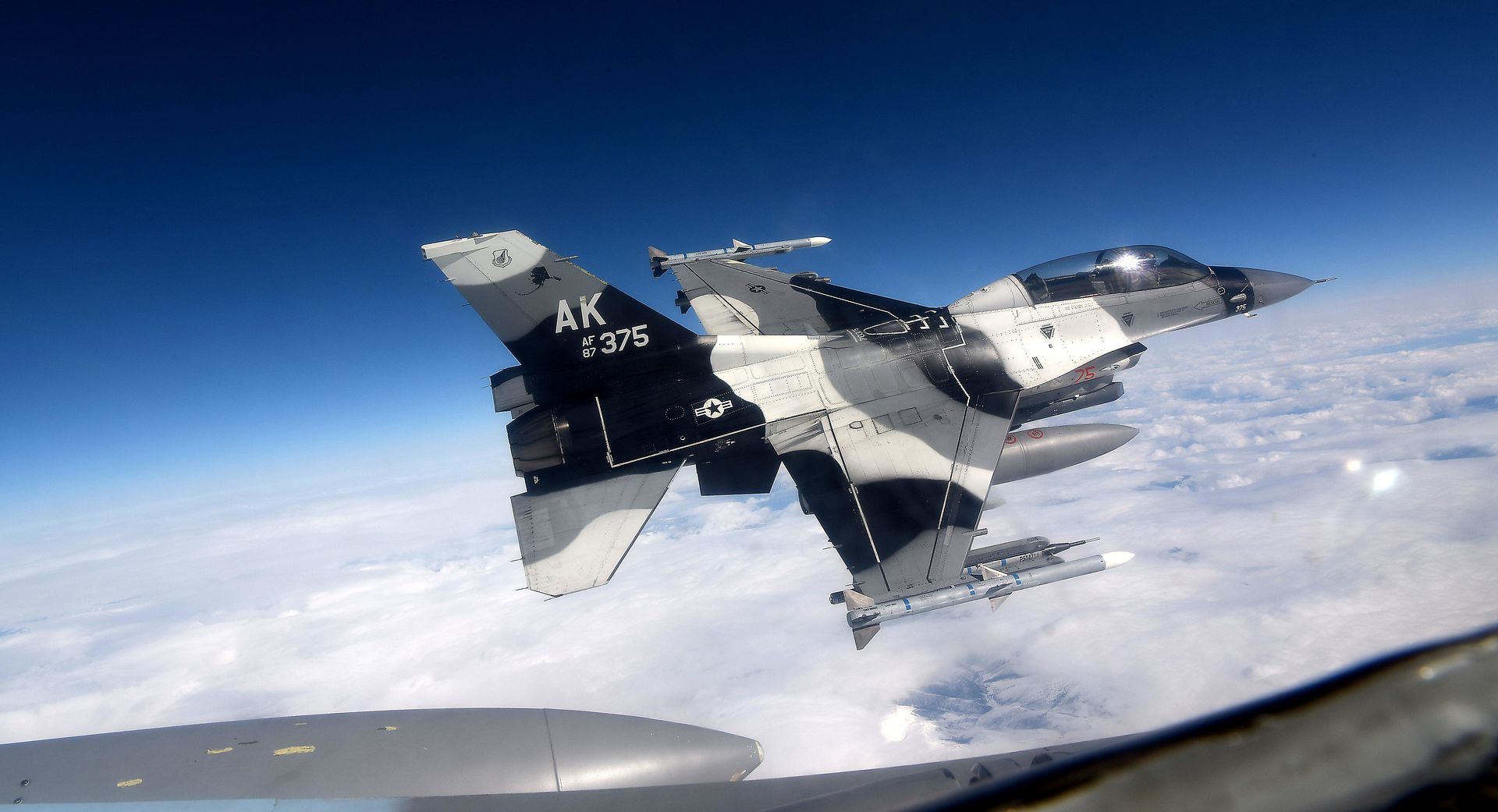
Northrop Grumman?s LVC operations team leads the scheduling, mission planning and execution of all virtual sites and computer-generated assets, while managing event security and augmenting the battle space with role-playing platforms such as the E-8C JSTARS, RC-135 RIVET JOINT, and F-16CM when neither live aircraft or virtual sites are available for a specific event. Some of the sites involved included Misawa Air Base and Robins, Langley, Ellsworth, Orlando, Eielson and Elmendorf Air Force Bases.
According to Royal, the exercise participants get a better training experience when the synthetic elements are added to their live training, giving them access to all the operational tools they would have in a combat situation. ?Northrop Grumman?s LVC capabilities are specifically designed to fill gaps in live training by connecting simulators (via the DMON) that could not get to the live fly training events.?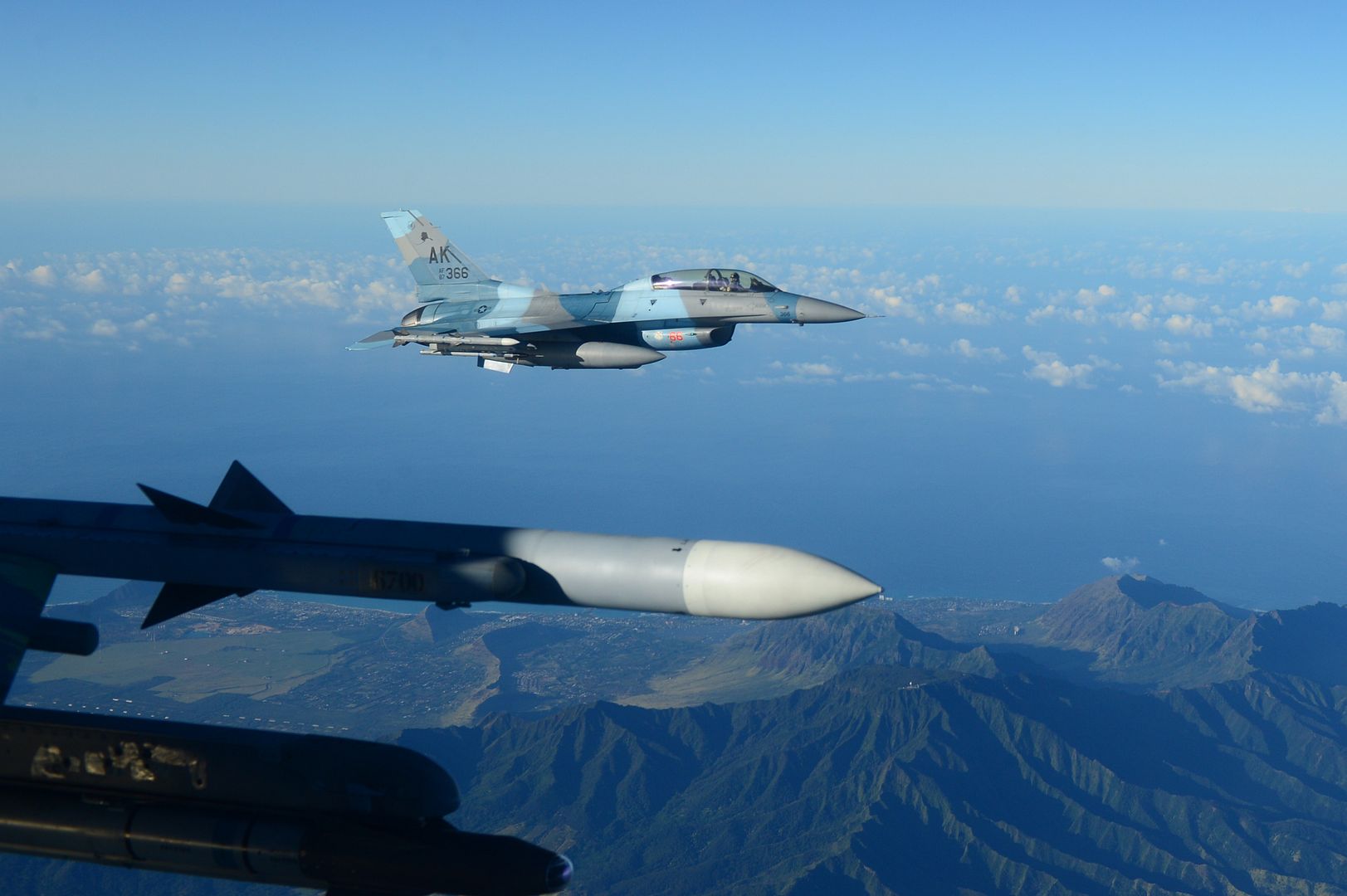
-
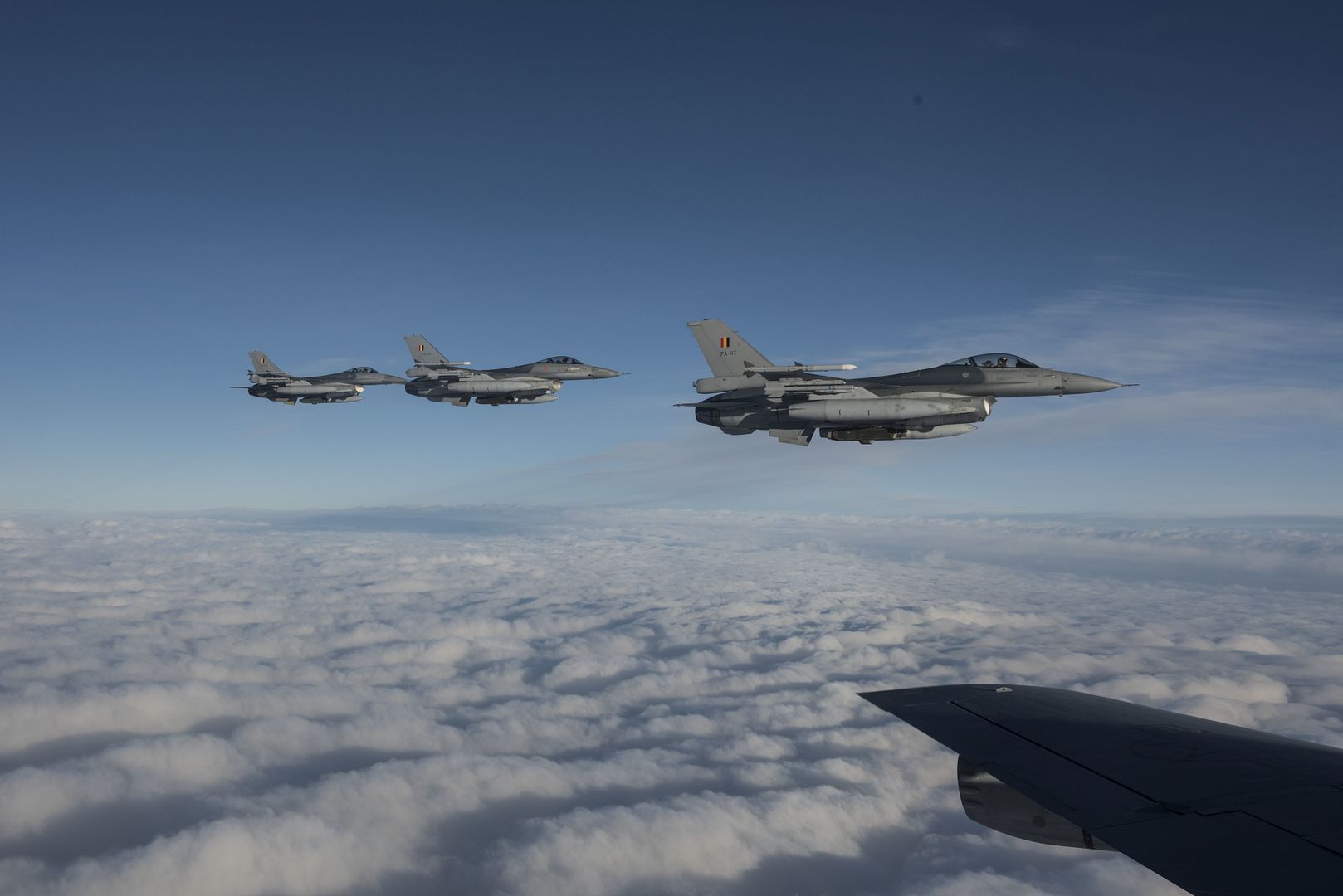
Three Belgian F-16 Fighting Falcons fly alongside a U.S. Air Force KC-135 Stratotanker during Exercise Trident Juncture 18, in Swedish airspace, Oct. 30, 2018. The NATO-led exercise includes 31 countries and provides unique opportunities to train with NATO allies and partners. (U.S. Air Force photo by Senior Airman Luke Milano)
F-22 Raptor fighter aircraft shown before takeoff at Tyndall Air Force Base, Florida, October 30, 2018. Support personnel from Tyndall and other bases have been working tirelessly to restore essential base systems and support fellow Airmen.(U.S. Air Force photo by A1C Kelly Walker)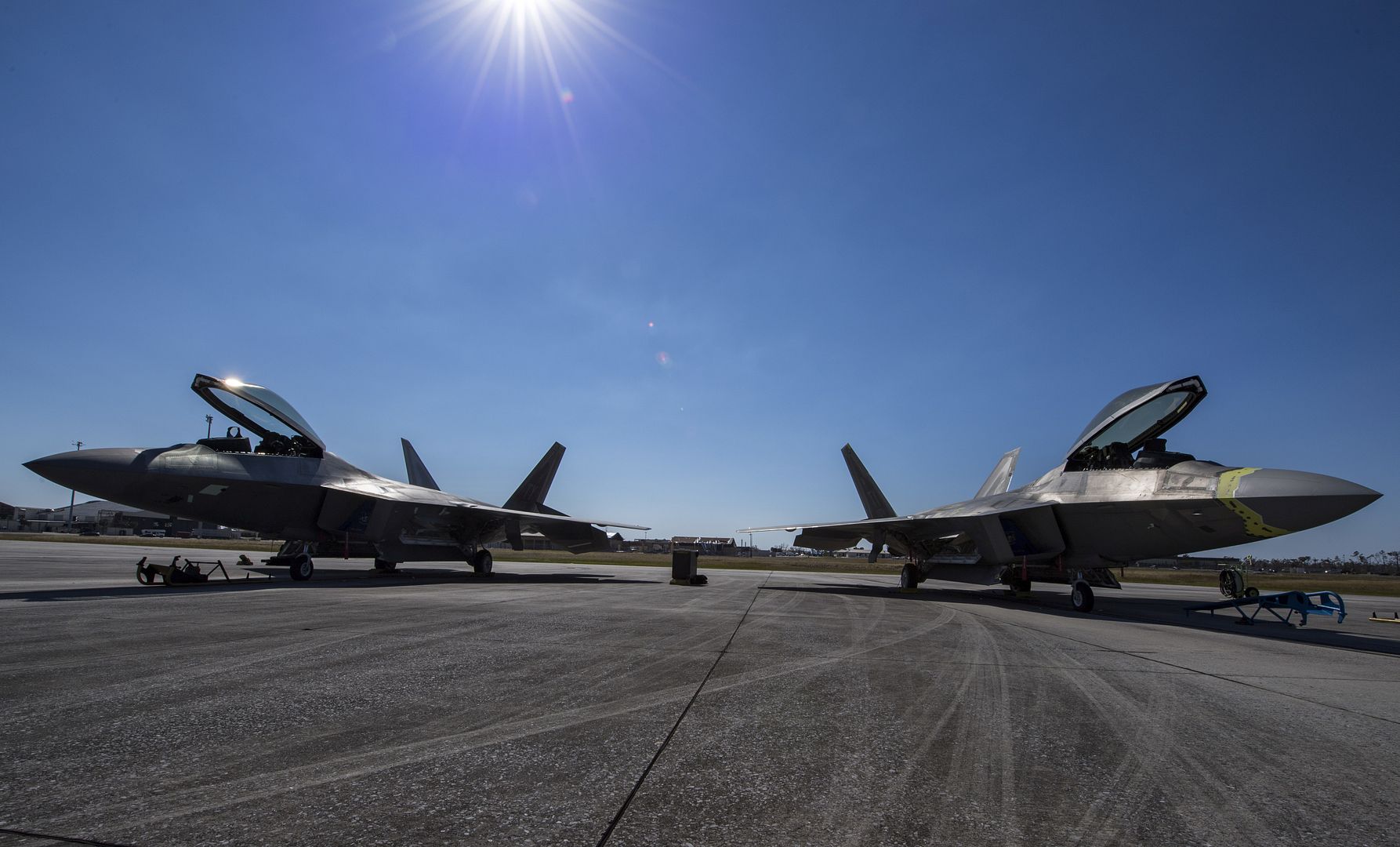
An F-22 Raptor fighter aircraft takes off at Tyndall Air Force Base, Florida, October 30, 2018. Support personnel from Tyndall and other bases have been working tirelessly to restore essential base systems and support fellow Airmen.(U.S. Air Force photo by A1C Kelly Walker)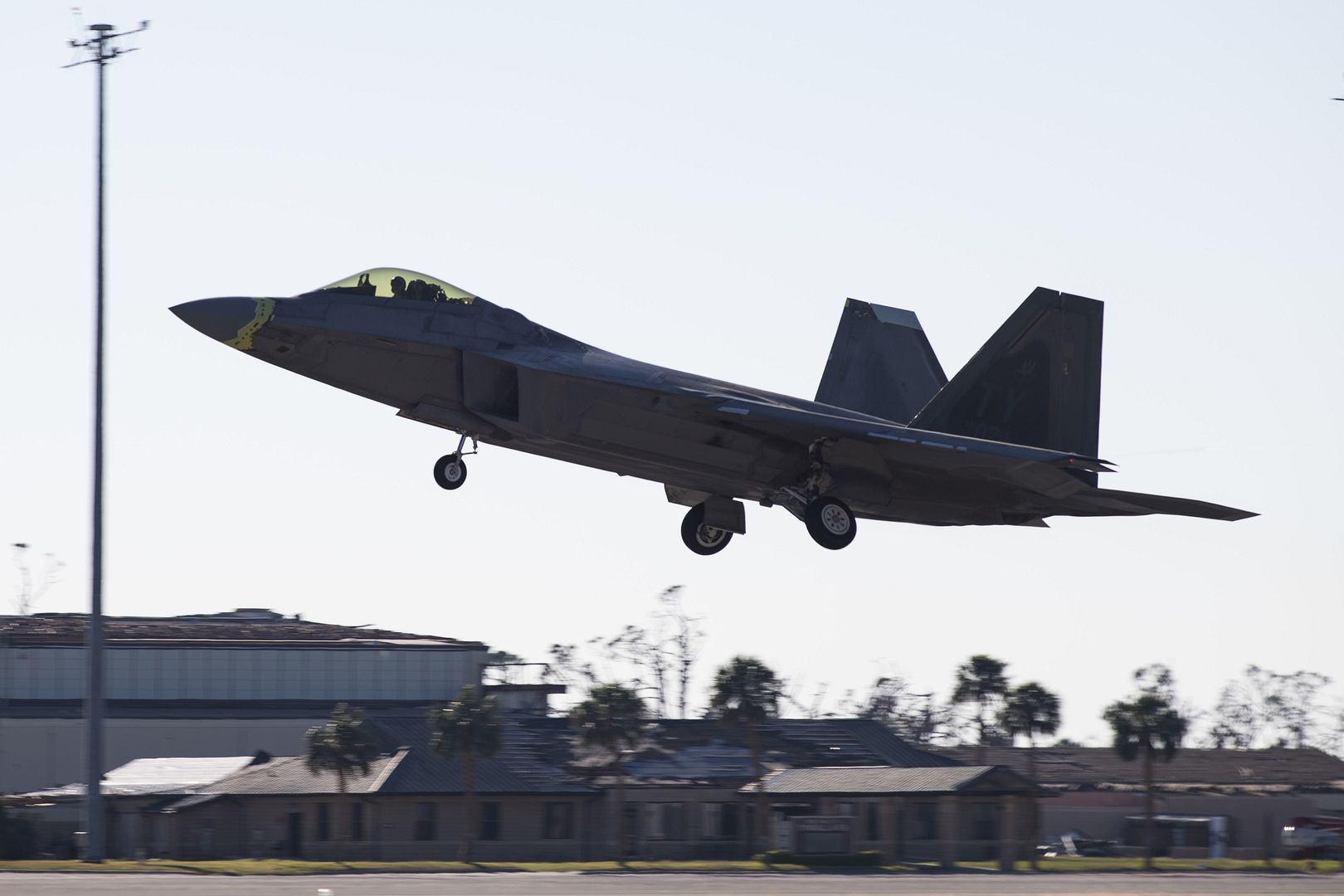
NORWAY
10.30.2018
Courtesy Photo
Allied Joint Force Command Naples
A Dutch Puma helicopter takes off while NATO forces prepare to make an amphibious landing at a media event held during Exercise Trident Juncture 18.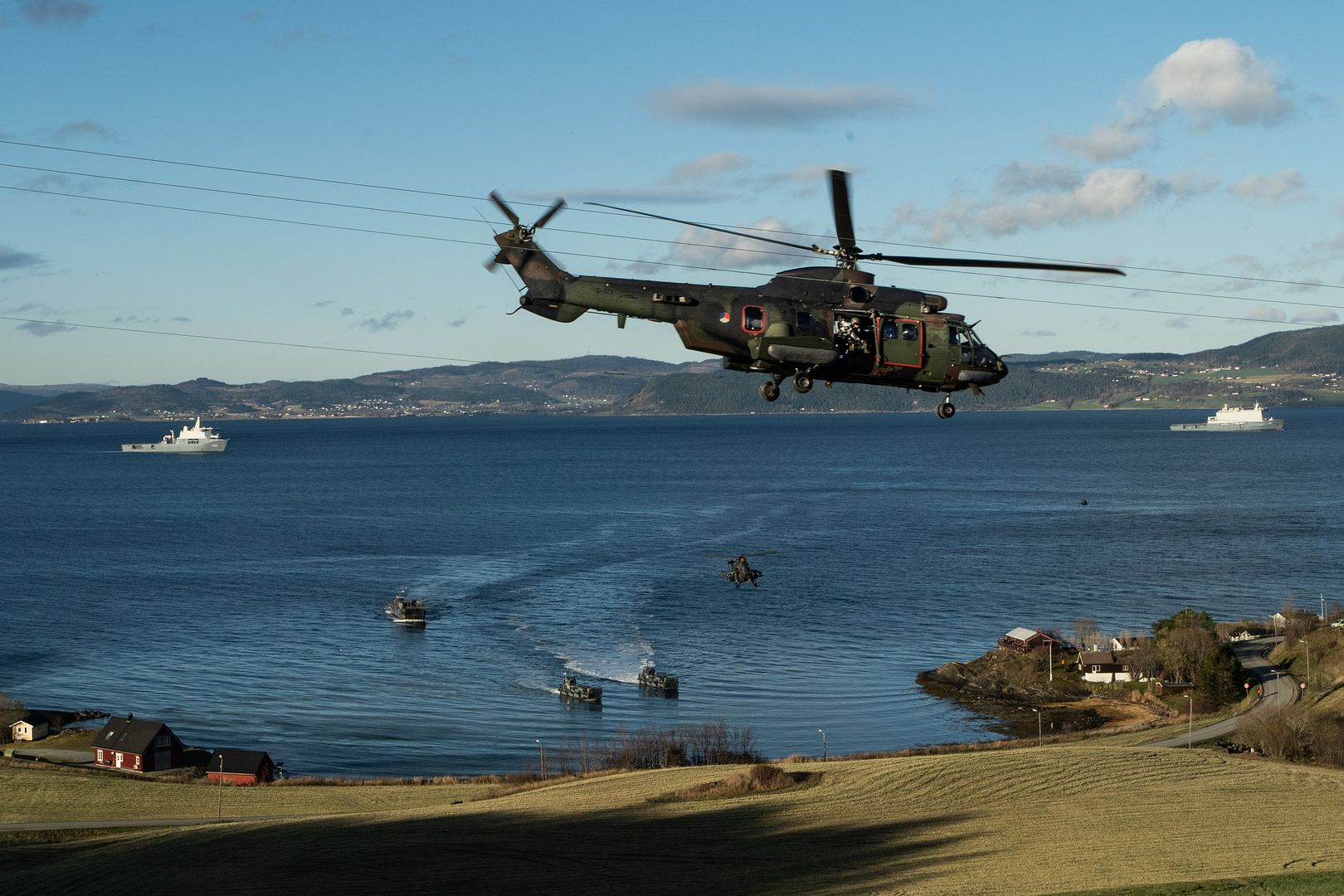
One Mark II landing craft utility with a landing craft vehicle for personnel from the Royal Netherlands Navy and the V-22 Osprey multi-mission aircraft from the United States Marine Corps at the Distinguished Visitors? day at NATO exercise Trident Juncture, in Norway, Trondheim on October 30, 2018.
With around 50,000 personnel participating in Trident Juncture 2018, it is one of the largest NATO exercises in recent years. Around 250 aircraft, 65 vessels and more than 10,000 vehicles are involved in the exercise in Norway.
Photo: SGM Marco Dorow, German Army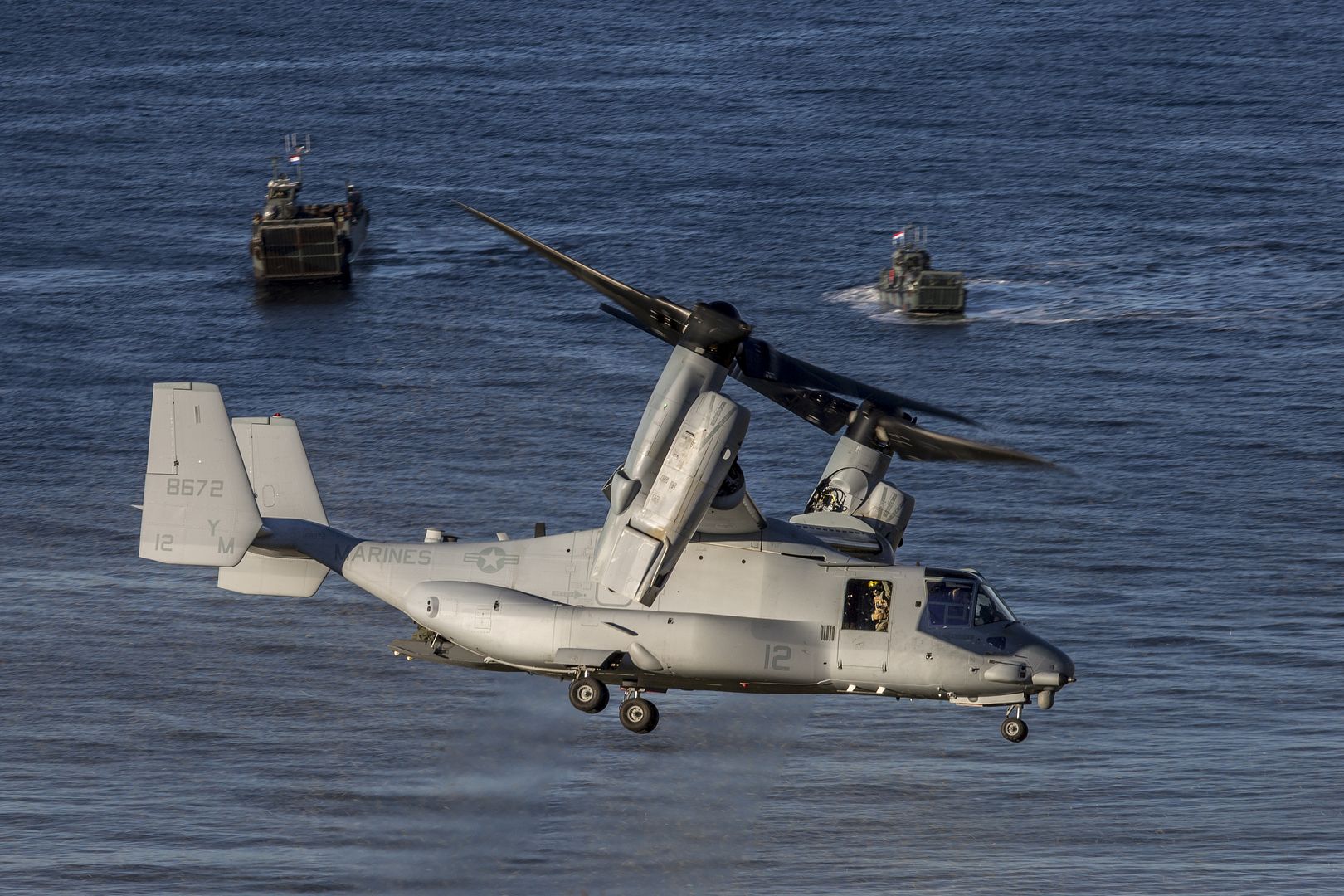
Landing barges navigate to Trondheim Fjord beach, in Norway, during exercise Trident Juncture 18. A French Tiger helicopter secures the area from the sky.
Photo by OR-8 Sebastien Raffin / French A, Allied Air Command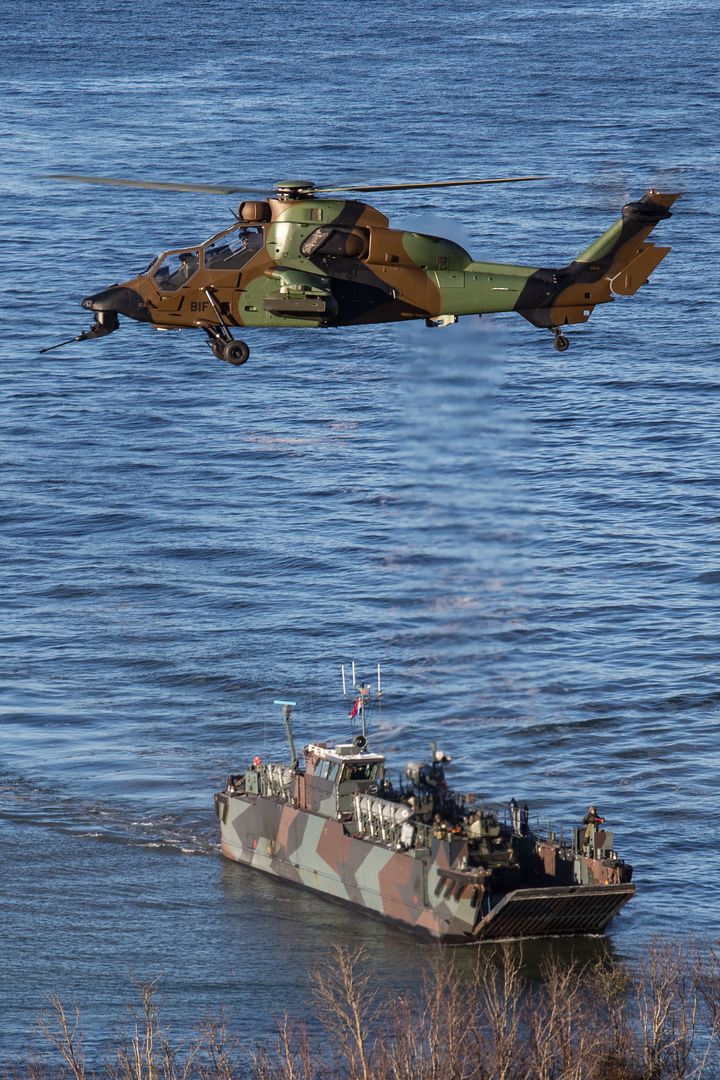
A Dutch AS532 Super Puma helicopter securities the landing of infantrymen on the beach of Trondheim Fjord, in Norway, during exercise Trident Juncture 18.
Photo by OR-8 Sebastien Raffin / French A, Allied Air Command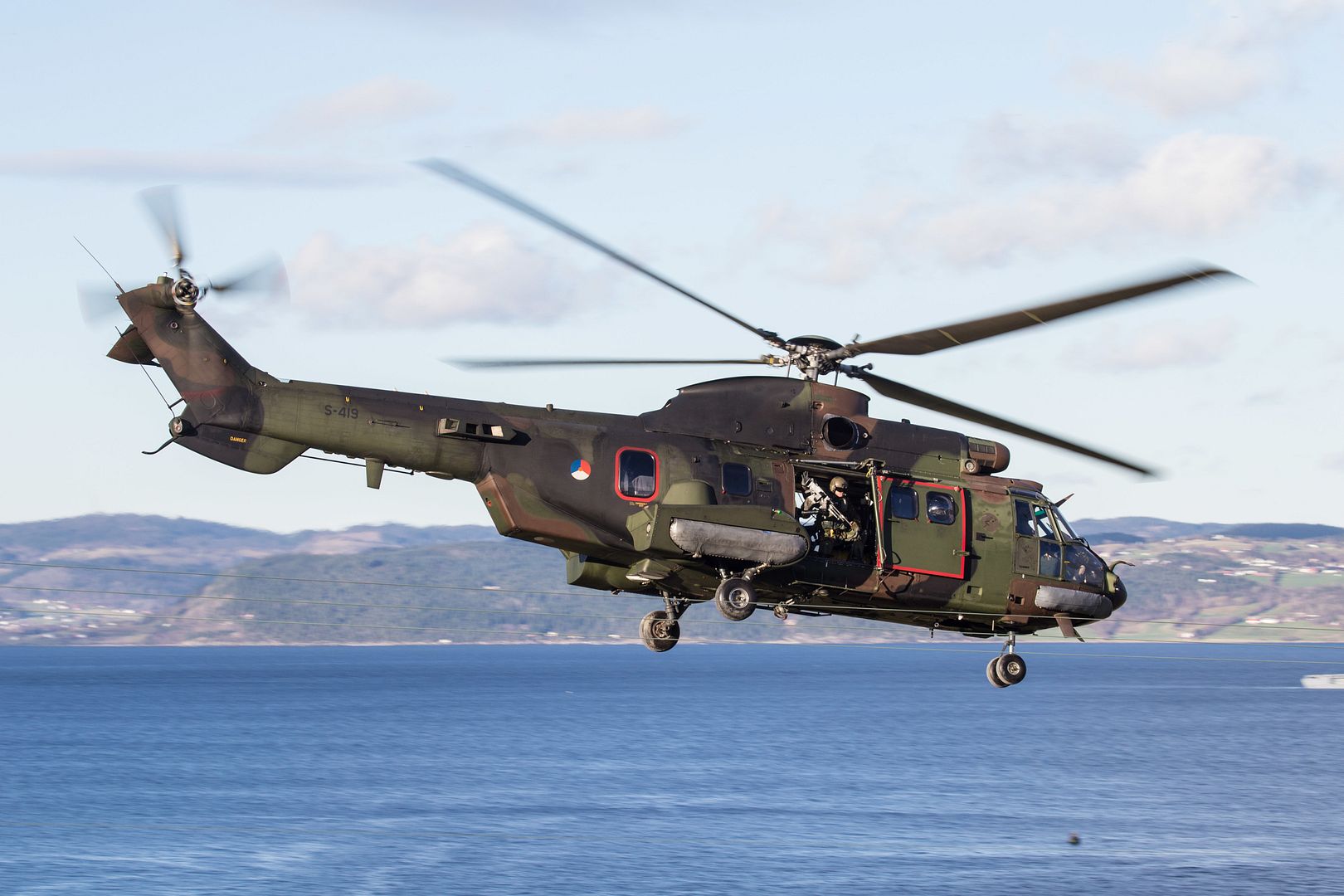
SWEDEN
10.29.2018
Courtesy Photo
Allied Joint Force Command Naples
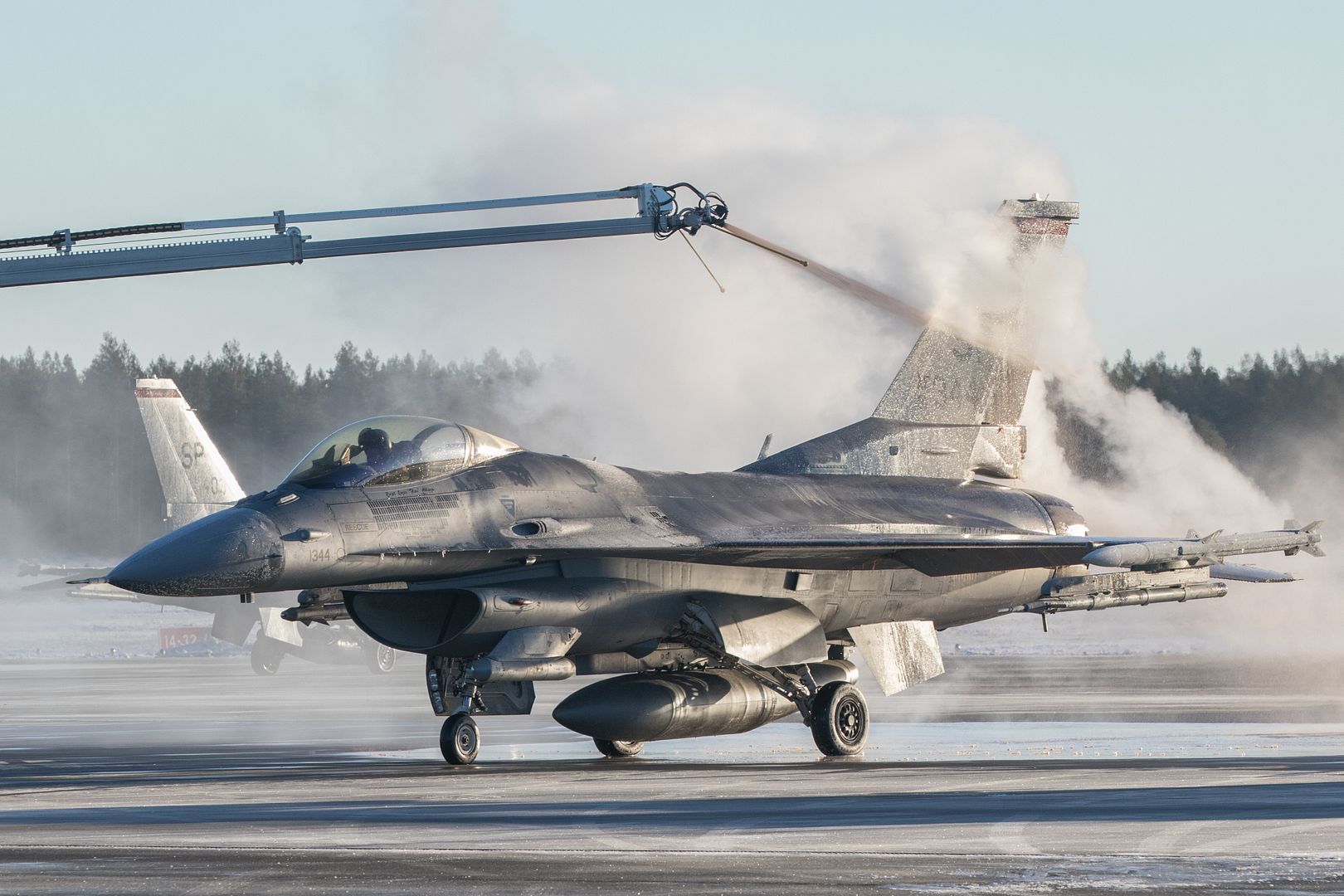
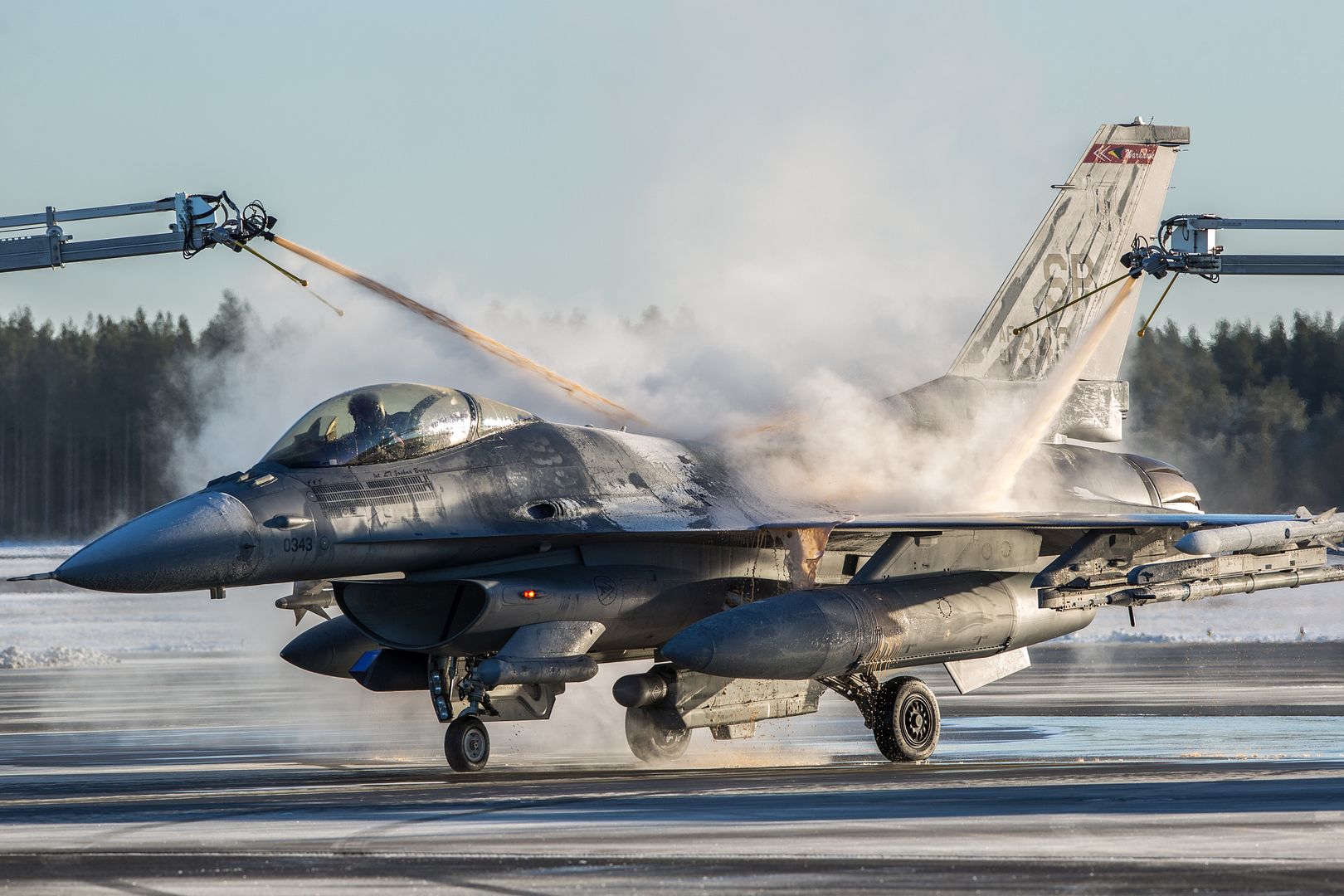
Kallax Air Base, Sweden 29 October 2018 - De-Icing of United States Air Force F-16 fighter jets just before taking off for NATO exercise Trident Juncture.
Photo's: OR-7 Christian Timmig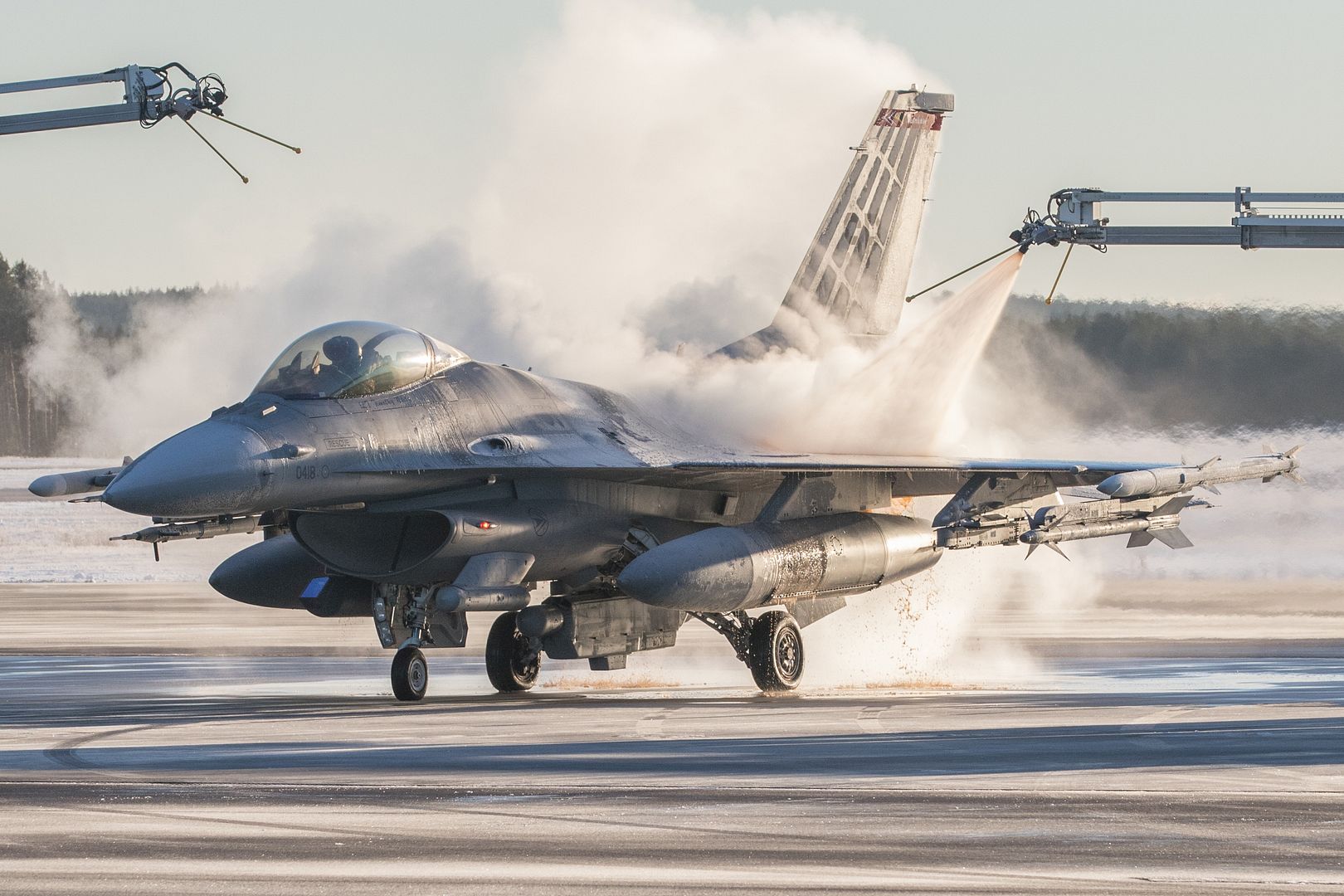
PHILIPPINE SEA (Oct. 31, 2018)
An F/A-18 Super Hornet lands on the flight deck of the Navy's forward-deployed aircraft carrier USS Ronald Reagan (CVN 76) during Keen Sword 19. Keen Sword is a joint, bilateral field-training exercise involving U.S. military and Japan Maritime Self-Defense Force personnel, designed to increase combat readiness and interoperability of the Japan-U.S. alliance. U.S. Navy photo by Mass Communication Specialist 3rd Class Kyleigh Williams (Released)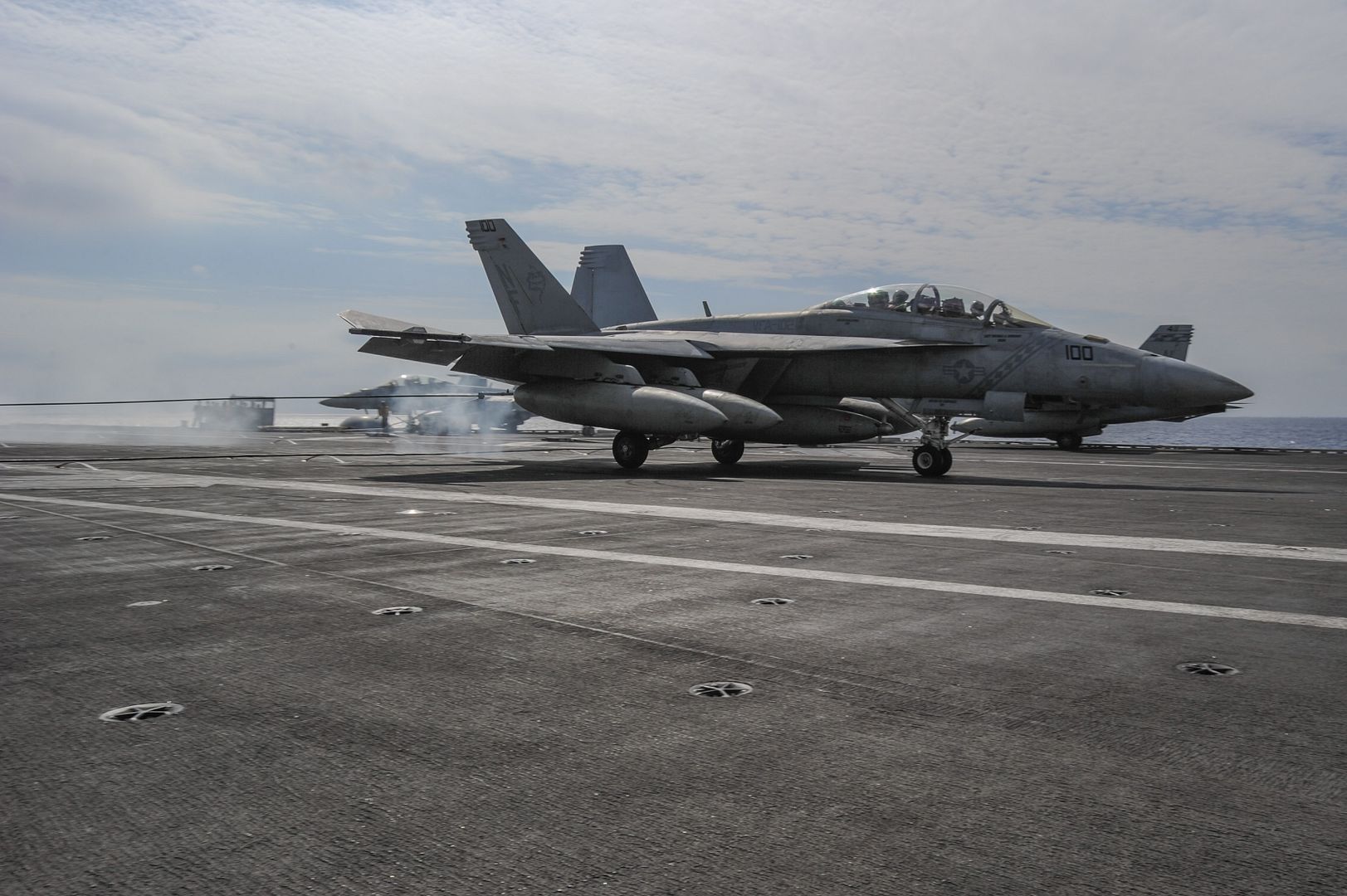
Toulouse, 31 October 2018 ? The first A350-900 for China Eastern Airlines has performed its maiden flight in Toulouse, France. The aircraft will now enter the final phase of production, ground checks and test flights before being prepared for delivery in the coming weeks. The airline has 20 A350-900s on order.
China Eastern Airlines currently operates an Airbus fleet of 363 aircraft, including 305 A320 Family aircraft and 58 A330 Family aircraft.
Bringing new levels of efficiency and comfort in the long range market, the A350 Family is especially well suited to the needs of Asia-Pacific airlines. To date, A350 Family firm orders from carriers in the region represent over a third of total sales for the type.
The A350 XWB is an all new family of mid-size wide-body long-haul airliners shaping the future of air travel. It features the latest aerodynamic design, carbon fibre fuselage and wings, plus new fuel-efficient Rolls-Royce engines. Together, these latest technologies translate into unrivalled levels of operational efficiency, with a 25 per cent reduction in fuel burn and emissions, and significantly lower maintenance costs. The A350 XWB features an Airspace cabin which, on top of the aircraft spaciousness and quietness, provides better ambience, design and services, contributing to superior levels of comfort and well-being, and setting new standards in terms of flight experience for all passengers.
To date, Airbus has recorded a total of 890 firm orders for the A350 XWB from 46 customers worldwide, already making it one of the most successful widebody aircraft ever.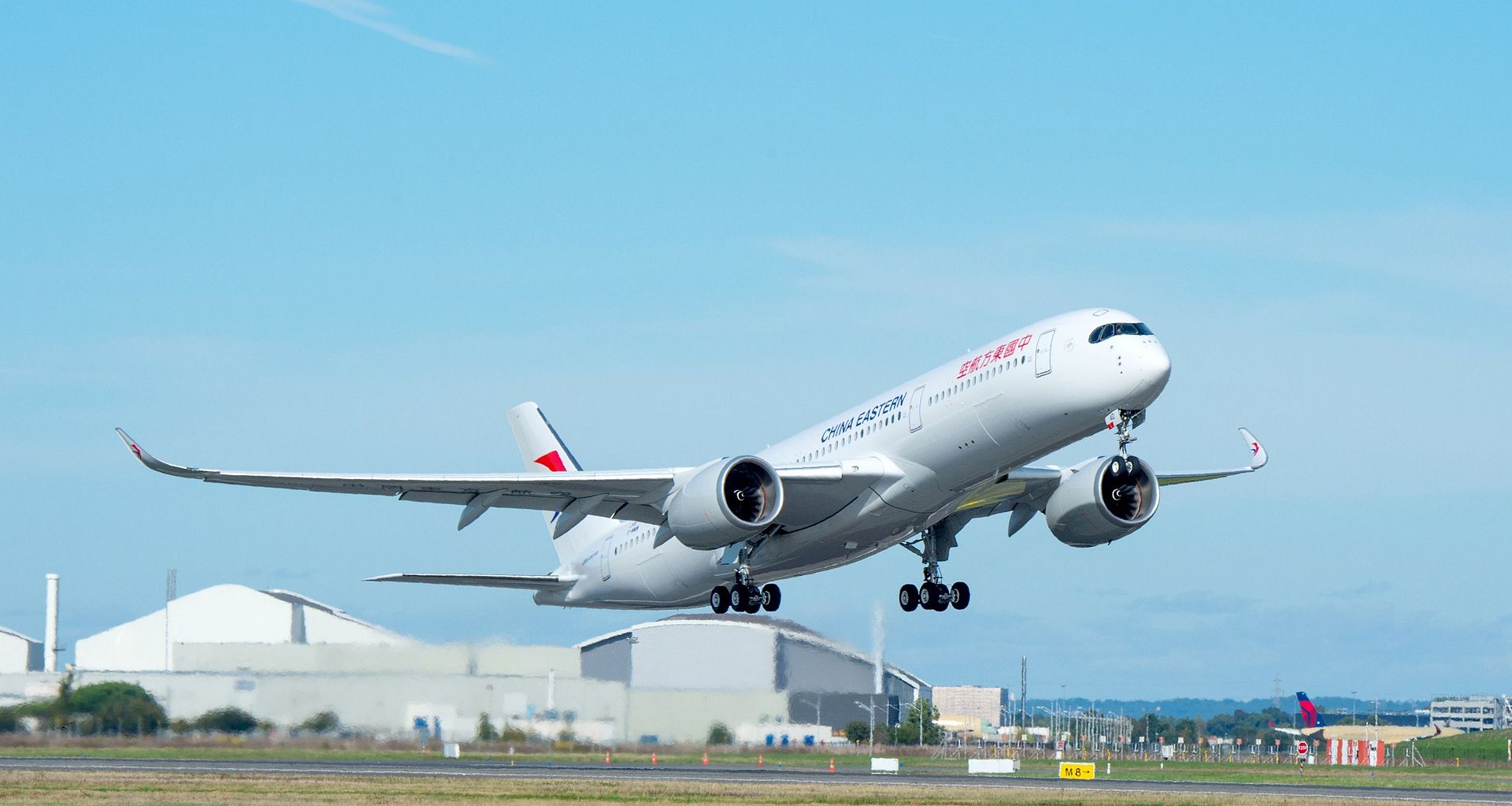
-
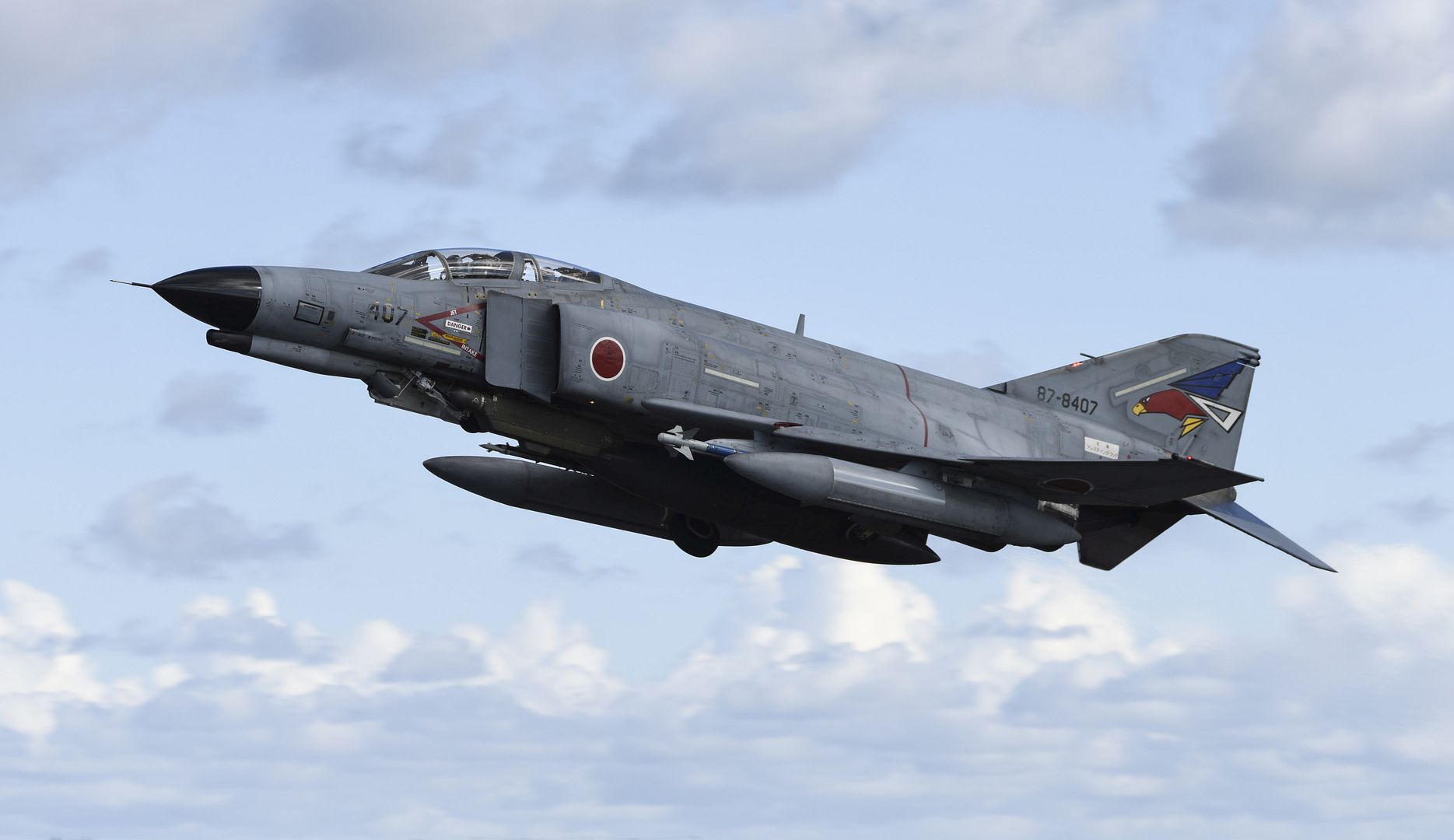
Japan Air Self-Defense Force and U.S. Air Force aircraft participate in joint, bilateral training exercise Keen Sword, at Misawa Air Base, Japan, Nov. 1, 2018. The exercise enables all allies to enhance their joint, bilateral tactics which produces more fluid mission execution in the future. (U.S. Air Force photo by Senior Airman Sadie Colbert)
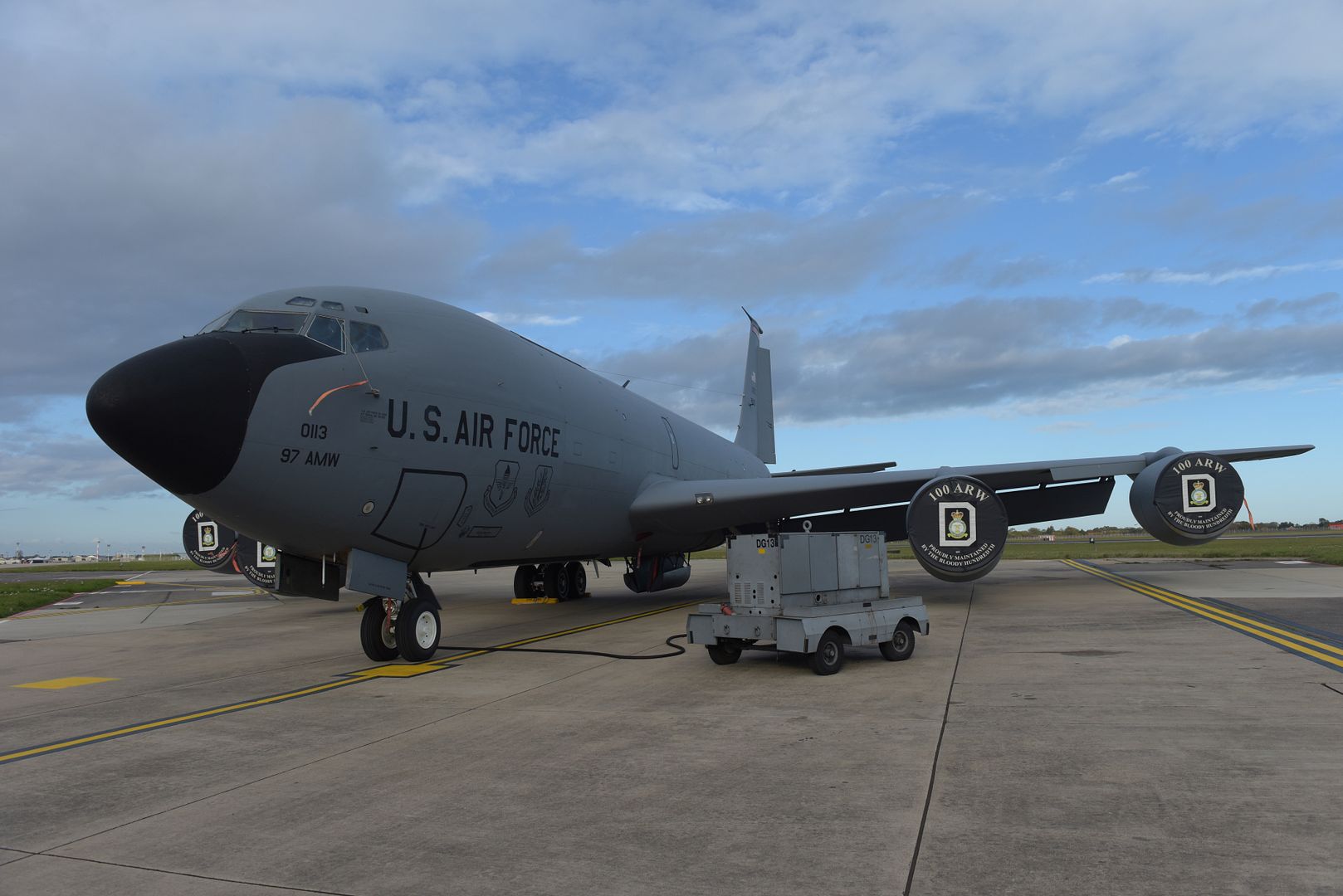
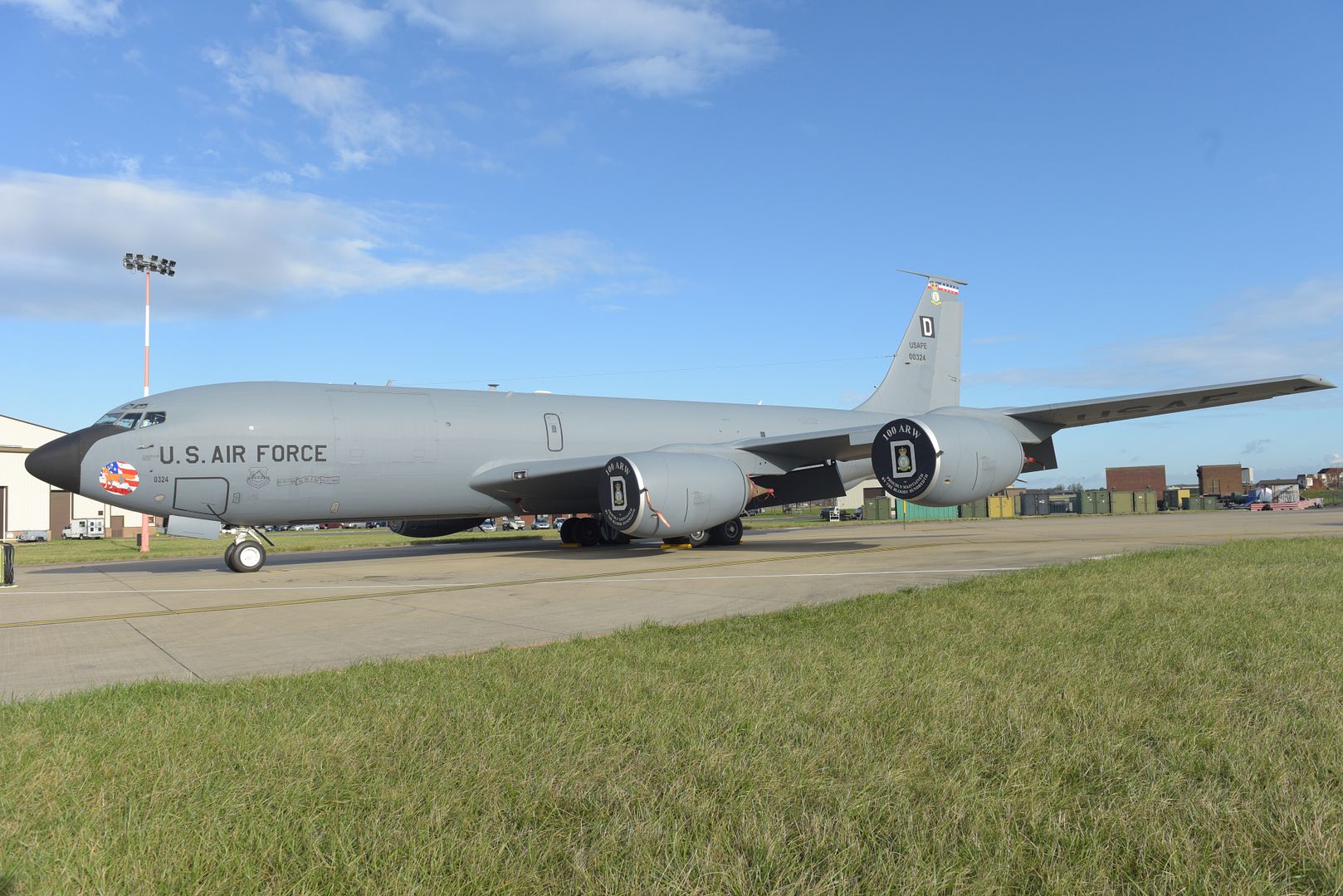
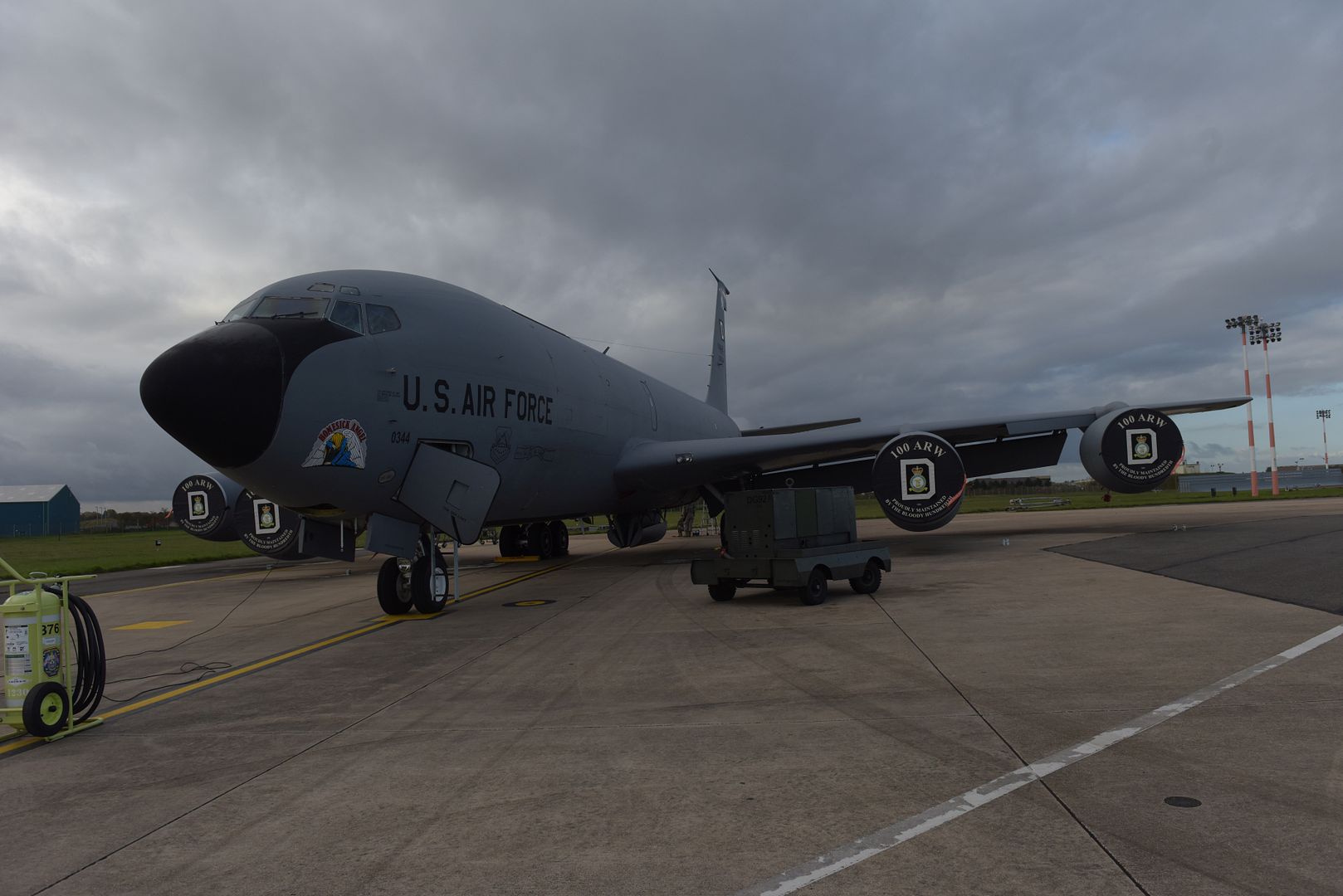
U.S. Air Force KC-135 Stratotankers assigned to the 100th Air Refueling Wing sit on the flight line at RAF Mildenhall, England, Oct. 26, 2018. The 100th Air Refueling Wing is RAF Mildenhall's current host wing and the only permanent U.S. air refueling wing in the European theater, activated here on February 1, 1992. The wing provides the critical air refueling "bridge" that allows the Expeditionary Air Force to deploy around the globe at a moment's notice. (U.S. Air Force photo's by Airman 1st Class Alexandria Lee )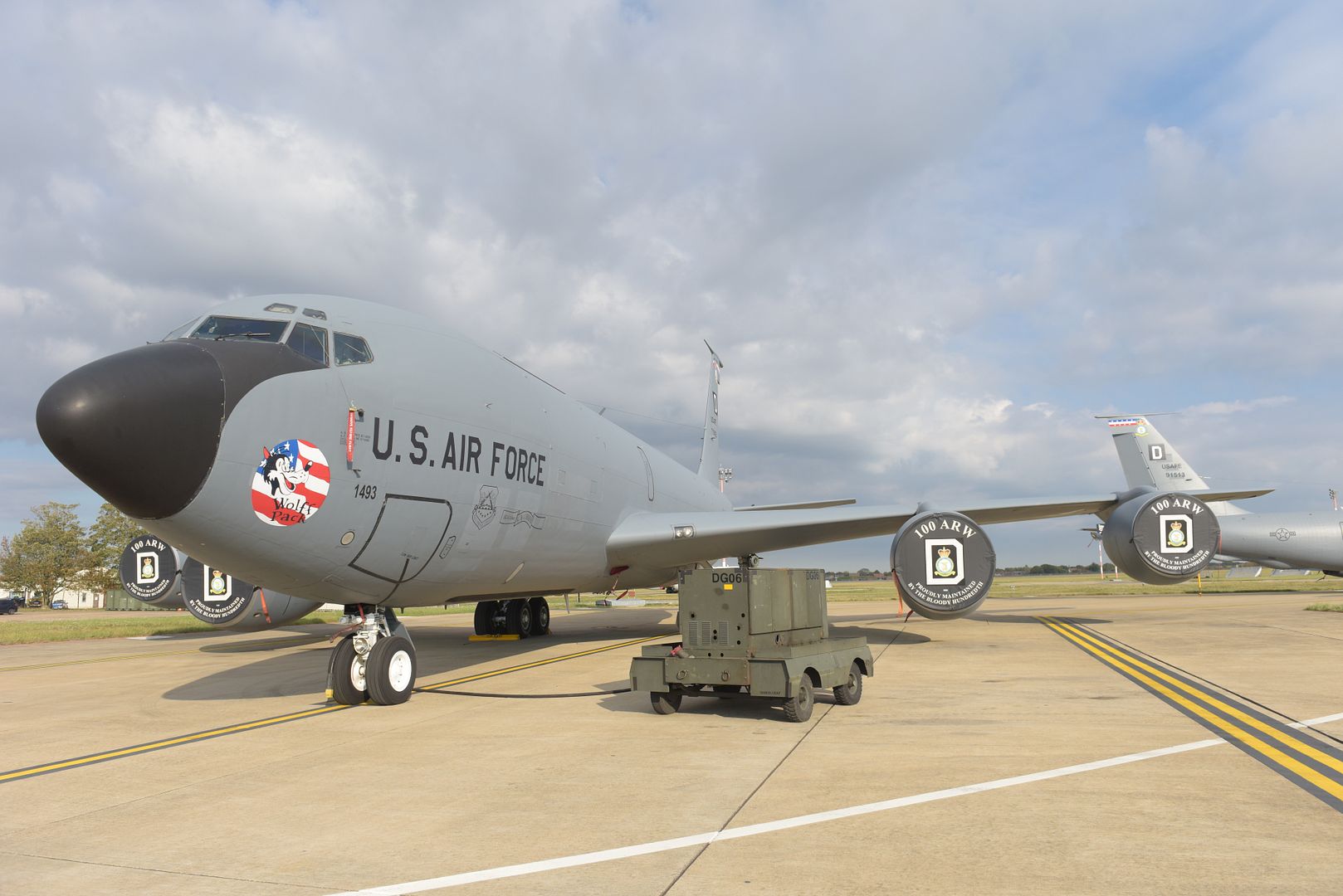
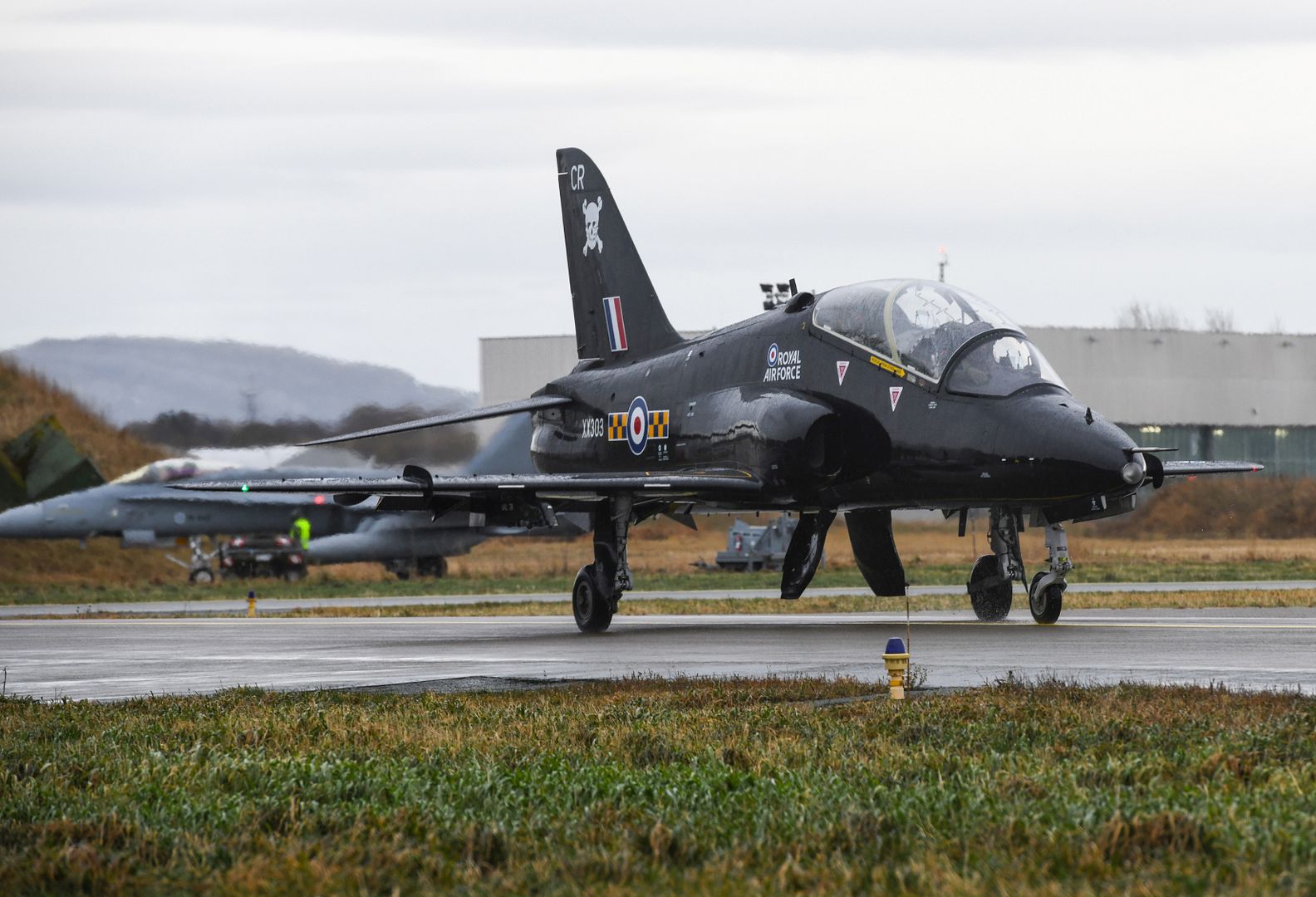
A United Kingdom Royal Air Force Hawk T1 aircraft takes off from Orland Air Station, Norway during exercise Trident Juncture 18 on Oct. 31, 2018. Trident Juncture is a multinational NATO exercise that enhances professional relationships and improves overall coordination with Allied and partner nations. (U.S. Air Force photo's by TSgt Brian Kimball)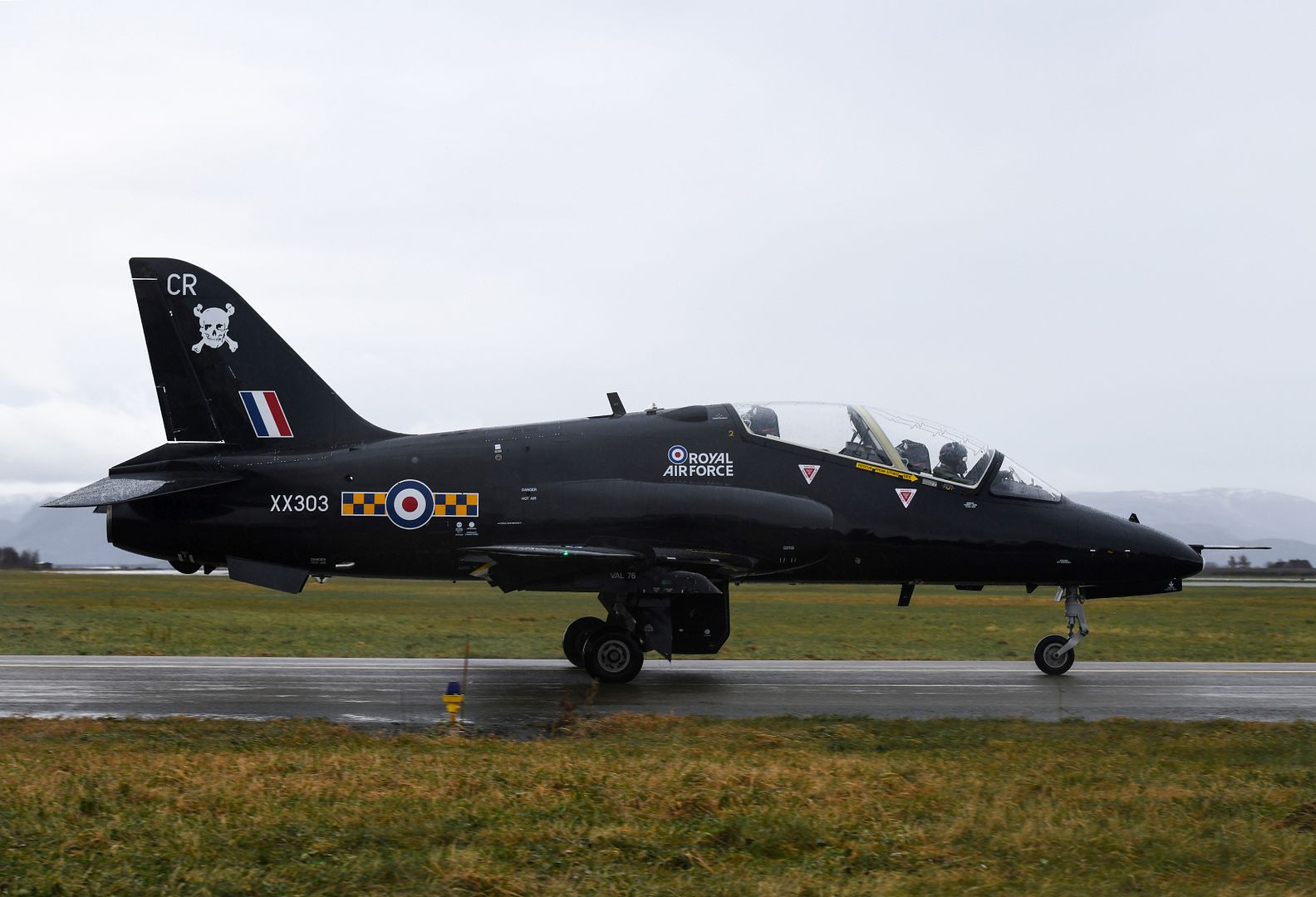
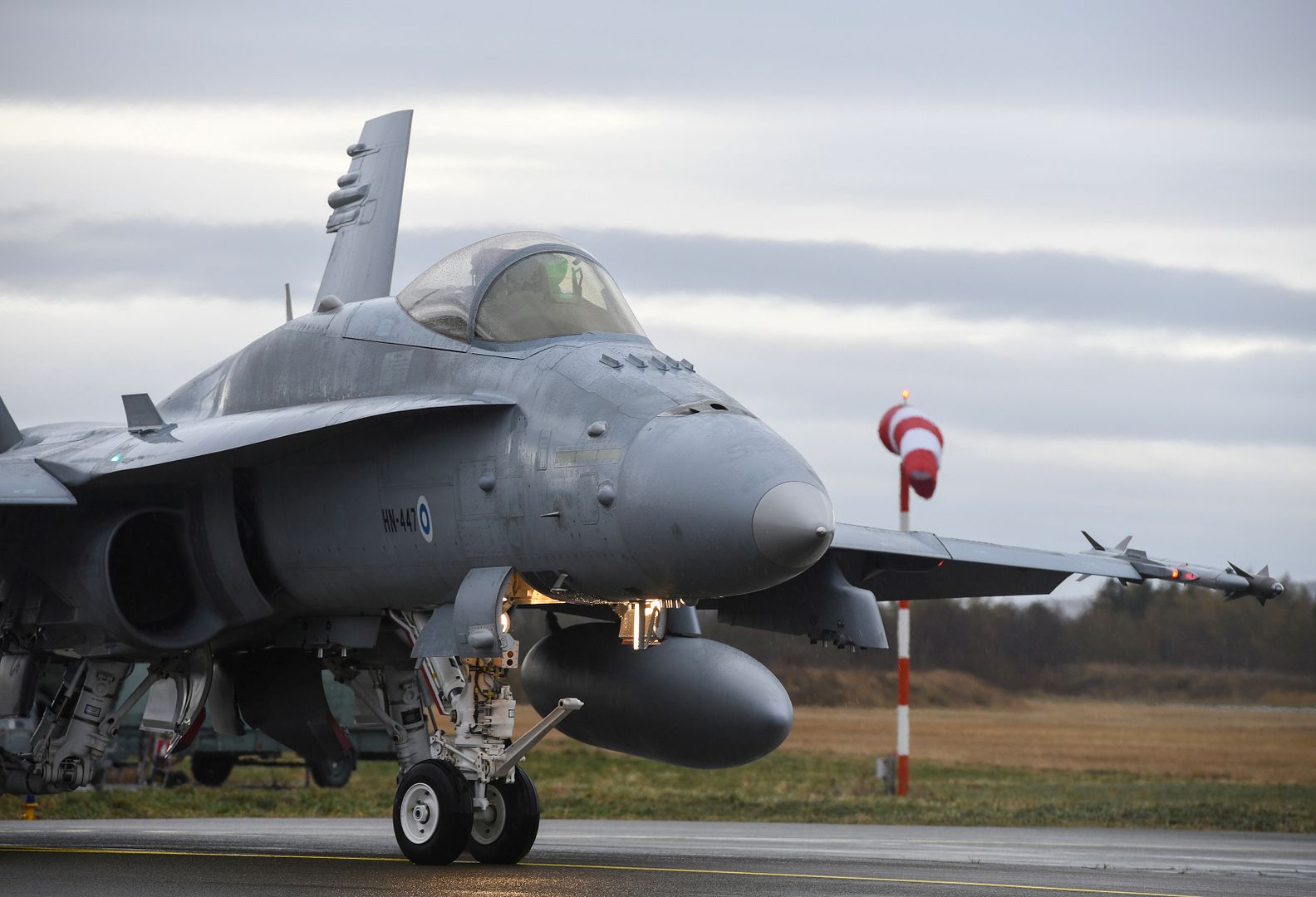
A Finnish Air Force F-18 aircraft takes off from Orland Air Station, Norway during exercise Trident Juncture 18 on Oct. 31, 2018. Trident Juncture is a multinational NATO exercise that enhances professional relationships and improves overall coordination with Allied and partner nations. (U.S. Air Force photo's by TSgt Brian Kimball)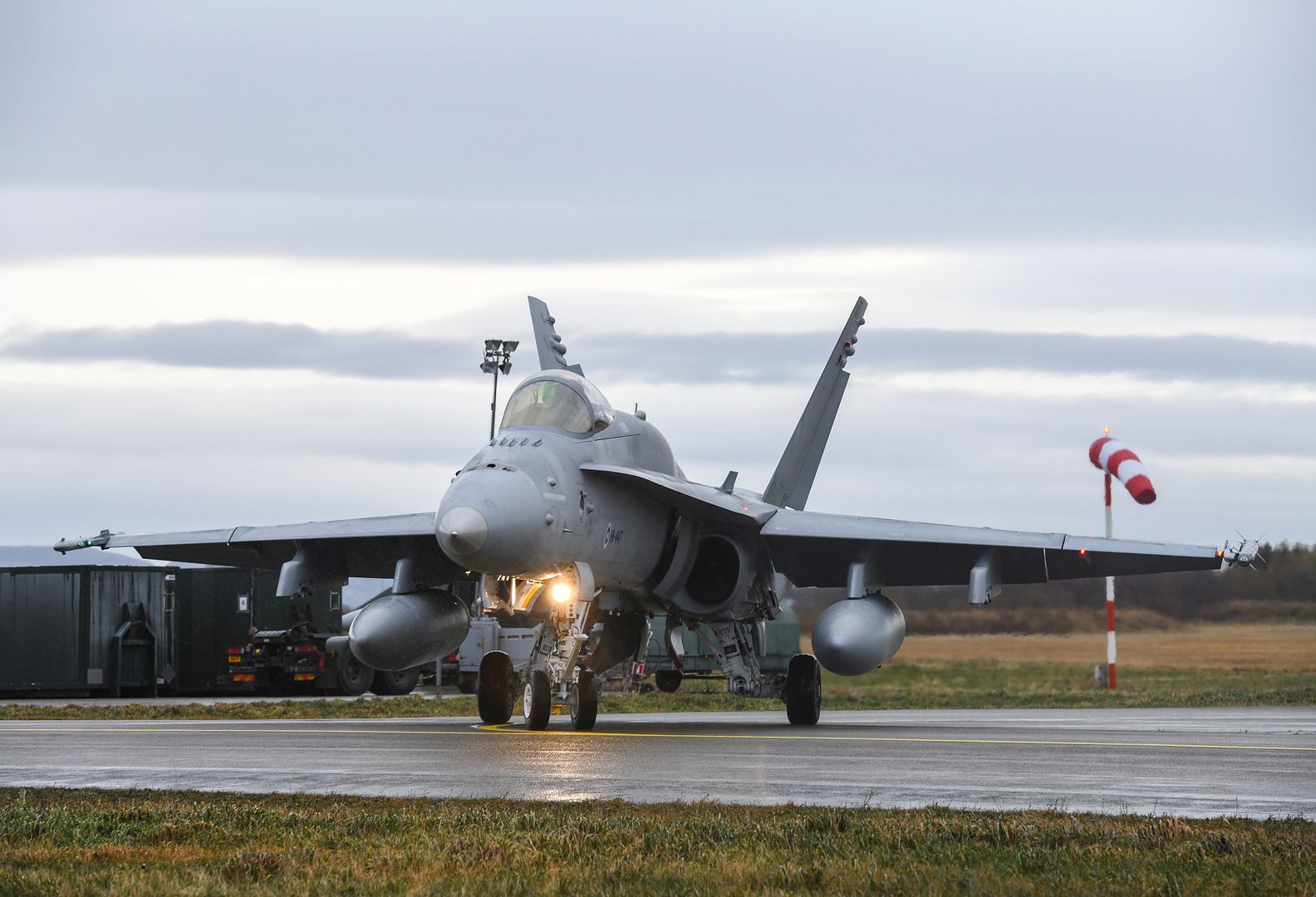
A Royal Netherlands Air Force KDC-10 mid air refuel aircraft is display for an audience of media at Orland Air Station, Norway during exercise Trident Juncture 18 on Oct. 31, 2018. Trident Juncture is a multinational NATO exercise that enhances professional relationships and improves overall coordination with Allied and partner nations. (U.S. Air Force photo by TSgt Brian Kimball)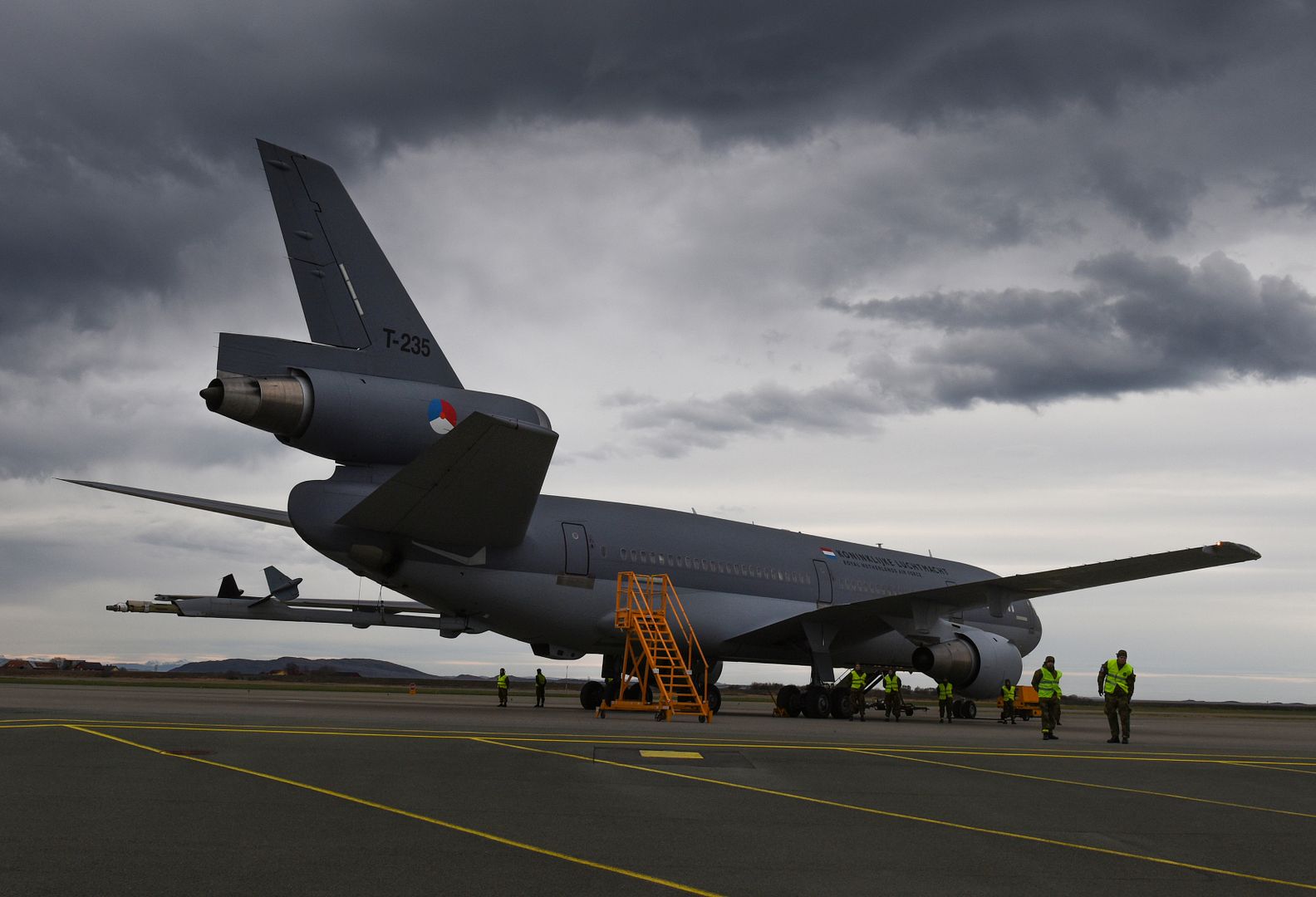
A Norwegian Air Force F-16 aircraft takes off from Orland Air Station, Norway during exercise Trident Juncture 18 on Oct. 31, 2018. Trident Juncture is a multinational NATO exercise that enhances professional relationships and improves overall coordination with Allied and partner nations. (U.S. Air Force photo by TSgt Brian Kimball)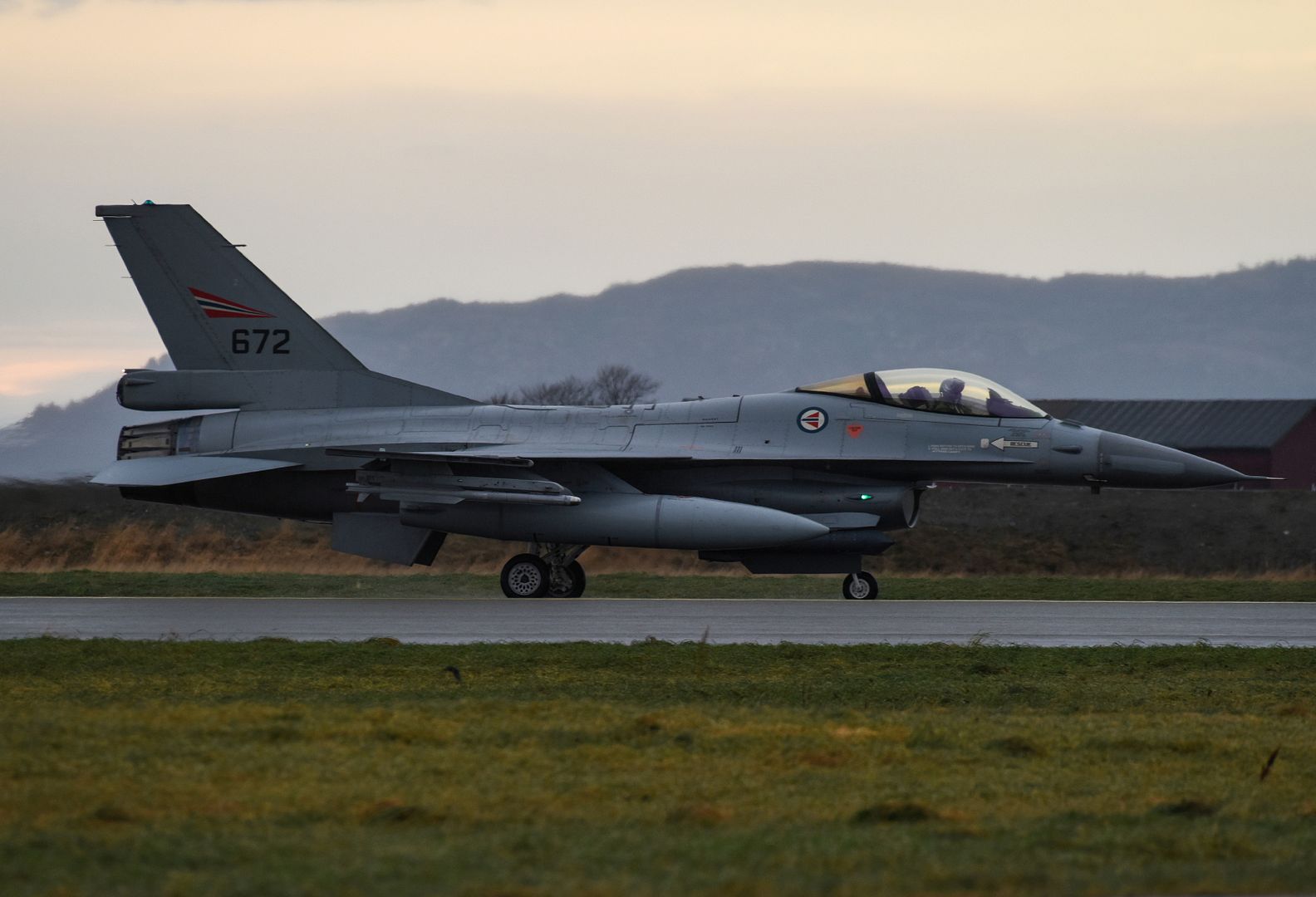
Two United Kingdom Royal Air Force Hawk T1 aircraft take off from Orland Air Station, Norway during exercise Trident Juncture 18 on Oct. 31, 2018. Trident Juncture is a multinational NATO exercise that enhances professional relationships and improves overall coordination with Allied and partner nations. (U.S. Air Force photo by TSgt Brian Kimball)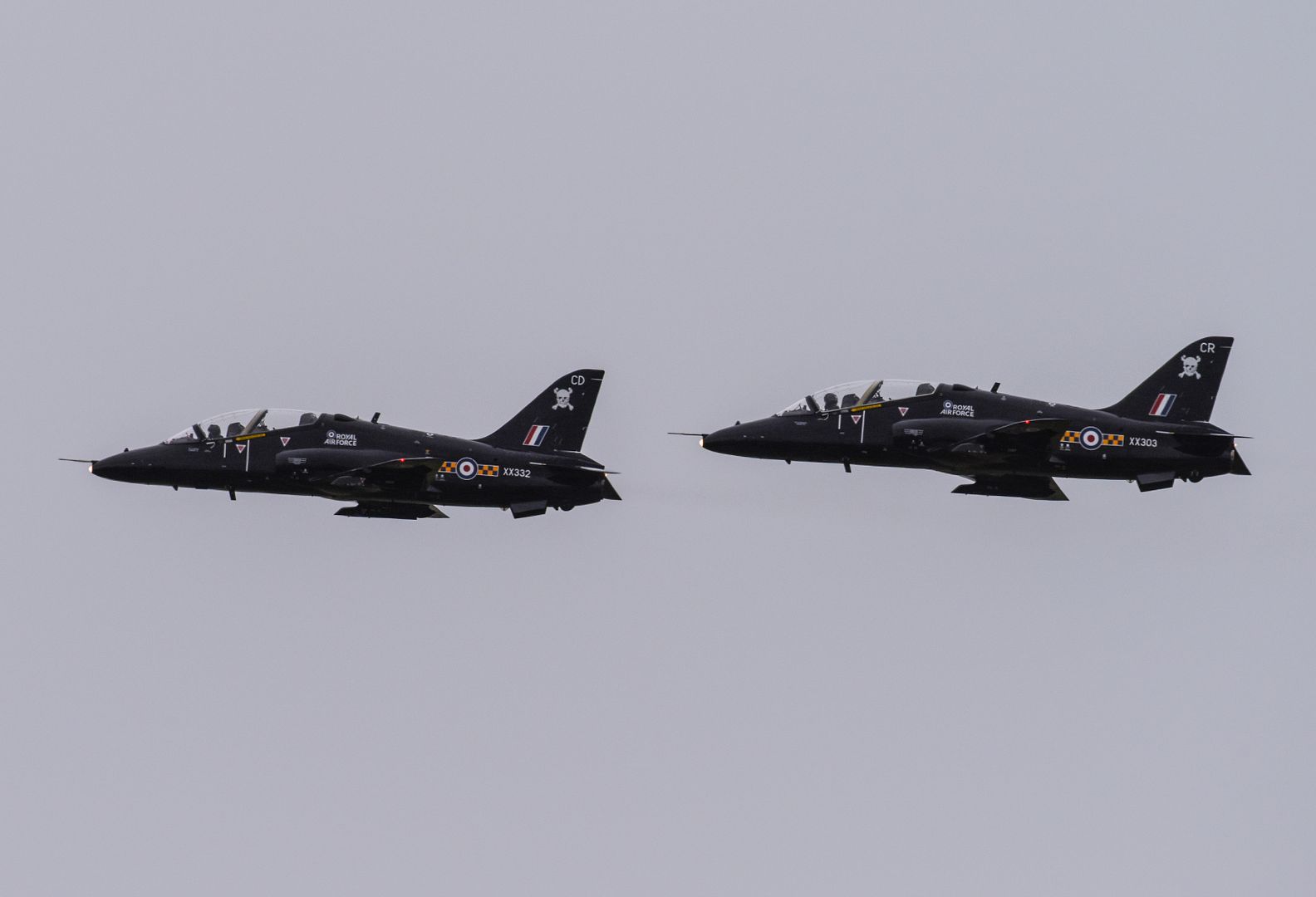
SAIPAN, Commonwealth of the Northern Mariana Islands (Oct. 31, 2018) - An Antonov An-124 is parked on the flight line in Saipan, Commonwealth of the Northern Mariana Islands, Oct. 31, to deliver needed disaster relief and recoveryy supplies to the island recently hit by Super Typhoon Yutu. Service members from Joint Region Marianas and Indo-Pacific Command are providing Department of Defense support to the CNMI?s civil and local officials as part of the FEMA-supported Super Typhoon Yutu recovery efforts. (U.S. Air Force photo by Senior Airman Donald Hudson)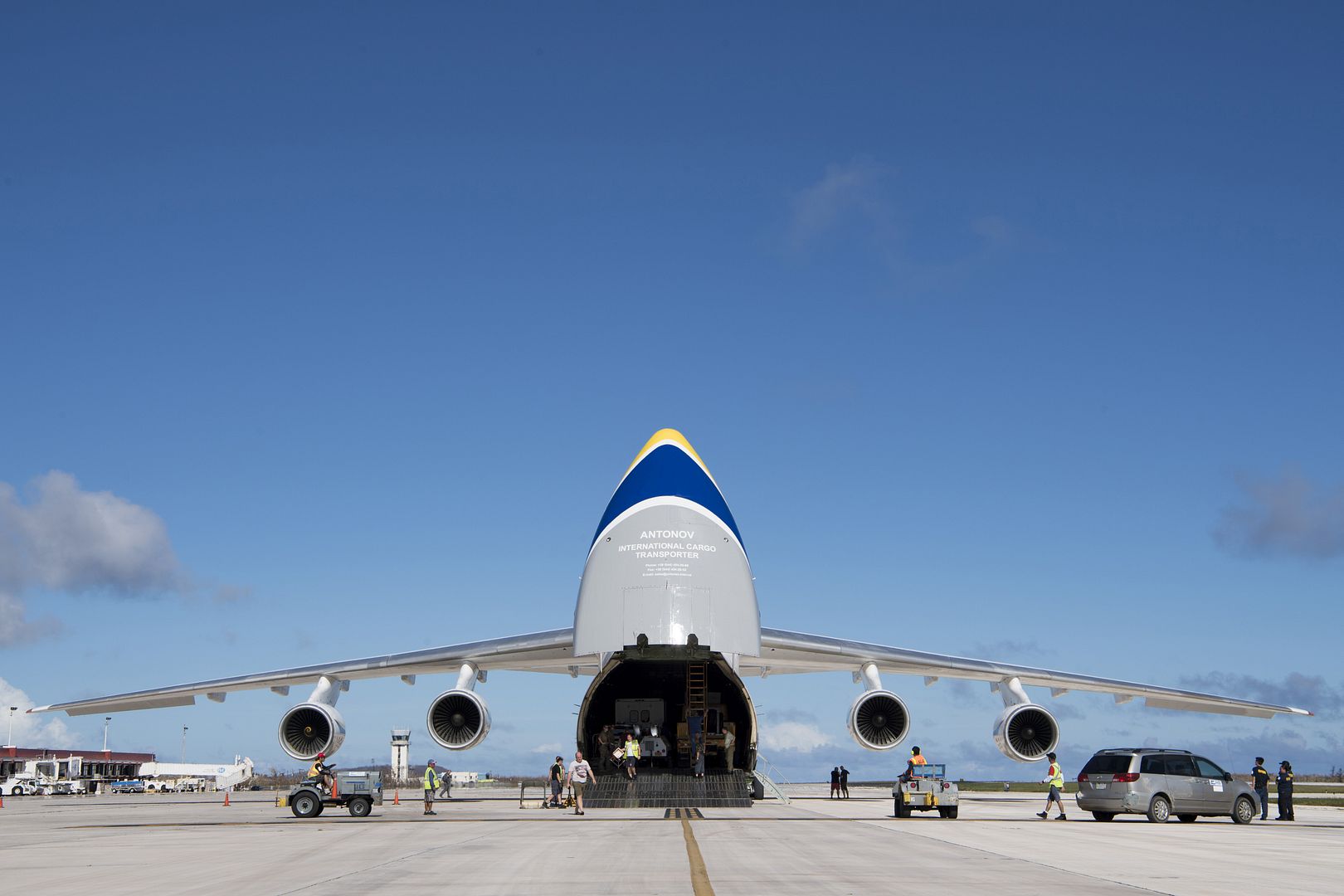
SAN DIEGO (Oct. 31, 2018) An M197 20mm gatling gun fires from an MH-60S Seahawk from Helicopter Sea Combat Squadron (HSC) 6 ?Indians? during Phoenix Fire 2018. Phoenix Fire is a small-scale littoral combat exercise conducted in Southern California by Helicopter Sea Combat Weapons School Pacific to enhance combat readiness through robust, realistic training while providing joint and combined partners the ability to work with multiple assets in a maritime and littoral environment. U.S. Navy photo by Mass Communication Specialist 2nd Class Patrick W. Menah Jr. (Released)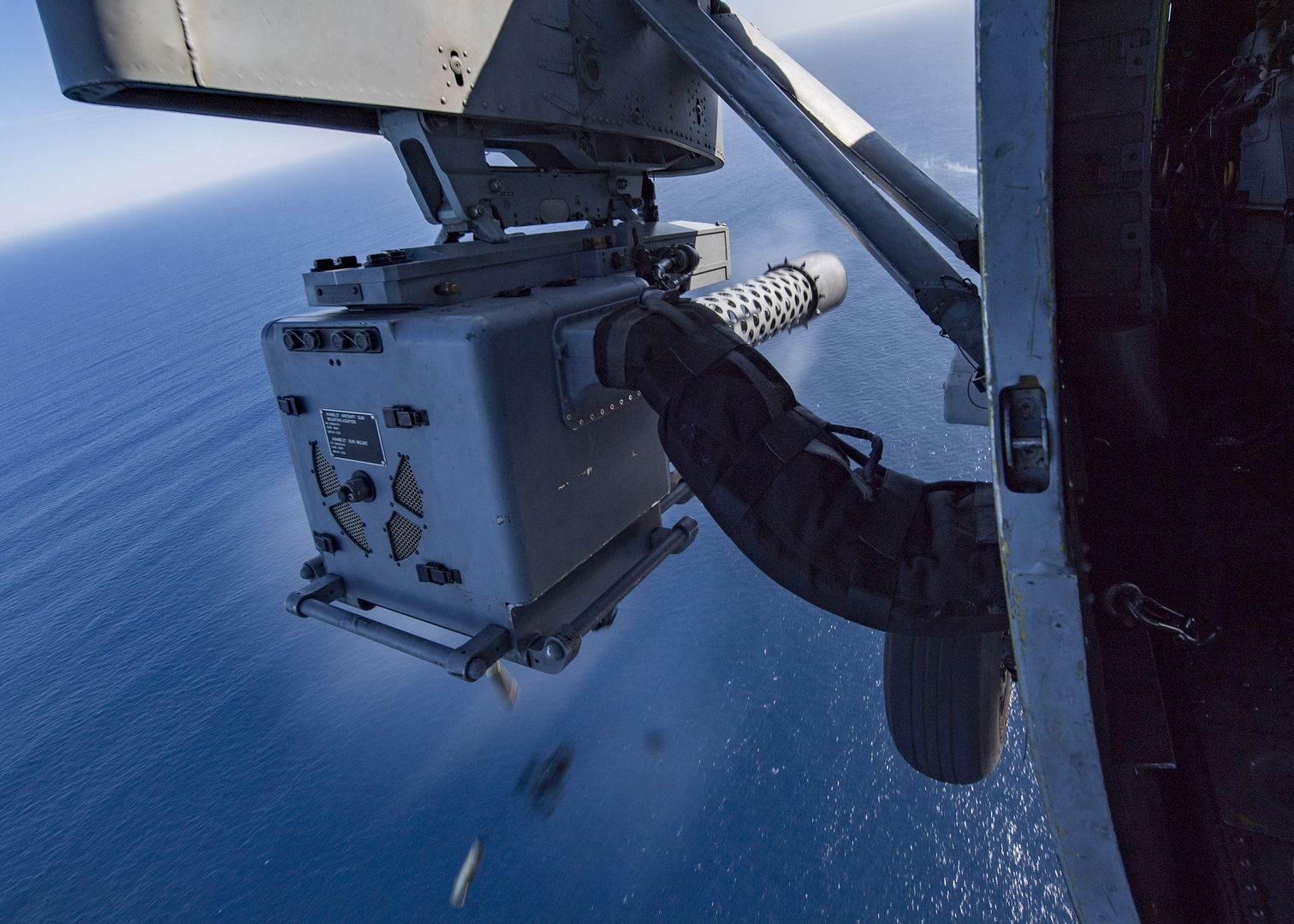
NORWEGIAN SEA (Oct. 31, 2018) A CH-53E Sea Stallion helicopter, attached to Marine Medium Tiltrotor Squadron (VMM) 365 (Reinforced), takes off from the Wasp-class amphibious assault ship USS Iwo Jima (LHD 7) during operations in the Alvund Fjord during Trident Juncture 2018, Oct. 31, 2018. Trident Juncture 2018 is a NATO-led exercise designed to certify NATO response forces and develop interoperability among participating NATO Allies and partner nations. (U.S. Navy photo by Chief Mass Communication Specialist David Holmes/Released)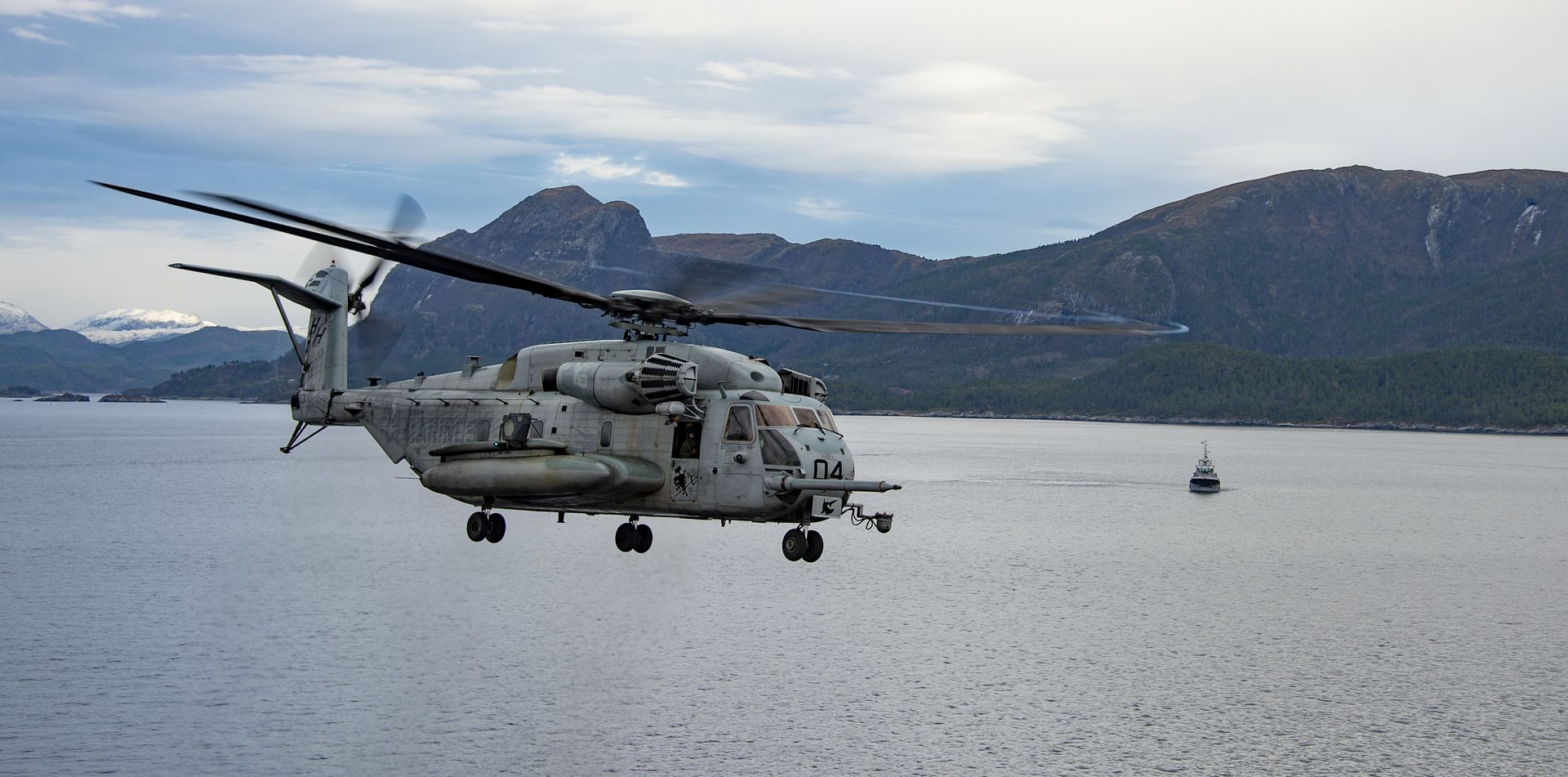
An F-35A Lightning II lands on a runway at Luke Air Force Base, Ariz., Oct. 31, 2018. The mission of the 56th Fighter Wing is to train the world?s greatest fighter pilots and combat ready Airmen. (U.S. Air Force photo by Staff Sgt. Franklin R. Ramos)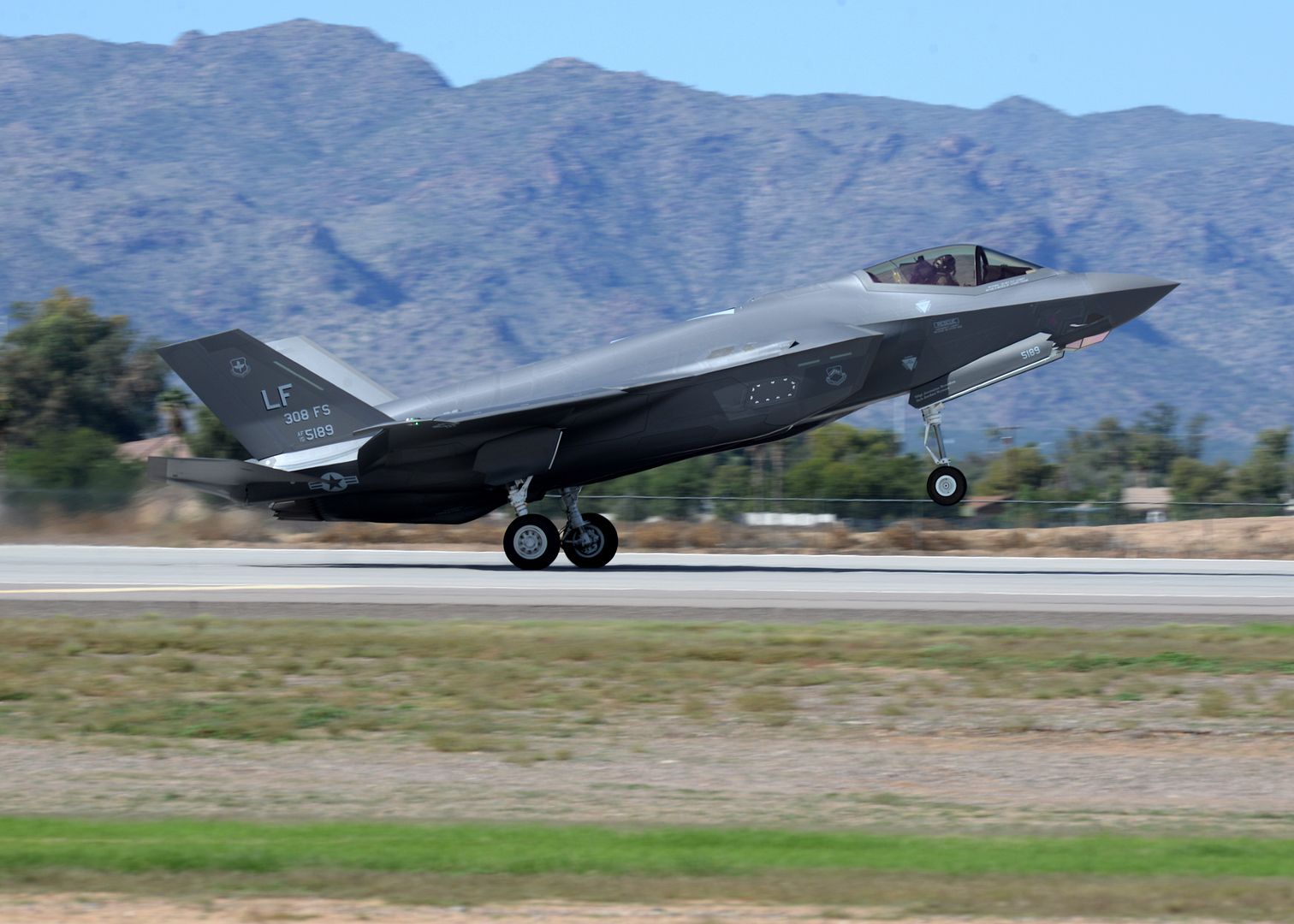
Two F-16 Fighting Falcon fighter aircraft begin to take off from Luke Air Force Base, Ariz., Oct. 31, 2018. Luke began training F-16 pilots in 1983, training more than 20,000 pilots to date. (U.S. Air Force photo by Staff Sgt. Franklin R. Ramos)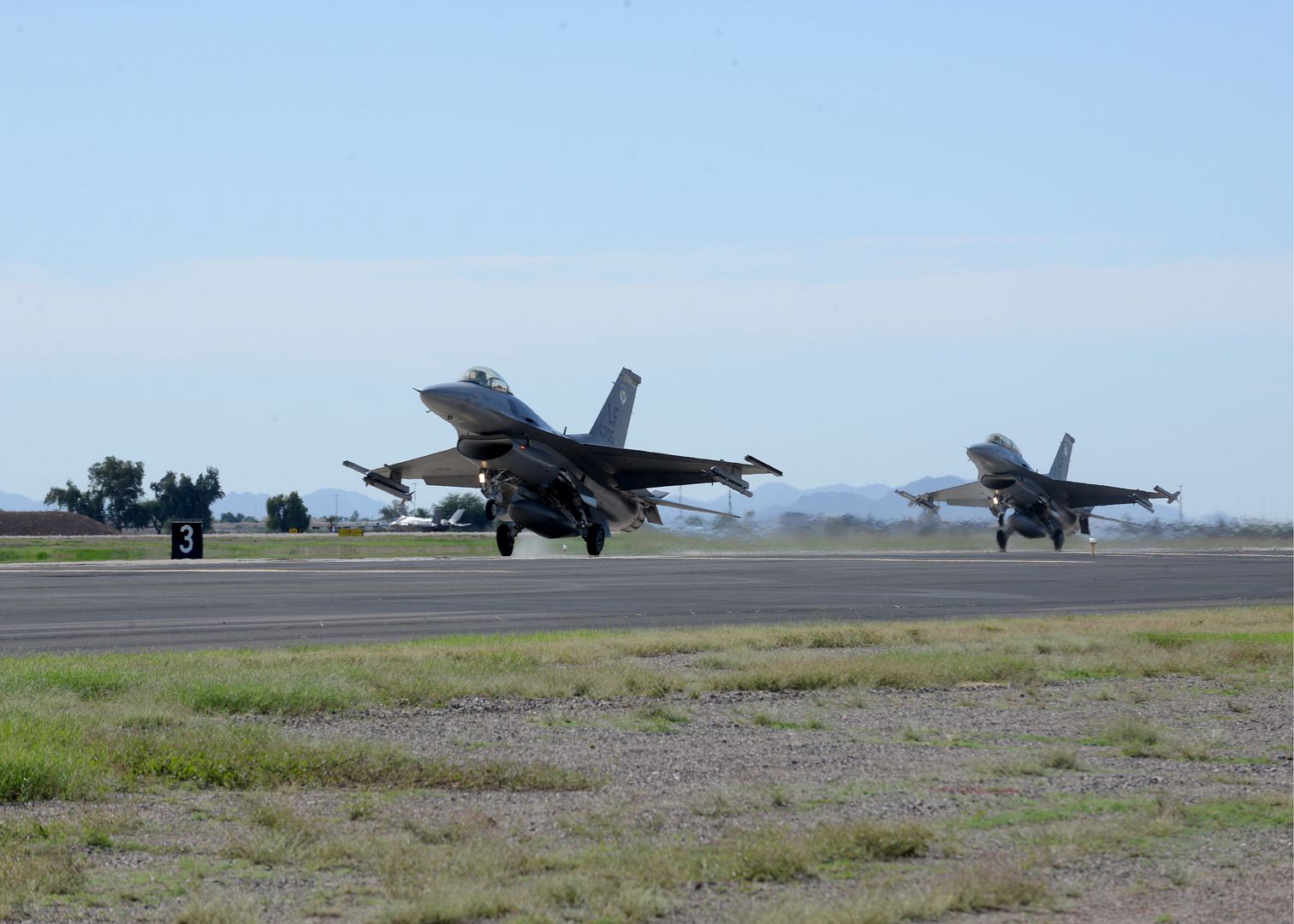
A Norwegian F-35 Lightning II takes off from Luke Air Force Base, Ariz., Oct. 31, 2018. Norway is one of various partner nations training their F-35A pilots at the 56th Fighter Wing. (U.S. Air Force photo by Staff Sgt. Franklin R. Ramos)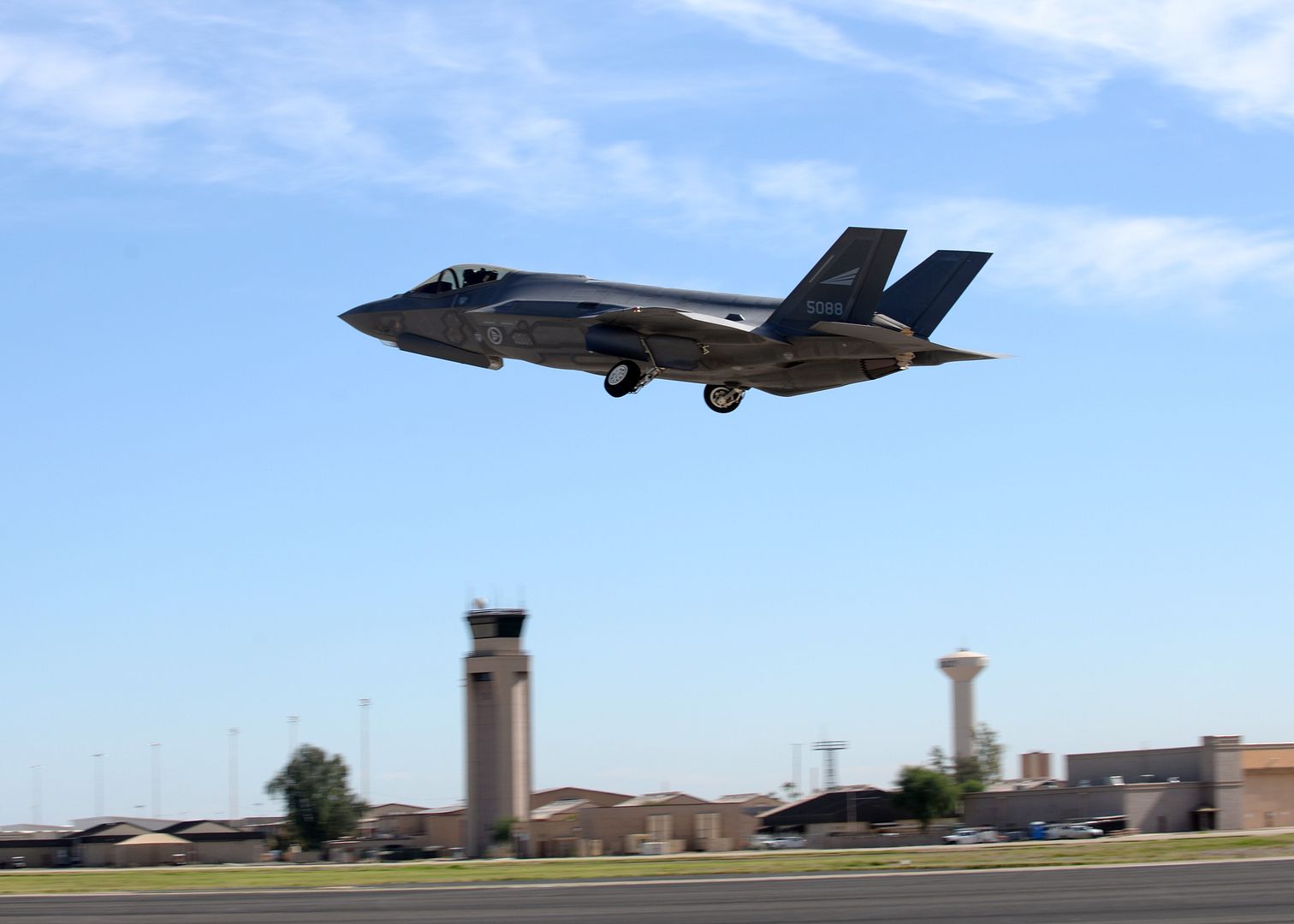
An F-35A Lightning II flies over Luke Air Force Base, Ariz., Oct. 31, 2018. The 56th Fighter Wing is responsible for the majority of the U.S. Air Force?s F-35A pilot training and all partner nation F-35A training. (U.S. Air Force photo by Staff Sgt. Franklin R. Ramos)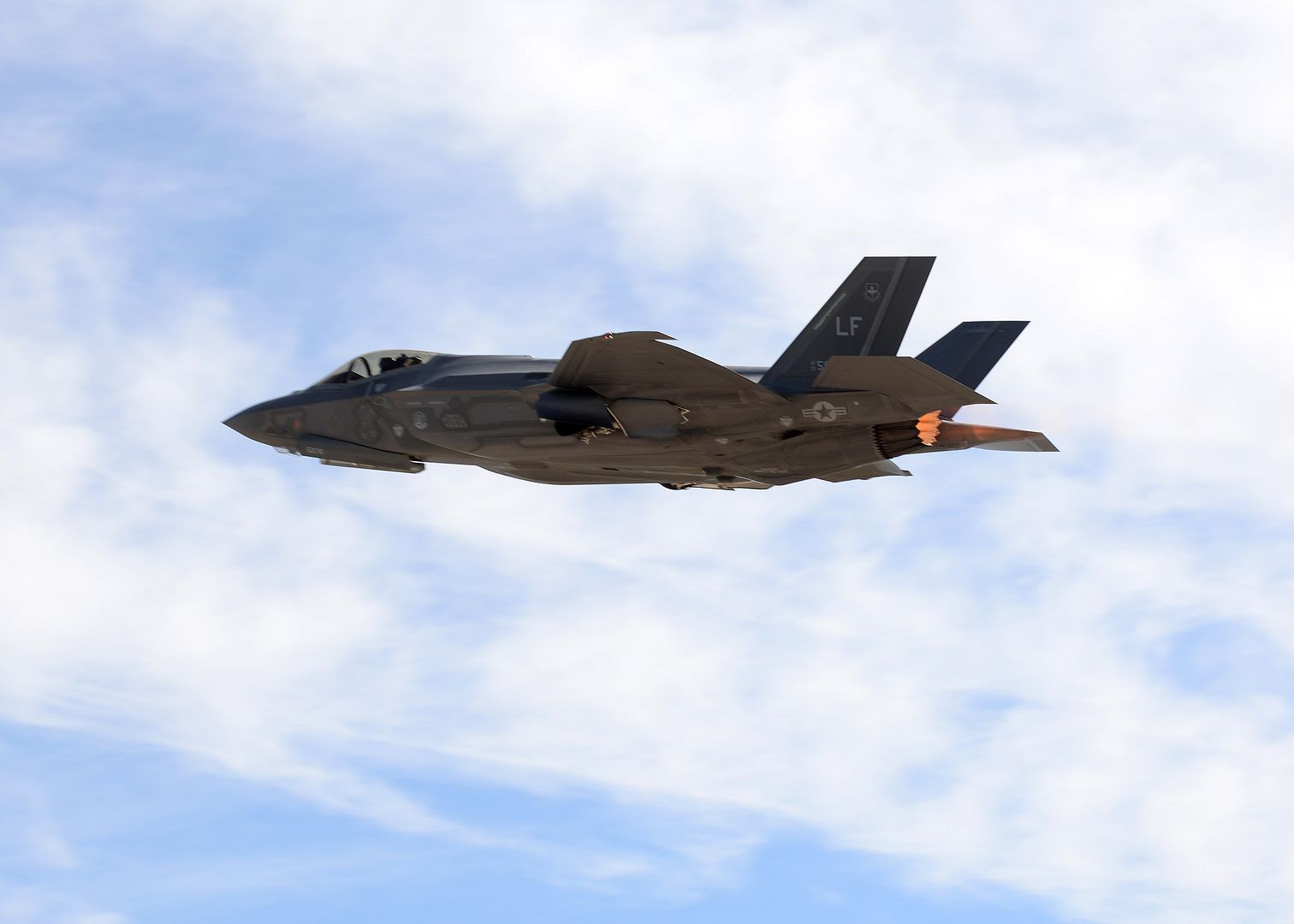
An F-35A Lightning II takes off at Luke Air Force Base, Ariz., Oct. 31, 2018. The 56th Fighter Wing is responsible for the majority of the U.S. Air Force?s F-35A pilot training and all partner nation F-35A training. (U.S. Air Force photo by Staff Sgt. Franklin R. Ramos)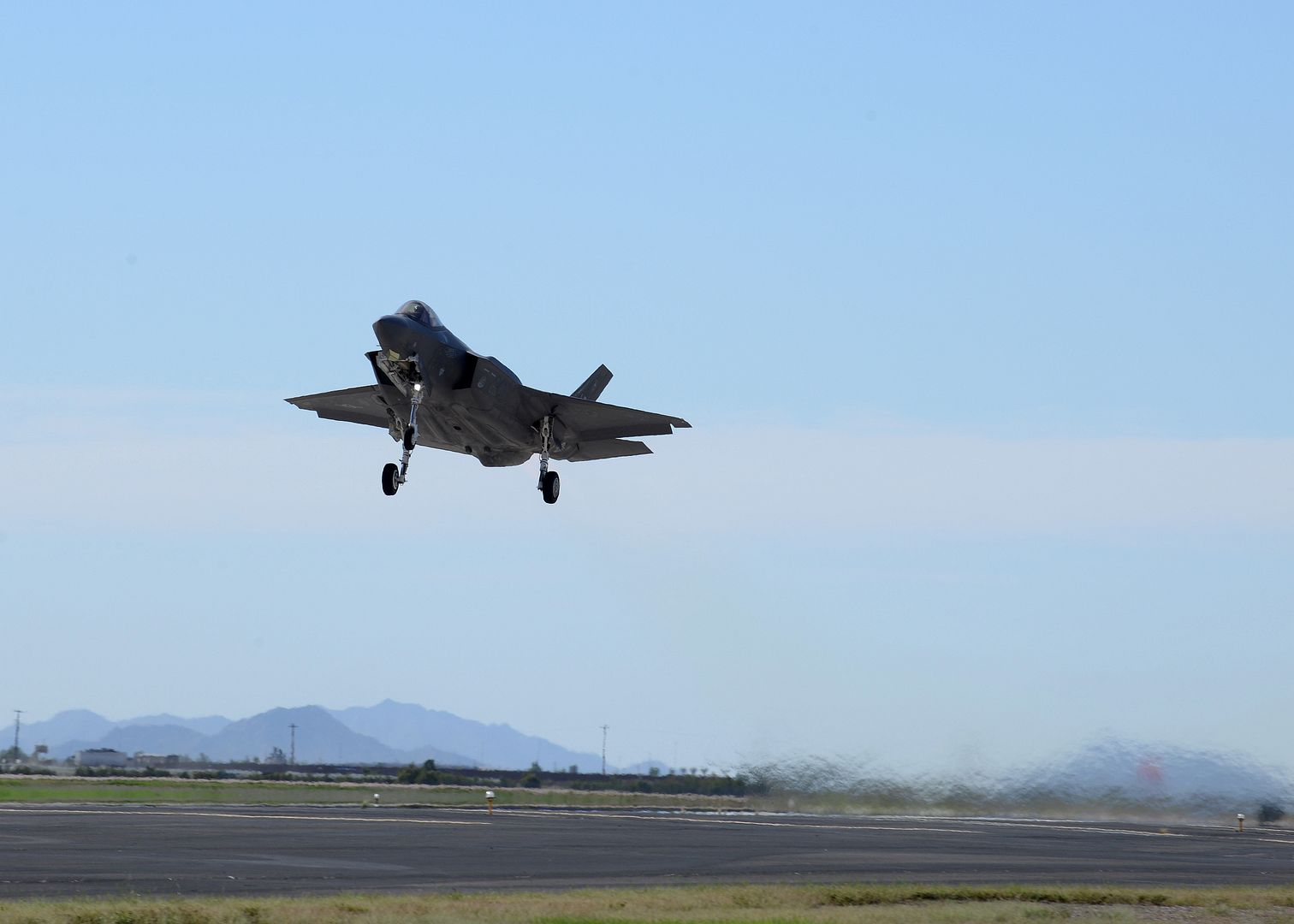
NORWEGIAN SEA (Oct. 31, 2018) An MV-22B Osprey, attached to Marine Medium Tiltrotor Squadron (VMM) 365 (Reinforced), takes off from the Wasp-class amphibious assault ship USS Iwo Jima (LHD 7) while conducting operations in the Alvund Fjord during Trident Juncture 2018, Oct. 31, 2018. Trident Juncture 2018 is a NATO-led exercise designed to certify NATO response forces and develop interoperability among participating NATO Allies and partner nations. (U.S. Navy photo by Chief Mass Communication Specialist David Holmes/Released)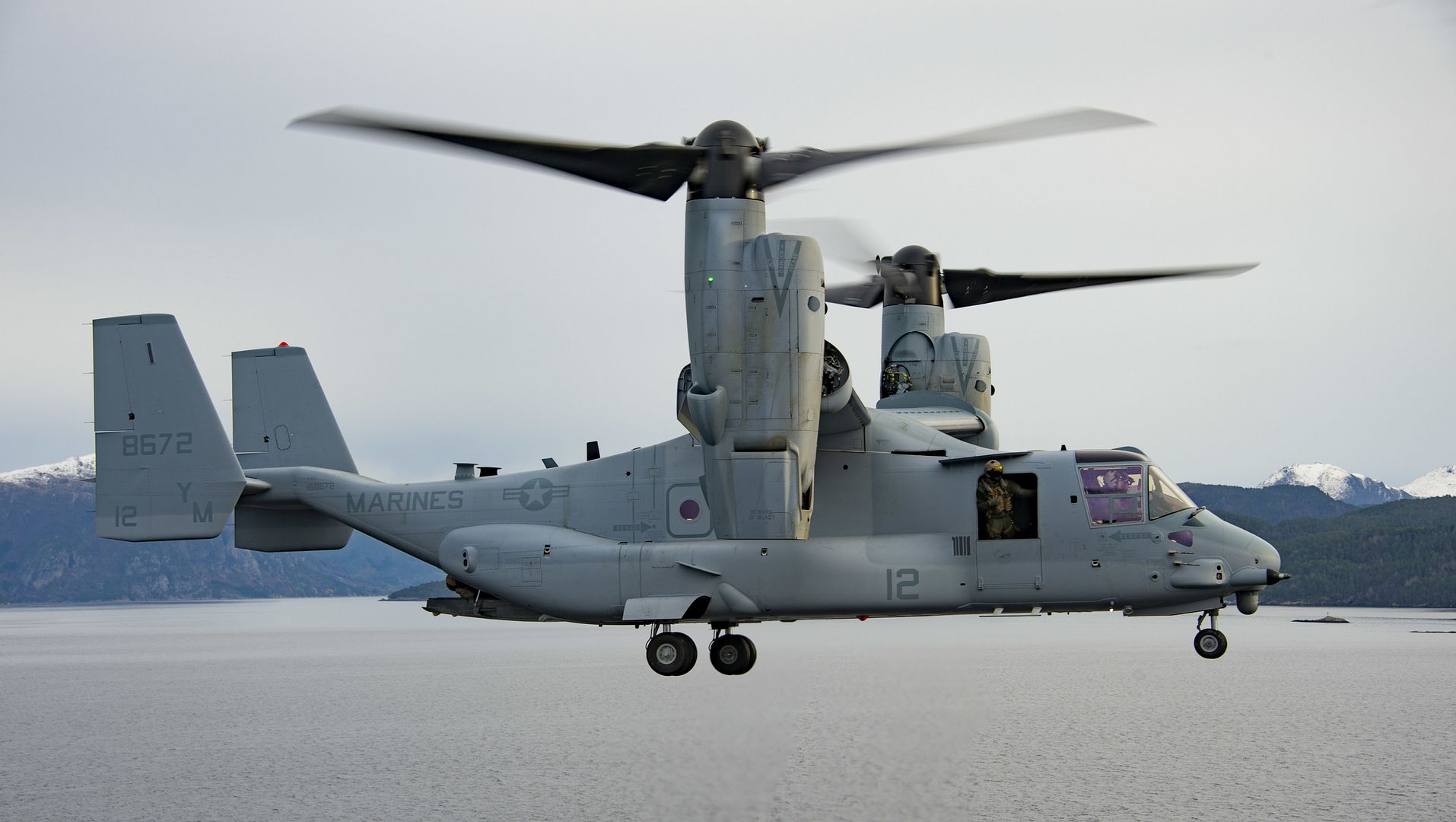
NORWEGIAN SEA (Oct. 31, 2018) MV-22B Ospreys, attached to Marine Medium Tiltrotor Squadron (VMM) 365 (Reinforced), approach the Wasp-class amphibious assault ship USS Iwo Jima (LHD 7) while conducting operations in the Alvund Fjord during Trident Juncture 2018, Oct. 31, 2018. Trident Juncture 2018 is a NATO-led exercise designed to certify NATO response forces and develop interoperability among participating NATO Allies and partner nations. (U.S. Navy photo by Chief Mass Communication Specialist David Holmes/Released)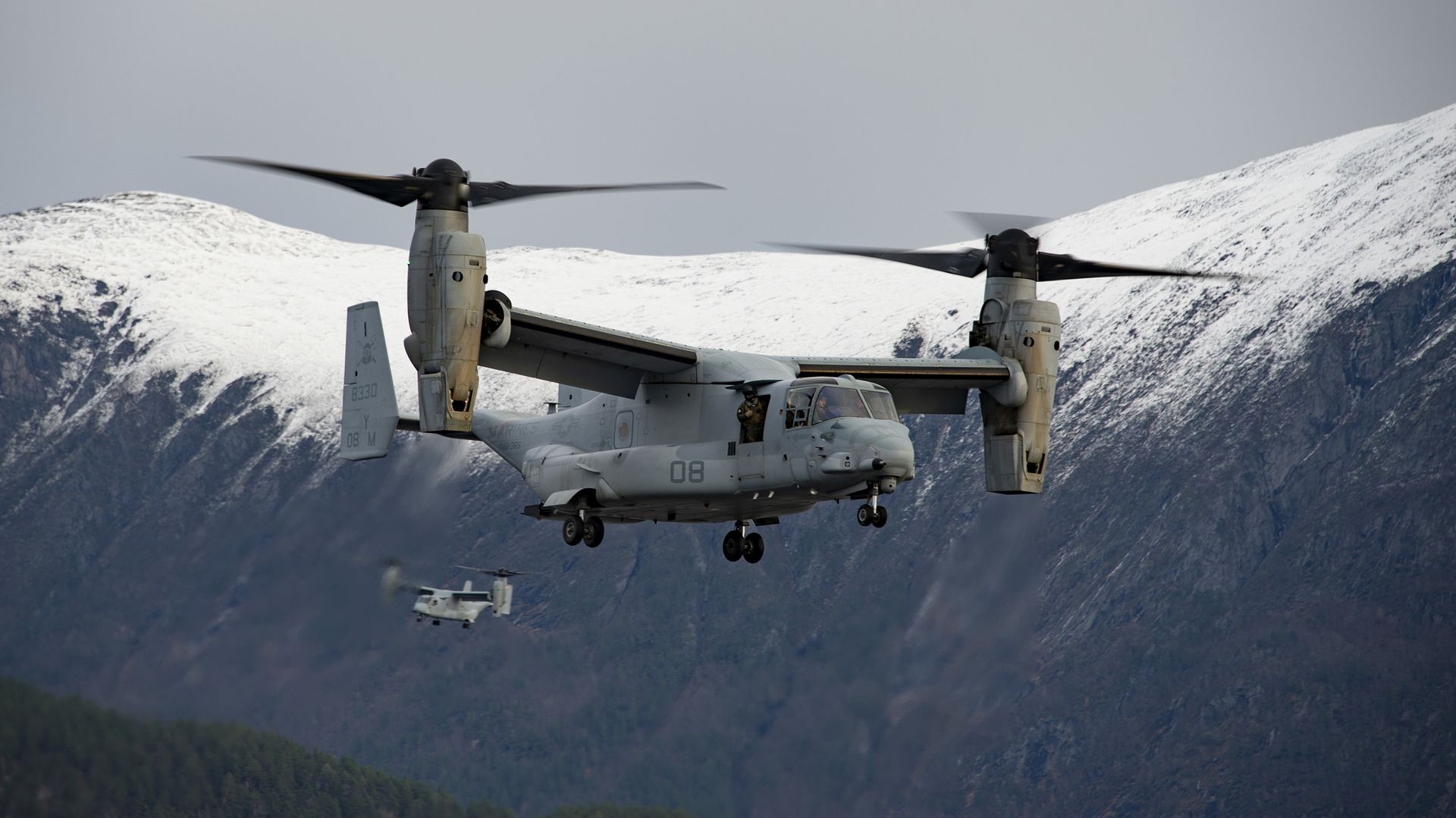
VIRGINIA BEACH, Va. (Oct. 31, 2018) An F/A-18E Super Hornet assigned to the Strike Fighter Squadron (VFA) 131 "Wildcats", taxis across the runway at Naval Air Station Oceana. The Wildcats are part of Carrier Air Wing Three (CVW-3), which is attached to Carrier Strike Group Ten (CSG-10), also known as the Eisenhower Carrier Strike Group. (U.S. Navy photo by Mass Communication Specialist 3rd Class Nathan T. Beard)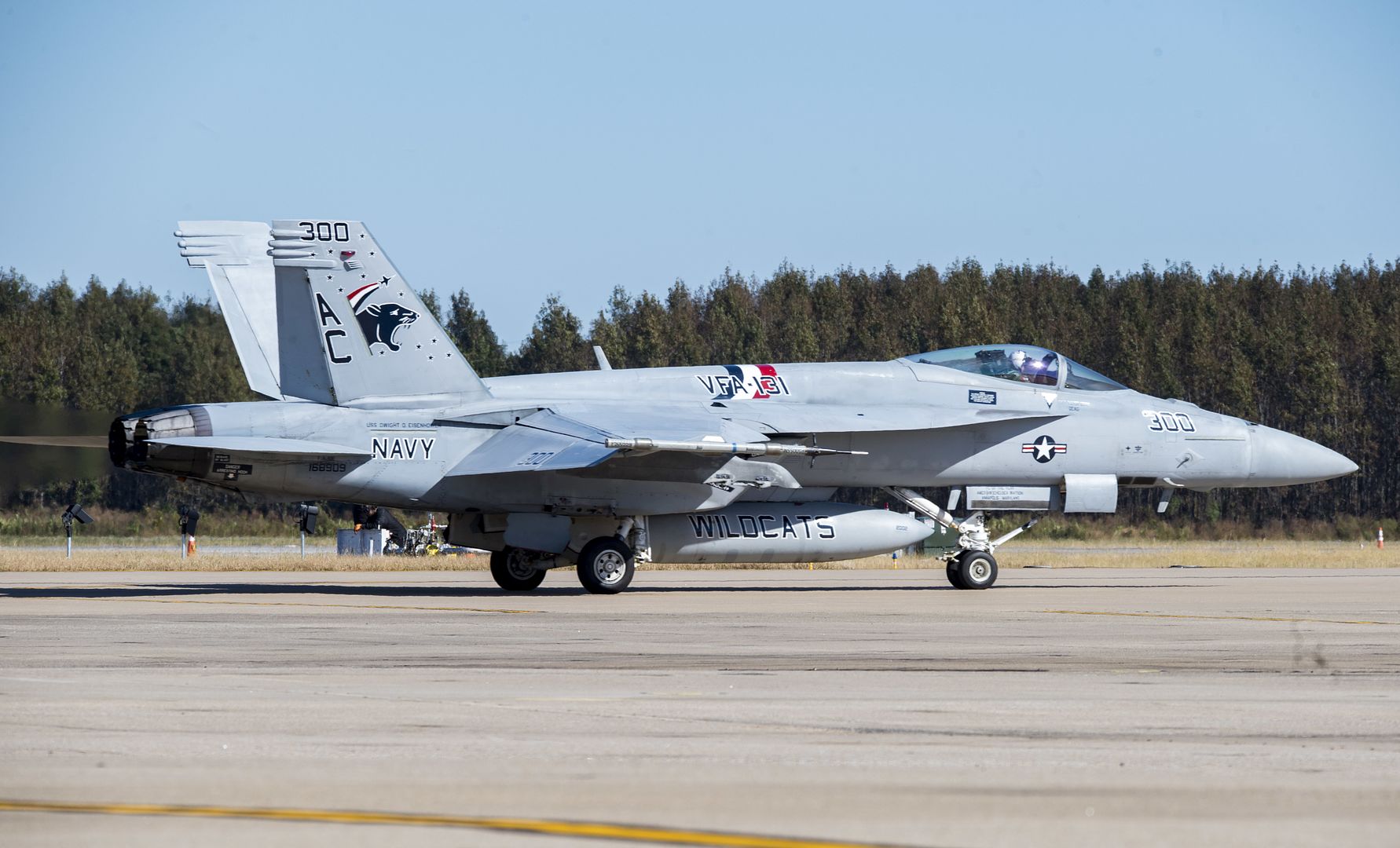
An Italian Air Force Eurofighter Tyhoon aircraft takes off over Bodo, Norway on October 26, 2018 during Exercise TRIDENT JUNCTURE 2018.
Image by: Corporal Bryan Carter, 4 Wing Imaging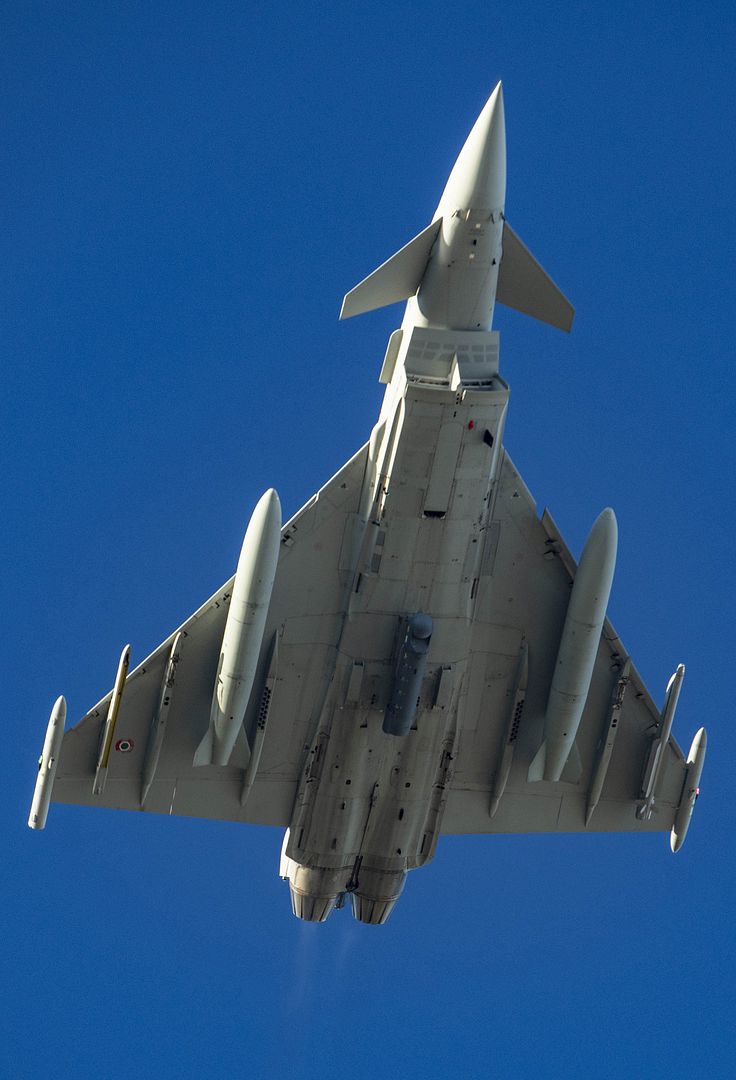
A Swedish JAS 39 Gripen arrives to Bobo, Norway during exercise Trident Juncture 18 on Oct 22, 2018. Trident Juncture is a multinational NATO exercise that enhances professional relationships and improves overall coordination with Allied and partner nations. (photo's by Louise Levin/F?rsvarsmakten)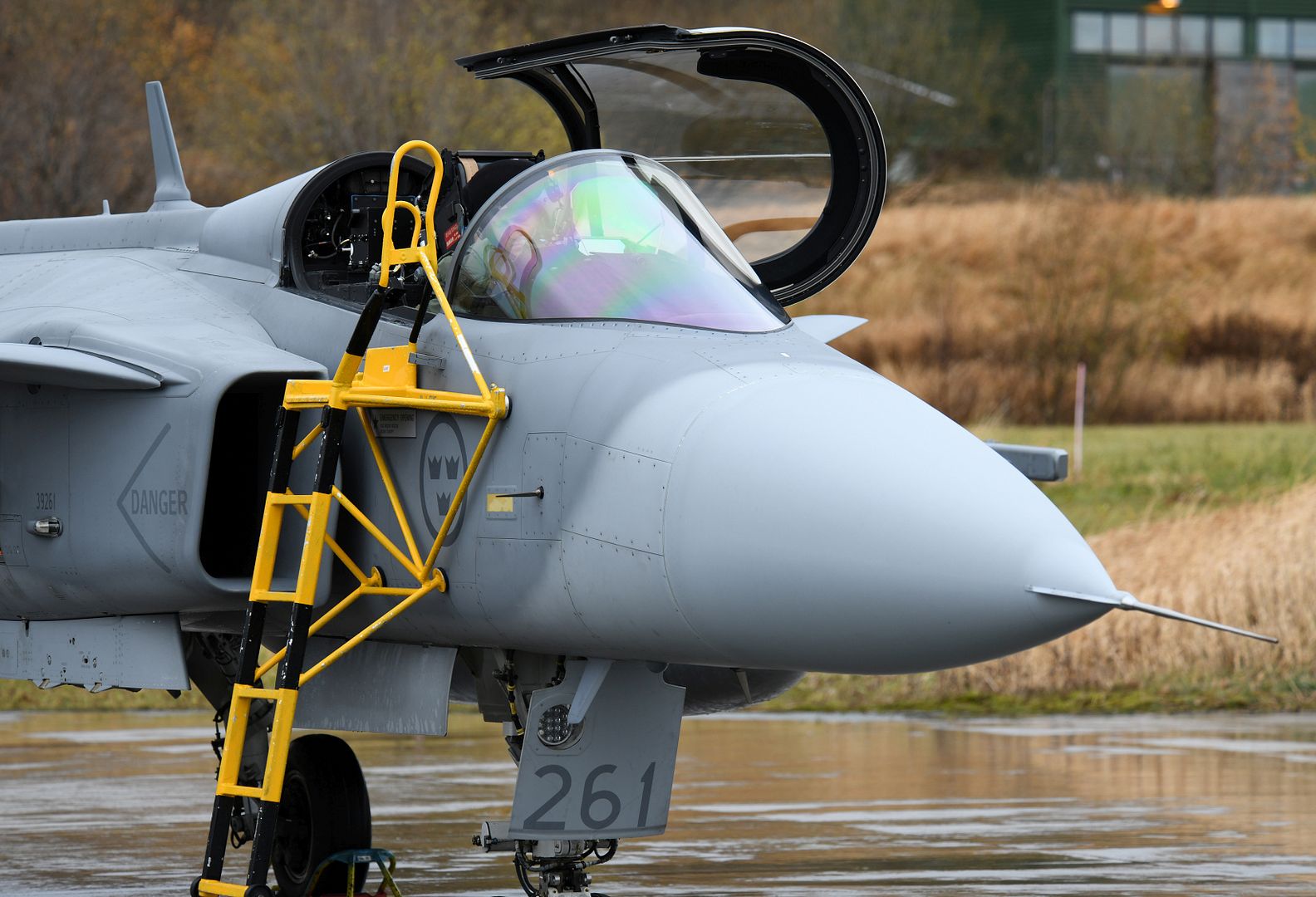
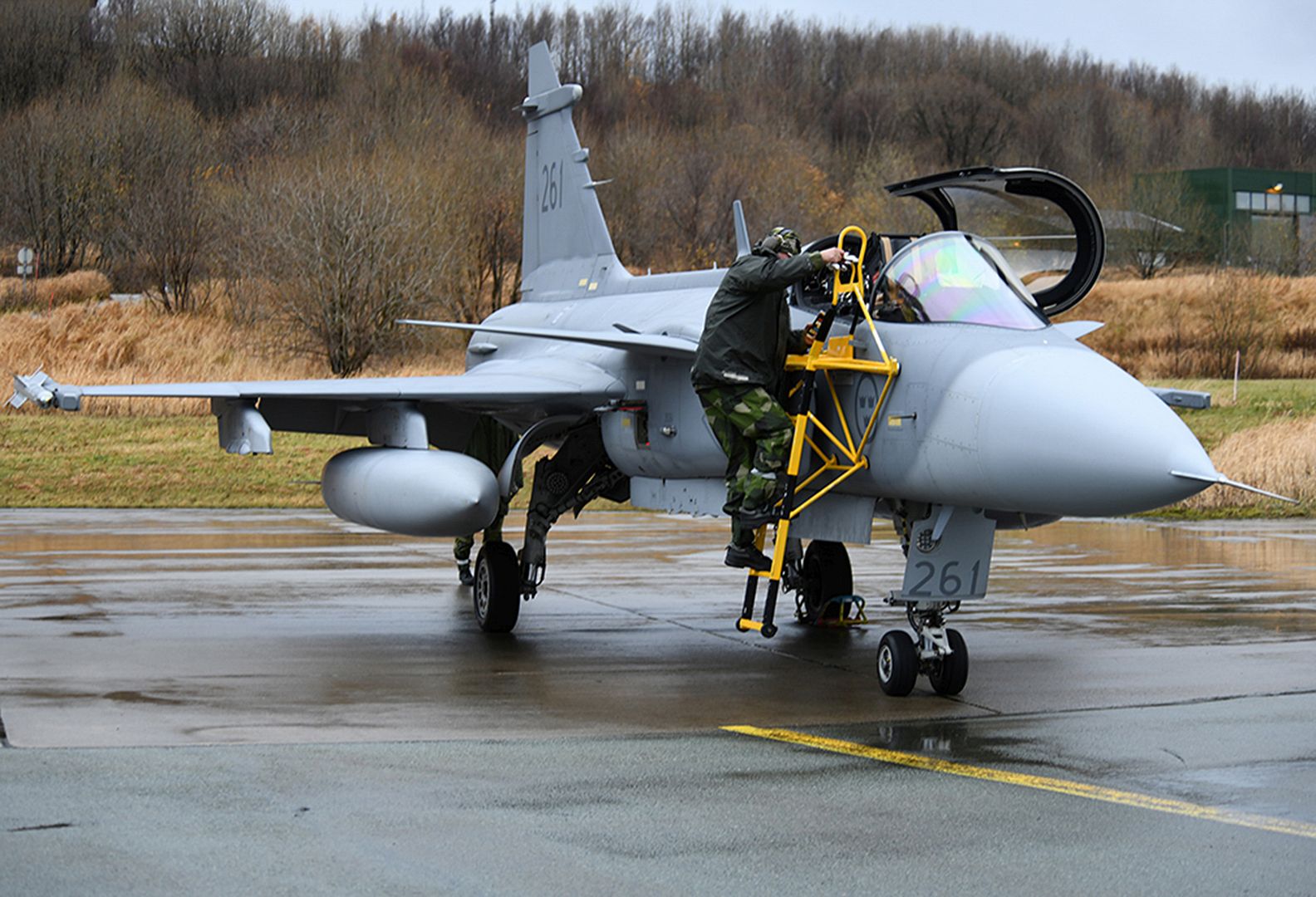
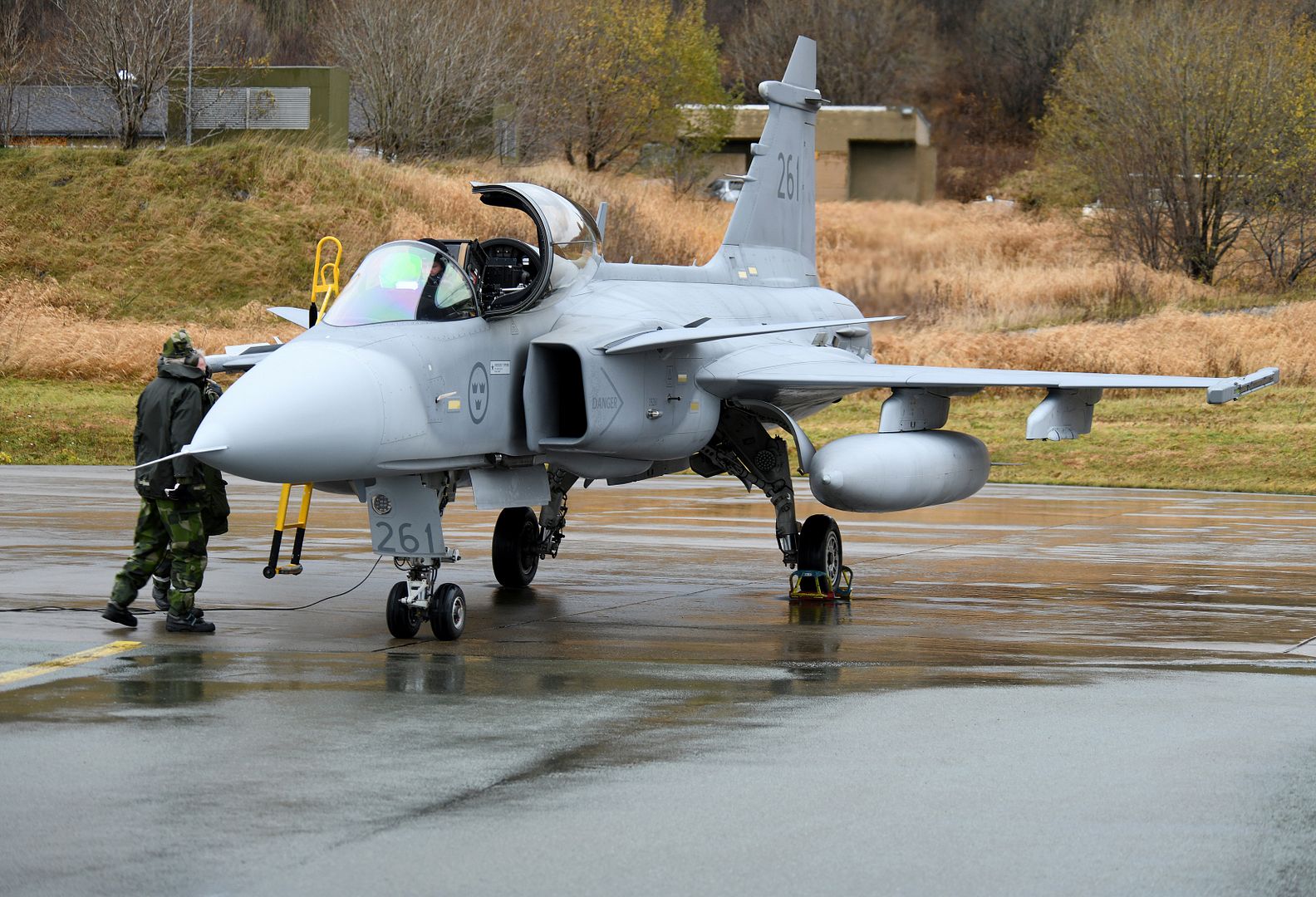
Two Swedish JAS 39 Gripens take off from Bobo, Norway during exercise Trident Juncture 18 on Oct 23, 2018. Trident Juncture is a multinational NATO exercise that enhances professional relationships and improves overall coordination with Allied and partner nations. (photo by Louise Levin/F?rsvarsmakten)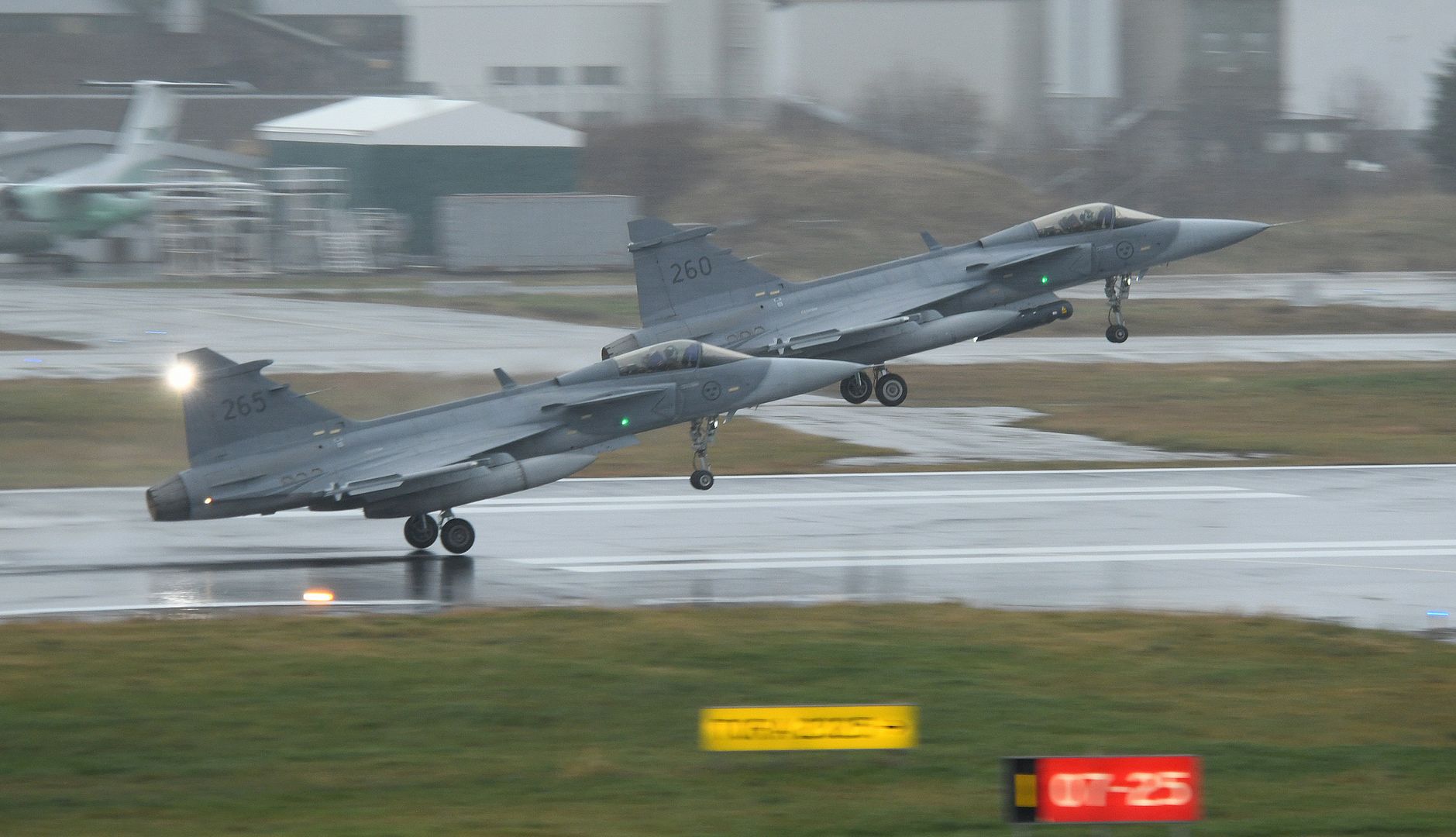
-
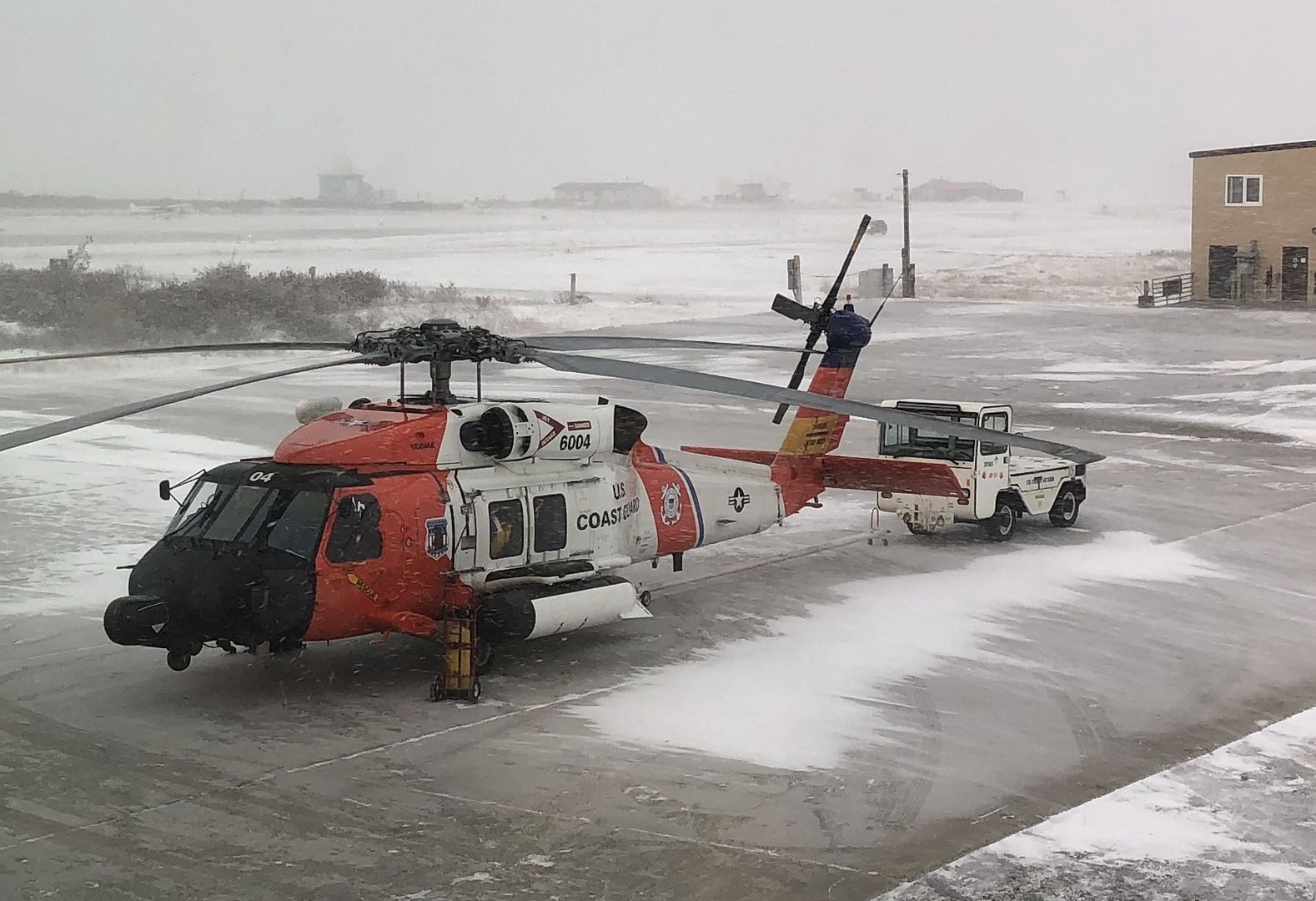
Coast Guard Air Station Kodiak aircrew members work to demobilize forward operating location, Kotzebue, Alaska, Oct. 31, 2018. Aircrews are deployed on a rotating schedule to Kotzebue during the summer months in Alaska in efforts to reduce search and rescue response time. U.S. Coast Guard photo.
NORWAY, Oct. 31 2018 - A Royal Netherlands Navy NH-90 prepares to take off at night aboard Standing NATO Maritime Group Two (SNMG2) flagship HNLMS De Ruyter October 31, 2018 during NATO exercise Trident Juncture. Trident Juncture 18 is designed to ensure that NATO forces are trained, able to operate together and ready to respond to any threat from any direction. Trident Juncture 18 takes place in Norway and the surrounding areas of the North Atlantic and the Baltic Sea, including Iceland and the airspace of Finland and Sweden. With around 50,000 participants from 31 nations Trident Juncture 2018 is one of NATO?s largest exercises in recent years. More than 250 aircraft, 65 ships and 10,000 vehicles are involved in the exercise to perform and conduct air, land, maritime, special operation and amphibious drills. (NATO Photo By WO Fran C.Valverde)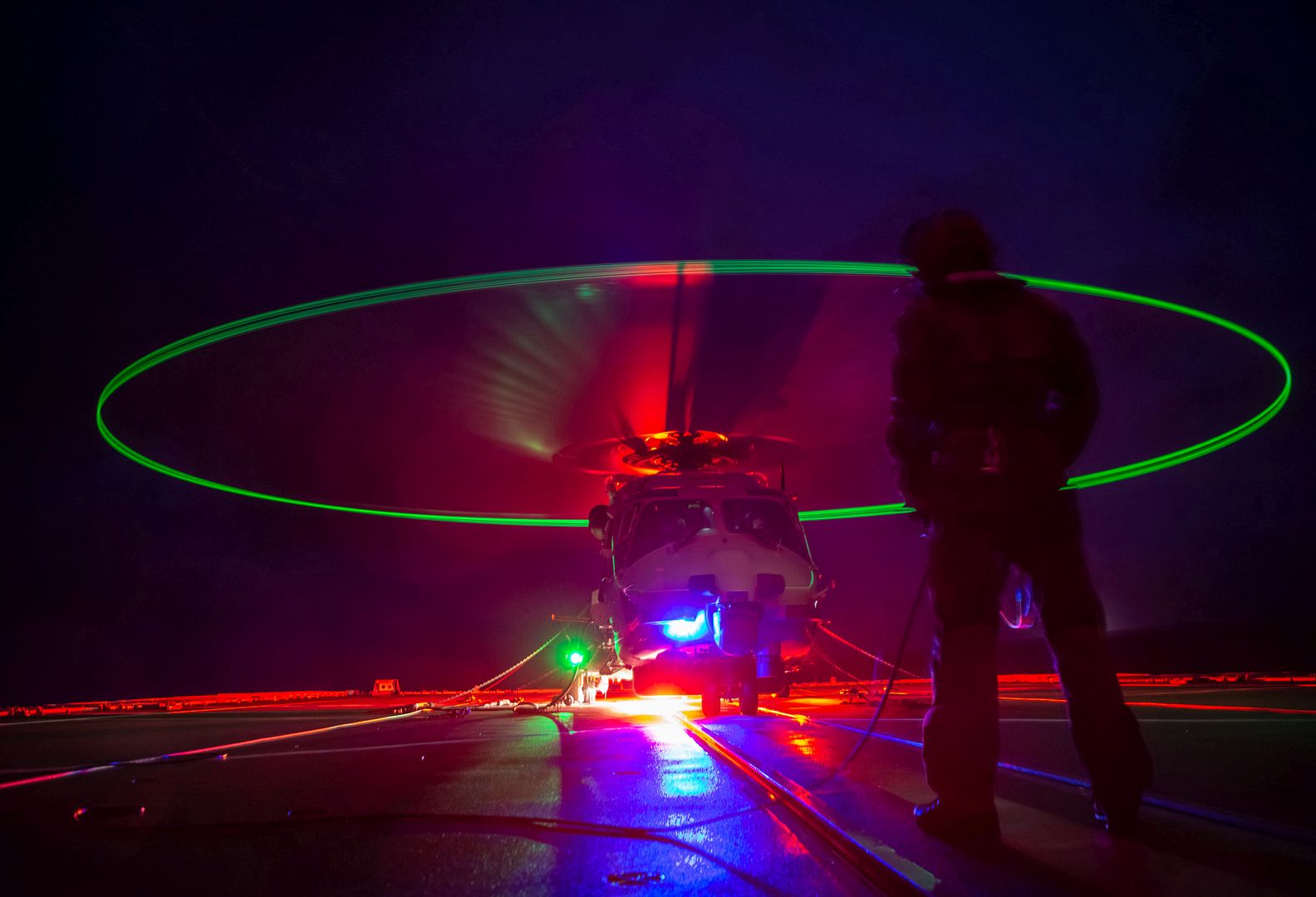
A Royal Netherlands Navy NH-90 takes off from HNLMS De Ruyter duirng NATO exercise Trident Juncture on October 31, 2018. Trident Juncture 18 is designed to ensure that NATO forces are trained, able to operate together and ready to respond to any threat from any direction. Trident Juncture 18 takes place in Norway and the surrounding areas of the North Atlantic and the Baltic Sea, including Iceland and the airspace of Finland and Sweden. With around 50,000 participants from 31 nations, Trident Juncture 2018 is one of NATO?s largest exercises in recent years. More than 250 aircraft, 65 ships and 10,000 vehicles are involved in the exercise to perform and conduct air, land, maritime, special operation and amphibious drills. (NATO Photo By WO FRAN C.Valverde)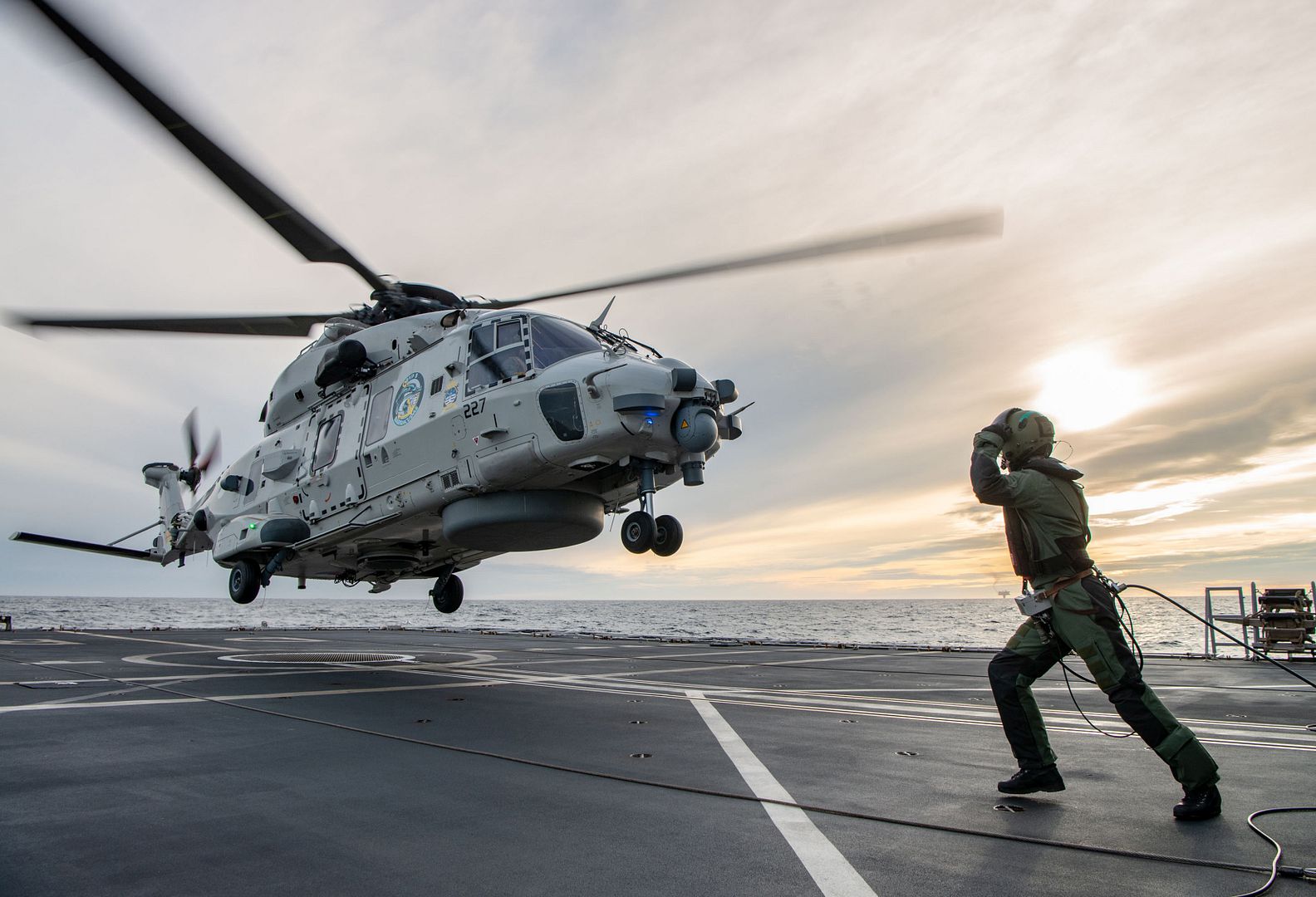
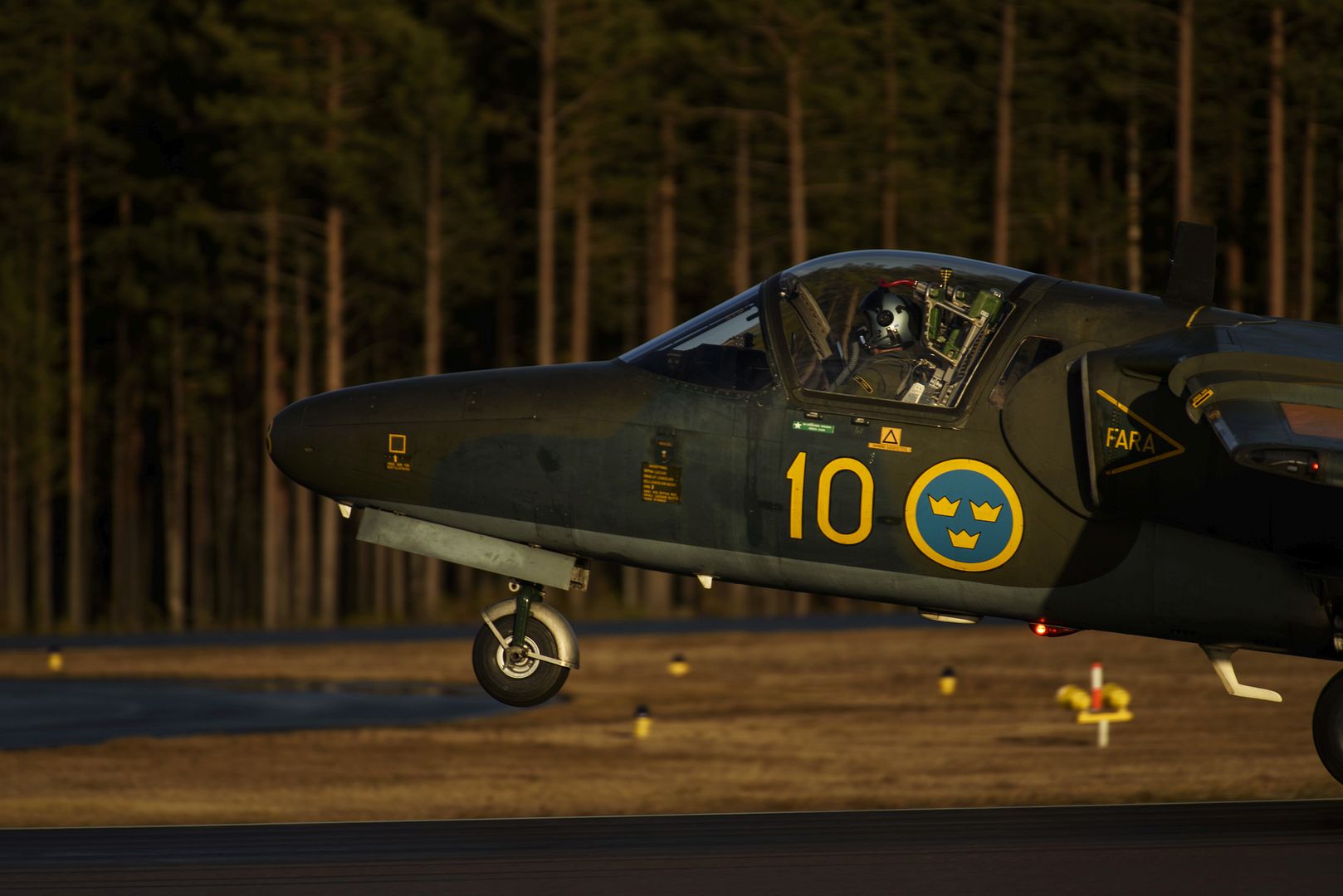
Swedish Air Force Saab 105 lands during Exercise Trident Juncture 18 at Kallax Air Base, Sweden, Nov. 1, 2018. Trident Juncture 18 is designed to ensure that NATO forces and allies are trained, able to operate together, and ready to respond to any threat across the spectrum of military operations. (U.S. Air Force photo's by Staff Sgt. Jonathan Snyder)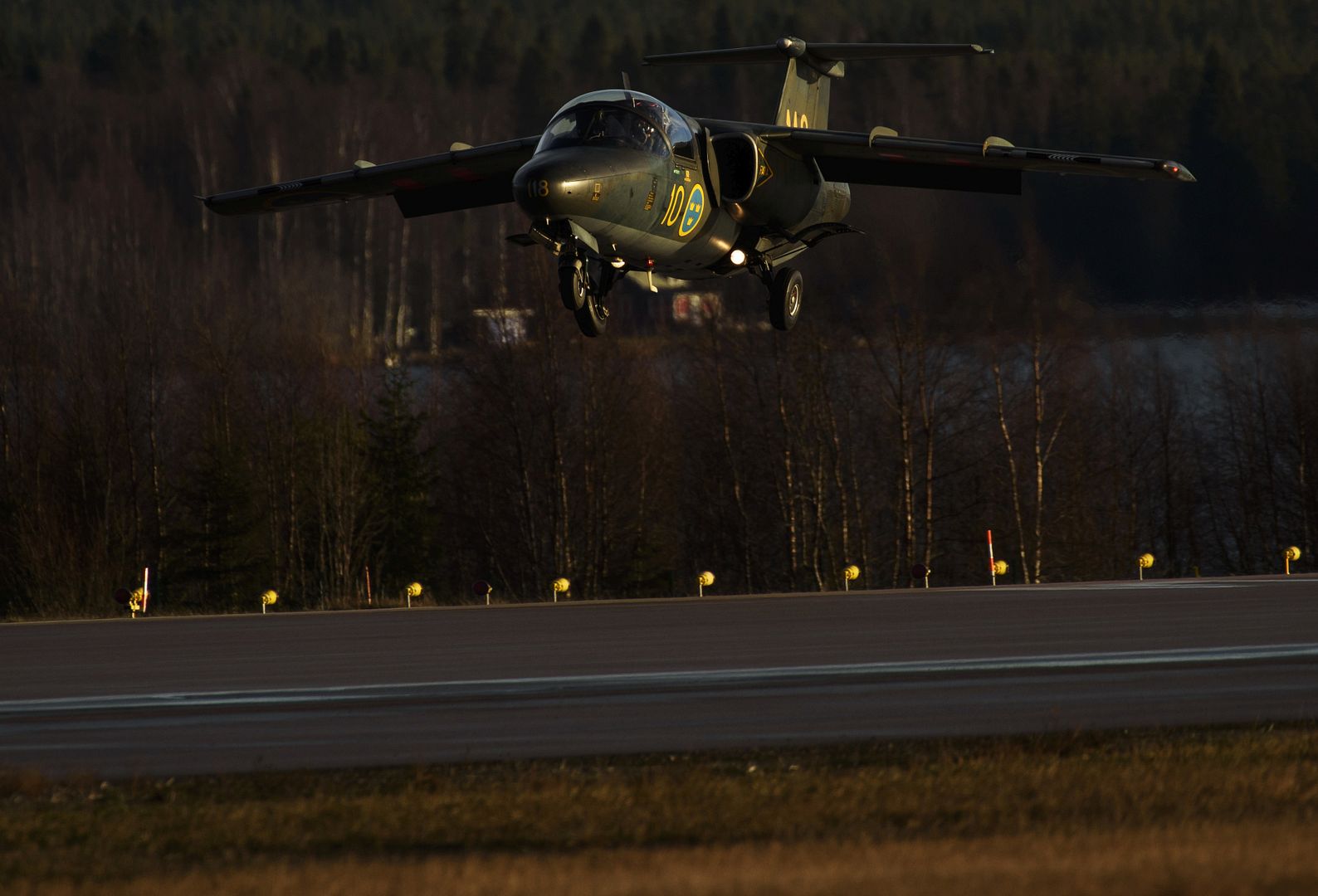
Swedish Air Force Saab JAS 39 Gripen lands during Exercise Trident Juncture 18 at Kallax Air Base, Sweden, Nov. 1, 2018. Trident Juncture 18 takes place in Norway and the surrounding areas of the North Atlantic and the Baltic Sea, including Iceland and the airspace of Finland and Sweden. With more than 50,000 participants, this is the largest NATO exercise since 2002. (U.S. Air Force photo by Staff Sgt. Jonathan Snyder)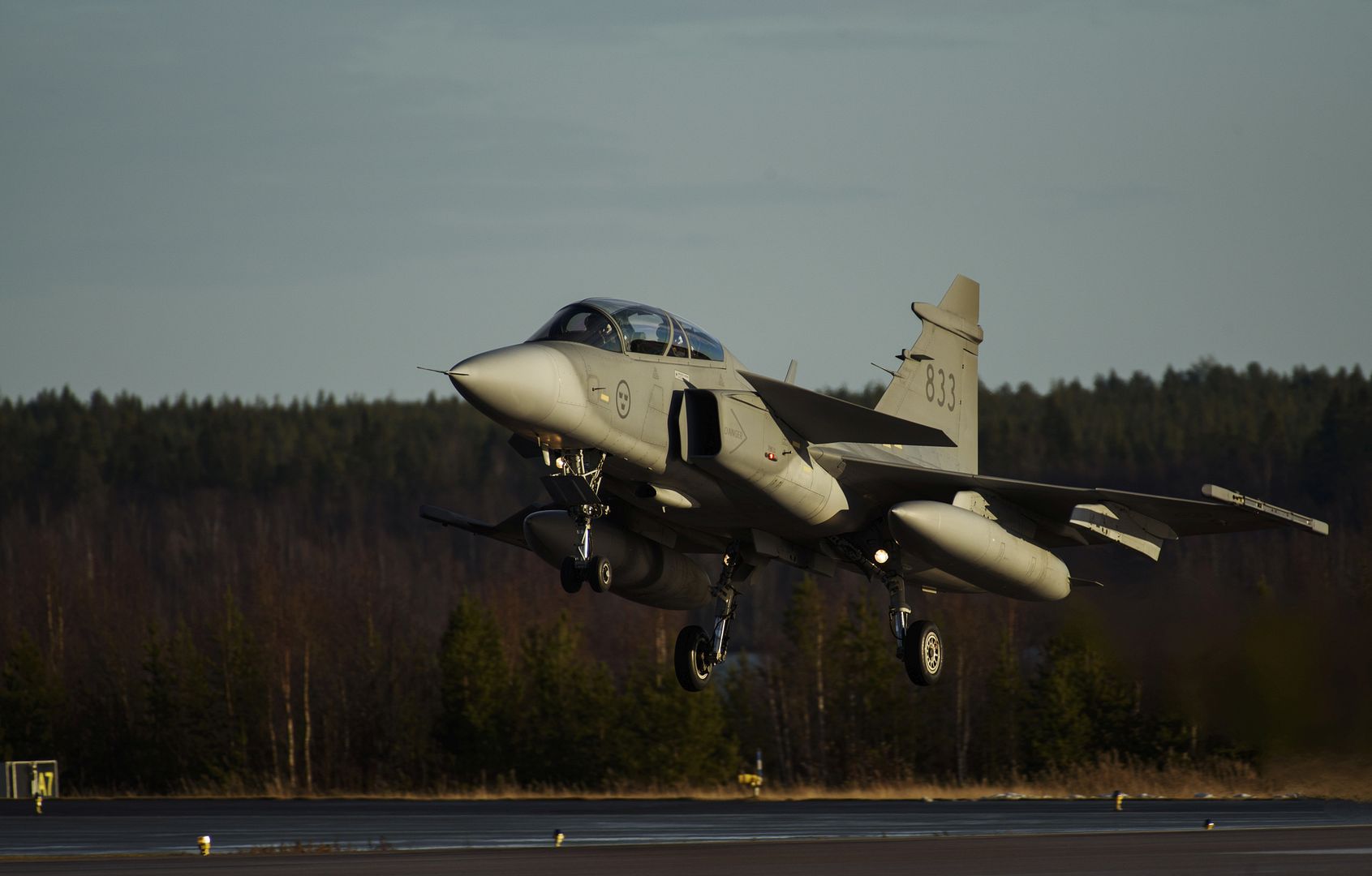
A U.S. Air Force F-16 Fighting Falcon prepares to take off during Exercise Trident Juncture 18 at Kallax Air Base, Sweden, Nov. 1, 2018. This exercise ensures NATO forces are able to operate together and be ready to respond to any threat from any direction. (U.S. Air Force photo by Staff Sgt. Jonathan Snyder)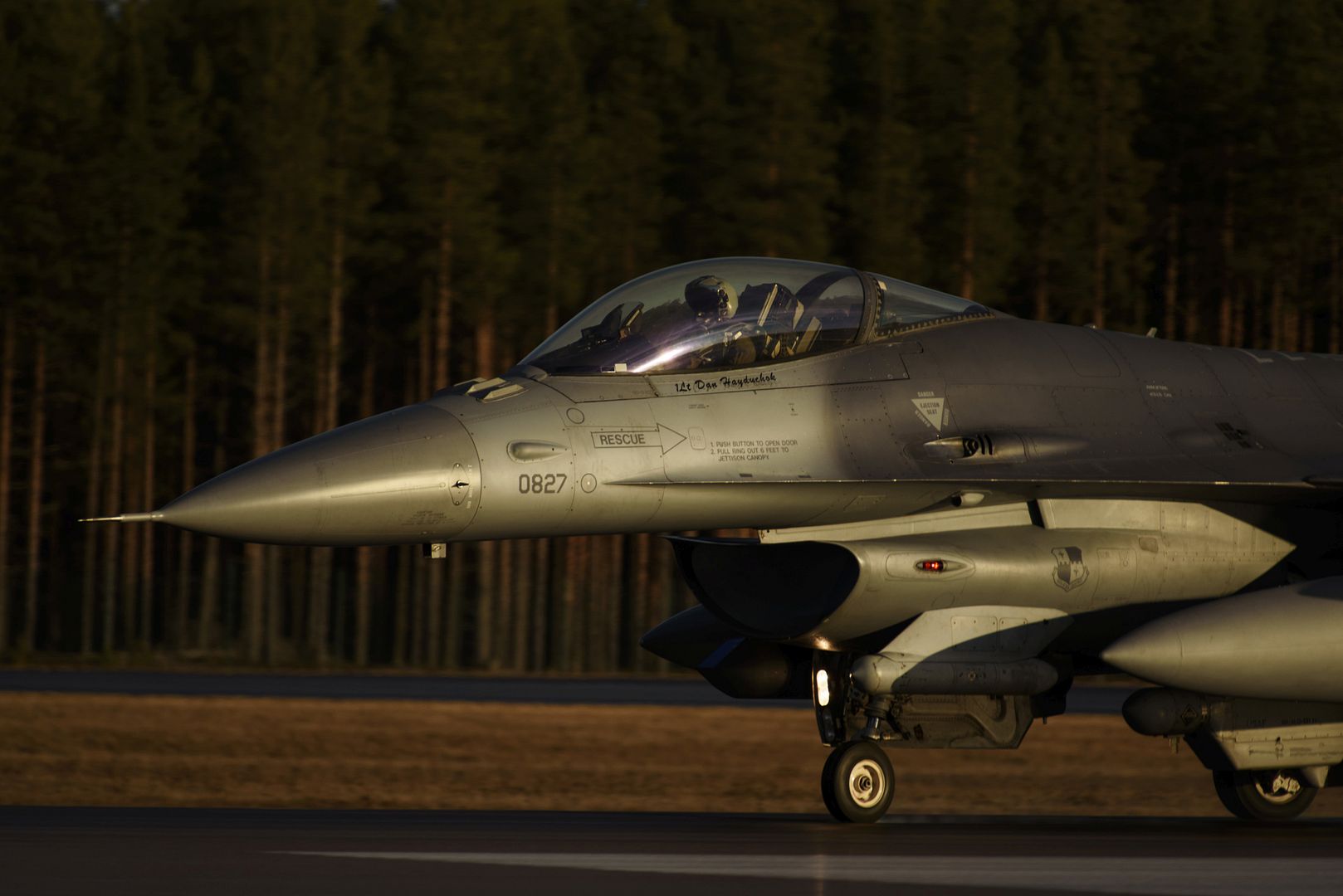
A MV-22B Osprey with Marine Medium Tiltrotor Squadron 365 conducts flight operations during Trident Juncture 18 at Vaernes Air Base, Norway, Nov. 1, 2018. The exercise enhances the U.S. and NATO Allies? and partners? abilities to work together collectively to conduct military operations under challenging conditions. (U.S. Marine Corps photo by Lance Cpl. Cody J. Ohira)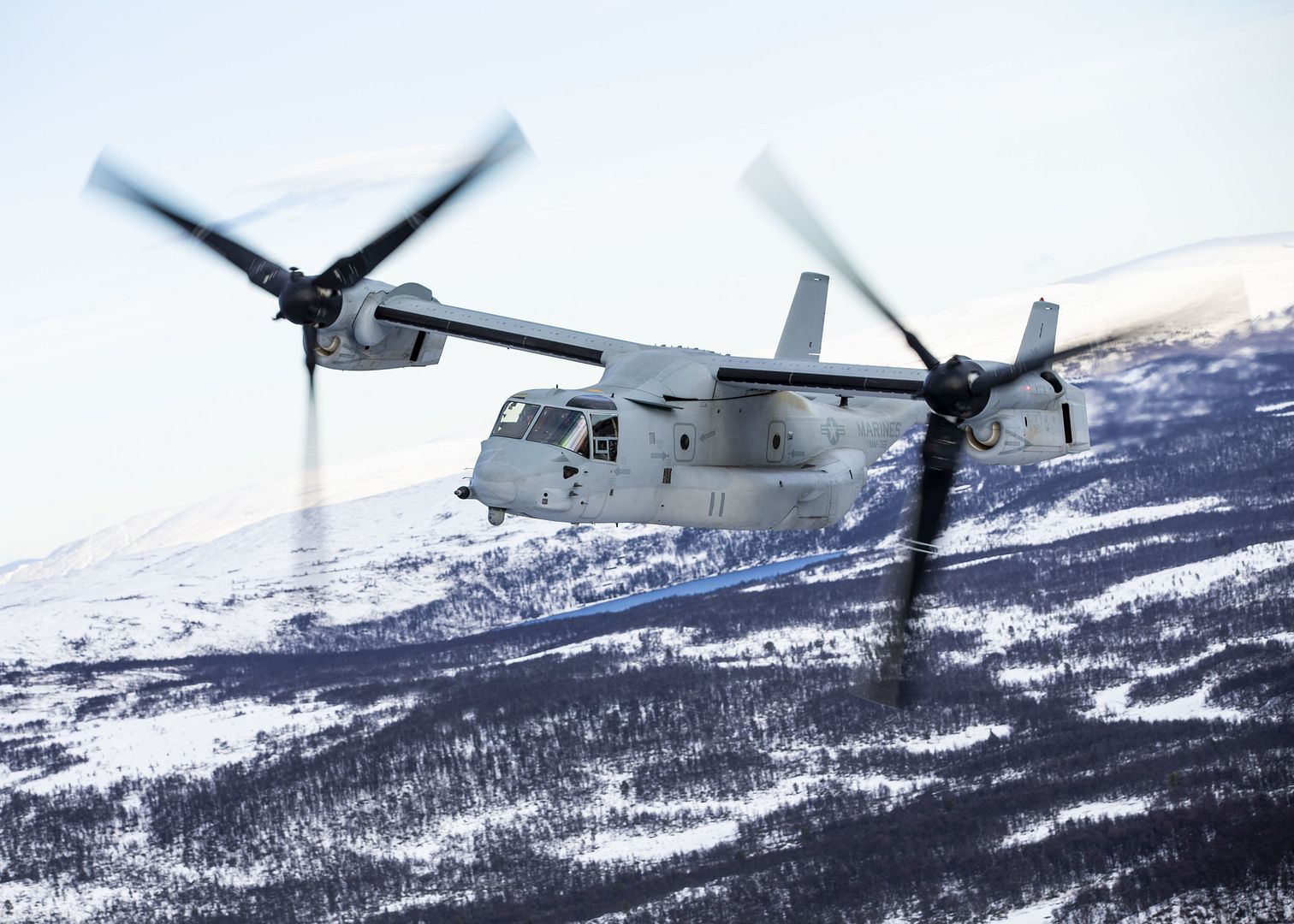
CH-53 Super Stallions with Marine Heavy Helicopter Squadron 366 prepare to conduct flight operations during Trident Juncture 18 at Vaernes Air Base, Norway, Nov. 1, 2018. The exercise enhances the U.S. and NATO Allies? and partners? abilities to work together collectively to conduct military operations under challenging conditions. (U.S. Marine Corps photo by Lance Cpl. Cody J. Ohira)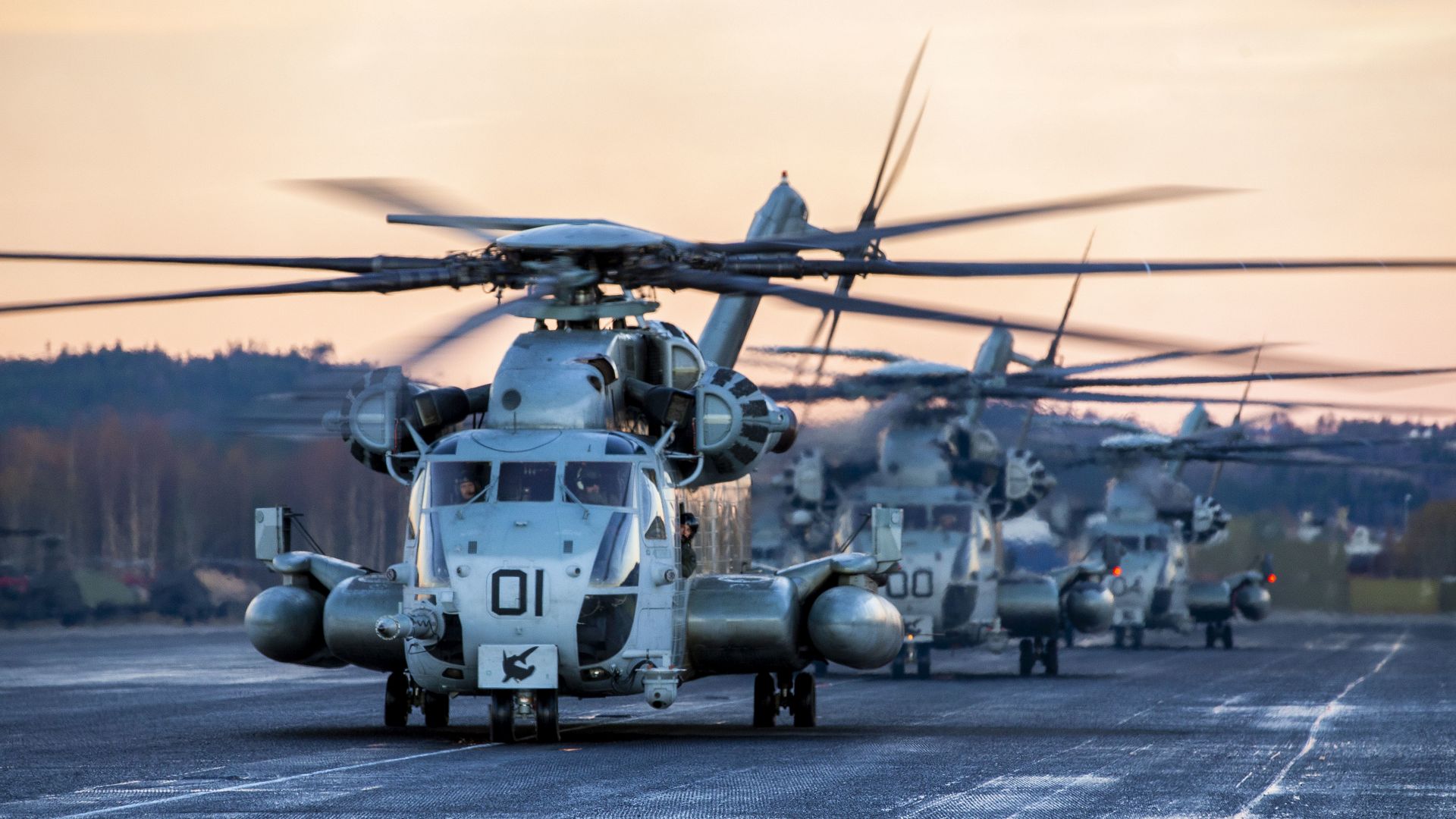
Vietnamese carrier Vietjet has placed a firm order with Airbus for an additional 50 A321neo single aisle aircraft, finalising an MOU signed at the Farnborough International Airshow last July. The purchase agreement was signed in Hanoi today by Nguyen Thi Phuong Thao, Vietjet President and CEO and Christian Scherer, Airbus Chief Commercial Officer.
The signing was witnessed by Nguyen Xuan Phuc, Prime Minister of Vietnam and Edouard Philippe, Prime Minister of France, during his official visit to Vietnam.
?The fuel efficient A321neo will enable us to increase capacity and help us to expand the network significantly, especially on international routes,? said Vietjet?s President & CEO Nguyen Thi Phuong Thao. ?We are honoured to be a long-term partner of Vietjet and to finalise this new order,? said Christian Scherer, Airbus Chief Commercial Officer. ?The airline?s latest preference for the Airbus product, in particular the A321, is a testimony to Vietjet?s professionalism and a great endorsement for the A321 in the highly competitive market.?
The new purchase agreement increases the number of A320 Family aircraft ordered by Vietjet to 171, of which 46 have already been delivered. This leaves the airline with a backlog of 125 aircraft on order with Airbus for future delivery, comprising 120 A321neo and five A321ceo.
The A321neo is the largest member of the best-selling Airbus single aisle family and is firmly established as the most popular aircraft in its size category, seating up to 240 passengers in a single class layout. It also offers the longest range in its category, flying up to 4,000 nautical miles non-stop. Incorporating the latest engines, aerodynamic advances and cabin innovations, the A321neo offers a reduction in fuel consumption of at least 15 per cent per seat.
To date, the A320 Family has won more than 14,700 orders and over 8,000 aircraft are currently in service with 334 operators worldwide.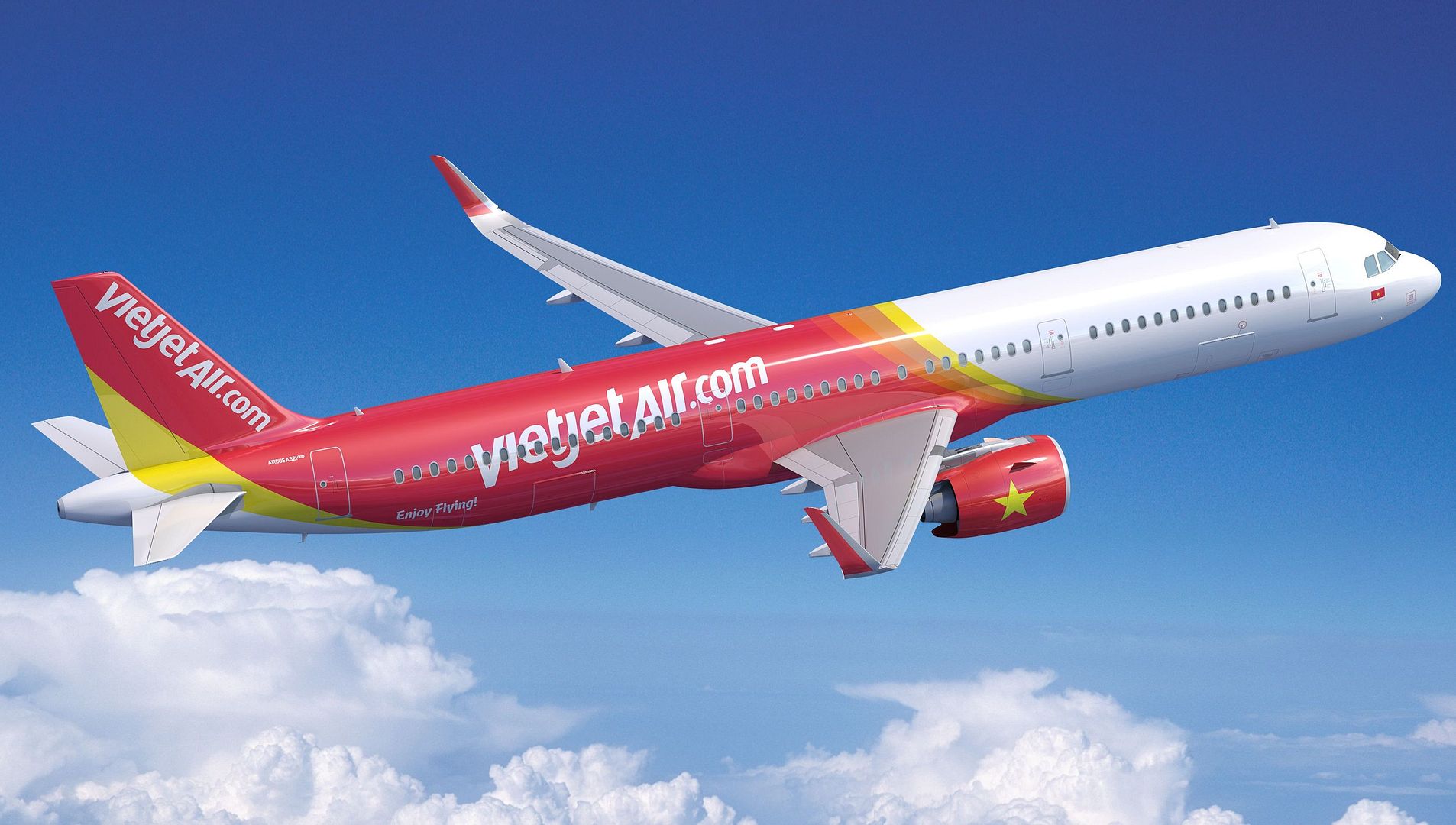
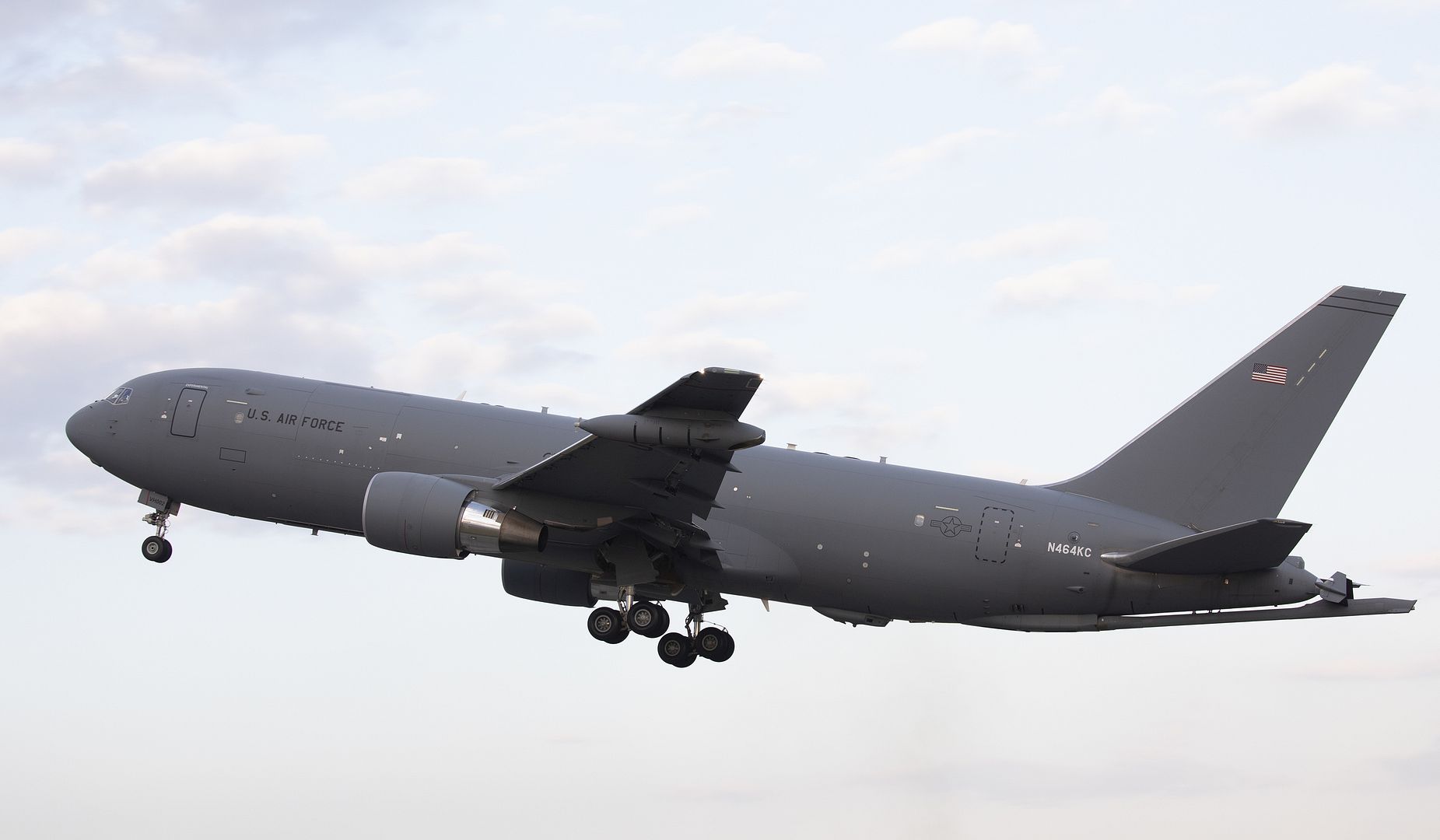
A Boeing KC-46A Pegasus touches down at Yokota Air Base, Japan, Oct. 23, 2018, during a system evaluation. This is the first time the KC-46A visited Japan. The flight is to support an initial evaluation by the USAF of the KC-46A's integrated mission system suite as well as its ability to conduct worldwide navigation, communication and operation. (U.S. Air Force photo by Yasuo Osakabe)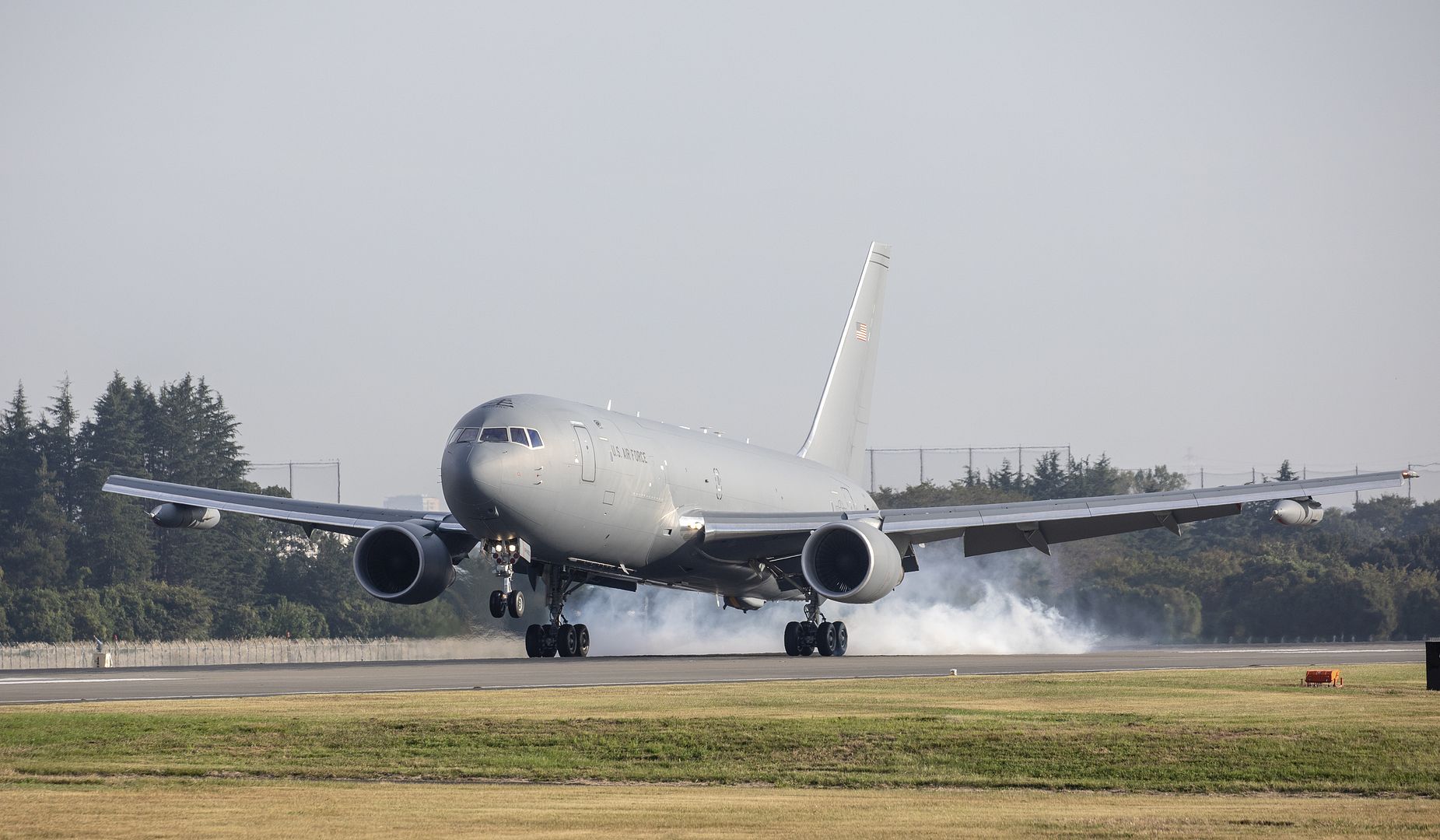
A Boeing KC-46A Pegasus takes off at Yokota Air Base, Japan, Oct. 25, 2018, during a system evaluation. This is the first time the KC-46A visited Japan. The flight is to support an initial evaluation by the USAF of the KC-46A's integrated mission system suite as well as its ability to conduct worldwide navigation, communication and operation. (U.S. Air Force photo's by Yasuo Osakabe)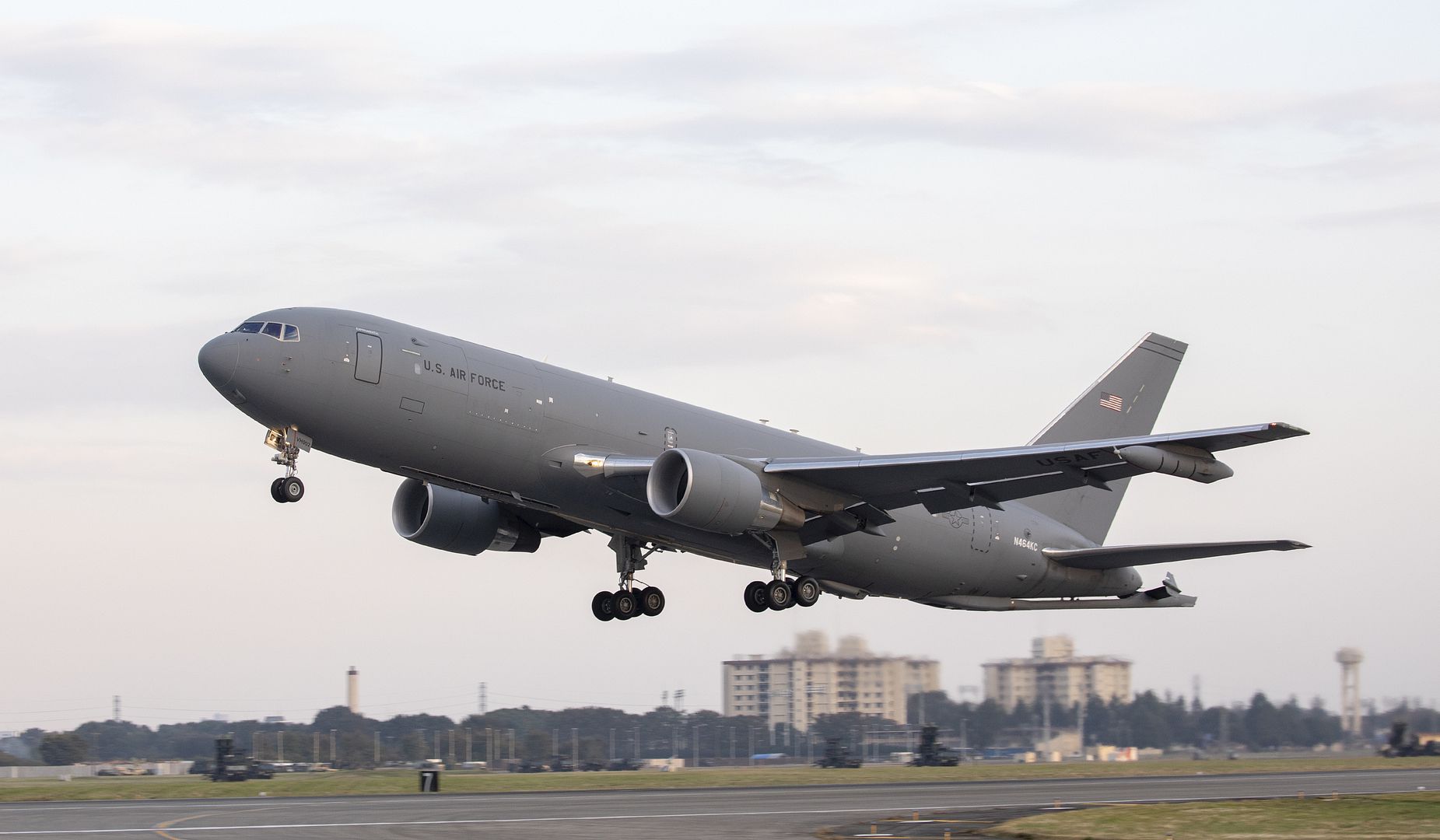
U.S. Air Force Col. Tad Clark, a 52nd Fighter Wing vice commander, takes off in an F-16 Fighting Falcon during Exercise Trident Juncture 18 at Kallax Air Base, Sweden, Nov. 1, 2018. This exercise ensures NATO forces are able to operate together and be ready to respond to any threat from any direction. (U.S. Air Force photo by Staff Sgt. Jonathan Snyder)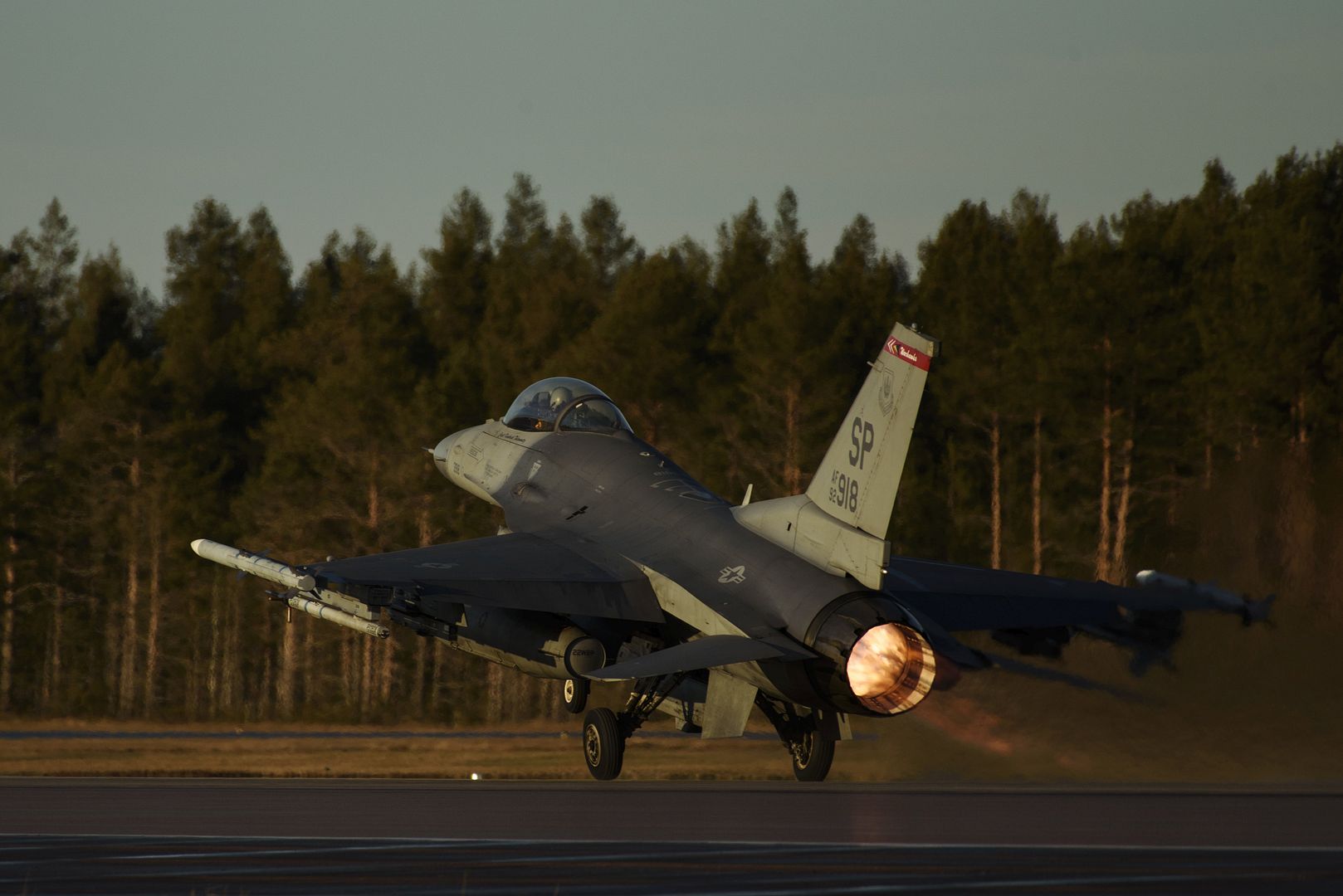
-
HILL AIR FORCE BASE, Utah (AFNS) -- The 388th Fighter Wing?s 4th Fighter Squadron and 4th Aircraft Maintenance Unit recently completed a combat exercise where they tested and evaluated their capabilities to operate the F-35A Lightning II in a deployed environment.
The units focused on combat operations and tactical scenarios ? aircraft battle damage, downed-pilot recovery, and fighting in an environment with limited or no communications.
The exercise generated nearly 150 sorties in two weeks, on top of normal flying operations.
?The tempo gives our Airmen a taste of deployed operations,? said Lt. Col. Yosef Morris, 4th FS commander. ?We want the first time they see these things to be in a training environment, and not when we?re called upon to deploy during a contingency.?
Pilots flew with more gear than they normally do during ?home-station? operations, including side arms. Maintainers practiced loading various munitions and worked longer shifts, preparing aircraft sorties late into the evening.
The units also operated and launched jets from alternate locations and ran operations out of a secure deployable facility that houses mission planning, debrief, intelligence, and the Autonomic Logistics Information System, or ALIS, a program designed to help with operations, maintenance and planning.
?This was a big planning and execution effort for the 4th FS and 4th AMU,? said 1st Lst. Eric Dolan, officer in charge of the 4th AMU. ?It was designed to challenge us and provide our Airmen with experience and acclimate our new Airmen. They came away more confident in their abilities.?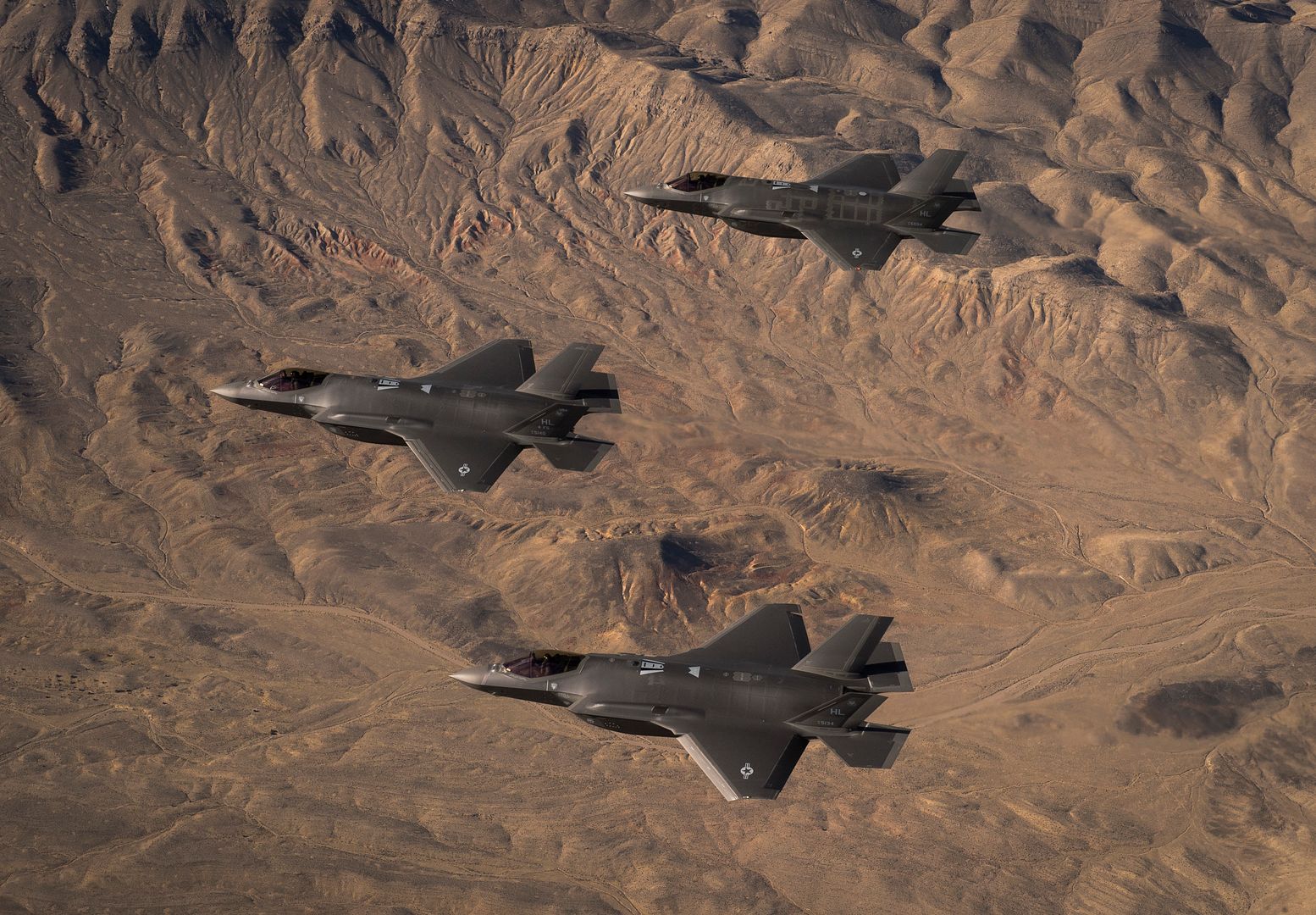
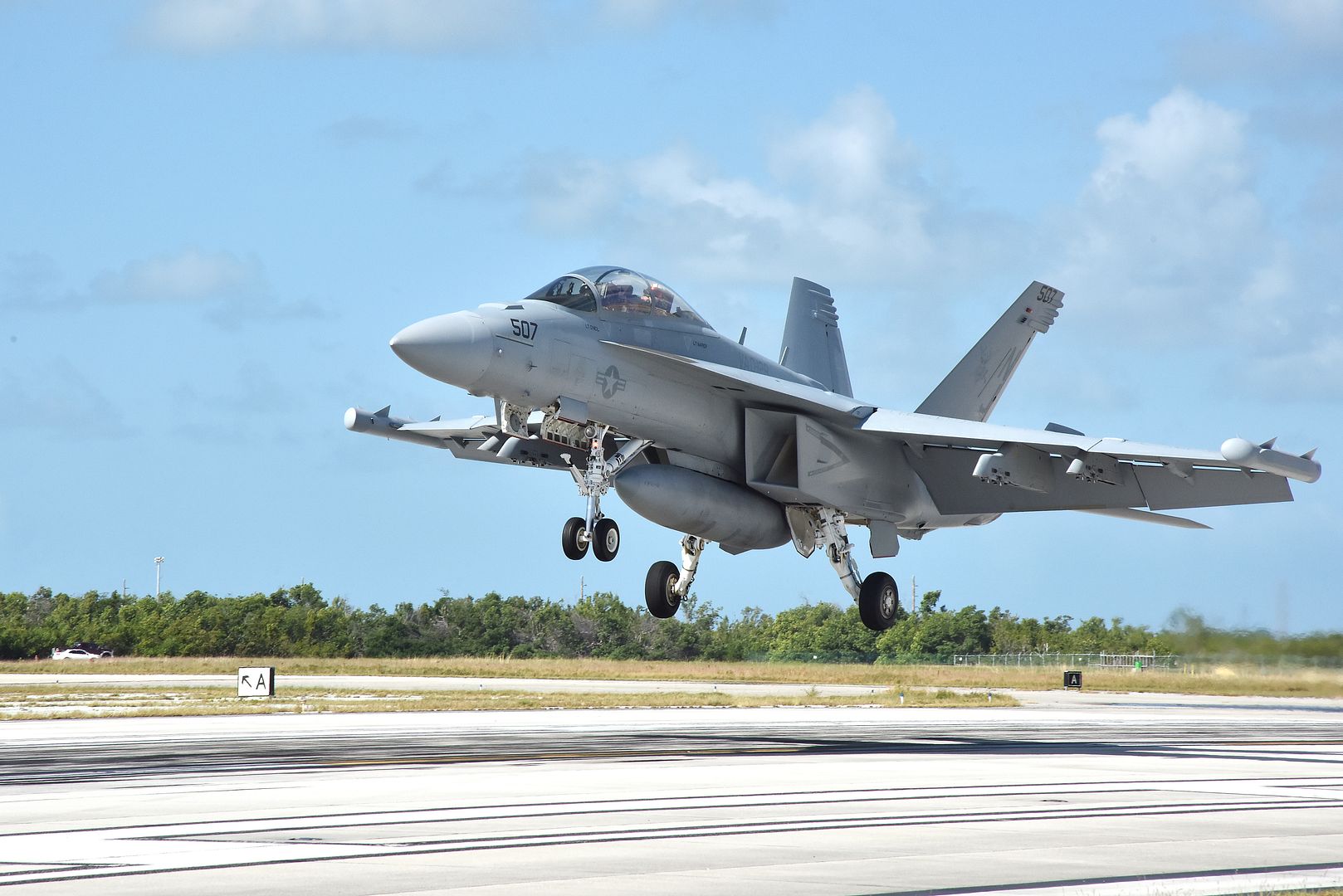
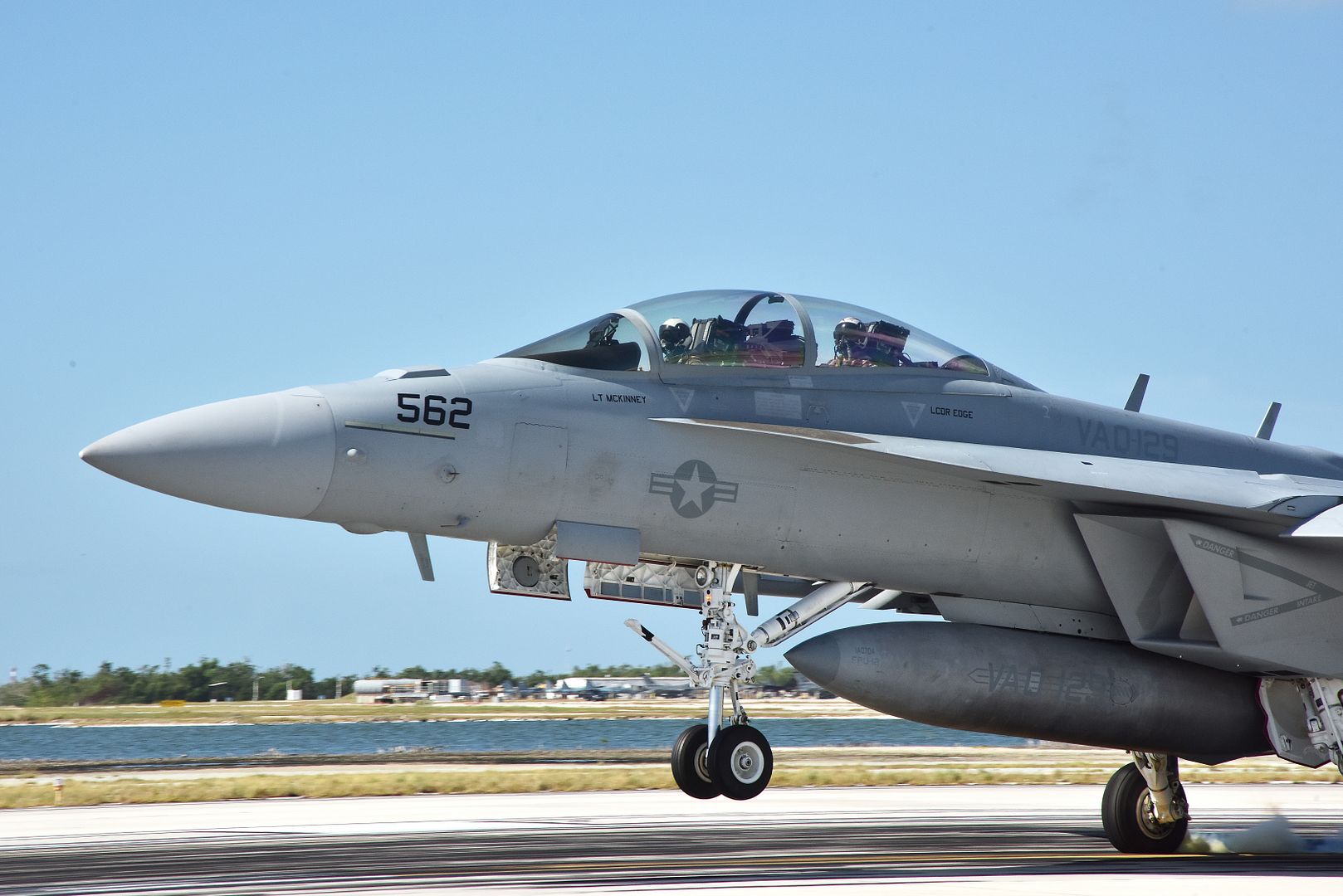
KEY WEST, Fla. (November 5, 2018) Electronic Attack Squadron (VAQ) 129 performs Field Carrier Landing Practice (FCLP) at Boca Chica Field. The practice prepares the E/A-18G Growler pilots for landing on aircraft carriers. Three out of the six runways at Boca Chica Field are painted to look like the decks of aircraft carriers. NAS Key West is a state-of-the-art facility for air-to-air combat fighter aircraft of all military services and provides world-class pierside support to U.S. and foreign naval vessels. (U.S. Navy photo's by Danette Baso Silvers/Released)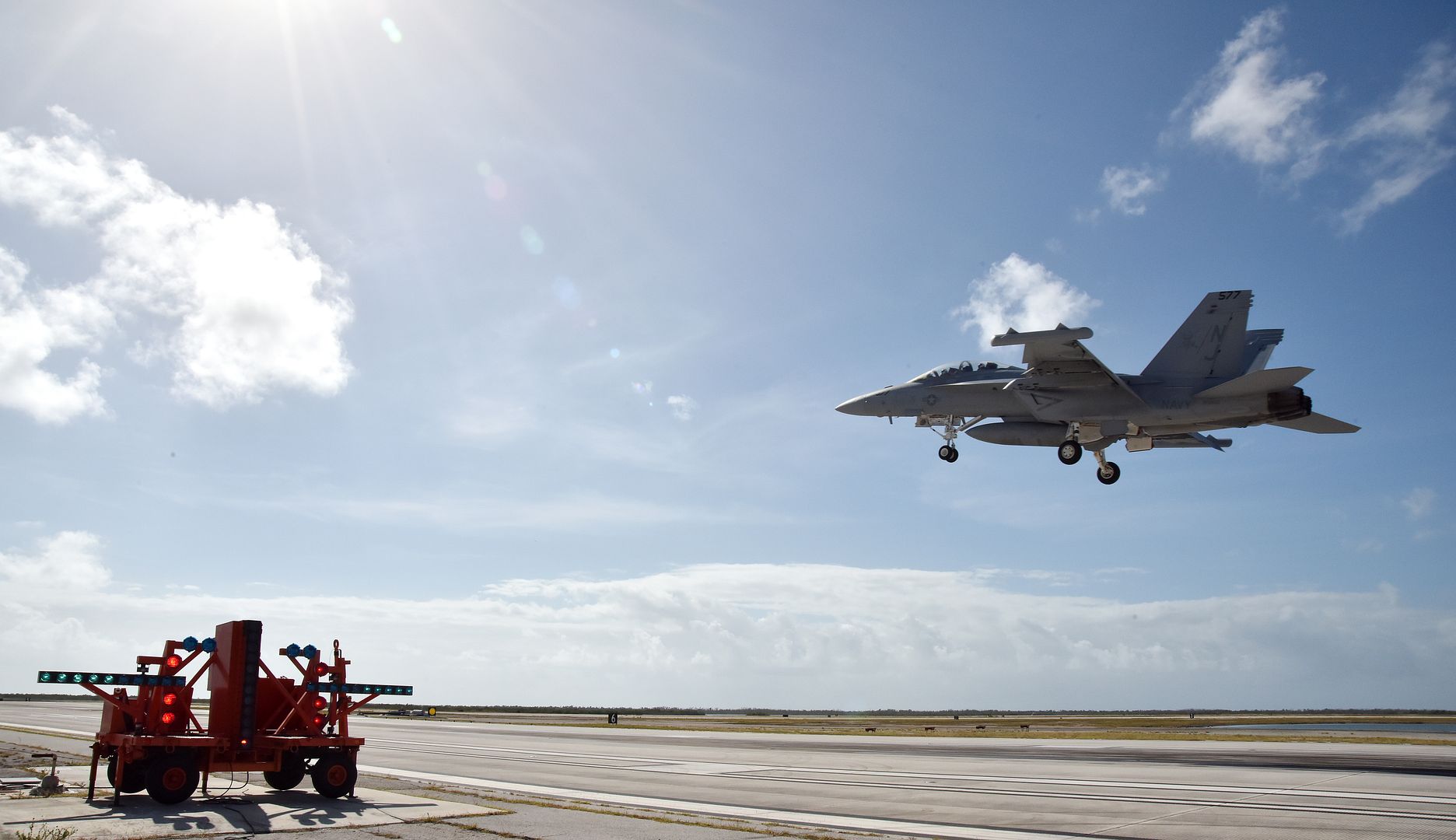
An 89th Airlift Wing C-37B aircraft is parked on the ramp prior to flight, Nov. 2, 2018, Joint Base Andrews, Md. The 89th AW is the only unit in the Air Force to operate the C-37B aircraft. (U.S. Air Force photo by Staff Sgt. Kenny Holston)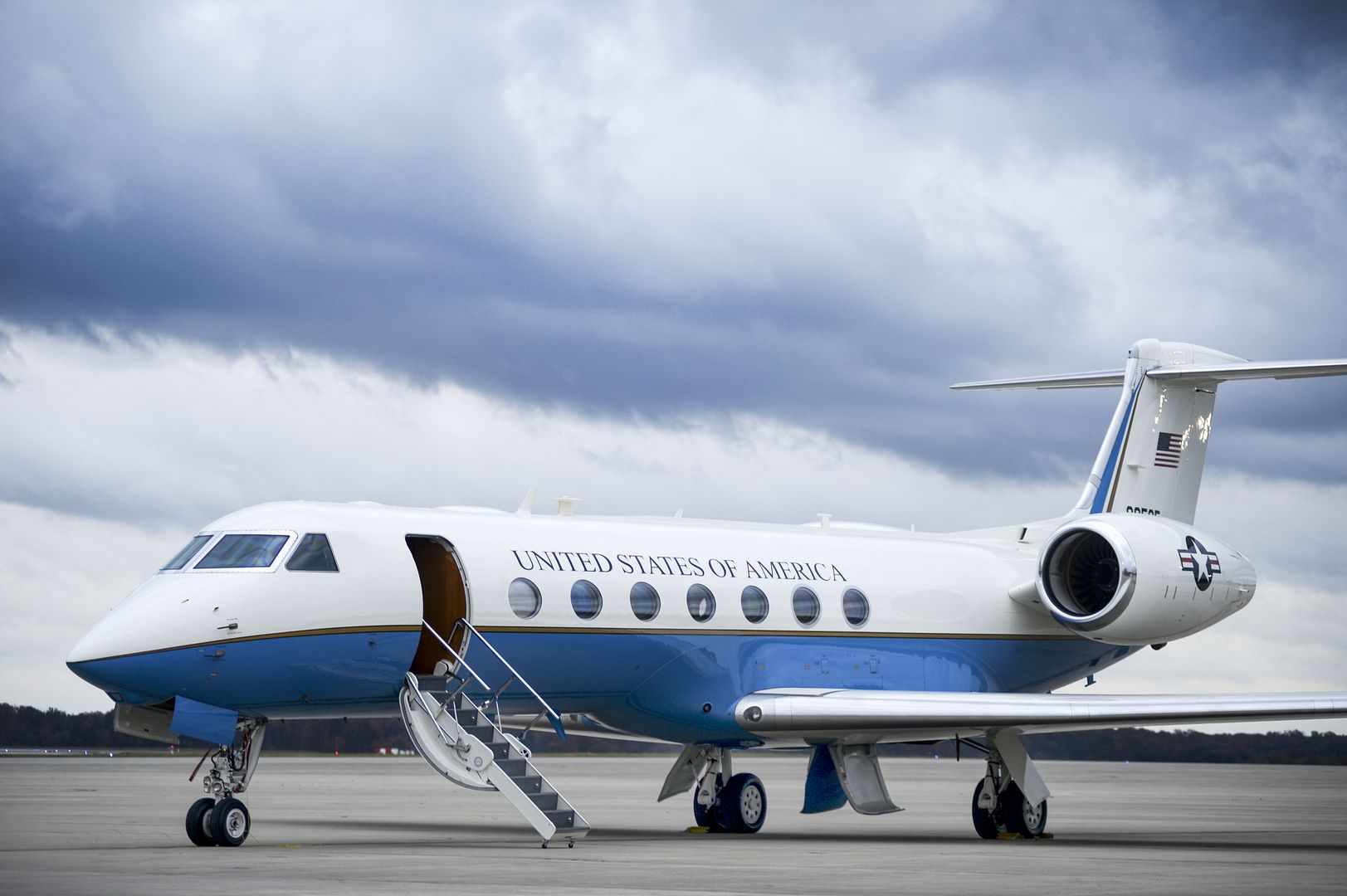
U.S. Air Force Col. Jason Bailey, the 52nd Fighter Wing commander, conducts a pre-flight inspection on an F-16 Fighting Falcon during Exercise Trident Juncture 18 at Kallax Air Base, Sweden, Nov. 5, 2018. This exercise takes place in Norway and the surrounding areas of the North Atlantic and the Baltic Sea, including Iceland and the airspace of Finland and Sweden. With more than 50,000 participants, this is the largest NATO exercise since 2002. (U.S. Air Force photo by Staff Sgt. Jonathan Snyder)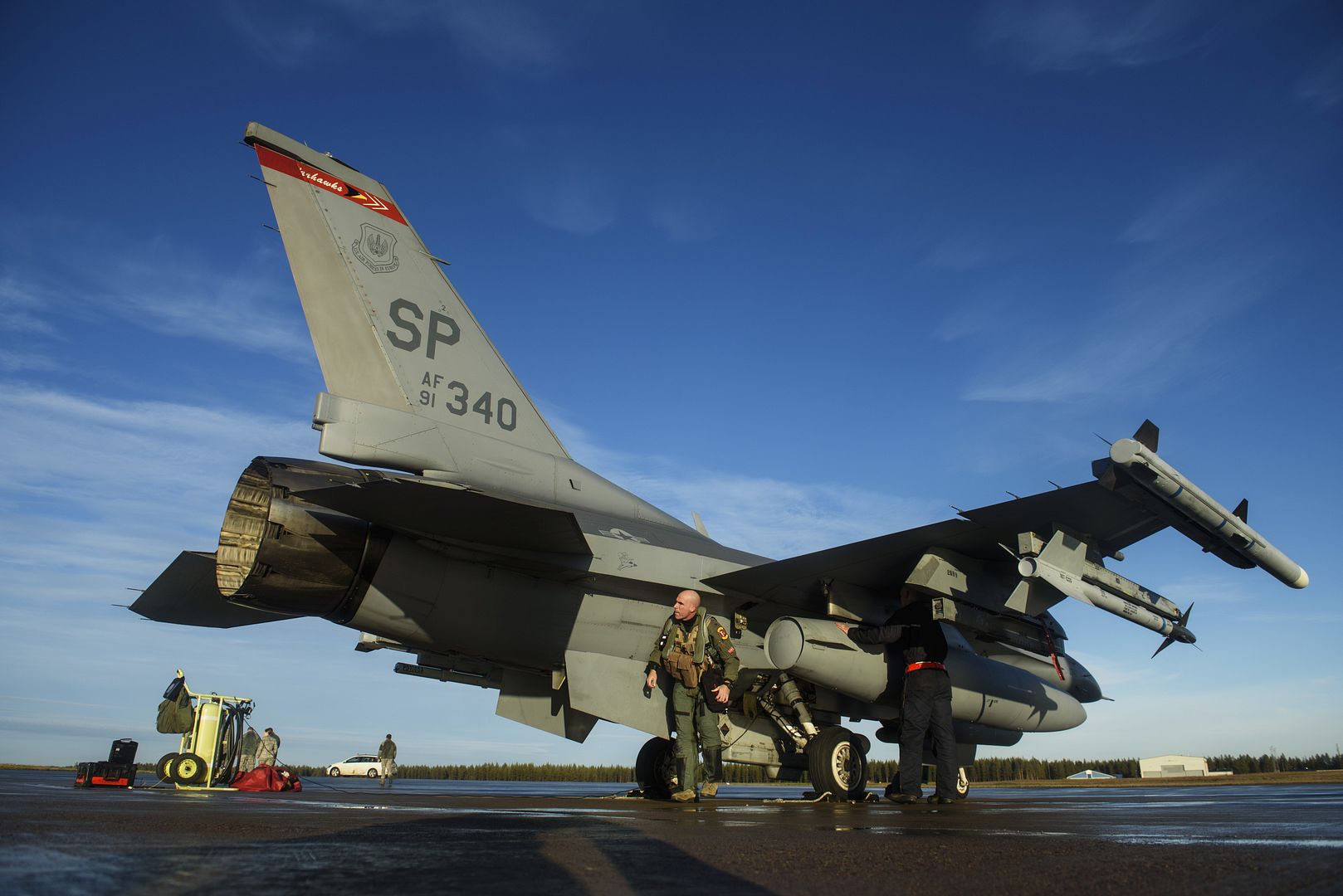
A Royal Netherlands Air Force NH90 helicopter approches Spanish frigate ESPS Cristobal Colon to land during NATO's Exercise Trident Juncture 18 on November 2, 1018. Trident Juncture 18 is designed to ensure that NATO forces are trained, able to operate together and ready to respond to any threat from any direction. Trident Juncture 18 takes place in Norway and the surrounding areas of the North Atlantic and the Baltic Sea, including Iceland and the airspace of Finland and Sweden.
With around 50,000 participants from 31 nations Trident Juncture 2018 is one of NATO?s largest exercises in recent years. More than 250 aircraft, 65 ships and 10,000 vehicles are involved in the exercise to perform and conduct air, land, maritime, special operation and amphibious drills.
NATO Photo By WO FRAN C.Valverde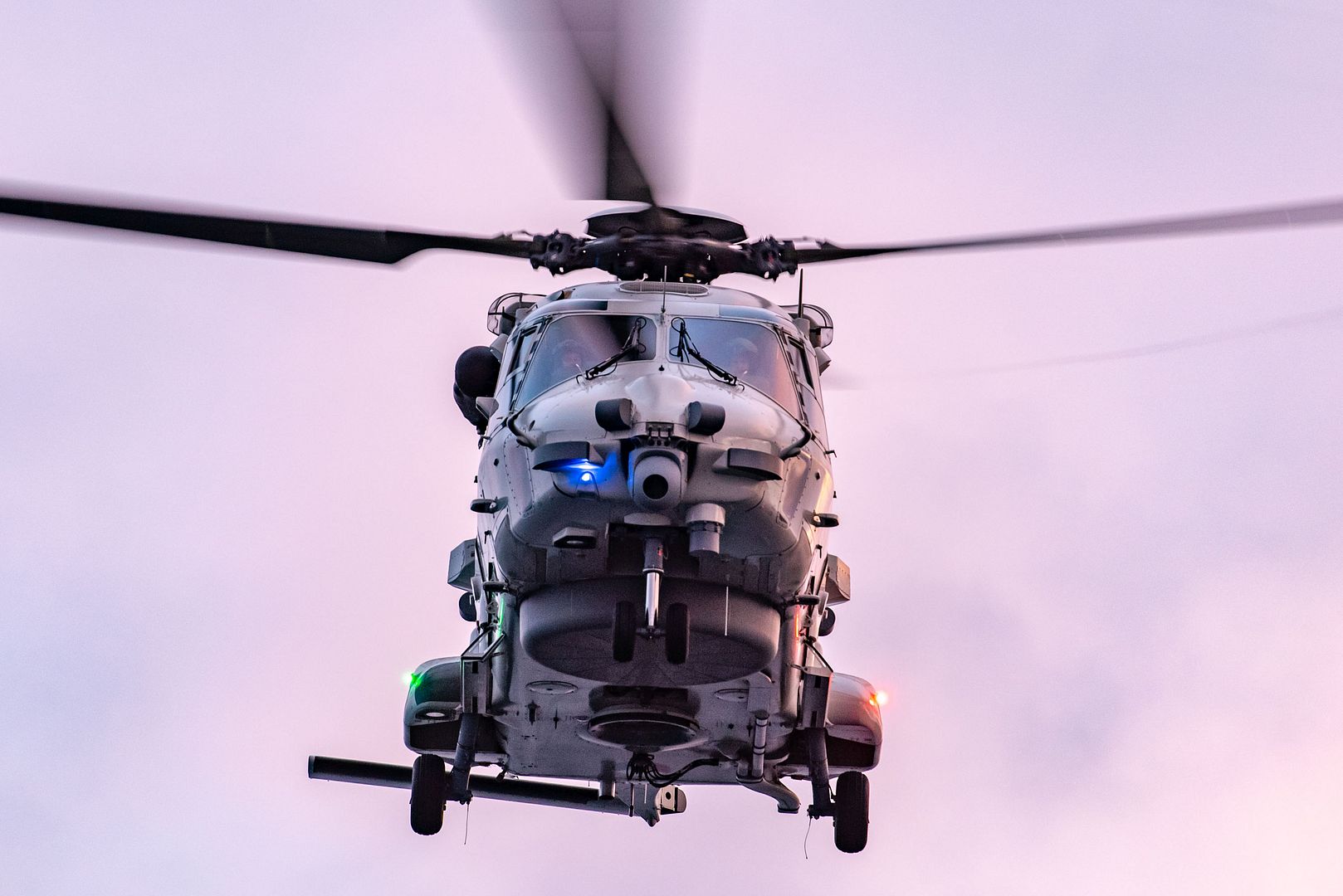
On Friday, November 3, a spotters day was hosted at Bod? Air base, Norway. On this unique occasion, they could see different aircraft used during Trident Juncture Exercise 18. Spotters are photographers, journalists or simple aviation enthusiasts, who track aircraft around the world in order to take imagery. An Italian tanker taking off at Bod? Air base, Norway.
Photo's by OR-8 Sebastien Raffin / French A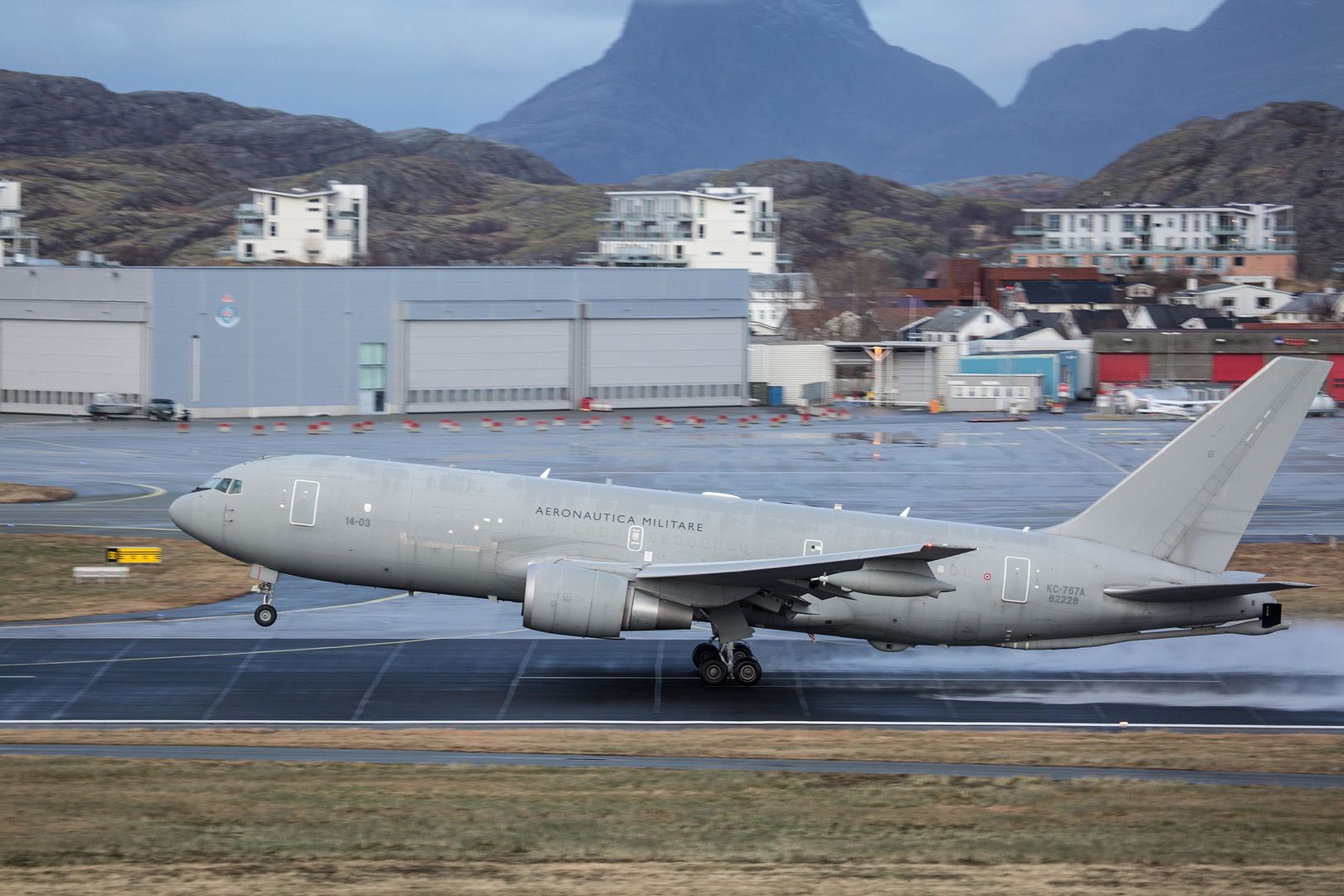
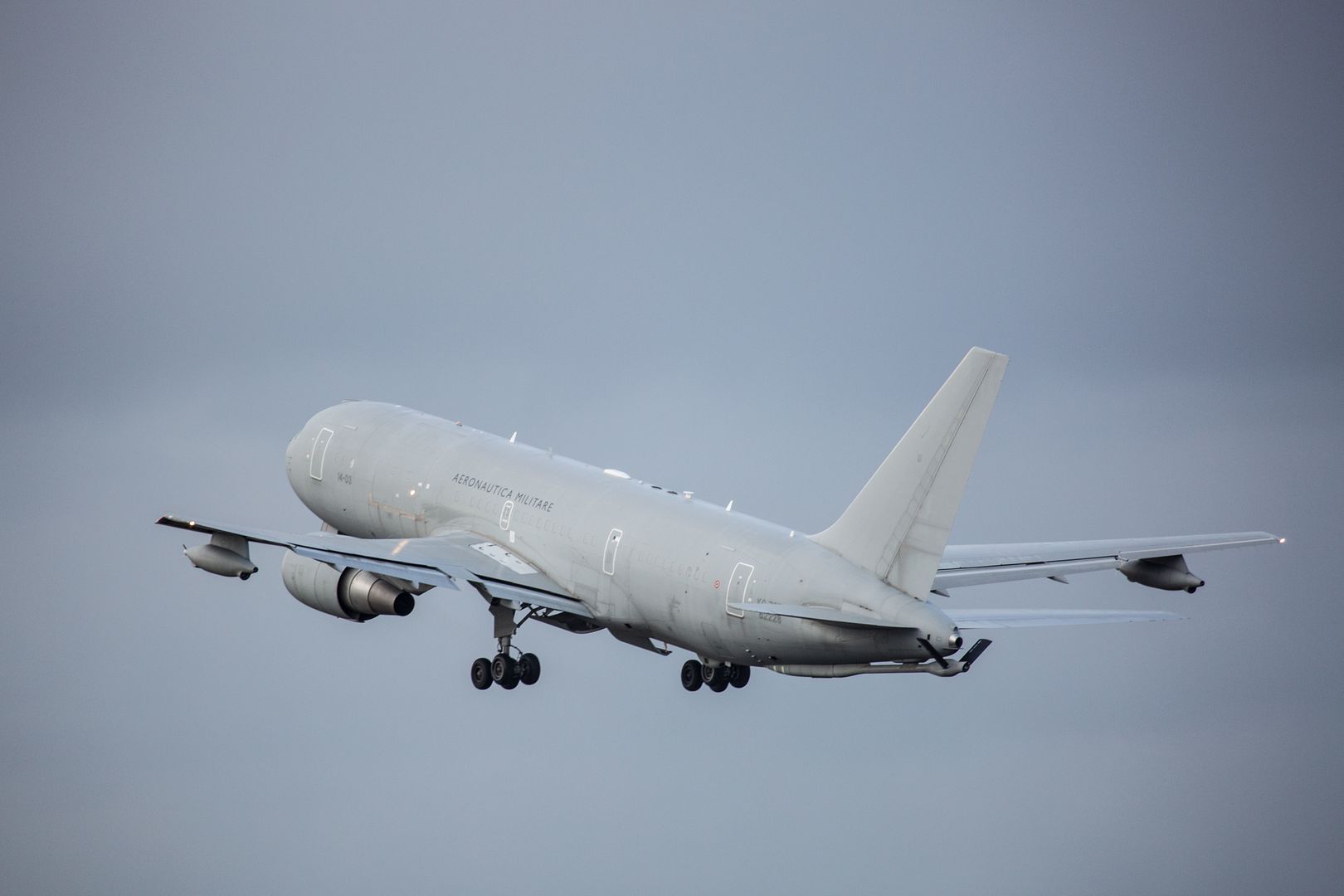
A Tornado of Aeronautica militare, taxiing to take off.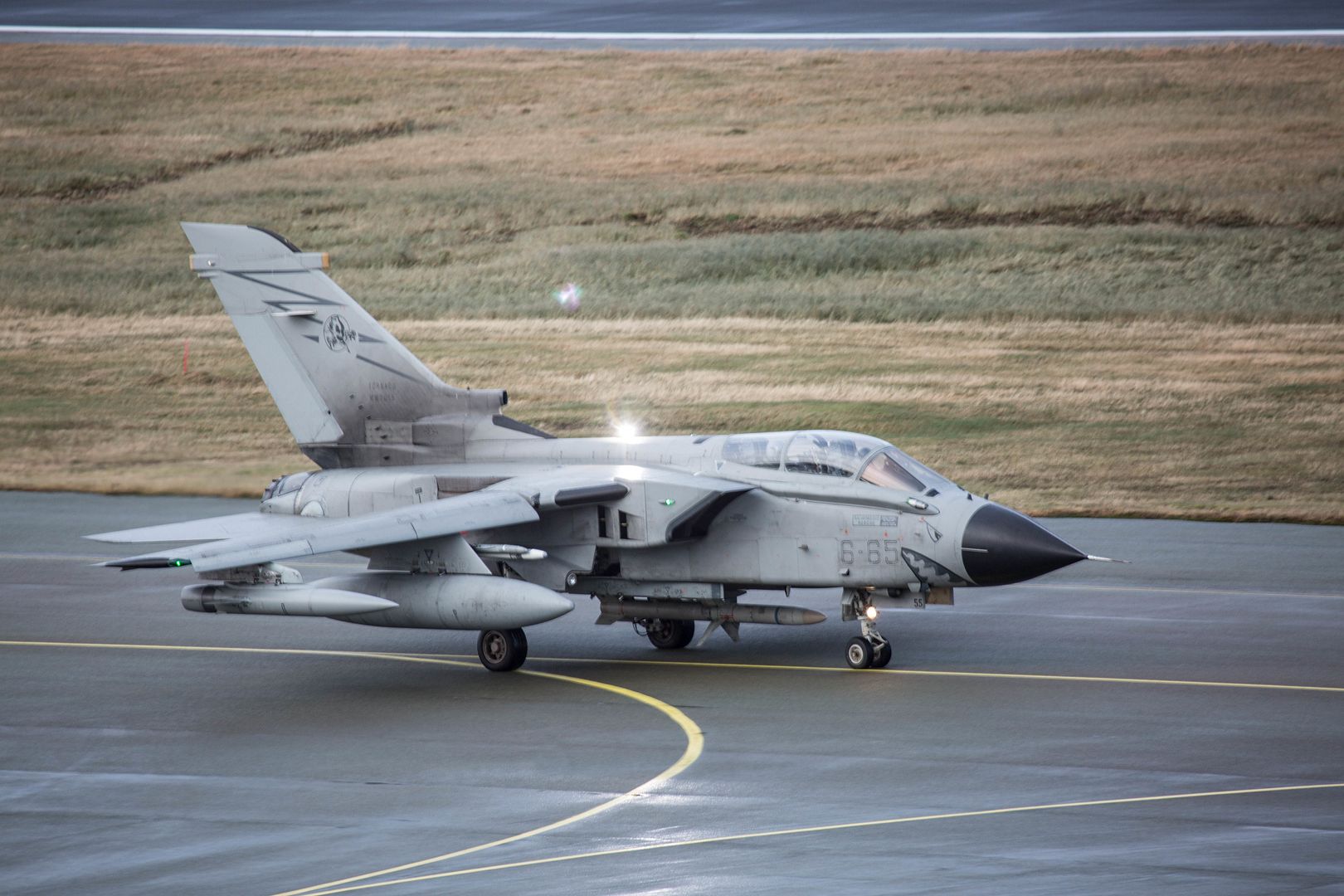
An Italian Tornado taking off at Bod? Air base, Norway.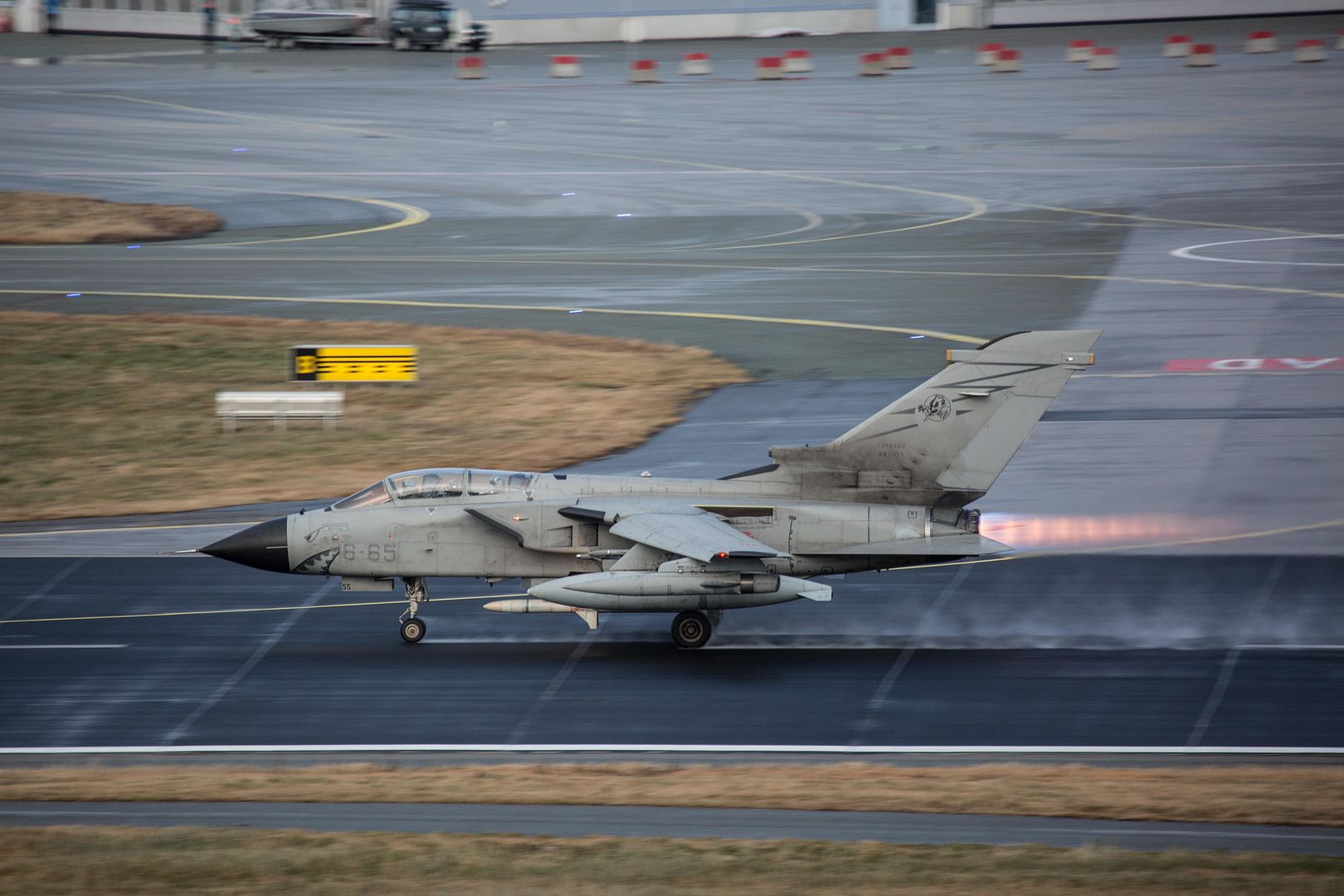
A Swedish JAS 39 Gripen takes off from Bod? airport during Trident Juncture 18.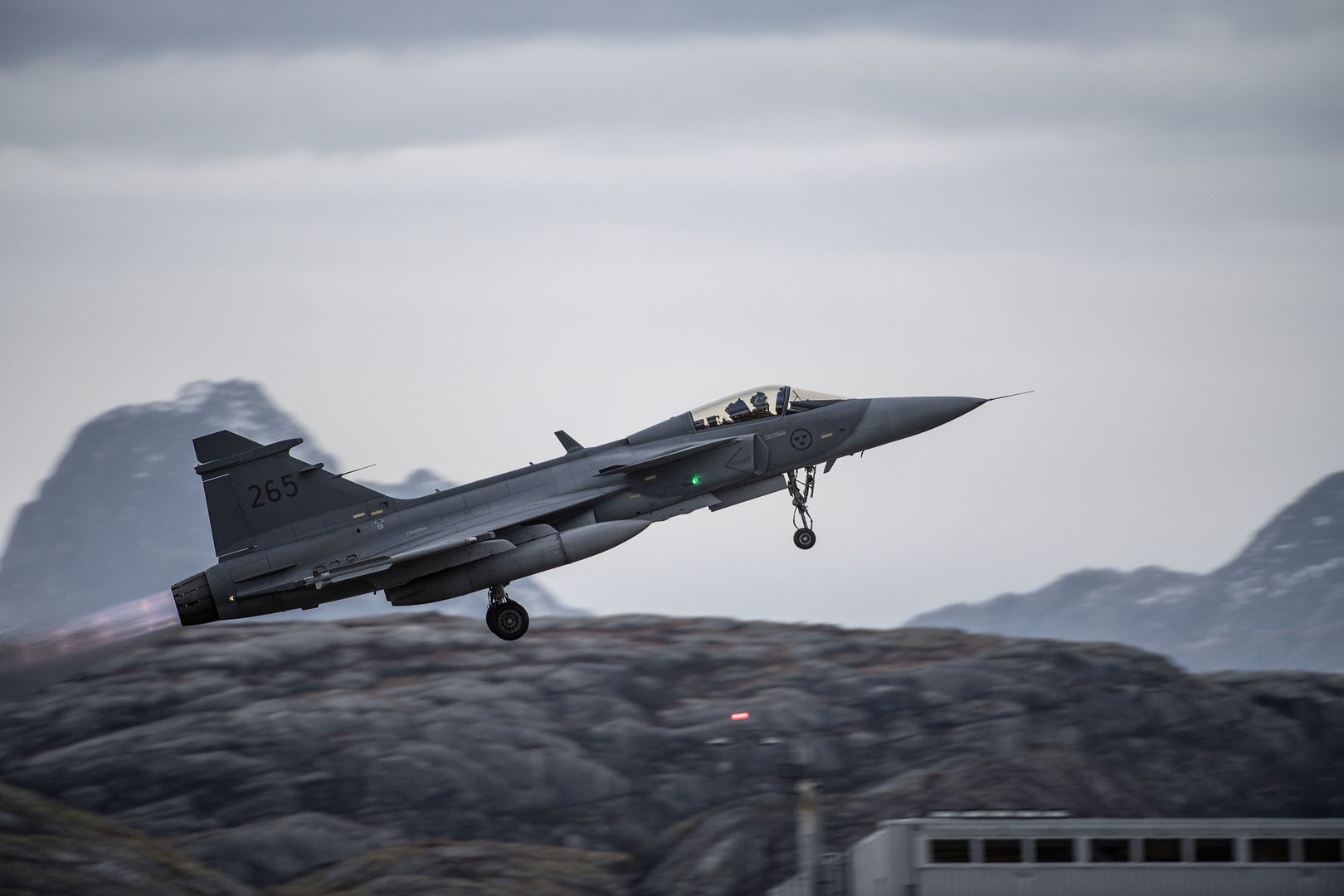
Sweden is contributing to Trident Juncture 18 by providing qualified troops from all Swedish Armed Forces combat forces. This exercise will enhance our ability to defend Sweden and our national capabilities, while also strengthening our cooperation with Finland, the US, Norway and NATO. Our naval and air forces will be preparing for their future participation in the rapid-reaction NATO Response Force (NRF) during the exercise, and Army troops will be on exercises to reinforce brigade capability. Host nation support will also be provided to NATO troops based in Sweden during the exercise.
Trident Juncture 18 is one of NATO?s biggest exercises and will be taking place in Norway in the autumn of 2018. The aim of this exercise is to test the rapid-reaction NATO Response Force (NRF). It comprises a troop exercise which will be taking place between 25 October and 7 November, and a command exercise which will be taking place from 14 to 23 November.
F-16 from the Hellenic Air Force lands at Bod? airport during Trident Juncture 18.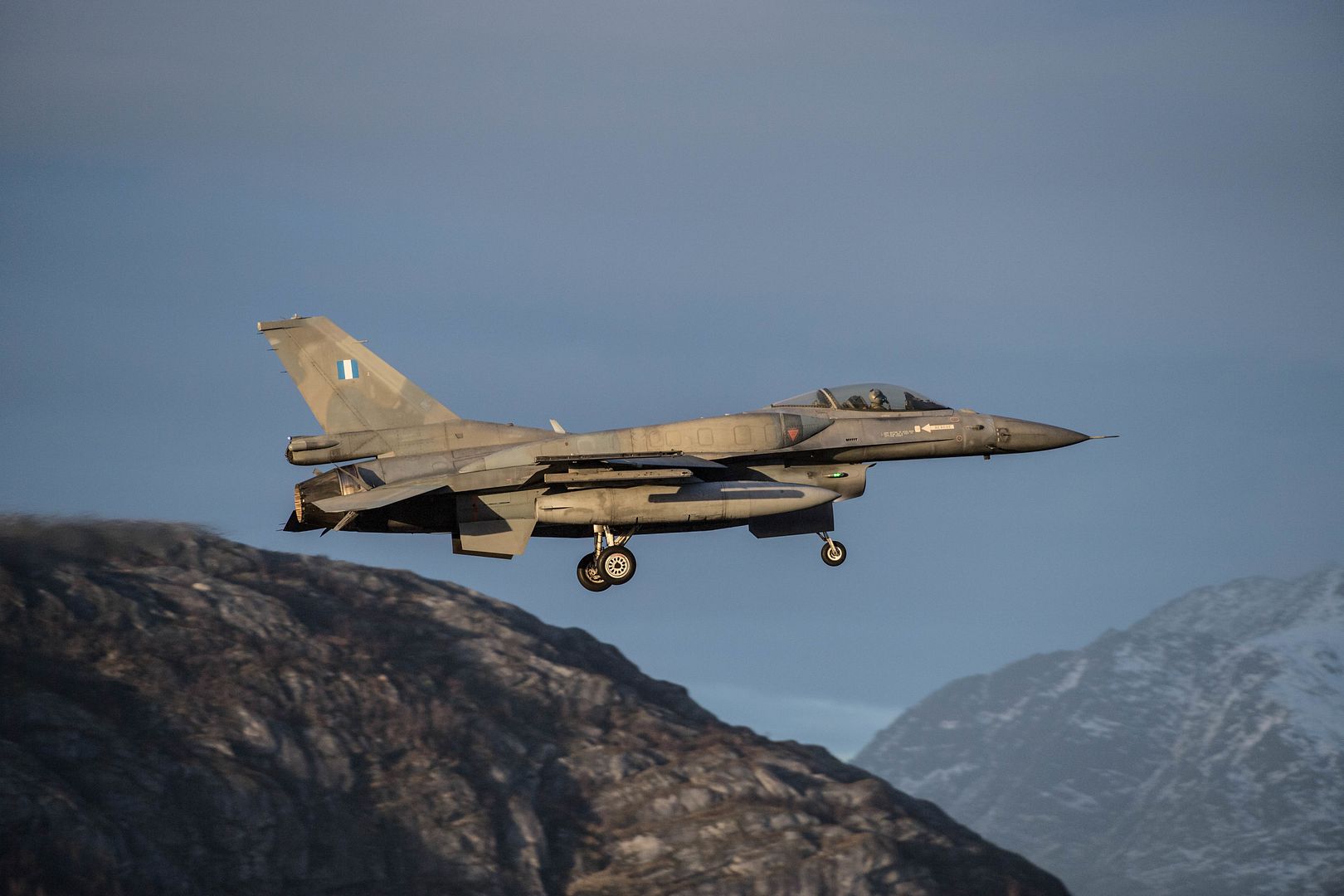
Italian Eurofighter Typhoon lands at Bod? airport during Trident Juncture 18.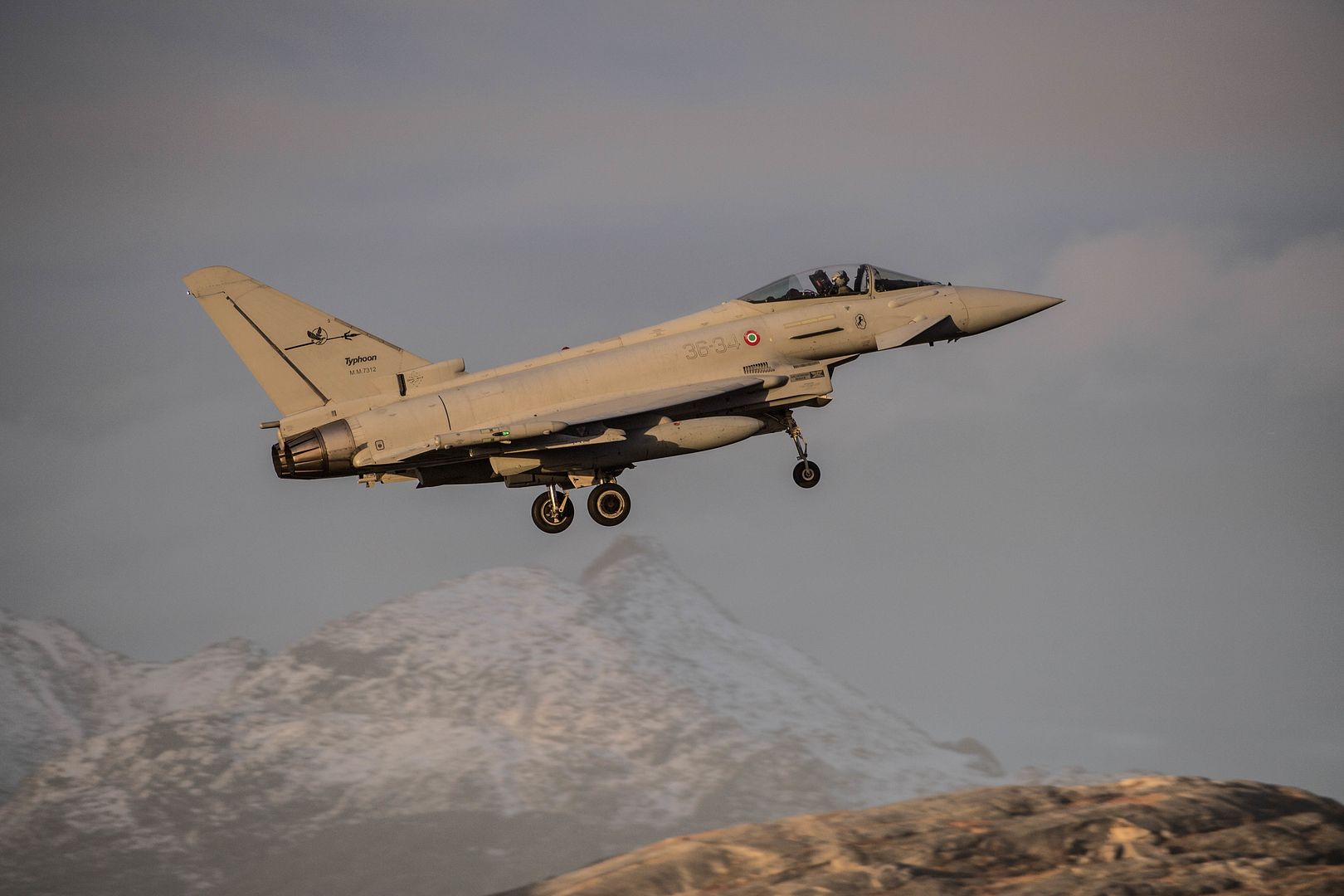
Italian Tornado IDS lands at Bod? airport durint Trident Juncture 18.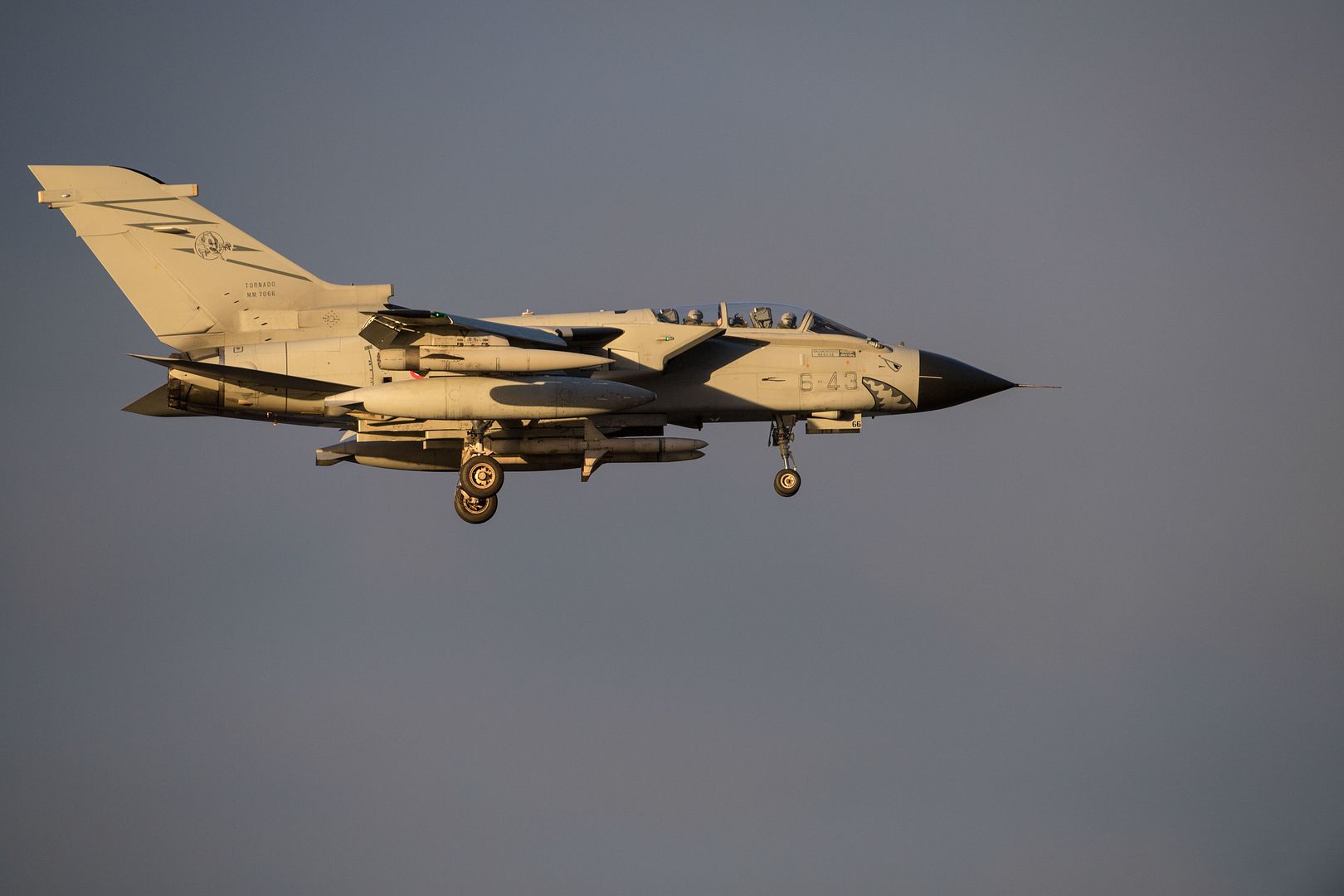
Photo's by Mats Nystr?m/F?rsvarsmakten
Air New Zealand has become a new operator of the A321neo, following the delivery of its first aircraft this weekend. In total, Air New Zealand will acquire 20 A320neo Family aircraft.
Air New Zealand?s first A321neo is painted in the airline?s iconic all black livery. The aircraft is powered by Pratt & Whitney PurePower engines and accommodates 214 passengers in a comfortable single-class layout.
Selected for its outstanding operational efficiency, comfort and range, Air New Zealand?s fleet of A320neo aircraft will initially add capacity on the carrier?s trans-Tasman and Pacific Island routes and at a later stage on domestic services.
Air New Zealand is an important operator of the A320 Family, with a total of 30 A320ceo currently in service on its domestic, trans-Tasman and Pacific Islands routes.
Featuring the widest single-aisle cabin in the sky, the A320neo Family incorporates the very latest technologies, including new-generation engines and Sharklets, which together deliver 15 percent fuel savings. With more than 6,100 orders received from over 100 customers, the A320neo Family has captured nearly 60 percent share of the market.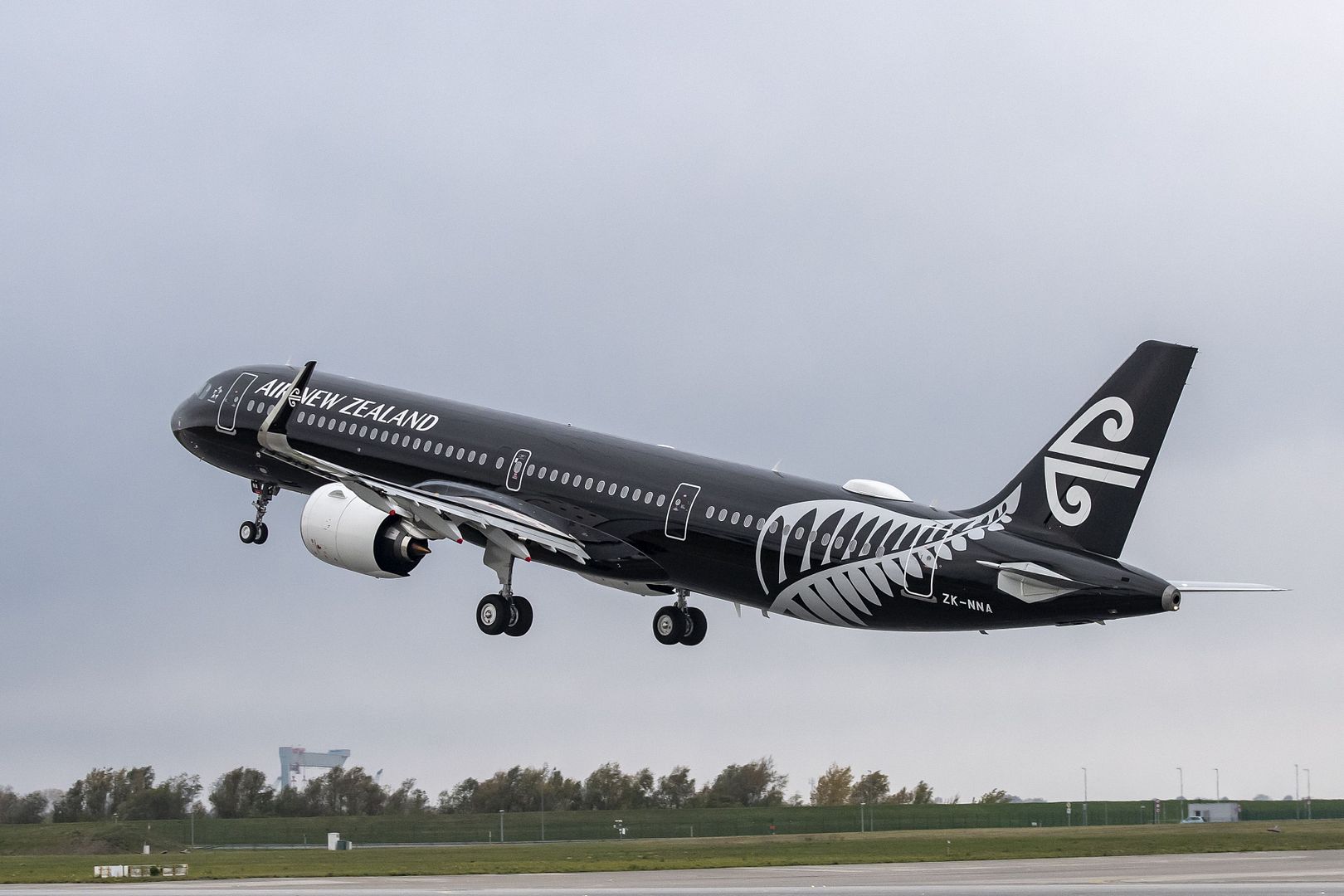
Airbus will fly an airBaltic A220-300 new-generation single-aisle aircraft to five cities in four countries as part of a world demonstration tour.
The A220-300 will first attend the Zhuhai airshow (China) from November 5 until November 8 before flying to Chengdu on November 9. The aircraft will continue on its journey with a stopover in Koh Samui (Thailand) on November 10 before flying to Kathmandu (Nepal) on November 11. After that, the airBaltic A220 will go to Istanbul (Turkey) on November 12 before returning to its home base in Riga (Latvia) on November 14.
The A220 demonstration tour is a great opportunity for Airbus to showcase its newest family member in front of airlines and media, and to offer a close up view of the aircraft`s outstanding characteristics, comfort, and performance, that benefit both operators and passengers alike.
airBaltic?s A220-300 features a comfortable cabin arrangement able to accommodate 145 passengers in true widebody comfort. The Latvian airline already operates 13 A220-300s out of a total of 50 ordered.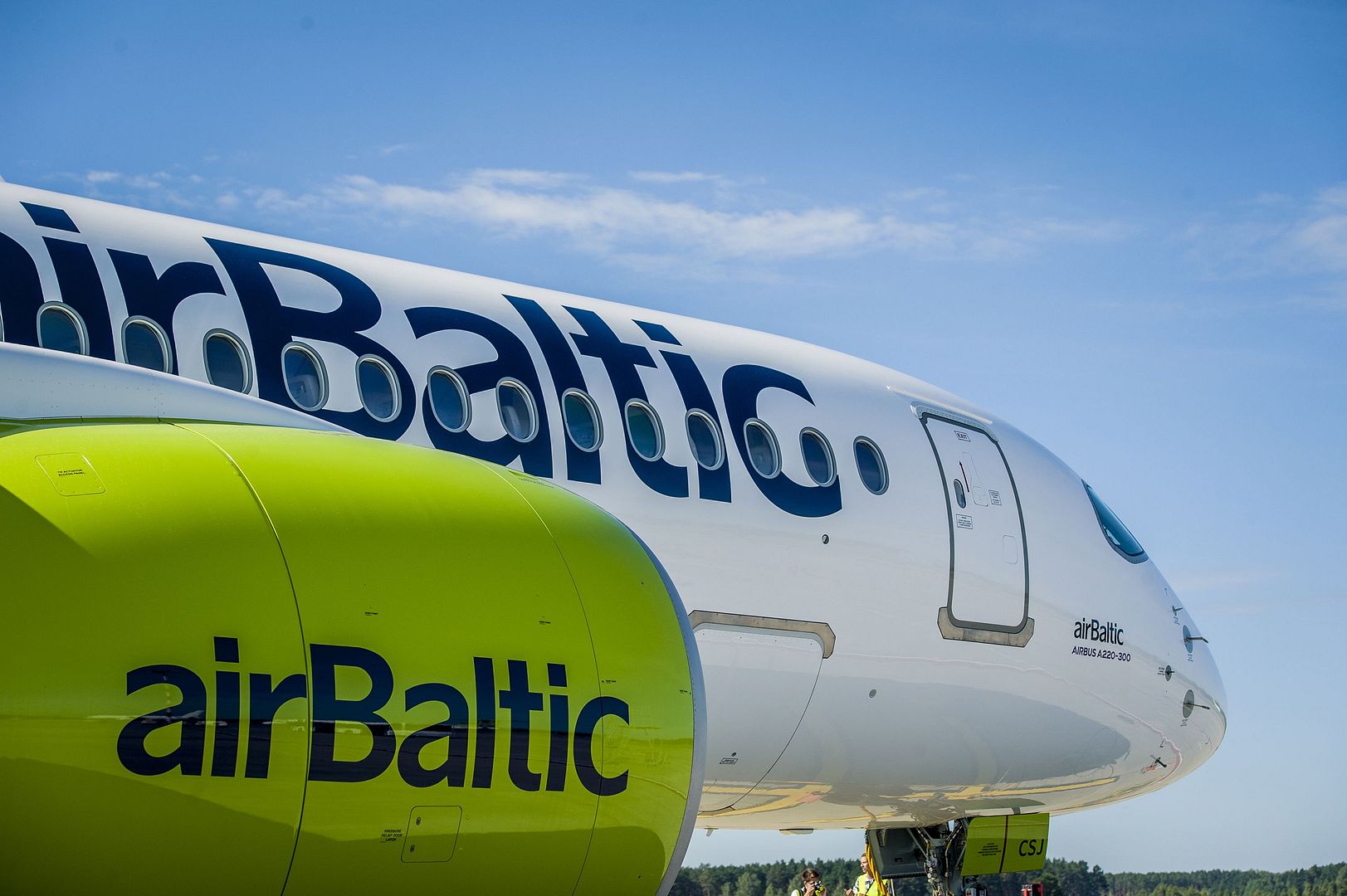
The A220 is the only aircraft purpose built for the 100-150 seat market, and it delivers unbeatable fuel efficiency and true widebody comfort in a single-aisle aircraft. The A220 brings together state-of-the-art aerodynamics, advanced materials and Pratt & Whitney?s latest-generation PW1500G geared turbofan engines to offer at least 20 percent lower fuel burn per seat compared to previous generation aircraft. With a range of up to 3,200 nm (5,020 km), the A220 offers the performance of larger single-aisle aircraft.
With an order book of over 400 aircraft to date, the A220 has all the credentials to win the lion?s share of the 100- to 150-seat aircraft market.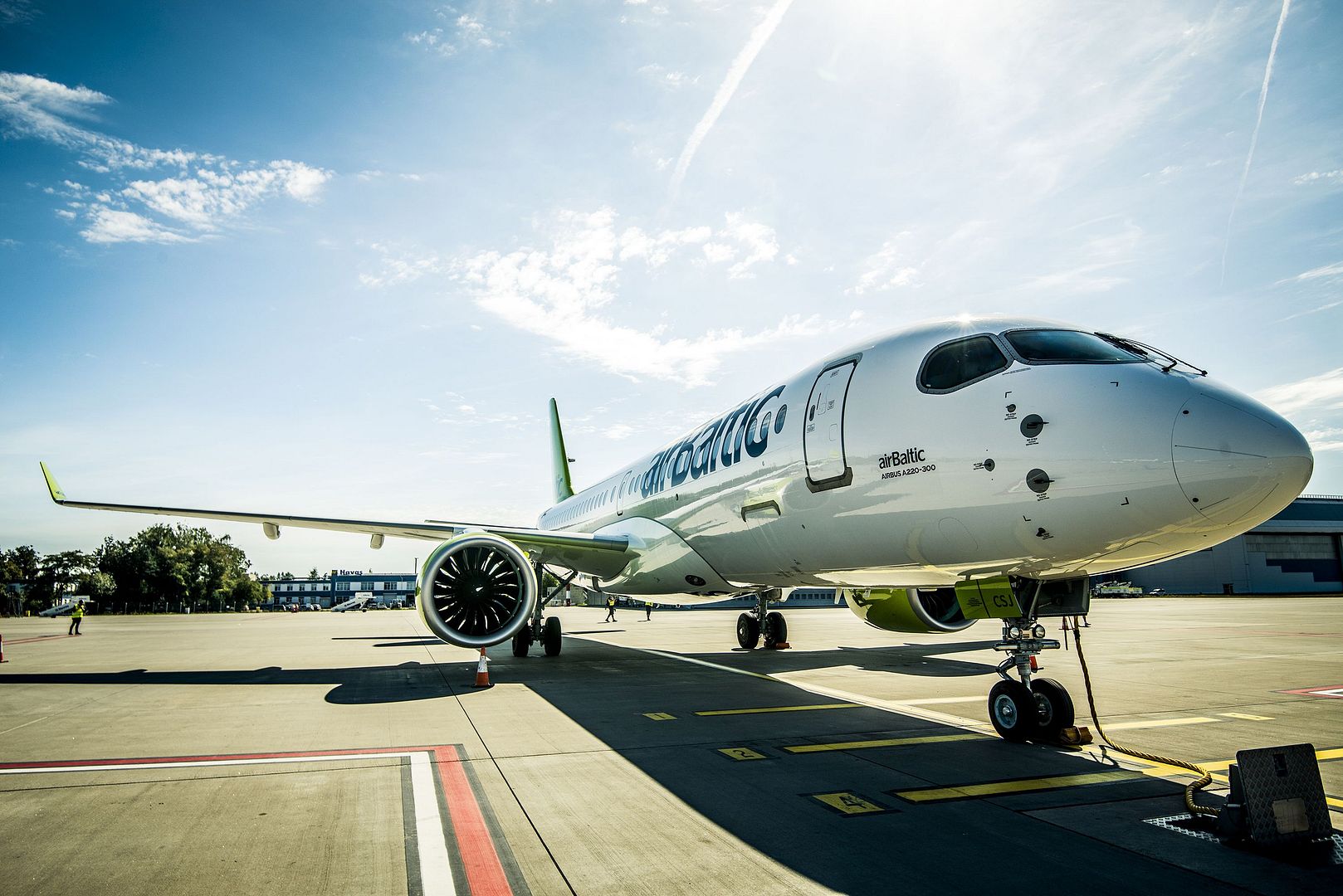
S?o Jos? dos Campos, Brazil, November 5, 2018 ? Embraer and American Airlines Inc. signed a firm order for 15 E175 jets in a 76-seat configuration. The contract has a value of USD 705 million, based on current list prices, and will be included in Embraer?s 2018 fourth-quarter backlog. Deliveries will take place in 2020.
Combined with the airline?s previous orders for the E175, this new contract results in a total of 104 E175 jets for American Airlines since 2013. The most recent order took place in May 2018 for 15 aircraft.
American Airlines selected Envoy, a wholly owned subsidiary of American Airlines Group, to operate the 15 aircraft, which will be configured with a total of 76 seats, being 12 in First Class and 64 in Main Cabin, including Main Cabin Extra seats.
?This new order from American Airlines continues to show the value that airlines place on our best-selling E175 aircraft,? said Charlie Hillis, Vice President, Sales & Marketing, North America, Embraer Commercial Aviation. ?We are fully committed to providing fleet solutions that have a positive bottom line impact, and our E175 leads the charge with over 80 percent market share in the North American market.?
Including this new contract, Embraer has sold more than 435 E175s to airlines in North America since January 2013, earning more than 80% of all orders in this 76-seat jet segment.
Embraer is the world?s leading manufacturer of commercial jets up to 150 seats. The Company has 100 customers from all over the world operating the ERJ and E-Jet families of aircraft. For the E-Jets program alone, Embraer has logged more than 1,800 orders and 1,400 deliveries, redefining the traditional concept of regional aircraft.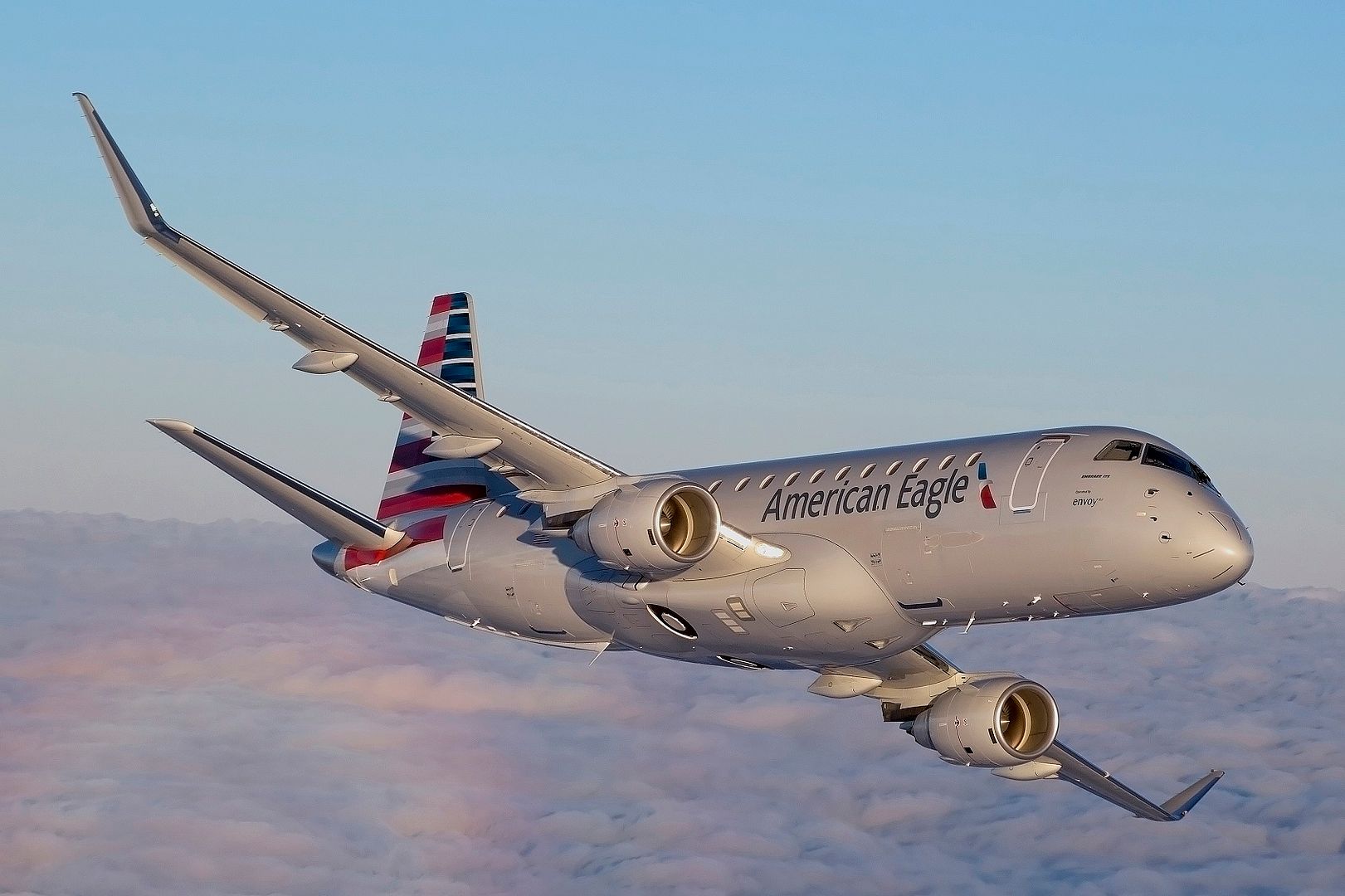
Date: 03 Nov 2018
British and Omani Militaries combined forces over the last few weeks on Ex Saif Sareea 3, culminating in an awesome fire power demonstration lasting more than 30 minutes at two separate locations in Oman.
The exercise, taking place during October and November 18, demonstrates UK and Omani intent and their ability to work together for Regional Security. It serves to strengthen the UK?s long-standing relationship with Oman and demonstrates the UK?s ability to deploy, operate and sustain a significant element of the Joint Expeditionary Force at range.
Throughout Ex Saif Sareea 3, British and Omani Forces have combined in many forms; from Air to Air refuelling of Royal Air Force of Oman and RAF jets to soldiers from both nations working closely on the ground. On 3 November a Fire Power Demonstration brought weeks of hard work (and sweat) together in a series of simulated attacks on targets. Streamed live to a VIP area in an inland location, an amphibious assault by Royal Marines and Omani troops onto a beach location in Eastern Oman with fast-roping from RAF Chinook helicopters of 27 Squadron, combined with naval gunfire support formed the first element of the demonstration.
The second phase of the demonstration, viewed by Omani Officers and Officials, Gavin Williamson the UK Secretary of State for Defence, and the Chiefs of UK Defence Forces, started after Omani Air Defences shot down a ?rogue? drone aircraft. This was followed closely by various attacks from the air and the ground. This included airstrikes by RAF Typhoons, Omani F16s, Omani Super Lynx and Army Air Corps Apache helicopters before Javelin anti-tank weapon firing destroyed more targets.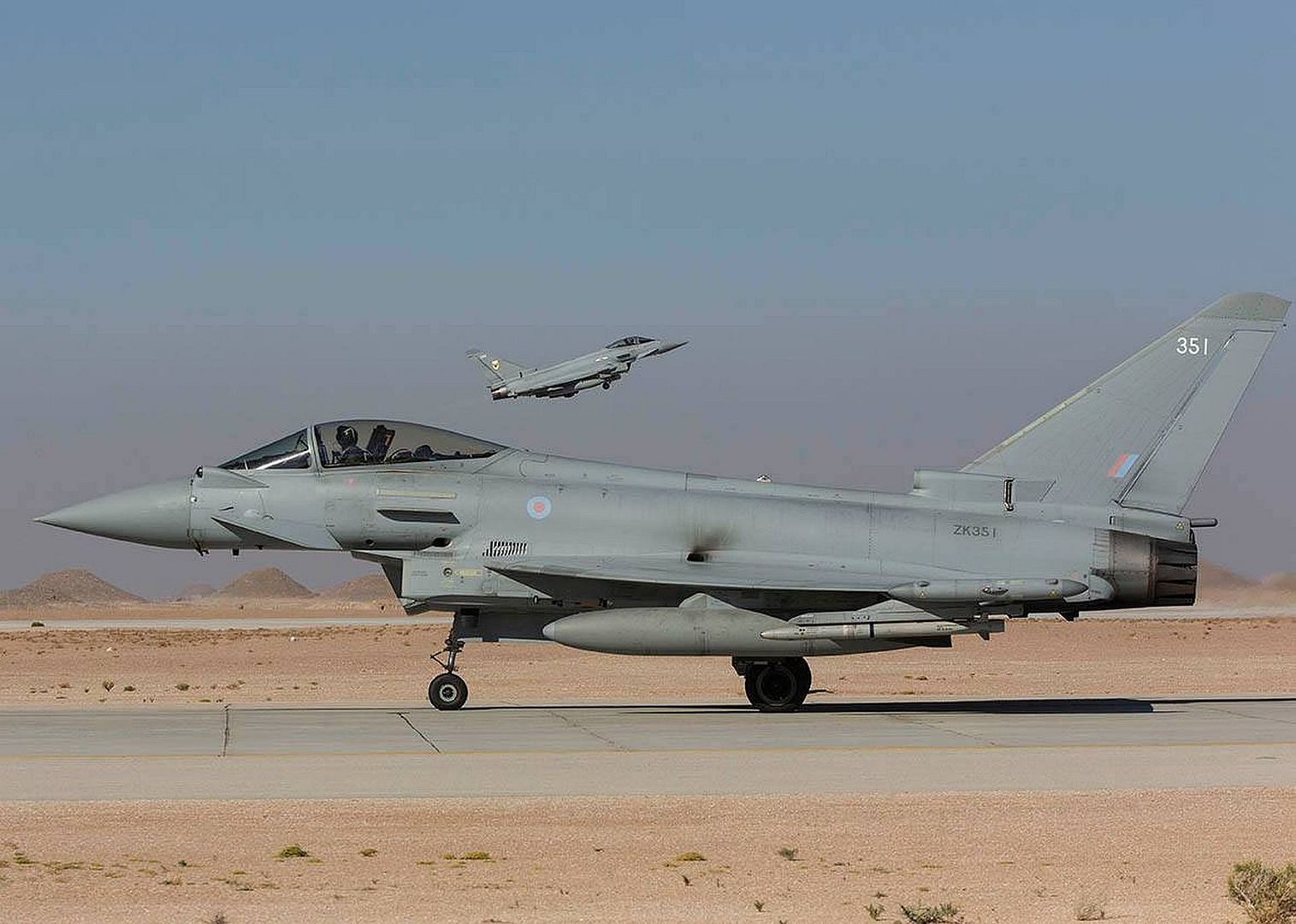
Fire and support, combined from Omani ground forces and British tanks helped to secure ?enemy' ground forces before simulated supply drops were carried out by Omani C130 aircraft (with support from airmen from from RAF Brize Norton). A flypast brought the demonstration to a fitting conclusion showing the capability of the partnering nations.
The Royal Air Force would like to thank His Highness Sultan Qaboos bin Said, Supreme Commander of the Omani Armed Forces, for their hospitality during the exercise.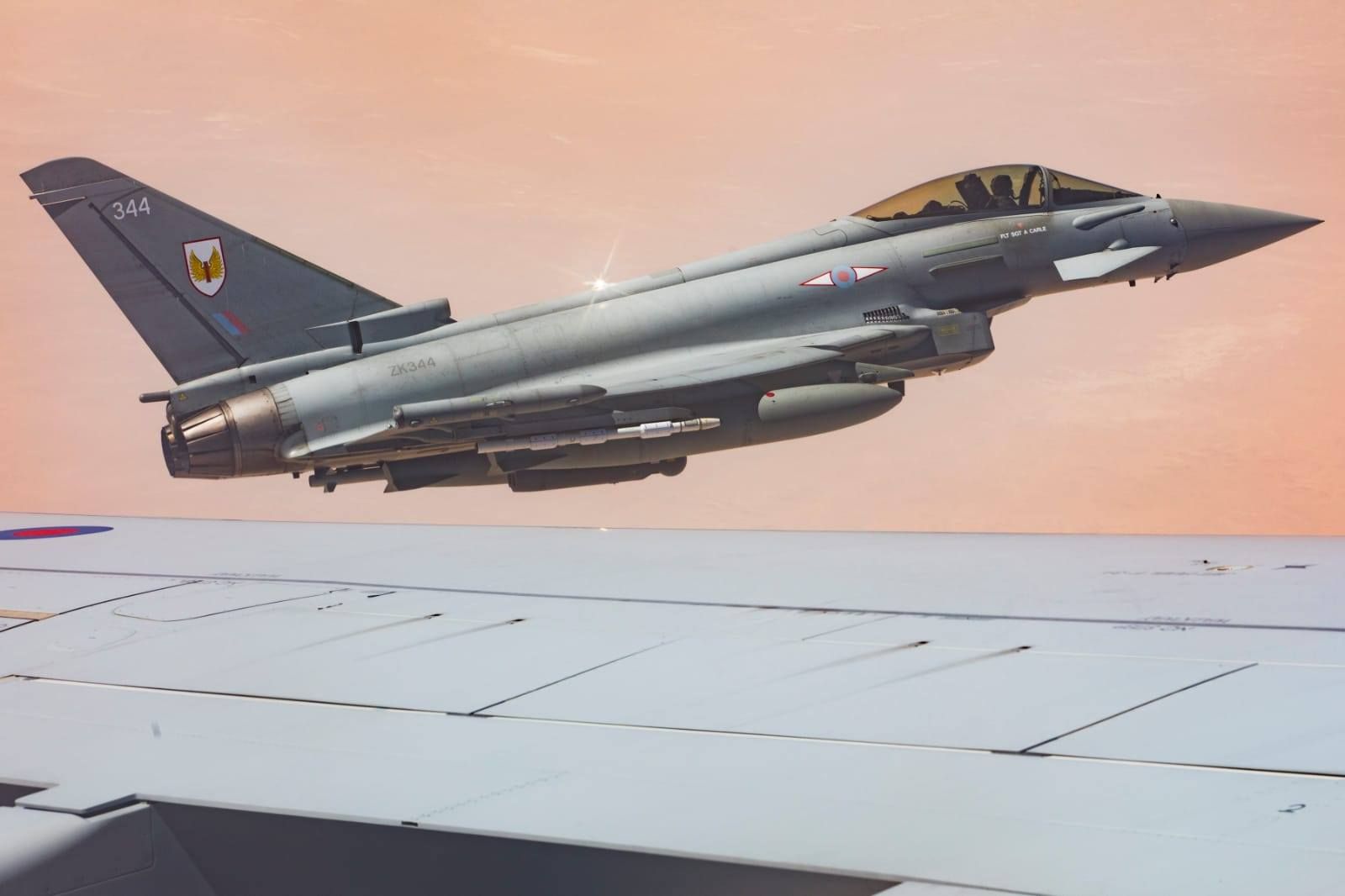
-
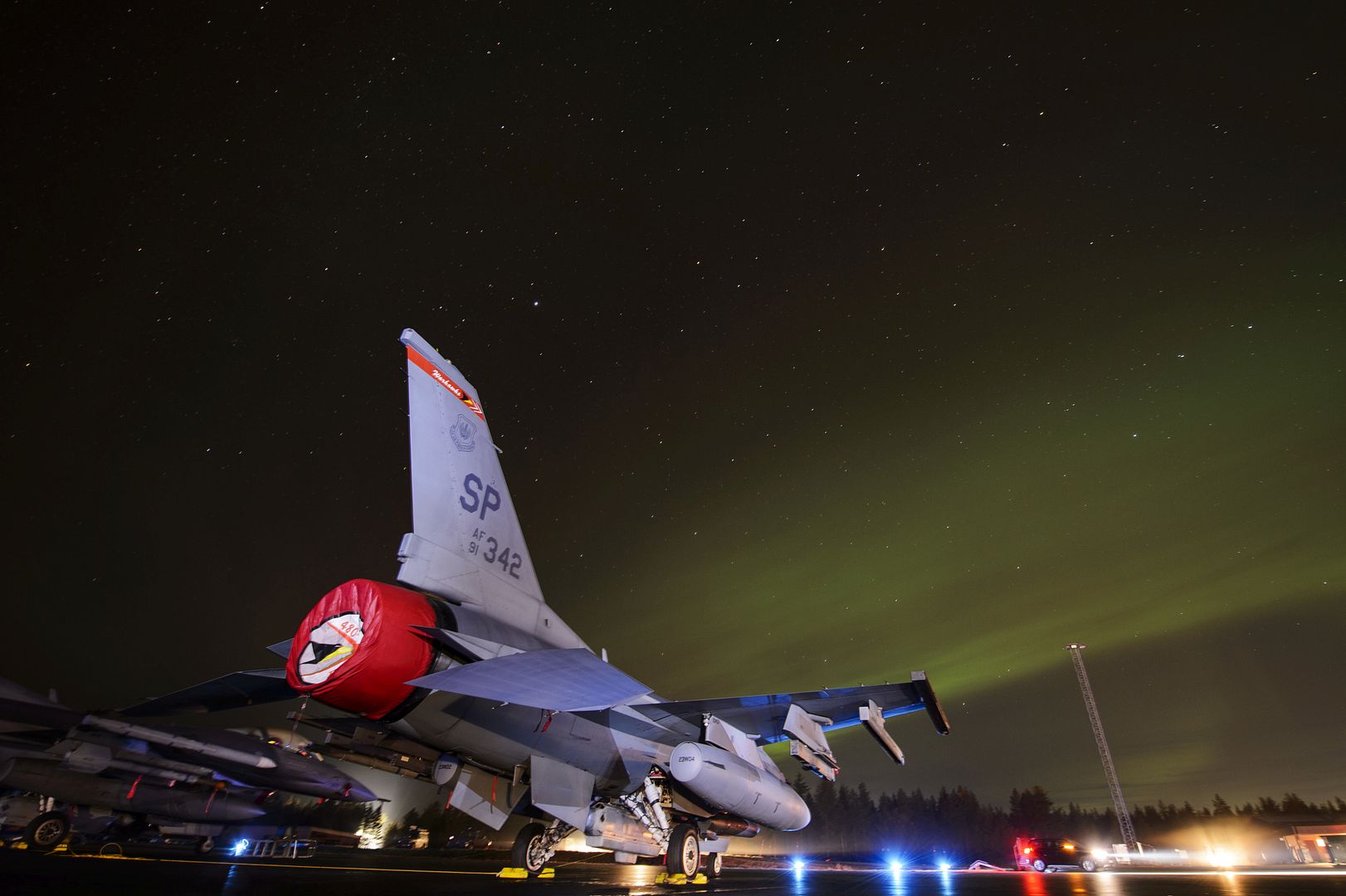
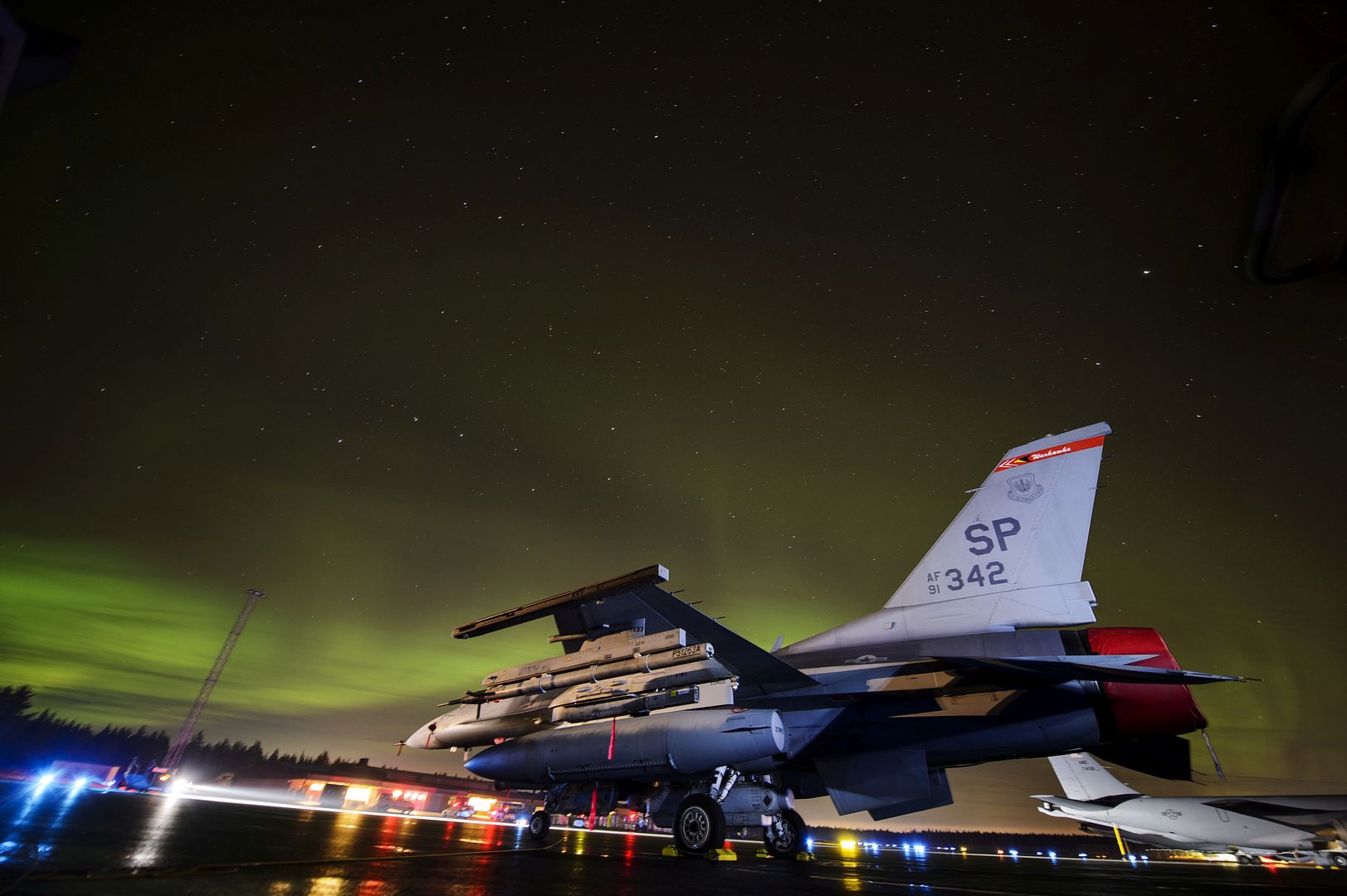
A U.S. Air Force F-16 Fighting Falcon assigned to the 480th Expeditionary Fighter Squadron sits on the flight line under the Aurora Borealis during Exercise Trident Juncture 18 at Kallax Air Base, Sweden, Nov. 5, 2018. This exercise takes place in Norway and the surrounding areas of the North Atlantic and the Baltic Sea, including Iceland and the airspace of Finland and Sweden. With more than 50,000 participants from 31 countries, this is the largest NATO exercise since 2002. (U.S. Air Force photo's by Staff Sgt. Jonathan Snyder)
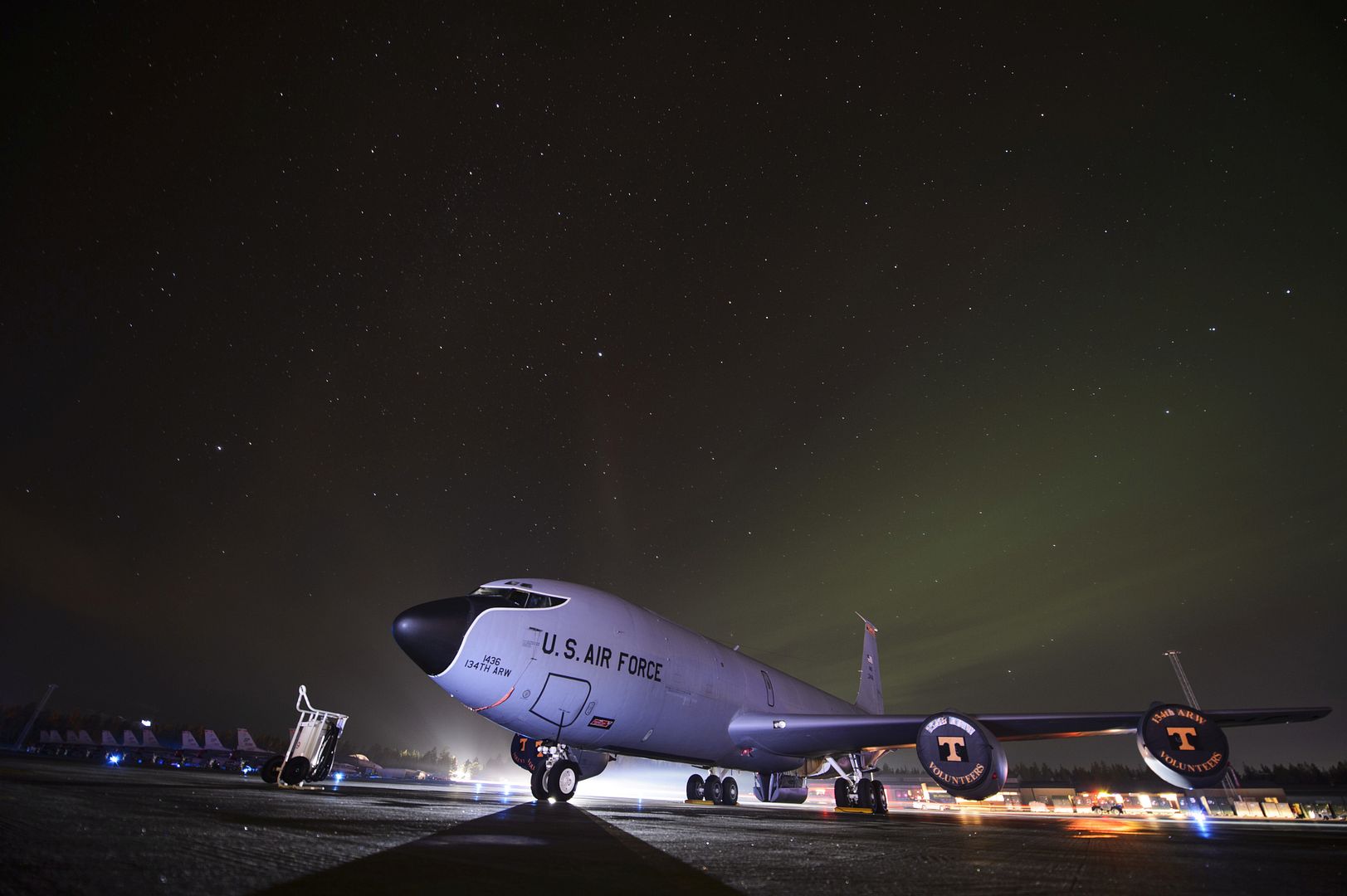
A U.S. Air Force KC-135 Stratotanker assigned to the 171st Air Refueling Wing out of Pittsburgh Air Reserve Station, Penn., sits on the flight line under the Aurora Borealis during Exercise Trident Juncture 18 at Kallax Air Base, Sweden, Nov. 5, 2018. This exercise takes place in Norway and the surrounding areas of the North Atlantic and the Baltic Sea, including Iceland and the airspace of Finland and Sweden. With more than 50,000 participants from 31 countries, this is the largest NATO exercise since 2002. (U.S. Air Force photo's by Staff Sgt. Jonathan Snyder)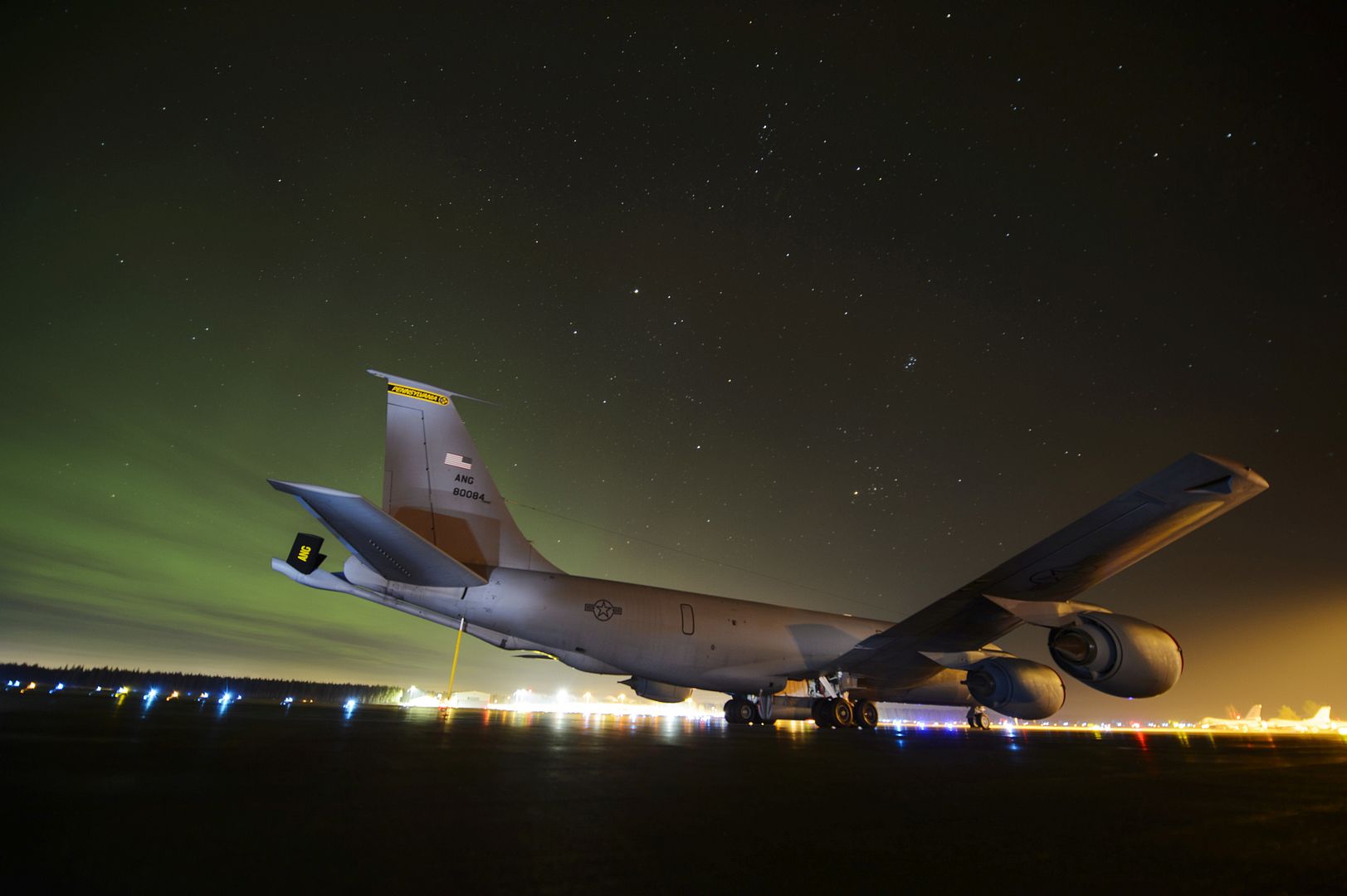
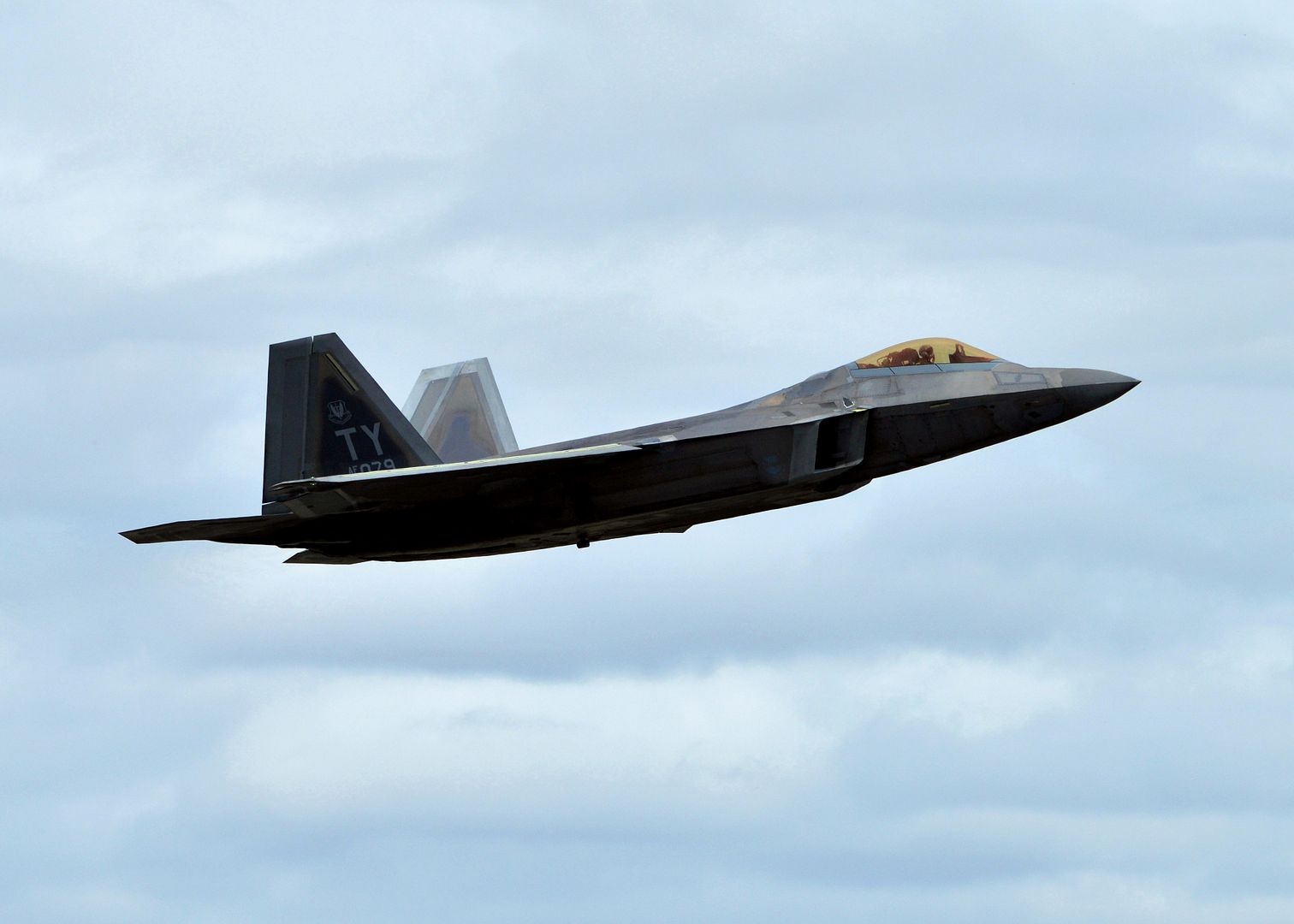
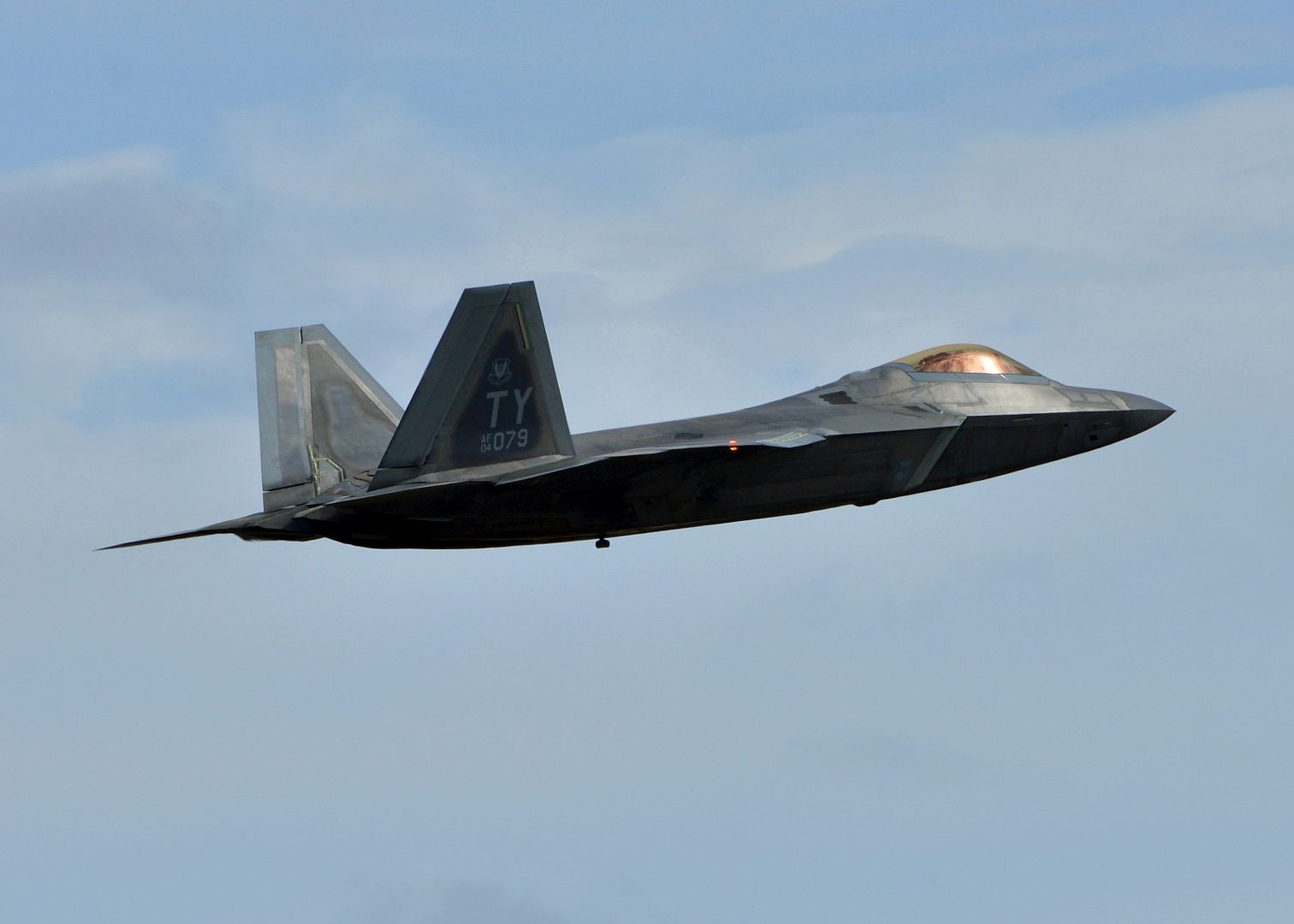
An F-22 Raptor takes off at Tyndall Air Force Base, Florida, Nov. 5, 2018. In the wake of Hurricane Michael multiple units and mission sets have worked together to recover and begin rebuilding the installation. (U.S. Air Force photo's by Staff Sgt. Jeffrey Schultze)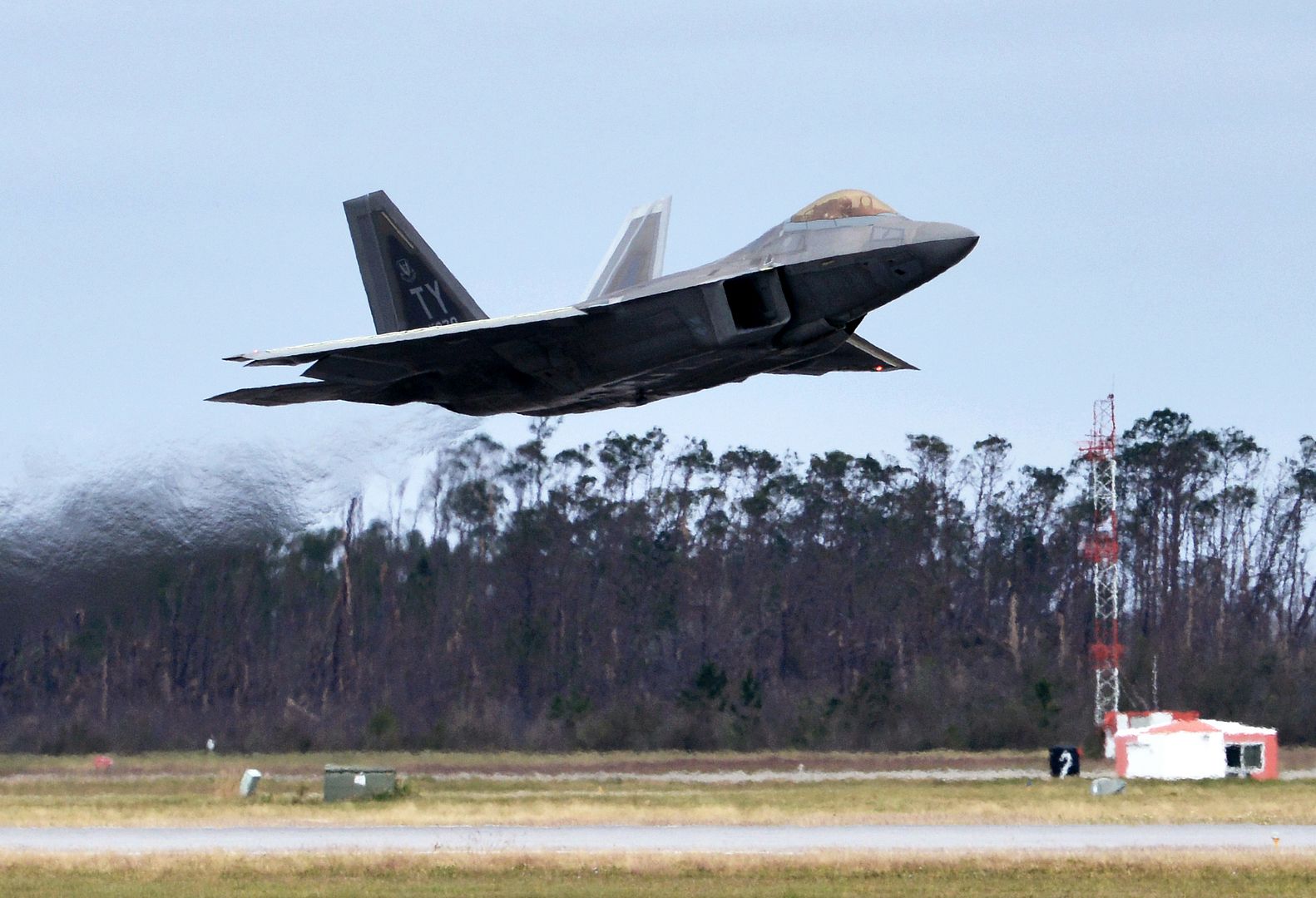
U.S. Soldiers assigned to the 1st Battalion, 3rd Aviation Regiment, 12th Combat Aviation Brigade makes final checks before departing Rena Leir Airfield, Norway, during Trident Juncture 18, Nov. 5, 2018. (U.S. Army photo by Charles Rosemond)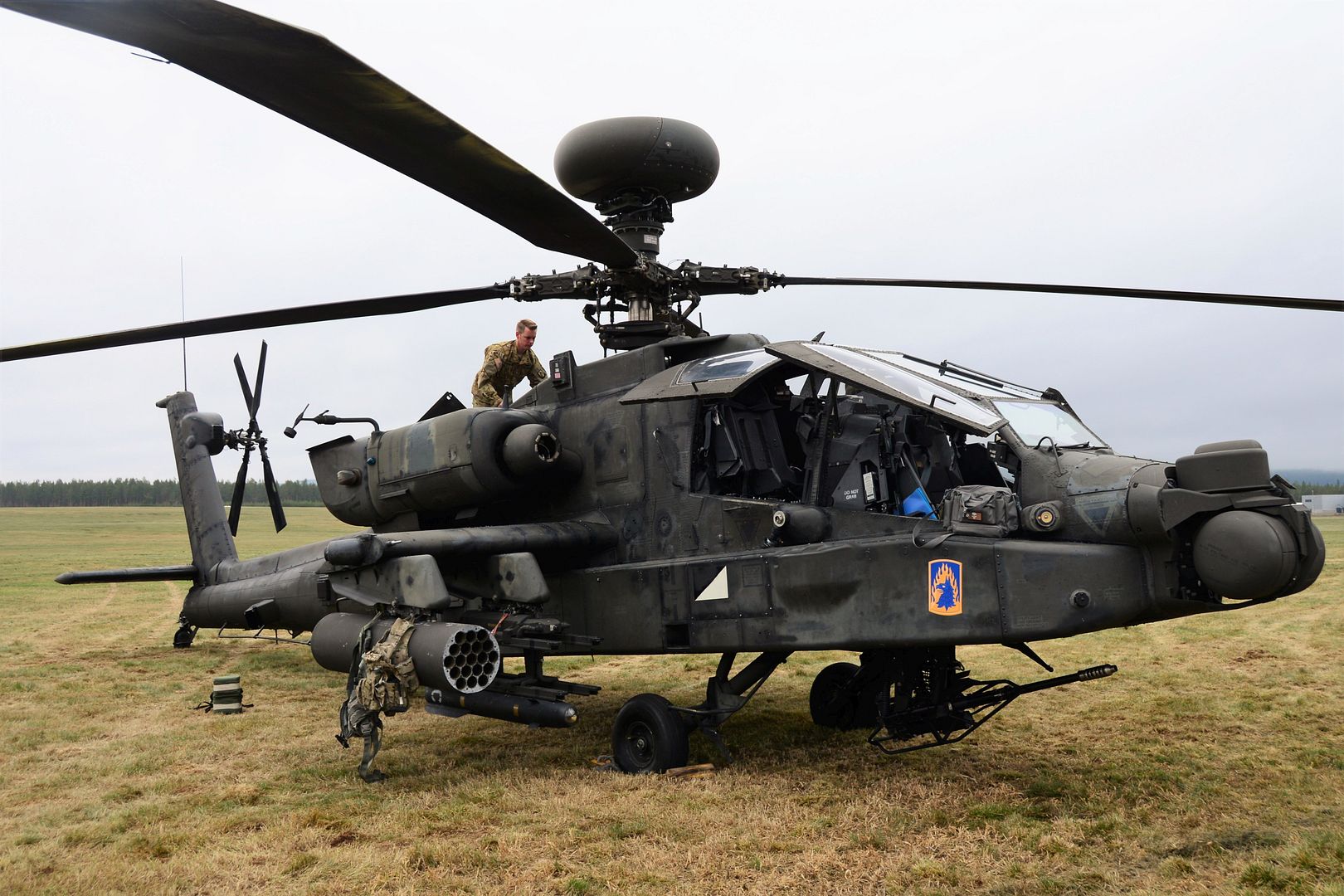
A U.S. Army Apache helicopter assigned to the 1st Battalion, 3rd Aviation Regiment, 12th Combat Aviation Brigade departs Rena Leir Airfield, Norway, during Trident Juncture 18, Nov. 5, 2018. Trident Juncture is a NATO-led military exercise held in Norway. The exercise is the largest of its kind in Norway since the 1980s. An expected 51,000 participants from over 30 nations will take part, including 10,000 vehicles, 150 aircraft and 60 vessels. The main goals of Trident Juncture is to train the NATO Response Force and to test the alliance's defense capabilities. (U.S. Army photo by Charles Rosemond)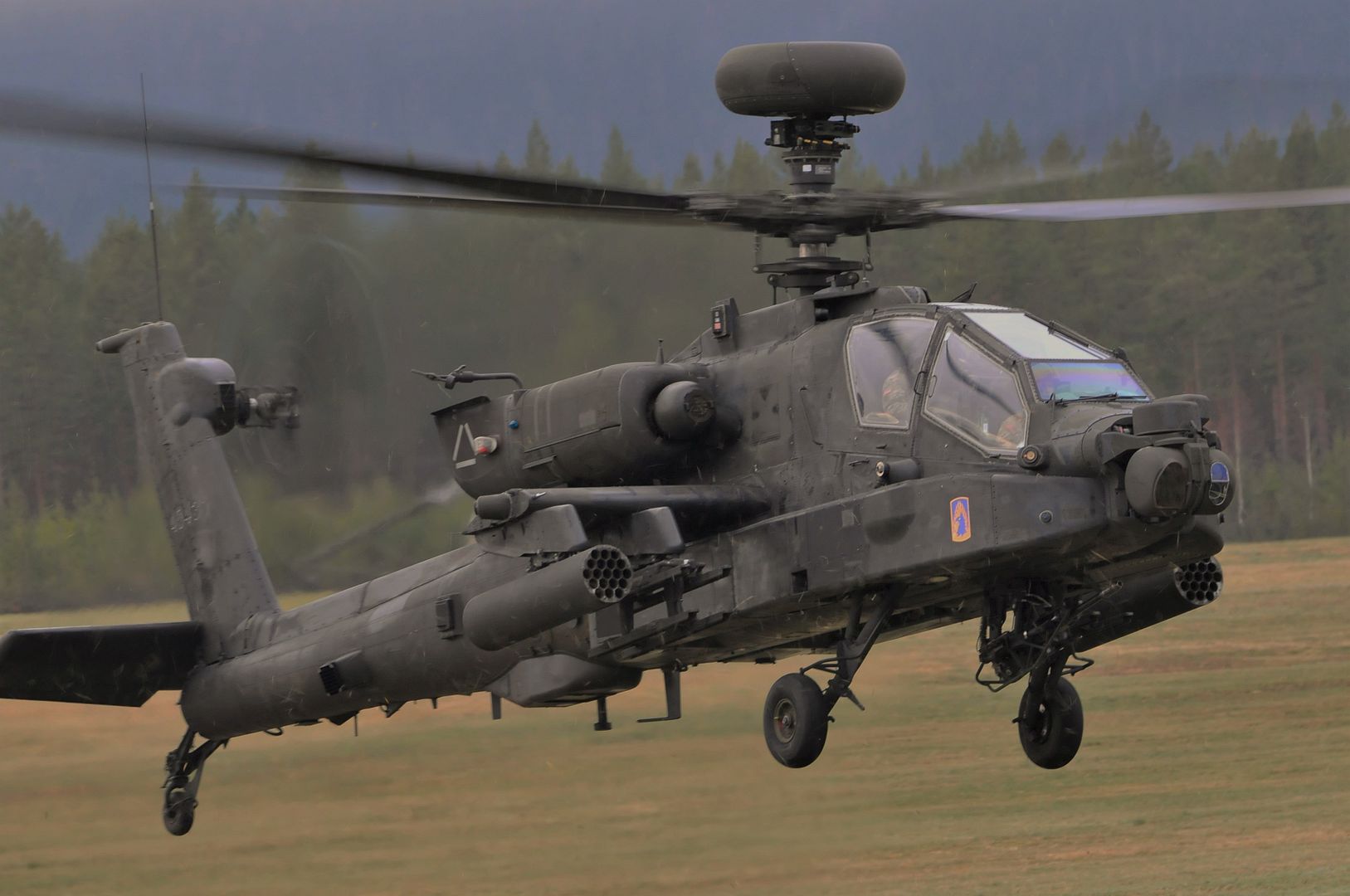
Dulles, Va. ? Nov. 6, 2018 ? Northrop Grumman Corporation (NYSE: NOC) announced it is prepared to launch the company?s air-launched Pegasus? XL rocket aboard its Stargazer L-1011 airplane from Cape Canaveral Air Force Station on November 7, at approximately 3:05 a.m. EST. This will be the 44th flight for Northrop Grumman?s unique air-launched Pegasus rocket.
Pegasus will be carrying NASA?s Ionospheric Connection Explorer (ICON) satellite, built by Northrop Grumman at its manufacturing facilities in Dulles, Virginia and Gilbert, Arizona. ICON will study the frontier of space ? the dynamic zone high in Earth?s atmosphere where terrestrial weather from below meets space weather above. The explorer will help determine the physics of Earth?s space environment and pave the way for mitigating its effects on technology, communications systems and society. ICON is based on Northrop Grumman?s flight-proven LEOStar-2? spacecraft bus and adds to an extensive list of science satellites the company has developed and built for NASA over the last 35 years.
Northrop Grumman has previously provided both the satellite and launch vehicle for numerous NASA scientific missions. The most recent example of this dual capability occurred mid-2012 when the Northrop Grumman-built Nuclear Spectroscopic Telescope Array (NuSTAR) satellite launched on a Pegasus rocket. Other examples include the Interstellar Boundary Explorer (IBEX), the Aeronomy of Ice in the Mesosphere (AIM) satellite, the Solar Radiation and Climate Experiment (SORCE) and the Galaxy Evolution Explorer (GALEX).
Pegasus is the world?s first privately-developed commercial rocket and the leading launch system for deploying small satellites into low earth orbit. The rocket has a perfect launch record for more than 20 years.
A NASA Category 3 vehicle in the small-launch class, Pegasus is certified to launch NASA?s most valuable small satellites. NASA?s Launch Services Program, which matches spacecraft with launch vehicles, facilitated the launch.
The original air-launched space launcher, the Pegasus rocket launches from beneath Northrop Grumman?s Stargazer L-1011 carrier airplane, providing customers with unparalleled flexibility to operate from virtually anywhere on Earth with minimal ground support requirements. Previous Pegasus missions have launched from five separate sites in the U.S., Europe and the Marshall Islands.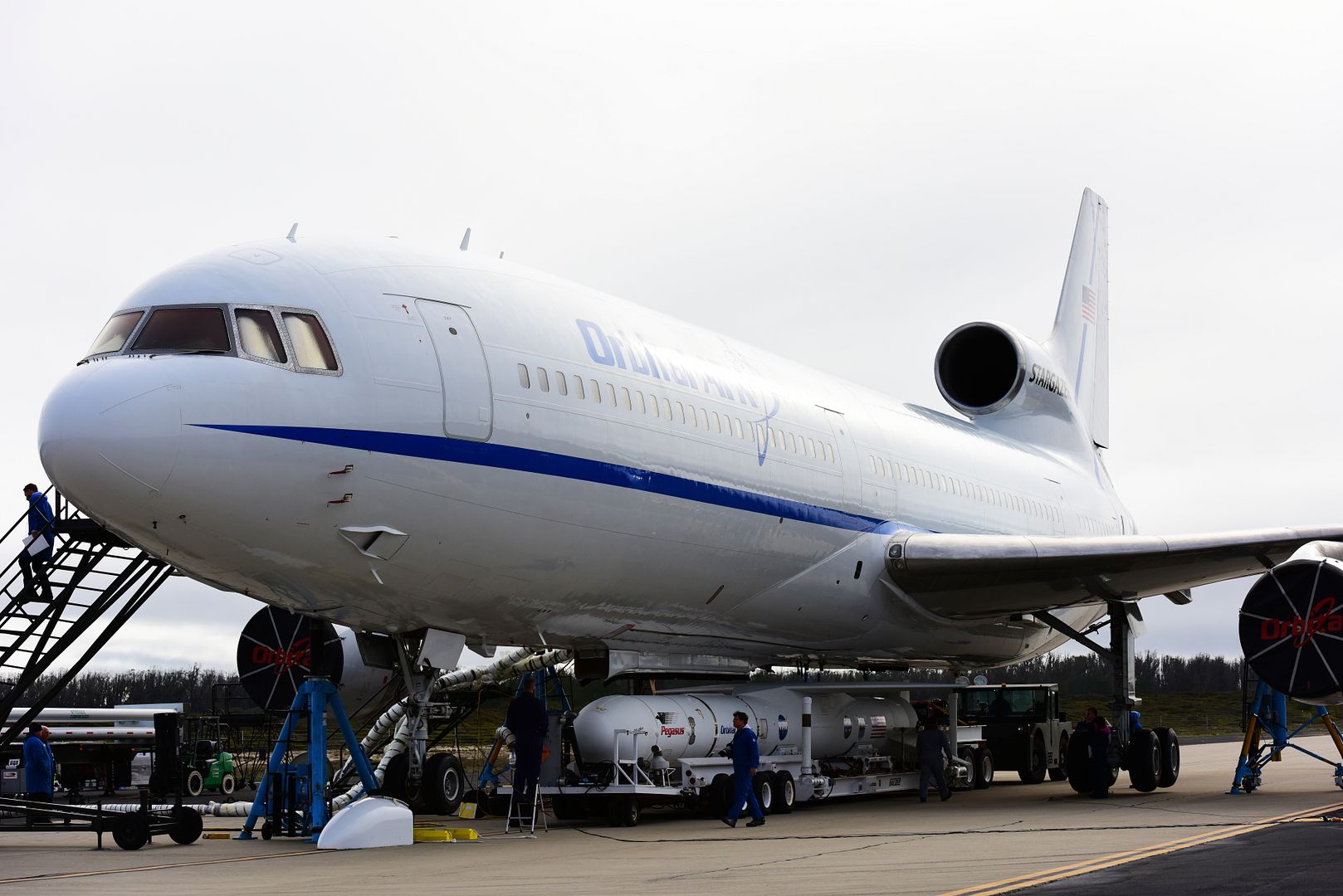
The A330-800 has completed its maiden flight, with this highly-efficient addition to the A330 twin-engine widebody jetliner product line performing an evaluation lasting four hours and four minutes from Toulouse-Blagnac Airport.
The Airbus crew for this first flight ? Captain Fran?ois Barre, Copilot Malcom Ridley, Test Flight Engineer Ludovic Girard, as well as Flight Test Engineers Catherine Schneider and Jose Angel Corugedo Bermejo ? put the aircraft through its paces and highlighted the new-generation jetliner?s operational advantages.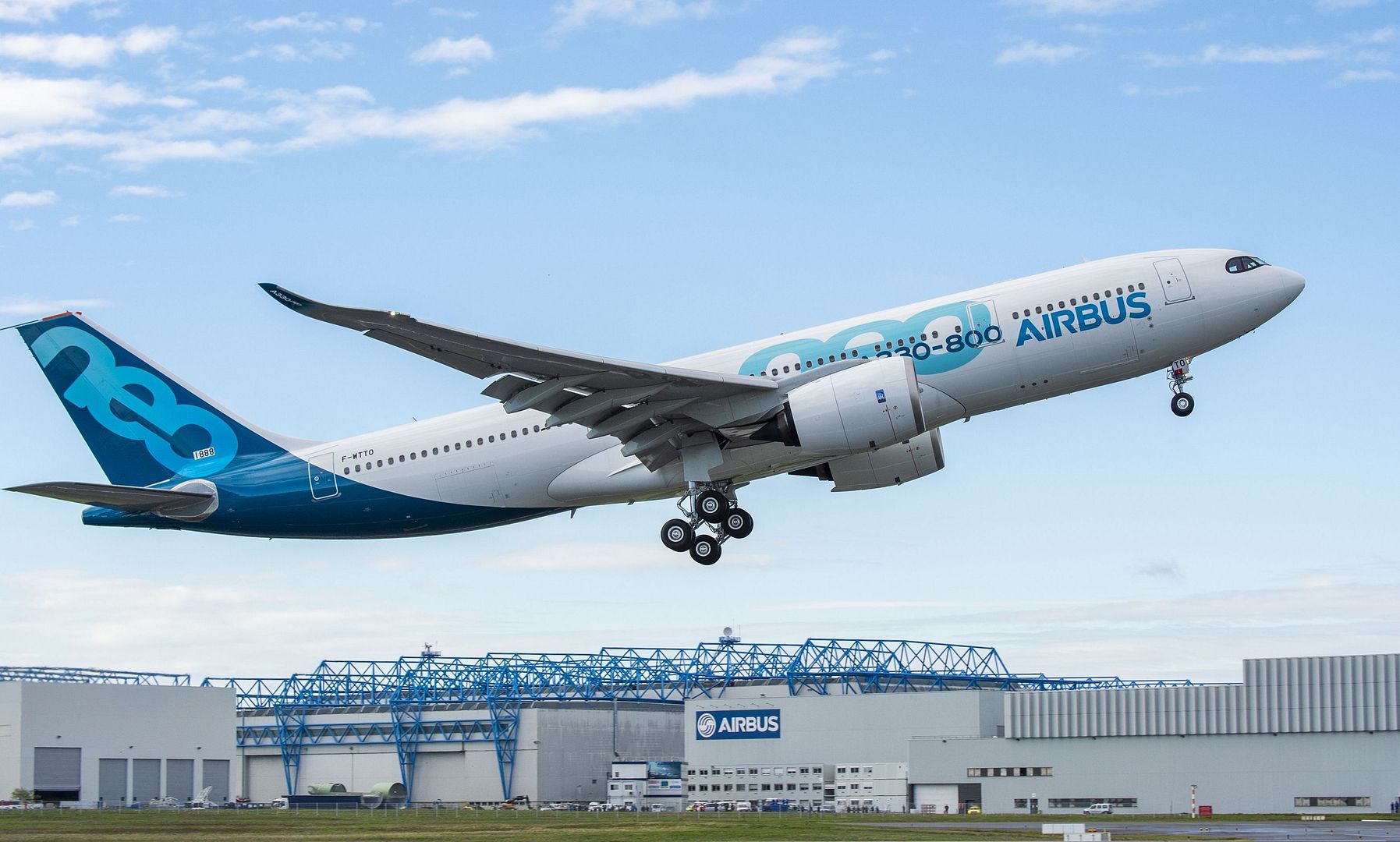
As the second member of the A330neo Family, the A330-800 is the most efficient, longest-range entry-level widebody aircraft. It joins the longer-fuselage A330-900 variant, which offers the lowest seat-mile cost in midsize widebody category and will soon be entering airline service with launch operator TAP Air Portugal.
The A330-800 and A330-900 have more than 99% commonality across the two A330neo versions, and they share the same type rating with the other members of Airbus? A330 Family ? which are the best-selling midsize widebody aircraft ever. Additionally, the two A330neo aircraft have a common type rating with the A350 XWB, facilitating pilots? transition among these widebody Airbus aircraft for maximum efficiency.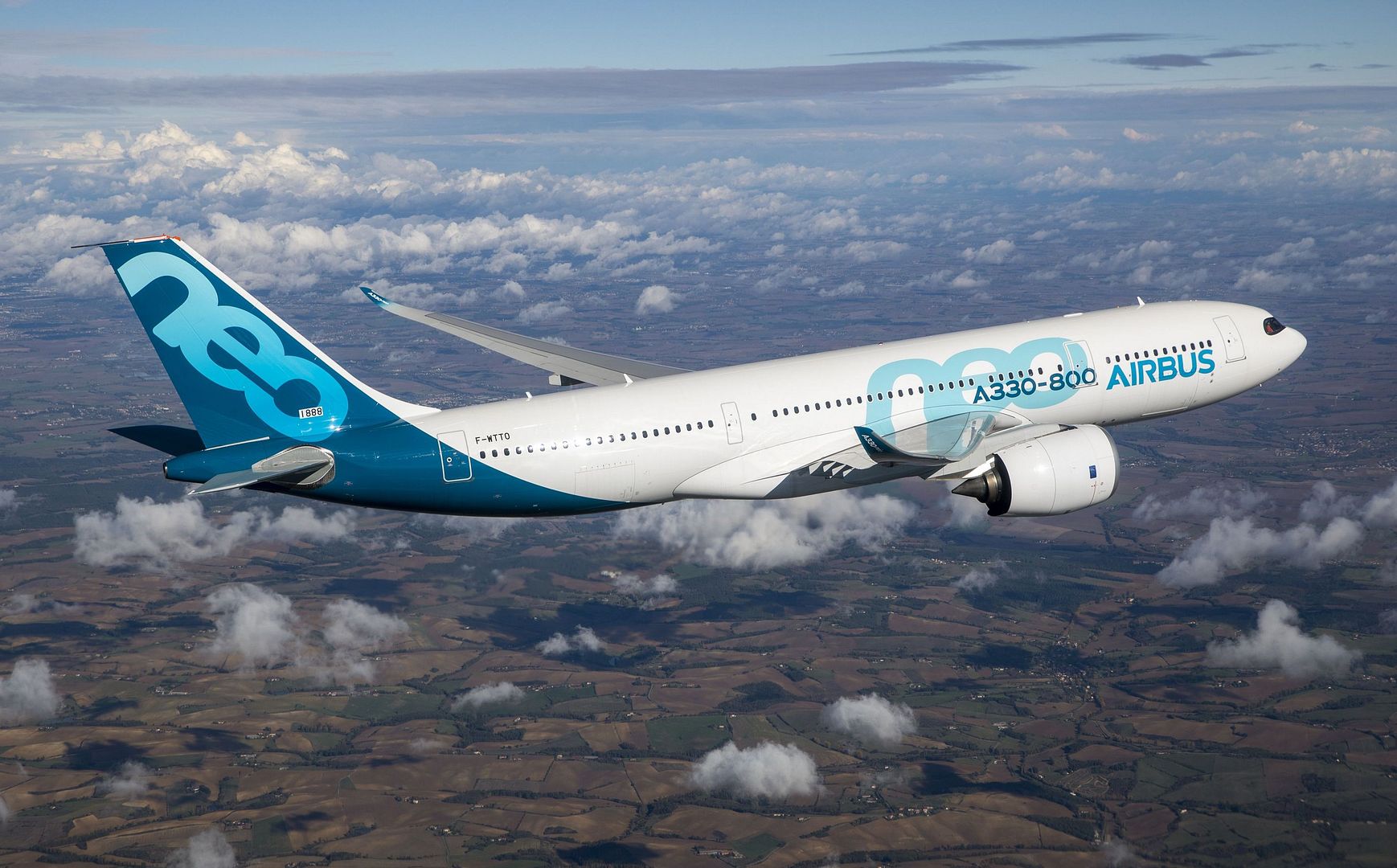
A highly-efficient member of the A330neo Family
Passenger capacity of the A330-800 variant is 257 passengers in a three-class configuration, with the A330-900 version seating 287 passengers with similar typical three-class layout.
The A330neo has the quietest and most comfortable cabin in its category. Fitted with the new Airspace by Airbus cabin, the A330neo features an innovative and customisable entrance, full LED ambient lighting, new lavatories, as well as the latest in-flight entertainment system for an exclusive experience aloft.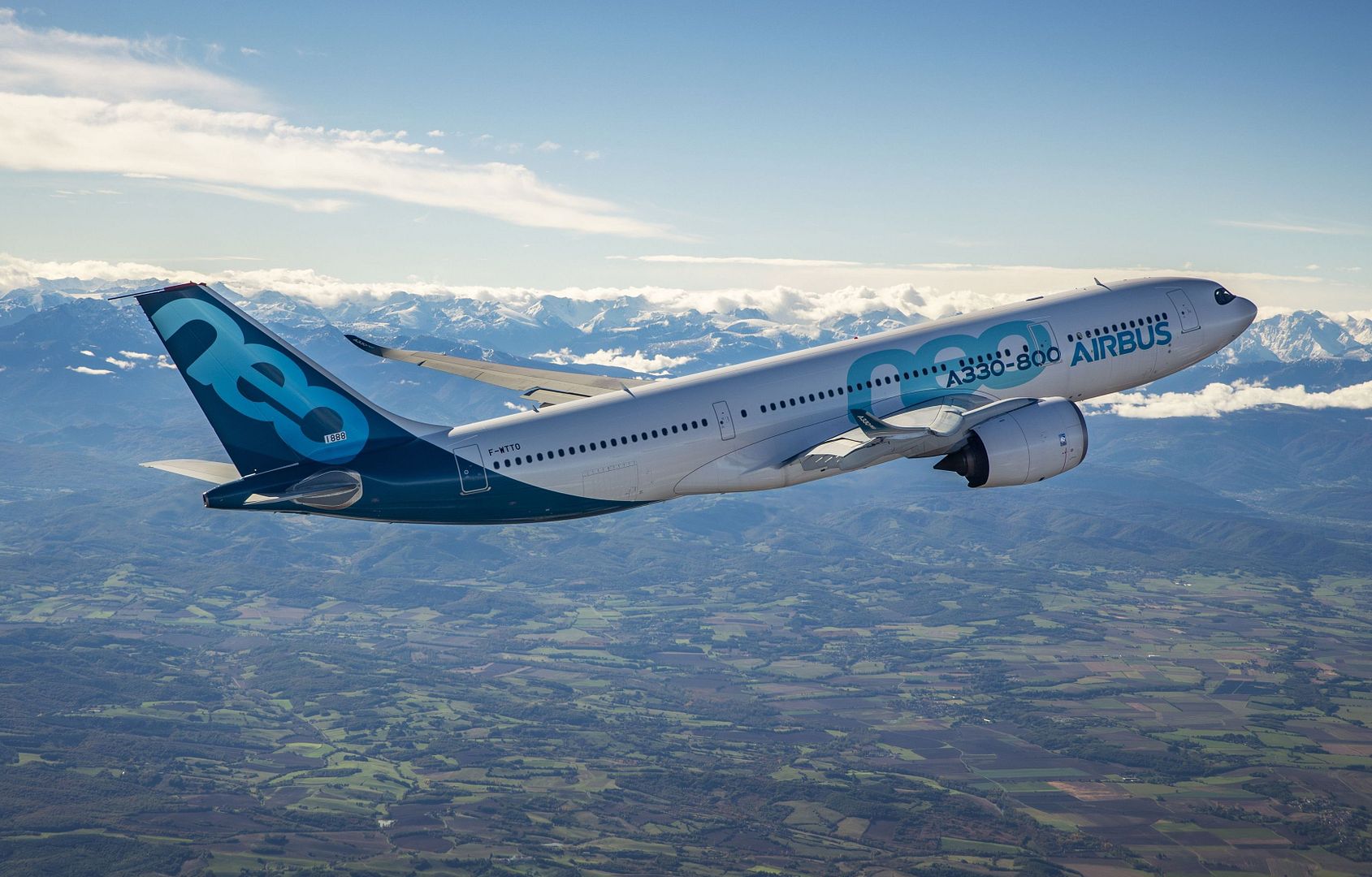
Rolls-Royce?s Trent 7000 powers the A330-800 and A330-900, offering a significant reduction in fuel burn. With 25 percent less fuel consumption than previous generation aircraft, these A330neo jetliners can travel farther with lower operating costs. For the A330-800, this results in a range of up to 8,150 nautical miles, enabling non-stop flights between Southeast Asia and Europe, as well as transpacific travel between Southeast Asia and the U.S. West Coast.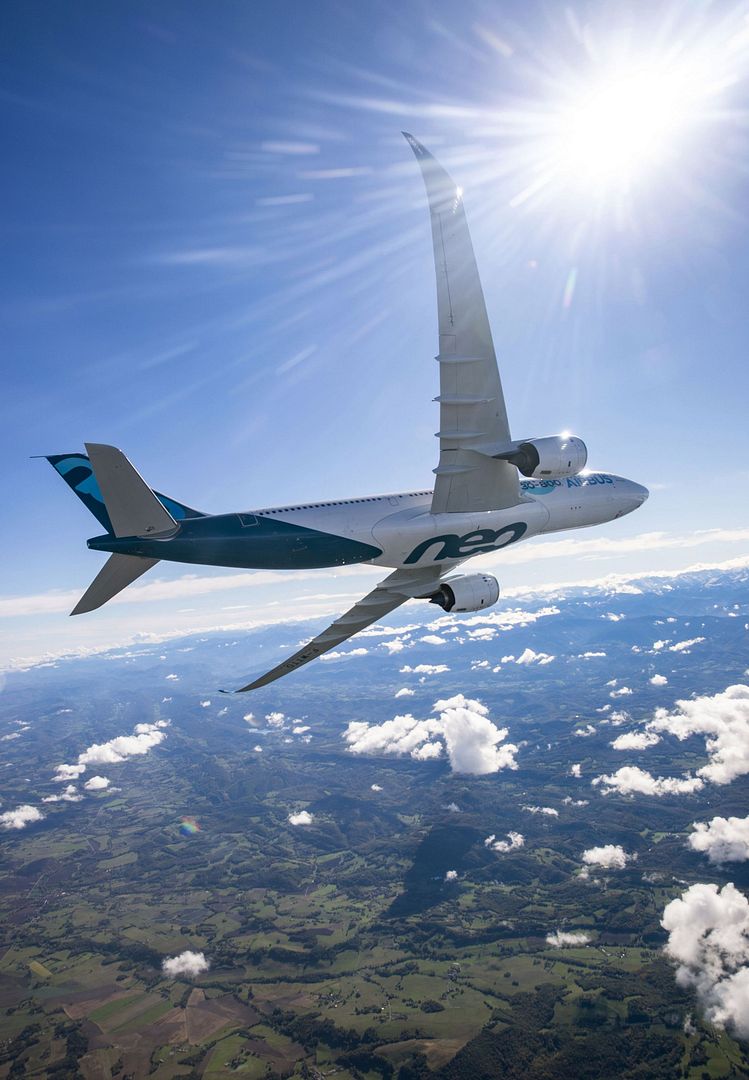
To mark over 36 years of Tornado operations, IX(B) Squadron based at RAF Marham have painted a Tornado GR4 in this spectacular colour scheme.
The Squadron was the first front line unit to receive the Tornado in 1982 and it is testament to both the aircraft and those who have operated and maintained it that it still serves on operations to this day.
The Tornado will finally bow out of RAF service next year. Please keep an eye on RAF social media channels for further updates on how we will say farewell to this iconic aircraft.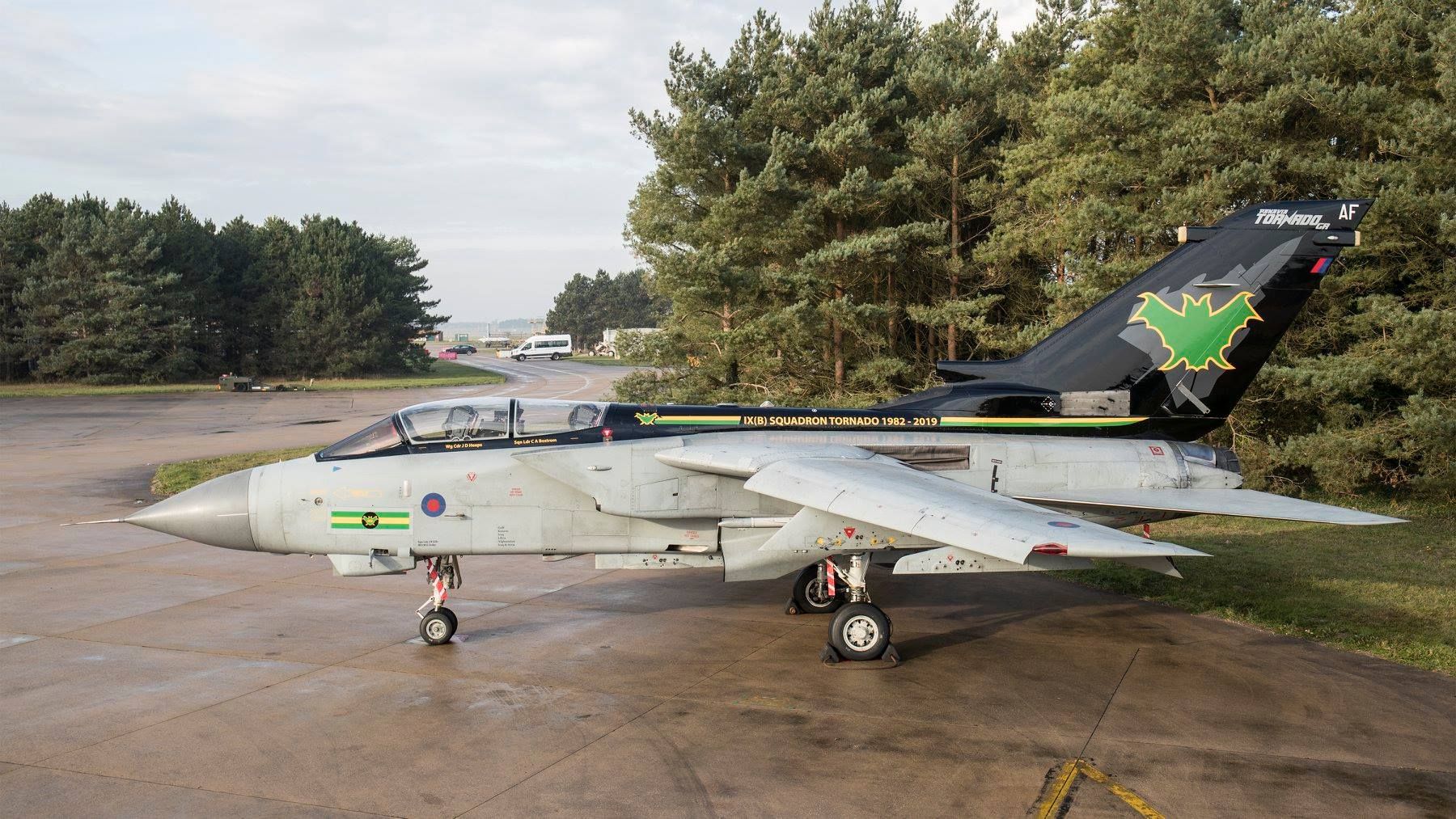
-
ARABIAN GULF (Nov. 5, 2018)
An F-35B Lightning II fighter jet, attached to the "Avengers" of Marine Fighter Attack Squadron (VMFA) 211, launches from the flight deck of the Wasp-class amphibious assault ship USS Essex (LHD 2) during a scheduled deployment with the Essex Amphibious Ready Group (ARG) and 13th Marine Expeditionary Unit (MEU). The Essex ARG and 13th MEU is the first U.S. Navy and Marine Corps team to deploy to the U.S. 5th Fleet area of operations with the transformational warfighting capabilities of the F-35B Lightning II, making it a more lethal, flexible and persistent force, leading to a more stable region for our partner nations. U.S. Navy photo by Mass Communication Specialist 3rd Class Jenna Dobson (Released)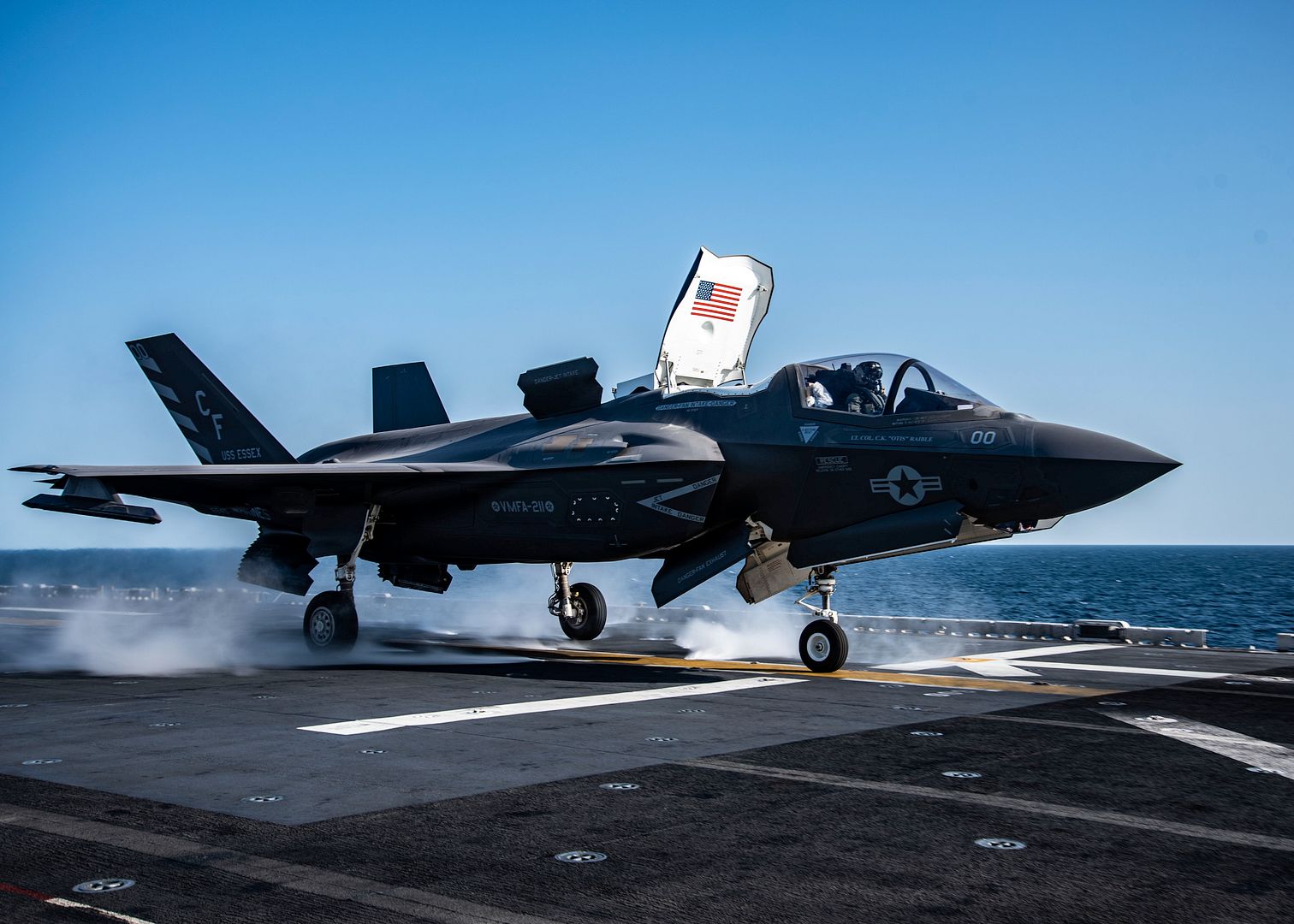
PHILIPPINE SEA (Nov. 7, 2018) An E-2D Hawkeye launches off the flight deck of the Navy's forward-deployed aircraft carrier USS Ronald Reagan (CVN 76) during exercise Keen Sword 19. Keen Sword is a joint, bilateral field-training exercise involving U.S. military and Japan Maritime Self-Defense Force personnel, designed to increase combat readiness and interoperability of the Japan-U.S. alliance. (U.S. Navy photo by Mass Communication Specialist 3rd Class Kyleigh Williams/Released)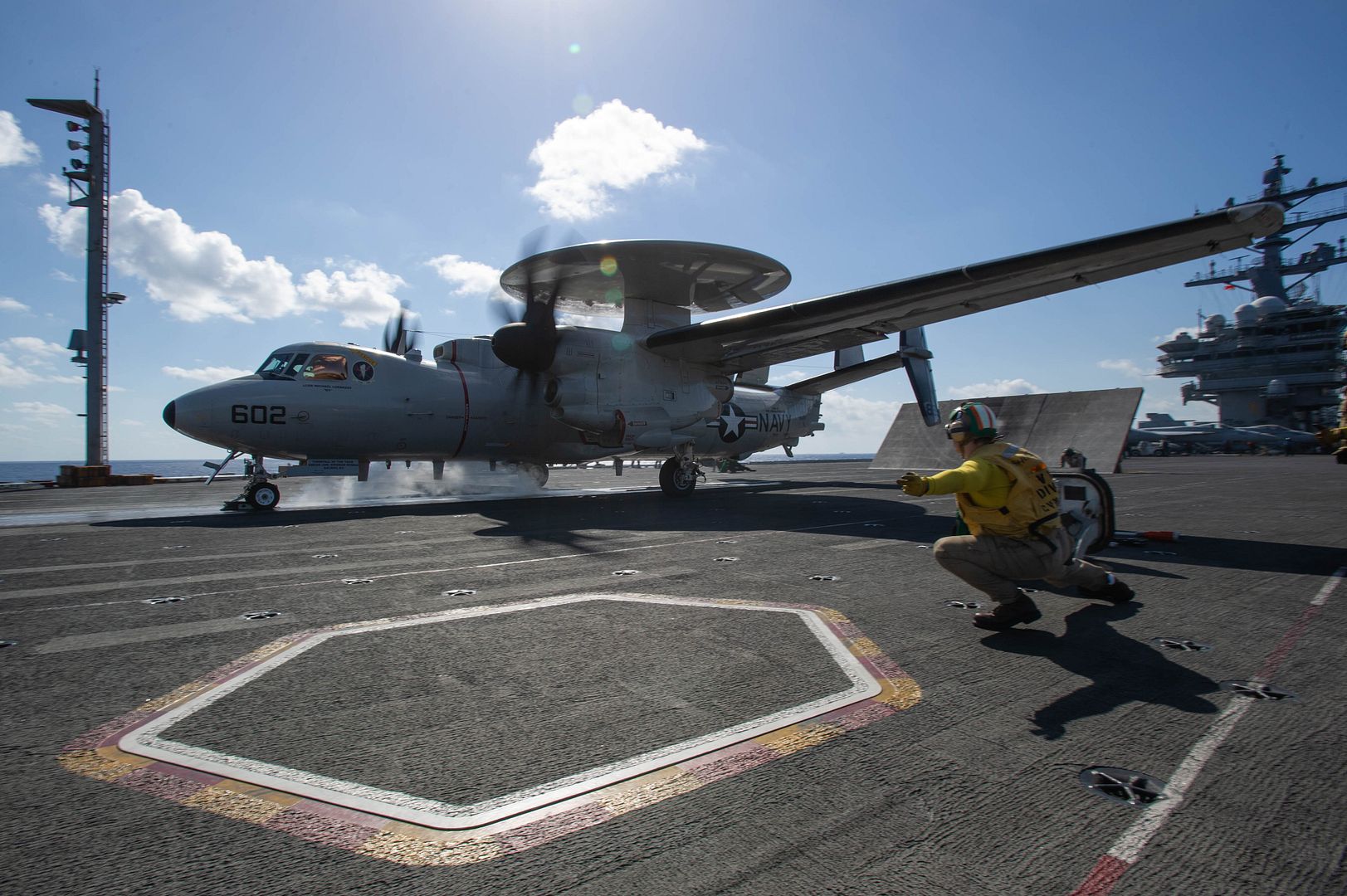
A row of B-52H Stratofortresses sit on the flightline at Minot Air Force Base, North Dakota, Nov. 6, 2018. The B-52 is a long range strategic bomber that can carry up to 70,000 pounds of munitions. (U.S. Air Force photo by Airman 1st Class Dillon J. Audit)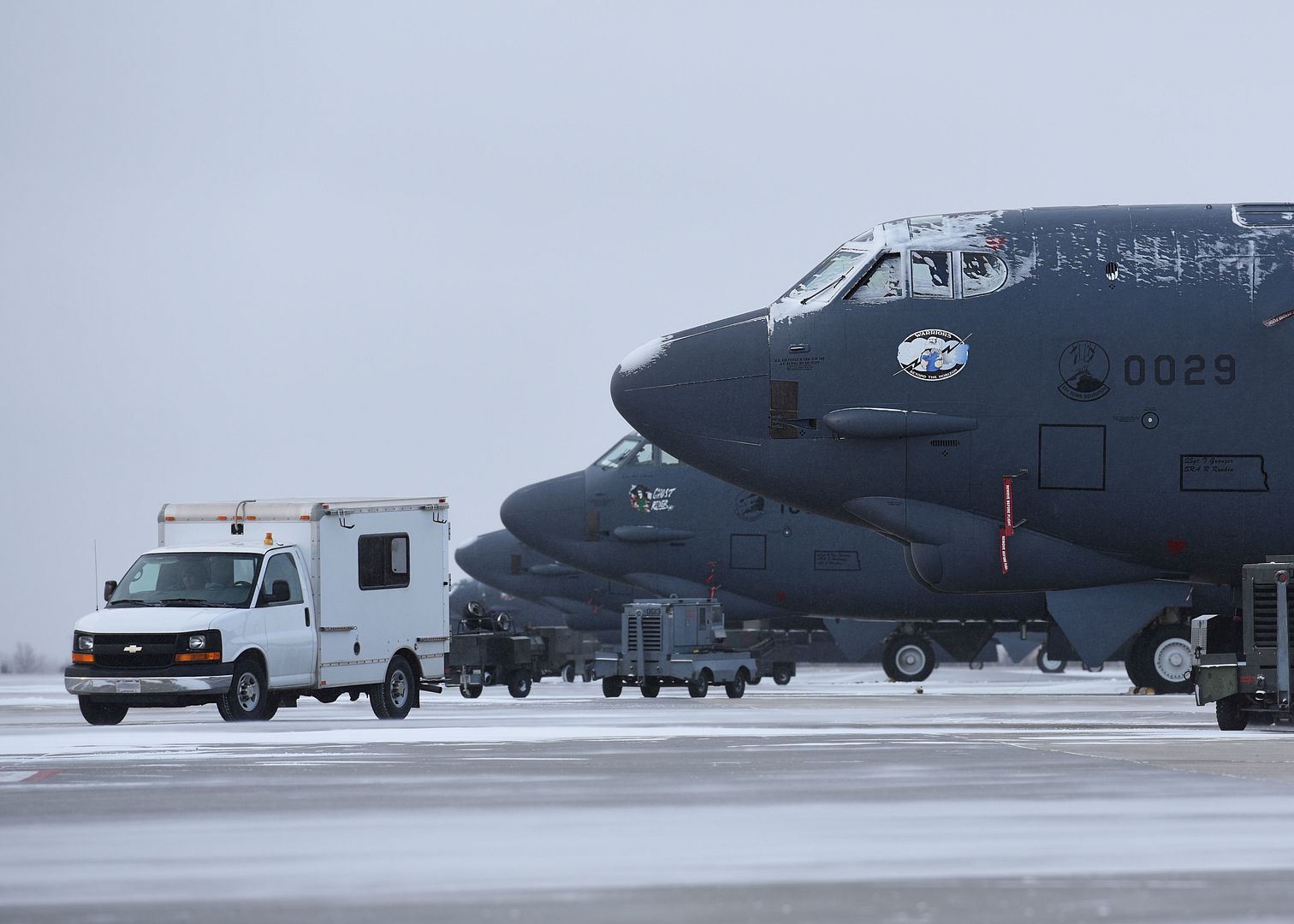
Rovaniemi Air Base, 6 November 2018 - Belgian Air Force F-16 getting ready for take-off at Rovaniemi Air Base, Finland to support exercise Trident Juncture.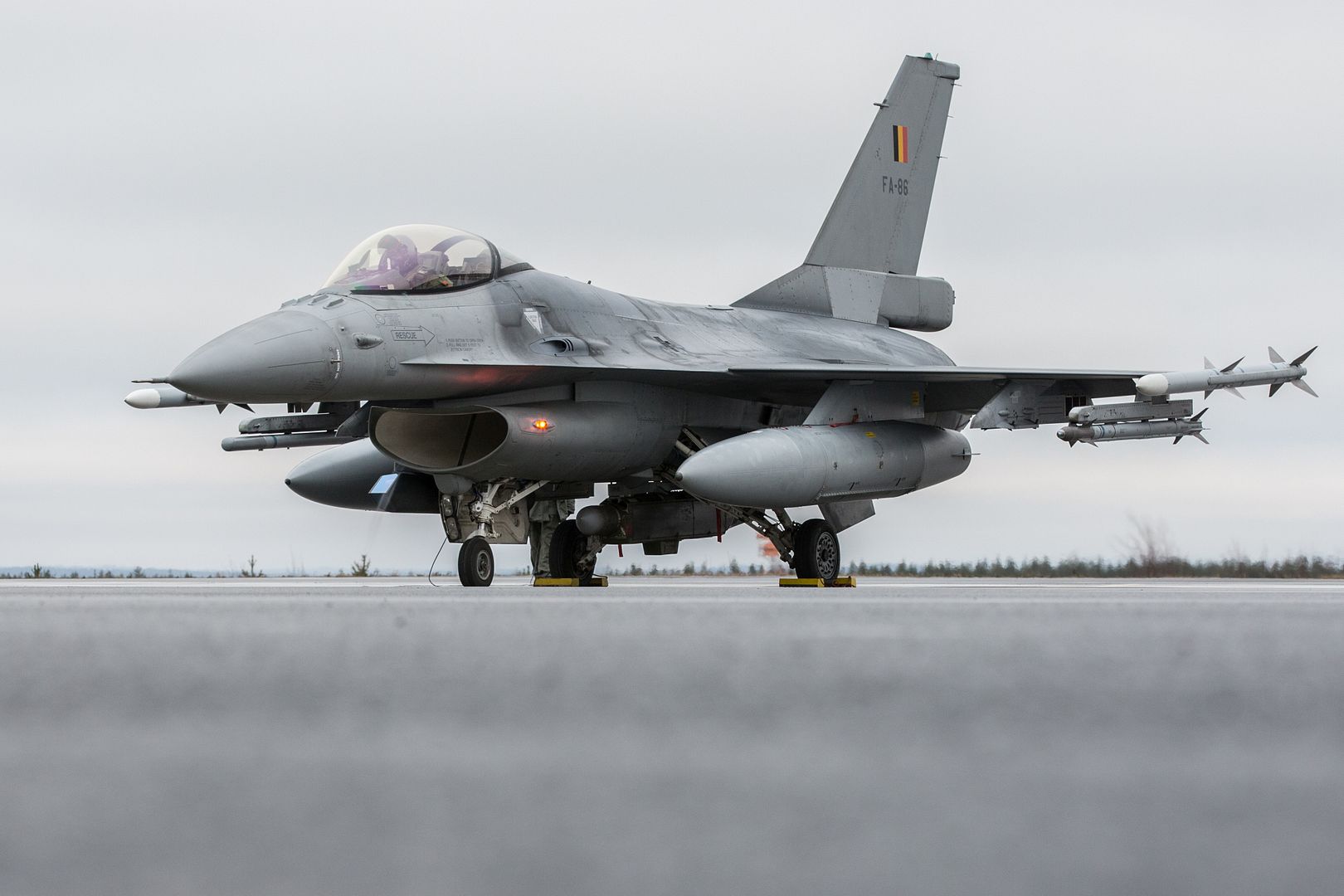
Trident Juncture 2018 is NATO?s largest exercise in many years, bringing together around 50,000 personnel from all 29 Allies, plus partners Finland and Sweden. Around 65 vessels, 250 aircraft and 10,000 vehicles will participate.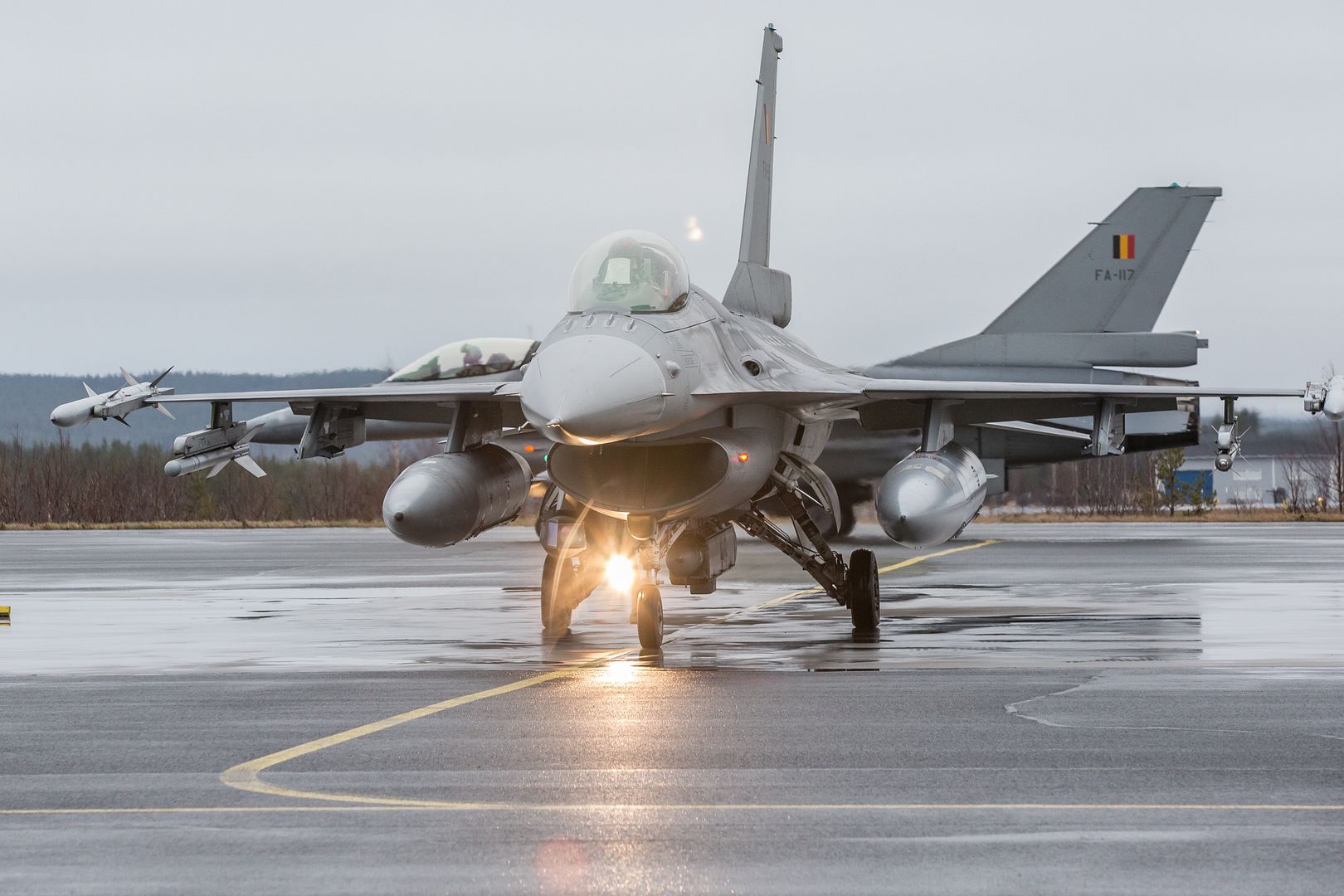
Rovaniemi Air Base, 1 November 2018 - @BelAirForce F-16 taking off from Rovaniemi Air Base to support NATO exercise Trident Juncture.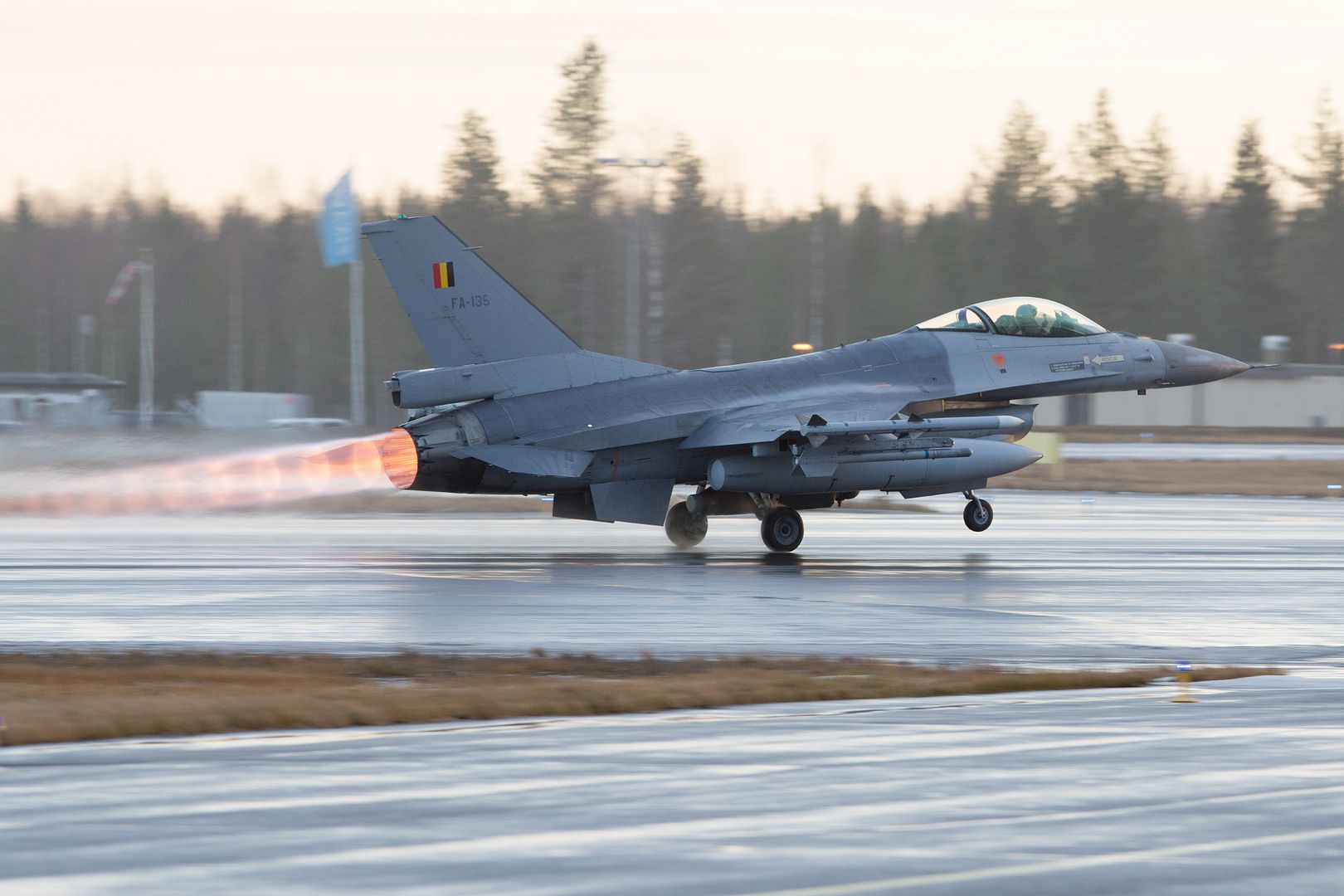
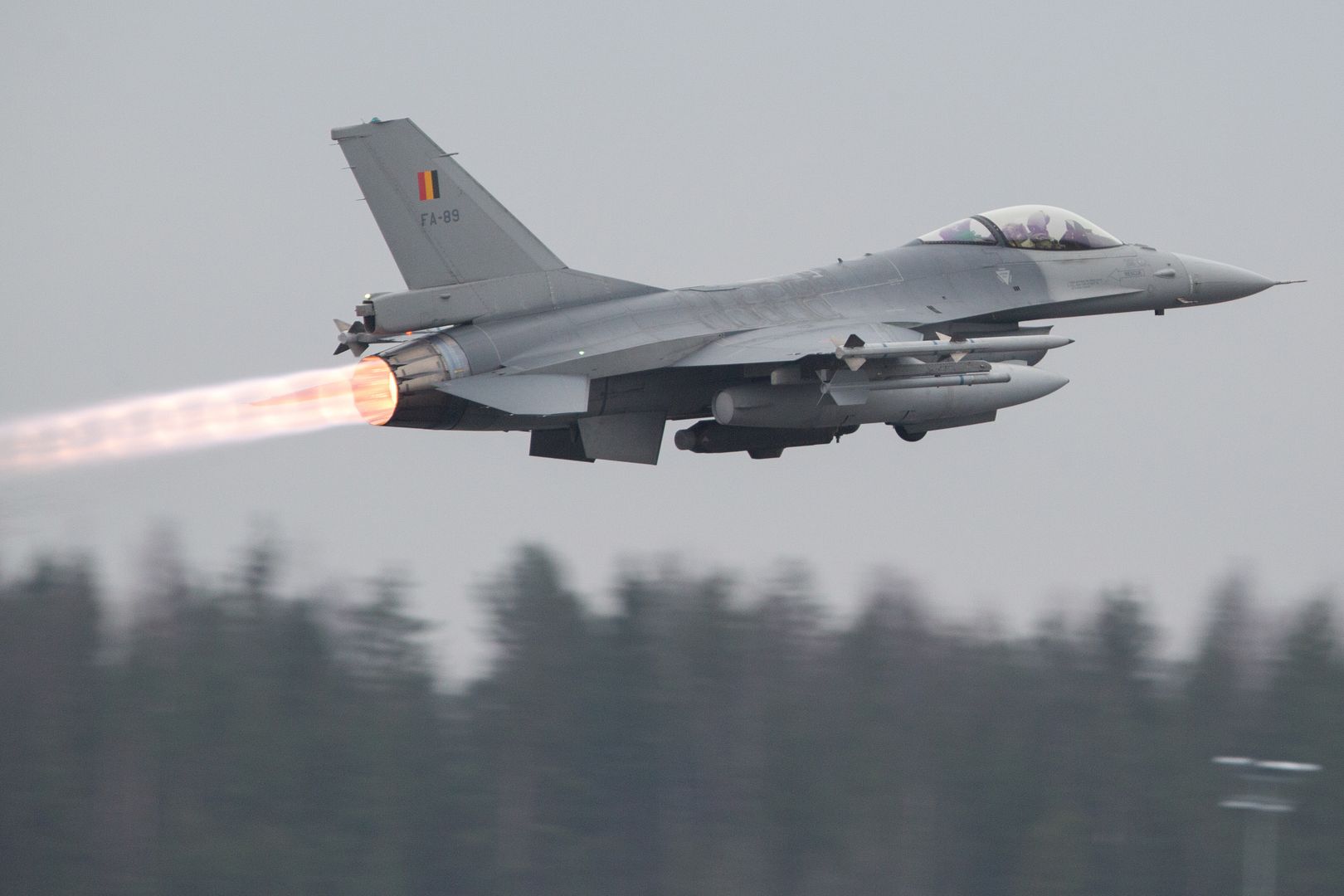
Photo's: OR-7 Christian Timmig #NATO #TridentJuncture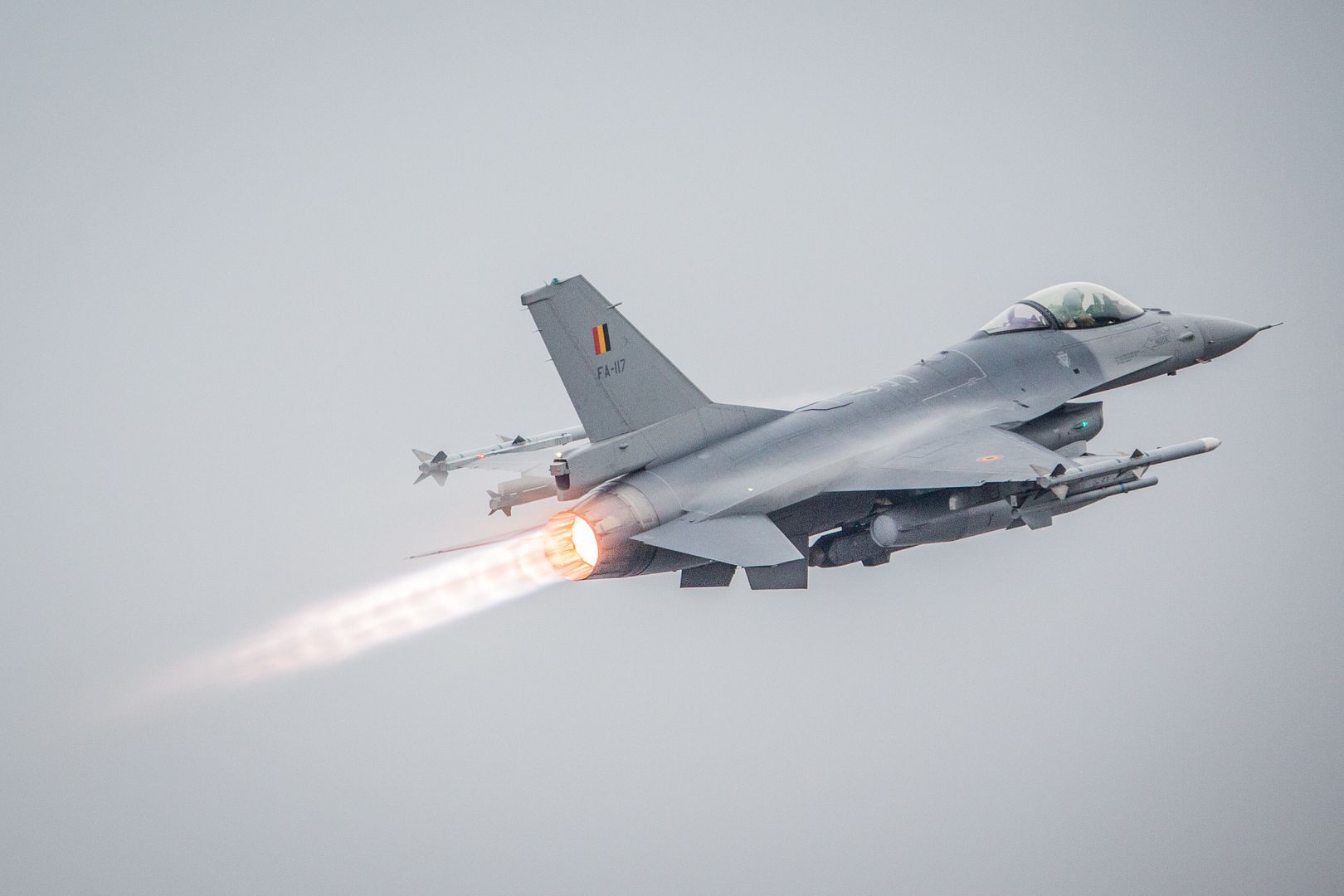
U.S. Marine Corps MV-22B Ospreys with Marine Medium Tiltrotor Squadron 365 conduct flight operations during Exercise Trident Juncture 18 near northern Norway, Nov. 6, 2018. The exercise enhances the U.S. and NATO Allies? and partners? abilities to work together collectively to conduct military operations under challenging conditions. The MV-22B Ospreys are with Marine Medium Tiltrotor Squadron 365, 2nd Marine Aircraft Wing. (U.S. Marine Corps photo by Lance Cpl. Cody J. Ohira)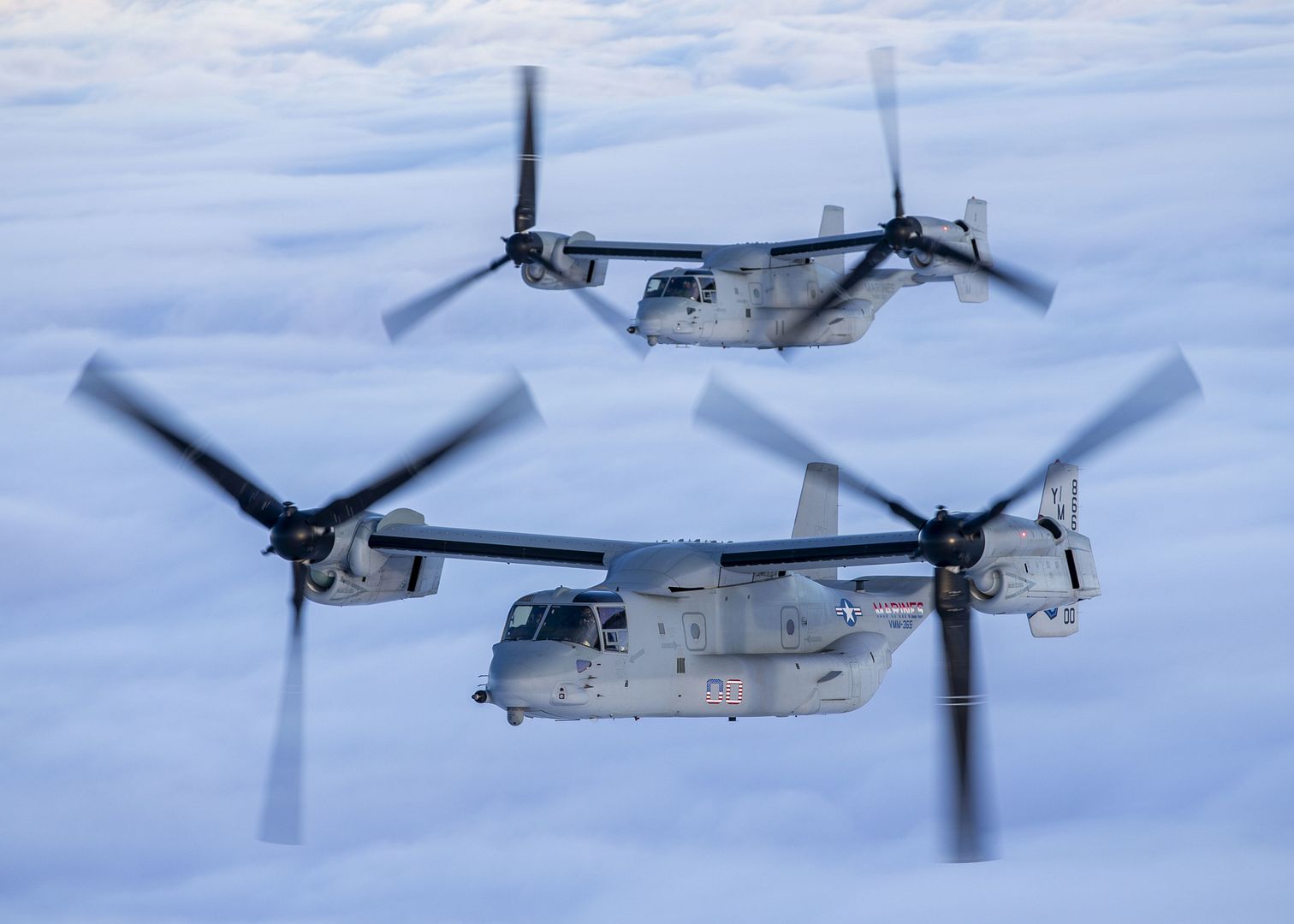
November 7, 2018 Montr?al Business Aircraft, Press Release
Industry?s longest range business jet, the Global 7500 aircraft, is certified in a class of its own and will enter service at the end of this year
The only business jet that can connect New York to Hong Kong and Singapore to San Francisco, nonstop*
The Global 7500 aircraft offers not only Bombardier?s signature smooth ride but also superior field performance, perfect for operating from key challenging airports
Bombardier is proud to announce that its flagship business jet, the Global 7500 aircraft, has received Federal Aviation Administration (FAA) certification, achieving another important milestone as it approaches entry-into-service later this year.
?This milestone is the latest accomplishment for our award-winning Global 7500 business jet, which has been exceeding expectations on every level,? said Michel Ouellette, Senior Vice President, Global 7500 and Global 8000 Program, Bombardier Business Aircraft. ?The Global 7500 business jet has proven itself as the highest-performing aircraft in the industry and promises to revolutionize the market and significantly change the business aviation landscape.?
?Obtaining the Global 7500 aircraft Type Certification from the FAA marks one of the final chapters in our very successful development program,? said Stephen McCullough, Bombardier?s Vice President of Integrated Product Development for the Global 7500 and Global 8000 Program. ?Achieving this latest milestone is a direct result of the commitment to excellence of the highly-skilled employees who worked on the program and our solid collaboration with our suppliers.?
Earlier this year, the Global 7500 aircraft demonstrated its ability to fly further than any other business jet by expanding its advertised range to 7,700 nautical miles, a full 300 nautical miles further than initial commitments. It also exceeded takeoff and landing performance commitments, facilitating access to challenging airports such as Chicago Executive, MI or Eagle County, CO, even in adverse weather conditions. These achievements have enabled the Global 7500 aircraft to push the boundaries of business travel by elevating the cabin experience all while resetting the bar for long-haul missions in the industry. The Global 7500 aircraft is the only business jet that can connect New York to Hong Kong, and Singapore to San Francisco, nonstop.*
Upon entry into service, the Global 7500 aircraft will offer not only its signature smooth ride but also spaciousness that is unique among business jets, with its award-winning interior featuring a full-size kitchen and four true living spaces. The Global 7500 aircraft also debuts Bombardier?s patented Nuage seat, which was meticulously designed for maximum comfort and will be exclusive to the new Global family of aircraft.
Setting the benchmark for the most exceptional business jet experience, these state-of-the-art features and the aircraft?s sophisticated styling contributed to the Global 7500 jet receiving a 2018 Red Dot Award for Product Design, one of the most sought-after honours for design and innovation excellence worldwide.