Aviation News
-
A F/A-18F Super Hornet, attached to the “Kestrels” of Strike Fighter Squadron (VFA) 137, makes an arrested landing on the flight deck of Nimitz-class aircraft carrier USS Nimitz (CVN 68) during flight operations in the Pacific Ocean, April 3, 2026. Nimitz is deployed as part of Southern Seas 2026 which seeks to enhance capability, improve interoperability, and strengthen maritime partnerships with countries throughout the region through joint, multinational and interagency exchanges and cooperation. (U.S. Navy photo by Mass Communication Specialist 2nd Class Jaron Wills)

An F/A-18E Super Hornet, attached to Strike Fighter Squadron (VFA) 151, prepares to launch from the flight deck of Nimitz-class aircraft carrier USS Abraham Lincoln (CVN 72) during Operation Epic Fury, March 30, 2026. (U.S. Navy photo)
-
Hanoi, Vietnam, 7 April 2026 – The Vietnam Helicopter Corporation (VNH)’s subsidiaries, Southern Vietnam Helicopter Company (VNH South) and Northern Vietnam Helicopter Company (VNH North), have placed an order for three Airbus H225 helicopters, to support the continued expansion of its offshore energy operations, and progressively replace ageing aircraft in its fleet.
This latest order reinforces a trusted partnership between VNH and Airbus Helicopters that has spanned more than 40 years, and reflects the Vietnamese operator’s long-term strategy to modernise and strengthen its heavy helicopter capabilities.
“The H225 has proven itself time and again across our offshore missions, delivering the reliability, performance, and safety we expect. As we look ahead, we see the H225 forming the backbone of our future fleet, allowing us to modernise our operations while expanding capacity and mission flexibility,” said Kieu Dang Hung, CEO of VNH.
“We are honoured to continue supporting VNH and its subsidiaries as they strengthen and revitalise their fleet. Their decision to centre future operations around the H225 underscores the aircraft’s exceptional reliability and performance in demanding offshore environments,” said Matthieu Louvot, CEO of Airbus Helicopters. “Our enduring partnership with VNH is built on trust and shared commitment to mission success, and we look forward to supporting their growth for many decades to come,” he added.
The new H225s will join VNH’s existing Airbus fleet consisting of Super Puma and H155 helicopters, for deployment across offshore energy transport, utility missions, search and rescue, and broader transport operations.
As the latest addition to the Super Puma family, the H225 is recognised for its high performance in challenging conditions as well as its outstanding range and payload capacity. The aircraft’s state-of-the-art avionics and autopilot systems provide increased safety while reducing pilot workload.
There are more than 360 H225s and H225Ms in service around the world, totaling more than one million flight hours. Military customers include Brazil, France, Hungary, Indonesia, Iraq, Kuwait, Malaysia, Mexico, the Netherlands, Singapore, and Thailand.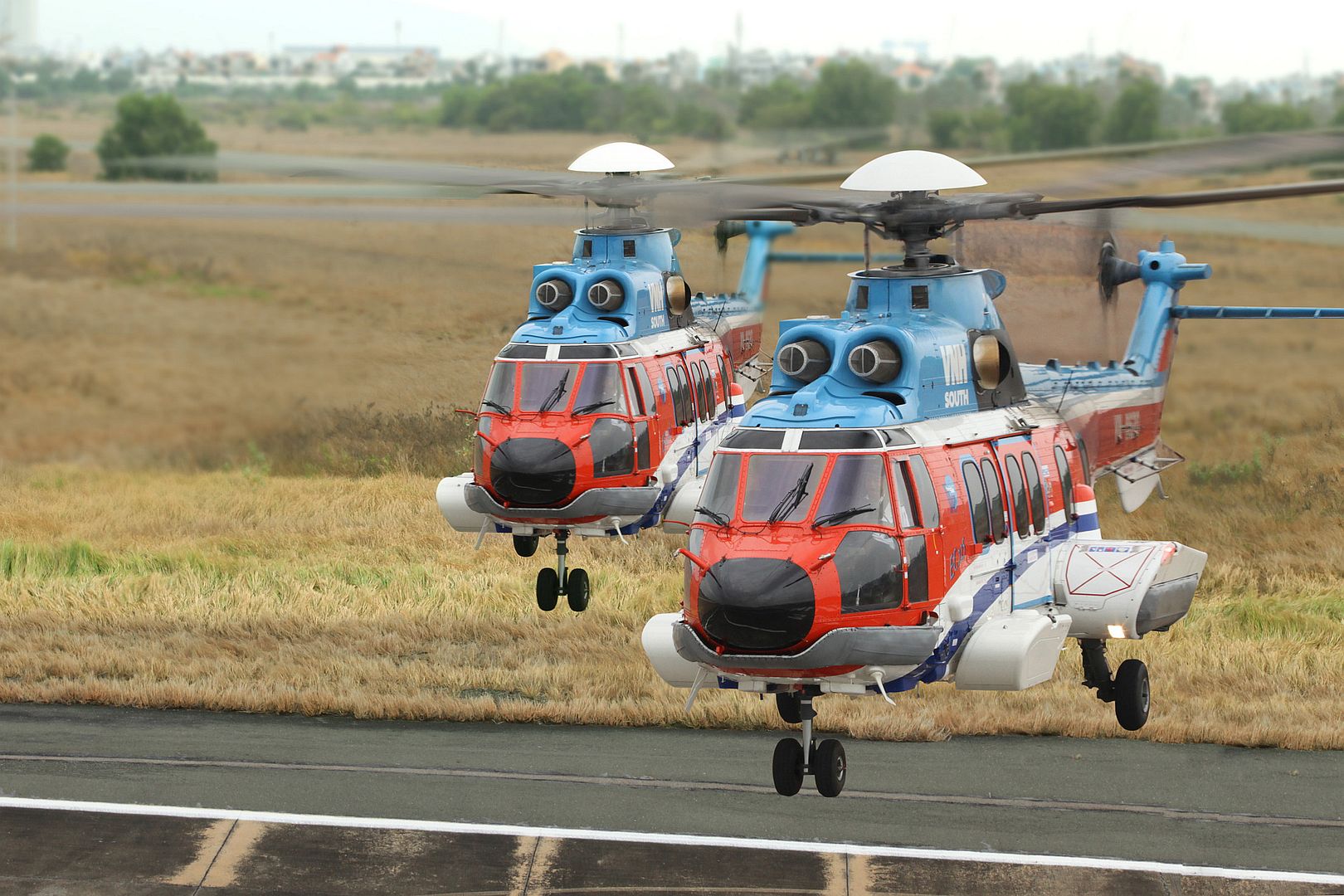
FIDAE – Santiago, Chile (April 7, 2026) Bell Textron Inc., a Textron Inc. (NYSE: TXT) company, announced today at FIDAE 2026 that the Bell 505 has set a new record for the number of aircraft orders in Latin America in 2025. This achievement highlights the growing demand the region has seen for the Bell 505 and its multi-mission capabilities.
“This milestone is a proud achievement for Bell, showcasing the trust we have with our customers and the exceptional efforts of our team,” said John Ramos, managing director, Latin America. “The Bell 505 has been a highly sought after aircraft in Latin America since its introduction to the market, and that really highlights how well it meets the needs of such a diverse region while also offering exceptional performance and adaptability.”
In the Southern Cone, there are more Bell 505s in operation than any other area in Latin America, making Bell’s support network critical to the success of the Bell 505. Through a system of customer service and authorized maintenance facilities, Bell delivers reliable, around-the-clock support that builds trust and confidence. This infrastructure strengthens the ownership experience and distinguishes Bell, highlighting the Bell 505’s versatility while cultivating long-term customer relationships that lead to repeat sales, new sales and customer upgrades.
The Bell 505 was introduced in 2014 and certified by the Federal Aviation Administration (FAA) in 2017. There are now more than 600 Bell 505s operating in more than 66 countries on six continents, surpassing 300,000 total fleet flight hours. With a speed of 125 knots (232 km/h) and a useful load of 1,500 pounds (680 kg), the Bell 505 is designed to be easy to fly while providing significant value to the operator and best-in-class cabin visibility. The customer-driven design of the aircraft places safety, performance and affordability at the forefront, blending proven systems with advanced technology and a sleek, modern design.
-
Fort Worth, TX (April 07, 2026) – Bell Textron Inc., a Textron Inc. (NYSE: TXT) company, has been selected for the fourth phase of the U.S. Army’s Flight School Next competition.
“Bell is proud to be selected for the fourth phase of the Flight School Next competition alongside our teammates,” said John Novalis II, strategic director, Flight School Next, Bell. “From the very beginning, our team set out to deliver the most cost-effective and low-risk solution for the Army’s Initial Entry Rotary Wing (IERW) program at Fort Rucker, leveraging Bell’s unique position as an Original Equipment Manufacturer (OEM) and world leader in flight training. Making it to this stage proves that Bell’s solution is strong and we look forward to demonstrating our ability to execute.”
During phase four, Bell and our teammates, DigiFlight, Delaware Resource Group (DRG), V2X, Alpha 1 Aerospace, Semper Fly and TRU Simulation, will demonstrate to the Army our turnkey solution to include the Bell 505 along with the technology and innovation that supports execution of the program. Additionally, Bell and our teammates are moving forward with preparations for program execution. Bell will be ready to support from day one.
Bell is excited about the opportunity to partner with the Army for Flight School Next. Flight training is in our DNA, and we have the right team, aircraft, and an innovative solution to transform Army flight training at Fort Rucker.
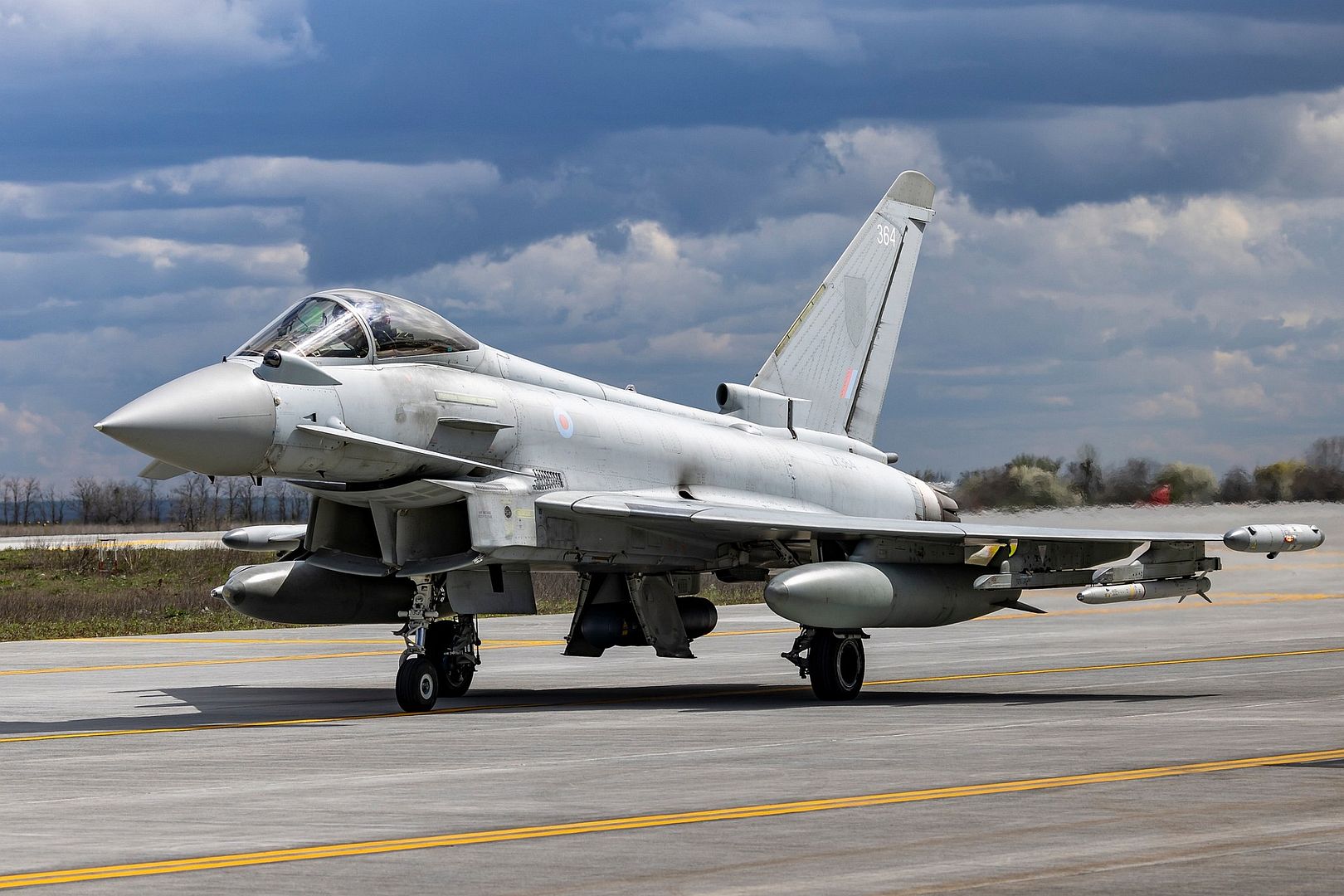
On April 8, 2026, BAE Systems announced that a Royal Air Force Typhoon test and evaluation aircraft had successfully fired an APKWS-guided weapon during a trial at a UK military range, opening a new path for the Eurofighter’s adaptation to the low-cost drone threat.
In its official statement, the company presented the firing as part of a broader Typhoon capability enhancement effort and said the recent ground-target trial would pave the way for the next stage of tests against air targets. The development is important because it signals a shift in combat-air thinking: not every aerial threat can be countered sustainably with premium missiles, especially when adversaries increasingly rely on cheap uncrewed systems to impose financial and industrial strain on defenders.
Some wonderful shots courtesy of the RAF of the Spitfire90 tour, K5054 joined up with two F35 Lightning IIs from @rafmarham, before being joined by our very own Dakota and Spitfire AB910 for an iconic flypast and arrival into @rafconingsby.

This flight truly showed the advancement of technology in the @royalairforceuk, with historic vs modern day aircraft in action together in the sky.

From F-84E Thunderjets to the F-35A Lightning II: the history of the 312 Squadron has now seen an impressive evolution.
With the transfer of part of the F-16s to Ukraine, the Dutch F-16 era officially came to an end. For 312 Squadron at Volkel Air Base, this marked an important step in its 75-year anniversary and in the transition to the F-35. As the final unit, the squadron makes the transition to the next-generation fighter aircraft.
A transition that brings not only a new device but also a completely new ecosystem, including complex infrastructure and new logistics and maintenance processes. Also in the field of personnel, this requires retraining and intensive cooperation with the other squadrons for logistics, maintenance and training. This is how experienced F-16 veterans together with young, inexperienced colleagues build a future-proof team.
The focus is on the foundation for the next 30 years: a complete 5th generation squadron ready for operational deployment under all circumstances.
(Photos courtesy of the Koninklijke Luchtmacht )
-
A U.S. Marine Corps AH-1Z Viper assigned to Marine Medium Tiltrotor Squadron (VMM) 163 (Reinforced), 11th Marine Expeditionary Unit, prepares to take off from the flight deck aboard Wasp-class amphibious assault ship USS Boxer (LHD 4) in the Pacific Ocean, April 7, 2026. The 11th MEU, embarked aboard the Boxer Amphibious Ready Group, is a persistent, combat credible force contributing to deterrence and crisis response in the U.S. 7th Fleet area of operations. U.S. 7th Fleet, the U.S. Navy's largest forward-deployed numbered fleet, routinely interacts and operates with allies and partners to preserve a free and open Indo-Pacific. (U.S. Marine Corps photo by Lance Cpl. Nicole Stuart)

An Ecuadorian Air Force Embraer A-29 Super Tucano, piloted by Lt. Diego Moran and Maj. Antonio Pavon, flies alongside a F/A-18E Super Hornet, attached to the “Kestrels” of Strike Fighter Squadron (VFA) 137, piloted by Lt. Cmdr. David Blanchard, above Nimitz-class aircraft carrier USS Nimitz (CVN 68) during a bilateral maritime engagement in the Pacific Ocean, April 8, 2026. Nimitz is deployed as part of Southern Seas 2026 which seeks to enhance capability, improve interoperability, and strengthen maritime partnerships with countries throughout the region through joint, multinational and interagency exchanges and cooperation. (U.S. Navy photo by Lieutenant William Shortal)
A F/A-18E Super Hornet, attached to the “Kestrels” of Strike Fighter Squadron (VFA) 137, prepares to launch from the flight deck of Nimitz-class aircraft carrier USS Nimitz (CVN 68) prior to an air power demonstration in the Pacific Ocean, April 7, 2026. Nimitz is deployed as part of Southern Seas 2026 which seeks to enhance capability, improve interoperability, and strengthen maritime partnerships with countries throughout the region through joint, multinational and interagency exchanges and cooperation. (U.S. Navy Photo by Mass Communication Specialist Seaman Octavio Borrego)
CHANDLER, Ariz. – April 8, 2026 – Northrop Grumman Corporation (NYSE: NOC) launched the STP-S29A mission aboard a Minotaur IV launch vehicle from Space Launch Complex 8 at Vandenberg Space Force Base, California, marking the 31st successful Minotaur launch since its inaugural flight in 2000.
Minotaur IV is part of Northrop Grumman’s Minotaur family of vehicles for U.S. government space launch. Combining U.S. government-supplied Peacekeeper motors with the company’s proven commercial launch capabilities enables affordable, reliable and flexible access to space for the United States Space Force’s Rocket Systems Launch Program (RSLP) and other government partners.
Recent design enhancements and technology upgrades to the Minotaur IV will streamline future missions by reducing the number of parts and processes, while simultaneously improving performance and enabling more responsive launches.
“The success of the STP-29A mission and continued evolution of our Minotaur IV design for future missions underscores Northrop Grumman’s commitment to delivering resilient and cost-effective space launch capabilities for our nation,” said Wes Collier, vice president, launch systems, Northrop Grumman.
GAVIÃO PEIXOTO, BRAZIL, April 09, 2026 – Eve Air Mobility (“Eve”) (NYSE: EVEX, EVEXW; B3: EVEB31), a global leader in advanced air mobility solutions, has reached its 50th successful test flight with its full-scale engineering prototype, accumulating over two hours of flight time. Since the aircraft’s first flight on Dec. 19, 2025, these flights have generated high‑fidelity data and knowledge gains that are strengthening Eve’s understanding of performance and systems behavior as the company advances toward the future certification pathway of its eVTOL.
“Reaching 50 successful test flights with our engineering prototype is more than a technical milestone. It is clear evidence of the maturity of our program and the strength of the solutions we are building,” said Johann Bordais, chief executive officer at Eve. “Eve is uniquely positioned to deliver not only a high performance eVTOL aircraft but also aftermarket services, operational and airspace solutions that customers and cities will require to deploy urban air mobility at scale.”
The fast pace of testing continues to validate the performance and operational capability of Eve’s eVTOL. This achievement spotlights the company’s product development process, based on the proven Embraer methodology. This consists of an integrated approach that combines aircraft development with solutions to help operators, cities, vertiports and air navigation providers prepare for the introduction of urban aviation.
The results and knowledge gained from flights with the full-scale engineering prototype are central to the development of Eve’s conforming prototypes and the commercial aircraft. The company expects to begin producing its conforming prototypes this year, progressing toward a total of six that will be used in the certification flight test campaign with Brazil’s civil aviation authority, ANAC.
With 50 test flights completed, Eve is now expanding flight envelope evaluations, gradually increasing forward speed, evaluating energy management, controllability and stability, noise and vibration, among others, leading to full transition flights later this year.
-
SANTIAGO, Chile (AFNS) --
U.S. and Chilean Air Force (FACh) crews demonstrated advanced interoperability April 4, executing the first-ever Chilean KC-135 Stratotanker air-to-air refueling of two U.S. F-35A Lightning II aircraft — marking a significant step forward in bilateral airpower integration.
The mission, conducted en route to Feria Internacional del Aire y del Espacio 2026, showcased real-world coordination between trusted partners while reinforcing the ability to operate seamlessly across the hemisphere.
As part of the U.S. Air Force’s F-35A Demonstration Team, the aircraft and their crews were on their way to Chile to participate in FIDAE, the largest trade show in Latin America. The jets departed Eglin Air Force Base, Florida, on April 4, flying approximately ten hours to arrive in Chile. A KC-135R Stratotanker from MacDill Air Force Base supported the first leg, refueling each aircraft four times. Near the Peru-Ecuador border, a Chilean KC-135E assumed the mission, refueling each F-35 four times and supplying approximately 41,000 pounds of fuel while escorting them into Chile.
(Courtesy Photo)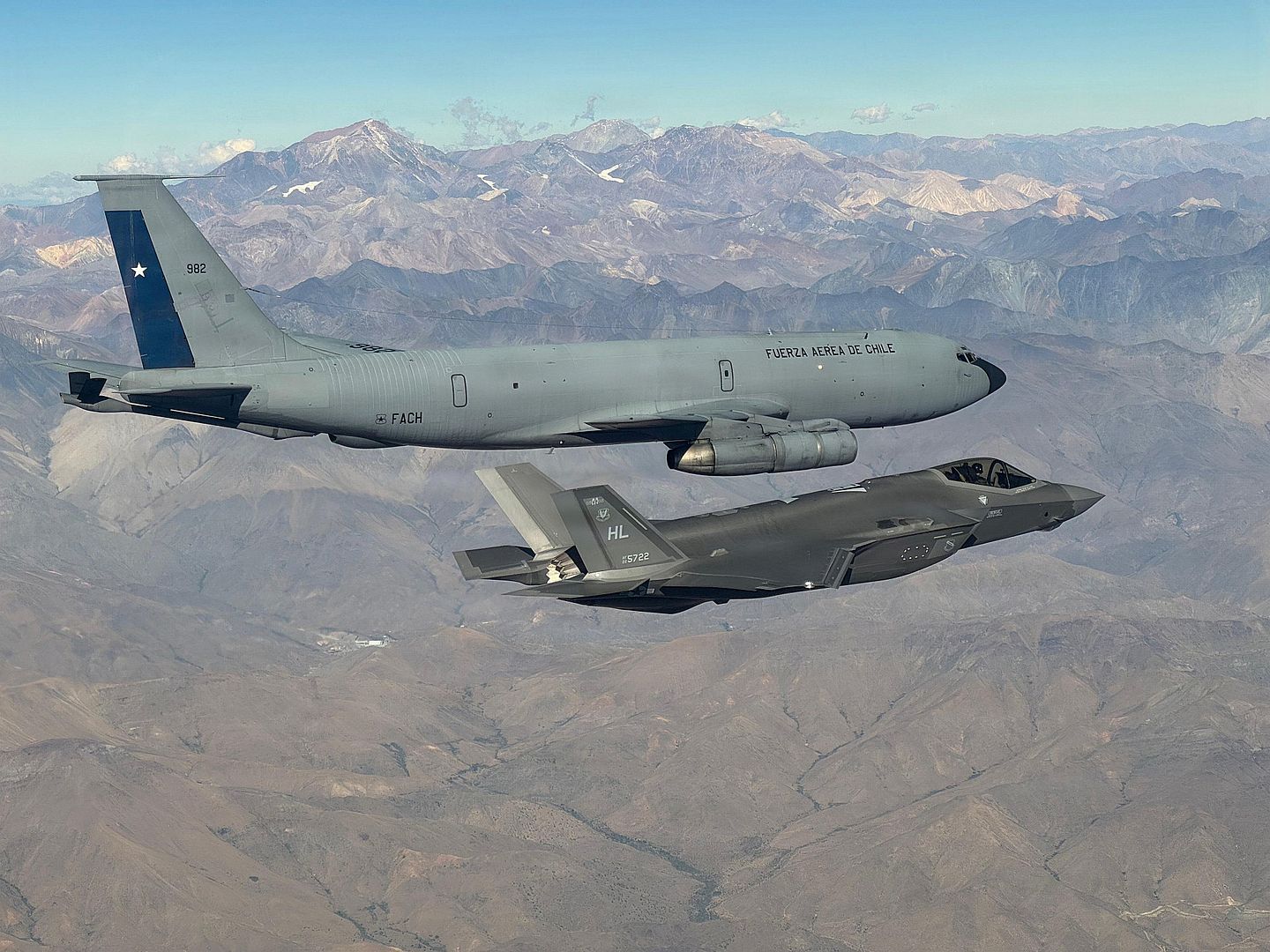
A U.S. Air Force QF-16 full-scale aerial target, assigned to the 82nd Aerial Targets Squadron at Tyndall Air Force Base, Florida, performs a high-speed flyby during the Gulf Coast Salute Airshow in Panama City Beach, Florida, April 12, 2026. The QF-16, distinguished by its high-visibility orange tail and wingtips, is primarily used by the 53rd Weapons Evaluation Group for air-to-air weapons testing and evaluation over the Gulf of America. (U.S. Air Force photo by Capt. Justin Davidson-Beebe)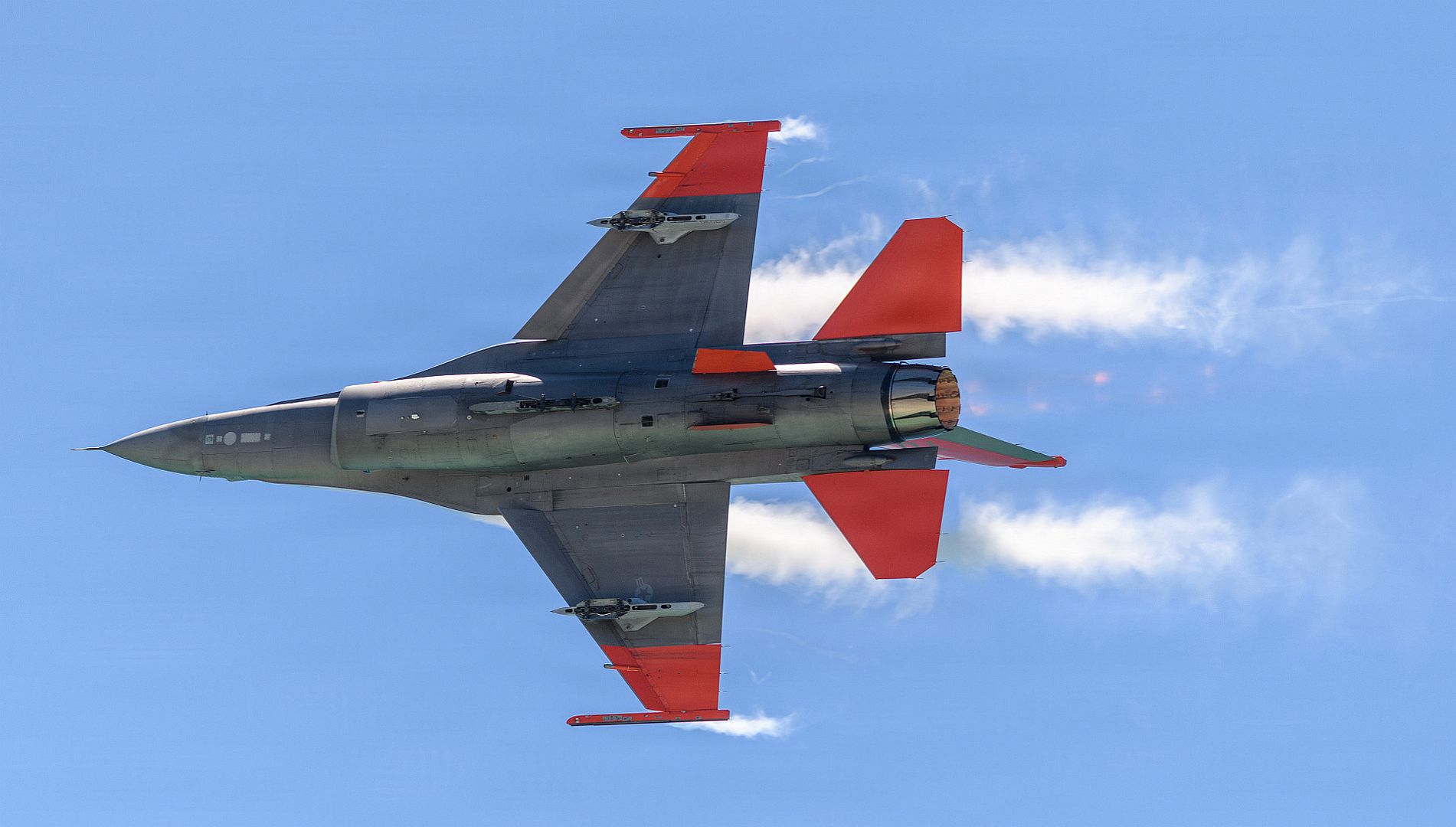
Festival attendees view a Japan Air Self-Defense Force Mitsubishi F-2 assigned to the 204th Squadron static display during America Fest 2026 at Kadena Air Base, Japan, April 12, 2026. America Fest is Kadena’s open house event where attendees viewed static aircraft displays, interacted with U.S. service members and enjoyed a wide variety of entertainment and activities. (U.S. Air Force photo by Senior Airman Jamal Berry II)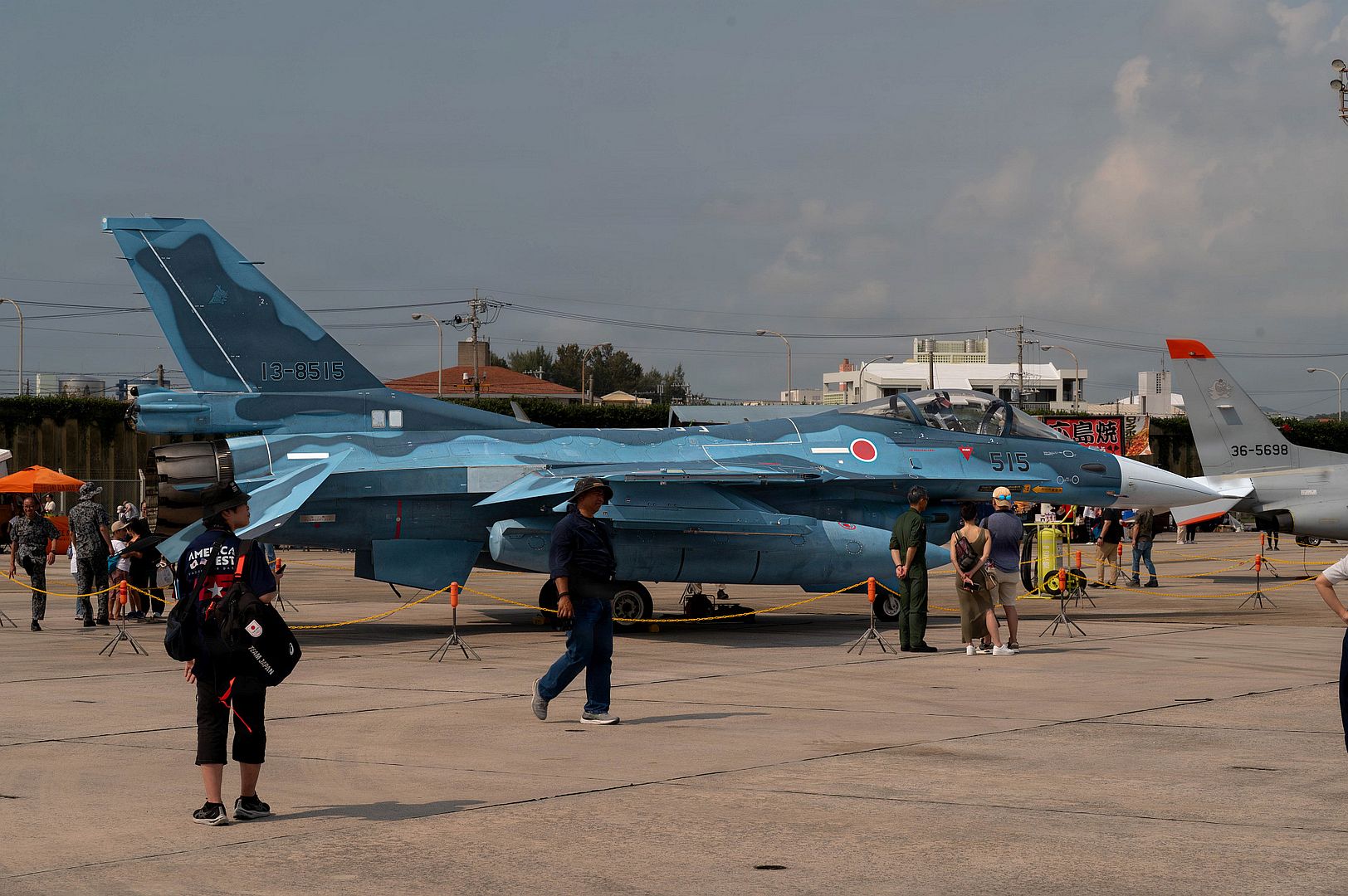
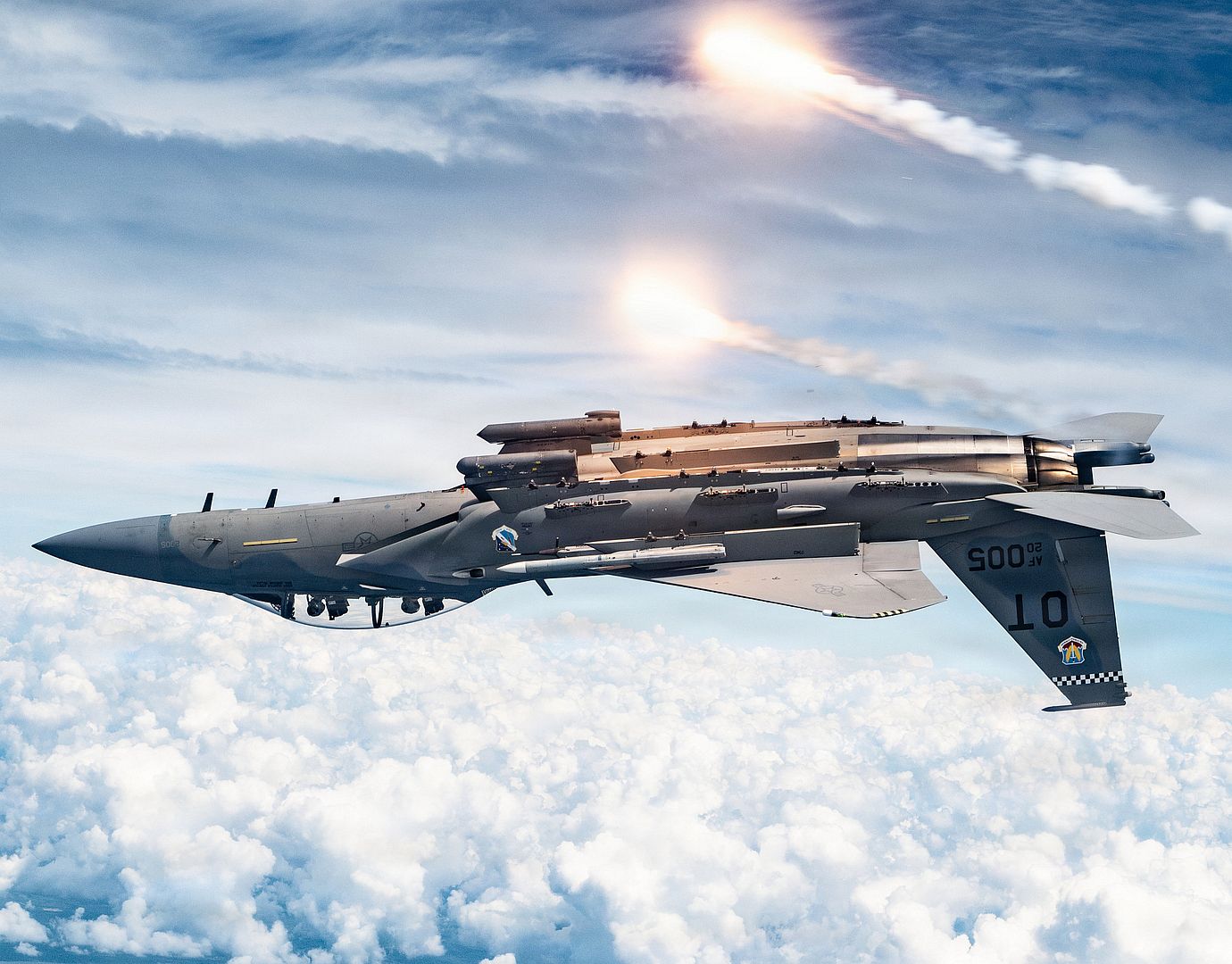
A U.S. Air Force F-15EX Eagle II assigned to Eglin Air Force Base, Florida, releases flares over the Gulf Coast, April 3, 2026. The 96th Test Wing and 53rd Wing perform developmental and operational test series on the platform including next-generation survivability, radars, sensors and networking capabilities. (U.S. Air Force photos by Tech Sgt Thomas Barley)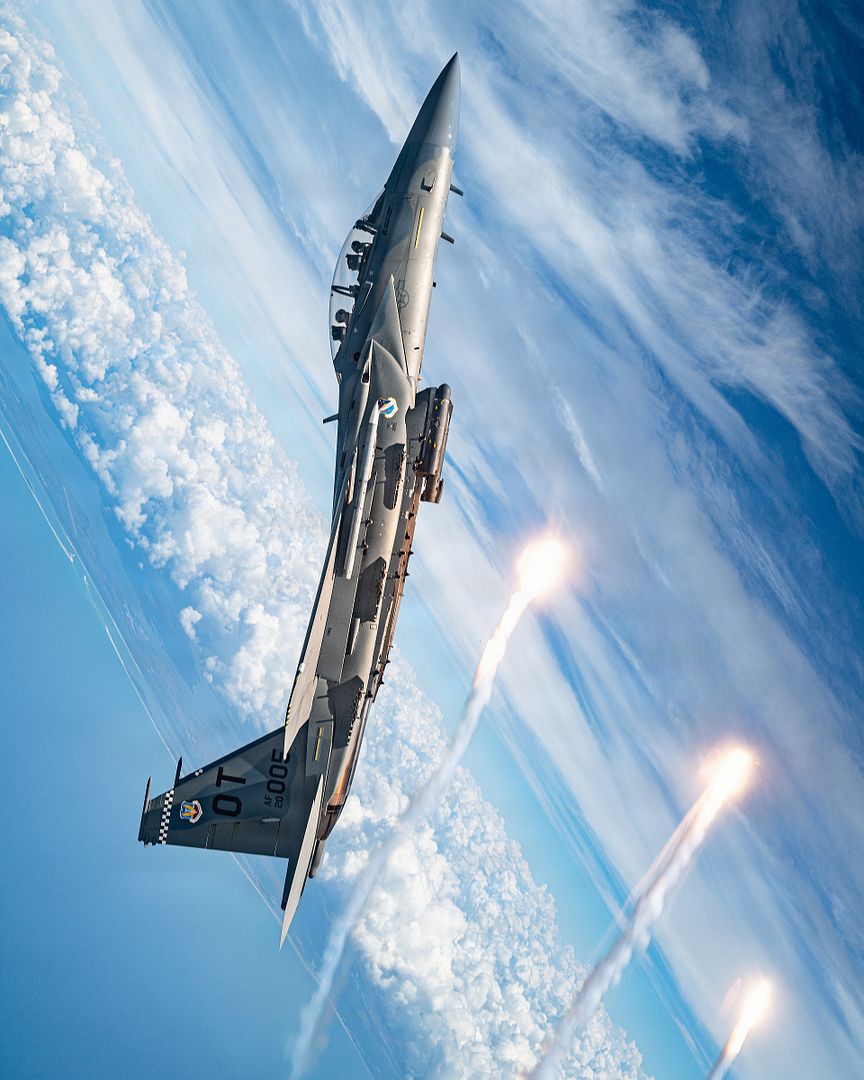
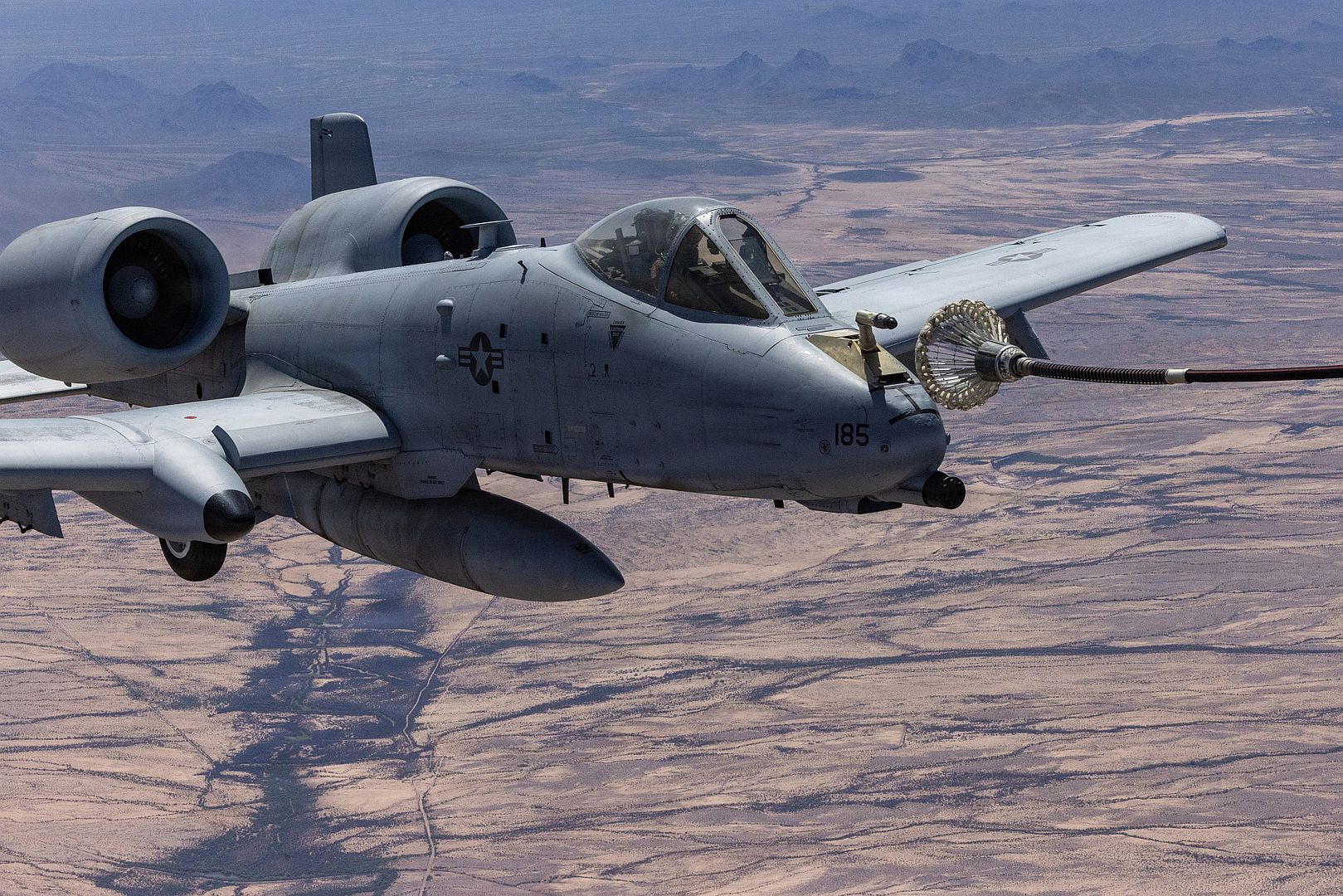
The Probe Refueling Adapter makes contact with a C-130 drogue basket during the first probe and drogue air refueling operation by an A-10 Thunderbolt II, April 2, 2026. The adapter was developed on an expedited timeline to address an urgent operational need.
(Photos by Senior Master Sgt. Charles Givens)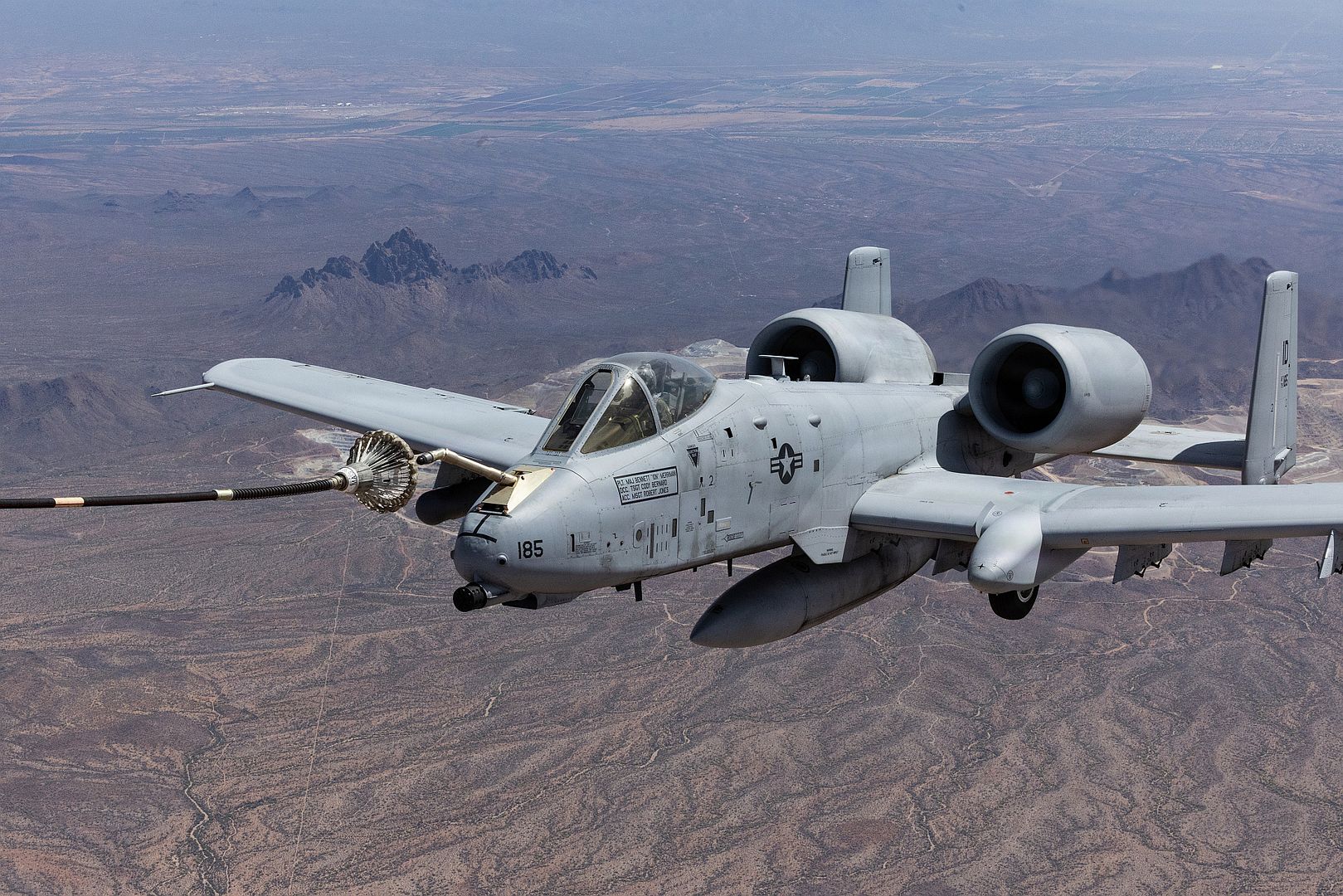
[SACHEON, April 8, 2026] The KF-21 'Boramae,' the long-awaited cornerstone of South Korea’s aerospace industry, has officially entered its mass production phase.
The Government of the Republic of Korea and Korea Aerospace Industries (KAI) held the 'KF-21 Mass Production Unit No. 1 Roll-out Ceremony' today at KAI’s headquarters in Sacheon, attended by high-ranking government and military officials.
This milestone comes 10 years after the project’s inception in 2015. With this roll-out, South Korea solidifies its position as the 8th country in the world to independently develop and mass-produce an advanced supersonic fighter jet.
■ Integration of Cutting-edge Technology: Setting a New Standard for 4.5 Gen Fighters
The first mass-produced unit is equipped with indigenous AESA radar and integrated electronic warfare suites. Starting from the initial production phase, it features full air-to-air missile operational capabilities, with plans to incorporate air-to-ground strike capabilities through future Block upgrades.
■ Deployment in 2026: A Game Changer for the Global K-Defense Market
Unit No. 1 will undergo rigorous ground and flight testing before being delivered to the Republic of Korea Air Force (ROKAF) in late 2026. The South Korean government will utilize this asset to replace aging fighter fleets and serve as the backbone of the nation's airspace defense.
Beyond national security, the KF-21 is poised to be a "Game Changer" in the global defense market. The Government of the Republic of Korea expects the KF-21 to follow the success of the FA-50 as a leading export model, given the significant interest already shown by multiple nations.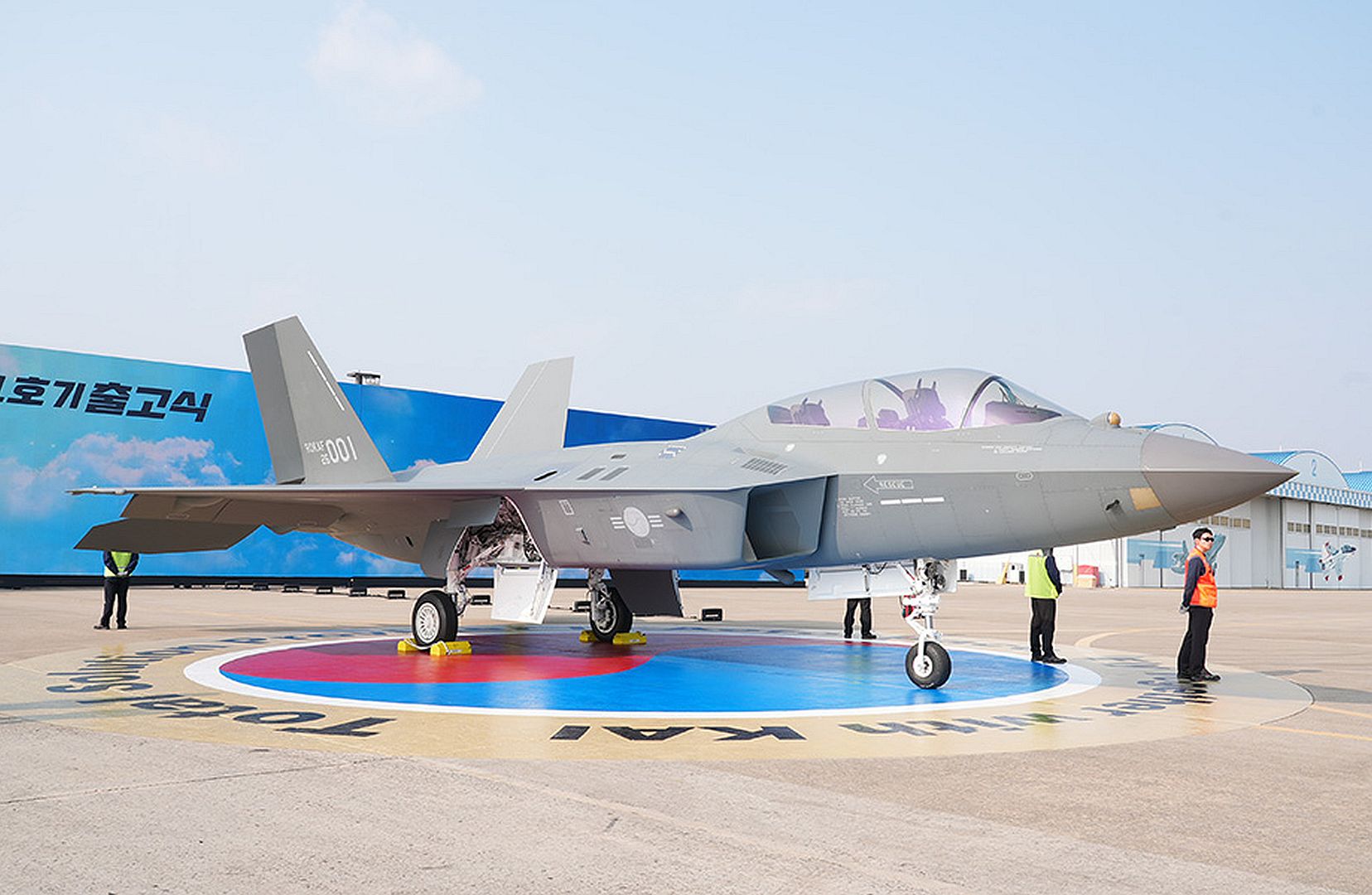
WICHITA, Kan. (Apr. 13, 2026) – Textron Aviation Defense LLC, a Textron Inc. (NYSE: TXT) company, today announced that it has been awarded a five-year U.S. government contract valued at over $150,000,000 to provide Sustaining Engineering and Program Management (SEPM) services for the fleet of U.S. Air Force, Navy and Army T-6A, T-6B and T-6D aircraft.
First awarded in 2021, the action extends systems engineering and program management services for an additional five years, covering sustaining and systems engineering, program management and support for maintenance, repairs, modifications and integrity programs. The modification brings the total cumulative face value of the contract to $510,000,000 ceiling, from $240,000,000 ceiling. Work will be performed in Wichita, Kansas.
"This follow‑on SEPM contract reflects the U.S. Government T-6 Joint Program Office’s continued confidence in our team and our ability to keep the T‑6 Texan II fleet mission‑ready, "
Travis Tyler, president and CEO, Textron Aviation Defense
“This follow‑on SEPM contract reflects the U.S. Government T-6 Joint Program Office’s continued confidence in our team and our ability to keep the T‑6 Texan II fleet mission‑ready,” said Travis Tyler, president and CEO, Textron Aviation Defense. “Our focus remains on sustaining aircraft availability and supporting our customers as they train the next generation of military pilots.”
About the Beechcraft T-6 Texan II
The Beechcraft T-6 Texan II is the world’s premier military flight trainer. Backed by nearly 100 years of experience delivering more than 255,000 aircraft worldwide, the Texan II’s low acquisition, operating and sustainment costs enable global air forces to fast-track pilot production. With an installed base that more than quadruples its closest competitor, the family of Beechcraft T-6 Texan II aircraft has been the world’s number one integrated training system (ITS) for more than 20 years. The Texan II capitalizes on an active production line with an industry-leading Manufacturing Readiness Level (MRL) rating of 10 as well as a proven supply chain.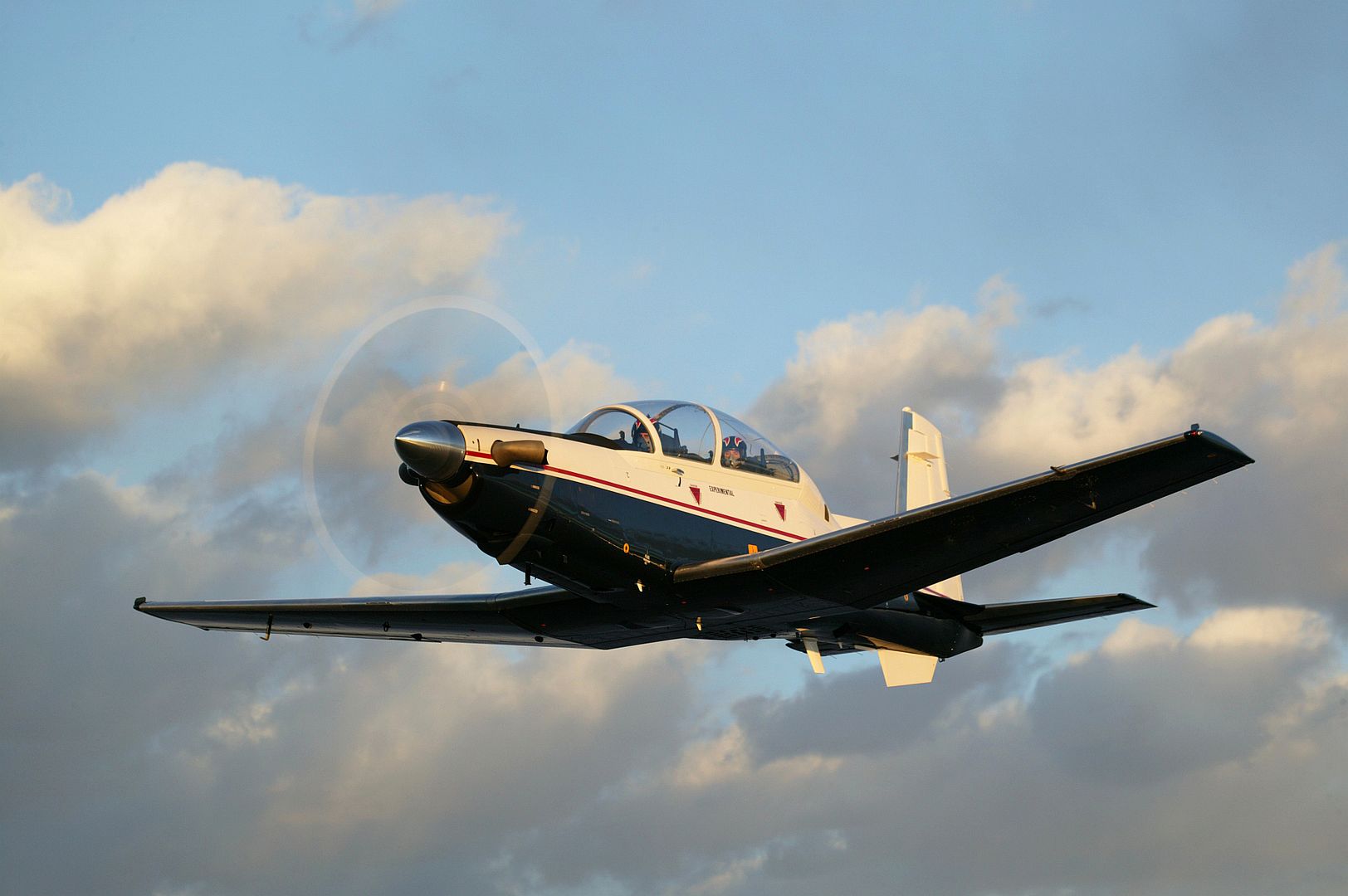
RAF Typhoons are currently deployed on NATO’s eastern flank in Rumania as part of Operation Biloxi, an air policing mission, working alongside NATO Allies to keep the skies secure.
(Photos courtesy of the RAF)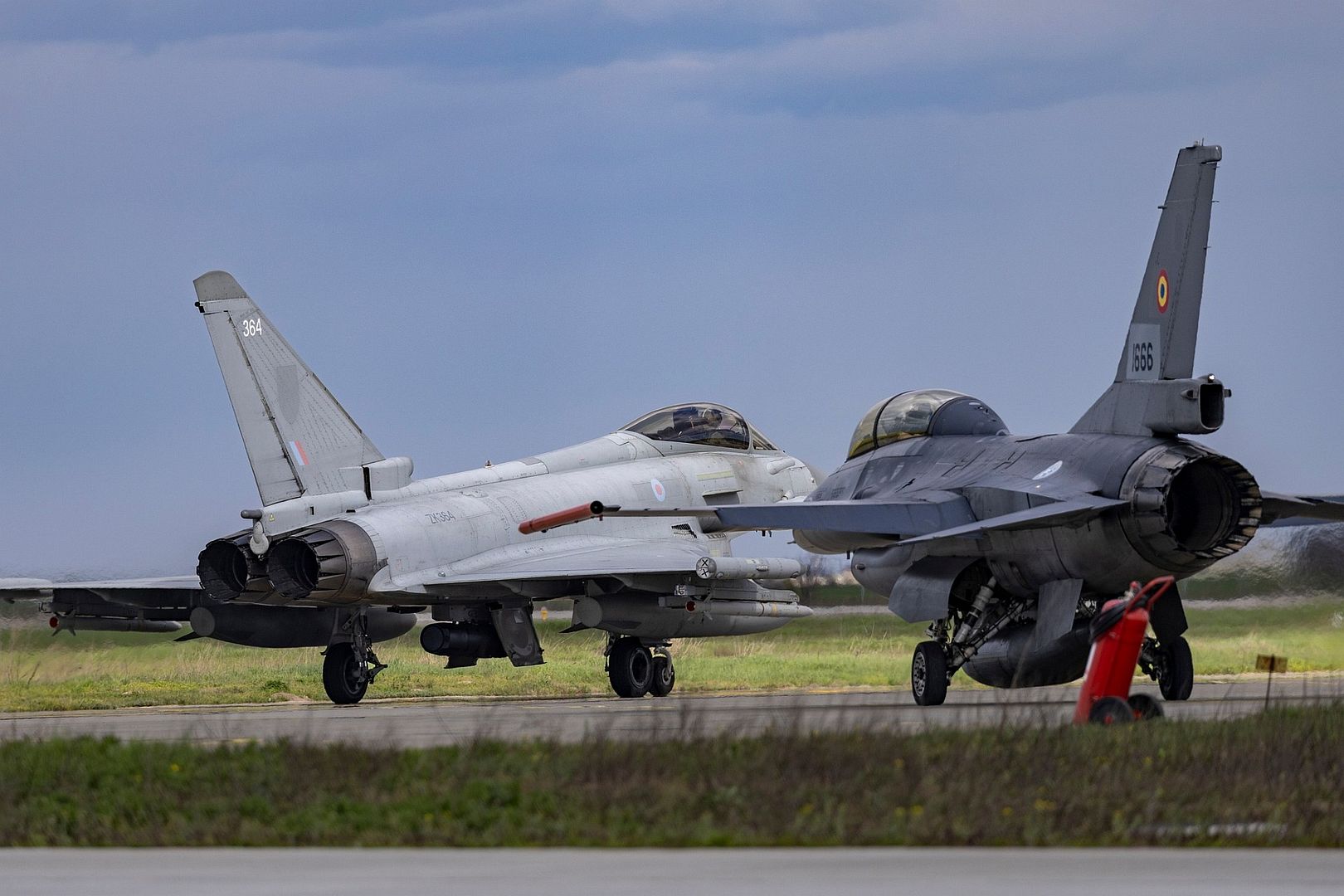

-
ORLANDO, Fla., April 14, 2026 – The Pentagon has awarded Lockheed Martin (NYSE: LMT) a 10-year, sole-source, indefinite delivery, indefinite quantity (IDIQ) contract worth up to $1.9 billion to continue the C-130J Maintenance and Aircrew Training System (MATS) program.
The C-130J MATS IV IDIQ contract enables the U.S. Air Force Life Cycle Management Center to continue providing a comprehensive range of aircrew and maintenance training devices and training support services to C-130J aircrews and maintainers, including courseware, operations, interim and contractor logistics support and engineering services.
“This contract award continues the nearly 30-year C-130J franchise and reflects the strong relationship and collaboration between the U.S. Government, Lockheed Martin and our industry partners,” said Todd Morar, vice president of Air and Commercial Solutions at Lockheed Martin. “This latest contract reaffirms the critical importance of the C-130J MATS program in providing 21st Century Security solutions that support the mission readiness of C-130J operational units across the U.S. military.”
The C-130J MATS program currently supports U.S. Air Mobility Command, Air National Guard, Air Force Reserve Command, U.S. Marine Corps, Air Force Special Operations Command, and Air Education and Training Command. Under the C-130J MATS IV IDIQ contract, aircrew support will be expanded to include the U.S. Navy Reserve and U.S. Coast Guard.
The C-130J Super Hercules is the worldwide choice in tactical airlift, serving operators in 28 nations. To date, more than 560 C-130Js have been delivered and certified by over 20 airworthiness authorities, with the Super Hercules global fleet surpassing 3 million flight hours.
(U.S. Air Force photo by Andrea Jenkins)
VERO BEACH, FL, April 14, 2026 Piper Aircraft announced today that the advanced 7‑Blade MT‑Propeller received EASA Supplemental Type Certificate (STC) approval for the M700 FURY with FAA certification expected in the near future.
Designed with advanced composite materials and aerodynamic efficiency, the 7‑Blade MT‑Propeller enhances both performance and cabin comfort, offering pilots a refined and responsive flight profile.
This new 7‑Blade MT‑Propeller provides M700 FURY operators with notable performance improvements, including: decreased takeoff distance, higher climb rate, and a quieter cabin.“Integrating the 7‑Blade MT‑Propeller into the FURY platform underscores Piper’s commitment to continuous innovation and customer‑driven enhancements,” said Marc Ouellet, Vice President, Engineering and Manufacturing. “This option provides operators with improved takeoff and climb performance while reducing noise levels for both passengers and communities.”
European Customers interested in equipping their M700 FURY with the 7‑Blade MT‑Propeller STC are encouraged to contact their regional Piper Dealer.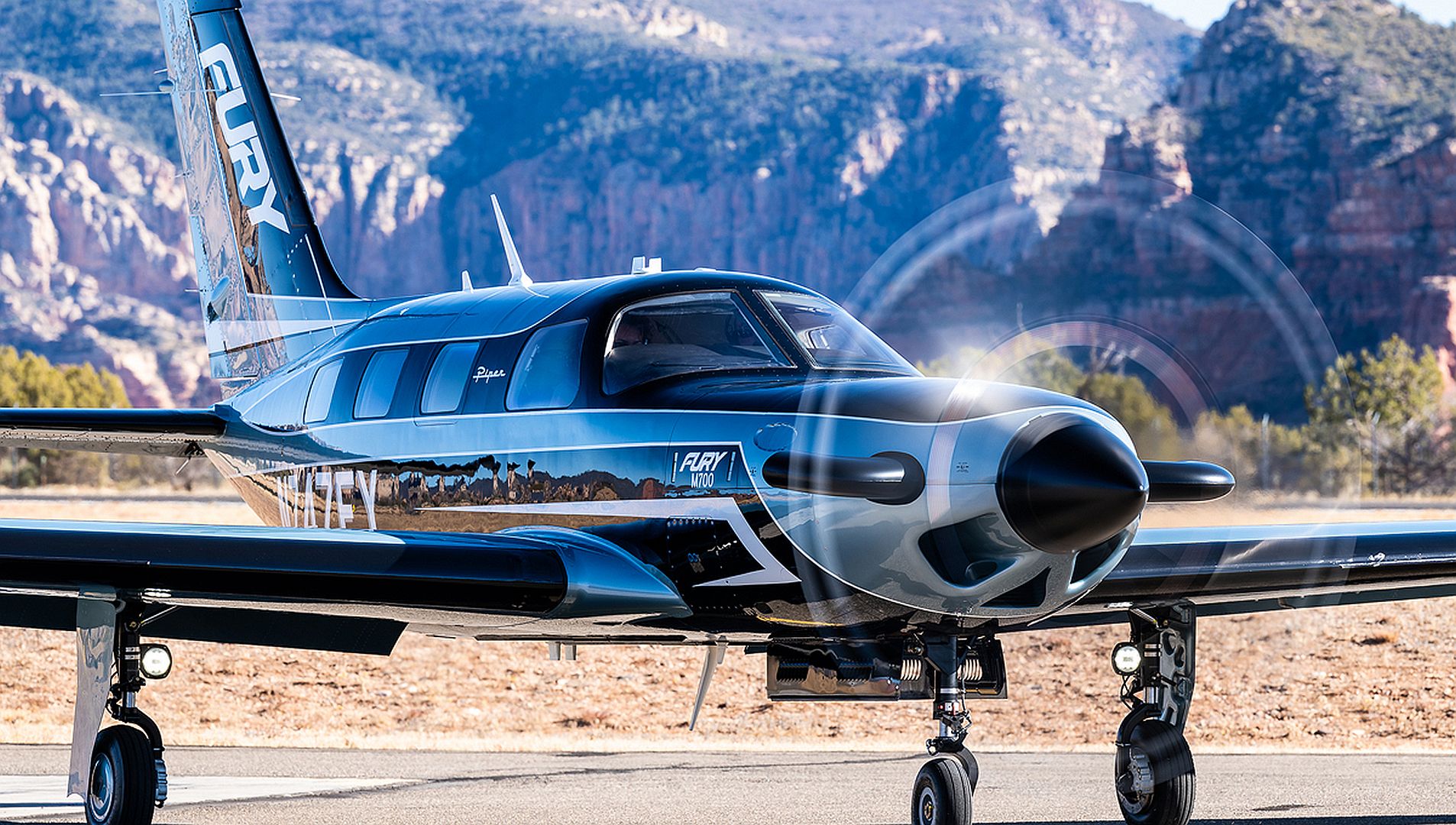
A U.S. Air Force MQ-9 Reaper assigned to Creech Air Force Base taxies on the runway at Creech AFB, Nevada, April 9, 2026. The MQ-9 baseline system carries the Multi-Spectral Targeting System, which has a robust suite of visual sensors for targeting. (U.S. Air Force photo by Airman 1st Class Terence J. Glynn)
-
ARLINGTON, Va. (AFNS) --
The B-21 Raider program continues to accelerate the delivery of long-range strike capability, with aerial refueling via a KC-135 Stratotanker demonstrating the rapid maturation of the weapon system. The program’s progress exemplifies the principles of the Department of the Air Force's transformed acquisition approach, which is focused on delivering integrated warfighting capability at speed.
"The B-21 program is the leading edge of the acquisition mindset we are instilling across the force. Every test proves the success of empowering our leaders to deliver integrated capability from the start," said Gen. Dale White, Department of War direct reporting portfolio manager for critical major weapon systems. "The program's use of digital engineering and modern production processes is delivering a mature, highly capable system, giving us confidence as we continue to smartly scale our production capacity at the speed of relevance."
This operational flexibility is further enhanced by the aircraft’s design. As the most fuel-efficient bomber ever built, the B-21 consumes a fraction of the fuel used by legacy aircraft. This significantly reduces demand for theater tanker logistics and provides commanders with greater flexibility in force packaging.
"The B-21's fuel efficiency is one of the core components of its lethality” said Air Force Chief of Staff Gen. Ken Wilsbach. “This long-range strike bomber will reduce the demand on our tanker fleet and free up assets to support the joint force. This will provide a wider range of employment options and the deterrence our nation requires."
The ability to refuel in-flight is fundamental to the B-21's role in projecting power globally, assuring allies and partners, and providing combatant commanders with flexible options to deliver decisive effects anywhere in the world.
“For our bomber crews and the combatant commanders they support, this is about endurance and mission readiness,” said Gen. S.L. Davis, commander of Air Force Global Strike Command. “This capability ensures we can deliver penetrating long-range strike anywhere in the world, at any time. We are strengthening the capabilities of our bomber force and putting a highly effective and lethal weapon system into the hands of our warfighters.”
Aligned with the National Defense Strategy, the B-21 is designed for the high-end threat environment and will deliver a mix of conventional and nuclear munitions, serving as a visible and flexible component of the nuclear triad. Its open systems architecture allows for rapid integration of future capabilities, ensuring the platform remains adaptable and dominant as the threat environment evolves.
The ongoing test and evaluation program at Edwards Air Force Base, California—a collaborative effort between the Air Force Test Center, the 412th Test Wing, and our industry partner, Northrop Grumman—continues to reduce risk and mature the B-21 weapon system, moving it closer to operational service.
(U.S. Air Force photos)
F/A-18E and F/A-18F Super Hornets, attached to the “Kestrels” of Strike Fighter Squadron (VFA) 137, attached to Nimitz-class aircraft carrier USS Nimitz (CVN 68), fly in formation with a Chilean Air Force F-16 Block 50 Fighting Falcon during a bi-lateral maritime engagement in the Pacific Ocean, April 13, 2026. Nimitz is deployed as part of Southern Seas 2026 which seeks to enhance capability, improve interoperability, and strengthen maritime partnerships with countries throughout the region through joint, multinational and interagency exchanges and cooperation. (U.S. Navy photo by Lieutenant Griffin “Moth” Keegan)
A Royal Air Force F-35B from 207 Squadron parks while RAF servicemembers apply wheel chalks prior to U.S. Air Force Airmen performing forward area refueling point training at RAF Marham, England, April 2, 2026. Joint U.S. and U.K training opportunities strengthen allied deterrence and interoperability, emphasizing the importance of maintaining strong partnerships ensuring an effective and unified response to challenges. (U.S. Air Force photo by Tech. Sgt. Benjamin Sutton)
NASHVILLE, Tenn., April 15, 2026 – Sikorsky, a Lockheed Martin company (NYSE: LMT), announced its new Armed Black Hawk helicopter kits, expanding the capabilities of this proven workhorse. The kits extend the role of the Black Hawk into new mission sets including airmobile assault, close support, medical evacuation, ISR and tactical lift, in a single, battle-tested airframe, giving commanders greater flexibility and eliminating the need for separate fleet types.
“The new Armed Black Hawk kits give warfighters one aircraft that can do it all: a single, versatile, combat-proven platform where ground units can quickly switch out the commercially-produced kits, keeping mission readiness high,” said Sikorsky Vice President and General Manager Rich Benton. “Offering these upgraded kits is another example of our commitment to delivering 21st Century Security solutions that deliver unmatched performance, lifecycle savings and gives soldiers the reliable, interoperable capability they need to win today and tomorrow.”
The Armed Black Hawk kits enable:
Multirole Capability – A single fleet delivers assault, transport and support functions, cutting acquisition and sustainment costs.
Production-Ready Kits – Operators can select from two production-ready kits for close support or precision strike capabilities. Choose an integrated solution now or upgrade later via modular armament wings.
Rapid Reconfiguration – Three-hour mission reconfiguration, allowing rapid role changes.
Unmatched Value – A cost-effective, single-fleet solution backed by a robust supply chain and Black Hawk operations beyond 2070, delivering meaningful lifecycle savings in maintenance and training.
The kits are available via Foreign Military Sale (FMS) or Direct Commercial Sale (DCS), for seamless integration into FMS fleets supported by Lockheed Martin in the United States, or direct commercial sale options installed by PZL Mielec, a Lockheed Martin company, in Poland.
Building on years of experience supporting an armed Black Hawk fleet in the Middle East, Sikorsky is uniquely positioned to provide next-generation kits for tomorrow’s mission. The Black Hawk helicopter continues to lead multi-mission performance across medium-lift operations, delivering modern, affordable capability for today’s and tomorrow’s missions. Its flexibility to operate at extended ranges and in the most demanding environments enhances survivability and overall mission effectiveness for 21st Century Security® missions.
The Black Hawk is a continuously evolving platform, with each upgrade since the "M" model was introduced in 2006 building on hard-earned lessons from the most demanding missions. Sikorsky is accelerating this evolution—installing higher output engines, integrating a digital architecture and adding an autonomy system that help pilots operate safely and efficiently in the toughest conditions.
PHILADELPHIA, Apr. 15, 2026 — The U.S. Army awarded Boeing [NYSE: BA] a contract for six CH-47F Block II Chinook helicopters. The $324 million contract builds on the Army’s acquisition strategy to get critical equipment in the hands of the warfighter sooner and increases the number of CH-47F Block II aircraft under contract to 24.
“Consistent production awards reflect the Army’s confidence in the CH-47F Block II as a critical capability for handling logistics in challenging environments across different domains and in varying operations,” said Heather McBryan, vice president and program manager, Cargo Programs, for Boeing Defense, Space & Security. “Block II Chinooks provide commanders greater operational reach, faster resupply and enhanced protection for forces operating in austere and contested environments.”
The Lot 6 agreement follows two other awards last year, including the first contract as part of the Army’s Rapid Fielding decision.
Boeing has delivered six CH-47F Block II production helicopters to the Army. The Army is preparing to field the first unit equipped no later than mid-CY28 after delivery of the Lot 3 Block II aircraft.
The CH-47F Block II features improved capabilities:
A strengthened drivetrain and airframe that adds 4,000 pounds to the aircraft’s maximum gross weight, and thus, significantly greater lift capability.
Innovative fuel-system changes that extend the mission radius for nearly all payloads.
Improved sustainment and the ability to accommodate affordable future upgrades.
A leading global aerospace company and top U.S. exporter, Boeing develops, manufactures and services commercial airplanes, defense products and space systems for customers in more than 150 countries. Our U.S. and global workforce and supplier base drive innovation, economic opportunity, sustainability and community impact. Boeing is committed to fostering a culture based on our core values of safety, quality and integrity.
Bombardier Celebrates Valued Customer Vista’s First Global 8000 Aircraft
Vista took possession of its first Global 8000 aircraft at the Bombardier London Biggin Hill Service Centre
Bombardier’s Global 8000 is the fastest civil aircraft since the Concorde, with an industry-leading top speed of Mach 0.95, a range of 8,000 nautical miles (NM), and the lowest cabin altitude in business aviation production of just 2,691 ft.(1), making it the ultimate business aircraft
Bombardier today celebrated fleet operator Vista, a longtime Bombardier customer, taking possession of its first Global 8000 aircraft at the company’s London Biggin Hill Service Centre. With this addition, Vista customers will soon be treated to the finest experience in business aviation today.
This introduction marks the beginning of upgrades to Vista’s current Global 7500 aircraft, with two per month planned — leading to the full fleet of 18 being operational as Global 8000 jets by year end and in turn marking the largest subscription fleet available of this revolutionary jet.
Boasting a range of 8,000 NM and a top speed of Mach 0.95 (1), the Bombardier Global 8000 aircraft will enable Vista customers to reach their destinations faster and in greater comfort than ever before. With the longest seated length in its class and signature cabin features such as the lowest cabin altitude in business aviation production, passengers will experience extreme comfort throughout their journey, arriving at their destinations rested, refreshed and ready to perform.
“The Global 8000 stands apart as a truly no compromise aircraft, delivering unmatched speed, exceptional comfort and industry-leading field performance,” said Eric Martel, President and CEO, Bombardier. “With the addition of the Global 8000 to its fleet, Vista will offer its customers the best of what is possible in the industry.”
“These developments mark another important milestone in Vista’s ongoing commitment to operating the most advanced fleet in private aviation,” said Thomas Flohr, Founder and Chairman of Vista. “For our Members, greater speed and extended range translate directly into practical benefits such as reaching their destination faster or travelling more efficiently with direct flights. With more Members flying further and more frequently, these capabilities allow us to offer greater flexibility while maintaining the consistency and service that sets Vista apart.”
The taking of possession by Vista of its first Global 8000 aircraft follows closely on the heels of a major announcement between the two companies. On February 11, 2026, Vista and its commonly controlled entities announced a firm order for 40 Challenger 3500 business aircraft, with purchase options for an additional 120 aircraft, further solidifying the special bond between the two companies.
SAN DIEGO – 15 April 2026 – The U.S. Army is upgrading its MQ-1C Gray Eagle® Extended Range (ER) with enhanced electronic intelligence capabilities via a contract awarded to General Atomics Aeronautical Systems, Inc. (GA-ASI). ELINT supports long-range sensing for the Integrated Air Defense System (IADS), providing critical information to ground commanders. This capability allows Gray Eagles to operate outside threat ranges while looking deeply into the battlespace and enables advanced manned-unmanned teaming to increase survivability for crewed Army aircraft.
“Combining long-range detection with the range and persistence of the Gray Eagle platforms ensures that commanders always know when an adversary IADS is operating,” said GA-ASI President David R. Alexander. “Gray Eagle’s open systems architecture makes this a simple but impactful upgrade.”
The ELINT sensor identifies and geo-locates critical threats vital to Joint Force Operations. To further enhance the Gray Eagle ERs electronic support capabilities, GA-ASI, along with Capability Program Executive Intelligence and Spectrum Warfare, will partner with SNC to integrate advanced radar detection and signal collection technology.
In addition to ELINT, the Gray Eagle ER has also been configured with modernized Communications Intelligence (COMINT), Synthetic Aperture Radar/Moving Target Indicator (SAR/MTI), and Mobile Ad Hoc Network (MANET) radios in multiple Army demonstrations, highlighting the platform’s C5ISR Modular Open Suite of Standards (CMOSS) architecture. The aircraft also supports the integration of best-of-breed sensors, payloads, and weapons to rapidly adapt to threats or specific missions.
Gray Eagle ER was featured in the U.S. Army’s Project Convergence Capstone-5 (PCC-5) last year. The multi-mission, multi-sensor Gray Eagle ER performed persistent Detect, Identify, Locate, and Report (DILR) missions in an electronically contested environment, simultaneously providing mesh network aerial tier support to maneuver units and connecting the soldiers and launched effects that might otherwise be obstructed by terrain or be out of range.
PCC-5 demonstrated Gray Eagle ER’s ability to transform contact, fight, and survive capabilities, automating operator input with easy-to-use human-machine interfaces. Resilient to jamming while integrating and cross-cuing ELINT, COMINT, SAR, and Aerial Tier Network Expansion (ATNE), Gray Eagle ER enhanced the survivability of the maneuver forces while supporting the Combined Joint Task Force (CJTF).
About GA-ASI
General Atomics Aeronautical Systems, Inc., is the world’s foremost builder of Unmanned Aircraft Systems (UAS). Logging more than 9 million flight hours, the Predator® line of UAS has flown for over 30 years and includes MQ-9A Reaper®, MQ-1C Gray Eagle®, MQ-20 Avenger®, and MQ-9B SkyGuardian®/SeaGuardian®. The company is dedicated to providing long-endurance, multi-mission solutions that deliver persistent situational awareness and rapid strike.
For more information, visit www.ga-asi.com